


This NASA Hubble Space Telescope image features the edge-on, intermediate spiral galaxy NGC 1827, located roughly 37 million light-years away in the constellation Columba, the Dove.
Read MoreThis NASA Hubble Space Telescope image features the edge-on, intermediate spiral galaxy NGC 1827, located roughly 37 million light-years away in the constellation Columba, the Dove.
Read More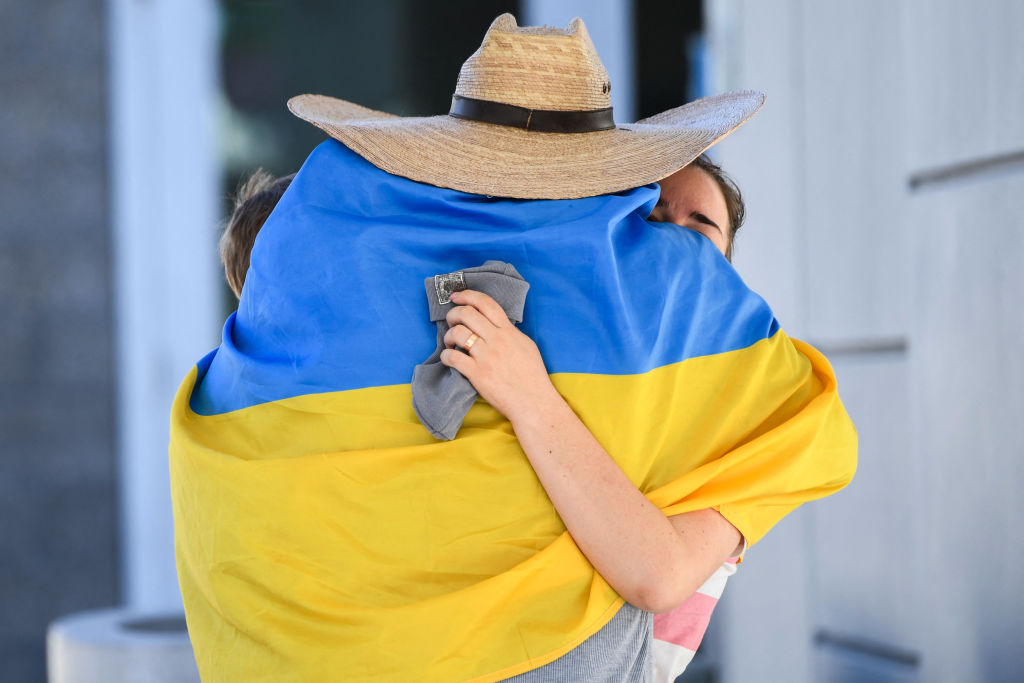
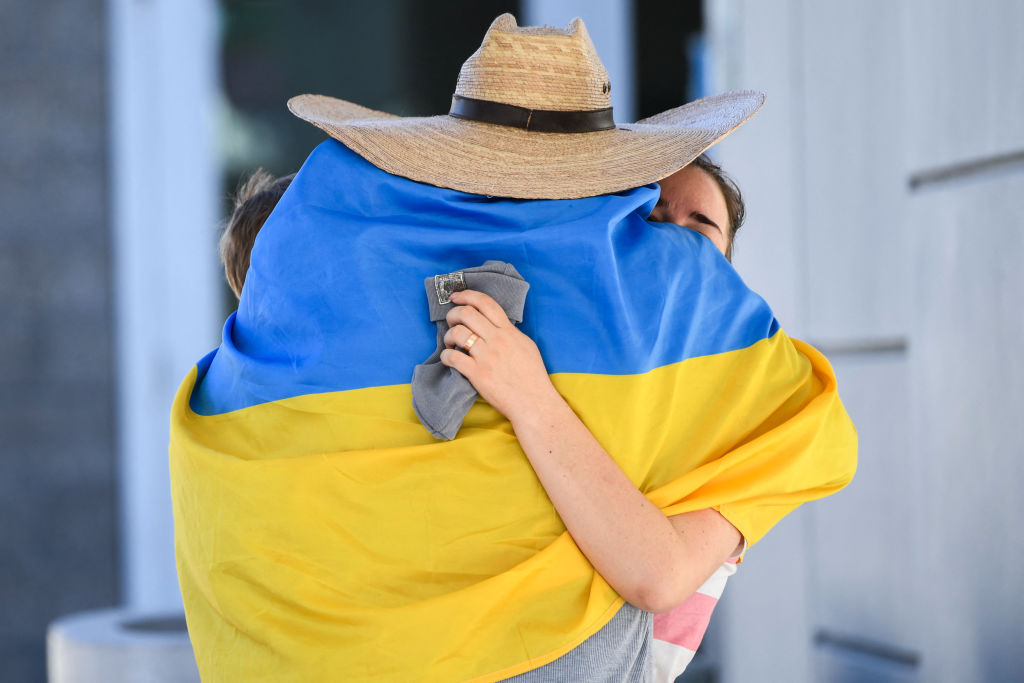
Ukrainian and El Salvadoran temporary protected status (TPS) beneficiaries will continue to retain immigration protections, pending an announcement “made at the appropriate time,” the government said.
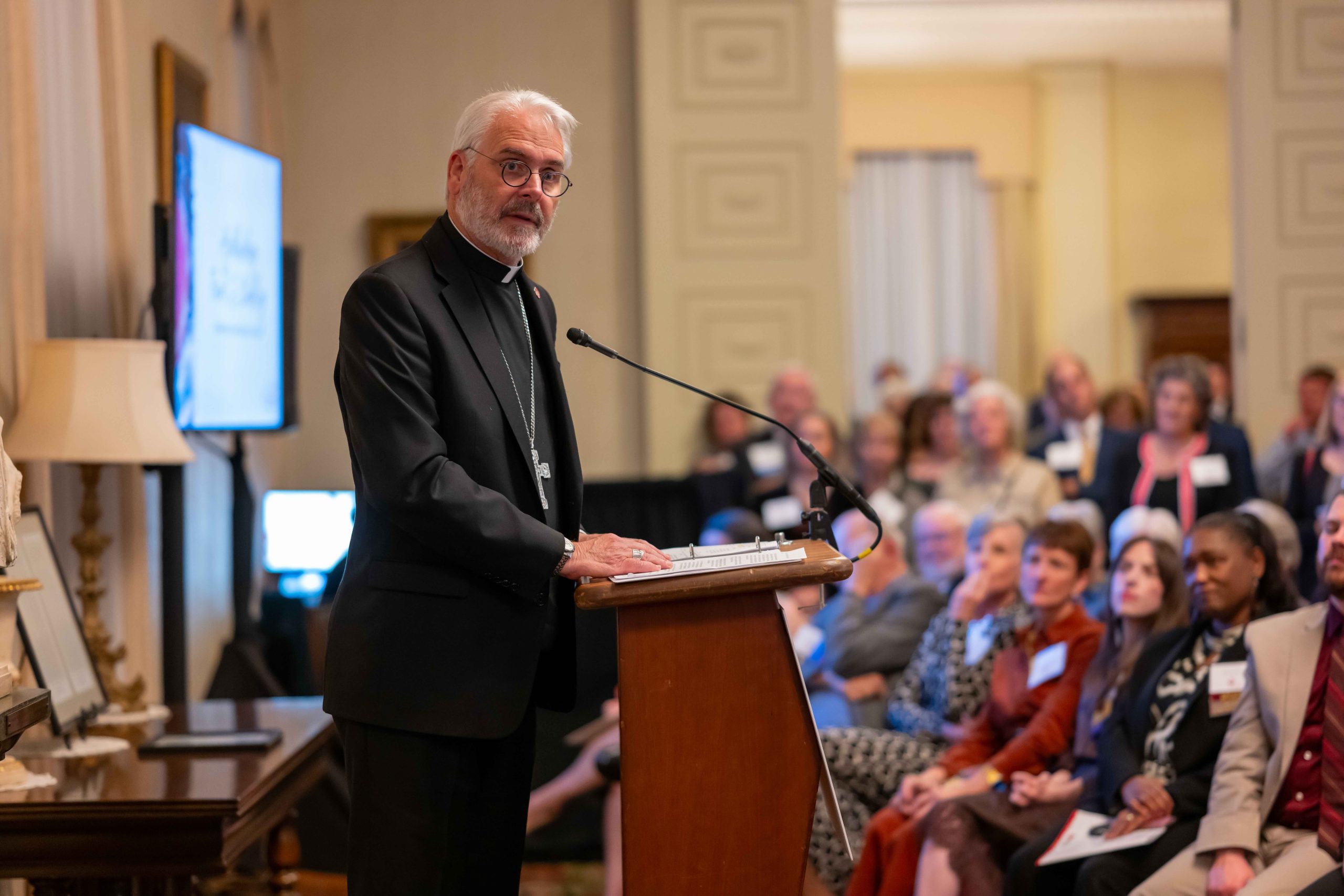
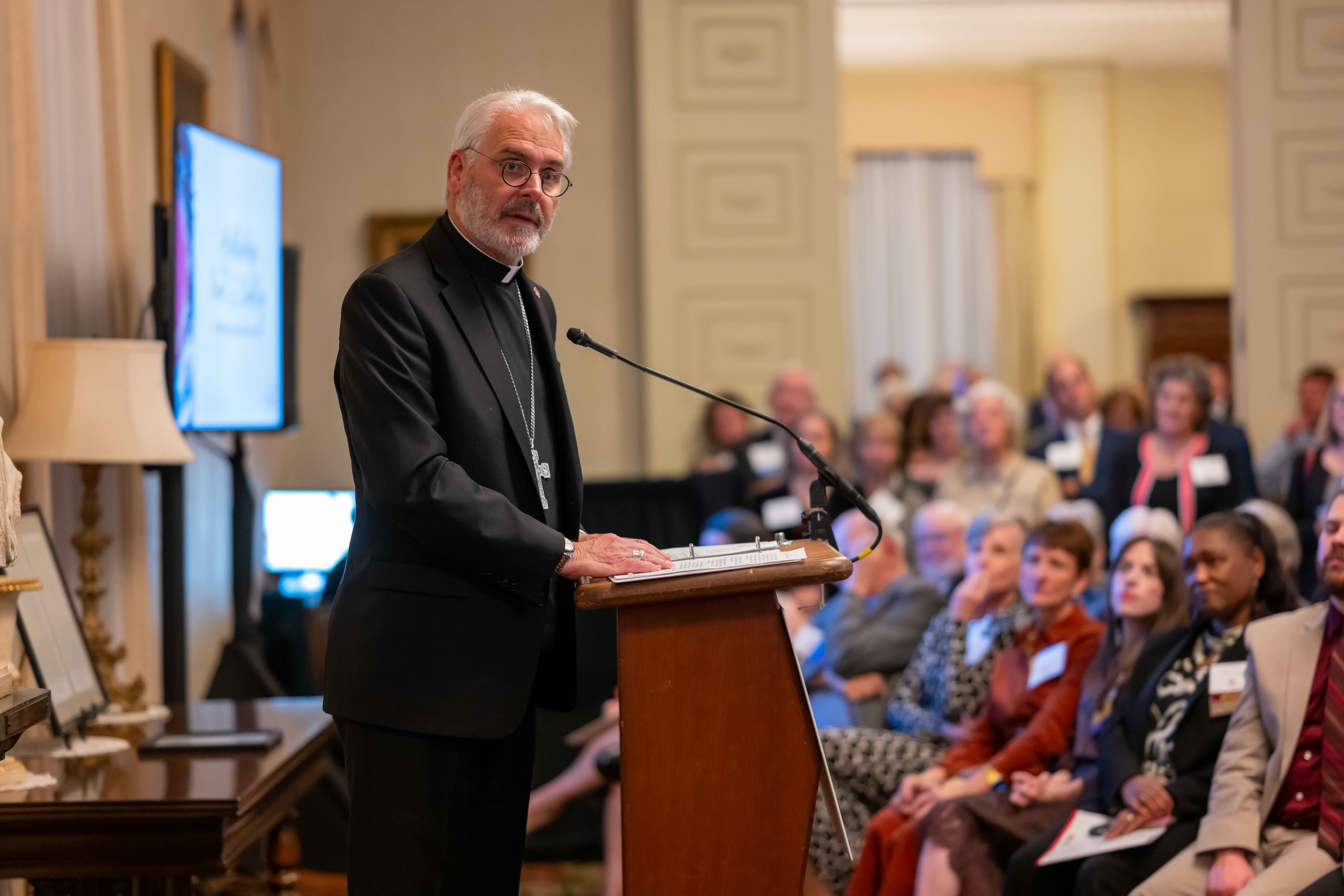
Coakley said living in the U.S. has deepened his commitment to advocating for death row inmates and urging the Church and the nation to see the inhumanity of executions carried out in their name.
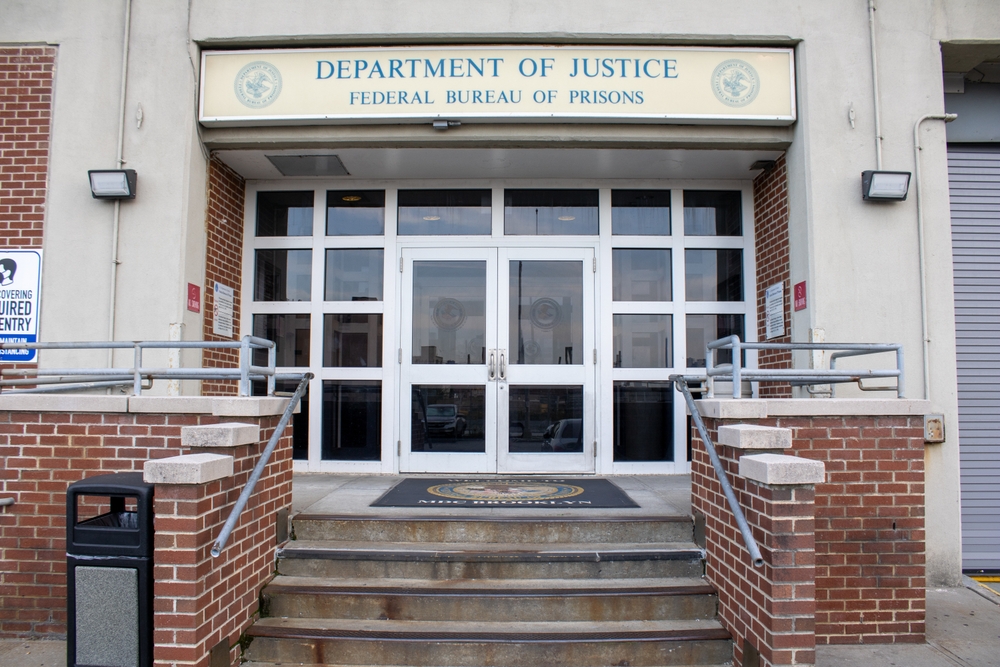
![Supreme Court order leaves federal prison transgender services in place for now – #Catholic – The U.S. Supreme Court on Oct. 21 left in place lower-court rulings that require the federal prison system to continue providing transgender-related benefits to inmates.The unsigned order rejected the Bureau of Prison’s petition to reverse rulings from both the U.S. district court and the U.S. Court of Appeals for the District of Columbia. Justices Clarence Thomas and Samuel Alito said they would have granted the government’s request.The high court’s decision means that the bureau may not implement a policy passed in February that forbids the use of hormone therapy on prisoners who believe themselves to be the opposite sex. The rule also forbids “social accommodations” including wigs and makeup.The suit against the Bureau of Prisons was brought by several inmates who identify as transgender.LGBT-related policy at federal prisons has been in flux following President Donald Trump’s 2024 election. Earlier that year, the Biden Justice Department had signaled that prisons throughout the United States must provide prisoners with transgender-related medical care, including “hormone therapy” and other gender-related requests.Just after taking office in January 2025, on the other hand, Trump issued an executive order that purported to combat “efforts to eradicate the biological reality of sex.” Among the provisions of that order was a directive ordering the Bureau of Prisons to “[revise] its policies concerning medical care” to move away from gender-related provisions.](https://unitedyam.com/wp-content/uploads/2026/10/supreme-court-order-leaves-federal-prison-transgender-services-in-place-for-now-catholic-the-u-s-supreme-court-on-oct-21-left-in-place-lower-court-rulings-that-require-the-federal-prison-system.jpg "Supreme Court order leaves federal prison transgender services in place for now – #Catholic – The U.S. Supreme Court on Oct. 21 left in place lower-court rulings that require the federal prison system to continue providing transgender-related benefits to inmates.The unsigned order rejected the Bureau of Prison’s petition to reverse rulings from both the U.S. district court and the U.S. Court of Appeals for the District of Columbia. Justices Clarence Thomas and Samuel Alito said they would have granted the government’s request.The high court’s decision means that the bureau may not implement a policy passed in February that forbids the use of hormone therapy on prisoners who believe themselves to be the opposite sex. The rule also forbids “social accommodations” including wigs and makeup.The suit against the Bureau of Prisons was brought by several inmates who identify as transgender.LGBT-related policy at federal prisons has been in flux following President Donald Trump’s 2024 election. Earlier that year, the Biden Justice Department had signaled that prisons throughout the United States must provide prisoners with transgender-related medical care, including “hormone therapy” and other gender-related requests.Just after taking office in January 2025, on the other hand, Trump issued an executive order that purported to combat “efforts to eradicate the biological reality of sex.” Among the provisions of that order was a directive ordering the Bureau of Prisons to “[revise] its policies concerning medical care” to move away from gender-related provisions.")
Justices Clarence Thomas and Samuel Alito said they would have granted the government’s request to reverse the rulings.
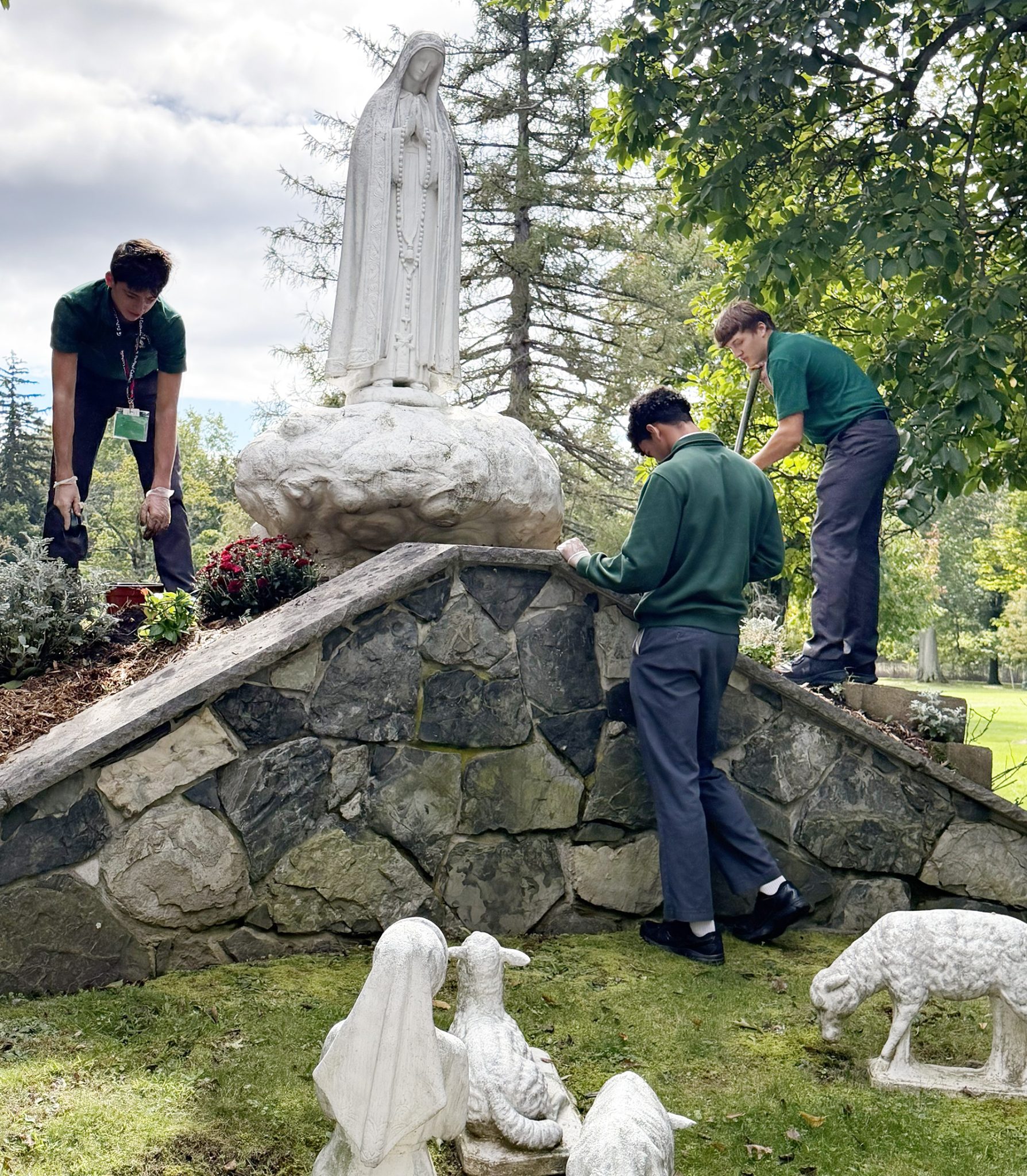
St. Vincent Ministry Day encourages students to serve others #Catholic – 
“I’m happy that I have the opportunity to do this to help others,” said Michael Gilgallon, an eighth grader at Assumption School in Morristown, N.J., who took part in the Sisters of Charity of St. Elizabeth’s fifth annual St. Vincent de Paul Ministry Day on Sept. 29.
Daniel Puentes, also an eighth grader at Assumption, said he was happy to be “doing what God wanted him to do: to help others.”
“It’s good for us to be here,” said Sister of Charity Maureen Shaughnessy, general superior of the Sisters of Charity, as she welcomed about 500 students, faculty, sisters, associates and volunteers to the prayer service in Holy Family Chapel at the motherhouse in the Convent Station neighborhood of Morris Township, N.J., to kick off the day.
With this year’s theme of “Hearts on Fire,” Sister Shaughnessy said she hoped everyone’s hearts would be on fire to do what Jesus did in his life for those in need. She encouraged participants to model how saints like St. Louise de Marillac, St. Vincent de Paul, and St. Elizabeth Ann Seton embraced charity in their lives.
“Share your experience with others and set their hearts on fire,” Sister Shaughnessy said.
The theme was taken from the sentiment of a quote from St. Vincent de Paul, who said one’s vocation is to set the hearts of others on fire “to do what the Son of God did, who came to set the world on fire.”
Students from eight elementary and high schools, St. Elizabeth University, also in Morris Township, and the nonprofit Josephine’s Place volunteered for projects. They packed supply bags for the Father English Center in Paterson, N.J., part of Catholic Charities of the Paterson Diocese, N.J., made portable bags for food for the St. Joseph Neighborhood Center in Camden and assembled school supplies for other nonprofits to benefit children in need.
Other groups wrote greeting cards to send to sisters and Seton Associates in nursing homes, made sandwiches and breakfast bags, and assembled “Sam Bags” with toiletries, hats, and gloves for the homeless.
In the Blessed Miriam Teresa Legacy Room at the motherhouse, students created “Blessing Bookmarks” and prayer cards for people who needed comfort and encouragement. They learned about the former Sister of Charity of St. Elizabeth who is on the road to sainthood. The room is a welcoming space that displays photographs and objects celebrating Blessed Miriam’s family, heritage, and legacy.
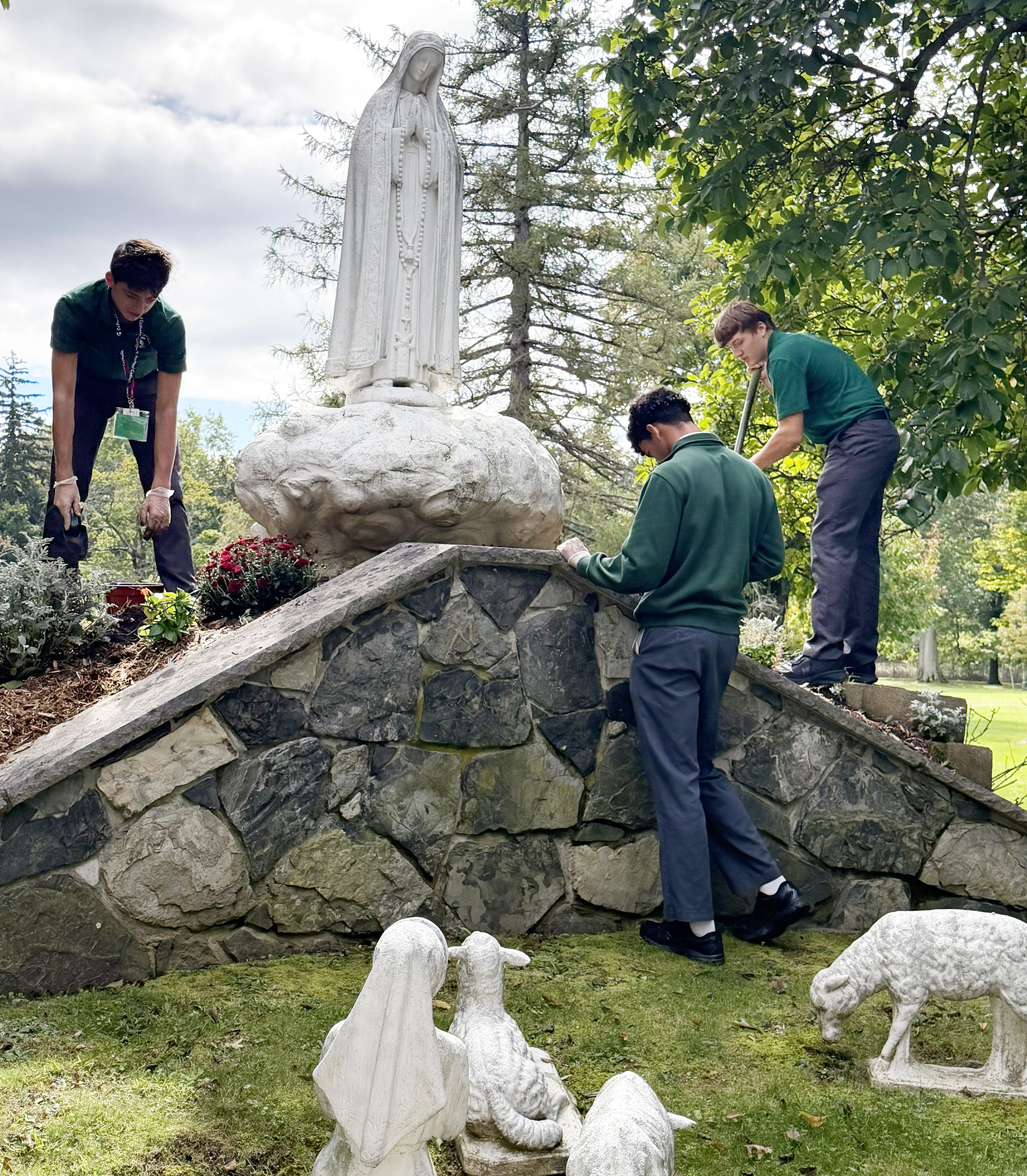
Giancarlo Glass and John Galka, students at DePaul Catholic High School in Wayne, N.J., planted flowers on the other side of the grounds and arranged the flowerpots at the Our Lady of Fatima grotto.
“We are sharing how beautiful God’s creation is,” said Glass, adding that he was happy to “give back to our earth, our planet, and all the other people who made this possible.”
The annual event takes months of planning with a team led by Sister of Charity Maryanne Tracey and Shannon O’Neill, co-directors of the Office of Vocation and Mission Engagement.
“It is heartwarming to see the children join with our sisters, Seton Associates, employees, partners in mission and friends as they work on their projects,” said Sister Tracey.
O’Neill said the students and other volunteers must understand where “the work of their hands is going” so they bring representatives of the nonprofits to St. Vincent Day to explain their ministries. Beyond the community service, she said, the experience allows the students to get to know other students from different socioeconomic backgrounds and different parts of the state and have fun.
Sister of Charity Helen Moores said she is always happy to lend a hand with many pre-event tasks, including folding hundreds of T-shirts.
O’Neill said the students benefit greatly from the caring presence of the sisters.
“It is wonderful to see how the children respond to the sisters. They love to sit with them and talk with them,” O’Neill said.
At the opening prayer service, Sister Shaughnessy told those gathered that everyone is called to care for others “whether it is convenient or inconvenient,” just like the Good Samaritan did. We are challenged, she said, to recognize everyone as a sister or brother.
“You will be making a difference by your presence, prayer and action,” Sister Shaughnessy said.
– “I’m happy that I have the opportunity to do this to help others,” said Michael Gilgallon, an eighth grader at Assumption School in Morristown, N.J., who took part in the Sisters of Charity of St. Elizabeth’s fifth annual St. Vincent de Paul Ministry Day on Sept. 29. Daniel Puentes, also an eighth grader at Assumption, said he was happy to be “doing what God wanted him to do: to help others.” “It’s good for us to be here,” said Sister of Charity Maureen Shaughnessy, general superior of the Sisters of Charity, as she welcomed about 500 students, faculty, sisters, associates
Phobos, it seems, is not long for this universe — at least on the large cosmic timescale. Astronomers have long known that Phobos, the larger and nearer of the two martian moons, is slowly spiraling inward to eventual destruction. The end result won’t be pretty: Phobos will slip closer and closer toward Mars, then strikeContinue reading “Mars’ moon Phobos is destined to become a ring”
The post Mars’ moon Phobos is destined to become a ring appeared first on Astronomy Magazine.
Read More
French bishops condemn ‘unacceptable violence’ as riots sweep nation #Catholic – 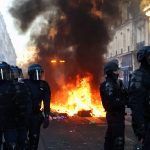
(OSV News) — France’s bishops condemned “unacceptable violence” that “gripped” the country over the Oct. 17-18 weekend, saying the scenes of rioting “plunged the country into shock, fear, and despair, raising numerous questions about the root causes of this crisis,” the bishops wrote in their Oct. 19 statement.
“We urge everyone not to be drawn into the spiral of this deadly violence: our country deserves better,” the bishops wrote, expressing their outrage at law enforcement officers being attacked and injured, shops looted, public property damaged, and buildings representing state institutions vandalized.
“We wish to express our support and solidarity with all those who have suffered injuries, as well as with the many shopkeepers who have been victims of this vandalism,” the bishops said.
Other Church leaders and commentators joined the bishops in their appeals for peaceful solution to the crisis, urging that it’s time for citizens to become peacemakers and reject growing division, with Pope Leo XIV’s recent apostolic visit to the country remembered as a signpost to follow.
Initially called to protest the rising cost of living, the Oct. 17 demonstrations came amid a high school student protest movement that had evolved into a wider urban uprising since late September. Joined by far-left activists and masked rioters, some demonstrators clashed with police, leaving hundreds of officers injured, and carried out attacks on schools and other public property.
Rioters smashed storefronts to loot shops, with desperate owners trying to protect their property, and set cars on fire in numerous cities across France.
City halls and public buildings were attacked, severely damaged or completely destroyed. Limoges City Hall, a historic 19th-century building in central France, was almost entirely ravaged by a spectacular fire.
The president of the bishops’ conference, Cardinal Jean-Marc Aveline of Marseille, also condemned “unacceptable violence” in his Oct. 18 statement.
“Let us not get caught up in the spiral of this violence,” Cardinal Aveline said. “Our city and our country deserve better than this. Together with all believers, let us pray for an end to these disturbances and for peace to return.”
Cardinal Aveline, who witnessed the violence in Marseille, France’s second-largest city, wrote that “our city, like many others in France, has been the victim of unacceptable violence.”
“On the sidelines of planned demonstrations, shops were looted, churches were broken into, the town hall was invaded and vandalized, a police station was ransacked, and members of the security forces were attacked,” he said.
“Along with the entire Church of Marseille, I wish to express my support and solidarity with those who were injured and with the shopkeepers who were victims of this vandalism,” Cardinal Aveline said.
Archbishop Olivier de Germay deplored the destruction that took place in Lyon, another major city, of which he is the archbishop.
“The violence that occurred in Lyon on Oct. 17 goes far beyond the scope of a protest in which legitimate grievances can be expressed,” he wrote on X on Oct. 18. “The city was the scene of clashes, hatred, destruction, and looting — all of which are unacceptable. Our thoughts and prayers go out to the shop owners, law enforcement, and all those who were victims of these excesses, including those who wanted to demonstrate peacefully.”
For Archbishop de Germay, the urgent need now is to act as “peacemakers.”
“I am well aware that this violence is a sign of a society in crisis,” he stated. “But I want to reiterate emphatically that it is a dead end and can only lead to further injustices and divisions. It is not by pitting one group against another, but by working together, that we will be able to meet the challenges facing our society.”
Reactions of deep dismay were evident throughout France on Oct. 18, with commentators expressing the “shame” of seeing the country so disfigured by looters and rioters bent on compulsive destruction. “What is happening to us?” wrote Jérôme Chapuis, editor-in-chief of the Catholic daily La Croix. “The outburst of violence on that fateful October 17 is disheartening, disturbing, and a source of shame for us.”
Chapuis pointed out to “the architects of chaos, influencers, or political parties engaged in the race toward extremes,” as those responsible for the damages as much as violent rioters themselves. He also called for accountability as Paris and other major cities witnessed post-warzone scenes on the morning of Oct. 19.
From the arrogance of protesters, Chapuis wrote, rose another form of anger in France, not even a month after a much successful papal visit in the country.
“It is the peaceful anger of men and women of good will who, in the diversity of their opinions and the ways they engage in political action, contemplate the ruins.”
“Faced with the image of the burned-out Limoges City Hall, the recent echo of a speech comes to mind,” Chapuis said, referring to the words of Pope Leo XIV at the Élysée Palace, the seat of the French presidency, on the day of his arrival in France on Sept. 25.
“Liberty, equality and fraternity are not simply words emblazoned on the front of your public buildings; they refer to universal ethical imperatives that also find in the Gospel message an inexhaustible source of inspiration and fulfillment,” the pope said that day, addressing President Emmanuel Macron and the officials present.
For Chapuis, the papal words “would do well to be heard again by all those who cherish civil peace — those who know its value and its fragility.”
In Paris, where entire streets had been ravaged, the violence was still ongoing on the evening of Oct. 18 as President Macron addressed the nation on television.
“Watching these images, we all asked ourselves how the French could do this to France,” Président Macron said. “How could they have come to this? Nothing justifies it; nothing explains it.” He referred to the many shop owners who had to “defend their stores themselves against criminals,” attributing responsibility for this “unbridled violence” to “troublemakers from far-left fringe groups joined by numerous criminals.”
Macron concluded his address by referring to the upcoming presidential elections, which will take place in April and May 2027.
“All those who are telling you today that the urgent need is to take to the streets, to protest, to create disorder have only one goal: to undermine the Republic and hijack the debate,” he lamented.
“Debates must take place in public meetings. They must take place with the political parties, not in the streets through violence,” Macron continued. “They must take place in newspapers, on television programs, and at peaceful gatherings, where people speak and explain themselves with respect — never amid chaos and destruction. Our country deserves a great presidential election in six months.”
“With all believers,” he said, “we pray that these disturbances will cease, that legitimate demands will be heard and addressed, and that, through dialogue and respect for justice, peace may return.”
Caroline de Sury writes for OSV News from Paris.
– (OSV News) — France’s bishops condemned “unacceptable violence” that “gripped” the country over the Oct. 17-18 weekend, saying the scenes of rioting “plunged the country into shock, fear, and despair, raising numerous questions about the root causes of this crisis,” the bishops wrote in their Oct. 19 statement. “We urge everyone not to be drawn into the spiral of this deadly violence: our country deserves better,” the bishops wrote, expressing their outrage at law enforcement officers being attacked and injured, shops looted, public property damaged, and buildings representing state institutions vandalized. “We wish to express our support and solidarity with
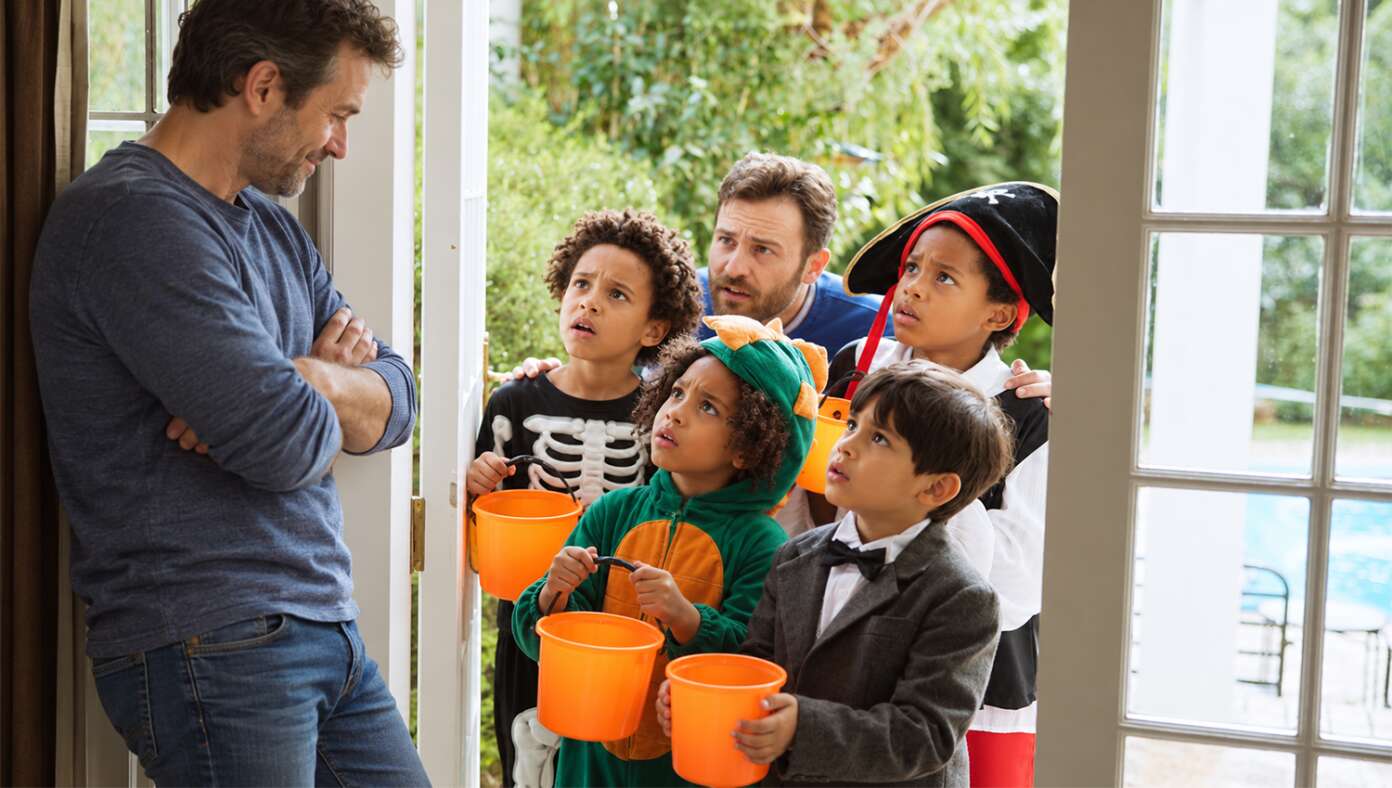
NAPERVILLE, IL — Dozens of neighborhood trick-or-treaters were left completely unprepared Tuesday evening after local resident Burt Ostler unexpectedly opted for "trick" when presented with the classic Halloween ultimatum.
Read More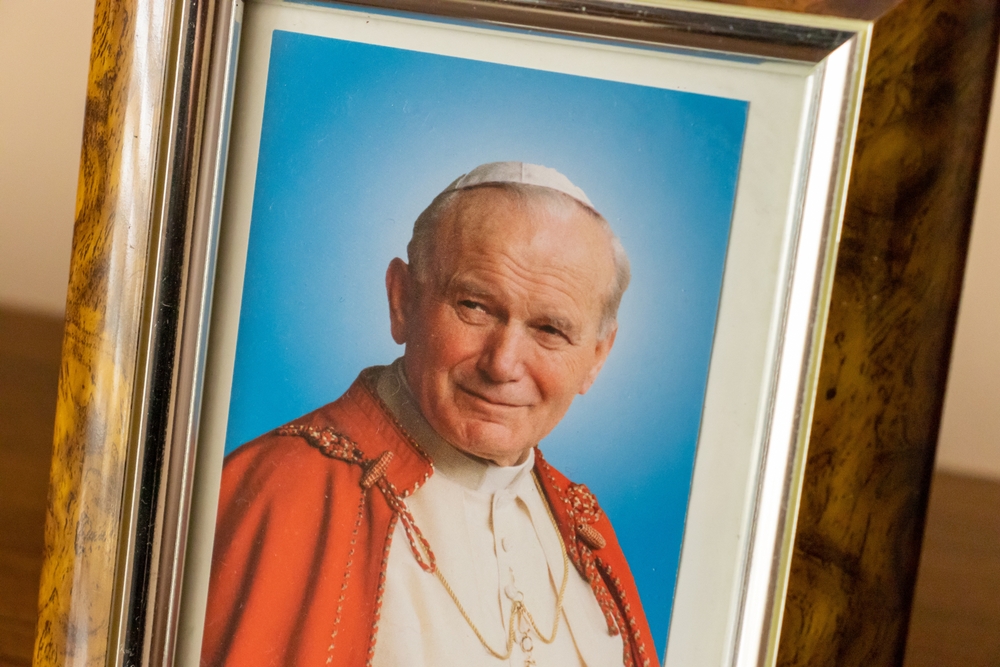
St. John Paul II was the second-longest-serving pope in modern history with 27 years of pontificate and the first non-Italian pontiff to be elected since Pope Adrian VI in 1523.
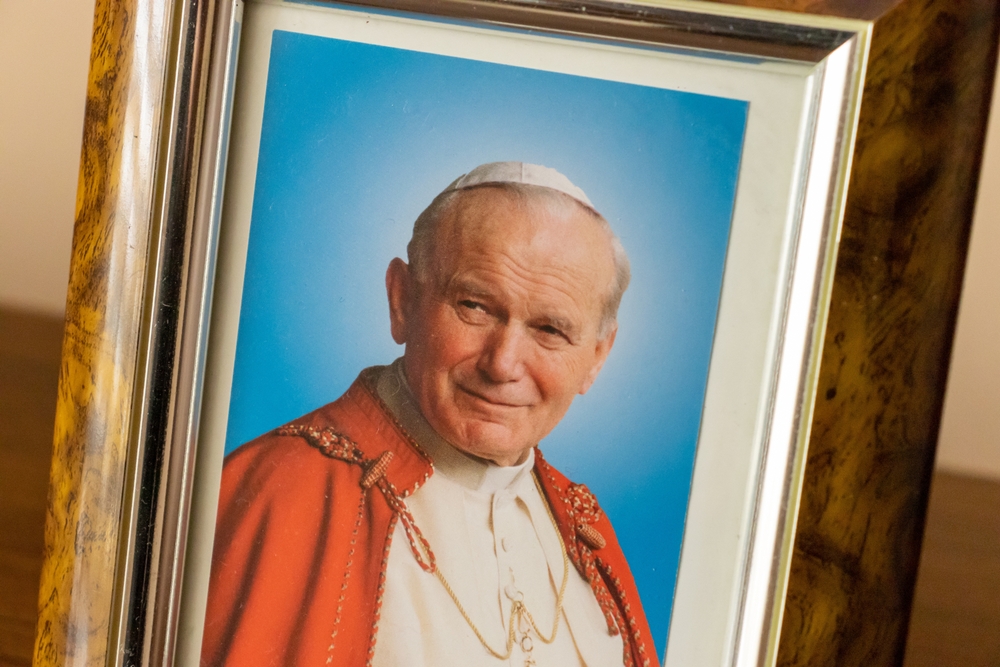
| Picture of the day |
|---|
_spraying_sand.jpg)
|
|
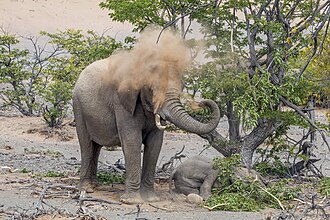
Desert elephant (Loxodonta africana) spraying sand on herself while guarding her sleeping baby. She has covered the baby with a branch. In Damaraland, Namibia
|
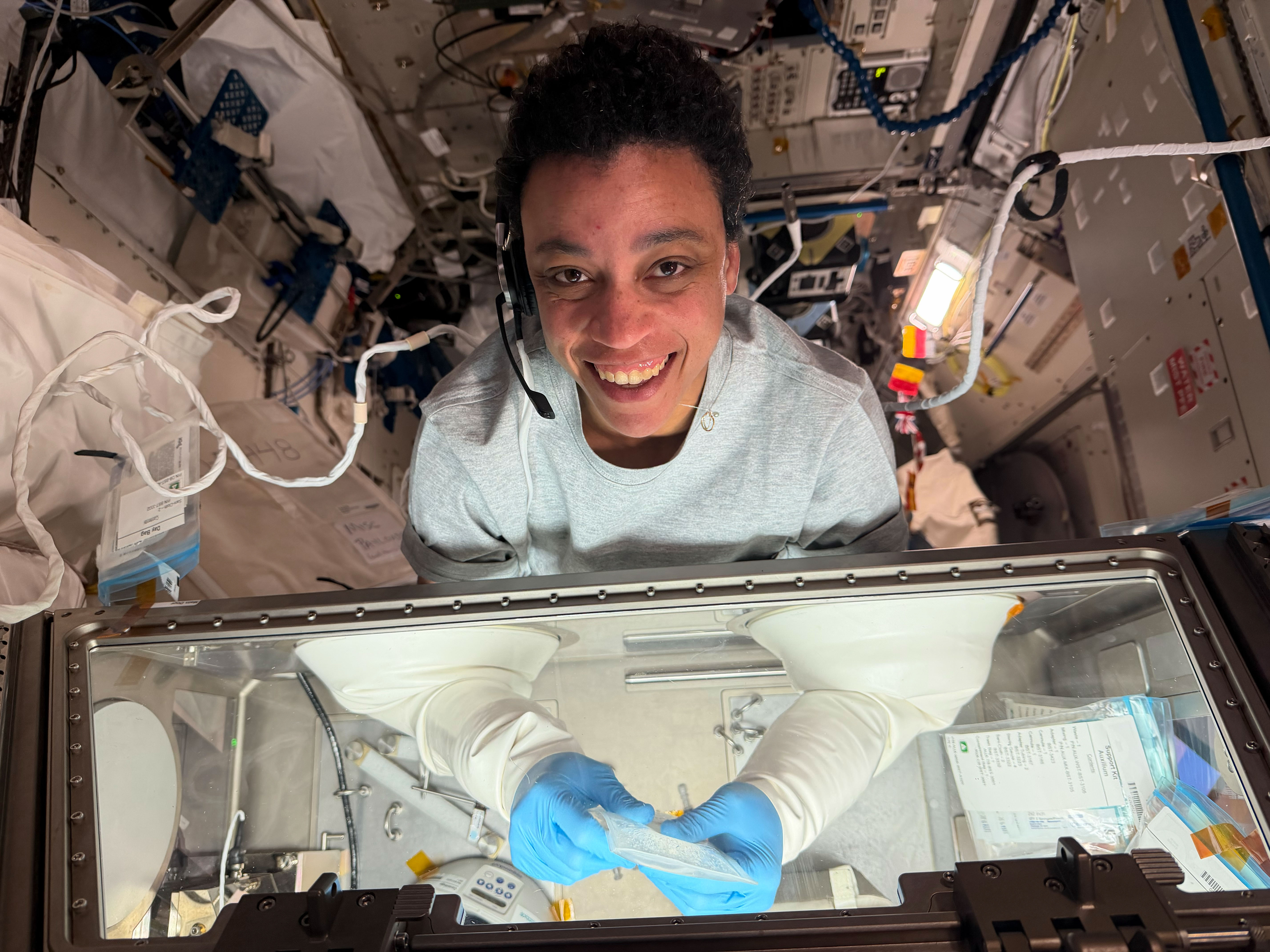
NASA astronaut and Expedition 75 flight engineer Jessica Watkins works inside the Kibo laboratory module’s Life Science Glovebox, safely mixing living cell samples with a bioink and then filling a special cartridge with the cell‑ink mixture.
Read MoreOh, St. John Paul, from the window of heaven, grant us your blessing! Bless the church that you loved and served and guided, courageously leading it along the paths of the world in order to bring Jesus to everyone and everyone to Jesus. Bless the young, who were your great passion. Help them dream again, help them look up high again to find the light that illuminates the paths of life here on earth.
May you bless families, bless each family! You warned of Satan’s assault against this …
Read More![More than 1,000 spend a day at ‘Mary’s Shrine’ in Washington, D.C. for triennial pilgrimage #Catholic – Boarding buses as early as 6 a.m., more than 1,000 pilgrims from the Diocese of Paterson, N.J. traveled to Washington, D.C. to spend the day at the Basilica of the National Shrine of the Immaculate Conception on Oct. 17. Affectionately known as “Mary’s Shrine,” the pilgrimage to the basilica is a triennial diocesan event, with the last one held in 2023.
Bishop Kevin J. Sweeney led the daylong event, which included a crowning of an image of the Blessed Mother, the opportunity for confessions, a catechetical presentation, multilingual recitation of the Divine Mercy Chaplet, and Mass. Priests from all three counties of the diocese led 17 bus groups. Father Michael Rodak, diocesan director of pilgrimages and pastor of St. Jude the Apostle Parish in Hardyston, coordinated the buses and an overnight trip in which about 100 pilgrims participated.
Father Jared Brogan, diocesan director of worship and pastor of St. Brendan and St. George Parish in Clifton, organized the liturgical events of the day.
The Marian-themed pilgrimage allowed diocesan visitors to see more than 80 chapels dedicated to the Blessed Mother. Some of the chapels are dedicated to Marian titles such as Our Lady of Guadalupe and the Miraculous Medal.
The apses in the basilica’s Great Upper Church retell the life of Jesus through the mysteries of the rosary depicted through mosaics. The basilica’s Trinity Dome, the central and largest dome of the National Shrine, is another visual highlight.
In the Lower Church, confessions were held for pilgrims seeking the Sacrament of Reconciliation. There were also catechetical talks led by Father Yojaneider Garcia, pastor of Resurrection Parish in Randolph and diocesan director of the Catechetical Office and Faith Formation. The basilica also remembers the many Americans who have helped shape the Catholic Church in the United States in its Hall of American Saints.
BEACON PHOTOS | CECILE PAGLIARULO
[See image gallery at beaconnj.org]
Click here to subscribe to our weekly newsletter.](https://unitedyam.com/wp-content/uploads/2026/10/more-than-1000-spend-a-day-at-marys-shrine-in-washington-d-c-for-triennial-pilgrimage-catholic-boarding-buses-as-early-as-6-a-m-more-than-1000-pilgrims-from-the-dio.jpg "More than 1,000 spend a day at ‘Mary’s Shrine’ in Washington, D.C. for triennial pilgrimage #Catholic – Boarding buses as early as 6 a.m., more than 1,000 pilgrims from the Diocese of Paterson, N.J. traveled to Washington, D.C. to spend the day at the Basilica of the National Shrine of the Immaculate Conception on Oct. 17. Affectionately known as “Mary’s Shrine,” the pilgrimage to the basilica is a triennial diocesan event, with the last one held in 2023.
Bishop Kevin J. Sweeney led the daylong event, which included a crowning of an image of the Blessed Mother, the opportunity for confessions, a catechetical presentation, multilingual recitation of the Divine Mercy Chaplet, and Mass. Priests from all three counties of the diocese led 17 bus groups. Father Michael Rodak, diocesan director of pilgrimages and pastor of St. Jude the Apostle Parish in Hardyston, coordinated the buses and an overnight trip in which about 100 pilgrims participated.
Father Jared Brogan, diocesan director of worship and pastor of St. Brendan and St. George Parish in Clifton, organized the liturgical events of the day.
The Marian-themed pilgrimage allowed diocesan visitors to see more than 80 chapels dedicated to the Blessed Mother. Some of the chapels are dedicated to Marian titles such as Our Lady of Guadalupe and the Miraculous Medal.
The apses in the basilica’s Great Upper Church retell the life of Jesus through the mysteries of the rosary depicted through mosaics. The basilica’s Trinity Dome, the central and largest dome of the National Shrine, is another visual highlight.
In the Lower Church, confessions were held for pilgrims seeking the Sacrament of Reconciliation. There were also catechetical talks led by Father Yojaneider Garcia, pastor of Resurrection Parish in Randolph and diocesan director of the Catechetical Office and Faith Formation. The basilica also remembers the many Americans who have helped shape the Catholic Church in the United States in its Hall of American Saints.
BEACON PHOTOS | CECILE PAGLIARULO
[See image gallery at beaconnj.org]
Click here to subscribe to our weekly newsletter.")
More than 1,000 spend a day at ‘Mary’s Shrine’ in Washington, D.C. for triennial pilgrimage #Catholic – 
Boarding buses as early as 6 a.m., more than 1,000 pilgrims from the Diocese of Paterson, N.J. traveled to Washington, D.C. to spend the day at the Basilica of the National Shrine of the Immaculate Conception on Oct. 17. Affectionately known as “Mary’s Shrine,” the pilgrimage to the basilica is a triennial diocesan event, with the last one held in 2023.
Bishop Kevin J. Sweeney led the daylong event, which included a crowning of an image of the Blessed Mother, the opportunity for confessions, a catechetical presentation, multilingual recitation of the Divine Mercy Chaplet, and Mass. Priests from all three counties of the diocese led 17 bus groups. Father Michael Rodak, diocesan director of pilgrimages and pastor of St. Jude the Apostle Parish in Hardyston, coordinated the buses and an overnight trip in which about 100 pilgrims participated.
Father Jared Brogan, diocesan director of worship and pastor of St. Brendan and St. George Parish in Clifton, organized the liturgical events of the day.
The Marian-themed pilgrimage allowed diocesan visitors to see more than 80 chapels dedicated to the Blessed Mother. Some of the chapels are dedicated to Marian titles such as Our Lady of Guadalupe and the Miraculous Medal.
The apses in the basilica’s Great Upper Church retell the life of Jesus through the mysteries of the rosary depicted through mosaics. The basilica’s Trinity Dome, the central and largest dome of the National Shrine, is another visual highlight.
In the Lower Church, confessions were held for pilgrims seeking the Sacrament of Reconciliation. There were also catechetical talks led by Father Yojaneider Garcia, pastor of Resurrection Parish in Randolph and diocesan director of the Catechetical Office and Faith Formation. The basilica also remembers the many Americans who have helped shape the Catholic Church in the United States in its Hall of American Saints.
– Boarding buses as early as 6 a.m., more than 1,000 pilgrims from the Diocese of Paterson, N.J. traveled to Washington, D.C. to spend the day at the Basilica of the National Shrine of the Immaculate Conception on Oct. 17. Affectionately known as “Mary’s Shrine,” the pilgrimage to the basilica is a triennial diocesan event, with the last one held in 2023. Bishop Kevin J. Sweeney led the daylong event, which included a crowning of an image of the Blessed Mother, the opportunity for confessions, a catechetical presentation, multilingual recitation of the Divine Mercy Chaplet, and Mass. Priests from all three
![Trump signs bill to reopen SSocial Security, Medicare opt-ins for priests, clergy #Catholic President Donald Trump signed into law a measure that allows clergy — including Catholic priests and bishops — to opt back in to Social Security and Medicare if they had previously opted out of the program.Under the tax code, clergy may opt out of Social Security and Medicare taxes for ministerial work but cannot receive the benefits if they do. A person who opts out typically cannot reverse that decision, but the law, supported by the U.S. Conference of Catholic Bishops (USCCB), opens a two-year window for members of clergy to opt back in if they have changed their minds.The law, signed on Oct. 20, allows clergy members to opt back in during the 2029 or 2030 tax years, but they must still meet the standard contribution requirements to receive benefits. The House of Representatives passed the bill 350-5 on April 27, and the Senate cleared it by unanimous consent on Sept. 30.According to a news release from the House Ways and Means Committee, about 2,000 people take the opt-out. This is the third time Congress offered a temporary window for clergy to reverse their opt-outs, with the last time being 1999.“America’s pastors and faith leaders spend their lives caring for others,” Rep. Jason Smith, R-Missouri, chair of the House Ways and Means Committee, said in a statement.“Many chose to opt out of Social Security when they were young and just starting their ministry,” he said. “A single, sometimes ill-advised, decision made decades ago should not stand between them and a secure retirement.”Support from Catholic bishopsWhen reached for comment, the USCCB referred EWTN News to an April 14 letter supportive of the bill, signed by Archbishop Shelton Fabre, chair of the USCCB Committee on Domestic Justice and Human Development, and Archbishop Ronald Hicks, chair of the USCCB Committee on Clergy, Consecrated Life, and Vocations.The letter states that the bill offers “much needed relief and support for priests and religious who previously opted out of Social Security and Medicare to opt back into the programs.”“For one reason or another, many clergy members, often decades prior and due to inaccurate financial advice, opted out of contributing,” the letter states.It adds that the bill helps clergy “move toward a more complete retirement” and offers a “more comprehensive financial and physical wellbeing as they transition into the next phase of their lives and ministries.”“Priests and religious have spent their lives in service to Christ by ministering to the faithful and those in need,” the letter adds. “[The legislation helps] enable them to obtain better financial and physical health in their retirement.”](https://unitedyam.com/wp-content/uploads/2026/10/trump-signs-bill-to-reopen-ssocial-security-medicare-opt-ins-for-priests-clergy-catholic-president-donald-trump-signed-into-law-a-measure-that-allows-clergy-including-catholic-priests-and.jpg "Trump signs bill to reopen SSocial Security, Medicare opt-ins for priests, clergy #Catholic President Donald Trump signed into law a measure that allows clergy — including Catholic priests and bishops — to opt back in to Social Security and Medicare if they had previously opted out of the program.Under the tax code, clergy may opt out of Social Security and Medicare taxes for ministerial work but cannot receive the benefits if they do. A person who opts out typically cannot reverse that decision, but the law, supported by the U.S. Conference of Catholic Bishops (USCCB), opens a two-year window for members of clergy to opt back in if they have changed their minds.The law, signed on Oct. 20, allows clergy members to opt back in during the 2029 or 2030 tax years, but they must still meet the standard contribution requirements to receive benefits. The House of Representatives passed the bill 350-5 on April 27, and the Senate cleared it by unanimous consent on Sept. 30.According to a news release from the House Ways and Means Committee, about 2,000 people take the opt-out. This is the third time Congress offered a temporary window for clergy to reverse their opt-outs, with the last time being 1999.“America’s pastors and faith leaders spend their lives caring for others,” Rep. Jason Smith, R-Missouri, chair of the House Ways and Means Committee, said in a statement.“Many chose to opt out of Social Security when they were young and just starting their ministry,” he said. “A single, sometimes ill-advised, decision made decades ago should not stand between them and a secure retirement.”Support from Catholic bishopsWhen reached for comment, the USCCB referred EWTN News to an April 14 letter supportive of the bill, signed by Archbishop Shelton Fabre, chair of the USCCB Committee on Domestic Justice and Human Development, and Archbishop Ronald Hicks, chair of the USCCB Committee on Clergy, Consecrated Life, and Vocations.The letter states that the bill offers “much needed relief and support for priests and religious who previously opted out of Social Security and Medicare to opt back into the programs.”“For one reason or another, many clergy members, often decades prior and due to inaccurate financial advice, opted out of contributing,” the letter states.It adds that the bill helps clergy “move toward a more complete retirement” and offers a “more comprehensive financial and physical wellbeing as they transition into the next phase of their lives and ministries.”“Priests and religious have spent their lives in service to Christ by ministering to the faithful and those in need,” the letter adds. “[The legislation helps] enable them to obtain better financial and physical health in their retirement.”")
The measure, supported by Catholic bishops, allows clergy to reverse their decision to opt out of Social Security and Medicare.
A reading from the Letter of St. Paul to the Ephesians
3:14-21
Brothers and sisters:
I kneel before the Father,
from whom every family in heaven and on earth is named,
that he may grant you in accord with the riches of his glory
to be strengthened with power through his Spirit in the inner self,
and that Christ may dwell in your hearts through faith;
that you, rooted and grounded in love,
may have strength to comprehend with all the holy ones
what is the breadth and length and height and depth,
and to know the love of Christ that surpasses knowledge,
so that you may be filled with all the fullness of God.
Now to him who is able to accomplish far more than all we ask or imagine,
by the power at work within us,
to him be glory in the Church and in Christ Jesus
to all generations, forever and ever. Amen.
From the Gospel according to Luke
12:49-53
Jesus said to his disciples:
“I have come to set the earth on fire,
and how I wish it were already blazing!
There is a baptism with which I must be baptized,
and how great is my anguish until it is accomplished!
Do you think that I have come to establish peace on the earth?
No, I tell you, but rather division.
From now on a household of five will be divided,
three against two and two against three;
a father will be divided against his son
and a son against his father,
a mother against her daughter
and a daughter against her mother,
a mother-in-law against her daughter-in-law
and a daughter-in-law against her mother-in-law.”
Today’s Gospel presents us with a demanding text (cf. Lk 12:49-53), in which Jesus uses strong images and great frankness to teach his disciples that his mission, and even that of his followers, is not a “bed of roses”, but a “sign of contradiction” (cf. Lk 2:34).
In this way, the Lord anticipates what he will have to face in Jerusalem when he will be opposed, arrested, insulted, beaten, crucified; when his message of love and justice will be rejected. (…)
All of this reminds us that being or doing good does not always receive a positive response. On the contrary, because its beauty at times annoys those who do not welcome it, one can end up encountering harsh opposition, even insolence and oppression. Acting in truth has its cost, because there are those in the world who choose lies, and the devil, who takes advantage of the situation, often seeks to block the actions of good people.
Jesus, however, invites us with his help not to give in and conform ourselves to this mentality, but to continue to act for our good and the good of all, even those who make us suffer. He invites us not to respond to insolence with vengeance, but to remain faithful to the truth in love. (Pope Leo XIV, Angelus, 17 August 2025)
Read More
Here’s how to take on Pinto Canyon Road, one of the most gorgeous drives in the Lone Star State.
:max_bytes(150000):strip_icc():format(jpeg)/TAL-pinto-canyon-PINTOCANYONRD0825-5ce8ea5230fb4b188a077d636822ea5c.jpg)
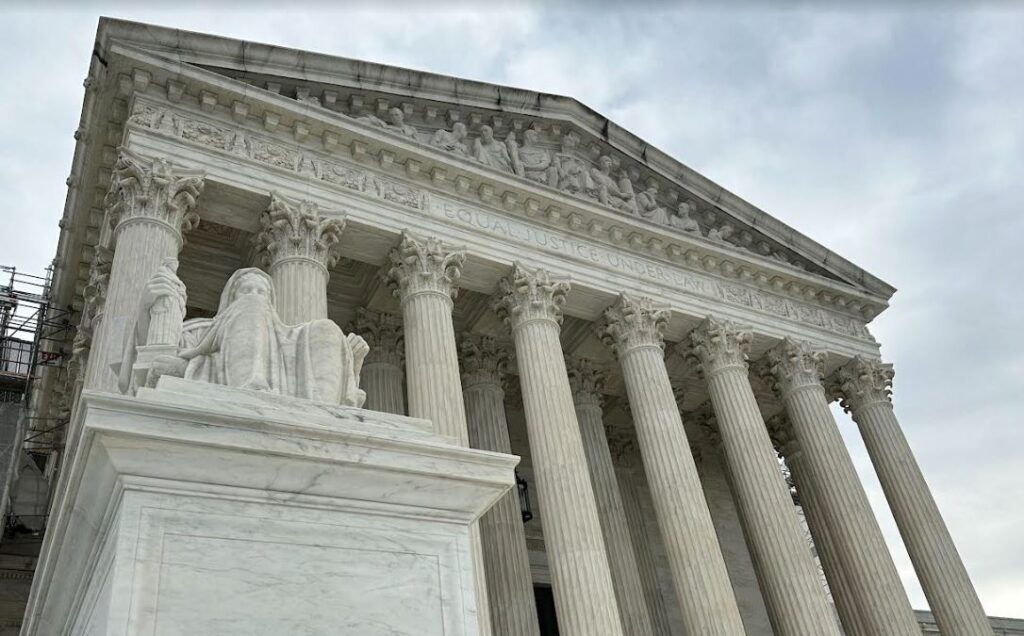
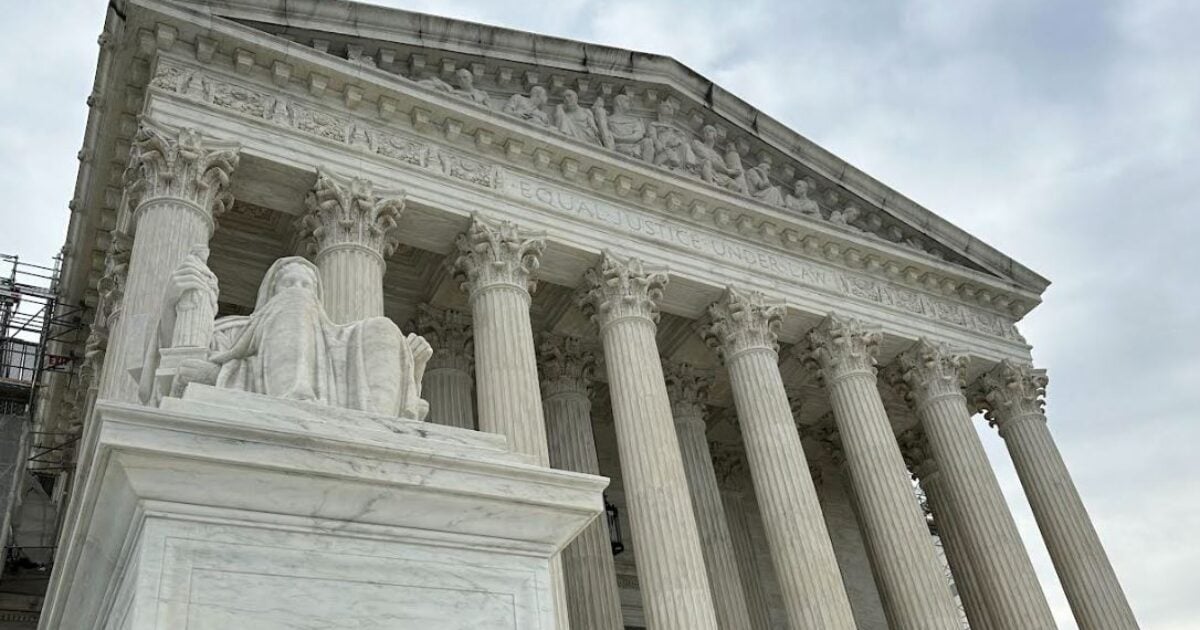
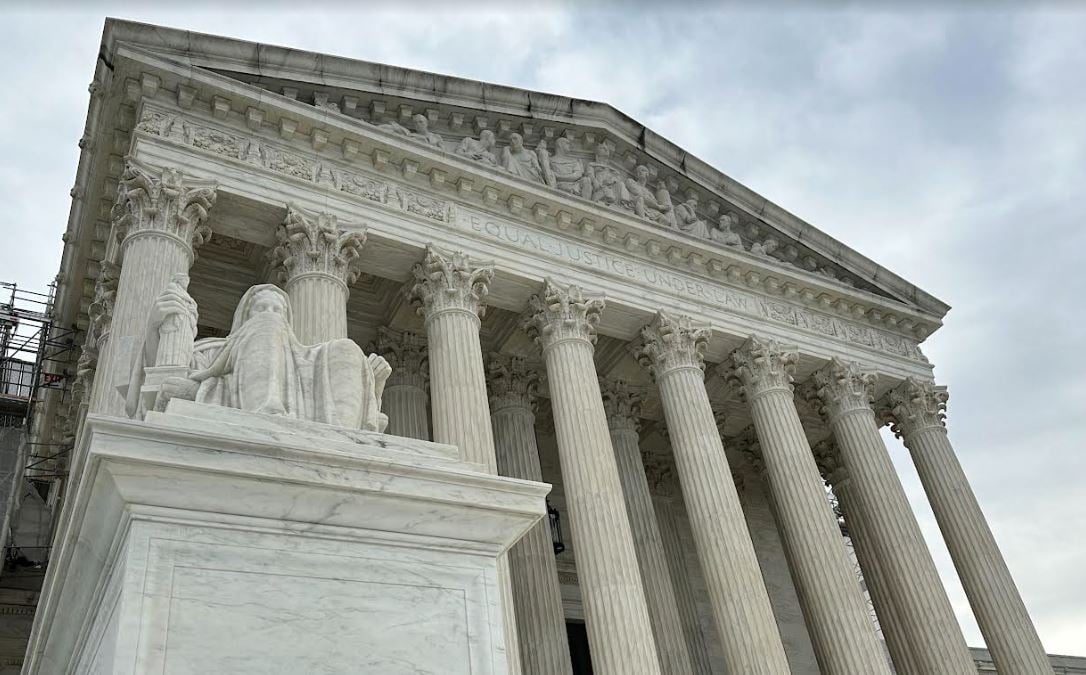
The US Supreme Court on Wednesday, in an unsigned order, denied the Trump Administration’s emergency appeal to restrict transgender surgeries for prison inmates.
The post BREAKING: Supreme Court Denies Trump Emergency Appeal to Restrict Transgender Surgeries for Inmates – Thomas, Alito Dissent appeared first on The Gateway Pundit.
Read More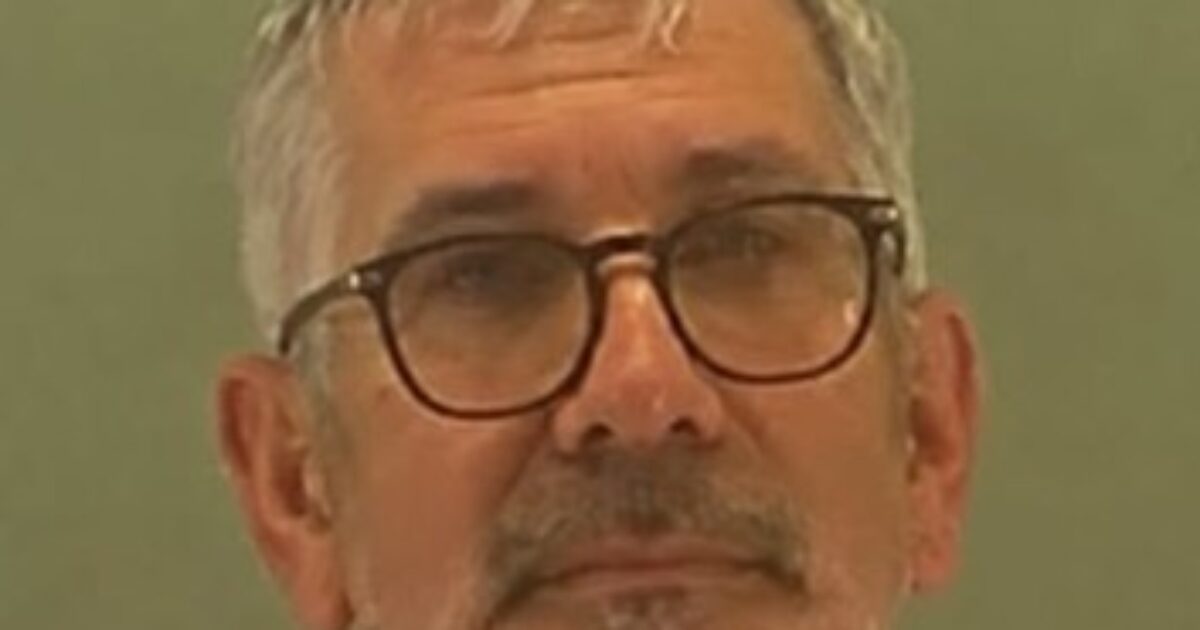


A football fan apparently took his devotion to an extremely disturbing level earlier this month and is now facing criminal charges.
The post Married Virginia Man Allegedly Ties Wife to Chair in Their Basement So He Can Watch Football Game by Himself appeared first on The Gateway Pundit.
Read More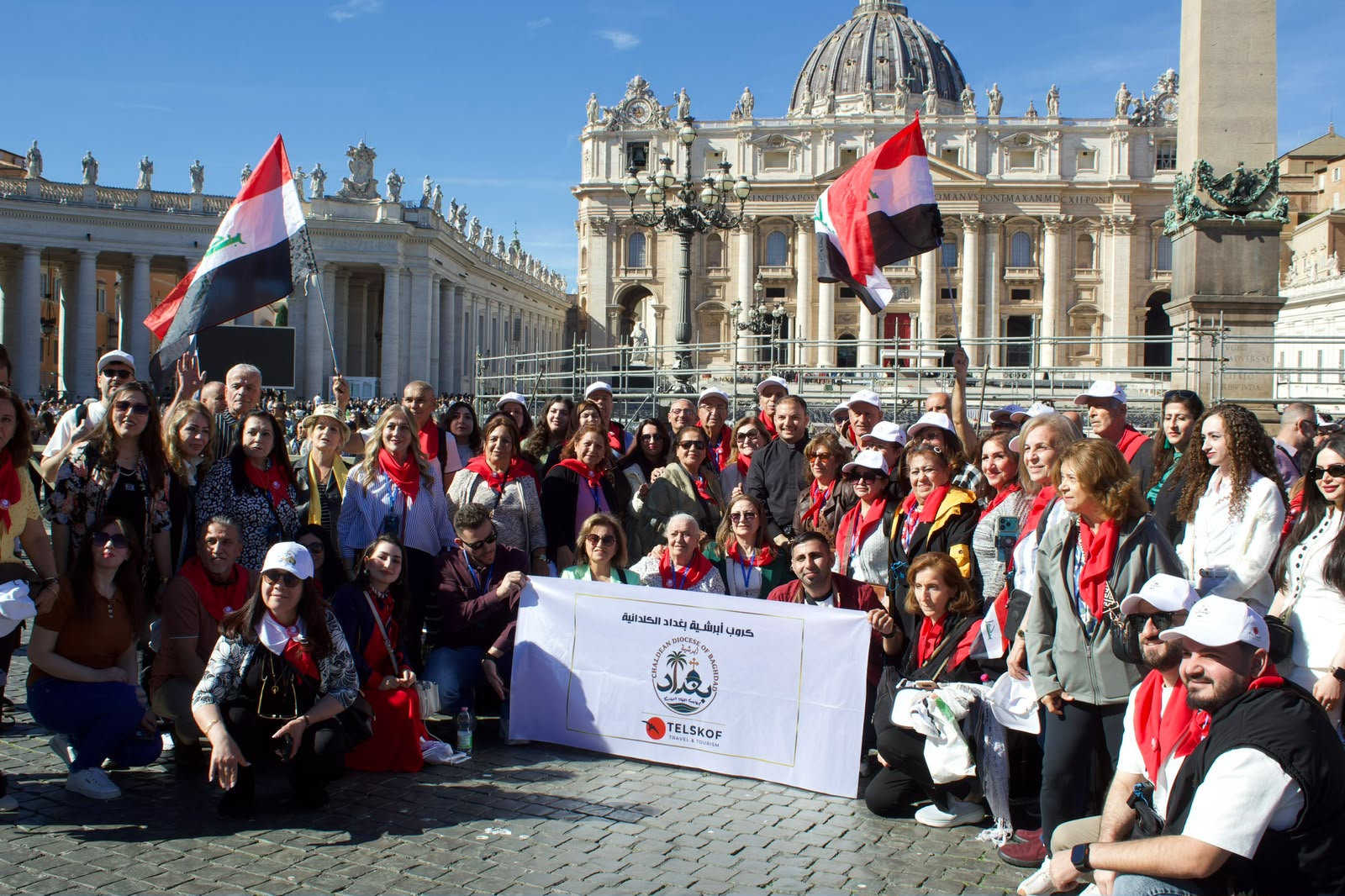
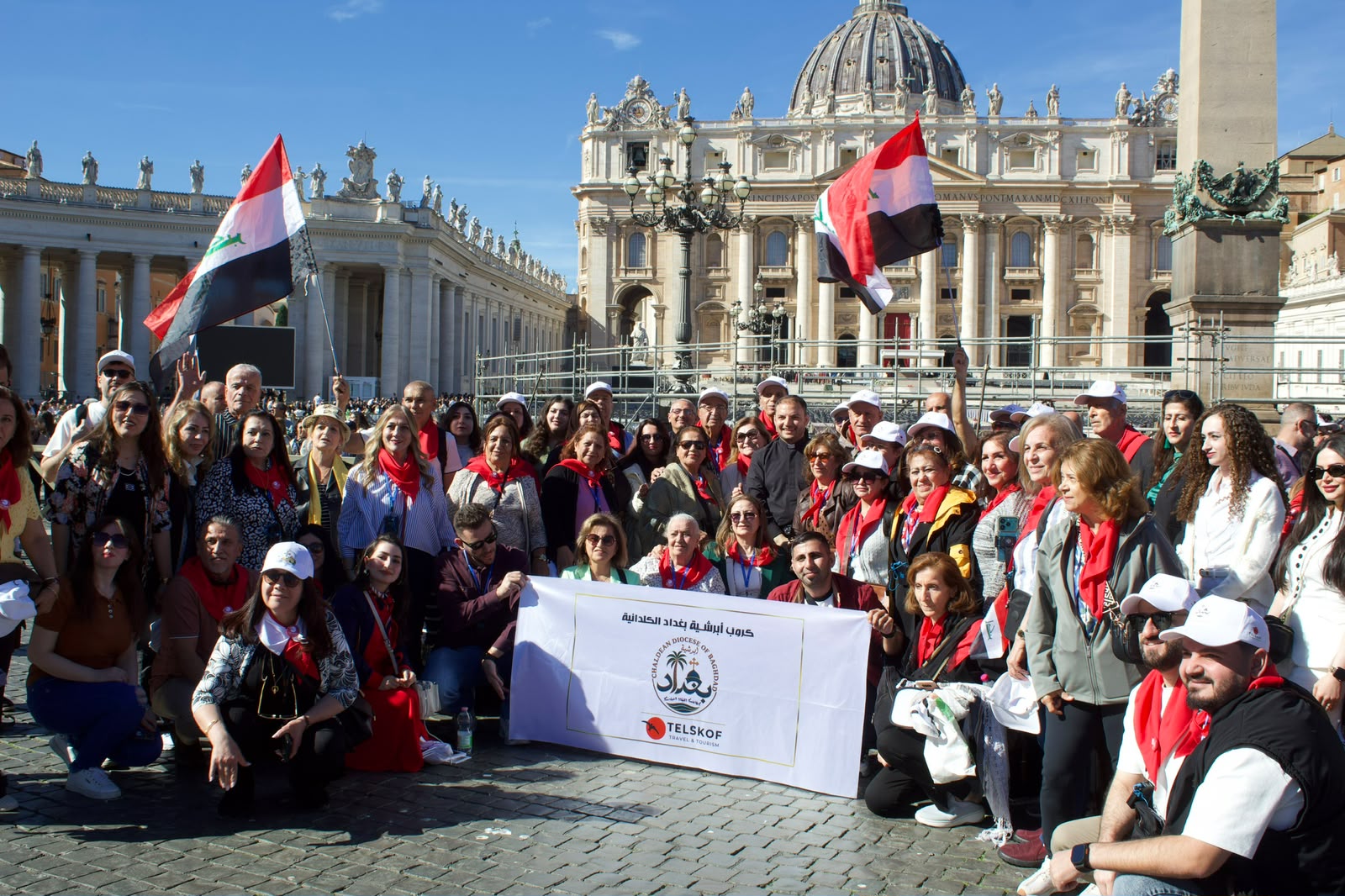
Chaldean Catholics from around the world gathered with their patriarch at the Vatican Faith, Reunion and the Hope of Return: Chaldean Catholics Gather at the Vatican
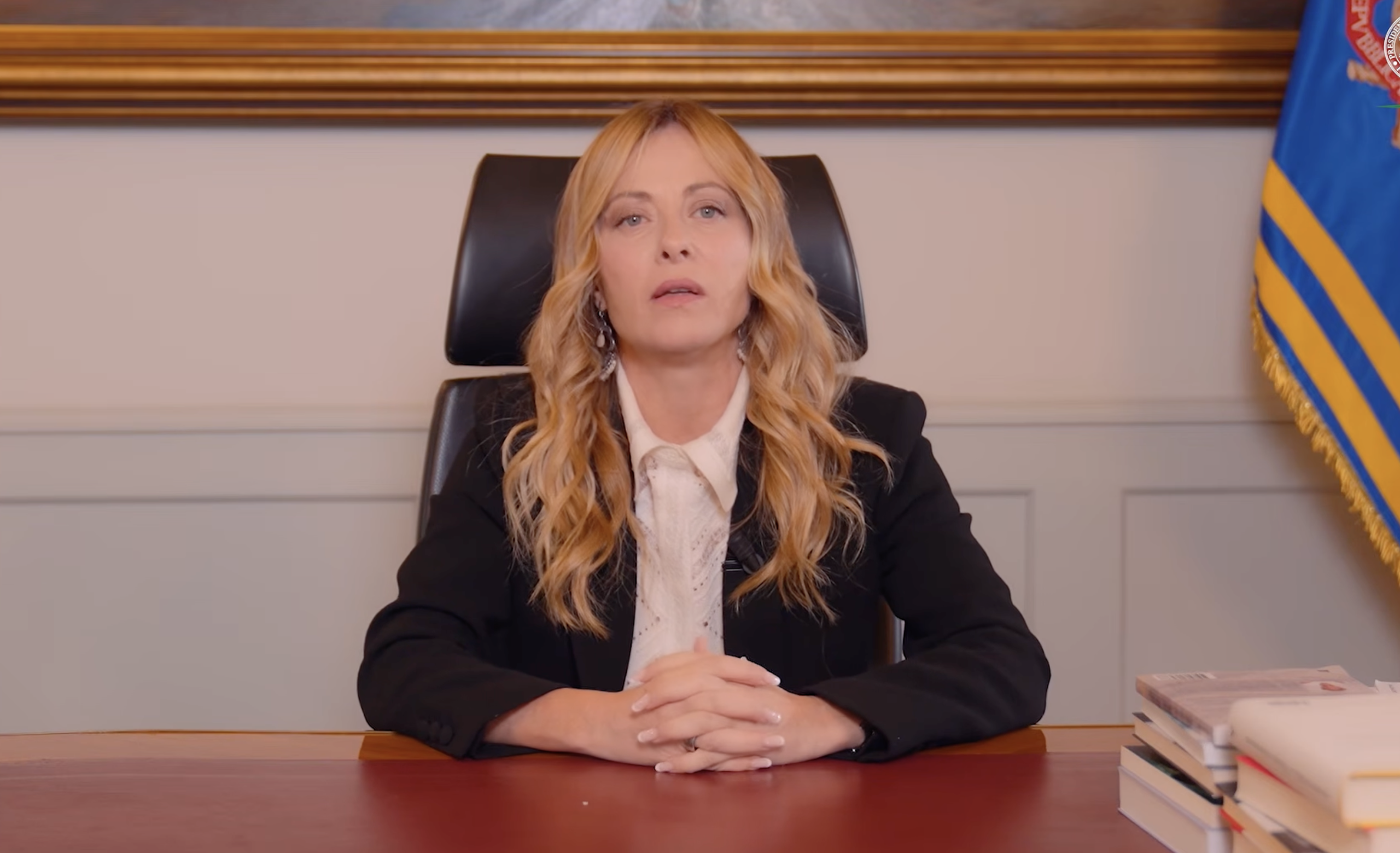


While French President Emmanuel Macron, unsurprisingly, chose to blame his fellow French citizens for the violent Islamo-Marxist riots tearing through his country and spreading across Europe.
The post Italian PM Meloni Announces Measures to Combat Violent Riots and Looting: Half of the 330 People Arrested and Detained Are of ‘Foreign Background’ (Video) appeared first on The Gateway Pundit.
Read More![Paterson rector hailed for inspiring hope and supporting children #Catholic – The community of the Cathedral of St. John the Baptist in Paterson, N.J., beamed with pride on Oct. 18 as Paterson Mayor Andre Sayegh presented the Key to the City to Msgr. Geno Sylva, St. John’s rector, for “being a champion for children and a beacon of hope for Paterson.” The mayor made the presentation that day at the end of the 11:30 a.m. Mass.
Msgr. Sylva has served as rector of St. John’s, the mother church of the Paterson Diocese, N.J., for about eight years. He also serves as diocesan vicar for special projects. In 2023, Pope Francis appointed him to the Dicastery for Evangelization at the Holy See, reflecting his commitment to evangelization.
Under Msgr. Sylva’s leadership, St. John’s has expanded its outreach to children. The cathedral established Compostela, a faith-filled after-school and catechetical program for K- 8; Young Prophets youth ministry; a Special Needs Ministry with a monthly Mass; and a Cathedral Summer Camp. It’s active music ministry includes a Children’s Choir. St. John’s also welcomed KIPP Paterson Elementary Prep, a K-4 public charter school housed in its Catechetical and Educational Building.
Click here to subscribe to our weekly newsletter.
St. John’s holds Bethlehem in Paterson, a major holiday outreach and gift-giving program that transforms the cathedral area, also known as the Block of Mercy, into a festive setting to share the spirit of Christmas. The cathedral has also expanded its social justice ministries and outreach to Hispanic Catholics among many other initiatives.
After the Mass, Mayor Sayegh called Msgr. Sylva “an MVP: Most Valuable Priest,” on social media.
“He’s also a champion for children, especially our youth at the Paterson Prep School and the Young Prophets program,” Mayor Sayegh said about Msgr. Sylva. “He’s a credit to our community, and he has been a blessing everywhere he has served, including the Vatican. Please join me in celebrating and congratulating a Mighty Man of God!” he said.
Msgr. Sylva called the Key to the City presentation “a beautiful celebration of our mission here to the children of the city through the school and Compostela. We are blessed.”
In his homily at the Mass before the presentation, Msgr. Sylva thanked all those involved in St. John’s, Compostela, KIPP Paterson Prep, diocesan leadership, the Passaic County Sheriff’s Office, and Paterson emergency services and government, including Mayor Sayegh.
“As I receive the key to the City of Paterson, I find myself thinking about the children of this city and about [William] Wordsworth’s beautiful image of those children trailing clouds of glory. What a responsibility and opportunity we have to give our children the keys of beauty, truth, and goodness with which to unlock the gates of heaven. Nothing more merciful than that,” Msgr. Sylva said in his homily. “Mr. Mayor, thank you for presenting us with the key to the City. I promise, we will keep working to place these keys in the hands of our children, for Wordsworth was right: children come into this world trailing clouds of glory. Our responsibility is to make sure that as they grow older, those clouds of glory do not simply disappear into the darkness of the world, but lead them to the eternal Compostela, that heavenly field of stars,” the rector said.
Ordained a priest in 1993, Msgr. Sylva also sits on the Board of the Paterson Prep Charter School as one of its founding members. He also serves as chaplain for the Paterson Police and Fire Departments, the Passaic County Sheriff’s Department, and the New York Division of the FBI.](https://unitedyam.com/wp-content/uploads/2026/10/paterson-rector-hailed-for-inspiring-hope-and-supporting-children-catholic-the-community-of-the-cathedral-of-st-john-the-baptist-in-paterson-n-j-beamed-with-pride-on-oct-18-as-paterson-mayor-a.jpg "Paterson rector hailed for inspiring hope and supporting children #Catholic – The community of the Cathedral of St. John the Baptist in Paterson, N.J., beamed with pride on Oct. 18 as Paterson Mayor Andre Sayegh presented the Key to the City to Msgr. Geno Sylva, St. John’s rector, for “being a champion for children and a beacon of hope for Paterson.” The mayor made the presentation that day at the end of the 11:30 a.m. Mass.
Msgr. Sylva has served as rector of St. John’s, the mother church of the Paterson Diocese, N.J., for about eight years. He also serves as diocesan vicar for special projects. In 2023, Pope Francis appointed him to the Dicastery for Evangelization at the Holy See, reflecting his commitment to evangelization.
Under Msgr. Sylva’s leadership, St. John’s has expanded its outreach to children. The cathedral established Compostela, a faith-filled after-school and catechetical program for K- 8; Young Prophets youth ministry; a Special Needs Ministry with a monthly Mass; and a Cathedral Summer Camp. It’s active music ministry includes a Children’s Choir. St. John’s also welcomed KIPP Paterson Elementary Prep, a K-4 public charter school housed in its Catechetical and Educational Building.
Click here to subscribe to our weekly newsletter.
St. John’s holds Bethlehem in Paterson, a major holiday outreach and gift-giving program that transforms the cathedral area, also known as the Block of Mercy, into a festive setting to share the spirit of Christmas. The cathedral has also expanded its social justice ministries and outreach to Hispanic Catholics among many other initiatives.
After the Mass, Mayor Sayegh called Msgr. Sylva “an MVP: Most Valuable Priest,” on social media.
“He’s also a champion for children, especially our youth at the Paterson Prep School and the Young Prophets program,” Mayor Sayegh said about Msgr. Sylva. “He’s a credit to our community, and he has been a blessing everywhere he has served, including the Vatican. Please join me in celebrating and congratulating a Mighty Man of God!” he said.
Msgr. Sylva called the Key to the City presentation “a beautiful celebration of our mission here to the children of the city through the school and Compostela. We are blessed.”
In his homily at the Mass before the presentation, Msgr. Sylva thanked all those involved in St. John’s, Compostela, KIPP Paterson Prep, diocesan leadership, the Passaic County Sheriff’s Office, and Paterson emergency services and government, including Mayor Sayegh.
“As I receive the key to the City of Paterson, I find myself thinking about the children of this city and about [William] Wordsworth’s beautiful image of those children trailing clouds of glory. What a responsibility and opportunity we have to give our children the keys of beauty, truth, and goodness with which to unlock the gates of heaven. Nothing more merciful than that,” Msgr. Sylva said in his homily. “Mr. Mayor, thank you for presenting us with the key to the City. I promise, we will keep working to place these keys in the hands of our children, for Wordsworth was right: children come into this world trailing clouds of glory. Our responsibility is to make sure that as they grow older, those clouds of glory do not simply disappear into the darkness of the world, but lead them to the eternal Compostela, that heavenly field of stars,” the rector said.
Ordained a priest in 1993, Msgr. Sylva also sits on the Board of the Paterson Prep Charter School as one of its founding members. He also serves as chaplain for the Paterson Police and Fire Departments, the Passaic County Sheriff’s Department, and the New York Division of the FBI.")
Paterson rector hailed for inspiring hope and supporting children #Catholic – 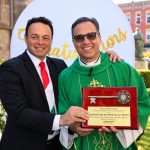
The community of the Cathedral of St. John the Baptist in Paterson, N.J., beamed with pride on Oct. 18 as Paterson Mayor Andre Sayegh presented the Key to the City to Msgr. Geno Sylva, St. John’s rector, for “being a champion for children and a beacon of hope for Paterson.” The mayor made the presentation that day at the end of the 11:30 a.m. Mass.
Msgr. Sylva has served as rector of St. John’s, the mother church of the Paterson Diocese, N.J., for about eight years. He also serves as diocesan vicar for special projects. In 2023, Pope Francis appointed him to the Dicastery for Evangelization at the Holy See, reflecting his commitment to evangelization.
Under Msgr. Sylva’s leadership, St. John’s has expanded its outreach to children. The cathedral established Compostela, a faith-filled after-school and catechetical program for K- 8; Young Prophets youth ministry; a Special Needs Ministry with a monthly Mass; and a Cathedral Summer Camp. It’s active music ministry includes a Children’s Choir. St. John’s also welcomed KIPP Paterson Elementary Prep, a K-4 public charter school housed in its Catechetical and Educational Building.
St. John’s holds Bethlehem in Paterson, a major holiday outreach and gift-giving program that transforms the cathedral area, also known as the Block of Mercy, into a festive setting to share the spirit of Christmas. The cathedral has also expanded its social justice ministries and outreach to Hispanic Catholics among many other initiatives.
After the Mass, Mayor Sayegh called Msgr. Sylva “an MVP: Most Valuable Priest,” on social media.
“He’s also a champion for children, especially our youth at the Paterson Prep School and the Young Prophets program,” Mayor Sayegh said about Msgr. Sylva. “He’s a credit to our community, and he has been a blessing everywhere he has served, including the Vatican. Please join me in celebrating and congratulating a Mighty Man of God!” he said.
Msgr. Sylva called the Key to the City presentation “a beautiful celebration of our mission here to the children of the city through the school and Compostela. We are blessed.”
In his homily at the Mass before the presentation, Msgr. Sylva thanked all those involved in St. John’s, Compostela, KIPP Paterson Prep, diocesan leadership, the Passaic County Sheriff’s Office, and Paterson emergency services and government, including Mayor Sayegh.
“As I receive the key to the City of Paterson, I find myself thinking about the children of this city and about [William] Wordsworth’s beautiful image of those children trailing clouds of glory. What a responsibility and opportunity we have to give our children the keys of beauty, truth, and goodness with which to unlock the gates of heaven. Nothing more merciful than that,” Msgr. Sylva said in his homily. “Mr. Mayor, thank you for presenting us with the key to the City. I promise, we will keep working to place these keys in the hands of our children, for Wordsworth was right: children come into this world trailing clouds of glory. Our responsibility is to make sure that as they grow older, those clouds of glory do not simply disappear into the darkness of the world, but lead them to the eternal Compostela, that heavenly field of stars,” the rector said.
Ordained a priest in 1993, Msgr. Sylva also sits on the Board of the Paterson Prep Charter School as one of its founding members. He also serves as chaplain for the Paterson Police and Fire Departments, the Passaic County Sheriff’s Department, and the New York Division of the FBI.
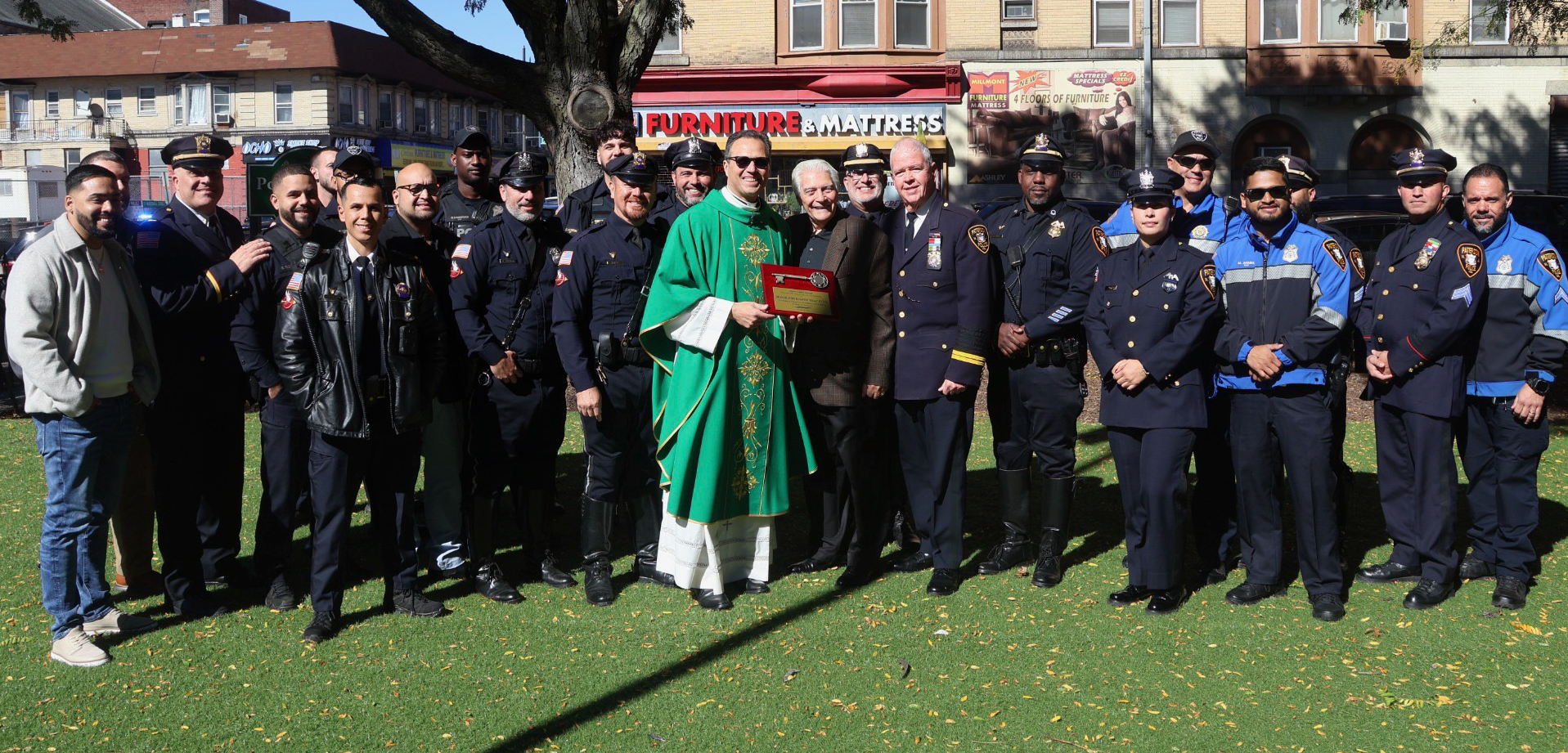
– The community of the Cathedral of St. John the Baptist in Paterson, N.J., beamed with pride on Oct. 18 as Paterson Mayor Andre Sayegh presented the Key to the City to Msgr. Geno Sylva, St. John’s rector, for “being a champion for children and a beacon of hope for Paterson.” The mayor made the presentation that day at the end of the 11:30 a.m. Mass. Msgr. Sylva has served as rector of St. John’s, the mother church of the Paterson Diocese, N.J., for about eight years. He also serves as diocesan vicar for special projects. In 2023, Pope Francis appointed
![‘Exorcist Files’ priest sues Catholic commentators who questioned his credentials – #Catholic – A prominent priest who hosts a popular podcast about exorcisms is suing two lay Catholic commentators for defamation, alleging that they falsely told listeners of another podcast that he is not an exorcist. The two commentators are associates of a well-known exorcist, Father Chad Ripperger, who is not a defendant in the lawsuit.Father Carlos Martins, host of “The Exorcist Files” and author of a book with the same title, filed the lawsuit, which is pending, in November 2025 against Jesse Romero (identified in court papers as Jesus O. Romero Jr.) and Kyle Clement. At the time, Romero was the principal host of the podcast “Jesus 911,” while Clement, director of formation and training for a religious society of priests that Ripperger founded, was a guest on Romero’s podcast.The lawsuit also names as a defendant Catholic Resource Center Inc., of Los Angeles, which operates Virgin Most Powerful Radio, the broadcaster of “Jesus 911.” According to Martins’ complaint, Clement made false statements about Martins while appearing on the podcast in November 2024.“Clement asserted that Fr. Martins ‘is not who he says he is’” and that Martins is “opining and talking about things which he does not know,” according to Martins’ complaint, which calls Clement’s statements “false and defamatory” because, it says, “Fr. Martins has functioned as an exorcist and has both the knowledge and experience to perform and speak on exorcism.”“These statements harmed Fr. Martins’ credibility as a religious figure and exorcist and directly affected the sale and reception of ‘The Exorcist Files’ book that was newly released at the time these episodes aired,” states Martins’ complaint, filed in U.S. District Court for the Eastern District of Michigan. “In addition, these statements caused ‘The Exorcist Files’ to lose advertisers and listeners, which resulted in financial losses.”But Romero and Clement “deny any allegation that they published false or misleading statements” about Martins during the podcasts and maintain that the priest is not an exorcist, according to a formal answer to Martins’ complaint filed in court in September 2026.“It is Defendants[’] strongly held belief that Plaintiff is not an exorcist …,” the defendants state in court papers, questioning Martins’ credentials and describing the priest’s “traveling across the United States to perform exorcisms” as “both improper and out of the ordinary.”Private inquiriesThe statements Clement and Romero made about Martins during three late-2024 “Jesus 911” podcast episodes (Nov. 20, Nov. 27, and Dec. 4) followed inquiries Romero made privately in the summer of 2023.Romero sent Martins an email message Aug. 29, 2023, asking for his “status as an exorcist” while identifying himself as a radio and podcast host and as a “member of the Liber Christo team under Fr Ripperger,” according to an exhibit filed in court by Martins’ lawyer.Liber Christo is an organization founded by Ripperger and Clement for “training priests, deacons and laity in the ministry of liberation” from purported demonic possession.Martins referred Romero to the priest’s website without answering his questions, according to court papers.Romero also solicited an email message from Martins’ religious society, Companions of the Cross, about the priest, to which the society responded.“In answer to your inquiry Fr. Carlos has not been appointed as an exorcist by a particular diocese. His full-time ministry is Treasures of the Church, however, due to his travels, he has been involved in exorcisms with the appropriate permission and or by request of the corresponding bishop,” the society’s email message states.According to court papers, Romero quoted from the email message during a podcast episode released Nov. 27, 2024, but stopped at “Treasures of the Church” and left out the part about Martins receiving “appropriate permission” from diocesan bishops to perform exorcisms.Crossing a line?Romero’s partial quotation of the society’s email message about Martins during the podcast is a flashpoint in the case.On Aug. 21, 2026, U.S. District Judge F. Kay Behm denied the defendants’ motion to dismiss the case, writing that “the court agrees that Plaintiff has the better argument.” The judge highlighted a particular statement that, according to her ruling, Romero made on the podcast about Martins: “I just don’t understand why he’s purporting to be an exorcist when his Order says he’s not.”With that statement, the judge wrote, Romero “appear[s] to have crossed the line between an opinion that Fr. Martins is not an exorcist to statements of fact that the email from his own Order says he is not an exorcist.”The email message from the Companions of the Cross “does not say that Plaintiff is not an exorcist,” the judge wrote.The ruling allowed the lawsuit to proceed but did not determine whether the defendants had defamed Martins.Two weeks later, on Sept. 4, 2026, the defendants in their formal answer to Martins’ complaint acknowledged that “Romero only read a portion of the e-mail in question” during the podcast but described it as a choice the defendants made “consistent with their beliefs” that Martins is not an exorcist.Unspecified damagesMartins is seeking unspecified damages in the lawsuit for harm to his reputation, earning ability, and physical well-being allegedly caused by the podcasters’ statements about him.On the financial side, Martins’ complaint says he had to cancel “worldwide speaking engagements” associated with the publication of his book “The Exorcist Files,” published in November 2024, and that his podcast lost advertisers and listeners.Martins’ complaint says “multiple priests contacted” him following the “Jesus 911” podcasts in November and December 2024 and that “at least one priest advised Fr. Martins that multiple people in his parish were scandalized by the podcasts and asked if Fr. Martins was a fraud.”“Everywhere he goes, he fears people believe him to be a fraud, who is not worthy of the priesthood and not to be trusted as an exorcist,” the complaint states.Martins’ complaint also alleges that he “suffered severe emotional distress, including anxiety, sleeplessness, depression, dread, grief, and a sense of hopelessness,” as well as a brain injury called dendritic atrophy, allegedly caused by emotional distress. The complaint says the injury makes the brain “more susceptible to anxiety and depression.”“Fr. Martins’ cognitive abilities have been permanently diminished because of the Defendants’ conduct,” the complaint states.Neither Martins nor his religious community nor the lawyer representing him in the case could be reached for comment by the time this story was published.Clement and a spokesman for Catholic Resource Center also could not be reached for comment.A spokesman for Romero, who currently hosts “The Jesse Romero Show” podcast, declined an interview request from the National Catholic Register, the sister partner of EWTN News.“Jesse would welcome an interview after the case is adjudicated and talk about the case from the beginning to end,” said Anita Romero, Jesse Romero’s event coordinator, by email.The defendants’ lawyer, H. William Burdett, declined a request for comment.Ripperger, who, at the request of Denver Archbishop James Golka, has agreed to a one-year moratorium on public speaking and interviews, could not immediately be reached for comment Monday night. The Register attempted to contact him through the Society of the Most Sorrowful Mother, known as the Doloran Fathers, a semi-contemplative society of priests he founded in the Archdiocese of Denver.A scheduling conference in the case is set for Oct. 29.This story was first published by the National Catholic Register, the sister partner of EWTN News, and has been adapted by EWTN News.](https://unitedyam.com/wp-content/uploads/2026/10/exorcist-files-priest-sues-catholic-commentators-who-questioned-his-credentials-catholic-a-prominent-priest-who-hosts-a-popular-podcast-about-exorcisms-is-suing-two-lay-catholic.webp "‘Exorcist Files’ priest sues Catholic commentators who questioned his credentials – #Catholic – A prominent priest who hosts a popular podcast about exorcisms is suing two lay Catholic commentators for defamation, alleging that they falsely told listeners of another podcast that he is not an exorcist. The two commentators are associates of a well-known exorcist, Father Chad Ripperger, who is not a defendant in the lawsuit.Father Carlos Martins, host of “The Exorcist Files” and author of a book with the same title, filed the lawsuit, which is pending, in November 2025 against Jesse Romero (identified in court papers as Jesus O. Romero Jr.) and Kyle Clement. At the time, Romero was the principal host of the podcast “Jesus 911,” while Clement, director of formation and training for a religious society of priests that Ripperger founded, was a guest on Romero’s podcast.The lawsuit also names as a defendant Catholic Resource Center Inc., of Los Angeles, which operates Virgin Most Powerful Radio, the broadcaster of “Jesus 911.” According to Martins’ complaint, Clement made false statements about Martins while appearing on the podcast in November 2024.“Clement asserted that Fr. Martins ‘is not who he says he is’” and that Martins is “opining and talking about things which he does not know,” according to Martins’ complaint, which calls Clement’s statements “false and defamatory” because, it says, “Fr. Martins has functioned as an exorcist and has both the knowledge and experience to perform and speak on exorcism.”“These statements harmed Fr. Martins’ credibility as a religious figure and exorcist and directly affected the sale and reception of ‘The Exorcist Files’ book that was newly released at the time these episodes aired,” states Martins’ complaint, filed in U.S. District Court for the Eastern District of Michigan. “In addition, these statements caused ‘The Exorcist Files’ to lose advertisers and listeners, which resulted in financial losses.”But Romero and Clement “deny any allegation that they published false or misleading statements” about Martins during the podcasts and maintain that the priest is not an exorcist, according to a formal answer to Martins’ complaint filed in court in September 2026.“It is Defendants[’] strongly held belief that Plaintiff is not an exorcist …,” the defendants state in court papers, questioning Martins’ credentials and describing the priest’s “traveling across the United States to perform exorcisms” as “both improper and out of the ordinary.”Private inquiriesThe statements Clement and Romero made about Martins during three late-2024 “Jesus 911” podcast episodes (Nov. 20, Nov. 27, and Dec. 4) followed inquiries Romero made privately in the summer of 2023.Romero sent Martins an email message Aug. 29, 2023, asking for his “status as an exorcist” while identifying himself as a radio and podcast host and as a “member of the Liber Christo team under Fr Ripperger,” according to an exhibit filed in court by Martins’ lawyer.Liber Christo is an organization founded by Ripperger and Clement for “training priests, deacons and laity in the ministry of liberation” from purported demonic possession.Martins referred Romero to the priest’s website without answering his questions, according to court papers.Romero also solicited an email message from Martins’ religious society, Companions of the Cross, about the priest, to which the society responded.“In answer to your inquiry Fr. Carlos has not been appointed as an exorcist by a particular diocese. His full-time ministry is Treasures of the Church, however, due to his travels, he has been involved in exorcisms with the appropriate permission and or by request of the corresponding bishop,” the society’s email message states.According to court papers, Romero quoted from the email message during a podcast episode released Nov. 27, 2024, but stopped at “Treasures of the Church” and left out the part about Martins receiving “appropriate permission” from diocesan bishops to perform exorcisms.Crossing a line?Romero’s partial quotation of the society’s email message about Martins during the podcast is a flashpoint in the case.On Aug. 21, 2026, U.S. District Judge F. Kay Behm denied the defendants’ motion to dismiss the case, writing that “the court agrees that Plaintiff has the better argument.” The judge highlighted a particular statement that, according to her ruling, Romero made on the podcast about Martins: “I just don’t understand why he’s purporting to be an exorcist when his Order says he’s not.”With that statement, the judge wrote, Romero “appear[s] to have crossed the line between an opinion that Fr. Martins is not an exorcist to statements of fact that the email from his own Order says he is not an exorcist.”The email message from the Companions of the Cross “does not say that Plaintiff is not an exorcist,” the judge wrote.The ruling allowed the lawsuit to proceed but did not determine whether the defendants had defamed Martins.Two weeks later, on Sept. 4, 2026, the defendants in their formal answer to Martins’ complaint acknowledged that “Romero only read a portion of the e-mail in question” during the podcast but described it as a choice the defendants made “consistent with their beliefs” that Martins is not an exorcist.Unspecified damagesMartins is seeking unspecified damages in the lawsuit for harm to his reputation, earning ability, and physical well-being allegedly caused by the podcasters’ statements about him.On the financial side, Martins’ complaint says he had to cancel “worldwide speaking engagements” associated with the publication of his book “The Exorcist Files,” published in November 2024, and that his podcast lost advertisers and listeners.Martins’ complaint says “multiple priests contacted” him following the “Jesus 911” podcasts in November and December 2024 and that “at least one priest advised Fr. Martins that multiple people in his parish were scandalized by the podcasts and asked if Fr. Martins was a fraud.”“Everywhere he goes, he fears people believe him to be a fraud, who is not worthy of the priesthood and not to be trusted as an exorcist,” the complaint states.Martins’ complaint also alleges that he “suffered severe emotional distress, including anxiety, sleeplessness, depression, dread, grief, and a sense of hopelessness,” as well as a brain injury called dendritic atrophy, allegedly caused by emotional distress. The complaint says the injury makes the brain “more susceptible to anxiety and depression.”“Fr. Martins’ cognitive abilities have been permanently diminished because of the Defendants’ conduct,” the complaint states.Neither Martins nor his religious community nor the lawyer representing him in the case could be reached for comment by the time this story was published.Clement and a spokesman for Catholic Resource Center also could not be reached for comment.A spokesman for Romero, who currently hosts “The Jesse Romero Show” podcast, declined an interview request from the National Catholic Register, the sister partner of EWTN News.“Jesse would welcome an interview after the case is adjudicated and talk about the case from the beginning to end,” said Anita Romero, Jesse Romero’s event coordinator, by email.The defendants’ lawyer, H. William Burdett, declined a request for comment.Ripperger, who, at the request of Denver Archbishop James Golka, has agreed to a one-year moratorium on public speaking and interviews, could not immediately be reached for comment Monday night. The Register attempted to contact him through the Society of the Most Sorrowful Mother, known as the Doloran Fathers, a semi-contemplative society of priests he founded in the Archdiocese of Denver.A scheduling conference in the case is set for Oct. 29.This story was first published by the National Catholic Register, the sister partner of EWTN News, and has been adapted by EWTN News.")
Father Carlos Martins alleges that two Catholic commentators made false statements about him on a podcast; defendants deny the allegations.
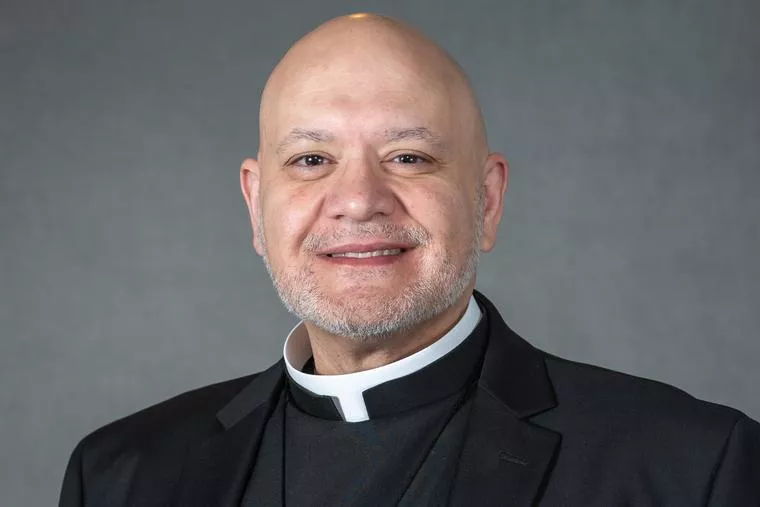
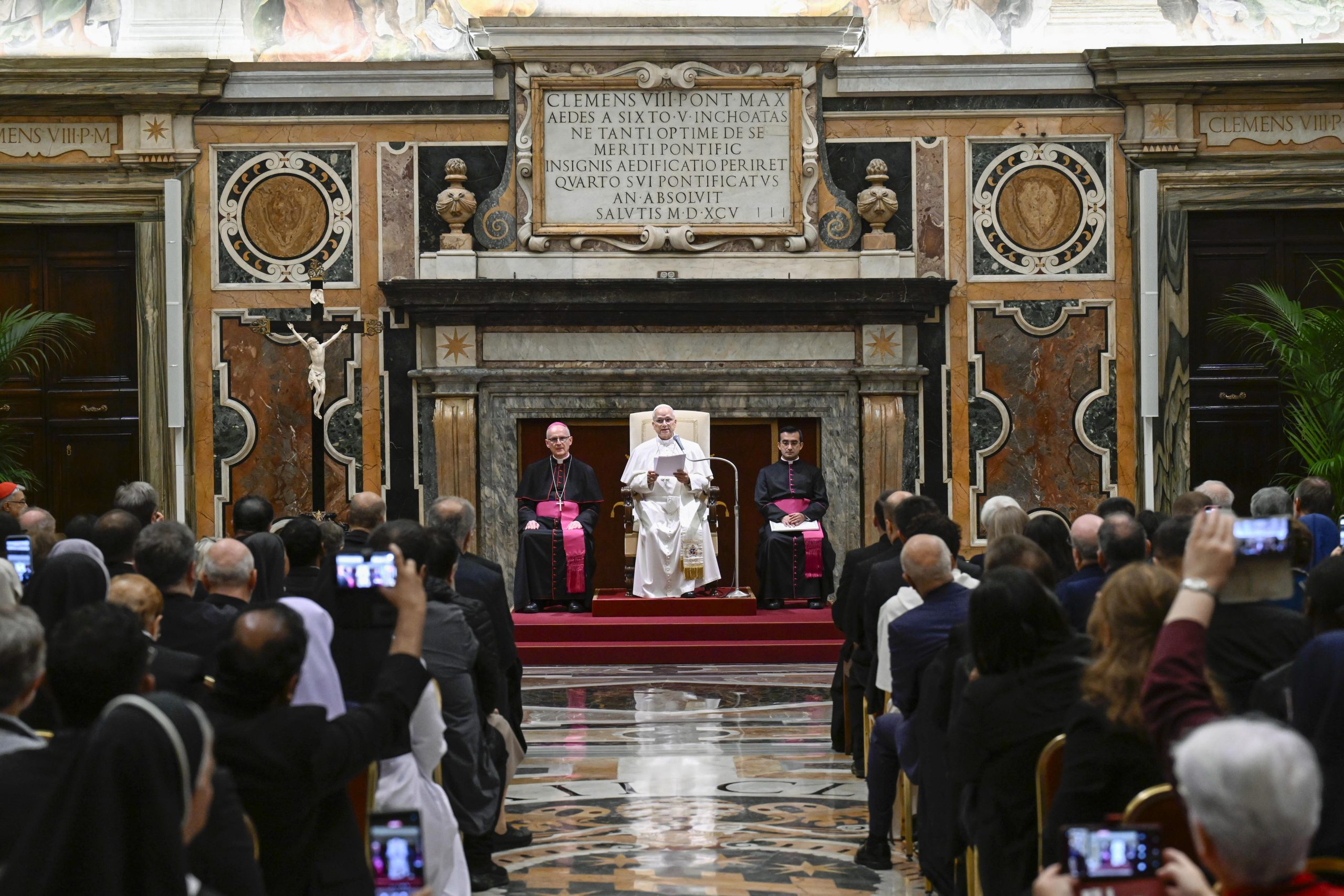
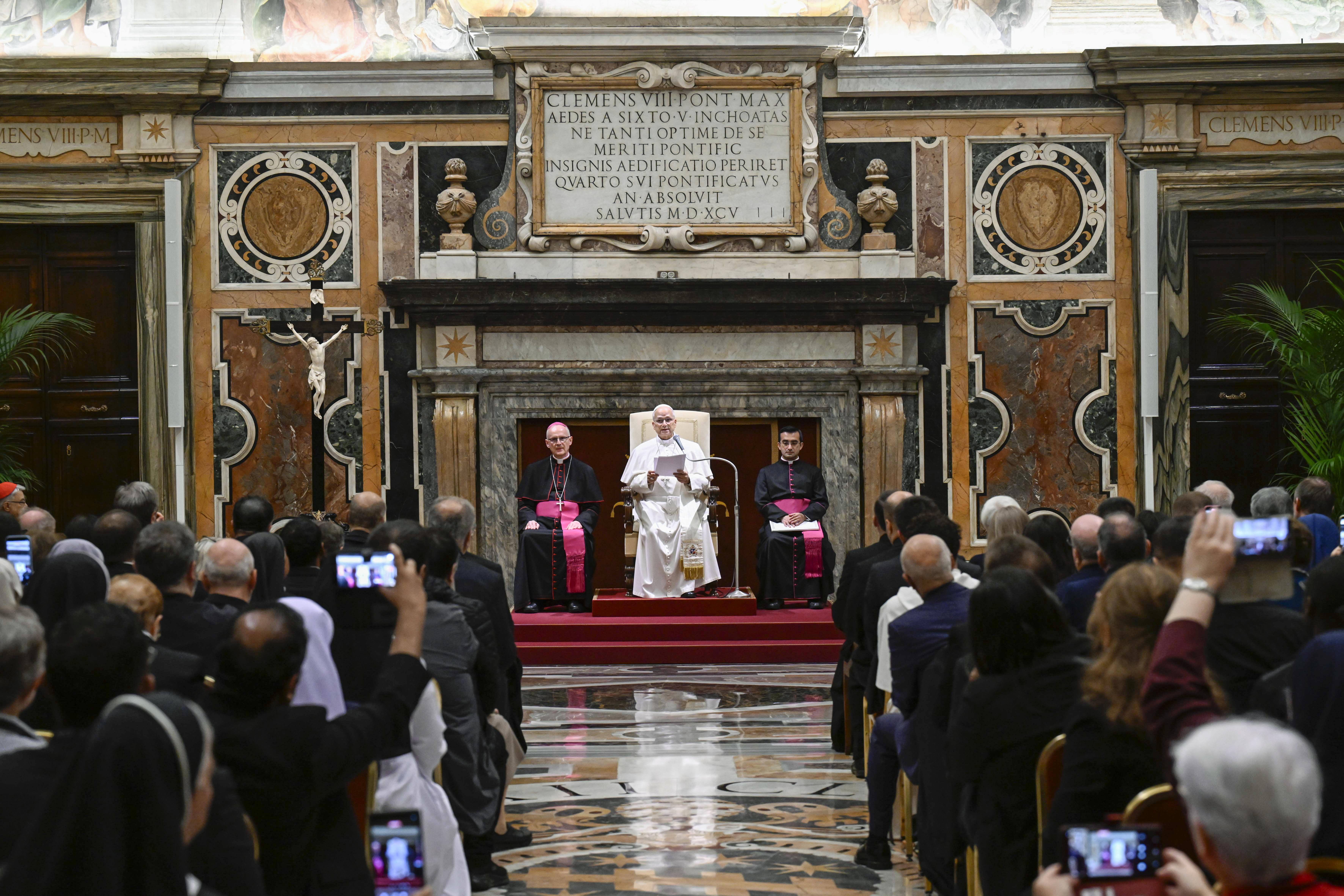
The pontiff met with participants of the “Holiness in History” conference at the Vatican on Wednesday.
In 1892, George Ellery Hale, a professor of astrophysics at the University of Chicago, convinced the university president to acquire two 40-inch telescope lens blanks. With funding from Charles Yerkes, a Chicago mass-transit tycoon looking to refurbish his image, Hale spearheaded the creation of an observatory to house the Great Refractor made with these blanks.Continue reading “Oct. 21, 1897: Yerkes Observatory is dedicated”
The post Oct. 21, 1897: Yerkes Observatory is dedicated appeared first on Astronomy Magazine.
Read More
| Picture of the day |
|---|

|
|
Gotland Grand National 2023. Gotland Grand National has long been considered the world’s largest Enduro competition and was first run in 1984.
|

NASA’s James Webb Space Telescope has revealed many protostars and stars within the glowing gases of NGC 7129. Hot, atomic hydrogen gas is shown here in the golden region, while cooler, molecular hydrogen gas, shocked by embedded protostars, is represented in red.
Read MoreA reading from the Letter of St. Paul to the Ephesians
3:2-12
Brothers and sisters:
You have heard of the stewardship of God’s grace
that was given to me for your benefit,
namely, that the mystery was made known to me by revelation,
as I have written briefly earlier.
When you read this
you can understand my insight into the mystery of Christ,
which was not made known to human beings in other generations
as it has now been revealed
to his holy Apostles and prophets by the Spirit,
that the Gentiles are coheirs, members of the same Body,
and copartners in the promise in Christ Jesus through the Gospel.
Of this I became a minister by the gift of God’s grace
that was granted me in accord with the exercise of his power.
To me, the very least of all the holy ones, this grace was given,
to preach to the Gentiles the inscrutable riches of Christ,
and to bring to light for all what is the plan of the mystery
hidden from ages past in God who created all things,
so that the manifold wisdom of God
might now be made known through the Church
to the principalities and authorities in the heavens.
This was according to the eternal purpose
that he accomplished in Christ Jesus our Lord,
in whom we have boldness of speech
and confidence of access through faith in him.
From the Gospel according to Luke
12:39-48
Jesus said to his disciples:
“Be sure of this:
if the master of the house had known the hour
when the thief was coming,
he would not have let his house be broken into.
You also must be prepared,
for at an hour you do not expect, the Son of Man will come.”
Then Peter said,
“Lord, is this parable meant for us or for everyone?”
And the Lord replied,
“Who, then, is the faithful and prudent steward
whom the master will put in charge of his servants
to distribute the food allowance at the proper time?
Blessed is that servant whom his master on arrival finds doing so.
Truly, I say to you, he will put him
in charge of all his property.
But if that servant says to himself,
‘My master is delayed in coming,’
and begins to beat the menservants and the maidservants,
to eat and drink and get drunk,
then that servant’s master will come
on an unexpected day and at an unknown hour
and will punish the servant severely
and assign him a place with the unfaithful.
That servant who knew his master’s will
but did not make preparations nor act in accord with his will
shall be beaten severely;
and the servant who was ignorant of his master’s will
but acted in a way deserving of a severe beating
shall be beaten only lightly.
Much will be required of the person entrusted with much,
and still more will be demanded of the person entrusted with more.”
“Every one to whom much is given, of him will much be required; and of him to whom men commit much they will demand the more”. Jesus said it to his closest disciples, those with whom He stayed the most. And we too have received much from the journey we have made so far; we have been with Jesus and with the Church and, even though the Church is a community with human limitations, we have received a great deal. So, Jesus expects a lot of us. It is a sign of trust, a sign of friendship. He expects a lot because He knows us, and knows that we can do it!
Jesus came to bring fire: the fire of God’s love on earth and the fire of our hearts’ desire. In a certain way, Jesus takes away our peace, if we think of peace as inert calm. This, however, is not true peace. At times we would like to be “left in peace”: for no-one to disturb us, for others not to exist anymore. This is not God’s peace. The peace Jesus brings is like a fire, and it asks a lot of us. It asks us, first of all, to take a stand. Faced with injustice, inequality, where human dignity is trampled underfoot, where the fragile are silenced: take a stand. To hope is to take a stand. To hope is to understand in our hearts and show in our actions that things must not continue as before. This too is the good fire of the Gospel. (Pope Leo XIV, Jubilee Audience, 22 November 2025)
Read More![Conference encourages Black Catholic men to lead families, parishes, and communities #Catholic Twenty-four years ago three priests from the Society of the Divine Word and founders of the Bowman Francis Ministry had the idea to bring Black Catholic men together for fellowship, workshops, discussions, and prayer — with the hope that the men would then take what they learned back to their communities and ministries. That dream eventually became an annual conference, and its 24th gathering just took place in Birmingham, Alabama, Oct. 15–18.The Fr. Chester P. Smith National Black Catholic Men’s Conference was created by Father Chester P. Smith, Father Charles Smith, and Father Kenneth Hamilton and invites Black Catholic men from across the United States for a weekend of faith, leadership, brotherhood, and cultural reflection.This year’s conference — hosted by the Bowman Francis Ministry, the Society of the Divine Word Missionaries, and the Office of Black Catholic Ministry of the Diocese of Birmingham — had the theme of “The Rock I Stand On,” which aimed to equip participants with the spiritual and life skills needed to take on their roles as protectors and providers.Attendees were able to experience a guided, firsthand look at Birmingham’s role in the Civil Rights movement and engage in meaningful dialogue that connects faith, justice, and social responsibility. The Civil Rights Immersion Tour also included a Harambe Town Hall, which featured notable Birmingham community leaders debating todayʼs social and political climate.Cameron Beatty serves as the conference’s program chair. For him, the conference holds a special place in his heart — Father Chester P. Smith was his godfather.
Participants at the Fr. Chester P. Smith National Black Catholic Men’s Conference, which took place Oct. 15–18, 2026, in Birmingham, Alabama. | Credit: Brent Patterson
Beatty told EWTN News in an interview that he has been attending the conferences since they first started 24 years ago.“I was in high school during the first one and I would be like a reader or an altar server … then I would start leading workshops or doing the youth workshops,” Beatty recalled. “Then it kind of evolved once he [Smith] passed away. [It was] like, ‘Hey, we need somebody to step up and take on some more leadership roles,’ because he would do a lot of the planning and the executing and thatʼs how I got involved in more of a leadership role once he passed.”He added: “We want to make sure that his legacy lives on and his commitment to the ministry lives on, and I am very busy but this is something that Iʼm committed to because I believe in it strongly.”Smith grew up in Chicago’s inner city and made history when he and his identical twin — Father Charles Smith — were ordained priests in 1988, becoming the first pair of African American twins to become priests in the United States. As a priest, he rose to become an international leader in African American ministry and youth outreach.He founded Ambassadors of the Word, a peer group ministry program that fosters youth rites of passage and cross-cultural experiences. And he and his brother developed Boyhood to Manhood, a parish-based program to help young Black men realize their value, get in touch with their spirituality, and train future Church leaders. And he was a co-founder of the Bowman Francis Ministry, which is an outreach organization that evangelizes and ministers to Black Catholics.Smith died on April 8, 2020, at the age of 60. Father Charles Smith is still alive.Beatty called his godfather “an amazing, amazing person.”“We would say they’re [the Smith brothers] the Ying and the Yang,” he shared. “Father Chester was the outgoing one, the boisterous one. He was the one that would go out and do revivals in Black Catholic communities, he would go out and do the Lent services. People from all over the country knew him because they would invite him to their parish as a guest priest or a guest homilist … Father Charles, heʼs a little — and Iʼll say this to his face — heʼs a little bit more reserved. He likes to keep to himself. He can still preach, he can still minister. But, them together were just a powerful force.”Beatty explained that Smith’s great contribution to the Black Catholic community was that he remained “unapologetic” about the cultural aspect found in the identity of being a Black Catholic.A couple of years before Smith passed away, Beatty recalled an instance where Smith gave a powerful message at the men’s conference. While Smith typically never chose to include himself in the list of speakers — he preferred remaining as the planner behind the scenes — that year he decided to preach.“He preached that year and I just had never — Iʼve grown up with him, Iʼve known him my entire life — and Iʼve just never seen him preach that way,” Beatty shared. “He talked about the Promised Land, what does it mean to get to the Promised Land, and you canʼt just show up at the Promised Land, you have to work to get there … You hear it all the time, you hear the Scripture, you hear the reading, but I just had never heard it framed that way so passionately that it just resonated with me.”He added: “I could see after he had preached, he was so drained and exhausted because he put everything, his whole body, his whole spirit, into that message. And I just had never felt that or seen that from him as many times as Iʼve seen him preach. And to me that was just transformative for me, and thatʼs why I commit to this and hope to see the conference go on for many, many years.”
Mass is celebrated during the Fr. Chester P. Smith National Black Catholic Men’s Conference, which took place Oct. 15–18, 2026, in Birmingham, Alabama. | Credit: Brent Patterson
Beatty said he believes a conference like the Fr. Chester P. Smith National Black Catholic Men’s Conference is needed “for folks to feel like they have a strong community.”“Sometimes folks might be going to an African-American parish in their respective city or sometimes theyʼre the only Black family in their parish, given on where they live or practice their Catholicism,” he explained. “So, I think a conference like this gives folks an opportunity to come together with like-minded men … and itʼs an opportunity to have conversations that sometimes they canʼt have in their respective parishes.”Beatty said he hopes that those who attended the conference took away “some energy to go back to their respective communities and still evangelize about what it means to be Catholic, about what it means to be Black and Catholic, about what it means to be a man that is Black and Catholic in terms of the leaders of their family, the leaders in their community, the leaders within their parishes, their churches, and take away some tools in order to enact those types of things of ministering to folks that might not have any idea of what it means to be Christian and to be Catholic.”](https://unitedyam.com/wp-content/uploads/2026/10/conference-encourages-black-catholic-men-to-lead-families-parishes-and-communities-catholic-twenty-four-years-ago-three-priests-from-the-society-of-the-divine-word-and-founders-of-the-bowman-franci.png "Conference encourages Black Catholic men to lead families, parishes, and communities #Catholic Twenty-four years ago three priests from the Society of the Divine Word and founders of the Bowman Francis Ministry had the idea to bring Black Catholic men together for fellowship, workshops, discussions, and prayer — with the hope that the men would then take what they learned back to their communities and ministries. That dream eventually became an annual conference, and its 24th gathering just took place in Birmingham, Alabama, Oct. 15–18.The Fr. Chester P. Smith National Black Catholic Men’s Conference was created by Father Chester P. Smith, Father Charles Smith, and Father Kenneth Hamilton and invites Black Catholic men from across the United States for a weekend of faith, leadership, brotherhood, and cultural reflection.This year’s conference — hosted by the Bowman Francis Ministry, the Society of the Divine Word Missionaries, and the Office of Black Catholic Ministry of the Diocese of Birmingham — had the theme of “The Rock I Stand On,” which aimed to equip participants with the spiritual and life skills needed to take on their roles as protectors and providers.Attendees were able to experience a guided, firsthand look at Birmingham’s role in the Civil Rights movement and engage in meaningful dialogue that connects faith, justice, and social responsibility. The Civil Rights Immersion Tour also included a Harambe Town Hall, which featured notable Birmingham community leaders debating todayʼs social and political climate.Cameron Beatty serves as the conference’s program chair. For him, the conference holds a special place in his heart — Father Chester P. Smith was his godfather.
Participants at the Fr. Chester P. Smith National Black Catholic Men’s Conference, which took place Oct. 15–18, 2026, in Birmingham, Alabama. | Credit: Brent Patterson
Beatty told EWTN News in an interview that he has been attending the conferences since they first started 24 years ago.“I was in high school during the first one and I would be like a reader or an altar server … then I would start leading workshops or doing the youth workshops,” Beatty recalled. “Then it kind of evolved once he [Smith] passed away. [It was] like, ‘Hey, we need somebody to step up and take on some more leadership roles,’ because he would do a lot of the planning and the executing and thatʼs how I got involved in more of a leadership role once he passed.”He added: “We want to make sure that his legacy lives on and his commitment to the ministry lives on, and I am very busy but this is something that Iʼm committed to because I believe in it strongly.”Smith grew up in Chicago’s inner city and made history when he and his identical twin — Father Charles Smith — were ordained priests in 1988, becoming the first pair of African American twins to become priests in the United States. As a priest, he rose to become an international leader in African American ministry and youth outreach.He founded Ambassadors of the Word, a peer group ministry program that fosters youth rites of passage and cross-cultural experiences. And he and his brother developed Boyhood to Manhood, a parish-based program to help young Black men realize their value, get in touch with their spirituality, and train future Church leaders. And he was a co-founder of the Bowman Francis Ministry, which is an outreach organization that evangelizes and ministers to Black Catholics.Smith died on April 8, 2020, at the age of 60. Father Charles Smith is still alive.Beatty called his godfather “an amazing, amazing person.”“We would say they’re [the Smith brothers] the Ying and the Yang,” he shared. “Father Chester was the outgoing one, the boisterous one. He was the one that would go out and do revivals in Black Catholic communities, he would go out and do the Lent services. People from all over the country knew him because they would invite him to their parish as a guest priest or a guest homilist … Father Charles, heʼs a little — and Iʼll say this to his face — heʼs a little bit more reserved. He likes to keep to himself. He can still preach, he can still minister. But, them together were just a powerful force.”Beatty explained that Smith’s great contribution to the Black Catholic community was that he remained “unapologetic” about the cultural aspect found in the identity of being a Black Catholic.A couple of years before Smith passed away, Beatty recalled an instance where Smith gave a powerful message at the men’s conference. While Smith typically never chose to include himself in the list of speakers — he preferred remaining as the planner behind the scenes — that year he decided to preach.“He preached that year and I just had never — Iʼve grown up with him, Iʼve known him my entire life — and Iʼve just never seen him preach that way,” Beatty shared. “He talked about the Promised Land, what does it mean to get to the Promised Land, and you canʼt just show up at the Promised Land, you have to work to get there … You hear it all the time, you hear the Scripture, you hear the reading, but I just had never heard it framed that way so passionately that it just resonated with me.”He added: “I could see after he had preached, he was so drained and exhausted because he put everything, his whole body, his whole spirit, into that message. And I just had never felt that or seen that from him as many times as Iʼve seen him preach. And to me that was just transformative for me, and thatʼs why I commit to this and hope to see the conference go on for many, many years.”
Mass is celebrated during the Fr. Chester P. Smith National Black Catholic Men’s Conference, which took place Oct. 15–18, 2026, in Birmingham, Alabama. | Credit: Brent Patterson
Beatty said he believes a conference like the Fr. Chester P. Smith National Black Catholic Men’s Conference is needed “for folks to feel like they have a strong community.”“Sometimes folks might be going to an African-American parish in their respective city or sometimes theyʼre the only Black family in their parish, given on where they live or practice their Catholicism,” he explained. “So, I think a conference like this gives folks an opportunity to come together with like-minded men … and itʼs an opportunity to have conversations that sometimes they canʼt have in their respective parishes.”Beatty said he hopes that those who attended the conference took away “some energy to go back to their respective communities and still evangelize about what it means to be Catholic, about what it means to be Black and Catholic, about what it means to be a man that is Black and Catholic in terms of the leaders of their family, the leaders in their community, the leaders within their parishes, their churches, and take away some tools in order to enact those types of things of ministering to folks that might not have any idea of what it means to be Christian and to be Catholic.”")
The national Black Catholic men’s conference took place in Birmingham, Alabama, Oct. 15–18, carrying on the legacy of Father Chester P. Smith.
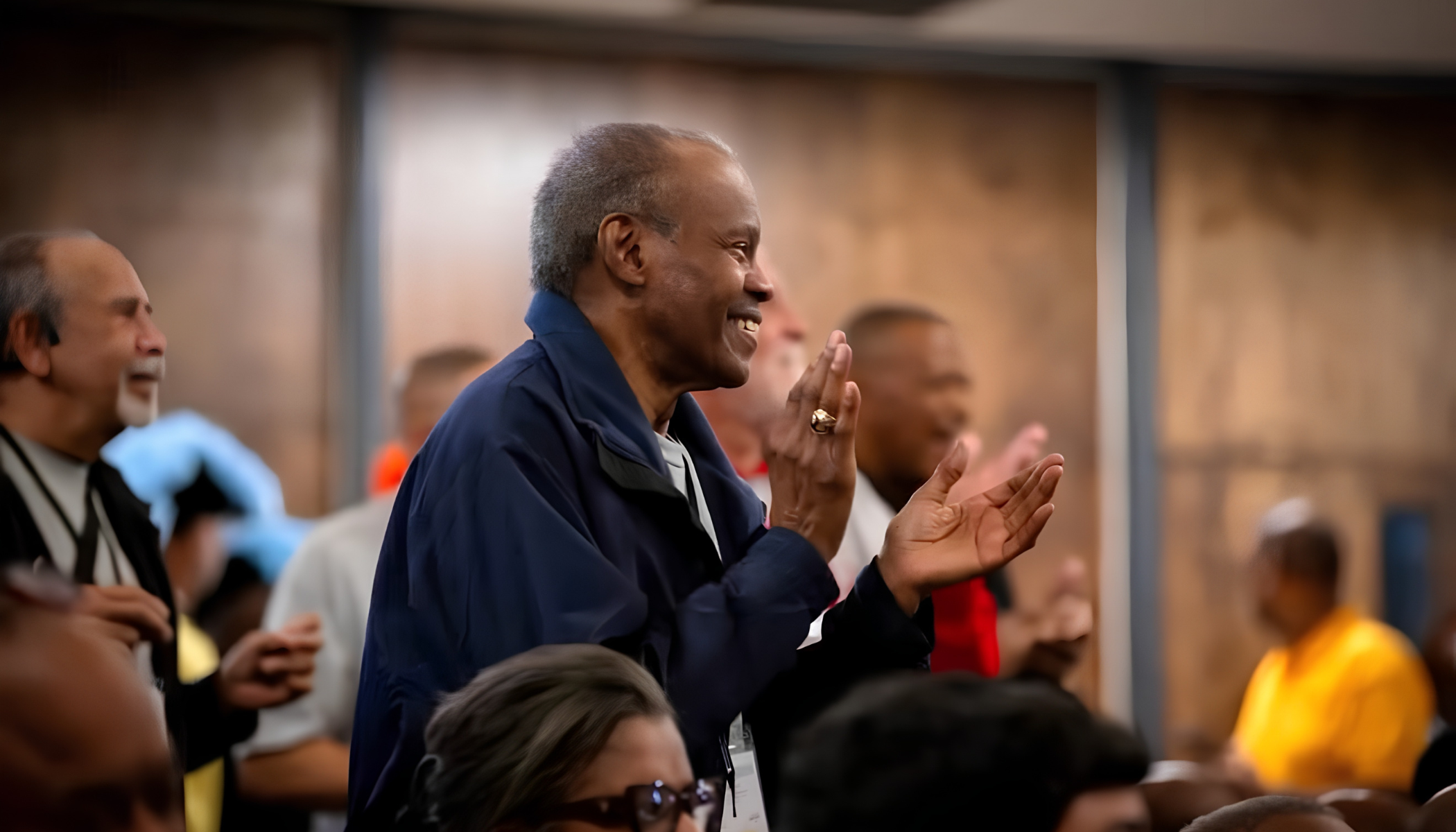
Morristown Knights welcome new members #Catholic – 
To celebrate Columbus Day, Knights of Columbus George Washington Council 359 in Morristown, N.J. held a CUF (Charity, Unity, Fraternity) ceremony on Oct. 12 to initiate nine new members into the council. Pictured with Msgr. John Hart, pastor of Assumption Parish in Morristown; Past Grand Knight Bill Kostyak (front left), and Chancellor Jim Torney (front right) are: Sean Gallagher, Nicholas Gleichmann, Xhulio Kola, Jack Lee, Logan Lenahan, John Mahoney, Brian Mileo, Stephen Simon, and Matt Sullivan.
Following the ceremony, District Deputy Bill Grant presented the council with the Star Council award (held by Bill Kostyak in photo) in recognition of their many outstanding accomplishments in the 2025-26 Columbian year.
– To celebrate Columbus Day, Knights of Columbus George Washington Council 359 in Morristown, N.J. held a CUF (Charity, Unity, Fraternity) ceremony on Oct. 12 to initiate nine new members into the council. Pictured with Msgr. John Hart, pastor of Assumption Parish in Morristown; Past Grand Knight Bill Kostyak (front left), and Chancellor Jim Torney (front right) are: Sean Gallagher, Nicholas Gleichmann, Xhulio Kola, Jack Lee, Logan Lenahan, John Mahoney, Brian Mileo, Stephen Simon, and Matt Sullivan. Following the ceremony, District Deputy Bill Grant presented the council with the Star Council award (held by Bill Kostyak in photo) in recognition of
Morris Plains Knights earn Star Award #Catholic – 
Knights of Columbus Bishop McLaughlin Council 3495 received the Star Award plaque at Tracy Center of St. Virgil Parish in Morris Plains, N.J., on Oct. 13. The council’s chaplain, Father Lukasz Wnuk, who is also St. Virgil’s pastor; current Grand Knight Daniel Andretti; and other council brothers accepted the honor. The council is based at St. Virgil’s and has earned Star Council status for two consecutive years. The Star Council Award is the international organization’s high honor recognizing overall excellence in local council operations, membership growth, insurance promotion, and program activities.
– Knights of Columbus Bishop McLaughlin Council 3495 received the Star Award plaque at Tracy Center of St. Virgil Parish in Morris Plains, N.J., on Oct. 13. The council’s chaplain, Father Lukasz Wnuk, who is also St. Virgil’s pastor; current Grand Knight Daniel Andretti; and other council brothers accepted the honor. The council is based at St. Virgil’s and has earned Star Council status for two consecutive years. The Star Council Award is the international organization’s high honor recognizing overall excellence in local council operations, membership growth, insurance promotion, and program activities. Click here to subscribe to our weekly newsletter.
![Falling cross that killed priest a punishment from God? A priest reflects #Catholic The death of Father Patricio Alfredo Sánchez Molinari on Saturday, Oct. 17, which occurred when a cross fell on him while he was celebrating Mass in Guayaquil, Ecuador, has left Catholics in shock.In response to comments on social media questioning whether the incident was a punishment from God, Father Juan Carlos Vásconez, a priest and rector of St. Josemaría Escrivá Church in Guayaquil, pointed to a passage from the Gospel to explain why it should not be interpreted in that way.In comments to EWTN News Español, the Spanish-language sister service of EWTN News, Vásconez spoke about the collapse of the tower of Siloam, which resulted in the deaths of 18 people (cf. Luke 13:4-5). He explained that Jesus made it clear that the victims were no more sinful than the other inhabitants of Jerusalem. Rather than assigning them blame, the Lord called everyone to repentance.“In the face of death, there is a message of equality. Life is fragile, and we will all go through that moment,” he said.The priest recalled that Sánchez was very well loved in Guayaquil and noted his piety. In February, he had led a retreat that was attended by other priests.A cross falls during MassFor Vásconez, the circumstances surrounding the Redemptorist priest’s death also invite reflection on the Christian faith.“The Mass is the sacrifice of Christ on Calvary, and it is the greatest thing we Christians have here on earth,” he noted.Vásconez shared in the grief caused by Sánchez’s passing, affirming that even in the midst of a tragedy, the faithful can find strength in God. He also asked for prayers for the Redemptorists and for the community of Our Lady of Perpetual Help Parish, which has lost its parish priest.“I would say that this will serve as a seed, inspiring [more men] to also want to dedicate themselves,” he added, referring to the possibility that the priest’s witness might encourage new vocations.Reviewing safety in churchesVásconez also called for an inspection of objects installed within churches to prevent accidents. He emphasized the need to ensure that crosses and religious images are securely fastened and that items attached to walls and ceilings are also checked.He mentioned that he recently learned of another incident in which a piece of marble detached from a wall. Consequently, he explained that at the church where he serves, they will inspect the ceiling lights to ensure they are securely anchored.“These are safety matters which incidents like this serve as a reminder to pay attention to such things,” he noted.The priest asked for prayers for the parishioners of Our Lady of Perpetual Help and for the Redemptorist family following the death of Sánchez.This story was first published by EWTN News Español, the Spanish-language sister service of EWTN News. It has been translated and adapted by EWTN News English.](https://unitedyam.com/wp-content/uploads/2026/10/falling-cross-that-killed-priest-a-punishment-from-god-a-priest-reflects-catholic-the-death-of-father-patricio-alfredo-sanchez-molinari-on-saturday-oct-17-which-occurred-when-a-cross-fell-on-him-scaled.jpg "Falling cross that killed priest a punishment from God? A priest reflects #Catholic The death of Father Patricio Alfredo Sánchez Molinari on Saturday, Oct. 17, which occurred when a cross fell on him while he was celebrating Mass in Guayaquil, Ecuador, has left Catholics in shock.In response to comments on social media questioning whether the incident was a punishment from God, Father Juan Carlos Vásconez, a priest and rector of St. Josemaría Escrivá Church in Guayaquil, pointed to a passage from the Gospel to explain why it should not be interpreted in that way.In comments to EWTN News Español, the Spanish-language sister service of EWTN News, Vásconez spoke about the collapse of the tower of Siloam, which resulted in the deaths of 18 people (cf. Luke 13:4-5). He explained that Jesus made it clear that the victims were no more sinful than the other inhabitants of Jerusalem. Rather than assigning them blame, the Lord called everyone to repentance.“In the face of death, there is a message of equality. Life is fragile, and we will all go through that moment,” he said.The priest recalled that Sánchez was very well loved in Guayaquil and noted his piety. In February, he had led a retreat that was attended by other priests.A cross falls during MassFor Vásconez, the circumstances surrounding the Redemptorist priest’s death also invite reflection on the Christian faith.“The Mass is the sacrifice of Christ on Calvary, and it is the greatest thing we Christians have here on earth,” he noted.Vásconez shared in the grief caused by Sánchez’s passing, affirming that even in the midst of a tragedy, the faithful can find strength in God. He also asked for prayers for the Redemptorists and for the community of Our Lady of Perpetual Help Parish, which has lost its parish priest.“I would say that this will serve as a seed, inspiring [more men] to also want to dedicate themselves,” he added, referring to the possibility that the priest’s witness might encourage new vocations.Reviewing safety in churchesVásconez also called for an inspection of objects installed within churches to prevent accidents. He emphasized the need to ensure that crosses and religious images are securely fastened and that items attached to walls and ceilings are also checked.He mentioned that he recently learned of another incident in which a piece of marble detached from a wall. Consequently, he explained that at the church where he serves, they will inspect the ceiling lights to ensure they are securely anchored.“These are safety matters which incidents like this serve as a reminder to pay attention to such things,” he noted.The priest asked for prayers for the parishioners of Our Lady of Perpetual Help and for the Redemptorist family following the death of Sánchez.This story was first published by EWTN News Español, the Spanish-language sister service of EWTN News. It has been translated and adapted by EWTN News English.")
Father Juan Vásconez said the death of Father Patricio Sánchez resulting from a large cross falling in him should not be interpreted as a punishment but as a call to repent, as we will all die.
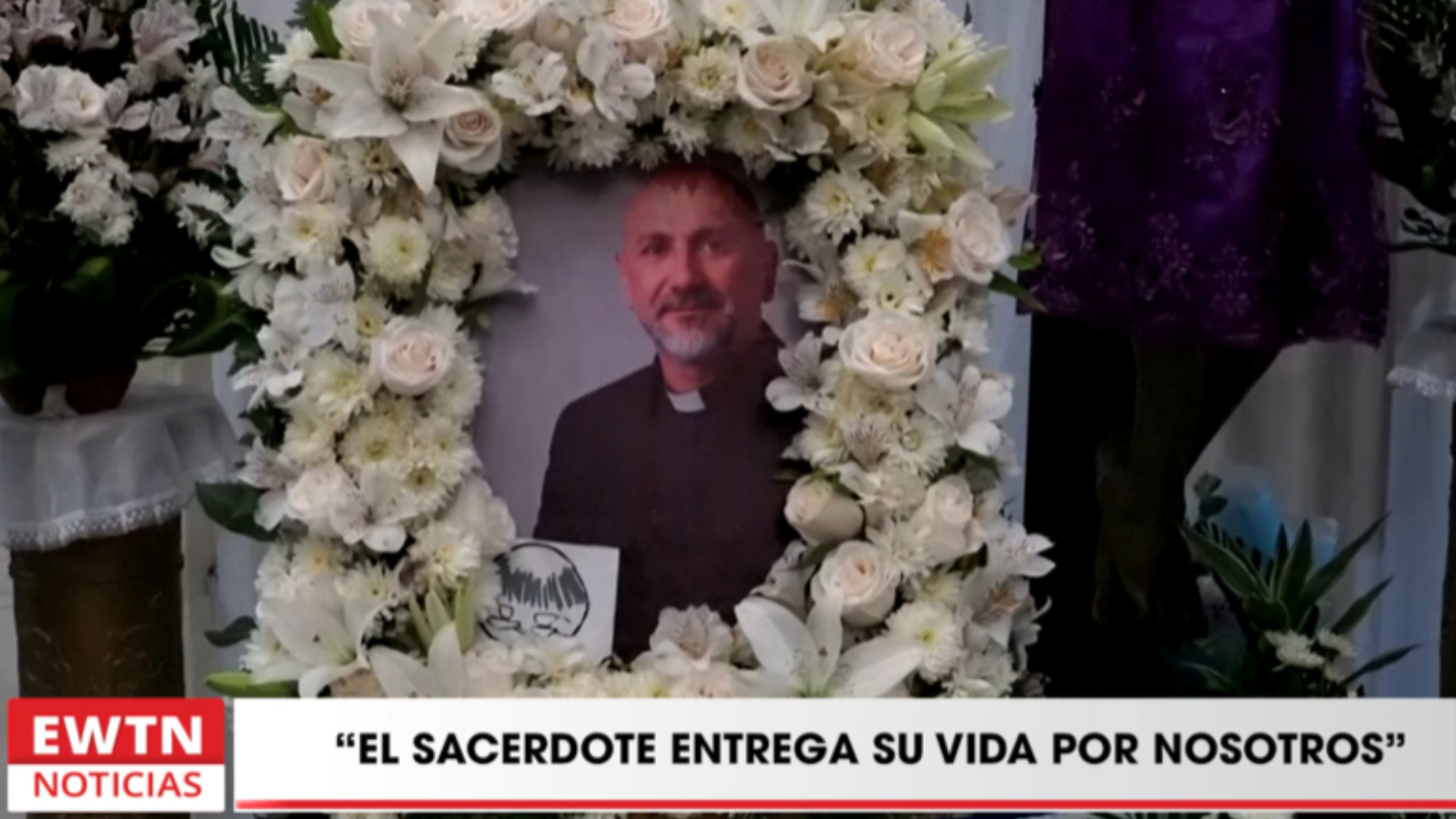
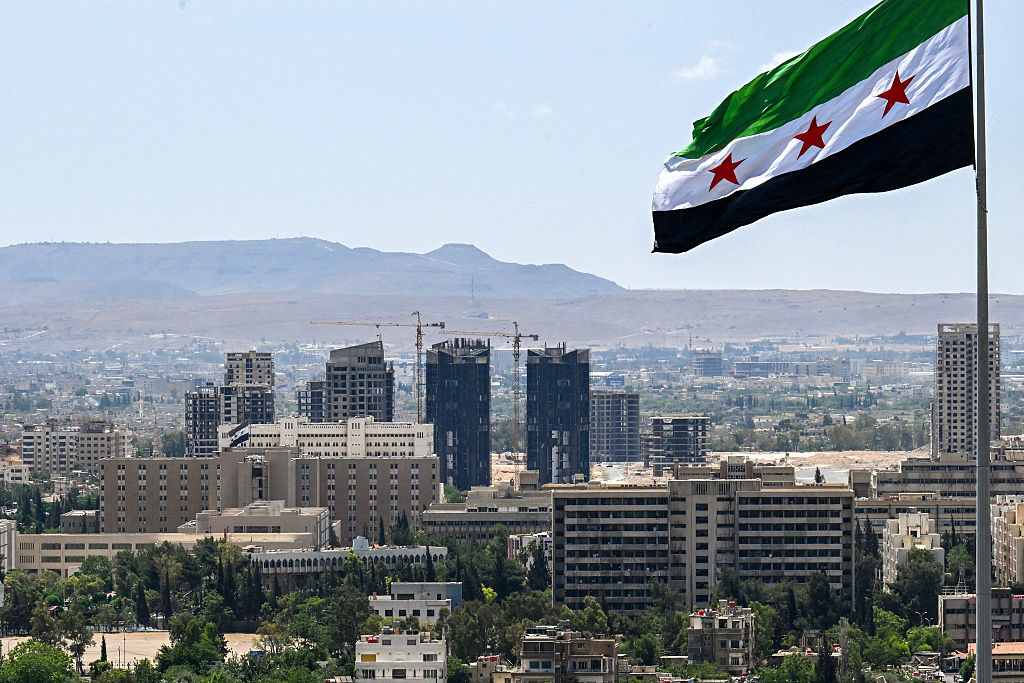
The bill calls for a report identifying Syrian officials who are suspected of abuses and for consideration of targeted sanctions against them.
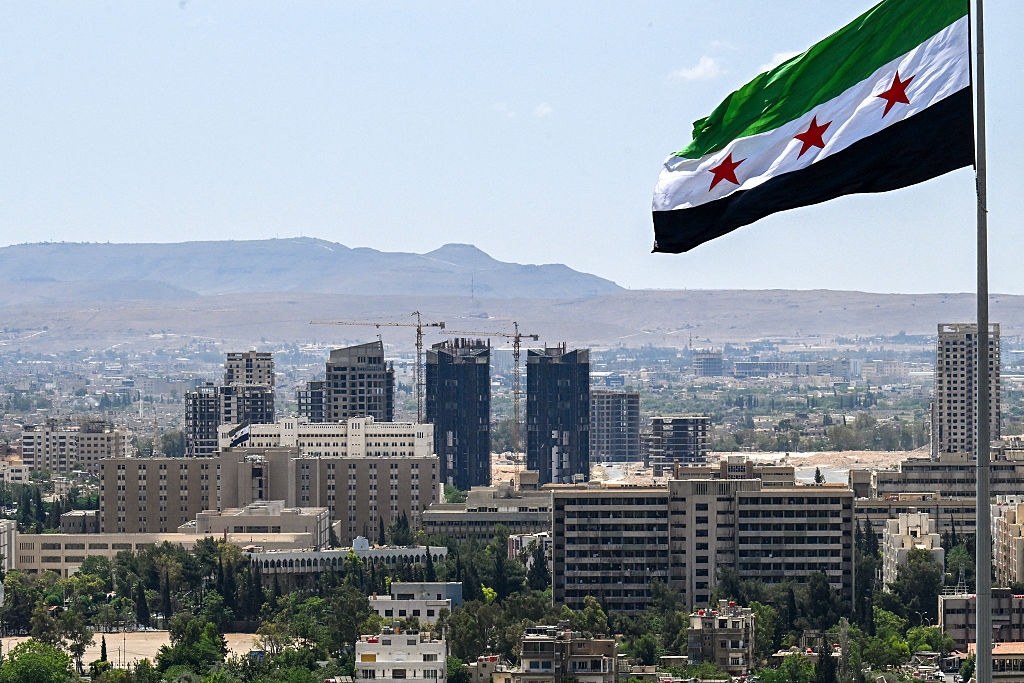
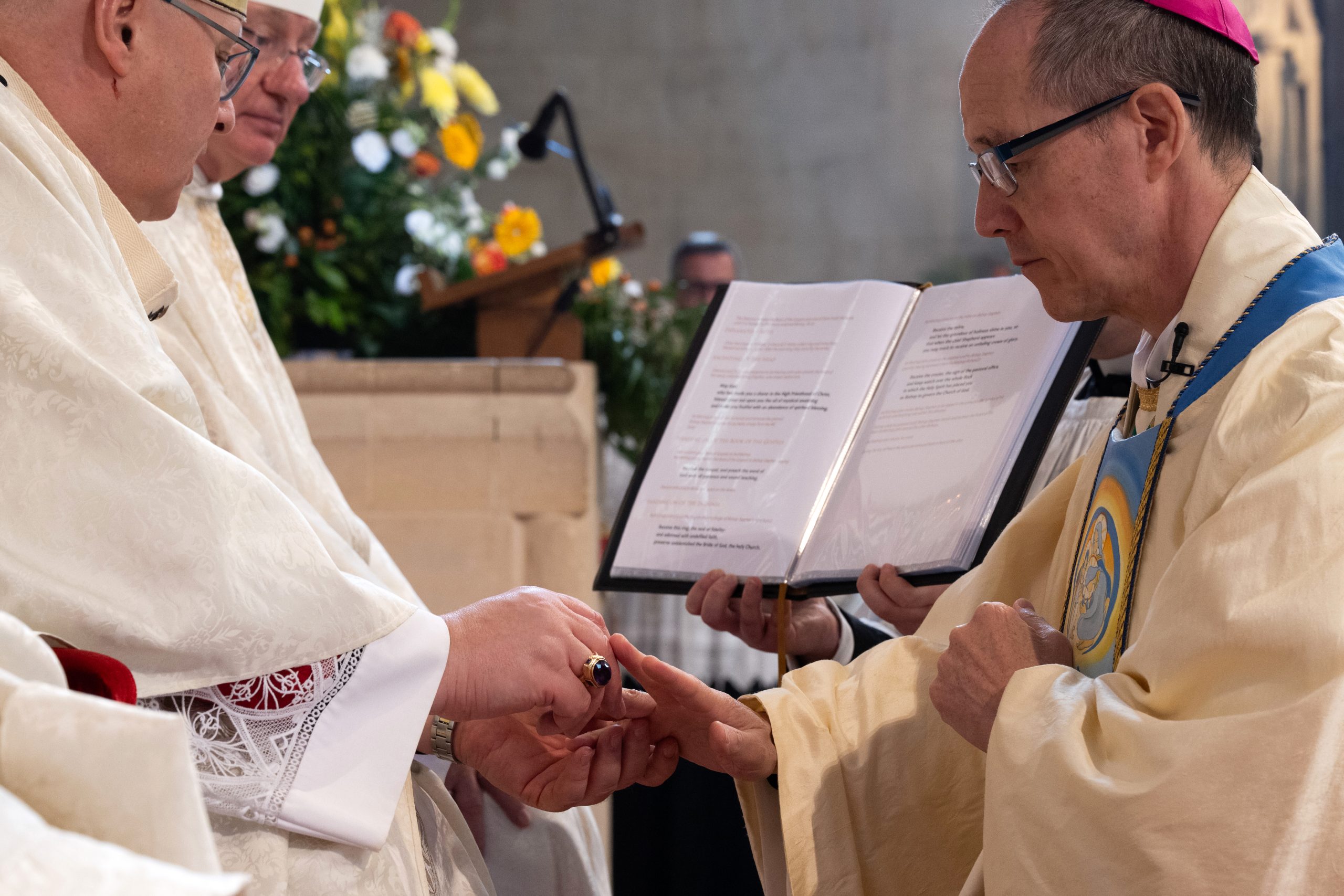
Prior rector of the Venerable English College in Rome, Father Stephen Wang has been appointed the new bishop of Arundel and Brighton.
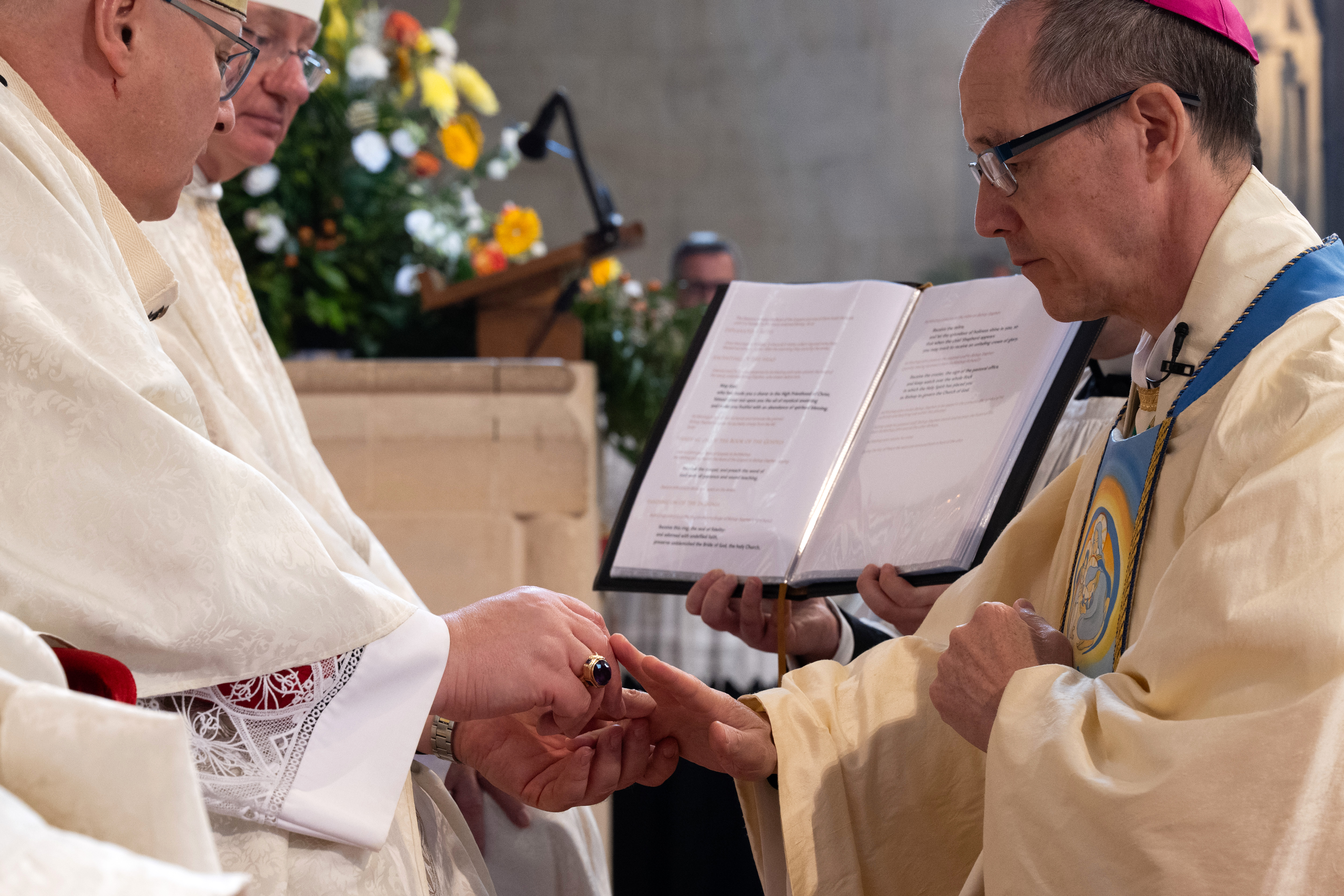
![Rector of pontifical university in Brazil dies in wind-related accident during Arizona visit – #Catholic – The head of a pontifical university in Brazil died during a visit to the U.S. this month after suffering a head injury in Arizona. The Pontifical Catholic University of Paraná in Curitiba, Brazil, announced a memorial Mass in honor of Marist Brother Rogério Renato Mateucci, who died on Oct. 16 after being struck on the head by a piece of roofing at Frank Lloyd Wright’s Taliesin West home near Scottsdale, Arizona. Mateucci was reportedly part of a walking tour at the historic home when high winds tore part of the roof off of the structure. He allegedly died instantly. The school held the memorial Mass on Oct. 19. The Frank Lloyd Wright Foundation said it an announcement that it “[extended] its deepest condolences to the family and loved ones” of Mateucci. The property would be closed until further notice, the foundation said. The Brazilian pontifical university, meanwhile, said it had canceled two days of classes in the wake of Mateucci’s death. Mateucci had been appointed to the rectorship of the university first in 2021. He had previously served as a vice rector there as well as on the school’s board of directors. His death was also mourned at Kent State University in Ohio, where he gave a keynote commencement address in May 2025 in which he called on graduates to take risks “to offer affection and make life easier for those around you.”“May you have the courage to say yes to the life that persists in you,” he told the assembly. Paulo Mussi Augusto, associate vice president for global education at the Ohio school, said Mateucci “spoke and acted with a rare gentleness and had a remarkable ability to listen, always making room for others to be heard.”“As a man of faith, he was steadfast, slow to judge and always willing to give people another chance,” Augusto said. “His legacy will continue to inspire all of us who had the privilege of knowing him.”](https://unitedyam.com/wp-content/uploads/2026/10/rector-of-pontifical-university-in-brazil-dies-in-wind-related-accident-during-arizona-visit-catholic-the-head-of-a-pontifical-university-in-brazil-died-during-a-visit-to-the-u-s-this-month-afte.jpg "Rector of pontifical university in Brazil dies in wind-related accident during Arizona visit – #Catholic – The head of a pontifical university in Brazil died during a visit to the U.S. this month after suffering a head injury in Arizona. The Pontifical Catholic University of Paraná in Curitiba, Brazil, announced a memorial Mass in honor of Marist Brother Rogério Renato Mateucci, who died on Oct. 16 after being struck on the head by a piece of roofing at Frank Lloyd Wright’s Taliesin West home near Scottsdale, Arizona. Mateucci was reportedly part of a walking tour at the historic home when high winds tore part of the roof off of the structure. He allegedly died instantly. The school held the memorial Mass on Oct. 19. The Frank Lloyd Wright Foundation said it an announcement that it “[extended] its deepest condolences to the family and loved ones” of Mateucci. The property would be closed until further notice, the foundation said. The Brazilian pontifical university, meanwhile, said it had canceled two days of classes in the wake of Mateucci’s death. Mateucci had been appointed to the rectorship of the university first in 2021. He had previously served as a vice rector there as well as on the school’s board of directors. His death was also mourned at Kent State University in Ohio, where he gave a keynote commencement address in May 2025 in which he called on graduates to take risks “to offer affection and make life easier for those around you.”“May you have the courage to say yes to the life that persists in you,” he told the assembly. Paulo Mussi Augusto, associate vice president for global education at the Ohio school, said Mateucci “spoke and acted with a rare gentleness and had a remarkable ability to listen, always making room for others to be heard.”“As a man of faith, he was steadfast, slow to judge and always willing to give people another chance,” Augusto said. “His legacy will continue to inspire all of us who had the privilege of knowing him.”")
The Pontifical Catholic University of Paraná in Curitiba, Brazil, held a memorial Mass for Rogério Renato Mateucci after the tragedy.

BepiColombo, a joint mission of the European Space Agency and the Japan Aerospace Exploration Agency, launched Oct. 20, 2018. The spacecraft is actually two satellites in one, the Mercury Planetary Orbiter (MPO) and the Mercury Magnetospheric Orbiter (MMO), commissioned with investigating one of the least-visited planets in our solar system. To reach its final position,Continue reading “Oct. 20, 2018: BepiColombo launches”
The post Oct. 20, 2018: BepiColombo launches appeared first on Astronomy Magazine.
Read More
The captivating shapes of wind-carved crags called yardangs are revealed in this zoomed-in crop of a broader panorama captured by NASA’s Curiosity Mars rover. Scientists are eager to learn more about how the yardang layer formed.
Read More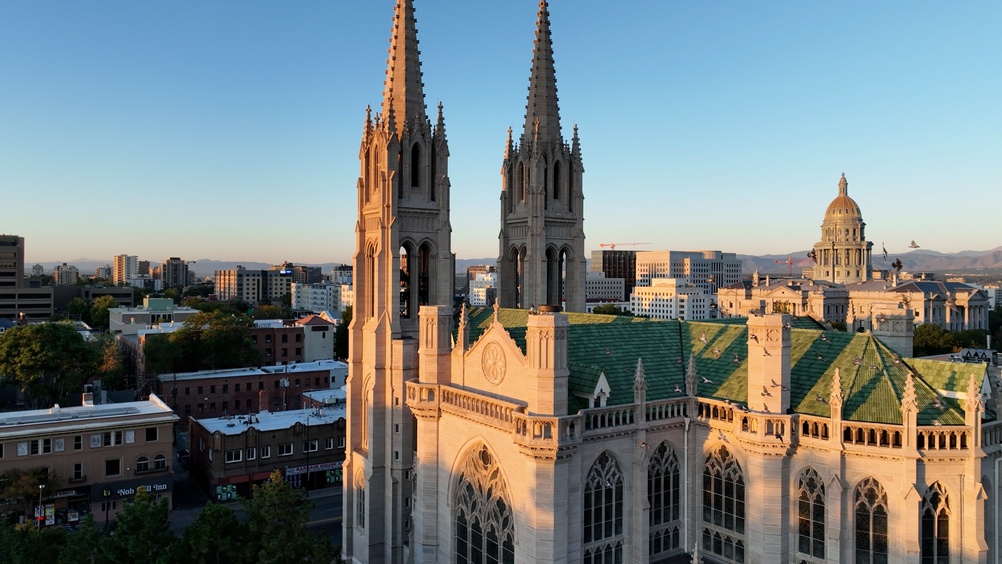
The prominent priest agreed to Denver Archbishop James Golka’s request, which the archdiocese says will allow him to focus on his religious community and the people it serves.
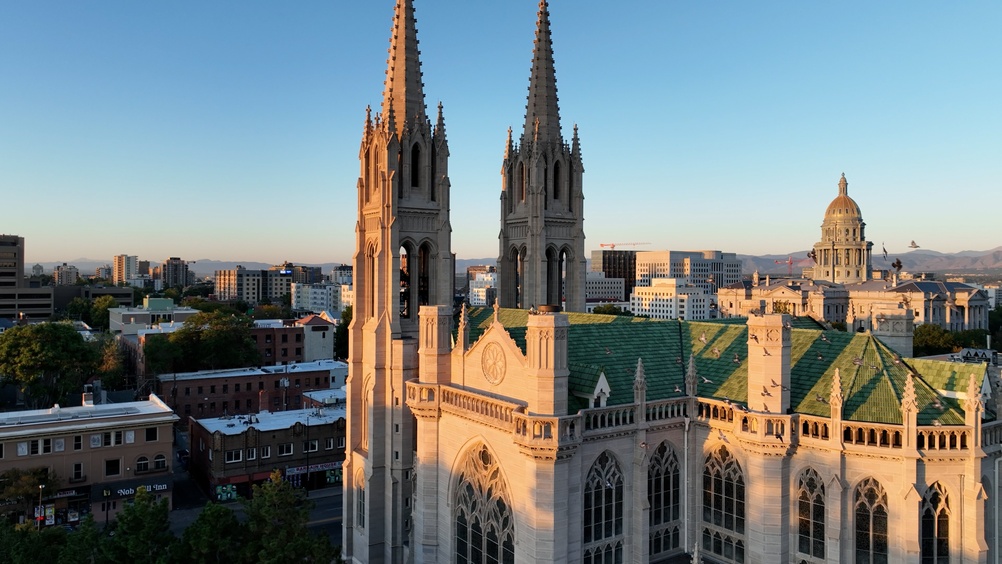
A reading from the Letter of St. Paul to the Ephesians
2:12-22
Brothers and sisters:
You were at that time without Christ,
alienated from the community of Israel
and strangers to the covenants of promise,
without hope and without God in the world.
But now in Christ Jesus you who once were far off
have become near by the Blood of Christ.
For he is our peace, he made both one
and broke down the dividing wall of enmity, through his Flesh,
abolishing the law with its commandments and legal claims,
that he might create in himself one new person in place of the two,
thus establishing peace,
and might reconcile both with God,
in one Body, through the cross,
putting that enmity to death by it.
He came and preached peace to you who were far off
and peace to those who were near,
for through him we both have access in one Spirit to the Father.
So then you are no longer strangers and sojourners,
but you are fellow citizens with the holy ones
and members of the household of God,
built upon the foundation of the Apostles and prophets,
with Christ Jesus himself as the capstone.
Through him the whole structure is held together
and grows into a temple sacred in the Lord;
in him you also are being built together
into a dwelling place of God in the Spirit.
From the Gospel according to Luke
12:35-38
Jesus said to his disciples:
“Gird your loins and light your lamps
and be like servants who await their master’s return from a wedding,
ready to open immediately when he comes and knocks.
Blessed are those servants
whom the master finds vigilant on his arrival.
Amen, I say to you, he will gird himself,
have them recline at table, and proceed to wait on them.
And should he come in the second or third watch
and find them prepared in this way,
blessed are those servants.”
Jesus says: “Let your loins be girded and your lamps burning” (Lk 12: 35). This means living fully in the present by grasping the promise of eternity. Our whole life is a striving for eternal life and we must be ready. A person is ready when he or she is completely given to God and to his or her brothers and sisters. Not when there is applause and success, no, life is much more than that. It is being in the world to the full, in the truth and freedom of the children of God and in the relationship of brotherhood with others. And this intensity of relationship with the Father and with our brothers and sisters is nourished by prayer: prayer allows God to be close to us, it frees us from solitude and infuses hope. Prayer oxygenates life: just as one cannot live without breathing, one cannot be a Christian and live as a Christian, let alone as a consecrated person, without prayer. (Pope Francis, Address to members of the Seculare Institute of Oblate Missionary Cooperators, 20 November 2021)
Read More
U.S. bishops formed the task force after meeting with AI experts and executives in September to identify how the Church could help shape the moral foundations of AI.

The Catholic faithful are mourning the death at Mass of Father Patricio Alfredo Sánchez Molinari, parish priest of the Perpetuo Socorro Church in Guayaquil, Ecuador.
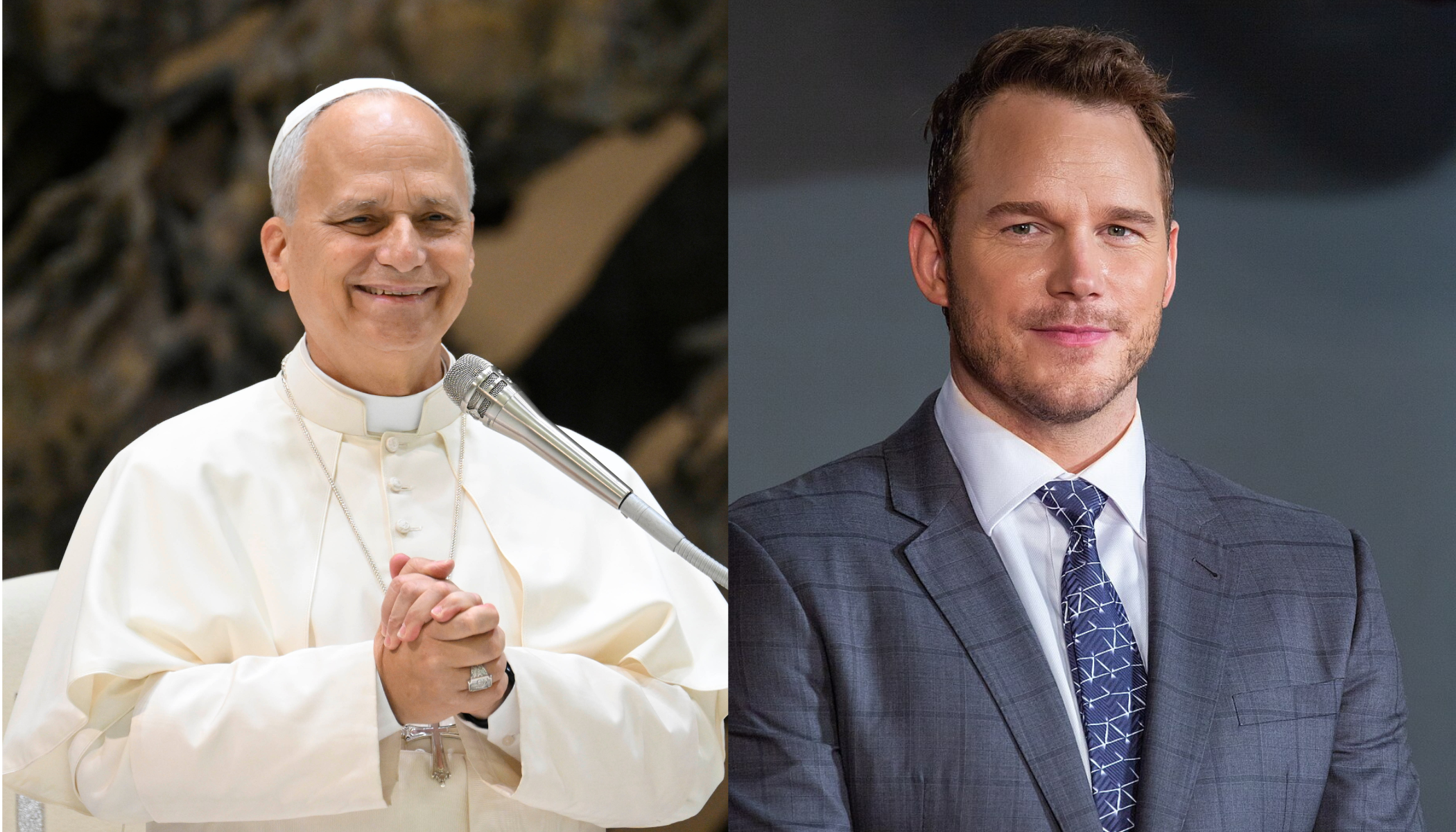
“Pétros Ení — Discovering the Origins” is scheduled to be released in theaters in February 2027.
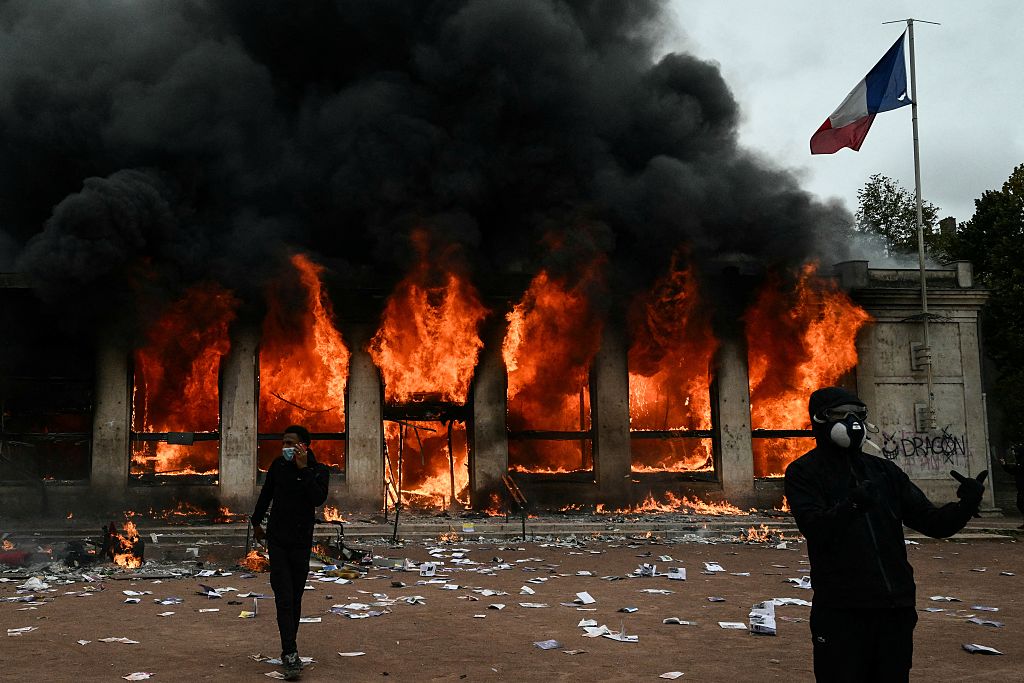
France’s bishops appealed for an end to violence after a weekend of riots in which several buildings burned, shops were looted nationwide, and a Lyon interreligious peace march was postponed.
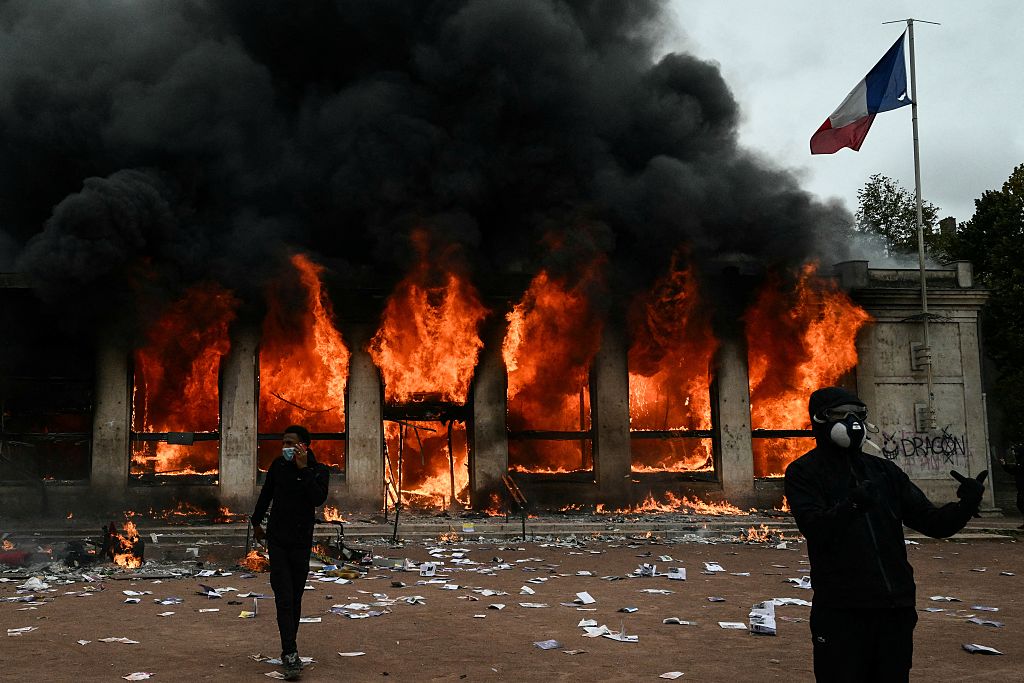
Sometime around the year 1837, a strange object passed an invisible cosmic mile marker: 1,000 astronomical units from the Sun. (One astronomical unit, or AU, is the average Earth-Sun distance.) For more than a century, it continued undetected toward our star. Finally, on Oct. 19, 2017, humans noticed the visitor. That night, a faint, thinContinue reading “Oct. 19, 2017: The discovery of ‘Oumuamua”
The post Oct. 19, 2017: The discovery of ‘Oumuamua appeared first on Astronomy Magazine.
Read More| Picture of the day |
|---|
-L1005460.jpg)
|
|
PO boxes at the historic U.S. Post Office in downtown Chico, California. Today is International World Post Day.
|
![Faith and tradition unite Peruvians at Paterson Mass #Catholic – Bishop Kevin J. Sweeney helped the Peruvian community from across the diocese celebrate the feast of Señor de los Milagros (Lord of Miracles) during a Spanish Mass on Oct. 11 at the Cathedral of St. John the Baptist in Paterson, N.J., the mother church of the Paterson Diocese.
Bishop Kevin J. Sweeney concelebrated the liturgy with Msgr. Geno Sylva, rector of St. John’s and diocesan vicar for special projects. The Children’s Choir sang hymns of praise.
The Peruvian devotion features an outdoor procession through the streets to the Lord and all his miracles. Peruvians carried an image of Jesus Christ that was painted during the 17th century by an unknown African who was taken as an enslaved person from what is now Angola to Peru. The procession also includes an image of the Blessed Virgin Mary.
The Peruvian community celebrates Señor de los Milagros every October, on or near the 18th. It is the leading Catholic celebration in Peru, and it features one of the largest processions in the world in the South American country. Its name originated in the 17th century during an earthquake in Lima that destroyed most of the city, leaving only the image standing.
BEACON PHOTOS | JOE GIGLI
[See image gallery at beaconnj.org]
Click here to subscribe to our weekly newsletter.](https://unitedyam.com/wp-content/uploads/2026/10/faith-and-tradition-unite-peruvians-at-paterson-mass-catholic-bishop-kevin-j-sweeney-helped-the-peruvian-community-from-across-the-diocese-celebrate-the-feast-of-senor-de-los-milagros-lord-of-mir.jpg "Faith and tradition unite Peruvians at Paterson Mass #Catholic – Bishop Kevin J. Sweeney helped the Peruvian community from across the diocese celebrate the feast of Señor de los Milagros (Lord of Miracles) during a Spanish Mass on Oct. 11 at the Cathedral of St. John the Baptist in Paterson, N.J., the mother church of the Paterson Diocese.
Bishop Kevin J. Sweeney concelebrated the liturgy with Msgr. Geno Sylva, rector of St. John’s and diocesan vicar for special projects. The Children’s Choir sang hymns of praise.
The Peruvian devotion features an outdoor procession through the streets to the Lord and all his miracles. Peruvians carried an image of Jesus Christ that was painted during the 17th century by an unknown African who was taken as an enslaved person from what is now Angola to Peru. The procession also includes an image of the Blessed Virgin Mary.
The Peruvian community celebrates Señor de los Milagros every October, on or near the 18th. It is the leading Catholic celebration in Peru, and it features one of the largest processions in the world in the South American country. Its name originated in the 17th century during an earthquake in Lima that destroyed most of the city, leaving only the image standing.
BEACON PHOTOS | JOE GIGLI
[See image gallery at beaconnj.org]
Click here to subscribe to our weekly newsletter.")
Faith and tradition unite Peruvians at Paterson Mass #Catholic – 
Bishop Kevin J. Sweeney helped the Peruvian community from across the diocese celebrate the feast of Señor de los Milagros (Lord of Miracles) during a Spanish Mass on Oct. 11 at the Cathedral of St. John the Baptist in Paterson, N.J., the mother church of the Paterson Diocese.
Bishop Kevin J. Sweeney concelebrated the liturgy with Msgr. Geno Sylva, rector of St. John’s and diocesan vicar for special projects. The Children’s Choir sang hymns of praise.
The Peruvian devotion features an outdoor procession through the streets to the Lord and all his miracles. Peruvians carried an image of Jesus Christ that was painted during the 17th century by an unknown African who was taken as an enslaved person from what is now Angola to Peru. The procession also includes an image of the Blessed Virgin Mary.
The Peruvian community celebrates Señor de los Milagros every October, on or near the 18th. It is the leading Catholic celebration in Peru, and it features one of the largest processions in the world in the South American country. Its name originated in the 17th century during an earthquake in Lima that destroyed most of the city, leaving only the image standing.
– Bishop Kevin J. Sweeney helped the Peruvian community from across the diocese celebrate the feast of Señor de los Milagros (Lord of Miracles) during a Spanish Mass on Oct. 11 at the Cathedral of St. John the Baptist in Paterson, N.J., the mother church of the Paterson Diocese. Bishop Kevin J. Sweeney concelebrated the liturgy with Msgr. Geno Sylva, rector of St. John’s and diocesan vicar for special projects. The Children’s Choir sang hymns of praise. The Peruvian devotion features an outdoor procession through the streets to the Lord and all his miracles. Peruvians carried an image of Jesus Christ

The proposed changes are expected to allow Christians to address a range of personal status matters under their churches’ laws, including marriage, divorce, wills, and adoption.

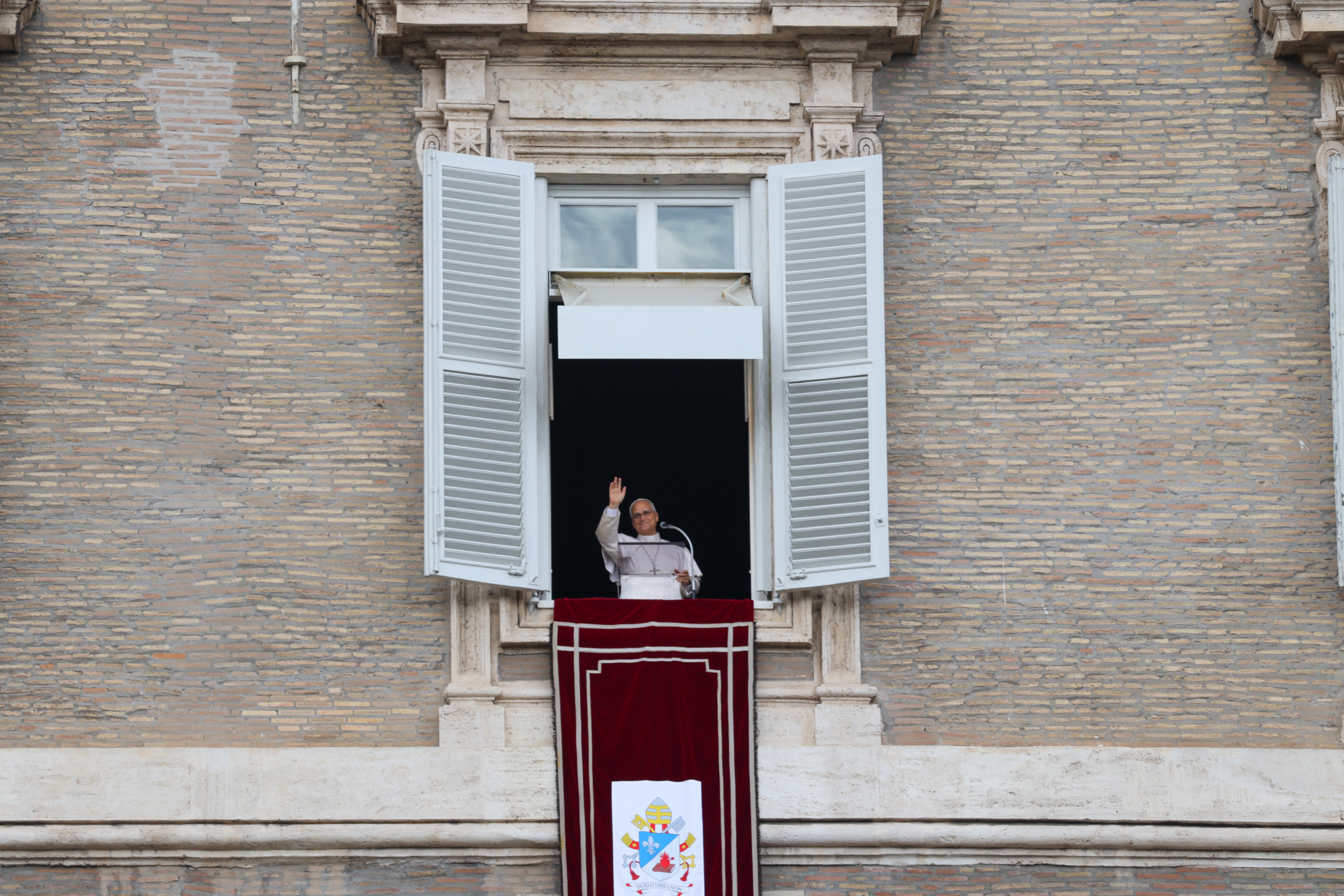
The pontiff, five days after undergoing surgery for cancer, said he would “gradually resume my activities.”
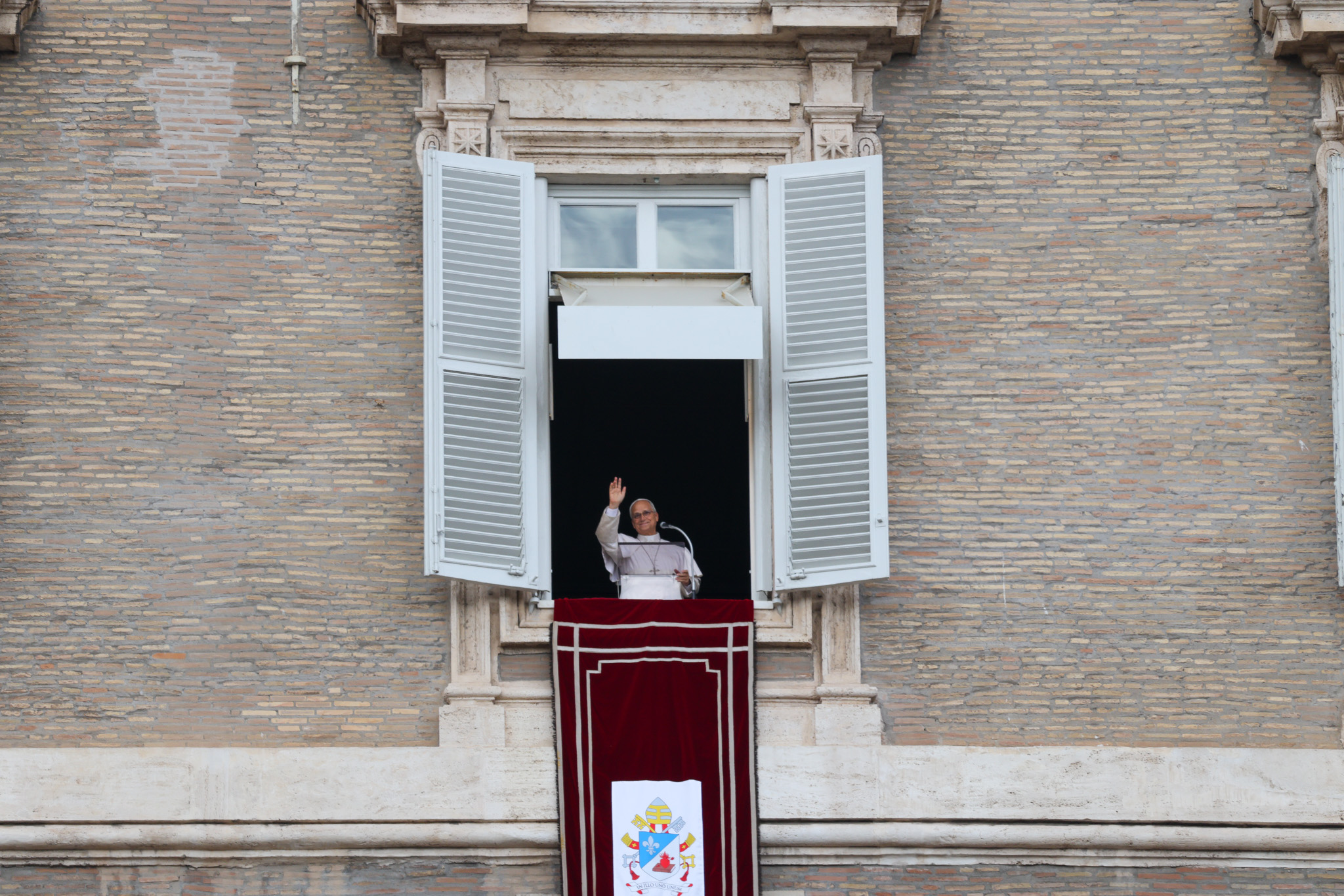



:max_bytes(150000):strip_icc():format(jpeg)/TAL-brunswick-georgia-aerial-BRUNSWICKGA0326-89b6f779a6fc442a9a12e7d0839b2472.jpg)