Day: October 2, 2026

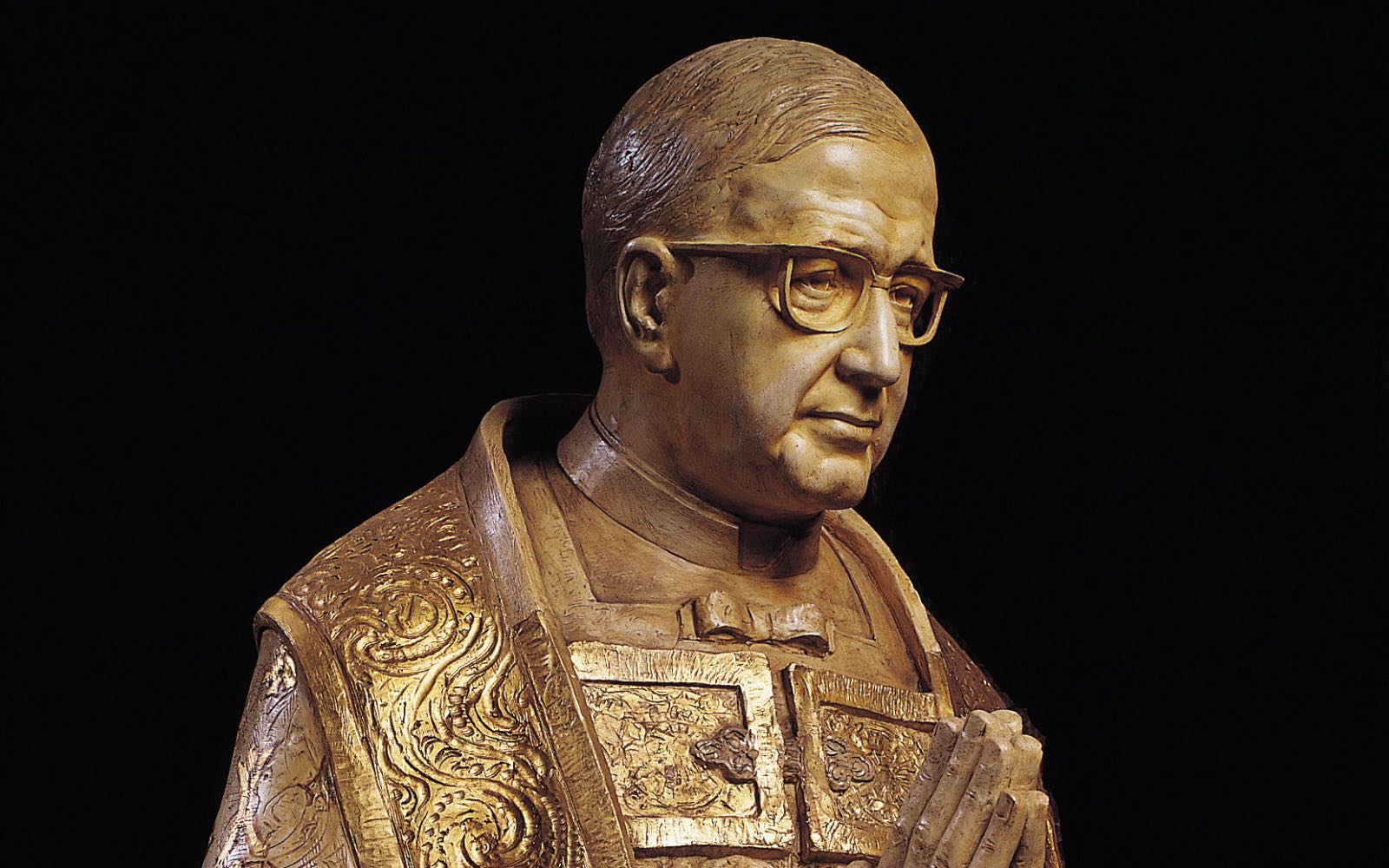
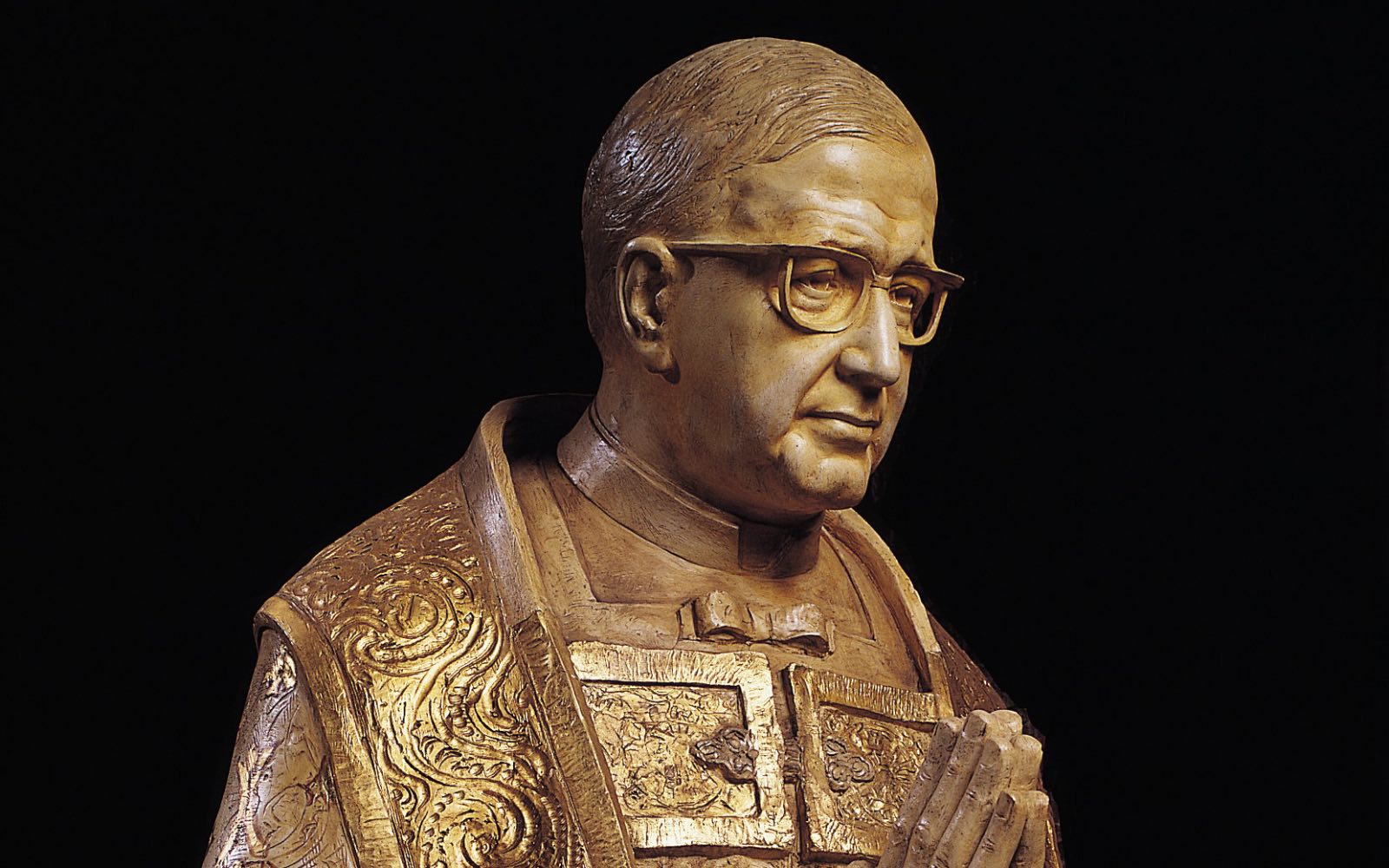
What did St. Josemaría see on the day Opus Dei was founded? – #Catholic – On Oct. 2, 1928, “the Lord founded His Work; brought Opus Dei (The Work of God) into being,” wrote St. Josemaría Escrivá in his personal notes, as recorded by Andrés Vázquez de Prada in the Spanish-language volume of “The Founder of Opus Dei,” a definitive text on the Spanish saint’s life.“The Work of God was not imagined by a man,” he would later say. “For many years, the Lord had been inspiring it in an inept and deaf instrument, who saw it for the first time on the Feast of the Guardian Angels.”It was, the saint understood, the answer to the prayers he repeatedly addressed to God: “Domine, ut videam!” and “Domine, ut sit!” (“Lord, that I may see!” and “Lord, that it may come to be!”)On that October day, the founder of Opus Dei was making a spiritual retreat at the Central House of the Vincentian missionaries in Madrid. “I received enlightenment regarding the whole Work … Deeply moved, I knelt down, I was alone in my room in the interval between talks, and thanked the Lord; I recall with emotion the ringing of the bells of the parish church of Our Lady of the Angels.”On that occasion, Vázquez de Prada notes, St. Josemaría’s mind “was illuminated with a clear, general idea of ​​his mission.”“The scattered notes the retreatant had brought with him to meditate upon during the retreat consisted of ideas that were, it seems, unsystematized. In the days that followed, he compiled them in an orderly fashion, in accordance with the general enlightenment he had just received regarding the whole work,” the author explains.Building on that foundation, over the years St. Josemaría “drafted documents that he would later hand to his children in Opus Dei,” Vázquez de Prada continues.In 1930, he wrote in a letter: “We have come to say with the humility of one who knows himself to be a sinner and of little account (“homo peccator sum” — I am a sinful man [Luke 5:8], we say with Peter), yet with the faith of one who allows himself to be guided by the hand of God, that holiness is not reserved for a privileged few: that the Lord calls all of us, that he expects love from everyone, from everyone, wherever they may be; from everyone, whatever their state in life, their profession, or their trade.”“For that ordinary, everyday life without pretense can be a means of holiness; there is no need to abandon one’s state in life to seek God — if the Lord has not given a soul a religious vocation — since every way of life on this earth can be an occasion for an encounter with Christ,” the founder of Opus Dei said.What is Opus Dei?Its official Spanish-language website defines Opus Dei as “a hierarchical institution of the Catholic Church, a personal prelature, whose purpose is to contribute to the Church’s evangelizing mission.”“Specifically, the aim is to spread a deep awareness of the universal call to holiness and the sanctifying value of ordinary work,” the website adds.Among the faithful who discover a “vocation to Opus Dei” and request to join, a distinction is made between numeraries, who live apostolic celibacy and are fully available for the work of the prelature; associates, who also live apostolic celibacy but whose personal, family, or professional circumstances limit that availability; and supernumeraries, whether married or single, who do not commit to celibacy. Priests incardinated in the prelature are drawn from the ranks of numeraries or associates.According to the most recent data released by Opus Dei, around 94,450 people are part of the institution, which is present in 68 countries across five continents.This story was first published by ACI Prensa, the Spanish-language sister service of EWTN News. It has been translated and adapted by EWTN News English.

What did St. Josemaría see on the day Opus Dei was founded? – #Catholic – On Oct. 2, 1928, “the Lord founded His Work; brought Opus Dei (The Work of God) into being,” wrote St. Josemaría Escrivá in his personal notes, as recorded by Andrés Vázquez de Prada in the Spanish-language volume of “The Founder of Opus Dei,” a definitive text on the Spanish saint’s life.“The Work of God was not imagined by a man,” he would later say. “For many years, the Lord had been inspiring it in an inept and deaf instrument, who saw it for the first time on the Feast of the Guardian Angels.”It was, the saint understood, the answer to the prayers he repeatedly addressed to God: “Domine, ut videam!” and “Domine, ut sit!” (“Lord, that I may see!” and “Lord, that it may come to be!”)On that October day, the founder of Opus Dei was making a spiritual retreat at the Central House of the Vincentian missionaries in Madrid. “I received enlightenment regarding the whole Work … Deeply moved, I knelt down, I was alone in my room in the interval between talks, and thanked the Lord; I recall with emotion the ringing of the bells of the parish church of Our Lady of the Angels.”On that occasion, Vázquez de Prada notes, St. Josemaría’s mind “was illuminated with a clear, general idea of ​​his mission.”“The scattered notes the retreatant had brought with him to meditate upon during the retreat consisted of ideas that were, it seems, unsystematized. In the days that followed, he compiled them in an orderly fashion, in accordance with the general enlightenment he had just received regarding the whole work,” the author explains.Building on that foundation, over the years St. Josemaría “drafted documents that he would later hand to his children in Opus Dei,” Vázquez de Prada continues.In 1930, he wrote in a letter: “We have come to say with the humility of one who knows himself to be a sinner and of little account (“homo peccator sum” — I am a sinful man [Luke 5:8], we say with Peter), yet with the faith of one who allows himself to be guided by the hand of God, that holiness is not reserved for a privileged few: that the Lord calls all of us, that he expects love from everyone, from everyone, wherever they may be; from everyone, whatever their state in life, their profession, or their trade.”“For that ordinary, everyday life without pretense can be a means of holiness; there is no need to abandon one’s state in life to seek God — if the Lord has not given a soul a religious vocation — since every way of life on this earth can be an occasion for an encounter with Christ,” the founder of Opus Dei said.What is Opus Dei?Its official Spanish-language website defines Opus Dei as “a hierarchical institution of the Catholic Church, a personal prelature, whose purpose is to contribute to the Church’s evangelizing mission.”“Specifically, the aim is to spread a deep awareness of the universal call to holiness and the sanctifying value of ordinary work,” the website adds.Among the faithful who discover a “vocation to Opus Dei” and request to join, a distinction is made between numeraries, who live apostolic celibacy and are fully available for the work of the prelature; associates, who also live apostolic celibacy but whose personal, family, or professional circumstances limit that availability; and supernumeraries, whether married or single, who do not commit to celibacy. Priests incardinated in the prelature are drawn from the ranks of numeraries or associates.According to the most recent data released by Opus Dei, around 94,450 people are part of the institution, which is present in 68 countries across five continents.This story was first published by ACI Prensa, the Spanish-language sister service of EWTN News. It has been translated and adapted by EWTN News English.

On the feast of the Guardian Angels in 1928, the saint received “general enlightenment” about his mission, which later coalesced into a specific form.
Read More

Gospel and Word of the Day – 03 October 2026 – A reading from the Book of Job 42:1-3, 5-6, 12-17 Job answered the LORD and said: I know that you can do all things, and that no purpose of yours can be hindered. I have dealt with great things that I do not understand; things too wonderful for me, which I cannot know. I had heard of you by word of mouth, but now my eye has seen you. Therefore I disown what I have said, and repent in dust and ashes. Thus the LORD blessed the latter days of Job more than his earlier ones. For he had fourteen thousand sheep, six thousand camels, a thousand yoke of oxen, and a thousand she-asses. And he had seven sons and three daughters, of whom he called the first Jemimah, the second Keziah, and the third Kerenhappuch. In all the land no other women were as beautiful as the daughters of Job; and their father gave them an inheritance along with their brothers. After this, Job lived a hundred and forty years; and he saw his children, his grandchildren, and even his great-grandchildren. Then Job died, old and full of years.From the Gospel according to Luke 10:17-24 The seventy-two disciples returned rejoicing and said to Jesus, “Lord, even the demons are subject to us because of your name.” Jesus said, “I have observed Satan fall like lightning from the sky. Behold, I have given you the power ‘to tread upon serpents’ and scorpions and upon the full force of the enemy and nothing will harm you. Nevertheless, do not rejoice because the spirits are subject to you, but rejoice because your names are written in heaven. ”At that very moment he rejoiced in the Holy Spirit and said, “I give you praise, Father, Lord of heaven and earth, for although you have hidden these things from the wise and the learned you have revealed them to the childlike. Yes, Father, such has been your gracious will. All things have been handed over to me by my Father. No one knows who the Son is except the Father, and who the Father is except the Son and anyone to whom the Son wishes to reveal him.” Turning to the disciples in private he said, “Blessed are the eyes that see what you see. For I say to you, many prophets and kings desired to see what you see, but did not see it, and to hear what you hear, but did not hear it.”The Evangelists Matthew and Luke (cf. Mt 11:25-30 and Lk 10:21-22) have handed down to us a “jewel” of Jesus’ prayer that is often called the Cry of Exultation or the Cry of Messianic Exultation. It is a prayer of thanksgiving and praise, as we have heard. (…) Jesus addresses God by calling him “Father”. This word expresses Jesus’ awareness and certainty of being “the Son” in intimate and constant communion with him, and this is the central focus and source of every one of Jesus’ prayers. We see it clearly in the last part of the hymn which illuminates the entire text. Jesus said: “All things have been delivered to me by my Father; and no one knows who the Son is except the Father, or who the Father is except the Son and any one to whom the Son chooses to reveal him” (Lk 10:22). (…) Let us now ask ourselves: to whom does the Son want to reveal God’s mysteries? At the beginning of the Hymn Jesus expresses his joy because the Father’s will is to keep these things hidden from the learned and the wise and to reveal them to little ones (cf. Lk 10:21). Thus in his prayer, Jesus manifests his communion with the Father’s decision to disclose his mysteries to the simple of heart: the Son’s will is one with the Father’s. Divine revelation is not brought about in accordance with earthly logic, which holds that cultured and powerful people possess important knowledge and pass it on to simpler people, to little ones. God used a quite different approach: those to whom his communication was addressed were, precisely, “babes”. This is the Father’s will, and the Son shares it with him joyfully. (Pope Benedict XVI, General Audience, 7 December 2011)

A reading from the Book of Job
42:1-3, 5-6, 12-17

Job answered the LORD and said:

I know that you can do all things,
and that no purpose of yours can be hindered.
I have dealt with great things that I do not understand;
things too wonderful for me, which I cannot know.
I had heard of you by word of mouth,
but now my eye has seen you.
Therefore I disown what I have said,
and repent in dust and ashes.

Thus the LORD blessed the latter days of Job
more than his earlier ones.
For he had fourteen thousand sheep, six thousand camels,
a thousand yoke of oxen, and a thousand she-asses.
And he had seven sons and three daughters,
of whom he called the first Jemimah,
the second Keziah, and the third Kerenhappuch.
In all the land no other women were as beautiful
as the daughters of Job;
and their father gave them an inheritance
along with their brothers.
After this, Job lived a hundred and forty years;
and he saw his children, his grandchildren,
and even his great-grandchildren.
Then Job died, old and full of years.

From the Gospel according to Luke
10:17-24

The seventy-two disciples returned rejoicing and said to Jesus,
“Lord, even the demons are subject to us because of your name.”
Jesus said, “I have observed Satan fall like lightning from the sky.
Behold, I have given you the power
‘to tread upon serpents’ and scorpions
and upon the full force of the enemy
and nothing will harm you.
Nevertheless, do not rejoice because the spirits are subject to you,
but rejoice because your names are written in heaven.

”At that very moment he rejoiced in the Holy Spirit and said,
“I give you praise, Father, Lord of heaven and earth,
for although you have hidden these things
from the wise and the learned
you have revealed them to the childlike.
Yes, Father, such has been your gracious will.
All things have been handed over to me by my Father.
No one knows who the Son is except the Father,
and who the Father is except the Son
and anyone to whom the Son wishes to reveal him.”

Turning to the disciples in private he said,
“Blessed are the eyes that see what you see.
For I say to you,
many prophets and kings desired to see what you see,
but did not see it,
and to hear what you hear, but did not hear it.”

The Evangelists Matthew and Luke (cf. Mt 11:25-30 and Lk 10:21-22) have handed down to us a “jewel” of Jesus’ prayer that is often called the Cry of Exultation or the Cry of Messianic Exultation. It is a prayer of thanksgiving and praise, as we have heard. (…) Jesus addresses God by calling him “Father”. This word expresses Jesus’ awareness and certainty of being “the Son” in intimate and constant communion with him, and this is the central focus and source of every one of Jesus’ prayers. We see it clearly in the last part of the hymn which illuminates the entire text. Jesus said: “All things have been delivered to me by my Father; and no one knows who the Son is except the Father, or who the Father is except the Son and any one to whom the Son chooses to reveal him” (Lk 10:22). (…)

Let us now ask ourselves: to whom does the Son want to reveal God’s mysteries? At the beginning of the Hymn Jesus expresses his joy because the Father’s will is to keep these things hidden from the learned and the wise and to reveal them to little ones (cf. Lk 10:21). Thus in his prayer, Jesus manifests his communion with the Father’s decision to disclose his mysteries to the simple of heart: the Son’s will is one with the Father’s.

Divine revelation is not brought about in accordance with earthly logic, which holds that cultured and powerful people possess important knowledge and pass it on to simpler people, to little ones. God used a quite different approach: those to whom his communication was addressed were, precisely, “babes”. This is the Father’s will, and the Son shares it with him joyfully. (Pope Benedict XVI, General Audience, 7 December 2011)

Read More
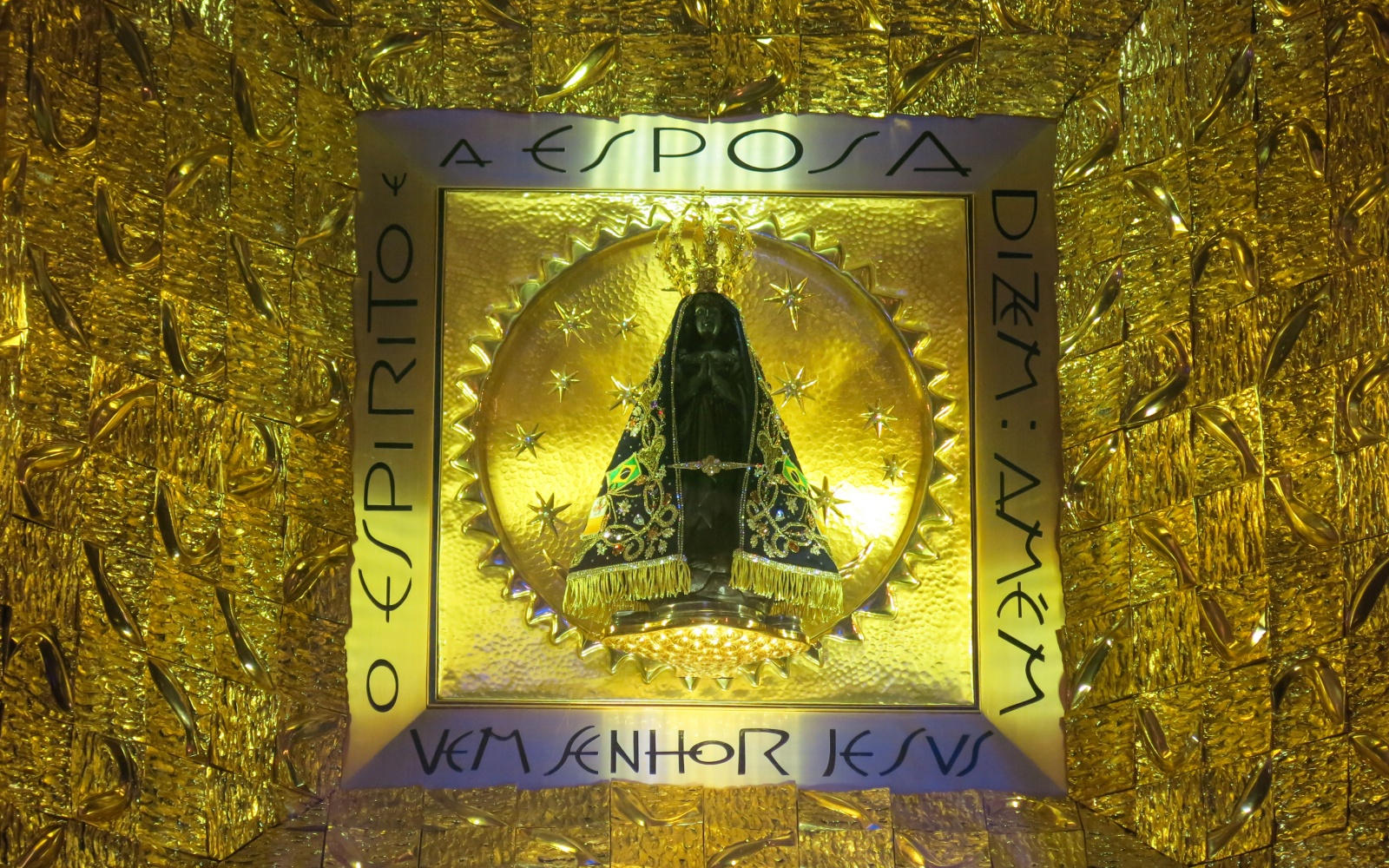
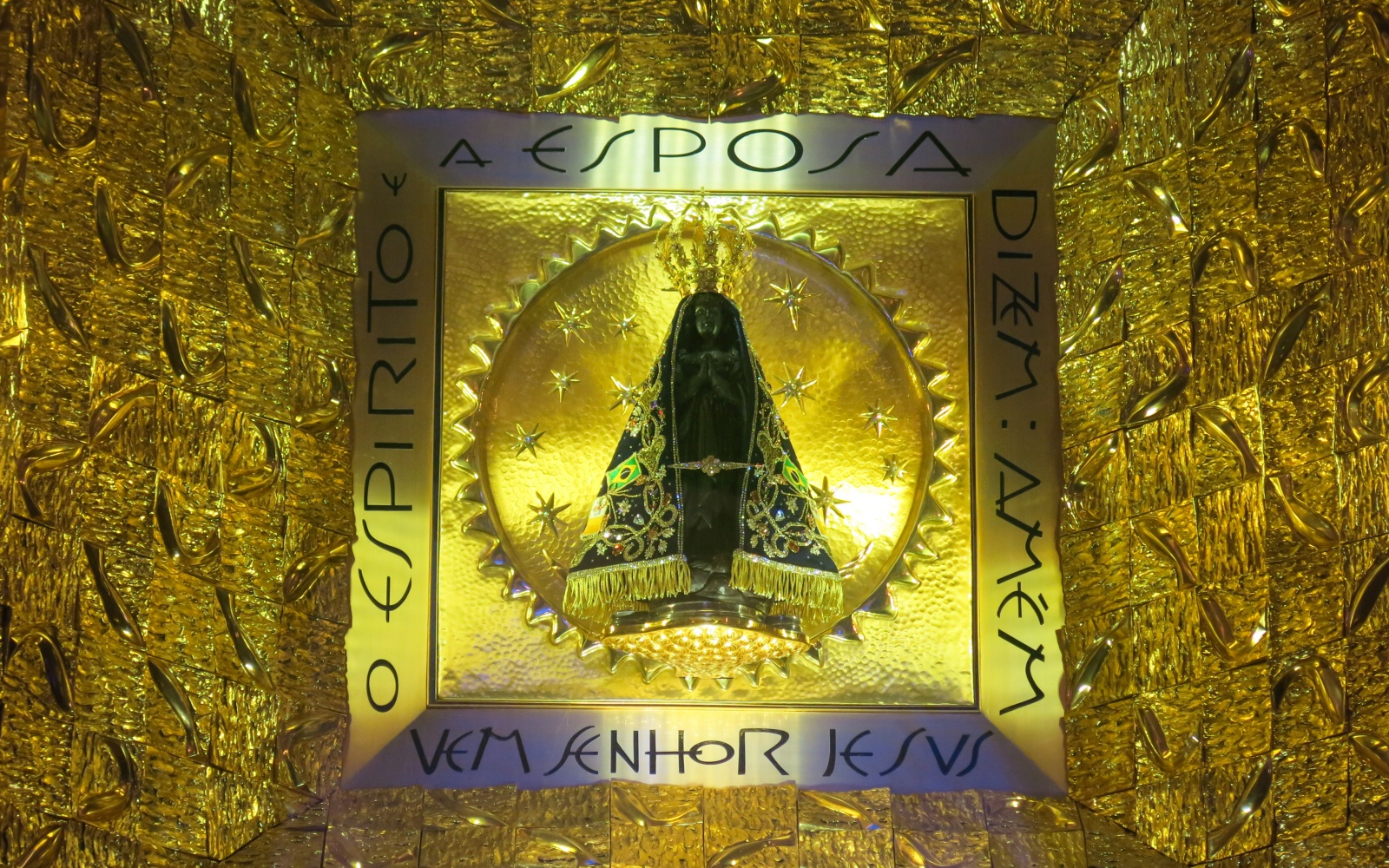
Brazilian court rules posts making false claims about conservative candidate must be removed – #Catholic – Brazil’s Superior Electoral Court ruled on Sept. 30 to uphold the removal of false social media posts linking conservative Sen. Flávio Bolsonaro, a Liberal Party candidate for president, to an alleged initiative to strip Our Lady of Aparecida of her title as the patroness of Brazil. Under the decision reached in the virtual plenary session, content clearly linking Bolsonaro to the initiative must be removed. However, posts where there is reasonable doubt regarding the link to the candidate are to be preserved. This applies to a post by comedian Antonio Tabet, which was permitted to remain online by the reporting justice, André Mendonça.The case began on Sept. 24 when Tabet posted an image of the dark-skinned Our Lady of Aparecida on X with the caption: “The militia family hates black women so much that they decided to attack Our Lady of Aparecida.” The post did not mention Bolsonaro by name. The senator is the son of Jair Bolsonaro, who was president of Brazil from 2019-2023.The following day, Mendonça, the vice president of the Superior Electoral Court and the rapporteur for the case, ordered the removal of content that claimed Bolsonaro or his family intended to strip Our Lady of Aparecida of her title as the patroness of Brazil.Upon reconsidering his vote, the judge concluded there was doubt regarding the link between Tabet’s post and Bolsonaro and decided to allow the post to stay online.“As it is reasonable to take the content to be ambiguous, I believe the solution most consistent with the criteria of minimal intervention [by the courts] and heightened protection of freedom of expression is to keep the post online,” Mendonça said. According to the judge, the decisions ordering the removal of the content specifically naming Flávio Bolsonaro “do not amount to prior restraint” nor did they violate religious freedom.“Confusing a ‘fake news’ report with a restriction on faith represents a distortion of the decision’s actual substance. Faith was not on trial,” Mendonça said. He further noted that “the insinuation that the decisions issued in these proceedings sought to prevent Catholics from expressing support for or devotion to Our Lady of Aparecida is particularly baffling” and emphasized: “Nothing, absolutely nothing, in the decisions warrants such a conclusion.”He also stated that this change does not alter the other points of his decision and emphasized that he considers “objectively false” the claims that Bolsonaro “had authored, presented, proposed, supported, or concretely orchestrated an initiative aimed at removing Our Lady of Aparecida from her status as the patroness of Brazil.”The president of the Supreme Electoral Court, Justice Nunes Marques, concurred with Mendonça and stated that the decision “protects religious freedom in its collective and democratic dimension.”“In my view, the relief granted protects religious freedom in its collective and democratic dimension, as it prevents the faith of millions of Brazilians from being instrumentalized within days of the election [Oct. 4] through a claim without a factual basis designed to artificially stir up emotional reactions among the electorate,” Marques said.He also highlighted that “the contested post did not need to name the candidate to attribute the claim to him; because it was disseminated at the height of the false narrativeʼs circulation — accompanied by the image of the patroness. Its message was only fully realized and achieved its intended effect due to the context of current news stories in which it was embedded.” Nevertheless, Marques’ difference of opinion regarding Tabet does not alter the effect of the ruling.This story was first published by ACI Digital, the Portuguese-language sister service of EWTN News. It has been translated and adapted by EWTN News English.

Brazilian court rules posts making false claims about conservative candidate must be removed – #Catholic – Brazil’s Superior Electoral Court ruled on Sept. 30 to uphold the removal of false social media posts linking conservative Sen. Flávio Bolsonaro, a Liberal Party candidate for president, to an alleged initiative to strip Our Lady of Aparecida of her title as the patroness of Brazil. Under the decision reached in the virtual plenary session, content clearly linking Bolsonaro to the initiative must be removed. However, posts where there is reasonable doubt regarding the link to the candidate are to be preserved. This applies to a post by comedian Antonio Tabet, which was permitted to remain online by the reporting justice, André Mendonça.The case began on Sept. 24 when Tabet posted an image of the dark-skinned Our Lady of Aparecida on X with the caption: “The militia family hates black women so much that they decided to attack Our Lady of Aparecida.” The post did not mention Bolsonaro by name. The senator is the son of Jair Bolsonaro, who was president of Brazil from 2019-2023.The following day, Mendonça, the vice president of the Superior Electoral Court and the rapporteur for the case, ordered the removal of content that claimed Bolsonaro or his family intended to strip Our Lady of Aparecida of her title as the patroness of Brazil.Upon reconsidering his vote, the judge concluded there was doubt regarding the link between Tabet’s post and Bolsonaro and decided to allow the post to stay online.“As it is reasonable to take the content to be ambiguous, I believe the solution most consistent with the criteria of minimal intervention [by the courts] and heightened protection of freedom of expression is to keep the post online,” Mendonça said. According to the judge, the decisions ordering the removal of the content specifically naming Flávio Bolsonaro “do not amount to prior restraint” nor did they violate religious freedom.“Confusing a ‘fake news’ report with a restriction on faith represents a distortion of the decision’s actual substance. Faith was not on trial,” Mendonça said. He further noted that “the insinuation that the decisions issued in these proceedings sought to prevent Catholics from expressing support for or devotion to Our Lady of Aparecida is particularly baffling” and emphasized: “Nothing, absolutely nothing, in the decisions warrants such a conclusion.”He also stated that this change does not alter the other points of his decision and emphasized that he considers “objectively false” the claims that Bolsonaro “had authored, presented, proposed, supported, or concretely orchestrated an initiative aimed at removing Our Lady of Aparecida from her status as the patroness of Brazil.”The president of the Supreme Electoral Court, Justice Nunes Marques, concurred with Mendonça and stated that the decision “protects religious freedom in its collective and democratic dimension.”“In my view, the relief granted protects religious freedom in its collective and democratic dimension, as it prevents the faith of millions of Brazilians from being instrumentalized within days of the election [Oct. 4] through a claim without a factual basis designed to artificially stir up emotional reactions among the electorate,” Marques said.He also highlighted that “the contested post did not need to name the candidate to attribute the claim to him; because it was disseminated at the height of the false narrativeʼs circulation — accompanied by the image of the patroness. Its message was only fully realized and achieved its intended effect due to the context of current news stories in which it was embedded.” Nevertheless, Marques’ difference of opinion regarding Tabet does not alter the effect of the ruling.This story was first published by ACI Digital, the Portuguese-language sister service of EWTN News. It has been translated and adapted by EWTN News English.

Days before Brazil’s presidential election, social media posts made or insinuated false claims about candidate Flávio Bolsonaro.
Read More
Lithuanian bishops announce investigation into crimes against minors since 1990 – #Catholic – The Lithuanian Bishops’ Conference will pursue an investigation into all crimes committed against minors and vulnerable adults within the Church since March 11, 1990, when the country became independent from the Soviet Union.“The priority is the victim, not institutional reputation. To achieve this, it is necessary to establish how many such crimes have occurred in the past, since 11 March 1990,” the bishops said in a statement, according to a Sept. 28 Delfi report. The investigation follows a case involving Father Tadas Švedavičius, a Catholic priest in the Archdiocese of Vilnius who was charged in connection with 34 criminal counts of child sexual abuse, possession of child pornography, and distributing alcohol to minors over the course of 20 years, the report said. The conference will consult the Holy See and Lithuanian law enforcement during the investigation.Filipino bishops back calls to ban political dynastiesCatholic bishops in the Philippines have voiced their support for a nationwide signature campaign calling for the end of political dynasties in the country.“Public office must never become a family inheritance. It is a public trust entrusted to the people,” Bishop Elias Ayuban Jr. of Cubao said at a launch event for the anti-dynasty initiative known as “Dapat Isa Lang” at the Obispado de Cubao in Quezon City, according to a Sept. 30 press release from the Catholic Bishops’ Conference of the Philippines (CBCP). The conference at large backed the initiative in a pastoral statement on Sept. 25, declaring: “As pastors of God’s people, we cannot remain indifferent to matters that touch the moral foundations of our society, the dignity of our people, justice, equality, and the common good. For these reasons, we support the call to enact a genuine, meaningful, and effective Anti-Political Dynasty Law that will faithfully give effect to the mandate of our Constitution.”2 synod calls expose tensions in Syriac Catholic ChurchA dispute over two proposed meetings of Syriac Catholic bishops has brought internal tensions in the Church into public view. Patriarch Ignatius Joseph III Younan called a synod for Nov. 17–20, while another invitation called bishops to meet Sept. 29–30.The patriarchate said Church law gives Younan the first right to convene the synod and considers the separate September invitation unlawful. It has also rejected claims that the patriarch failed to call a synod in recent years, ACI MENA, the Arabic-language sister service of EWTN News, reported Sept. 30. An unnamed source cited by ACI MENA disputed that account and questioned the timing of Younanʼs invitation. The disagreement comes amid wider tensions involving the patriarch and Cardinal Claudio Gugerotti, prefect of the Vaticanʼs Dicastery for the Eastern Churches. Younan has publicly accused the cardinal of encouraging bishops to seek his removal, placing the synod dispute within a broader debate over leadership and authority in the Syriac Catholic Church.Angolan bishop: Religious zeal must not come at expense of family responsibilitiesBishop Maurício Agostinho Camuto of Angola’s Diocese of Caxito has cautioned Catholics against religious practices that could lead them to neglect their family responsibilities.“Jesus does not ask for spending more time in the Church than caring for the family,” Camuto said in his homily during Mass at St. Anne’s Cathedral on Sept. 27, ACI Africa, the sister service of EWTN News in Africa, reported. “Religious involvement should not result in the abandonment of family responsibilities,” he said, citing situations in which “there are even wives whose husbands almost want to separate from them because they spend more time in the Church than at home, taking care of the family, taking care of the husband.” The bishop further called for stronger formation and accompaniment of members of apostolic groups and movements, particularly through catechesis and participation in the sacramental life of the Church.Japanese cardinal calls faithful to act on behalf of migrants and refugeesCardinal Tarcisio Isao Kikuchi of Tokyo is encouraging Catholics to go beyond words and take action on behalf of migrants and refugees.Kikuchi echoed calls from Pope Leo XIV to move from “merely managing migration” to “full and immediate protection of human rights” in a Sept. 27 reflection, according to UCA News. The reflection came on World Day of Refugees, Migrants, and Displaced Persons on Sept. 27. Kikuchi further urged Catholics to reflect especially on the pope’s appeal for children and to ask themselves, “What can we ourselves do for ‘these little ones’?”Protestant march in Catholic Northern Ireland town permitted; archbishops respond The Northern Ireland Parades Commission has reversed a ruling previously prohibiting the Protestant Orange Order from marching through the Catholic majority town of Portadown for the first time in nearly three decades, according to a Sept. 30 America Magazine report.The Sept. 27 march resulted in a clash between Protestant members of the Orange Order and protesters blocking their path from Drumcree Church, according to the report. Addressing the tension, Archbishop Eamon Martin of the Archdiocese of Armagh and Archbishop John McDowell of the Church of Ireland in Armagh issued a joint statement following the Sept. 27 march. “As our community faces the crisis in Drumcree today, in which so many sincere views, painful histories and important issues are at stake, we cannot think of any time in the last 30 years when this simple message needs to be more urgently heard. How can we be good neighbors to each other?” the archbishops said. “We call for the urgent creation of a constructive, inclusive and reconciling initiative to patiently find a way through this current crisis. Too much is at stake.”Christian parliamentarian raises security concerns as coalition mission ends in IraqThe end of the international coalitionʼs mission in Iraq and the Kurdistan Region has renewed security concerns among Christians, according to Ramy Noori Syawish, an elected Christian member of the Kurdistan Regional Parliament.Syawish told ACI MENA Sept. 30 that the continuing threat from ISIS, armed groups outside state control, and uncontrolled weapons raises questions about the ability of Iraqi and Kurdish forces to respond to another major security crisis. He said smaller communities could be particularly vulnerable because of their declining numbers and dependence on the state for protection. He also pointed to economic hardship and irregular public-sector salaries as factors driving emigration. Syawish said the next Kurdistan Regional Government should prioritize services in Christian areas and address long-running disputes over land and property.Religion in public life sparks debate over Syriaʼs directionA series of incidents during the summer has fueled debate over the growing presence of religion in Syriaʼs public life.The controversies have touched womenʼs dress, education, employment, entertainment, and the way public institutions are being run, according to a Sept. 29 report from ACI MENA. Other disputes followed a dress code directive for female government employees, the separation of male and female students at a Damascus school, and religious questions reportedly included on an employment form. The debate has also reached the arts, while questions over some public appointments have raised concerns about whether professional qualifications or other considerations are shaping hiring decisions. Some allegations surrounding these cases remain disputed or unverified.

Lithuanian bishops announce investigation into crimes against minors since 1990 – #Catholic – The Lithuanian Bishops’ Conference will pursue an investigation into all crimes committed against minors and vulnerable adults within the Church since March 11, 1990, when the country became independent from the Soviet Union.“The priority is the victim, not institutional reputation. To achieve this, it is necessary to establish how many such crimes have occurred in the past, since 11 March 1990,” the bishops said in a statement, according to a Sept. 28 Delfi report. The investigation follows a case involving Father Tadas Švedavičius, a Catholic priest in the Archdiocese of Vilnius who was charged in connection with 34 criminal counts of child sexual abuse, possession of child pornography, and distributing alcohol to minors over the course of 20 years, the report said. The conference will consult the Holy See and Lithuanian law enforcement during the investigation.Filipino bishops back calls to ban political dynastiesCatholic bishops in the Philippines have voiced their support for a nationwide signature campaign calling for the end of political dynasties in the country.“Public office must never become a family inheritance. It is a public trust entrusted to the people,” Bishop Elias Ayuban Jr. of Cubao said at a launch event for the anti-dynasty initiative known as “Dapat Isa Lang” at the Obispado de Cubao in Quezon City, according to a Sept. 30 press release from the Catholic Bishops’ Conference of the Philippines (CBCP). The conference at large backed the initiative in a pastoral statement on Sept. 25, declaring: “As pastors of God’s people, we cannot remain indifferent to matters that touch the moral foundations of our society, the dignity of our people, justice, equality, and the common good. For these reasons, we support the call to enact a genuine, meaningful, and effective Anti-Political Dynasty Law that will faithfully give effect to the mandate of our Constitution.”2 synod calls expose tensions in Syriac Catholic ChurchA dispute over two proposed meetings of Syriac Catholic bishops has brought internal tensions in the Church into public view. Patriarch Ignatius Joseph III Younan called a synod for Nov. 17–20, while another invitation called bishops to meet Sept. 29–30.The patriarchate said Church law gives Younan the first right to convene the synod and considers the separate September invitation unlawful. It has also rejected claims that the patriarch failed to call a synod in recent years, ACI MENA, the Arabic-language sister service of EWTN News, reported Sept. 30. An unnamed source cited by ACI MENA disputed that account and questioned the timing of Younanʼs invitation. The disagreement comes amid wider tensions involving the patriarch and Cardinal Claudio Gugerotti, prefect of the Vaticanʼs Dicastery for the Eastern Churches. Younan has publicly accused the cardinal of encouraging bishops to seek his removal, placing the synod dispute within a broader debate over leadership and authority in the Syriac Catholic Church.Angolan bishop: Religious zeal must not come at expense of family responsibilitiesBishop Maurício Agostinho Camuto of Angola’s Diocese of Caxito has cautioned Catholics against religious practices that could lead them to neglect their family responsibilities.“Jesus does not ask for spending more time in the Church than caring for the family,” Camuto said in his homily during Mass at St. Anne’s Cathedral on Sept. 27, ACI Africa, the sister service of EWTN News in Africa, reported. “Religious involvement should not result in the abandonment of family responsibilities,” he said, citing situations in which “there are even wives whose husbands almost want to separate from them because they spend more time in the Church than at home, taking care of the family, taking care of the husband.” The bishop further called for stronger formation and accompaniment of members of apostolic groups and movements, particularly through catechesis and participation in the sacramental life of the Church.Japanese cardinal calls faithful to act on behalf of migrants and refugeesCardinal Tarcisio Isao Kikuchi of Tokyo is encouraging Catholics to go beyond words and take action on behalf of migrants and refugees.Kikuchi echoed calls from Pope Leo XIV to move from “merely managing migration” to “full and immediate protection of human rights” in a Sept. 27 reflection, according to UCA News. The reflection came on World Day of Refugees, Migrants, and Displaced Persons on Sept. 27. Kikuchi further urged Catholics to reflect especially on the pope’s appeal for children and to ask themselves, “What can we ourselves do for ‘these little ones’?”Protestant march in Catholic Northern Ireland town permitted; archbishops respond The Northern Ireland Parades Commission has reversed a ruling previously prohibiting the Protestant Orange Order from marching through the Catholic majority town of Portadown for the first time in nearly three decades, according to a Sept. 30 America Magazine report.The Sept. 27 march resulted in a clash between Protestant members of the Orange Order and protesters blocking their path from Drumcree Church, according to the report. Addressing the tension, Archbishop Eamon Martin of the Archdiocese of Armagh and Archbishop John McDowell of the Church of Ireland in Armagh issued a joint statement following the Sept. 27 march. “As our community faces the crisis in Drumcree today, in which so many sincere views, painful histories and important issues are at stake, we cannot think of any time in the last 30 years when this simple message needs to be more urgently heard. How can we be good neighbors to each other?” the archbishops said. “We call for the urgent creation of a constructive, inclusive and reconciling initiative to patiently find a way through this current crisis. Too much is at stake.”Christian parliamentarian raises security concerns as coalition mission ends in IraqThe end of the international coalitionʼs mission in Iraq and the Kurdistan Region has renewed security concerns among Christians, according to Ramy Noori Syawish, an elected Christian member of the Kurdistan Regional Parliament.Syawish told ACI MENA Sept. 30 that the continuing threat from ISIS, armed groups outside state control, and uncontrolled weapons raises questions about the ability of Iraqi and Kurdish forces to respond to another major security crisis. He said smaller communities could be particularly vulnerable because of their declining numbers and dependence on the state for protection. He also pointed to economic hardship and irregular public-sector salaries as factors driving emigration. Syawish said the next Kurdistan Regional Government should prioritize services in Christian areas and address long-running disputes over land and property.Religion in public life sparks debate over Syriaʼs directionA series of incidents during the summer has fueled debate over the growing presence of religion in Syriaʼs public life.The controversies have touched womenʼs dress, education, employment, entertainment, and the way public institutions are being run, according to a Sept. 29 report from ACI MENA. Other disputes followed a dress code directive for female government employees, the separation of male and female students at a Damascus school, and religious questions reportedly included on an employment form. The debate has also reached the arts, while questions over some public appointments have raised concerns about whether professional qualifications or other considerations are shaping hiring decisions. Some allegations surrounding these cases remain disputed or unverified.

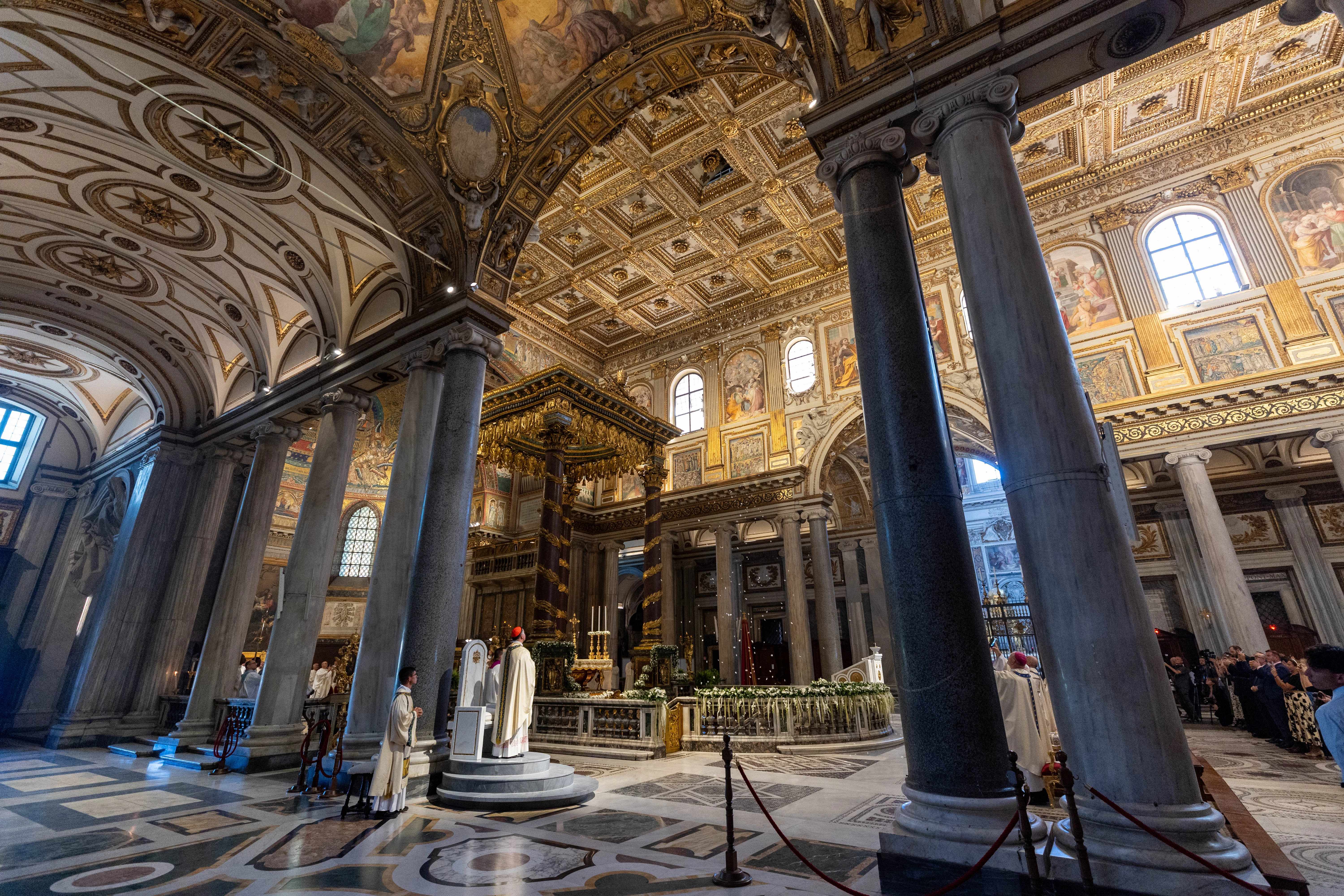
All crimes against minors to be pursued says Lithuanian bishops, Filipino bishops call for ban on political dynasties, patriarch calls for synods in Syria, and more in this week’s world news roundup.
Read More

If a train leaves the station in Exeter, England, headed south toward Newton Abbot five years before the railway line opens, how long until anyone figures out that it didn’t happen? Well, evidently about 155 years. A report on magnetic storms, published in Nature in 1871, described an incident thought to be the earliest recordedContinue reading “Case closed on long-standing space weather mystery”

The post Case closed on long-standing space weather mystery appeared first on Astronomy Magazine.

Read More
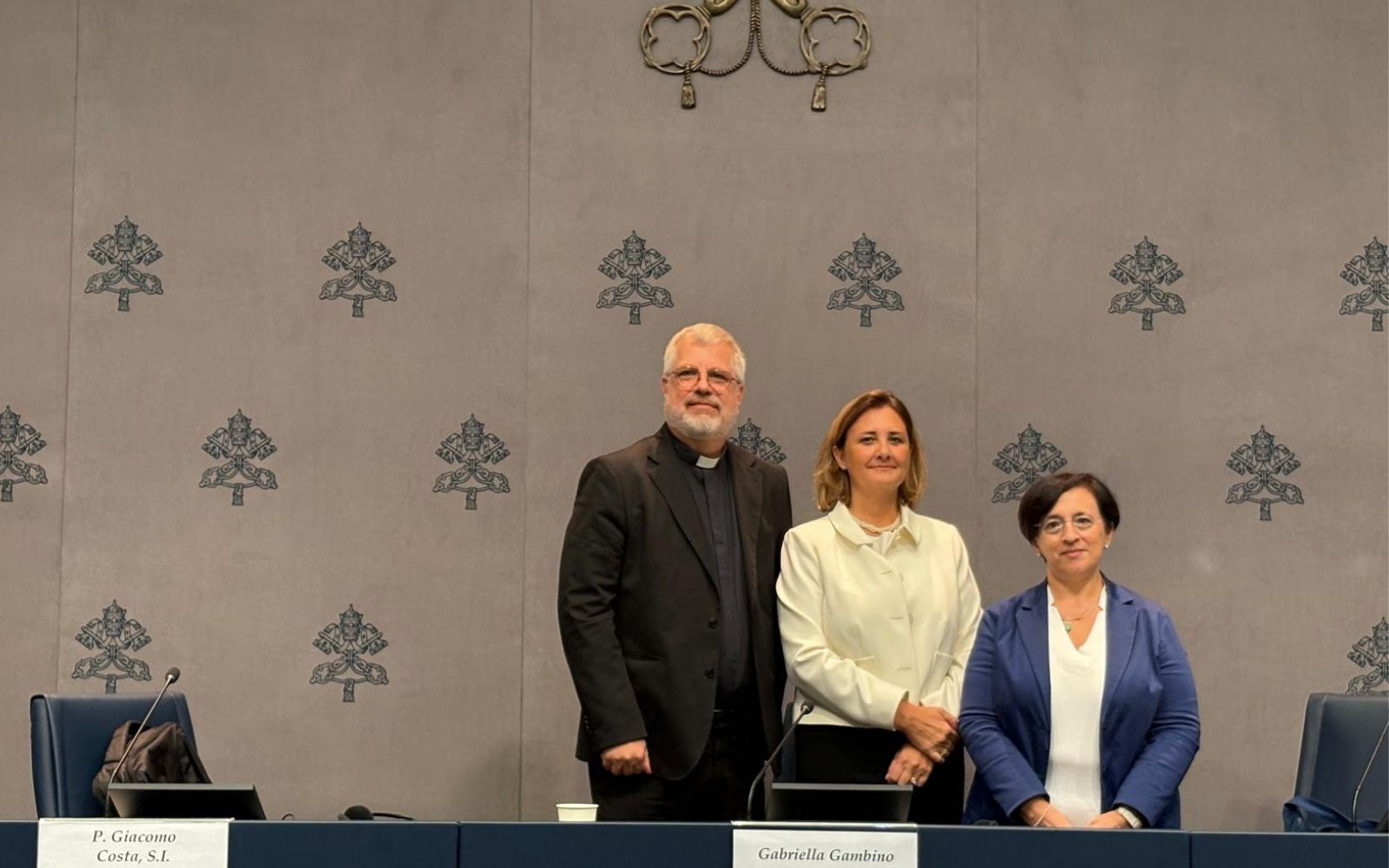
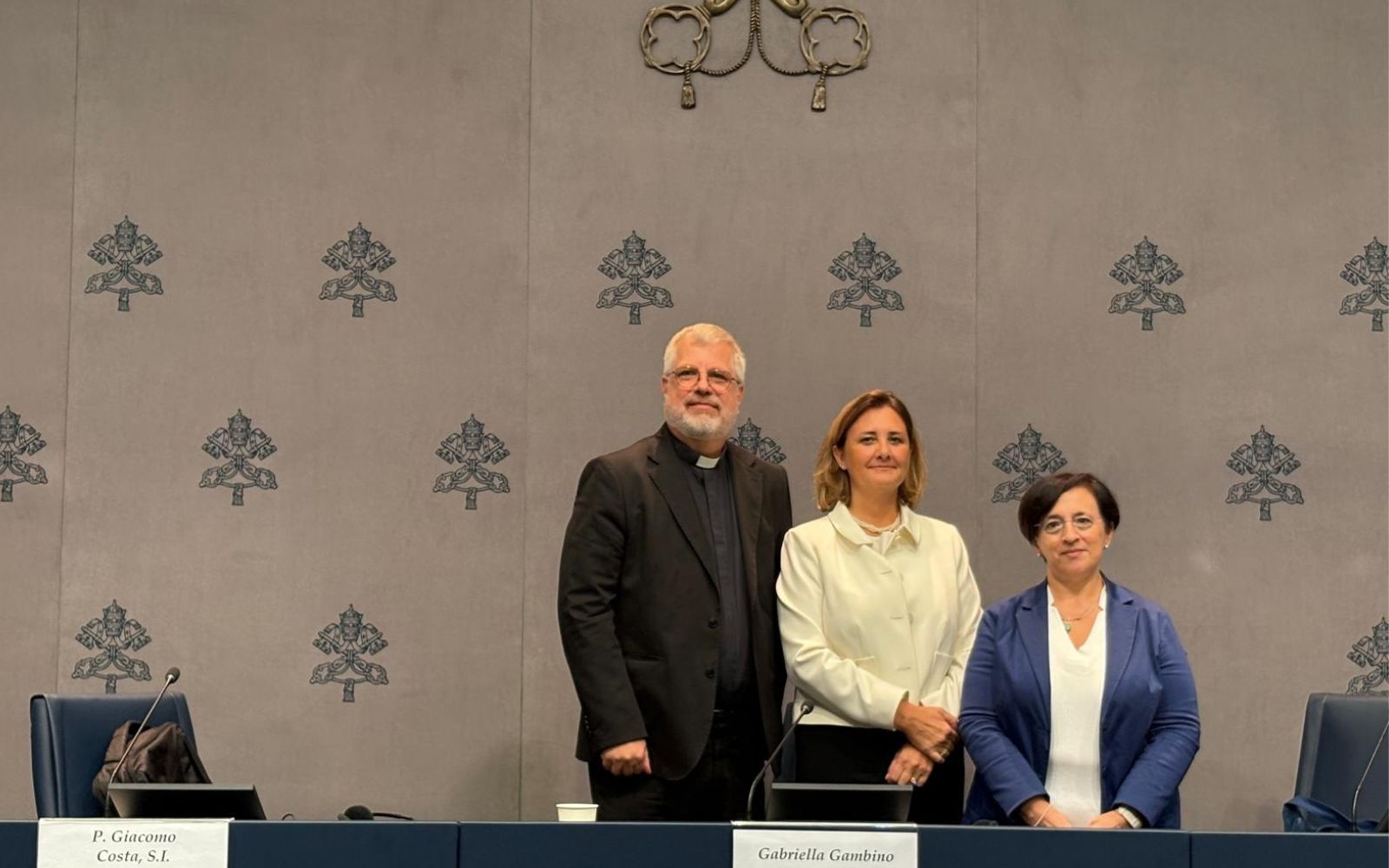
10 years after Amoris Laetitia, bishops to discuss challenges of families at the Vatican #Catholic Pope Leo XIV has convened a gathering on the family at the Vatican from Oct. 7–14, during which bishops will listen to the testimony of 11 married couples from five continents.These families will present to more than 150 bishops the challenges they encounter in passing on the faith in increasingly secularized societies.The meeting is being organized on the occasion of the 10th anniversary of Amoris Laetitia, the postsynodal apostolic exhortation published by Pope Francis in 2016.The document sparked intense debate, especially after the bishops of the Buenos Aires Pastoral Region interpreted it as allowing, following a process of accompanied pastoral discernment, access to the sacraments of reconciliation and the Eucharist for some Catholics who are divorced and civilly remarried “when a person judges that he or she would fall into a further fault by harming the children of the new union.”In 2023, the Dicastery for the Doctrine of the Faith confirmed that this interpretation forms part of the authentic magisterium after being incorporated into the Acta Apostolicae Sedis, the Holy See’s official bulletin.According to the Dicastery for the Laity, the Family, and Life, participants in the meeting will include the heads of the 15 Eastern Catholic Churches “sui iuris” (14 represented by their patriarchs or highest authorities and one by a delegate), the presidents of the world’s 115 bishops’ conferences (those of Peru, Paraguay, Turkey, and Ethiopia will send delegates), two representatives of bishops from territories without a bishops’ conference, and 22 participants specially chosen by the Holy Father.In addition, 67 other people will attend, including members of the Dicastery for the Laity, the Family, and Life, the General Secretariat of the Synod, and 26 experts and 16 facilitators.Not an evaluation of Amoris LaetitiaDuring a presentation of the gathering at the Vatican, Gabriella Gambino, undersecretary of the Dicastery for the Laity, the Family, and Life since 2017, a laywoman, mother of five, and doctor of bioethics, emphasized that “this is not about evaluating a text but about deepening our understanding of the family and pastoral realities that have received and interpreted this document in different ways, just as the life of the Church is diverse in the various places around the world where it is present and rooted in the one Gospel.”“The central point on which we must focus our attention is that the Church’s goal is not to see texts applied mechanically and uniformly in every reality, because each one has characteristics that are very different from the others,” she said.She stated that the central question of the meeting is: “How is the faith transmitted today? How is faith passed on in families today, and how do families contribute to building up the Church?”“Without families, the Church cannot renew its Christian roots. It is in families that children are born, where faith and values are transmitted, for better or worse, and where vocations arise,” she explained.To illustrate the scale of the ongoing religious changes, Gambino offered several statistics. In Poland, religious marriages celebrated over the last five years have declined by 45%. In Australia, they have fallen from 88% in 1970 to 16% in 2024. In her view, these are signs that, in different contexts, highlight the urgency of better accompanying couples in their decision to marry and providing stronger support for the transmission of faith within the family.Orietta Rachele Grazioli, a tenured professor of canon law and comparative family law at the Pontifical John Paul II Theological Institute for Marriage and Family Sciences, and vice coordinator of the expert group, explained that the “methodology chosen by the Holy Father for this gathering is centered on two key words that complement one another: listening and discernment.”5 major themesThe gathering will be structured around five major themes related to marriage, family life, and the transmission of the faith. Reflection will begin with “Families Today: Reality, Beauty, and Challenges,” dedicated to analyzing the current situation of the family, and will continue with “Young People and the Discovery of the Vocation to Marriage,” “Married Life: The First Years of Marriage, a Decisive Time,” and “In Life’s Difficulties: Accompanying and Supporting,” which will address the accompaniment of engaged and married couples at different stages of their journey.The meeting will conclude with the theme “Christian Families as Subjects of the Church’s Mission,” focused on the evangelizing role of families and their contribution to ecclesial life.Father Giacomo Costa, a consultant to the General Secretariat of the Synod, said that “the question is not what Amoris Laetitia says but what we have learned by trying to live it.”He also recalled that the goal identified by Pope Leo XIV, who will be present at both the opening and closing of the gathering, is “to advance in mutual listening toward a synodal discernment about the steps we must take today to proclaim the Gospel with families. The composition of the assembly itself reflects this objective.”Before the start of the proceedings, an introductory meditation will be given by Sister Helen Alford, president of the Pontifical Academy of Social Sciences. Each morning will be structured around three types of speeches: family testimonies, contributions from bishops, and reflections from experts.‘The goal is not to eliminate differences’“The goal is not to eliminate differences. We do not want to arrive at an artificial consensus,” Costa said. Each day will include a report summarizing the discussions, which will serve as the basis for extensive dialogue and debate sessions in the afternoon. He made clear, however, that “this is not a new synod on the family but a process guided by the synodal method, one that consciously draws upon the experience of the synods and other forums of the Church.”Regarding the expected outcomes of the gathering, Costa insisted that “nothing has been predetermined.” A final summary will be prepared at the conclusion of the assembly, but no concluding document will be published. The text will be reviewed by a commission tasked with verifying that it faithfully reflects what emerged during the working sessions.Afterward, the presidents of bishops’ conferences will be invited to promote initiatives in their local Churches aimed at opening new pastoral paths and further developing the proposals that emerge from the gathering.This story was first published by ACI Prensa, the Spanish-language sister service of EWTN News. It has been translated and adapted by EWTN News English.

10 years after Amoris Laetitia, bishops to discuss challenges of families at the Vatican #Catholic Pope Leo XIV has convened a gathering on the family at the Vatican from Oct. 7–14, during which bishops will listen to the testimony of 11 married couples from five continents.These families will present to more than 150 bishops the challenges they encounter in passing on the faith in increasingly secularized societies.The meeting is being organized on the occasion of the 10th anniversary of Amoris Laetitia, the postsynodal apostolic exhortation published by Pope Francis in 2016.The document sparked intense debate, especially after the bishops of the Buenos Aires Pastoral Region interpreted it as allowing, following a process of accompanied pastoral discernment, access to the sacraments of reconciliation and the Eucharist for some Catholics who are divorced and civilly remarried “when a person judges that he or she would fall into a further fault by harming the children of the new union.”In 2023, the Dicastery for the Doctrine of the Faith confirmed that this interpretation forms part of the authentic magisterium after being incorporated into the Acta Apostolicae Sedis, the Holy See’s official bulletin.According to the Dicastery for the Laity, the Family, and Life, participants in the meeting will include the heads of the 15 Eastern Catholic Churches “sui iuris” (14 represented by their patriarchs or highest authorities and one by a delegate), the presidents of the world’s 115 bishops’ conferences (those of Peru, Paraguay, Turkey, and Ethiopia will send delegates), two representatives of bishops from territories without a bishops’ conference, and 22 participants specially chosen by the Holy Father.In addition, 67 other people will attend, including members of the Dicastery for the Laity, the Family, and Life, the General Secretariat of the Synod, and 26 experts and 16 facilitators.Not an evaluation of Amoris LaetitiaDuring a presentation of the gathering at the Vatican, Gabriella Gambino, undersecretary of the Dicastery for the Laity, the Family, and Life since 2017, a laywoman, mother of five, and doctor of bioethics, emphasized that “this is not about evaluating a text but about deepening our understanding of the family and pastoral realities that have received and interpreted this document in different ways, just as the life of the Church is diverse in the various places around the world where it is present and rooted in the one Gospel.”“The central point on which we must focus our attention is that the Church’s goal is not to see texts applied mechanically and uniformly in every reality, because each one has characteristics that are very different from the others,” she said.She stated that the central question of the meeting is: “How is the faith transmitted today? How is faith passed on in families today, and how do families contribute to building up the Church?”“Without families, the Church cannot renew its Christian roots. It is in families that children are born, where faith and values are transmitted, for better or worse, and where vocations arise,” she explained.To illustrate the scale of the ongoing religious changes, Gambino offered several statistics. In Poland, religious marriages celebrated over the last five years have declined by 45%. In Australia, they have fallen from 88% in 1970 to 16% in 2024. In her view, these are signs that, in different contexts, highlight the urgency of better accompanying couples in their decision to marry and providing stronger support for the transmission of faith within the family.Orietta Rachele Grazioli, a tenured professor of canon law and comparative family law at the Pontifical John Paul II Theological Institute for Marriage and Family Sciences, and vice coordinator of the expert group, explained that the “methodology chosen by the Holy Father for this gathering is centered on two key words that complement one another: listening and discernment.”5 major themesThe gathering will be structured around five major themes related to marriage, family life, and the transmission of the faith. Reflection will begin with “Families Today: Reality, Beauty, and Challenges,” dedicated to analyzing the current situation of the family, and will continue with “Young People and the Discovery of the Vocation to Marriage,” “Married Life: The First Years of Marriage, a Decisive Time,” and “In Life’s Difficulties: Accompanying and Supporting,” which will address the accompaniment of engaged and married couples at different stages of their journey.The meeting will conclude with the theme “Christian Families as Subjects of the Church’s Mission,” focused on the evangelizing role of families and their contribution to ecclesial life.Father Giacomo Costa, a consultant to the General Secretariat of the Synod, said that “the question is not what Amoris Laetitia says but what we have learned by trying to live it.”He also recalled that the goal identified by Pope Leo XIV, who will be present at both the opening and closing of the gathering, is “to advance in mutual listening toward a synodal discernment about the steps we must take today to proclaim the Gospel with families. The composition of the assembly itself reflects this objective.”Before the start of the proceedings, an introductory meditation will be given by Sister Helen Alford, president of the Pontifical Academy of Social Sciences. Each morning will be structured around three types of speeches: family testimonies, contributions from bishops, and reflections from experts.‘The goal is not to eliminate differences’“The goal is not to eliminate differences. We do not want to arrive at an artificial consensus,” Costa said. Each day will include a report summarizing the discussions, which will serve as the basis for extensive dialogue and debate sessions in the afternoon. He made clear, however, that “this is not a new synod on the family but a process guided by the synodal method, one that consciously draws upon the experience of the synods and other forums of the Church.”Regarding the expected outcomes of the gathering, Costa insisted that “nothing has been predetermined.” A final summary will be prepared at the conclusion of the assembly, but no concluding document will be published. The text will be reviewed by a commission tasked with verifying that it faithfully reflects what emerged during the working sessions.Afterward, the presidents of bishops’ conferences will be invited to promote initiatives in their local Churches aimed at opening new pastoral paths and further developing the proposals that emerge from the gathering.This story was first published by ACI Prensa, the Spanish-language sister service of EWTN News. It has been translated and adapted by EWTN News English.

Vatican officials said the weeklong meeting is neither a synod, nor an evaluation of Amoris Laetitia.
Read More
Unborn baby wins wrongful death lawsuit against abortionist #Catholic An aborted baby from New Mexico has won a wrongful death lawsuit against an abortionist.The estate of a child killed in utero during the third trimester collected 0,000 under New Mexico’s wrongful death law.The case, Wabbington v. Boyd, argued by Albuquerque medical malpractice attorney Mike Seibel, described the unborn baby as a “person” who was "entitled to equal protection under the law.” Seibel advocates for women who have been injured by abortion.The baby’s mother had been under the influence of methamphetamine when she went to an abortion clinic in 2020 and was thus unable to give valid informed consent, but the abortion was provided anyway. The lawsuit said that abortionists also failed to inform her of support available to her in the state or refer her to the New Mexico Children, Youth, and Families Department.Seibel told Live Action News that the case was the first time an abortionist was ever sued for the wrongful death of a baby.3 states file lawsuit against telehealth abortionLouisiana, Arkansas, and Alabama have filed lawsuits against providers who ship abortion drugs into their states and against California, Massachusetts, and New York over their laws shielding abortion pill providers.The states’ Sept. 30 lawsuit against abortion providers calls mail-order abortion “one of the most dramatic and sweeping interstate conflicts in modern history.”“If state sovereignty means anything, it means that states like Louisiana, Arkansas, and Alabama cannot be forced to endure open violations of their laws, deaths of their babies, and harms to their women and girls simply because an out-of-state actor disagrees with their sovereign prerogative to choose life within their borders,” the lawsuit says.The lawsuit names as defendants several abortion pill providers, including Cambridge Reproductive Health Consultants Inc. in Massachusetts and A Safe Choice Network Inc. in California.A separate lawsuit brought by the states asks the U.S. Supreme Court to rule the abortion shield laws of California, Massachusetts, and New York unconstitutional.Poland opens first abortion pill delivery lockerActivist groups in Poland have launched a locker to distribute abortion pills, which they say is the first of its kind in the world.Women Help Women, a global group that provides abortion pills without physicians, and the Polish abortion activism group Abortion Dream Team put the locker across from Parliament in Warsaw.The organization gives women who are seeking abortion a six-digit code to open one of 22 numbered lockers.Abortion is legal in Poland in cases of rape or incest or if there is risk to the mother’s life or health.Respect Life Month prioritizes abortion pillAs Respect Life Month kicks off in October, the U.S. Catholic bishops are emphasizing the importance of opposing abortion pills.Toledo Bishop Daniel Thomas, the chairman of the U.S. Conference of Catholic Bishops’ pro-life committee, released a statement on Sept. 29 describing the risks of injury and exploitation from abortion pills as “affronts to human dignity.” 
 
 Catholics across the United States celebrate Respect Life Month each year in October. | Credit: United States Conference of Catholic Bishops, Washington, D.C.
 
 “Today, with easier access to abortion pills, the abortion rate is tragically climbing, along with increased health risks,” Thomas said. “This means that more women, many of whom have been misinformed about the nature and risks of the abortion pill, will have an abortion alone at home, without any medical supervision. It also sets up additional opportunities for exploitation by violent partners or human traffickers.”Thomas urged the faithful to pray and take action against abortion.“Our Blessed Mother is our model for upholding the sanctity of all human life in every stage and circumstance,” Thomas continued. “We entrust all our efforts to protect mothers and babies to her motherly care, which we greatly need at this time.”“I thank the many thousands of Catholics across the country who have embraced the nationwide invitation to prayer and action on abortion pills, and I ask that we continue our prayers and advocacy throughout the month of October,” Thomas said.Bishop Burbidge calls for weekly fasting, rosary against abortion amendmentAs Virginians prepare to vote on an amendment that could create a right to abortion in the state’s constitution, Bishop Michael Burbidge of Arlington is calling on the faithful to take up weekly fasting and prayer throughout October.The “Catholics Vote No” campaign urges Catholics to vote no on the Virginia Right to Reproductive Freedom Amendment along with the Virginia Remove Constitutional Same-Sex Marriage Ban Amendment.
 
 Virginian Catholics are opposing a pro-abortion ballot measure. Our Lady of Mount Carmel Parish in Newport News, Virginia, has posted a sign urging Catholics to vote no on the ballot amendment. | Credit: Ken Oliver/EWTN News
 
 Burbidge asked Catholics to fast every Friday and pray the rosary each Sunday this October.“Our Catholics Vote No campaign is rooted in prayer and fasting,” Burbidge said in a statement. “Therefore, On Fridays, I ask that you pray the Stations of the Cross. And fast—which means eating only one full meal and no meat.” “On Sundays, I ask that you pray the Rosary and fast from social media for at least a few hours—especially before and after Mass,” he said.“It would be a powerful force if all in the Diocese of Arlington were united in these efforts,” Burbidge continued. “We entrust them to the Lord’s amazing grace, so all that is just, right, and true will be done in this election.”

Unborn baby wins wrongful death lawsuit against abortionist #Catholic An aborted baby from New Mexico has won a wrongful death lawsuit against an abortionist.The estate of a child killed in utero during the third trimester collected $200,000 under New Mexico’s wrongful death law.The case, Wabbington v. Boyd, argued by Albuquerque medical malpractice attorney Mike Seibel, described the unborn baby as a “person” who was "entitled to equal protection under the law.” Seibel advocates for women who have been injured by abortion.The baby’s mother had been under the influence of methamphetamine when she went to an abortion clinic in 2020 and was thus unable to give valid informed consent, but the abortion was provided anyway. The lawsuit said that abortionists also failed to inform her of support available to her in the state or refer her to the New Mexico Children, Youth, and Families Department.Seibel told Live Action News that the case was the first time an abortionist was ever sued for the wrongful death of a baby.3 states file lawsuit against telehealth abortionLouisiana, Arkansas, and Alabama have filed lawsuits against providers who ship abortion drugs into their states and against California, Massachusetts, and New York over their laws shielding abortion pill providers.The states’ Sept. 30 lawsuit against abortion providers calls mail-order abortion “one of the most dramatic and sweeping interstate conflicts in modern history.”“If state sovereignty means anything, it means that states like Louisiana, Arkansas, and Alabama cannot be forced to endure open violations of their laws, deaths of their babies, and harms to their women and girls simply because an out-of-state actor disagrees with their sovereign prerogative to choose life within their borders,” the lawsuit says.The lawsuit names as defendants several abortion pill providers, including Cambridge Reproductive Health Consultants Inc. in Massachusetts and A Safe Choice Network Inc. in California.A separate lawsuit brought by the states asks the U.S. Supreme Court to rule the abortion shield laws of California, Massachusetts, and New York unconstitutional.Poland opens first abortion pill delivery lockerActivist groups in Poland have launched a locker to distribute abortion pills, which they say is the first of its kind in the world.Women Help Women, a global group that provides abortion pills without physicians, and the Polish abortion activism group Abortion Dream Team put the locker across from Parliament in Warsaw.The organization gives women who are seeking abortion a six-digit code to open one of 22 numbered lockers.Abortion is legal in Poland in cases of rape or incest or if there is risk to the mother’s life or health.Respect Life Month prioritizes abortion pillAs Respect Life Month kicks off in October, the U.S. Catholic bishops are emphasizing the importance of opposing abortion pills.Toledo Bishop Daniel Thomas, the chairman of the U.S. Conference of Catholic Bishops’ pro-life committee, released a statement on Sept. 29 describing the risks of injury and exploitation from abortion pills as “affronts to human dignity.” Catholics across the United States celebrate Respect Life Month each year in October. | Credit: United States Conference of Catholic Bishops, Washington, D.C. “Today, with easier access to abortion pills, the abortion rate is tragically climbing, along with increased health risks,” Thomas said. “This means that more women, many of whom have been misinformed about the nature and risks of the abortion pill, will have an abortion alone at home, without any medical supervision. It also sets up additional opportunities for exploitation by violent partners or human traffickers.”Thomas urged the faithful to pray and take action against abortion.“Our Blessed Mother is our model for upholding the sanctity of all human life in every stage and circumstance,” Thomas continued. “We entrust all our efforts to protect mothers and babies to her motherly care, which we greatly need at this time.”“I thank the many thousands of Catholics across the country who have embraced the nationwide invitation to prayer and action on abortion pills, and I ask that we continue our prayers and advocacy throughout the month of October,” Thomas said.Bishop Burbidge calls for weekly fasting, rosary against abortion amendmentAs Virginians prepare to vote on an amendment that could create a right to abortion in the state’s constitution, Bishop Michael Burbidge of Arlington is calling on the faithful to take up weekly fasting and prayer throughout October.The “Catholics Vote No” campaign urges Catholics to vote no on the Virginia Right to Reproductive Freedom Amendment along with the Virginia Remove Constitutional Same-Sex Marriage Ban Amendment. Virginian Catholics are opposing a pro-abortion ballot measure. Our Lady of Mount Carmel Parish in Newport News, Virginia, has posted a sign urging Catholics to vote no on the ballot amendment. | Credit: Ken Oliver/EWTN News Burbidge asked Catholics to fast every Friday and pray the rosary each Sunday this October.“Our Catholics Vote No campaign is rooted in prayer and fasting,” Burbidge said in a statement. “Therefore, On Fridays, I ask that you pray the Stations of the Cross. And fast—which means eating only one full meal and no meat.” “On Sundays, I ask that you pray the Rosary and fast from social media for at least a few hours—especially before and after Mass,” he said.“It would be a powerful force if all in the Diocese of Arlington were united in these efforts,” Burbidge continued. “We entrust them to the Lord’s amazing grace, so all that is just, right, and true will be done in this election.”

Here is a roundup of recent pro-life and abortion-related news.

Read More
Diocese joins Randolph tribute to fallen War on Terror veterans #Catholic – On Sept. 26, Bishop Kevin J. Sweeney joined local officials and veterans groups to welcome a national traveling memorial honoring U.S. Armed Forces members lost in the Global War on Terrorism, which stopped for a public visit at the County College of Morris in Randolph, N.J., from Sept. 25 to 27. The poignant visit of the memorial occurred almost two weeks after the United States commemorated the 25th anniversary of terrorist attacks on Sept. 11, 2001.
Remembering Our Fallen is a photographic war memorial with large panels that display more than 5,500 U.S. Armed Forces members lost in the global war on terror in Iraq and Afghanistan. The memorial features the faces, names, and biographies of the featured fallen heroes, making the experience personal for visitors. It includes those who served in the combat zone, died in training accidents stateside or overseas, and those who died because of post-traumatic stress syndrome.
The NJ SOS Veteran Stakeholders Group made this tribute possible, in partnership with Catholic Charities of the Paterson Diocese, N.J., the County College of Morris, Morris County Government, the N.J. Department of Veterans Affairs, and the N.J. National Guard. Proceeds from the annual Tank Pull fundraiser, a collaboration between the Knights of Columbus and diocesan Catholic Charities which raises funds to support New Jersey veterans in need, funded the memorial visit.
Bishop Sweeney delivered the invocation during the opening ceremony on Sept. 26 at the County College of Morris. It included remarks from Vincent Solomeno, U.S. Army veteran of Operation Enduring Freedom and New Jersey’s first commissioner of Veterans Affairs; retired U.S. Army Sgt. 1st Class Vivyen Ray, the college’s vice president of human resources and labor relations; and David Pearson, assistant director of Veteran Services for Catholic Charities.
Pearson coordinated the three-day visit with disabled combat veteran A.J. Luna, program manager of the NJ Veterans Stakeholders Group, who served as master of ceremonies of the opening ceremony.
Veteran Services provides comprehensive support for military veterans facing crisis, homelessness, or housing instability, collaborating closely with local networks and media outlets such BeaconNJ.org to highlight resources and stakeholder groups
In his remarks, Pearson spoke about each generation “having the responsibility to carry on the memories” of those who sacrificed their lives to keep their fellow Americans safe from terrorism.
During the ceremony, Randolph Township Mayor Mark Forstenhausler presented a proclamation, while Rabbi Lenny Mandel and Deacon Richard Reck of Resurrection Parish offered prayers.
The three-day visit of the memorial also included a veterans dinner and a day for Gold Star families, immediate relatives of the fallen U.S. military service members.
“This memorial is not just a display — it is a sacred space where our community can come together to remember and honor those who gave everything for our freedom,” said Luna. “We are honored to bring Remembering Our Fallen to Morris County to bear witness to the courage and sacrifice of our fallen heroes,” he said.
BEACON PHOTOS | JOE GIGLI
 [See image gallery at beaconnj.org] 

Click here to subscribe to our weekly newsletter.

Diocese joins Randolph tribute to fallen War on Terror veterans #Catholic – On Sept. 26, Bishop Kevin J. Sweeney joined local officials and veterans groups to welcome a national traveling memorial honoring U.S. Armed Forces members lost in the Global War on Terrorism, which stopped for a public visit at the County College of Morris in Randolph, N.J., from Sept. 25 to 27. The poignant visit of the memorial occurred almost two weeks after the United States commemorated the 25th anniversary of terrorist attacks on Sept. 11, 2001. Remembering Our Fallen is a photographic war memorial with large panels that display more than 5,500 U.S. Armed Forces members lost in the global war on terror in Iraq and Afghanistan. The memorial features the faces, names, and biographies of the featured fallen heroes, making the experience personal for visitors. It includes those who served in the combat zone, died in training accidents stateside or overseas, and those who died because of post-traumatic stress syndrome. The NJ SOS Veteran Stakeholders Group made this tribute possible, in partnership with Catholic Charities of the Paterson Diocese, N.J., the County College of Morris, Morris County Government, the N.J. Department of Veterans Affairs, and the N.J. National Guard. Proceeds from the annual Tank Pull fundraiser, a collaboration between the Knights of Columbus and diocesan Catholic Charities which raises funds to support New Jersey veterans in need, funded the memorial visit. Bishop Sweeney delivered the invocation during the opening ceremony on Sept. 26 at the County College of Morris. It included remarks from Vincent Solomeno, U.S. Army veteran of Operation Enduring Freedom and New Jersey’s first commissioner of Veterans Affairs; retired U.S. Army Sgt. 1st Class Vivyen Ray, the college’s vice president of human resources and labor relations; and David Pearson, assistant director of Veteran Services for Catholic Charities. Pearson coordinated the three-day visit with disabled combat veteran A.J. Luna, program manager of the NJ Veterans Stakeholders Group, who served as master of ceremonies of the opening ceremony. Veteran Services provides comprehensive support for military veterans facing crisis, homelessness, or housing instability, collaborating closely with local networks and media outlets such BeaconNJ.org to highlight resources and stakeholder groups In his remarks, Pearson spoke about each generation “having the responsibility to carry on the memories” of those who sacrificed their lives to keep their fellow Americans safe from terrorism. During the ceremony, Randolph Township Mayor Mark Forstenhausler presented a proclamation, while Rabbi Lenny Mandel and Deacon Richard Reck of Resurrection Parish offered prayers. The three-day visit of the memorial also included a veterans dinner and a day for Gold Star families, immediate relatives of the fallen U.S. military service members. “This memorial is not just a display — it is a sacred space where our community can come together to remember and honor those who gave everything for our freedom,” said Luna. “We are honored to bring Remembering Our Fallen to Morris County to bear witness to the courage and sacrifice of our fallen heroes,” he said. BEACON PHOTOS | JOE GIGLI [See image gallery at beaconnj.org] Click here to subscribe to our weekly newsletter.

Diocese joins Randolph tribute to fallen War on Terror veterans #Catholic –

On Sept. 26, Bishop Kevin J. Sweeney joined local officials and veterans groups to welcome a national traveling memorial honoring U.S. Armed Forces members lost in the Global War on Terrorism, which stopped for a public visit at the County College of Morris in Randolph, N.J., from Sept. 25 to 27. The poignant visit of the memorial occurred almost two weeks after the United States commemorated the 25th anniversary of terrorist attacks on Sept. 11, 2001.

Remembering Our Fallen is a photographic war memorial with large panels that display more than 5,500 U.S. Armed Forces members lost in the global war on terror in Iraq and Afghanistan. The memorial features the faces, names, and biographies of the featured fallen heroes, making the experience personal for visitors. It includes those who served in the combat zone, died in training accidents stateside or overseas, and those who died because of post-traumatic stress syndrome.

The NJ SOS Veteran Stakeholders Group made this tribute possible, in partnership with Catholic Charities of the Paterson Diocese, N.J., the County College of Morris, Morris County Government, the N.J. Department of Veterans Affairs, and the N.J. National Guard. Proceeds from the annual Tank Pull fundraiser, a collaboration between the Knights of Columbus and diocesan Catholic Charities which raises funds to support New Jersey veterans in need, funded the memorial visit.

Bishop Sweeney delivered the invocation during the opening ceremony on Sept. 26 at the County College of Morris. It included remarks from Vincent Solomeno, U.S. Army veteran of Operation Enduring Freedom and New Jersey’s first commissioner of Veterans Affairs; retired U.S. Army Sgt. 1st Class Vivyen Ray, the college’s vice president of human resources and labor relations; and David Pearson, assistant director of Veteran Services for Catholic Charities.

Pearson coordinated the three-day visit with disabled combat veteran A.J. Luna, program manager of the NJ Veterans Stakeholders Group, who served as master of ceremonies of the opening ceremony.

Veteran Services provides comprehensive support for military veterans facing crisis, homelessness, or housing instability, collaborating closely with local networks and media outlets such BeaconNJ.org to highlight resources and stakeholder groups

In his remarks, Pearson spoke about each generation “having the responsibility to carry on the memories” of those who sacrificed their lives to keep their fellow Americans safe from terrorism.

During the ceremony, Randolph Township Mayor Mark Forstenhausler presented a proclamation, while Rabbi Lenny Mandel and Deacon Richard Reck of Resurrection Parish offered prayers.

The three-day visit of the memorial also included a veterans dinner and a day for Gold Star families, immediate relatives of the fallen U.S. military service members.

“This memorial is not just a display — it is a sacred space where our community can come together to remember and honor those who gave everything for our freedom,” said Luna. “We are honored to bring Remembering Our Fallen to Morris County to bear witness to the courage and sacrifice of our fallen heroes,” he said.

BEACON PHOTOS | JOE GIGLI

Click here to subscribe to our weekly newsletter.

– On Sept. 26, Bishop Kevin J. Sweeney joined local officials and veterans groups to welcome a national traveling memorial honoring U.S. Armed Forces members lost in the Global War on Terrorism, which stopped for a public visit at the County College of Morris in Randolph, N.J., from Sept. 25 to 27. The poignant visit of the memorial occurred almost two weeks after the United States commemorated the 25th anniversary of terrorist attacks on Sept. 11, 2001. Remembering Our Fallen is a photographic war memorial with large panels that display more than 5,500 U.S. Armed Forces members lost in the global


Read More
NASA’s SpaceX Crew-13 Launches – A SpaceX Falcon 9 rocket carrying the company’s Dragon spacecraft is launched on NASA’s SpaceX Crew-13 mission to the International Space Station with NASA astronauts Jessica Watkins and Luke Delaney, CSA (Canadian Space Agency) astronaut Joshua Kutryk, and Roscosmos cosmonaut Sergey Teteryatnikov aboard, Thursday, Oct. 1, 2026, from Cape Canaveral Space Force Station in Florida.

A SpaceX Falcon 9 rocket carrying the company’s Dragon spacecraft is launched on NASA’s SpaceX Crew-13 mission to the International Space Station with NASA astronauts Jessica Watkins and Luke Delaney, CSA (Canadian Space Agency) astronaut Joshua Kutryk, and Roscosmos cosmonaut Sergey Teteryatnikov aboard, Thursday, Oct. 1, 2026, from Cape Canaveral Space Force Station in Florida.

Read More