
Day: October 4, 2026

Gospel and Word of the Day – 05 October 2026 – A reading from the Letter of St. Paul to the Galatians 1:6-12 Brothers and sisters: I am amazed that you are so quickly forsaking the one who called you by the grace of Christ for a different gospel (not that there is another). But there are some who are disturbing you and wish to pervert the Gospel of Christ. But even if we or an angel from heaven should preach to you a gospel  other than the one that we preached to you, let that one be accursed! As we have said before, and now I say again, if anyone preaches to you a gospel other than the one that you received, let that one be accursed! Am I now currying favor with human beings or God? Or am I seeking to please people? If I were still trying to please people, I would not be a slave of Christ. Now I want you to know, brothers and sisters, that the Gospel preached by me is not of human origin. For I did not receive it from a human being, nor was I taught it, but it came through a revelation of Jesus Christ.From the Gospel according to Luke 10:25-37 There was a scholar of the law who stood up to test Jesus and said, “Teacher, what must I do to inherit eternal life?” Jesus said to him, “What is written in the law? How do you read it?” He said in reply, “You shall love the Lord, your God, with all your heart, with all your being, with all your strength, and with all your mind, and your neighbor as yourself.” He replied to him, “You have answered correctly; do this and you will live.” But because he wished to justify himself, he said to Jesus,  “And who is my neighbor?” Jesus replied,  “A man fell victim to robbers as he went down from Jerusalem to Jericho. They stripped and beat him and went off leaving him half-dead. A priest happened to be going down that road, but when he saw him, he passed by on the opposite side. Likewise a Levite came to the place, and when he saw him, he passed by on the opposite side. But a Samaritan traveler who came upon him was moved with compassion at the sight. He approached the victim, poured oil and wine over his wounds and bandaged them. Then he lifted him up on his own animal, took him to an inn, and cared for him. The next day he took out two silver coins and gave them to the innkeeper with the instruction, ‘Take care of him. If you spend more than what I have given you, I shall repay you on my way back.’ Which of these three, in your opinion, was neighbor to the robbers’ victim?” He answered, “The one who treated him with mercy.” Jesus said to him, “Go and do likewise.”The parable that Jesus tells has (…) a road as its setting, and it is a difficult and impervious road, like life. (…) However, life is made up of encounters, and in these encounters, we emerge for what we are. We find ourselves in front of others, faced with their fragility and weakness, and we can decide what to do: to take care of them or pretend nothing is wrong. A priest and a Levite go down that same road. They are people who serve in the Temple of Jerusalem, who live in the sacred space. And yet, the practice of worship does not automatically lead to being compassionate. Indeed, before being a religious matter, compassion is a question of humanity! Before being believers, we are called to be human. (…) But here comes someone who is actually able to stop: he is a Samaritan, hence a person belonging to a despised people (cf. 2 Kings 17). In his case, the text does not specify the direction, but only says that he was travelling. Religiosity does not enter into this. This Samaritan simply stops because he is a man faced with another man in need of help. (…) When will we too be capable of interrupting our journey and having compassion? When we understand that the wounded man in the street represents each one of us. And then the memory of all the times that Jesus stopped to take care of us will make us more capable of compassion. (Pope Leo XIV, General Audience, 28 May 2025)

A reading from the Letter of St. Paul to the Galatians
1:6-12

Brothers and sisters:
I am amazed that you are so quickly forsaking
the one who called you by the grace of Christ
for a different gospel (not that there is another).
But there are some who are disturbing you
and wish to pervert the Gospel of Christ.
But even if we or an angel from heaven
should preach to you a gospel 
other than the one that we preached to you,
let that one be accursed!
As we have said before, and now I say again,
if anyone preaches to you a gospel
other than the one that you received,
let that one be accursed!

Am I now currying favor with human beings or God?
Or am I seeking to please people?
If I were still trying to please people,
I would not be a slave of Christ.

Now I want you to know, brothers and sisters,
that the Gospel preached by me is not of human origin.
For I did not receive it from a human being, nor was I taught it,
but it came through a revelation of Jesus Christ.

From the Gospel according to Luke
10:25-37

There was a scholar of the law who stood up to test Jesus and said,
“Teacher, what must I do to inherit eternal life?”
Jesus said to him, “What is written in the law?
How do you read it?”
He said in reply,
“You shall love the Lord, your God,
with all your heart,
with all your being,
with all your strength,
and with all your mind,
and your neighbor as yourself.”
He replied to him, “You have answered correctly;
do this and you will live.”

But because he wished to justify himself, he said to Jesus, 
“And who is my neighbor?”
Jesus replied, 
“A man fell victim to robbers
as he went down from Jerusalem to Jericho.
They stripped and beat him and went off leaving him half-dead.
A priest happened to be going down that road,
but when he saw him, he passed by on the opposite side.
Likewise a Levite came to the place,
and when he saw him, he passed by on the opposite side.
But a Samaritan traveler who came upon him
was moved with compassion at the sight.
He approached the victim,
poured oil and wine over his wounds and bandaged them.
Then he lifted him up on his own animal,
took him to an inn, and cared for him.
The next day he took out two silver coins
and gave them to the innkeeper with the instruction,
‘Take care of him.
If you spend more than what I have given you,
I shall repay you on my way back.’
Which of these three, in your opinion,
was neighbor to the robbers’ victim?”
He answered, “The one who treated him with mercy.”
Jesus said to him, “Go and do likewise.”

The parable that Jesus tells has (…) a road as its setting, and it is a difficult and impervious road, like life. (…) However, life is made up of encounters, and in these encounters, we emerge for what we are. We find ourselves in front of others, faced with their fragility and weakness, and we can decide what to do: to take care of them or pretend nothing is wrong. A priest and a Levite go down that same road. They are people who serve in the Temple of Jerusalem, who live in the sacred space. And yet, the practice of worship does not automatically lead to being compassionate. Indeed, before being a religious matter, compassion is a question of humanity! Before being believers, we are called to be human. (…) But here comes someone who is actually able to stop: he is a Samaritan, hence a person belonging to a despised people (cf. 2 Kings 17). In his case, the text does not specify the direction, but only says that he was travelling. Religiosity does not enter into this. This Samaritan simply stops because he is a man faced with another man in need of help. (…) When will we too be capable of interrupting our journey and having compassion? When we understand that the wounded man in the street represents each one of us. And then the memory of all the times that Jesus stopped to take care of us will make us more capable of compassion. (Pope Leo XIV, General Audience, 28 May 2025)

Read More
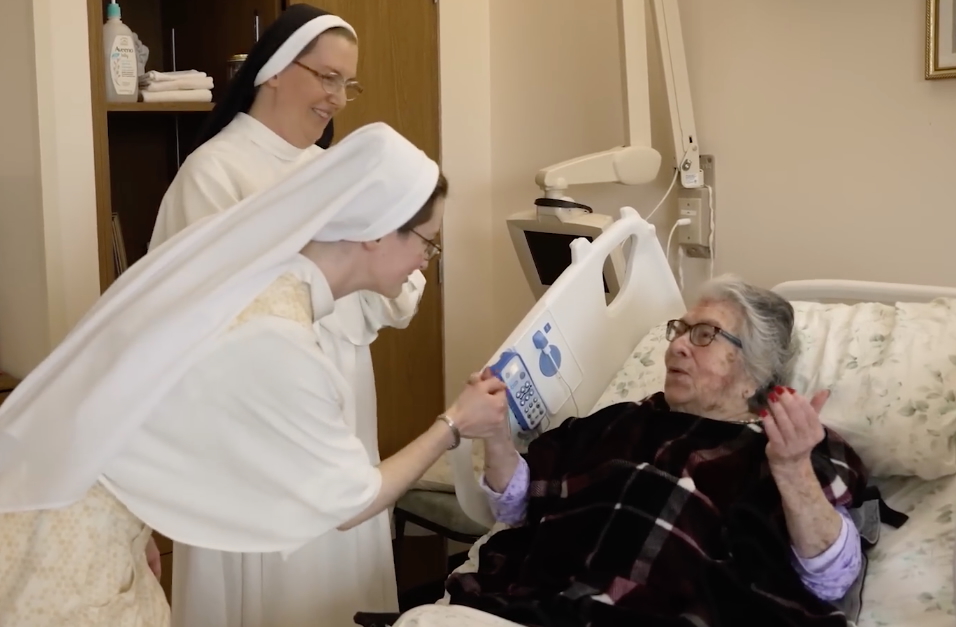
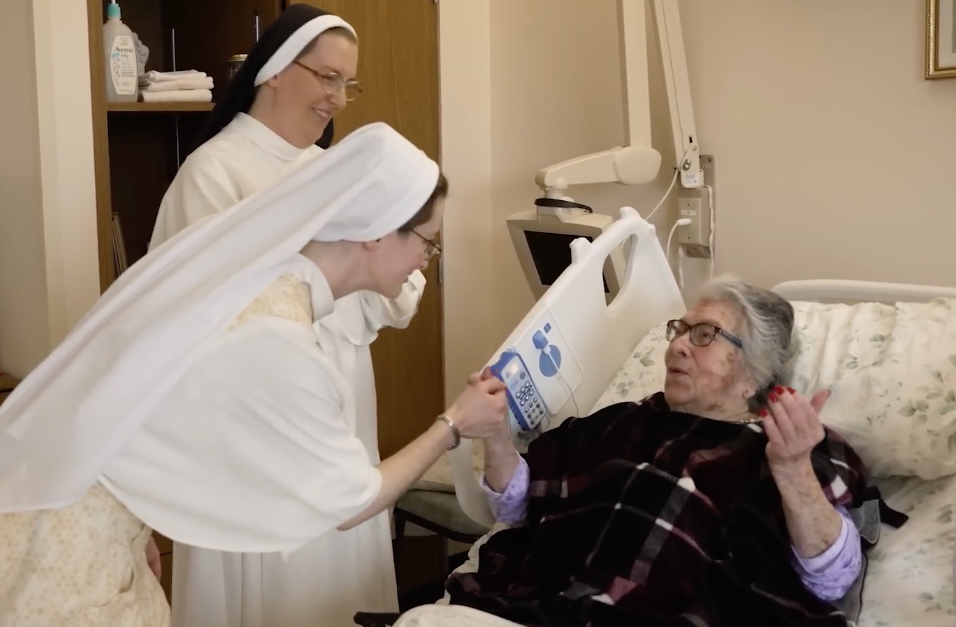
University of Notre Dame’s ethics center gives 2027 pro-life award to Dominican sisters – #Catholic – The University of Notre Dame’s de Nicola Center for Ethics and Culture on Oct. 4 announced that its 2027 Evangelium Vitae Medal would be awarded to the Dominican Sisters of Hawthorne for what the center described as more than a century of “truth and love” serving poor and dying people. The de Nicola Center said it would present the award to Mother Superior Marie Edward, O.P., during a special Mass and dinner at the university on April 24, 2027. This year’s is the 16th annual award the center has presented. Founded in 1900 by Mother Mary Alphonsa — born Rose Hawthorne, the daughter of famed novelist Nathaniel Hawthorne — the congregation is headquartered in Hawthorne, New York. The sisters there are devoted to caring for impoverished men and women dying from cancer. Notre Dame President Father Robert Dowd, CSC, said in a press release that the sisters in their work “radiate the very mercy of God.” “Since their founding, they have proclaimed the Gospel of Life through direct service to God’s beloved poor, fulfilling Christʼs command to comfort the sick and give shelter to the homeless,” Dowd said.The sisters’ ministry, he said, “highlights the inherent, God-given dignity of every human person, regardless of worldly success or social status.”Jennifer Newsome Martin, director of the ethics center at the school, likewise described the sisters as “a shining example of Christian charity in action.” The Evangelium Vitae medal is presented annually on Respect Life Sunday. It is named after Pope St. John Paul II’s famed 1995 encyclical that testifies in part to the inherent dignity of human life and the need to care for and protect the most vulnerable.Mother Mary Alphonsa died in 1926 and is buried at Rosary Hill Home at the congregation’s headquarters. She was declared venerable by Pope Francis in 2024.

University of Notre Dame’s ethics center gives 2027 pro-life award to Dominican sisters – #Catholic – The University of Notre Dame’s de Nicola Center for Ethics and Culture on Oct. 4 announced that its 2027 Evangelium Vitae Medal would be awarded to the Dominican Sisters of Hawthorne for what the center described as more than a century of “truth and love” serving poor and dying people. The de Nicola Center said it would present the award to Mother Superior Marie Edward, O.P., during a special Mass and dinner at the university on April 24, 2027. This year’s is the 16th annual award the center has presented. Founded in 1900 by Mother Mary Alphonsa — born Rose Hawthorne, the daughter of famed novelist Nathaniel Hawthorne — the congregation is headquartered in Hawthorne, New York. The sisters there are devoted to caring for impoverished men and women dying from cancer. Notre Dame President Father Robert Dowd, CSC, said in a press release that the sisters in their work “radiate the very mercy of God.” “Since their founding, they have proclaimed the Gospel of Life through direct service to God’s beloved poor, fulfilling Christʼs command to comfort the sick and give shelter to the homeless,” Dowd said.The sisters’ ministry, he said, “highlights the inherent, God-given dignity of every human person, regardless of worldly success or social status.”Jennifer Newsome Martin, director of the ethics center at the school, likewise described the sisters as “a shining example of Christian charity in action.” The Evangelium Vitae medal is presented annually on Respect Life Sunday. It is named after Pope St. John Paul II’s famed 1995 encyclical that testifies in part to the inherent dignity of human life and the need to care for and protect the most vulnerable.Mother Mary Alphonsa died in 1926 and is buried at Rosary Hill Home at the congregation’s headquarters. She was declared venerable by Pope Francis in 2024.

The religious sisters “serve as a countercultural sign and help to build an authentic civilization of truth and love,” the ethics center said.
Read More
Villa Walsh students help open school year at Mass #Catholic – Bishop Kevin J. Sweeney visited Villa Walsh Academy in Morristown, N.J., on Sept. 30 to celebrate a Mass for the opening of the current academic year.
Villa Walsh is a college preparatory school for girls, grades 7 to 12, run by the Religious Teachers Filippini.
Father Krzysztof Tyszko, parochial vicar of Assumption Parish in Morristown, also served as master of ceremonies for Villa Walsh’s opening Mass. Many students participated in the liturgy.
The bishop’s visit included breakfast with select Villa Walsh students, local clergy, and Filippini Sisters, among them Sister Elaine Bebyn, principal of Villa Walsh, and Sister Marianne McCann, the academy’s president.

Click here to subscribe to our weekly newsletter.

BEACON PHOTOS | JOE GIGLI
 [See image gallery at beaconnj.org]  
 

Villa Walsh students help open school year at Mass #Catholic –

Bishop Kevin J. Sweeney visited Villa Walsh Academy in Morristown, N.J., on Sept. 30 to celebrate a Mass for the opening of the current academic year.

Villa Walsh is a college preparatory school for girls, grades 7 to 12, run by the Religious Teachers Filippini.

Father Krzysztof Tyszko, parochial vicar of Assumption Parish in Morristown, also served as master of ceremonies for Villa Walsh’s opening Mass. Many students participated in the liturgy.

The bishop’s visit included breakfast with select Villa Walsh students, local clergy, and Filippini Sisters, among them Sister Elaine Bebyn, principal of Villa Walsh, and Sister Marianne McCann, the academy’s president.


Click here to subscribe to our weekly newsletter.

BEACON PHOTOS | JOE GIGLI
 

– Bishop Kevin J. Sweeney visited Villa Walsh Academy in Morristown, N.J., on Sept. 30 to celebrate a Mass for the opening of the current academic year. Villa Walsh is a college preparatory school for girls, grades 7 to 12, run by the Religious Teachers Filippini. Father Krzysztof Tyszko, parochial vicar of Assumption Parish in Morristown, also served as master of ceremonies for Villa Walsh’s opening Mass. Many students participated in the liturgy. The bishop’s visit included breakfast with select Villa Walsh students, local clergy, and Filippini Sisters, among them Sister Elaine Bebyn, principal of Villa Walsh, and Sister Marianne McCann,

Read More

On Oct. 4th, 1957, at 10:29 PM Moscow time, the Soviet Union successfully launched Sputnik 1 into space on a repurposed R-7 rocket. The world’s first artificial satellite, Sputnik was about 22 inches (58 centimeters) in diameter and weighed 184 pounds (84 kilograms). Although there were no scientific instruments aboard, the transmitter it carried sentContinue reading “Oct. 4th, 1957: Sputnik launches”

The post Oct. 4th, 1957: Sputnik launches appeared first on Astronomy Magazine.

Read More
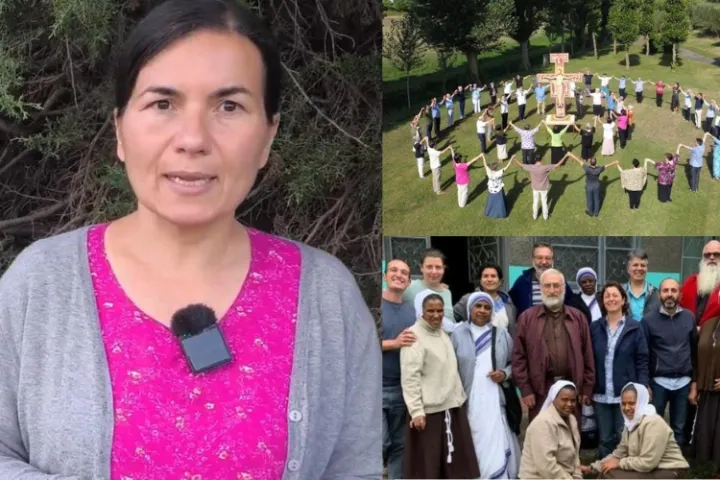
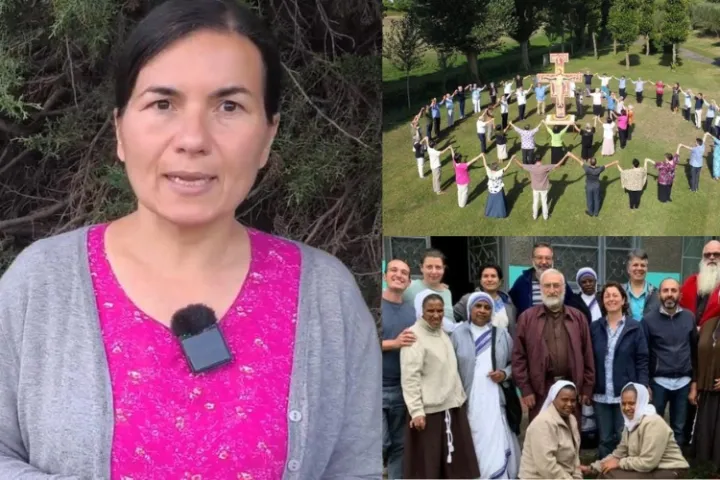
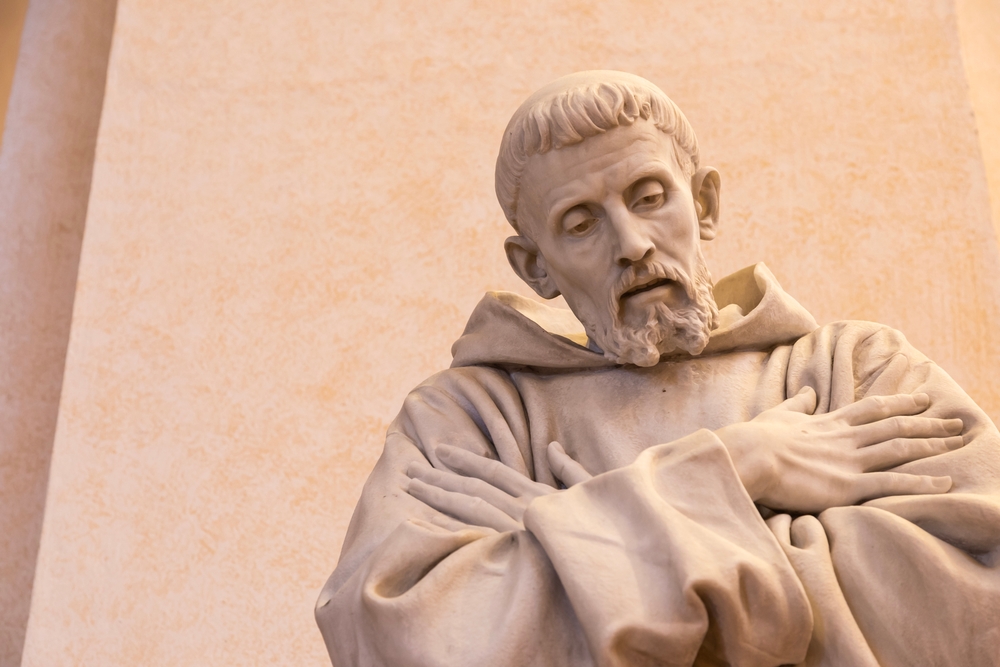
Italian Catholic community establishes new presence in Muslim-majority area of Ethiopia – #Catholic – The Villaregia Missionary Community has established a new presence in Ghinnir, in Ethiopia’s East Bale, seeking to reach communities where the Catholic Church has a limited presence.Ethiopiaʼs East Bale region is in the Oromia region of the country and encompasses the eastern areas of Bale Mountains National Park.According to a report on Sept. 29 by Agenzia Fides, the Villaregia Missionary Community has been visiting communities in East Bale where they have been raising awareness about femFRICA/ETHIOPIA, including the issues of female genital mutilation and early marriage.Teresa Zullo, a missionary from the Community of Villaregia who has been in Ethiopia for seven years, following an invitation from Father Angelo Antolini, prefect of the Apostolic Prefecture of Robe, said that missionary work is not permanent. She said it is about taking the Gospel and pastoral services to places in most need.“There are moments when mission asks us to stay, to put down roots, and build relationships, and there are others when it asks us to set out again and cross new horizons. The time has come for us to begin again,” Zullo said.“We moved to Ghinnir, in the heart of East Bale. This decision was born from a journey of discernment and from the years of experience we gained in a territory that we have gradually come to know more closely.” The missionary described the relocation as a new stage in the journey, saying they are “leaving what is familiar, entering a new reality and learning how to be present where there is not yet a Catholic community,” especially in Muslim-dominant areas where they are seeking to offer “a presence of relationship, listening, service, and fraternity.”The missionaries establishing a new presence in Ghinnir hope their decision will enable them to extend some of their services to remote areas of East Bale, especially those near the Somali Region in Ethiopia.“The move is therefore not simply a change of place. It is a new step: a new reality to discover, new people to meet, and new roads to travel. A home to inhabit, but a tent in our hearts: ready to stay, to meet others, and, when the time comes, to set out again,” Zullo said.The move follows seven years of missionary service in Robe and Goba parishes, where the community has been involved in pastoral activities and gradually developed relationships with local communities.“We began taking our first steps in this challenging context. The slow process of learning the language, our encounters with people, and the time spent traveling allowed us, little by little, to begin our pastoral activities and to become part of this new reality,” Zullo said.The missionary said the community’s experience in other parts of Ethiopia has inspired them to move to East Bale, where many have fled due to extreme drought, and that this has encouraged them to support vulnerable communities there.“Three years ago, a prolonged period of drought forced many people to leave the East Bale region and head towards Robe in search of opportunities. As we passed near the bus station in Robe, we noticed their presence. We approached them, asked some questions, and discovered that they came from East Bale. We thus found ourselves facing a vast territory that was almost completely neglected by the Church’s missionary activity. For us, this became an insistent call to our identity as missionaries ‘ad gentes,’” she said.Zullo said the community sees its small numerical presence as an opportunity to build closer relationships with local people and spread the Gospel effectively.“Being numerically insignificant can represent a great opportunity for the Gospel, a precious opportunity to draw close to others, not to frighten them, to recognize the positive forces within the local community and to build networks with them,” she said.“Mobility, therefore, is not merely a practical matter; it is part of the way we understand mission. A Church that moves, a Church that goes out, a Church that draws near. This choice concerns not only our fraternity but is part of the journey of the Apostolic Prefecture of Robe, which is called to grow and continually broaden the scope of its evangelizing mission,” Zullo added.Regarding the missionaries settling in Ghinnir, Zullo expressed hope that despite the challenges they are going to face, their focus will remain on their main agenda, which is to spread the Gospel and support the local communities in the region.“We left Robe just a few days ago, and now here we are in Ghinnir, without knowing what awaits us. We would like to set out again with a home to live in, but with a tent in our hearts, ready to stay, to meet others, and, when the time comes, to set out again,” Zullo said.The Villaregia Missionary Community is a Catholic community made up of consecrated men and women, clergy, married couples, and single people of different nationalities, united by the same spirituality and the same mission: to be a community for the “ad gentes” “to the nations” mission.This story was first published by ACI Africa, the sister service of EWTN News in Africa, and has been adapted by EWTN News.

Italian Catholic community establishes new presence in Muslim-majority area of Ethiopia – #Catholic – The Villaregia Missionary Community has established a new presence in Ghinnir, in Ethiopia’s East Bale, seeking to reach communities where the Catholic Church has a limited presence.Ethiopiaʼs East Bale region is in the Oromia region of the country and encompasses the eastern areas of Bale Mountains National Park.According to a report on Sept. 29 by Agenzia Fides, the Villaregia Missionary Community has been visiting communities in East Bale where they have been raising awareness about femFRICA/ETHIOPIA, including the issues of female genital mutilation and early marriage.Teresa Zullo, a missionary from the Community of Villaregia who has been in Ethiopia for seven years, following an invitation from Father Angelo Antolini, prefect of the Apostolic Prefecture of Robe, said that missionary work is not permanent. She said it is about taking the Gospel and pastoral services to places in most need.“There are moments when mission asks us to stay, to put down roots, and build relationships, and there are others when it asks us to set out again and cross new horizons. The time has come for us to begin again,” Zullo said.“We moved to Ghinnir, in the heart of East Bale. This decision was born from a journey of discernment and from the years of experience we gained in a territory that we have gradually come to know more closely.” The missionary described the relocation as a new stage in the journey, saying they are “leaving what is familiar, entering a new reality and learning how to be present where there is not yet a Catholic community,” especially in Muslim-dominant areas where they are seeking to offer “a presence of relationship, listening, service, and fraternity.”The missionaries establishing a new presence in Ghinnir hope their decision will enable them to extend some of their services to remote areas of East Bale, especially those near the Somali Region in Ethiopia.“The move is therefore not simply a change of place. It is a new step: a new reality to discover, new people to meet, and new roads to travel. A home to inhabit, but a tent in our hearts: ready to stay, to meet others, and, when the time comes, to set out again,” Zullo said.The move follows seven years of missionary service in Robe and Goba parishes, where the community has been involved in pastoral activities and gradually developed relationships with local communities.“We began taking our first steps in this challenging context. The slow process of learning the language, our encounters with people, and the time spent traveling allowed us, little by little, to begin our pastoral activities and to become part of this new reality,” Zullo said.The missionary said the community’s experience in other parts of Ethiopia has inspired them to move to East Bale, where many have fled due to extreme drought, and that this has encouraged them to support vulnerable communities there.“Three years ago, a prolonged period of drought forced many people to leave the East Bale region and head towards Robe in search of opportunities. As we passed near the bus station in Robe, we noticed their presence. We approached them, asked some questions, and discovered that they came from East Bale. We thus found ourselves facing a vast territory that was almost completely neglected by the Church’s missionary activity. For us, this became an insistent call to our identity as missionaries ‘ad gentes,’” she said.Zullo said the community sees its small numerical presence as an opportunity to build closer relationships with local people and spread the Gospel effectively.“Being numerically insignificant can represent a great opportunity for the Gospel, a precious opportunity to draw close to others, not to frighten them, to recognize the positive forces within the local community and to build networks with them,” she said.“Mobility, therefore, is not merely a practical matter; it is part of the way we understand mission. A Church that moves, a Church that goes out, a Church that draws near. This choice concerns not only our fraternity but is part of the journey of the Apostolic Prefecture of Robe, which is called to grow and continually broaden the scope of its evangelizing mission,” Zullo added.Regarding the missionaries settling in Ghinnir, Zullo expressed hope that despite the challenges they are going to face, their focus will remain on their main agenda, which is to spread the Gospel and support the local communities in the region.“We left Robe just a few days ago, and now here we are in Ghinnir, without knowing what awaits us. We would like to set out again with a home to live in, but with a tent in our hearts, ready to stay, to meet others, and, when the time comes, to set out again,” Zullo said.The Villaregia Missionary Community is a Catholic community made up of consecrated men and women, clergy, married couples, and single people of different nationalities, united by the same spirituality and the same mission: to be a community for the “ad gentes” “to the nations” mission.This story was first published by ACI Africa, the sister service of EWTN News in Africa, and has been adapted by EWTN News.

The Villaregia Missionary Community seeks to reach communities where the Catholic Church has a limited presence.
Read More
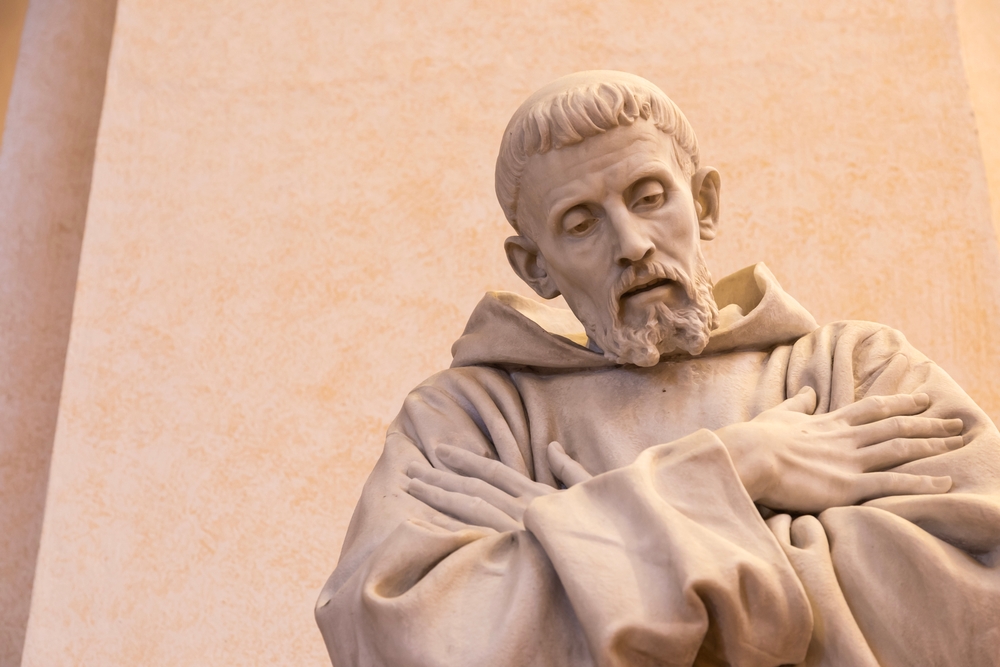
Pope Leo XIV: ‘The charism of St. Francis continues to bear fruit even today’ – #Catholic – VATICAN CITY — Pope Leo XIV on Sunday reflected on the Gospel parable of the tenants and the enduring witness of St. Francis of Assisi, saying that “the charism of Saint Francis continues to bear fruit even today” eight centuries after the saintʼs death.Introducing the Angelus before pilgrims gathered in St. Peter’s Square, the pope noted that the Gospel recounts how Christ came to bring salvation but was rejected by those who should have welcomed him.“The Son of God sent into the world is rejected by the very people who should have welcomed him with open arms. The One who came to bring salvation is condemned; the One who wishes to give life is put to death,” the pope said.While such realities lead Christians to reflect on “the many cruelties that plague the world and the history of peoples,” he added, “Christ’s teaching reveals the ever-greater mercy of his Father.”Despite humanityʼs rejection of God, Leo emphasized that divine providence continues to guide history toward redemption.“This is how the Almighty guides history, coming to our aid in all our falls: God never discards our lives!” he said.Drawing on the Gospel image of the vineyard, the pope said the Church is entrusted to Christians' care and can be built up or damaged by their choices.On the eighth centenary of St. Francis’ death, Leo highlighted the saintʼs role in renewing the Church after Christ called him to “repair” it.“Inspired by the Crucified One, Francis first and foremost built his own life upon the foundation of Christ, sharing in his poverty, joy and sufferings, even to the point of receiving the mystical sign of the stigmata,” the pope said.The saint, he continued, “repaired the Church by virtue of his faith in the Lord Jesus, healing the rifts of discord through the witness of fraternal love.”Leo said the Franciscan spiritual legacy remains alive today.“The charism of Saint Francis continues to bear fruit even today,” he said. “This is attested to, not only by the great and vibrant Franciscan family but also by the many gifts that his spiritual legacy bestows upon the People of God.”As Catholics celebrate the Franciscan Jubilee Year, the pope encouraged the faithful to persevere in prayer for peace and to work actively for reconciliation among nations.After praying the Angelus, Leo renewed his appeal for peace during the month of October, highlighting the “A Million Children Praying the Rosary” initiative organized by Aid to the Church in Need from Oct. 1-7.“I wholeheartedly thank all the boys and girls who are joining in this prayer in so many parts of the world,” he said. “Let us all follow their example, invoking the intercession of the Virgin Mary so that peoples may be freed from the scourge of war.”The pope asked in particular for prayers for the Holy Land and for innocent victims of violence.Leo also announced a Vatican gathering marking the 10th anniversary of Amoris Laetitia, Pope Francis’ apostolic exhortation on marriage and family life. The meeting will bring together the heads of the Eastern Catholic Churches and the presidents of bishops’ conferences from around the world.“It will be a time of synodal discernment for identifying the steps to be taken in order to proclaim the Gospel today among families and the younger generations,” he said.The pope entrusted both the meeting and families worldwide to the prayers of the faithful, describing families as “a sign of hope and an inestimable treasure for the Church and for society.”He concluded by greeting participants in celebrations marking the 800th anniversary of St. Francis’ death, including commemorations held in Assisi attended by Italy’s highest civil authorities.This story was first published by ACI Stampa, the Italian-language sister service of EWTN News. It has been translated and adapted by EWTN News English.

Pope Leo XIV: ‘The charism of St. Francis continues to bear fruit even today’ – #Catholic – VATICAN CITY — Pope Leo XIV on Sunday reflected on the Gospel parable of the tenants and the enduring witness of St. Francis of Assisi, saying that “the charism of Saint Francis continues to bear fruit even today” eight centuries after the saintʼs death.Introducing the Angelus before pilgrims gathered in St. Peter’s Square, the pope noted that the Gospel recounts how Christ came to bring salvation but was rejected by those who should have welcomed him.“The Son of God sent into the world is rejected by the very people who should have welcomed him with open arms. The One who came to bring salvation is condemned; the One who wishes to give life is put to death,” the pope said.While such realities lead Christians to reflect on “the many cruelties that plague the world and the history of peoples,” he added, “Christ’s teaching reveals the ever-greater mercy of his Father.”Despite humanityʼs rejection of God, Leo emphasized that divine providence continues to guide history toward redemption.“This is how the Almighty guides history, coming to our aid in all our falls: God never discards our lives!” he said.Drawing on the Gospel image of the vineyard, the pope said the Church is entrusted to Christians' care and can be built up or damaged by their choices.On the eighth centenary of St. Francis’ death, Leo highlighted the saintʼs role in renewing the Church after Christ called him to “repair” it.“Inspired by the Crucified One, Francis first and foremost built his own life upon the foundation of Christ, sharing in his poverty, joy and sufferings, even to the point of receiving the mystical sign of the stigmata,” the pope said.The saint, he continued, “repaired the Church by virtue of his faith in the Lord Jesus, healing the rifts of discord through the witness of fraternal love.”Leo said the Franciscan spiritual legacy remains alive today.“The charism of Saint Francis continues to bear fruit even today,” he said. “This is attested to, not only by the great and vibrant Franciscan family but also by the many gifts that his spiritual legacy bestows upon the People of God.”As Catholics celebrate the Franciscan Jubilee Year, the pope encouraged the faithful to persevere in prayer for peace and to work actively for reconciliation among nations.After praying the Angelus, Leo renewed his appeal for peace during the month of October, highlighting the “A Million Children Praying the Rosary” initiative organized by Aid to the Church in Need from Oct. 1-7.“I wholeheartedly thank all the boys and girls who are joining in this prayer in so many parts of the world,” he said. “Let us all follow their example, invoking the intercession of the Virgin Mary so that peoples may be freed from the scourge of war.”The pope asked in particular for prayers for the Holy Land and for innocent victims of violence.Leo also announced a Vatican gathering marking the 10th anniversary of Amoris Laetitia, Pope Francis’ apostolic exhortation on marriage and family life. The meeting will bring together the heads of the Eastern Catholic Churches and the presidents of bishops’ conferences from around the world.“It will be a time of synodal discernment for identifying the steps to be taken in order to proclaim the Gospel today among families and the younger generations,” he said.The pope entrusted both the meeting and families worldwide to the prayers of the faithful, describing families as “a sign of hope and an inestimable treasure for the Church and for society.”He concluded by greeting participants in celebrations marking the 800th anniversary of St. Francis’ death, including commemorations held in Assisi attended by Italy’s highest civil authorities.This story was first published by ACI Stampa, the Italian-language sister service of EWTN News. It has been translated and adapted by EWTN News English.

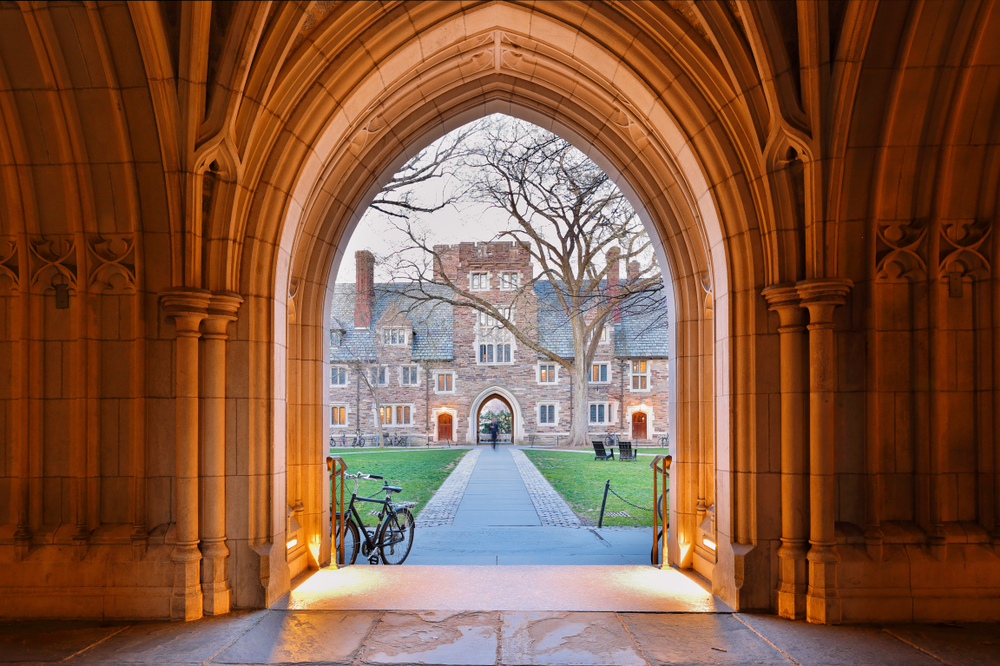
The pontiff marks the 800th anniversary of St. Francis of Assisi’s death and asks prayers that peoples may be freed from “the scourge of war.”
Read More
‘Those who seek Christ will find him’: Another philosopher at Princeton converts to Catholicism #Catholic Noah McKay was always “at least slightly” more confident than not that God existed.The philosophy doctoral student at Princeton University recently announced his conversion to Catholicism, but he told EWTN News that he struggled for years with what he saw as uncertainties related to faith, including the problem of evil and the “problem of divine hiddenness.”McKay is the second Princeton philosophy scholar this year to convert to the Catholic faith; earlier in the summer Joe Schmid announced his own return to the faith after years of having run an agnostic-themed philosophy channel on YouTube. “I was never an atheist, and I don’t think I was ever agnostic,” McKay told EWTN News. But he experienced profound uncertainties in high school and graduate school, some of which were also related to what he described as “difficulties with the reliability and interpretation of the Bible.”While he never fully abandoned belief in God, “what firmly convinced me of theism were, first, design arguments based on the fine-tuning of physics for the emergence of life, and, second, the empirical evidence for contemporary Christian miracles,” he said. “Arguments from consciousness, moral knowledge, and natural beauty also played a role,” he added. It is perhaps unsurprising that a philosophy scholar would be drawn into the Church in part by scholarly inquiry. Schmid told EWTN News shortly after his conversion, for instance, that “contingency arguments” helped convince him of God’s existence.McKay, meanwhile, cited “evidence for vindicatory Catholic miracles” as helping lead him to the Catholic Church specifically. Those miracles “presuppose distinctive teachings of the Catholic Church,” he pointed out, and the evidence for them, he argued, is “as good or better than the evidence for the more generically Christian miracles” in which McKay himself already believed. He told EWTN News that out of the necessity of consistency he felt he needed to either accept all of those Catholic miracles or reject all of them. “And the evidence was too strong for rejecting all of them to be reasonable!” he said. The evidence for those miracles wasn’t the only thing that convinced him of the truth of the Catholic faith, he said, but “it did motivate me to look into the history and theology of the Church more carefully,” and the evidence he found for Catholicism was “very strong.” He urged those considering Catholicism for the first time, or those who are considering returning to it, to start with researching those miracles.Speaking to Catholic YouTube apologist Cameron Bertuzzi in a recent interview, McKay argued that “if you already accept that Christianity is true, the inference to Catholicism is irresistible.” He admitted that his decision to join the Church caused his close friends and family “distress” given his Protestant background. But “I think Catholicism — if you’re fully informed, if you’re really considering all of the evidence — I think Catholicism is basically going to be irresistible,” he said. Speaking to EWTN News, he also urged potential converts and reverts: “Pray!” “I found praying the rosary especially helpful when I was discerning Catholicism,” he said. “Just ask God to help you earnestly seek the truth and make the means of discovering it available. Those who seek Christ, earnestly and prayerfully, will find him.” “I’m going to ask God to make himself known to everyone who reads this article!” he added.

‘Those who seek Christ will find him’: Another philosopher at Princeton converts to Catholicism #Catholic Noah McKay was always “at least slightly” more confident than not that God existed.The philosophy doctoral student at Princeton University recently announced his conversion to Catholicism, but he told EWTN News that he struggled for years with what he saw as uncertainties related to faith, including the problem of evil and the “problem of divine hiddenness.”McKay is the second Princeton philosophy scholar this year to convert to the Catholic faith; earlier in the summer Joe Schmid announced his own return to the faith after years of having run an agnostic-themed philosophy channel on YouTube. “I was never an atheist, and I don’t think I was ever agnostic,” McKay told EWTN News. But he experienced profound uncertainties in high school and graduate school, some of which were also related to what he described as “difficulties with the reliability and interpretation of the Bible.”While he never fully abandoned belief in God, “what firmly convinced me of theism were, first, design arguments based on the fine-tuning of physics for the emergence of life, and, second, the empirical evidence for contemporary Christian miracles,” he said. “Arguments from consciousness, moral knowledge, and natural beauty also played a role,” he added. It is perhaps unsurprising that a philosophy scholar would be drawn into the Church in part by scholarly inquiry. Schmid told EWTN News shortly after his conversion, for instance, that “contingency arguments” helped convince him of God’s existence.McKay, meanwhile, cited “evidence for vindicatory Catholic miracles” as helping lead him to the Catholic Church specifically. Those miracles “presuppose distinctive teachings of the Catholic Church,” he pointed out, and the evidence for them, he argued, is “as good or better than the evidence for the more generically Christian miracles” in which McKay himself already believed. He told EWTN News that out of the necessity of consistency he felt he needed to either accept all of those Catholic miracles or reject all of them. “And the evidence was too strong for rejecting all of them to be reasonable!” he said. The evidence for those miracles wasn’t the only thing that convinced him of the truth of the Catholic faith, he said, but “it did motivate me to look into the history and theology of the Church more carefully,” and the evidence he found for Catholicism was “very strong.” He urged those considering Catholicism for the first time, or those who are considering returning to it, to start with researching those miracles.Speaking to Catholic YouTube apologist Cameron Bertuzzi in a recent interview, McKay argued that “if you already accept that Christianity is true, the inference to Catholicism is irresistible.” He admitted that his decision to join the Church caused his close friends and family “distress” given his Protestant background. But “I think Catholicism — if you’re fully informed, if you’re really considering all of the evidence — I think Catholicism is basically going to be irresistible,” he said. Speaking to EWTN News, he also urged potential converts and reverts: “Pray!” “I found praying the rosary especially helpful when I was discerning Catholicism,” he said. “Just ask God to help you earnestly seek the truth and make the means of discovering it available. Those who seek Christ, earnestly and prayerfully, will find him.” “I’m going to ask God to make himself known to everyone who reads this article!” he added.

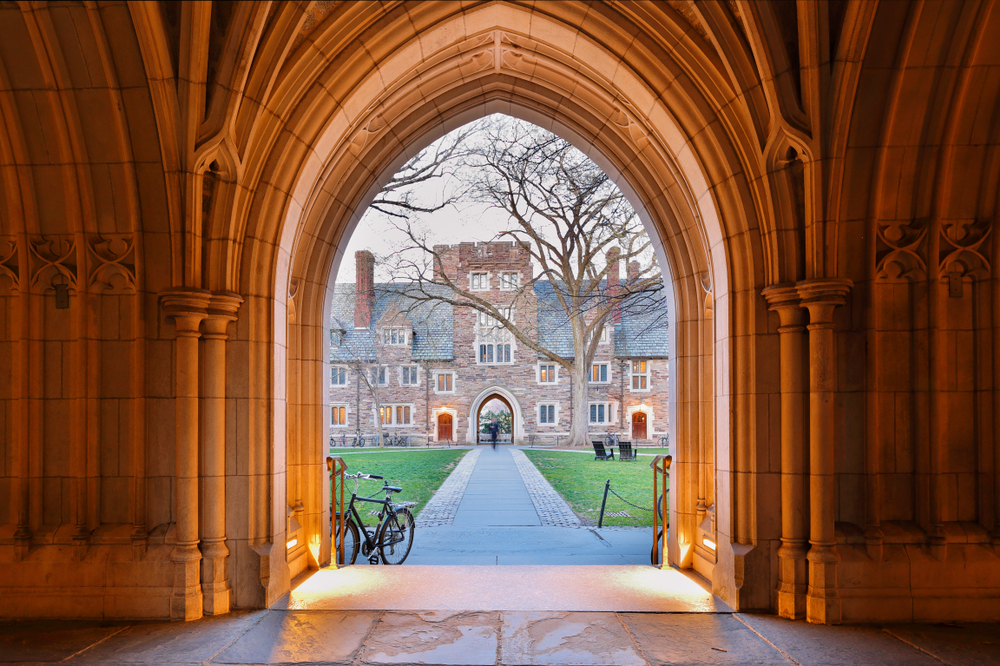
Noah McKay said the Catholic Church’s evidence in favor of vindicatory miracles helped lead him to the Church.
Read More