

Father of love, hear my prayer.
Help me to know Your Will
and to do it with courage and faith.
Accept my offering of myself,
all my thoughts, words, deeds, and sufferings.
May my life be spent giving You glory.
Give me the strength to follow Your call,
so that Your Truth may live in my heart
and bring peace to me and to those I meet,
for I believe in Your Love.

A reading from the Book of Isaiah
25:6-10a
On this mountain the LORD of hosts
will provide for all peoples
a feast of rich food and choice wines,
juicy, rich food and pure, choice wines.
On this mountain he will destroy
the veil that veils all peoples,
the web that is woven over all nations;
he will destroy death forever.
The Lord GOD will wipe away
the tears from every face;
the reproach of his people he will remove
from the whole earth; for the LORD has spoken.
On that day it will be said:
"Behold our God, to whom we looked to save us!
This is the LORD for whom we looked;
let us rejoice and be glad that he has saved us!"
For the hand of the LORD will rest on this mountain.
A reading from the Letter of St. Paul to the Philippians
4:12-14, 19-20
Brothers and sisters:
I know how to live in humble circumstances;
I know also how to live with abundance.
In every circumstance and in all things
I have learned the secret of being well fed and of going hungry,
of living in abundance and of being in need.
I can do all things in him who strengthens me.
Still, it was kind of you to share in my distress.
My God will fully supply whatever you need,
in accord with his glorious riches in Christ Jesus.
To our God and Father, glory forever and ever. Amen.
From the Gospel according to Matthew
22:1-14
Jesus again in reply spoke to the chief priests and elders of the people
in parables, saying,
"The kingdom of heaven may be likened to a king
who gave a wedding feast for his son.
He dispatched his servants
to summon the invited guests to the feast,
but they refused to come.
A second time he sent other servants, saying,
‘Tell those invited: "Behold, I have prepared my banquet,
my calves and fattened cattle are killed,
and everything is ready; come to the feast."’
Some ignored the invitation and went away,
one to his farm, another to his business.
The rest laid hold of his servants,
mistreated them, and killed them.
The king was enraged and sent his troops,
destroyed those murderers, and burned their city.
Then he said to his servants, ‘The feast is ready,
but those who were invited were not worthy to come.
Go out, therefore, into the main roads
and invite to the feast whomever you find.’
The servants went out into the streets
and gathered all they found, bad and good alike,
and the hall was filled with guests.
But when the king came in to meet the guests,
he saw a man there not dressed in a wedding garment.
The king said to him, ‘My friend, how is it
that you came in here without a wedding garment?’
But he was reduced to silence.
Then the king said to his attendants, ‘Bind his hands and feet,
and cast him into the darkness outside,
where there will be wailing and grinding of teeth.’
Many are invited, but few are chosen."
Today’s Gospel passage tells us about a king who prepares a wedding banquet for his son (cf. Mt 22:1-14). He is a powerful man, but he is above all a generous father, who invites others to share in his joy. In particular, he reveals the goodness of his heart in the fact that he does not compel anyone, but invites everyone, even though this way exposes him to the possibility of rejection. We notice that he prepares a banquet, freely offering an opportunity for encounter, an opportunity for a feast. This is what God prepares for us: a banquet, to be in communion with him and among ourselves. And we, all of us, are therefore God’s invited guests. But a wedding banquet requires time and commitment on our part: it requires a “yes”: to go, to go to the Lord’s invitation. He invites, but he leaves us free.
This is the type of relationship that the Father offers us: he calls us to stay with him, leaving us the possibility to accept or not accept [the invitation]. He does not propose to us a relationship of subjection, but rather of fatherhood and sonship, which is necessarily conditioned by our free assent. God is very respectful regarding freedom; very respectful. Saint Augustine uses a very beautiful expression in this regard, saying: “He who created us without our help will not save us without our consent” (Sermonclxix, 13). And certainly not because he does not have the capacity to do so — God is omnipotent! — but because, being love, he respects our freedom fully. God proposes: he does not impose. Never. (Pope Francis, Angelus, 15 October 2023)
Read MoreGiovanni Passalacqua from Ragusa, Sicily, Italy A waning crescent Moon hangs less than 3° from Jupiter in western Leo before dawn on Oct. 6, 2026, hours before it occulted the planet for viewers in North America. All four Galilean moons flank Jupiter at lower left. The photographer shot a single 0.5-second exposure at f/6.3 andContinue reading “Jove and Luna”
The post Jove and Luna appeared first on Astronomy Magazine.
Read More
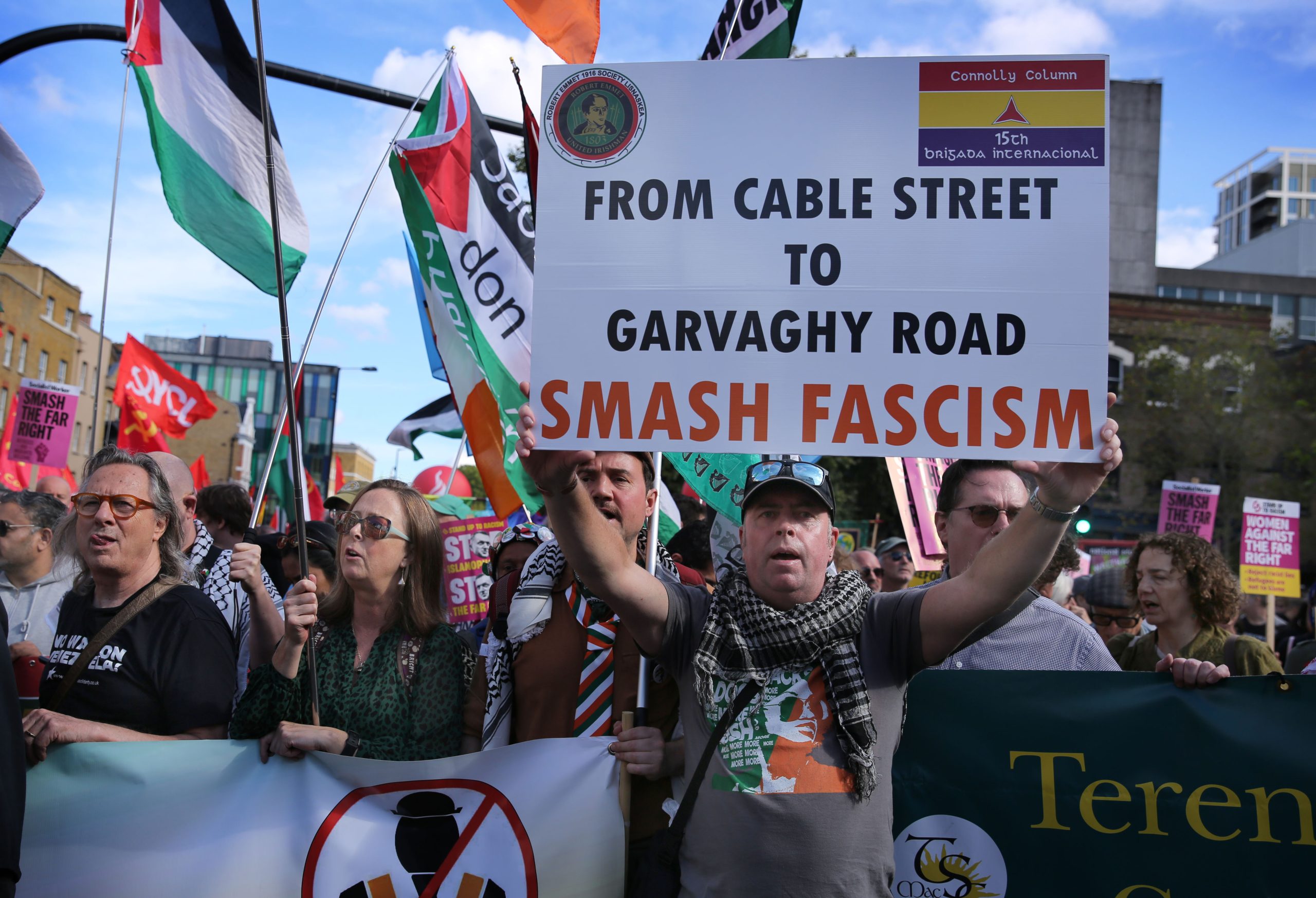
“Nobody wants a return to the past,” MP Chris Bryant said in ruling against the planned march down Garvaghy Road.
![Catholics take Morristown streets, pray for end to abortion #Catholic – On Oct. 3, Bishop Kevin J. Sweeney joined with a broad assembly of Catholics from around the Paterson Diocese, N.J., and beyond for his monthly Mass and Rosary Procession for Life at St. Margaret of Scotland Parish in Morristown, N.J.
Bishop Sweeney celebrated the Mass, which was concelebrated by Father Duberney Villamizar, St. Margaret’s pastor and diocesan vicar for Hispanic affairs, and Father Isaac Spinharney of the Franciscan Friars of the Renewal at St. Michael’s Friary in Paterson, N.J. Deacon Tim Holden of St. Margaret’s assisted with the liturgy.
After the Mass, Bishop Sweeney led the faithful, including clergy, religious, and laity, in a rosary procession to the Planned Parenthood on Speedwell Avenue. They prayed for an end to abortion. Several people held pro-life signs in English and Spanish. The group returned to St. Margaret’s for Eucharistic adoration.
To continue this mission, a Mass and procession for life is held on the first Saturday of the month at 8 a.m. at St. Margaret’s. Priests and faithful from around the diocese are invited to join.
BEACON PHOTOS | JOE GIGLI
[See image gallery at beaconnj.org]
Click here to subscribe to our weekly newsletter. Catholics take Morristown streets, pray for end to abortion #Catholic – On Oct. 3, Bishop Kevin J. Sweeney joined with a broad assembly of Catholics from around the Paterson Diocese, N.J., and beyond for his monthly Mass and Rosary Procession for Life at St. Margaret of Scotland Parish in Morristown, N.J.
Bishop Sweeney celebrated the Mass, which was concelebrated by Father Duberney Villamizar, St. Margaret’s pastor and diocesan vicar for Hispanic affairs, and Father Isaac Spinharney of the Franciscan Friars of the Renewal at St. Michael’s Friary in Paterson, N.J. Deacon Tim Holden of St. Margaret’s assisted with the liturgy.
After the Mass, Bishop Sweeney led the faithful, including clergy, religious, and laity, in a rosary procession to the Planned Parenthood on Speedwell Avenue. They prayed for an end to abortion. Several people held pro-life signs in English and Spanish. The group returned to St. Margaret’s for Eucharistic adoration.
To continue this mission, a Mass and procession for life is held on the first Saturday of the month at 8 a.m. at St. Margaret’s. Priests and faithful from around the diocese are invited to join.
BEACON PHOTOS | JOE GIGLI
[See image gallery at beaconnj.org]
Click here to subscribe to our weekly newsletter.](https://unitedyam.com/wp-content/uploads/2026/10/catholics-take-morristown-streets-pray-for-end-to-abortion-catholic-on-oct-3-bishop-kevin-j-sweeney-joined-with-a-broad-assembly-of-catholics-from-around-the-paterson-diocese-n-j-and-beyond.jpg)
Catholics take Morristown streets, pray for end to abortion #Catholic – ![]()
On Oct. 3, Bishop Kevin J. Sweeney joined with a broad assembly of Catholics from around the Paterson Diocese, N.J., and beyond for his monthly Mass and Rosary Procession for Life at St. Margaret of Scotland Parish in Morristown, N.J.
Bishop Sweeney celebrated the Mass, which was concelebrated by Father Duberney Villamizar, St. Margaret’s pastor and diocesan vicar for Hispanic affairs, and Father Isaac Spinharney of the Franciscan Friars of the Renewal at St. Michael’s Friary in Paterson, N.J. Deacon Tim Holden of St. Margaret’s assisted with the liturgy.
After the Mass, Bishop Sweeney led the faithful, including clergy, religious, and laity, in a rosary procession to the Planned Parenthood on Speedwell Avenue. They prayed for an end to abortion. Several people held pro-life signs in English and Spanish. The group returned to St. Margaret’s for Eucharistic adoration.
To continue this mission, a Mass and procession for life is held on the first Saturday of the month at 8 a.m. at St. Margaret’s. Priests and faithful from around the diocese are invited to join.
–
On Oct. 3, Bishop Kevin J. Sweeney joined with a broad assembly of Catholics from around the Paterson Diocese, N.J., and beyond for his monthly Mass and Rosary Procession for Life at St. Margaret of Scotland Parish in Morristown, N.J. Bishop Sweeney celebrated the Mass, which was concelebrated by Father Duberney Villamizar, St. Margaret’s pastor and diocesan vicar for Hispanic affairs, and Father Isaac Spinharney of the Franciscan Friars of the Renewal at St. Michael’s Friary in Paterson, N.J. Deacon Tim Holden of St. Margaret’s assisted with the liturgy. After the Mass, Bishop Sweeney led the faithful, including clergy, religious,
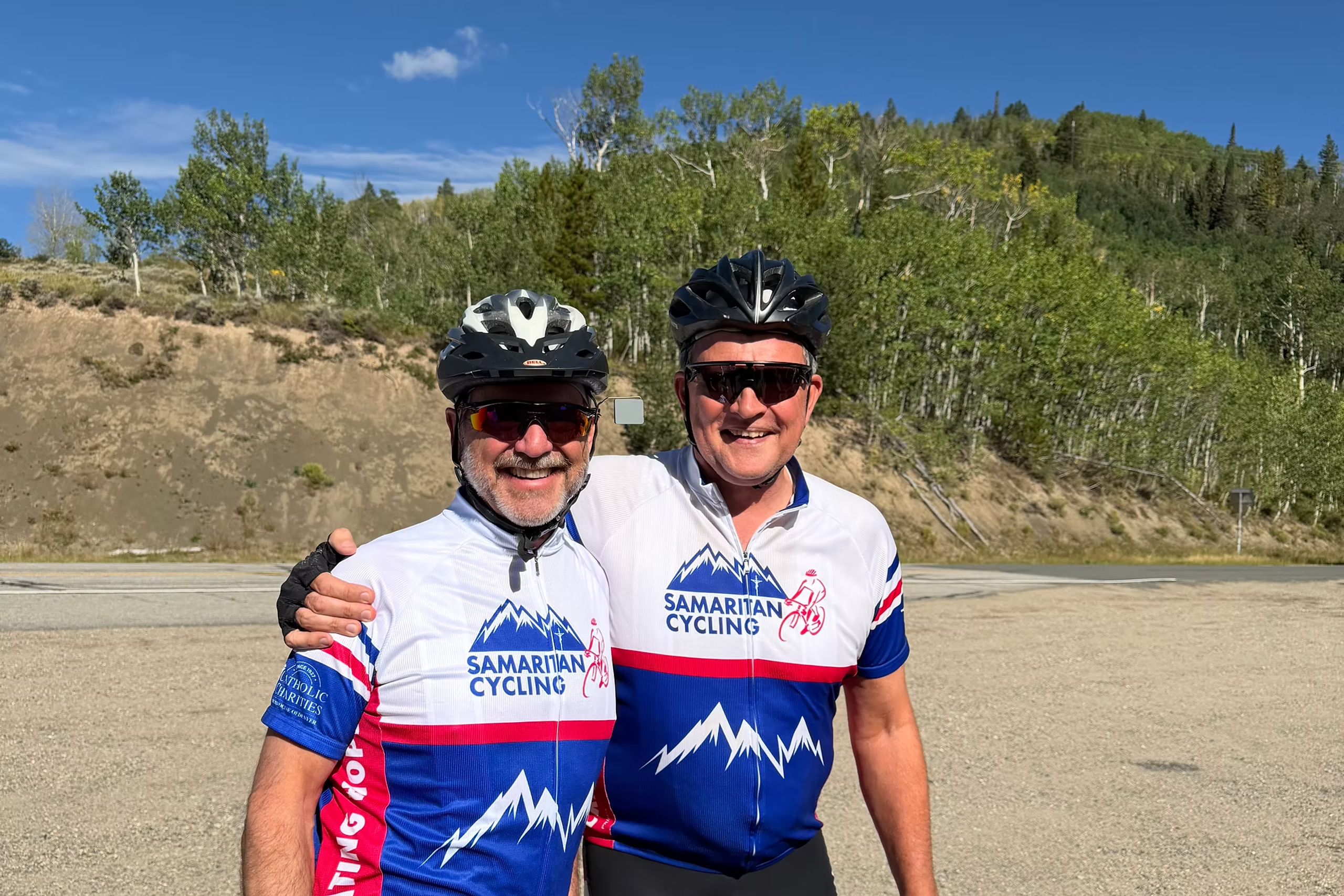
Tom Schwein is part of a 12-person team making a 3,000-mile trek with Samaritan Cycling USA to help raise money for the unhoused.
![EWTN News explains: What is the Religious Freedom Restoration Act? – #Catholic – The Archdiocese of St. Louis this month sued the federal government and several other defendants for what it said are policies that prevent Catholic immigrant detainees from obtaining the sacraments, including the Eucharist. The lawsuit, filed in U.S. district court, alleged among other claims that the government is violating the federal Religious Freedom Restoration Act (RFRA) by barring clergy access to those detained by U.S. Immigration and Customs Enforcement. One prison official reportedly suggested that priests could “pass communion in a plastic bag to a prison guard who could then deliver it to the detainee.” The Religious Freedom Restoration Act is invoked regularly in federal lawsuits by those who argue that the government is excessively burdening their religion. But how does this more-than-30-year-old law work, and how exactly does it protect religious liberty in the U.S.? Government may not ‘substantially burden’ religion A rare example of bipartisan unity, the federal law was proposed in 1993, passed unanimously in the U.S. House and near-unanimously in the U.S. Senate, and signed into law by then-President Bill Clinton.The impetus for the law arose in large part due to the U.S. Supreme Court’s ruling in Employment Division v. Smith. That 1990 decision held that Oregon was permitted to deny unemployment benefits to two Native American residents who had been fired after using peyote in a religious ritual. Outrage from a large cross-section of civil liberties groups and religious rights organizations led Congress to draft and pass the law. Clinton upon signing the measure said the law “reestablishes a standard that better protects all Americans of all faiths in the exercise of their religion.”The law directs that the government generally “shall not substantially burden a person’s exercise of religion” even if the burden stems from a “rule of general applicability.” The rule does allow for such burdens if the government demonstrates that a restriction is “in furtherance of a compelling governmental interest” and is “the least restrictive means” of accomplishing that goal. Matt Sharp, who serves as senior counsel and vice president of public policy at Alliance Defending Freedom, told EWTN News the rule “puts the responsibility on the government” to demonstrate that its policies do not violate the law. “The government has to show that it has a compelling reason to do something” that burdens someone’s religious liberty, Sharp said. “It can’t just say, ‘We like this law.’ It has to be a government interest of the highest order, such as national security or public safety.”Alliance Defending Freedom has handled numerous RFRA lawsuits over the years. Among them was the case Conestoga Wood Specialties v. Burwell, brought by a Mennonite Christian family who argued that the Obama administration’s contraceptive mandate violated the federal religious freedom law.The family ultimately prevailed, with the U.S. Supreme Court holding that the federal government had violated RFRA in requiring the family to cover contraceptives via its company’s insurance policies.Sharp, however, acknowledged that the rule has never been a “religion automatically wins” law. “It definitely makes [U.S. law] more favorable and protective of religion,” he said. But in some cases religious objectors aren’t successful in their challenges, such as the Native American coalition that sued under RFRA to protect one of its sacred sites but which lost at the Supreme Court in 2025. The Little Sisters of the Poor, meanwhile, have cited in part the Religious Freedom Restoration Act in their 15-year battle over contraceptive mandates. Yet although the law can sometimes yield a mixed bag, protections for religious freedom have grown steadily in the U.S. in recent years. A total of 30 states so far have adopted a version of the federal Religious Freedom Restoration Act or a similar form of legislation. Sharp said RFRA requires the government to ensure that in cases where it is imposing on religious practice it is doing so in a “narrowly tailored” way with “the bare minimum possible” imposition. “It’s a high burden,” he said. “In practice it has been hugely important and beneficial to people of faith.” EWTN News explains: What is the Religious Freedom Restoration Act? – #Catholic – The Archdiocese of St. Louis this month sued the federal government and several other defendants for what it said are policies that prevent Catholic immigrant detainees from obtaining the sacraments, including the Eucharist. The lawsuit, filed in U.S. district court, alleged among other claims that the government is violating the federal Religious Freedom Restoration Act (RFRA) by barring clergy access to those detained by U.S. Immigration and Customs Enforcement. One prison official reportedly suggested that priests could “pass communion in a plastic bag to a prison guard who could then deliver it to the detainee.” The Religious Freedom Restoration Act is invoked regularly in federal lawsuits by those who argue that the government is excessively burdening their religion. But how does this more-than-30-year-old law work, and how exactly does it protect religious liberty in the U.S.? Government may not ‘substantially burden’ religion A rare example of bipartisan unity, the federal law was proposed in 1993, passed unanimously in the U.S. House and near-unanimously in the U.S. Senate, and signed into law by then-President Bill Clinton.The impetus for the law arose in large part due to the U.S. Supreme Court’s ruling in Employment Division v. Smith. That 1990 decision held that Oregon was permitted to deny unemployment benefits to two Native American residents who had been fired after using peyote in a religious ritual. Outrage from a large cross-section of civil liberties groups and religious rights organizations led Congress to draft and pass the law. Clinton upon signing the measure said the law “reestablishes a standard that better protects all Americans of all faiths in the exercise of their religion.”The law directs that the government generally “shall not substantially burden a person’s exercise of religion” even if the burden stems from a “rule of general applicability.” The rule does allow for such burdens if the government demonstrates that a restriction is “in furtherance of a compelling governmental interest” and is “the least restrictive means” of accomplishing that goal. Matt Sharp, who serves as senior counsel and vice president of public policy at Alliance Defending Freedom, told EWTN News the rule “puts the responsibility on the government” to demonstrate that its policies do not violate the law. “The government has to show that it has a compelling reason to do something” that burdens someone’s religious liberty, Sharp said. “It can’t just say, ‘We like this law.’ It has to be a government interest of the highest order, such as national security or public safety.”Alliance Defending Freedom has handled numerous RFRA lawsuits over the years. Among them was the case Conestoga Wood Specialties v. Burwell, brought by a Mennonite Christian family who argued that the Obama administration’s contraceptive mandate violated the federal religious freedom law.The family ultimately prevailed, with the U.S. Supreme Court holding that the federal government had violated RFRA in requiring the family to cover contraceptives via its company’s insurance policies.Sharp, however, acknowledged that the rule has never been a “religion automatically wins” law. “It definitely makes [U.S. law] more favorable and protective of religion,” he said. But in some cases religious objectors aren’t successful in their challenges, such as the Native American coalition that sued under RFRA to protect one of its sacred sites but which lost at the Supreme Court in 2025. The Little Sisters of the Poor, meanwhile, have cited in part the Religious Freedom Restoration Act in their 15-year battle over contraceptive mandates. Yet although the law can sometimes yield a mixed bag, protections for religious freedom have grown steadily in the U.S. in recent years. A total of 30 states so far have adopted a version of the federal Religious Freedom Restoration Act or a similar form of legislation. Sharp said RFRA requires the government to ensure that in cases where it is imposing on religious practice it is doing so in a “narrowly tailored” way with “the bare minimum possible” imposition. “It’s a high burden,” he said. “In practice it has been hugely important and beneficial to people of faith.”](https://unitedyam.com/wp-content/uploads/2026/10/ewtn-news-explains-what-is-the-religious-freedom-restoration-act-catholic-the-archdiocese-of-st-louis-this-month-sued-the-federal-government-and-several-other-defendants-for-what-it-said-are-p-scaled.jpg)
The 1993 law allows religious objectors to sue the government for “substantially burdening” their religious liberty.
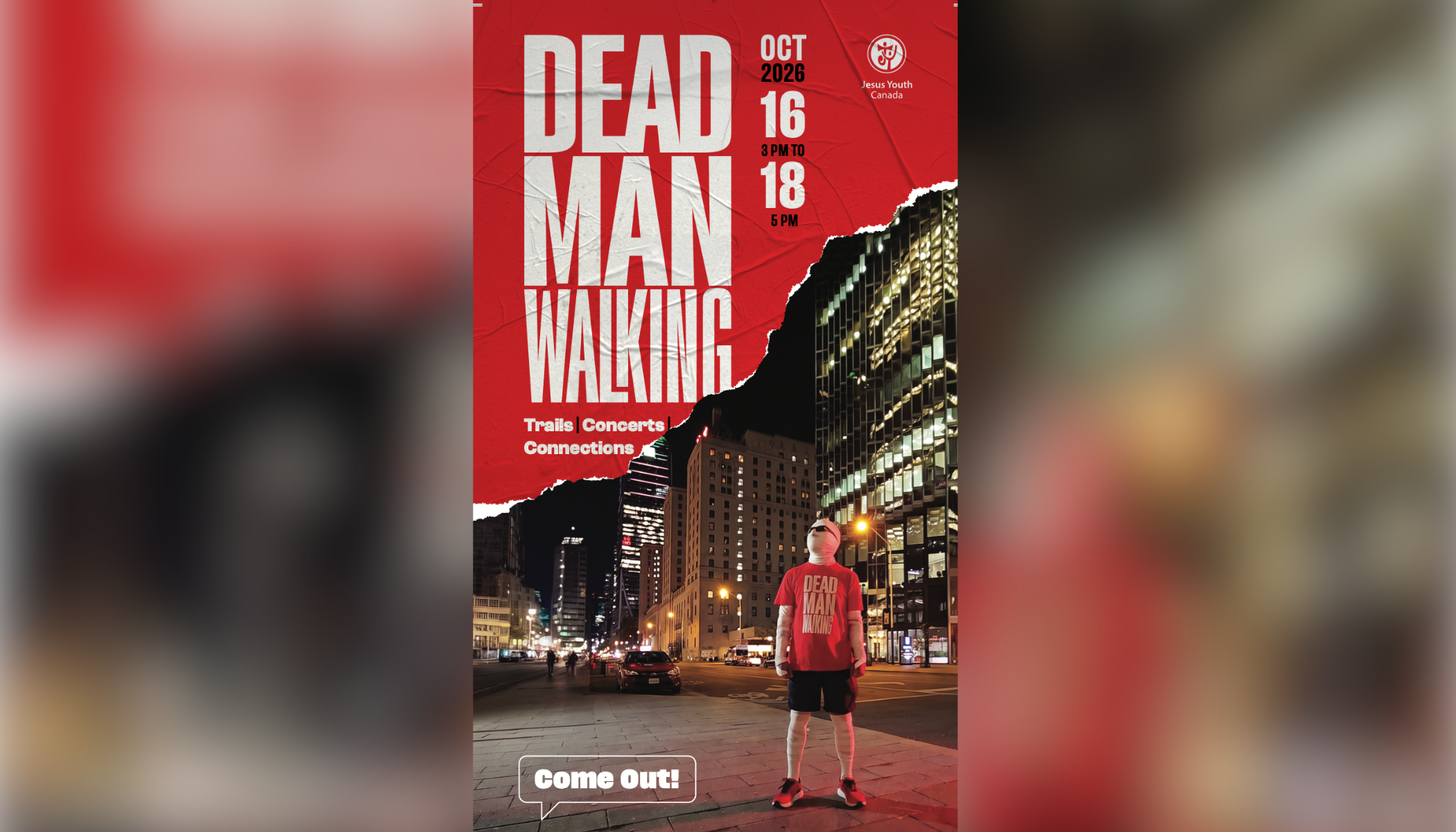
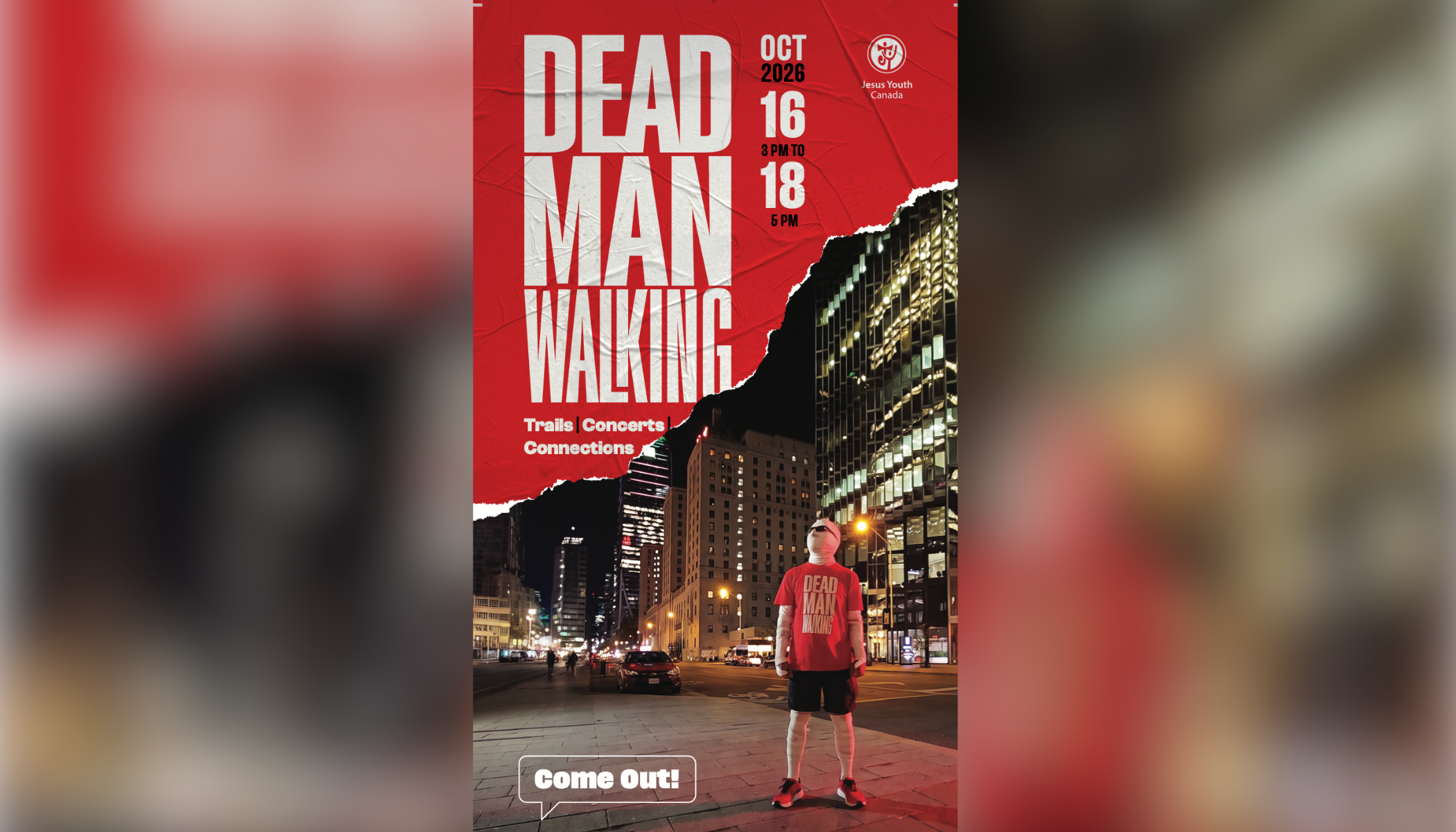
![Canadian youth retreat seeks to strengthen faith of young Catholics entering adulthood – #Catholic – A youth retreat taking place in Ontario, Canada, aims to help young Catholics graduating from high school and entering college, as well as students graduating from college and entering the workforce, stay committed to their faith during these critical transitions in their lives.Dead Man Walking is being hosted by Jesus Youth Ontario and will take place Oct. 16–18 at the Mother of God Retreat Center in Orangeville, Ontario. The retreat will include talks from Catholic author and speaker Jason Evert, international missionary George Devassy, and local young adults sharing their personal testimonies.Jim Isaac, a member of the retreat’s planning team, told EWTN News that the inspiration for the retreat came from conversations with parents where it was evident that there was “an overwhelming need.”“They felt that while children were in high school there were so many guardrails about who they can interact with, who can reach out to them, and all these things to ensure that they have a proper and safe childhood,” he explained. “But, right when they leave high school, all those guardrails are sort of lifted and almost at the same time they also leave home.”He added that young people also feel “thrown into adulthood” and that this transition “was something that they were struggling with.”With this in mind, the Dead Man Walking youth retreat was created to give them a space where they can encounter Christ, help them understand the big questions they’re grappling with, and instill in them a strong foundation to maintain their faith during this transition in their lives.The theme of the retreat comes from John 11, specifically the raising of Lazarus. Isaac explained that many times “we feel that we are going through the motions [and] we are almost like dead people.”Each day focuses on a specific part of the raising of Lazarus. The theme for Day 1 is “Dead for Four Days,” focusing on the idea that there is always hope even when we’re at our lowest point. Day 2 is called “come out,” encouraging the participants to take part in the Church and in their faith and ends with the opportunity for attendees to go to confession and attend Mass. The last day is called “untie and unbind,” which will call the young people gathered to go out on mission and spread the Gospel message.Isaac emphasized that their “primary objective is that they [the attendees] have an encounter with Christ at this crucial juncture of their lives.”“We want these youngsters, who probably are, within their own realities, bombarded with a lot of contemporary and secular media, to understand the richness of the Church,” he added.“We are hoping that something might resonate with them and that might help them build their interior life and thereby reach out to the people within the community. At the end of the day, it is about reaching out to people and giving them a call for mission. Thatʼs what we are hoping for by the end of it.” Canadian youth retreat seeks to strengthen faith of young Catholics entering adulthood – #Catholic – A youth retreat taking place in Ontario, Canada, aims to help young Catholics graduating from high school and entering college, as well as students graduating from college and entering the workforce, stay committed to their faith during these critical transitions in their lives.Dead Man Walking is being hosted by Jesus Youth Ontario and will take place Oct. 16–18 at the Mother of God Retreat Center in Orangeville, Ontario. The retreat will include talks from Catholic author and speaker Jason Evert, international missionary George Devassy, and local young adults sharing their personal testimonies.Jim Isaac, a member of the retreat’s planning team, told EWTN News that the inspiration for the retreat came from conversations with parents where it was evident that there was “an overwhelming need.”“They felt that while children were in high school there were so many guardrails about who they can interact with, who can reach out to them, and all these things to ensure that they have a proper and safe childhood,” he explained. “But, right when they leave high school, all those guardrails are sort of lifted and almost at the same time they also leave home.”He added that young people also feel “thrown into adulthood” and that this transition “was something that they were struggling with.”With this in mind, the Dead Man Walking youth retreat was created to give them a space where they can encounter Christ, help them understand the big questions they’re grappling with, and instill in them a strong foundation to maintain their faith during this transition in their lives.The theme of the retreat comes from John 11, specifically the raising of Lazarus. Isaac explained that many times “we feel that we are going through the motions [and] we are almost like dead people.”Each day focuses on a specific part of the raising of Lazarus. The theme for Day 1 is “Dead for Four Days,” focusing on the idea that there is always hope even when we’re at our lowest point. Day 2 is called “come out,” encouraging the participants to take part in the Church and in their faith and ends with the opportunity for attendees to go to confession and attend Mass. The last day is called “untie and unbind,” which will call the young people gathered to go out on mission and spread the Gospel message.Isaac emphasized that their “primary objective is that they [the attendees] have an encounter with Christ at this crucial juncture of their lives.”“We want these youngsters, who probably are, within their own realities, bombarded with a lot of contemporary and secular media, to understand the richness of the Church,” he added.“We are hoping that something might resonate with them and that might help them build their interior life and thereby reach out to the people within the community. At the end of the day, it is about reaching out to people and giving them a call for mission. Thatʼs what we are hoping for by the end of it.”](https://unitedyam.com/wp-content/uploads/2026/10/canadian-youth-retreat-seeks-to-strengthen-faith-of-young-catholics-entering-adulthood-catholic-a-youth-retreat-taking-place-in-ontario-canada-aims-to-help-young-catholics-graduating-from-high.png)
Dead Man Walking is being hosted by Jesus Youth Ontario and will take place Oct. 16-18 in Ontario, Canada.

This NASA/ESA/CSA James Webb Space Telescope Picture of the Month features galaxies in incredible detail that have been warped and multiplied like they’ve stepped into a house of mirrors.
Read More