Day: October 23, 2026

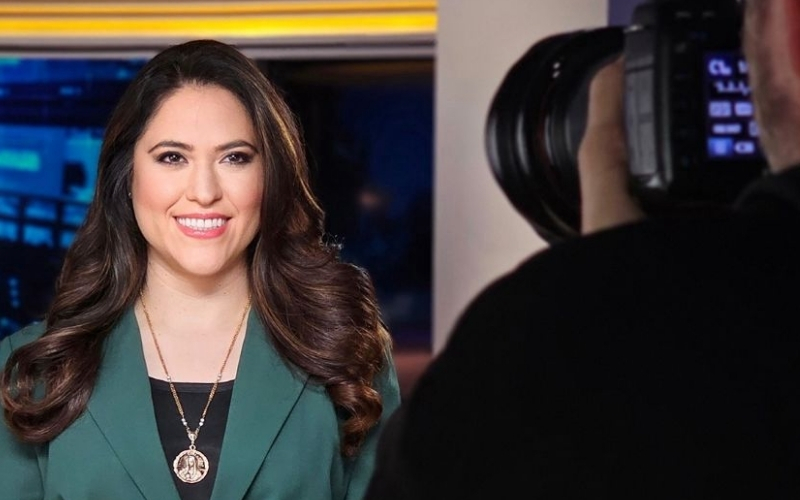
‘It’s what I’m called to do’: Montse Alvarado on her new Vatican role #Catholic Montse Alvarado came to EWTN in 2021 as the founding host of the global Catholic network’s weekly news magazine show “EWTN News In Depth.” Just a few years later, in 2023, she was promoted to president and chief operating officer of EWTN News. Now she is preparing to begin, on Nov. 1, another challenging new role, one that is taking her to the Eternal City as prefect of the Vatican’s Dicastery for Communication.In an “EWTN News In Depth” interview with Colm Flynn, Alvarado reflected on where her life has taken her so far, her vocation, and what’s ahead.Since 2023, Alvarado has led EWTN News’ global and multilingual news operations across television, radio, print, digital, and social media platforms. Before joining EWTN, she spent 14 years at the Becket Fund for Religious Liberty, where she also rose to a position of leadership and worked extensively on issues related to religious freedom and human dignity.Born in Mexico City, Alvarado came to the United States as a young girl. She studied at Florida International University and The George Washington University, served her church, and even discerned religious life.She shared that she’s “done none of this alone” and that as she has walked into each new chapter, “thereʼs an incredible team there to work with, mentors that are more generous than I could ever deserve.”After ending her time at Becket, she recalled “thinking about the importance of religious freedom and the Constitution and the American Dream and I said, ‘Well, whatʼs it all for if not for heaven?’”“I looked at EWTN and Mother Angelica and she spoke to my heart. That desperate desire for people to go to heaven … and so coming in here and having an environment where I was only talking about Jesus every day and only trying to communicate him to the world was a great honor for me and my spiritual life, but also seemed like a very logical thing to do when I thought about it from a calling and spiritual perspective,” she explained.Alvarado credited Mother Angelica and EWTN for playing a major role in the lead-up to her appointment to her new position.
 
 Pope Leo XIV with Maria Montserrat Alvarado at the Vatican on May 12, 2025. | Credit: Vatican Media
 
 She explained that due to EWTN’s role in collaborating with the Holy See for several large events — including Pope Leo XIV’s first-ever live dialogue with young people in Indianapolis in November 2025 and EWTN’s collaboration with the dicastery to create a video reflection ahead of the release of the Holy Father’s first encyclical Magnifica Humanitas — she was able to meet with the pope and “get to know the inner workings.”Alvarado will be making history as she takes on this new responsibility — becoming the first laywoman appointed prefect of a dicastery of the Holy See. She said she believes she was chosen for the position because “we are in a moment where digital communications and traditional communications are coming together,” and the Holy Father “was looking for a next-generation professional, thatʼs clear, and God willing, Iʼll be able to fill those shoes.”When asked if her response to the Holy Father’s reaching out to her about the appointment prompted an immediate yes, Alvarado admitted that it “took a little more prayer than I would care to admit.”“My entire life has been a surrender to Jesus Christ and his Church in the hopes that others would have a relationship with him. But Iʼm human, Colm, and moving to a new country, learning a new language, all of those pieces, leaving everything behind, theyʼre big to overcome,” she said. “And so I think it took a little more prayer than I would care to admit. Iʼm a little more human than I would care to admit in my willingness to say yes.”As prefect of the Vatican’s Dicastery for Communication, Alvarado will oversee all of the Holy See’s media and communication outlets, which include Vatican News, Vatican Media, Vatican Radio, L’Osservatore Romano, the Holy See Press Office, the Vatican publishing house, the Vatican internet service, the Vatican printing press, and the Vatican’s photography service.“Itʼs enormous,” Alvarado said.“Communicating Christ to the world is the mandate of the communications dicastery, and it will be done in concert with the Holy Father … Weʼre getting to know what this is, what it should be, what the desire of his heart is, and what the Holy Spirit has really given him as the mandate for his pontificate,” she added. “And my job is to serve him and the Church and to serve the dicasteries and serve the Curia. In no way am I imposing a vision. Iʼm very much receiving one and executing it.”She shared that while people have been telling her that by going into the Vatican she has to be careful “because I might lose my faith seeing the humanity of the Church,” that excites her and she prefers to “turn that on its head and say Iʼm going to see the humanity of the Church, which for me has always been an affirmation that Jesus Christ is real and his Church is the true Church. Because in seeing the way things work, I actually find that itʼs miraculous.”“I feel like seeing the inner workings and the reality, even overcoming my own imperfections and sinfulness, as a child of God, the fact that God could use me as an instrument for something so great is incredibly humbling.”

‘It’s what I’m called to do’: Montse Alvarado on her new Vatican role #Catholic Montse Alvarado came to EWTN in 2021 as the founding host of the global Catholic network’s weekly news magazine show “EWTN News In Depth.” Just a few years later, in 2023, she was promoted to president and chief operating officer of EWTN News. Now she is preparing to begin, on Nov. 1, another challenging new role, one that is taking her to the Eternal City as prefect of the Vatican’s Dicastery for Communication.In an “EWTN News In Depth” interview with Colm Flynn, Alvarado reflected on where her life has taken her so far, her vocation, and what’s ahead.Since 2023, Alvarado has led EWTN News’ global and multilingual news operations across television, radio, print, digital, and social media platforms. Before joining EWTN, she spent 14 years at the Becket Fund for Religious Liberty, where she also rose to a position of leadership and worked extensively on issues related to religious freedom and human dignity.Born in Mexico City, Alvarado came to the United States as a young girl. She studied at Florida International University and The George Washington University, served her church, and even discerned religious life.She shared that she’s “done none of this alone” and that as she has walked into each new chapter, “thereʼs an incredible team there to work with, mentors that are more generous than I could ever deserve.”After ending her time at Becket, she recalled “thinking about the importance of religious freedom and the Constitution and the American Dream and I said, ‘Well, whatʼs it all for if not for heaven?’”“I looked at EWTN and Mother Angelica and she spoke to my heart. That desperate desire for people to go to heaven … and so coming in here and having an environment where I was only talking about Jesus every day and only trying to communicate him to the world was a great honor for me and my spiritual life, but also seemed like a very logical thing to do when I thought about it from a calling and spiritual perspective,” she explained.Alvarado credited Mother Angelica and EWTN for playing a major role in the lead-up to her appointment to her new position. Pope Leo XIV with Maria Montserrat Alvarado at the Vatican on May 12, 2025. | Credit: Vatican Media She explained that due to EWTN’s role in collaborating with the Holy See for several large events — including Pope Leo XIV’s first-ever live dialogue with young people in Indianapolis in November 2025 and EWTN’s collaboration with the dicastery to create a video reflection ahead of the release of the Holy Father’s first encyclical Magnifica Humanitas — she was able to meet with the pope and “get to know the inner workings.”Alvarado will be making history as she takes on this new responsibility — becoming the first laywoman appointed prefect of a dicastery of the Holy See. She said she believes she was chosen for the position because “we are in a moment where digital communications and traditional communications are coming together,” and the Holy Father “was looking for a next-generation professional, thatʼs clear, and God willing, Iʼll be able to fill those shoes.”When asked if her response to the Holy Father’s reaching out to her about the appointment prompted an immediate yes, Alvarado admitted that it “took a little more prayer than I would care to admit.”“My entire life has been a surrender to Jesus Christ and his Church in the hopes that others would have a relationship with him. But Iʼm human, Colm, and moving to a new country, learning a new language, all of those pieces, leaving everything behind, theyʼre big to overcome,” she said. “And so I think it took a little more prayer than I would care to admit. Iʼm a little more human than I would care to admit in my willingness to say yes.”As prefect of the Vatican’s Dicastery for Communication, Alvarado will oversee all of the Holy See’s media and communication outlets, which include Vatican News, Vatican Media, Vatican Radio, L’Osservatore Romano, the Holy See Press Office, the Vatican publishing house, the Vatican internet service, the Vatican printing press, and the Vatican’s photography service.“Itʼs enormous,” Alvarado said.“Communicating Christ to the world is the mandate of the communications dicastery, and it will be done in concert with the Holy Father … Weʼre getting to know what this is, what it should be, what the desire of his heart is, and what the Holy Spirit has really given him as the mandate for his pontificate,” she added. “And my job is to serve him and the Church and to serve the dicasteries and serve the Curia. In no way am I imposing a vision. Iʼm very much receiving one and executing it.”She shared that while people have been telling her that by going into the Vatican she has to be careful “because I might lose my faith seeing the humanity of the Church,” that excites her and she prefers to “turn that on its head and say Iʼm going to see the humanity of the Church, which for me has always been an affirmation that Jesus Christ is real and his Church is the true Church. Because in seeing the way things work, I actually find that itʼs miraculous.”“I feel like seeing the inner workings and the reality, even overcoming my own imperfections and sinfulness, as a child of God, the fact that God could use me as an instrument for something so great is incredibly humbling.”

Montse Alvarado will make history Nov. 1 as the first laywoman to serve as prefect of a dicastery of the Holy See.
Read More
Bishop Barron slams ‘clownish irrelevance’ of German Catholic academy in blistering statement – #Catholic – Winona-Rochester, Minnesota, Bishop Robert Barron this week issued a sharply critical statement of what he described as “inane” controversy involving a German Catholic institution from which he received an award in 2025. Barron received the Josef Pieper Prize in Münster in July 2025, a decision that generated protests from Catholic groups and political organizations. The protesters criticized the bishop as promoting “exclusionary identity politics,” among other allegations. The German news website katholisch.de reported on Oct. 21 that Barron’s 2025 receipt of the award was “still having repercussions.” It cited the Josef Pieper Foundation as reportedly having “acknowledged mistakes” in how it handled the controversy; the foundation is also reportedly developing a conference “on Barron and his theology.” In a statement posted to X on Oct. 22, Barron quipped: “Gosh, I’d love to attend this debate. But I’m pretty sure I have a MAGA rally to attend that night…”“If you have any doubt that the German Catholic academy has fallen into clownish irrelevance, look no further than this inane and ginned-up ‘controversy,’” the Chicago-born prelate wrote. TweetHe critically dismissed the “protest” over his receipt of the award as having consisted of “25 desultory septuaginarians holding signs and a statement from the theological faculty of the University of Munster.”He described that faculty statement as “an undergraduate level of sophistication … which betrayed not the slightest indication of any familiarity with my work.”The bishop, who did not immediately respond to a request for comment on Oct. 23 via a spokesman, further suggested that the German foundation’s namesake Josef Pieper was “turning in his grave” over the controversy. The foundation also did not immediately respond to a request for comment from EWTN News. The Josef Pieper Prize honors the legacy of the German Catholic philosopher (1904–1997), who was renowned for his accessible writings on Thomistic philosophy and his insights into leisure, contemplation, and the relationship between faith and reason.Amid the July 2025 controversy, Bishop Stefan Oster of Passau in Bavaria delivered a defense of Barron while sharply condemning what the Bavarian bishop called “beige Catholicism” in Germany.The country has been home to “a mostly well-financed Catholicism of appeasement,” he argued, which “has essentially lost its spiritual power and attraction.”

Bishop Barron slams ‘clownish irrelevance’ of German Catholic academy in blistering statement – #Catholic – Winona-Rochester, Minnesota, Bishop Robert Barron this week issued a sharply critical statement of what he described as “inane” controversy involving a German Catholic institution from which he received an award in 2025. Barron received the Josef Pieper Prize in Münster in July 2025, a decision that generated protests from Catholic groups and political organizations. The protesters criticized the bishop as promoting “exclusionary identity politics,” among other allegations. The German news website katholisch.de reported on Oct. 21 that Barron’s 2025 receipt of the award was “still having repercussions.” It cited the Josef Pieper Foundation as reportedly having “acknowledged mistakes” in how it handled the controversy; the foundation is also reportedly developing a conference “on Barron and his theology.” In a statement posted to X on Oct. 22, Barron quipped: “Gosh, I’d love to attend this debate. But I’m pretty sure I have a MAGA rally to attend that night…”“If you have any doubt that the German Catholic academy has fallen into clownish irrelevance, look no further than this inane and ginned-up ‘controversy,’” the Chicago-born prelate wrote. TweetHe critically dismissed the “protest” over his receipt of the award as having consisted of “25 desultory septuaginarians holding signs and a statement from the theological faculty of the University of Munster.”He described that faculty statement as “an undergraduate level of sophistication … which betrayed not the slightest indication of any familiarity with my work.”The bishop, who did not immediately respond to a request for comment on Oct. 23 via a spokesman, further suggested that the German foundation’s namesake Josef Pieper was “turning in his grave” over the controversy. The foundation also did not immediately respond to a request for comment from EWTN News. The Josef Pieper Prize honors the legacy of the German Catholic philosopher (1904–1997), who was renowned for his accessible writings on Thomistic philosophy and his insights into leisure, contemplation, and the relationship between faith and reason.Amid the July 2025 controversy, Bishop Stefan Oster of Passau in Bavaria delivered a defense of Barron while sharply condemning what the Bavarian bishop called “beige Catholicism” in Germany.The country has been home to “a mostly well-financed Catholicism of appeasement,” he argued, which “has essentially lost its spiritual power and attraction.”

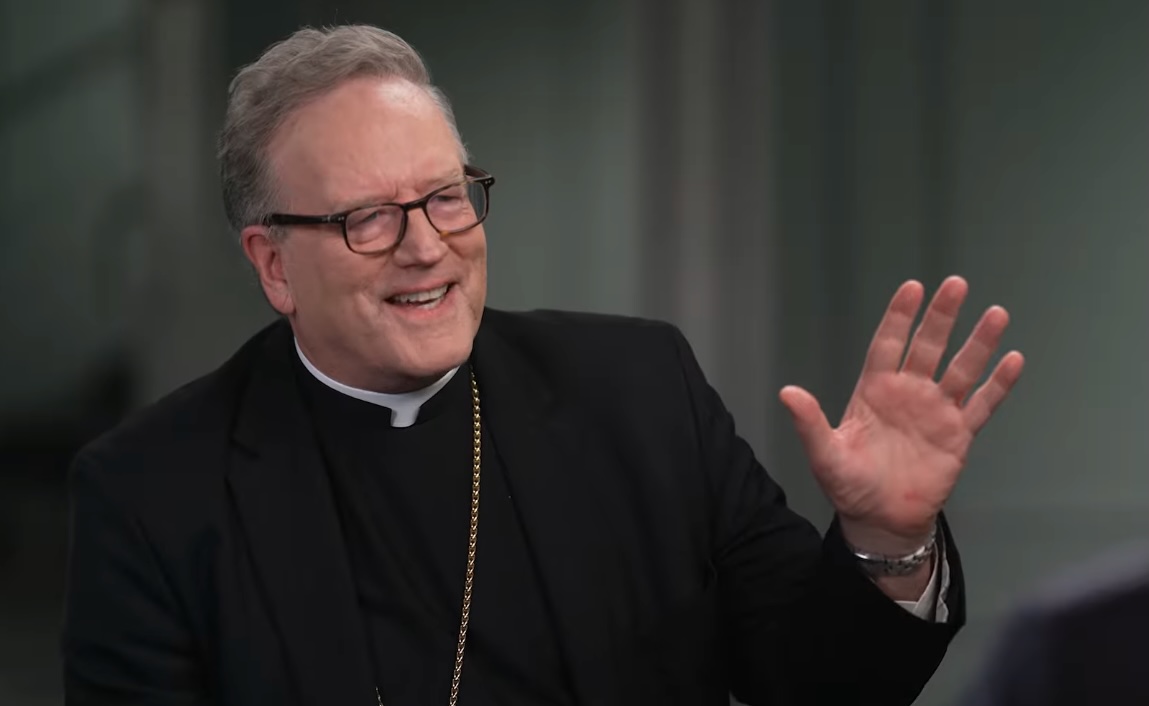
Controversy over Bishop Robert Barron’s acceptance of a 2025 award from a German Catholic institution resurfaced this week.
Read More
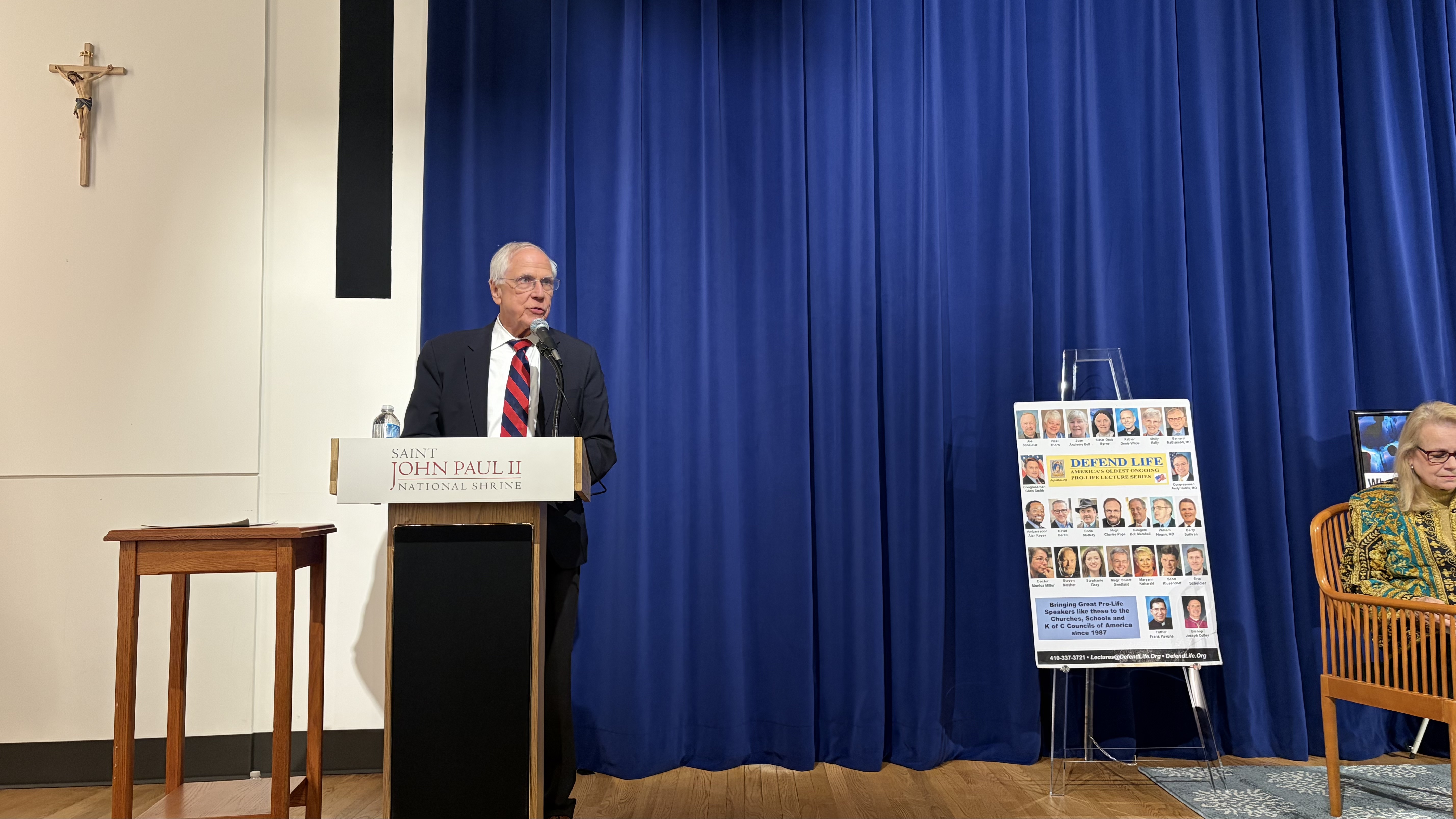
Catholic ethicists debate morality of embryo adoption – #Catholic – Can embryo adoption be considered morally licit by the Catholic Church? The John Paul II Shrine in Washington, D.C., hosted a debate between two Catholic ethicists Oct. 22 in an event marking the feast of St. John Paul II.The Catholic Church has not issued a definitive judgment that embryo adoption is morally licit. The issue remains debated among Catholic theologians. In the 2008 Vatican document Dignitas Personae, the Church affirmed the dignity and rights of frozen embryos and expressed reservations about proposals for prenatal adoption.John Haas, president emeritus of the National Catholic Bioethics Center, argued that embryo adoption is morally illicit as it requires the artificial transfer of a frozen embryo into the womb of a woman who is unrelated to the unborn child — a practice he said both violates the Church’s teachings about sexual ethics in marriage and deliberately endangers the lives of embryos in the thawing process.Haas further argued that the only moral solution to the question of what to do with frozen embryos is to keep them frozen, as bringing them to life or disposing of them in any way would always be considered illicit. To support this claim, he cited the 1987 Vatican document Donum Vitae, which states: “In consequence of the fact that they have been produced in vitro, those embryos which art not transferred into the body of the mother and are called ‘spare’ are exposed to an absurd fate, with no possibility of their being offered safe means of survival which can be licitly pursued.”Organized by the pro-life organization Defend Life, the event took place after a Mass in honor of St. John Paul II and was livestreamed on the organization’s website.Elizabeth Rex, an associate scholar at the Charlotte Lozier Institute, argued in favor of embryo adoption, saying that neither the Vatican nor the U.S. Conference of Catholic Bishops (USCCB) have “ever formally ruled against embryo transfer or embryo adoption.”
 
 Elizabeth Rex, an associate scholar at the Charlotte Lozier Institute, argues in favor of embryo adoption during a debate at the John Paul II Shrine in Washington, D.C., Oct. 22, 2026. | Credit: Madalaine Elhabbal/EWTN News
 
 While acknowledging the Church’s teaching that in vitro fertilization (IVF) is immoral, Rex argued that the process of IVF and the transfer of the embryo into a mother’s womb should not be separated.“They go together. You donʼt do IVF just to leave [the embryo] in the petri dish or put it in the freezer. That would be an abortion,” she said. “The baby would die. So, the baby now has been conceived, and it needs to be transferred into the womb. Itʼs a person. Itʼs a child. Itʼs a patient, and it needs medical assistance. And that is what the Church teaches there.”Haas countered Rex’s argument that the Church has not ruled out embryo adoption, saying: “The only statement from the magisterium of the Church that has fueled this debate is one half of one sentence from Dignitas Personae that the supporters of embryo adoption often donʼt bother to finish when they quote it.”The paragraph he cited in the document states: “It has also been proposed, solely in order to allow human beings to be born who are otherwise condemned to destruction, that there could be a form of ‘prenatal adoption.’ This proposal, praiseworthy with regard to the intention of respecting and defending human life, presents however various problems not dissimilar to those mentioned above. All things considered, it needs to be recognized that the thousands of abandoned embryos represent a situation of injustice which in fact cannot be resolved.”Haas argued that the ends do not justify the means with regard to embryo adoption and that the Holy See has not made “a single statement on behalf of embryo adoption.”

Catholic ethicists debate morality of embryo adoption – #Catholic – Can embryo adoption be considered morally licit by the Catholic Church? The John Paul II Shrine in Washington, D.C., hosted a debate between two Catholic ethicists Oct. 22 in an event marking the feast of St. John Paul II.The Catholic Church has not issued a definitive judgment that embryo adoption is morally licit. The issue remains debated among Catholic theologians. In the 2008 Vatican document Dignitas Personae, the Church affirmed the dignity and rights of frozen embryos and expressed reservations about proposals for prenatal adoption.John Haas, president emeritus of the National Catholic Bioethics Center, argued that embryo adoption is morally illicit as it requires the artificial transfer of a frozen embryo into the womb of a woman who is unrelated to the unborn child — a practice he said both violates the Church’s teachings about sexual ethics in marriage and deliberately endangers the lives of embryos in the thawing process.Haas further argued that the only moral solution to the question of what to do with frozen embryos is to keep them frozen, as bringing them to life or disposing of them in any way would always be considered illicit. To support this claim, he cited the 1987 Vatican document Donum Vitae, which states: “In consequence of the fact that they have been produced in vitro, those embryos which art not transferred into the body of the mother and are called ‘spare’ are exposed to an absurd fate, with no possibility of their being offered safe means of survival which can be licitly pursued.”Organized by the pro-life organization Defend Life, the event took place after a Mass in honor of St. John Paul II and was livestreamed on the organization’s website.Elizabeth Rex, an associate scholar at the Charlotte Lozier Institute, argued in favor of embryo adoption, saying that neither the Vatican nor the U.S. Conference of Catholic Bishops (USCCB) have “ever formally ruled against embryo transfer or embryo adoption.” Elizabeth Rex, an associate scholar at the Charlotte Lozier Institute, argues in favor of embryo adoption during a debate at the John Paul II Shrine in Washington, D.C., Oct. 22, 2026. | Credit: Madalaine Elhabbal/EWTN News While acknowledging the Church’s teaching that in vitro fertilization (IVF) is immoral, Rex argued that the process of IVF and the transfer of the embryo into a mother’s womb should not be separated.“They go together. You donʼt do IVF just to leave [the embryo] in the petri dish or put it in the freezer. That would be an abortion,” she said. “The baby would die. So, the baby now has been conceived, and it needs to be transferred into the womb. Itʼs a person. Itʼs a child. Itʼs a patient, and it needs medical assistance. And that is what the Church teaches there.”Haas countered Rex’s argument that the Church has not ruled out embryo adoption, saying: “The only statement from the magisterium of the Church that has fueled this debate is one half of one sentence from Dignitas Personae that the supporters of embryo adoption often donʼt bother to finish when they quote it.”The paragraph he cited in the document states: “It has also been proposed, solely in order to allow human beings to be born who are otherwise condemned to destruction, that there could be a form of ‘prenatal adoption.’ This proposal, praiseworthy with regard to the intention of respecting and defending human life, presents however various problems not dissimilar to those mentioned above. All things considered, it needs to be recognized that the thousands of abandoned embryos represent a situation of injustice which in fact cannot be resolved.”Haas argued that the ends do not justify the means with regard to embryo adoption and that the Holy See has not made “a single statement on behalf of embryo adoption.”

The 2008 Vatican document Dignitas Personae affirmed the dignity and rights of frozen embryos and expressed reservations about proposals for prenatal adoption.
Read More
Pope Leo XIV increases lay appointments to International Theology Commission – #Catholic – On Monday, Oct. 19, Pope Leo XIV appointed new members to the International Theology Commission (ITC) for the 2026–2031 cycle. Compared with previous years, the number of women has increased from five to eight, including five laywomen, raising the total number of lay representatives to eight — double that of the previous term. Each member of the ITC is a scholar in various fields, as reported in the National Catholic Register, the sister partner of EWTN News, “including biblical studies, patristics, dogmatics and moral theology, but with some publicly holding views that conflict with established Church teaching, such as on women’s ordination and the theology of salvation.”The commission, founded by Pope Paul VI in 1969, is made up of 30 individuals and is tasked with assisting the Holy See — particularly the Dicastery for the Doctrine of the Faith — with the study of theological questions and publishing official advisory documents. The group meets once a year for a week to discuss their work and tackle any ongoing discussions and global theological demands. Made up of both laypeople and members of the clergy, the ITC brings together a wide range of scholars from around the world including those from Asia, Africa, and South America.Pope Leo has asked the new ITC members and six returnees to focus on the topics of tradition and enculturation of the faith over their term. The commission’s lay membershipThe following lay scholars — five women and two men — are new members of the ITC:Professor Teresa Hyeon Soon Choi — South KoreaTeresa Hyeon Soon Choi is an associate professor at the Institute for Whole Person Education Center of Sogang University in Seoul.Professor Maria Teresa Fattori — ItalyMaria Teresa Fattori is a researcher at the University of Teramo, Italy, specializing in early modern papal history, the governance of Pope Benedict XVI, and provincial councils in polycentric Catholicism. Her current work focuses on the relationship between the Catholic Church and slavery in the early modern period. She has published extensively on the history of the early modern Roman Curia, the development of canon law after the Council of Trent, and the history of global Catholicism.Professor Claudia Leal Luna — ChileClaudia Leal Luna is a full professor at the Pontifical John Paul II Theological Institute for Marriage and Family Sciences in Rome. With a niche in understanding the fragility of the human hallmark and the methodology of social morality, Luna is also an alumna of the John Paul II Center for Interreligious Dialogue. Professor Sara Parvis — Great Britain/ScotlandSara Parvis is an associate professor at the University of Edinburgh’s School of Divinity and was appointed for her expertise in early Christianity and theology. Her contributions draw on her experience as a lay Dominican, her studies in early Christian theological development, and her writings on Pope Francis’ encyclical Laudato Si’.Professor Anne-Sophie Vivier-Muresan —  FranceAnne-Sophie Vivier-Muresan is dean of the faculty of theology at the Catholic Institute of Paris. Holding doctorates in social anthropology, ethnology, and Catholic theology, she is a specialist in dogmatic and Trinitarian theology working on contemporary Orthodox theology and theology of religions.Professor Boyd Taylor Coolman — USABoyd Taylor Coolman is an associate professor in the theology department in the Morrissey College of Arts and Sciences at Boston College. He is a historical theologian of medieval Catholicism and founder of the Boston Colloquy in Historical Theology.Professor Jan-Heiner Tück — AustriaJan-Heiner Tück is a German theologian who has served as a professor of dogmatics and dogmatic history since 2010 at the University of Vienna, where he also heads the Department of Dogmatic Theology.Rounding out the number of laypeople on the commission for the new term to eight is Professor Reinhard Huetter, a visiting professor of theology at Duke Divinity School in the United States, who was confirmed for a second consecutive five-year term.The full list of membership for this next five-year cycle can be found at the Holy See Press Office website.Pope Paul VI established the ITC in 1969, and its status was further defined in 1982 by Pope John Paul II. Throughout its active years, the commission has published 33 documents with the approval of its president, the prefect of the Dicastery for the Doctrine of the Faith, which aid in the work of the dicastery for the year.

Pope Leo XIV increases lay appointments to International Theology Commission – #Catholic – On Monday, Oct. 19, Pope Leo XIV appointed new members to the International Theology Commission (ITC) for the 2026–2031 cycle. Compared with previous years, the number of women has increased from five to eight, including five laywomen, raising the total number of lay representatives to eight — double that of the previous term. Each member of the ITC is a scholar in various fields, as reported in the National Catholic Register, the sister partner of EWTN News, “including biblical studies, patristics, dogmatics and moral theology, but with some publicly holding views that conflict with established Church teaching, such as on women’s ordination and the theology of salvation.”The commission, founded by Pope Paul VI in 1969, is made up of 30 individuals and is tasked with assisting the Holy See — particularly the Dicastery for the Doctrine of the Faith — with the study of theological questions and publishing official advisory documents. The group meets once a year for a week to discuss their work and tackle any ongoing discussions and global theological demands. Made up of both laypeople and members of the clergy, the ITC brings together a wide range of scholars from around the world including those from Asia, Africa, and South America.Pope Leo has asked the new ITC members and six returnees to focus on the topics of tradition and enculturation of the faith over their term. The commission’s lay membershipThe following lay scholars — five women and two men — are new members of the ITC:Professor Teresa Hyeon Soon Choi — South KoreaTeresa Hyeon Soon Choi is an associate professor at the Institute for Whole Person Education Center of Sogang University in Seoul.Professor Maria Teresa Fattori — ItalyMaria Teresa Fattori is a researcher at the University of Teramo, Italy, specializing in early modern papal history, the governance of Pope Benedict XVI, and provincial councils in polycentric Catholicism. Her current work focuses on the relationship between the Catholic Church and slavery in the early modern period. She has published extensively on the history of the early modern Roman Curia, the development of canon law after the Council of Trent, and the history of global Catholicism.Professor Claudia Leal Luna — ChileClaudia Leal Luna is a full professor at the Pontifical John Paul II Theological Institute for Marriage and Family Sciences in Rome. With a niche in understanding the fragility of the human hallmark and the methodology of social morality, Luna is also an alumna of the John Paul II Center for Interreligious Dialogue. Professor Sara Parvis — Great Britain/ScotlandSara Parvis is an associate professor at the University of Edinburgh’s School of Divinity and was appointed for her expertise in early Christianity and theology. Her contributions draw on her experience as a lay Dominican, her studies in early Christian theological development, and her writings on Pope Francis’ encyclical Laudato Si’.Professor Anne-Sophie Vivier-Muresan —  FranceAnne-Sophie Vivier-Muresan is dean of the faculty of theology at the Catholic Institute of Paris. Holding doctorates in social anthropology, ethnology, and Catholic theology, she is a specialist in dogmatic and Trinitarian theology working on contemporary Orthodox theology and theology of religions.Professor Boyd Taylor Coolman — USABoyd Taylor Coolman is an associate professor in the theology department in the Morrissey College of Arts and Sciences at Boston College. He is a historical theologian of medieval Catholicism and founder of the Boston Colloquy in Historical Theology.Professor Jan-Heiner Tück — AustriaJan-Heiner Tück is a German theologian who has served as a professor of dogmatics and dogmatic history since 2010 at the University of Vienna, where he also heads the Department of Dogmatic Theology.Rounding out the number of laypeople on the commission for the new term to eight is Professor Reinhard Huetter, a visiting professor of theology at Duke Divinity School in the United States, who was confirmed for a second consecutive five-year term.The full list of membership for this next five-year cycle can be found at the Holy See Press Office website.Pope Paul VI established the ITC in 1969, and its status was further defined in 1982 by Pope John Paul II. Throughout its active years, the commission has published 33 documents with the approval of its president, the prefect of the Dicastery for the Doctrine of the Faith, which aid in the work of the dicastery for the year.

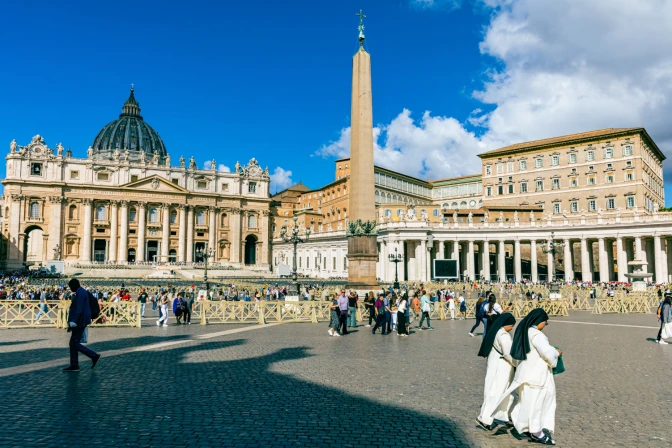
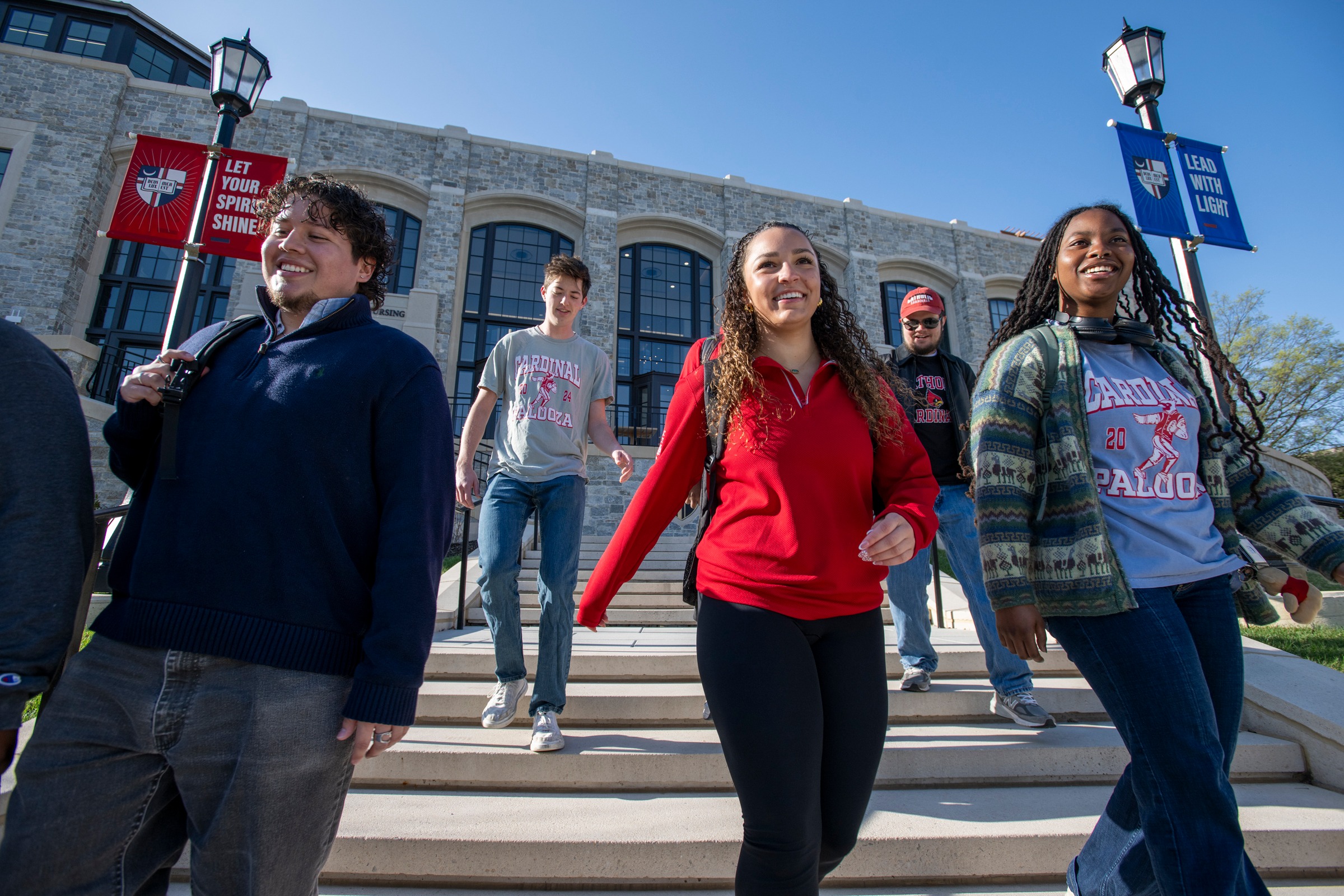
The number of women on the commission has increased from five to eight, including five laywomen, raising the total number of lay representatives to eight — double that of the previous term.
Read More
Catholic campus ministries eligible for Lilly grant of up to .5 million #Catholic Catholic campus ministries such as Newman Ministry and FOCUS are eligible to participate in the Lilly Endowment’s "National Initiative to Strengthen Christian Campus Ministries at Colleges and Universities,” the charitable organization confirmed.The Lilly Endowment told EWTN News that archdioceses and church-related networks that minister to students on multiple college and university campuses are eligible to apply for grants through the initiative.According to the grant page, the Lilly Endowment “intends to award grants of up to .5 million each to approximately 20 national and regional charitable organizations.”Matt Zerrusen, Newman Ministry co-founder and chief innovative discipleship officer, told EWTN News that Newman Ministry is in the process of applying for the grant now.“We’re grateful for the opportunity,” Zerrusen said. “There’s not many times where something like this opens up in campus ministry just because it’s been an overlooked part of ministry in the Church.”Zerrusen expressed hope that other Catholic campus ministries like FOCUS, St. Paul’s Outreach, and the Catholic Campus Ministry Association would apply for the program as well, calling for ministry organizations to unify their efforts.“There’s so much competition in the Catholic world that itʼs like, ‘Well, hang on here. What are we doing?’” he said. “Weʼre both trying to solve the same problem.”Pope Leo XIV appoints Catholic University of America professor to pontifical academyPope Leo XIV has appointed Gregory Doolan, the Monsignor John F. Wippel chair in Thomistic metaphysics at The Catholic University of America (CUA), to serve on the Pontifical Academy of St. Thomas Aquinas.“It is a great honor to have been named to the Pontifical Academy of St. Thomas Aquinas,” Doolan said in a CUA press release on Oct. 16. “The Academy brings together philosophers and theologians from around the world in conversation about Aquinas, and I am grateful for the opportunity both to learn from its members and to contribute my own work in Thomistic metaphysics, showing its enduring relevance in the 21st century.”“My appointment by Pope Leo XIV has a fitting connection to The Catholic University of America, since another Leo, Leo XIII, founded the Academy in 1879 and also granted Catholic University its pontifical charter just a decade later,” he said.St. Carlos Acutis’ mother gifts Franciscan University with first-class relic of her sonThe mother of St. Carlo Acutis, Antonia Salzano, has given the president of Franciscan University in Steubenville, Ohio, a first-class relic of her son.“Weʼre deeply grateful to Antonia for this extraordinary gift and for sharing her sonʼs witness with the Franciscan University community,” the university said in an Oct. 15 social media post announcing the gift to Father Dave Pivonka, TOR. The university said Salzano shared a message with the university: “Holiness is for everyone.”Tweet“Carlo became a saint not because he lived an extraordinary life by the worldʼs standards, but because he made Jesus the center of his ordinary life,” the university said. “His secret? The Eucharist. His motherʼs advice? Start small. Make time for prayer. Receive Jesus in the Eucharist. Love the people around you. And remember that you, too, are called to become a saint.”Archbishop Sample urges ‘significant renewal of Catholic education’ in Portland, OregonArchbishop Alexander Sample of Portland, Oregon, is calling for the revitalization of “mission passionate Catholic education” in his archdiocese.“Would we call a Spanish-language immersion school successful if its graduates could barely understand Spanish?” Sample wrote in an Oct. 15 social media post. “We should take the mission of our Catholic schools just as seriously. Academic excellence matters. So does forming students who know Jesus Christ and can understand, articulate and live the faith.”Tweet“Therefore, I am calling for a significant and genuine renewal of Catholic education in the Archdiocese of Portland, beginning in our Catholic elementary schools, middle schools, and high schools and eventually extending to the religious education and faith formation programs in our parishes,” he said.Sample’s message comes as part of a wider mission renewal initiative in the archdiocese announced on Oct. 1.

Catholic campus ministries eligible for Lilly grant of up to $7.5 million #Catholic Catholic campus ministries such as Newman Ministry and FOCUS are eligible to participate in the Lilly Endowment’s "National Initiative to Strengthen Christian Campus Ministries at Colleges and Universities,” the charitable organization confirmed.The Lilly Endowment told EWTN News that archdioceses and church-related networks that minister to students on multiple college and university campuses are eligible to apply for grants through the initiative.According to the grant page, the Lilly Endowment “intends to award grants of up to $7.5 million each to approximately 20 national and regional charitable organizations.”Matt Zerrusen, Newman Ministry co-founder and chief innovative discipleship officer, told EWTN News that Newman Ministry is in the process of applying for the grant now.“We’re grateful for the opportunity,” Zerrusen said. “There’s not many times where something like this opens up in campus ministry just because it’s been an overlooked part of ministry in the Church.”Zerrusen expressed hope that other Catholic campus ministries like FOCUS, St. Paul’s Outreach, and the Catholic Campus Ministry Association would apply for the program as well, calling for ministry organizations to unify their efforts.“There’s so much competition in the Catholic world that itʼs like, ‘Well, hang on here. What are we doing?’” he said. “Weʼre both trying to solve the same problem.”Pope Leo XIV appoints Catholic University of America professor to pontifical academyPope Leo XIV has appointed Gregory Doolan, the Monsignor John F. Wippel chair in Thomistic metaphysics at The Catholic University of America (CUA), to serve on the Pontifical Academy of St. Thomas Aquinas.“It is a great honor to have been named to the Pontifical Academy of St. Thomas Aquinas,” Doolan said in a CUA press release on Oct. 16. “The Academy brings together philosophers and theologians from around the world in conversation about Aquinas, and I am grateful for the opportunity both to learn from its members and to contribute my own work in Thomistic metaphysics, showing its enduring relevance in the 21st century.”“My appointment by Pope Leo XIV has a fitting connection to The Catholic University of America, since another Leo, Leo XIII, founded the Academy in 1879 and also granted Catholic University its pontifical charter just a decade later,” he said.St. Carlos Acutis’ mother gifts Franciscan University with first-class relic of her sonThe mother of St. Carlo Acutis, Antonia Salzano, has given the president of Franciscan University in Steubenville, Ohio, a first-class relic of her son.“Weʼre deeply grateful to Antonia for this extraordinary gift and for sharing her sonʼs witness with the Franciscan University community,” the university said in an Oct. 15 social media post announcing the gift to Father Dave Pivonka, TOR. The university said Salzano shared a message with the university: “Holiness is for everyone.”Tweet“Carlo became a saint not because he lived an extraordinary life by the worldʼs standards, but because he made Jesus the center of his ordinary life,” the university said. “His secret? The Eucharist. His motherʼs advice? Start small. Make time for prayer. Receive Jesus in the Eucharist. Love the people around you. And remember that you, too, are called to become a saint.”Archbishop Sample urges ‘significant renewal of Catholic education’ in Portland, OregonArchbishop Alexander Sample of Portland, Oregon, is calling for the revitalization of “mission passionate Catholic education” in his archdiocese.“Would we call a Spanish-language immersion school successful if its graduates could barely understand Spanish?” Sample wrote in an Oct. 15 social media post. “We should take the mission of our Catholic schools just as seriously. Academic excellence matters. So does forming students who know Jesus Christ and can understand, articulate and live the faith.”Tweet“Therefore, I am calling for a significant and genuine renewal of Catholic education in the Archdiocese of Portland, beginning in our Catholic elementary schools, middle schools, and high schools and eventually extending to the religious education and faith formation programs in our parishes,” he said.Sample’s message comes as part of a wider mission renewal initiative in the archdiocese announced on Oct. 1.

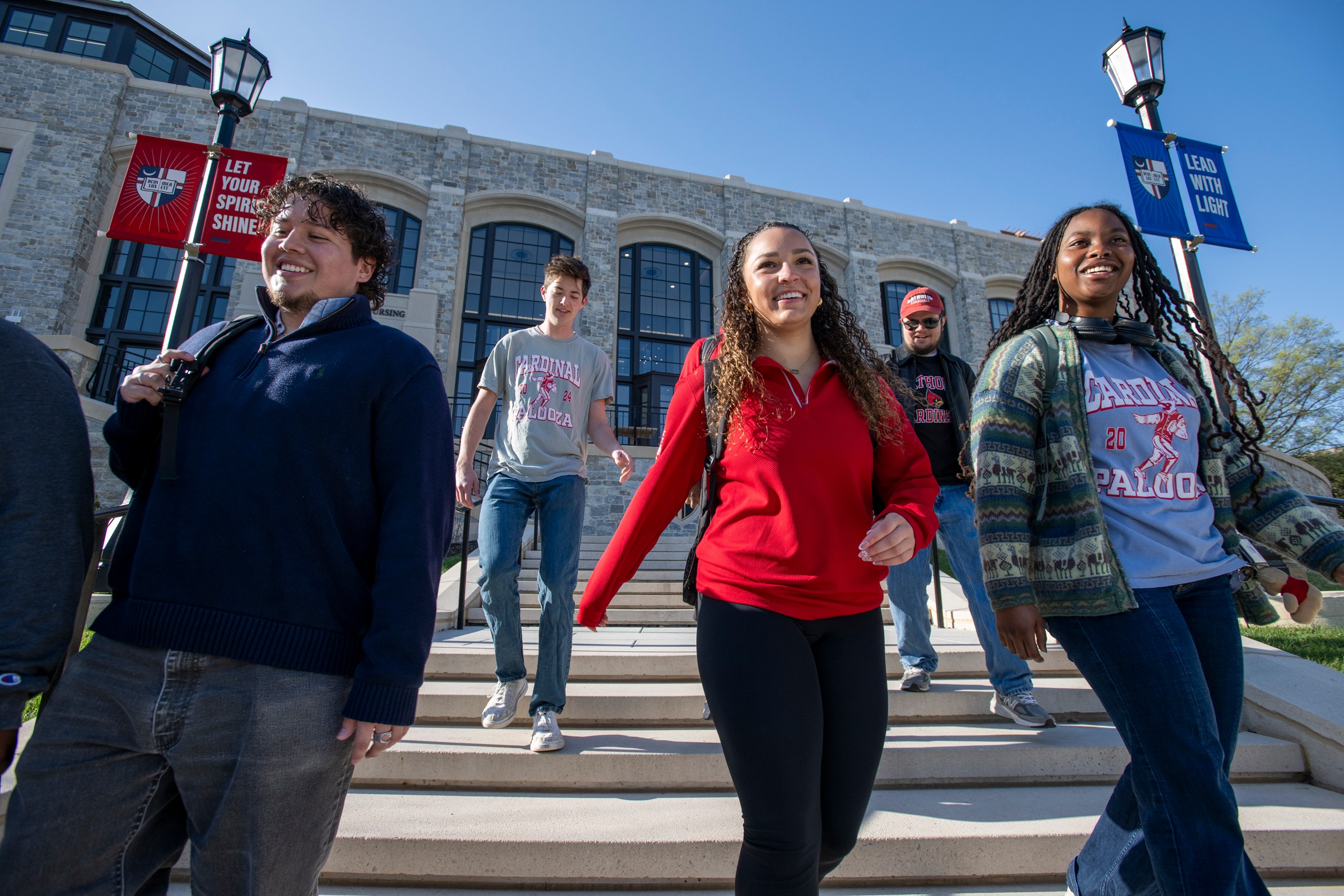
A Lilly Endowment grant is open to Catholic campus ministries, St. Carlo Acutis’ mother gifts Franciscan University with a relic of her son, and more in this week’s Catholic education new roundup.
Read More
St. Therese Mountain Lakes event honors U.S.’ 250th birthday #Catholic – The Rosary and Prayer Ministry of St. Thérèse the Little Flower of St. Catherine of Siena Church in Mountain Lakes, N.J. on Oct. 11 honored the feast day of St. Therese during a devotional event with Bishop Kevin J. Sweeney in the parish church. The popular saint is also known as St. Thérèse of Lisieux and St. Thérèse of the Child Jesus.
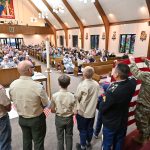
The event featured prayer, music, the Knights of Columbus, bagpipers, five vocalists, organist, a harpist and a patriotic finale to celebrate the 250th birthday of the United States this year.
Despite the inclement weather, more than 200 people clergy, religious and laity attended the event, which began with a processional by Bishop Sweeney; Father Michael J. Parisi, pastor of the parish and vicar general of the Paterson Diocese, N.J.; Deacon James Gillespie opened the ceremony at St. Catherine’s; and the Knights of Columbus Color Corps processed with the Bishop.

Click here to subscribe to our weekly newsletter.

Music featured at the event included Highland Cathedral, Panis Angelicus, the St. Thérèse Hymn, Walk With Us, Dear St. Thérèse, Let there Be Peace on Earth, Be Still My Soul, I Believe, You’ll Never Walk Alone, Lady of Knock, and Ava Maria.
The bagpipers were Bill McEvoy and Paul O’Sullivan. David de la Mora, St. Catherine’s choir director, on piano and vocalist; Lou Scarpa, a trustee at Assumption College for Sisters in Denville, an organist; Kathleen Donahue, harpist and music director at St. Mary’s in Denville; her husband Michael Donahue, vocalist; Barbara Bailey and Deborah Tobia, vocalists and parishioners of St. Catherine of Siena Church. In honor of Deborah’s devotion to our blessed saint, she wrote and composed the St. Therese Hymn which she sang.
During the patriotic finale, cub scouts from Pack 99, Boy Scouts, soldiers from Picatinny Arsenal held the American flag which was 10 feet wide. Jonathan Morales, was the vocalist who performed the Patriotic Finale with songs, such as America The Beautiful, God Bless America, Glory, Glory Hallelujah and the entire congregation recited The Pledge of Allegiance.
Bishop Sweeney concluded by a closing blessing with the Relic of St. Therese. Closing remarks by Carol Bsarany who leads the St. Thérèse Ministry. A reception followed in the parish gym.
The St. Thérèse prayer group meets at St. Catherine’s on Tuesdays at 1 p.m. from May through December. Members pray the Novena to St. Thérèse, a prayer for our nation, the Memorare, and the rosary. Participants are asked to bring a rosary. The group will provide prayer materials.
Two events left for this year are Tuesday, Nov. 17 healing service with Father Edward Rama, pastor of St. Bernard of Clairvaux Parish in Wharton, N.J., at 1 p.m.; the Christmas concert featuring two vocalists and an organist on Tuesday, Dec. 15 at 1 p.m. This will be our last prayer service for this year. We will reopen on Tuesday, May 4th, 2027.
St. Thérèse was a Discalced Carmelite nun in France who died at 24 on Sept. 30, 1897.
While the St. Thérèse Ministry meets at St. Catherine’s, the Shrine of St. Thérèse at 54 Rock Lane in Boonton about a mile away is open year-round. Hours for the Shrine are 8 a.m. To 6 p.m. The faithful can continue to visit and light a candle.
The shrine represents the gratitude of its founder, Achille Arci. He made a promise to her in the 1920s after he was cured of an illness. Today, Our Lady of Mount Carmel Parish in Boonton, N.J., owns and cares for the shrine.
For further information please call Carol Bsarany at 973-271-9252.
BEACON PHOTOS | JOE GIGLI
 [See image gallery at beaconnj.org]  

St. Therese Mountain Lakes event honors U.S.’ 250th birthday #Catholic – The Rosary and Prayer Ministry of St. Thérèse the Little Flower of St. Catherine of Siena Church in Mountain Lakes, N.J. on Oct. 11 honored the feast day of St. Therese during a devotional event with Bishop Kevin J. Sweeney in the parish church. The popular saint is also known as St. Thérèse of Lisieux and St. Thérèse of the Child Jesus. The event featured prayer, music, the Knights of Columbus, bagpipers, five vocalists, organist, a harpist and a patriotic finale to celebrate the 250th birthday of the United States this year. Despite the inclement weather, more than 200 people clergy, religious and laity attended the event, which began with a processional by Bishop Sweeney; Father Michael J. Parisi, pastor of the parish and vicar general of the Paterson Diocese, N.J.; Deacon James Gillespie opened the ceremony at St. Catherine’s; and the Knights of Columbus Color Corps processed with the Bishop. Click here to subscribe to our weekly newsletter. Music featured at the event included Highland Cathedral, Panis Angelicus, the St. Thérèse Hymn, Walk With Us, Dear St. Thérèse, Let there Be Peace on Earth, Be Still My Soul, I Believe, You’ll Never Walk Alone, Lady of Knock, and Ava Maria. The bagpipers were Bill McEvoy and Paul O’Sullivan. David de la Mora, St. Catherine’s choir director, on piano and vocalist; Lou Scarpa, a trustee at Assumption College for Sisters in Denville, an organist; Kathleen Donahue, harpist and music director at St. Mary’s in Denville; her husband Michael Donahue, vocalist; Barbara Bailey and Deborah Tobia, vocalists and parishioners of St. Catherine of Siena Church. In honor of Deborah’s devotion to our blessed saint, she wrote and composed the St. Therese Hymn which she sang. During the patriotic finale, cub scouts from Pack 99, Boy Scouts, soldiers from Picatinny Arsenal held the American flag which was 10 feet wide. Jonathan Morales, was the vocalist who performed the Patriotic Finale with songs, such as America The Beautiful, God Bless America, Glory, Glory Hallelujah and the entire congregation recited The Pledge of Allegiance. Bishop Sweeney concluded by a closing blessing with the Relic of St. Therese. Closing remarks by Carol Bsarany who leads the St. Thérèse Ministry. A reception followed in the parish gym. The St. Thérèse prayer group meets at St. Catherine’s on Tuesdays at 1 p.m. from May through December. Members pray the Novena to St. Thérèse, a prayer for our nation, the Memorare, and the rosary. Participants are asked to bring a rosary. The group will provide prayer materials. Two events left for this year are Tuesday, Nov. 17 healing service with Father Edward Rama, pastor of St. Bernard of Clairvaux Parish in Wharton, N.J., at 1 p.m.; the Christmas concert featuring two vocalists and an organist on Tuesday, Dec. 15 at 1 p.m. This will be our last prayer service for this year. We will reopen on Tuesday, May 4th, 2027. St. Thérèse was a Discalced Carmelite nun in France who died at 24 on Sept. 30, 1897. While the St. Thérèse Ministry meets at St. Catherine’s, the Shrine of St. Thérèse at 54 Rock Lane in Boonton about a mile away is open year-round. Hours for the Shrine are 8 a.m. To 6 p.m. The faithful can continue to visit and light a candle. The shrine represents the gratitude of its founder, Achille Arci. He made a promise to her in the 1920s after he was cured of an illness. Today, Our Lady of Mount Carmel Parish in Boonton, N.J., owns and cares for the shrine. For further information please call Carol Bsarany at 973-271-9252. BEACON PHOTOS | JOE GIGLI [See image gallery at beaconnj.org]  

St. Therese Mountain Lakes event honors U.S.’ 250th birthday #Catholic –

The Rosary and Prayer Ministry of St. Thérèse the Little Flower of St. Catherine of Siena Church in Mountain Lakes, N.J. on Oct. 11 honored the feast day of St. Therese during a devotional event with Bishop Kevin J. Sweeney in the parish church. The popular saint is also known as St. Thérèse of Lisieux and St. Thérèse of the Child Jesus.

The event featured prayer, music, the Knights of Columbus, bagpipers, five vocalists, organist, a harpist and a patriotic finale to celebrate the 250th birthday of the United States this year.

Despite the inclement weather, more than 200 people clergy, religious and laity attended the event, which began with a processional by Bishop Sweeney; Father Michael J. Parisi, pastor of the parish and vicar general of the Paterson Diocese, N.J.; Deacon James Gillespie opened the ceremony at St. Catherine’s; and the Knights of Columbus Color Corps processed with the Bishop.


Click here to subscribe to our weekly newsletter.

Music featured at the event included Highland Cathedral, Panis Angelicus, the St. Thérèse Hymn, Walk With Us, Dear St. Thérèse, Let there Be Peace on Earth, Be Still My Soul, I Believe, You’ll Never Walk Alone, Lady of Knock, and Ava Maria.

The bagpipers were Bill McEvoy and Paul O’Sullivan. David de la Mora, St. Catherine’s choir director, on piano and vocalist; Lou Scarpa, a trustee at Assumption College for Sisters in Denville, an organist; Kathleen Donahue, harpist and music director at St. Mary’s in Denville; her husband Michael Donahue, vocalist; Barbara Bailey and Deborah Tobia, vocalists and parishioners of St. Catherine of Siena Church. In honor of Deborah’s devotion to our blessed saint, she wrote and composed the St. Therese Hymn which she sang.

During the patriotic finale, cub scouts from Pack 99, Boy Scouts, soldiers from Picatinny Arsenal held the American flag which was 10 feet wide. Jonathan Morales, was the vocalist who performed the Patriotic Finale with songs, such as America The Beautiful, God Bless America, Glory, Glory Hallelujah and the entire congregation recited The Pledge of Allegiance.

Bishop Sweeney concluded by a closing blessing with the Relic of St. Therese. Closing remarks by Carol Bsarany who leads the St. Thérèse Ministry. A reception followed in the parish gym.

The St. Thérèse prayer group meets at St. Catherine’s on Tuesdays at 1 p.m. from May through December. Members pray the Novena to St. Thérèse, a prayer for our nation, the Memorare, and the rosary. Participants are asked to bring a rosary. The group will provide prayer materials.

Two events left for this year are Tuesday, Nov. 17 healing service with Father Edward Rama, pastor of St. Bernard of Clairvaux Parish in Wharton, N.J., at 1 p.m.; the Christmas concert featuring two vocalists and an organist on Tuesday, Dec. 15 at 1 p.m. This will be our last prayer service for this year. We will reopen on Tuesday, May 4th, 2027.

St. Thérèse was a Discalced Carmelite nun in France who died at 24 on Sept. 30, 1897.

While the St. Thérèse Ministry meets at St. Catherine’s, the Shrine of St. Thérèse at 54 Rock Lane in Boonton about a mile away is open year-round. Hours for the Shrine are 8 a.m. To 6 p.m. The faithful can continue to visit and light a candle.

The shrine represents the gratitude of its founder, Achille Arci. He made a promise to her in the 1920s after he was cured of an illness. Today, Our Lady of Mount Carmel Parish in Boonton, N.J., owns and cares for the shrine.

For further information please call Carol Bsarany at 973-271-9252.

BEACON PHOTOS | JOE GIGLI

– The Rosary and Prayer Ministry of St. Thérèse the Little Flower of St. Catherine of Siena Church in Mountain Lakes, N.J. on Oct. 11 honored the feast day of St. Therese during a devotional event with Bishop Kevin J. Sweeney in the parish church. The popular saint is also known as St. Thérèse of Lisieux and St. Thérèse of the Child Jesus. The event featured prayer, music, the Knights of Columbus, bagpipers, five vocalists, organist, a harpist and a patriotic finale to celebrate the 250th birthday of the United States this year. Despite the inclement weather, more than 200 people

Read More

Born Oct. 23, 1893, in Estonia, Ernest Opik was based at the Astronomical Observatory in Tartu from 1921-1944. It was there in the 1920s that he began to research meteors and comets, their frequencies, and their speeds. In 1932, he proposed a reservoir of long-period comets that formed a large cloud, orbiting the Sun atContinue reading “Oct. 23, 1893: Birth of Ernest Opik”

The post Oct. 23, 1893: Birth of Ernest Opik appeared first on Astronomy Magazine.

Read More

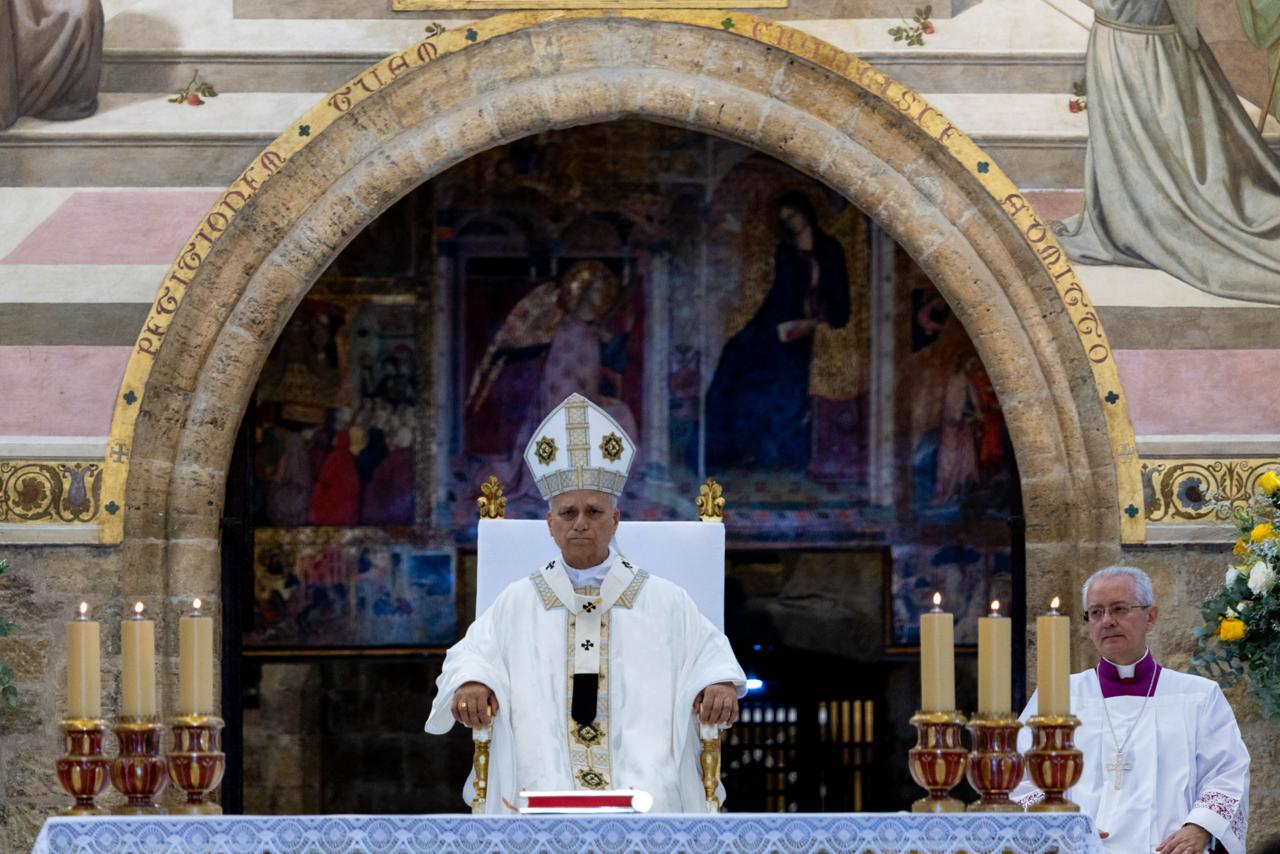
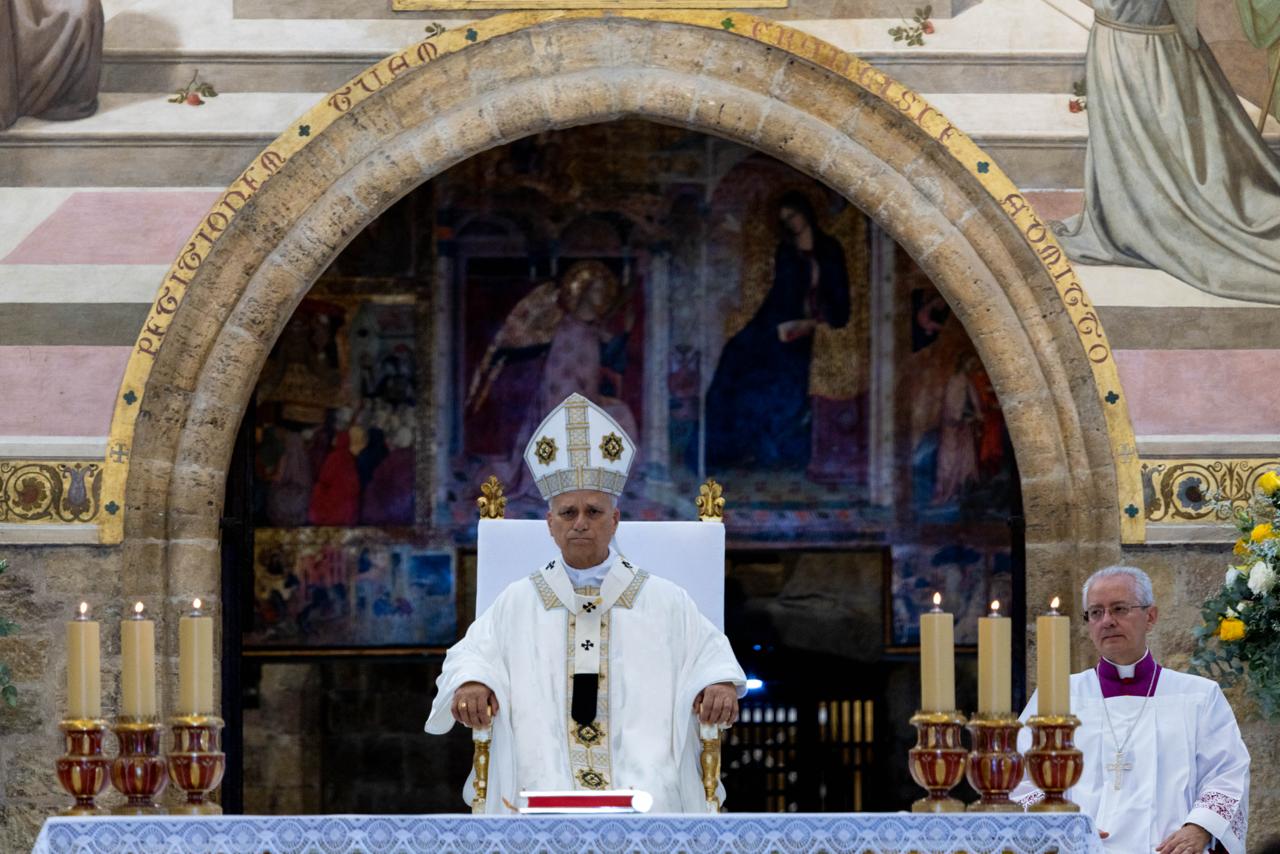
Pope Leo XIV cancels Assisi visit on doctors’ advice #Catholic Pope Leo XIV will not travel to Assisi on Oct. 27 for a gathering marking the 40th anniversary of the World Day of Prayer for Peace convened by St. John Paul II, the Vatican announced Friday.The decision follows medical advice as the pope continues to recover from thoracic surgery performed last week.“To facilitate his recovery following the thoracic surgery performed on Tuesday of last week, and following the advice of his doctors, Pope Leo XIV will not be able to attend the ‘Unarmed and Disarming Peace’ gathering in Assisi on Oct. 27, as previously planned, on the 40th anniversary of the World Day of Prayer for Peace convened by St. John Paul II,” the Holy See Press Office said in a statement.The Vatican added that the pope will send a message expressing his closeness to the organizers, leaders and representatives of Christian denominations and other religions, as well as the guests attending the event.The statement emphasized the popeʼs conviction that the “spirit of Assisi,” dialogue, and the search for words and gestures of peace are valuable resources in an era marked by conflict.Earlier Friday, the Holy See Press Office released a medical bulletin signed by Dr. Luigi Carbone and Professor Stefano Margaritora.“As scheduled, the Holy Father underwent a follow-up chest X-ray. The examination confirmed that his postoperative recovery is progressing exceptionally well,” the doctors said.“However, given the short time that has elapsed since the operation, the attending physicians considered it advisable, as a precautionary measure, to recommend against the planned helicopter trip on Oct. 27.”The decision does not indicate any abnormality in the popeʼs recovery but reflects medical caution ahead of his planned trip to Latin America in November.This story was first published by ACI Stampa, the Italian-language sister service of EWTN News. It has been translated and adapted by EWTN News English.

Pope Leo XIV cancels Assisi visit on doctors’ advice #Catholic Pope Leo XIV will not travel to Assisi on Oct. 27 for a gathering marking the 40th anniversary of the World Day of Prayer for Peace convened by St. John Paul II, the Vatican announced Friday.The decision follows medical advice as the pope continues to recover from thoracic surgery performed last week.“To facilitate his recovery following the thoracic surgery performed on Tuesday of last week, and following the advice of his doctors, Pope Leo XIV will not be able to attend the ‘Unarmed and Disarming Peace’ gathering in Assisi on Oct. 27, as previously planned, on the 40th anniversary of the World Day of Prayer for Peace convened by St. John Paul II,” the Holy See Press Office said in a statement.The Vatican added that the pope will send a message expressing his closeness to the organizers, leaders and representatives of Christian denominations and other religions, as well as the guests attending the event.The statement emphasized the popeʼs conviction that the “spirit of Assisi,” dialogue, and the search for words and gestures of peace are valuable resources in an era marked by conflict.Earlier Friday, the Holy See Press Office released a medical bulletin signed by Dr. Luigi Carbone and Professor Stefano Margaritora.“As scheduled, the Holy Father underwent a follow-up chest X-ray. The examination confirmed that his postoperative recovery is progressing exceptionally well,” the doctors said.“However, given the short time that has elapsed since the operation, the attending physicians considered it advisable, as a precautionary measure, to recommend against the planned helicopter trip on Oct. 27.”The decision does not indicate any abnormality in the popeʼs recovery but reflects medical caution ahead of his planned trip to Latin America in November.This story was first published by ACI Stampa, the Italian-language sister service of EWTN News. It has been translated and adapted by EWTN News English.

Doctors say the pope is recovering exceptionally well from lung surgery but have advised against helicopter travel as a precaution.

Read More