Day: October 27, 2026

Almighty and Eternal God,
Give me, I beseech You,
the great gift of inward peace.
Command the winds and storms
of my unruly passions.
Subdue, by Your grace,
my proneness to love
created things too much.
Give me a love of suffering for Your sake.
make me forbearing and kind to others,
that I may avoid quarrels and contentions.
And teach me constantly to seek after
and to acquire that perfect resignation
to Your Holy Will
which alone brings interior peace.

Amen.

Read More
Survey: 39% of Catholics have faced racial discrimination, 10% within parish community – #Catholic – A survey of 2,401 Catholic adults found that 39% said they have faced racial discrimination at some point in their lives, and 10% said they have faced racial discrimination within their parish community.The survey was published on Oct. 26 by the Center for Applied Research in the Apostolate (CARA), which is a research center at Georgetown University that produces social scientific studies about the Catholic Church.It found significant differences among racial and ethnic categories, with Indigenous and Black Catholics reporting the highest levels of racial discrimination. Non-Hispanic white Catholics reported the lowest levels of racial discrimination.The survey found that 75% of Indigenous Catholics reported experiences of racial discrimination in their lives. About 15% said they have experienced it in their parishes and 23% have experienced it in Catholic education.It found that 66% of Black Catholics said they have experienced racial discrimination at some point in their lives, with 26% experiencing it in their parish communities and 26% experiencing it in Catholic education.About 54% of Hispanic Catholics reported experiencing racial discrimination in their lives, with 15% saying they have experienced it in their parishes and 16% saying they have experienced it in Catholic education.Among Asian, Pacific Islander, and Native Hawaiian Catholics, 54% said they have experienced racial discrimination in their lives, with 11% saying they experienced it in their parishes and 14% saying they have experienced it in Catholic education.For white non-Hispanic Catholics, 29% reported they have experienced racial discrimination in their lives, with 6% saying they experienced it in their parishes and 7% saying they experienced it in Catholic education.The largest category of respondents was white non-Hispanic Catholics, who made up 49% of those surveyed. About 24% of respondents were Hispanic; 16% were Black; 6% were Asian, Pacific Islander, or Native Hawaiian; 2% were Indigenous; 1% were another race; and 1% were mixed.Ali Mumbach, research assistant for CARA, told EWTN News: “The findings from this report are very revealing about racism in the U.S. Catholic Church.”“There is one group that experiences racial discrimination within the walls of the Catholic Church in the U.S. more than any other,” Mumbach said. “Black Catholics are the most likely to attend a parish that has merged (26%), have experienced racial discrimination in their parish (26%) as well as in Catholic education (26%). Twenty-six percent is 1 in 4 Black Catholics, compared to 1 in 10 adult Catholics in their parish or in Catholic education.”“Based on the findings in this study, adult Catholics are generally in agreement with Church teachings that racism is a sin,” she said. “However, the reality of living out anti-racism within the Church seems to be a different story.”A large majority of each racial and ethnic group said they believe implicit and explicit racism exist in their local communities to some degree. Implicit racism refers to forms of discrimination, such as unfair housing, access to education, and job opportunities. Explicit racism refers to forms of discrimination, such as verbal name calling, being denied services, and racial profiling.The survey found that 17% of Catholics believe implicit racism exists “very much” in their local communities. It found that 33% believe it exists “somewhat,” 28% believe it exists “a little,” and 22% said it does not exist at all in their communities.It found that 19% of Catholics said they believe explicit racism exists “very much” in their local communities, 32% said it exists “somewhat,” 27% said it exists “a little” and 22% said it does not exist at all.White Catholics were the least likely to say explicit and implicit racism exists “very much” in their local communities. Black Catholics were the most likely to say those forms of racism exist “very much” in their communities.Views about racismThe survey also asked respondents about their views on racism, which CARA said is derived from Church documents that condemn and define racism. A majority of each racial and ethnic group strongly or somewhat agreed with each statement.It found 75% of Catholics strongly or somewhat agree it is sinful to “exclude, ridicule, mistreat, or unjustly discriminate against persons on the basis of their race or ethnicity.” It found that 19% neither agree nor disagree and 7% either strongly or somewhat disagree.The survey found that 73% of Catholics strongly or somewhat agree racism can also come in the form of a sin of omission “when individuals, communities, and even churches remain silent and fail to act against racial injustice when it is encountered.” Another 20% neither agree nor disagree and 7% either strongly or somewhat disagree.It found 67% of Catholics strongly or somewhat agree “racism can only end if we contend with the policies and institutional barriers that perpetuate and preserve the inequality — economic and social — that we still see all around us.” Another 24% neither agreed nor disagreed, and 9% either strongly or somewhat disagreed.

Survey: 39% of Catholics have faced racial discrimination, 10% within parish community – #Catholic – A survey of 2,401 Catholic adults found that 39% said they have faced racial discrimination at some point in their lives, and 10% said they have faced racial discrimination within their parish community.The survey was published on Oct. 26 by the Center for Applied Research in the Apostolate (CARA), which is a research center at Georgetown University that produces social scientific studies about the Catholic Church.It found significant differences among racial and ethnic categories, with Indigenous and Black Catholics reporting the highest levels of racial discrimination. Non-Hispanic white Catholics reported the lowest levels of racial discrimination.The survey found that 75% of Indigenous Catholics reported experiences of racial discrimination in their lives. About 15% said they have experienced it in their parishes and 23% have experienced it in Catholic education.It found that 66% of Black Catholics said they have experienced racial discrimination at some point in their lives, with 26% experiencing it in their parish communities and 26% experiencing it in Catholic education.About 54% of Hispanic Catholics reported experiencing racial discrimination in their lives, with 15% saying they have experienced it in their parishes and 16% saying they have experienced it in Catholic education.Among Asian, Pacific Islander, and Native Hawaiian Catholics, 54% said they have experienced racial discrimination in their lives, with 11% saying they experienced it in their parishes and 14% saying they have experienced it in Catholic education.For white non-Hispanic Catholics, 29% reported they have experienced racial discrimination in their lives, with 6% saying they experienced it in their parishes and 7% saying they experienced it in Catholic education.The largest category of respondents was white non-Hispanic Catholics, who made up 49% of those surveyed. About 24% of respondents were Hispanic; 16% were Black; 6% were Asian, Pacific Islander, or Native Hawaiian; 2% were Indigenous; 1% were another race; and 1% were mixed.Ali Mumbach, research assistant for CARA, told EWTN News: “The findings from this report are very revealing about racism in the U.S. Catholic Church.”“There is one group that experiences racial discrimination within the walls of the Catholic Church in the U.S. more than any other,” Mumbach said. “Black Catholics are the most likely to attend a parish that has merged (26%), have experienced racial discrimination in their parish (26%) as well as in Catholic education (26%). Twenty-six percent is 1 in 4 Black Catholics, compared to 1 in 10 adult Catholics in their parish or in Catholic education.”“Based on the findings in this study, adult Catholics are generally in agreement with Church teachings that racism is a sin,” she said. “However, the reality of living out anti-racism within the Church seems to be a different story.”A large majority of each racial and ethnic group said they believe implicit and explicit racism exist in their local communities to some degree. Implicit racism refers to forms of discrimination, such as unfair housing, access to education, and job opportunities. Explicit racism refers to forms of discrimination, such as verbal name calling, being denied services, and racial profiling.The survey found that 17% of Catholics believe implicit racism exists “very much” in their local communities. It found that 33% believe it exists “somewhat,” 28% believe it exists “a little,” and 22% said it does not exist at all in their communities.It found that 19% of Catholics said they believe explicit racism exists “very much” in their local communities, 32% said it exists “somewhat,” 27% said it exists “a little” and 22% said it does not exist at all.White Catholics were the least likely to say explicit and implicit racism exists “very much” in their local communities. Black Catholics were the most likely to say those forms of racism exist “very much” in their communities.Views about racismThe survey also asked respondents about their views on racism, which CARA said is derived from Church documents that condemn and define racism. A majority of each racial and ethnic group strongly or somewhat agreed with each statement.It found 75% of Catholics strongly or somewhat agree it is sinful to “exclude, ridicule, mistreat, or unjustly discriminate against persons on the basis of their race or ethnicity.” It found that 19% neither agree nor disagree and 7% either strongly or somewhat disagree.The survey found that 73% of Catholics strongly or somewhat agree racism can also come in the form of a sin of omission “when individuals, communities, and even churches remain silent and fail to act against racial injustice when it is encountered.” Another 20% neither agree nor disagree and 7% either strongly or somewhat disagree.It found 67% of Catholics strongly or somewhat agree “racism can only end if we contend with the policies and institutional barriers that perpetuate and preserve the inequality — economic and social — that we still see all around us.” Another 24% neither agreed nor disagreed, and 9% either strongly or somewhat disagreed.

The survey found that Indigenous and Black Catholics said they have faced racial discrimination at higher levels than other racial and ethnic groups.

Read More
World Series stars share how God and the Virgin Mary sustain their careers – #Catholic – The Milwaukee Brewers and the Tampa Bay Rays are facing each other in the Major League Baseball World Series in which both teams are seeking their first championship. In the run-up to the fall classic, several superstars from both teams spoke about their faith.Venezuelan outfielder Jackson Chourio put on a great performance in the postseason with the Brewers. At the beginning of October in Game 2 of the National League Division Series, he got a ninth-inning, 2-and-2-count hit off the San Diego Padres' star closer, Mason Miller, driving in two runs for the Brewers and winning the game.Chourio led the Brewers to their first World Series appearance since 1982. He spoke on Oct. 22 with Venezuelan journalist Mari Montes about how his relationship with God has played a vital role in his athletic career. “It’s thanks to him that I am here, and he fills me with so many blessings. How could I not believe?” he said, speaking to El Extrabase on camera.The 22-year-old ballplayer hails from Maracaibo, one of the Venezuelan cities most devoted to the Blessed Virgin. There, every Nov. 18, the city celebrates Our Lady of the Rosary of Chiquinquirá, the patroness of both the city and the entire state of Zulia. This particular devotion is affectionately known as “la Chinita.”“It means a great deal. All of us from Maracaibo believe. She is always in my prayers; I ask her for so much, that she grant me good health and continue to bestow so many blessings upon me,” Chourio said regarding the Virgin Chinita.Another of the Brewers’ stars is catcher William Contreras, who was born in Puerto Cabello, Venezuela. Immediately after the conclusion of the fourth game of the National League Championship Series in which Milwaukee swept the Los Angeles Dodgers, Contreras knelt at home plate, looked toward to heaven, raised his arms, and exclaimed in a distinctly Venezuelan way: “Thank you, Papa God!”“Throughout these playoffs, I’ve been talking a lot with God, asking him to keep me healthy for the games. This is going to be a huge dream for me and my family. I always go out there to give my best, and that’s what I’ve been talking about with him, asking him to guide me and help me,” Contreras told El Extrabase.The catcher also shared that he is a devotee of the Virgin of Coromoto, the patroness of Venezuela. “She’s the one my mom mentions the most,” he said. Contreras also mentioned the health of Pope Leo XIV, expressing his joy that the Holy Father is recovering extraordinarily well from his recent surgery.Antonio Senzatela, a Venezuelan pitcher for the Brewers, also mentioned that he thanks God every day for having gotten to this point in his career. “I am a man of deep faith; I’ve gone to church since I was a little boy, that’s what my mom and dad taught me,” he said.“Life has taken things away from me. He has taken things away; my mom and dad are no longer with me but I have a wife who loves me and wonderful children. I feel grateful to God for everything he gives me. There are difficult moments, but he also gives me many moments to laugh and be happy,” he added.Similarly, Néstor Corredor, a key member of the Brewers’ coaching staff, shared that, until recently, he “called himself an atheist.” The Venezuelan noted that he did not have a “complete faith” but that in recent years, he has sought to understand God’s presence in his life.“Every time you wake up in the morning, you have to thank God, because he’s the one who allowed you to wake up. For me, every single day, the first words I speak before checking my phone, before talking to my wife, and before seeing my children, are directed to God. Knowing that he is listening, wherever it may be, and that when you surrender yourself to him, you will be blessed and in 2026, I have been quite blessed,” he remarked.Corredor, Chourio, Contreras, and Senzatela were all part of the Venezuelan national team roster that won the World Baseball Classic title in March after defeating a U.S. team packed with superstars.On the other side is Víctor Mesa Jr., a young Cuban outfielder for the Tampa Bay Rays. Before playing in his first World Series, Mesa reflected on his youth in Cuba, noting that faith is not a value that is typically instilled there.“Since I arrived here I believe more. If I am here, it’s for a reason, I have always said that. That is one of my favorite sayings: Everything happens for a reason and thank God because look what more beautiful reason is this,” he commented.This story was first published by EWTN News Español, the Spanish-language sister service of EWTN News. It has been translated and adapted by EWTN News English.

World Series stars share how God and the Virgin Mary sustain their careers – #Catholic – The Milwaukee Brewers and the Tampa Bay Rays are facing each other in the Major League Baseball World Series in which both teams are seeking their first championship. In the run-up to the fall classic, several superstars from both teams spoke about their faith.Venezuelan outfielder Jackson Chourio put on a great performance in the postseason with the Brewers. At the beginning of October in Game 2 of the National League Division Series, he got a ninth-inning, 2-and-2-count hit off the San Diego Padres' star closer, Mason Miller, driving in two runs for the Brewers and winning the game.Chourio led the Brewers to their first World Series appearance since 1982. He spoke on Oct. 22 with Venezuelan journalist Mari Montes about how his relationship with God has played a vital role in his athletic career. “It’s thanks to him that I am here, and he fills me with so many blessings. How could I not believe?” he said, speaking to El Extrabase on camera.The 22-year-old ballplayer hails from Maracaibo, one of the Venezuelan cities most devoted to the Blessed Virgin. There, every Nov. 18, the city celebrates Our Lady of the Rosary of Chiquinquirá, the patroness of both the city and the entire state of Zulia. This particular devotion is affectionately known as “la Chinita.”“It means a great deal. All of us from Maracaibo believe. She is always in my prayers; I ask her for so much, that she grant me good health and continue to bestow so many blessings upon me,” Chourio said regarding the Virgin Chinita.Another of the Brewers’ stars is catcher William Contreras, who was born in Puerto Cabello, Venezuela. Immediately after the conclusion of the fourth game of the National League Championship Series in which Milwaukee swept the Los Angeles Dodgers, Contreras knelt at home plate, looked toward to heaven, raised his arms, and exclaimed in a distinctly Venezuelan way: “Thank you, Papa God!”“Throughout these playoffs, I’ve been talking a lot with God, asking him to keep me healthy for the games. This is going to be a huge dream for me and my family. I always go out there to give my best, and that’s what I’ve been talking about with him, asking him to guide me and help me,” Contreras told El Extrabase.The catcher also shared that he is a devotee of the Virgin of Coromoto, the patroness of Venezuela. “She’s the one my mom mentions the most,” he said. Contreras also mentioned the health of Pope Leo XIV, expressing his joy that the Holy Father is recovering extraordinarily well from his recent surgery.Antonio Senzatela, a Venezuelan pitcher for the Brewers, also mentioned that he thanks God every day for having gotten to this point in his career. “I am a man of deep faith; I’ve gone to church since I was a little boy, that’s what my mom and dad taught me,” he said.“Life has taken things away from me. He has taken things away; my mom and dad are no longer with me but I have a wife who loves me and wonderful children. I feel grateful to God for everything he gives me. There are difficult moments, but he also gives me many moments to laugh and be happy,” he added.Similarly, Néstor Corredor, a key member of the Brewers’ coaching staff, shared that, until recently, he “called himself an atheist.” The Venezuelan noted that he did not have a “complete faith” but that in recent years, he has sought to understand God’s presence in his life.“Every time you wake up in the morning, you have to thank God, because he’s the one who allowed you to wake up. For me, every single day, the first words I speak before checking my phone, before talking to my wife, and before seeing my children, are directed to God. Knowing that he is listening, wherever it may be, and that when you surrender yourself to him, you will be blessed and in 2026, I have been quite blessed,” he remarked.Corredor, Chourio, Contreras, and Senzatela were all part of the Venezuelan national team roster that won the World Baseball Classic title in March after defeating a U.S. team packed with superstars.On the other side is Víctor Mesa Jr., a young Cuban outfielder for the Tampa Bay Rays. Before playing in his first World Series, Mesa reflected on his youth in Cuba, noting that faith is not a value that is typically instilled there.“Since I arrived here I believe more. If I am here, it’s for a reason, I have always said that. That is one of my favorite sayings: Everything happens for a reason and thank God because look what more beautiful reason is this,” he commented.This story was first published by EWTN News Español, the Spanish-language sister service of EWTN News. It has been translated and adapted by EWTN News English.

Big leaguers from Milwaukee and Tampa Bay share how their faith in God and the Virgin Mary inspires them as they compete for their first World Series title.

Read More
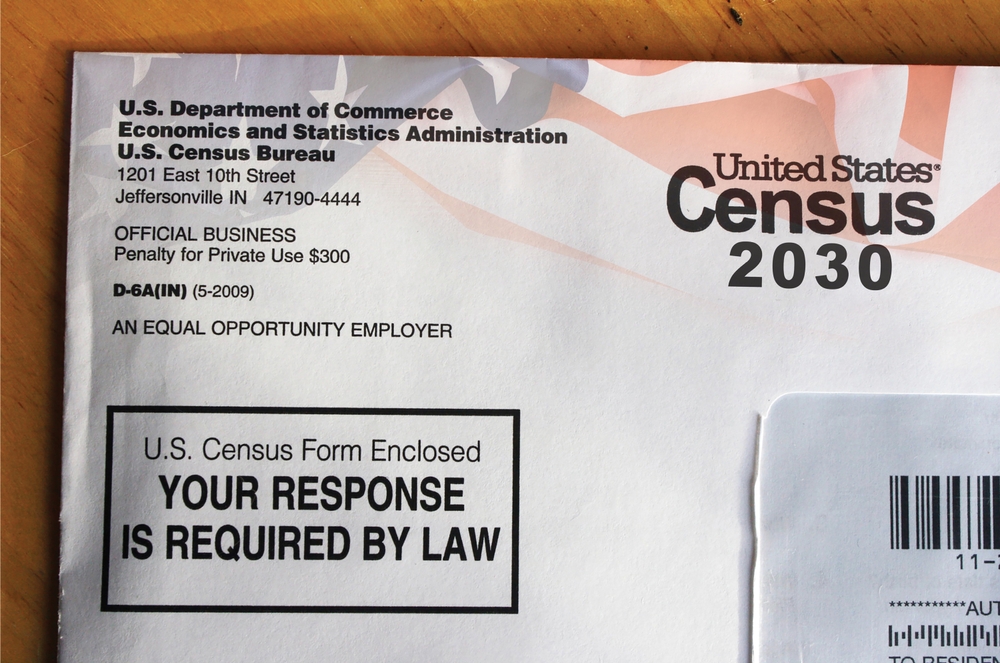
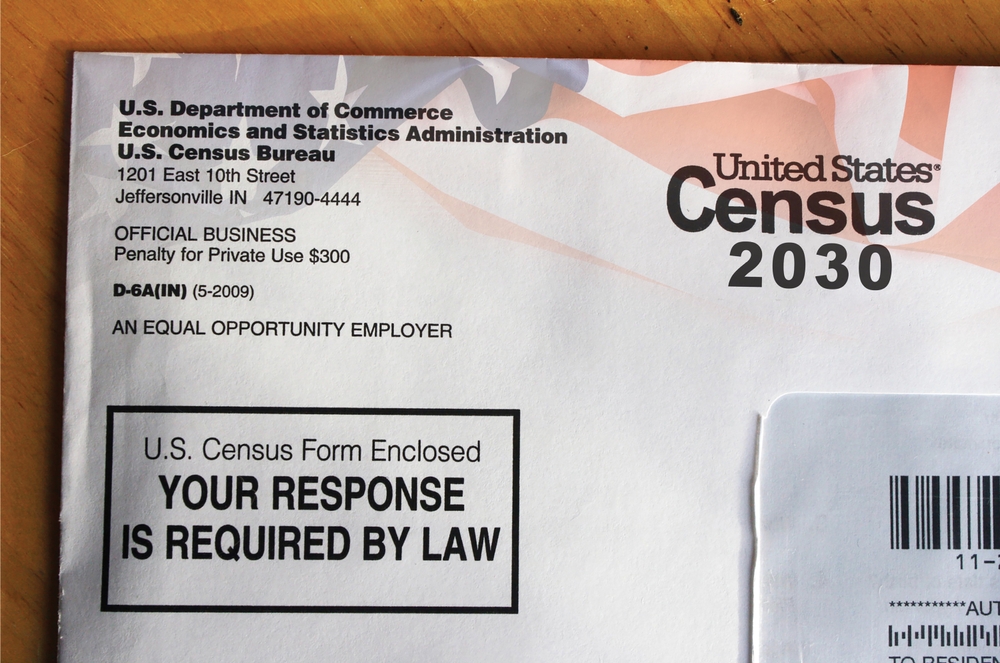
U.S. bishops urge Census Bureau to withdraw proposed rule changes – #Catholic – U.S. bishops are opposing proposed Census Bureau rule changes that would determine who is counted for congressional apportionment in the 2030 census, arguing that excluding noncitizens without lawful permanent resident status would effectively deny them recognition as persons.The U.S. Conference of Catholic Bishops (USCCB) issued a public comment on Oct. 22 to the Commerce Department, which houses the Census Bureau, asking it to entirely withdraw the proposed changes, which the bishops say “conflict with our fundamental belief in the equal dignity of every person, the obligations of a just society, and legal precedent.”The bishops compared the proposal to the Three-Fifths Compromise, calling to mind a constitutional provision rooted in slavery that was later changed and counted enslaved people as three-fifths of a person for purposes of congressional representation. They pointed to potential harm to federally funded healthcare, anti-poverty, family support, and infrastructure programs if millions of people are excluded from the census count.The proposed rule changes, published Sept. 10 and open to public comment until Nov. 2, would count only citizens and lawful permanent residents (LPRs) for apportionment, with the bureau stating that “illegal aliens (among others) should not be included in the apportionment count, as they are not true inhabitants, members of the body politic, or persons with a ‘usual residence’ in the United States due to their lack of a sufficient tie and allegiance to the United States.”“Excluding from the census noncitizens without LPR status, including but not limited to members of the undocumented population, is effectively to deny they are ‘persons,’” the letter said.The bishops called this change a “novel view,” challenging the Census Bureau’s interpretation of “usual residence,” which it says would generally be the place where a person lawfully spent the greatest number of days from Jan. 3 to April 1, consistent with tax records. The letter also notes some drafting ambiguity in the proposal about whether non-LPRs would be excluded from the census entirely or only from the apportionment base.The bishops say relying on tax records without a clear methodology will be statistically impractical and risks inaccuracy, arguing that additional questions or new practices will become necessary to determine whether a person’s “usual residence” conforms with their legal immigration status. They cite research findings published by the U.S. Census Bureau showing “an adverse effect on response rate” when immigration status and citizenship questions are scrutinized.They noted that every census since it began in 1790 has counted noncitizens, including those without permanent legal status.The bishops also wrote that in addition to its primary purpose of determining the number of seats allotted to each state in the U.S. House of Representatives, which is determined by population, the census, mandated by the U.S. Constitution, produces data used to apportion federal funds to communities.An undercount could severely harm the common good, the bishops argue, as programs that receive trillions in federal funding to provide healthcare, reduce poverty, support families, and provide crucial infrastructure utilized by all citizens will be impacted through excluding millions of persons from the apportionment count.They note that Catholic ministries, which often operate at the government’s request to help implement programs guided by census data, would be hindered in their service to vulnerable populations if communities lose access to resources and if the data needed to understand local needs is less accurate.The Census Bureau in the proposed rule change is also seeking to prohibit demographic questions concerning race, ethnicity, and sexual orientation on questionnaires used to count the population, supporting the change by citing privacy concerns, saying certain questions may make individuals more identifiable, and noting that fewer questions on the census questionnaire will increase the response rate. The bureau also argues such questions do not advance the core constitutional purpose of a census for apportionment of House seats.The bishops suggest including a “prefer not to disclose” option rather than removing questions about race and ethnicity altogether, writing that “demographic data can help identify and address inequity” due to racism. They note that the bureau “does not even attempt to address how the proposed restrictions on the collection of demographic information could adversely impact” the support various communities receive based on their particular community’s needs, which demographic data collected on the census helps determine.The U.S. Census Bureau did not immediately respond to EWTN News’ request for comment.

U.S. bishops urge Census Bureau to withdraw proposed rule changes – #Catholic – U.S. bishops are opposing proposed Census Bureau rule changes that would determine who is counted for congressional apportionment in the 2030 census, arguing that excluding noncitizens without lawful permanent resident status would effectively deny them recognition as persons.The U.S. Conference of Catholic Bishops (USCCB) issued a public comment on Oct. 22 to the Commerce Department, which houses the Census Bureau, asking it to entirely withdraw the proposed changes, which the bishops say “conflict with our fundamental belief in the equal dignity of every person, the obligations of a just society, and legal precedent.”The bishops compared the proposal to the Three-Fifths Compromise, calling to mind a constitutional provision rooted in slavery that was later changed and counted enslaved people as three-fifths of a person for purposes of congressional representation. They pointed to potential harm to federally funded healthcare, anti-poverty, family support, and infrastructure programs if millions of people are excluded from the census count.The proposed rule changes, published Sept. 10 and open to public comment until Nov. 2, would count only citizens and lawful permanent residents (LPRs) for apportionment, with the bureau stating that “illegal aliens (among others) should not be included in the apportionment count, as they are not true inhabitants, members of the body politic, or persons with a ‘usual residence’ in the United States due to their lack of a sufficient tie and allegiance to the United States.”“Excluding from the census noncitizens without LPR status, including but not limited to members of the undocumented population, is effectively to deny they are ‘persons,’” the letter said.The bishops called this change a “novel view,” challenging the Census Bureau’s interpretation of “usual residence,” which it says would generally be the place where a person lawfully spent the greatest number of days from Jan. 3 to April 1, consistent with tax records. The letter also notes some drafting ambiguity in the proposal about whether non-LPRs would be excluded from the census entirely or only from the apportionment base.The bishops say relying on tax records without a clear methodology will be statistically impractical and risks inaccuracy, arguing that additional questions or new practices will become necessary to determine whether a person’s “usual residence” conforms with their legal immigration status. They cite research findings published by the U.S. Census Bureau showing “an adverse effect on response rate” when immigration status and citizenship questions are scrutinized.They noted that every census since it began in 1790 has counted noncitizens, including those without permanent legal status.The bishops also wrote that in addition to its primary purpose of determining the number of seats allotted to each state in the U.S. House of Representatives, which is determined by population, the census, mandated by the U.S. Constitution, produces data used to apportion federal funds to communities.An undercount could severely harm the common good, the bishops argue, as programs that receive trillions in federal funding to provide healthcare, reduce poverty, support families, and provide crucial infrastructure utilized by all citizens will be impacted through excluding millions of persons from the apportionment count.They note that Catholic ministries, which often operate at the government’s request to help implement programs guided by census data, would be hindered in their service to vulnerable populations if communities lose access to resources and if the data needed to understand local needs is less accurate.The Census Bureau in the proposed rule change is also seeking to prohibit demographic questions concerning race, ethnicity, and sexual orientation on questionnaires used to count the population, supporting the change by citing privacy concerns, saying certain questions may make individuals more identifiable, and noting that fewer questions on the census questionnaire will increase the response rate. The bureau also argues such questions do not advance the core constitutional purpose of a census for apportionment of House seats.The bishops suggest including a “prefer not to disclose” option rather than removing questions about race and ethnicity altogether, writing that “demographic data can help identify and address inequity” due to racism. They note that the bureau “does not even attempt to address how the proposed restrictions on the collection of demographic information could adversely impact” the support various communities receive based on their particular community’s needs, which demographic data collected on the census helps determine.The U.S. Census Bureau did not immediately respond to EWTN News’ request for comment.

The proposed rule changes, open to public comment until Nov. 2, would count only citizens and lawful permanent residents in the census and would remove some demographic questions.

Read More

Scientists believe they may finally have an explanation for a bizarre cloud that appears and promptly disappears each day above a martian volcano during the dusty season. Just after sunrise during spring and summer on Mars, an elongated cloud forms near the 12-mile-high (20 kilometers) volcano Arsia Mons. Stretching roughly 1,100 miles (1,800 km) inContinue reading “The weird science behind Mars’ weirdest cloud”

The post The weird science behind Mars’ weirdest cloud appeared first on Astronomy Magazine.

Read More
The Diocesan Ministries Appeal 2026: ‘Be a Good Samaritan’ #Catholic – Each year, our Diocesan Ministries Appeal has a theme that is meant to emphasize the connection between the work of the Appeal and our shared responsibility to live the Gospel message of charity, especially to those in need. I think this year’s theme – Be A Good Samaritan – perfectly encapsulates that idea.


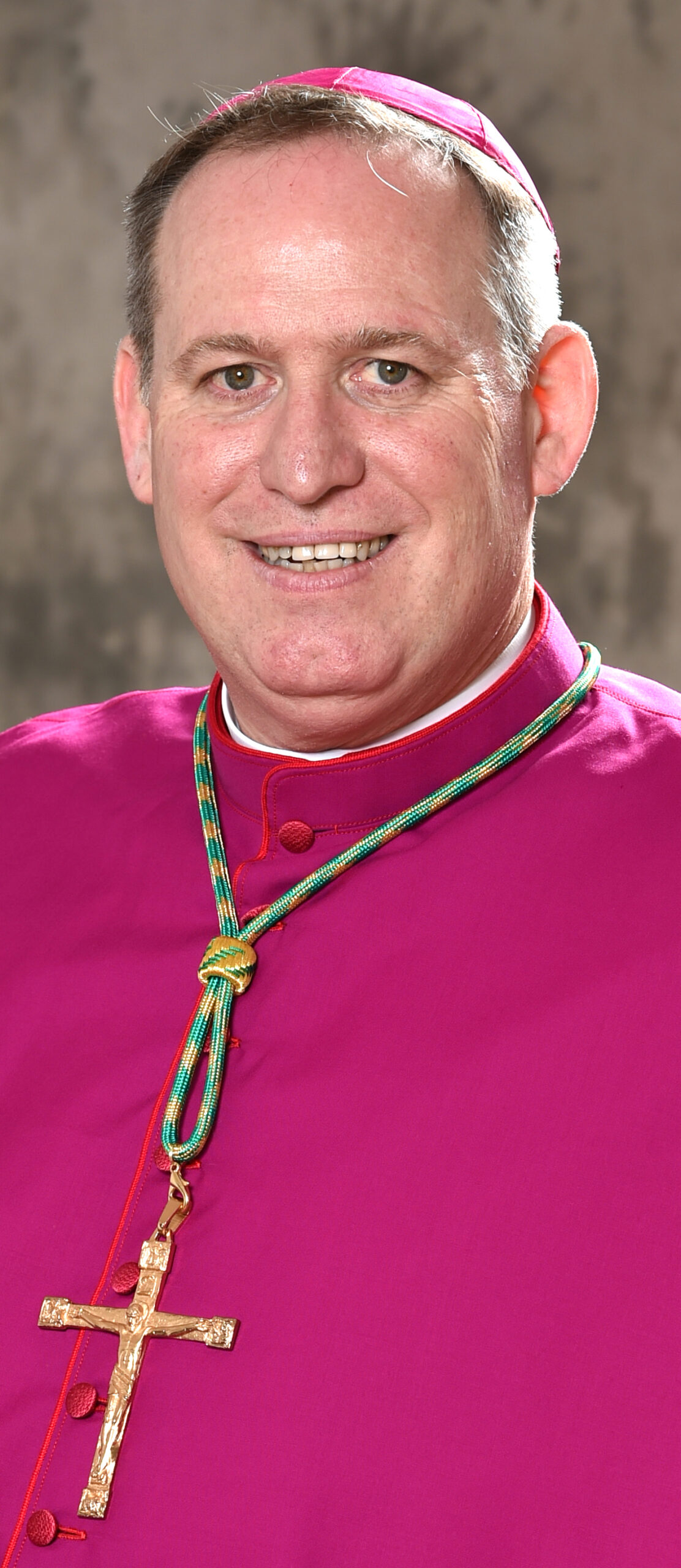
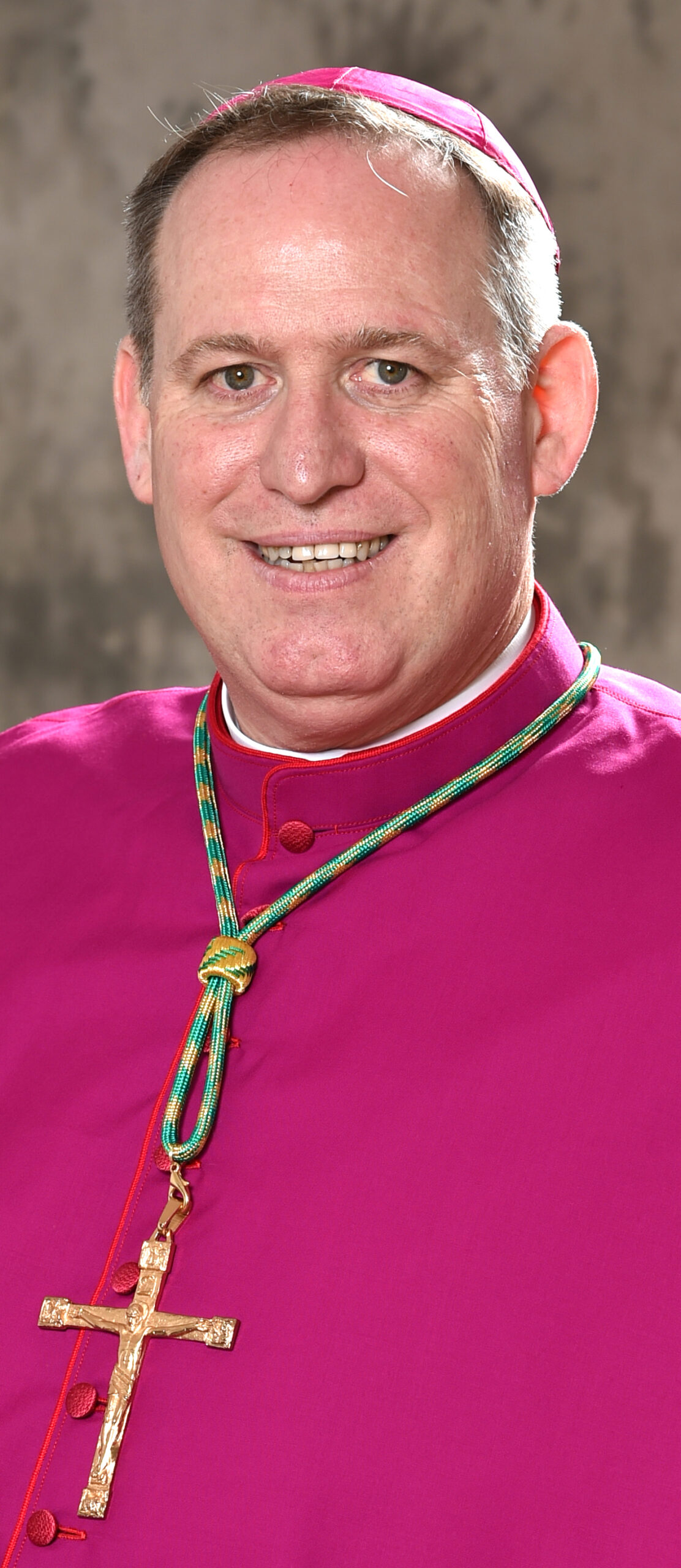
BISHOP KEVIN J. SWEENEY

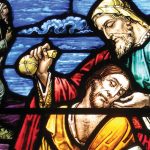
We have all heard the Parable of the Good Samaritan (Lk. 10:25-37), and perhaps we have heard it so often that its impact could be unintentionally dulled through repetition. Even so, I ask you to join me in reflecting on it again because the story, while familiar, is both timeless and timely.
Remember first that the Parable of the Good Samaritan is told in response to a question from a ‘scholar of the law’ who asks, “Who is my neighbor?” Jesus begins the parable by painting a picture of a man who was robbed, beaten, and left for dead by the side of the road. He was not simply confronted by a nervous pickpocket or a beggar asking for alms. These robbers were ruthless. It was a scene of sudden, shocking, and extreme violence. It is important to reflect on that, given that what happens next in the parable could not be more opposite.
After the bloody confrontation, a priest walks by and sees the broken body in front of him. His response was not one of action. His response was deliberate passivity to the scene in front of him. He did not offer help or even speak any words of comfort. Instead, he crossed the road and continued on his way. A Levite came up to the man, and he also took no action, offered no assistance, crossed the road, and continued on his way. Neither the priest nor the Levite were blind to the man. They saw him – and chose to ignore his suffering. But their apathy did not erase the reality of the battered man’s desperate plight.
Another man traveling on the road – a Samaritan – encountered the victim. Instead of turning away from such an awful scene, he was “moved with compassion at the sight,” unlike the priest and Levite. Also, unlike the other two men, he took action. He went right up to the victim and cleaned and bandaged his wounds, physically lifted him up on his animal, took him to an inn, and cared for him. He even paid for his care at the inn until he was healed.
Jesus was clearly making the point that our neighbors are often people who are hurting, wounded, and suffering, and need our tender, loving care. Sometimes the pain of our neighbors is physical, sometimes it is situational, sometimes it is emotional. But it is always a wound that needs our attention, not our apathy. Crossing to the other side of the road is not the path to choose.
In this parable, Jesus was not being subtle in emphasizing that our neighbors are everyone in the human family. In biblical times, a Samaritan was someone who was despised and considered untrustworthy. They were untouchables, shunned by society and to be avoided at all costs. Yet it was this pariah, this outcast, who showed love and compassion to a man who was likely taught to look down on him. It was the Samaritan who was the model to emulate. For people at that time to hear of a Samaritan in such a positive light must have been shocking. It was Jesus’ way of teaching us all that the stranger, the passerby, – the anonymous person – is our neighbor, and we must love our neighbors as ourselves.
The goal of our Diocesan Ministries Appeal is to serve our neighbors by helping to fund important ministries and programs throughout our Diocese of Paterson.  I just recently blessed the newly renovated Father English Food Pantry in Paterson, which received 0,000 from the Appeal to help toward these efforts. The interior has been reconfigured to provide additional aisles for food and clothing. It has a space for guests to speak with social workers to address emergency needs. There are classrooms for English as a Second Language courses and computer classes so clients can enhance their skills and future opportunities. Your support of the Appeal is helping your neighbors in need. 
Who are some other neighbors you help when you support the Diocesan Ministries Appeal?
They are veterans facing homelessness. They are adults with disabilities living in our group homes and being shown dignity and respect. They are shut-ins being helped through our Meals on Wheels program. They are men and women hoping for a second chance at life through our programs that address addictions and substance abuse. In fact, there are dozens of unique Catholic Charities programs and ministries that receive support from the Diocesan Ministries Appeal each year with your support. 
The Appeal also funds seminarian education so those men in formation for priesthood can focus solely on their studies and on their spiritual, pastoral, and human development. The Appeal assists inner-city Catholic education as well as senior priests’ healthcare needs, helping to support Nazareth Village, the residence for retired diocesan priests in Chester.
Your gift to the Appeal negates the passivity of the priest and Levite in the parable. Through your affirmative response and generosity, you are “taking action” as a modern-day Good Samaritan. You take to heart the words of Jesus at the end of the parable when he says, “Go and do likewise” (Lk. 10:37). Your support of the Appeal helps to bring compassion and comfort to the wounded person on the side of the road who is in need. You live out your faith in concrete ways and are a priceless gift to the Lord and his people. I am grateful for your generosity, and may God bless you always!

Click here to subscribe to our weekly newsletter.


The Diocesan Ministries Appeal 2026: ‘Be a Good Samaritan’ #Catholic – Each year, our Diocesan Ministries Appeal has a theme that is meant to emphasize the connection between the work of the Appeal and our shared responsibility to live the Gospel message of charity, especially to those in need. I think this year’s theme – Be A Good Samaritan – perfectly encapsulates that idea. BISHOP KEVIN J. SWEENEY We have all heard the Parable of the Good Samaritan (Lk. 10:25-37), and perhaps we have heard it so often that its impact could be unintentionally dulled through repetition. Even so, I ask you to join me in reflecting on it again because the story, while familiar, is both timeless and timely. Remember first that the Parable of the Good Samaritan is told in response to a question from a ‘scholar of the law’ who asks, “Who is my neighbor?” Jesus begins the parable by painting a picture of a man who was robbed, beaten, and left for dead by the side of the road. He was not simply confronted by a nervous pickpocket or a beggar asking for alms. These robbers were ruthless. It was a scene of sudden, shocking, and extreme violence. It is important to reflect on that, given that what happens next in the parable could not be more opposite. After the bloody confrontation, a priest walks by and sees the broken body in front of him. His response was not one of action. His response was deliberate passivity to the scene in front of him. He did not offer help or even speak any words of comfort. Instead, he crossed the road and continued on his way. A Levite came up to the man, and he also took no action, offered no assistance, crossed the road, and continued on his way. Neither the priest nor the Levite were blind to the man. They saw him – and chose to ignore his suffering. But their apathy did not erase the reality of the battered man’s desperate plight. Another man traveling on the road – a Samaritan – encountered the victim. Instead of turning away from such an awful scene, he was “moved with compassion at the sight,” unlike the priest and Levite. Also, unlike the other two men, he took action. He went right up to the victim and cleaned and bandaged his wounds, physically lifted him up on his animal, took him to an inn, and cared for him. He even paid for his care at the inn until he was healed. Jesus was clearly making the point that our neighbors are often people who are hurting, wounded, and suffering, and need our tender, loving care. Sometimes the pain of our neighbors is physical, sometimes it is situational, sometimes it is emotional. But it is always a wound that needs our attention, not our apathy. Crossing to the other side of the road is not the path to choose. In this parable, Jesus was not being subtle in emphasizing that our neighbors are everyone in the human family. In biblical times, a Samaritan was someone who was despised and considered untrustworthy. They were untouchables, shunned by society and to be avoided at all costs. Yet it was this pariah, this outcast, who showed love and compassion to a man who was likely taught to look down on him. It was the Samaritan who was the model to emulate. For people at that time to hear of a Samaritan in such a positive light must have been shocking. It was Jesus’ way of teaching us all that the stranger, the passerby, – the anonymous person – is our neighbor, and we must love our neighbors as ourselves. The goal of our Diocesan Ministries Appeal is to serve our neighbors by helping to fund important ministries and programs throughout our Diocese of Paterson.  I just recently blessed the newly renovated Father English Food Pantry in Paterson, which received $600,000 from the Appeal to help toward these efforts. The interior has been reconfigured to provide additional aisles for food and clothing. It has a space for guests to speak with social workers to address emergency needs. There are classrooms for English as a Second Language courses and computer classes so clients can enhance their skills and future opportunities. Your support of the Appeal is helping your neighbors in need.  Who are some other neighbors you help when you support the Diocesan Ministries Appeal? They are veterans facing homelessness. They are adults with disabilities living in our group homes and being shown dignity and respect. They are shut-ins being helped through our Meals on Wheels program. They are men and women hoping for a second chance at life through our programs that address addictions and substance abuse. In fact, there are dozens of unique Catholic Charities programs and ministries that receive support from the Diocesan Ministries Appeal each year with your support.  The Appeal also funds seminarian education so those men in formation for priesthood can focus solely on their studies and on their spiritual, pastoral, and human development. The Appeal assists inner-city Catholic education as well as senior priests’ healthcare needs, helping to support Nazareth Village, the residence for retired diocesan priests in Chester. Your gift to the Appeal negates the passivity of the priest and Levite in the parable. Through your affirmative response and generosity, you are “taking action” as a modern-day Good Samaritan. You take to heart the words of Jesus at the end of the parable when he says, “Go and do likewise” (Lk. 10:37). Your support of the Appeal helps to bring compassion and comfort to the wounded person on the side of the road who is in need. You live out your faith in concrete ways and are a priceless gift to the Lord and his people. I am grateful for your generosity, and may God bless you always! Click here to subscribe to our weekly newsletter.  

The Diocesan Ministries Appeal 2026: ‘Be a Good Samaritan’ #Catholic –

Each year, our Diocesan Ministries Appeal has a theme that is meant to emphasize the connection between the work of the Appeal and our shared responsibility to live the Gospel message of charity, especially to those in need. I think this year’s theme – Be A Good Samaritan – perfectly encapsulates that idea.

BISHOP KEVIN J. SWEENEY

We have all heard the Parable of the Good Samaritan (Lk. 10:25-37), and perhaps we have heard it so often that its impact could be unintentionally dulled through repetition. Even so, I ask you to join me in reflecting on it again because the story, while familiar, is both timeless and timely.

Remember first that the Parable of the Good Samaritan is told in response to a question from a ‘scholar of the law’ who asks, “Who is my neighbor?” Jesus begins the parable by painting a picture of a man who was robbed, beaten, and left for dead by the side of the road. He was not simply confronted by a nervous pickpocket or a beggar asking for alms. These robbers were ruthless. It was a scene of sudden, shocking, and extreme violence. It is important to reflect on that, given that what happens next in the parable could not be more opposite.

After the bloody confrontation, a priest walks by and sees the broken body in front of him. His response was not one of action. His response was deliberate passivity to the scene in front of him. He did not offer help or even speak any words of comfort. Instead, he crossed the road and continued on his way. A Levite came up to the man, and he also took no action, offered no assistance, crossed the road, and continued on his way. Neither the priest nor the Levite were blind to the man. They saw him – and chose to ignore his suffering. But their apathy did not erase the reality of the battered man’s desperate plight.

Another man traveling on the road – a Samaritan – encountered the victim. Instead of turning away from such an awful scene, he was “moved with compassion at the sight,” unlike the priest and Levite. Also, unlike the other two men, he took action. He went right up to the victim and cleaned and bandaged his wounds, physically lifted him up on his animal, took him to an inn, and cared for him. He even paid for his care at the inn until he was healed.

Jesus was clearly making the point that our neighbors are often people who are hurting, wounded, and suffering, and need our tender, loving care. Sometimes the pain of our neighbors is physical, sometimes it is situational, sometimes it is emotional. But it is always a wound that needs our attention, not our apathy. Crossing to the other side of the road is not the path to choose.

In this parable, Jesus was not being subtle in emphasizing that our neighbors are everyone in the human family. In biblical times, a Samaritan was someone who was despised and considered untrustworthy. They were untouchables, shunned by society and to be avoided at all costs. Yet it was this pariah, this outcast, who showed love and compassion to a man who was likely taught to look down on him. It was the Samaritan who was the model to emulate. For people at that time to hear of a Samaritan in such a positive light must have been shocking. It was Jesus’ way of teaching us all that the stranger, the passerby, – the anonymous person – is our neighbor, and we must love our neighbors as ourselves.

The goal of our Diocesan Ministries Appeal is to serve our neighbors by helping to fund important ministries and programs throughout our Diocese of Paterson.  I just recently blessed the newly renovated Father English Food Pantry in Paterson, which received $600,000 from the Appeal to help toward these efforts. The interior has been reconfigured to provide additional aisles for food and clothing. It has a space for guests to speak with social workers to address emergency needs. There are classrooms for English as a Second Language courses and computer classes so clients can enhance their skills and future opportunities. Your support of the Appeal is helping your neighbors in need. 

Who are some other neighbors you help when you support the Diocesan Ministries Appeal?

They are veterans facing homelessness. They are adults with disabilities living in our group homes and being shown dignity and respect. They are shut-ins being helped through our Meals on Wheels program. They are men and women hoping for a second chance at life through our programs that address addictions and substance abuse. In fact, there are dozens of unique Catholic Charities programs and ministries that receive support from the Diocesan Ministries Appeal each year with your support. 

The Appeal also funds seminarian education so those men in formation for priesthood can focus solely on their studies and on their spiritual, pastoral, and human development. The Appeal assists inner-city Catholic education as well as senior priests’ healthcare needs, helping to support Nazareth Village, the residence for retired diocesan priests in Chester.

Your gift to the Appeal negates the passivity of the priest and Levite in the parable. Through your affirmative response and generosity, you are “taking action” as a modern-day Good Samaritan. You take to heart the words of Jesus at the end of the parable when he says, “Go and do likewise” (Lk. 10:37). Your support of the Appeal helps to bring compassion and comfort to the wounded person on the side of the road who is in need. You live out your faith in concrete ways and are a priceless gift to the Lord and his people. I am grateful for your generosity, and may God bless you always!


Click here to subscribe to our weekly newsletter.


– Each year, our Diocesan Ministries Appeal has a theme that is meant to emphasize the connection between the work of the Appeal and our shared responsibility to live the Gospel message of charity, especially to those in need. I think this year’s theme – Be A Good Samaritan – perfectly encapsulates that idea. BISHOP KEVIN J. SWEENEY We have all heard the Parable of the Good Samaritan (Lk. 10:25-37), and perhaps we have heard it so often that its impact could be unintentionally dulled through repetition. Even so, I ask you to join me in reflecting on it again because

Read More
Diocese of Metuchen welcomes its sixth shepherd #Catholic – The people of Metuchen were overjoyed to welcome the Most Reverend Michael Arsenio Saporito as their sixth Bishop during an installation Mass held Oct. 22 in Sacred Heart Parish, South Plainfield. Representatives from parishes, schools, religious, lay and civil organizations were joined by clergy and civil dignitaries from throughout the state and beyond to witness the newest shepherd of the central New Jersey diocese.
Steeped in beauty and symbolism, the reception of the Bishop Designate began with his knock on the center door of the church. It was opened from within by Father Jonathan S. Toborowsky, diocesan administrator; Father Timothy A. Christy, Cathedral rector, and Father Edmund A. Luciano, pastor of the host parish, on behalf of the clergy, religious and faithful of the Diocese. Father Toborowsky presented Bishop-Designate Saporito with a crucifix resting upon a pillow to reverence, then he sprinkled holy water on those in the narthex. Numerous bishops of New Jersey joined other clergy in the procession, including Bishop David M. O’Connell, C.M. of Trenton; Bishop Kevin J. Sweeney of Paterson; Bishop Joseph A. Williams of Camden, and Cardinal Joseph W. Tobin, CSsR, of Newark.
His Excellency the Most Reverend Gabriele Giordano Caccia, Apostolic Nuncio to the United States of America, read the papal mandate from Pope Leo XIV naming Bishop Saporito the spiritual head of the Metuchen Diocese. Archbishop Caccia noted that the Mass coincided with the feast day of St. Pope John Paul II, who established the Diocese 45 years ago.
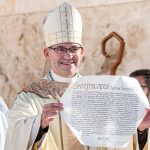
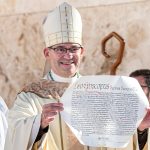
Bishop Saporito, smiling broadly, presented the mandate to the Diocesan College of Consultors, then, holding it aloft, walked throughout the church so that the faithful might see the Pope’s declaration up close. The bishops in the sanctuary extended a sign of peace, then Archbishop Caccia and Cardinal Tobin presented the new Bishop of Metuchen his cathedra and crozier.
Bishop Saporito began his homily recalling the advice by St. Pope John Paul II at his Oct. 22, 1978, inaugural Mass in St. Peter’s Square: Do not be afraid. Open wide the doors to Christ. The bishop’s own motto was inspired by the Gospel of John wherein Jesus had eaten breakfast with them and told them: Feed My Sheep.
“Our mission together in proclaiming the Good News … allows us to focus on three things: the meal, the mercy, and the mission,” said the Bishop. “Jesus used meals as places of encounter with others, he shared food and opened his heart, [and] here the word is proclaimed.” The meal, or Eucharist “fills our hearts and lives, joins us as one family, takes what we have received and offers it to the world… Jesus sought to touch people’s hearts, and so must we.”
Mercy, the Bishop continued, “frees us from shackles of our own sins. During the Jubilee Year of Mercy, my own sense of mercy expanded. We come to Jesus in distress, profound suffering, brokenness, and misery, and he offers freedom and redemption regardless of the baggage. I often picture the gaze of Jesus at Peter; that’s why the song is entitled ‘Amazing Grace’: he lets yesterday go so we can embrace tomorrow with joy. We are not perfect, but all can stand tall by his grace.”
Bishop Saporito cautioned the congregation not to simply fulfill the bare minimums of their faith, but rather to embrace the mission of holiness. “Purpose ignites a passion and a hope within us, for living and meaning and purpose all of our days. We know a better way, let’s show others what we know, let’s lead others to what we know.”
He continued, “It is not enough for us to simply maintain what we have, we must have a heart that aches for those who are missing… Become a Church that does not wait for people to find us, but we should risk leaving the shores of own comfort and seek out the missing. The mission of the Church must go beyond those already here.”
His voice rising in volume and intensity, Bishop Saporito issued a challenge to his new flock. Referring to his new ceremonial chair, or cathedra, he admitted, “Today I sit in a chair that is not mine to keep, but mine to steward, after the command of Christ for a time. Let us take advantage of it together.
“My new sisters and brothers of Metuchen, let us set out together to be a people of the Eucharist, a people of Mercy and a people on a mission,” he concluded. “The waiting is over, and responding to the call now begins. Let us not be afraid, let us open wide the doors to Christ. Amen?” he asked them. They answered with a loud, fervent, “AMEN!!” and resounding applause.
This article appears in the Metuchen Diocese’s October special supplement, “With Open Hearts,” welcoming Bishop Saporito as their new shepherd. Christina Leslie is a contributing editor and correspondent for The Catholic Spirit, the official newspaper of the Diocese of Metuchen in New Jersey.
PHOTOS | HAL BROWN PHOTOGRAPHY
 [See image gallery at beaconnj.org]

Click here to subscribe to our weekly newsletter.


Diocese of Metuchen welcomes its sixth shepherd #Catholic – The people of Metuchen were overjoyed to welcome the Most Reverend Michael Arsenio Saporito as their sixth Bishop during an installation Mass held Oct. 22 in Sacred Heart Parish, South Plainfield. Representatives from parishes, schools, religious, lay and civil organizations were joined by clergy and civil dignitaries from throughout the state and beyond to witness the newest shepherd of the central New Jersey diocese. Steeped in beauty and symbolism, the reception of the Bishop Designate began with his knock on the center door of the church. It was opened from within by Father Jonathan S. Toborowsky, diocesan administrator; Father Timothy A. Christy, Cathedral rector, and Father Edmund A. Luciano, pastor of the host parish, on behalf of the clergy, religious and faithful of the Diocese. Father Toborowsky presented Bishop-Designate Saporito with a crucifix resting upon a pillow to reverence, then he sprinkled holy water on those in the narthex. Numerous bishops of New Jersey joined other clergy in the procession, including Bishop David M. O’Connell, C.M. of Trenton; Bishop Kevin J. Sweeney of Paterson; Bishop Joseph A. Williams of Camden, and Cardinal Joseph W. Tobin, CSsR, of Newark. His Excellency the Most Reverend Gabriele Giordano Caccia, Apostolic Nuncio to the United States of America, read the papal mandate from Pope Leo XIV naming Bishop Saporito the spiritual head of the Metuchen Diocese. Archbishop Caccia noted that the Mass coincided with the feast day of St. Pope John Paul II, who established the Diocese 45 years ago. Bishop Saporito, smiling broadly, presented the mandate to the Diocesan College of Consultors, then, holding it aloft, walked throughout the church so that the faithful might see the Pope’s declaration up close. The bishops in the sanctuary extended a sign of peace, then Archbishop Caccia and Cardinal Tobin presented the new Bishop of Metuchen his cathedra and crozier. Bishop Saporito began his homily recalling the advice by St. Pope John Paul II at his Oct. 22, 1978, inaugural Mass in St. Peter’s Square: Do not be afraid. Open wide the doors to Christ. The bishop’s own motto was inspired by the Gospel of John wherein Jesus had eaten breakfast with them and told them: Feed My Sheep. “Our mission together in proclaiming the Good News … allows us to focus on three things: the meal, the mercy, and the mission,” said the Bishop. “Jesus used meals as places of encounter with others, he shared food and opened his heart, [and] here the word is proclaimed.” The meal, or Eucharist “fills our hearts and lives, joins us as one family, takes what we have received and offers it to the world… Jesus sought to touch people’s hearts, and so must we.” Mercy, the Bishop continued, “frees us from shackles of our own sins. During the Jubilee Year of Mercy, my own sense of mercy expanded. We come to Jesus in distress, profound suffering, brokenness, and misery, and he offers freedom and redemption regardless of the baggage. I often picture the gaze of Jesus at Peter; that’s why the song is entitled ‘Amazing Grace’: he lets yesterday go so we can embrace tomorrow with joy. We are not perfect, but all can stand tall by his grace.” Bishop Saporito cautioned the congregation not to simply fulfill the bare minimums of their faith, but rather to embrace the mission of holiness. “Purpose ignites a passion and a hope within us, for living and meaning and purpose all of our days. We know a better way, let’s show others what we know, let’s lead others to what we know.” He continued, “It is not enough for us to simply maintain what we have, we must have a heart that aches for those who are missing… Become a Church that does not wait for people to find us, but we should risk leaving the shores of own comfort and seek out the missing. The mission of the Church must go beyond those already here.” His voice rising in volume and intensity, Bishop Saporito issued a challenge to his new flock. Referring to his new ceremonial chair, or cathedra, he admitted, “Today I sit in a chair that is not mine to keep, but mine to steward, after the command of Christ for a time. Let us take advantage of it together. “My new sisters and brothers of Metuchen, let us set out together to be a people of the Eucharist, a people of Mercy and a people on a mission,” he concluded. “The waiting is over, and responding to the call now begins. Let us not be afraid, let us open wide the doors to Christ. Amen?” he asked them. They answered with a loud, fervent, “AMEN!!” and resounding applause. This article appears in the Metuchen Diocese’s October special supplement, “With Open Hearts,” welcoming Bishop Saporito as their new shepherd. Christina Leslie is a contributing editor and correspondent for The Catholic Spirit, the official newspaper of the Diocese of Metuchen in New Jersey. PHOTOS | HAL BROWN PHOTOGRAPHY [See image gallery at beaconnj.org] Click here to subscribe to our weekly newsletter.  

Diocese of Metuchen welcomes its sixth shepherd #Catholic –

The people of Metuchen were overjoyed to welcome the Most Reverend Michael Arsenio Saporito as their sixth Bishop during an installation Mass held Oct. 22 in Sacred Heart Parish, South Plainfield. Representatives from parishes, schools, religious, lay and civil organizations were joined by clergy and civil dignitaries from throughout the state and beyond to witness the newest shepherd of the central New Jersey diocese.

Steeped in beauty and symbolism, the reception of the Bishop Designate began with his knock on the center door of the church. It was opened from within by Father Jonathan S. Toborowsky, diocesan administrator; Father Timothy A. Christy, Cathedral rector, and Father Edmund A. Luciano, pastor of the host parish, on behalf of the clergy, religious and faithful of the Diocese. Father Toborowsky presented Bishop-Designate Saporito with a crucifix resting upon a pillow to reverence, then he sprinkled holy water on those in the narthex. Numerous bishops of New Jersey joined other clergy in the procession, including Bishop David M. O’Connell, C.M. of Trenton; Bishop Kevin J. Sweeney of Paterson; Bishop Joseph A. Williams of Camden, and Cardinal Joseph W. Tobin, CSsR, of Newark.

His Excellency the Most Reverend Gabriele Giordano Caccia, Apostolic Nuncio to the United States of America, read the papal mandate from Pope Leo XIV naming Bishop Saporito the spiritual head of the Metuchen Diocese. Archbishop Caccia noted that the Mass coincided with the feast day of St. Pope John Paul II, who established the Diocese 45 years ago.

Bishop Saporito, smiling broadly, presented the mandate to the Diocesan College of Consultors, then, holding it aloft, walked throughout the church so that the faithful might see the Pope’s declaration up close. The bishops in the sanctuary extended a sign of peace, then Archbishop Caccia and Cardinal Tobin presented the new Bishop of Metuchen his cathedra and crozier.

Bishop Saporito began his homily recalling the advice by St. Pope John Paul II at his Oct. 22, 1978, inaugural Mass in St. Peter’s Square: Do not be afraid. Open wide the doors to Christ. The bishop’s own motto was inspired by the Gospel of John wherein Jesus had eaten breakfast with them and told them: Feed My Sheep.

“Our mission together in proclaiming the Good News … allows us to focus on three things: the meal, the mercy, and the mission,” said the Bishop. “Jesus used meals as places of encounter with others, he shared food and opened his heart, [and] here the word is proclaimed.” The meal, or Eucharist “fills our hearts and lives, joins us as one family, takes what we have received and offers it to the world… Jesus sought to touch people’s hearts, and so must we.”

Mercy, the Bishop continued, “frees us from shackles of our own sins. During the Jubilee Year of Mercy, my own sense of mercy expanded. We come to Jesus in distress, profound suffering, brokenness, and misery, and he offers freedom and redemption regardless of the baggage. I often picture the gaze of Jesus at Peter; that’s why the song is entitled ‘Amazing Grace’: he lets yesterday go so we can embrace tomorrow with joy. We are not perfect, but all can stand tall by his grace.”

Bishop Saporito cautioned the congregation not to simply fulfill the bare minimums of their faith, but rather to embrace the mission of holiness. “Purpose ignites a passion and a hope within us, for living and meaning and purpose all of our days. We know a better way, let’s show others what we know, let’s lead others to what we know.”

He continued, “It is not enough for us to simply maintain what we have, we must have a heart that aches for those who are missing… Become a Church that does not wait for people to find us, but we should risk leaving the shores of own comfort and seek out the missing. The mission of the Church must go beyond those already here.”

His voice rising in volume and intensity, Bishop Saporito issued a challenge to his new flock. Referring to his new ceremonial chair, or cathedra, he admitted, “Today I sit in a chair that is not mine to keep, but mine to steward, after the command of Christ for a time. Let us take advantage of it together.

“My new sisters and brothers of Metuchen, let us set out together to be a people of the Eucharist, a people of Mercy and a people on a mission,” he concluded. “The waiting is over, and responding to the call now begins. Let us not be afraid, let us open wide the doors to Christ. Amen?” he asked them. They answered with a loud, fervent, “AMEN!!” and resounding applause.

This article appears in the Metuchen Diocese’s October special supplement, “With Open Hearts,” welcoming Bishop Saporito as their new shepherd. Christina Leslie is a contributing editor and correspondent for The Catholic Spirit, the official newspaper of the Diocese of Metuchen in New Jersey.

PHOTOS | HAL BROWN PHOTOGRAPHY

[See image gallery at beaconnj.org]


Click here to subscribe to our weekly newsletter.


– The people of Metuchen were overjoyed to welcome the Most Reverend Michael Arsenio Saporito as their sixth Bishop during an installation Mass held Oct. 22 in Sacred Heart Parish, South Plainfield. Representatives from parishes, schools, religious, lay and civil organizations were joined by clergy and civil dignitaries from throughout the state and beyond to witness the newest shepherd of the central New Jersey diocese. Steeped in beauty and symbolism, the reception of the Bishop Designate began with his knock on the center door of the church. It was opened from within by Father Jonathan S. Toborowsky, diocesan administrator; Father Timothy

Read More