Day: November 3, 2026

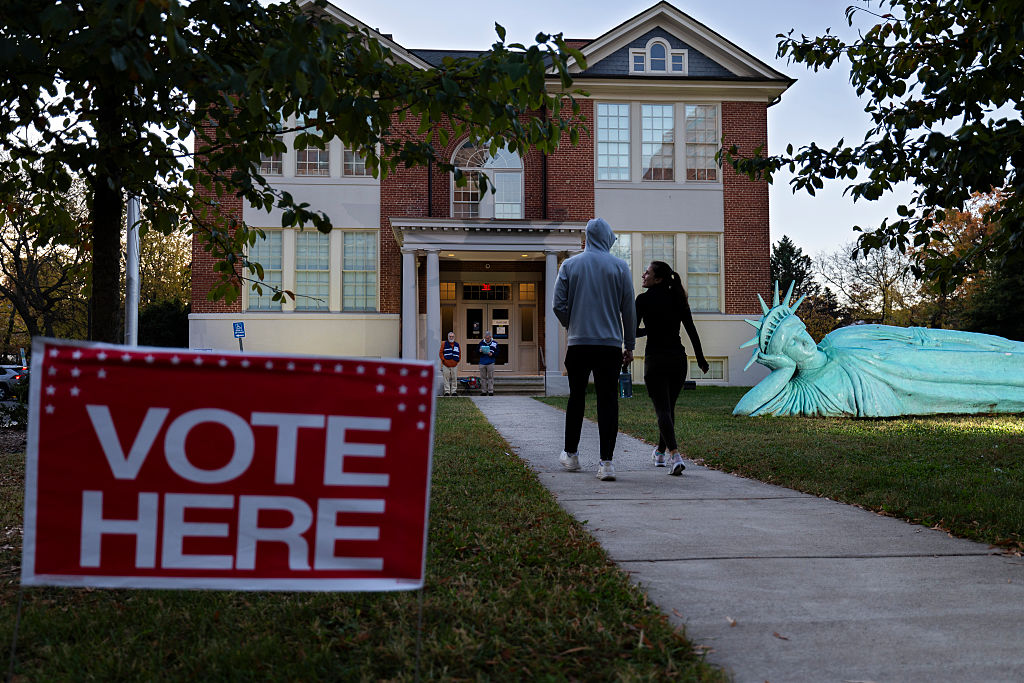
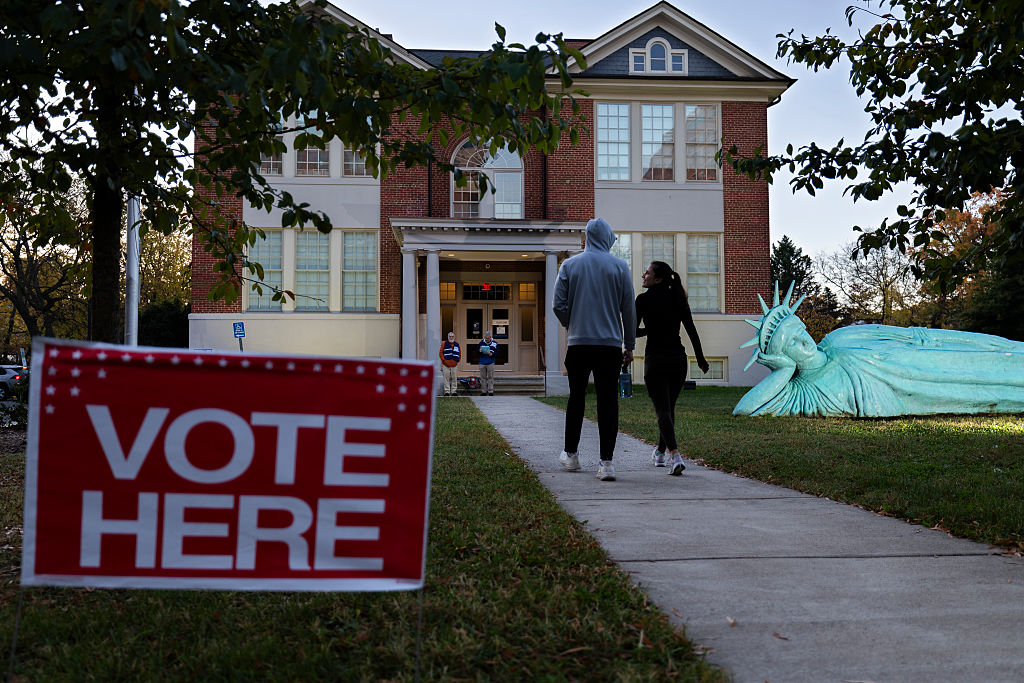
Virginia adopts abortion rights referendum, three other states await results #Catholic Voters in Virginia adopted a referendum to enshrine a right to abortion in their state constitution, while voters in Missouri, Nevada, and Idaho await the final results for referendums that would change abortion policies.With more than 87% of the vote counted in Virginia as of 11 p.m. ET, 61.5% of people voted for the referendum and 38.5% voted against it.The people of Missouri are voting on a pro-life referendum to repeal a state constitutional right to abortion. The outcome is too early to call with more than 85% of the vote counted, but the referendum is currently losing, with 55.5% of people voting against it and 44.5% in favor.Votes have yet to be counted in Nevada or Idaho, where polls closed later.Catholic bishops in all four states were heavily involved throughout the races, emphasizing the Church’s teaching on the sanctity of life and asking the faithful to cast pro-life votes on the state referendums.The state referendumsThe referendum in Virginia will establish a “fundamental right to reproductive freedom” in the state constitution, which includes “abortion care.” The amendment extends this right to “every individual,” rather than restricting it to just adults.Although the amendment allows abortion restrictions in the third trimester, it does not allow any restrictions when necessary to protect “the life or physical or mental health” of the mother at any point in the pregnancy. It does not define what constitutes a threat to one’s “mental health,” but rather leaves this up to the discretion of the treating physician, who is often the abortionist.The referendum in Missouri would repeal the state constitutional right to abortion and it would allow state lawmakers to restrict abortion. If it fails, the constitution will continue to maintain a “fundamental right to reproductive freedom," which includes “abortion care.”Missouri’s constitution allows lawmakers to restrict abortions after fetal viability, which is when the unborn child can survive outside the womb. However, lawmakers cannot restrict abortion at any point in the pregnancy when necessary to “protect the life or physical or mental health” of the mother. Fetal viability and whether the mother’s health is at risk is determined by the treating physician, who is often the abortionist.The referendum in Nevada, if it passes, would establish “a fundamental right to abortion” in the state constitution. It would allow lawmakers to impose restrictions after the point of fetal viability, which are determined by the “treating health care practitioner,” which is often the abortionist.The right would extend through the entire pregnancy when needed to “protect the life or health” of the mother, but “health” is not defined. The right would extend to all individuals, not just adults.Idaho’s referendum would not amend the state constitution, but it would change state law to establish a right to “reproductive freedom,” which includes “abortion.” It would supersede the current state law, which prohibits abortion except to prevent the death of the mother and, in the first trimester, in reported cases of rape or incest.The referendum would allow lawmakers to restrict abortion at the point of fetal viability, but this would be determined by the treating physician, who is often the abortionist. It would not allow lawmakers to restrict abortion at any point in the pregnancy when there is a medical emergency. The right would be extended to all individuals, not just adults.

Virginia adopts abortion rights referendum, three other states await results #Catholic Voters in Virginia adopted a referendum to enshrine a right to abortion in their state constitution, while voters in Missouri, Nevada, and Idaho await the final results for referendums that would change abortion policies.With more than 87% of the vote counted in Virginia as of 11 p.m. ET, 61.5% of people voted for the referendum and 38.5% voted against it.The people of Missouri are voting on a pro-life referendum to repeal a state constitutional right to abortion. The outcome is too early to call with more than 85% of the vote counted, but the referendum is currently losing, with 55.5% of people voting against it and 44.5% in favor.Votes have yet to be counted in Nevada or Idaho, where polls closed later.Catholic bishops in all four states were heavily involved throughout the races, emphasizing the Church’s teaching on the sanctity of life and asking the faithful to cast pro-life votes on the state referendums.The state referendumsThe referendum in Virginia will establish a “fundamental right to reproductive freedom” in the state constitution, which includes “abortion care.” The amendment extends this right to “every individual,” rather than restricting it to just adults.Although the amendment allows abortion restrictions in the third trimester, it does not allow any restrictions when necessary to protect “the life or physical or mental health” of the mother at any point in the pregnancy. It does not define what constitutes a threat to one’s “mental health,” but rather leaves this up to the discretion of the treating physician, who is often the abortionist.The referendum in Missouri would repeal the state constitutional right to abortion and it would allow state lawmakers to restrict abortion. If it fails, the constitution will continue to maintain a “fundamental right to reproductive freedom," which includes “abortion care.”Missouri’s constitution allows lawmakers to restrict abortions after fetal viability, which is when the unborn child can survive outside the womb. However, lawmakers cannot restrict abortion at any point in the pregnancy when necessary to “protect the life or physical or mental health” of the mother. Fetal viability and whether the mother’s health is at risk is determined by the treating physician, who is often the abortionist.The referendum in Nevada, if it passes, would establish “a fundamental right to abortion” in the state constitution. It would allow lawmakers to impose restrictions after the point of fetal viability, which are determined by the “treating health care practitioner,” which is often the abortionist.The right would extend through the entire pregnancy when needed to “protect the life or health” of the mother, but “health” is not defined. The right would extend to all individuals, not just adults.Idaho’s referendum would not amend the state constitution, but it would change state law to establish a right to “reproductive freedom,” which includes “abortion.” It would supersede the current state law, which prohibits abortion except to prevent the death of the mother and, in the first trimester, in reported cases of rape or incest.The referendum would allow lawmakers to restrict abortion at the point of fetal viability, but this would be determined by the treating physician, who is often the abortionist. It would not allow lawmakers to restrict abortion at any point in the pregnancy when there is a medical emergency. The right would be extended to all individuals, not just adults.

A referendum to establish a constitutional right to abortion in the Virginia constitution was adopted. Abortion-related referendums in three other states are too early to call.

Read More
Astronaut and Earth – CSA (Canadian Space Agency) astronaut and Expedition 75 flight engineer Joshua Kutryk is pictured during a spacewalk with his spacesuit’s helmet visor down to install a new roll-out solar array on the International Space Station’s port side truss structure.

CSA (Canadian Space Agency) astronaut and Expedition 75 flight engineer Joshua Kutryk is pictured during a spacewalk with his spacesuit’s helmet visor down to install a new roll-out solar array on the International Space Station’s port side truss structure.

Read More

Gospel and Word of the Day – 4 November 2026 – A reading from the Letter of St. Paul to the Phiippians 2:12-18 My beloved, obedient as you have always been, not only when I am present but all the more now when I am absent, work out your salvation with fear and trembling. For God is the one who, for his good purpose, works in you both to desire and to work. Do everything without grumbling or questioning, that you may be blameless and innocent, children of God without blemish in the midst of a crooked and perverse generation, among whom you shine like lights in the world, as you hold on to the word of life, so that my boast for the day of Christ may be that I did not run in vain or labor in vain. But, even if I am poured out as a libation upon the sacrificial service of your faith, I rejoice and share my joy with all of you. In the same way you also should rejoice and share your joy with me.From the Gospel according to Luke 14:25-33 Great crowds were traveling with Jesus, and he turned and addressed them, “If anyone comes to me without hating his father and mother,  wife and children, brothers and sisters, and even his own life, he cannot be my disciple. Whoever does not carry his own cross and come after me cannot be my disciple. Which of you wishing to construct a tower does not first sit down and calculate the cost to see if there is enough for its completion?  Otherwise, after laying the foundation and finding himself unable to finish the work the onlookers should laugh at him and say, ‘This one began to build but did not have the resources to finish.’  Or what king marching into battle would not first sit down and decide whether with ten thousand troops he can successfully oppose another king advancing upon him with twenty thousand troops?  But if not, while he is still far away, he will send a delegation to ask for peace terms.  In the same way, everyone of you who does not renounce all his possessions cannot be my disciple.”Jesus, too, in the Gospel, speaks to us of a plan to which we must commit wholeheartedly. He says: “Whoever does not carry the cross and follow me cannot be my disciple” (Lk 14:27); and again: “none of you can become my disciple if you do not give up all your possessions” (v. 33). He calls us to abandon ourselves without hesitation to the adventure that he offers us, with the intelligence and strength that comes from his Spirit, that we can receive to the extent that we empty ourselves of the things and ideas to which we are attached, in order to listen to his word. Many young people, over the centuries, have had to face this crossroad in their lives. Think of Saint Francis of Assisi (…) How many similar saints we could recall! Sometimes we portray them as great figures, forgetting that for them it all began when, while still young, they said “yes” to God and gave themselves to him completely, keeping nothing for themselves. Saint Augustine recounts that, in the “tortuous and tangled knot” of his life, a voice deep within him said: “I want you” (Confessions, II, 10,18). God gave him a new direction, a new path, a new reason, in which nothing of his life was lost (Pope Leo XIV, Homily, 7 September 2025)  

A reading from the Letter of St. Paul to the Phiippians
2:12-18

My beloved, obedient as you have always been,
not only when I am present but all the more now when I am absent,
work out your salvation with fear and trembling.
For God is the one who, for his good purpose,
works in you both to desire and to work.
Do everything without grumbling or questioning,
that you may be blameless and innocent,
children of God without blemish
in the midst of a crooked and perverse generation,
among whom you shine like lights in the world,
as you hold on to the word of life,
so that my boast for the day of Christ may be
that I did not run in vain or labor in vain.
But, even if I am poured out as a libation
upon the sacrificial service of your faith,
I rejoice and share my joy with all of you.
In the same way you also should rejoice and share your joy with me.

From the Gospel according to Luke
14:25-33

Great crowds were traveling with Jesus,
and he turned and addressed them,
“If anyone comes to me without hating his father and mother, 
wife and children, brothers and sisters,
and even his own life,
he cannot be my disciple.
Whoever does not carry his own cross and come after me
cannot be my disciple.
Which of you wishing to construct a tower
does not first sit down and calculate the cost
to see if there is enough for its completion? 
Otherwise, after laying the foundation
and finding himself unable to finish the work
the onlookers should laugh at him and say,
‘This one began to build but did not have the resources to finish.’ 
Or what king marching into battle would not first sit down
and decide whether with ten thousand troops
he can successfully oppose another king
advancing upon him with twenty thousand troops? 
But if not, while he is still far away,
he will send a delegation to ask for peace terms. 
In the same way,
everyone of you who does not renounce all his possessions
cannot be my disciple.”

Jesus, too, in the Gospel, speaks to us of a plan to which we must commit wholeheartedly. He says: “Whoever does not carry the cross and follow me cannot be my disciple” (Lk 14:27); and again: “none of you can become my disciple if you do not give up all your possessions” (v. 33). He calls us to abandon ourselves without hesitation to the adventure that he offers us, with the intelligence and strength that comes from his Spirit, that we can receive to the extent that we empty ourselves of the things and ideas to which we are attached, in order to listen to his word.

Many young people, over the centuries, have had to face this crossroad in their lives. Think of Saint Francis of Assisi (…)

How many similar saints we could recall! Sometimes we portray them as great figures, forgetting that for them it all began when, while still young, they said “yes” to God and gave themselves to him completely, keeping nothing for themselves. Saint Augustine recounts that, in the “tortuous and tangled knot” of his life, a voice deep within him said: “I want you” (Confessions, II, 10,18). God gave him a new direction, a new path, a new reason, in which nothing of his life was lost

(Pope Leo XIV, Homily, 7 September 2025)


Read More
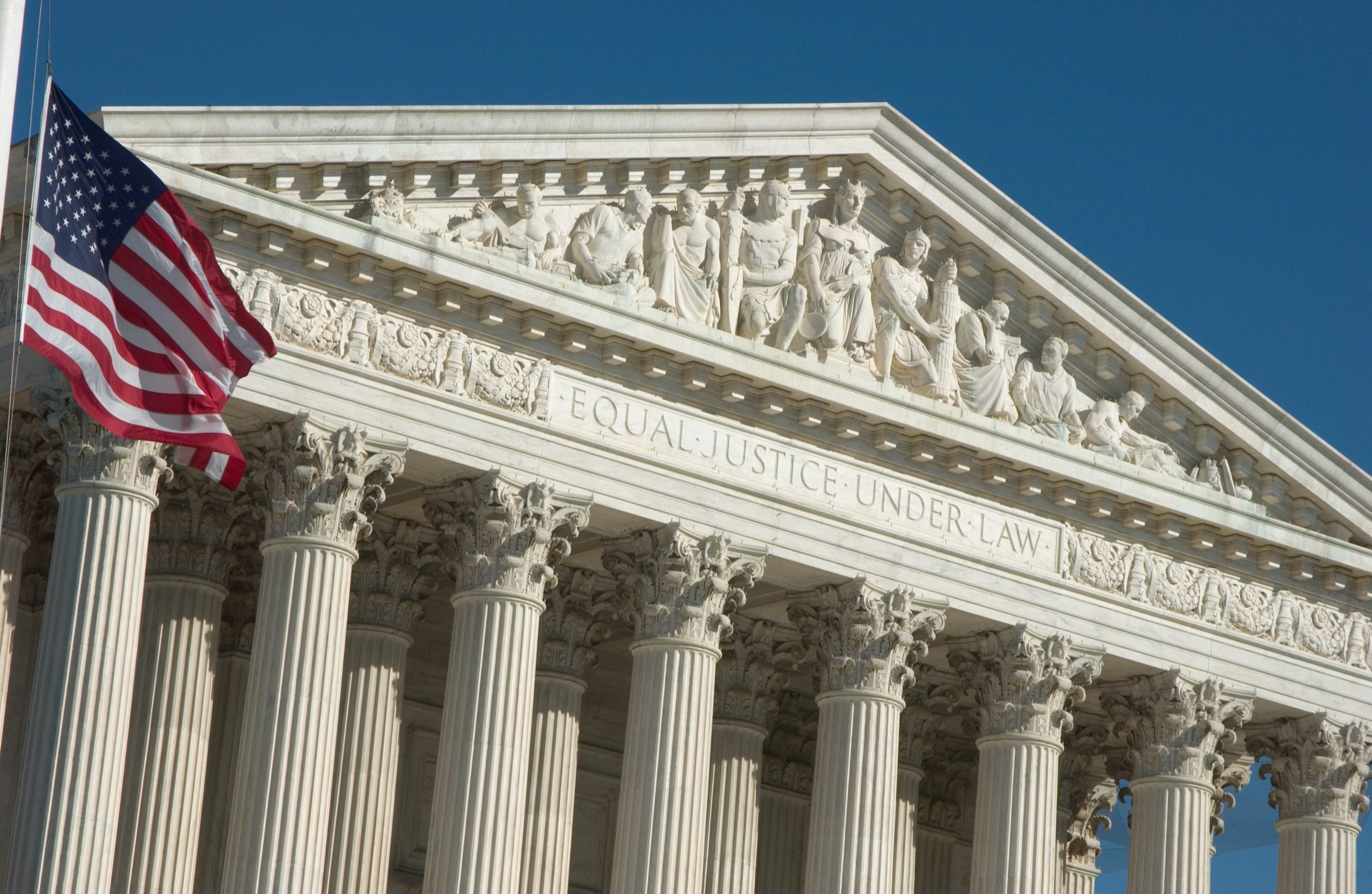
U.S. Supreme Court leans toward Catholic schools in clash over pre-K funding #Catholic A majority of U.S. Supreme Court justices sounded ready to require that Colorado provide Catholic schools government funding for preschool even if the schools refuse to guarantee admission for children of same-sex couples, during oral arguments Tuesday in a case involving a school in the Archdiocese of Denver.The case, St. Mary School v. Roy, centers on a preschool-through-grade-8 Catholic school in Littleton that wants to participate in the state’s universal preschool program.Justice Brett Kavanaugh, a member of the court’s conservative majority, described the case as a clash between the free exercise of religion and the right to same-sex marriage the court found in Obergefell v. Hodges in 2015. But he suggested the clash is unnecessary because parents in Colorado have so many options for prekindergarten, since there are more than 2,000 providers in the state, while the Archdiocese of Denver has only 34 schools that provide the service.“Why has this been provoked when there’s an ability for everyone to go to the school, a good school, that’s a fit for them, and to respect religious rights?” he asked.Helen Norton, deputy solicitor general for the state of Colorado, said parents often choose prekindergarten programs based on their location and their hours rather than their curriculum.“Colorado has an interest in ensuring that its public funds go to schools that ensure equal opportunity — not some opportunity, that ensure equal opportunity to public-funded options, regardless of protected-class status,” Norton said, replying to Kavanaugh’s question. “Families are harmed when they’re turned away from the publicly funded school that makes their lives work because of their protected-class status.”‘Creating a Catholic community’In 2020, Colorado voters approved a state-funded universal prekindergarten program, using increases in tobacco-related taxes to pay for it. The state government is planning to spend about $360 million for the program during the 2026-2027 school year. The state pays preschool providers about $6,100 per year for 15 hours a week of instruction for 4-year-olds during the 2026-2027 school year, according to state standards.Catholic schools want to participate in the program, but the Archdiocese of Denver objects to a state mandate concerning admissions.A Colorado state statute requires that preschools participating in the funding program provide children “an equal opportunity to enroll and receive preschool services” regardless of eight protected classes — including “sexual orientation” and “gender identity” — “as such characteristics and circumstances apply to the child or the child’s family.”A lawyer for the Catholic schools told justices Tuesday that Church and school officials want to make admissions decisions on a case-by-case basis in alignment with Catholic teachings instead of simply allowing all comers because of a state mandate.“I think it’s their thoughtful attempt to say, ‘We’re creating a Catholic community,’” said Nicholas Reaves, senior counsel for the Becket law group, which is representing the Catholic schools.Reaves got hostile questions from the court’s three liberals (Sonia Sotomayor, Elena Kagan, and Ketanji Brown Jackson) and either friendly or neutral questions from the court’s five conservatives (Clarence Thomas, Samuel Alito, Brett Kavanaugh, Neil Gorsuch, and Amy Coney Barrett), which suggests how the decision might ultimately go. (The chief justice, John Roberts, often seen as a swing vote, mostly moderated the discussion.)Sarah Harris, principal deputy solicitor general in the Trump administration, also argued on the Catholic schools’ side during oral presentations Tuesday.Many optionsThe history of Catholic schools in the 19th century came up during oral arguments, including their origin in concerns among Catholic clerics and parents that government-run public schools were providing a Protestant point of view to the exclusion of Catholicism. Kavanaugh, a Catholic, at one point asked the lawyer for the state of Colorado about a moment in the trial record when the administrator of the state’s universal prekindergarten program was asked about Catholic history.“The director of the program, by all accounts a dutiful public servant, … was asked at the trial, ‘Are you aware that Catholics have historically been discriminated against?’ And she answered, ‘No,’” Kavanaugh said. “I was surprised by that answer and curious if that’s Colorado’s position.”“Not at all, Your Honor,” Norton replied. “And it’s Colorado’s position that the equal-opportunity requirements help religious families. They ensure that Catholic families are not turned away from the UPK [universal prekindergarten] school that best meets their needs because of their faith or because of any other protected characteristic. And a history of discrimination against Catholics is among the reasons that requirement is so important.”Some legal observers have suggested that a majority of the U.S. Supreme Court may use the Colorado case as a vehicle to overturn the Smith decision in 1990, which, although written by the late conservative Justice Antonin Scalia, is disliked by many religious-liberty advocates who argue it doesn’t respect free-exercise rights enough.Yet the lawyer representing the Catholic schools on Tuesday offered narrower grounds for the justices to overturn Colorado’s admissions requirements, noting that for every Catholic preschool program in the Archdiocese of Denver, there are two universal prekindergarten programs already in the state’s program within three miles of it.Said Reaves: “This is just not really a problem in real life.”This story was first published by the National Catholic Register, the sister partner of EWTN News, and has been adapted by EWTN News.

U.S. Supreme Court leans toward Catholic schools in clash over pre-K funding #Catholic A majority of U.S. Supreme Court justices sounded ready to require that Colorado provide Catholic schools government funding for preschool even if the schools refuse to guarantee admission for children of same-sex couples, during oral arguments Tuesday in a case involving a school in the Archdiocese of Denver.The case, St. Mary School v. Roy, centers on a preschool-through-grade-8 Catholic school in Littleton that wants to participate in the state’s universal preschool program.Justice Brett Kavanaugh, a member of the court’s conservative majority, described the case as a clash between the free exercise of religion and the right to same-sex marriage the court found in Obergefell v. Hodges in 2015. But he suggested the clash is unnecessary because parents in Colorado have so many options for prekindergarten, since there are more than 2,000 providers in the state, while the Archdiocese of Denver has only 34 schools that provide the service.“Why has this been provoked when there’s an ability for everyone to go to the school, a good school, that’s a fit for them, and to respect religious rights?” he asked.Helen Norton, deputy solicitor general for the state of Colorado, said parents often choose prekindergarten programs based on their location and their hours rather than their curriculum.“Colorado has an interest in ensuring that its public funds go to schools that ensure equal opportunity — not some opportunity, that ensure equal opportunity to public-funded options, regardless of protected-class status,” Norton said, replying to Kavanaugh’s question. “Families are harmed when they’re turned away from the publicly funded school that makes their lives work because of their protected-class status.”‘Creating a Catholic community’In 2020, Colorado voters approved a state-funded universal prekindergarten program, using increases in tobacco-related taxes to pay for it. The state government is planning to spend about $360 million for the program during the 2026-2027 school year. The state pays preschool providers about $6,100 per year for 15 hours a week of instruction for 4-year-olds during the 2026-2027 school year, according to state standards.Catholic schools want to participate in the program, but the Archdiocese of Denver objects to a state mandate concerning admissions.A Colorado state statute requires that preschools participating in the funding program provide children “an equal opportunity to enroll and receive preschool services” regardless of eight protected classes — including “sexual orientation” and “gender identity” — “as such characteristics and circumstances apply to the child or the child’s family.”A lawyer for the Catholic schools told justices Tuesday that Church and school officials want to make admissions decisions on a case-by-case basis in alignment with Catholic teachings instead of simply allowing all comers because of a state mandate.“I think it’s their thoughtful attempt to say, ‘We’re creating a Catholic community,’” said Nicholas Reaves, senior counsel for the Becket law group, which is representing the Catholic schools.Reaves got hostile questions from the court’s three liberals (Sonia Sotomayor, Elena Kagan, and Ketanji Brown Jackson) and either friendly or neutral questions from the court’s five conservatives (Clarence Thomas, Samuel Alito, Brett Kavanaugh, Neil Gorsuch, and Amy Coney Barrett), which suggests how the decision might ultimately go. (The chief justice, John Roberts, often seen as a swing vote, mostly moderated the discussion.)Sarah Harris, principal deputy solicitor general in the Trump administration, also argued on the Catholic schools’ side during oral presentations Tuesday.Many optionsThe history of Catholic schools in the 19th century came up during oral arguments, including their origin in concerns among Catholic clerics and parents that government-run public schools were providing a Protestant point of view to the exclusion of Catholicism. Kavanaugh, a Catholic, at one point asked the lawyer for the state of Colorado about a moment in the trial record when the administrator of the state’s universal prekindergarten program was asked about Catholic history.“The director of the program, by all accounts a dutiful public servant, … was asked at the trial, ‘Are you aware that Catholics have historically been discriminated against?’ And she answered, ‘No,’” Kavanaugh said. “I was surprised by that answer and curious if that’s Colorado’s position.”“Not at all, Your Honor,” Norton replied. “And it’s Colorado’s position that the equal-opportunity requirements help religious families. They ensure that Catholic families are not turned away from the UPK [universal prekindergarten] school that best meets their needs because of their faith or because of any other protected characteristic. And a history of discrimination against Catholics is among the reasons that requirement is so important.”Some legal observers have suggested that a majority of the U.S. Supreme Court may use the Colorado case as a vehicle to overturn the Smith decision in 1990, which, although written by the late conservative Justice Antonin Scalia, is disliked by many religious-liberty advocates who argue it doesn’t respect free-exercise rights enough.Yet the lawyer representing the Catholic schools on Tuesday offered narrower grounds for the justices to overturn Colorado’s admissions requirements, noting that for every Catholic preschool program in the Archdiocese of Denver, there are two universal prekindergarten programs already in the state’s program within three miles of it.Said Reaves: “This is just not really a problem in real life.”This story was first published by the National Catholic Register, the sister partner of EWTN News, and has been adapted by EWTN News.

A Colorado case pits sexual orientation and gender-identity protections against religious standards for school admissions.
Read More
Bishops urge religious liberty language in IRS school discrimination rule – #Catholic – The U.S. Conference of Catholic Bishops (USCCB) is urging the Internal Revenue Service (IRS) to include stronger language to safeguard the religious missions of private religious schools in a proposed antidiscrimination regulation.The IRS just concluded the public comment period for a rule that would remove the tax-exempt status of private K-12 schools, colleges, and universities that consider a person’s race or ethnic background in admissions, financial aid, scholarships, or other opportunities.Although the preamble of the proposed regulation states it would not prevent private religious schools from maintaining their religious missions and can have selection criteria based on the person’s religious affiliation, the USCCB warned that this language is not included in the rule itself.In a public comment submitted Nov. 2 by the USCCB, the bishops also warned the proposed language could prohibit “religiously motivated programs addressing ethnoreligious identity and community needs” as well. This concern is because the preamble text only permits selection criteria if it “is based solely on religion and not on shared ancestry or ethnic characteristics.”The bishops requested the IRS add religious liberty language to the regulation itself and remove the word “solely” from that text before approving a final rule. The bishops also encouraged the IRS to address federal legal protections for religious schools — including the First Amendment and the Religious Freedom Restoration Act — in both the preamble and the rule itself.Additionally, the bishops requested that the IRS direct its personnel not to “second-guess” a religious school’s doctrine and to include explicit language that sincerely held religious belief does not violate the rule. They are also asking that private schools get a period to correct any violation before enforcement action is taken.The USCCB was joined in its public comment by the Association of Catholic Colleges and Universities and The Catholic University of America.University of Providence to shut downThe University of Providence — a Catholic higher education institution in Great Falls, Montana — announced it will shut down operations at the end of the 2026-2027 academic year, citing financial struggles that cannot be overcome.According to a news release, the university suffered enrollment decline and financial pressures, which led officials to restructure academic programs, reduce operating expenses, and pursue new enrollment and revenue strategies. Although this softened the financial struggles, it did not create a long-term sustainable operating model, it stated.“We recognize the grief and uncertainty this decision will bring to students, families, employees, alumni and the Great Falls community,” Caroline Goulet, the university president, said in a statement.“Our responsibility now is to care for the people who make up this University community, maintain the quality of their educational experience, and provide clear guidance and support as they prepare for what comes next,” she said.The university promised to help students transfer to other institutions to complete their degrees.Notre Dame announces Global Saints InitiativeThe University of Notre Dame announced the start of the Global Saints Initiative in 2027, which will focus on adding iconography of more saints at the Basilica of the Sacred Heart, which sits at the center of the campus.The iconography will include saints from five continents and nine countries to reflect the broad cultural dimensions of the Catholic Church, according to a news release from the university.“Just as university founder Father Edward Sorin carefully selected saints for the Basilica that spoke to the Notre Dame students of his day, these new icons reflect the diverse vocations, cultures, and backgrounds of today’s campus community and the wider Church,” Father Pete McCormick, CSC, assistant vice president for campus ministry, said in a statement.“I am incredibly grateful to have the opportunity to share these stories of holiness with all who visit the Basilica and especially with our students who I’m hopeful will be able to identify with and learn from these witnesses of faith,” he said.The announcement states that the iconography will be installed in January 2027, before the spring semester begins.Study shows concerns with SATsA study conducted by Johns Hopkins University’s Institute for Education Policy — sponsored by Thomas Aquinas College, a Catholic institution — found concerns with changes to SAT tests, which many students take before applying to college.When comparing the SAT tests from 1980 and 1987 to tests today, the study found changes that diminish the emphasis on the students’ ability to read and analyze difficult text, according to a news release from Thomas Aquinas College.“The makers of the SAT seem to believe that the ability to tackle long and complex literary works isn’t an important skill for college students anymore,” Thomas Aquinas College Vice President John J. Goyette said in a statement.“Sadly, given the state of modern higher education, they’re probably right,” he said.The study notes that passages are shorter, sometimes one-third of the former length, and there was a drop in vocabulary questions that require independent word knowledge, from 60 to 10.It notes that newer tests nearly eliminated argumentative and persuasive readings and replaced reading passages that assumed prior knowledge and understanding with texts that reveal the meaning through context clues.

Bishops urge religious liberty language in IRS school discrimination rule – #Catholic – The U.S. Conference of Catholic Bishops (USCCB) is urging the Internal Revenue Service (IRS) to include stronger language to safeguard the religious missions of private religious schools in a proposed antidiscrimination regulation.The IRS just concluded the public comment period for a rule that would remove the tax-exempt status of private K-12 schools, colleges, and universities that consider a person’s race or ethnic background in admissions, financial aid, scholarships, or other opportunities.Although the preamble of the proposed regulation states it would not prevent private religious schools from maintaining their religious missions and can have selection criteria based on the person’s religious affiliation, the USCCB warned that this language is not included in the rule itself.In a public comment submitted Nov. 2 by the USCCB, the bishops also warned the proposed language could prohibit “religiously motivated programs addressing ethnoreligious identity and community needs” as well. This concern is because the preamble text only permits selection criteria if it “is based solely on religion and not on shared ancestry or ethnic characteristics.”The bishops requested the IRS add religious liberty language to the regulation itself and remove the word “solely” from that text before approving a final rule. The bishops also encouraged the IRS to address federal legal protections for religious schools — including the First Amendment and the Religious Freedom Restoration Act — in both the preamble and the rule itself.Additionally, the bishops requested that the IRS direct its personnel not to “second-guess” a religious school’s doctrine and to include explicit language that sincerely held religious belief does not violate the rule. They are also asking that private schools get a period to correct any violation before enforcement action is taken.The USCCB was joined in its public comment by the Association of Catholic Colleges and Universities and The Catholic University of America.University of Providence to shut downThe University of Providence — a Catholic higher education institution in Great Falls, Montana — announced it will shut down operations at the end of the 2026-2027 academic year, citing financial struggles that cannot be overcome.According to a news release, the university suffered enrollment decline and financial pressures, which led officials to restructure academic programs, reduce operating expenses, and pursue new enrollment and revenue strategies. Although this softened the financial struggles, it did not create a long-term sustainable operating model, it stated.“We recognize the grief and uncertainty this decision will bring to students, families, employees, alumni and the Great Falls community,” Caroline Goulet, the university president, said in a statement.“Our responsibility now is to care for the people who make up this University community, maintain the quality of their educational experience, and provide clear guidance and support as they prepare for what comes next,” she said.The university promised to help students transfer to other institutions to complete their degrees.Notre Dame announces Global Saints InitiativeThe University of Notre Dame announced the start of the Global Saints Initiative in 2027, which will focus on adding iconography of more saints at the Basilica of the Sacred Heart, which sits at the center of the campus.The iconography will include saints from five continents and nine countries to reflect the broad cultural dimensions of the Catholic Church, according to a news release from the university.“Just as university founder Father Edward Sorin carefully selected saints for the Basilica that spoke to the Notre Dame students of his day, these new icons reflect the diverse vocations, cultures, and backgrounds of today’s campus community and the wider Church,” Father Pete McCormick, CSC, assistant vice president for campus ministry, said in a statement.“I am incredibly grateful to have the opportunity to share these stories of holiness with all who visit the Basilica and especially with our students who I’m hopeful will be able to identify with and learn from these witnesses of faith,” he said.The announcement states that the iconography will be installed in January 2027, before the spring semester begins.Study shows concerns with SATsA study conducted by Johns Hopkins University’s Institute for Education Policy — sponsored by Thomas Aquinas College, a Catholic institution — found concerns with changes to SAT tests, which many students take before applying to college.When comparing the SAT tests from 1980 and 1987 to tests today, the study found changes that diminish the emphasis on the students’ ability to read and analyze difficult text, according to a news release from Thomas Aquinas College.“The makers of the SAT seem to believe that the ability to tackle long and complex literary works isn’t an important skill for college students anymore,” Thomas Aquinas College Vice President John J. Goyette said in a statement.“Sadly, given the state of modern higher education, they’re probably right,” he said.The study notes that passages are shorter, sometimes one-third of the former length, and there was a drop in vocabulary questions that require independent word knowledge, from 60 to 10.It notes that newer tests nearly eliminated argumentative and persuasive readings and replaced reading passages that assumed prior knowledge and understanding with texts that reveal the meaning through context clues.

Here is a roundup of the latest news related to Catholic education.

Read More
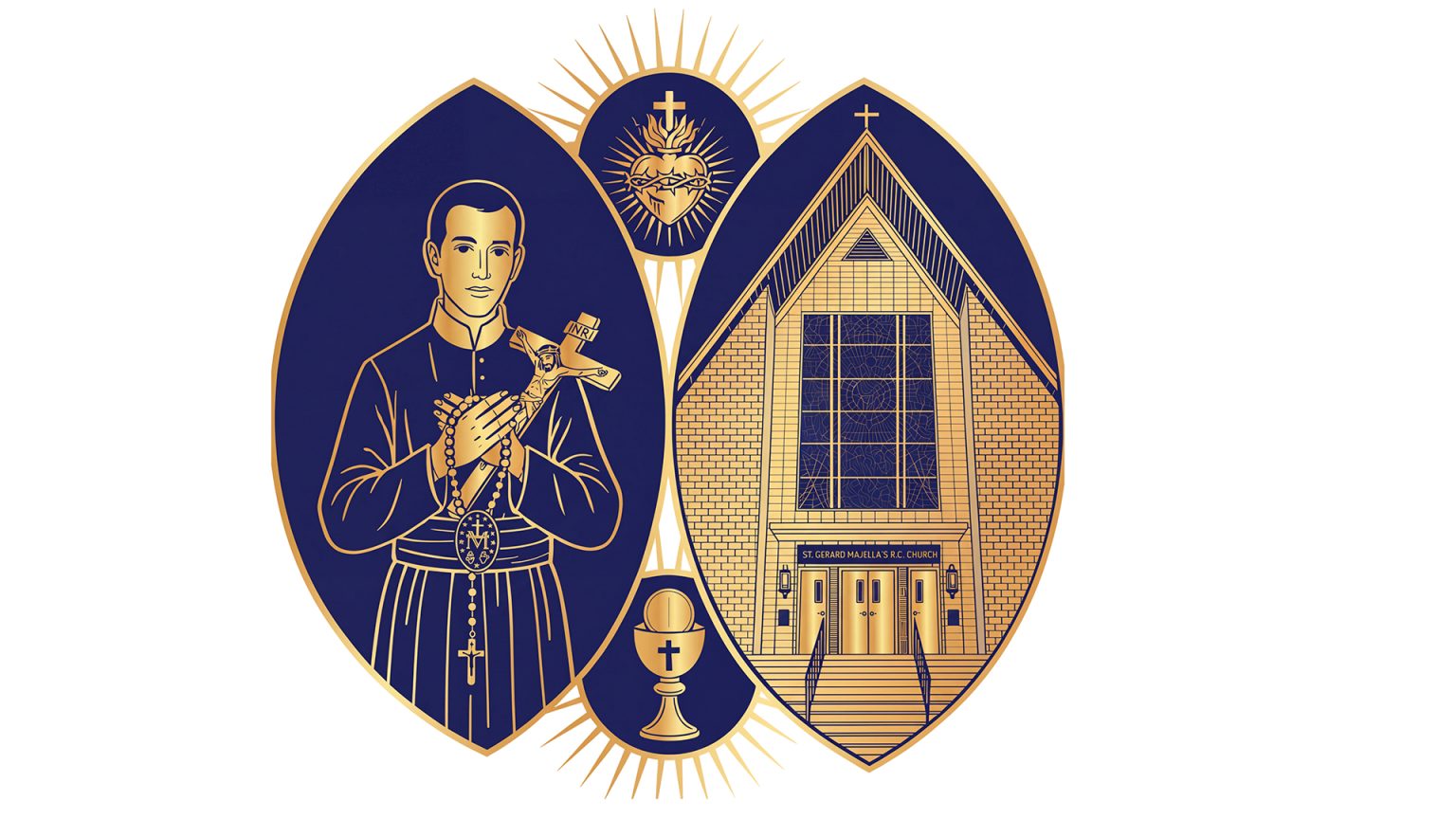
Paterson parish renews its mission during feast day Mass #Catholic – Some celebrations mark a moment in a parish’s life; others remind us who we are, where we have been, and where God is calling us to go. St. Gerard Majella Parish in Paterson, N.J. had one of those moments during a Mass for the feast day of its patron saint on Oct. 16.
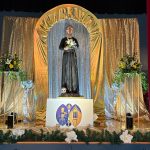
With about 150 members of the parish community gathered for the liturgy, the celebration brought together St. Gerard Majella’s rich spiritual heritage, the unveiling of a new parish logo, and the introduction of a renewed mission statement. Together, these elements tell a story of a parish honoring its past while looking toward the future with hope. The new parish motto is: “One Family in Christ, Growing in Faith, Rejoicing in Hope and Changing the World with Love.”
Over the past 18 months, the parish has been engaged in a synodal process of renewal, listening, reflection, and discernment. At the heart of this journey has been a desire to articulate more clearly not simply what the parish does, but who it is called to be as a community of faith.

Click here to subscribe to our weekly newsletter.

That distinction matters. A parish is more than a church building, a calendar of activities, or a collection of ministries. It is a community of people called together by Christ, nourished by the Eucharist, and sent forth to bring the Gospel into others’ lives.
The new mission statement grew out of this spirit of listening and discernment. Its introduction over four weeks, in both English and Spanish, allowed the parish community to reflect together on its identity, purpose, and hopes for the future.
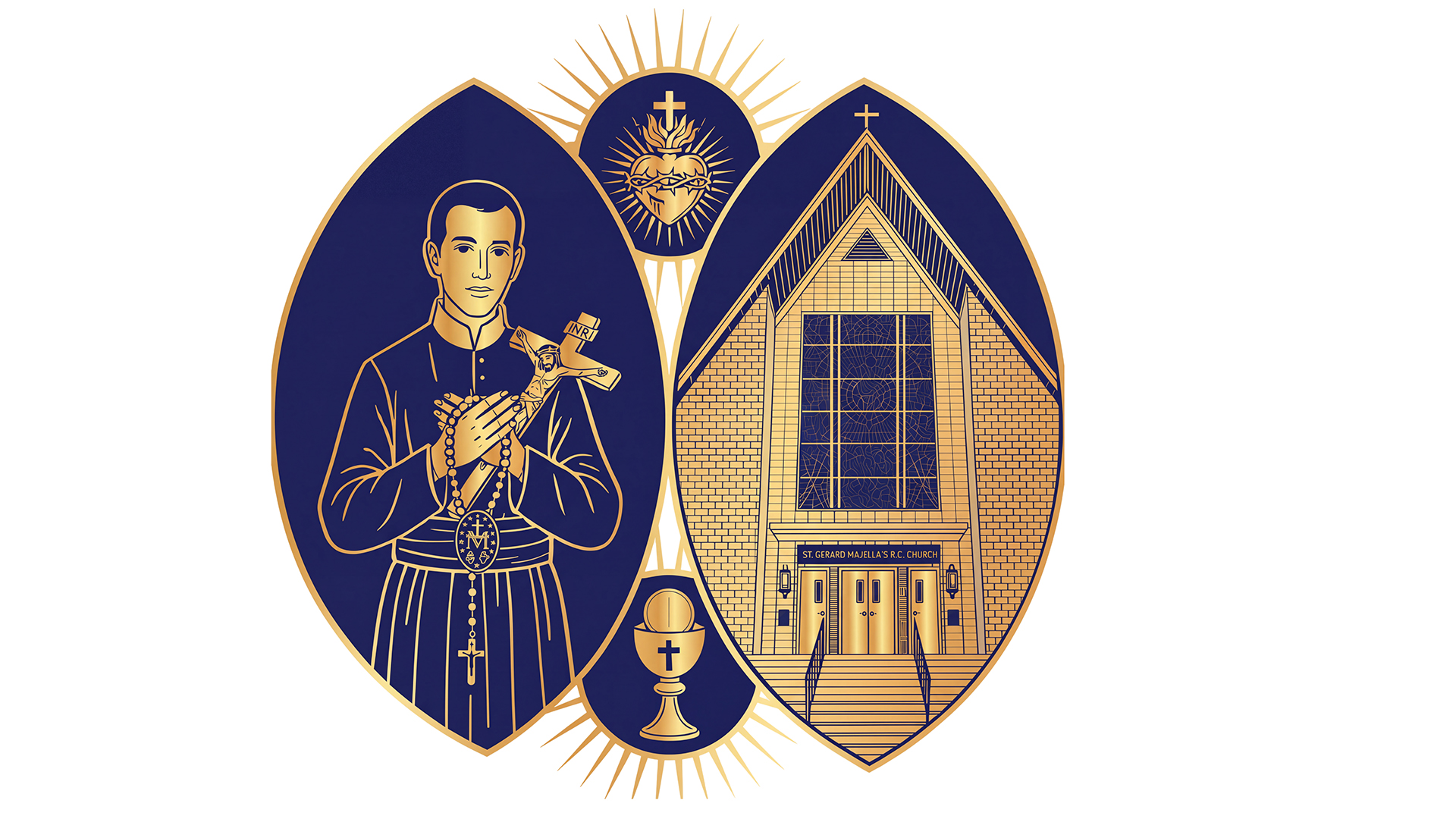
The new logo, developed by Father Sebastian Munoz, parochial vicar of St. Gerard’s, gives visual expression to that same sense of identity and purpose. More than a new image, it reminds us that the parish’s outward expression should reflect the faith, values, and mission that animate its life.
As Msgr. George Hundt, pastor of St. Gerard’s, continues to guide the parish through his pastoral vision, these developments offer an opportunity to renew our focus on evangelization, community building, and service. Renewal, after all, is not simply about introducing something new. It is about rediscovering what is essential and letting it shape how the parish lives its faith.
Paterson parish renews its mission during feast day Mass #Catholic – Some celebrations mark a moment in a parish’s life; others remind us who we are, where we have been, and where God is calling us to go. St. Gerard Majella Parish in Paterson, N.J. had one of those moments during a Mass for the feast day of its patron saint on Oct. 16. With about 150 members of the parish community gathered for the liturgy, the celebration brought together St. Gerard Majella’s rich spiritual heritage, the unveiling of a new parish logo, and the introduction of a renewed mission statement. Together, these elements tell a story of a parish honoring its past while looking toward the future with hope. The new parish motto is: “One Family in Christ, Growing in Faith, Rejoicing in Hope and Changing the World with Love.” Over the past 18 months, the parish has been engaged in a synodal process of renewal, listening, reflection, and discernment. At the heart of this journey has been a desire to articulate more clearly not simply what the parish does, but who it is called to be as a community of faith. Click here to subscribe to our weekly newsletter. That distinction matters. A parish is more than a church building, a calendar of activities, or a collection of ministries. It is a community of people called together by Christ, nourished by the Eucharist, and sent forth to bring the Gospel into others’ lives. The new mission statement grew out of this spirit of listening and discernment. Its introduction over four weeks, in both English and Spanish, allowed the parish community to reflect together on its identity, purpose, and hopes for the future. The new logo, developed by Father Sebastian Munoz, parochial vicar of St. Gerard’s, gives visual expression to that same sense of identity and purpose. More than a new image, it reminds us that the parish’s outward expression should reflect the faith, values, and mission that animate its life. As Msgr. George Hundt, pastor of St. Gerard’s, continues to guide the parish through his pastoral vision, these developments offer an opportunity to renew our focus on evangelization, community building, and service. Renewal, after all, is not simply about introducing something new. It is about rediscovering what is essential and letting it shape how the parish lives its faith.

Paterson parish renews its mission during feast day Mass #Catholic –

Some celebrations mark a moment in a parish’s life; others remind us who we are, where we have been, and where God is calling us to go. St. Gerard Majella Parish in Paterson, N.J. had one of those moments during a Mass for the feast day of its patron saint on Oct. 16.

With about 150 members of the parish community gathered for the liturgy, the celebration brought together St. Gerard Majella’s rich spiritual heritage, the unveiling of a new parish logo, and the introduction of a renewed mission statement. Together, these elements tell a story of a parish honoring its past while looking toward the future with hope. The new parish motto is: “One Family in Christ, Growing in Faith, Rejoicing in Hope and Changing the World with Love.”

Over the past 18 months, the parish has been engaged in a synodal process of renewal, listening, reflection, and discernment. At the heart of this journey has been a desire to articulate more clearly not simply what the parish does, but who it is called to be as a community of faith.


Click here to subscribe to our weekly newsletter.

That distinction matters. A parish is more than a church building, a calendar of activities, or a collection of ministries. It is a community of people called together by Christ, nourished by the Eucharist, and sent forth to bring the Gospel into others’ lives.

The new mission statement grew out of this spirit of listening and discernment. Its introduction over four weeks, in both English and Spanish, allowed the parish community to reflect together on its identity, purpose, and hopes for the future.

The new logo, developed by Father Sebastian Munoz, parochial vicar of St. Gerard’s, gives visual expression to that same sense of identity and purpose. More than a new image, it reminds us that the parish’s outward expression should reflect the faith, values, and mission that animate its life.

As Msgr. George Hundt, pastor of St. Gerard’s, continues to guide the parish through his pastoral vision, these developments offer an opportunity to renew our focus on evangelization, community building, and service. Renewal, after all, is not simply about introducing something new. It is about rediscovering what is essential and letting it shape how the parish lives its faith.

– Some celebrations mark a moment in a parish’s life; others remind us who we are, where we have been, and where God is calling us to go. St. Gerard Majella Parish in Paterson, N.J. had one of those moments during a Mass for the feast day of its patron saint on Oct. 16. With about 150 members of the parish community gathered for the liturgy, the celebration brought together St. Gerard Majella’s rich spiritual heritage, the unveiling of a new parish logo, and the introduction of a renewed mission statement. Together, these elements tell a story of a parish honoring
Read More
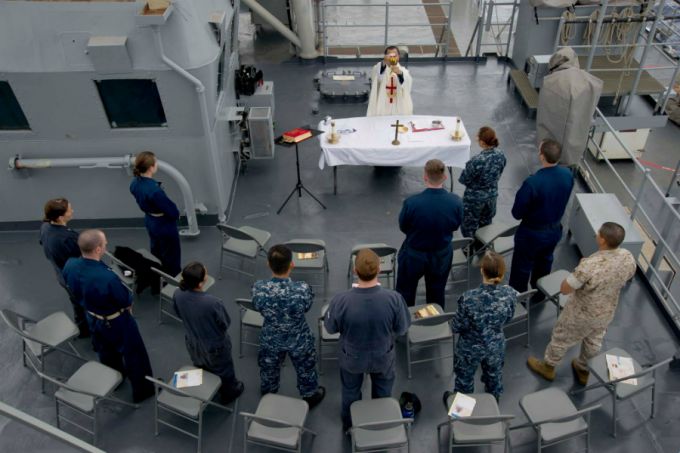
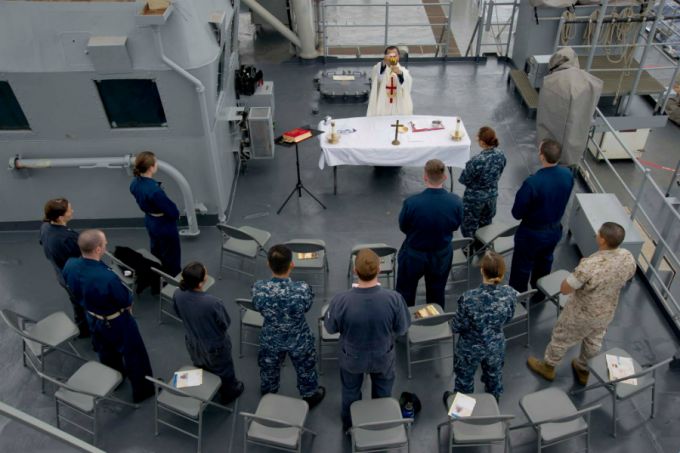
Active-duty military service members have new pathway to become chaplains – #Catholic – Acting Secretary of the U.S. Navy Hung Cao announced the Chaplain In-Service Procurement Program on Oct. 30, describing it as a new pathway for active-duty Navy and Marine Corps personnel to become Navy chaplains.The first initiative to come from the Department of War’s recently established Office of Religious Affairs, Secretary of War Pete Hegseth called the program that office’s “first win.”Under the funded option of the new program, the service covers tuition for a qualifying graduate theological degree at an accredited U.S. institution while service members remain on active duty. After graduation, they will transition temporarily to inactive status through the Career Intermission Program to gain a minimum of two (and not more than three) years of full-time religious leadership experience as a religious ministry professional with their endorsing organization, after which they may then be commissioned as active-duty Navy Chaplain Corps officers.Previously, active-duty Sailors or Marines who felt called to the chaplaincy usually had to leave military service, losing pay and benefits, to complete seminary and professional ministry experience as civilians, at their own expense, and then reapply. No dedicated in-service pipeline existed for this purpose.Cao urged leaders to identify Navy and Marine Corps members “from every faith tradition,” both officers and enlisted, “who possess the character, calling, and commitment” required for the program, which was authorized under the National Defense Authorization Act.“Spiritual readiness is combat readiness,” he wrote in the announcement.Hegseth said the same day that previously, when service members had to leave the military to pursue theological studies, it lost many “good warriors who wanted to answer Godʼs call. But not anymore.”He said he established the Office of Religious Affairs “to champion the spiritual readiness of our force,” calling the new program its “first win.”“Chaplains are the backbone of this military,” he said. “And some of our warfighters watching this are feeling a divine calling to the chaplaincy. To you, I encourage you with the words of Isaiah … ‘Here I am, send me.’”“President Trumpʼs Department of War will not make you choose between the uniform and your calling,” Hegseth continued, noting bipartisan congressional support for the program.“Republicans and Democrats in Congress saw the importance of this and made it law. To those who feel called to be a chaplain, the Department of War has your back. Be strong and very courageous,” he said.Archbishop welcomes initiative, but says it is of ‘little value’ to Catholics without changesArchbishop Timothy Broglio, head of the Archdiocese for the Military Services, USA, (AMS) told EWTN News that while the archdiocese welcomes the "effort to encourage chaplain service, the initiative is of little value to prospective Catholic chaplains” without some changes.Broglio pointed out that candidates for the priesthood spend at least seven years in academic, pastoral, and spiritual formation, noting that the program “only envisions three.”After years of seminary formation, co-sponsored by the AMS and their home dioceses, Catholics called to serve as chaplains must then engage in three years of civilian pastoral service before serving in the military.Broglio said missing from the program is an allowance for the additional three years of civilian pastoral service, a period he said is intended to provide hands-on experience and which is a general condition for a chaplain candidate to receive AMS endorsement for active-duty service.He encouraged the military to “consider allowing for both the time in formation and the pastoral experience” in order to support prospective Catholic chaplains.Retreat for young men considering military chaplaincyThe announcement of the new chaplaincy program coincided with a discernment retreat hosted by AMS for young men considering the vocation to military chaplaincy.According to the archdiocese, Broglio hosted 33 prospective Catholic chaplains at the Fall Discernment Retreat held Oct. 29–Nov. 1, the beginning of National Vocation Awareness Week, at St. Mary’s Seminary in Baltimore. Participants from dioceses across the country prayed together, took part in adoration and Holy Hours, and heard talks from Broglio, archdiocesan vocations director Father Paul-Anthony Halladay, and military chaplains on topics including discernment, the role of priests as spiritual fathers, and the lives and examples of chaplains who served in each of the military’s branches.

Active-duty military service members have new pathway to become chaplains – #Catholic – Acting Secretary of the U.S. Navy Hung Cao announced the Chaplain In-Service Procurement Program on Oct. 30, describing it as a new pathway for active-duty Navy and Marine Corps personnel to become Navy chaplains.The first initiative to come from the Department of War’s recently established Office of Religious Affairs, Secretary of War Pete Hegseth called the program that office’s “first win.”Under the funded option of the new program, the service covers tuition for a qualifying graduate theological degree at an accredited U.S. institution while service members remain on active duty. After graduation, they will transition temporarily to inactive status through the Career Intermission Program to gain a minimum of two (and not more than three) years of full-time religious leadership experience as a religious ministry professional with their endorsing organization, after which they may then be commissioned as active-duty Navy Chaplain Corps officers.Previously, active-duty Sailors or Marines who felt called to the chaplaincy usually had to leave military service, losing pay and benefits, to complete seminary and professional ministry experience as civilians, at their own expense, and then reapply. No dedicated in-service pipeline existed for this purpose.Cao urged leaders to identify Navy and Marine Corps members “from every faith tradition,” both officers and enlisted, “who possess the character, calling, and commitment” required for the program, which was authorized under the National Defense Authorization Act.“Spiritual readiness is combat readiness,” he wrote in the announcement.Hegseth said the same day that previously, when service members had to leave the military to pursue theological studies, it lost many “good warriors who wanted to answer Godʼs call. But not anymore.”He said he established the Office of Religious Affairs “to champion the spiritual readiness of our force,” calling the new program its “first win.”“Chaplains are the backbone of this military,” he said. “And some of our warfighters watching this are feeling a divine calling to the chaplaincy. To you, I encourage you with the words of Isaiah … ‘Here I am, send me.’”“President Trumpʼs Department of War will not make you choose between the uniform and your calling,” Hegseth continued, noting bipartisan congressional support for the program.“Republicans and Democrats in Congress saw the importance of this and made it law. To those who feel called to be a chaplain, the Department of War has your back. Be strong and very courageous,” he said.Archbishop welcomes initiative, but says it is of ‘little value’ to Catholics without changesArchbishop Timothy Broglio, head of the Archdiocese for the Military Services, USA, (AMS) told EWTN News that while the archdiocese welcomes the "effort to encourage chaplain service, the initiative is of little value to prospective Catholic chaplains” without some changes.Broglio pointed out that candidates for the priesthood spend at least seven years in academic, pastoral, and spiritual formation, noting that the program “only envisions three.”After years of seminary formation, co-sponsored by the AMS and their home dioceses, Catholics called to serve as chaplains must then engage in three years of civilian pastoral service before serving in the military.Broglio said missing from the program is an allowance for the additional three years of civilian pastoral service, a period he said is intended to provide hands-on experience and which is a general condition for a chaplain candidate to receive AMS endorsement for active-duty service.He encouraged the military to “consider allowing for both the time in formation and the pastoral experience” in order to support prospective Catholic chaplains.Retreat for young men considering military chaplaincyThe announcement of the new chaplaincy program coincided with a discernment retreat hosted by AMS for young men considering the vocation to military chaplaincy.According to the archdiocese, Broglio hosted 33 prospective Catholic chaplains at the Fall Discernment Retreat held Oct. 29–Nov. 1, the beginning of National Vocation Awareness Week, at St. Mary’s Seminary in Baltimore. Participants from dioceses across the country prayed together, took part in adoration and Holy Hours, and heard talks from Broglio, archdiocesan vocations director Father Paul-Anthony Halladay, and military chaplains on topics including discernment, the role of priests as spiritual fathers, and the lives and examples of chaplains who served in each of the military’s branches.

Previously, service members had to leave the military to pursue theological training and then reapply to become chaplains.
Read More
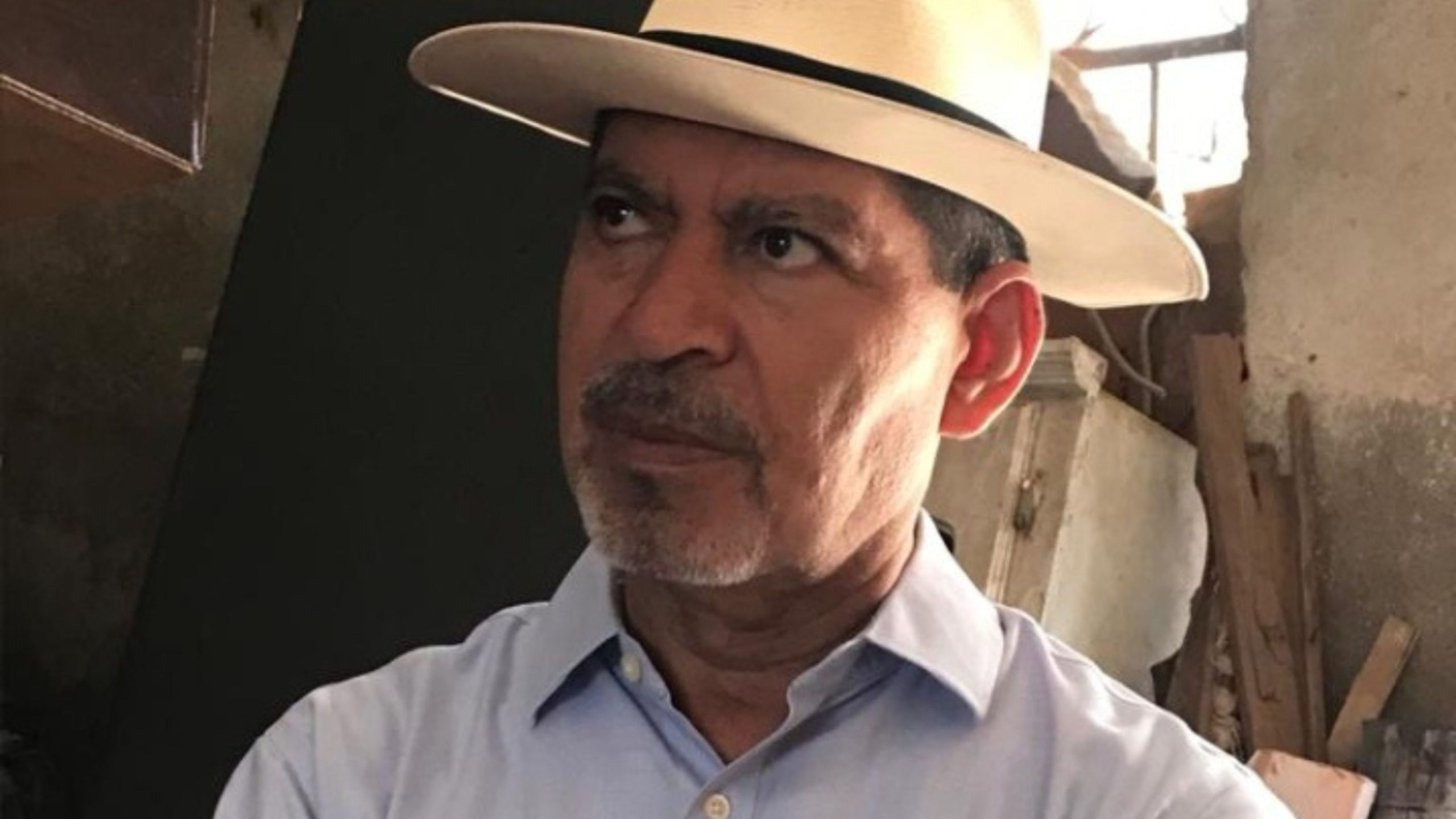
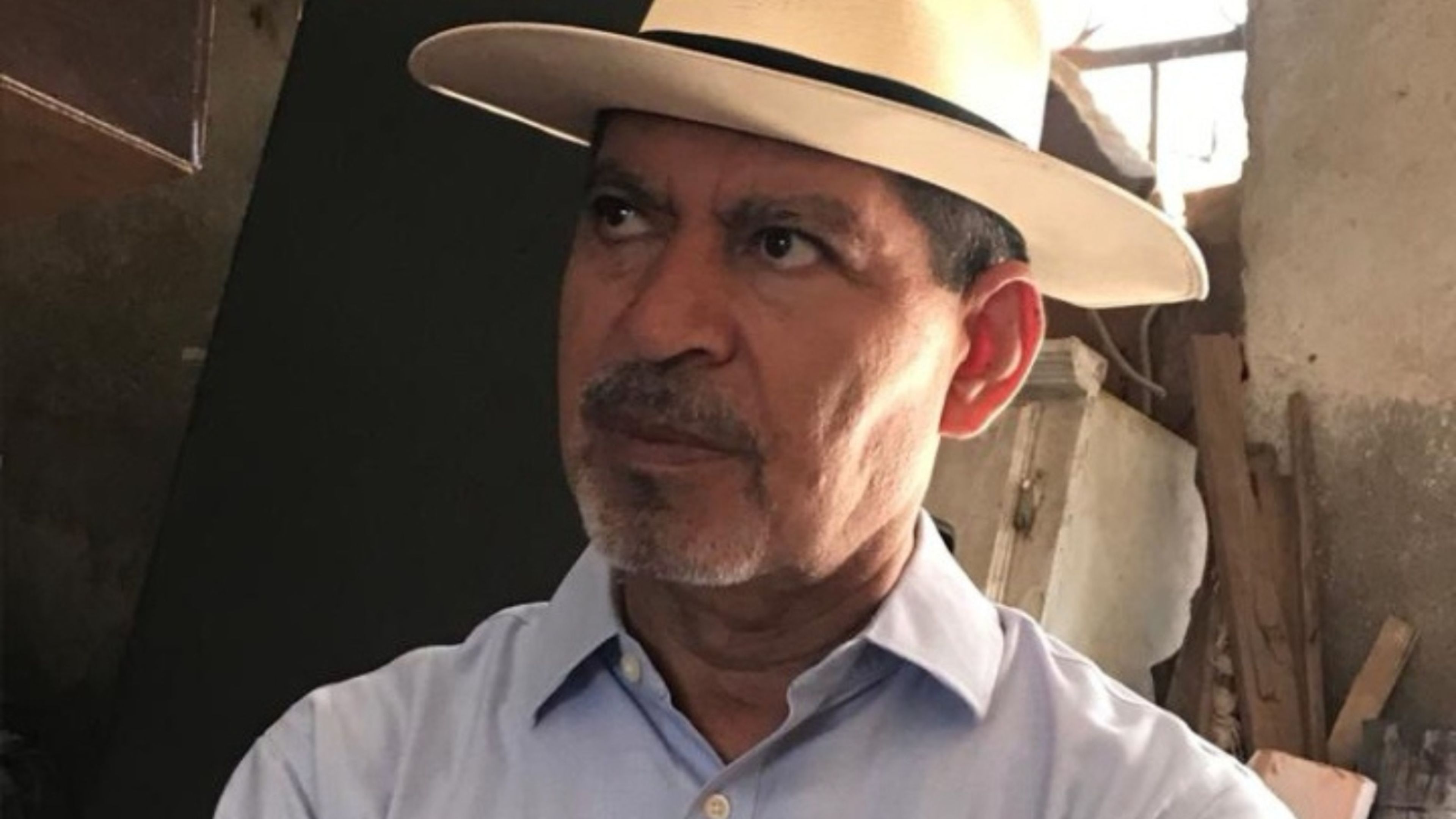
Mexican priest recovers from kidnapping ordeal – #Catholic – Mexican priest Father Clemente Morales Topete endured beatings, burns, and death threats after being abducted by a group of unknown individuals who held him captive for three days.Bishop José de Jesús Herrera Quiñones of the Diocese of Culiacán in Sinaloa state reported what happened in a Nov. 1 statement, providing details on the assault. Herrera was reported missing on the afternoon of Saturday, Oct. 24, after he had gone to a medical appointment.The prelate recounted that Morales returned on his own to his parish, Risen Christ, on Tuesday, Oct. 27. He arrived, as described, “in a deplorable state, showing clear signs of the violence he had been subjected to.”Seeing his condition, members of the community administered first aid; he was subsequently “taken to a clinic for specialized medical care, as he had sustained multiple blows and burns on various parts of his body.”Herrera clarified that the priest’s injuries “did not pose an immediate threat to his life,” though they did require medical follow-up. In addition to the physical aftereffects, there is “the psychological and emotional impact of threats that the priest reported having received against his person.”Currently, Morales remains under medical observation. According to the bishop of Culiacán, his condition is improving, “though his recovery will require time, care, and comprehensive support.”Morales’ abductionRegarding the circumstances surrounding the priest’s disappearance, Herrera stated that Morales was “picked up,” a term used colloquially in Mexico as a synonym for kidnapping or unlawful confinement.“The priest was picked by a group of unknown individuals and taken to an unknown location; he was beaten and even sustained severe burns on his body, while being pressed for information that he didn’t have,” the bishop stated.He further noted that “he was held for three days, during which he received repeated death threats,” until he was released on Tuesday, Oct. 27.Herrera said the authorities are continuing their investigation, and he urged against “fueling speculation, naming those responsible without evidence, or contributing to misinformation.”Meanwhile, he expressed his confidence that the investigations will “fully determine what happened and that those responsible will be brought to justice.”In his message, Herrera expressed solidarity with those who have experienced a similar situation. “No priest or person should be subjected to threats or attacks for fulfilling their mission.”While expressing “relief and gratitude” that Morales came out alive from the ordeal, he noted that his case “joins those of so many individuals and families who suffer from this reality.”“We denounce, reject, and condemn actions that threaten the life and the physical and moral well-being of individuals including physical and psychological torture and arbitrary detention because they are contrary to human dignity,” he stated.2 years of violence in SinaloaThe attacks on Morales took place against a backdrop of escalating violence in Sinaloa. Since September 2024, numerous criminal acts including shootings, arson, and vehicle thefts have been reported from clashes between rival organized crime factions.In this context, the bishop of Culiacán acknowledged the efforts made to quell violence and insecurity in Sinaloa; however, he warned that these issues continue to “severely affect the daily life of our society.”He noted that the measures currently in place have “not been sufficient” to “restore the tranquility that our city so desperately needs.” Consequently, he urged that strategies be strengthened regarding prevention, security, the search for missing persons, the administration of justice, and comprehensive support for victims.‘We want peace’The call for peace, he noted, also requires the participation of society. He urged the people of Sinaloa to maintain “solidarity and respect toward those who have fallen victim to crime, as well as their families,” and to take up the responsibility that falls to every citizen.He also addressed those perpetrating violence: “We ask you to reflect on the harm you are causing, to listen to the voice of your conscience, and to turn your gaze toward God. It is within your power to put an end to this violence,” he urged.Finally, he invoked the intercession of Our Lady of the Rosary, patroness of the Diocese of Culiacán, that she might “accompany families searching for their loved ones, strengthen those who are suffering, and touch the hearts of those who have chosen the path of violence.”This story was first published by EWTN News Español, the Spanish-language sister service of EWTN News. It has been translated and adapted by EWTN News English.

Mexican priest recovers from kidnapping ordeal – #Catholic – Mexican priest Father Clemente Morales Topete endured beatings, burns, and death threats after being abducted by a group of unknown individuals who held him captive for three days.Bishop José de Jesús Herrera Quiñones of the Diocese of Culiacán in Sinaloa state reported what happened in a Nov. 1 statement, providing details on the assault. Herrera was reported missing on the afternoon of Saturday, Oct. 24, after he had gone to a medical appointment.The prelate recounted that Morales returned on his own to his parish, Risen Christ, on Tuesday, Oct. 27. He arrived, as described, “in a deplorable state, showing clear signs of the violence he had been subjected to.”Seeing his condition, members of the community administered first aid; he was subsequently “taken to a clinic for specialized medical care, as he had sustained multiple blows and burns on various parts of his body.”Herrera clarified that the priest’s injuries “did not pose an immediate threat to his life,” though they did require medical follow-up. In addition to the physical aftereffects, there is “the psychological and emotional impact of threats that the priest reported having received against his person.”Currently, Morales remains under medical observation. According to the bishop of Culiacán, his condition is improving, “though his recovery will require time, care, and comprehensive support.”Morales’ abductionRegarding the circumstances surrounding the priest’s disappearance, Herrera stated that Morales was “picked up,” a term used colloquially in Mexico as a synonym for kidnapping or unlawful confinement.“The priest was picked by a group of unknown individuals and taken to an unknown location; he was beaten and even sustained severe burns on his body, while being pressed for information that he didn’t have,” the bishop stated.He further noted that “he was held for three days, during which he received repeated death threats,” until he was released on Tuesday, Oct. 27.Herrera said the authorities are continuing their investigation, and he urged against “fueling speculation, naming those responsible without evidence, or contributing to misinformation.”Meanwhile, he expressed his confidence that the investigations will “fully determine what happened and that those responsible will be brought to justice.”In his message, Herrera expressed solidarity with those who have experienced a similar situation. “No priest or person should be subjected to threats or attacks for fulfilling their mission.”While expressing “relief and gratitude” that Morales came out alive from the ordeal, he noted that his case “joins those of so many individuals and families who suffer from this reality.”“We denounce, reject, and condemn actions that threaten the life and the physical and moral well-being of individuals including physical and psychological torture and arbitrary detention because they are contrary to human dignity,” he stated.2 years of violence in SinaloaThe attacks on Morales took place against a backdrop of escalating violence in Sinaloa. Since September 2024, numerous criminal acts including shootings, arson, and vehicle thefts have been reported from clashes between rival organized crime factions.In this context, the bishop of Culiacán acknowledged the efforts made to quell violence and insecurity in Sinaloa; however, he warned that these issues continue to “severely affect the daily life of our society.”He noted that the measures currently in place have “not been sufficient” to “restore the tranquility that our city so desperately needs.” Consequently, he urged that strategies be strengthened regarding prevention, security, the search for missing persons, the administration of justice, and comprehensive support for victims.‘We want peace’The call for peace, he noted, also requires the participation of society. He urged the people of Sinaloa to maintain “solidarity and respect toward those who have fallen victim to crime, as well as their families,” and to take up the responsibility that falls to every citizen.He also addressed those perpetrating violence: “We ask you to reflect on the harm you are causing, to listen to the voice of your conscience, and to turn your gaze toward God. It is within your power to put an end to this violence,” he urged.Finally, he invoked the intercession of Our Lady of the Rosary, patroness of the Diocese of Culiacán, that she might “accompany families searching for their loved ones, strengthen those who are suffering, and touch the hearts of those who have chosen the path of violence.”This story was first published by EWTN News Español, the Spanish-language sister service of EWTN News. It has been translated and adapted by EWTN News English.

Mexican priest Clemente Morales Topete suffered beatings, burns, and death threats after being held against his will by a crime gang. The assailants were trying to extract information he didn’t have.
Read More
Married couples celebrate enduring love at cathedral Mass #Catholic – The gift of marital love was celebrated and renewed on Nov. 1, All Saints Day, during the Paterson Diocesan annual Silver and Gold Anniversary Mass at the Cathedral of St. John the Baptist in Paterson, N.J., where 71 couples married 25, 50, and up to 70 years ago marked their milestone anniversaries.
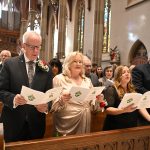
During the Mass, these happy couples also renewed their wedding vows before Bishop Kevin J. Sweeney, the main celebrant of the liturgy, and several priests from around the diocese who concelebrated the liturgy. The Diocesan Family Life Office coordinated the Mass.
As on their wedding days, the couples exchanged vows, held each other’s hands, and renewed their love, fidelity, and commitment in Holy Matrimony. The couples celebrated often with their families present.
The couples received certificates signed by Bishop Sweeney honoring their anniversaries. Each couple was invited to meet the bishop and take a photo with him.
BEACON PHOTOS | JOE GIGLI

 [See image gallery at beaconnj.org]
Couples marking milestone anniversaries:


70 Years
Louis & Concetta Golia
St. Mary’s Parish, Denville

61 Years
Joseph & Mary Bono
St. Joseph Parish, Lincoln Park

60 Years
Francesco and Caterina Anello
Padre Pio Parish, Paterson
Robert & Susan Bantang
Holy Family Parish, Florham Park
John & Ellen Baxter
St. Joseph Church, Mendham
James & Rita Behan
St. Joseph Parish, Lincoln Park
Walter & Maria Breakey
St. Joseph Parish, Lincoln Park
Richard and Mary Ann Decker
St. Catherine of Siena Parish, Mountain Lakes
Jeff And Joyce Fitzgerald
Our Lady of the Holy Angels Parish, Little Falls
Fred & Kathleen Iradi
St. Ann Parish, Parsippany
William & Susan Kadar
St. Joseph Church, Newton
Robert and Barbara Lussier
Our Lady of the Lake Parish, Sparta
Joseph & Mary Louise Mazzarella
St. Joseph Church, Sparta
John & Ellen Mitro
St. Michael Parish, Netcong
William J. Murphy & Joanne M. Murphy
Our Lady of the Valley Parish, Wayne
John & Carol Pasqua
St. Vincent Martyr Parish, Madison
Roger & Jadwiga Siara
Holy Family Parish, Florham Park
Anna and Antonio Vacca
St. James of the Marches Parish, Totowa
Robert & Maria Werner
Our Lady of Mercy Parish, Whippany

50 Years
Joan and Alan Bocchino
St. Mary’s Parish, Dover
Stefano and Jackie Castaldo
St. Philip The Apostle Parish, Clifton
Richard & Rosemarie Conklin
St. Pius X Church, Montville
Edward & Joanne Connell
St. Francis de Sales Parish, Vernon
Jorge & Julia Curi
Cathedral of St. John the Baptist, Paterson
Victor T. and Mathilda H. DeLorenzo
St. Catherine of Siena Parish, Mountain Lakes
Chris and Elizabeth Dennis
St. Peter the Apostle Parish, Parsippany
Michael & Vivian Fabrizio
St. Anthony of Padua Parish, Butler
Jane & Robert Fahey
St. Catherine of Bologna Parish, Ringwood
Frederick & Donna Fania
St. Luke Parish, Long Valley
James & Kathy Frega
St. Anthony Parish, Hawthorne
Kathy and Joseph Heatter
Our Lady of the Lake Church, Sparta
John and Dorothea Heine
Good Shepherd RC Church, Andover
George & Jo-Ann Higgs
St. Joseph Church, Newton
Vincent and Margaret LoProto
St. Philip The Apostle Parish, Clifton
John & Joan Lucas
St. Kateri Tekakwitha Parish, Sparta
Jerome & Anne Memory
St. Joseph Church, Newton
Wayne and Susan Merckling
St. Catherine of Siena Parish, Mountain Lakes
Joseph & Josephine Muller
St. Clare Church, Clifton
Craig & Mary Jane Osberg
Notre Dame of Mt. Carmel Parish, Cedar Knolls
Frank and Maryann Palmieri
St Peter the Apostle Parish, Parsippanay
Ricardo and Mary Ann Perez
St. Virgil Parish, Morris Plains
Robert & Annette Putts
Our Lady of Mercy Parish, Whippany
Stephen & Ann Reale
St. Joseph Church, Mendham
Santo and Peggy Recchia
St Elizabeth Ann Seton Parish, Flanders
Donna & James Scarmazzo
St. James of the Marches Parish, Totowa
Anthony & Denise Schlachter
Our Lady of the Valley Parish, Wayne
David & Marie Smith
Our Lady of the Lake Parish, Sparta
Michael & Karen Spiecker
St. Therese Parish, Succasunna
Gabriel & Dolores Tardive
St. Michael Parish, Netcong
John & Alice Wojtowicz
St. Clare Church Parish, Clifton
Fay and Michael D. Woomer
St. Thomas the Apostle Parish, Oak Ridge

25 Years
Luis and Annette Barragan
St. Clement Pope & Martyr Parish, Dover
John and Mirabel Bautista
St. Virgil Parish, Morris Plains
Gail & Susan Braden
St. Michael Parish, Netcong
Sergio Guaman & Gloria Calle
Sacred Heart Parish, Dover
Lisa & Bob Carey
Corpus Christi Parish, Chatham
Vincent Hoye and Eileen Conti
St. Lawrence the Martyr Parish, Chester
Matthew & Christine DiBrienza
Holy Family Parish, Florham Park
Nazario and Cristina Fuentes
St. Paul Parish, Clifton
Rafael & Arleth Galindo
Our Lady of Fatima & St Nicholas Parish, Passaic
Ramon & Susana Gallego
Cathedral of St. John the Baptist, Paterson
Jason & Nicole Geary
St. Joseph Parish, Mendham
Mary Kathleen Iellimo & Matteo Giacomo
Our Lady of Mercy Parish, Whippany
José Alejandro & Sonia Yanira Guerra
St. Paul Parish, Clifton
Bernardo Lopez & Viviana Lopez
St. Brendan & St. George Parish, Clifton
Thomas & Therese Paragano
St. Joseph Church, Mendham
Christopher and Chris Ann Patrick
St. Catherine of Siena Parish, Mountain Lakes
Juan & Alba Lucia Pavlowski,
St. Padre Pio Parish, Paterson
Richard & Elizabeth Poore
Holy Family Parish, Florham Park
John & Taryn Pry
St. Kateri Tekakwitha Parish, Sparta
Jorge Juan Ramirez and Maria Virginia Mendoza
St. Catherine of Siena Parish, Mountain Lakes
Margaret and Thomas Sanders
Our Lady of the Mountain Parish, Long Valley
Michael & Jennifer Schermerhorn
St. Mary’s Parish, Denville
Paul & Stephanie Schuckalo
Our Lady of the Magnificat Parish, Kinnelon
Joseph & Maria Schwab
Our Lady of the Magnificat Parish, Kinnelon
Hermes & Luz Tafur
St. Paul Parish, Clifton
King Yun Tsoi & Kitsum Joyce Chan
St Peter the Apostle Parish, Parsippany

Click here to subscribe to our weekly newsletter.

Married couples celebrate enduring love at cathedral Mass #Catholic – The gift of marital love was celebrated and renewed on Nov. 1, All Saints Day, during the Paterson Diocesan annual Silver and Gold Anniversary Mass at the Cathedral of St. John the Baptist in Paterson, N.J., where 71 couples married 25, 50, and up to 70 years ago marked their milestone anniversaries. During the Mass, these happy couples also renewed their wedding vows before Bishop Kevin J. Sweeney, the main celebrant of the liturgy, and several priests from around the diocese who concelebrated the liturgy. The Diocesan Family Life Office coordinated the Mass. As on their wedding days, the couples exchanged vows, held each other’s hands, and renewed their love, fidelity, and commitment in Holy Matrimony. The couples celebrated often with their families present. The couples received certificates signed by Bishop Sweeney honoring their anniversaries. Each couple was invited to meet the bishop and take a photo with him. BEACON PHOTOS | JOE GIGLI [See image gallery at beaconnj.org] Couples marking milestone anniversaries: 70 Years Louis & Concetta Golia St. Mary’s Parish, Denville 61 Years Joseph & Mary Bono St. Joseph Parish, Lincoln Park 60 Years Francesco and Caterina Anello Padre Pio Parish, Paterson Robert & Susan Bantang Holy Family Parish, Florham Park John & Ellen Baxter St. Joseph Church, Mendham James & Rita Behan St. Joseph Parish, Lincoln Park Walter & Maria Breakey St. Joseph Parish, Lincoln Park Richard and Mary Ann Decker St. Catherine of Siena Parish, Mountain Lakes Jeff And Joyce Fitzgerald Our Lady of the Holy Angels Parish, Little Falls Fred & Kathleen Iradi St. Ann Parish, Parsippany William & Susan Kadar St. Joseph Church, Newton Robert and Barbara Lussier Our Lady of the Lake Parish, Sparta Joseph & Mary Louise Mazzarella St. Joseph Church, Sparta John & Ellen Mitro St. Michael Parish, Netcong William J. Murphy & Joanne M. Murphy Our Lady of the Valley Parish, Wayne John & Carol Pasqua St. Vincent Martyr Parish, Madison Roger & Jadwiga Siara Holy Family Parish, Florham Park Anna and Antonio Vacca St. James of the Marches Parish, Totowa Robert & Maria Werner Our Lady of Mercy Parish, Whippany 50 Years Joan and Alan Bocchino St. Mary’s Parish, Dover Stefano and Jackie Castaldo St. Philip The Apostle Parish, Clifton Richard & Rosemarie Conklin St. Pius X Church, Montville Edward & Joanne Connell St. Francis de Sales Parish, Vernon Jorge & Julia Curi Cathedral of St. John the Baptist, Paterson Victor T. and Mathilda H. DeLorenzo St. Catherine of Siena Parish, Mountain Lakes Chris and Elizabeth Dennis St. Peter the Apostle Parish, Parsippany Michael & Vivian Fabrizio St. Anthony of Padua Parish, Butler Jane & Robert Fahey St. Catherine of Bologna Parish, Ringwood Frederick & Donna Fania St. Luke Parish, Long Valley James & Kathy Frega St. Anthony Parish, Hawthorne Kathy and Joseph Heatter Our Lady of the Lake Church, Sparta John and Dorothea Heine Good Shepherd RC Church, Andover George & Jo-Ann Higgs St. Joseph Church, Newton Vincent and Margaret LoProto St. Philip The Apostle Parish, Clifton John & Joan Lucas St. Kateri Tekakwitha Parish, Sparta Jerome & Anne Memory St. Joseph Church, Newton Wayne and Susan Merckling St. Catherine of Siena Parish, Mountain Lakes Joseph & Josephine Muller St. Clare Church, Clifton Craig & Mary Jane Osberg Notre Dame of Mt. Carmel Parish, Cedar Knolls Frank and Maryann Palmieri St Peter the Apostle Parish, Parsippanay Ricardo and Mary Ann Perez St. Virgil Parish, Morris Plains Robert & Annette Putts Our Lady of Mercy Parish, Whippany Stephen & Ann Reale St. Joseph Church, Mendham Santo and Peggy Recchia St Elizabeth Ann Seton Parish, Flanders Donna & James Scarmazzo St. James of the Marches Parish, Totowa Anthony & Denise Schlachter Our Lady of the Valley Parish, Wayne David & Marie Smith Our Lady of the Lake Parish, Sparta Michael & Karen Spiecker St. Therese Parish, Succasunna Gabriel & Dolores Tardive St. Michael Parish, Netcong John & Alice Wojtowicz St. Clare Church Parish, Clifton Fay and Michael D. Woomer St. Thomas the Apostle Parish, Oak Ridge 25 Years Luis and Annette Barragan St. Clement Pope & Martyr Parish, Dover John and Mirabel Bautista St. Virgil Parish, Morris Plains Gail & Susan Braden St. Michael Parish, Netcong Sergio Guaman & Gloria Calle Sacred Heart Parish, Dover Lisa & Bob Carey Corpus Christi Parish, Chatham Vincent Hoye and Eileen Conti St. Lawrence the Martyr Parish, Chester Matthew & Christine DiBrienza Holy Family Parish, Florham Park Nazario and Cristina Fuentes St. Paul Parish, Clifton Rafael & Arleth Galindo Our Lady of Fatima & St Nicholas Parish, Passaic Ramon & Susana Gallego Cathedral of St. John the Baptist, Paterson Jason & Nicole Geary St. Joseph Parish, Mendham Mary Kathleen Iellimo & Matteo Giacomo Our Lady of Mercy Parish, Whippany José Alejandro & Sonia Yanira Guerra St. Paul Parish, Clifton Bernardo Lopez & Viviana Lopez St. Brendan & St. George Parish, Clifton Thomas & Therese Paragano St. Joseph Church, Mendham Christopher and Chris Ann Patrick St. Catherine of Siena Parish, Mountain Lakes Juan & Alba Lucia Pavlowski, St. Padre Pio Parish, Paterson Richard & Elizabeth Poore Holy Family Parish, Florham Park John & Taryn Pry St. Kateri Tekakwitha Parish, Sparta Jorge Juan Ramirez and Maria Virginia Mendoza St. Catherine of Siena Parish, Mountain Lakes Margaret and Thomas Sanders Our Lady of the Mountain Parish, Long Valley Michael & Jennifer Schermerhorn St. Mary’s Parish, Denville Paul & Stephanie Schuckalo Our Lady of the Magnificat Parish, Kinnelon Joseph & Maria Schwab Our Lady of the Magnificat Parish, Kinnelon Hermes & Luz Tafur St. Paul Parish, Clifton King Yun Tsoi & Kitsum Joyce Chan St Peter the Apostle Parish, Parsippany Click here to subscribe to our weekly newsletter.

Married couples celebrate enduring love at cathedral Mass #Catholic –

The gift of marital love was celebrated and renewed on Nov. 1, All Saints Day, during the Paterson Diocesan annual Silver and Gold Anniversary Mass at the Cathedral of St. John the Baptist in Paterson, N.J., where 71 couples married 25, 50, and up to 70 years ago marked their milestone anniversaries.

During the Mass, these happy couples also renewed their wedding vows before Bishop Kevin J. Sweeney, the main celebrant of the liturgy, and several priests from around the diocese who concelebrated the liturgy. The Diocesan Family Life Office coordinated the Mass.

As on their wedding days, the couples exchanged vows, held each other’s hands, and renewed their love, fidelity, and commitment in Holy Matrimony. The couples celebrated often with their families present.

The couples received certificates signed by Bishop Sweeney honoring their anniversaries. Each couple was invited to meet the bishop and take a photo with him.

BEACON PHOTOS | JOE GIGLI
[See image gallery at beaconnj.org]

Couples marking milestone anniversaries:


70 Years

Louis & Concetta Golia

St. Mary’s Parish, Denville


61 Years

Joseph & Mary Bono

St. Joseph Parish, Lincoln Park


60 Years

Francesco and Caterina Anello

Padre Pio Parish, Paterson

Robert & Susan Bantang

Holy Family Parish, Florham Park

John & Ellen Baxter

St. Joseph Church, Mendham

James & Rita Behan

St. Joseph Parish, Lincoln Park

Walter & Maria Breakey

St. Joseph Parish, Lincoln Park

Richard and Mary Ann Decker

St. Catherine of Siena Parish, Mountain Lakes

Jeff And Joyce Fitzgerald

Our Lady of the Holy Angels Parish, Little Falls

Fred & Kathleen Iradi

St. Ann Parish, Parsippany

William & Susan Kadar

St. Joseph Church, Newton

Robert and Barbara Lussier

Our Lady of the Lake Parish, Sparta

Joseph & Mary Louise Mazzarella

St. Joseph Church, Sparta

John & Ellen Mitro

St. Michael Parish, Netcong

William J. Murphy & Joanne M. Murphy

Our Lady of the Valley Parish, Wayne

John & Carol Pasqua

St. Vincent Martyr Parish, Madison

Roger & Jadwiga Siara

Holy Family Parish, Florham Park

Anna and Antonio Vacca

St. James of the Marches Parish, Totowa

Robert & Maria Werner

Our Lady of Mercy Parish, Whippany


50 Years

Joan and Alan Bocchino

St. Mary’s Parish, Dover

Stefano and Jackie Castaldo

St. Philip The Apostle Parish, Clifton

Richard & Rosemarie Conklin

St. Pius X Church, Montville

Edward & Joanne Connell

St. Francis de Sales Parish, Vernon

Jorge & Julia Curi

Cathedral of St. John the Baptist, Paterson

Victor T. and Mathilda H. DeLorenzo

St. Catherine of Siena Parish, Mountain Lakes

Chris and Elizabeth Dennis

St. Peter the Apostle Parish, Parsippany

Michael & Vivian Fabrizio

St. Anthony of Padua Parish, Butler

Jane & Robert Fahey

St. Catherine of Bologna Parish, Ringwood

Frederick & Donna Fania

St. Luke Parish, Long Valley

James & Kathy Frega

St. Anthony Parish, Hawthorne

Kathy and Joseph Heatter

Our Lady of the Lake Church, Sparta

John and Dorothea Heine

Good Shepherd RC Church, Andover

George & Jo-Ann Higgs

St. Joseph Church, Newton

Vincent and Margaret LoProto

St. Philip The Apostle Parish, Clifton

John & Joan Lucas

St. Kateri Tekakwitha Parish, Sparta

Jerome & Anne Memory

St. Joseph Church, Newton

Wayne and Susan Merckling

St. Catherine of Siena Parish, Mountain Lakes

Joseph & Josephine Muller

St. Clare Church, Clifton

Craig & Mary Jane Osberg

Notre Dame of Mt. Carmel Parish, Cedar Knolls

Frank and Maryann Palmieri

St Peter the Apostle Parish, Parsippanay

Ricardo and Mary Ann Perez

St. Virgil Parish, Morris Plains

Robert & Annette Putts

Our Lady of Mercy Parish, Whippany

Stephen & Ann Reale

St. Joseph Church, Mendham

Santo and Peggy Recchia

St Elizabeth Ann Seton Parish, Flanders

Donna & James Scarmazzo

St. James of the Marches Parish, Totowa

Anthony & Denise Schlachter

Our Lady of the Valley Parish, Wayne

David & Marie Smith

Our Lady of the Lake Parish, Sparta

Michael & Karen Spiecker

St. Therese Parish, Succasunna

Gabriel & Dolores Tardive

St. Michael Parish, Netcong

John & Alice Wojtowicz

St. Clare Church Parish, Clifton

Fay and Michael D. Woomer

St. Thomas the Apostle Parish, Oak Ridge


25 Years

Luis and Annette Barragan

St. Clement Pope & Martyr Parish, Dover

John and Mirabel Bautista

St. Virgil Parish, Morris Plains

Gail & Susan Braden

St. Michael Parish, Netcong

Sergio Guaman & Gloria Calle

Sacred Heart Parish, Dover

Lisa & Bob Carey

Corpus Christi Parish, Chatham

Vincent Hoye and Eileen Conti

St. Lawrence the Martyr Parish, Chester

Matthew & Christine DiBrienza

Holy Family Parish, Florham Park

Nazario and Cristina Fuentes

St. Paul Parish, Clifton

Rafael & Arleth Galindo

Our Lady of Fatima & St Nicholas Parish, Passaic

Ramon & Susana Gallego

Cathedral of St. John the Baptist, Paterson

Jason & Nicole Geary

St. Joseph Parish, Mendham

Mary Kathleen Iellimo & Matteo Giacomo

Our Lady of Mercy Parish, Whippany

José Alejandro & Sonia Yanira Guerra

St. Paul Parish, Clifton

Bernardo Lopez & Viviana Lopez

St. Brendan & St. George Parish, Clifton

Thomas & Therese Paragano

St. Joseph Church, Mendham

Christopher and Chris Ann Patrick

St. Catherine of Siena Parish, Mountain Lakes

Juan & Alba Lucia Pavlowski,

St. Padre Pio Parish, Paterson

Richard & Elizabeth Poore

Holy Family Parish, Florham Park

John & Taryn Pry

St. Kateri Tekakwitha Parish, Sparta

Jorge Juan Ramirez and Maria Virginia Mendoza

St. Catherine of Siena Parish, Mountain Lakes

Margaret and Thomas Sanders

Our Lady of the Mountain Parish, Long Valley

Michael & Jennifer Schermerhorn

St. Mary’s Parish, Denville

Paul & Stephanie Schuckalo

Our Lady of the Magnificat Parish, Kinnelon

Joseph & Maria Schwab

Our Lady of the Magnificat Parish, Kinnelon

Hermes & Luz Tafur

St. Paul Parish, Clifton

King Yun Tsoi & Kitsum Joyce Chan

St Peter the Apostle Parish, Parsippany


Click here to subscribe to our weekly newsletter.

– The gift of marital love was celebrated and renewed on Nov. 1, All Saints Day, during the Paterson Diocesan annual Silver and Gold Anniversary Mass at the Cathedral of St. John the Baptist in Paterson, N.J., where 71 couples married 25, 50, and up to 70 years ago marked their milestone anniversaries. During the Mass, these happy couples also renewed their wedding vows before Bishop Kevin J. Sweeney, the main celebrant of the liturgy, and several priests from around the diocese who concelebrated the liturgy. The Diocesan Family Life Office coordinated the Mass. As on their wedding days, the couples

Read More

Andrea Arbizzi, taken from Maremma, Italy A vast sea of faintly lit dust in Cassiopeia envelops the Sailboat Cluster (NGC 225, upper right), an open cluster named for the way its brightest stars and the blue haze of the reflection nebula VdB 4 sketch out a sail. NGC 225 lies about 2,200 light-years away, accompaniedContinue reading “Sailing through Cassiopeia”

The post Sailing through Cassiopeia appeared first on Astronomy Magazine.

Read More