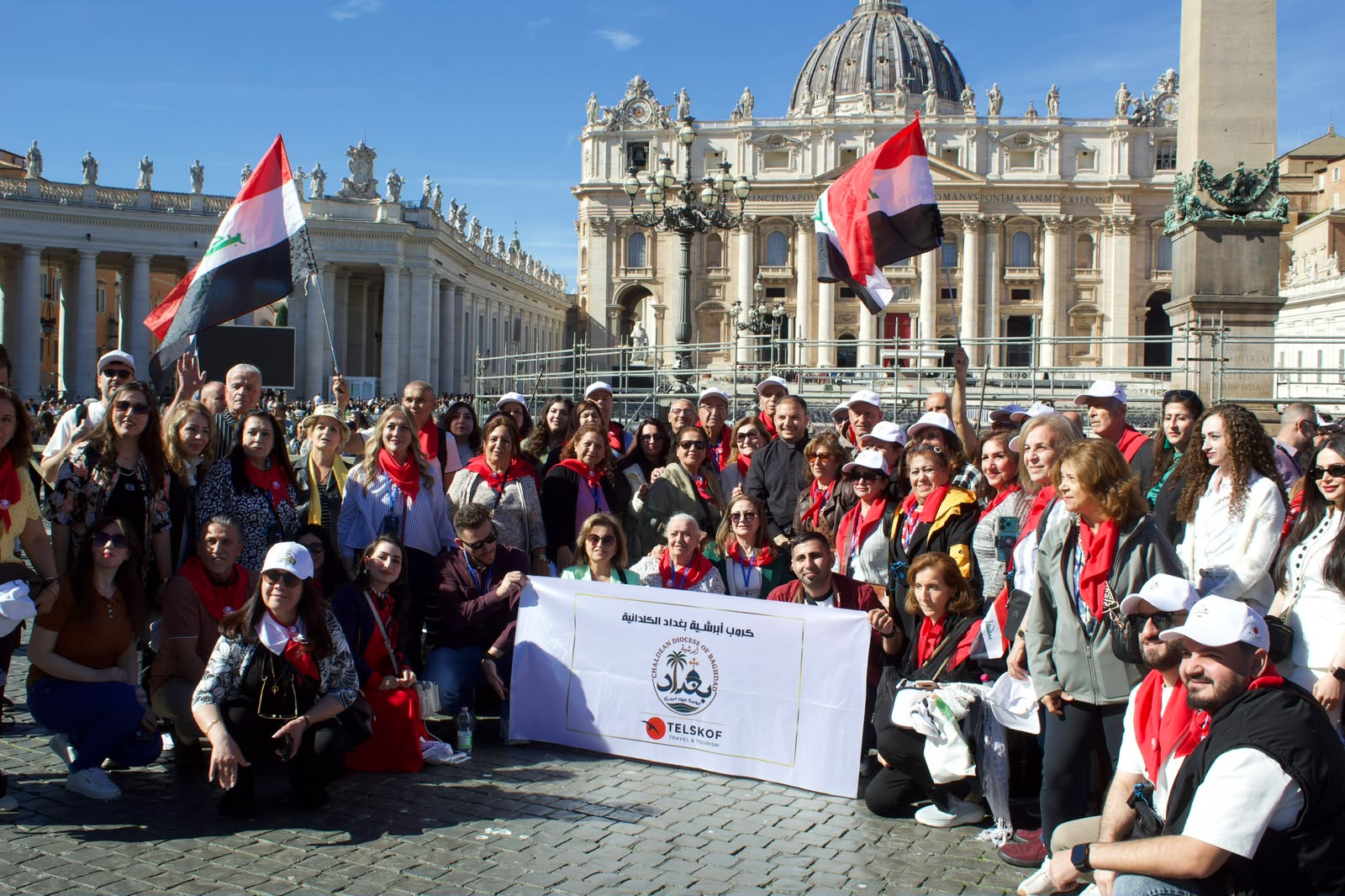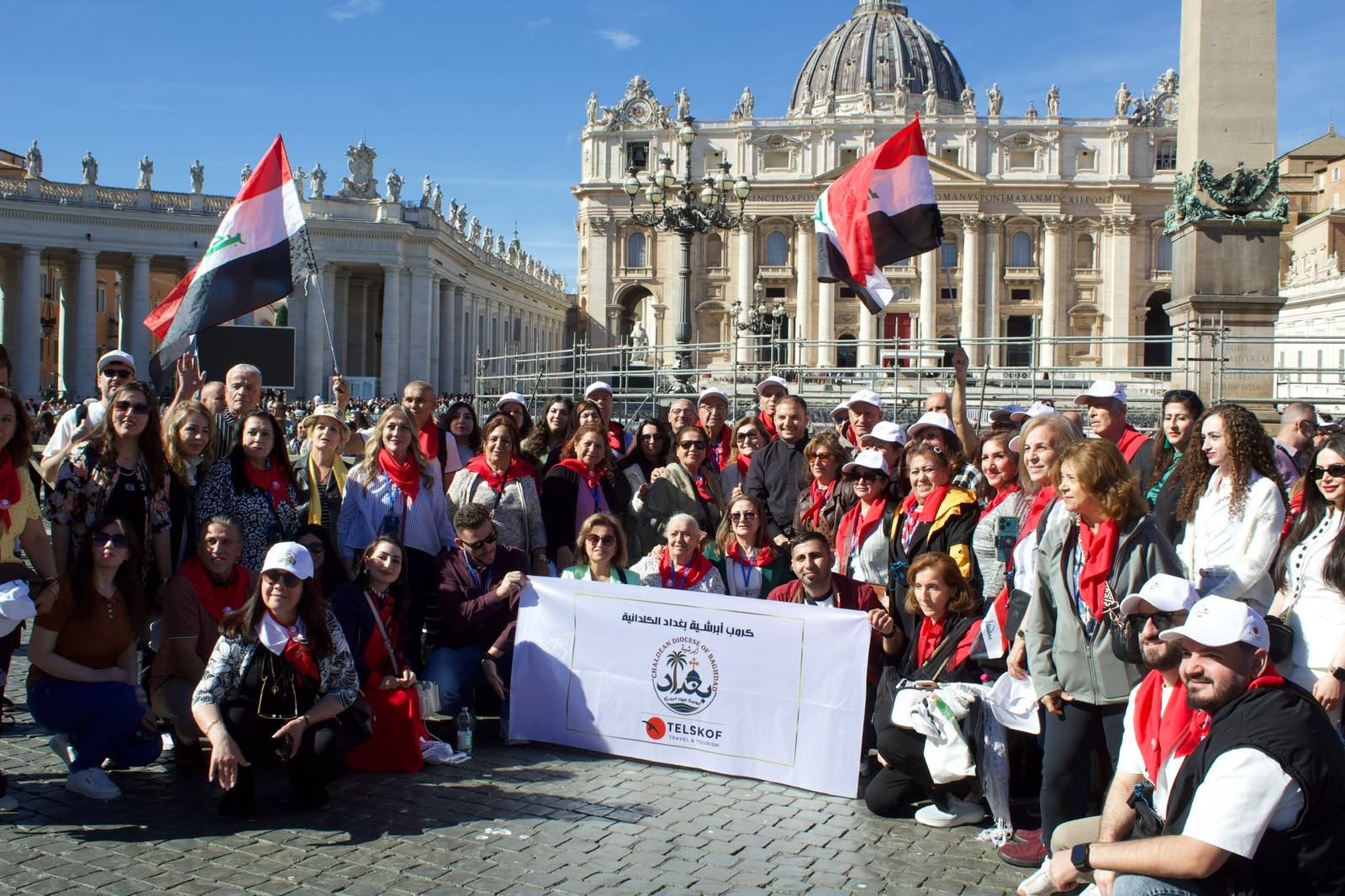
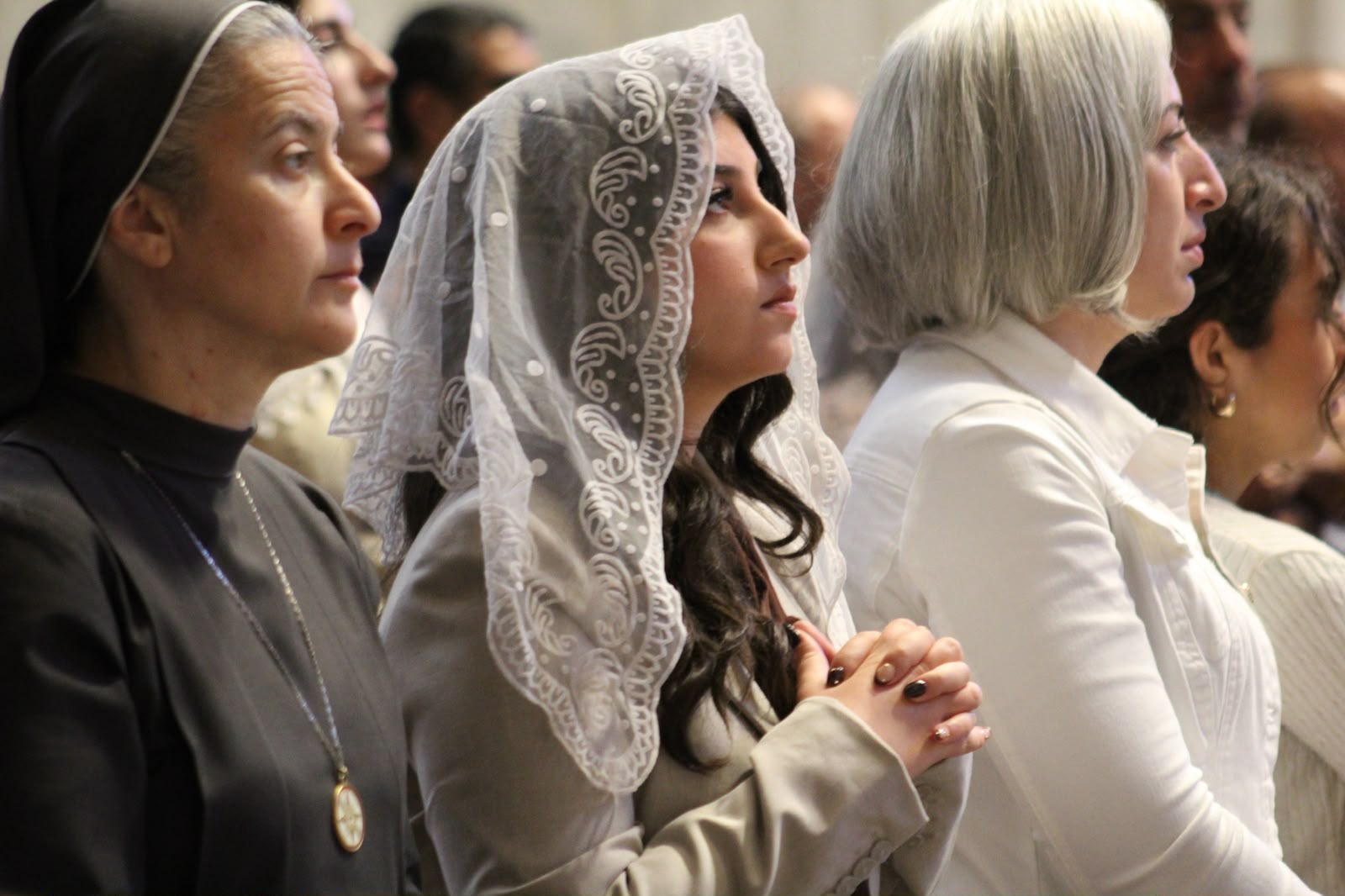
Hundreds of Chaldean Catholics from Iraq and diaspora communities around the world gathered at the Vatican last week, joining Patriarch Paul III Nona for Mass in St. Peter’s Basilica on Oct. 15.
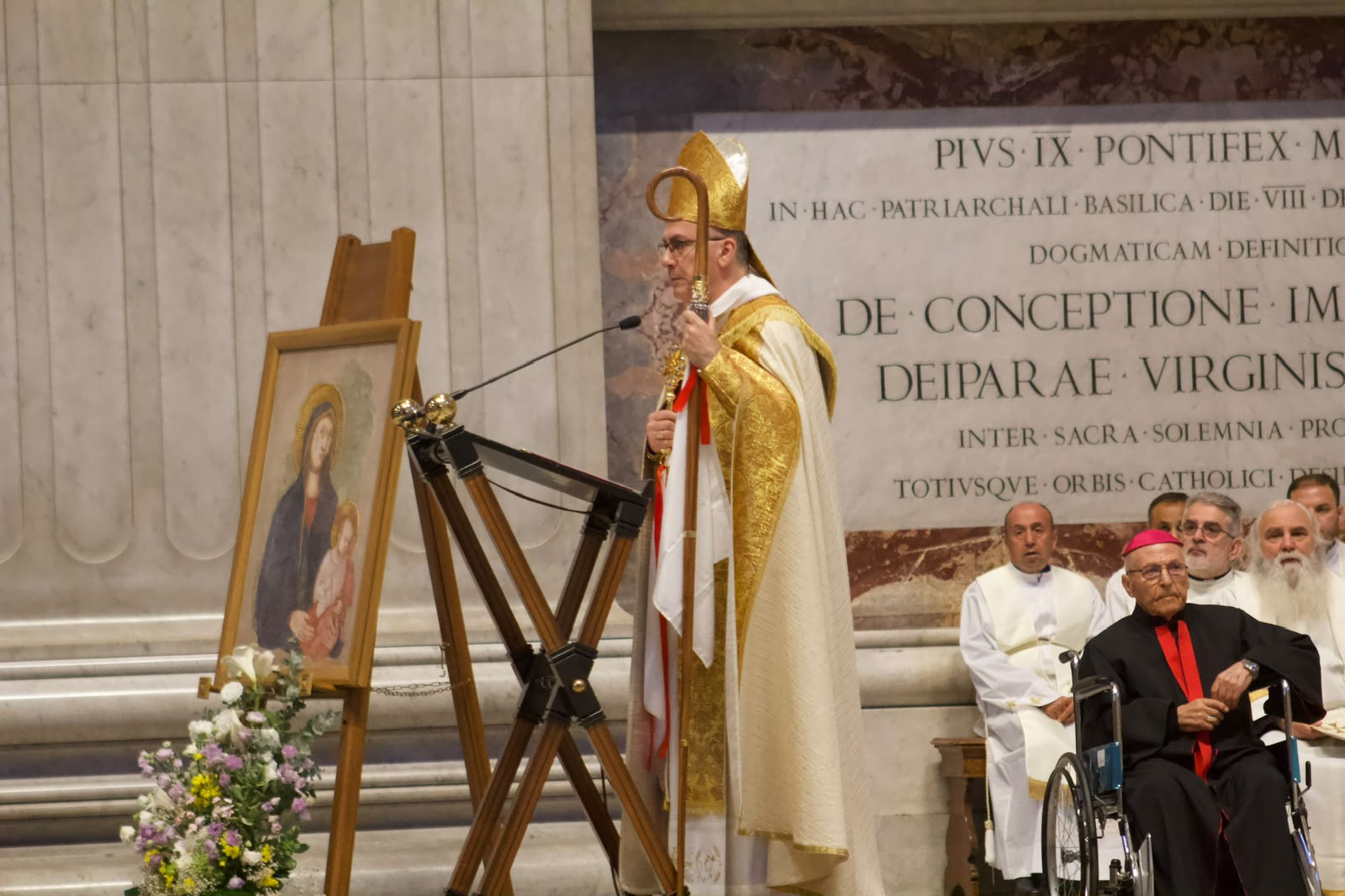
Celebrated according to the Chaldean rite, the Mass filled St. Peter’s Basilica with prayers and chants in Aramaic, bringing the traditions of the ancient Chaldean Church to the heart of Catholicism. The occasion expressed the unity of the Catholic Church across its different rites and traditions.
The celebration followed a Mass in St. Peter’s Square on Oct. 14, during which Cardinal Luis Antonio Tagle, acting on behalf of Pope Leo XIV, publicly affirmed the ecclesiastical communion the pope granted to Nona following his election as patriarch of Baghdad of the Chaldeans in April.
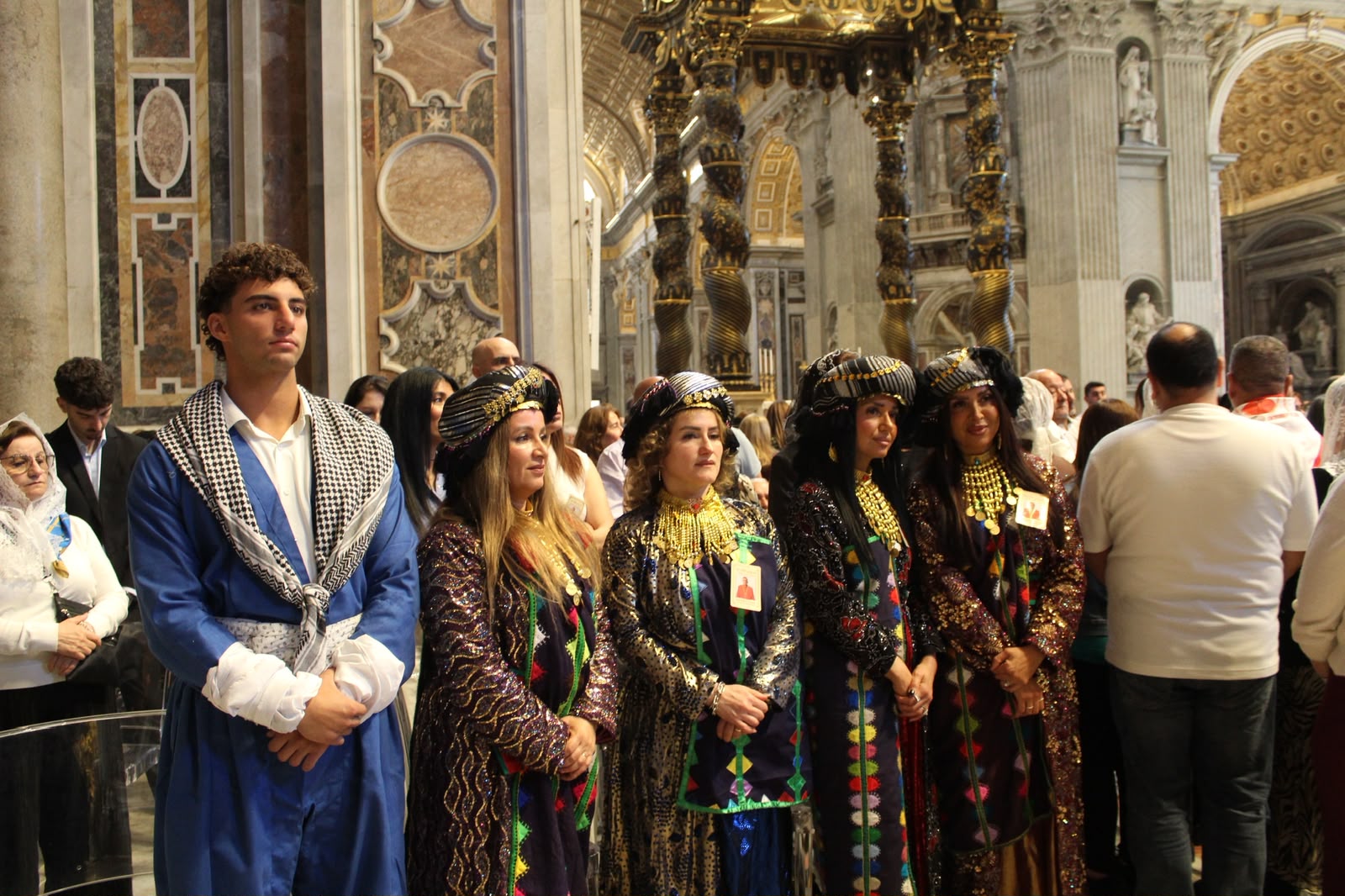
For a community scattered across continents, the gathering was also an opportunity for Chaldean Catholics to come together in prayer, celebrate a shared heritage, and reflect on the challenges facing Chaldeans both in their homeland and abroad.
“This was a beautiful, spiritual, and historic day for all of us — one that we are going to cherish for the rest of our lives,” Father Fawaz Kako, a Chaldean priest serving in the United States, told EWTN News. “It is such a blessing to come together in one place, under one holy Catholic Church.”
For Kako, the faith of earlier generations, particularly those who suffered martyrdom, continues to sustain Chaldeans wherever they live. “Our connection to our Church is about more than just language. It is deeply rooted in Christ and in all the martyrs who gave themselves to him and whom we look to,” he said.
“Those who came before us shed their blood for Jesus. Today, we see that as a source of strength, something we can cling to as we continue to follow Christ.”
Preserving that identity far from the homeland presents its own difficulties.
Father Christopher Somo, another Chaldean priest serving in the United States, described the pressure that smaller communities face within the societies where they have settled.
“When you go to another culture, there’s a temptation to let your culture become diluted in the midst of a larger and more powerful culture,” he said.
At the same time, Somo stressed that the Church faces the challenge of preserving its presence and heritage in Iraq after many years of persecution.
Father Albert Hisham, a Chaldean priest based in Iraq, described how successive waves of violence, particularly since 2003, had driven Christians to leave. He recalled church bombings, the kidnapping and killing of clergy and other Christians, and the Islamic State group’s expulsion of Christians from Mosul and villages in the Nineveh Plain.
“This has led our people, our Chaldean faithful, to almost lose confidence in the possibility of remaining in Iraq, which deeply saddens us,” Hisham said. He also estimated that more than 1 million Christians had emigrated over the past two or three decades. Yet leaving Iraq has not necessarily brought an end to their longing for home.
For those abroad, Hisham said, the desire to return remains, but the difficulties of resettling prevent many from acting on it.
“There are many Christians who find it very difficult to return to Iraq after settling in countries abroad,” he stressed.
Kako also acknowledged the uncertainty surrounding a permanent return, even among those who maintain close ties with their homeland. “We always travel back home and visit. But we are also very well established in the diaspora,” he said. “It all depends on how peaceful that region will be.”
Hisham said Patriarch Nona has emphasized that encouraging Christians to return must be accompanied by practical measures to help them rebuild their lives. These include housing, employment, and opportunities for investment.
“There must be job opportunities for Christians to return; otherwise, the invitation alone is not enough,” he said.
While the question of return remains unresolved, communities abroad continue to support those in Iraq. Father Mahir Murad, a Chaldean priest serving in Australia, described efforts that range from raising funds to advocating for their protection.
“In Australia, we’re doing a lot of lobbying with members of Parliament about how we can keep our people safe, what we can do to protect them, and how we can help them leave the country if we can,” he said.
Parish communities also collect donations and send financial assistance to people back home, he added. Murad acknowledged the difficult choices involved in supporting both those who wish to remain and those who feel they must leave. He expressed a desire to preserve the community’s presence in its homeland while respecting the needs of people who fear for their safety.
“We are the indigenous people of Iraq. We want our people to stay, but to feel protected also,” he said. “For those who want to leave because they feel persecuted, we want to help them leave the country.”
Nevertheless, Murad said he hopes peace will allow more Chaldeans to return.
This story was first published by ACI MENA, the Arabic-language sister service of EWTN News. It has been translated and adapted by EWTN News English.
Chaldean Catholics from around the world gather with patriarch at the Vatican – #Catholic –
Hundreds of Chaldean Catholics from Iraq and diaspora communities around the world gathered at the Vatican last week, joining Patriarch Paul III Nona for Mass in St. Peter’s Basilica on Oct. 15.
Celebrated according to the Chaldean rite, the Mass filled St. Peter’s Basilica with prayers and chants in Aramaic, bringing the traditions of the ancient Chaldean Church to the heart of Catholicism. The occasion expressed the unity of the Catholic Church across its different rites and traditions.
The celebration followed a Mass in St. Peter’s Square on Oct. 14, during which Cardinal Luis Antonio Tagle, acting on behalf of Pope Leo XIV, publicly affirmed the ecclesiastical communion the pope granted to Nona following his election as patriarch of Baghdad of the Chaldeans in April.
For a community scattered across continents, the gathering was also an opportunity for Chaldean Catholics to come together in prayer, celebrate a shared heritage, and reflect on the challenges facing Chaldeans both in their homeland and abroad.
“This was a beautiful, spiritual, and historic day for all of us — one that we are going to cherish for the rest of our lives,” Father Fawaz Kako, a Chaldean priest serving in the United States, told EWTN News. “It is such a blessing to come together in one place, under one holy Catholic Church.”
For Kako, the faith of earlier generations, particularly those who suffered martyrdom, continues to sustain Chaldeans wherever they live. “Our connection to our Church is about more than just language. It is deeply rooted in Christ and in all the martyrs who gave themselves to him and whom we look to,” he said.
“Those who came before us shed their blood for Jesus. Today, we see that as a source of strength, something we can cling to as we continue to follow Christ.”
Preserving that identity far from the homeland presents its own difficulties.
Father Christopher Somo, another Chaldean priest serving in the United States, described the pressure that smaller communities face within the societies where they have settled.
“When you go to another culture, there’s a temptation to let your culture become diluted in the midst of a larger and more powerful culture,” he said.
At the same time, Somo stressed that the Church faces the challenge of preserving its presence and heritage in Iraq after many years of persecution.
Father Albert Hisham, a Chaldean priest based in Iraq, described how successive waves of violence, particularly since 2003, had driven Christians to leave. He recalled church bombings, the kidnapping and killing of clergy and other Christians, and the Islamic State group’s expulsion of Christians from Mosul and villages in the Nineveh Plain.
“This has led our people, our Chaldean faithful, to almost lose confidence in the possibility of remaining in Iraq, which deeply saddens us,” Hisham said. He also estimated that more than 1 million Christians had emigrated over the past two or three decades. Yet leaving Iraq has not necessarily brought an end to their longing for home.
For those abroad, Hisham said, the desire to return remains, but the difficulties of resettling prevent many from acting on it.
“There are many Christians who find it very difficult to return to Iraq after settling in countries abroad,” he stressed.
Kako also acknowledged the uncertainty surrounding a permanent return, even among those who maintain close ties with their homeland. “We always travel back home and visit. But we are also very well established in the diaspora,” he said. “It all depends on how peaceful that region will be.”
Hisham said Patriarch Nona has emphasized that encouraging Christians to return must be accompanied by practical measures to help them rebuild their lives. These include housing, employment, and opportunities for investment.
“There must be job opportunities for Christians to return; otherwise, the invitation alone is not enough,” he said.
While the question of return remains unresolved, communities abroad continue to support those in Iraq. Father Mahir Murad, a Chaldean priest serving in Australia, described efforts that range from raising funds to advocating for their protection.
“In Australia, we’re doing a lot of lobbying with members of Parliament about how we can keep our people safe, what we can do to protect them, and how we can help them leave the country if we can,” he said.
Parish communities also collect donations and send financial assistance to people back home, he added. Murad acknowledged the difficult choices involved in supporting both those who wish to remain and those who feel they must leave. He expressed a desire to preserve the community’s presence in its homeland while respecting the needs of people who fear for their safety.
“We are the indigenous people of Iraq. We want our people to stay, but to feel protected also,” he said. “For those who want to leave because they feel persecuted, we want to help them leave the country.”
Nevertheless, Murad said he hopes peace will allow more Chaldeans to return.
This story was first published by ACI MENA, the Arabic-language sister service of EWTN News. It has been translated and adapted by EWTN News English.
Chaldean Catholics from around the world gathered with their patriarch at the Vatican Faith, Reunion and the Hope of Return: Chaldean Catholics Gather at the Vatican