Day: October 21, 2026

Chaldean Catholics from around the world gather with patriarch at the Vatican – #Catholic – Hundreds of Chaldean Catholics from Iraq and diaspora communities around the world gathered at the Vatican last week, joining Patriarch Paul III Nona for Mass in St. Peter’s Basilica on Oct. 15. Celebrated according to the Chaldean rite, the Mass filled St. Peter’s Basilica with prayers and chants in Aramaic, bringing the traditions of the ancient Chaldean Church to the heart of Catholicism. The occasion expressed the unity of the Catholic Church across its different rites and traditions.The celebration followed a Mass in St. Peter’s Square on Oct. 14, during which Cardinal Luis Antonio Tagle, acting on behalf of Pope Leo XIV, publicly affirmed the ecclesiastical communion the pope granted to Nona following his election as patriarch of Baghdad of the Chaldeans in April. 
 
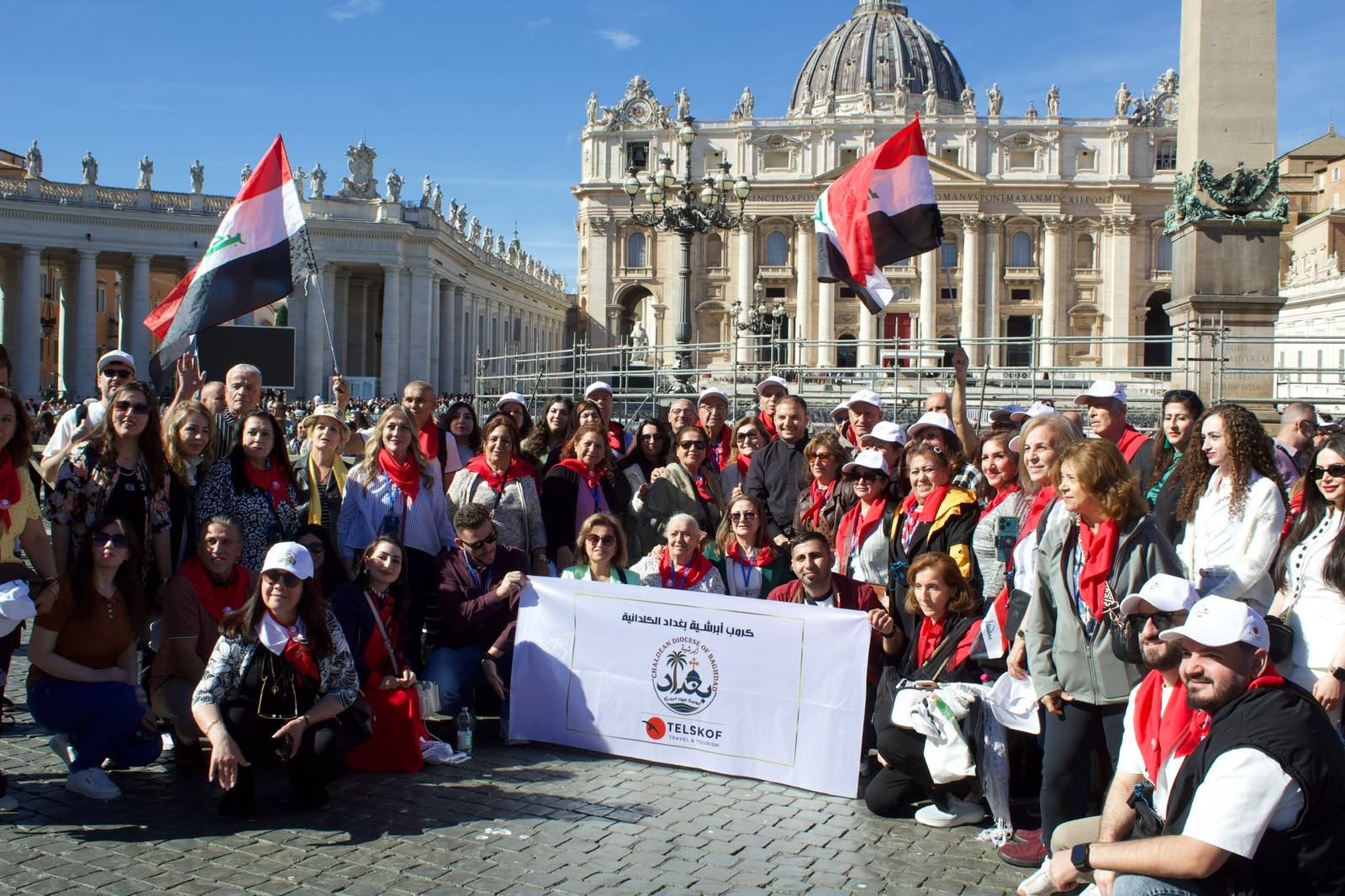
 Chaldean Catholics gather Oct. 15, 2026, at the Vatican, expressing the unity of the Catholic Church across its different rites and traditions. | Credit: Romy Haber
 
 For a community scattered across continents, the gathering was also an opportunity for Chaldean Catholics to come together in prayer, celebrate a shared heritage, and reflect on the challenges facing Chaldeans both in their homeland and abroad.“This was a beautiful, spiritual, and historic day for all of us — one that we are going to cherish for the rest of our lives,” Father Fawaz Kako, a Chaldean priest serving in the United States, told EWTN News. “It is such a blessing to come together in one place, under one holy Catholic Church.”For Kako, the faith of earlier generations, particularly those who suffered martyrdom, continues to sustain Chaldeans wherever they live. “Our connection to our Church is about more than just language. It is deeply rooted in Christ and in all the martyrs who gave themselves to him and whom we look to,” he said.“Those who came before us shed their blood for Jesus. Today, we see that as a source of strength, something we can cling to as we continue to follow Christ.”
 
 Patriarch Paul III Nona celebrates Mass with hundreds of Chaldean Catholics in St. Peter’s Basilica on Oct. 15, 2026. Nona is the Chaldean Catholic patriarch of Baghdad, serving as the head of the Chaldean Catholic Church. | Credit: Romy Haber
 
 Preserving that identity far from the homeland presents its own difficulties. Father Christopher Somo, another Chaldean priest serving in the United States, described the pressure that smaller communities face within the societies where they have settled. “When you go to another culture, there’s a temptation to let your culture become diluted in the midst of a larger and more powerful culture,” he said. At the same time, Somo stressed that the Church faces the challenge of preserving its presence and heritage in Iraq after many years of persecution.Father Albert Hisham, a Chaldean priest based in Iraq, described how successive waves of violence, particularly since 2003, had driven Christians to leave. He recalled church bombings, the kidnapping and killing of clergy and other Christians, and the Islamic State group’s expulsion of Christians from Mosul and villages in the Nineveh Plain. “This has led our people, our Chaldean faithful, to almost lose confidence in the possibility of remaining in Iraq, which deeply saddens us,” Hisham said. He also estimated that more than 1 million Christians had emigrated over the past two or three decades. Yet leaving Iraq has not necessarily brought an end to their longing for home.For those abroad, Hisham said, the desire to return remains, but the difficulties of resettling prevent many from acting on it. “There are many Christians who find it very difficult to return to Iraq after settling in countries abroad,” he stressed. Kako also acknowledged the uncertainty surrounding a permanent return, even among those who maintain close ties with their homeland. “We always travel back home and visit. But we are also very well established in the diaspora,” he said. “It all depends on how peaceful that region will be.”Hisham said Patriarch Nona has emphasized that encouraging Christians to return must be accompanied by practical measures to help them rebuild their lives. These include housing, employment, and opportunities for investment. “There must be job opportunities for Christians to return; otherwise, the invitation alone is not enough,” he said.
 
 Hundreds of Chaldean Catholics gather at St. Peterʼs Basilica in Rome for Mass on Oct. 15, 2026. | Credit: Romy Haber
 
 While the question of return remains unresolved, communities abroad continue to support those in Iraq. Father Mahir Murad, a Chaldean priest serving in Australia, described efforts that range from raising funds to advocating for their protection.“In Australia, we’re doing a lot of lobbying with members of Parliament about how we can keep our people safe, what we can do to protect them, and how we can help them leave the country if we can,” he said.Parish communities also collect donations and send financial assistance to people back home, he added. Murad acknowledged the difficult choices involved in supporting both those who wish to remain and those who feel they must leave. He expressed a desire to preserve the community’s presence in its homeland while respecting the needs of people who fear for their safety.“We are the indigenous people of Iraq. We want our people to stay, but to feel protected also,” he said. “For those who want to leave because they feel persecuted, we want to help them leave the country.” Nevertheless, Murad said he hopes peace will allow more Chaldeans to return.This story was first published by ACI MENA, the Arabic-language sister service of EWTN News. It has been translated and adapted by EWTN News English.

Chaldean Catholics from around the world gather with patriarch at the Vatican – #Catholic – Hundreds of Chaldean Catholics from Iraq and diaspora communities around the world gathered at the Vatican last week, joining Patriarch Paul III Nona for Mass in St. Peter’s Basilica on Oct. 15. Celebrated according to the Chaldean rite, the Mass filled St. Peter’s Basilica with prayers and chants in Aramaic, bringing the traditions of the ancient Chaldean Church to the heart of Catholicism. The occasion expressed the unity of the Catholic Church across its different rites and traditions.The celebration followed a Mass in St. Peter’s Square on Oct. 14, during which Cardinal Luis Antonio Tagle, acting on behalf of Pope Leo XIV, publicly affirmed the ecclesiastical communion the pope granted to Nona following his election as patriarch of Baghdad of the Chaldeans in April. Chaldean Catholics gather Oct. 15, 2026, at the Vatican, expressing the unity of the Catholic Church across its different rites and traditions. | Credit: Romy Haber For a community scattered across continents, the gathering was also an opportunity for Chaldean Catholics to come together in prayer, celebrate a shared heritage, and reflect on the challenges facing Chaldeans both in their homeland and abroad.“This was a beautiful, spiritual, and historic day for all of us — one that we are going to cherish for the rest of our lives,” Father Fawaz Kako, a Chaldean priest serving in the United States, told EWTN News. “It is such a blessing to come together in one place, under one holy Catholic Church.”For Kako, the faith of earlier generations, particularly those who suffered martyrdom, continues to sustain Chaldeans wherever they live. “Our connection to our Church is about more than just language. It is deeply rooted in Christ and in all the martyrs who gave themselves to him and whom we look to,” he said.“Those who came before us shed their blood for Jesus. Today, we see that as a source of strength, something we can cling to as we continue to follow Christ.” Patriarch Paul III Nona celebrates Mass with hundreds of Chaldean Catholics in St. Peter’s Basilica on Oct. 15, 2026. Nona is the Chaldean Catholic patriarch of Baghdad, serving as the head of the Chaldean Catholic Church. | Credit: Romy Haber Preserving that identity far from the homeland presents its own difficulties. Father Christopher Somo, another Chaldean priest serving in the United States, described the pressure that smaller communities face within the societies where they have settled. “When you go to another culture, there’s a temptation to let your culture become diluted in the midst of a larger and more powerful culture,” he said. At the same time, Somo stressed that the Church faces the challenge of preserving its presence and heritage in Iraq after many years of persecution.Father Albert Hisham, a Chaldean priest based in Iraq, described how successive waves of violence, particularly since 2003, had driven Christians to leave. He recalled church bombings, the kidnapping and killing of clergy and other Christians, and the Islamic State group’s expulsion of Christians from Mosul and villages in the Nineveh Plain. “This has led our people, our Chaldean faithful, to almost lose confidence in the possibility of remaining in Iraq, which deeply saddens us,” Hisham said. He also estimated that more than 1 million Christians had emigrated over the past two or three decades. Yet leaving Iraq has not necessarily brought an end to their longing for home.For those abroad, Hisham said, the desire to return remains, but the difficulties of resettling prevent many from acting on it. “There are many Christians who find it very difficult to return to Iraq after settling in countries abroad,” he stressed. Kako also acknowledged the uncertainty surrounding a permanent return, even among those who maintain close ties with their homeland. “We always travel back home and visit. But we are also very well established in the diaspora,” he said. “It all depends on how peaceful that region will be.”Hisham said Patriarch Nona has emphasized that encouraging Christians to return must be accompanied by practical measures to help them rebuild their lives. These include housing, employment, and opportunities for investment. “There must be job opportunities for Christians to return; otherwise, the invitation alone is not enough,” he said. Hundreds of Chaldean Catholics gather at St. Peterʼs Basilica in Rome for Mass on Oct. 15, 2026. | Credit: Romy Haber While the question of return remains unresolved, communities abroad continue to support those in Iraq. Father Mahir Murad, a Chaldean priest serving in Australia, described efforts that range from raising funds to advocating for their protection.“In Australia, we’re doing a lot of lobbying with members of Parliament about how we can keep our people safe, what we can do to protect them, and how we can help them leave the country if we can,” he said.Parish communities also collect donations and send financial assistance to people back home, he added. Murad acknowledged the difficult choices involved in supporting both those who wish to remain and those who feel they must leave. He expressed a desire to preserve the community’s presence in its homeland while respecting the needs of people who fear for their safety.“We are the indigenous people of Iraq. We want our people to stay, but to feel protected also,” he said. “For those who want to leave because they feel persecuted, we want to help them leave the country.” Nevertheless, Murad said he hopes peace will allow more Chaldeans to return.This story was first published by ACI MENA, the Arabic-language sister service of EWTN News. It has been translated and adapted by EWTN News English.

Chaldean Catholics from around the world gathered with their patriarch at the Vatican Faith, Reunion and the Hope of Return: Chaldean Catholics Gather at the Vatican

Read More
‘Exorcist Files’ priest sues Catholic commentators who questioned his credentials – #Catholic – A prominent priest who hosts a popular podcast about exorcisms is suing two lay Catholic commentators for defamation, alleging that they falsely told listeners of another podcast that he is not an exorcist. The two commentators are associates of a well-known exorcist, Father Chad Ripperger, who is not a defendant in the lawsuit.Father Carlos Martins, host of “The Exorcist Files” and author of a book with the same title, filed the lawsuit, which is pending, in November 2025 against Jesse Romero (identified in court papers as Jesus O. Romero Jr.) and Kyle Clement. At the time, Romero was the principal host of the podcast “Jesus 911,” while Clement, director of formation and training for a religious society of priests that Ripperger founded, was a guest on Romero’s podcast.The lawsuit also names as a defendant Catholic Resource Center Inc., of Los Angeles, which operates Virgin Most Powerful Radio, the broadcaster of “Jesus 911.” According to Martins’ complaint, Clement made false statements about Martins while appearing on the podcast in November 2024.“Clement asserted that Fr. Martins ‘is not who he says he is’” and that Martins is “opining and talking about things which he does not know,” according to Martins’ complaint, which calls Clement’s statements “false and defamatory” because, it says, “Fr. Martins has functioned as an exorcist and has both the knowledge and experience to perform and speak on exorcism.”“These statements harmed Fr. Martins’ credibility as a religious figure and exorcist and directly affected the sale and reception of ‘The Exorcist Files’ book that was newly released at the time these episodes aired,” states Martins’ complaint, filed in U.S. District Court for the Eastern District of Michigan. “In addition, these statements caused ‘The Exorcist Files’ to lose advertisers and listeners, which resulted in financial losses.”But Romero and Clement “deny any allegation that they published false or misleading statements” about Martins during the podcasts and maintain that the priest is not an exorcist, according to a formal answer to Martins’ complaint filed in court in September 2026.“It is Defendants[’] strongly held belief that Plaintiff is not an exorcist …,” the defendants state in court papers, questioning Martins’ credentials and describing the priest’s “traveling across the United States to perform exorcisms” as “both improper and out of the ordinary.”Private inquiriesThe statements Clement and Romero made about Martins during three late-2024 “Jesus 911” podcast episodes (Nov. 20, Nov. 27, and Dec. 4) followed inquiries Romero made privately in the summer of 2023.Romero sent Martins an email message Aug. 29, 2023, asking for his “status as an exorcist” while identifying himself as a radio and podcast host and as a “member of the Liber Christo team under Fr Ripperger,” according to an exhibit filed in court by Martins’ lawyer.Liber Christo is an organization founded by Ripperger and Clement for “training priests, deacons and laity in the ministry of liberation” from purported demonic possession.Martins referred Romero to the priest’s website without answering his questions, according to court papers.Romero also solicited an email message from Martins’ religious society, Companions of the Cross, about the priest, to which the society responded.“In answer to your inquiry Fr. Carlos has not been appointed as an exorcist by a particular diocese. His full-time ministry is Treasures of the Church, however, due to his travels, he has been involved in exorcisms with the appropriate permission and or by request of the corresponding bishop,” the society’s email message states.According to court papers, Romero quoted from the email message during a podcast episode released Nov. 27, 2024, but stopped at “Treasures of the Church” and left out the part about Martins receiving “appropriate permission” from diocesan bishops to perform exorcisms.Crossing a line?Romero’s partial quotation of the society’s email message about Martins during the podcast is a flashpoint in the case.On Aug. 21, 2026, U.S. District Judge F. Kay Behm denied the defendants’ motion to dismiss the case, writing that “the court agrees that Plaintiff has the better argument.” The judge highlighted a particular statement that, according to her ruling, Romero made on the podcast about Martins: “I just don’t understand why he’s purporting to be an exorcist when his Order says he’s not.”With that statement, the judge wrote, Romero “appear[s] to have crossed the line between an opinion that Fr. Martins is not an exorcist to statements of fact that the email from his own Order says he is not an exorcist.”The email message from the Companions of the Cross “does not say that Plaintiff is not an exorcist,” the judge wrote.The ruling allowed the lawsuit to proceed but did not determine whether the defendants had defamed Martins.Two weeks later, on Sept. 4, 2026, the defendants in their formal answer to Martins’ complaint acknowledged that “Romero only read a portion of the e-mail in question” during the podcast but described it as a choice the defendants made “consistent with their beliefs” that Martins is not an exorcist.Unspecified damagesMartins is seeking unspecified damages in the lawsuit for harm to his reputation, earning ability, and physical well-being allegedly caused by the podcasters’ statements about him.On the financial side, Martins’ complaint says he had to cancel “worldwide speaking engagements” associated with the publication of his book “The Exorcist Files,” published in November 2024, and that his podcast lost advertisers and listeners.Martins’ complaint says “multiple priests contacted” him following the “Jesus 911” podcasts in November and December 2024 and that “at least one priest advised Fr. Martins that multiple people in his parish were scandalized by the podcasts and asked if Fr. Martins was a fraud.”“Everywhere he goes, he fears people believe him to be a fraud, who is not worthy of the priesthood and not to be trusted as an exorcist,” the complaint states.Martins’ complaint also alleges that he “suffered severe emotional distress, including anxiety, sleeplessness, depression, dread, grief, and a sense of hopelessness,” as well as a brain injury called dendritic atrophy, allegedly caused by emotional distress. The complaint says the injury makes the brain “more susceptible to anxiety and depression.”“Fr. Martins’ cognitive abilities have been permanently diminished because of the Defendants’ conduct,” the complaint states.Neither Martins nor his religious community nor the lawyer representing him in the case could be reached for comment by the time this story was published.Clement and a spokesman for Catholic Resource Center also could not be reached for comment.A spokesman for Romero, who currently hosts “The Jesse Romero Show” podcast, declined an interview request from the National Catholic Register, the sister partner of EWTN News.“Jesse would welcome an interview after the case is adjudicated and talk about the case from the beginning to end,” said Anita Romero, Jesse Romero’s event coordinator, by email.The defendants’ lawyer, H. William Burdett, declined a request for comment.Ripperger, who, at the request of Denver Archbishop James Golka, has agreed to a one-year moratorium on public speaking and interviews, could not immediately be reached for comment Monday night. The Register attempted to contact him through the Society of the Most Sorrowful Mother, known as the Doloran Fathers, a semi-contemplative society of priests he founded in the Archdiocese of Denver.A scheduling conference in the case is set for Oct. 29.This story was first published by the National Catholic Register, the sister partner of EWTN News, and has been adapted by EWTN News.

‘Exorcist Files’ priest sues Catholic commentators who questioned his credentials – #Catholic – A prominent priest who hosts a popular podcast about exorcisms is suing two lay Catholic commentators for defamation, alleging that they falsely told listeners of another podcast that he is not an exorcist. The two commentators are associates of a well-known exorcist, Father Chad Ripperger, who is not a defendant in the lawsuit.Father Carlos Martins, host of “The Exorcist Files” and author of a book with the same title, filed the lawsuit, which is pending, in November 2025 against Jesse Romero (identified in court papers as Jesus O. Romero Jr.) and Kyle Clement. At the time, Romero was the principal host of the podcast “Jesus 911,” while Clement, director of formation and training for a religious society of priests that Ripperger founded, was a guest on Romero’s podcast.The lawsuit also names as a defendant Catholic Resource Center Inc., of Los Angeles, which operates Virgin Most Powerful Radio, the broadcaster of “Jesus 911.” According to Martins’ complaint, Clement made false statements about Martins while appearing on the podcast in November 2024.“Clement asserted that Fr. Martins ‘is not who he says he is’” and that Martins is “opining and talking about things which he does not know,” according to Martins’ complaint, which calls Clement’s statements “false and defamatory” because, it says, “Fr. Martins has functioned as an exorcist and has both the knowledge and experience to perform and speak on exorcism.”“These statements harmed Fr. Martins’ credibility as a religious figure and exorcist and directly affected the sale and reception of ‘The Exorcist Files’ book that was newly released at the time these episodes aired,” states Martins’ complaint, filed in U.S. District Court for the Eastern District of Michigan. “In addition, these statements caused ‘The Exorcist Files’ to lose advertisers and listeners, which resulted in financial losses.”But Romero and Clement “deny any allegation that they published false or misleading statements” about Martins during the podcasts and maintain that the priest is not an exorcist, according to a formal answer to Martins’ complaint filed in court in September 2026.“It is Defendants[’] strongly held belief that Plaintiff is not an exorcist …,” the defendants state in court papers, questioning Martins’ credentials and describing the priest’s “traveling across the United States to perform exorcisms” as “both improper and out of the ordinary.”Private inquiriesThe statements Clement and Romero made about Martins during three late-2024 “Jesus 911” podcast episodes (Nov. 20, Nov. 27, and Dec. 4) followed inquiries Romero made privately in the summer of 2023.Romero sent Martins an email message Aug. 29, 2023, asking for his “status as an exorcist” while identifying himself as a radio and podcast host and as a “member of the Liber Christo team under Fr Ripperger,” according to an exhibit filed in court by Martins’ lawyer.Liber Christo is an organization founded by Ripperger and Clement for “training priests, deacons and laity in the ministry of liberation” from purported demonic possession.Martins referred Romero to the priest’s website without answering his questions, according to court papers.Romero also solicited an email message from Martins’ religious society, Companions of the Cross, about the priest, to which the society responded.“In answer to your inquiry Fr. Carlos has not been appointed as an exorcist by a particular diocese. His full-time ministry is Treasures of the Church, however, due to his travels, he has been involved in exorcisms with the appropriate permission and or by request of the corresponding bishop,” the society’s email message states.According to court papers, Romero quoted from the email message during a podcast episode released Nov. 27, 2024, but stopped at “Treasures of the Church” and left out the part about Martins receiving “appropriate permission” from diocesan bishops to perform exorcisms.Crossing a line?Romero’s partial quotation of the society’s email message about Martins during the podcast is a flashpoint in the case.On Aug. 21, 2026, U.S. District Judge F. Kay Behm denied the defendants’ motion to dismiss the case, writing that “the court agrees that Plaintiff has the better argument.” The judge highlighted a particular statement that, according to her ruling, Romero made on the podcast about Martins: “I just don’t understand why he’s purporting to be an exorcist when his Order says he’s not.”With that statement, the judge wrote, Romero “appear[s] to have crossed the line between an opinion that Fr. Martins is not an exorcist to statements of fact that the email from his own Order says he is not an exorcist.”The email message from the Companions of the Cross “does not say that Plaintiff is not an exorcist,” the judge wrote.The ruling allowed the lawsuit to proceed but did not determine whether the defendants had defamed Martins.Two weeks later, on Sept. 4, 2026, the defendants in their formal answer to Martins’ complaint acknowledged that “Romero only read a portion of the e-mail in question” during the podcast but described it as a choice the defendants made “consistent with their beliefs” that Martins is not an exorcist.Unspecified damagesMartins is seeking unspecified damages in the lawsuit for harm to his reputation, earning ability, and physical well-being allegedly caused by the podcasters’ statements about him.On the financial side, Martins’ complaint says he had to cancel “worldwide speaking engagements” associated with the publication of his book “The Exorcist Files,” published in November 2024, and that his podcast lost advertisers and listeners.Martins’ complaint says “multiple priests contacted” him following the “Jesus 911” podcasts in November and December 2024 and that “at least one priest advised Fr. Martins that multiple people in his parish were scandalized by the podcasts and asked if Fr. Martins was a fraud.”“Everywhere he goes, he fears people believe him to be a fraud, who is not worthy of the priesthood and not to be trusted as an exorcist,” the complaint states.Martins’ complaint also alleges that he “suffered severe emotional distress, including anxiety, sleeplessness, depression, dread, grief, and a sense of hopelessness,” as well as a brain injury called dendritic atrophy, allegedly caused by emotional distress. The complaint says the injury makes the brain “more susceptible to anxiety and depression.”“Fr. Martins’ cognitive abilities have been permanently diminished because of the Defendants’ conduct,” the complaint states.Neither Martins nor his religious community nor the lawyer representing him in the case could be reached for comment by the time this story was published.Clement and a spokesman for Catholic Resource Center also could not be reached for comment.A spokesman for Romero, who currently hosts “The Jesse Romero Show” podcast, declined an interview request from the National Catholic Register, the sister partner of EWTN News.“Jesse would welcome an interview after the case is adjudicated and talk about the case from the beginning to end,” said Anita Romero, Jesse Romero’s event coordinator, by email.The defendants’ lawyer, H. William Burdett, declined a request for comment.Ripperger, who, at the request of Denver Archbishop James Golka, has agreed to a one-year moratorium on public speaking and interviews, could not immediately be reached for comment Monday night. The Register attempted to contact him through the Society of the Most Sorrowful Mother, known as the Doloran Fathers, a semi-contemplative society of priests he founded in the Archdiocese of Denver.A scheduling conference in the case is set for Oct. 29.This story was first published by the National Catholic Register, the sister partner of EWTN News, and has been adapted by EWTN News.

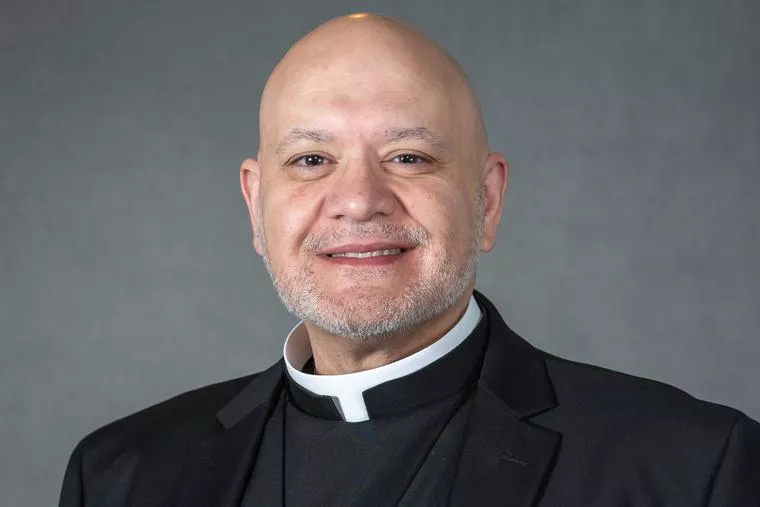
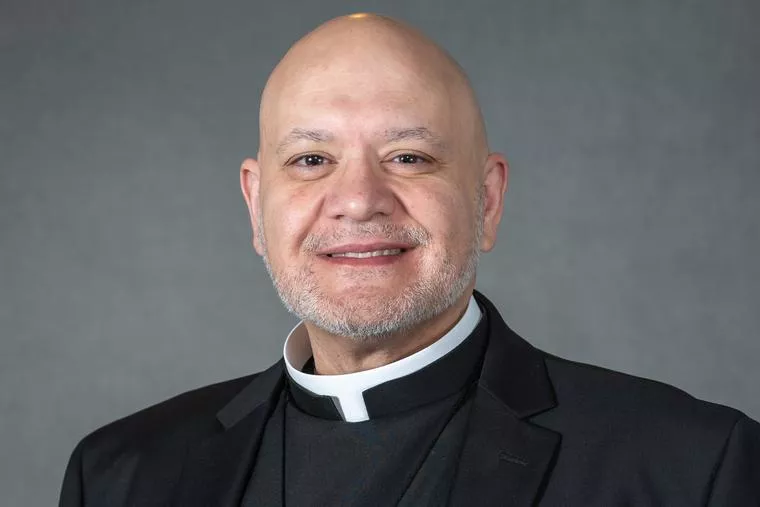
Father Carlos Martins alleges that two Catholic commentators made false statements about him on a podcast; defendants deny the allegations.

Read More
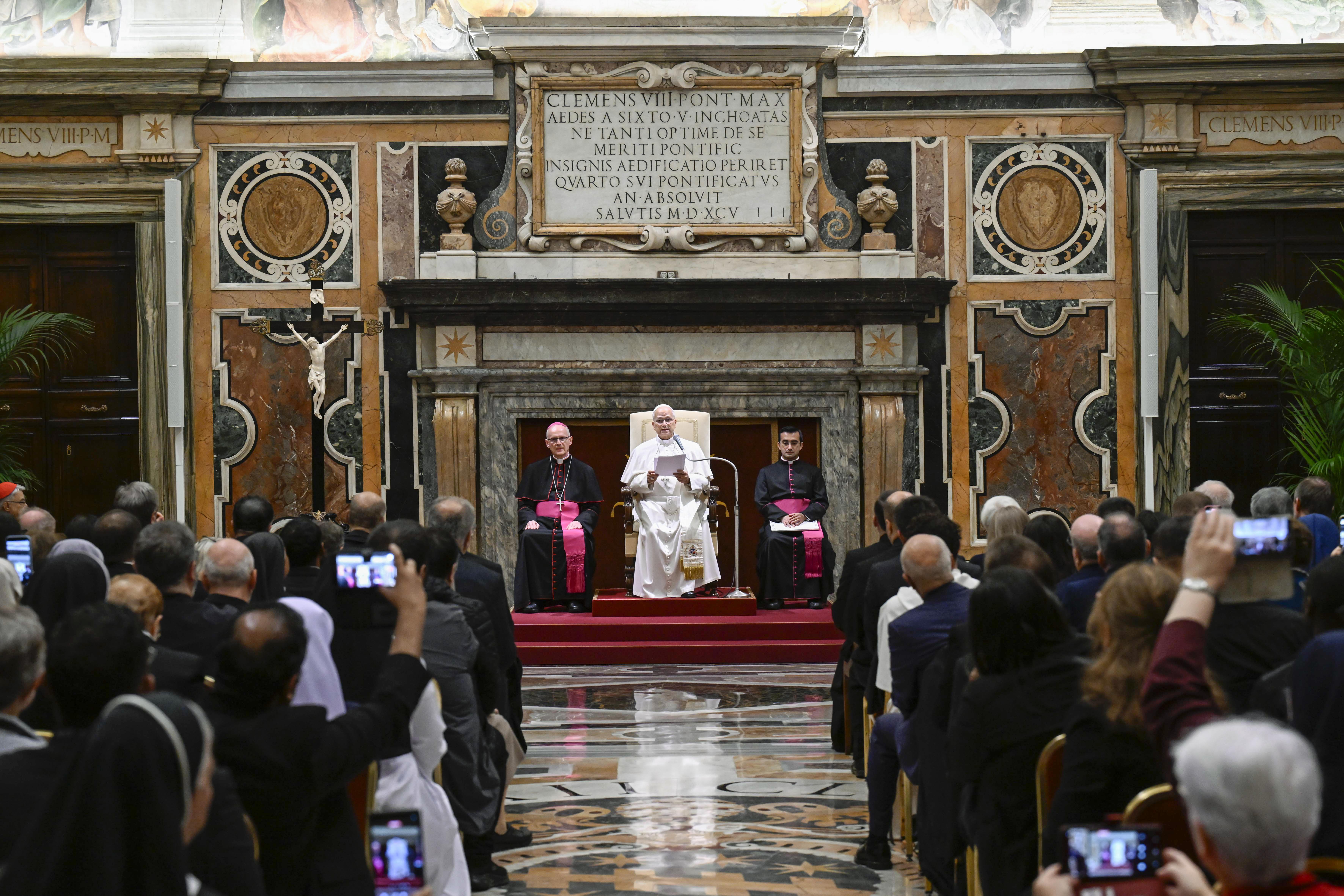
Pope Leo XIV: The world is poorer without saints – #Catholic – Pope Leo XIV, in his first private audience since undergoing surgery on Oct. 13, said the history of the world is inseparable from the history of the saints.“The history of the world without saints would be immeasurably poorer; that is, less human,” Leo said in his address.The pontiff met on Wednesday with participants of the “Holiness in History” conference, held at the Patristic Institute Augustinianum center in Rome from Oct. 19–21. Organized by the Dicastery for the Causes of Saints, the conference explored the role of historical research in determining whether to declare someone a saint. Rigor in canonization causesIn his remarks, Leo referenced Pope Pius XI, who established the dicastery’s historical section in 1930, and emphasized that recent causes for canonization must continue to be carefully evaluated against historical evidence of one’s holiness.
 
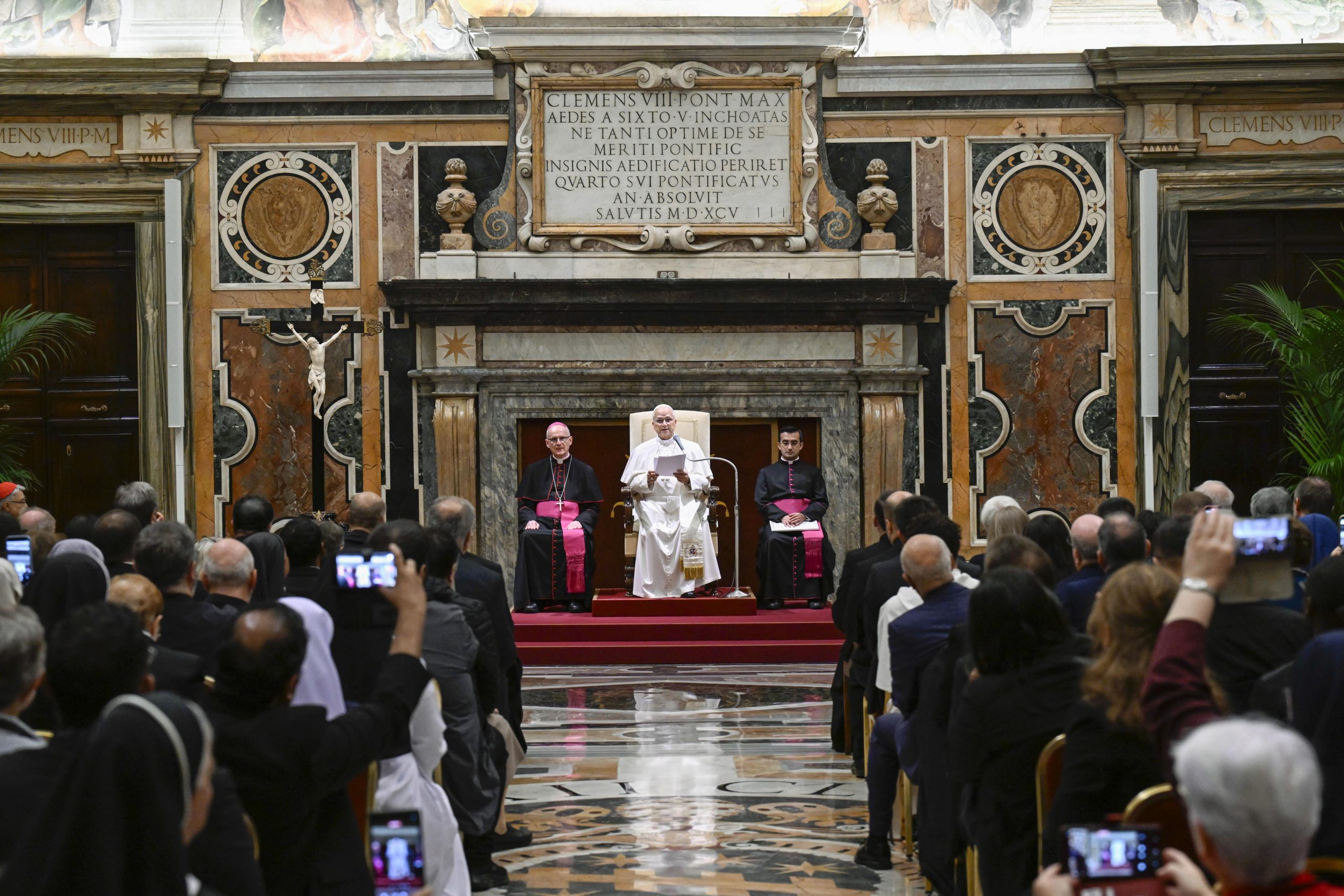
 Pope Leo XIV delivers remarks during a private audience at the Apostolic Palace in the Vatican with participants in the “Holiness in History” conference on Oct. 21, 2026. | Credit: Vatican Media
 
 “The treatment of ‘recent causes’ likewise cannot dispense with a serious and rigorous examination of all the material collected,” Pope Leo said. “Causes of saints make use of the tools proper to the study of history, even though their aim is not to produce historiography, but rather to bring to light the exemplary nature, spirituality, and reputation for holiness of those proposed for the altars.”Saints must be understood in contextLeo also explained the importance of placing canonized saints in the context in which they lived, eliminating stereotypes and misunderstandings.“As the ages pass, even the profile of saints may undergo development: not to follow the stereotypes of the moment, but to interpret a particular experience through the categories of the Gospel lived out,” Leo said. “For this reason, placing the witness of a saint within the context in which he or she lived is very important. The people of God seek models for living in the present, intercessors who help members of the Church face today’s challenges and recognize their opportunities.”

Pope Leo XIV: The world is poorer without saints – #Catholic – Pope Leo XIV, in his first private audience since undergoing surgery on Oct. 13, said the history of the world is inseparable from the history of the saints.“The history of the world without saints would be immeasurably poorer; that is, less human,” Leo said in his address.The pontiff met on Wednesday with participants of the “Holiness in History” conference, held at the Patristic Institute Augustinianum center in Rome from Oct. 19–21. Organized by the Dicastery for the Causes of Saints, the conference explored the role of historical research in determining whether to declare someone a saint. Rigor in canonization causesIn his remarks, Leo referenced Pope Pius XI, who established the dicastery’s historical section in 1930, and emphasized that recent causes for canonization must continue to be carefully evaluated against historical evidence of one’s holiness. Pope Leo XIV delivers remarks during a private audience at the Apostolic Palace in the Vatican with participants in the “Holiness in History” conference on Oct. 21, 2026. | Credit: Vatican Media “The treatment of ‘recent causes’ likewise cannot dispense with a serious and rigorous examination of all the material collected,” Pope Leo said. “Causes of saints make use of the tools proper to the study of history, even though their aim is not to produce historiography, but rather to bring to light the exemplary nature, spirituality, and reputation for holiness of those proposed for the altars.”Saints must be understood in contextLeo also explained the importance of placing canonized saints in the context in which they lived, eliminating stereotypes and misunderstandings.“As the ages pass, even the profile of saints may undergo development: not to follow the stereotypes of the moment, but to interpret a particular experience through the categories of the Gospel lived out,” Leo said. “For this reason, placing the witness of a saint within the context in which he or she lived is very important. The people of God seek models for living in the present, intercessors who help members of the Church face today’s challenges and recognize their opportunities.”

The pontiff met with participants of the “Holiness in History” conference at the Vatican on Wednesday.

Read More

In 1892, George Ellery Hale, a professor of astrophysics at the University of Chicago, convinced the university president to acquire two 40-inch telescope lens blanks. With funding from Charles Yerkes, a Chicago mass-transit tycoon looking to refurbish his image, Hale spearheaded the creation of an observatory to house the Great Refractor made with these blanks.Continue reading “Oct. 21, 1897: Yerkes Observatory is dedicated”

The post Oct. 21, 1897: Yerkes Observatory is dedicated appeared first on Astronomy Magazine.

Read More