1980s

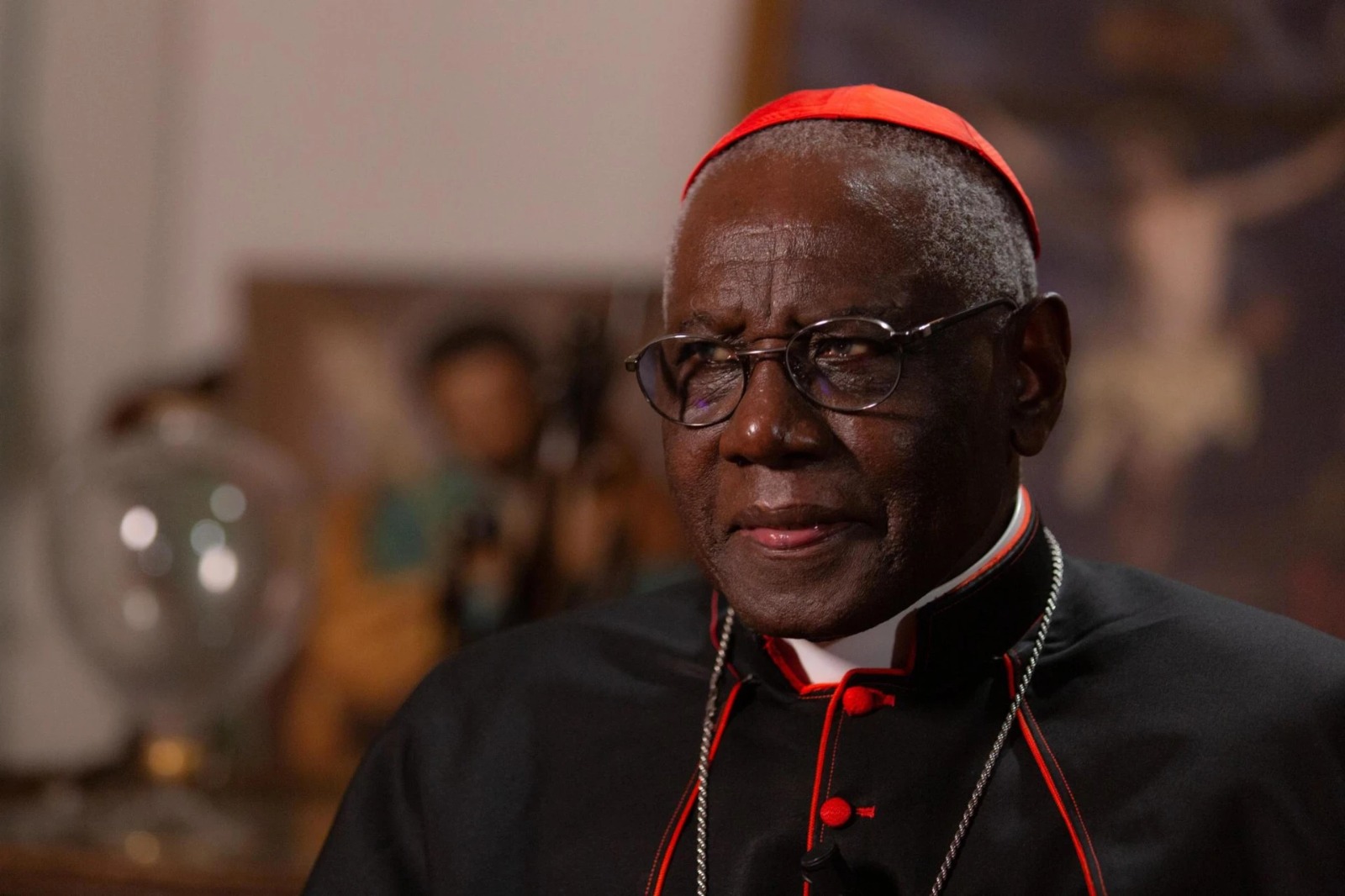
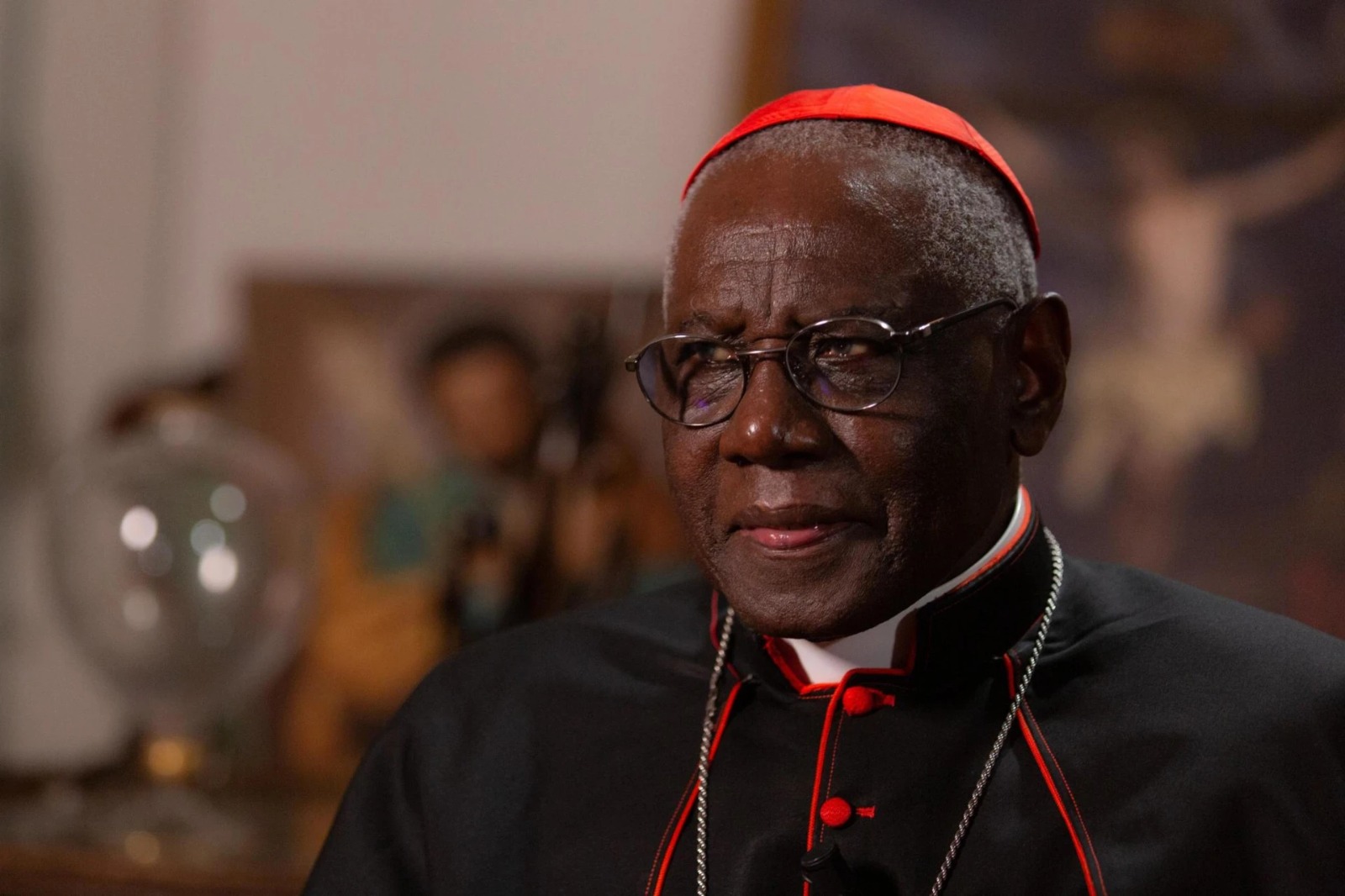
The Church cannot declare war on Latin Mass devotees, Cardinal Robert Sarah says #Catholic “We, as a Church, cannot declare war on those who devoutly attend Mass simply because they prefer one form over another; this is a shortsighted and entirely ideological stance and, therefore, neither pastoral nor Christian,” Cardinal Robert Sarah said on Aug. 27. “It is harmful and destructive to the Church.”Sarah, the former prefect of the Congregation for Divine Worship and the Discipline of the Sacraments, spoke to the Italian newspaper Il Giornale last week about the importance of the traditional liturgy, which dates back to the time of Pope Gregory the Great and earlier, and which was celebrated worldwide until the Second Vatican Council (1962–1965).After the council, the old liturgy was abandoned, although some priests continued to celebrate it. The archbishop of Dakar, Senegal, Marcel Lefebvre, remained faithful to it and founded the Society of St. Pius X (SSPX) under the claim of preserving the Traditional Latin Mass and in opposition to some reforms of the Second Vatican Council. The SSPX has twice been declared to be in schism, including in 2026, and its bishops excommunicated.In the mid-1980s, the Holy See began to relax the de facto ban. In his motu proprio Summorum Pontificum, Pope Benedict XVI in 2007 authorized all priests to celebrate the old liturgy; in his view, strictly speaking, it had never been abrogated. He differentiated between the Traditional Latin Mass as the “extraordinary form” and the new Mass as the “ordinary form.” Pope Francis revoked his predecessorʼs decision in 2021 and severely restricted the classical Roman liturgy with his motu proprio Traditionis Custodes.“Among the effects of the liberalization of the extraordinary form was the positive influence — I would even say the correction — regarding possible abuses in the celebration of the ordinary form,” Sarah said. “These abuses are extremely serious acts, yet we must never equate the ordinary form itself with them. Many priests testify that discovering the extraordinary form helped them celebrate Mass better.”“I think Benedict XVI also demonstrated on that occasion a deeply humble and democratic attitude,” the cardinal continued, recalling the 2007 decision. “He wanted to ensure the widest possible dissemination, so that the people of God could decide for themselves, over the decades, which form of living out the faith best suited them. All of this, however, was nullified by Traditionis Custodes, while the pope emeritus was still alive.”“That did not seem to me a decision that was either sensible or respectful,” Sarah explained. “But Benedict XVI, a man as gentle as a lamb, allowed himself to be humiliated and thus offered his suffering to God in silence and prayer, so as to better identify with Christ’s pain for his Church and to purify it.”Sarah said that “access to ritual forms that have been recognized and in existence for centuries must never be artificially restricted by means of decrees. If a rite did not serve the faith, it would disappear on its own; if, conversely, it preserves and fosters the faith, we must by no means restrict it, for in doing so we would be restricting the very preservation and spread of the faith.”This story was first published by ACI Digital, the Portuguese-language sister service of EWTN News. It has been translated and adapted by EWTN News English.

The Church cannot declare war on Latin Mass devotees, Cardinal Robert Sarah says #Catholic “We, as a Church, cannot declare war on those who devoutly attend Mass simply because they prefer one form over another; this is a shortsighted and entirely ideological stance and, therefore, neither pastoral nor Christian,” Cardinal Robert Sarah said on Aug. 27. “It is harmful and destructive to the Church.”Sarah, the former prefect of the Congregation for Divine Worship and the Discipline of the Sacraments, spoke to the Italian newspaper Il Giornale last week about the importance of the traditional liturgy, which dates back to the time of Pope Gregory the Great and earlier, and which was celebrated worldwide until the Second Vatican Council (1962–1965).After the council, the old liturgy was abandoned, although some priests continued to celebrate it. The archbishop of Dakar, Senegal, Marcel Lefebvre, remained faithful to it and founded the Society of St. Pius X (SSPX) under the claim of preserving the Traditional Latin Mass and in opposition to some reforms of the Second Vatican Council. The SSPX has twice been declared to be in schism, including in 2026, and its bishops excommunicated.In the mid-1980s, the Holy See began to relax the de facto ban. In his motu proprio Summorum Pontificum, Pope Benedict XVI in 2007 authorized all priests to celebrate the old liturgy; in his view, strictly speaking, it had never been abrogated. He differentiated between the Traditional Latin Mass as the “extraordinary form” and the new Mass as the “ordinary form.” Pope Francis revoked his predecessorʼs decision in 2021 and severely restricted the classical Roman liturgy with his motu proprio Traditionis Custodes.“Among the effects of the liberalization of the extraordinary form was the positive influence — I would even say the correction — regarding possible abuses in the celebration of the ordinary form,” Sarah said. “These abuses are extremely serious acts, yet we must never equate the ordinary form itself with them. Many priests testify that discovering the extraordinary form helped them celebrate Mass better.”“I think Benedict XVI also demonstrated on that occasion a deeply humble and democratic attitude,” the cardinal continued, recalling the 2007 decision. “He wanted to ensure the widest possible dissemination, so that the people of God could decide for themselves, over the decades, which form of living out the faith best suited them. All of this, however, was nullified by Traditionis Custodes, while the pope emeritus was still alive.”“That did not seem to me a decision that was either sensible or respectful,” Sarah explained. “But Benedict XVI, a man as gentle as a lamb, allowed himself to be humiliated and thus offered his suffering to God in silence and prayer, so as to better identify with Christ’s pain for his Church and to purify it.”Sarah said that “access to ritual forms that have been recognized and in existence for centuries must never be artificially restricted by means of decrees. If a rite did not serve the faith, it would disappear on its own; if, conversely, it preserves and fosters the faith, we must by no means restrict it, for in doing so we would be restricting the very preservation and spread of the faith.”This story was first published by ACI Digital, the Portuguese-language sister service of EWTN News. It has been translated and adapted by EWTN News English.

The cardinal praised Pope Benedict’s 2007 decision to allow the faithful greater access to the Latin Mass but called Pope Francis’ 2021 decision to restrict it neither “sensible” nor “respectful.”
Read More
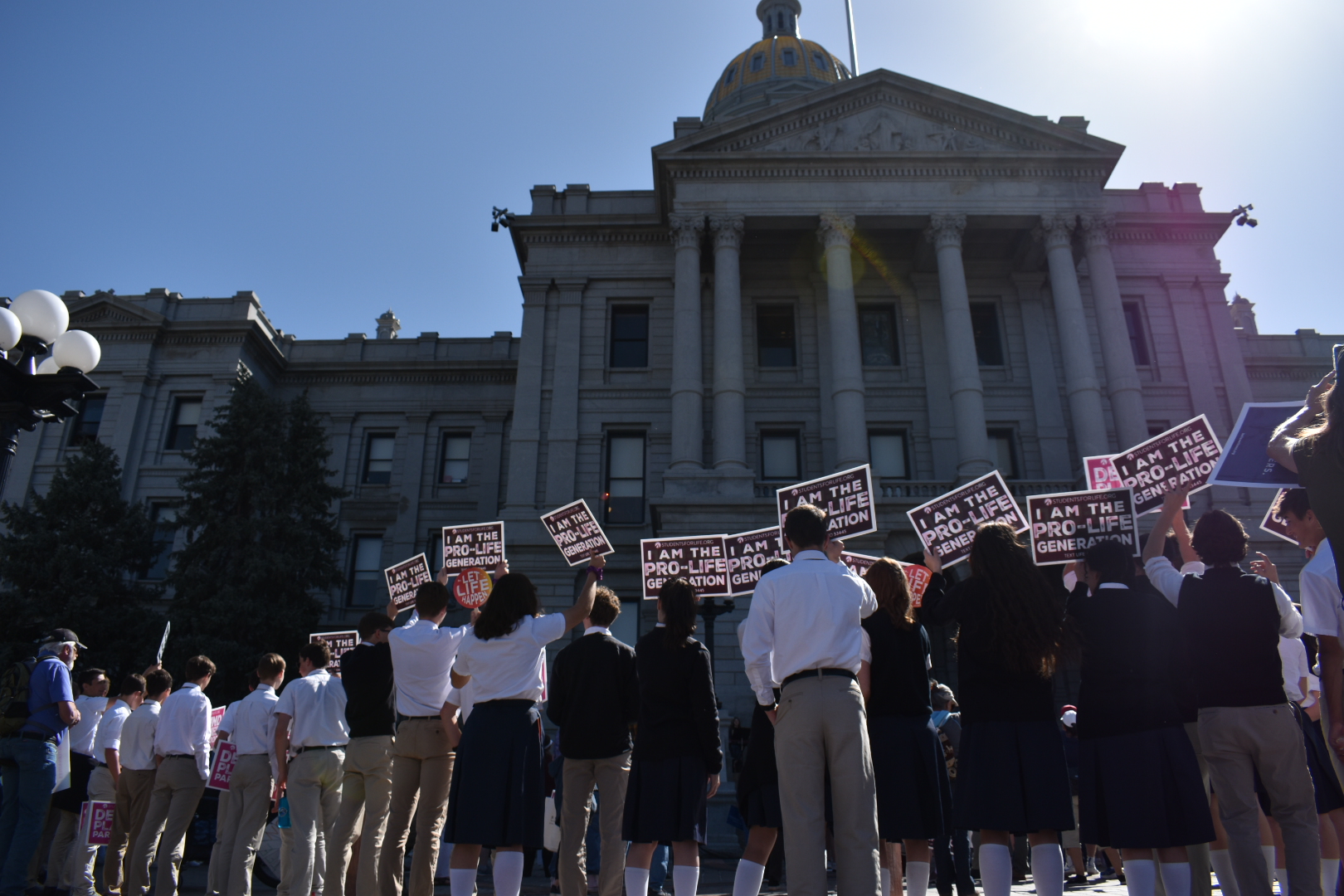
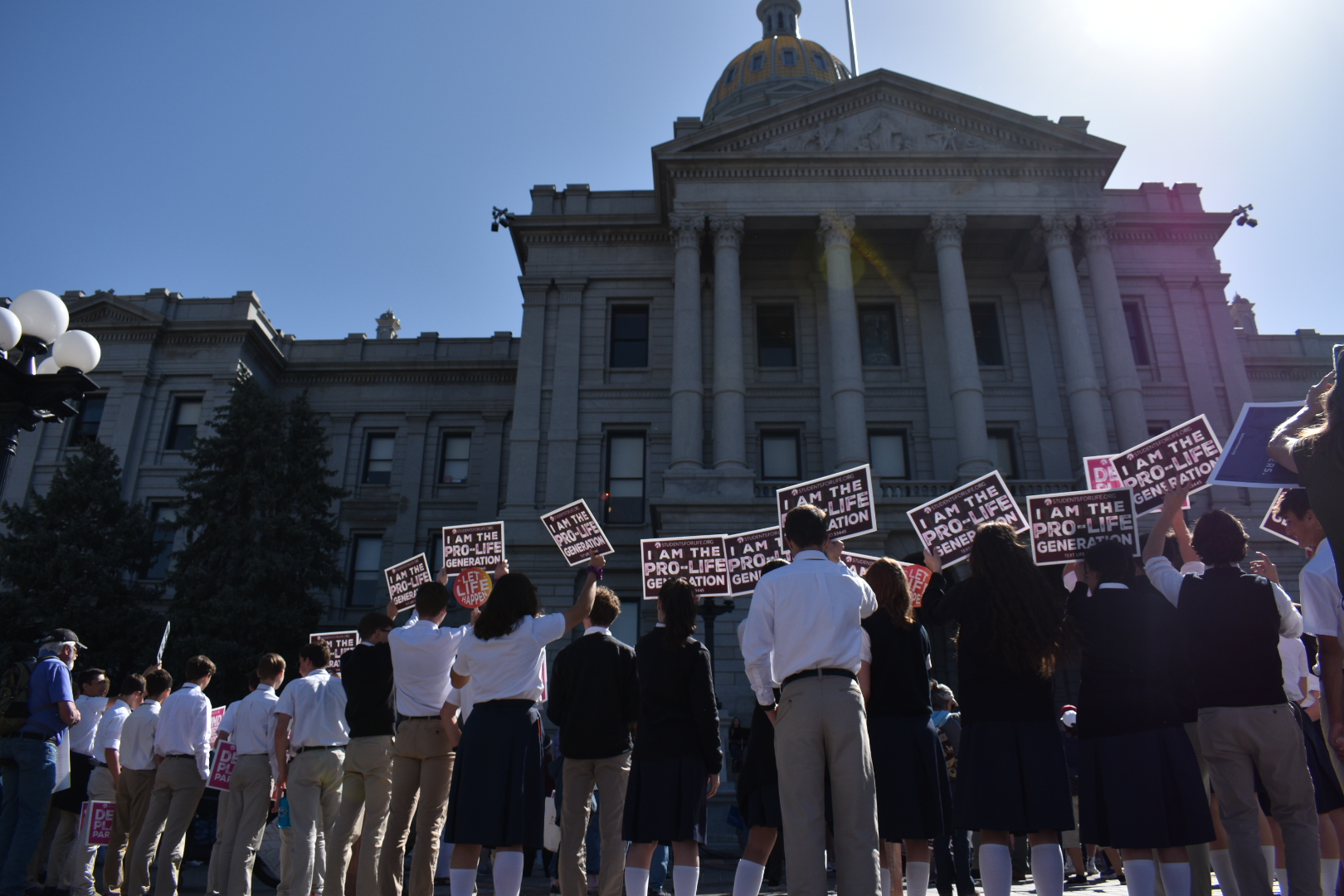
Watchdog group flags safety concerns at Colorado abortion clinics after death of teenager #Catholic In Colorado, advocates for life are gathering to remember a young woman who died during a second-trimester abortion at a Planned Parenthood — and to call for better safety regulations.Alexis “Lexi” Arguello died of complications during an abortion at the Planned Parenthood in Fort Collins; her grandparents claimed the clinic waited too long to call 911.The three-day “Justice for Lexi” campaign, taking place Aug. 27–29, aims to draw attention to the “the tragic death of Lexi Arguello and the numerous abortion injuries sustained by other unprotected women in unregulated abortion clinics across the state,” according to Operation Rescue, a watchdog group working to end abortion in the U.S. In the 1980s and 1990s, the group organized peaceful sit-ins and blockades in front of abortion clinics, which sometimes led to arrests.A press conference on Aug. 28 will be held on the sidewalk in front of the Fort Collins Planned Parenthood, where 12 other women have been injured, according to the group. Auxiliary Bishop Jorge Rodriguez-Novelo of the Archdiocese of Denver will speak at the prayer rally following the press conference.Dr. Catherine Wheeler, a former abortionist who now heads the Colorado Chapter of the American Association of Pro-Life Obstetricians and Gynecologists, a group that promotes patients’ rights for unborn babies and mothers, is set to speak at the event.“The tragic loss of Lexi’s life and at least 13 ambulances from Fort Collins since January 2025 witness to the dangers of later abortion, magnified by lack of oversight, transparency and accountability,” Wheeler stated in an Aug. 24 press release.“Women and Coloradans do not understand the dangers of abortion after the first trimester, and are not told the facilities are not regulated or inspected to be sure that anesthesia is safe, sterilization protocols are enforced, clinicians are adequately trained, or that the staff and facility are prepared, equipped and capable to manage emergencies like hemorrhage, uterine perforation or acute respiratory failure, known complications,” Wheeler continued.Dr. Tom Perille, who heads Democrats for Life of Colorado, insists that women’s safety must come first.“For two consecutive years, bills have been introduced in the Colorado Assembly to grant the Colorado Department of Public Health and Environment the authority to license, regulate, and inspect second and third trimester abortion facilities like they do other high risk healthcare facilities,” Perille said in the release. “Both times, the bills were defeated along party lines at the bequest of the abortion industry.”“Putting the abortion industry’s financial interests above the health and safety of Colorado women must stop,” he said.Operation Rescue has been monitoring the Fort Collins Planned Parenthood since Arguello’s death last year, according to the press release.“Since Lexi’s tragic death, our team has documented at least 12 more women injured at this same Planned Parenthood,” Sarah Neely, COO of Operation Rescue, said in a statement. “Another late-term Planned Parenthood located in Denver has injured nine women. Not one incident has been investigated, not even the death of Lexi, when evidence and testimony suggested Planned Parenthood staff waited too long to call 911.”In one case on July 9, Planned Parenthood in Fort Collins called 911 for a “hemorrhaging” patient.Attorney Alexandra Snyder of Life Legal Defense Foundation, a pro-life nonprofit defending unborn children, called for more safety regulations for abortion.“The need for adequate regulations is most pronounced in facilities that perform second- and third-trimester abortions, like the one that treated Lexi before she died,” Snyder said. “Colorado’s legislature has twice rejected attempts to impose even basic safety requirements. We will continue to fight for laws that protect women in Colorado from this unconscionable neglect on the part of the Legislature.”“We hope that Lexi’s death will finally compel lawmakers to require abortion clinics to meet the same patient safety standards required of other medical facilities,” Snyder said.

Watchdog group flags safety concerns at Colorado abortion clinics after death of teenager #Catholic In Colorado, advocates for life are gathering to remember a young woman who died during a second-trimester abortion at a Planned Parenthood — and to call for better safety regulations.Alexis “Lexi” Arguello died of complications during an abortion at the Planned Parenthood in Fort Collins; her grandparents claimed the clinic waited too long to call 911.The three-day “Justice for Lexi” campaign, taking place Aug. 27–29, aims to draw attention to the “the tragic death of Lexi Arguello and the numerous abortion injuries sustained by other unprotected women in unregulated abortion clinics across the state,” according to Operation Rescue, a watchdog group working to end abortion in the U.S. In the 1980s and 1990s, the group organized peaceful sit-ins and blockades in front of abortion clinics, which sometimes led to arrests.A press conference on Aug. 28 will be held on the sidewalk in front of the Fort Collins Planned Parenthood, where 12 other women have been injured, according to the group. Auxiliary Bishop Jorge Rodriguez-Novelo of the Archdiocese of Denver will speak at the prayer rally following the press conference.Dr. Catherine Wheeler, a former abortionist who now heads the Colorado Chapter of the American Association of Pro-Life Obstetricians and Gynecologists, a group that promotes patients’ rights for unborn babies and mothers, is set to speak at the event.“The tragic loss of Lexi’s life and at least 13 ambulances from Fort Collins since January 2025 witness to the dangers of later abortion, magnified by lack of oversight, transparency and accountability,” Wheeler stated in an Aug. 24 press release.“Women and Coloradans do not understand the dangers of abortion after the first trimester, and are not told the facilities are not regulated or inspected to be sure that anesthesia is safe, sterilization protocols are enforced, clinicians are adequately trained, or that the staff and facility are prepared, equipped and capable to manage emergencies like hemorrhage, uterine perforation or acute respiratory failure, known complications,” Wheeler continued.Dr. Tom Perille, who heads Democrats for Life of Colorado, insists that women’s safety must come first.“For two consecutive years, bills have been introduced in the Colorado Assembly to grant the Colorado Department of Public Health and Environment the authority to license, regulate, and inspect second and third trimester abortion facilities like they do other high risk healthcare facilities,” Perille said in the release. “Both times, the bills were defeated along party lines at the bequest of the abortion industry.”“Putting the abortion industry’s financial interests above the health and safety of Colorado women must stop,” he said.Operation Rescue has been monitoring the Fort Collins Planned Parenthood since Arguello’s death last year, according to the press release.“Since Lexi’s tragic death, our team has documented at least 12 more women injured at this same Planned Parenthood,” Sarah Neely, COO of Operation Rescue, said in a statement. “Another late-term Planned Parenthood located in Denver has injured nine women. Not one incident has been investigated, not even the death of Lexi, when evidence and testimony suggested Planned Parenthood staff waited too long to call 911.”In one case on July 9, Planned Parenthood in Fort Collins called 911 for a “hemorrhaging” patient.Attorney Alexandra Snyder of Life Legal Defense Foundation, a pro-life nonprofit defending unborn children, called for more safety regulations for abortion.“The need for adequate regulations is most pronounced in facilities that perform second- and third-trimester abortions, like the one that treated Lexi before she died,” Snyder said. “Colorado’s legislature has twice rejected attempts to impose even basic safety requirements. We will continue to fight for laws that protect women in Colorado from this unconscionable neglect on the part of the Legislature.”“We hope that Lexi’s death will finally compel lawmakers to require abortion clinics to meet the same patient safety standards required of other medical facilities,” Snyder said.

Last year, 18-year-old Lexi Arguello died after complications from a late-term abortion. Activists say staff waited too long to call 911 — and note that women continue to be injured at the clinic.
Read More
Major restoration in Minneapolis aims to renew ‘every square inch’ of country’s oldest basilica #Catholic If you want to clean more-than-century-old marble statues of the apostles, you don’t simply use soap and water. Rather, you must spray the figures with a “specialized conservation material” that subsequently dries into a “latex-like layer,” which is then “carefully peeled away,” thus preserving the statue’s original finish. The process “is labor intensive and takes significant time,” according to staff at the Basilica of Saint Mary, a towering and historic minor basilica in downtown Minneapolis. The massive church, which was dedicated in 1915 and became the first basilica in the United States when it was designated as such by Pope Pius XI in 1926, has been undergoing a major restoration project since 2025. 
 
 A specialty cleaning material is sprayed on a statue of St. Peter at the Basilica of Saint Mary in Minneapolis in an undated photo. | Credit: Ken Fournelle/Courtesy of the Basilica of Saint Mary
 
 Built in the Beaux-Arts style — what was at the time a popular architectural form in the United States — the co-cathedral boasts a towering flèche-topped central dome and an 82-foot-high barrel vault. Among its many adornments include the statues of the apostles, which were carved in Italy as half-scale replicas of statues at the Archbasilica of St. John Lateran, the cathedral of the pope in Rome. Church’s roots stretch back to 1860sOn its website, the basilica says its roots can be traced to 1868, when a simple “shed church” was constructed in Minneapolis. Years later another, more substantial Gothic Revival edifice was built, but burgeoning development in the neighborhood eventually pushed the parish to relocate to its present location on Hennepin Avenue. The cornerstone of the current structure was laid in 1908. The church, designated a pro-cathedral, celebrated its first Mass in 1914; it was dedicated the following year. It was still being worked on when the U.S. entered World War I in 1917. 
 
 An original print of the basilica, drafted by architect Emmanuel Louis Masqueray, hangs in the church’s undercroft. | Credit: Courtesy of the Basilica of Saint Mary
 
 In 1926, Pius XI raised the pro-cathedral to the rank of minor basilica, after which it took on its present name. It would enjoy a vibrant parish life in the following decades, though the construction of adjacent freeways in the 1960s “took a heavy toll” on the building. The 1980s and 1990s saw parishioners spearheading efforts at ongoing restoration. The latest restoration campaign, titled “Restoring Beauty, Inspiring Hope,” has aimed to raise a total of about  million in funding. Among the project’s goals are masonry repairs, roof repairs, pew restorations with new kneelers, plaster restoration, and numerous other projects. 
 
 Workers in an undated photograph clean a limestone surface in an ambulatory of the Basilica of Saint Mary in Minneapolis. | Credit: Photo courtesy of the Basilica of Saint Mary
 
 Johan van Parys, who has served as the basilica’s director of liturgy and the sacred arts since 1995, told EWTN News that the basilica has needed repairs almost from its inception. “Even from the beginning, the building had issues with moisture intrusion,” he said. The architect who designed the church, Emmanuel Louis Masqueray, was French, and he “didn’t completely understand the challenges of Minnesota summers and winters.” “He designed flat roofs over part of the building,” van Parys said. He jokingly described flat roofs as “the bane of our existence” due to their tendency to hold water. In existing photographs of the church taken in 1914, van Parys said, water damage is already visible. “We’ve had to do work on the building ever since,” he said. The church underwent a “somewhat major” restoration in the 1950s, van Parys said, during which for unknown reasons workers painted over intricate stenciling within coffers and other parts of the structure. Along with those details, van Parys said, the restoration effort is “bringing back the original look of the basilica.” The effort was formally launched in 2019 with a master plan for the entire church campus, but the COVID-19 pandemic the next year set the project back. The process resumed after a few years, and the restoration work itself formally began in 2025. 
 
 Scaffolding towers above the nave of the Basilica of Saint Mary in Minneapolis in an undated photograph. | Credit: Ken Fournelle/Courtesy of the Basilica of Saint Mary
 
 Van Parys said the basilica is being restored both inside and out from top to the bottom, including the plaster ceiling, which has suffered damage over the years and has to be replastered in parts. Work is also being done on the church’s extensive stained-glass window arrangements. Such windows are generally held in place with a lead matrix, but over time the weight of the glass can weaken the metal frame, leading the glass to bulge outward. A stained-glass specialist, however, told the restoration crew that the window fixtures were in “great condition,” meaning considerable amounts of work could be avoided. Some of the windows were still in need of repair, however, and were sent to a specialist in Newark, New Jersey. Limestone throughout the building is also being restored, van Parys said. The visible stone throughout the building is bolstered by several inches of reinforced concrete and bricks; moisture often makes its way through this sandwiching of materials, leading to a buildup of salt crystals on the stone, what is known as “efflorescence.” Removing this blemish beautifies the facade of the stone and also protects it from degradation. Crews use a spray-and-peel chemical similar to the process used on the statues of the apostles. 
 
 A century’s worth of visible soot and grime contrasts with a restored limestone surface in an undated photograph in the Basilica of Saint Mary, Minneapolis. | Credit: Photo courtesy of the Basilica of Saint Mary
 
 The restoration crews also removed the basilica’s pews in order to have them restored with cleaning, sanding, and shellac finishing.“We opted to restore the original 1914 pews,” van Parys said. “One of our principles in terms of restoration is that we don’t want to over-restore. We didn’t want it to be a new church. People have worshipped in here since 1914. We want this presence of prayer and generations before us to remain.”“So rather than have new pews we decided to restore the old ones,” he said. “In doing so we discovered that the people who built the pews in 1914 signed them. So we have the names of all the people who worked on the pews.”
 
 Workmen in an undated photo remove pews from the Basilica of Saint Mary in Minneapolis as part of the restoration of the church. | Credit: Ken Fournelle/Courtesy of the Basilica of Saint Mary
 
 Upon removing the pews, the work crews discovered that the flooring of the nave was not level. “One option was to put shims under all the pews,” van Parys said. “But that would have been a huge operation.” Since crews were already removing the wood flooring to restore it, they also removed part of the old concrete subfloor and re-leveled it.
 
 A worker at Fresh Air Finishers in Saint Paul, Minnesota, restores a pew from the Basilica of Saint Mary in an undated photograph. | Credit: Ken Fournelle/Courtesy of the Basilica of Saint Mary
 
 Numerous other restoration projects are ongoing, van Parys said, including restoring the church’s bronze doors, which were installed after it was designated a basilica. The church’s rector at the time, Monsignor James Reardon, had traveled to Rome and observed that the basilicas there had bronze doors. “He decided we needed bronze doors as well,” van Parys said. 
 
 Archbishop Bernard Hebda blesses and seals bronze doors at the Basilica of Saint Mary ahead of restoration of the century-old features of the historic church, April 5, 2026. | Credit: Photo courtesy of the Basilica of Saint Mary
 
 Crews are aiming to be done with the massive project by Palm Sunday 2027. At the moment the parish holds Masses in the building’s undercroft beneath the structure. “Every week at Mass, I tell people, for instance, ‘Last Sunday was Week 35, which means we have 34 weeks to go,’” van Parys said with a laugh. He said the work is “quite expedited” and progressing quickly. Ultimately the effort is meant not just to restore the church but to develop a “manual of preservation” for future generations to help protect it. “Our goal is to restore and to also make sure that everything is cared for in the best possible way, to extend the lifespan of the basilica as long as possible before another restoration is necessary,” he said. He said the entire project is being conducted “not only with liturgical principles but also historical preservation principles.”“It is really comprehensive,” he said. “Every square inch of the basilica will be restored.”

Major restoration in Minneapolis aims to renew ‘every square inch’ of country’s oldest basilica #Catholic If you want to clean more-than-century-old marble statues of the apostles, you don’t simply use soap and water. Rather, you must spray the figures with a “specialized conservation material” that subsequently dries into a “latex-like layer,” which is then “carefully peeled away,” thus preserving the statue’s original finish. The process “is labor intensive and takes significant time,” according to staff at the Basilica of Saint Mary, a towering and historic minor basilica in downtown Minneapolis. The massive church, which was dedicated in 1915 and became the first basilica in the United States when it was designated as such by Pope Pius XI in 1926, has been undergoing a major restoration project since 2025. A specialty cleaning material is sprayed on a statue of St. Peter at the Basilica of Saint Mary in Minneapolis in an undated photo. | Credit: Ken Fournelle/Courtesy of the Basilica of Saint Mary Built in the Beaux-Arts style — what was at the time a popular architectural form in the United States — the co-cathedral boasts a towering flèche-topped central dome and an 82-foot-high barrel vault. Among its many adornments include the statues of the apostles, which were carved in Italy as half-scale replicas of statues at the Archbasilica of St. John Lateran, the cathedral of the pope in Rome. Church’s roots stretch back to 1860sOn its website, the basilica says its roots can be traced to 1868, when a simple “shed church” was constructed in Minneapolis. Years later another, more substantial Gothic Revival edifice was built, but burgeoning development in the neighborhood eventually pushed the parish to relocate to its present location on Hennepin Avenue. The cornerstone of the current structure was laid in 1908. The church, designated a pro-cathedral, celebrated its first Mass in 1914; it was dedicated the following year. It was still being worked on when the U.S. entered World War I in 1917. An original print of the basilica, drafted by architect Emmanuel Louis Masqueray, hangs in the church’s undercroft. | Credit: Courtesy of the Basilica of Saint Mary In 1926, Pius XI raised the pro-cathedral to the rank of minor basilica, after which it took on its present name. It would enjoy a vibrant parish life in the following decades, though the construction of adjacent freeways in the 1960s “took a heavy toll” on the building. The 1980s and 1990s saw parishioners spearheading efforts at ongoing restoration. The latest restoration campaign, titled “Restoring Beauty, Inspiring Hope,” has aimed to raise a total of about $50 million in funding. Among the project’s goals are masonry repairs, roof repairs, pew restorations with new kneelers, plaster restoration, and numerous other projects. Workers in an undated photograph clean a limestone surface in an ambulatory of the Basilica of Saint Mary in Minneapolis. | Credit: Photo courtesy of the Basilica of Saint Mary Johan van Parys, who has served as the basilica’s director of liturgy and the sacred arts since 1995, told EWTN News that the basilica has needed repairs almost from its inception. “Even from the beginning, the building had issues with moisture intrusion,” he said. The architect who designed the church, Emmanuel Louis Masqueray, was French, and he “didn’t completely understand the challenges of Minnesota summers and winters.” “He designed flat roofs over part of the building,” van Parys said. He jokingly described flat roofs as “the bane of our existence” due to their tendency to hold water. In existing photographs of the church taken in 1914, van Parys said, water damage is already visible. “We’ve had to do work on the building ever since,” he said. The church underwent a “somewhat major” restoration in the 1950s, van Parys said, during which for unknown reasons workers painted over intricate stenciling within coffers and other parts of the structure. Along with those details, van Parys said, the restoration effort is “bringing back the original look of the basilica.” The effort was formally launched in 2019 with a master plan for the entire church campus, but the COVID-19 pandemic the next year set the project back. The process resumed after a few years, and the restoration work itself formally began in 2025. Scaffolding towers above the nave of the Basilica of Saint Mary in Minneapolis in an undated photograph. | Credit: Ken Fournelle/Courtesy of the Basilica of Saint Mary Van Parys said the basilica is being restored both inside and out from top to the bottom, including the plaster ceiling, which has suffered damage over the years and has to be replastered in parts. Work is also being done on the church’s extensive stained-glass window arrangements. Such windows are generally held in place with a lead matrix, but over time the weight of the glass can weaken the metal frame, leading the glass to bulge outward. A stained-glass specialist, however, told the restoration crew that the window fixtures were in “great condition,” meaning considerable amounts of work could be avoided. Some of the windows were still in need of repair, however, and were sent to a specialist in Newark, New Jersey. Limestone throughout the building is also being restored, van Parys said. The visible stone throughout the building is bolstered by several inches of reinforced concrete and bricks; moisture often makes its way through this sandwiching of materials, leading to a buildup of salt crystals on the stone, what is known as “efflorescence.” Removing this blemish beautifies the facade of the stone and also protects it from degradation. Crews use a spray-and-peel chemical similar to the process used on the statues of the apostles. A century’s worth of visible soot and grime contrasts with a restored limestone surface in an undated photograph in the Basilica of Saint Mary, Minneapolis. | Credit: Photo courtesy of the Basilica of Saint Mary The restoration crews also removed the basilica’s pews in order to have them restored with cleaning, sanding, and shellac finishing.“We opted to restore the original 1914 pews,” van Parys said. “One of our principles in terms of restoration is that we don’t want to over-restore. We didn’t want it to be a new church. People have worshipped in here since 1914. We want this presence of prayer and generations before us to remain.”“So rather than have new pews we decided to restore the old ones,” he said. “In doing so we discovered that the people who built the pews in 1914 signed them. So we have the names of all the people who worked on the pews.” Workmen in an undated photo remove pews from the Basilica of Saint Mary in Minneapolis as part of the restoration of the church. | Credit: Ken Fournelle/Courtesy of the Basilica of Saint Mary Upon removing the pews, the work crews discovered that the flooring of the nave was not level. “One option was to put shims under all the pews,” van Parys said. “But that would have been a huge operation.” Since crews were already removing the wood flooring to restore it, they also removed part of the old concrete subfloor and re-leveled it. A worker at Fresh Air Finishers in Saint Paul, Minnesota, restores a pew from the Basilica of Saint Mary in an undated photograph. | Credit: Ken Fournelle/Courtesy of the Basilica of Saint Mary Numerous other restoration projects are ongoing, van Parys said, including restoring the church’s bronze doors, which were installed after it was designated a basilica. The church’s rector at the time, Monsignor James Reardon, had traveled to Rome and observed that the basilicas there had bronze doors. “He decided we needed bronze doors as well,” van Parys said. Archbishop Bernard Hebda blesses and seals bronze doors at the Basilica of Saint Mary ahead of restoration of the century-old features of the historic church, April 5, 2026. | Credit: Photo courtesy of the Basilica of Saint Mary Crews are aiming to be done with the massive project by Palm Sunday 2027. At the moment the parish holds Masses in the building’s undercroft beneath the structure. “Every week at Mass, I tell people, for instance, ‘Last Sunday was Week 35, which means we have 34 weeks to go,’” van Parys said with a laugh. He said the work is “quite expedited” and progressing quickly. Ultimately the effort is meant not just to restore the church but to develop a “manual of preservation” for future generations to help protect it. “Our goal is to restore and to also make sure that everything is cared for in the best possible way, to extend the lifespan of the basilica as long as possible before another restoration is necessary,” he said. He said the entire project is being conducted “not only with liturgical principles but also historical preservation principles.”“It is really comprehensive,” he said. “Every square inch of the basilica will be restored.”

The massive church was dedicated in 1915 and became the first basilica in the United States when it was designated as such by Pope Pius XI in 1926.

Read More