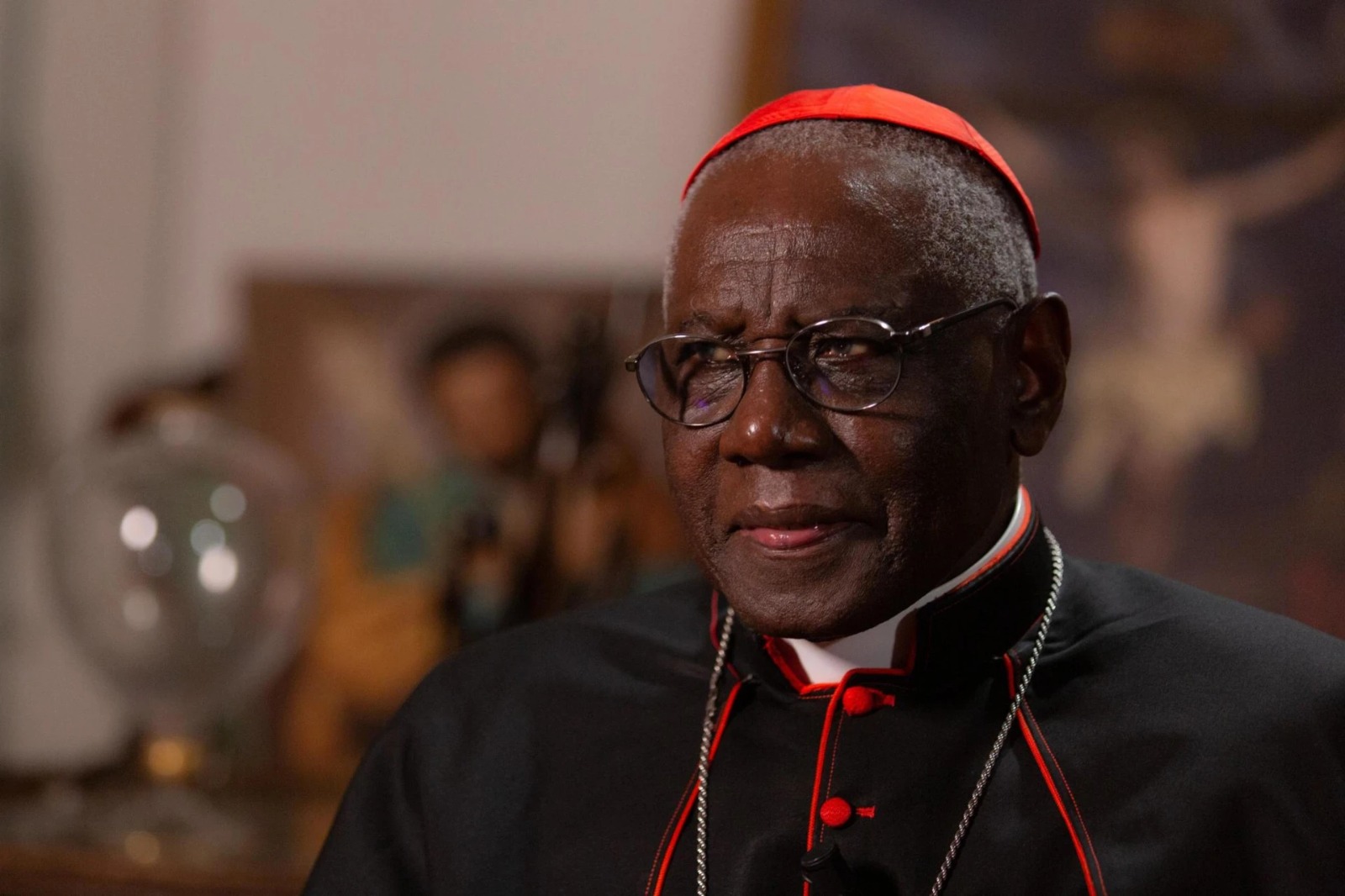
“We, as a Church, cannot declare war on those who devoutly attend Mass simply because they prefer one form over another; this is a shortsighted and entirely ideological stance and, therefore, neither pastoral nor Christian,” Cardinal Robert Sarah said on Aug. 27. “It is harmful and destructive to the Church.”
Sarah, the former prefect of the Congregation for Divine Worship and the Discipline of the Sacraments, spoke to the Italian newspaper Il Giornale last week about the importance of the traditional liturgy, which dates back to the time of Pope Gregory the Great and earlier, and which was celebrated worldwide until the Second Vatican Council (1962–1965).
After the council, the old liturgy was abandoned, although some priests continued to celebrate it. The archbishop of Dakar, Senegal, Marcel Lefebvre, remained faithful to it and founded the Society of St. Pius X (SSPX) under the claim of preserving the Traditional Latin Mass and in opposition to some reforms of the Second Vatican Council. The SSPX has twice been declared to be in schism, including in 2026, and its bishops excommunicated.
In the mid-1980s, the Holy See began to relax the de facto ban. In his motu proprio Summorum Pontificum, Pope Benedict XVI in 2007 authorized all priests to celebrate the old liturgy; in his view, strictly speaking, it had never been abrogated. He differentiated between the Traditional Latin Mass as the “extraordinary form” and the new Mass as the “ordinary form.”
Pope Francis revoked his predecessorʼs decision in 2021 and severely restricted the classical Roman liturgy with his motu proprio Traditionis Custodes.
“Among the effects of the liberalization of the extraordinary form was the positive influence — I would even say the correction — regarding possible abuses in the celebration of the ordinary form,” Sarah said. “These abuses are extremely serious acts, yet we must never equate the ordinary form itself with them. Many priests testify that discovering the extraordinary form helped them celebrate Mass better.”
“I think Benedict XVI also demonstrated on that occasion a deeply humble and democratic attitude,” the cardinal continued, recalling the 2007 decision. “He wanted to ensure the widest possible dissemination, so that the people of God could decide for themselves, over the decades, which form of living out the faith best suited them. All of this, however, was nullified by Traditionis Custodes, while the pope emeritus was still alive.”
“That did not seem to me a decision that was either sensible or respectful,” Sarah explained. “But Benedict XVI, a man as gentle as a lamb, allowed himself to be humiliated and thus offered his suffering to God in silence and prayer, so as to better identify with Christ’s pain for his Church and to purify it.”
Sarah said that “access to ritual forms that have been recognized and in existence for centuries must never be artificially restricted by means of decrees. If a rite did not serve the faith, it would disappear on its own; if, conversely, it preserves and fosters the faith, we must by no means restrict it, for in doing so we would be restricting the very preservation and spread of the faith.”
This story was first published by ACI Digital, the Portuguese-language sister service of EWTN News. It has been translated and adapted by EWTN News English.
The Church cannot declare war on Latin Mass devotees, Cardinal Robert Sarah says #Catholic
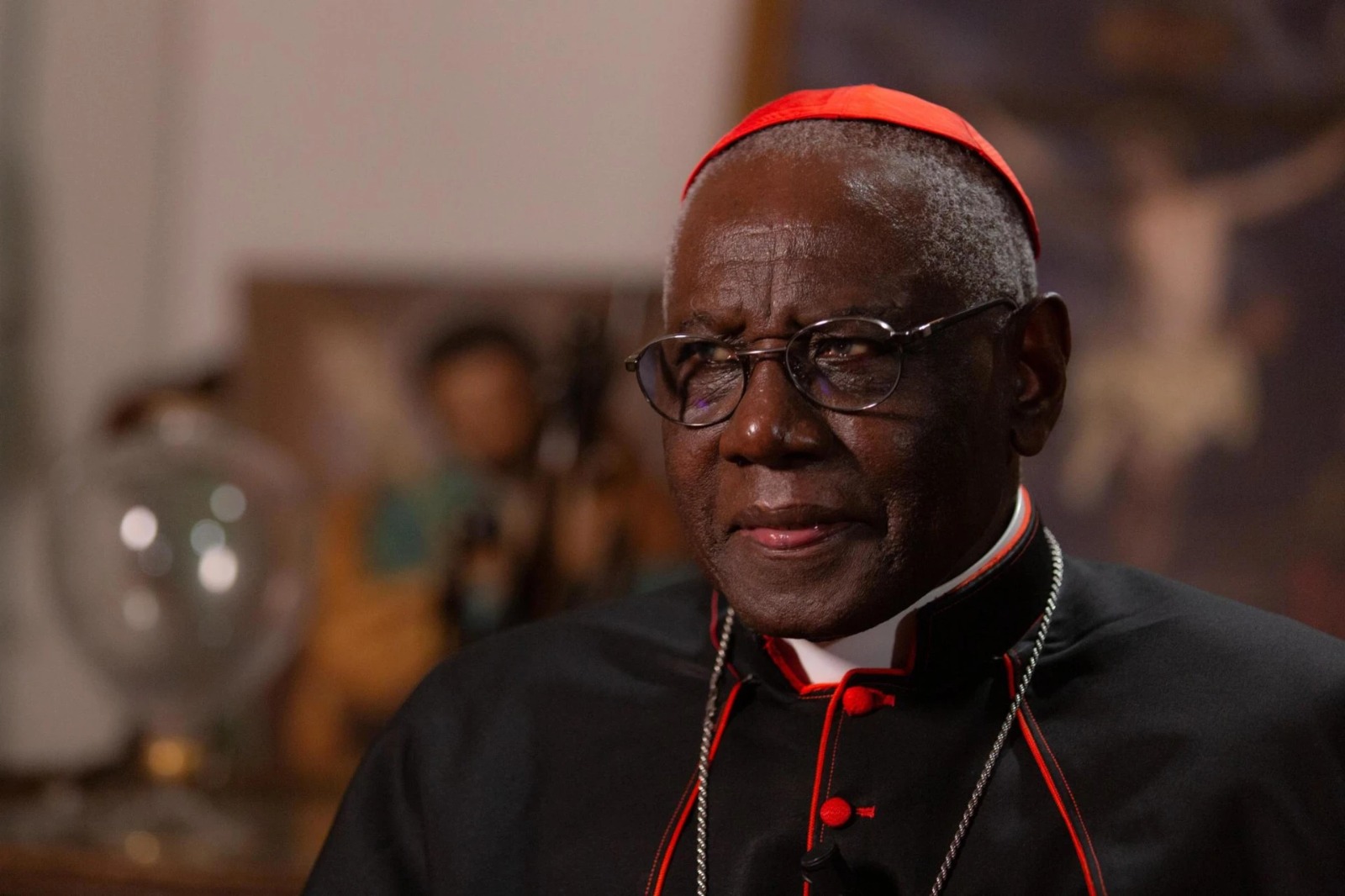
“We, as a Church, cannot declare war on those who devoutly attend Mass simply because they prefer one form over another; this is a shortsighted and entirely ideological stance and, therefore, neither pastoral nor Christian,” Cardinal Robert Sarah said on Aug. 27. “It is harmful and destructive to the Church.”
Sarah, the former prefect of the Congregation for Divine Worship and the Discipline of the Sacraments, spoke to the Italian newspaper Il Giornale last week about the importance of the traditional liturgy, which dates back to the time of Pope Gregory the Great and earlier, and which was celebrated worldwide until the Second Vatican Council (1962–1965).
After the council, the old liturgy was abandoned, although some priests continued to celebrate it. The archbishop of Dakar, Senegal, Marcel Lefebvre, remained faithful to it and founded the Society of St. Pius X (SSPX) under the claim of preserving the Traditional Latin Mass and in opposition to some reforms of the Second Vatican Council. The SSPX has twice been declared to be in schism, including in 2026, and its bishops excommunicated.
In the mid-1980s, the Holy See began to relax the de facto ban. In his motu proprio Summorum Pontificum, Pope Benedict XVI in 2007 authorized all priests to celebrate the old liturgy; in his view, strictly speaking, it had never been abrogated. He differentiated between the Traditional Latin Mass as the “extraordinary form” and the new Mass as the “ordinary form.”
Pope Francis revoked his predecessorʼs decision in 2021 and severely restricted the classical Roman liturgy with his motu proprio Traditionis Custodes.
“Among the effects of the liberalization of the extraordinary form was the positive influence — I would even say the correction — regarding possible abuses in the celebration of the ordinary form,” Sarah said. “These abuses are extremely serious acts, yet we must never equate the ordinary form itself with them. Many priests testify that discovering the extraordinary form helped them celebrate Mass better.”
“I think Benedict XVI also demonstrated on that occasion a deeply humble and democratic attitude,” the cardinal continued, recalling the 2007 decision. “He wanted to ensure the widest possible dissemination, so that the people of God could decide for themselves, over the decades, which form of living out the faith best suited them. All of this, however, was nullified by Traditionis Custodes, while the pope emeritus was still alive.”
“That did not seem to me a decision that was either sensible or respectful,” Sarah explained. “But Benedict XVI, a man as gentle as a lamb, allowed himself to be humiliated and thus offered his suffering to God in silence and prayer, so as to better identify with Christ’s pain for his Church and to purify it.”
Sarah said that “access to ritual forms that have been recognized and in existence for centuries must never be artificially restricted by means of decrees. If a rite did not serve the faith, it would disappear on its own; if, conversely, it preserves and fosters the faith, we must by no means restrict it, for in doing so we would be restricting the very preservation and spread of the faith.”
This story was first published by ACI Digital, the Portuguese-language sister service of EWTN News. It has been translated and adapted by EWTN News English.