![Pope Leo in Lourdes: The Church must heal her ‘wounds, infidelities, and painful errors’ #Catholic LOURDES, France — Pope Leo XIV issued a firm call to conversion from sin and error in the Church, and invited all to repent and do penance, at the Sanctuary of Our Lady of Lourdes on Sunday.Mary’s call to conversion in her message to St. Bernadette “also concerns the Church herself as she makes her earthly journey. She must have the courage to begin with herself,” he said at Mass on Sept. 27.“In order to heal the deep wounds, infidelities and painful errors that have occurred within her, we must humbly place ourselves under the Lord’s purifying gaze. Recognizing our own faults is essential to our spiritual growth,” the pontiff said.In 2021, the Independent Commission on Sexual Abuse in the Church (CIASE) published a nearly 2,500-page final report, estimating that 216,000 children were abused by priests, deacons, monks, or nuns in France from 1950 to 2020.TweetLeo is scheduled to meet later on Sunday with seven victims of clerical sexual abuse in France.Lourdes is an evocative backdrop to the private meeting, since it is among the first shrines to cover artwork by the accused sexual abuser Father Marko Rupnik, currently on trial at the Vatican.Rupnik’s mosaics decorating the front of the Basilica of the Rosary were covered ahead of Leo’s visit and will remain covered indefinitely, according to the local bishop.The pope celebrated Mass on a prairie across the river Gave de Pau from the grotto of the apparitions on the third day of his Sept. 25-28 visit to France.Pilgrims from France and around the world gathered on the grassy hill and along the streets of the shrine. Some waved flags or held banners of sacred images. A number of pilgrims arrived in wheelchairs. Around 150,000 people attended the Mass, according to the Vatican.Claire Banks, a nurse from the UK, said she has traveled over 100 times to Lourdes.“It was too good of an opportunity to miss coming here and seeing the pope. I think he’s wonderful,” she told EWTN News. She described an “electric atmosphere” at the shrine since Leo’s arrival.Libby Frank, another Mass attendee, is also from the UK, but has lived in Lourdes for 40 years. She recently retired after working for a charity that brings sick people to the shrine.“I worked for three papal visits and now I’ve come to one papal visit to enjoy it with my family and friends and just be part of the community,” she said, referencing two visits by St. Pope John Paul II in 1983 and 2004, and one by Pope Benedict in 2008.“There’s been a phenomenal amount of excitement locally waiting for Leo to come visit. The town [of Lourdes] has really gotten behind everything that’s happening,” she said.TweetThe Sanctuary of Our Lady of Lourdes is among the most popular Catholic shrines in the world, built on the site of Mary’s apparitions to St. Bernadette in 1858. It is particularly visited by the sick, who come to bathe in or drink its healing spring water.In his homily, Pope Leo noted that a “call to conversion, both tender and urgent,” was a central part of the message the Virgin Mary entrusted to Bernadette, and that “it is today, not tomorrow, that we must repent.”He said Jesus is quite direct about the call to repentance: “As St. Luke tells us, ‘Unless you repent, you will all perish.’ But he also extends our horizon beyond this earthly life to the horizon of eternal life.”“Did not the Virgin Mary say to St. Bernadette, ‘I do not promise to make you happy in this world but in the next’?” Leo said.The pope noted that we can often forget this in an age and society focused on progress and material wellbeing.Eternal life is already won for us by Jesus’ sacrifice, he continued, but “the obstacle to grace and eternal life — the only obstacle to this love — is sin.”The Holy Father called everyone to do penance, an act of love for God and for our brothers and sisters, “who do not heed this call to conversion, and whose sins lead them towards death.”“We want to make amends for the wounds our sins have dealt to [God’s] heart,” he said.Addressing the many sick, elderly, and disabled people present at the Mass, Leo said their suffering, if lived in a “spirit of offering,” can take part “in the redemptive work that the world so greatly needs.”“In this way, you are truly at the heart of the Church, and your role is irreplaceable,” he said.“In the face of current trends that seek to redefine the value of human life in illness, suffering and old age, the grotto of Massabielle stands as a place of Christian hope,” he said. “Here, no one is turned away due to their frailty.”Earlier in the morning, Leo met with France’s bishops at the shrine, where he praised their courage in opposing the recent legalization of euthanasia and assisted suicide in the country.“I encourage you to persevere, together with all people of good will who uphold the same values,” he told the bishops’ conference.At the end of Mass, before praying the Angelus, the pope invited those present to pray the rosary for peace, and to offer concrete acts of penance and mercy.“It was here that the Immaculate Virgin appeared to St. Bernadette with the rosary and, as it were, guided her in prayer,” he said. “For this reason, today I invite all the faithful and all Christian communities to pray the holy rosary throughout the coming month of October, with the particular intention that wars may cease and that peace may be established among peoples in conflict.”Elliot Hartley contributed to this report.This story was updated at 7:14 a.m. ET with more information about the Mass and the pope’s meeting with bishops.](https://unitedyam.com/wp-content/uploads/2026/09/pope-leo-in-lourdes-the-church-must-heal-her-wounds-infidelities-and-painful-errors-catholic-lourdes-france-pope-leo-xiv-issued-a-firm-call-to-conversion-from-sin-and.jpg "Pope Leo in Lourdes: The Church must heal her ‘wounds, infidelities, and painful errors’ #Catholic LOURDES, France — Pope Leo XIV issued a firm call to conversion from sin and error in the Church, and invited all to repent and do penance, at the Sanctuary of Our Lady of Lourdes on Sunday.Mary’s call to conversion in her message to St. Bernadette “also concerns the Church herself as she makes her earthly journey. She must have the courage to begin with herself,” he said at Mass on Sept. 27.“In order to heal the deep wounds, infidelities and painful errors that have occurred within her, we must humbly place ourselves under the Lord’s purifying gaze. Recognizing our own faults is essential to our spiritual growth,” the pontiff said.In 2021, the Independent Commission on Sexual Abuse in the Church (CIASE) published a nearly 2,500-page final report, estimating that 216,000 children were abused by priests, deacons, monks, or nuns in France from 1950 to 2020.TweetLeo is scheduled to meet later on Sunday with seven victims of clerical sexual abuse in France.Lourdes is an evocative backdrop to the private meeting, since it is among the first shrines to cover artwork by the accused sexual abuser Father Marko Rupnik, currently on trial at the Vatican.Rupnik’s mosaics decorating the front of the Basilica of the Rosary were covered ahead of Leo’s visit and will remain covered indefinitely, according to the local bishop.The pope celebrated Mass on a prairie across the river Gave de Pau from the grotto of the apparitions on the third day of his Sept. 25-28 visit to France.Pilgrims from France and around the world gathered on the grassy hill and along the streets of the shrine. Some waved flags or held banners of sacred images. A number of pilgrims arrived in wheelchairs. Around 150,000 people attended the Mass, according to the Vatican.Claire Banks, a nurse from the UK, said she has traveled over 100 times to Lourdes.“It was too good of an opportunity to miss coming here and seeing the pope. I think he’s wonderful,” she told EWTN News. She described an “electric atmosphere” at the shrine since Leo’s arrival.Libby Frank, another Mass attendee, is also from the UK, but has lived in Lourdes for 40 years. She recently retired after working for a charity that brings sick people to the shrine.“I worked for three papal visits and now I’ve come to one papal visit to enjoy it with my family and friends and just be part of the community,” she said, referencing two visits by St. Pope John Paul II in 1983 and 2004, and one by Pope Benedict in 2008.“There’s been a phenomenal amount of excitement locally waiting for Leo to come visit. The town [of Lourdes] has really gotten behind everything that’s happening,” she said.TweetThe Sanctuary of Our Lady of Lourdes is among the most popular Catholic shrines in the world, built on the site of Mary’s apparitions to St. Bernadette in 1858. It is particularly visited by the sick, who come to bathe in or drink its healing spring water.In his homily, Pope Leo noted that a “call to conversion, both tender and urgent,” was a central part of the message the Virgin Mary entrusted to Bernadette, and that “it is today, not tomorrow, that we must repent.”He said Jesus is quite direct about the call to repentance: “As St. Luke tells us, ‘Unless you repent, you will all perish.’ But he also extends our horizon beyond this earthly life to the horizon of eternal life.”“Did not the Virgin Mary say to St. Bernadette, ‘I do not promise to make you happy in this world but in the next’?” Leo said.The pope noted that we can often forget this in an age and society focused on progress and material wellbeing.Eternal life is already won for us by Jesus’ sacrifice, he continued, but “the obstacle to grace and eternal life — the only obstacle to this love — is sin.”The Holy Father called everyone to do penance, an act of love for God and for our brothers and sisters, “who do not heed this call to conversion, and whose sins lead them towards death.”“We want to make amends for the wounds our sins have dealt to [God’s] heart,” he said.Addressing the many sick, elderly, and disabled people present at the Mass, Leo said their suffering, if lived in a “spirit of offering,” can take part “in the redemptive work that the world so greatly needs.”“In this way, you are truly at the heart of the Church, and your role is irreplaceable,” he said.“In the face of current trends that seek to redefine the value of human life in illness, suffering and old age, the grotto of Massabielle stands as a place of Christian hope,” he said. “Here, no one is turned away due to their frailty.”Earlier in the morning, Leo met with France’s bishops at the shrine, where he praised their courage in opposing the recent legalization of euthanasia and assisted suicide in the country.“I encourage you to persevere, together with all people of good will who uphold the same values,” he told the bishops’ conference.At the end of Mass, before praying the Angelus, the pope invited those present to pray the rosary for peace, and to offer concrete acts of penance and mercy.“It was here that the Immaculate Virgin appeared to St. Bernadette with the rosary and, as it were, guided her in prayer,” he said. “For this reason, today I invite all the faithful and all Christian communities to pray the holy rosary throughout the coming month of October, with the particular intention that wars may cease and that peace may be established among peoples in conflict.”Elliot Hartley contributed to this report.This story was updated at 7:14 a.m. ET with more information about the Mass and the pope’s meeting with bishops.")

The pontiff spoke about the urgency of repentance and conversion at a Mass on the third day of his visit to France.
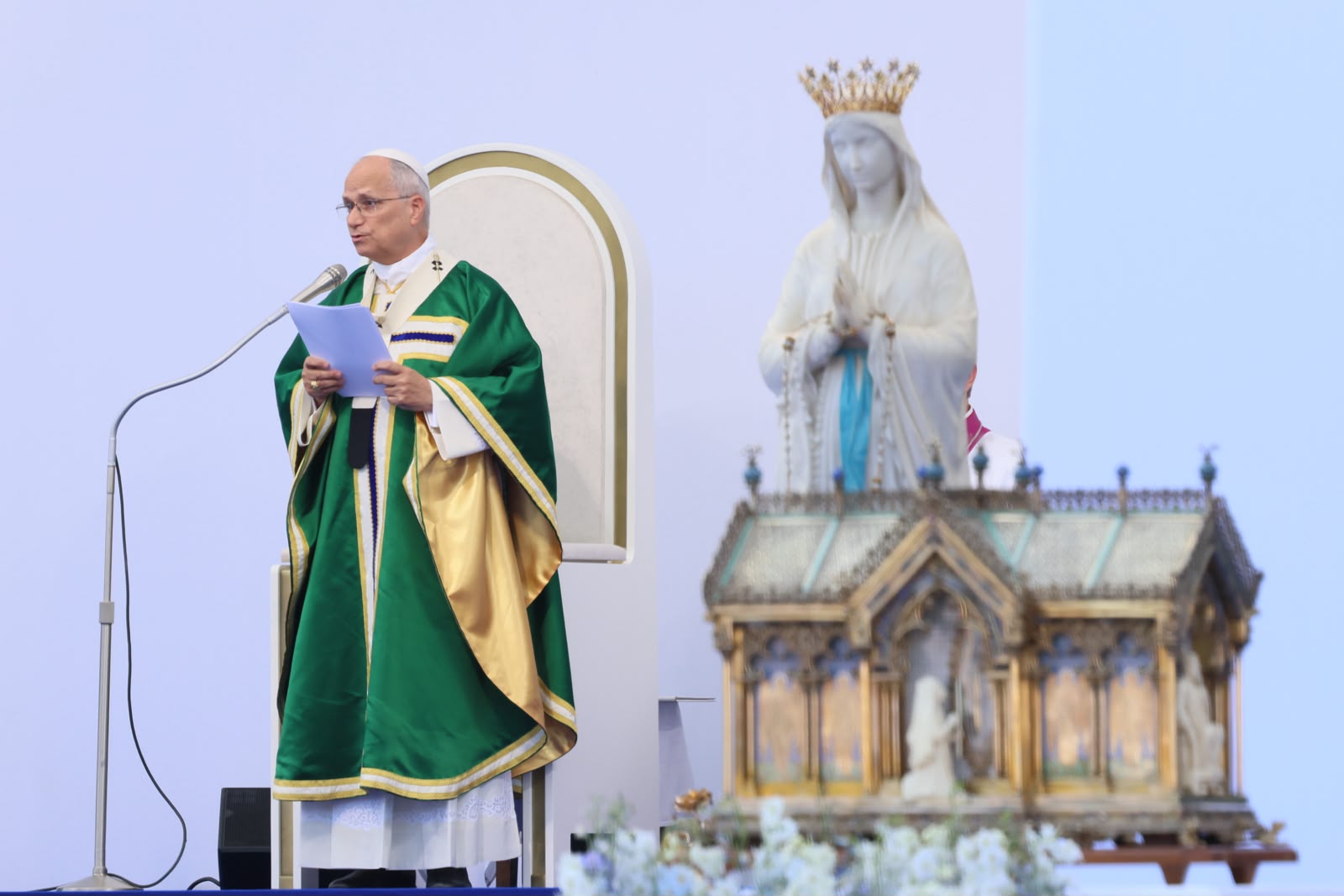
The pontiff spoke about the urgency of repentance and conversion at a Mass on the third day of his visit to France.
![Over 150,000 visitors prepare to welcome Pope Leo in Lourdes #Catholic LOURDES, France — As Pope Leo XIV lands in Paris to begin the first official papal visit to France since 2008, pilgrims, organizers, and business owners in Lourdes are preparing for his arrival in the town expected on Saturday night.Patrick Vinuales, owner of Hôtels Vinuales — the largest hotel chain in Lourdes — told EWTN News: “The average number of people who would be staying in Lourdes is roughly 20,000. But for the Sunday Mass, there will be something like 150,000 people. We expect altogether an attendance of nearly a quarter of a million people over the weekend.”“What I think is very important is the enthusiasm of people. A lot of people have been calling us saying even if they couldnʼt come, they were so happy for the pope to come to Lourdes, to reveal more about the message of Our Lady to Bernadette,” he told EWTN News.Tourism is a big business in Lourdes. The town is widely considered to be the area with the highest concentration of hotels in France outside of Paris — rather unusual for a town with a population of 10,000. Hotel owners have been making the most of the increase in numbers.Joseph Tedesco, owner of the Grand Hôtel Moderne, built in 1896 by the nephew of St. Bernadette, told EWTN News: “Everybody increased their prices… We made a huge effort to welcome individuals, because usually itʼs mostly big dioceses… but this event made more individuals come and thatʼs a completely different type of business.”For the major ceremonies, tourists will need to have registered in advance, or they won’t be allowed into the sanctuary. “The biggest challenge is the people who organized the pilgrimage before they knew the pope was coming. There are a lot of people who donʼt have their ticket,” he said. “Our hotel is in the red area, so it wonʼt be accessible [by car].”Pope John Paul II visited Lourdes in 1983 and 2004. In 2007, Pope Benedict XVI visited, which Tedesco recalls. “Two months after I bought the hotel 18 years ago, Pope Benedict XVI arrived… We didnʼt have all this security for sure. But thatʼs maybe because we didnʼt have the geopolitical problem that we have today.”
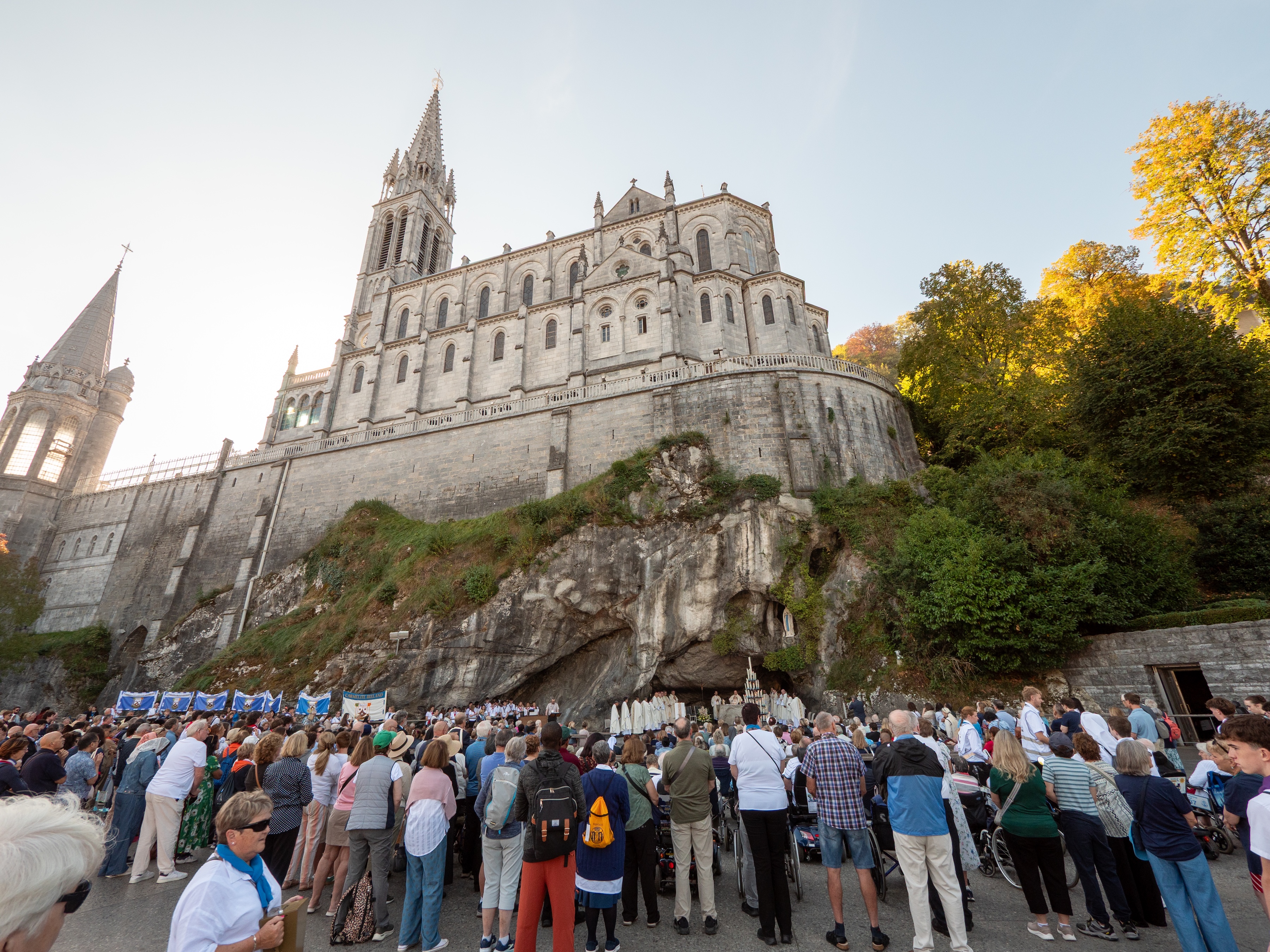
Pilgrims gather to pray before Pope Leo arrives in Lourdes, France, during his papal trip to France Sept. 25-28, 2026. | Credit: Elliot Hartley
“This visit is, first and foremost, a visit by the Successor of Peter to strengthen his brothers in the faith and to address our society as a whole,” said Monsignor Jean-Marc Micas, bishop of Tarbes and Lourdes.During this visit, Pope Leo will pray at the grotto and take part in the torchlight procession, meet with bishops of the French Episcopal Conference, celebrate Holy Mass, and meet the staff and sick community at Accueil Notre Dame, the main hospital for sick pilgrims.He also will meet privately with seven survivors of sexual abuse in the Church — a major focus for critics who argue the Church hasn’t confronted the problem fully.The visit also marks an increase in the number of attendees on organized pilgrimage groups. Most visitors to Lourdes come as part of an organized group, often with their local diocese.Caroline Trainor, a Lourdes organizer for Joe Walsh Tours, told EWTN News she had seen a huge increase in sign-ups. “When they heard that the pope was visiting, they were signing up to come back to be here over the weekend,” she said. “So thatʼs really positive for the future because it brings Lourdes back into the spotlight… Even coming in this morning, you can kind of feel this little ripple of excitement.”Lourdes’ story can be traced back to 1858, when St. Bernadette Soubirous, a 14-year-old peasant girl, had apparitions of Our Lady in a small cave. A shrine was built there, and the Pyrenean town became a pilgrimage site known for its miraculous healings.Paul Eaton, president of Ireland’s national Carmelite pilgrimage, told EWTN News: “It’s just electrifying. You really have to come here to experience it. It’s just something else… weʼre so blessed to have this honor.”“When the news first came out, we thought ‘this is not happening!’ That increased our numbers, which was fantastic… Weʼre very lucky because we have an awful lot of the same people that come with us every year who are actually hooked… They love Lourdes. They really, really do.”Michael Murphy has been coming on pilgrimage to Lourdes for 19 years. He told EWTN News: “Thereʼs a draw that continually brings me back. Itʼs difficult to explain. Itʼs just the serenity and the atmosphere. For the dates and to align with the pope as well, it just made it extra special.”Organized pilgrimages to Lourdes often have two sides. Pilgrims can either join as someone in need of assistance or as a volunteer. Those with learning or physical disabilities spend the week being assisted by volunteers, who help them with their daily needs.Clíona, a first-time pilgrim, told EWTN News: “I heard people describing Lourdes before, but I never expected it just to be like this. Thereʼs something about it. Itʼs like a magical place.”“Itʼs a different experience than Iʼve ever experienced before,” Harry Lynch, another first-time pilgrim, told EWTN News. “I wasnʼt expecting it to be this busy. Everyoneʼs very excited about everything thatʼs about to happen.”Martin has been visiting Lourdes for 20 years from Ireland. He told EWTN News: “Weʼve got more youth coming now than we had years ago, which is great. With the visit of the pope, we’re getting two trips in one! Thereʼs so much excitement, so much talk about it, and itʼs a great thing for everyone. Some people donʼt get the chance to go to Rome, so they’re getting a real run for their money this year.”The visit is expected to provide a huge boost to Lourdes’ economy. Natasha Afonso, a local souvenir shop owner, told EWTN News: “When tourists found out the pope was coming, many delayed their trips to align the dates. So, we lost a lot of business in the middle [of the] season, but now it’s growing again.”“Lourdes is known for its miracles, so it’s good for the publicity, for the young people, and the new generations to come.”](https://unitedyam.com/wp-content/uploads/2026/09/over-150000-visitors-prepare-to-welcome-pope-leo-in-lourdes-catholic-lourdes-france-as-pope-leo-xiv-lands-in-paris-to-begin-the-first-official-papal-visit-to-france-since-2008-pilgrims.jpg "Over 150,000 visitors prepare to welcome Pope Leo in Lourdes #Catholic LOURDES, France — As Pope Leo XIV lands in Paris to begin the first official papal visit to France since 2008, pilgrims, organizers, and business owners in Lourdes are preparing for his arrival in the town expected on Saturday night.Patrick Vinuales, owner of Hôtels Vinuales — the largest hotel chain in Lourdes — told EWTN News: “The average number of people who would be staying in Lourdes is roughly 20,000. But for the Sunday Mass, there will be something like 150,000 people. We expect altogether an attendance of nearly a quarter of a million people over the weekend.”“What I think is very important is the enthusiasm of people. A lot of people have been calling us saying even if they couldnʼt come, they were so happy for the pope to come to Lourdes, to reveal more about the message of Our Lady to Bernadette,” he told EWTN News.Tourism is a big business in Lourdes. The town is widely considered to be the area with the highest concentration of hotels in France outside of Paris — rather unusual for a town with a population of 10,000. Hotel owners have been making the most of the increase in numbers.Joseph Tedesco, owner of the Grand Hôtel Moderne, built in 1896 by the nephew of St. Bernadette, told EWTN News: “Everybody increased their prices… We made a huge effort to welcome individuals, because usually itʼs mostly big dioceses… but this event made more individuals come and thatʼs a completely different type of business.”For the major ceremonies, tourists will need to have registered in advance, or they won’t be allowed into the sanctuary. “The biggest challenge is the people who organized the pilgrimage before they knew the pope was coming. There are a lot of people who donʼt have their ticket,” he said. “Our hotel is in the red area, so it wonʼt be accessible [by car].”Pope John Paul II visited Lourdes in 1983 and 2004. In 2007, Pope Benedict XVI visited, which Tedesco recalls. “Two months after I bought the hotel 18 years ago, Pope Benedict XVI arrived… We didnʼt have all this security for sure. But thatʼs maybe because we didnʼt have the geopolitical problem that we have today.”
Pilgrims gather to pray before Pope Leo arrives in Lourdes, France, during his papal trip to France Sept. 25-28, 2026. | Credit: Elliot Hartley
“This visit is, first and foremost, a visit by the Successor of Peter to strengthen his brothers in the faith and to address our society as a whole,” said Monsignor Jean-Marc Micas, bishop of Tarbes and Lourdes.During this visit, Pope Leo will pray at the grotto and take part in the torchlight procession, meet with bishops of the French Episcopal Conference, celebrate Holy Mass, and meet the staff and sick community at Accueil Notre Dame, the main hospital for sick pilgrims.He also will meet privately with seven survivors of sexual abuse in the Church — a major focus for critics who argue the Church hasn’t confronted the problem fully.The visit also marks an increase in the number of attendees on organized pilgrimage groups. Most visitors to Lourdes come as part of an organized group, often with their local diocese.Caroline Trainor, a Lourdes organizer for Joe Walsh Tours, told EWTN News she had seen a huge increase in sign-ups. “When they heard that the pope was visiting, they were signing up to come back to be here over the weekend,” she said. “So thatʼs really positive for the future because it brings Lourdes back into the spotlight… Even coming in this morning, you can kind of feel this little ripple of excitement.”Lourdes’ story can be traced back to 1858, when St. Bernadette Soubirous, a 14-year-old peasant girl, had apparitions of Our Lady in a small cave. A shrine was built there, and the Pyrenean town became a pilgrimage site known for its miraculous healings.Paul Eaton, president of Ireland’s national Carmelite pilgrimage, told EWTN News: “It’s just electrifying. You really have to come here to experience it. It’s just something else… weʼre so blessed to have this honor.”“When the news first came out, we thought ‘this is not happening!’ That increased our numbers, which was fantastic… Weʼre very lucky because we have an awful lot of the same people that come with us every year who are actually hooked… They love Lourdes. They really, really do.”Michael Murphy has been coming on pilgrimage to Lourdes for 19 years. He told EWTN News: “Thereʼs a draw that continually brings me back. Itʼs difficult to explain. Itʼs just the serenity and the atmosphere. For the dates and to align with the pope as well, it just made it extra special.”Organized pilgrimages to Lourdes often have two sides. Pilgrims can either join as someone in need of assistance or as a volunteer. Those with learning or physical disabilities spend the week being assisted by volunteers, who help them with their daily needs.Clíona, a first-time pilgrim, told EWTN News: “I heard people describing Lourdes before, but I never expected it just to be like this. Thereʼs something about it. Itʼs like a magical place.”“Itʼs a different experience than Iʼve ever experienced before,” Harry Lynch, another first-time pilgrim, told EWTN News. “I wasnʼt expecting it to be this busy. Everyoneʼs very excited about everything thatʼs about to happen.”Martin has been visiting Lourdes for 20 years from Ireland. He told EWTN News: “Weʼve got more youth coming now than we had years ago, which is great. With the visit of the pope, we’re getting two trips in one! Thereʼs so much excitement, so much talk about it, and itʼs a great thing for everyone. Some people donʼt get the chance to go to Rome, so they’re getting a real run for their money this year.”The visit is expected to provide a huge boost to Lourdes’ economy. Natasha Afonso, a local souvenir shop owner, told EWTN News: “When tourists found out the pope was coming, many delayed their trips to align the dates. So, we lost a lot of business in the middle [of the] season, but now it’s growing again.”“Lourdes is known for its miracles, so it’s good for the publicity, for the young people, and the new generations to come.”")
As Pope Leo XIV makes his way to Lourdes later on Sept. 26 as part of his four-day trip to France, pilgrims, local residents, and business owners in the famous town prepare with excitement.
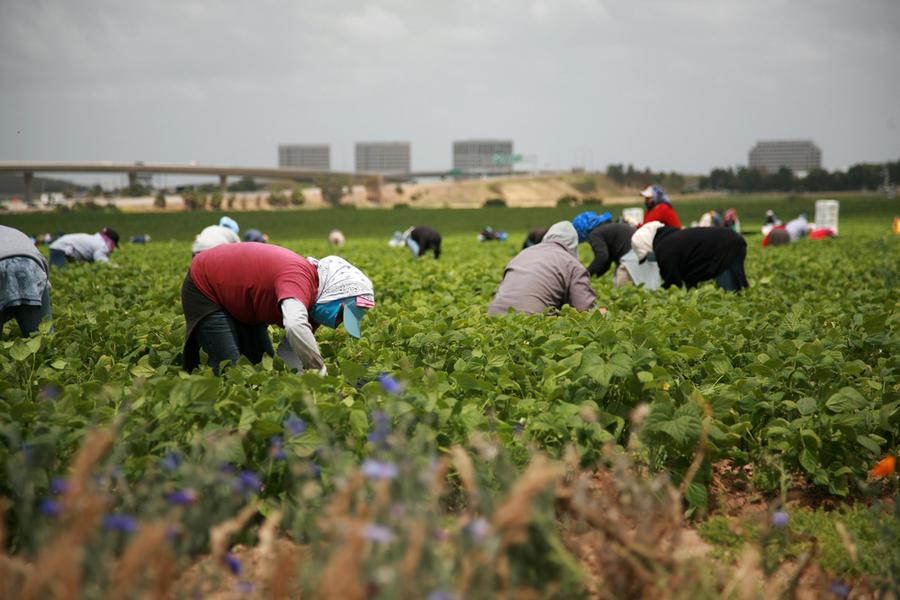
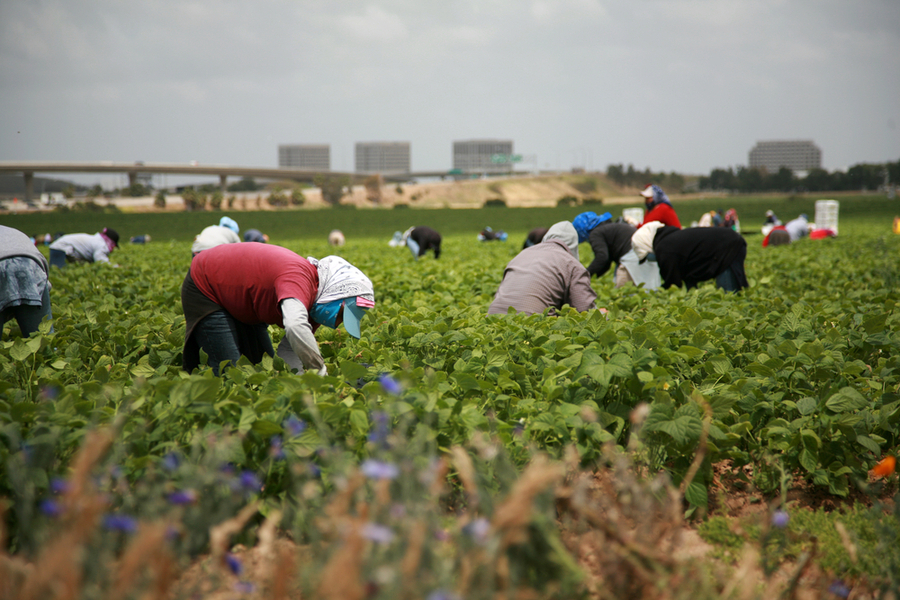
“All work, no matter what the work is, is essential,” said Father Sinclair Oubre, spiritual moderator of the Catholic Labor Network.
Such restrictions on federal funding are made “without any compelling government interest,” the Justice Department said in a memorandum opinion.
A student challenges a 2004 Supreme Court decision, the Diocese of Scranton reopens its seminary, and Benedictine College names a speaker for its library dedication in this week’s education roundup.
| Picture of the day |
|---|

|
|
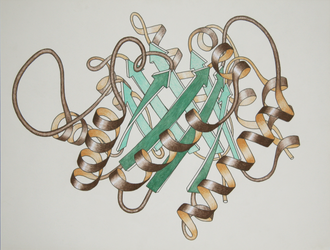
A 1981 Ribbon schematic of the 3D structure of the protein triose phosphate isomerase by Jane Richardson. Today is voice actress Tajja Isen’s birthday. She voiced Betty Barrett aka the titular hero in the 2004 Canadian animated series Atomic Betty
|