Baltimore

Bransfield, ex-Wheeling-Charleston bishop accused of misconduct, dies at 82 #Catholic Bishop Michael Bransfield, who was accused of a pattern of sexual harassment and financial impropriety while leading the Diocese of Wheeling-Charleston, West Virginia, died on May 7 at 82 years old. The Wheeling-Charleston Diocese said in a statement that Bransfield “passed away peacefully.” It urged the faithful to pray for his family and friends. “As it is the tradition in our Church to pray for the dead as well as for the living, we pray for the repose of his soul, asking God’s mercy upon him,” the diocese said. A native of Philadelphia, Bransfield was ordained in that archdiocese in 1971. He served as the first rector at the National Shrine of the Immaculate Conception in Washington, D.C., after it was named a basilica in 1990. Pope John Paul II appointed him to lead Wheeling-Charleston in 2004. He served there until 2018 when he reached the customary retirement age of 75.After Bransfield retired, Pope Francis ordered Baltimore Archbishop William Lori to investigate claims that Bransfield had engaged in sexual harassment of adults. The investigation ultimately uncovered a wide-ranging series of scandals, including a “consistent pattern” of inappropriate sexual behavior. Bransfield bestowed financial gifts on several bishops, Lori said, adding he received ,500 worth of gifts from Bransfield and subsequently returned the funds.The inquiry also found instances of financial mismanagement and impropriety, including what were reportedly huge amounts of money spent on alcohol and millions of dollars spent on a home renovation. The bishop “adopted an extravagant and lavish lifestyle that was in stark contrast to the faithful he served and was for his own personal benefit,” the report found. Pope Francis subsequently banned Bransfield from participating in public celebration of the Mass, while Bransfieldʼs successor, Bishop Mark Brennan, ordered him to pay nearly 0,000 in restitution to the diocese.Brennan also barred Bransfield from being buried in the diocesan cemetery. The diocese said on May 7 that his funeral and burial would “not take place in West Virginia.”

Bransfield, ex-Wheeling-Charleston bishop accused of misconduct, dies at 82 #Catholic Bishop Michael Bransfield, who was accused of a pattern of sexual harassment and financial impropriety while leading the Diocese of Wheeling-Charleston, West Virginia, died on May 7 at 82 years old. The Wheeling-Charleston Diocese said in a statement that Bransfield “passed away peacefully.” It urged the faithful to pray for his family and friends. “As it is the tradition in our Church to pray for the dead as well as for the living, we pray for the repose of his soul, asking God’s mercy upon him,” the diocese said. A native of Philadelphia, Bransfield was ordained in that archdiocese in 1971. He served as the first rector at the National Shrine of the Immaculate Conception in Washington, D.C., after it was named a basilica in 1990. Pope John Paul II appointed him to lead Wheeling-Charleston in 2004. He served there until 2018 when he reached the customary retirement age of 75.After Bransfield retired, Pope Francis ordered Baltimore Archbishop William Lori to investigate claims that Bransfield had engaged in sexual harassment of adults. The investigation ultimately uncovered a wide-ranging series of scandals, including a “consistent pattern” of inappropriate sexual behavior. Bransfield bestowed financial gifts on several bishops, Lori said, adding he received $7,500 worth of gifts from Bransfield and subsequently returned the funds.The inquiry also found instances of financial mismanagement and impropriety, including what were reportedly huge amounts of money spent on alcohol and millions of dollars spent on a home renovation. The bishop “adopted an extravagant and lavish lifestyle that was in stark contrast to the faithful he served and was for his own personal benefit,” the report found. Pope Francis subsequently banned Bransfield from participating in public celebration of the Mass, while Bransfieldʼs successor, Bishop Mark Brennan, ordered him to pay nearly $800,000 in restitution to the diocese.Brennan also barred Bransfield from being buried in the diocesan cemetery. The diocese said on May 7 that his funeral and burial would “not take place in West Virginia.”

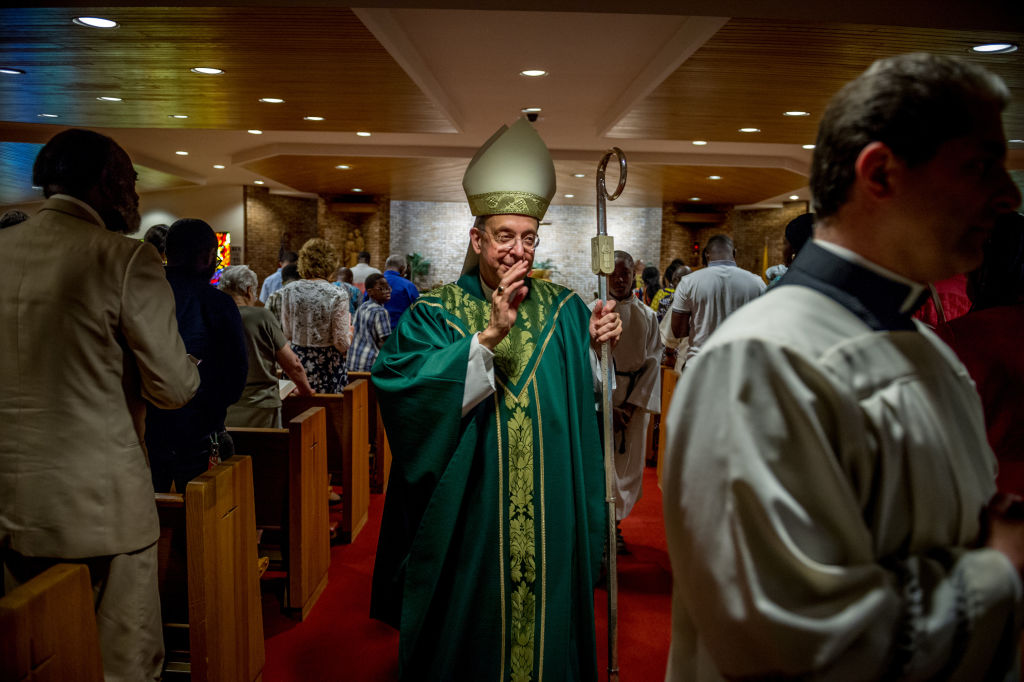
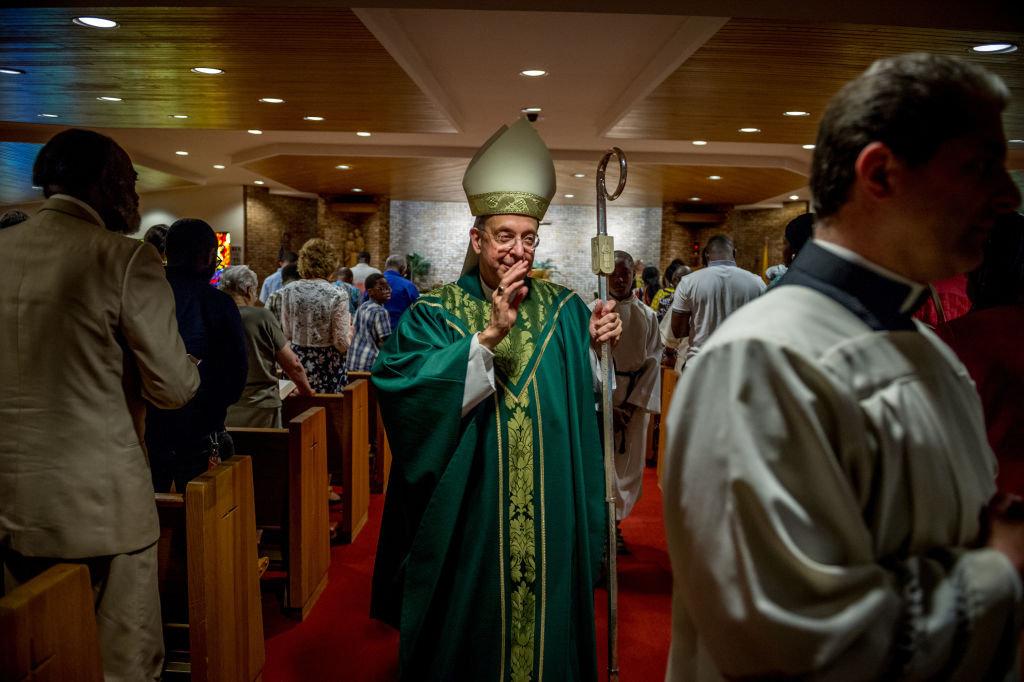
An archdiocesan investigation in 2018 claimed Bishop Michael Bransfield engaged in multiple instances of sexual harassment and financial malfeasance of diocesan funds.

Read More
Maryland Supreme Court: State cannot reveal names of individuals who allegedly hid Church abuse #Catholic Prosecutors in Maryland may not reveal the names of individuals who allegedly hid or failed to report Church abuse, the state Supreme Court said April 27. As part of its investigation into alleged abuse in the Archdiocese of Baltimore, the state attorney generalʼs office had sought to make public the details of a grand jury report, including the identities of individuals who have not been charged with a crime but who allegedly failed to stop abuse from occurring. A lower court granted the attorney generalʼs request to publish the information, with an appellate court partly upholding that decision. Yet in its April 27 ruling, the Maryland Supreme Court reversed those decisions, holding that the attorney generalʼs office did not “meet [the] burden” of justifying the release of the identities. “Many grand jury investigations obtain damaging information and allegations about uncharged individuals that the public might benefit from learning,” the high court acknowledged. But “one of the primary purposes of grand jury secrecy is to protect uncharged persons from public disgrace in the absence of a criminal charge and a forum in which to seek vindication,” it said. “A court may not order disclosure of secret grand jury material, over the objection of an uncharged individual, for the purpose of holding that person accountable in the court of public opinion,” the justices said. The court noted that the attorney generalʼs office had argued that the “intensity of public interest” in the case could justify revealing the identities.Yet “the interests promoted by grand jury secrecy do not increase or decrease based on how much the public wants to learn the information contained in grand jury materials,” the court said.The decision comes amid ongoing court proceedings in the Archdiocese of Baltimore, which filed for bankruptcy in September 2023 ahead of a wave of sex abuse claims filed against it under the Maryland Child Victims Act. Earlier this month, the archdiocesan insurer Hartford Insurance Group proposed contributing $100 million to a settlement for abuse victims. The archdiocese in 2024 sued multiple insurers over what it claimed was a failure to pay abuse claims for which the insurers were contractually obligated.In 2024 Archbishop William Lori attended two court-ordered “listening sessions” with alleged victims of sexual abuse, with the prelate describing himself as "deeply moved by their very powerful testimony.”

Maryland Supreme Court: State cannot reveal names of individuals who allegedly hid Church abuse #Catholic Prosecutors in Maryland may not reveal the names of individuals who allegedly hid or failed to report Church abuse, the state Supreme Court said April 27. As part of its investigation into alleged abuse in the Archdiocese of Baltimore, the state attorney generalʼs office had sought to make public the details of a grand jury report, including the identities of individuals who have not been charged with a crime but who allegedly failed to stop abuse from occurring. A lower court granted the attorney generalʼs request to publish the information, with an appellate court partly upholding that decision. Yet in its April 27 ruling, the Maryland Supreme Court reversed those decisions, holding that the attorney generalʼs office did not “meet [the] burden” of justifying the release of the identities. “Many grand jury investigations obtain damaging information and allegations about uncharged individuals that the public might benefit from learning,” the high court acknowledged. But “one of the primary purposes of grand jury secrecy is to protect uncharged persons from public disgrace in the absence of a criminal charge and a forum in which to seek vindication,” it said. “A court may not order disclosure of secret grand jury material, over the objection of an uncharged individual, for the purpose of holding that person accountable in the court of public opinion,” the justices said. The court noted that the attorney generalʼs office had argued that the “intensity of public interest” in the case could justify revealing the identities.Yet “the interests promoted by grand jury secrecy do not increase or decrease based on how much the public wants to learn the information contained in grand jury materials,” the court said.The decision comes amid ongoing court proceedings in the Archdiocese of Baltimore, which filed for bankruptcy in September 2023 ahead of a wave of sex abuse claims filed against it under the Maryland Child Victims Act. Earlier this month, the archdiocesan insurer Hartford Insurance Group proposed contributing $100 million to a settlement for abuse victims. The archdiocese in 2024 sued multiple insurers over what it claimed was a failure to pay abuse claims for which the insurers were contractually obligated.In 2024 Archbishop William Lori attended two court-ordered “listening sessions” with alleged victims of sexual abuse, with the prelate describing himself as "deeply moved by their very powerful testimony.”

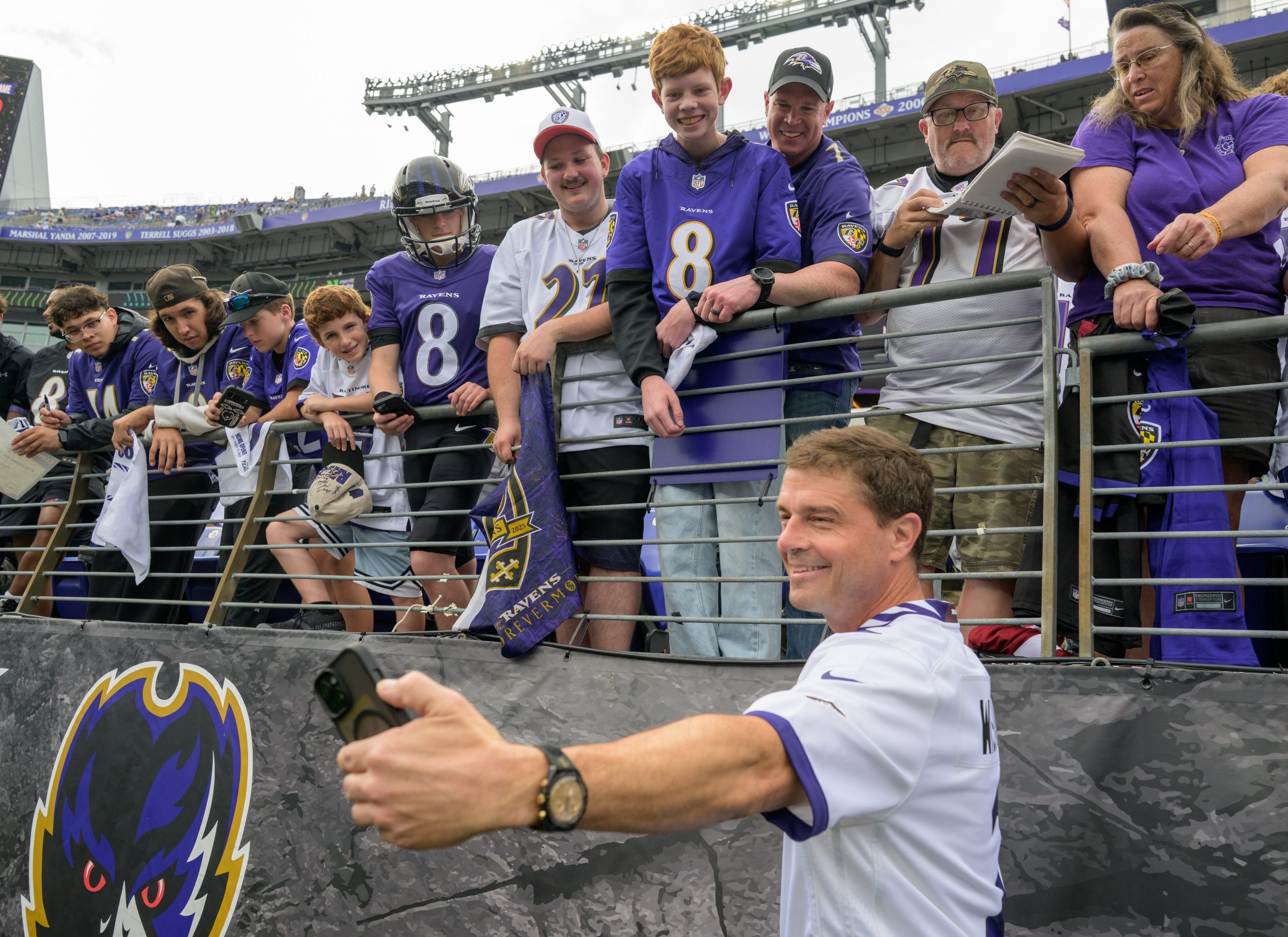
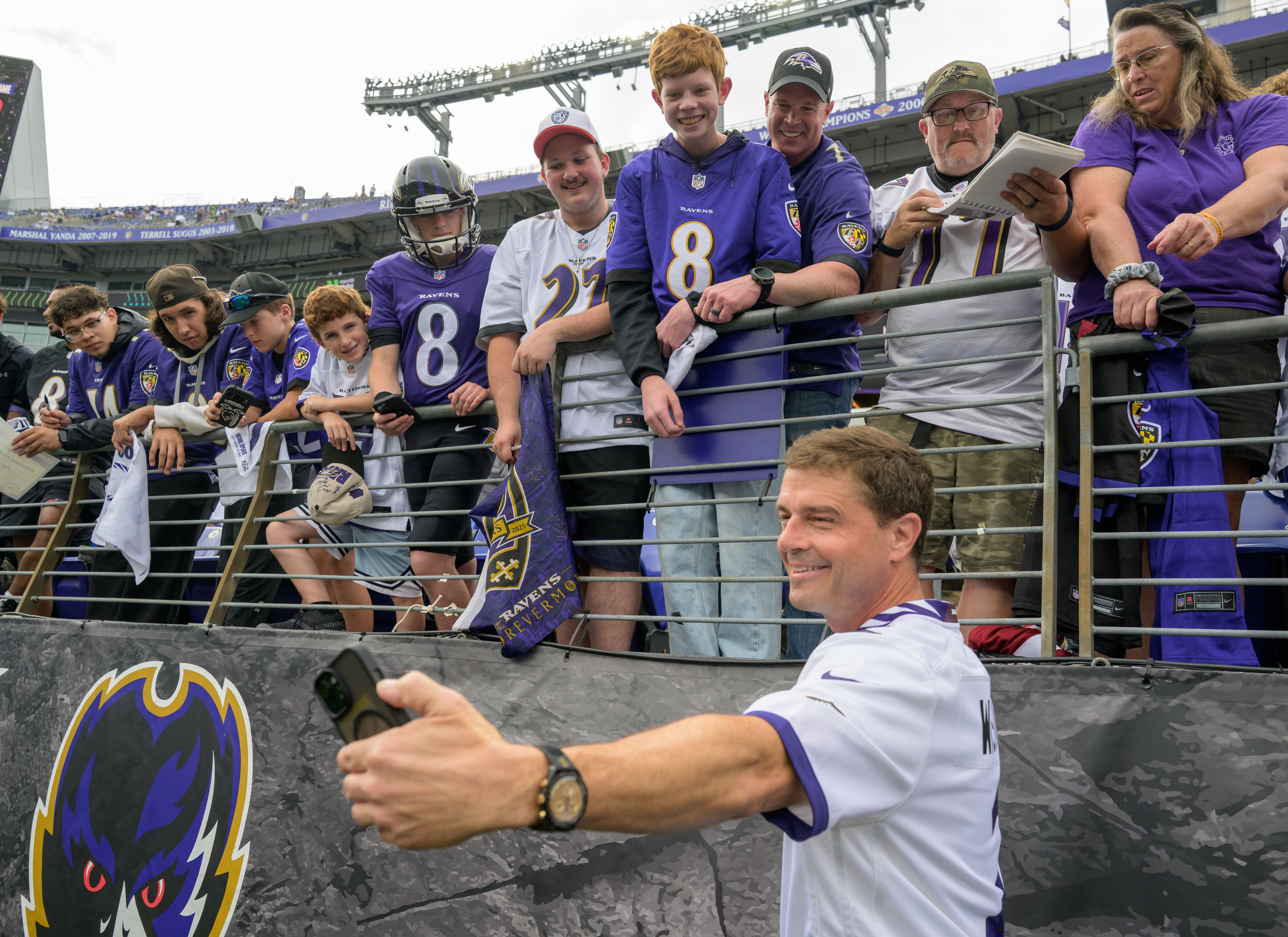
“Uncharged individuals” may not be exposed to the “court of public opinion” in grand jury documents, the state high court ruled.

Read More