

The platform and name are new, but the mission is the same: report the truth and bring the faith to the Spanish-speaking world.

The platform and name are new, but the mission is the same: report the truth and bring the faith to the Spanish-speaking world.
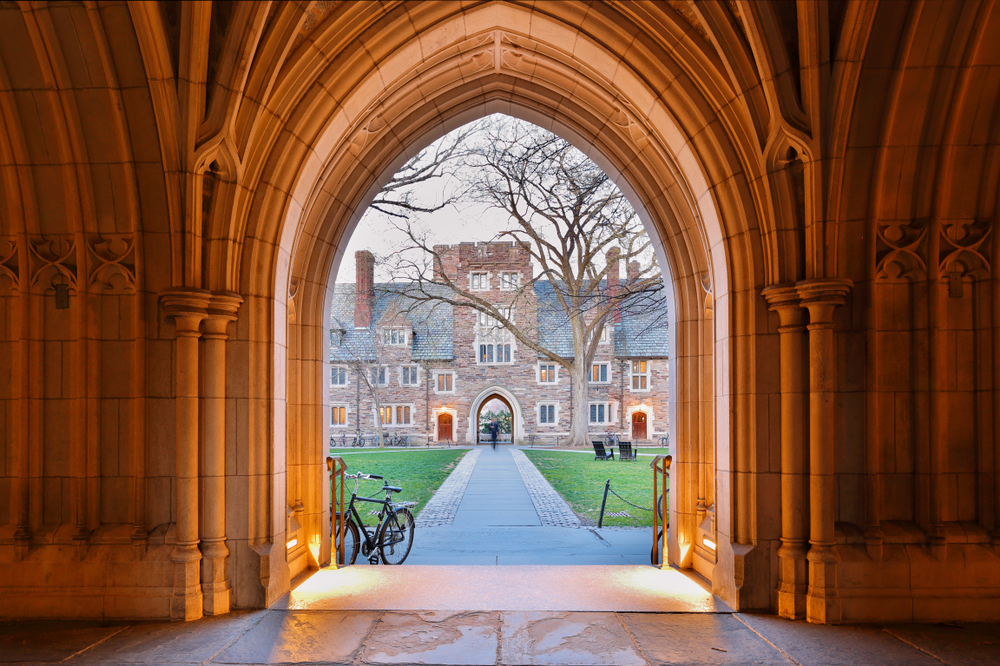
Noah McKay said the Catholic Church’s evidence in favor of vindicatory miracles helped lead him to the Church.
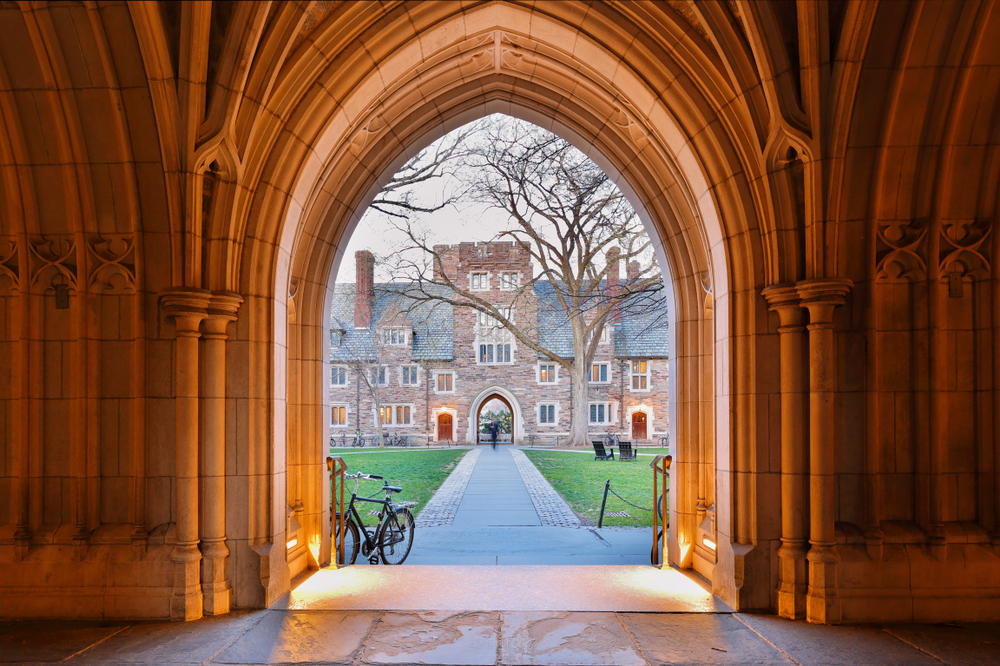
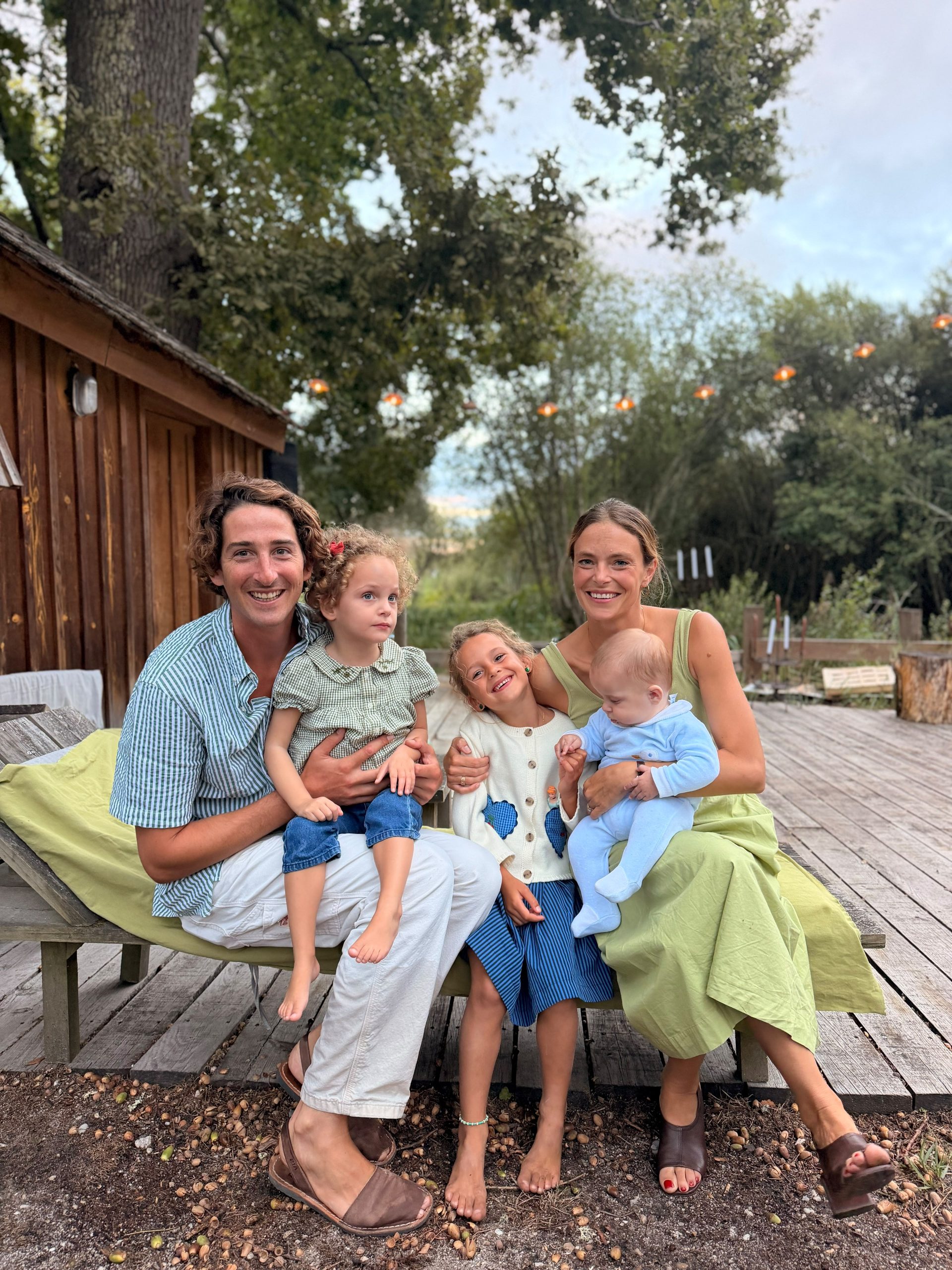
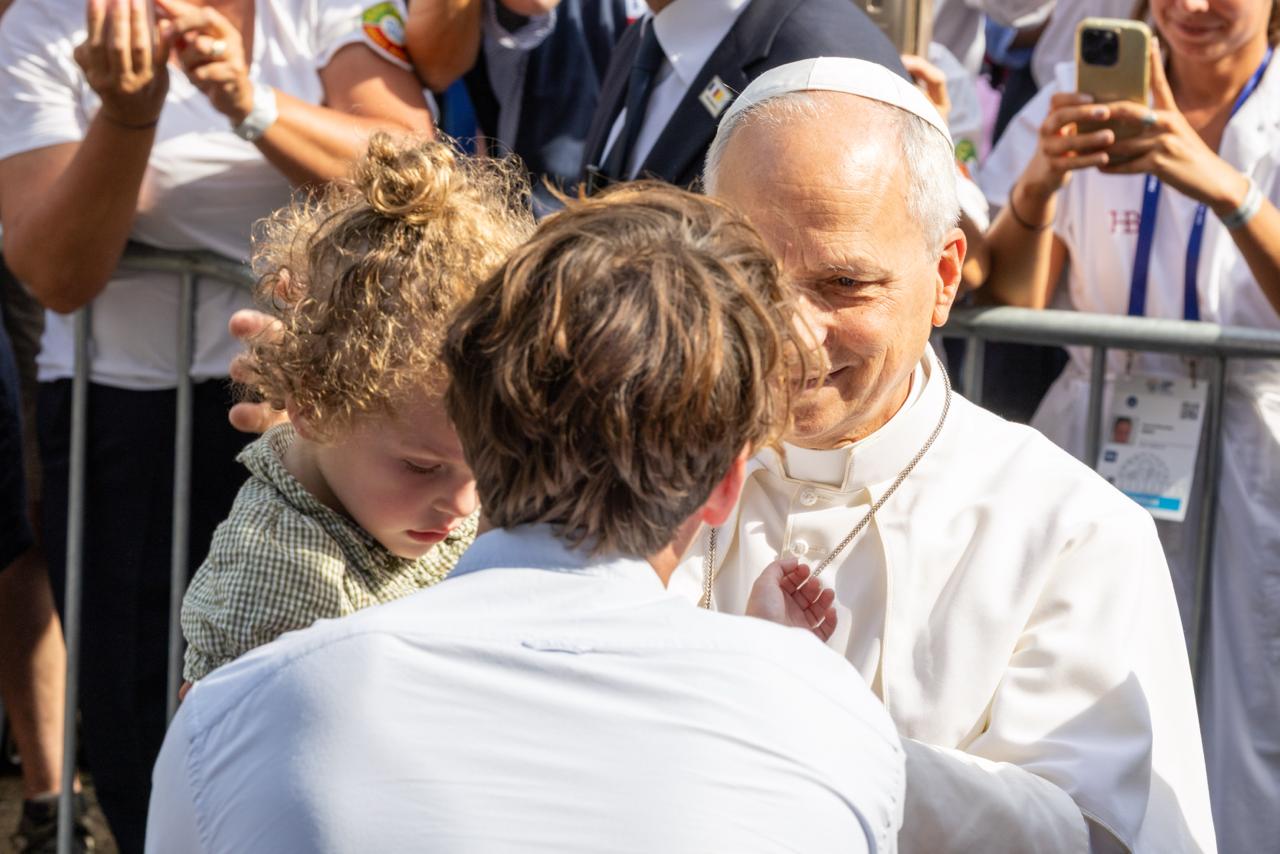
Pope Leo XIV blessed Olivia Hamelin, a 3-year-old with a rare genetic condition, during his visit to Lourdes, France.
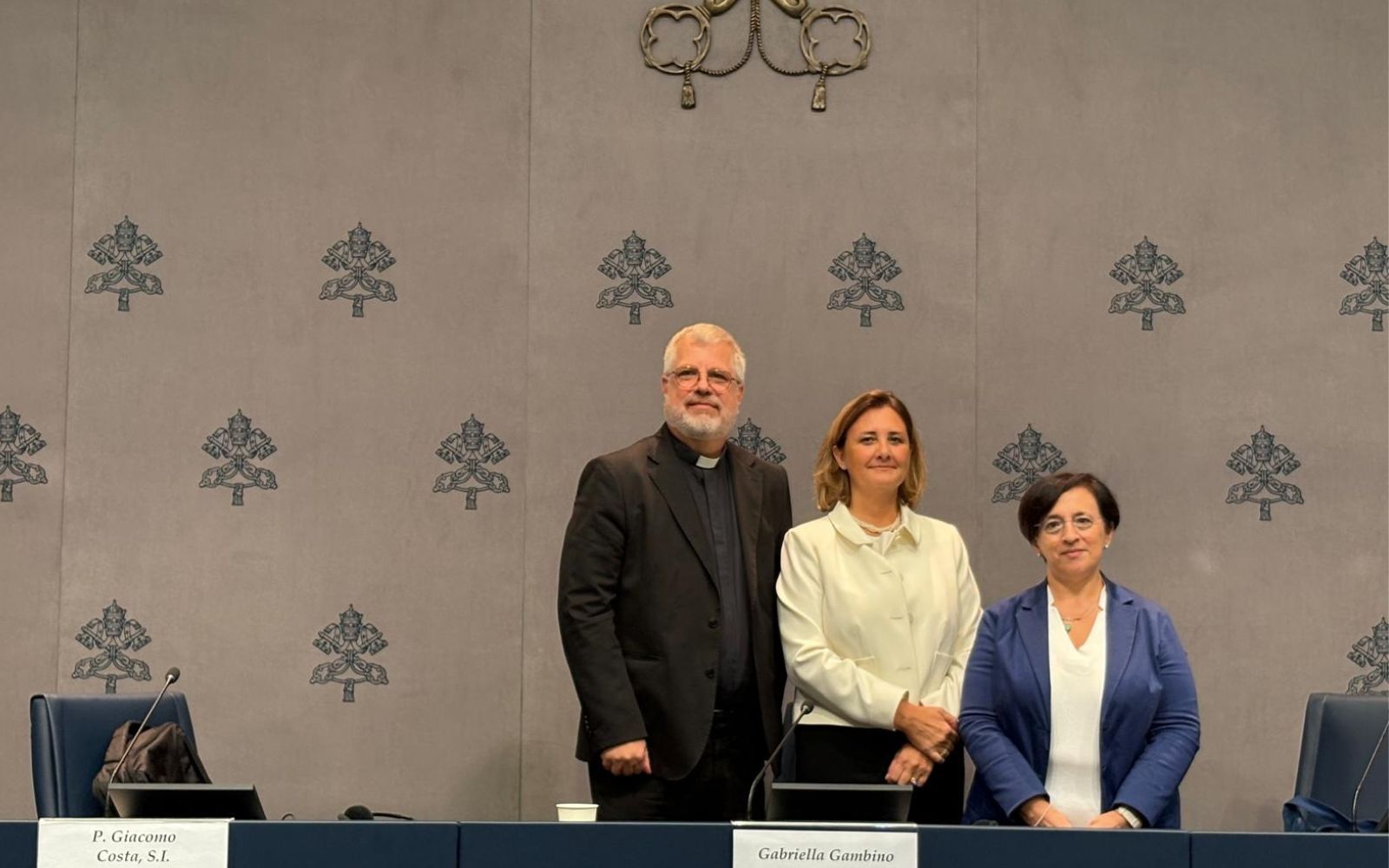
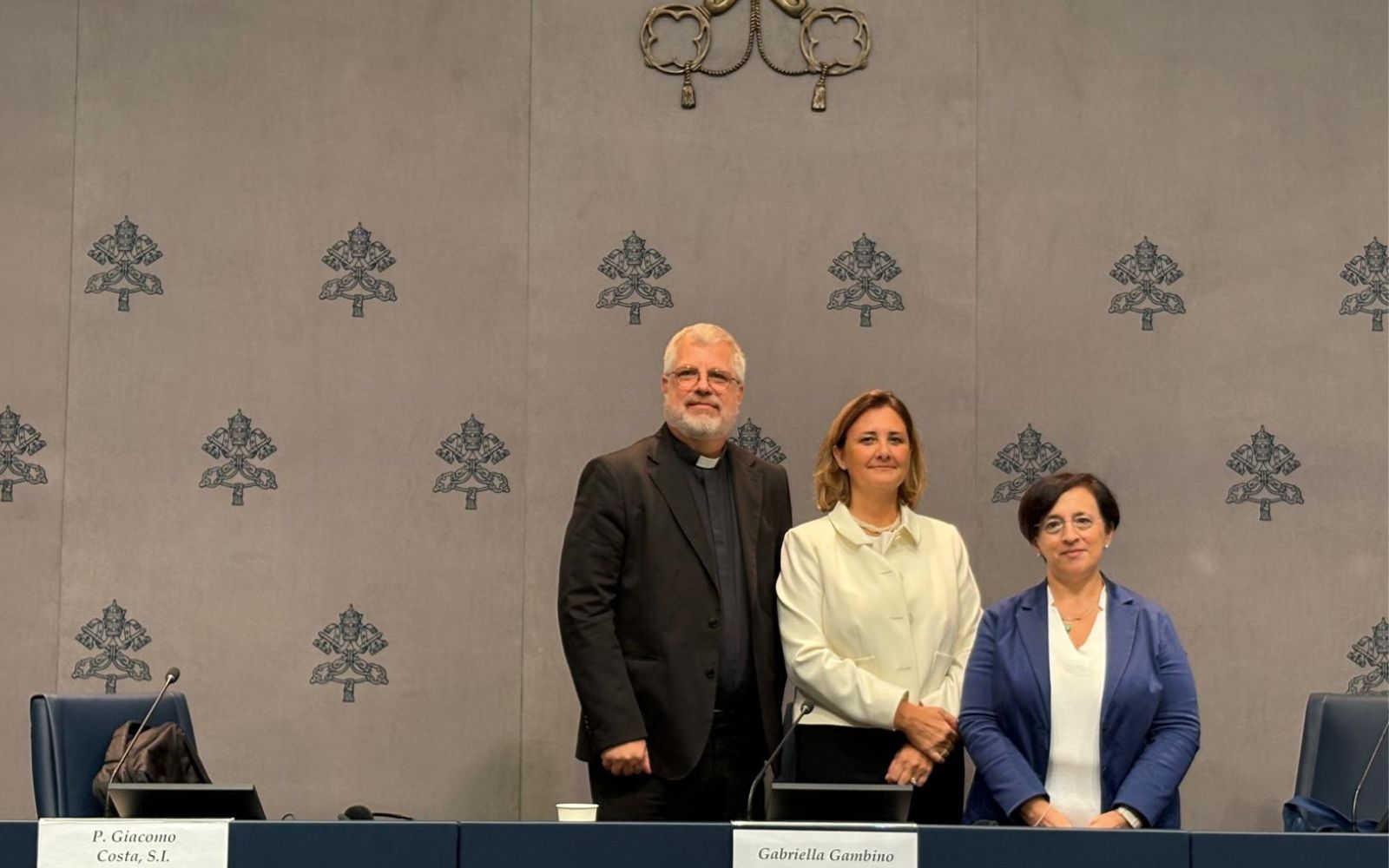
Vatican officials said the weeklong meeting is neither a synod, nor an evaluation of Amoris Laetitia.
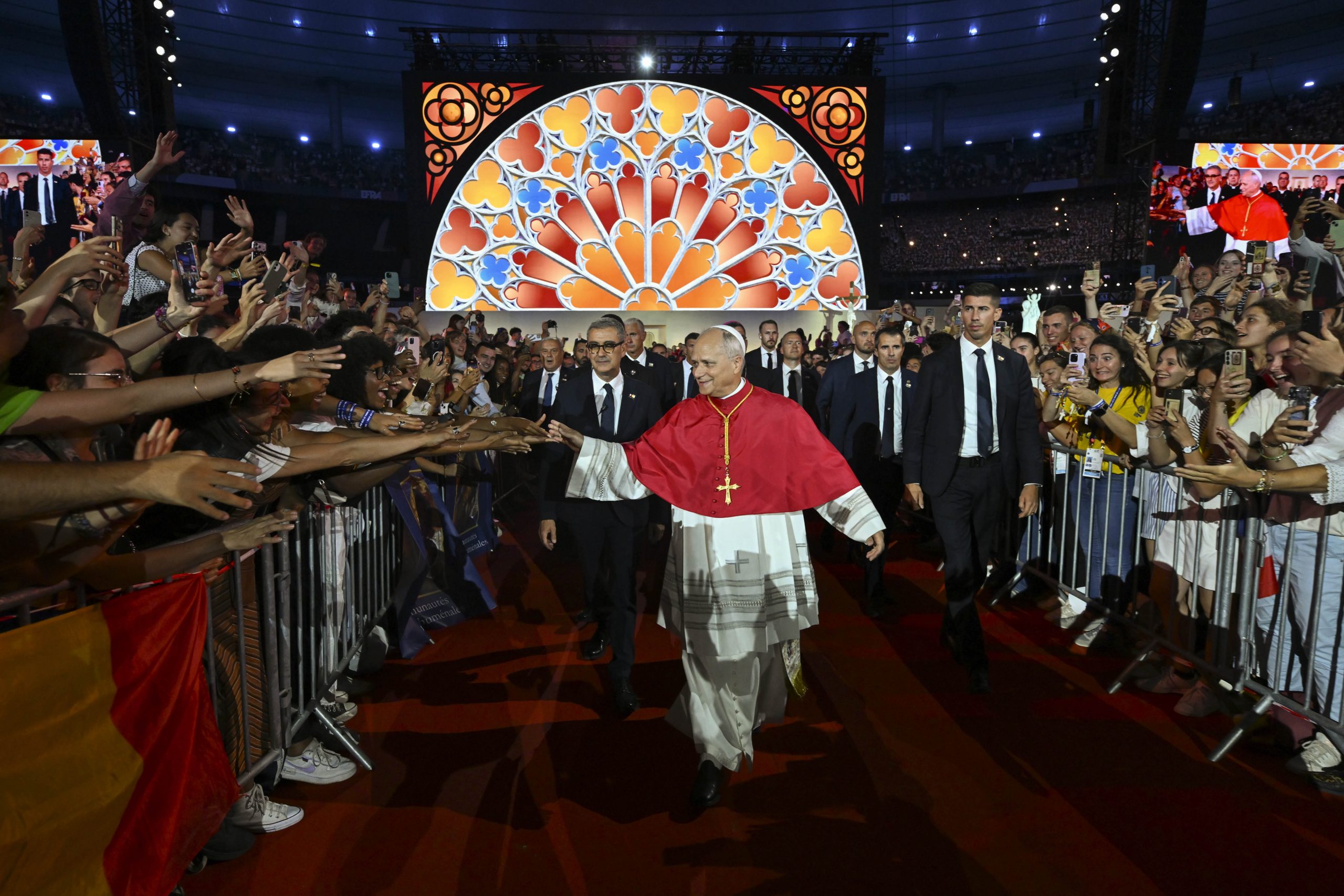
France’s Catholic culture and the energy of the country’s young people stole the show at a prayer vigil at the national stadium in Saint-Denis, France.

![Catholic professor calls families to reclaim the home in a technological age #Catholic John Cuddeback, a professor of philosophy at Christendom College, says families today don’t often know how to achieve what they desire in their homes and family life. As a remedy, drawing from both ancient and modern thinkers, he has released "The Intentional Household: Living as if People Matter,” a book that outlines eight pillars for reclaiming the home as a place of human flourishing. “Families today are struggling to achieve what they so badly want: to have the kind of relationships we’re made for, beginning in the home, especially between spouses and between parents and children,” Cuddeback said. “They know they want something different, something better, but they feel hamstrung. In a culture that works against them in many ways, they are frustrated because they lack clear vision and examples to pattern themselves after.”
“The Intentional Household: Living as if People Matter” by Christendom College professor John Cuddeback. | Credit: Ken Oliver-Méndez/EWTN News
Cuddeback, who teaches a course on family and household and is also the author of “True Friendship,” spoke to EWTN News about how he hopes his book conveys that “[a]nyone can choose to be intentional about their household and make real progress with dramatic fruits in the lives of those we love most.” EWTN News: What do you see as the biggest challenge to building and maintaining an intentional home?Cuddebach: It all begins with priorities. As a society we have turned away from the intense focus that our household requires — and this is evident in how we struggle in marriage, raising children, and relating to the elderly. Even many traditionally-minded folks struggle to realize and enact the demanding, even while ordinary, aspects of God’s plan for our homes.Aristotle says that a society tends to produce the kind of people it honors. We do not honor those who prioritize home life — either women or men. This means that many of the structures, practices, and assumptions of our age are at odds with the real good of home life. This is especially evident in our obsession with the latest technologies.This book is a call to all of us to do something radically different and profoundly better — while always recognizing we must be people of our time and place. It calls us to discover that looking first to what our children and our elderly really need is the high road to deeper fulfillment for all of us.How has Pope Leo XIV’s encyclical Magnifica Humanitas influenced your thought on how technology should be incorporated in the home?Pope Leo makes clear that we have come to a crisis point. The time is now to be honest, serious, and persistent in examining our use of technology in view of real human flourishing. This must start in the home. No one else is going to do this for us.But as the pope makes clear, right practice must flow from an understanding of who we are and what we’re made for. “The Intentional Household” offers the rich and positive view of daily life in the home that grounds such an examination. It gives the “yes” that strengthens the “nos” we need to say. It gives direction for rising to the challenges of our age, including how to channel technology to true human flourishing.Approaching homelife intentionally — especially attending to the ordinary in good work and true leisure as essential to our relationships — we can take real steps to become those biblical good stewards so honored by the Lord.How does this apply to those across all walks of life, including single people, married couples without children, those who are divorced or separated?The principles of a vibrant home life are both perennial and flexible. Wherever we find ourselves we can discover how the plan that God wrote into human nature is much better than we have realized.Brokenness and suffering today are widespread. God’s plan encompasses these realities. By the grace of God, anyone who is humble and willing to take an intentional approach can affect real, and indeed dramatic change by applying the book’s eight principles. We can all take real steps to make our homes a place of vibrant life, with deep belonging, connection, and presence.One of the thinkers you cite in your book is Wendell Berry. In light of his recent passing can you speak to his influence on your life and thinking?Wendell Berry saw clearly how the loss of activities of work and leisure in the home has led to our experience of disconnection and isolation. Home should be a place of deep connection: between us and loved ones and neighbors, between soul and body, between us and the earth.One of Berry’s pivotal insights is the key role of a certain kind of work in the home. Berry has pointed out that the work of traditional home arts is much more important than we have realized. He argues that as the breakdown of home life came especially through the loss of good work, the renewal will likewise come through a rediscovery of work that connects us to one another as it connects us to our bodies and to the earth, and ultimately to God.Wendell Berry was a prophet of the extraordinary beauty and importance of the ordinary. Making our home an intentional household means rediscovering the power of ordinary things, such as mealtimes with the whole household, shared work in the kitchen and other home arts, and “porch time” and other such leisure times. Attention to these things can transform our marriage, parenting, and other key relationships.](https://unitedyam.com/wp-content/uploads/2026/09/catholic-professor-calls-families-to-reclaim-the-home-in-a-technological-age-catholic-john-cuddeback-a-professor-of-philosophy-at-christendom-college-says-families-today-dont-often-know-ho.jpg "Catholic professor calls families to reclaim the home in a technological age #Catholic John Cuddeback, a professor of philosophy at Christendom College, says families today don’t often know how to achieve what they desire in their homes and family life. As a remedy, drawing from both ancient and modern thinkers, he has released \"The Intentional Household: Living as if People Matter,” a book that outlines eight pillars for reclaiming the home as a place of human flourishing. “Families today are struggling to achieve what they so badly want: to have the kind of relationships we’re made for, beginning in the home, especially between spouses and between parents and children,” Cuddeback said. “They know they want something different, something better, but they feel hamstrung. In a culture that works against them in many ways, they are frustrated because they lack clear vision and examples to pattern themselves after.”
“The Intentional Household: Living as if People Matter” by Christendom College professor John Cuddeback. | Credit: Ken Oliver-Méndez/EWTN News
Cuddeback, who teaches a course on family and household and is also the author of “True Friendship,” spoke to EWTN News about how he hopes his book conveys that “[a]nyone can choose to be intentional about their household and make real progress with dramatic fruits in the lives of those we love most.” EWTN News: What do you see as the biggest challenge to building and maintaining an intentional home?Cuddebach: It all begins with priorities. As a society we have turned away from the intense focus that our household requires — and this is evident in how we struggle in marriage, raising children, and relating to the elderly. Even many traditionally-minded folks struggle to realize and enact the demanding, even while ordinary, aspects of God’s plan for our homes.Aristotle says that a society tends to produce the kind of people it honors. We do not honor those who prioritize home life — either women or men. This means that many of the structures, practices, and assumptions of our age are at odds with the real good of home life. This is especially evident in our obsession with the latest technologies.This book is a call to all of us to do something radically different and profoundly better — while always recognizing we must be people of our time and place. It calls us to discover that looking first to what our children and our elderly really need is the high road to deeper fulfillment for all of us.How has Pope Leo XIV’s encyclical Magnifica Humanitas influenced your thought on how technology should be incorporated in the home?Pope Leo makes clear that we have come to a crisis point. The time is now to be honest, serious, and persistent in examining our use of technology in view of real human flourishing. This must start in the home. No one else is going to do this for us.But as the pope makes clear, right practice must flow from an understanding of who we are and what we’re made for. “The Intentional Household” offers the rich and positive view of daily life in the home that grounds such an examination. It gives the “yes” that strengthens the “nos” we need to say. It gives direction for rising to the challenges of our age, including how to channel technology to true human flourishing.Approaching homelife intentionally — especially attending to the ordinary in good work and true leisure as essential to our relationships — we can take real steps to become those biblical good stewards so honored by the Lord.How does this apply to those across all walks of life, including single people, married couples without children, those who are divorced or separated?The principles of a vibrant home life are both perennial and flexible. Wherever we find ourselves we can discover how the plan that God wrote into human nature is much better than we have realized.Brokenness and suffering today are widespread. God’s plan encompasses these realities. By the grace of God, anyone who is humble and willing to take an intentional approach can affect real, and indeed dramatic change by applying the book’s eight principles. We can all take real steps to make our homes a place of vibrant life, with deep belonging, connection, and presence.One of the thinkers you cite in your book is Wendell Berry. In light of his recent passing can you speak to his influence on your life and thinking?Wendell Berry saw clearly how the loss of activities of work and leisure in the home has led to our experience of disconnection and isolation. Home should be a place of deep connection: between us and loved ones and neighbors, between soul and body, between us and the earth.One of Berry’s pivotal insights is the key role of a certain kind of work in the home. Berry has pointed out that the work of traditional home arts is much more important than we have realized. He argues that as the breakdown of home life came especially through the loss of good work, the renewal will likewise come through a rediscovery of work that connects us to one another as it connects us to our bodies and to the earth, and ultimately to God.Wendell Berry was a prophet of the extraordinary beauty and importance of the ordinary. Making our home an intentional household means rediscovering the power of ordinary things, such as mealtimes with the whole household, shared work in the kitchen and other home arts, and “porch time” and other such leisure times. Attention to these things can transform our marriage, parenting, and other key relationships.")
Christendom College professor John Cuddeback spoke to EWTN News about his new book “The Intentional Household: Living as if People Matter,” and treating our homes as places of human flourishing.
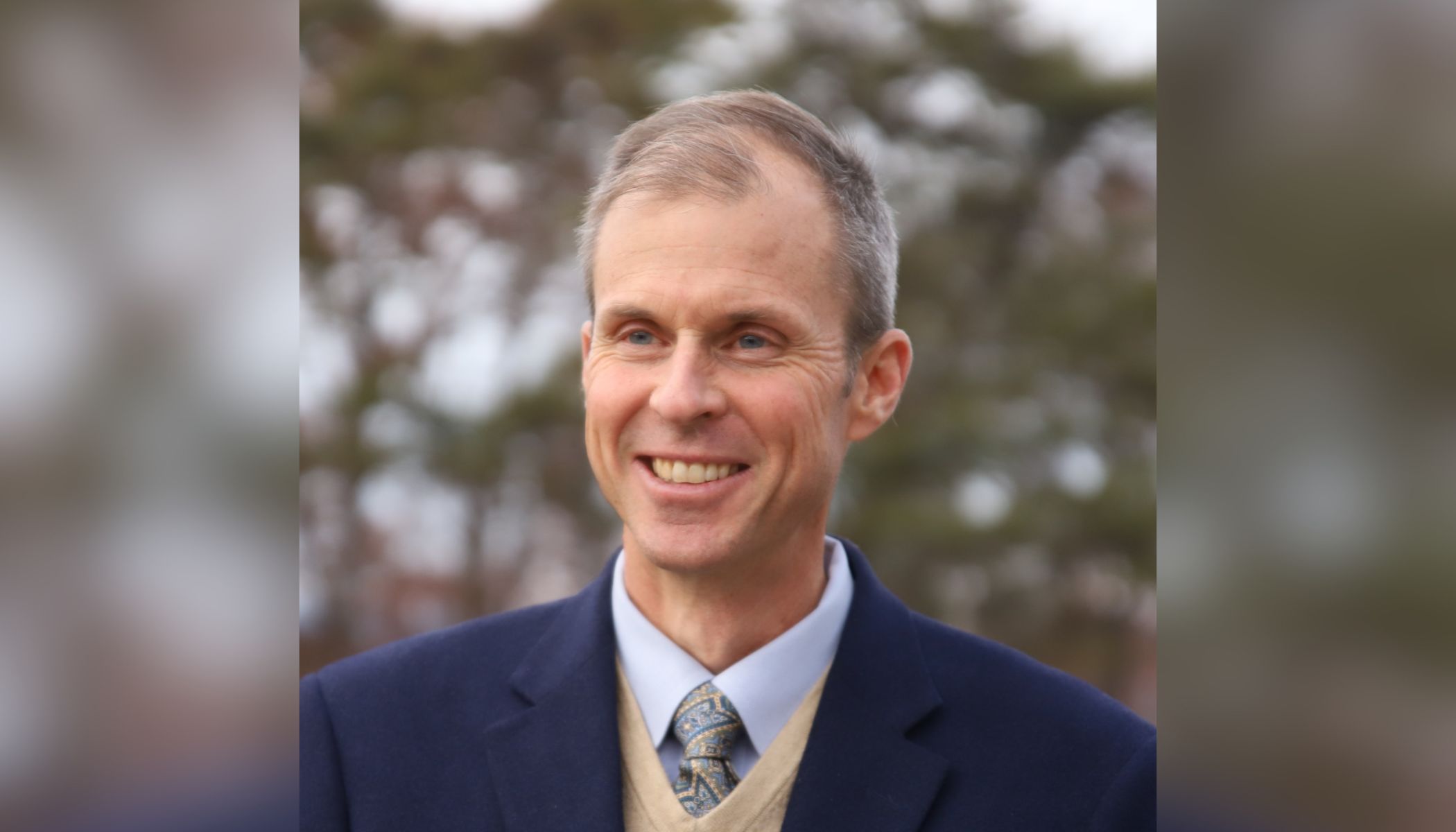

Director Benjamin Tanaka, executive producer Gabriel Patrick, and composer Ethan Hsu call the project “The Francis Chronicles.”

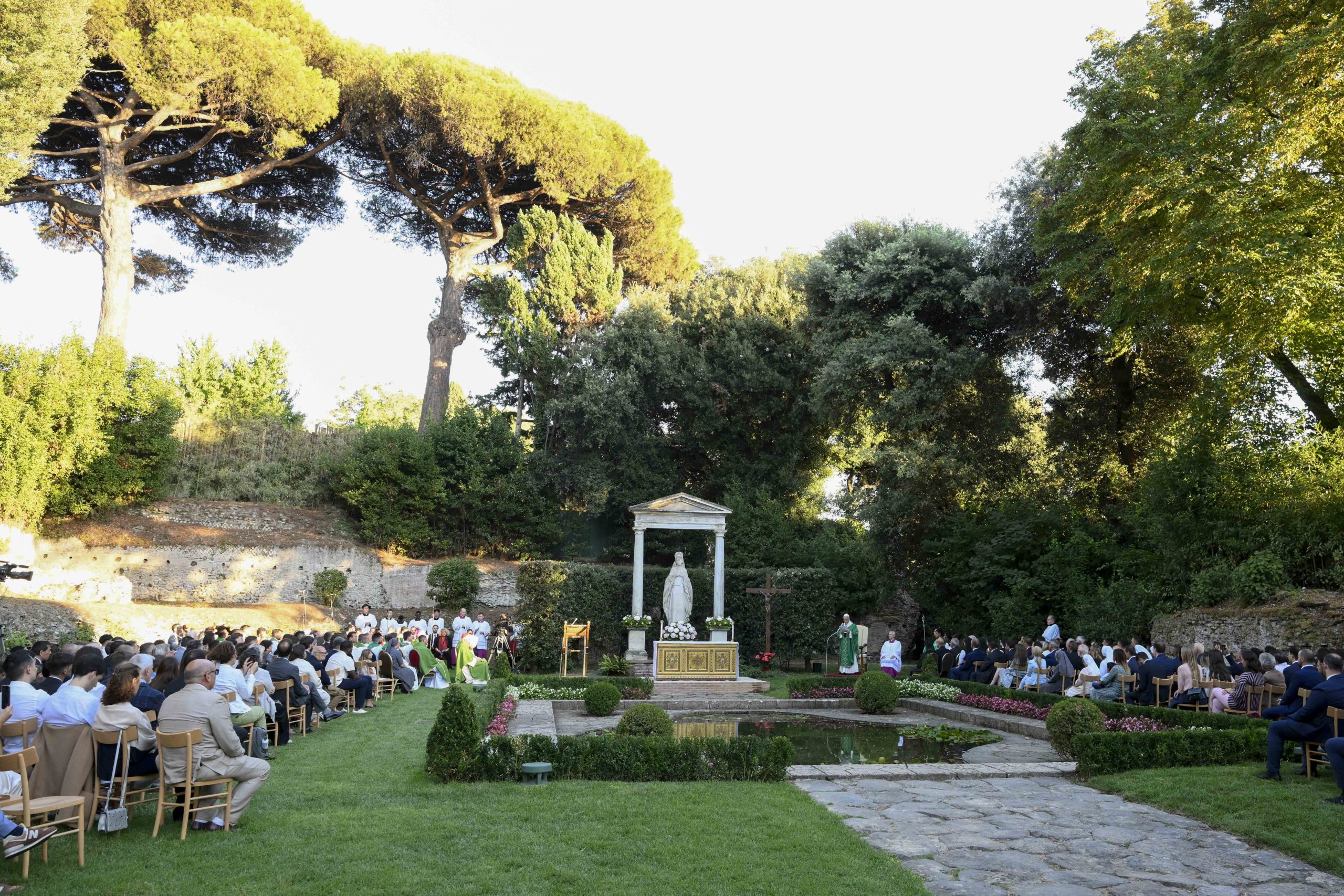
The Holy Father encouraged silent contemplation of the wonders and harmony of the created world, which can lead to authentic ecological conversion and awareness of our responsibility for creation.

In Euclid’s wide, near-infrared, and visible light view, the arcs and filaments of the nebula’s bright central region are situated within a halo of colorful fragments of gas zooming away from the star. This ring was ejected from the star at an earlier stage, before the main nebula at the center formed. Hubble captures the very core of the billowing gas with high-resolution visible-light images, adding extra detail in the center of this image. The whole nebula stands out against a backdrop teeming with distant galaxies, demonstrating how local astrophysical beauty and the farthest reaches of the cosmos can be seen together in modern astronomical surveys. Together, these missions provide a rich and complementary view of NGC 6543 — revealing the delicate interplay between stellar end-of-life processes and the vast cosmic tapestry beyond.
Read More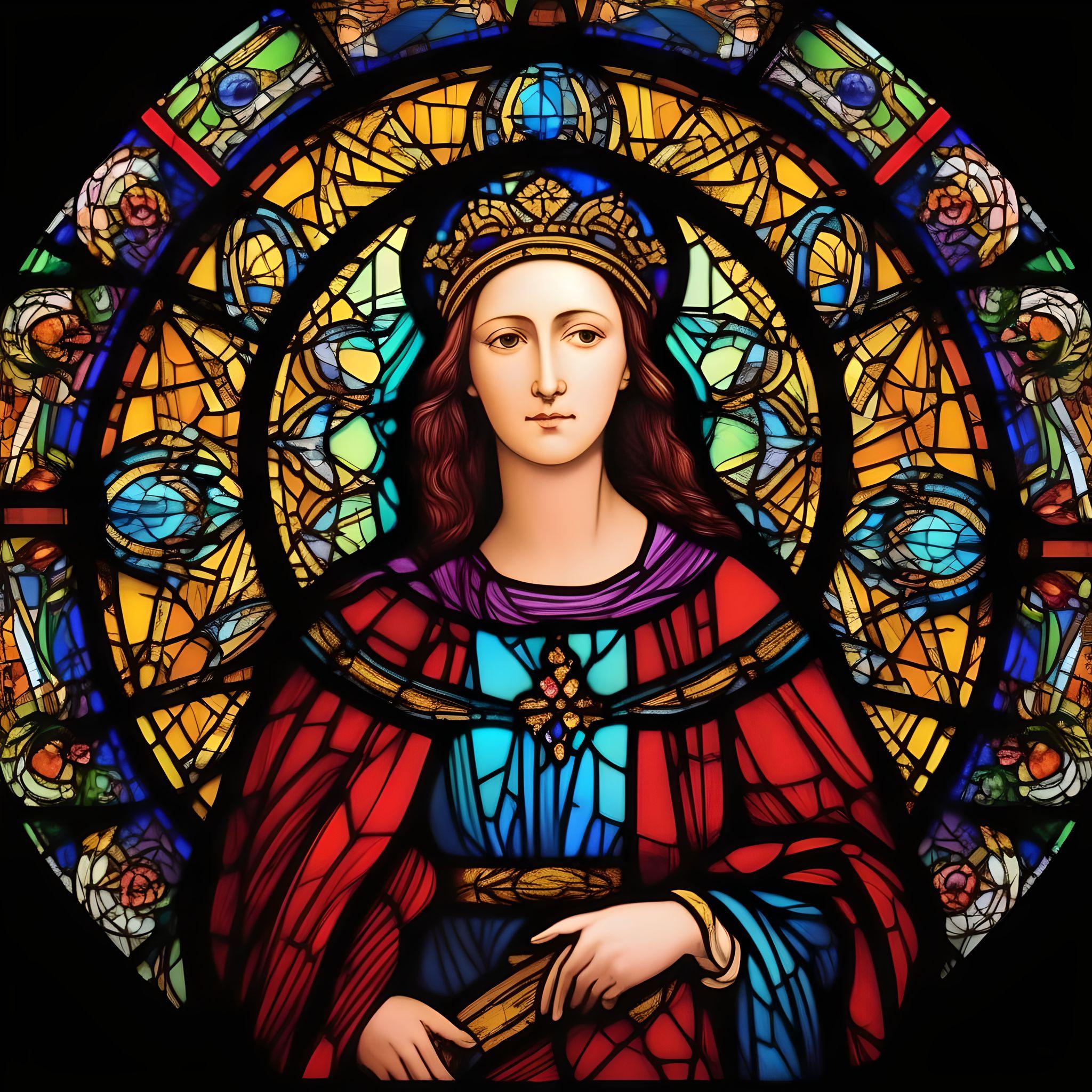
Saint Catherine of Alexandria – Martyred by being broken on the wheel. – In the Style of all circles using Neon Blue Color
Read More![Inaugural edition of Sheen Awards honors Mother Angelica #Catholic On Sept. 25, one day after the beatification of Archbishop Fulton Sheen, members of the media and entertainment world as well as the Church at large gathered in Peoria, Illinois — the hometown of now-Blessed Fulton Sheen — for the inaugural Sheen Awards.Among the notable figures in attendance were Bishop Louis Tylka of the Diocese of Peoria; Bishop John Barres of the Diocese Rockville Centre, New York; Bishop Robert Barron of the Diocese of Winona-Rochester, Minnesota; Jonathan Roumie, who plays Jesus in “The Chosen”; David Henrie, host of EWTN’s travel series “Seeking Beauty”; and Siobhan Fallon Hogan, host of the EWTN podcast “Catholics and Cappuccinos.” Seven awards were presented including the Radio and Podcast Impact Award, the Evangelization Impact Award, the Mission and Humanitarian Impact Award, the Innovation Impact Award, the Digital Creator Impact Award, the Television and Streaming Impact Award, and the Archbishop Fulton J. Sheen Lifetime Achievement Award.Mother Angelica, EWTN’s foundress, posthumously received the inaugural Lifetime Achievement Award. The award was bestowed on Mother Angelica in recognition of her lifetime of service to the Church and her pioneering use of television to proclaim the Gospel through the Eternal Word Television Network. EWTN Studios President Peter Gagnon accepted the award on her behalf.“On behalf of Michael Warsaw, CEO, and myself, we want to thank Bishop Tylka and the Archbishop Sheen Foundation for honoring Mother Angelica with this award,” Gagnon said in his acceptance speech. Gagnon worked with Mother Angelica for many years and pointed out that “one of her favorite expressions was to say, ‘This is awesome!’”He said: “When there would be a papal event, she would say, ‘Wasnʼt that awesome?’ … I think tonight she would say, ‘This is awesome.’”A little over one year after the death of Sheen — on Dec. 12, 1980 — EWTN was officially incorporated by Mother Angelica. Reflecting on this, Gagnon said: “I donʼt think itʼs a coincidence.”“Mother Angelica took the torch from Archbishop Sheen because she saw the power of reaching people through the media, through television,” he said. “She, like Archbishop Sheen, could reach through that camera lens and talk to you. And when she was talking to you, she was talking to you directly.”Gagnon added: “Also like him [Sheen], she had just an incredible love for the Church and a zeal for souls. I never knew anyone who loved Our Lord as much as Mother Angelica did. Her impact on many throughout the world is truly humbling and amazing.”EWTN has aired “Life Is Worth Living,” Sheen’s popular television show, for over 20 years. Gagnon emphasized that the network is “proud to share his words and message throughout the world.”In an additional statement commenting on the significance of the award, Michael Warsaw, chairman and CEO of EWTN Global Catholic Network, noted: “Among the great Catholic evangelists of the 20th century, Blessed Archbishop Fulton J. Sheen, and our own Mother Angelica, stand out for the extraordinary ways they embraced media to proclaim the Gospel, defend the dignity of the human person and speak the truth to a world desperately in need of Jesus Christ.” “It is especially meaningful to see Mother Angelica honored in the name of Archbishop Sheen, whose pioneering use of radio and television demonstrated the power of media in service of the Gospel,” Warsaw pointed out. He said the recognition is “particularly poignant as we mark the 10th anniversary of Mother Angelica’s passing.”
EWTN Studios President Peter Gagnon accepts the Lifetime Achievement Award on behalf of Mother Angelica at the Sheen Awards on Sept. 25, 2026. | Credit: Nellie Gould, Archbishop Fulton J. Sheen Foundation
“She would have been deeply honored to be recognized at the inaugural Sheen Awards and counted among the innovators and communicators carrying forward Archbishop Sheen’s legacy,” Warsaw added.Broaching the topic of Mother Angelica’s own potential cause for canonization, Warsaw indicated: “While I remain mindful of the Church’s careful discernment regarding any potential cause for sainthood, I can say personally that I pray and hope that one day Mother Angelica might be numbered among the saints of the Church she loved and served so faithfully.”Warsaw concluded: “On behalf of the entire EWTN family, I am profoundly grateful for this recognition of Mother Angelica and, more importantly, for the opportunity to remember what animated both Mother Angelica and Blessed Fulton Sheen: the desire to bring souls to Jesus Christ. May their example inspire us all to use the gifts God has given us to proclaim the Gospel with courage, creativity and joy.”Additional Sheen Award recipients included Katie McGrady, who received the Radio and Podcast Impact Award; Roumie, who received the Television and Streaming Impact Award; and Barron, who received the Evangelization Impact Award.The Mission and Humanitarian Impact Award went to the Pontifical Mission Societies in the United States, while Hallow received the Innovation Impact Award. Paul J. Kim was awarded the Digital Creator Impact Award.Watch EWTN’s livestream of the red carpet at the Sheen Awards here.](https://unitedyam.com/wp-content/uploads/2026/10/inaugural-edition-of-sheen-awards-honors-mother-angelica-catholic-on-sept-25-one-day-after-the-beatification-of-archbishop-fulton-sheen-members-of-the-media-and-entertainment-world-as-well-as-the-scaled.jpg "Inaugural edition of Sheen Awards honors Mother Angelica #Catholic On Sept. 25, one day after the beatification of Archbishop Fulton Sheen, members of the media and entertainment world as well as the Church at large gathered in Peoria, Illinois — the hometown of now-Blessed Fulton Sheen — for the inaugural Sheen Awards.Among the notable figures in attendance were Bishop Louis Tylka of the Diocese of Peoria; Bishop John Barres of the Diocese Rockville Centre, New York; Bishop Robert Barron of the Diocese of Winona-Rochester, Minnesota; Jonathan Roumie, who plays Jesus in “The Chosen”; David Henrie, host of EWTN’s travel series “Seeking Beauty”; and Siobhan Fallon Hogan, host of the EWTN podcast “Catholics and Cappuccinos.” Seven awards were presented including the Radio and Podcast Impact Award, the Evangelization Impact Award, the Mission and Humanitarian Impact Award, the Innovation Impact Award, the Digital Creator Impact Award, the Television and Streaming Impact Award, and the Archbishop Fulton J. Sheen Lifetime Achievement Award.Mother Angelica, EWTN’s foundress, posthumously received the inaugural Lifetime Achievement Award. The award was bestowed on Mother Angelica in recognition of her lifetime of service to the Church and her pioneering use of television to proclaim the Gospel through the Eternal Word Television Network. EWTN Studios President Peter Gagnon accepted the award on her behalf.“On behalf of Michael Warsaw, CEO, and myself, we want to thank Bishop Tylka and the Archbishop Sheen Foundation for honoring Mother Angelica with this award,” Gagnon said in his acceptance speech. Gagnon worked with Mother Angelica for many years and pointed out that “one of her favorite expressions was to say, ‘This is awesome!’”He said: “When there would be a papal event, she would say, ‘Wasnʼt that awesome?’ … I think tonight she would say, ‘This is awesome.’”A little over one year after the death of Sheen — on Dec. 12, 1980 — EWTN was officially incorporated by Mother Angelica. Reflecting on this, Gagnon said: “I donʼt think itʼs a coincidence.”“Mother Angelica took the torch from Archbishop Sheen because she saw the power of reaching people through the media, through television,” he said. “She, like Archbishop Sheen, could reach through that camera lens and talk to you. And when she was talking to you, she was talking to you directly.”Gagnon added: “Also like him [Sheen], she had just an incredible love for the Church and a zeal for souls. I never knew anyone who loved Our Lord as much as Mother Angelica did. Her impact on many throughout the world is truly humbling and amazing.”EWTN has aired “Life Is Worth Living,” Sheen’s popular television show, for over 20 years. Gagnon emphasized that the network is “proud to share his words and message throughout the world.”In an additional statement commenting on the significance of the award, Michael Warsaw, chairman and CEO of EWTN Global Catholic Network, noted: “Among the great Catholic evangelists of the 20th century, Blessed Archbishop Fulton J. Sheen, and our own Mother Angelica, stand out for the extraordinary ways they embraced media to proclaim the Gospel, defend the dignity of the human person and speak the truth to a world desperately in need of Jesus Christ.” “It is especially meaningful to see Mother Angelica honored in the name of Archbishop Sheen, whose pioneering use of radio and television demonstrated the power of media in service of the Gospel,” Warsaw pointed out. He said the recognition is “particularly poignant as we mark the 10th anniversary of Mother Angelica’s passing.”
EWTN Studios President Peter Gagnon accepts the Lifetime Achievement Award on behalf of Mother Angelica at the Sheen Awards on Sept. 25, 2026. | Credit: Nellie Gould, Archbishop Fulton J. Sheen Foundation
“She would have been deeply honored to be recognized at the inaugural Sheen Awards and counted among the innovators and communicators carrying forward Archbishop Sheen’s legacy,” Warsaw added.Broaching the topic of Mother Angelica’s own potential cause for canonization, Warsaw indicated: “While I remain mindful of the Church’s careful discernment regarding any potential cause for sainthood, I can say personally that I pray and hope that one day Mother Angelica might be numbered among the saints of the Church she loved and served so faithfully.”Warsaw concluded: “On behalf of the entire EWTN family, I am profoundly grateful for this recognition of Mother Angelica and, more importantly, for the opportunity to remember what animated both Mother Angelica and Blessed Fulton Sheen: the desire to bring souls to Jesus Christ. May their example inspire us all to use the gifts God has given us to proclaim the Gospel with courage, creativity and joy.”Additional Sheen Award recipients included Katie McGrady, who received the Radio and Podcast Impact Award; Roumie, who received the Television and Streaming Impact Award; and Barron, who received the Evangelization Impact Award.The Mission and Humanitarian Impact Award went to the Pontifical Mission Societies in the United States, while Hallow received the Innovation Impact Award. Paul J. Kim was awarded the Digital Creator Impact Award.Watch EWTN’s livestream of the red carpet at the Sheen Awards here.")
