Caribbean

How to face tragedy and still affirm God is your friend? The answer of a Venezuelan mother #Catholic On June 24, 2026, María Elena Rocha was in Caracas. That Wednesday, a public holiday in Venezuela, she decided to set out on a pilgrimage with two friends to visit sites associated with Venezuela’s first saints: St. Carmen Rendiles and St. José Gregorio Hernández.Her devotion made the circuitous, hour-long  journey from her home in La Guaira to the capital city feel shorter. María Elena lived in La Guaira’s Caribbean Golf I building with her family: her husband, Wilson, and their sons, 25-year-old Ricardo and 22-year-old Enrique, all three of whom chose to stay home that day.In Caracas, the day unfolded normally. María Elena and her friends visited the Colegio Belén, where the remains of Mother Carmen rest. Afterward, they went to the José Gregorio Hernández House Museum and concluded their pilgrimage with a Mass at Our Lady of La Candelaria Parish, where the remains of the “doctor of the poor” also rest.Earthquakes and uncertaintyAt 6:04 p.m., María Elena and her friends were in line to buy ice cream. Dark gray clouds over Caracas signaled an approaching storm, but the roar would not come from the sky but from the earth. At that moment, the ground shook with extreme violence, and panic reigned. The three of them managed to get out of the shopping mall where they had been.Soon, the power grid failed and both the internet and telephone lines went down. Two hours later, the group was finally able to retrieve their car from where it was parked and began the journey back home, a trip that, this time, seemed to last forever.
 
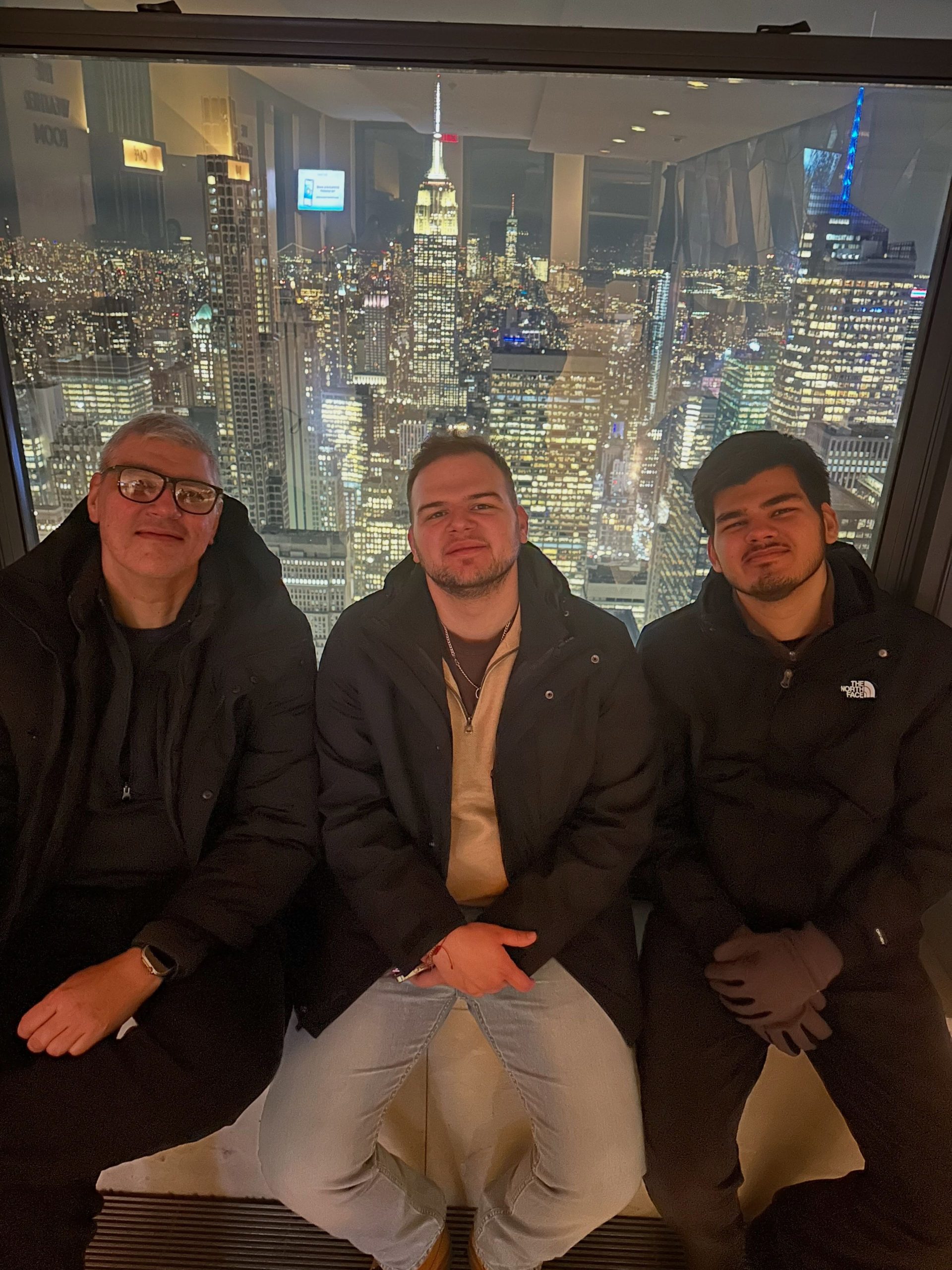
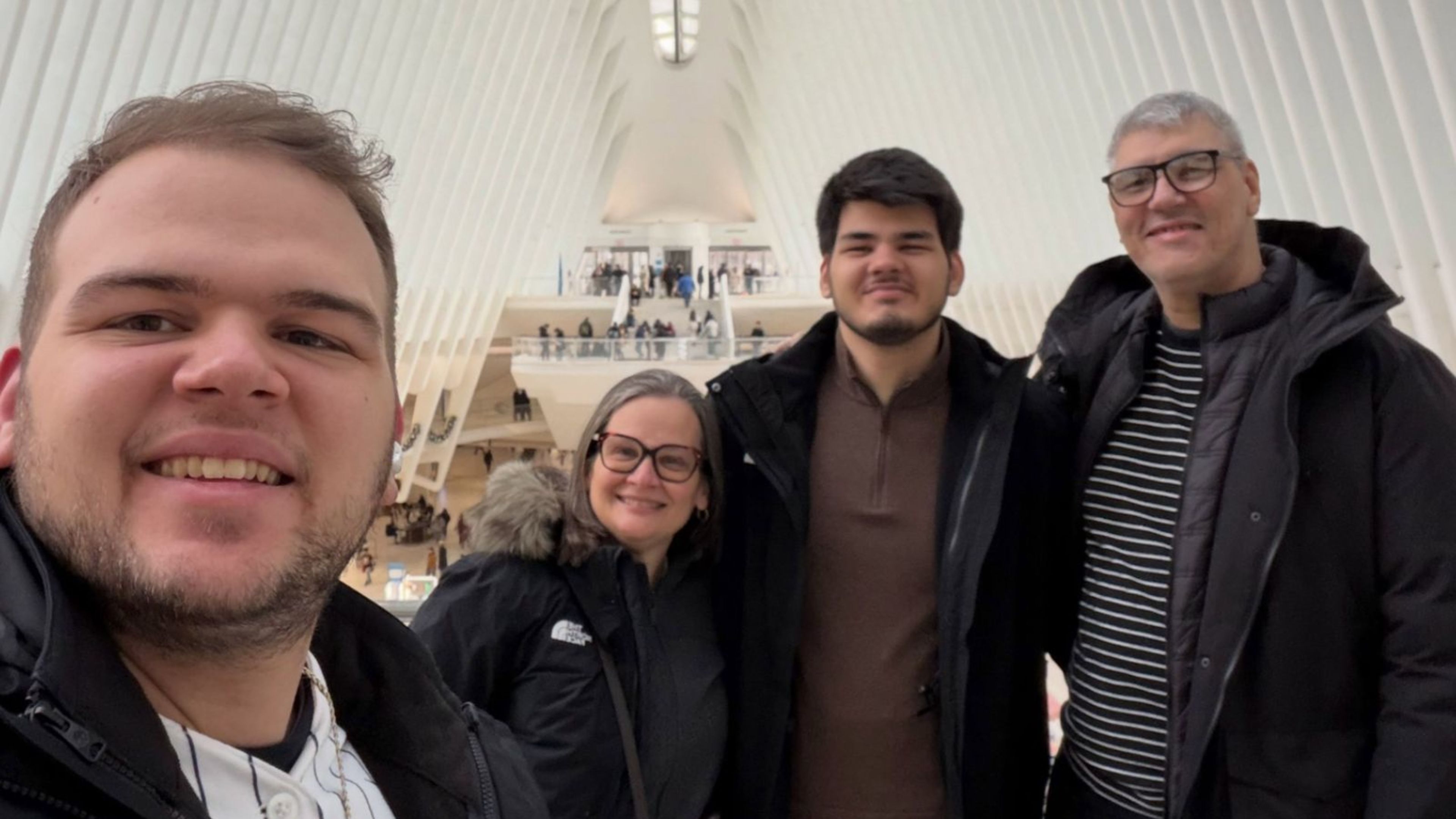
 Wilson, Ricardo, and Enrique on vacation | Credit: Courtesy of María Elena Rocha
 
 María Elena told EWTN News Español, the Spanish-language sister service of EWTN News, that what she encountered in La Guaira looked like something out of a horror movie. Late into the night, only fires broke the darkness. Entire buildings had collapsed. People were searching desperately through the rubble, while others were stealing and looting. There were shrieks, wailing, and weeping.The journey home was difficult, not only because of the damaged state of the road, but also because of the shock evoked by the scene. Every meter covered, every sight of pain and destruction, dealt a blow to the hope María Elena still clung to: the hope of reuniting with her loved ones. She could only reach her home on foot.María Elena faces unimaginable painIt was nearly midnight when María Elena saw that where the Caribbean Golf I building had once stood there was now only a massive pile of rubble. The 49-year-old woman said that paradoxically she felt a great sense of inner peace despite the tragedy. Amidst the confusion, she was told that one of her children was alive but trapped in the rubble. With great effort, María Elena made her way to the spot.It was Enrique, her youngest son. He was severely injured but was able to communicate with his mother. The first few hours following the earthquakes were chaotic in La Guaira; rescue efforts had to be carried out by hand because the necessary equipment for a swift response was not available. It was a very long night during which Enrique asked María Elena not to abandon him. “Don’t worry, son, I will never leave you alone,” she told him.
 
 María Elena with Enrique | Credit: Courtesy of María Elena Rocha
 
 And so, morning came, followed by the afternoon. Trapped and in pain, Enrique could hold on no longer. María Elena, always close by, said she heard his final breath: “He waited for me to take his last breath.” Enrique died right there, alongside his father and his older brother. It was days later that rescuers managed to recover their bodies, which María Elena was then able to give a Christian burial.“My faith grew stronger,” María Elena said. Her journey, however, has not been easy. It has been filled with pain, reproaches, and at times even anger toward God. María Elena was left on her own, and many times she sought answers.“I fought with God. I was filled with rage. ‘Why did you leave me here? Am I so bad that I have to stay here?’ Yet, I surrendered all my suffering to God for the sanctification of their souls,” she shared.Her greatest refuge has always been faith. Now she regularly attends a prayer group at a parish in Caracas, which she says has been very beneficial. She seeks indulgences for her husband and children and says she always tries to be cheerful and “let others see God in me.”“Despite the great loss I’ve experienced, I’ve held onto my sense of humor. That‘s one of the things I asked of God when my son Enrique passed away. I accepted his death with deep pain and entrusted him to God, but I prayed that he wouldn’t take away my joy because I had always been the source of joy in our home. That’s what my children and my husband used to say,” she remarked.“I want my husband and my children to feel proud of their wife and mother. I know that if I am happy, they will be happy, too. Happiness is a decision, and I decided to entrust my happiness to God because he wants all of us to be happy,” she added.Oct. 24 marks four months since that terrible day. More than 6,000 Venezuelans lost their lives in a matter of seconds; thousands were left injured, and many others remain missing. “Despite everything, I thank God for the fact that I was able to speak with my youngest son at that moment. I am grateful to God for life,” María Elena says, though she adds with that sense of humor she hasn’t lost: “Although I do ask him to take me soon.”“I ask that I might fulfill my mission quickly so that I can go to Heaven, because that’s what I long for most these days. Even before, I had no fear of death, because that is our destiny: to die in order to live and I want to live with God,” she said.María Elena says she doesn’t yet know what will become of her life, but affirms that she has “surrendered herself” to whatever Providence may decide.A message on the value of sufferingThe Church teaches us that God does not desire suffering for its own sake, nor is he its direct cause. The explanation of how God can permit evil without being its author is profound, yet it does not fully resolve the pain of any given loss. Through faith, we believe that God can bring good even out of evil; however, this does not make the death of innocent people a good thing, nor does it justify tragedies.Such suffering can take on meaning when experienced in union with Christ. As has been evidenced in the case in Venezuela following the earthquakes, pain can awaken solidarity and mutual responsibility; it can even prompt a society to reflect on how it might improve. This is María Elena’s conviction.“We have been suffering for years. Just try it, you’ll see: when you entrust that suffering to Christ, all the little things we go through, those moments of anger and indignation, offering them to Jesus for the sake of someone else, you will see how the blessings follow,” she said.
 
 María Elena after recovering intact from the rubble a statue of Our Lady of Fatima which belonged to the Luso-Venezuelan Center of Vargas | Credit: Courtesy of María Elena Rocha
 
 “And another thing: thank God for everything. It’s incredible, when you thank God for both the bad things and the good, blessings will follow. I’m not saying that problems won’t continue to arise; I still have plenty of things to deal with myself, but when we are with God, our burdens are lighter,” María Elena reflected.“I am not alone, because I have God; I have the Most Holy Virgin Mary, who has always been with me and I have felt her presence. And who better than she who knows what this pain is like?” she said.This story was first published by EWTN News Español, the Spanish-language sister service of EWTN News. It has been translated and adapted by EWTN News English.

How to face tragedy and still affirm God is your friend? The answer of a Venezuelan mother #Catholic On June 24, 2026, María Elena Rocha was in Caracas. That Wednesday, a public holiday in Venezuela, she decided to set out on a pilgrimage with two friends to visit sites associated with Venezuela’s first saints: St. Carmen Rendiles and St. José Gregorio Hernández.Her devotion made the circuitous, hour-long  journey from her home in La Guaira to the capital city feel shorter. María Elena lived in La Guaira’s Caribbean Golf I building with her family: her husband, Wilson, and their sons, 25-year-old Ricardo and 22-year-old Enrique, all three of whom chose to stay home that day.In Caracas, the day unfolded normally. María Elena and her friends visited the Colegio Belén, where the remains of Mother Carmen rest. Afterward, they went to the José Gregorio Hernández House Museum and concluded their pilgrimage with a Mass at Our Lady of La Candelaria Parish, where the remains of the “doctor of the poor” also rest.Earthquakes and uncertaintyAt 6:04 p.m., María Elena and her friends were in line to buy ice cream. Dark gray clouds over Caracas signaled an approaching storm, but the roar would not come from the sky but from the earth. At that moment, the ground shook with extreme violence, and panic reigned. The three of them managed to get out of the shopping mall where they had been.Soon, the power grid failed and both the internet and telephone lines went down. Two hours later, the group was finally able to retrieve their car from where it was parked and began the journey back home, a trip that, this time, seemed to last forever. Wilson, Ricardo, and Enrique on vacation | Credit: Courtesy of María Elena Rocha María Elena told EWTN News Español, the Spanish-language sister service of EWTN News, that what she encountered in La Guaira looked like something out of a horror movie. Late into the night, only fires broke the darkness. Entire buildings had collapsed. People were searching desperately through the rubble, while others were stealing and looting. There were shrieks, wailing, and weeping.The journey home was difficult, not only because of the damaged state of the road, but also because of the shock evoked by the scene. Every meter covered, every sight of pain and destruction, dealt a blow to the hope María Elena still clung to: the hope of reuniting with her loved ones. She could only reach her home on foot.María Elena faces unimaginable painIt was nearly midnight when María Elena saw that where the Caribbean Golf I building had once stood there was now only a massive pile of rubble. The 49-year-old woman said that paradoxically she felt a great sense of inner peace despite the tragedy. Amidst the confusion, she was told that one of her children was alive but trapped in the rubble. With great effort, María Elena made her way to the spot.It was Enrique, her youngest son. He was severely injured but was able to communicate with his mother. The first few hours following the earthquakes were chaotic in La Guaira; rescue efforts had to be carried out by hand because the necessary equipment for a swift response was not available. It was a very long night during which Enrique asked María Elena not to abandon him. “Don’t worry, son, I will never leave you alone,” she told him. María Elena with Enrique | Credit: Courtesy of María Elena Rocha And so, morning came, followed by the afternoon. Trapped and in pain, Enrique could hold on no longer. María Elena, always close by, said she heard his final breath: “He waited for me to take his last breath.” Enrique died right there, alongside his father and his older brother. It was days later that rescuers managed to recover their bodies, which María Elena was then able to give a Christian burial.“My faith grew stronger,” María Elena said. Her journey, however, has not been easy. It has been filled with pain, reproaches, and at times even anger toward God. María Elena was left on her own, and many times she sought answers.“I fought with God. I was filled with rage. ‘Why did you leave me here? Am I so bad that I have to stay here?’ Yet, I surrendered all my suffering to God for the sanctification of their souls,” she shared.Her greatest refuge has always been faith. Now she regularly attends a prayer group at a parish in Caracas, which she says has been very beneficial. She seeks indulgences for her husband and children and says she always tries to be cheerful and “let others see God in me.”“Despite the great loss I’ve experienced, I’ve held onto my sense of humor. That‘s one of the things I asked of God when my son Enrique passed away. I accepted his death with deep pain and entrusted him to God, but I prayed that he wouldn’t take away my joy because I had always been the source of joy in our home. That’s what my children and my husband used to say,” she remarked.“I want my husband and my children to feel proud of their wife and mother. I know that if I am happy, they will be happy, too. Happiness is a decision, and I decided to entrust my happiness to God because he wants all of us to be happy,” she added.Oct. 24 marks four months since that terrible day. More than 6,000 Venezuelans lost their lives in a matter of seconds; thousands were left injured, and many others remain missing. “Despite everything, I thank God for the fact that I was able to speak with my youngest son at that moment. I am grateful to God for life,” María Elena says, though she adds with that sense of humor she hasn’t lost: “Although I do ask him to take me soon.”“I ask that I might fulfill my mission quickly so that I can go to Heaven, because that’s what I long for most these days. Even before, I had no fear of death, because that is our destiny: to die in order to live and I want to live with God,” she said.María Elena says she doesn’t yet know what will become of her life, but affirms that she has “surrendered herself” to whatever Providence may decide.A message on the value of sufferingThe Church teaches us that God does not desire suffering for its own sake, nor is he its direct cause. The explanation of how God can permit evil without being its author is profound, yet it does not fully resolve the pain of any given loss. Through faith, we believe that God can bring good even out of evil; however, this does not make the death of innocent people a good thing, nor does it justify tragedies.Such suffering can take on meaning when experienced in union with Christ. As has been evidenced in the case in Venezuela following the earthquakes, pain can awaken solidarity and mutual responsibility; it can even prompt a society to reflect on how it might improve. This is María Elena’s conviction.“We have been suffering for years. Just try it, you’ll see: when you entrust that suffering to Christ, all the little things we go through, those moments of anger and indignation, offering them to Jesus for the sake of someone else, you will see how the blessings follow,” she said. María Elena after recovering intact from the rubble a statue of Our Lady of Fatima which belonged to the Luso-Venezuelan Center of Vargas | Credit: Courtesy of María Elena Rocha “And another thing: thank God for everything. It’s incredible, when you thank God for both the bad things and the good, blessings will follow. I’m not saying that problems won’t continue to arise; I still have plenty of things to deal with myself, but when we are with God, our burdens are lighter,” María Elena reflected.“I am not alone, because I have God; I have the Most Holy Virgin Mary, who has always been with me and I have felt her presence. And who better than she who knows what this pain is like?” she said.This story was first published by EWTN News Español, the Spanish-language sister service of EWTN News. It has been translated and adapted by EWTN News English.

Maria Elena Rocha recounts how despite the tragedy of losing her husband and two sons in last summer’s earthquake in Venezuela, her faith and trust in God still sustains her.
Read More
‘He died doing what he loved’: Memories of the Ecuadorian priest who died at the altar #Catholic “He died doing what he loved, the Eucharist” is how Father Pedro Calle remembered his fellow Redemptorist, Father Patricio Sánchez Molinari, who died Oct. 17 after a large crucifix broke loose from the sanctuary wall and fell on him during Mass.“It’s not so easy to process or come to terms with this situation, given the way it happened,” Calle shared in an interview with EWTN News Español, the Spanish-language sister service of EWTN News. “I could break down at any moment because of the pain I feel inside.”Calle lives in Quito, Ecuador, and manages the administrative needs of the Redemptorist congregation in the Andean-Caribbean Province, which comprises Venezuela, Colombia, and Ecuador. He is currently in Guayaquil serving also as the legal representative to handle matters related to Sánchez’s death. He is also taking part in the Oct. 19–27 novena for the repose of his soul.
 
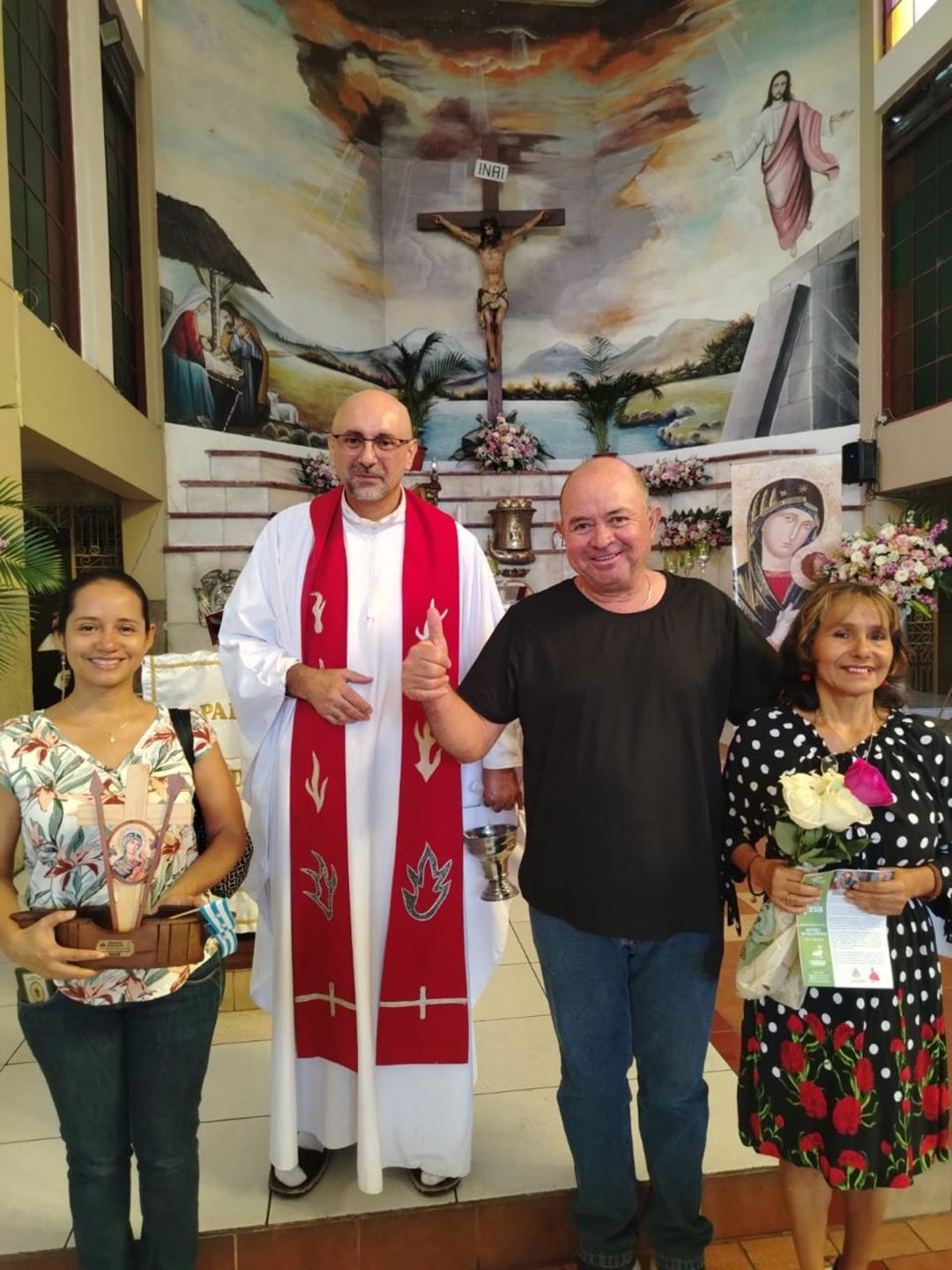
 Father Patricio Sánchez Molinari with some of the faithful at Our Lady of Perpetual Help Church. | Credit: Photo courtesy of Father Pedro Calle
 
 “He died embracing the cross. The crucifix was not damaged, save for the part of the leg [of the corpus]. It is striking how he celebrated the Lord’s passover, and the Lord celebrated his passover with him… And Patricio died doing what he loved: the Eucharist,” the priest emphasized.He loved the Eucharist and the Blessed Virgin MaryCalle described Sánchez as a man “with a pure heart and a ready smile, a smile that created a sense of closeness. People were drawn to him because of his purity of heart, in which there was no trace of ill intent. He was always so very calm, patient, and tolerant.”“He very much loved the Blessed Sacrament. Wherever he went to any parish he would always emphasize this devotion. And he was always the first one there; he wouldn’t just expose the Blessed Sacrament for a while and then leave, he would stay to pray,” the priest recounted.Sánchez served in Loja, in southern Ecuador, and later in a mission area called Vinces. He also spent nine years at a parish in Manta, and finally about four years in Guayaquil, at Our Lady of Perpetual Help Church. He served as the pastor there, and it was in that church that he died.
 
 Father Patricio Sánchez Molinari with some of the faithful. | Credit: Photo courtesy of Father Pedro Calle
 
 “He also loved the Most Holy Virgin Mary. We can describe Patricio as someone who throughout his ministry everyone felt his closeness to them, absolutely everyone,” the Redemptorist priest highlighted.“He was always a very dedicated man, always spiritual and pastoral. He would say ‘yes’ to everyone. We could say, then, that he was a hardworking man, very self-sacrificing, very devoted,” he remarked.Calle further noted that “Patricio was a very simple person, very approachable and full of human warmth. That’s why his homilies were so simple.”“My enduring memory of Patricio,” he added, “is that he was a very welcoming person, always concerned with making sure one had something to eat or drink. He enjoyed going to the cinema and was an athletic person; he liked going for a walk and swimming.”‘A sign of grace’The priest shared that he never had a conversation with Sánchez about how he would have liked to be remembered, but he highlighted one aspect he has been reflecting on in recent days following the tragic death of his fellow priest.“Patricio’s death will become, or is already becoming, a sign of grace for Catholics and for humanity, given the fact that he was in the midst of broadcasting [the Mass] and that the tragedy unfolded in precisely this way, rather than any other. That was a message for everyone,” Calle remarked.
 
 Father Patricio Sánchez Molinari with a group of the faithful. | Credit: Photo courtesy of Father Pedro Calle
 
 The priest remarked, in closing, that he does not know where the story of this priest will ultimately lead but that it certainly will not leave anyone indifferent.“I don’t know if his mission is beginning now. I cannot offer any certainty or assurance; it is simply a personal perception, based on the context and the way he died.”‘One day, all of us here will also die’Sánchez was born on Nov. 6, 1973, in Cuenca, Ecuador. He made his profession in the Congregation of the Most Holy Redeemer (Redemptorists) on Aug. 15, 2000, the solemnity of the Assumption of the Blessed Virgin Mary. He was ordained a priest on Oct. 15, 2005.He was pastor at Our Lady of Perpetual Help Parish in south Guayaquil. He served as the superior of his religious community, where he lived alongside a fellow religious brother who had taken his perpetual vows.In his final homily, on the day of his death, he spoke about the importance of making time for God. “He must come first,” he said, adding: “Dear brothers and sisters, one day, all of us here will also die. Sometimes, the time we have spent on material things does not hold as much meaning as the time we dedicate to God, that quality time we give to God, to our brothers and sisters, to our wife, our husband, to our children, and to our families. That is time spent in the best possible way.”This story was first published by EWTN News Español, the Spanish-language sister service of EWTN News. It has been translated and adapted by EWTN News English.

‘He died doing what he loved’: Memories of the Ecuadorian priest who died at the altar #Catholic “He died doing what he loved, the Eucharist” is how Father Pedro Calle remembered his fellow Redemptorist, Father Patricio Sánchez Molinari, who died Oct. 17 after a large crucifix broke loose from the sanctuary wall and fell on him during Mass.“It’s not so easy to process or come to terms with this situation, given the way it happened,” Calle shared in an interview with EWTN News Español, the Spanish-language sister service of EWTN News. “I could break down at any moment because of the pain I feel inside.”Calle lives in Quito, Ecuador, and manages the administrative needs of the Redemptorist congregation in the Andean-Caribbean Province, which comprises Venezuela, Colombia, and Ecuador. He is currently in Guayaquil serving also as the legal representative to handle matters related to Sánchez’s death. He is also taking part in the Oct. 19–27 novena for the repose of his soul. Father Patricio Sánchez Molinari with some of the faithful at Our Lady of Perpetual Help Church. | Credit: Photo courtesy of Father Pedro Calle “He died embracing the cross. The crucifix was not damaged, save for the part of the leg [of the corpus]. It is striking how he celebrated the Lord’s passover, and the Lord celebrated his passover with him… And Patricio died doing what he loved: the Eucharist,” the priest emphasized.He loved the Eucharist and the Blessed Virgin MaryCalle described Sánchez as a man “with a pure heart and a ready smile, a smile that created a sense of closeness. People were drawn to him because of his purity of heart, in which there was no trace of ill intent. He was always so very calm, patient, and tolerant.”“He very much loved the Blessed Sacrament. Wherever he went to any parish he would always emphasize this devotion. And he was always the first one there; he wouldn’t just expose the Blessed Sacrament for a while and then leave, he would stay to pray,” the priest recounted.Sánchez served in Loja, in southern Ecuador, and later in a mission area called Vinces. He also spent nine years at a parish in Manta, and finally about four years in Guayaquil, at Our Lady of Perpetual Help Church. He served as the pastor there, and it was in that church that he died. Father Patricio Sánchez Molinari with some of the faithful. | Credit: Photo courtesy of Father Pedro Calle “He also loved the Most Holy Virgin Mary. We can describe Patricio as someone who throughout his ministry everyone felt his closeness to them, absolutely everyone,” the Redemptorist priest highlighted.“He was always a very dedicated man, always spiritual and pastoral. He would say ‘yes’ to everyone. We could say, then, that he was a hardworking man, very self-sacrificing, very devoted,” he remarked.Calle further noted that “Patricio was a very simple person, very approachable and full of human warmth. That’s why his homilies were so simple.”“My enduring memory of Patricio,” he added, “is that he was a very welcoming person, always concerned with making sure one had something to eat or drink. He enjoyed going to the cinema and was an athletic person; he liked going for a walk and swimming.”‘A sign of grace’The priest shared that he never had a conversation with Sánchez about how he would have liked to be remembered, but he highlighted one aspect he has been reflecting on in recent days following the tragic death of his fellow priest.“Patricio’s death will become, or is already becoming, a sign of grace for Catholics and for humanity, given the fact that he was in the midst of broadcasting [the Mass] and that the tragedy unfolded in precisely this way, rather than any other. That was a message for everyone,” Calle remarked. Father Patricio Sánchez Molinari with a group of the faithful. | Credit: Photo courtesy of Father Pedro Calle The priest remarked, in closing, that he does not know where the story of this priest will ultimately lead but that it certainly will not leave anyone indifferent.“I don’t know if his mission is beginning now. I cannot offer any certainty or assurance; it is simply a personal perception, based on the context and the way he died.”‘One day, all of us here will also die’Sánchez was born on Nov. 6, 1973, in Cuenca, Ecuador. He made his profession in the Congregation of the Most Holy Redeemer (Redemptorists) on Aug. 15, 2000, the solemnity of the Assumption of the Blessed Virgin Mary. He was ordained a priest on Oct. 15, 2005.He was pastor at Our Lady of Perpetual Help Parish in south Guayaquil. He served as the superior of his religious community, where he lived alongside a fellow religious brother who had taken his perpetual vows.In his final homily, on the day of his death, he spoke about the importance of making time for God. “He must come first,” he said, adding: “Dear brothers and sisters, one day, all of us here will also die. Sometimes, the time we have spent on material things does not hold as much meaning as the time we dedicate to God, that quality time we give to God, to our brothers and sisters, to our wife, our husband, to our children, and to our families. That is time spent in the best possible way.”This story was first published by EWTN News Español, the Spanish-language sister service of EWTN News. It has been translated and adapted by EWTN News English.

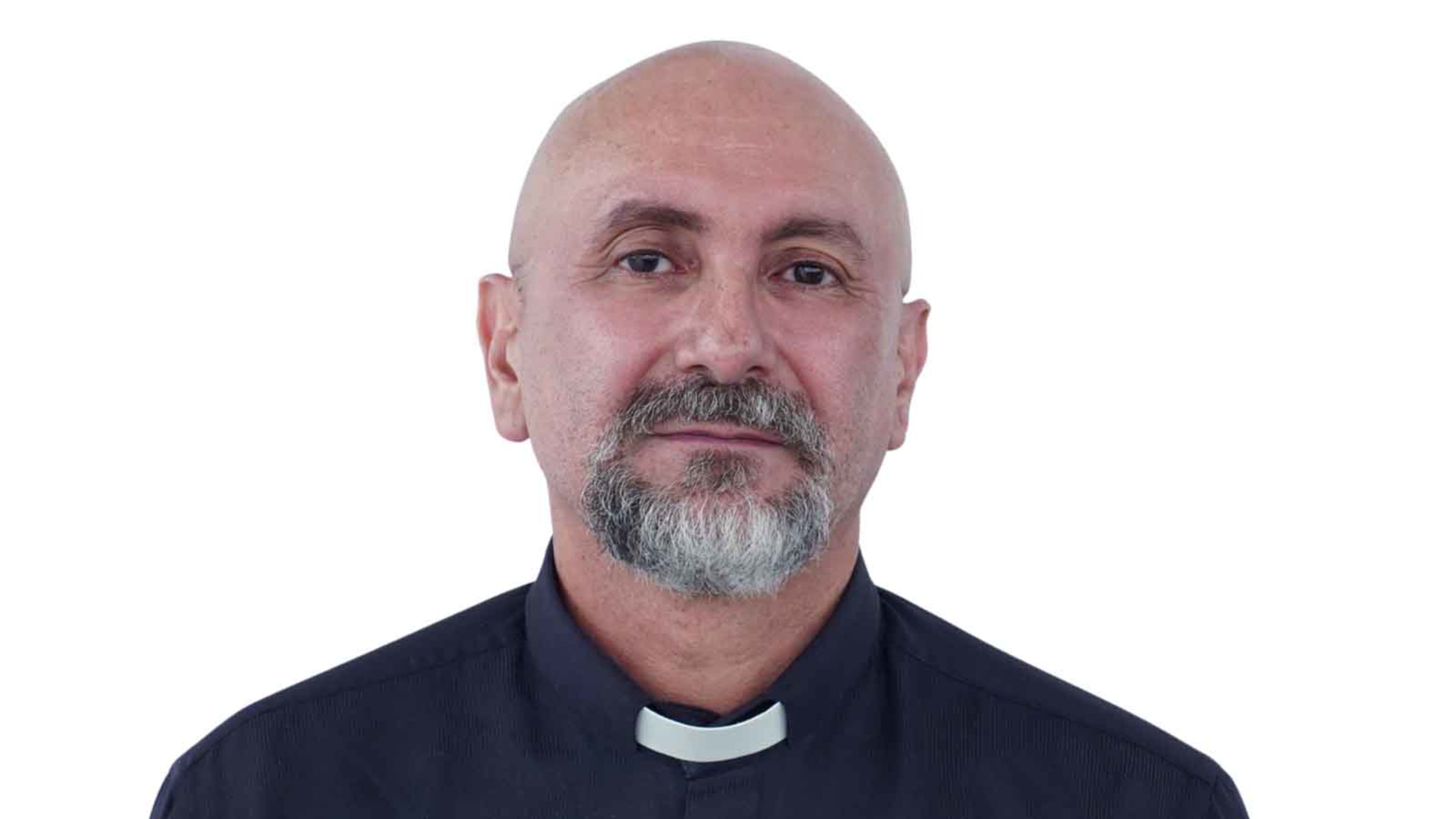
The late Father Patricio Sánchez Molinari was described as a man “with a pure heart and a ready smile … he was always so very calm, patient, and tolerant.” asFather Patricio Sánchez
Read More