Condolences

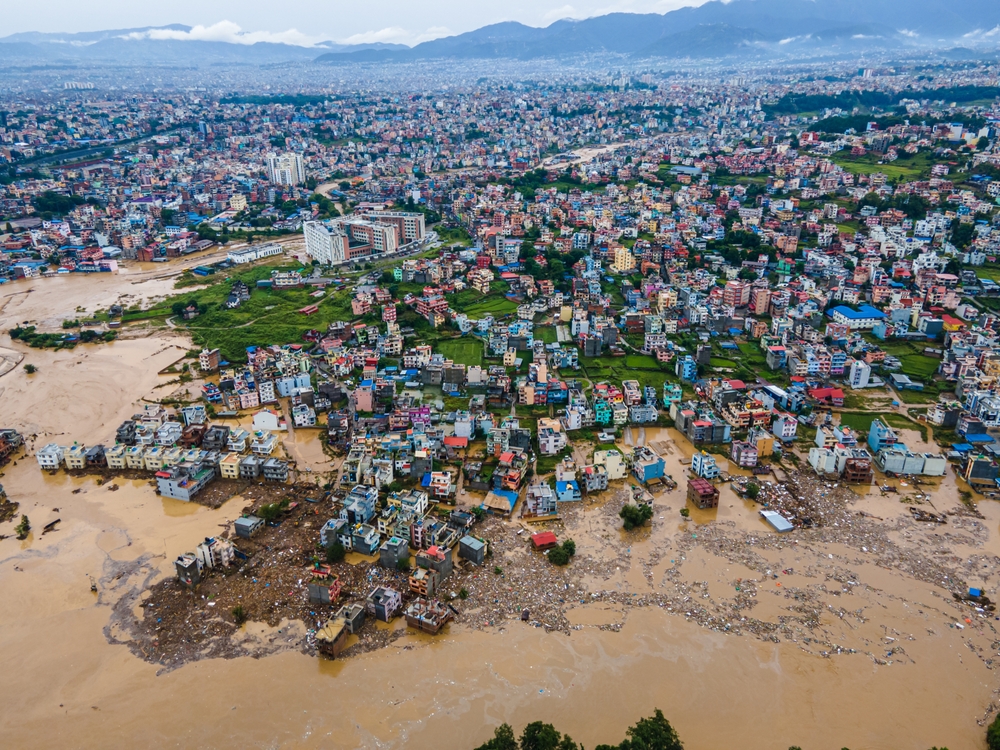
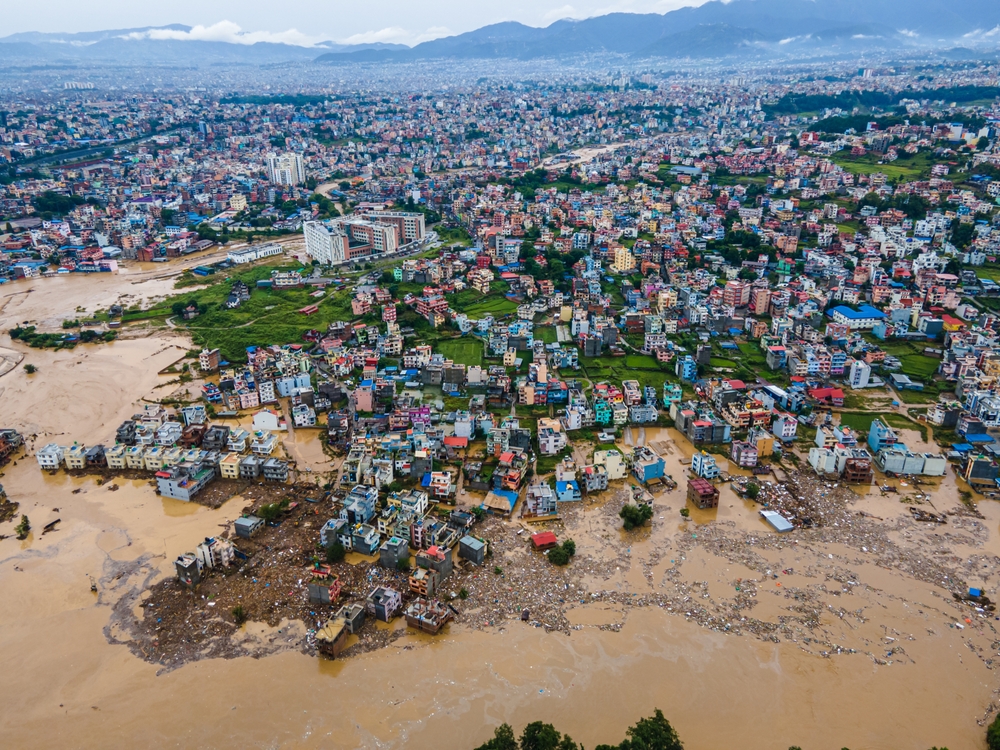
UPDATE: Nepal, China warn of second flood as Church launches relief efforts #Catholic Authorities are warning of a second flood after Wednesday’s devastating deluge on the Nepal-China border, which left more than 1,500 people missing, many presumed dead.Nepal’s National Disaster Risk Reduction and Management Authority said a lake at the flood site was rising and at risk of bursting, raising the prospect of another deadly disaster.China’s Minister of Water Resources said the lake had formed inside Nepal and was already overflowing. A further 3 million cubic meters could flow in over three days, the ministry said, raising the risk of a breach during that window to a high level. Rain is forecast across the coming days.Catholic relief agencies immediately responded to the unfolding disaster, linking their efforts to the urgent needs created by the floods. Caritas Nepal said it had mobilized teams and begun operating community kitchens in areas where people lost their homes, while also distributing immediate relief supplies. Some Catholics who had been working in tourist areas remain unaccounted for, the agency said.Catholic Relief Services launched an emergency appeal, saying it was coordinating with Caritas Nepal and local partners to assess urgent needs and support affected communities.Caritas Australia launched an urgent flood appeal, confirming teams are on the ground assessing the scale of the disaster and the needs it has created.The needs will most likely include emergency shelter, clean water and sanitation, food, and immediate and long-term recovery, the aid agency noted.The apostolic administrator of Nepal told Fides news agency on Thursday this was “the worst disaster in the country’s history.”“It was terrible. A flood coming from the mountains, and directed violently towards the valley, overwhelmed everything: people, homes, bridges, structures. Villages, markets, and roads were swept away. It is a serious wound for the nation,” Father Silas Krishna Bogati said.“We have about 25 Catholic families in the disaster area; they appear to be safe, but we are very worried about them,” he said. “We entrust them to God, we pray for their safety, and we will do everything we can to help them.”Bogati noted that Nepalese, as well as foreigners and tourists, were in the area at the time of the disaster.At least 392 people have been killed, 389 of them in Nepal and three in Tibet, according to Nepali authorities and Chinese state media. More than 900 remain unaccounted for in Nepal and more than 550 in Tibet; 466 people have been rescued.Pope Leo sent his condolences and offered prayers for the victims on Thursday, expressing solidarity with those affected by the floods. In an Aug. 27 telegram sent on behalf of Leo, Vatican Secretary of State Cardinal Pietro Parolin said the pope was “saddened to learn of the loss of life and devastation” caused by the floods.“Commending the souls of the deceased to the clemency of the Almighty, His Holiness sends heartfelt sympathies to the bereaved, with the assurance of his spiritual closeness to those affected by this tragedy,” the telegram said.This story was updated on Aug. 28, 2026, with details from Caritas Nepal and Catholic Relief Services.

UPDATE: Nepal, China warn of second flood as Church launches relief efforts #Catholic Authorities are warning of a second flood after Wednesday’s devastating deluge on the Nepal-China border, which left more than 1,500 people missing, many presumed dead.Nepal’s National Disaster Risk Reduction and Management Authority said a lake at the flood site was rising and at risk of bursting, raising the prospect of another deadly disaster.China’s Minister of Water Resources said the lake had formed inside Nepal and was already overflowing. A further 3 million cubic meters could flow in over three days, the ministry said, raising the risk of a breach during that window to a high level. Rain is forecast across the coming days.Catholic relief agencies immediately responded to the unfolding disaster, linking their efforts to the urgent needs created by the floods. Caritas Nepal said it had mobilized teams and begun operating community kitchens in areas where people lost their homes, while also distributing immediate relief supplies. Some Catholics who had been working in tourist areas remain unaccounted for, the agency said.Catholic Relief Services launched an emergency appeal, saying it was coordinating with Caritas Nepal and local partners to assess urgent needs and support affected communities.Caritas Australia launched an urgent flood appeal, confirming teams are on the ground assessing the scale of the disaster and the needs it has created.The needs will most likely include emergency shelter, clean water and sanitation, food, and immediate and long-term recovery, the aid agency noted.The apostolic administrator of Nepal told Fides news agency on Thursday this was “the worst disaster in the country’s history.”“It was terrible. A flood coming from the mountains, and directed violently towards the valley, overwhelmed everything: people, homes, bridges, structures. Villages, markets, and roads were swept away. It is a serious wound for the nation,” Father Silas Krishna Bogati said.“We have about 25 Catholic families in the disaster area; they appear to be safe, but we are very worried about them,” he said. “We entrust them to God, we pray for their safety, and we will do everything we can to help them.”Bogati noted that Nepalese, as well as foreigners and tourists, were in the area at the time of the disaster.At least 392 people have been killed, 389 of them in Nepal and three in Tibet, according to Nepali authorities and Chinese state media. More than 900 remain unaccounted for in Nepal and more than 550 in Tibet; 466 people have been rescued.Pope Leo sent his condolences and offered prayers for the victims on Thursday, expressing solidarity with those affected by the floods. In an Aug. 27 telegram sent on behalf of Leo, Vatican Secretary of State Cardinal Pietro Parolin said the pope was “saddened to learn of the loss of life and devastation” caused by the floods.“Commending the souls of the deceased to the clemency of the Almighty, His Holiness sends heartfelt sympathies to the bereaved, with the assurance of his spiritual closeness to those affected by this tragedy,” the telegram said.This story was updated on Aug. 28, 2026, with details from Caritas Nepal and Catholic Relief Services.

Caritas Nepal has begun distributing relief and operating community kitchens as authorities warn of a second flood following the deadliest natural disaster in Nepal’s recorded history.
Read More
‘An unborn child is a child’: Lawyer questions lack of empathy regarding pregnancy loss #Catholic Ecuadorian lawyer Pablo Proaño questioned the lack of empathy for families who lose a child during pregnancy and called for protocols to support them.His remarks followed the death due to a pregnancy complication of Stefano, the son of Ecuadorian President Daniel Noboa and his wife, Lavinia Valbonesi.On Aug. 15, Interior Minister Nataly Morillo announced the news and offered her condolences to the presidential family.Many comments appeared on social media questioning the characterization of the loss as the death of a “child” rather than an embryo or fetus, or arguing that the matter should have remained private.For Proaño, a lawyer with the firm Dignidad y Derecho (Dignity and Law), these reactions reveal “a lack of understanding regarding pregnancy loss and a lack of empathy that goes beyond the political debate over the way the president is running the country.”“Many people approached this topic by first claiming it’s a ‘fake news’ story — arguing that it’s not a child, but rather an embryo or a fetus — and secondly, by insisting that it’s a matter that should remain private. And this reveals, as I said, a profound lack of empathy,” he noted in an interview with ACI Prensa, the Spanish-language sister service of EWTN News.‘There’s already an expectation’ of welcoming the childThe lawyer explained that regardless of gestational age, “parents who already know, long for, and look forward to welcoming this baby are already forming an expectation, both on the psychological and social level.”He said there can be “severe psychological impact following the loss” but also “long-term effects when the time comes to decide whether or not to try for another child.”The lawyer also noted that this suffering can arise in everyday situations, particularly when the mother encounters other women with babies.Proaño said he believes the scale of the phenomenon makes it important for society to learn how to support those going through this type of grief. “According to the World Health Organization, 1 in 4 women has experienced pregnancy loss at some point in her life,” he stated.The lawyer noted that while the circumstances of a miscarriage or an abortion may differ, both situations can involve suffering and grief.“Induced abortion often entails a greater sense of guilt,” he said.Regarding miscarriage, he said there is also “a great deal of suffering regarding why the pregnancy could not be carried to term.” “Many questions remain unanswered, and this creates a great deal of anxiety and can even lead to cases of severe depression in women and families going through this grief,” he continued.The need for protocols regarding pregnancy lossProaño said he believes healthcare systems should have protocols in place to care for women who lose their babies during pregnancy.“The first and most important aspect is institutional support from a medical standpoint. In many Latin American countries, there are protocols known as ‘butterfly protocols’ for the care of women experiencing pregnancy loss,” he explained.In this practice, the silhouette of a butterfly is placed on the headboard of the patient’s bed, alerting the hospital staff to be particularly sensitive to her emotional state. The butterfly symbolizes a brief life, fragility, and transformation.Ecuador does not currently have an official protocol from the Ministry of Health. “There are foundations promoting these types of protocols, and individual hospitals may implement them, but it largely depends on whether the hospital authorities choose to adopt them,” Proaño stated.These protocols, he explained, aim to prevent situations that could increase the suffering of a woman who has just lost her child.“What do these ‘butterfly protocols’ mean? It means healthcare staff are sensitized that they don’t say things like, ‘Oh, right. Well, it would have been better if you’d done this or that, and then you wouldn’t have lost the baby,’” he explained.He also emphasized the need to avoid placing a woman who has just suffered a loss “in the maternity ward, where you can hear and see other women with their babies.”Proaño even proposes identifying these patients: “They should be given a separate room and identified by a symbol or a sign on the door, so that when a nurse or doctor walks by, no one makes the mistake of asking, ‘And where is your baby? Why haven’t they brought your baby to you?’” he said.In addition, the woman should receive psychological care, he noted.Employers should also have to make allowancesAccording to Proaño, families also need “social recognition that extends to the workplace.”“In Ecuador, these cases often only qualify for three days of leave for a family emergency, and three days is not enough,” he maintained.“Many of these people go through episodes of severe depression, return to work, and are then fired because the enhanced job protection afforded to pregnant women because they are carrying a child does not apply. But if the baby dies, they don’t benefit from this leave,” he added.Parents' right to say goodbye to their childAnother aspect the lawyer deems necessary to review is what happens to the babyʼs remains following a pregnancy loss.Measures should be in place “to ensure the baby can be given a proper burial," he stated.Proaño explained that, according to Ecuadorian regulations, there is a distinction regarding the release of remains based on whether the pregnancy has reached 22 weeks of gestation.“In Ecuador, up to the 22nd week of pregnancy, hospitals are not required to hand over the child — the body or remains of the fetus — and may simply dispose of it, donate it for research, or even sell it to institutions,” he stated.He said this situation can deprive parents of a step that is important for the grieving process.“This baby is the child of a family that deserves and needs, for the sake of their grieving process, to bury him and have a place to go to mourn his death,” he noted.In his view, families should receive clear information about their rights and be able to decide what happens to their childʼs remains.“Parents should be provided with informed consent that explains this possibility and their rights, so they can make a decision. And if they ultimately decide not to take the fetus, they should also be able to decide on its final disposition,” he explained.‘An unborn child is a child’Beyond the legal and medical aspects, Proaño said he believes there is a cultural challenge: “A great deal of work to raise awareness and foster understanding” needs to be done, he noted.“Because an unborn child is a child; it’s not merely a fetus,” he emphasized.The lawyer lamented that many families do not even receive condolences after losing a child during pregnancy. He also questioned certain responses that may seem well-intentioned but ultimately minimize the pain.For example, he said, “there are many doctors who say, ‘You can get pregnant again; there’s no problem.’ As if that loss could simply be erased from a mother’s heart.”An issue that also involves the stateProaño maintained that the response should include public policies focused on prevention, support, and family protection.“At the state level, there are these three points: promoting the implementation of support protocols; ensuring proper informed consent when the disposition of the fetuses is to be decided; and enacting workplace reforms to grant parents more time to grieve the loss of their child in accordance with the law,” he explained.“And also, having awareness-raising campaigns. Furthermore — taking it a step further — it would be very important for the state to take up this issue as a public policy necessity,” he added.Proaño said he also believes that proper preventive care during pregnancy can help reduce some pregnancy losses. He cited, among other factors, medical monitoring during pregnancy and the detection of potential vitamin or hormonal deficiencies.This story was first published by ACI Prensa, the Spanish-language sister service of EWTN News. It has been translated and adapted by EWTN News English.

‘An unborn child is a child’: Lawyer questions lack of empathy regarding pregnancy loss #Catholic Ecuadorian lawyer Pablo Proaño questioned the lack of empathy for families who lose a child during pregnancy and called for protocols to support them.His remarks followed the death due to a pregnancy complication of Stefano, the son of Ecuadorian President Daniel Noboa and his wife, Lavinia Valbonesi.On Aug. 15, Interior Minister Nataly Morillo announced the news and offered her condolences to the presidential family.Many comments appeared on social media questioning the characterization of the loss as the death of a “child” rather than an embryo or fetus, or arguing that the matter should have remained private.For Proaño, a lawyer with the firm Dignidad y Derecho (Dignity and Law), these reactions reveal “a lack of understanding regarding pregnancy loss and a lack of empathy that goes beyond the political debate over the way the president is running the country.”“Many people approached this topic by first claiming it’s a ‘fake news’ story — arguing that it’s not a child, but rather an embryo or a fetus — and secondly, by insisting that it’s a matter that should remain private. And this reveals, as I said, a profound lack of empathy,” he noted in an interview with ACI Prensa, the Spanish-language sister service of EWTN News.‘There’s already an expectation’ of welcoming the childThe lawyer explained that regardless of gestational age, “parents who already know, long for, and look forward to welcoming this baby are already forming an expectation, both on the psychological and social level.”He said there can be “severe psychological impact following the loss” but also “long-term effects when the time comes to decide whether or not to try for another child.”The lawyer also noted that this suffering can arise in everyday situations, particularly when the mother encounters other women with babies.Proaño said he believes the scale of the phenomenon makes it important for society to learn how to support those going through this type of grief. “According to the World Health Organization, 1 in 4 women has experienced pregnancy loss at some point in her life,” he stated.The lawyer noted that while the circumstances of a miscarriage or an abortion may differ, both situations can involve suffering and grief.“Induced abortion often entails a greater sense of guilt,” he said.Regarding miscarriage, he said there is also “a great deal of suffering regarding why the pregnancy could not be carried to term.” “Many questions remain unanswered, and this creates a great deal of anxiety and can even lead to cases of severe depression in women and families going through this grief,” he continued.The need for protocols regarding pregnancy lossProaño said he believes healthcare systems should have protocols in place to care for women who lose their babies during pregnancy.“The first and most important aspect is institutional support from a medical standpoint. In many Latin American countries, there are protocols known as ‘butterfly protocols’ for the care of women experiencing pregnancy loss,” he explained.In this practice, the silhouette of a butterfly is placed on the headboard of the patient’s bed, alerting the hospital staff to be particularly sensitive to her emotional state. The butterfly symbolizes a brief life, fragility, and transformation.Ecuador does not currently have an official protocol from the Ministry of Health. “There are foundations promoting these types of protocols, and individual hospitals may implement them, but it largely depends on whether the hospital authorities choose to adopt them,” Proaño stated.These protocols, he explained, aim to prevent situations that could increase the suffering of a woman who has just lost her child.“What do these ‘butterfly protocols’ mean? It means healthcare staff are sensitized that they don’t say things like, ‘Oh, right. Well, it would have been better if you’d done this or that, and then you wouldn’t have lost the baby,’” he explained.He also emphasized the need to avoid placing a woman who has just suffered a loss “in the maternity ward, where you can hear and see other women with their babies.”Proaño even proposes identifying these patients: “They should be given a separate room and identified by a symbol or a sign on the door, so that when a nurse or doctor walks by, no one makes the mistake of asking, ‘And where is your baby? Why haven’t they brought your baby to you?’” he said.In addition, the woman should receive psychological care, he noted.Employers should also have to make allowancesAccording to Proaño, families also need “social recognition that extends to the workplace.”“In Ecuador, these cases often only qualify for three days of leave for a family emergency, and three days is not enough,” he maintained.“Many of these people go through episodes of severe depression, return to work, and are then fired because the enhanced job protection afforded to pregnant women because they are carrying a child does not apply. But if the baby dies, they don’t benefit from this leave,” he added.Parents' right to say goodbye to their childAnother aspect the lawyer deems necessary to review is what happens to the babyʼs remains following a pregnancy loss.Measures should be in place “to ensure the baby can be given a proper burial," he stated.Proaño explained that, according to Ecuadorian regulations, there is a distinction regarding the release of remains based on whether the pregnancy has reached 22 weeks of gestation.“In Ecuador, up to the 22nd week of pregnancy, hospitals are not required to hand over the child — the body or remains of the fetus — and may simply dispose of it, donate it for research, or even sell it to institutions,” he stated.He said this situation can deprive parents of a step that is important for the grieving process.“This baby is the child of a family that deserves and needs, for the sake of their grieving process, to bury him and have a place to go to mourn his death,” he noted.In his view, families should receive clear information about their rights and be able to decide what happens to their childʼs remains.“Parents should be provided with informed consent that explains this possibility and their rights, so they can make a decision. And if they ultimately decide not to take the fetus, they should also be able to decide on its final disposition,” he explained.‘An unborn child is a child’Beyond the legal and medical aspects, Proaño said he believes there is a cultural challenge: “A great deal of work to raise awareness and foster understanding” needs to be done, he noted.“Because an unborn child is a child; it’s not merely a fetus,” he emphasized.The lawyer lamented that many families do not even receive condolences after losing a child during pregnancy. He also questioned certain responses that may seem well-intentioned but ultimately minimize the pain.For example, he said, “there are many doctors who say, ‘You can get pregnant again; there’s no problem.’ As if that loss could simply be erased from a mother’s heart.”An issue that also involves the stateProaño maintained that the response should include public policies focused on prevention, support, and family protection.“At the state level, there are these three points: promoting the implementation of support protocols; ensuring proper informed consent when the disposition of the fetuses is to be decided; and enacting workplace reforms to grant parents more time to grieve the loss of their child in accordance with the law,” he explained.“And also, having awareness-raising campaigns. Furthermore — taking it a step further — it would be very important for the state to take up this issue as a public policy necessity,” he added.Proaño said he also believes that proper preventive care during pregnancy can help reduce some pregnancy losses. He cited, among other factors, medical monitoring during pregnancy and the detection of potential vitamin or hormonal deficiencies.This story was first published by ACI Prensa, the Spanish-language sister service of EWTN News. It has been translated and adapted by EWTN News English.

Ecuadoran lawyer Pablo Proaño’s remarks followed the death due to a pregnancy complication of Stefano, the son of Ecuadorian President Daniel Noboa and his wife, Lavinia Valbonesi.

Read More
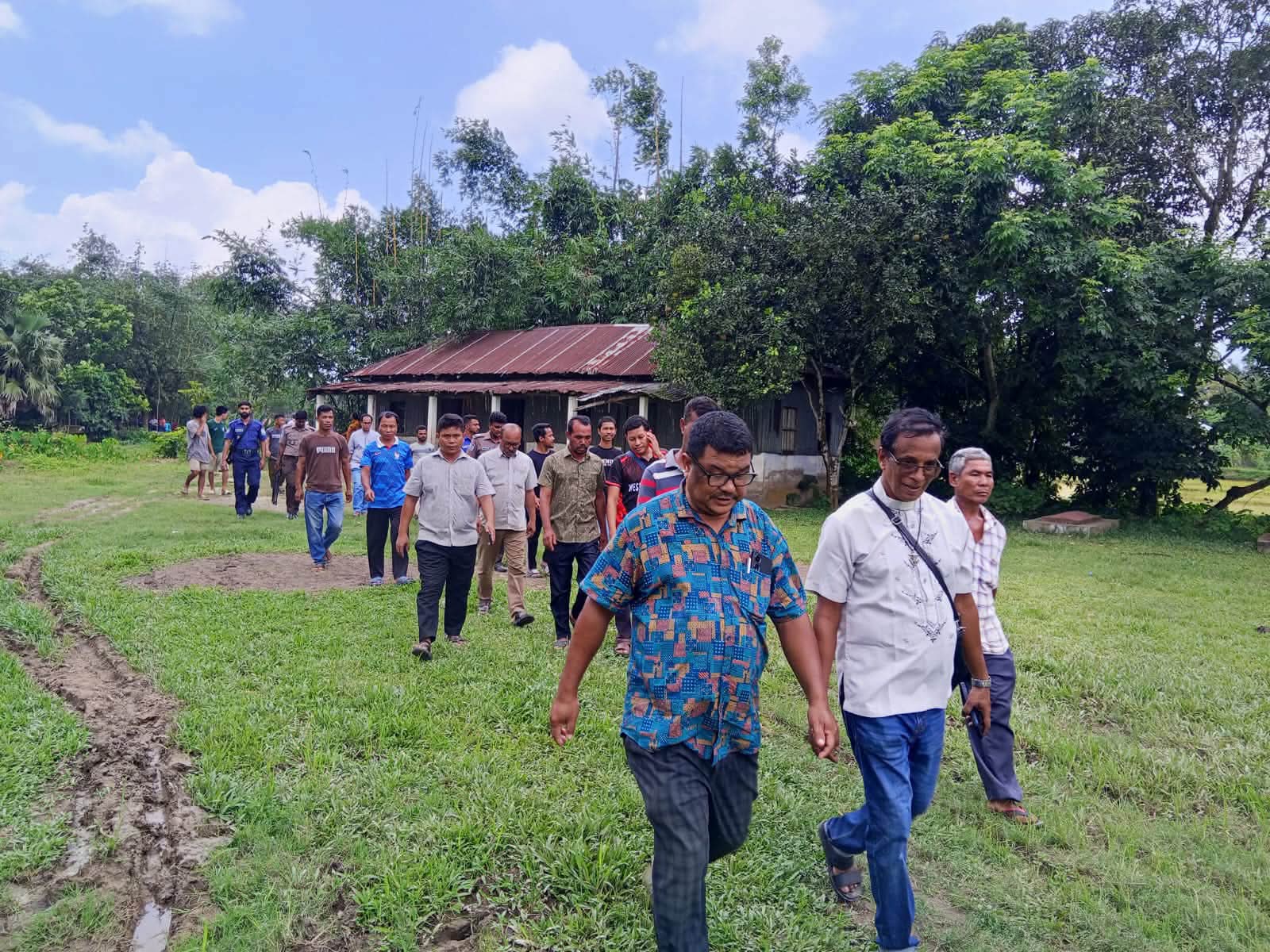
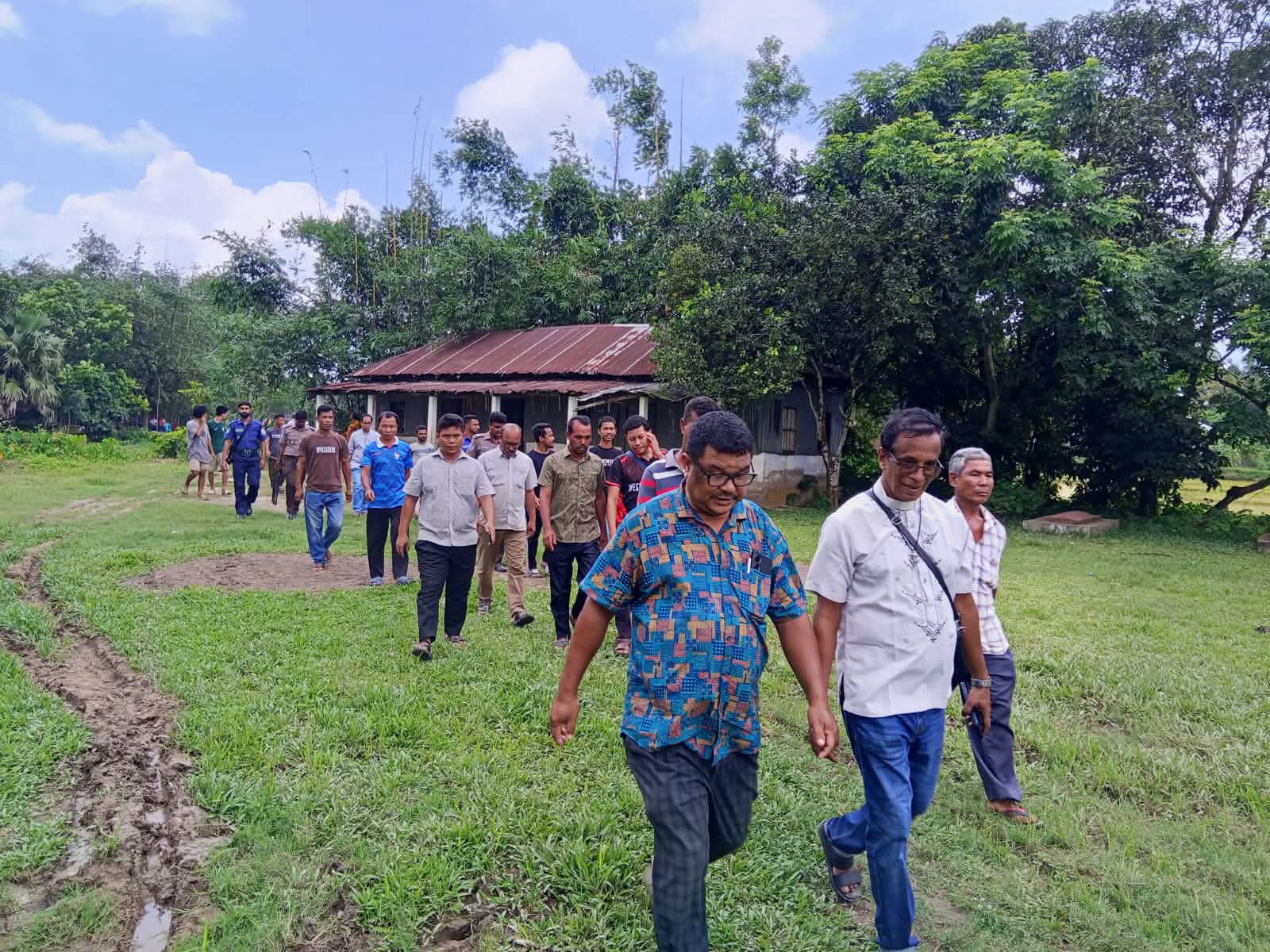
Catholic leaders urge protection for Christian village attacked in Bangladesh #Catholic The Catholic Church and Indigenous Christian leaders in Bangladesh have called on the authorities to protect families terrified by an attack on a Christian village and to bring those responsible to justice.On Aug. 12, houses in the village of Gazarikura, a community in the Diocese of Mymensingh in the north of the Muslim-majority country, were attacked, looted, and vandalized. Local Indigenous Garo people said the stolen property included cash, cows, goats, and other valuables.The Indigenous families said the attack and looting were carried out by people from a neighboring Muslim village after the body of a Muslim man was found in their village.Father Simon Hacha, vicar general of the Diocese of Mymensingh, visited the village together with other priests, sisters, Garo Indigenous leaders, and local leaders.“We never want unrest; we are for peace,” Hacha, who is himself a Garo, told EWTN News.“We pray for the soul of the deceased person around whom this problem has arisen and we offer our condolences to his family,” he said.He urged police not to harass those who are not guilty and to identify the culprits and take appropriate action.“I hope that the administration will provide security to the Garo Indigenous of this village and that the villagers will maintain good relations with each other so that peace can prevail in the future,” Hacha added.Losses and arrestsVillage leaders told EWTN News that six houses in Gazarikura were vandalized and that the furniture of one house was burned. The attackers took away seven cows, 10 goats, a motorcycle, cash, and expensive furniture. The incident spread panic among local residents.Father Lawrence Ribeiro, the parish priest of Mariamnagar, told EWTN News by telephone during a visit to the village on Aug. 14 that 11 houses had been looted and that televisions, refrigerators, cows, and goats had been taken away. The families do not have enough food, he said. “So, we brought food, soap, and other items for these families.”Ribeiro said the families had been calculated to have suffered losses of about 4 million taka (about ,000). “We are preparing to file a case of looting for this,” he said.The body of a rice trader, Billal Hossain, 40, was recovered by police. Nineteen people, including men and women from the Garo community, were arrested on suspicion of involvement in the case. Police later released 14 of them.According to police sources, Hossain, a resident of the Jarultala area of the upazila, or subdistrict, went missing on Aug. 4. On the afternoon of Aug. 12, local farmers working in a field smelled a foul odor near a canal, searched the surroundings, and found the body buried in the ground. Police went to the spot and recovered it after being informed.An organization of Garo Indigenous students said in a statement: "We want to say very clearly that the responsibility for the crime of an individual can never be imposed on an entire ethnic group, community, or population.”“If someone is involved in any crime, his involvement will be determined through an impartial and fair investigation. If the crime is proven, he will be tried according to the prevailing law. But suspecting, harassing, or victimizing another innocent person on the basis of an individualʼs identity, ethnic identity, or community identity is against justice,” the student organization said.S.M. Noor Mohammad, officer in charge of the Jhenaigati police station, said the atmosphere in the village is now calm and that police have been deployed.“The police are investigating the incident and are continuing their efforts to identify the criminals involved in the incident,” Mohammad said.On Aug. 9, Indigenous people had rallied for their rights and to protest atrocities against them on the occasion of the International Day of the Worldʼs Indigenous Peoples.

Catholic leaders urge protection for Christian village attacked in Bangladesh #Catholic The Catholic Church and Indigenous Christian leaders in Bangladesh have called on the authorities to protect families terrified by an attack on a Christian village and to bring those responsible to justice.On Aug. 12, houses in the village of Gazarikura, a community in the Diocese of Mymensingh in the north of the Muslim-majority country, were attacked, looted, and vandalized. Local Indigenous Garo people said the stolen property included cash, cows, goats, and other valuables.The Indigenous families said the attack and looting were carried out by people from a neighboring Muslim village after the body of a Muslim man was found in their village.Father Simon Hacha, vicar general of the Diocese of Mymensingh, visited the village together with other priests, sisters, Garo Indigenous leaders, and local leaders.“We never want unrest; we are for peace,” Hacha, who is himself a Garo, told EWTN News.“We pray for the soul of the deceased person around whom this problem has arisen and we offer our condolences to his family,” he said.He urged police not to harass those who are not guilty and to identify the culprits and take appropriate action.“I hope that the administration will provide security to the Garo Indigenous of this village and that the villagers will maintain good relations with each other so that peace can prevail in the future,” Hacha added.Losses and arrestsVillage leaders told EWTN News that six houses in Gazarikura were vandalized and that the furniture of one house was burned. The attackers took away seven cows, 10 goats, a motorcycle, cash, and expensive furniture. The incident spread panic among local residents.Father Lawrence Ribeiro, the parish priest of Mariamnagar, told EWTN News by telephone during a visit to the village on Aug. 14 that 11 houses had been looted and that televisions, refrigerators, cows, and goats had been taken away. The families do not have enough food, he said. “So, we brought food, soap, and other items for these families.”Ribeiro said the families had been calculated to have suffered losses of about 4 million taka (about $32,000). “We are preparing to file a case of looting for this,” he said.The body of a rice trader, Billal Hossain, 40, was recovered by police. Nineteen people, including men and women from the Garo community, were arrested on suspicion of involvement in the case. Police later released 14 of them.According to police sources, Hossain, a resident of the Jarultala area of the upazila, or subdistrict, went missing on Aug. 4. On the afternoon of Aug. 12, local farmers working in a field smelled a foul odor near a canal, searched the surroundings, and found the body buried in the ground. Police went to the spot and recovered it after being informed.An organization of Garo Indigenous students said in a statement: "We want to say very clearly that the responsibility for the crime of an individual can never be imposed on an entire ethnic group, community, or population.”“If someone is involved in any crime, his involvement will be determined through an impartial and fair investigation. If the crime is proven, he will be tried according to the prevailing law. But suspecting, harassing, or victimizing another innocent person on the basis of an individualʼs identity, ethnic identity, or community identity is against justice,” the student organization said.S.M. Noor Mohammad, officer in charge of the Jhenaigati police station, said the atmosphere in the village is now calm and that police have been deployed.“The police are investigating the incident and are continuing their efforts to identify the criminals involved in the incident,” Mohammad said.On Aug. 9, Indigenous people had rallied for their rights and to protest atrocities against them on the occasion of the International Day of the Worldʼs Indigenous Peoples.

Several homes were looted and vandalized in a mainly Catholic village after the body of a Muslim man was found nearby, and 19 Indigenous villagers were arrested.
Read More
Pope Leo XIV expresses sorrow for the victims of earthquake in Colombia #Catholic Amid the devastation of a 7.4-magnitude earthquake that struck western Colombia on Aug. 10, Pope Leo XIV has sent his condolences to all victims of the disaster and assured them of his closeness.In a telegram dated Aug. 11 and signed by Secretary of State Cardinal Pietro Parolin, the pope expressed his sorrow upon learning of the earthquake, which, according to an Aug. 11 BBC news report, has killed at least 132 people and injured 570.It has also severely damaged several buildings, including the Cathedral Basilica of Our Lady of the Rosary, also known as the Manizales Cathedral.“The Holy Father,” according to the telegram, is “deeply saddened to learn of the sorrowful news of the earthquake that has severely affected several areas of Colombia, causing casualties and numerous injuries, as well as serious material damage, including to many churches.” The telegram added that the pontiff “offers prayers for the eternal rest of the deceased and raises his prayers to the Lord for the speedy recovery of those affected by this tragedy.”TweetThe message, addressed to the archbishop of Cartagena and president of the bishops’ conference of Colombia, Archbishop Francisco Javier Múnera Correa, ICM, asks him “to convey the heartfelt condolences of His Holiness Leo XIV to the families who, in this hour of profound sorrow, mourn the loss of their loved ones.”Local and national authorities continue to assess the casualties and damage from the earthquake, concentrated in the municipality of San José del Palmar in the department of Chocó, located on the Pacific coast.On its social media, the Archdiocese of Manizales shared a video showing cracks in the facade and the partial collapse of one of the side towers of the Manizales Cathedral, which stands 390 feet tall, making it the tallest cathedral in Colombia and the tallest neo-Gothic church in the Americas.

Pope Leo XIV expresses sorrow for the victims of earthquake in Colombia #Catholic Amid the devastation of a 7.4-magnitude earthquake that struck western Colombia on Aug. 10, Pope Leo XIV has sent his condolences to all victims of the disaster and assured them of his closeness.In a telegram dated Aug. 11 and signed by Secretary of State Cardinal Pietro Parolin, the pope expressed his sorrow upon learning of the earthquake, which, according to an Aug. 11 BBC news report, has killed at least 132 people and injured 570.It has also severely damaged several buildings, including the Cathedral Basilica of Our Lady of the Rosary, also known as the Manizales Cathedral.“The Holy Father,” according to the telegram, is “deeply saddened to learn of the sorrowful news of the earthquake that has severely affected several areas of Colombia, causing casualties and numerous injuries, as well as serious material damage, including to many churches.” The telegram added that the pontiff “offers prayers for the eternal rest of the deceased and raises his prayers to the Lord for the speedy recovery of those affected by this tragedy.”TweetThe message, addressed to the archbishop of Cartagena and president of the bishops’ conference of Colombia, Archbishop Francisco Javier Múnera Correa, ICM, asks him “to convey the heartfelt condolences of His Holiness Leo XIV to the families who, in this hour of profound sorrow, mourn the loss of their loved ones.”Local and national authorities continue to assess the casualties and damage from the earthquake, concentrated in the municipality of San José del Palmar in the department of Chocó, located on the Pacific coast.On its social media, the Archdiocese of Manizales shared a video showing cracks in the facade and the partial collapse of one of the side towers of the Manizales Cathedral, which stands 390 feet tall, making it the tallest cathedral in Colombia and the tallest neo-Gothic church in the Americas.

The pontiff expressed his closeness to the Colombian people in a message on Aug. 11.

Read More