![Pope Leo in Lourdes: The Church must heal her ‘wounds, infidelities, and painful errors’ #Catholic LOURDES, France — Pope Leo XIV issued a firm call to conversion from sin and error in the Church, and invited all to repent and do penance, at the Sanctuary of Our Lady of Lourdes on Sunday.Mary’s call to conversion in her message to St. Bernadette “also concerns the Church herself as she makes her earthly journey. She must have the courage to begin with herself,” he said at Mass on Sept. 27.“In order to heal the deep wounds, infidelities and painful errors that have occurred within her, we must humbly place ourselves under the Lord’s purifying gaze. Recognizing our own faults is essential to our spiritual growth,” the pontiff said.In 2021, the Independent Commission on Sexual Abuse in the Church (CIASE) published a nearly 2,500-page final report, estimating that 216,000 children were abused by priests, deacons, monks, or nuns in France from 1950 to 2020.TweetLeo is scheduled to meet later on Sunday with seven victims of clerical sexual abuse in France.Lourdes is an evocative backdrop to the private meeting, since it is among the first shrines to cover artwork by the accused sexual abuser Father Marko Rupnik, currently on trial at the Vatican.Rupnik’s mosaics decorating the front of the Basilica of the Rosary were covered ahead of Leo’s visit and will remain covered indefinitely, according to the local bishop.The pope celebrated Mass on a prairie across the river Gave de Pau from the grotto of the apparitions on the third day of his Sept. 25-28 visit to France.Pilgrims from France and around the world gathered on the grassy hill and along the streets of the shrine. Some waved flags or held banners of sacred images. A number of pilgrims arrived in wheelchairs. Around 150,000 people attended the Mass, according to the Vatican.Claire Banks, a nurse from the UK, said she has traveled over 100 times to Lourdes.“It was too good of an opportunity to miss coming here and seeing the pope. I think he’s wonderful,” she told EWTN News. She described an “electric atmosphere” at the shrine since Leo’s arrival.Libby Frank, another Mass attendee, is also from the UK, but has lived in Lourdes for 40 years. She recently retired after working for a charity that brings sick people to the shrine.“I worked for three papal visits and now I’ve come to one papal visit to enjoy it with my family and friends and just be part of the community,” she said, referencing two visits by St. Pope John Paul II in 1983 and 2004, and one by Pope Benedict in 2008.“There’s been a phenomenal amount of excitement locally waiting for Leo to come visit. The town [of Lourdes] has really gotten behind everything that’s happening,” she said.TweetThe Sanctuary of Our Lady of Lourdes is among the most popular Catholic shrines in the world, built on the site of Mary’s apparitions to St. Bernadette in 1858. It is particularly visited by the sick, who come to bathe in or drink its healing spring water.In his homily, Pope Leo noted that a “call to conversion, both tender and urgent,” was a central part of the message the Virgin Mary entrusted to Bernadette, and that “it is today, not tomorrow, that we must repent.”He said Jesus is quite direct about the call to repentance: “As St. Luke tells us, ‘Unless you repent, you will all perish.’ But he also extends our horizon beyond this earthly life to the horizon of eternal life.”“Did not the Virgin Mary say to St. Bernadette, ‘I do not promise to make you happy in this world but in the next’?” Leo said.The pope noted that we can often forget this in an age and society focused on progress and material wellbeing.Eternal life is already won for us by Jesus’ sacrifice, he continued, but “the obstacle to grace and eternal life — the only obstacle to this love — is sin.”The Holy Father called everyone to do penance, an act of love for God and for our brothers and sisters, “who do not heed this call to conversion, and whose sins lead them towards death.”“We want to make amends for the wounds our sins have dealt to [God’s] heart,” he said.Addressing the many sick, elderly, and disabled people present at the Mass, Leo said their suffering, if lived in a “spirit of offering,” can take part “in the redemptive work that the world so greatly needs.”“In this way, you are truly at the heart of the Church, and your role is irreplaceable,” he said.“In the face of current trends that seek to redefine the value of human life in illness, suffering and old age, the grotto of Massabielle stands as a place of Christian hope,” he said. “Here, no one is turned away due to their frailty.”Earlier in the morning, Leo met with France’s bishops at the shrine, where he praised their courage in opposing the recent legalization of euthanasia and assisted suicide in the country.“I encourage you to persevere, together with all people of good will who uphold the same values,” he told the bishops’ conference.At the end of Mass, before praying the Angelus, the pope invited those present to pray the rosary for peace, and to offer concrete acts of penance and mercy.“It was here that the Immaculate Virgin appeared to St. Bernadette with the rosary and, as it were, guided her in prayer,” he said. “For this reason, today I invite all the faithful and all Christian communities to pray the holy rosary throughout the coming month of October, with the particular intention that wars may cease and that peace may be established among peoples in conflict.”Elliot Hartley contributed to this report.This story was updated at 7:14 a.m. ET with more information about the Mass and the pope’s meeting with bishops.](https://unitedyam.com/wp-content/uploads/2026/09/pope-leo-in-lourdes-the-church-must-heal-her-wounds-infidelities-and-painful-errors-catholic-lourdes-france-pope-leo-xiv-issued-a-firm-call-to-conversion-from-sin-and.jpg "Pope Leo in Lourdes: The Church must heal her ‘wounds, infidelities, and painful errors’ #Catholic LOURDES, France — Pope Leo XIV issued a firm call to conversion from sin and error in the Church, and invited all to repent and do penance, at the Sanctuary of Our Lady of Lourdes on Sunday.Mary’s call to conversion in her message to St. Bernadette “also concerns the Church herself as she makes her earthly journey. She must have the courage to begin with herself,” he said at Mass on Sept. 27.“In order to heal the deep wounds, infidelities and painful errors that have occurred within her, we must humbly place ourselves under the Lord’s purifying gaze. Recognizing our own faults is essential to our spiritual growth,” the pontiff said.In 2021, the Independent Commission on Sexual Abuse in the Church (CIASE) published a nearly 2,500-page final report, estimating that 216,000 children were abused by priests, deacons, monks, or nuns in France from 1950 to 2020.TweetLeo is scheduled to meet later on Sunday with seven victims of clerical sexual abuse in France.Lourdes is an evocative backdrop to the private meeting, since it is among the first shrines to cover artwork by the accused sexual abuser Father Marko Rupnik, currently on trial at the Vatican.Rupnik’s mosaics decorating the front of the Basilica of the Rosary were covered ahead of Leo’s visit and will remain covered indefinitely, according to the local bishop.The pope celebrated Mass on a prairie across the river Gave de Pau from the grotto of the apparitions on the third day of his Sept. 25-28 visit to France.Pilgrims from France and around the world gathered on the grassy hill and along the streets of the shrine. Some waved flags or held banners of sacred images. A number of pilgrims arrived in wheelchairs. Around 150,000 people attended the Mass, according to the Vatican.Claire Banks, a nurse from the UK, said she has traveled over 100 times to Lourdes.“It was too good of an opportunity to miss coming here and seeing the pope. I think he’s wonderful,” she told EWTN News. She described an “electric atmosphere” at the shrine since Leo’s arrival.Libby Frank, another Mass attendee, is also from the UK, but has lived in Lourdes for 40 years. She recently retired after working for a charity that brings sick people to the shrine.“I worked for three papal visits and now I’ve come to one papal visit to enjoy it with my family and friends and just be part of the community,” she said, referencing two visits by St. Pope John Paul II in 1983 and 2004, and one by Pope Benedict in 2008.“There’s been a phenomenal amount of excitement locally waiting for Leo to come visit. The town [of Lourdes] has really gotten behind everything that’s happening,” she said.TweetThe Sanctuary of Our Lady of Lourdes is among the most popular Catholic shrines in the world, built on the site of Mary’s apparitions to St. Bernadette in 1858. It is particularly visited by the sick, who come to bathe in or drink its healing spring water.In his homily, Pope Leo noted that a “call to conversion, both tender and urgent,” was a central part of the message the Virgin Mary entrusted to Bernadette, and that “it is today, not tomorrow, that we must repent.”He said Jesus is quite direct about the call to repentance: “As St. Luke tells us, ‘Unless you repent, you will all perish.’ But he also extends our horizon beyond this earthly life to the horizon of eternal life.”“Did not the Virgin Mary say to St. Bernadette, ‘I do not promise to make you happy in this world but in the next’?” Leo said.The pope noted that we can often forget this in an age and society focused on progress and material wellbeing.Eternal life is already won for us by Jesus’ sacrifice, he continued, but “the obstacle to grace and eternal life — the only obstacle to this love — is sin.”The Holy Father called everyone to do penance, an act of love for God and for our brothers and sisters, “who do not heed this call to conversion, and whose sins lead them towards death.”“We want to make amends for the wounds our sins have dealt to [God’s] heart,” he said.Addressing the many sick, elderly, and disabled people present at the Mass, Leo said their suffering, if lived in a “spirit of offering,” can take part “in the redemptive work that the world so greatly needs.”“In this way, you are truly at the heart of the Church, and your role is irreplaceable,” he said.“In the face of current trends that seek to redefine the value of human life in illness, suffering and old age, the grotto of Massabielle stands as a place of Christian hope,” he said. “Here, no one is turned away due to their frailty.”Earlier in the morning, Leo met with France’s bishops at the shrine, where he praised their courage in opposing the recent legalization of euthanasia and assisted suicide in the country.“I encourage you to persevere, together with all people of good will who uphold the same values,” he told the bishops’ conference.At the end of Mass, before praying the Angelus, the pope invited those present to pray the rosary for peace, and to offer concrete acts of penance and mercy.“It was here that the Immaculate Virgin appeared to St. Bernadette with the rosary and, as it were, guided her in prayer,” he said. “For this reason, today I invite all the faithful and all Christian communities to pray the holy rosary throughout the coming month of October, with the particular intention that wars may cease and that peace may be established among peoples in conflict.”Elliot Hartley contributed to this report.This story was updated at 7:14 a.m. ET with more information about the Mass and the pope’s meeting with bishops.")

The pontiff spoke about the urgency of repentance and conversion at a Mass on the third day of his visit to France.
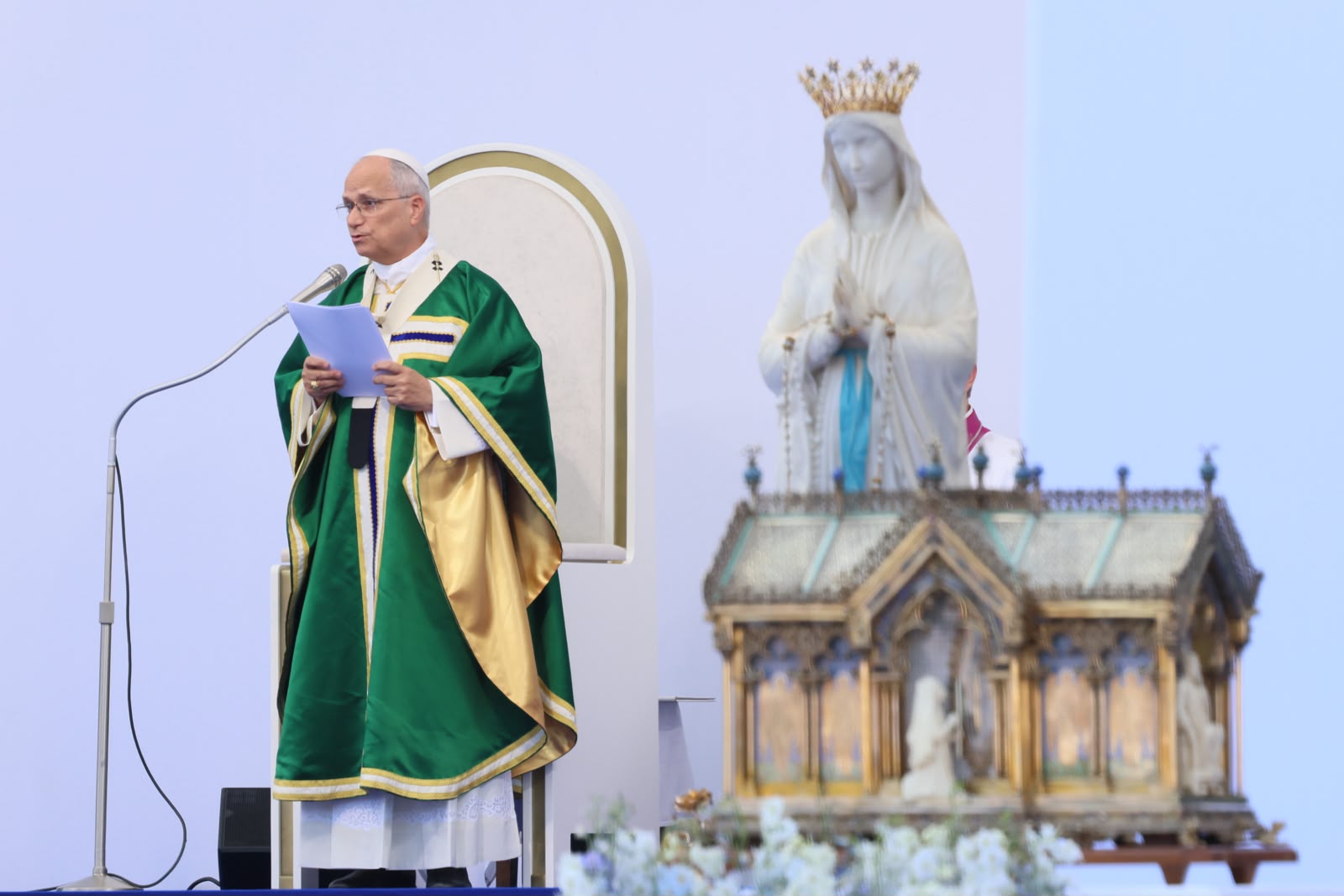
The pontiff spoke about the urgency of repentance and conversion at a Mass on the third day of his visit to France.
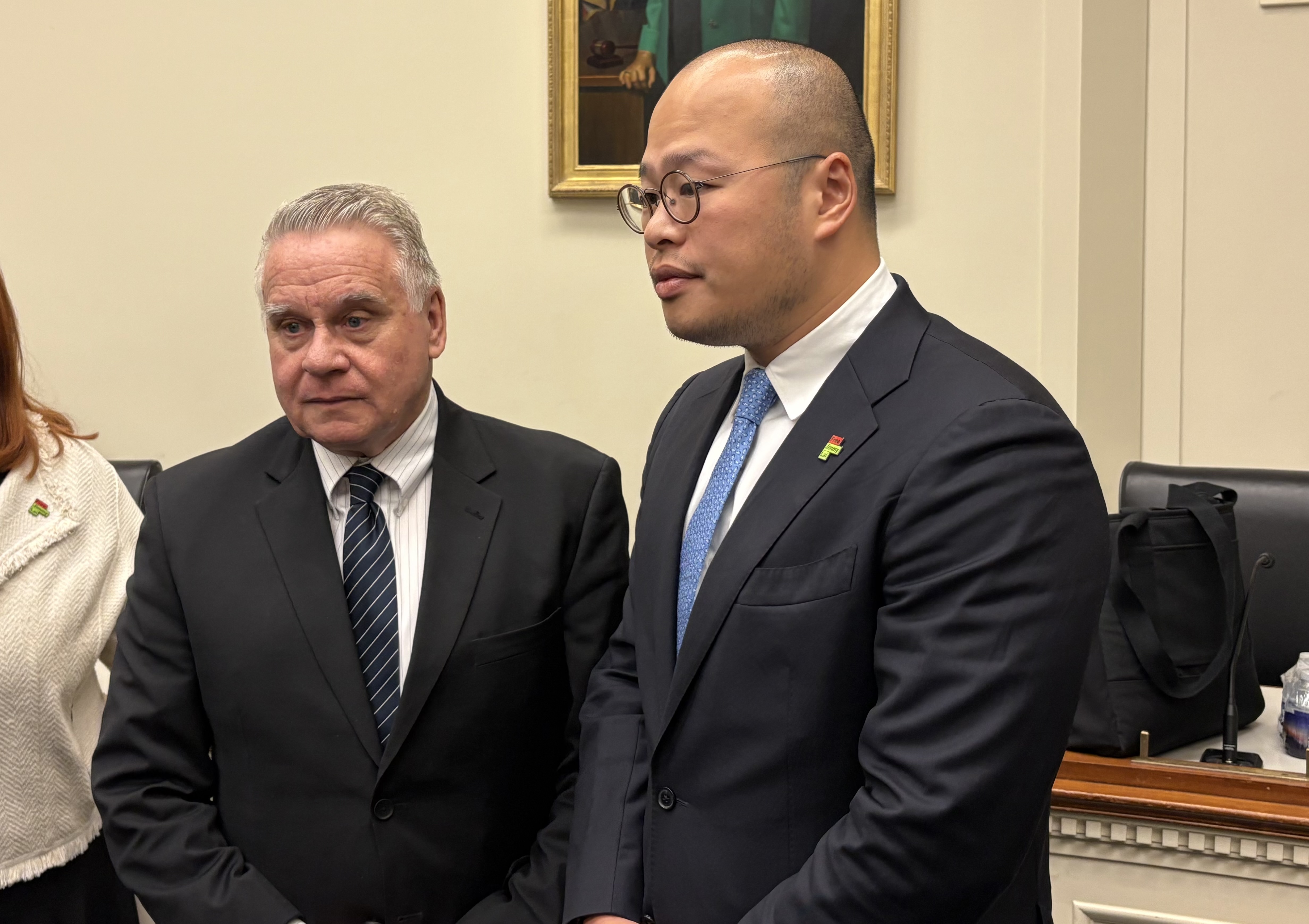
![Jimmy Lai’s family, advocates press for his release before Xi-Trump meeting #Catholic Family members and advocates of imprisoned Catholic pro-democracy activist Jimmy Lai offered urgent pleas for his release ahead of President Xi Jinping’s planned trip to the U.S. to meet with President Donald Trump.In anticipation of Xiʼs visit to Washington on Sept. 24, Sebastien Lai, Jimmy Lai’s son, met with leaders to advocate for his father. He joined a Sept. 16 congressional hearing led by Rep. Chris Smith, R-New Jersey.“Jimmy Lai is not being imprisoned because he committed any act of violence whatsoever,” Smith, co-chair of the Congressional-Executive Commission on China, said. “His son has emphasized that his father has never, never advocated violence. Rather, Jimmy Lai used his voice, his newspaper, and his public platform to support freedom and democracy,” he said. Smith said he introduced legislation Sept. 16 that would require the State Department to quickly assess any death in custody of a Hong Kong political prisoner and impose sanctions on officials found responsible. He titled the bill the “Jimmy Lai Hong Kong Political Prisoner Accountability Act of 2026.”At the hearing, Sebastien Lai offered testimony along with Steve Yates, a research fellow on China and national security policy, and Mark Clifford, president of the Committee for Freedom in Hong Kong Foundation.“I want to thank America, President Trump, who has been a true champion of my fatherʼs, his administration, and the senators and members of both parties whose support has never wavered and only gotten stronger. That is moral courage, and my family does not take it for granted,” Sebastien Lai said.“By the end of this year my father will have spent six years in a maximum-security prison in solitary. At 78, he is the oldest political prisoner in Hong Kong. With a 20-year sentence looming over him, if he’s not freed soon, he will most likely die in prison,” he said. “My sister Claire was to testify beside me today. A few weeks ago, she was diagnosed with cancer,” he said. “I was with her in London last week as she began chemotherapy. My father learned of his own daughterʼs diagnosis from a maximum-security prison. He cannot hold her hand. She wants nothing more than to have him with her for this fight,“ he said.
Claire Lai, daughter of imprisoned pro-democracy activist Jimmy Lai, discusses her father’s sentencing on “EWTN News Nightly” on Feb. 9, 2026. | Credit: “EWTN News Nightly”/Screenshot
“We hope the Chinese authorities will consider what compassionate release would mean for her, and for a 78-year-old man who has already suffered enough,” he said.“America understands, in its bones, that freedom dies with the last man willing to defend it and that the cost of not standing up for liberty is not felt until it is too late,“ he said.The appeal to Xi “is simple," Sebastien Lai said. “My father poses no threat. His imprisonment makes him a symbol of injustice; his death in prison would be a disgrace. Let Jimmy Lai come home to his family and let him sit beside his daughter in her hardest moment.”
America understands, in its bones, that freedom dies with the last man willing to defend it and that the cost of not standing up for liberty is not felt until it is too late.”
Sebastien LaiSon of imprisoned Hong Kong media publisher and democracy advocate Jimmy Lai
Clifford, of the Washington‑based advocacy group promoting human rights in Hong Kong, spoke on behalf of his friend Jimmy Lai and to remind “people that Jimmy is just one of hundreds of political prisoners being held in often appalling conditions.”“Iʼd like to emphasize the release of Jimmy Lai would be something President Trump, Republicans and Democrats, indeed, freedom-loving people around the world would applaud,” Clifford said. “It would be a unifying event at the time when the world really needs it.”Yates said Jimmy Lai’s case is “a test of character, of Xi Jinping’s leadership, of the president’s relationship with his counterpart, and of whether there remains any credible basis for the assumptions on which American policy toward Hong Kong was long constructed.”The case is “a litmus test of whether there remains any reason to believe there is a future in Xi Jinping’s China for the kind of man Jimmy Lai is: a child of God, a lover of the real China, and, it may fairly be said, one of China’s greatest entrepreneurs,” Yates said. Lai’s health ‘is going to get worse’At a subsequent event, Sebastien Lai spoke at a press conference at Georgetown University about his father.Trump has previously met with Xi about Jimmy Lai’s case, which did not end with his release, but Sebastian Lai said he does not believe “it is a lost cause.” He said he hopes Trump raises his father’s case “again and again.”Sebastian Lai detailed his father’s health, which “hasnʼt gotten any better” while in solitary confinement.“He now has heart issues. His nails fall off. His teeth are rotting. During the summer, he bleeds all over his body because [of] his rashes,” he said.His health was especially worrisome recently because “Hong Kong just had a record summer,” Sebastien Lai said. “The heat traps in there and essentially bakes in itself. So weʼre very, very worried.”Caoilfhionn Gallagher, human rights lawyer and leader of the international legal team representing Jimmy Lai, further laid out the urgency of the case.“It’s very clear that if someone is detained in solitary confinement for an extended period of time, there is a direct ramification for their mortality,” she said.“The risk to prisoners detained in solitary confinement is particularly heightened if they’re elderly or diabetic, and Jimmy Lai is both. So this couldn’t be a more urgent and timely discussion,” she said. Gallagher also noted the broader human rights issues and lack of democracy in Hong Kong.Hong Kong “has become a place where you can be thrown in prison for singing the wrong song, or not singing the right song, or wearing the wrong T-shirt, printing the wrong newspaper. And I think Jimmy Laiʼs case is hugely important in itself because of who he is,” Gallagher said.“Heʼs probably the worldʼs most famous political prisoner at the moment. His case is hugely important, but we think part of why theyʼve gone for Jimmy Lai is because by getting the biggest fish of all, it sends the message to the small fry across Hong Kong,” Gallagher said. "It makes very clear that their message is keep silent or youʼll be next,” Gallagher said. Xi’s visit to the U.S. offers “a particular opportunity to shine a light on this issue,” she said.](https://unitedyam.com/wp-content/uploads/2026/09/jimmy-lais-family-advocates-press-for-his-release-before-xi-trump-meeting-catholic-family-members-and-advocates-of-imprisoned-catholic-pro-democracy-activist-jimmy-lai-offered-urgent-pleas.jpg "Jimmy Lai’s family, advocates press for his release before Xi-Trump meeting #Catholic Family members and advocates of imprisoned Catholic pro-democracy activist Jimmy Lai offered urgent pleas for his release ahead of President Xi Jinping’s planned trip to the U.S. to meet with President Donald Trump.In anticipation of Xiʼs visit to Washington on Sept. 24, Sebastien Lai, Jimmy Lai’s son, met with leaders to advocate for his father. He joined a Sept. 16 congressional hearing led by Rep. Chris Smith, R-New Jersey.“Jimmy Lai is not being imprisoned because he committed any act of violence whatsoever,” Smith, co-chair of the Congressional-Executive Commission on China, said. “His son has emphasized that his father has never, never advocated violence. Rather, Jimmy Lai used his voice, his newspaper, and his public platform to support freedom and democracy,” he said. Smith said he introduced legislation Sept. 16 that would require the State Department to quickly assess any death in custody of a Hong Kong political prisoner and impose sanctions on officials found responsible. He titled the bill the “Jimmy Lai Hong Kong Political Prisoner Accountability Act of 2026.”At the hearing, Sebastien Lai offered testimony along with Steve Yates, a research fellow on China and national security policy, and Mark Clifford, president of the Committee for Freedom in Hong Kong Foundation.“I want to thank America, President Trump, who has been a true champion of my fatherʼs, his administration, and the senators and members of both parties whose support has never wavered and only gotten stronger. That is moral courage, and my family does not take it for granted,” Sebastien Lai said.“By the end of this year my father will have spent six years in a maximum-security prison in solitary. At 78, he is the oldest political prisoner in Hong Kong. With a 20-year sentence looming over him, if he’s not freed soon, he will most likely die in prison,” he said. “My sister Claire was to testify beside me today. A few weeks ago, she was diagnosed with cancer,” he said. “I was with her in London last week as she began chemotherapy. My father learned of his own daughterʼs diagnosis from a maximum-security prison. He cannot hold her hand. She wants nothing more than to have him with her for this fight,“ he said.
Claire Lai, daughter of imprisoned pro-democracy activist Jimmy Lai, discusses her father’s sentencing on “EWTN News Nightly” on Feb. 9, 2026. | Credit: “EWTN News Nightly”/Screenshot
“We hope the Chinese authorities will consider what compassionate release would mean for her, and for a 78-year-old man who has already suffered enough,” he said.“America understands, in its bones, that freedom dies with the last man willing to defend it and that the cost of not standing up for liberty is not felt until it is too late,“ he said.The appeal to Xi “is simple,\" Sebastien Lai said. “My father poses no threat. His imprisonment makes him a symbol of injustice; his death in prison would be a disgrace. Let Jimmy Lai come home to his family and let him sit beside his daughter in her hardest moment.”
America understands, in its bones, that freedom dies with the last man willing to defend it and that the cost of not standing up for liberty is not felt until it is too late.”
Sebastien LaiSon of imprisoned Hong Kong media publisher and democracy advocate Jimmy Lai
Clifford, of the Washington‑based advocacy group promoting human rights in Hong Kong, spoke on behalf of his friend Jimmy Lai and to remind “people that Jimmy is just one of hundreds of political prisoners being held in often appalling conditions.”“Iʼd like to emphasize the release of Jimmy Lai would be something President Trump, Republicans and Democrats, indeed, freedom-loving people around the world would applaud,” Clifford said. “It would be a unifying event at the time when the world really needs it.”Yates said Jimmy Lai’s case is “a test of character, of Xi Jinping’s leadership, of the president’s relationship with his counterpart, and of whether there remains any credible basis for the assumptions on which American policy toward Hong Kong was long constructed.”The case is “a litmus test of whether there remains any reason to believe there is a future in Xi Jinping’s China for the kind of man Jimmy Lai is: a child of God, a lover of the real China, and, it may fairly be said, one of China’s greatest entrepreneurs,” Yates said. Lai’s health ‘is going to get worse’At a subsequent event, Sebastien Lai spoke at a press conference at Georgetown University about his father.Trump has previously met with Xi about Jimmy Lai’s case, which did not end with his release, but Sebastian Lai said he does not believe “it is a lost cause.” He said he hopes Trump raises his father’s case “again and again.”Sebastian Lai detailed his father’s health, which “hasnʼt gotten any better” while in solitary confinement.“He now has heart issues. His nails fall off. His teeth are rotting. During the summer, he bleeds all over his body because [of] his rashes,” he said.His health was especially worrisome recently because “Hong Kong just had a record summer,” Sebastien Lai said. “The heat traps in there and essentially bakes in itself. So weʼre very, very worried.”Caoilfhionn Gallagher, human rights lawyer and leader of the international legal team representing Jimmy Lai, further laid out the urgency of the case.“It’s very clear that if someone is detained in solitary confinement for an extended period of time, there is a direct ramification for their mortality,” she said.“The risk to prisoners detained in solitary confinement is particularly heightened if they’re elderly or diabetic, and Jimmy Lai is both. So this couldn’t be a more urgent and timely discussion,” she said. Gallagher also noted the broader human rights issues and lack of democracy in Hong Kong.Hong Kong “has become a place where you can be thrown in prison for singing the wrong song, or not singing the right song, or wearing the wrong T-shirt, printing the wrong newspaper. And I think Jimmy Laiʼs case is hugely important in itself because of who he is,” Gallagher said.“Heʼs probably the worldʼs most famous political prisoner at the moment. His case is hugely important, but we think part of why theyʼve gone for Jimmy Lai is because by getting the biggest fish of all, it sends the message to the small fry across Hong Kong,” Gallagher said. \"It makes very clear that their message is keep silent or youʼll be next,” Gallagher said. Xi’s visit to the U.S. offers “a particular opportunity to shine a light on this issue,” she said.")
“America understands, in its bones, that freedom dies with the last man willing to defend it and that the cost of not standing up for liberty is not felt until it is too late,” Sebastien Lai said.
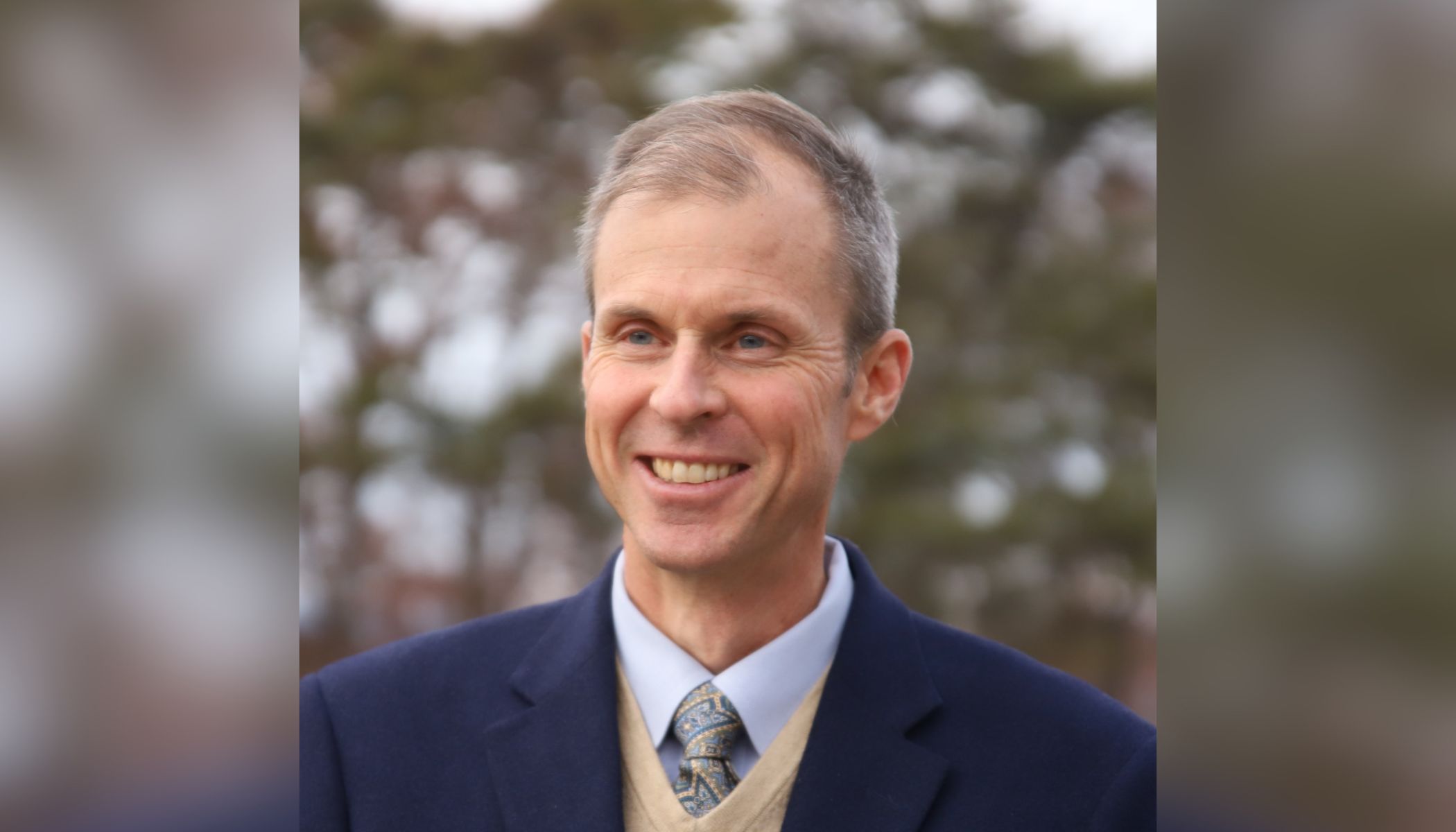
![Catholic professor calls families to reclaim the home in a technological age #Catholic John Cuddeback, a professor of philosophy at Christendom College, says families today don’t often know how to achieve what they desire in their homes and family life. As a remedy, drawing from both ancient and modern thinkers, he has released "The Intentional Household: Living as if People Matter,” a book that outlines eight pillars for reclaiming the home as a place of human flourishing. “Families today are struggling to achieve what they so badly want: to have the kind of relationships we’re made for, beginning in the home, especially between spouses and between parents and children,” Cuddeback said. “They know they want something different, something better, but they feel hamstrung. In a culture that works against them in many ways, they are frustrated because they lack clear vision and examples to pattern themselves after.”
“The Intentional Household: Living as if People Matter” by Christendom College professor John Cuddeback. | Credit: Ken Oliver-Méndez/EWTN News
Cuddeback, who teaches a course on family and household and is also the author of “True Friendship,” spoke to EWTN News about how he hopes his book conveys that “[a]nyone can choose to be intentional about their household and make real progress with dramatic fruits in the lives of those we love most.” EWTN News: What do you see as the biggest challenge to building and maintaining an intentional home?Cuddebach: It all begins with priorities. As a society we have turned away from the intense focus that our household requires — and this is evident in how we struggle in marriage, raising children, and relating to the elderly. Even many traditionally-minded folks struggle to realize and enact the demanding, even while ordinary, aspects of God’s plan for our homes.Aristotle says that a society tends to produce the kind of people it honors. We do not honor those who prioritize home life — either women or men. This means that many of the structures, practices, and assumptions of our age are at odds with the real good of home life. This is especially evident in our obsession with the latest technologies.This book is a call to all of us to do something radically different and profoundly better — while always recognizing we must be people of our time and place. It calls us to discover that looking first to what our children and our elderly really need is the high road to deeper fulfillment for all of us.How has Pope Leo XIV’s encyclical Magnifica Humanitas influenced your thought on how technology should be incorporated in the home?Pope Leo makes clear that we have come to a crisis point. The time is now to be honest, serious, and persistent in examining our use of technology in view of real human flourishing. This must start in the home. No one else is going to do this for us.But as the pope makes clear, right practice must flow from an understanding of who we are and what we’re made for. “The Intentional Household” offers the rich and positive view of daily life in the home that grounds such an examination. It gives the “yes” that strengthens the “nos” we need to say. It gives direction for rising to the challenges of our age, including how to channel technology to true human flourishing.Approaching homelife intentionally — especially attending to the ordinary in good work and true leisure as essential to our relationships — we can take real steps to become those biblical good stewards so honored by the Lord.How does this apply to those across all walks of life, including single people, married couples without children, those who are divorced or separated?The principles of a vibrant home life are both perennial and flexible. Wherever we find ourselves we can discover how the plan that God wrote into human nature is much better than we have realized.Brokenness and suffering today are widespread. God’s plan encompasses these realities. By the grace of God, anyone who is humble and willing to take an intentional approach can affect real, and indeed dramatic change by applying the book’s eight principles. We can all take real steps to make our homes a place of vibrant life, with deep belonging, connection, and presence.One of the thinkers you cite in your book is Wendell Berry. In light of his recent passing can you speak to his influence on your life and thinking?Wendell Berry saw clearly how the loss of activities of work and leisure in the home has led to our experience of disconnection and isolation. Home should be a place of deep connection: between us and loved ones and neighbors, between soul and body, between us and the earth.One of Berry’s pivotal insights is the key role of a certain kind of work in the home. Berry has pointed out that the work of traditional home arts is much more important than we have realized. He argues that as the breakdown of home life came especially through the loss of good work, the renewal will likewise come through a rediscovery of work that connects us to one another as it connects us to our bodies and to the earth, and ultimately to God.Wendell Berry was a prophet of the extraordinary beauty and importance of the ordinary. Making our home an intentional household means rediscovering the power of ordinary things, such as mealtimes with the whole household, shared work in the kitchen and other home arts, and “porch time” and other such leisure times. Attention to these things can transform our marriage, parenting, and other key relationships.](https://unitedyam.com/wp-content/uploads/2026/09/catholic-professor-calls-families-to-reclaim-the-home-in-a-technological-age-catholic-john-cuddeback-a-professor-of-philosophy-at-christendom-college-says-families-today-dont-often-know-ho.jpg "Catholic professor calls families to reclaim the home in a technological age #Catholic John Cuddeback, a professor of philosophy at Christendom College, says families today don’t often know how to achieve what they desire in their homes and family life. As a remedy, drawing from both ancient and modern thinkers, he has released \"The Intentional Household: Living as if People Matter,” a book that outlines eight pillars for reclaiming the home as a place of human flourishing. “Families today are struggling to achieve what they so badly want: to have the kind of relationships we’re made for, beginning in the home, especially between spouses and between parents and children,” Cuddeback said. “They know they want something different, something better, but they feel hamstrung. In a culture that works against them in many ways, they are frustrated because they lack clear vision and examples to pattern themselves after.”
“The Intentional Household: Living as if People Matter” by Christendom College professor John Cuddeback. | Credit: Ken Oliver-Méndez/EWTN News
Cuddeback, who teaches a course on family and household and is also the author of “True Friendship,” spoke to EWTN News about how he hopes his book conveys that “[a]nyone can choose to be intentional about their household and make real progress with dramatic fruits in the lives of those we love most.” EWTN News: What do you see as the biggest challenge to building and maintaining an intentional home?Cuddebach: It all begins with priorities. As a society we have turned away from the intense focus that our household requires — and this is evident in how we struggle in marriage, raising children, and relating to the elderly. Even many traditionally-minded folks struggle to realize and enact the demanding, even while ordinary, aspects of God’s plan for our homes.Aristotle says that a society tends to produce the kind of people it honors. We do not honor those who prioritize home life — either women or men. This means that many of the structures, practices, and assumptions of our age are at odds with the real good of home life. This is especially evident in our obsession with the latest technologies.This book is a call to all of us to do something radically different and profoundly better — while always recognizing we must be people of our time and place. It calls us to discover that looking first to what our children and our elderly really need is the high road to deeper fulfillment for all of us.How has Pope Leo XIV’s encyclical Magnifica Humanitas influenced your thought on how technology should be incorporated in the home?Pope Leo makes clear that we have come to a crisis point. The time is now to be honest, serious, and persistent in examining our use of technology in view of real human flourishing. This must start in the home. No one else is going to do this for us.But as the pope makes clear, right practice must flow from an understanding of who we are and what we’re made for. “The Intentional Household” offers the rich and positive view of daily life in the home that grounds such an examination. It gives the “yes” that strengthens the “nos” we need to say. It gives direction for rising to the challenges of our age, including how to channel technology to true human flourishing.Approaching homelife intentionally — especially attending to the ordinary in good work and true leisure as essential to our relationships — we can take real steps to become those biblical good stewards so honored by the Lord.How does this apply to those across all walks of life, including single people, married couples without children, those who are divorced or separated?The principles of a vibrant home life are both perennial and flexible. Wherever we find ourselves we can discover how the plan that God wrote into human nature is much better than we have realized.Brokenness and suffering today are widespread. God’s plan encompasses these realities. By the grace of God, anyone who is humble and willing to take an intentional approach can affect real, and indeed dramatic change by applying the book’s eight principles. We can all take real steps to make our homes a place of vibrant life, with deep belonging, connection, and presence.One of the thinkers you cite in your book is Wendell Berry. In light of his recent passing can you speak to his influence on your life and thinking?Wendell Berry saw clearly how the loss of activities of work and leisure in the home has led to our experience of disconnection and isolation. Home should be a place of deep connection: between us and loved ones and neighbors, between soul and body, between us and the earth.One of Berry’s pivotal insights is the key role of a certain kind of work in the home. Berry has pointed out that the work of traditional home arts is much more important than we have realized. He argues that as the breakdown of home life came especially through the loss of good work, the renewal will likewise come through a rediscovery of work that connects us to one another as it connects us to our bodies and to the earth, and ultimately to God.Wendell Berry was a prophet of the extraordinary beauty and importance of the ordinary. Making our home an intentional household means rediscovering the power of ordinary things, such as mealtimes with the whole household, shared work in the kitchen and other home arts, and “porch time” and other such leisure times. Attention to these things can transform our marriage, parenting, and other key relationships.")
Christendom College professor John Cuddeback spoke to EWTN News about his new book “The Intentional Household: Living as if People Matter,” and treating our homes as places of human flourishing.