Events

U.S. bishops say violence ‘never the answer’ after shooting at White House press dinner #Catholic U.S. bishops said violence is never the answer after a shooter breached the hotel hosting the White House Correspondents’ Association dinner in Washington, D.C. and injured a Secret Service agent on April 25.Archbishop Paul Coakley, president of the U.S. Conference of Catholic Bishops, said in a statement, “We are grateful the lives of the President, those who protect him, and everyone in attendance last night were spared from serious harm. Let us all pray for our elected leaders and public officials that they may receive God’s blessings. Because human life is a precious gift, there is no room for violence of any kind in our society.”Attendees heard gunshots shortly after the White House Correspondents' Dinner began at the Washington Hilton hotel. President Donald Trump, first lady Melania Trump, Vice President JD Vance and several cabinet members were evacuated by federal agents.  Trump said in a press conference at the White House following the shooting that a lone suspect was taken into police custody and one federal agent was hospitalized after being hit in his bulletproof vest.Bishop David Bonnar of Youngstown, Ohio said the issue of gun violence requires attention.Bonnar said in a statement, “The United States is built on freedom and respect for all. There is no room for violence that endangers the life of any human being. Moreover, the issue of gun violence must be addressed. Violence is never the answer. We all must look deeper into the human heart to build each other up rather than tear each other down. We pray for peace in moments of disagreement and discord. As we celebrate our 250th birthday may we live as a nation under God with liberty and justice for all.”Bonnar also offered a prayer of protection.
 
 We all must look deeper into the human heart to build each other up rather than tear each other down.
 
 Bishop David BonnarDiocese of Youngstown, Ohio
 
 
 Since 2025, the United States has seen a marked escalation in political violence, including assassination attempts and lethal attacks linked to ideological extremism, threats against elected officials, and armed incidents surrounding political events. High‑profile political actor Charlie Kirk, a conservative commentator, was assassinated in Utah in September 2025. In Minnesota, Rep. Melissa Hortman, the top Democratic leader of the state House of Representatives, was assassinated in her home in June 2025, and her husband was killed in the same attack. Hortman, who had served as Minnesota House speaker, was a Roman Catholic catechist.Bishop Robert Barron of Winona-Rochester, Minnesota, posted on X on April 26, “Iʼm grateful that the President and his entourage are unhurt after this latest attack. May I raise my voice against the viciousness and tribalism that are so prevalent on the internet and that contribute mightily to the violence we see in our political culture. Can we please remember that it is possible to disagree with a politicianʼs ideas without demonizing and de-humanizing him? Jesus commanded us to love our enemies, and that includes our ideological opponents.”

U.S. bishops say violence ‘never the answer’ after shooting at White House press dinner #Catholic U.S. bishops said violence is never the answer after a shooter breached the hotel hosting the White House Correspondents’ Association dinner in Washington, D.C. and injured a Secret Service agent on April 25.Archbishop Paul Coakley, president of the U.S. Conference of Catholic Bishops, said in a statement, “We are grateful the lives of the President, those who protect him, and everyone in attendance last night were spared from serious harm. Let us all pray for our elected leaders and public officials that they may receive God’s blessings. Because human life is a precious gift, there is no room for violence of any kind in our society.”Attendees heard gunshots shortly after the White House Correspondents' Dinner began at the Washington Hilton hotel. President Donald Trump, first lady Melania Trump, Vice President JD Vance and several cabinet members were evacuated by federal agents.  Trump said in a press conference at the White House following the shooting that a lone suspect was taken into police custody and one federal agent was hospitalized after being hit in his bulletproof vest.Bishop David Bonnar of Youngstown, Ohio said the issue of gun violence requires attention.Bonnar said in a statement, “The United States is built on freedom and respect for all. There is no room for violence that endangers the life of any human being. Moreover, the issue of gun violence must be addressed. Violence is never the answer. We all must look deeper into the human heart to build each other up rather than tear each other down. We pray for peace in moments of disagreement and discord. As we celebrate our 250th birthday may we live as a nation under God with liberty and justice for all.”Bonnar also offered a prayer of protection. We all must look deeper into the human heart to build each other up rather than tear each other down. Bishop David BonnarDiocese of Youngstown, Ohio Since 2025, the United States has seen a marked escalation in political violence, including assassination attempts and lethal attacks linked to ideological extremism, threats against elected officials, and armed incidents surrounding political events. High‑profile political actor Charlie Kirk, a conservative commentator, was assassinated in Utah in September 2025. In Minnesota, Rep. Melissa Hortman, the top Democratic leader of the state House of Representatives, was assassinated in her home in June 2025, and her husband was killed in the same attack. Hortman, who had served as Minnesota House speaker, was a Roman Catholic catechist.Bishop Robert Barron of Winona-Rochester, Minnesota, posted on X on April 26, “Iʼm grateful that the President and his entourage are unhurt after this latest attack. May I raise my voice against the viciousness and tribalism that are so prevalent on the internet and that contribute mightily to the violence we see in our political culture. Can we please remember that it is possible to disagree with a politicianʼs ideas without demonizing and de-humanizing him? Jesus commanded us to love our enemies, and that includes our ideological opponents.”

Archbishop Paul Coakley, president of the U.S. Conference of Catholic Bishops, condemned violence, and Bishop David Bonnar of Youngstown, Ohio said the issue of gun violence must be addressed.

Read More
National Infertility Awareness Week: 4 Catholic ministries walking with couples #Catholic According to the World Health Organization, about 1 in 6 people globally experience infertility in their lifetime. In the United States, 1 in 8 couples deal with infertility.This year, National Infertility Awareness Week (NIAW) runs from April 19–25. Established in 1989 by RESOLVE: The National Infertility Association, NIAW is an annual initiative held each April that raises public awareness, promotes policy change — especially regarding insurance coverage — and fosters open conversations to support those struggling to build their families.RESOLVE: The National Infertility Association was founded in 1974 as a nonprofit dedicated to supporting individuals and couples facing infertility through education, advocacy, and community support.The Catholic Church offers couples struggling with infertility a wide range of resources that aim to address the root of the issue in a holistic manner and in a way that aligns with Church teaching.Here are four Catholic ministries that work with couples carrying the cross of infertility:Springs in the DesertSprings in the Desert is a Catholic infertility ministry founded in 2019 by Kimberly Henkel and Ann Koshute after they recognized how isolating infertility can be and how little pastoral support existed within the Church. The ministry exists to accompany women and couples spiritually and emotionally, helping them encounter God’s love and discover a broader understanding of fruitfulness beyond biological parenthood. Rooted deeply in Catholic teaching on marriage, human dignity, and reproductive ethics, it also works to educate clergy and lay leaders about the unique grief and needs associated with infertility.The ministry offers a wide range of resources, including retreats, small groups, blog reflections, a podcast, and virtual and in-person events designed to foster community and healing.For this year’s National Infertility Awareness Week, Springs in the Desert has partnered with Ascension to launch two free spiritual resources designed specifically for couples experiencing this hardship. They are a 15-part “Scripture and Saints” audio series featuring biblical figures such as Sarah and Abraham, Ruth and Naomi, Hannah and Elkanah, St. Joseph, Elizabeth and Zechariah, the woman with the hemorrhage, and St. Paul who connect the listener to the lived experience of infertility, and a novena inviting couples to pray with titles of Our Lady such as Our Lady of Sorrows and Queen of Families in order to invoke the Blessed Mother during times of grief and loss.Both resources will be available beginning April 19 in the Ascension app.The Fruitful HollowThe Fruitful Hollow is an online Catholic infertility ministry founded in 2021 by Lauren Allen after her own experience of infertility inspired her to create a space rooted in Church teaching and authentic support. The ministry focuses on helping women and couples live out their vocation with purpose during infertility, emphasizing that fruitfulness is not limited to having children but can be lived out in many spiritual and relational ways. It aims to address the lack of conversation and resources within Catholic circles and to guide people toward holiness in the midst of suffering.
 
 Lauren Allen, the founder of the Catholic infertility ministry the Fruitful Hollow, with her husband. | Credit: Photo courtesy of Lauren Allen
 
 The ministry provides weekly blog reflections, a mentorship program titled “Sisters of Hannah,” and a wide range of downloadable resources that address grief, medical decisions, marriage, and spiritual growth. It also offers tools for prayer, education on ethical fertility treatments, and even a memorial space for those who have experienced loss.Lily of the ValleyLily of the Valley is a Catholic lay ministry founded in 2022 to support families facing infertility, pregnancy loss, and difficult prenatal or postnatal diagnoses. Rooted in Catholic teaching and devotion — especially to St. Gianna Molla — the ministry’s mission is to accompany those carrying the cross of early-life suffering with prayer, compassion, and spiritual solidarity.The ministry’s work focuses on providing both spiritual and community-based support, particularly through tangible and relational resources. One of its most distinctive offerings is personalized prayer care packages, which include sacramentals, prayer cards, and handwritten notes designed to bring comfort and encourage prayer during difficult times.In addition, Lily of the Valley offers online support groups, curated spiritual resources, and opportunities for prayer accompaniment, helping women and families feel less alone and more supported within a faith-filled community as they navigate infertility and related struggles.Elizabeth MinistryA parish-based Catholic outreach founded in 1991 in Wisconsin, Elizabeth Ministry is designed to support women and families during critical reproductive and family life experiences, including infertility, miscarriage, pregnancy, and adoption. The ministry is inspired by the Visitation of Mary to Elizabeth, emphasizing accompaniment, presence, and shared faith. Its mission is to affirm the dignity of life and provide emotional, spiritual, and practical care to women navigating difficult or unexpected journeys.The ministry operates primarily through local parish chapters, offering one-on-one mentoring, meal support, prayer networks, and companionship for women experiencing infertility or loss. It also provides training materials, spiritual reflections, and structured programs to help parishes build supportive communities.Elizabeth Ministry’s work is especially valuable for women seeking in-person, relational support within their local Catholic community rather than solely online resources.Several parishes and dioceses have their own programs for couples struggling with infertility. For example, the Archdiocese of Denver and the Diocese of Des Moines, Iowa, have a program called Behold Your Child, which offers spiritual and emotional support for those experiencing infertility and hosts memorial Masses for those who have lost a child due to miscarriage, stillbirth, or infant loss.

National Infertility Awareness Week: 4 Catholic ministries walking with couples #Catholic According to the World Health Organization, about 1 in 6 people globally experience infertility in their lifetime. In the United States, 1 in 8 couples deal with infertility.This year, National Infertility Awareness Week (NIAW) runs from April 19–25. Established in 1989 by RESOLVE: The National Infertility Association, NIAW is an annual initiative held each April that raises public awareness, promotes policy change — especially regarding insurance coverage — and fosters open conversations to support those struggling to build their families.RESOLVE: The National Infertility Association was founded in 1974 as a nonprofit dedicated to supporting individuals and couples facing infertility through education, advocacy, and community support.The Catholic Church offers couples struggling with infertility a wide range of resources that aim to address the root of the issue in a holistic manner and in a way that aligns with Church teaching.Here are four Catholic ministries that work with couples carrying the cross of infertility:Springs in the DesertSprings in the Desert is a Catholic infertility ministry founded in 2019 by Kimberly Henkel and Ann Koshute after they recognized how isolating infertility can be and how little pastoral support existed within the Church. The ministry exists to accompany women and couples spiritually and emotionally, helping them encounter God’s love and discover a broader understanding of fruitfulness beyond biological parenthood. Rooted deeply in Catholic teaching on marriage, human dignity, and reproductive ethics, it also works to educate clergy and lay leaders about the unique grief and needs associated with infertility.The ministry offers a wide range of resources, including retreats, small groups, blog reflections, a podcast, and virtual and in-person events designed to foster community and healing.For this year’s National Infertility Awareness Week, Springs in the Desert has partnered with Ascension to launch two free spiritual resources designed specifically for couples experiencing this hardship. They are a 15-part “Scripture and Saints” audio series featuring biblical figures such as Sarah and Abraham, Ruth and Naomi, Hannah and Elkanah, St. Joseph, Elizabeth and Zechariah, the woman with the hemorrhage, and St. Paul who connect the listener to the lived experience of infertility, and a novena inviting couples to pray with titles of Our Lady such as Our Lady of Sorrows and Queen of Families in order to invoke the Blessed Mother during times of grief and loss.Both resources will be available beginning April 19 in the Ascension app.The Fruitful HollowThe Fruitful Hollow is an online Catholic infertility ministry founded in 2021 by Lauren Allen after her own experience of infertility inspired her to create a space rooted in Church teaching and authentic support. The ministry focuses on helping women and couples live out their vocation with purpose during infertility, emphasizing that fruitfulness is not limited to having children but can be lived out in many spiritual and relational ways. It aims to address the lack of conversation and resources within Catholic circles and to guide people toward holiness in the midst of suffering. Lauren Allen, the founder of the Catholic infertility ministry the Fruitful Hollow, with her husband. | Credit: Photo courtesy of Lauren Allen The ministry provides weekly blog reflections, a mentorship program titled “Sisters of Hannah,” and a wide range of downloadable resources that address grief, medical decisions, marriage, and spiritual growth. It also offers tools for prayer, education on ethical fertility treatments, and even a memorial space for those who have experienced loss.Lily of the ValleyLily of the Valley is a Catholic lay ministry founded in 2022 to support families facing infertility, pregnancy loss, and difficult prenatal or postnatal diagnoses. Rooted in Catholic teaching and devotion — especially to St. Gianna Molla — the ministry’s mission is to accompany those carrying the cross of early-life suffering with prayer, compassion, and spiritual solidarity.The ministry’s work focuses on providing both spiritual and community-based support, particularly through tangible and relational resources. One of its most distinctive offerings is personalized prayer care packages, which include sacramentals, prayer cards, and handwritten notes designed to bring comfort and encourage prayer during difficult times.In addition, Lily of the Valley offers online support groups, curated spiritual resources, and opportunities for prayer accompaniment, helping women and families feel less alone and more supported within a faith-filled community as they navigate infertility and related struggles.Elizabeth MinistryA parish-based Catholic outreach founded in 1991 in Wisconsin, Elizabeth Ministry is designed to support women and families during critical reproductive and family life experiences, including infertility, miscarriage, pregnancy, and adoption. The ministry is inspired by the Visitation of Mary to Elizabeth, emphasizing accompaniment, presence, and shared faith. Its mission is to affirm the dignity of life and provide emotional, spiritual, and practical care to women navigating difficult or unexpected journeys.The ministry operates primarily through local parish chapters, offering one-on-one mentoring, meal support, prayer networks, and companionship for women experiencing infertility or loss. It also provides training materials, spiritual reflections, and structured programs to help parishes build supportive communities.Elizabeth Ministry’s work is especially valuable for women seeking in-person, relational support within their local Catholic community rather than solely online resources.Several parishes and dioceses have their own programs for couples struggling with infertility. For example, the Archdiocese of Denver and the Diocese of Des Moines, Iowa, have a program called Behold Your Child, which offers spiritual and emotional support for those experiencing infertility and hosts memorial Masses for those who have lost a child due to miscarriage, stillbirth, or infant loss.

In honor of National Infertility Awareness Week, here are four Catholic ministries helping couples carry the cross of infertility.

Read More
EWTN News explains: Why does the pope visit mosques on papal trips? #Catholic For more than a quarter-century, popes have periodically visited Islamic mosques as part of official voyages and papal visits. The tradition began with Pope John Paul II, who in 2001 became the first pope in history known to have entered a mosque when he visited the Great Mosque of Damascus in the capital of Syria. The subsequent Popes Benedict XVI, Francis, and Leo XIV have all paid visits to mosques to hold ecumenical dialogues and host diplomatic meetings. Yet the practice is not without some controversy. Indeed, Leo XIVʼs visit to the Great Mosque of Algiers on April 13 drew some backlash on social media by critics incredulous over the leader of the Catholic Church visiting a major Islamic holy site. (This was Leoʼs second visit to a mosque; he also visited the famed “Blue Mosque” in Istanbul in late 2025.) 
 
 Pope Leo XIV stands with Rector Mohamed Mamoun Al Qasimi at the Great Mosque in Algiers, Monday, April 13, 2026. | Credit: Vatican Media
 
 So why do popes make visits to mosques, courting controversy and criticism for making a point to go to holy sites of another religion? ‘We can live together in peace’Pope Leo XIV himself addressed criticism directed toward him on April 15 on board the papal plane after leaving Algiers bound for Cameroon. “I think the visit to the mosque was significant [and showed] that although we have different beliefs, we have different ways of worshipping, we have different ways of living, we can [still] live together in peace,” the Holy Father said.  “I think that to promote that kind of image is something which the world needs to hear today,” he said, arguing that such visits show that “together we can continue to offer in our witness as we continue on this apostolic voyage.”Gabriel Said Reynolds, a theology professor at the University of Notre Dame who has written multiple works on the Quran and its relationship to Christianity, told EWTN News that interpreting papal visits to mosques should include an understanding of “the Churchʼs vision of God in the world.” “What is God’s relationship to the world? That’s been important to all of the recent popes,” he said.Reynolds pointed out that an Islamic mosque is “fundamentally different from a church.” “A Catholic church is a sort of temple in which God is present in the tabernacle — body, blood, soul, and divinity,” he said. “It’s a sacred space in the deepest sense of the word.”“What Muslims would say of a mosque is fundamentally different,” he said. “A mosque is for communal prayer, but the communal prayer that takes place in a mosque is no different than the ritual prayer that’s more often done at home.” He likened a mosque to a “gathering place” with just a few features that set it apart as a distinct site — such as a pulpit for occasional sermons and an alcove that denotes the direction of Mecca to which Muslims orient themselves during prayer. Reynolds said popes visit mosques in no small part as a “pastoral concern” for Christians living in majority-Muslim countries, such as Algeria. “Algerian society is thoroughly Islamic,” he said. “It’s not generally marked by notions of rights and responsibilities and citizenship in the same way the U.S. is. Cultivating positive relationships with Muslim leaders is absolutely essential for Christians.”Reynolds said the Churchʼs view about human dignity has “fundamental implications with its relationship toward non-Christians.” He pointed out, for instance, that the pope “could show up at an atheist convention and meet the people there and have dialogue with them.”“John 3:16 says God loves the world,” he said. “It’s not that God loves believers and doesn’t love the unbelievers. All people are children of God, according to Catholic teaching.”The declaration Nostra Aetate, meanwhile — issued by the Second Vatican Council in 1965 to address Catholicismʼs relationship with non-Christians — affirmed that the Church “regards [Muslims] with esteem.”The document points out that although Muslims “do not acknowledge Jesus as God,” they still “adore the one God” and “revere [Jesus] as a prophet” while giving honor to the Virgin Mother as well. The Second Vatican Council acknowledged that “in the course of centuries not a few quarrels and hostilities have arisen” between Christians and Muslims, but the document “urge[d] all to forget the past and to work sincerely for mutual understanding.”It further called on religious adherents to “preserve as well as to promote together for the benefit of all mankind social justice and moral welfare, as well as peace and freedom.”

EWTN News explains: Why does the pope visit mosques on papal trips? #Catholic For more than a quarter-century, popes have periodically visited Islamic mosques as part of official voyages and papal visits. The tradition began with Pope John Paul II, who in 2001 became the first pope in history known to have entered a mosque when he visited the Great Mosque of Damascus in the capital of Syria. The subsequent Popes Benedict XVI, Francis, and Leo XIV have all paid visits to mosques to hold ecumenical dialogues and host diplomatic meetings. Yet the practice is not without some controversy. Indeed, Leo XIVʼs visit to the Great Mosque of Algiers on April 13 drew some backlash on social media by critics incredulous over the leader of the Catholic Church visiting a major Islamic holy site. (This was Leoʼs second visit to a mosque; he also visited the famed “Blue Mosque” in Istanbul in late 2025.) Pope Leo XIV stands with Rector Mohamed Mamoun Al Qasimi at the Great Mosque in Algiers, Monday, April 13, 2026. | Credit: Vatican Media So why do popes make visits to mosques, courting controversy and criticism for making a point to go to holy sites of another religion? ‘We can live together in peace’Pope Leo XIV himself addressed criticism directed toward him on April 15 on board the papal plane after leaving Algiers bound for Cameroon. “I think the visit to the mosque was significant [and showed] that although we have different beliefs, we have different ways of worshipping, we have different ways of living, we can [still] live together in peace,” the Holy Father said.  “I think that to promote that kind of image is something which the world needs to hear today,” he said, arguing that such visits show that “together we can continue to offer in our witness as we continue on this apostolic voyage.”Gabriel Said Reynolds, a theology professor at the University of Notre Dame who has written multiple works on the Quran and its relationship to Christianity, told EWTN News that interpreting papal visits to mosques should include an understanding of “the Churchʼs vision of God in the world.” “What is God’s relationship to the world? That’s been important to all of the recent popes,” he said.Reynolds pointed out that an Islamic mosque is “fundamentally different from a church.” “A Catholic church is a sort of temple in which God is present in the tabernacle — body, blood, soul, and divinity,” he said. “It’s a sacred space in the deepest sense of the word.”“What Muslims would say of a mosque is fundamentally different,” he said. “A mosque is for communal prayer, but the communal prayer that takes place in a mosque is no different than the ritual prayer that’s more often done at home.” He likened a mosque to a “gathering place” with just a few features that set it apart as a distinct site — such as a pulpit for occasional sermons and an alcove that denotes the direction of Mecca to which Muslims orient themselves during prayer. Reynolds said popes visit mosques in no small part as a “pastoral concern” for Christians living in majority-Muslim countries, such as Algeria. “Algerian society is thoroughly Islamic,” he said. “It’s not generally marked by notions of rights and responsibilities and citizenship in the same way the U.S. is. Cultivating positive relationships with Muslim leaders is absolutely essential for Christians.”Reynolds said the Churchʼs view about human dignity has “fundamental implications with its relationship toward non-Christians.” He pointed out, for instance, that the pope “could show up at an atheist convention and meet the people there and have dialogue with them.”“John 3:16 says God loves the world,” he said. “It’s not that God loves believers and doesn’t love the unbelievers. All people are children of God, according to Catholic teaching.”The declaration Nostra Aetate, meanwhile — issued by the Second Vatican Council in 1965 to address Catholicismʼs relationship with non-Christians — affirmed that the Church “regards [Muslims] with esteem.”The document points out that although Muslims “do not acknowledge Jesus as God,” they still “adore the one God” and “revere [Jesus] as a prophet” while giving honor to the Virgin Mother as well. The Second Vatican Council acknowledged that “in the course of centuries not a few quarrels and hostilities have arisen” between Christians and Muslims, but the document “urge[d] all to forget the past and to work sincerely for mutual understanding.”It further called on religious adherents to “preserve as well as to promote together for the benefit of all mankind social justice and moral welfare, as well as peace and freedom.”

Why do popes make visits to Islamic mosques, courting controversy and criticism by taking part in events at holy sites of another religion?

Read More
Chaldean Church chooses Archbishop Amel Nona as patriarch, succeeding Cardinal Sako #Catholic The Chaldean Synod has elected Archbishop Amel Shamon Nona as the new Patriarch of the Chaldean Catholic Church, succeeding Cardinal Louis Raphael Sako, who submitted his resignation to Pope Leo XIV on March 9 amid a financial and legal scandal concerning a former Chaldean bishop in San Diego.The election took place during the synod’s meetings held in Rome since April 9.This election comes at a critical time for both the Chaldean Church and the wider region, amid ongoing political challenges in Iraq and the Middle East, as well as internal ecclesial issues related to unity and the organization of Church life both locally and in the diaspora.Following the election, the Chaldean bishops issued a statement saying:“After deep spiritual and fraternal deliberations, conducted in a spirit of prayer and ecclesial discernment, and mindful of the apostolic responsibility entrusted to them, the Fathers of the Synod elected the Patriarch of the Chaldean Church according to the established canonical procedures. After completing the required ballots, and in accordance with the will expressed by the Synod, His Excellency Archbishop Amel Shamon Nona was elected Patriarch of the Chaldean Church and chose for himself the name His Beatitude Patriarch Mar Paul III Nona.”The statement continued: “His Beatitude accepted the election in accordance with canonical norms, expressing his reliance on God’s grace and his commitment to exercise his patriarchal ministry with fidelity and responsibility, in full communion with the Fathers of the Synod, in service of the unity of the Chaldean Church and its mission in the homeland and the diaspora.”“The Fathers of the Synod raise their prayers to the Lord Jesus Christ, the Good Shepherd, asking that He grant the elected Patriarch wisdom and strength,“ the statement continued. ”They affirm their confidence that this ministry will contribute to strengthening the faithful in their faith, enhancing their unity, and revitalizing the Church’s mission in bearing witness to the Gospel.”The Synod also called on all members of the Chaldean Church — clergy and faithful alike — to unite around the new Patriarch and support him through prayer and shared responsibility for the good of the Church and the growth of its mission.Archbishop Nona was born in Alqosh in northern Iraq in 1967. He was ordained a priest in 1991 after completing his studies at the Patriarchal Seminary in Baghdad. He later pursued higher studies in Rome, earning a doctorate in theological anthropology from the Pontifical Lateran University.He served in the parishes of Alqosh before being appointed Archbishop of Mosul in 2009, during a period marked by escalating violence against Christians in Iraq.During the events of 2014, he left Mosul along with his faithful following the takeover of the city by the terrorist group ISIS, marking a pivotal moment in the modern history of the Chaldean Church.In 2015, the Holy See appointed him head of the Chaldean Eparchy of St. Thomas the Apostle in Australia and New Zealand, where he continued his pastoral ministry among the Chaldean diaspora.His appointment comes following the resignation of Cardinal Raphael Sako, who announced that he submitted his resignation to Pope Leo XIV of his own free will on the morning of March 9 so he could “dedicate himself quietly to prayer, writing, and simple service.”The timing sparked controversy within the Chaldean community. Pope Leo XIV on March 10 accepted the resignation of Bishop Emanuel Shaleta, a Chaldean Catholic bishop arrested in San Diego in March on charges of embezzling Church funds.Sako had allegedly attempted to support or transfer the embattled bishop to a higher position, leading many to question whether the financial scandal played a role in the patriarch’s decision.This story was first published by ACI MENA, the Arabic-language sister service of EWTN News. It has been translated and adapted by EWTN News English.

Chaldean Church chooses Archbishop Amel Nona as patriarch, succeeding Cardinal Sako #Catholic The Chaldean Synod has elected Archbishop Amel Shamon Nona as the new Patriarch of the Chaldean Catholic Church, succeeding Cardinal Louis Raphael Sako, who submitted his resignation to Pope Leo XIV on March 9 amid a financial and legal scandal concerning a former Chaldean bishop in San Diego.The election took place during the synod’s meetings held in Rome since April 9.This election comes at a critical time for both the Chaldean Church and the wider region, amid ongoing political challenges in Iraq and the Middle East, as well as internal ecclesial issues related to unity and the organization of Church life both locally and in the diaspora.Following the election, the Chaldean bishops issued a statement saying:“After deep spiritual and fraternal deliberations, conducted in a spirit of prayer and ecclesial discernment, and mindful of the apostolic responsibility entrusted to them, the Fathers of the Synod elected the Patriarch of the Chaldean Church according to the established canonical procedures. After completing the required ballots, and in accordance with the will expressed by the Synod, His Excellency Archbishop Amel Shamon Nona was elected Patriarch of the Chaldean Church and chose for himself the name His Beatitude Patriarch Mar Paul III Nona.”The statement continued: “His Beatitude accepted the election in accordance with canonical norms, expressing his reliance on God’s grace and his commitment to exercise his patriarchal ministry with fidelity and responsibility, in full communion with the Fathers of the Synod, in service of the unity of the Chaldean Church and its mission in the homeland and the diaspora.”“The Fathers of the Synod raise their prayers to the Lord Jesus Christ, the Good Shepherd, asking that He grant the elected Patriarch wisdom and strength,“ the statement continued. ”They affirm their confidence that this ministry will contribute to strengthening the faithful in their faith, enhancing their unity, and revitalizing the Church’s mission in bearing witness to the Gospel.”The Synod also called on all members of the Chaldean Church — clergy and faithful alike — to unite around the new Patriarch and support him through prayer and shared responsibility for the good of the Church and the growth of its mission.Archbishop Nona was born in Alqosh in northern Iraq in 1967. He was ordained a priest in 1991 after completing his studies at the Patriarchal Seminary in Baghdad. He later pursued higher studies in Rome, earning a doctorate in theological anthropology from the Pontifical Lateran University.He served in the parishes of Alqosh before being appointed Archbishop of Mosul in 2009, during a period marked by escalating violence against Christians in Iraq.During the events of 2014, he left Mosul along with his faithful following the takeover of the city by the terrorist group ISIS, marking a pivotal moment in the modern history of the Chaldean Church.In 2015, the Holy See appointed him head of the Chaldean Eparchy of St. Thomas the Apostle in Australia and New Zealand, where he continued his pastoral ministry among the Chaldean diaspora.His appointment comes following the resignation of Cardinal Raphael Sako, who announced that he submitted his resignation to Pope Leo XIV of his own free will on the morning of March 9 so he could “dedicate himself quietly to prayer, writing, and simple service.”The timing sparked controversy within the Chaldean community. Pope Leo XIV on March 10 accepted the resignation of Bishop Emanuel Shaleta, a Chaldean Catholic bishop arrested in San Diego in March on charges of embezzling Church funds.Sako had allegedly attempted to support or transfer the embattled bishop to a higher position, leading many to question whether the financial scandal played a role in the patriarch’s decision.This story was first published by ACI MENA, the Arabic-language sister service of EWTN News. It has been translated and adapted by EWTN News English.

His appointment comes following the resignation of Cardinal Raphael Sako, who submitted his resignation to Pope Leo XIV on March 9 amid a legal and financial scandal surrounding a former bishop.

Read More
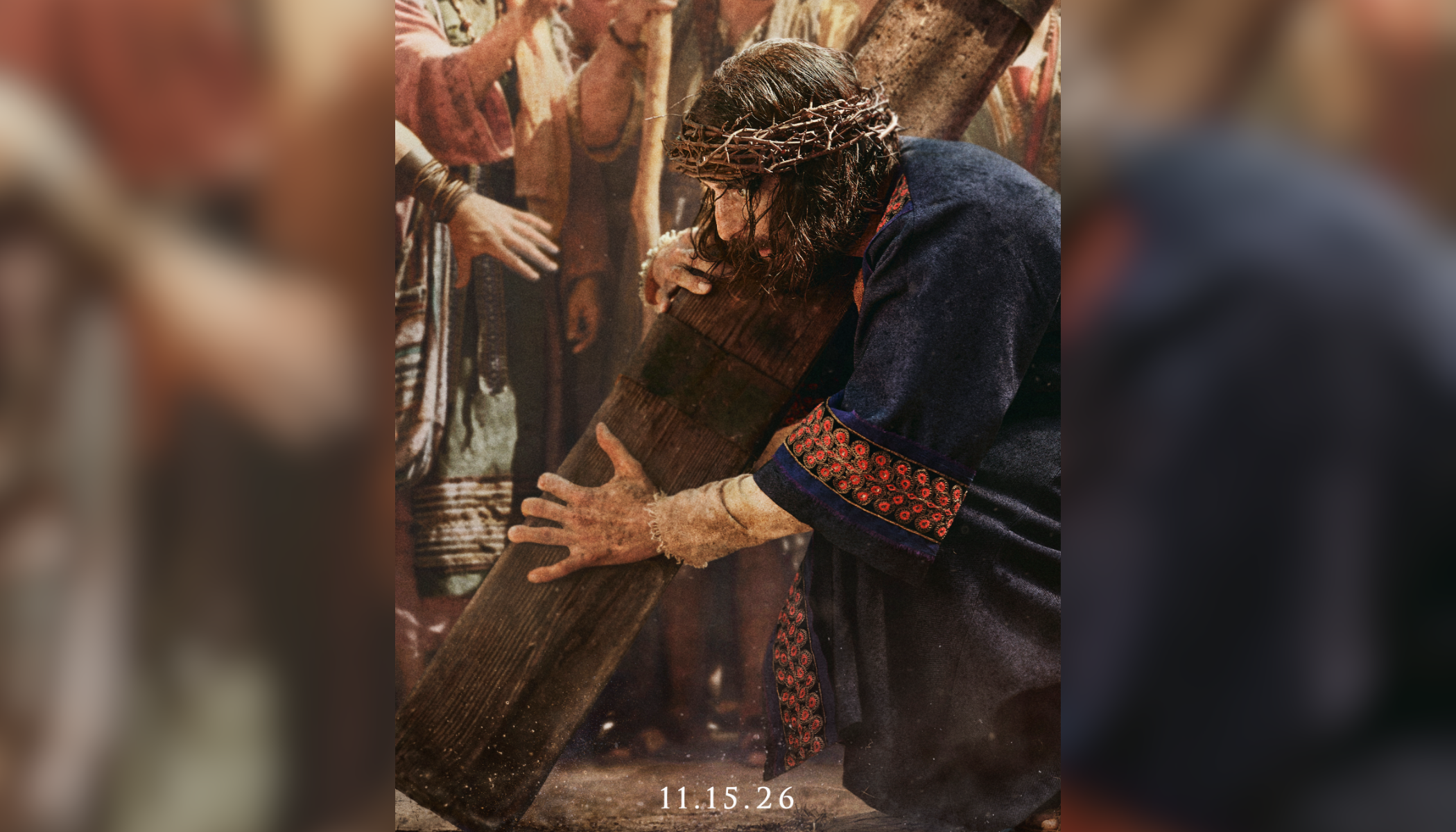
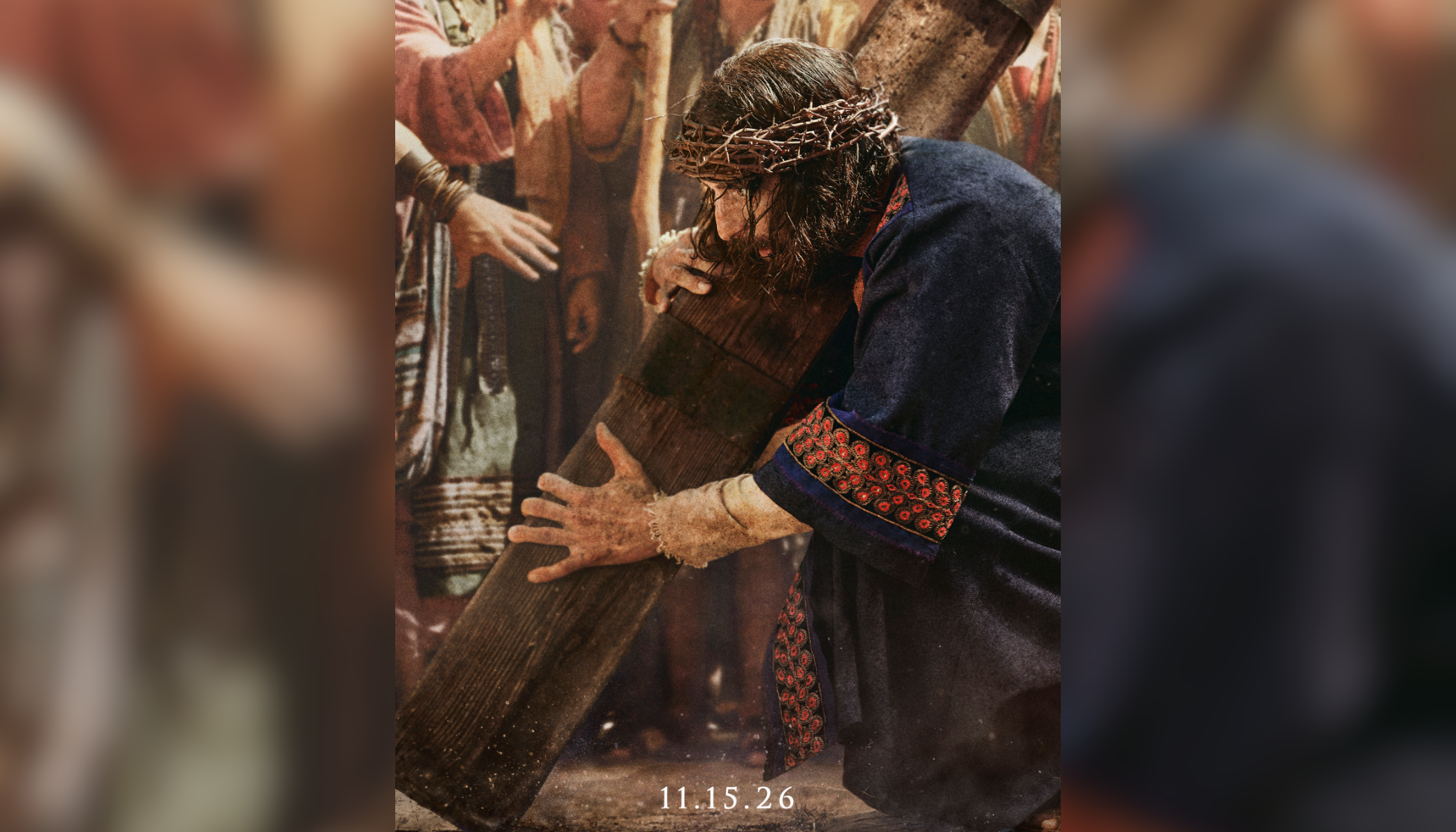
Release date for Season 6 of ‘The Chosen’ announced #Catholic Prime Video and 5&2 Studios announced April 3 that the sixth season of “The Chosen” will be released in the U.S. and internationally exclusively on Prime Video on Nov. 15.Season 6 of “The Chosen” will include six episodes, the first three of which will debut on Nov. 15, followed by the release of a weekly episode through Dec. 6.The season finale will be a stand-alone theatrical release in spring 2027.The highly anticipated sixth season will portray the 24 hours of Good Friday — culminating in Christ’s crucifixion.“Everyone knows the basics of this part of the story, but not everyone knows the ‘why’ of the crucifixion and the extraordinary events of these 24 hours,” Dallas Jenkins, creator, writer, and director of “The Chosen,” said in a press release. “We realized this not only deserved a season of television but a stand-alone full-length theatrical event as well. We wrote and filmed all of it with this in mind.”The show’s star, actor Jonathan Roumie, has spoken about his experience portraying Jesus’ passion and crucifixion.“For the first few months afterwards going to Mass — and even thinking about it now — I just get weepy. I get emotional. It’s hard. It’s left an indelible impression on me — mentally and emotionally sharing even just a percentage, a micron of a percentage, of the Lord’s passion; playing it and reenacting it has left me absolutely humbled and moved,” he told EWTN News at ChosenCon on Feb. 20.The show’s cast spent three weeks filming the crucifixion in Matera, Italy, in June 2025. In a press conference held at the Vatican at the end of that time, Jenkins called the three weeks “the most challenging and difficult we had in filming,” requiring him to surrender everything to Christ.Abe Bueno-Jallad, the actor who portrays Big James, or James the Great, told EWTN News that during filming, he had “never seen the cast so focused.”He added that the actors were “all there for each other … Everybody is carrying such a heavy burden this season as an actor.”“There’s just been incredible stuff happening on set. I’ve come back to set on days that I don’t work just to watch and I’ve seen stuff that gives me goosebumps,” he shared.In 2025, Amazon MGM Studios and 5&2 Studios signed a deal that made Prime Video the exclusive U.S. streaming partner for “The Chosen.” The deal also provides streaming rights to 5&2 Studios’ future projects including “The Chosen in the Wild with Bear Grylls,” “The Chosen Adventures,” and “Joseph of Egypt.”

Release date for Season 6 of ‘The Chosen’ announced #Catholic Prime Video and 5&2 Studios announced April 3 that the sixth season of “The Chosen” will be released in the U.S. and internationally exclusively on Prime Video on Nov. 15.Season 6 of “The Chosen” will include six episodes, the first three of which will debut on Nov. 15, followed by the release of a weekly episode through Dec. 6.The season finale will be a stand-alone theatrical release in spring 2027.The highly anticipated sixth season will portray the 24 hours of Good Friday — culminating in Christ’s crucifixion.“Everyone knows the basics of this part of the story, but not everyone knows the ‘why’ of the crucifixion and the extraordinary events of these 24 hours,” Dallas Jenkins, creator, writer, and director of “The Chosen,” said in a press release. “We realized this not only deserved a season of television but a stand-alone full-length theatrical event as well. We wrote and filmed all of it with this in mind.”The show’s star, actor Jonathan Roumie, has spoken about his experience portraying Jesus’ passion and crucifixion.“For the first few months afterwards going to Mass — and even thinking about it now — I just get weepy. I get emotional. It’s hard. It’s left an indelible impression on me — mentally and emotionally sharing even just a percentage, a micron of a percentage, of the Lord’s passion; playing it and reenacting it has left me absolutely humbled and moved,” he told EWTN News at ChosenCon on Feb. 20.The show’s cast spent three weeks filming the crucifixion in Matera, Italy, in June 2025. In a press conference held at the Vatican at the end of that time, Jenkins called the three weeks “the most challenging and difficult we had in filming,” requiring him to surrender everything to Christ.Abe Bueno-Jallad, the actor who portrays Big James, or James the Great, told EWTN News that during filming, he had “never seen the cast so focused.”He added that the actors were “all there for each other … Everybody is carrying such a heavy burden this season as an actor.”“There’s just been incredible stuff happening on set. I’ve come back to set on days that I don’t work just to watch and I’ve seen stuff that gives me goosebumps,” he shared.In 2025, Amazon MGM Studios and 5&2 Studios signed a deal that made Prime Video the exclusive U.S. streaming partner for “The Chosen.” The deal also provides streaming rights to 5&2 Studios’ future projects including “The Chosen in the Wild with Bear Grylls,” “The Chosen Adventures,” and “Joseph of Egypt.”

The highly anticipated sixth season will portray the 24 hours of Good Friday — culminating in Christ’s crucifixion.

Read More
Israeli police block cardinal, custos from entering Church of the Holy Sepulchre #Catholic In an incident described as unprecedented, Israeli police prevented Cardinal Pierbattista Pizzaballa, Latin Patriarch of Jerusalem, along with Father Francesco Patton, Custos of the Holy Land and the official responsible for the Church of the Holy Sepulchre, from entering the church as they made their way to celebrate Palm Sunday Mass.According to a joint statement issued March 29 by the Latin Patriarchate of Jerusalem and the Custody of the Holy Land, police stopped the two church leaders on their way as they were proceeding privately “without any ceremonial or liturgical manifestations,” and forced them to turn back.The statement noted that, for the first time in centuries, this action prevented church leaders from celebrating Palm Sunday Mass at the Church of the Holy Sepulchre. It described the incident as a “serious and dangerous precedent,” adding that it “disregards the sentiments of millions of believers around the world whose eyes turn to Jerusalem during this week."Isaac Herzog, president of Israel, said in a statement on social media that he called Pizzaballa the Patton to express sorrow over the incident. “I clarified that the incident stemmed from security concerns due to the continuous threat of missile attacks from the Iranian terror regime against the civilian population in Israel, following previous incidents in which Iranian missiles fell in the area of the Old City of Jerusalem in recent days,” Herzog wrote. “I reaffirmed the State of Israelʼs unwavering commitment to freedom of religion for all faiths and to upholding the status quo at the holy sites of Jerusalem.”Mike Huckabee, U.S. ambassador to Israel, expressed gratitude for Herzogʼs “conciliatory” and “gracious” statement in a post on social media.TweetThe March 29 statement by the Latin Patriarchate of Jerusalem and the Custody of the Holy Land emphasized that church leaders had acted with full responsibility, noting that since the beginning of the war they had complied with all imposed restrictions, including canceling public gatherings and limiting attendance, while relying instead on broadcast celebrations reaching hundreds of millions of faithful worldwide during the Easter season. It further stressed that preventing the patriarch and the custos of the Holy Land—who represent the highest ecclesiastical authorities responsible for the Catholic Church and the holy sites—from entering the church constitutes a measure that is “clearly unreasonable and disproportionate.”The decision, the statement added, was “hasty and based on flawed grounds,” “tainted by inappropriate considerations,” and represents “a serious departure from the fundamental principles of reasonableness, freedom of worship, and respect for the status quo.” In conclusion, the two church leaders expressed their “deep regret” to Christians in the Holy Land and around the world after “prayer on one of the holiest days of the Christian calendar was prevented in this manner.” Celebrations under restrictionsOn the security front, Jerusalem and the wider Holy Land continue to experience heightened tensions amid the ongoing regional conflict, which has directly affected daily life and the practice of religious rites. According to media reports, preparations for religious celebrations such as Easter and Holy Saturday have been accompanied by strict security measures, with some traditional events canceled due to security threats and reports of rockets landing near religious sites in the Holy City. Authorities have imposed limits on gatherings and restricted access to certain holy places.Pizzaballa has repeatedly highlighted the deep suffering of Christians in the region amid the ongoing conflict, calling for prayer and support for Christian communities facing increasing challenges due to war and insecurity. In previous statements, he emphasized the importance of providing spiritual and moral support to Christians in the Holy Land, underscoring the need for them to remain in their homeland and affirming that the Church continues its mission and services despite ongoing risks.Reports from religious and community sources have also pointed to a rise in attacks against Christians and Christian properties in the West Bank and Jerusalem, including acts of violence by settlers. These developments, according to various reports, reflect the deteriorating security conditions for Palestinian Christian communities amid ongoing settlement expansion, increasing the risk of displacement and further diminishing their historic presence in the Holy Land.This story was updated at 1 p.m. ET on March 29, 2026, to include comments from Isaac Herzog, president of Israel, and Mike Huckabee, U.S. ambassador to Israel.

Israeli police block cardinal, custos from entering Church of the Holy Sepulchre #Catholic In an incident described as unprecedented, Israeli police prevented Cardinal Pierbattista Pizzaballa, Latin Patriarch of Jerusalem, along with Father Francesco Patton, Custos of the Holy Land and the official responsible for the Church of the Holy Sepulchre, from entering the church as they made their way to celebrate Palm Sunday Mass.According to a joint statement issued March 29 by the Latin Patriarchate of Jerusalem and the Custody of the Holy Land, police stopped the two church leaders on their way as they were proceeding privately “without any ceremonial or liturgical manifestations,” and forced them to turn back.The statement noted that, for the first time in centuries, this action prevented church leaders from celebrating Palm Sunday Mass at the Church of the Holy Sepulchre. It described the incident as a “serious and dangerous precedent,” adding that it “disregards the sentiments of millions of believers around the world whose eyes turn to Jerusalem during this week."Isaac Herzog, president of Israel, said in a statement on social media that he called Pizzaballa the Patton to express sorrow over the incident. “I clarified that the incident stemmed from security concerns due to the continuous threat of missile attacks from the Iranian terror regime against the civilian population in Israel, following previous incidents in which Iranian missiles fell in the area of the Old City of Jerusalem in recent days,” Herzog wrote. “I reaffirmed the State of Israelʼs unwavering commitment to freedom of religion for all faiths and to upholding the status quo at the holy sites of Jerusalem.”Mike Huckabee, U.S. ambassador to Israel, expressed gratitude for Herzogʼs “conciliatory” and “gracious” statement in a post on social media.TweetThe March 29 statement by the Latin Patriarchate of Jerusalem and the Custody of the Holy Land emphasized that church leaders had acted with full responsibility, noting that since the beginning of the war they had complied with all imposed restrictions, including canceling public gatherings and limiting attendance, while relying instead on broadcast celebrations reaching hundreds of millions of faithful worldwide during the Easter season. It further stressed that preventing the patriarch and the custos of the Holy Land—who represent the highest ecclesiastical authorities responsible for the Catholic Church and the holy sites—from entering the church constitutes a measure that is “clearly unreasonable and disproportionate.”The decision, the statement added, was “hasty and based on flawed grounds,” “tainted by inappropriate considerations,” and represents “a serious departure from the fundamental principles of reasonableness, freedom of worship, and respect for the status quo.” In conclusion, the two church leaders expressed their “deep regret” to Christians in the Holy Land and around the world after “prayer on one of the holiest days of the Christian calendar was prevented in this manner.” Celebrations under restrictionsOn the security front, Jerusalem and the wider Holy Land continue to experience heightened tensions amid the ongoing regional conflict, which has directly affected daily life and the practice of religious rites. According to media reports, preparations for religious celebrations such as Easter and Holy Saturday have been accompanied by strict security measures, with some traditional events canceled due to security threats and reports of rockets landing near religious sites in the Holy City. Authorities have imposed limits on gatherings and restricted access to certain holy places.Pizzaballa has repeatedly highlighted the deep suffering of Christians in the region amid the ongoing conflict, calling for prayer and support for Christian communities facing increasing challenges due to war and insecurity. In previous statements, he emphasized the importance of providing spiritual and moral support to Christians in the Holy Land, underscoring the need for them to remain in their homeland and affirming that the Church continues its mission and services despite ongoing risks.Reports from religious and community sources have also pointed to a rise in attacks against Christians and Christian properties in the West Bank and Jerusalem, including acts of violence by settlers. These developments, according to various reports, reflect the deteriorating security conditions for Palestinian Christian communities amid ongoing settlement expansion, increasing the risk of displacement and further diminishing their historic presence in the Holy Land.This story was updated at 1 p.m. ET on March 29, 2026, to include comments from Isaac Herzog, president of Israel, and Mike Huckabee, U.S. ambassador to Israel.

Police stopped the two church leaders on their way as they were proceeding privately “without any ceremonial or liturgical manifestations,” and forced them to turn back.

Read More
Pope Leo XIV at Monaco stadium Mass: Wars are ‘the result of the idolatry of power and money’ #Catholic Pope Leo XIV on March 28 condemned all military conflicts, which he argued are the result of the “idolatry of power and money” and which “bloody” Godʼs gift of grace to men.Godʼs grace “illuminates our present, because the wars that bloody it are the result of the idolatry of power and money,” said Leo in the homily he delivered during the Mass at the Louis II Stadium in Monaco.Four months after his first apostolic trip to Turkey and Lebanon, the pontiff ended his lightning visit to the Principality of Monaco with the Mass in the stadium dedicated to Prince Louis II, who reigned between 1922 and 1949.The stadium has a capacity for more than 18,000 spectators, which makes it a prominent place for sporting and entertainment events, in addition to being an ideal place for the papal Mass.Upon his arrival, Leo toured the venue in a golf cart, from which he greeted and blessed the cheering faithful who were waiting for him while waving flags of the Vatican City and of Monaco.The logic of power versus innocenceIn his homily, the pope highlighted the biblical account in which the members of the Sanhedrin decide to kill Jesus. From this passage, he explained that the face of God is revealed alongside those who, moved by power interests, are willing to eliminate the innocent.As he pointed out, Caiphas' verdict is born from a political calculation based on fear: “Forgetting Godʼs promise to his people, they want to kill the innocent, because behind their fear is the attachment to power.”“Isnʼt that what happens today?” the pope asked. “Even today, how many calculations are made in the world to kill innocent people; how many false reasons are used to get them out of the way!”Not getting used to warThe pontiff called for the purification of the “idolatry” that feeds wars and turns men into slaves of other men, while urging the faithful to not get used to violence.“Every truncated life is a wound to the body of Christ. Letʼs not get used to the rumble of weapons or the images of war!” he exclaimed.In this sense, he stressed that peace cannot be reduced to a balance of power: “It is not a mere balance of forces, but the work of purified hearts, of those who see in the other a brother to take care of, not an enemy to bring down.”Mercy, response to evilFaced with the persistence of evil, the pope recalled that Godʼs justice acts as a source of hope and renewal: “The Lord frees from pain by infusing hope, he converts the hardness of the heart by transforming power into service, precisely while manifesting the true name of his omnipotence: mercy.”In this way, he assured that it is “mercy that saves the world” because it takes charge of all human existence, “in each of its weaknesses, from the moment it is conceived in the womb until it ages,” he added.A message on the eve of EasterThe popeʼs visit to Monaco, just eight hours long, was made at the invitation of Albert II of Monaco. It took place on the eve of Holy Week, a context to which the pope referred during his homily. “The Lord changes the history of the world by calling us from idolatry to true faith, from death to life,” he said.In this context, he also evoked the prophet Jeremiah: “In the face of the numerous injustices that destroy the peoples and the war that plagues the nations, the voice of the prophet Jeremiah is constantly raised: I will change their mourning into joy, I will make them happy and I will console them with their affliction” (Jer 31,13).The joy that is born of charityFinally, the pontiff called the faithful to be witnesses of hope, making “many happy with their faith” and sharing a joy that is not acquired as a prize, but is born of charity.“The source of this joy is the love of God: love for the nascent and fragile life, which must always be welcomed and cared for; love for young and old life, which must be encouraged in the trials of each stage; love for healthy and sick life, sometimes alone, always in need of being accompanied with care,” he concluded.At the end of the celebration, the Archbishop of Monaco, Monsignor Dominique-Marie David, thanked Pope Leo XIV for his visit, emphasizing that God is “the source of all good” and that the pontiff, as the successor of Peter, has come to remind the local Church of this.In this sense, he stressed that the pope has encouraged the faithful to face “fearlessly” the current challenges, aware that they have “a treasure capable of sustaining hope, ours and that of the world.”On the eve of Holy Week, David said that the popeʼs visit has served to “confirm the faith of his brothers,” reinforcing the commitment of the Christian community.Pope Leo XIV gave the Archdiocese of Monaco a contemporary sculpture by St. Francis of Assisi. The work represents the Italian saint, one of the most beloved figures of the Christian tradition and universally recognized as a messenger of peace, fraternity and reconciliation.Francis in the sculpture appears dressed in the simple Franciscan habit, a symbol of evangelical poverty and inner freedom, girded by the characteristic cord with three knots.In the sculpture the saint holds a white dove in his left hand, while the right hand opens in a gesture of welcome and donation.This story was first published by ACI Prensa, the Spanish-language sister service of EWTN News. It has been translated and adapted by EWTN News English.

Pope Leo XIV at Monaco stadium Mass: Wars are ‘the result of the idolatry of power and money’ #Catholic Pope Leo XIV on March 28 condemned all military conflicts, which he argued are the result of the “idolatry of power and money” and which “bloody” Godʼs gift of grace to men.Godʼs grace “illuminates our present, because the wars that bloody it are the result of the idolatry of power and money,” said Leo in the homily he delivered during the Mass at the Louis II Stadium in Monaco.Four months after his first apostolic trip to Turkey and Lebanon, the pontiff ended his lightning visit to the Principality of Monaco with the Mass in the stadium dedicated to Prince Louis II, who reigned between 1922 and 1949.The stadium has a capacity for more than 18,000 spectators, which makes it a prominent place for sporting and entertainment events, in addition to being an ideal place for the papal Mass.Upon his arrival, Leo toured the venue in a golf cart, from which he greeted and blessed the cheering faithful who were waiting for him while waving flags of the Vatican City and of Monaco.The logic of power versus innocenceIn his homily, the pope highlighted the biblical account in which the members of the Sanhedrin decide to kill Jesus. From this passage, he explained that the face of God is revealed alongside those who, moved by power interests, are willing to eliminate the innocent.As he pointed out, Caiphas' verdict is born from a political calculation based on fear: “Forgetting Godʼs promise to his people, they want to kill the innocent, because behind their fear is the attachment to power.”“Isnʼt that what happens today?” the pope asked. “Even today, how many calculations are made in the world to kill innocent people; how many false reasons are used to get them out of the way!”Not getting used to warThe pontiff called for the purification of the “idolatry” that feeds wars and turns men into slaves of other men, while urging the faithful to not get used to violence.“Every truncated life is a wound to the body of Christ. Letʼs not get used to the rumble of weapons or the images of war!” he exclaimed.In this sense, he stressed that peace cannot be reduced to a balance of power: “It is not a mere balance of forces, but the work of purified hearts, of those who see in the other a brother to take care of, not an enemy to bring down.”Mercy, response to evilFaced with the persistence of evil, the pope recalled that Godʼs justice acts as a source of hope and renewal: “The Lord frees from pain by infusing hope, he converts the hardness of the heart by transforming power into service, precisely while manifesting the true name of his omnipotence: mercy.”In this way, he assured that it is “mercy that saves the world” because it takes charge of all human existence, “in each of its weaknesses, from the moment it is conceived in the womb until it ages,” he added.A message on the eve of EasterThe popeʼs visit to Monaco, just eight hours long, was made at the invitation of Albert II of Monaco. It took place on the eve of Holy Week, a context to which the pope referred during his homily. “The Lord changes the history of the world by calling us from idolatry to true faith, from death to life,” he said.In this context, he also evoked the prophet Jeremiah: “In the face of the numerous injustices that destroy the peoples and the war that plagues the nations, the voice of the prophet Jeremiah is constantly raised: I will change their mourning into joy, I will make them happy and I will console them with their affliction” (Jer 31,13).The joy that is born of charityFinally, the pontiff called the faithful to be witnesses of hope, making “many happy with their faith” and sharing a joy that is not acquired as a prize, but is born of charity.“The source of this joy is the love of God: love for the nascent and fragile life, which must always be welcomed and cared for; love for young and old life, which must be encouraged in the trials of each stage; love for healthy and sick life, sometimes alone, always in need of being accompanied with care,” he concluded.At the end of the celebration, the Archbishop of Monaco, Monsignor Dominique-Marie David, thanked Pope Leo XIV for his visit, emphasizing that God is “the source of all good” and that the pontiff, as the successor of Peter, has come to remind the local Church of this.In this sense, he stressed that the pope has encouraged the faithful to face “fearlessly” the current challenges, aware that they have “a treasure capable of sustaining hope, ours and that of the world.”On the eve of Holy Week, David said that the popeʼs visit has served to “confirm the faith of his brothers,” reinforcing the commitment of the Christian community.Pope Leo XIV gave the Archdiocese of Monaco a contemporary sculpture by St. Francis of Assisi. The work represents the Italian saint, one of the most beloved figures of the Christian tradition and universally recognized as a messenger of peace, fraternity and reconciliation.Francis in the sculpture appears dressed in the simple Franciscan habit, a symbol of evangelical poverty and inner freedom, girded by the characteristic cord with three knots.In the sculpture the saint holds a white dove in his left hand, while the right hand opens in a gesture of welcome and donation.This story was first published by ACI Prensa, the Spanish-language sister service of EWTN News. It has been translated and adapted by EWTN News English.

The Holy Father during his homily at Monaco’s Louis II Stadium urged the faithful to “not get used to the rumble of weapons or the images of war.”

Read More
War forces Latin Patriarchate of Jerusalem to cancel Palm Sunday procession #Catholic Amid the continuing war and restrictions on access to the holy sites, the Latin Patriarchate of Jerusalem has canceled the traditional Palm Sunday procession from the Mount of Olives to Jerusalem, announcing “exceptional measures” regarding this year’s Holy Week and Easter celebrations.The Palm Sunday procession will instead be replaced by a time of prayer for the city in a location yet to be announced.The patriarchate also announced the postponement of the chrism Mass until circumstances allow — most likely during the Easter season after necessary ecclesiastical approvals are obtained.At the same time, it affirmed that the churches of the diocese will remain open and that priests and pastors will work, within the limits of what is possible, to ensure the participation of the faithful in prayers and liturgical celebrations.The patriarchate explained that this year it has not been possible to hold the traditional Lenten pilgrimage in Jerusalem, with its celebrations at the Church of the Holy Sepulchre and the sites associated with Christ’s passion. It noted that, although the faithful have been able to prepare individually, they have felt the absence of the communal journey toward Easter, which is an essential element of the Church’s spiritual life.Continuing restrictionsThe patriarchate said the security conditions linked to the conflict do not suggest any improvement in the near future. It stressed that, in coordination with the other Churches and the relevant authorities, it is continuing to assess possible ways to hold the celebrations within the available framework.Decisions, it said, will be made on a day-by-day basis according to developments on the ground. According to the statement, it has become clear that it will not be possible to organize normal celebrations open to all the faithful, prompting the patriarchate to adopt a set of organizational measures.The patriarchate said this reality constitutes “another wound added to the many wounds caused by the conflict.” The pain, it said, is not limited to the consequences of war but also includes the inability to celebrate Easter together “in a fitting way.” Yet it stressed the need not to surrender to despair and called for perseverance in prayer.In this context, the patriarchate called on the faithful to unite in prayer on Saturday, March 28, by reciting the rosary for peace and reassurance, especially for those suffering because of the conflict. It concluded by affirming that Easter remains, despite every circumstance, a sign of hope, recalling that “no darkness, not even the darkness of war, can have the last word” and that the empty tomb remains a witness to the victory of life over hatred and mercy over sin.This story was first published by ACI MENA, the Arabic-language sister service of EWTN News. It has been translated and adapted by EWTN News English.

War forces Latin Patriarchate of Jerusalem to cancel Palm Sunday procession #Catholic Amid the continuing war and restrictions on access to the holy sites, the Latin Patriarchate of Jerusalem has canceled the traditional Palm Sunday procession from the Mount of Olives to Jerusalem, announcing “exceptional measures” regarding this year’s Holy Week and Easter celebrations.The Palm Sunday procession will instead be replaced by a time of prayer for the city in a location yet to be announced.The patriarchate also announced the postponement of the chrism Mass until circumstances allow — most likely during the Easter season after necessary ecclesiastical approvals are obtained.At the same time, it affirmed that the churches of the diocese will remain open and that priests and pastors will work, within the limits of what is possible, to ensure the participation of the faithful in prayers and liturgical celebrations.The patriarchate explained that this year it has not been possible to hold the traditional Lenten pilgrimage in Jerusalem, with its celebrations at the Church of the Holy Sepulchre and the sites associated with Christ’s passion. It noted that, although the faithful have been able to prepare individually, they have felt the absence of the communal journey toward Easter, which is an essential element of the Church’s spiritual life.Continuing restrictionsThe patriarchate said the security conditions linked to the conflict do not suggest any improvement in the near future. It stressed that, in coordination with the other Churches and the relevant authorities, it is continuing to assess possible ways to hold the celebrations within the available framework.Decisions, it said, will be made on a day-by-day basis according to developments on the ground. According to the statement, it has become clear that it will not be possible to organize normal celebrations open to all the faithful, prompting the patriarchate to adopt a set of organizational measures.The patriarchate said this reality constitutes “another wound added to the many wounds caused by the conflict.” The pain, it said, is not limited to the consequences of war but also includes the inability to celebrate Easter together “in a fitting way.” Yet it stressed the need not to surrender to despair and called for perseverance in prayer.In this context, the patriarchate called on the faithful to unite in prayer on Saturday, March 28, by reciting the rosary for peace and reassurance, especially for those suffering because of the conflict. It concluded by affirming that Easter remains, despite every circumstance, a sign of hope, recalling that “no darkness, not even the darkness of war, can have the last word” and that the empty tomb remains a witness to the victory of life over hatred and mercy over sin.This story was first published by ACI MENA, the Arabic-language sister service of EWTN News. It has been translated and adapted by EWTN News English.

Holy Week observances and events in the Holy Land have been canceled or significantly revised in the face of closures in Jerusalem due to the war with Iran.

Read More
Speakers at 2026 Catholic graduations to include Ron DeSantis, Cardinal Dolan #Catholic Prominent U.S. Catholic leaders will headline commencement ceremonies at multiple Newman Guide-listed schools this spring, offering words of wisdom and faith to graduates around the country. Clergy, political leaders, and media figures will all take part in graduation events from Florida to Texas to Ohio and beyond. Ave Maria UniversityFlorida Gov. Ron DeSantis will be the commencement speaker at Ave Maria University, a spokesperson for the university told EWTN News.The Florida governor and former presidential candidate, who is a Catholic, will speak at the university’s May 9 graduation ceremony.Benedictine CollegePeter Cancro, the founder and chairman of the popular sandwich chain Jersey Mike’s, will deliver the 2026 commencement address at Benedictine College in Atchison, Kansas.Cancro will address graduates during the college’s commencement exercises on May 16 and will be presented with an honorary doctor of humane letters degree, according to a March 3 press release. Cancro is renowned for his charitable contributions to faith-based organizations, including a  million gift to Ave Maria School of Law.University of DallasCardinal Timothy Dolan, archbishop emeritus of New York, will deliver the commencement address at the University of Dallas this year.The university will present Dolan with an honorary doctor of humane letters degree during the May 16 ceremony, according to a press release. “Cardinal Dolan is one of the Church’s most joyful and widely respected shepherds, and we are honored to welcome him to the University of Dallas,” University of Dallas President Jonathan Sanford said.The Catholic University of AmericaUniversity of Mary President Monsignor James Shea will return to his alma mater, The Catholic University of America in Washington, D.C., to deliver the commencement address for the class of 2026.In a March 3 statement, university President Peter Kilpatrick described Shea as a “teacher, evangelist, interpreter of culture, and preacher,” one who is “deeply committed to the education and formation of young people.” “His ability to engage the larger culture with clarity, Christian hope, and great wit is a much-needed antidote to so many of the challenges we face today and an example I pray our students will take with them into their future vocations,” Kilpatrick said. The school’s graduation ceremony will take place May 16.Wyoming Catholic CollegeCatholicVote President and CEO Kelsey Reinhardt will give the commencement address for Wyoming Catholic College.“As two Wyoming natives, frequently traveling on behalf of our apostolates, our paths cross somewhat regularly,” said Wyoming Catholic College President Kyle Washut in a Feb. 23 press release.“I have had the privilege of visiting with Kelsey a number of times over the past year, and I have been impressed by her clarity on the moral challenges confronting America today and by her generosity and gentleness toward those who do not agree with her own clear-eyed analysis of those challenges.”Reinhardt’s commencement address will take place on May 18.Franciscan University of Steubenville The founders of the Napa Institute, Tim Busch and Father Robert J. Spitzer, SJ, will deliver commencement speeches for Franciscan University of Steubenville in Ohio.Busch, co-founder of the Napa Institute and founder of the Busch Firm, will deliver the commencement address for graduates of Franciscan University’s business and science programs, while Spitzer will give the commencement speech for humanities and social sciences graduates during the May 9 ceremonies, according to a March 10 university press release. The Latin patriarch of Jerusalem, Cardinal Pierbattista Pizzaballa, OFM, will also celebrate the baccalaureate Mass.Christendom CollegeAnne Carroll, founder of Seton School and Seton Home Study, will deliver the commencement address at Christendom College in Front Royal, Virginia.Carroll, who is the wife of the late Christendom College Founder Warren Carroll, will give the commencement address on May 15, the college announced in a March 12 release. The college will also honor Carroll “for her outstanding contributions to the Catholic faith, culture, and public life.”Walsh UniversityEWTN “Real Life Catholic” host Chris Stefanick will serve as commencement speaker for Walsh University, a Catholic university in Ohio.The university will also present Stefanick with an honorary doctorate of applied theology at the May 2 commencement ceremonies. “Commencement is more than a celebration of achievement. It is a commissioning,” President Tim Collins said in a Feb. 25 press release. “The leaders we honor on this day remind us that a life well lived is measured not only by accomplishment, but by impact — by how we place our talents at the service of faith, community, and the greater good. That is our hope for every Walsh University graduate. We pray they carry a deep sense of purpose, lead with integrity, and embrace the calling that gives their lives and work lasting meaning throughout every stage of life.”

Speakers at 2026 Catholic graduations to include Ron DeSantis, Cardinal Dolan #Catholic Prominent U.S. Catholic leaders will headline commencement ceremonies at multiple Newman Guide-listed schools this spring, offering words of wisdom and faith to graduates around the country. Clergy, political leaders, and media figures will all take part in graduation events from Florida to Texas to Ohio and beyond. Ave Maria UniversityFlorida Gov. Ron DeSantis will be the commencement speaker at Ave Maria University, a spokesperson for the university told EWTN News.The Florida governor and former presidential candidate, who is a Catholic, will speak at the university’s May 9 graduation ceremony.Benedictine CollegePeter Cancro, the founder and chairman of the popular sandwich chain Jersey Mike’s, will deliver the 2026 commencement address at Benedictine College in Atchison, Kansas.Cancro will address graduates during the college’s commencement exercises on May 16 and will be presented with an honorary doctor of humane letters degree, according to a March 3 press release. Cancro is renowned for his charitable contributions to faith-based organizations, including a $5 million gift to Ave Maria School of Law.University of DallasCardinal Timothy Dolan, archbishop emeritus of New York, will deliver the commencement address at the University of Dallas this year.The university will present Dolan with an honorary doctor of humane letters degree during the May 16 ceremony, according to a press release. “Cardinal Dolan is one of the Church’s most joyful and widely respected shepherds, and we are honored to welcome him to the University of Dallas,” University of Dallas President Jonathan Sanford said.The Catholic University of AmericaUniversity of Mary President Monsignor James Shea will return to his alma mater, The Catholic University of America in Washington, D.C., to deliver the commencement address for the class of 2026.In a March 3 statement, university President Peter Kilpatrick described Shea as a “teacher, evangelist, interpreter of culture, and preacher,” one who is “deeply committed to the education and formation of young people.” “His ability to engage the larger culture with clarity, Christian hope, and great wit is a much-needed antidote to so many of the challenges we face today and an example I pray our students will take with them into their future vocations,” Kilpatrick said. The school’s graduation ceremony will take place May 16.Wyoming Catholic CollegeCatholicVote President and CEO Kelsey Reinhardt will give the commencement address for Wyoming Catholic College.“As two Wyoming natives, frequently traveling on behalf of our apostolates, our paths cross somewhat regularly,” said Wyoming Catholic College President Kyle Washut in a Feb. 23 press release.“I have had the privilege of visiting with Kelsey a number of times over the past year, and I have been impressed by her clarity on the moral challenges confronting America today and by her generosity and gentleness toward those who do not agree with her own clear-eyed analysis of those challenges.”Reinhardt’s commencement address will take place on May 18.Franciscan University of Steubenville The founders of the Napa Institute, Tim Busch and Father Robert J. Spitzer, SJ, will deliver commencement speeches for Franciscan University of Steubenville in Ohio.Busch, co-founder of the Napa Institute and founder of the Busch Firm, will deliver the commencement address for graduates of Franciscan University’s business and science programs, while Spitzer will give the commencement speech for humanities and social sciences graduates during the May 9 ceremonies, according to a March 10 university press release. The Latin patriarch of Jerusalem, Cardinal Pierbattista Pizzaballa, OFM, will also celebrate the baccalaureate Mass.Christendom CollegeAnne Carroll, founder of Seton School and Seton Home Study, will deliver the commencement address at Christendom College in Front Royal, Virginia.Carroll, who is the wife of the late Christendom College Founder Warren Carroll, will give the commencement address on May 15, the college announced in a March 12 release. The college will also honor Carroll “for her outstanding contributions to the Catholic faith, culture, and public life.”Walsh UniversityEWTN “Real Life Catholic” host Chris Stefanick will serve as commencement speaker for Walsh University, a Catholic university in Ohio.The university will also present Stefanick with an honorary doctorate of applied theology at the May 2 commencement ceremonies. “Commencement is more than a celebration of achievement. It is a commissioning,” President Tim Collins said in a Feb. 25 press release. “The leaders we honor on this day remind us that a life well lived is measured not only by accomplishment, but by impact — by how we place our talents at the service of faith, community, and the greater good. That is our hope for every Walsh University graduate. We pray they carry a deep sense of purpose, lead with integrity, and embrace the calling that gives their lives and work lasting meaning throughout every stage of life.”

Multiple Catholic leaders are slated to be commencement speakers at Newman Guide Schools in 2026.

Read More
Scottish bishops say ‘prayer moved hearts’ after Scottish Parliament rejects assisted suicide #Catholic In a final vote, members of Scottish Parliament (MSPs) have rejected a bill that would have made assisted suicide legal — a dramatic turn of events that Scotland’s Catholic bishops are attributing to the power of prayer.Reacting to the result immediately after its announcement on March 17, Scotland’s bishops told EWTN News: “Prayer is what moved hearts on this important issue. We are over the moon. Glory be to God that life has triumphed tonight!”Bill sponsor Liam McArthur and his supporters were confident of the Assisted Dying for Terminally Ill Adults (Scotland) Bill becoming law. In the first vote in May 2025, Parliament voted 70 to 56 in favor of the bill progressing to Stage 2. The bill was then amended at Stage 2 before moving to Stage 3 for a decisive vote. in the end, however, MSPs rejected it, voting 69 to 57 against the bill.
 
 Bishop John Keenan, president of the Bishops’ Conference of Scotland, said the vote against the assisted suicide bill would “protect some of Scotland’s most vulnerable individuals from the risk of being pressured into a premature death.” | Credit: Photo courtesy of the Bishops’ Conference of Scotland
 
 After an emotional debate, 12 MSPs changed sides, moving from supporting the Bill at Stage 1 to opposing it. Notable MSPs who swapped sides included Jamie Hepburn (Scottish National Party), Daniel Johnson (Labour), and Brian Whittle (Conservative), who publicly announced their decisions during the debate. This followed other notable announcements in the buildup to the vote by Scottish Conservative leader Russell Findlay and Scottish National Party MSPs Audrey Nicoll and Collette Stevenson, who had initially supported the bill and then shared their decisions to vote against it.Commending MSPs for voting against the legislation, Bishop John Keenan, president of the Bishops’ Conference of Scotland, said after the vote: “I would like to express my gratitude to all MSPs for their serious engagement with this issue and for the thoughtful and considered attention they have given to the bill. I am especially grateful to those who upheld the principle of human dignity and advocated on behalf of the vulnerable.”The Catholic Church teaches that assisted suicide is inherently immoral. In advance of the final vote, Keenan commented that a vote against the bill would “protect some of Scotland’s most vulnerable individuals from the risk of being pressured into a premature death.”“Every human life possesses inherent value,” he said. “Genuine compassion is not expressed through ending a life but through accompanying those who suffer and ensuring they receive the medical, emotional, and spiritual support that recognizes their dignity.”
 
 Alisdair Hungerford-Morgan, chief executive of pro-life charity Right To Life UK, called the result “a great and deeply significant victory for the most vulnerable people in Scotland.” | Credit: Photo courtesy of Right To Life UK
 
 Pro-life groups opposing the bill also highlighted the importance of the vote for the vulnerable. In a message to EWTN News, Alisdair Hungerford-Morgan, chief executive of pro-life charity Right To Life UK, called the result “a great and deeply significant victory for the most vulnerable people in Scotland.”Hungerford-Morgan told EWTN News: “People nearing the end of their lives, no matter what their condition, need love and support, not a pathway to suicide, which is exactly what the Scottish assisted suicide bill would have done."The vote followed an intense and long debate over five sessions, culminating in the final debate and vote on March 17.Hungerford-Morgan said: “If this bill had passed in the Scottish Parliament and gone on to become law, it would have ushered in an irrevocable change that would have put the vulnerable at risk and seen the ending of thousands of lives through assisted suicide in Scotland.”He added: “After two years of debate, and the most intense scrutiny that the question of assisted suicide has ever received in Scotland, Holyrood, which is widely regarded as one of the world’s most socially and politically progressive legislatures, has come to the conclusion that introducing assisted suicide is unsafe and dangerous.”Paul Atkin, pro-life officer at the Archdiocese of St. Andrews and Edinburgh, highlighted “the strength of engagement across our archdiocese” due to the fact that, from the 12 MSPs who changed their votes to opposing the bill, eight represent constituencies within the Archdiocese of St. Andrews and Edinburgh.Atkin told EWTN News: “The defeat of this bill is a welcome result, reflecting the strength of engagement across our archdiocese. From the archbishop’s leadership to parishes who organized hundreds of letters, this was a united effort which made the difference.”Praising the “remarkable contribution” of the archdiocese, Atkin paid tribute to the “polite, persistent engagement from the Catholic community,” which helped “shape outcomes and protect the most vulnerable.”Opponents of the bill called for attention to now move away from assisted suicide toward investment in palliative care. “Our next priority must be to strengthen palliative care by ensuring that it is properly funded and accessible to all who require it,” Keenan said. Echoing this viewpoint, Hungerford-Morgan urged MSPs to “unite to focus on renewed efforts to promote and improve palliative care.”Following the defeat of the bill, Hungerford-Morgan turned his attention to a separate bill currently being debated in the House of Lords in London that would legalize assisted suicide in England and Wales, initiated by Labour MP Kim Leadbeater.Calling on the Leadbeater Bill’s sponsors to “reject assisted suicide,” he said: “This victory will have an impact far beyond Holyrood as the Leadbeater Bill is being debated in the House of Lords. Instead of pushing ahead with this dangerous bill, its sponsors should follow Scotland’s example and reject assisted suicide.”

Scottish bishops say ‘prayer moved hearts’ after Scottish Parliament rejects assisted suicide #Catholic In a final vote, members of Scottish Parliament (MSPs) have rejected a bill that would have made assisted suicide legal — a dramatic turn of events that Scotland’s Catholic bishops are attributing to the power of prayer.Reacting to the result immediately after its announcement on March 17, Scotland’s bishops told EWTN News: “Prayer is what moved hearts on this important issue. We are over the moon. Glory be to God that life has triumphed tonight!”Bill sponsor Liam McArthur and his supporters were confident of the Assisted Dying for Terminally Ill Adults (Scotland) Bill becoming law. In the first vote in May 2025, Parliament voted 70 to 56 in favor of the bill progressing to Stage 2. The bill was then amended at Stage 2 before moving to Stage 3 for a decisive vote. in the end, however, MSPs rejected it, voting 69 to 57 against the bill. Bishop John Keenan, president of the Bishops’ Conference of Scotland, said the vote against the assisted suicide bill would “protect some of Scotland’s most vulnerable individuals from the risk of being pressured into a premature death.” | Credit: Photo courtesy of the Bishops’ Conference of Scotland After an emotional debate, 12 MSPs changed sides, moving from supporting the Bill at Stage 1 to opposing it. Notable MSPs who swapped sides included Jamie Hepburn (Scottish National Party), Daniel Johnson (Labour), and Brian Whittle (Conservative), who publicly announced their decisions during the debate. This followed other notable announcements in the buildup to the vote by Scottish Conservative leader Russell Findlay and Scottish National Party MSPs Audrey Nicoll and Collette Stevenson, who had initially supported the bill and then shared their decisions to vote against it.Commending MSPs for voting against the legislation, Bishop John Keenan, president of the Bishops’ Conference of Scotland, said after the vote: “I would like to express my gratitude to all MSPs for their serious engagement with this issue and for the thoughtful and considered attention they have given to the bill. I am especially grateful to those who upheld the principle of human dignity and advocated on behalf of the vulnerable.”The Catholic Church teaches that assisted suicide is inherently immoral. In advance of the final vote, Keenan commented that a vote against the bill would “protect some of Scotland’s most vulnerable individuals from the risk of being pressured into a premature death.”“Every human life possesses inherent value,” he said. “Genuine compassion is not expressed through ending a life but through accompanying those who suffer and ensuring they receive the medical, emotional, and spiritual support that recognizes their dignity.” Alisdair Hungerford-Morgan, chief executive of pro-life charity Right To Life UK, called the result “a great and deeply significant victory for the most vulnerable people in Scotland.” | Credit: Photo courtesy of Right To Life UK Pro-life groups opposing the bill also highlighted the importance of the vote for the vulnerable. In a message to EWTN News, Alisdair Hungerford-Morgan, chief executive of pro-life charity Right To Life UK, called the result “a great and deeply significant victory for the most vulnerable people in Scotland.”Hungerford-Morgan told EWTN News: “People nearing the end of their lives, no matter what their condition, need love and support, not a pathway to suicide, which is exactly what the Scottish assisted suicide bill would have done."The vote followed an intense and long debate over five sessions, culminating in the final debate and vote on March 17.Hungerford-Morgan said: “If this bill had passed in the Scottish Parliament and gone on to become law, it would have ushered in an irrevocable change that would have put the vulnerable at risk and seen the ending of thousands of lives through assisted suicide in Scotland.”He added: “After two years of debate, and the most intense scrutiny that the question of assisted suicide has ever received in Scotland, Holyrood, which is widely regarded as one of the world’s most socially and politically progressive legislatures, has come to the conclusion that introducing assisted suicide is unsafe and dangerous.”Paul Atkin, pro-life officer at the Archdiocese of St. Andrews and Edinburgh, highlighted “the strength of engagement across our archdiocese” due to the fact that, from the 12 MSPs who changed their votes to opposing the bill, eight represent constituencies within the Archdiocese of St. Andrews and Edinburgh.Atkin told EWTN News: “The defeat of this bill is a welcome result, reflecting the strength of engagement across our archdiocese. From the archbishop’s leadership to parishes who organized hundreds of letters, this was a united effort which made the difference.”Praising the “remarkable contribution” of the archdiocese, Atkin paid tribute to the “polite, persistent engagement from the Catholic community,” which helped “shape outcomes and protect the most vulnerable.”Opponents of the bill called for attention to now move away from assisted suicide toward investment in palliative care. “Our next priority must be to strengthen palliative care by ensuring that it is properly funded and accessible to all who require it,” Keenan said. Echoing this viewpoint, Hungerford-Morgan urged MSPs to “unite to focus on renewed efforts to promote and improve palliative care.”Following the defeat of the bill, Hungerford-Morgan turned his attention to a separate bill currently being debated in the House of Lords in London that would legalize assisted suicide in England and Wales, initiated by Labour MP Kim Leadbeater.Calling on the Leadbeater Bill’s sponsors to “reject assisted suicide,” he said: “This victory will have an impact far beyond Holyrood as the Leadbeater Bill is being debated in the House of Lords. Instead of pushing ahead with this dangerous bill, its sponsors should follow Scotland’s example and reject assisted suicide.”

In a decisive vote, Scottish members of Parliament have rejected the Assisted Dying for Terminally Ill Adults (Scotland) Bill, a victory the bishops in Scotland are praising.

Read More