
food

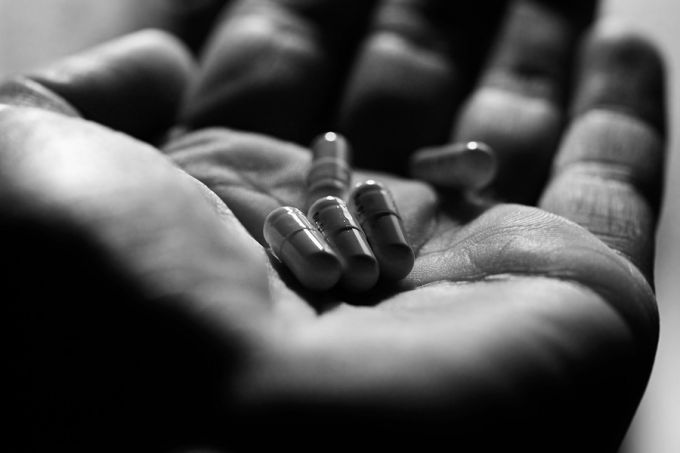
Federal judge pauses Louisiana telehealth abortion suit pending FDA review #Catholic After the Trump administration appealed, a federal judge put on pause a lawsuit filed by the state of Louisiana that challenges the federal policy of allowing mail-order abortion pills.U.S. District Judge David Joseph in Lafayette, Louisiana, ruled that the challenge be paused pending the U.S. Food and Drug Administration (FDA)’s review of the safety of the drug but noted that the state could continue the challenge after the review was completed.Louisiana Attorney General Liz Murrill filed a lawsuit in late 2025 to challenge the 2023 deregulation of mifepristone, which is used in chemical abortions. The 2023 rule changes, initiated during former president Joe Biden’s administration, allowed the drugs to be delivered through the mail and prescribed without any visits to a doctor.In January of this year, President Donald Trump’s Department of Justice (DOJ) filed a motion with a federal district court to pause the suit, pending a review by the FDA of the chemical abortion drug.Louisiana had filed the lawsuit after residents — including Rosalie Markezich, who is named in the lawsuit — said they were coerced into taking abortion pills that were obtained through the mail. In Markezich’s case, she said her boyfriend forced her to take it.Study: Maternal mortality decreased in states that protect unborn lifeA recent study published by JAMA Network Open found a decrease in maternal mortality in states that protect unborn children from abortions as well as in states with permissive abortion laws.The study considered 22 million births and more than 12,000 pregnancy-related deaths from 2018 to 2023, with 14 states with abortion bans and 37 control jurisdictions.“This cohort study found that abortion bans were not associated with statistically significant overall or state-specific increases in pregnancy-associated mortality,” the study read.In states with strong pro-life laws, on average, maternal mortality rates declined slightly faster than pro-abortion states.Illinois pregnancy centers continue to appeal for conscience rightsA court heard arguments on Friday from Illinois pregnancy centers that are appealing an Illinois district court decision that affirmed a law requiring pregnancy centers to refer women for abortions.The National Institute of Family and Life Advocates and three Illinois pregnancy centers appealed after an April 2025 court ruling found that requiring pregnancy centers to refer pregnant women for an abortion was not a violation of speech and conscience rights.“No one should be forced to express a message that violates their convictions, and compelling people to refer others for abortions does that,” said Alliance Defending Freedom Counsel Erin Hawley. “The U.S. Supreme Court held in NIFLA v. Becerra that forcing people to promote abortion is unconstitutional.”Maryland bill to force hospitals to offer abortions goes to governor’s deskA Maryland bill that would force hospitals to offer abortions, even against their conscience, in some circumstances, heads to the stateʼs governor after the state Legislature passed it this week.The bill would require “a hospital to allow the termination of a pregnancy in certain circumstances” under the federal 1986 Emergency Medical Treatment and Labor Act (EMTALA), which ensures that emergency care is offered regardless of a patient’s ability to pay.The bill would also require a hospital to screen patients for “emergency pregnancy-related medical condition[s]” and to provide “transfer of a patient who has an emergency pregnancy-related medical condition.”“This bill will result in a new government-created loss of valuable highly trained and experienced emergency department physicians, nurses, providers, and staff,” said Dr. James Kelly, representing the Association of American Physicians and Surgeons. “The legislation will increase the already existing severe shortages of qualified medical staff and will decrease access to emergency medical care, and endanger the health and safety of patients seeking emergency medical care.”

Federal judge pauses Louisiana telehealth abortion suit pending FDA review #Catholic After the Trump administration appealed, a federal judge put on pause a lawsuit filed by the state of Louisiana that challenges the federal policy of allowing mail-order abortion pills.U.S. District Judge David Joseph in Lafayette, Louisiana, ruled that the challenge be paused pending the U.S. Food and Drug Administration (FDA)’s review of the safety of the drug but noted that the state could continue the challenge after the review was completed.Louisiana Attorney General Liz Murrill filed a lawsuit in late 2025 to challenge the 2023 deregulation of mifepristone, which is used in chemical abortions. The 2023 rule changes, initiated during former president Joe Biden’s administration, allowed the drugs to be delivered through the mail and prescribed without any visits to a doctor.In January of this year, President Donald Trump’s Department of Justice (DOJ) filed a motion with a federal district court to pause the suit, pending a review by the FDA of the chemical abortion drug.Louisiana had filed the lawsuit after residents — including Rosalie Markezich, who is named in the lawsuit — said they were coerced into taking abortion pills that were obtained through the mail. In Markezich’s case, she said her boyfriend forced her to take it.Study: Maternal mortality decreased in states that protect unborn lifeA recent study published by JAMA Network Open found a decrease in maternal mortality in states that protect unborn children from abortions as well as in states with permissive abortion laws.The study considered 22 million births and more than 12,000 pregnancy-related deaths from 2018 to 2023, with 14 states with abortion bans and 37 control jurisdictions.“This cohort study found that abortion bans were not associated with statistically significant overall or state-specific increases in pregnancy-associated mortality,” the study read.In states with strong pro-life laws, on average, maternal mortality rates declined slightly faster than pro-abortion states.Illinois pregnancy centers continue to appeal for conscience rightsA court heard arguments on Friday from Illinois pregnancy centers that are appealing an Illinois district court decision that affirmed a law requiring pregnancy centers to refer women for abortions.The National Institute of Family and Life Advocates and three Illinois pregnancy centers appealed after an April 2025 court ruling found that requiring pregnancy centers to refer pregnant women for an abortion was not a violation of speech and conscience rights.“No one should be forced to express a message that violates their convictions, and compelling people to refer others for abortions does that,” said Alliance Defending Freedom Counsel Erin Hawley. “The U.S. Supreme Court held in NIFLA v. Becerra that forcing people to promote abortion is unconstitutional.”Maryland bill to force hospitals to offer abortions goes to governor’s deskA Maryland bill that would force hospitals to offer abortions, even against their conscience, in some circumstances, heads to the stateʼs governor after the state Legislature passed it this week.The bill would require “a hospital to allow the termination of a pregnancy in certain circumstances” under the federal 1986 Emergency Medical Treatment and Labor Act (EMTALA), which ensures that emergency care is offered regardless of a patient’s ability to pay.The bill would also require a hospital to screen patients for “emergency pregnancy-related medical condition[s]” and to provide “transfer of a patient who has an emergency pregnancy-related medical condition.”“This bill will result in a new government-created loss of valuable highly trained and experienced emergency department physicians, nurses, providers, and staff,” said Dr. James Kelly, representing the Association of American Physicians and Surgeons. “The legislation will increase the already existing severe shortages of qualified medical staff and will decrease access to emergency medical care, and endanger the health and safety of patients seeking emergency medical care.”

A roundup of recent pro-life and abortion-related news.

Read More
Vatican aid convoy in Lebanon caught in crossfire as Church relief effort is forced back #Catholic A Vatican humanitarian convoy carrying the apostolic nuncio to Lebanon, Archbishop Paolo Borgia, was forced to turn back Tuesday, April 7, after becoming trapped in heavy crossfire between Israeli forces and Hezbollah fighters in southern Lebanon.“The fighting between Hezbollah and Israel was intense. We waited a long time three kilometers from the village while hearing gunfire and explosions, but we could not continue and had to suspend the mission,” Monsignor Hugues de Woillemont, general director of l’Oeuvre d’Orient, told ACI Prensa, the Spanish-language sister service of EWTN News.De Woillemont traveled to Lebanon as a representative of the French Catholic aid organization and of the Church in France “to celebrate Easter, to show support and friendship, and also to thank Christians for their witness.”Although the convoy was under the protection of soldiers from the U.N. peacekeeping mission in Lebanon, UNIFIL, he said “security conditions were not sufficient for us to carry out our visit or deliver the aid, which was a great disappointment for the Christians we wanted to visit.”The aid was headed to Debel, a village just over a mile from the southern border with Israel in the Maronite Diocese of Tyre, where nearly 10,000 Christians live in about 20 parishes.Residents there remain under an evacuation order issued by the Israeli army, but many Lebanese Christians have chosen to stay in their homes.“That is why we wanted to bring a truck of humanitarian aid and, above all, to show our friendship and closeness to the Christians there,” De Woillemont said.The region south of the Litani River makes up about 15% of Lebanese territory. Christian communities there are trying to remain in their villages despite the threat of Israeli annexation, and their situation reflects the long-standing vulnerability of Lebanon’s Maronite Christians, who often bear some of the conflict’s heaviest consequences.L’Oeuvre d’Orient has distributed tons of humanitarian aid throughout Lebanon, but De Woillemont said the group, like other humanitarian and religious organizations, is reaching its limits.“The situation is untenable,” he said.The convoy he joined was the seventh sent to villages in southern Lebanon.“We are determined to return as soon as conditions allow,” he said, while praising the courage and resilience of Christians in the land once walked by Christ.On Wednesday, De Woillemont was able to visit three other villages with Maronite Patriarch Cardinal Bechara Boutros al-Rai, where they delivered 30 tons of humanitarian assistance — mainly food and hygiene kits — without incident.“We were able to show our support and admiration for those who remain in their homes,” he said.“For us it was a moment to measure up close the restrictions and dangers they — the living stones — experience every day,” he added after spending another night listening to the sound of detonations.He said that in recent hours, the fall of about 100 Israeli projectiles in just 10 minutes overwhelmed hospitals and makeshift shelters.“Recent Israeli bombings have affected more than 100 cities, causing more than 100 deaths and 800 injuries, including in Beirut. The situation is terrible and requires urgent help,” De Woillemont said, lamenting that the ceasefire with Iran does not apply to Lebanon.Lebanon is also facing a severe humanitarian crisis, with 1.2 million internally displaced persons — about 20% of the country’s population of 5.5 million.This story was first published by ACI Prensa, the Spanish-language sister service of EWTN News. It has been translated and adapted by EWTN News English.

Vatican aid convoy in Lebanon caught in crossfire as Church relief effort is forced back #Catholic A Vatican humanitarian convoy carrying the apostolic nuncio to Lebanon, Archbishop Paolo Borgia, was forced to turn back Tuesday, April 7, after becoming trapped in heavy crossfire between Israeli forces and Hezbollah fighters in southern Lebanon.“The fighting between Hezbollah and Israel was intense. We waited a long time three kilometers from the village while hearing gunfire and explosions, but we could not continue and had to suspend the mission,” Monsignor Hugues de Woillemont, general director of l’Oeuvre d’Orient, told ACI Prensa, the Spanish-language sister service of EWTN News.De Woillemont traveled to Lebanon as a representative of the French Catholic aid organization and of the Church in France “to celebrate Easter, to show support and friendship, and also to thank Christians for their witness.”Although the convoy was under the protection of soldiers from the U.N. peacekeeping mission in Lebanon, UNIFIL, he said “security conditions were not sufficient for us to carry out our visit or deliver the aid, which was a great disappointment for the Christians we wanted to visit.”The aid was headed to Debel, a village just over a mile from the southern border with Israel in the Maronite Diocese of Tyre, where nearly 10,000 Christians live in about 20 parishes.Residents there remain under an evacuation order issued by the Israeli army, but many Lebanese Christians have chosen to stay in their homes.“That is why we wanted to bring a truck of humanitarian aid and, above all, to show our friendship and closeness to the Christians there,” De Woillemont said.The region south of the Litani River makes up about 15% of Lebanese territory. Christian communities there are trying to remain in their villages despite the threat of Israeli annexation, and their situation reflects the long-standing vulnerability of Lebanon’s Maronite Christians, who often bear some of the conflict’s heaviest consequences.L’Oeuvre d’Orient has distributed tons of humanitarian aid throughout Lebanon, but De Woillemont said the group, like other humanitarian and religious organizations, is reaching its limits.“The situation is untenable,” he said.The convoy he joined was the seventh sent to villages in southern Lebanon.“We are determined to return as soon as conditions allow,” he said, while praising the courage and resilience of Christians in the land once walked by Christ.On Wednesday, De Woillemont was able to visit three other villages with Maronite Patriarch Cardinal Bechara Boutros al-Rai, where they delivered 30 tons of humanitarian assistance — mainly food and hygiene kits — without incident.“We were able to show our support and admiration for those who remain in their homes,” he said.“For us it was a moment to measure up close the restrictions and dangers they — the living stones — experience every day,” he added after spending another night listening to the sound of detonations.He said that in recent hours, the fall of about 100 Israeli projectiles in just 10 minutes overwhelmed hospitals and makeshift shelters.“Recent Israeli bombings have affected more than 100 cities, causing more than 100 deaths and 800 injuries, including in Beirut. The situation is terrible and requires urgent help,” De Woillemont said, lamenting that the ceasefire with Iran does not apply to Lebanon.Lebanon is also facing a severe humanitarian crisis, with 1.2 million internally displaced persons — about 20% of the country’s population of 5.5 million.This story was first published by ACI Prensa, the Spanish-language sister service of EWTN News. It has been translated and adapted by EWTN News English.

A French Catholic aid leader said conditions in southern Lebanon have become untenable.

Read More
Government of Cuba announces release of more than 2,000 prisoners for Easter #Catholic The Cuban government announced the release of 2,010 prisoners for Easter on April 2 — the highest number in recent years — amid pressure from the administration of U.S. President Donald Trump.This measure was granted after a “pardon approved by the Government of Cuba” and after the analysis of a series of circumstances of the prisoners, such as “good behavior maintained in prison, having extinguished an important part of their sanction and state of health,” according to a note from the Cuban Ministry of Foreign Affairs.Among the released prisoners are young people, women, and people over 60 years old. Excluded from the release were those who have committed crimes such as sexual assault, pedophilia with violence, murder, robbery with violence or force with weapons, and “crimes against authority.”Specifying that it was the “second release” of 2026, the ministry said that the pardons were announced “in the context of the religious celebrations of Holy Week.”The statement pointed out that this is the governmentʼs “fifth pardon” since 2011, by which a total of “more than 11,000 people have been released.”In March of this year, the Cuban government announced that it would release 51 prisoners “in the spirit of good will, of close and fluid relations between the Cuban State and the Vatican.”The release comes as the United States has been cutting off the oil supply in Cuba as a way to pressure the regime to make various political and economic reforms. Much of the Cuban population has also been experiencing a serious humanitarian emergency due to a lack of food, medicine and health, among other shortcomings.Palm Beach, Florida Bishop Manuel de Jesús Rodríguez, himself a native of the Dominican Republican, recently wrote in a March 27 column that he found in Cuba "a deep and increasing humanitarian crisis: raw, visible and deeply human."The prelate said that “prayer must lead to action.” To that end, the Diocese of Palm Beach is collaborating with the Cuban bishops to find “all possible ways to provide concrete assistance, especially in urgent areas of food and medical care.” “This job is not optional. It is a moral imperative,” he said.This report was originally published by ACI Prensa, the Spanish-language sister service of EWTN News. It has been translated and adapted by EWTN News English.

Government of Cuba announces release of more than 2,000 prisoners for Easter #Catholic The Cuban government announced the release of 2,010 prisoners for Easter on April 2 — the highest number in recent years — amid pressure from the administration of U.S. President Donald Trump.This measure was granted after a “pardon approved by the Government of Cuba” and after the analysis of a series of circumstances of the prisoners, such as “good behavior maintained in prison, having extinguished an important part of their sanction and state of health,” according to a note from the Cuban Ministry of Foreign Affairs.Among the released prisoners are young people, women, and people over 60 years old. Excluded from the release were those who have committed crimes such as sexual assault, pedophilia with violence, murder, robbery with violence or force with weapons, and “crimes against authority.”Specifying that it was the “second release” of 2026, the ministry said that the pardons were announced “in the context of the religious celebrations of Holy Week.”The statement pointed out that this is the governmentʼs “fifth pardon” since 2011, by which a total of “more than 11,000 people have been released.”In March of this year, the Cuban government announced that it would release 51 prisoners “in the spirit of good will, of close and fluid relations between the Cuban State and the Vatican.”The release comes as the United States has been cutting off the oil supply in Cuba as a way to pressure the regime to make various political and economic reforms. Much of the Cuban population has also been experiencing a serious humanitarian emergency due to a lack of food, medicine and health, among other shortcomings.Palm Beach, Florida Bishop Manuel de Jesús Rodríguez, himself a native of the Dominican Republican, recently wrote in a March 27 column that he found in Cuba "a deep and increasing humanitarian crisis: raw, visible and deeply human."The prelate said that “prayer must lead to action.” To that end, the Diocese of Palm Beach is collaborating with the Cuban bishops to find “all possible ways to provide concrete assistance, especially in urgent areas of food and medical care.” “This job is not optional. It is a moral imperative,” he said.This report was originally published by ACI Prensa, the Spanish-language sister service of EWTN News. It has been translated and adapted by EWTN News English.

The government said it was making the release “in the context of the religious celebrations of Holy Week.”

Read More
Rohingya refugees learn about Lent as Caritas Bangladesh bridges faiths in camps #Catholic COX’S BAZAR, Bangladesh — As more than 1 million Rohingya Muslim refugees in Bangladesh observe the final days of Ramadan, the Catholic charity Caritas Bangladesh is building bridges between the two faiths by sharing the meaning of Lent with refugees and host communities in the sprawling camps of Cox’s Bazar.“We at Caritas Bangladesh are building a bridge between the two religions by highlighting the significance of Lent for our Christians with the Rohingya refugees and the host community so that they can understand the meaning of Lent,” said Liton Luis Gomes, project director of Caritas Bangladesh’s Emergency Response Program.“We have been sharing with the Rohingya refugees the significance of our fasting, which is to eat less and distribute it to the poor, to listen to people, or to serve those who really deserve it,” Gomes told EWTN News.Caritas is sharing the theme of its 2026 Lenten campaign — “Prayer, Listening, and Fasting: A Holy Call of Inner Transformation” — with the Rohingya and host communities, Gomes said.The pope and the RohingyaPope Francis met a group of Rohingya refugees during his apostolic visit to Bangladesh on Dec. 1, 2017. The refugees traveled to Dhaka from Cox’s Bazar to meet the pope during an interreligious gathering at the archbishop’s residence.“The presence of God today is also called Rohingya,” Francis told the gathering in remarks that marked the first time during his visit to Myanmar and Bangladesh that he publicly used the word “Rohingya” to describe the persecuted Muslim minority.
 
 Pope urges ‘full rights’ be given to persecuted Rohingya minority
 
 Most of the Rohingya in the Cox’s Bazar camps arrived from Myanmar since August 2017, when the military began conducting clearance operations after a series of rebel attacks in Myanmar’s Rakhine state. The Rohingya are Muslims who have long faced discrimination in Buddhist-majority Myanmar, including being denied citizenship since 1982. The military coup in Myanmar, formerly Burma, in February 2021 further heightened their vulnerability.The population density of the camps is staggering — roughly 103,600 people per square mile, more than 40 times the average population density of Bangladesh as a whole. Refugees live in side-by-side plastic and bamboo shelters, each just a little larger than 100 square feet, some holding a dozen residents.‘We are not in a festive mood’Eid al-Fitr, one of Islam’s most important religious celebrations, is expected to begin later this week, but refugees say they are not able to celebrate.Abdur Rahim, 55, a Rohingya father of five, told EWTN News that food in the camps is not sufficient but that refugees are “still surviving, thanks to the Bangladesh government and the Almighty.”“We have no money to buy new clothes for my child and grandchild for this festival. Eid is joyful to Muslims, but we are not in a festive mood, because if we can go to our motherland Myanmar, we will be happy,” Rahim said.Rahim said the Caritas initiative had given him a new understanding of the season of fasting.“I didn’t know that Ramadan is not just about not eating. Now, through Caritas, I’ve learned that Ramadan is about helping people and reducing your expenses,” Rahim said.Between 2017 and 2023, Caritas provided  million in emergency efforts for Rohingya and host community members in Cox’s Bazar, according to Caritas Internationalis. During that period the charity assisted nearly 1.7 million individuals with shelter support, protection, disaster risk reduction, education, and water, sanitation, and hygiene services.Caritas Bangladesh is the social action arm of the Catholic Bishops’ Conference of Bangladesh.

Rohingya refugees learn about Lent as Caritas Bangladesh bridges faiths in camps #Catholic COX’S BAZAR, Bangladesh — As more than 1 million Rohingya Muslim refugees in Bangladesh observe the final days of Ramadan, the Catholic charity Caritas Bangladesh is building bridges between the two faiths by sharing the meaning of Lent with refugees and host communities in the sprawling camps of Cox’s Bazar.“We at Caritas Bangladesh are building a bridge between the two religions by highlighting the significance of Lent for our Christians with the Rohingya refugees and the host community so that they can understand the meaning of Lent,” said Liton Luis Gomes, project director of Caritas Bangladesh’s Emergency Response Program.“We have been sharing with the Rohingya refugees the significance of our fasting, which is to eat less and distribute it to the poor, to listen to people, or to serve those who really deserve it,” Gomes told EWTN News.Caritas is sharing the theme of its 2026 Lenten campaign — “Prayer, Listening, and Fasting: A Holy Call of Inner Transformation” — with the Rohingya and host communities, Gomes said.The pope and the RohingyaPope Francis met a group of Rohingya refugees during his apostolic visit to Bangladesh on Dec. 1, 2017. The refugees traveled to Dhaka from Cox’s Bazar to meet the pope during an interreligious gathering at the archbishop’s residence.“The presence of God today is also called Rohingya,” Francis told the gathering in remarks that marked the first time during his visit to Myanmar and Bangladesh that he publicly used the word “Rohingya” to describe the persecuted Muslim minority. Pope urges ‘full rights’ be given to persecuted Rohingya minority Most of the Rohingya in the Cox’s Bazar camps arrived from Myanmar since August 2017, when the military began conducting clearance operations after a series of rebel attacks in Myanmar’s Rakhine state. The Rohingya are Muslims who have long faced discrimination in Buddhist-majority Myanmar, including being denied citizenship since 1982. The military coup in Myanmar, formerly Burma, in February 2021 further heightened their vulnerability.The population density of the camps is staggering — roughly 103,600 people per square mile, more than 40 times the average population density of Bangladesh as a whole. Refugees live in side-by-side plastic and bamboo shelters, each just a little larger than 100 square feet, some holding a dozen residents.‘We are not in a festive mood’Eid al-Fitr, one of Islam’s most important religious celebrations, is expected to begin later this week, but refugees say they are not able to celebrate.Abdur Rahim, 55, a Rohingya father of five, told EWTN News that food in the camps is not sufficient but that refugees are “still surviving, thanks to the Bangladesh government and the Almighty.”“We have no money to buy new clothes for my child and grandchild for this festival. Eid is joyful to Muslims, but we are not in a festive mood, because if we can go to our motherland Myanmar, we will be happy,” Rahim said.Rahim said the Caritas initiative had given him a new understanding of the season of fasting.“I didn’t know that Ramadan is not just about not eating. Now, through Caritas, I’ve learned that Ramadan is about helping people and reducing your expenses,” Rahim said.Between 2017 and 2023, Caritas provided $45 million in emergency efforts for Rohingya and host community members in Cox’s Bazar, according to Caritas Internationalis. During that period the charity assisted nearly 1.7 million individuals with shelter support, protection, disaster risk reduction, education, and water, sanitation, and hygiene services.Caritas Bangladesh is the social action arm of the Catholic Bishops’ Conference of Bangladesh.

As Ramadan draws to a close in the camps of Cox’s Bazar, Caritas Bangladesh is sharing the meaning of Lent with more than 1 million Rohingya Muslim refugees.

Read More
Pakistani Christians join Muslims for Ramadan meals amid Iran war fallout #Catholic LAHORE, Pakistan — White bedsheets for Muslim worshippers were laid on the grassy lawn outside the Dominican Peace Center in Punjab an hour before the annual interfaith iftar — the fast-breaking meal during Ramadan.The aroma of crispy pakoras (fritters), dried dates, rose-flavored Rooh Afza, and dahi bhallay (lentil dumplings in yogurt) drew guests to the dining tables after they finished reciting their iftar prayers in Lahore, the provincial capital.Dominican Father James Channan, director of the center, has hosted such interfaith gatherings for 25 years in a country where religious tensions have periodically turned violent.
 
 Dominican Father James Channan speaks at a combined International Women’s Day and interfaith iftar program at the Dominican Peace Center in Lahore, Pakistan, on March 8, 2026. | Credit: Kamran Chaudhry
 
 “Table friendships are very important in our context. People attending such forums highlight them on social media, reaching millions,” he told EWTN News at the sidelines of the program, timed with International Women’s Day on March 8.“The combined meals and prayer services have helped curb trends of church attacks that followed U.S. wars in Muslim countries.”Pakistani Christians have faced multiple terrorist attacks since October 2001, after the United States — seen by many Pakistani Muslims as a Christian nation — launched its military campaign in Afghanistan.“It’s a bitter past. Churches and Christian settlements were considered soft targets. The ongoing conflicts are not crusades; they are wars of interest,” Channan said.Interfaith meals continue despite unrestInterfaith gatherings continued this year even as protests against U.S. and Israeli strikes on Iran left 26 dead in Pakistan.Church leaders joined clerics in prayers for peace and shared meals at mosques, church premises, and hotels across six dioceses and one apostolic vicariate, as Middle East air travel disruption and rising fuel prices added regional tension.Many Pakistanis view the United States and Western Europe as Christian nations, and some militant groups target local Christians as linked to these “Christian countries.”Communal tensions have also erupted locally. In May 2024, a mob attacked 74-year-old Christian Nazir Masih over alleged blasphemy in Sargodha. He later died of his injuries. In August 2023, violence in Jaranwala destroyed 26 churches and 80 Christian homes following allegations of Quran desecration.In a Feb. 17 message, Archbishop Joseph Arshad of Rawalpindi-Islamabad invited Christians and Muslims to offer special prayers for peace as Lent and Ramadan coincided this year. He encouraged people of both faiths “to visit one another, exchange greetings with respect, and unite in serving vulnerable segments of society.”Joint events across PakistanIn Multan, over 82 participants attended a Feb. 28 iftar jointly organized by the Catholic Commission for Inter-Religious Dialogue and Ecumenism; Saiban-e-Pakistan, a state peace initiative; and the Centre of Excellence on Countering Violent Extremism.A day earlier in Lahore, Channan and four Catholic priests attended the fast-breaking event at the Badshahi Mosque, the country’s second-largest mosque. He presented a framed photo of Abdul Khabeer Azad, the mosque’s “khateeb” (prayer leader), who met Pope Leo XIV in October 2025 at the “Christian-Muslim Dialogue and Daring Peace” conference in Rome organized by the Community of Sant’Egidio.
 
 Guests share the interfaith iftar meal at the Dominican Peace Center in Lahore on March 8, 2026. | Credit: Kamran Chaudhry
 
 Among 120 guests at the Dominican iftar was Muslim speaker Shehzad Qaiser. The event, held in collaboration with groups including the Seventh-day Adventist Church, highlighted ongoing social challenges.The head of external affairs at Sundas Foundation, which supports patients with blood disorders, agreed that Christians face discrimination in some offices and some Muslims refuse the food prepared by Christians.“It is very important to share our common practices, joys, and sorrows. Religious leaders have the duty to raise awareness. Sadly some mistake local Christians as ‘kafir’ (infidels),” Qaiser said.“During Ramadan, people distribute free meals to everyone without asking their religion. Blood donors don’t discriminate either. This is the real spirit of Ramadan and Lent.”

Pakistani Christians join Muslims for Ramadan meals amid Iran war fallout #Catholic LAHORE, Pakistan — White bedsheets for Muslim worshippers were laid on the grassy lawn outside the Dominican Peace Center in Punjab an hour before the annual interfaith iftar — the fast-breaking meal during Ramadan.The aroma of crispy pakoras (fritters), dried dates, rose-flavored Rooh Afza, and dahi bhallay (lentil dumplings in yogurt) drew guests to the dining tables after they finished reciting their iftar prayers in Lahore, the provincial capital.Dominican Father James Channan, director of the center, has hosted such interfaith gatherings for 25 years in a country where religious tensions have periodically turned violent. Dominican Father James Channan speaks at a combined International Women’s Day and interfaith iftar program at the Dominican Peace Center in Lahore, Pakistan, on March 8, 2026. | Credit: Kamran Chaudhry “Table friendships are very important in our context. People attending such forums highlight them on social media, reaching millions,” he told EWTN News at the sidelines of the program, timed with International Women’s Day on March 8.“The combined meals and prayer services have helped curb trends of church attacks that followed U.S. wars in Muslim countries.”Pakistani Christians have faced multiple terrorist attacks since October 2001, after the United States — seen by many Pakistani Muslims as a Christian nation — launched its military campaign in Afghanistan.“It’s a bitter past. Churches and Christian settlements were considered soft targets. The ongoing conflicts are not crusades; they are wars of interest,” Channan said.Interfaith meals continue despite unrestInterfaith gatherings continued this year even as protests against U.S. and Israeli strikes on Iran left 26 dead in Pakistan.Church leaders joined clerics in prayers for peace and shared meals at mosques, church premises, and hotels across six dioceses and one apostolic vicariate, as Middle East air travel disruption and rising fuel prices added regional tension.Many Pakistanis view the United States and Western Europe as Christian nations, and some militant groups target local Christians as linked to these “Christian countries.”Communal tensions have also erupted locally. In May 2024, a mob attacked 74-year-old Christian Nazir Masih over alleged blasphemy in Sargodha. He later died of his injuries. In August 2023, violence in Jaranwala destroyed 26 churches and 80 Christian homes following allegations of Quran desecration.In a Feb. 17 message, Archbishop Joseph Arshad of Rawalpindi-Islamabad invited Christians and Muslims to offer special prayers for peace as Lent and Ramadan coincided this year. He encouraged people of both faiths “to visit one another, exchange greetings with respect, and unite in serving vulnerable segments of society.”Joint events across PakistanIn Multan, over 82 participants attended a Feb. 28 iftar jointly organized by the Catholic Commission for Inter-Religious Dialogue and Ecumenism; Saiban-e-Pakistan, a state peace initiative; and the Centre of Excellence on Countering Violent Extremism.A day earlier in Lahore, Channan and four Catholic priests attended the fast-breaking event at the Badshahi Mosque, the country’s second-largest mosque. He presented a framed photo of Abdul Khabeer Azad, the mosque’s “khateeb” (prayer leader), who met Pope Leo XIV in October 2025 at the “Christian-Muslim Dialogue and Daring Peace” conference in Rome organized by the Community of Sant’Egidio. Guests share the interfaith iftar meal at the Dominican Peace Center in Lahore on March 8, 2026. | Credit: Kamran Chaudhry Among 120 guests at the Dominican iftar was Muslim speaker Shehzad Qaiser. The event, held in collaboration with groups including the Seventh-day Adventist Church, highlighted ongoing social challenges.The head of external affairs at Sundas Foundation, which supports patients with blood disorders, agreed that Christians face discrimination in some offices and some Muslims refuse the food prepared by Christians.“It is very important to share our common practices, joys, and sorrows. Religious leaders have the duty to raise awareness. Sadly some mistake local Christians as ‘kafir’ (infidels),” Qaiser said.“During Ramadan, people distribute free meals to everyone without asking their religion. Blood donors don’t discriminate either. This is the real spirit of Ramadan and Lent.”

Church leaders and Muslim clerics shared Ramadan fast-breaking meals across six Pakistani dioceses this year as the overlap of Lent and Ramadan inspired joint prayers for peace.

Read More
Maryland high school seniors arrive home safely after being stuck in Middle East during hostilities #Catholic A group of high schoolers from a Maryland boys' school found themselves in the crosshairs of international conflict in the Middle East this week, turning what was meant to be a brief layover in Abu Dhabi into a multi-day ordeal amid escalating hostilities between Iran, Israel, and the United States.The group — 18 seniors and two faculty members from the Heights School in Potomac, Maryland, just outside of Washington, D.C. — had departed on the afternoon of Feb. 27 for a cultural exchange trip to Thailand.The voyage was part of the school’s yearly Crescite Trips, where students in grades 9-12 participate during the first week of March in local seminars as well as domestic and international trips intended for the students’ growth.The group was scheduled for a two-hour layover in the United Arab Emirates after their 12-hour flight when regional airspace slammed shut following U.S.-Israeli strikes on Iran and Iranʼs retaliatory missile barrages.Initially, all flights were cancelled, but soon the airport was closed and had to be evacuated. According to Aidan Korn, a student on the trip, the group was seated at the gate for their next flight when they learned it had been suspended because “the war had begun.”“It was scary at first. We were sitting by a giant window at the gate and all of our phones started going off at the same time. I saw texts from friends in the U.S. asking if I was alive,” he said. “We saw military men running with guns through the airport.”Korn said the two faculty chaperones, Justin Myers and Dan Sushinsky, told them to get away from the windows and seek shelter in the airport bathroom. They learned later that a drone was intercepted above the airport, and the debris killed one person and injured several others.Myers and Sushinksy, both seasoned teachers as well as college counselors at the Heights, immediately called headmaster Alvaro de Vicente, who told EWTN News he called “everyone I know to help” the boys.De Vicente said the teachers and boys registered through the state department website for U.S. citizens stuck in the Middle East.The teachers “did an incredible job keeping the boys calm, safe, and engaged,” said de Vicente. He described the men as “real pros in handling a situation no teacher can prepare for.”“This is not what we do. We donʼt prepare for this!” he said.Bryson Begg, another senior on the trip, agreed, telling EWTN News that the teachers were "incredible. Their number-one priority was our safety. They cared for us so much.”Begg described a “confidence” that Myers and Sushinksy emanated that they would all get home safely. “We had this sense that they’ve got it.”The teachers instructed the boys to be cautious and not to post anything on social media that could compromise their security, Korn said.Myers told EWTN News the situation felt chaotic at first, as thousands of people with canceled flights tried to find hotels using airline-provided vouchers. Initially, the group was split up and assigned to different hotels, which they deemed unacceptable, so he and Sushinsky decided to stay the night in the airport, hoping a flight would open up while they waited.The airport was then closed and everyone was ordered to evacuate. After several hours, with the help of several airport employees, Myers said they were able to find a hotel for all 20 of them. When they boarded the bus, again amidst the chaos of thousands of evacuating travelers, the driver asked Myers where the hotel was, and they figured out the directions there together.Myers said either he or Sushinsky was on the phone almost constantly with the State Department, parents, de Vicente, Heights alumni who lived in the area, and  the U.S. embassy. Myers, who has taught at the Heights for over 30 years and has led many trips, told EWTN News it was “an unusually good group” of boys. "All of our top students were on this trip. They were very brave.”“They were probably not as scared as they should have been! And now that they’re home safe, they’re saying it was the best trip ever!” he laughed.Once at the hotel, he and Sushinsky held group meetings at set times each day, where they ate together, played games, prayed the rosary, and told funny stories. The leaders also made themselves available at set times each day to talk with any boys who wanted to.Begg said the teachers made sure the boys kept their bags packed and ready to go at all times in case they had to rush to the airport to catch an available flight out.Korn told EWTN News the hotel’s doors were initially zip tied shut, but as the days went on, they were occasionally allowed to venture outside briefly. On one of these occasions, Begg said he was praying the rosary when warning sirens went off, and the hotel staff urgently called him back inside.“Most of the time it felt perfectly safe,” Myers said. “We saw some drones a couple of times; saw them intercepted, mostly at night. We’d watch the news and they’d make it worse than it is. They kept showing the same building being hit.”“It was not like what was being shown on TV. People in the city were going about their daily lives.”Nevertheless, the boys spent most of their time indoors eating (“The hotel had really nice food,” said Korn), working out at the gym, watching movies in the presidential suite, where two of the students were staying, and even playing hide and seek throughout the hotel.Thanks to a Heights alumnus who lives there, the group (with all the parents’ permission) was able to go to the beach one day, and on a desert excursion to an oasis, where they rode camels, according to Begg.‘An overwhelming feeling of comfort’By 4:30 a.m. on Feb. 28, Karen Korn, Aidan’s mother, told EWTN News she was awakened by the dozens of notifications on her phone from the boys as well as other parents.“I’m so humbled by and grateful to the amount of people that reached out to us, who were praying,” she said. “I truly believe that was what got us through. It’s unbelievable how many people were praying.”“We had people praying 24 hours a day; priests at every church around us that had holy hours and said Masses for them … even outside of this area.”She described “an overwhelming feeling of comfort” knowing how many prayers were being said for the young men. While praying on Sunday, she said she saw an image of Jesus wrapping his arms around the boys, keeping them safe.‘Men fully alive’Begg, who has attended the Heights since 3rd grade, credited de Vicente for working “tirelessly to help us.”“He is the pinnacle of what a Heights man is. ‘Men fully alive’ is our motto, and he’s the epitome of that. He’s strong in his beliefs, and cared for us so much. He waited in the airport for hours before we arrived. It was incredibly heartwarming to see that.”“He was right at the front of the group of parents at the airport with a big smile on his face, welcoming us home. We all shook his hand.”De Vicente said he was “thankful to the United Arab Emirates government” for hosting the boys, providing them the hotel and transportation. He also said he was "thankful to our government for being able to get them out.”The boys left on a charter flight — one arranged by the U.S. State Department filled with other American families — and returned safely to Dulles Airport on the afternoon of Thursday, March 5.
 
 Aidan Korn hugs his parents, Karen and Jason Korn, at Dulles Airport in Virginia upon his safe return, Thursday, March 5, 2026 | Credit: Courtesy of the Korn family
 
 The Heights School, an independent day school for grades 3-12, teaches boys “with a Christian spirit and in accord with the teachings of the Catholic Church” and the Personal Prelature of Opus Dei “provides chaplains for the school and oversees its program of classes in Catholic doctrine,” according to its website.Over the years, the school has drawn politically conservative families, including the sons of prominent politicians such as former senator and presidential candidate Rick Santorum as well as Maggie Gallagher, president of the National Organization for Marriage, among others.

Maryland high school seniors arrive home safely after being stuck in Middle East during hostilities #Catholic A group of high schoolers from a Maryland boys' school found themselves in the crosshairs of international conflict in the Middle East this week, turning what was meant to be a brief layover in Abu Dhabi into a multi-day ordeal amid escalating hostilities between Iran, Israel, and the United States.The group — 18 seniors and two faculty members from the Heights School in Potomac, Maryland, just outside of Washington, D.C. — had departed on the afternoon of Feb. 27 for a cultural exchange trip to Thailand.The voyage was part of the school’s yearly Crescite Trips, where students in grades 9-12 participate during the first week of March in local seminars as well as domestic and international trips intended for the students’ growth.The group was scheduled for a two-hour layover in the United Arab Emirates after their 12-hour flight when regional airspace slammed shut following U.S.-Israeli strikes on Iran and Iranʼs retaliatory missile barrages.Initially, all flights were cancelled, but soon the airport was closed and had to be evacuated. According to Aidan Korn, a student on the trip, the group was seated at the gate for their next flight when they learned it had been suspended because “the war had begun.”“It was scary at first. We were sitting by a giant window at the gate and all of our phones started going off at the same time. I saw texts from friends in the U.S. asking if I was alive,” he said. “We saw military men running with guns through the airport.”Korn said the two faculty chaperones, Justin Myers and Dan Sushinsky, told them to get away from the windows and seek shelter in the airport bathroom. They learned later that a drone was intercepted above the airport, and the debris killed one person and injured several others.Myers and Sushinksy, both seasoned teachers as well as college counselors at the Heights, immediately called headmaster Alvaro de Vicente, who told EWTN News he called “everyone I know to help” the boys.De Vicente said the teachers and boys registered through the state department website for U.S. citizens stuck in the Middle East.The teachers “did an incredible job keeping the boys calm, safe, and engaged,” said de Vicente. He described the men as “real pros in handling a situation no teacher can prepare for.”“This is not what we do. We donʼt prepare for this!” he said.Bryson Begg, another senior on the trip, agreed, telling EWTN News that the teachers were "incredible. Their number-one priority was our safety. They cared for us so much.”Begg described a “confidence” that Myers and Sushinksy emanated that they would all get home safely. “We had this sense that they’ve got it.”The teachers instructed the boys to be cautious and not to post anything on social media that could compromise their security, Korn said.Myers told EWTN News the situation felt chaotic at first, as thousands of people with canceled flights tried to find hotels using airline-provided vouchers. Initially, the group was split up and assigned to different hotels, which they deemed unacceptable, so he and Sushinsky decided to stay the night in the airport, hoping a flight would open up while they waited.The airport was then closed and everyone was ordered to evacuate. After several hours, with the help of several airport employees, Myers said they were able to find a hotel for all 20 of them. When they boarded the bus, again amidst the chaos of thousands of evacuating travelers, the driver asked Myers where the hotel was, and they figured out the directions there together.Myers said either he or Sushinsky was on the phone almost constantly with the State Department, parents, de Vicente, Heights alumni who lived in the area, and  the U.S. embassy. Myers, who has taught at the Heights for over 30 years and has led many trips, told EWTN News it was “an unusually good group” of boys. "All of our top students were on this trip. They were very brave.”“They were probably not as scared as they should have been! And now that they’re home safe, they’re saying it was the best trip ever!” he laughed.Once at the hotel, he and Sushinsky held group meetings at set times each day, where they ate together, played games, prayed the rosary, and told funny stories. The leaders also made themselves available at set times each day to talk with any boys who wanted to.Begg said the teachers made sure the boys kept their bags packed and ready to go at all times in case they had to rush to the airport to catch an available flight out.Korn told EWTN News the hotel’s doors were initially zip tied shut, but as the days went on, they were occasionally allowed to venture outside briefly. On one of these occasions, Begg said he was praying the rosary when warning sirens went off, and the hotel staff urgently called him back inside.“Most of the time it felt perfectly safe,” Myers said. “We saw some drones a couple of times; saw them intercepted, mostly at night. We’d watch the news and they’d make it worse than it is. They kept showing the same building being hit.”“It was not like what was being shown on TV. People in the city were going about their daily lives.”Nevertheless, the boys spent most of their time indoors eating (“The hotel had really nice food,” said Korn), working out at the gym, watching movies in the presidential suite, where two of the students were staying, and even playing hide and seek throughout the hotel.Thanks to a Heights alumnus who lives there, the group (with all the parents’ permission) was able to go to the beach one day, and on a desert excursion to an oasis, where they rode camels, according to Begg.‘An overwhelming feeling of comfort’By 4:30 a.m. on Feb. 28, Karen Korn, Aidan’s mother, told EWTN News she was awakened by the dozens of notifications on her phone from the boys as well as other parents.“I’m so humbled by and grateful to the amount of people that reached out to us, who were praying,” she said. “I truly believe that was what got us through. It’s unbelievable how many people were praying.”“We had people praying 24 hours a day; priests at every church around us that had holy hours and said Masses for them … even outside of this area.”She described “an overwhelming feeling of comfort” knowing how many prayers were being said for the young men. While praying on Sunday, she said she saw an image of Jesus wrapping his arms around the boys, keeping them safe.‘Men fully alive’Begg, who has attended the Heights since 3rd grade, credited de Vicente for working “tirelessly to help us.”“He is the pinnacle of what a Heights man is. ‘Men fully alive’ is our motto, and he’s the epitome of that. He’s strong in his beliefs, and cared for us so much. He waited in the airport for hours before we arrived. It was incredibly heartwarming to see that.”“He was right at the front of the group of parents at the airport with a big smile on his face, welcoming us home. We all shook his hand.”De Vicente said he was “thankful to the United Arab Emirates government” for hosting the boys, providing them the hotel and transportation. He also said he was "thankful to our government for being able to get them out.”The boys left on a charter flight — one arranged by the U.S. State Department filled with other American families — and returned safely to Dulles Airport on the afternoon of Thursday, March 5. Aidan Korn hugs his parents, Karen and Jason Korn, at Dulles Airport in Virginia upon his safe return, Thursday, March 5, 2026 | Credit: Courtesy of the Korn family The Heights School, an independent day school for grades 3-12, teaches boys “with a Christian spirit and in accord with the teachings of the Catholic Church” and the Personal Prelature of Opus Dei “provides chaplains for the school and oversees its program of classes in Catholic doctrine,” according to its website.Over the years, the school has drawn politically conservative families, including the sons of prominent politicians such as former senator and presidential candidate Rick Santorum as well as Maggie Gallagher, president of the National Organization for Marriage, among others.

A group of high school seniors and their teacher chaperones spoke with EWTN News about being stuck in the Middle East during the beginning of hostilities there last week.

Read More
From heiress to saint: The radical life of St. Katharine Drexel #Catholic St. Katharine Drexel was born in 1858 to a wealthy family in Philadelphia. Five weeks after her birth, her mother died. She and her two sisters were reared by their father, Frank, a successful international banker, and stepmother, Emma — whom Katharine always considered her mother. Both were devout Catholics and loving parents. The family was generous with the poor — three times a week they opened their lavish home to those in need, offering them food, clothing, medicine, and other necessities.From the earliest ages, the Drexel children were taught to pursue personal holiness through daily Mass, meditation, the rosary, and other devotions as well as by acts of penance and sacrifice. Katharine kept notes on her efforts to grow in virtue. In 1878, she wrote: “I am resolved during this year to try to overcome impatience and give attention to lessons. I, Katie, put these resolutions at the feet of Jesus, Mary, and Joseph hoping that they will find acceptance there. May Jesus, Mary, and Joseph help me to bear much fruit in the year 1878.”When she was in her 20s, Katharine lost both of her parents and inherited a portion of the family’s vast wealth. At this time, she became aware of the plight of the Native Americans, many of whom suffered from dire poverty and a lack of education. She would devote the remainder of her life to assisting them.In two private audiences with Pope Leo XIII, she begged him to send more missionaries to the Native Americans. During one of these meetings, the Holy Father suggested to an astonished Katharine that she herself become such a missionary.Although Katharine enjoyed an opulent lifestyle, she became disillusioned with the things of the world. She wrote a longtime friend, Bishop James O’Connor, of her desire to enter religious life.“Like the little girl who wept when she found that her doll was stuffed with sawdust and her drum was hollow, I, too, have made a horrifying discovery and my discovery, like hers, is true. I have ripped both the doll and the drum open and the fact lies plainly and in all its glaring reality before me: All, all, all (there is no exception) is passing away and will pass away,” she wrote.The bishop thought Katharine could do more for the Church in her position in society and worried she might have difficulty in renouncing her wealth. She responded: “The question alone important, the solution of which depends upon how I have spent my life, is the state of my soul at the moment of death. Infinite misery or infinite happiness! There is no half and half, either one or the other.”The bishop eventually relented and advised her to found a community to work among Native Americans and African Americans, declaring: “God has put in your heart a great love for the Indian and the Negroes.” In 1891, joined by 13 others, she founded the Sisters of the Blessed Sacrament.Mother Drexel went to work opening mission churches and boarding schools for Black and Native American children throughout the U.S.At times, prejudice and racism hindered her work. She would often buy buildings to create schools through third parties — otherwise, when sellers learned Mother Drexel was buying them to educate Black or Native children, they wouldn’t sell to her.Once, when members of the Nashville, Tennessee, city council wondered if Blacks were capable of higher education, she responded: “I cannot share these views with regard to the education of the race. I feel that if among our colored people we find individuals gifted with capabilities, with those sterling qualities which constitute character, our holy mother the Church who fosters and develops the intellect only that it may give God more glory and be of benefit to others, should also concede to the Negro the privilege of higher education.”In 1915, Katharine founded a teachers’ college in Louisiana, which would eventually become Xavier University of New Orleans and one of the first American colleges to admit Black students.Throughout her life, Mother Drexel’s chief motivation in addition to her missionary outreach was to help more souls know and love Jesus in the Blessed Sacrament. She believed devotion to the Blessed Sacrament was key to the success to her community’s missionary work.She died in 1955 at the age of 96 and was canonized by Pope John Paul II in 2000. Her community’s motherhouse for decades was located in Bensalem, Pennsylvania, a Philadelphia suburb, which included a shrine — elements of which included Mother Drexel’s remains and a museum dedicated to her memory. However, due to a lack of vocations, the motherhouse closed and the property sold at the end of 2017. The St. Katharine Drexel Shrine is now part of the Cathedral Basilica of Sts. Peter and Paul in Philadelphia.St. Katharine Drexel is honored in the Church on March 3.This story was first published by the National Catholic Register, a sister news service of EWTN News, on March 3, 2021, and has been updated and adapted by EWTN News.

From heiress to saint: The radical life of St. Katharine Drexel #Catholic St. Katharine Drexel was born in 1858 to a wealthy family in Philadelphia. Five weeks after her birth, her mother died. She and her two sisters were reared by their father, Frank, a successful international banker, and stepmother, Emma — whom Katharine always considered her mother. Both were devout Catholics and loving parents. The family was generous with the poor — three times a week they opened their lavish home to those in need, offering them food, clothing, medicine, and other necessities.From the earliest ages, the Drexel children were taught to pursue personal holiness through daily Mass, meditation, the rosary, and other devotions as well as by acts of penance and sacrifice. Katharine kept notes on her efforts to grow in virtue. In 1878, she wrote: “I am resolved during this year to try to overcome impatience and give attention to lessons. I, Katie, put these resolutions at the feet of Jesus, Mary, and Joseph hoping that they will find acceptance there. May Jesus, Mary, and Joseph help me to bear much fruit in the year 1878.”When she was in her 20s, Katharine lost both of her parents and inherited a portion of the family’s vast wealth. At this time, she became aware of the plight of the Native Americans, many of whom suffered from dire poverty and a lack of education. She would devote the remainder of her life to assisting them.In two private audiences with Pope Leo XIII, she begged him to send more missionaries to the Native Americans. During one of these meetings, the Holy Father suggested to an astonished Katharine that she herself become such a missionary.Although Katharine enjoyed an opulent lifestyle, she became disillusioned with the things of the world. She wrote a longtime friend, Bishop James O’Connor, of her desire to enter religious life.“Like the little girl who wept when she found that her doll was stuffed with sawdust and her drum was hollow, I, too, have made a horrifying discovery and my discovery, like hers, is true. I have ripped both the doll and the drum open and the fact lies plainly and in all its glaring reality before me: All, all, all (there is no exception) is passing away and will pass away,” she wrote.The bishop thought Katharine could do more for the Church in her position in society and worried she might have difficulty in renouncing her wealth. She responded: “The question alone important, the solution of which depends upon how I have spent my life, is the state of my soul at the moment of death. Infinite misery or infinite happiness! There is no half and half, either one or the other.”The bishop eventually relented and advised her to found a community to work among Native Americans and African Americans, declaring: “God has put in your heart a great love for the Indian and the Negroes.” In 1891, joined by 13 others, she founded the Sisters of the Blessed Sacrament.Mother Drexel went to work opening mission churches and boarding schools for Black and Native American children throughout the U.S.At times, prejudice and racism hindered her work. She would often buy buildings to create schools through third parties — otherwise, when sellers learned Mother Drexel was buying them to educate Black or Native children, they wouldn’t sell to her.Once, when members of the Nashville, Tennessee, city council wondered if Blacks were capable of higher education, she responded: “I cannot share these views with regard to the education of the race. I feel that if among our colored people we find individuals gifted with capabilities, with those sterling qualities which constitute character, our holy mother the Church who fosters and develops the intellect only that it may give God more glory and be of benefit to others, should also concede to the Negro the privilege of higher education.”In 1915, Katharine founded a teachers’ college in Louisiana, which would eventually become Xavier University of New Orleans and one of the first American colleges to admit Black students.Throughout her life, Mother Drexel’s chief motivation in addition to her missionary outreach was to help more souls know and love Jesus in the Blessed Sacrament. She believed devotion to the Blessed Sacrament was key to the success to her community’s missionary work.She died in 1955 at the age of 96 and was canonized by Pope John Paul II in 2000. Her community’s motherhouse for decades was located in Bensalem, Pennsylvania, a Philadelphia suburb, which included a shrine — elements of which included Mother Drexel’s remains and a museum dedicated to her memory. However, due to a lack of vocations, the motherhouse closed and the property sold at the end of 2017. The St. Katharine Drexel Shrine is now part of the Cathedral Basilica of Sts. Peter and Paul in Philadelphia.St. Katharine Drexel is honored in the Church on March 3.This story was first published by the National Catholic Register, a sister news service of EWTN News, on March 3, 2021, and has been updated and adapted by EWTN News.

Throughout her life, St. Katharine Drexel’s chief motivation was to help more people know and love Jesus in the Blessed Sacrament.

Read More