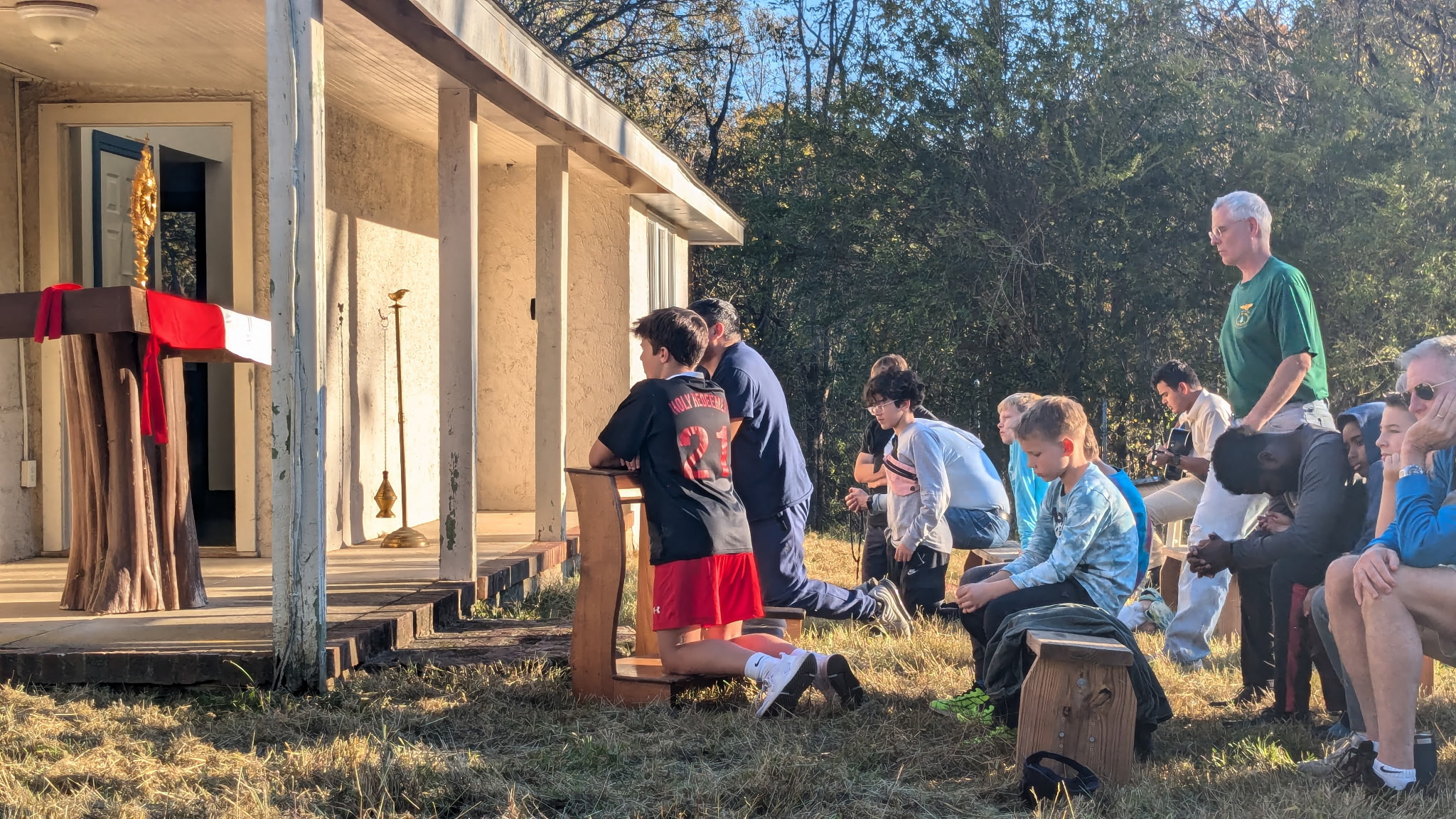
![Venezuela: Talks with opposition, oil deal, Delcy Rodríguez in New York, and the Church’s stance #Catholic Sept. 15 marked the start of the second round of negotiations between a Venezuelan opposition delegation and the country’s ruling socialist regime, a process promoted and driven by the U.S. government with an eye toward potential presidential elections in the South American nation.Dinorah Figuera, who leads the opposition delegation, arrived in Venezuela on Sept. 13 and before national and international media explained that once this weekʼs discussions conclude, the country could expect an announcement regarding the agreements reached.Meanwhile, Jorge Millán, who is also part of the opposition delegation, stated that they would continue “pursuing a Supreme Court of Justice with honorable, independent, and impartial judges capable of providing Venezuela with an upstanding judicial system after so many years. At the end of the cycle [of talks], we will present clear and verifiable objectives.”He also stated that this round of negotiations would also address the status of political parties, political guarantees, and “the dismantling of the repressive apparatus” established by Chavismo (the socialist government established by President Hugo Chávez and continued by President Nicolás Maduro) for over two decades. The state of freedom of expression in Venezuela will also be one of the items on the agenda.“The foundation for achieving a full democracy requires creating the conditions for elections to be held in Venezuela as soon as possible, as quickly as possible. We are laying the groundwork to reach those important areas that will enable all Venezuelans to elect our leaders very soon, with the speed we desire but also allowing for the time this will take,” Millán added.Concerns and proposals from the Catholic ChurchLast week, Cardinals Baltazar Porras and Diego Padrón, together with Bishop Emeritus Ramón Ovidio Pérez Morales, once again spoke out regarding the political and social situation in Venezuela. The prelates had previously raised their voices at the start of negotiations, offering to serve as guarantors of the process.On this occasion, they addressed the state of “indeterminacy, confusion, and uncertainty” prevailing in the country, offering “certain opinions, judgments, and proposals” that seek to “open the way” to help overcome the current crisis and achieve solid institutional stability and the national common good.Following the capture and extradition of President Nicolás Maduro and his wife, Cilia Flores, by U.S. forces on Jan. 3, the prelates noted that “changes have occurred, yet neither the desired and expected change nor a shift toward the structuring and functioning of the country in line with the preamble and fundamental principles of the 1999 Constitution is perceptible.”The cardinals and the bishop cite as examples of this lack of change that there are still political prisoners and a climate of repression as well as a state monopoly on the media and the continued centralization of power. Although these issues have been placed on the negotiating tableʼs agenda, the prelates maintain that these talks “operate within a framework of limited scope and authority.”In this regard, they pointed out that the state is operating on “shaky and legally undefined ground,” while the executive branch is “illegitimate regarding both its origins and its exercise of power.” Consequently, they emphasized the urgent need to call for elections soon.Oil deals with few detailsA few weeks ago, the Trump administration and the Chavista regime signed a massive energy deal granting the United States effective control over approximately one-third of Venezuelan oil, some 65 billion barrels of proven reserves.Beyond the economic aspects, the agreement has sparked particular controversy by including Venezuelan businessman Alejandro Betancourt López as an intermediary. He has been the subject of several investigations regarding alleged corruption, inflated prices in electricity contracts, and money laundering linked to the oil sector.Within Venezuela, Betancourt is singled out as one of the key figures responsible for the serious deterioration of the electrical grid, which has led to daily, hourslong blackouts across the country for years, severely impacting the populationʼs daily lives and even resulting in loss of life due to various causes.While acknowledging they are not experts in the field, Porras, Padrón, and Pérez Morales call for greater transparency in the negotiations and recommend “prudence and a gradual approach regarding commitments.” This, they state, reflects the prevailing sentiment among the Venezuelan people, who are concerned about the fate and use of the “vast sums of money” the state is set to receive.Greater emphasis on the need to call electionsIn light of the foregoing, the cardinals and the bishop underscored the priority of allowing the sovereign people of Venezuela to have a “a defined and clear mandate” regarding the nation’s future, a step that would also offer a sure path toward “encounter, social reconciliation, and peace.”“God has given us this country as a setting in which to build a ‘new society,’ the ideal of the civilization of love. We Venezuelans, through our own efforts and by invoking divine assistance, must keep hope alive and continue working on this compelling task, striving to reap its fruits of peace, freedom, justice, and fraternity,” the prelates stated.Delcy Rodríguez in New York?According to a Sept. 14 Bloomberg report, Venezuelaʼs interim president, Delcy Rodríguez, is considering a trip to New York to attend the United Nations General Assembly, which takes place next week.If the trip goes ahead, Rodríguez would be in the same city where Nicolás Maduro and Cilia Flores are in U.S. custody. When asked about a possible meeting with the Chavista leader, President Donald Trump simply replied: “Maybe, maybe.”Meanwhile, U.S. Secretary of State Marco Rubio indicated that an in-person meeting “probably will happen” if the presence of the interim regimeʼs president is confirmed.Rodríguezʼs presence on U.S. soil would mark a milestone in relations between Washington and Caracas, following more than two decades of tension and discord. Within Venezuela, the growing rapprochement between the U.S. government and the remnants of Chavismo is fueling concern and uncertainty regarding the possibility of real political change.This story was first published by ACI Prensa, the Spanish-language sister service of EWTN News. It has been translated and adapted by EWTN News English.](https://unitedyam.com/wp-content/uploads/2026/09/venezuela-talks-with-opposition-oil-deal-delcy-rodriguez-in-new-york-and-the-churchs-stance-catholic-sept-15-marked-the-start-of-the-second-round-of-negotiations-between-a-venezuelan-op.jpg "Venezuela: Talks with opposition, oil deal, Delcy Rodríguez in New York, and the Church’s stance #Catholic Sept. 15 marked the start of the second round of negotiations between a Venezuelan opposition delegation and the country’s ruling socialist regime, a process promoted and driven by the U.S. government with an eye toward potential presidential elections in the South American nation.Dinorah Figuera, who leads the opposition delegation, arrived in Venezuela on Sept. 13 and before national and international media explained that once this weekʼs discussions conclude, the country could expect an announcement regarding the agreements reached.Meanwhile, Jorge Millán, who is also part of the opposition delegation, stated that they would continue “pursuing a Supreme Court of Justice with honorable, independent, and impartial judges capable of providing Venezuela with an upstanding judicial system after so many years. At the end of the cycle [of talks], we will present clear and verifiable objectives.”He also stated that this round of negotiations would also address the status of political parties, political guarantees, and “the dismantling of the repressive apparatus” established by Chavismo (the socialist government established by President Hugo Chávez and continued by President Nicolás Maduro) for over two decades. The state of freedom of expression in Venezuela will also be one of the items on the agenda.“The foundation for achieving a full democracy requires creating the conditions for elections to be held in Venezuela as soon as possible, as quickly as possible. We are laying the groundwork to reach those important areas that will enable all Venezuelans to elect our leaders very soon, with the speed we desire but also allowing for the time this will take,” Millán added.Concerns and proposals from the Catholic ChurchLast week, Cardinals Baltazar Porras and Diego Padrón, together with Bishop Emeritus Ramón Ovidio Pérez Morales, once again spoke out regarding the political and social situation in Venezuela. The prelates had previously raised their voices at the start of negotiations, offering to serve as guarantors of the process.On this occasion, they addressed the state of “indeterminacy, confusion, and uncertainty” prevailing in the country, offering “certain opinions, judgments, and proposals” that seek to “open the way” to help overcome the current crisis and achieve solid institutional stability and the national common good.Following the capture and extradition of President Nicolás Maduro and his wife, Cilia Flores, by U.S. forces on Jan. 3, the prelates noted that “changes have occurred, yet neither the desired and expected change nor a shift toward the structuring and functioning of the country in line with the preamble and fundamental principles of the 1999 Constitution is perceptible.”The cardinals and the bishop cite as examples of this lack of change that there are still political prisoners and a climate of repression as well as a state monopoly on the media and the continued centralization of power. Although these issues have been placed on the negotiating tableʼs agenda, the prelates maintain that these talks “operate within a framework of limited scope and authority.”In this regard, they pointed out that the state is operating on “shaky and legally undefined ground,” while the executive branch is “illegitimate regarding both its origins and its exercise of power.” Consequently, they emphasized the urgent need to call for elections soon.Oil deals with few detailsA few weeks ago, the Trump administration and the Chavista regime signed a massive energy deal granting the United States effective control over approximately one-third of Venezuelan oil, some 65 billion barrels of proven reserves.Beyond the economic aspects, the agreement has sparked particular controversy by including Venezuelan businessman Alejandro Betancourt López as an intermediary. He has been the subject of several investigations regarding alleged corruption, inflated prices in electricity contracts, and money laundering linked to the oil sector.Within Venezuela, Betancourt is singled out as one of the key figures responsible for the serious deterioration of the electrical grid, which has led to daily, hourslong blackouts across the country for years, severely impacting the populationʼs daily lives and even resulting in loss of life due to various causes.While acknowledging they are not experts in the field, Porras, Padrón, and Pérez Morales call for greater transparency in the negotiations and recommend “prudence and a gradual approach regarding commitments.” This, they state, reflects the prevailing sentiment among the Venezuelan people, who are concerned about the fate and use of the “vast sums of money” the state is set to receive.Greater emphasis on the need to call electionsIn light of the foregoing, the cardinals and the bishop underscored the priority of allowing the sovereign people of Venezuela to have a “a defined and clear mandate” regarding the nation’s future, a step that would also offer a sure path toward “encounter, social reconciliation, and peace.”“God has given us this country as a setting in which to build a ‘new society,’ the ideal of the civilization of love. We Venezuelans, through our own efforts and by invoking divine assistance, must keep hope alive and continue working on this compelling task, striving to reap its fruits of peace, freedom, justice, and fraternity,” the prelates stated.Delcy Rodríguez in New York?According to a Sept. 14 Bloomberg report, Venezuelaʼs interim president, Delcy Rodríguez, is considering a trip to New York to attend the United Nations General Assembly, which takes place next week.If the trip goes ahead, Rodríguez would be in the same city where Nicolás Maduro and Cilia Flores are in U.S. custody. When asked about a possible meeting with the Chavista leader, President Donald Trump simply replied: “Maybe, maybe.”Meanwhile, U.S. Secretary of State Marco Rubio indicated that an in-person meeting “probably will happen” if the presence of the interim regimeʼs president is confirmed.Rodríguezʼs presence on U.S. soil would mark a milestone in relations between Washington and Caracas, following more than two decades of tension and discord. Within Venezuela, the growing rapprochement between the U.S. government and the remnants of Chavismo is fueling concern and uncertainty regarding the possibility of real political change.This story was first published by ACI Prensa, the Spanish-language sister service of EWTN News. It has been translated and adapted by EWTN News English.")

Ongoing talks between the socialist regime and the opposition in Venezuela are making some progress while the Church is trying to contribute to the transition to democracy and freedom.
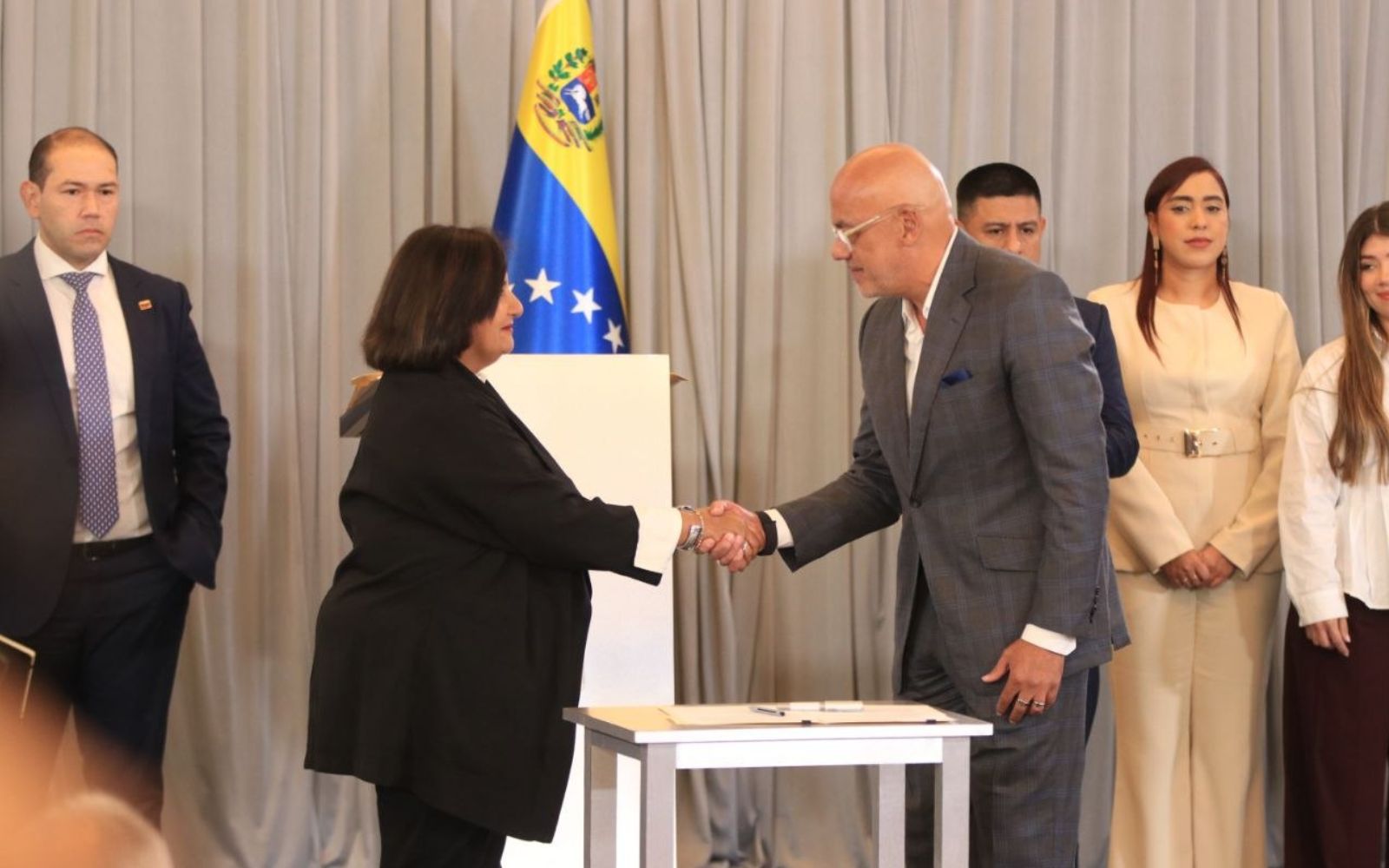
Ongoing talks between the socialist regime and the opposition in Venezuela are making some progress while the Church is trying to contribute to the transition to democracy and freedom.
![Catholic professor calls families to reclaim the home in a technological age #Catholic John Cuddeback, a professor of philosophy at Christendom College, says families today don’t often know how to achieve what they desire in their homes and family life. As a remedy, drawing from both ancient and modern thinkers, he has released "The Intentional Household: Living as if People Matter,” a book that outlines eight pillars for reclaiming the home as a place of human flourishing. “Families today are struggling to achieve what they so badly want: to have the kind of relationships we’re made for, beginning in the home, especially between spouses and between parents and children,” Cuddeback said. “They know they want something different, something better, but they feel hamstrung. In a culture that works against them in many ways, they are frustrated because they lack clear vision and examples to pattern themselves after.”
“The Intentional Household: Living as if People Matter” by Christendom College professor John Cuddeback. | Credit: Ken Oliver-Méndez/EWTN News
Cuddeback, who teaches a course on family and household and is also the author of “True Friendship,” spoke to EWTN News about how he hopes his book conveys that “[a]nyone can choose to be intentional about their household and make real progress with dramatic fruits in the lives of those we love most.” EWTN News: What do you see as the biggest challenge to building and maintaining an intentional home?Cuddebach: It all begins with priorities. As a society we have turned away from the intense focus that our household requires — and this is evident in how we struggle in marriage, raising children, and relating to the elderly. Even many traditionally-minded folks struggle to realize and enact the demanding, even while ordinary, aspects of God’s plan for our homes.Aristotle says that a society tends to produce the kind of people it honors. We do not honor those who prioritize home life — either women or men. This means that many of the structures, practices, and assumptions of our age are at odds with the real good of home life. This is especially evident in our obsession with the latest technologies.This book is a call to all of us to do something radically different and profoundly better — while always recognizing we must be people of our time and place. It calls us to discover that looking first to what our children and our elderly really need is the high road to deeper fulfillment for all of us.How has Pope Leo XIV’s encyclical Magnifica Humanitas influenced your thought on how technology should be incorporated in the home?Pope Leo makes clear that we have come to a crisis point. The time is now to be honest, serious, and persistent in examining our use of technology in view of real human flourishing. This must start in the home. No one else is going to do this for us.But as the pope makes clear, right practice must flow from an understanding of who we are and what we’re made for. “The Intentional Household” offers the rich and positive view of daily life in the home that grounds such an examination. It gives the “yes” that strengthens the “nos” we need to say. It gives direction for rising to the challenges of our age, including how to channel technology to true human flourishing.Approaching homelife intentionally — especially attending to the ordinary in good work and true leisure as essential to our relationships — we can take real steps to become those biblical good stewards so honored by the Lord.How does this apply to those across all walks of life, including single people, married couples without children, those who are divorced or separated?The principles of a vibrant home life are both perennial and flexible. Wherever we find ourselves we can discover how the plan that God wrote into human nature is much better than we have realized.Brokenness and suffering today are widespread. God’s plan encompasses these realities. By the grace of God, anyone who is humble and willing to take an intentional approach can affect real, and indeed dramatic change by applying the book’s eight principles. We can all take real steps to make our homes a place of vibrant life, with deep belonging, connection, and presence.One of the thinkers you cite in your book is Wendell Berry. In light of his recent passing can you speak to his influence on your life and thinking?Wendell Berry saw clearly how the loss of activities of work and leisure in the home has led to our experience of disconnection and isolation. Home should be a place of deep connection: between us and loved ones and neighbors, between soul and body, between us and the earth.One of Berry’s pivotal insights is the key role of a certain kind of work in the home. Berry has pointed out that the work of traditional home arts is much more important than we have realized. He argues that as the breakdown of home life came especially through the loss of good work, the renewal will likewise come through a rediscovery of work that connects us to one another as it connects us to our bodies and to the earth, and ultimately to God.Wendell Berry was a prophet of the extraordinary beauty and importance of the ordinary. Making our home an intentional household means rediscovering the power of ordinary things, such as mealtimes with the whole household, shared work in the kitchen and other home arts, and “porch time” and other such leisure times. Attention to these things can transform our marriage, parenting, and other key relationships.](https://unitedyam.com/wp-content/uploads/2026/09/catholic-professor-calls-families-to-reclaim-the-home-in-a-technological-age-catholic-john-cuddeback-a-professor-of-philosophy-at-christendom-college-says-families-today-dont-often-know-ho.jpg "Catholic professor calls families to reclaim the home in a technological age #Catholic John Cuddeback, a professor of philosophy at Christendom College, says families today don’t often know how to achieve what they desire in their homes and family life. As a remedy, drawing from both ancient and modern thinkers, he has released \"The Intentional Household: Living as if People Matter,” a book that outlines eight pillars for reclaiming the home as a place of human flourishing. “Families today are struggling to achieve what they so badly want: to have the kind of relationships we’re made for, beginning in the home, especially between spouses and between parents and children,” Cuddeback said. “They know they want something different, something better, but they feel hamstrung. In a culture that works against them in many ways, they are frustrated because they lack clear vision and examples to pattern themselves after.”
“The Intentional Household: Living as if People Matter” by Christendom College professor John Cuddeback. | Credit: Ken Oliver-Méndez/EWTN News
Cuddeback, who teaches a course on family and household and is also the author of “True Friendship,” spoke to EWTN News about how he hopes his book conveys that “[a]nyone can choose to be intentional about their household and make real progress with dramatic fruits in the lives of those we love most.” EWTN News: What do you see as the biggest challenge to building and maintaining an intentional home?Cuddebach: It all begins with priorities. As a society we have turned away from the intense focus that our household requires — and this is evident in how we struggle in marriage, raising children, and relating to the elderly. Even many traditionally-minded folks struggle to realize and enact the demanding, even while ordinary, aspects of God’s plan for our homes.Aristotle says that a society tends to produce the kind of people it honors. We do not honor those who prioritize home life — either women or men. This means that many of the structures, practices, and assumptions of our age are at odds with the real good of home life. This is especially evident in our obsession with the latest technologies.This book is a call to all of us to do something radically different and profoundly better — while always recognizing we must be people of our time and place. It calls us to discover that looking first to what our children and our elderly really need is the high road to deeper fulfillment for all of us.How has Pope Leo XIV’s encyclical Magnifica Humanitas influenced your thought on how technology should be incorporated in the home?Pope Leo makes clear that we have come to a crisis point. The time is now to be honest, serious, and persistent in examining our use of technology in view of real human flourishing. This must start in the home. No one else is going to do this for us.But as the pope makes clear, right practice must flow from an understanding of who we are and what we’re made for. “The Intentional Household” offers the rich and positive view of daily life in the home that grounds such an examination. It gives the “yes” that strengthens the “nos” we need to say. It gives direction for rising to the challenges of our age, including how to channel technology to true human flourishing.Approaching homelife intentionally — especially attending to the ordinary in good work and true leisure as essential to our relationships — we can take real steps to become those biblical good stewards so honored by the Lord.How does this apply to those across all walks of life, including single people, married couples without children, those who are divorced or separated?The principles of a vibrant home life are both perennial and flexible. Wherever we find ourselves we can discover how the plan that God wrote into human nature is much better than we have realized.Brokenness and suffering today are widespread. God’s plan encompasses these realities. By the grace of God, anyone who is humble and willing to take an intentional approach can affect real, and indeed dramatic change by applying the book’s eight principles. We can all take real steps to make our homes a place of vibrant life, with deep belonging, connection, and presence.One of the thinkers you cite in your book is Wendell Berry. In light of his recent passing can you speak to his influence on your life and thinking?Wendell Berry saw clearly how the loss of activities of work and leisure in the home has led to our experience of disconnection and isolation. Home should be a place of deep connection: between us and loved ones and neighbors, between soul and body, between us and the earth.One of Berry’s pivotal insights is the key role of a certain kind of work in the home. Berry has pointed out that the work of traditional home arts is much more important than we have realized. He argues that as the breakdown of home life came especially through the loss of good work, the renewal will likewise come through a rediscovery of work that connects us to one another as it connects us to our bodies and to the earth, and ultimately to God.Wendell Berry was a prophet of the extraordinary beauty and importance of the ordinary. Making our home an intentional household means rediscovering the power of ordinary things, such as mealtimes with the whole household, shared work in the kitchen and other home arts, and “porch time” and other such leisure times. Attention to these things can transform our marriage, parenting, and other key relationships.")
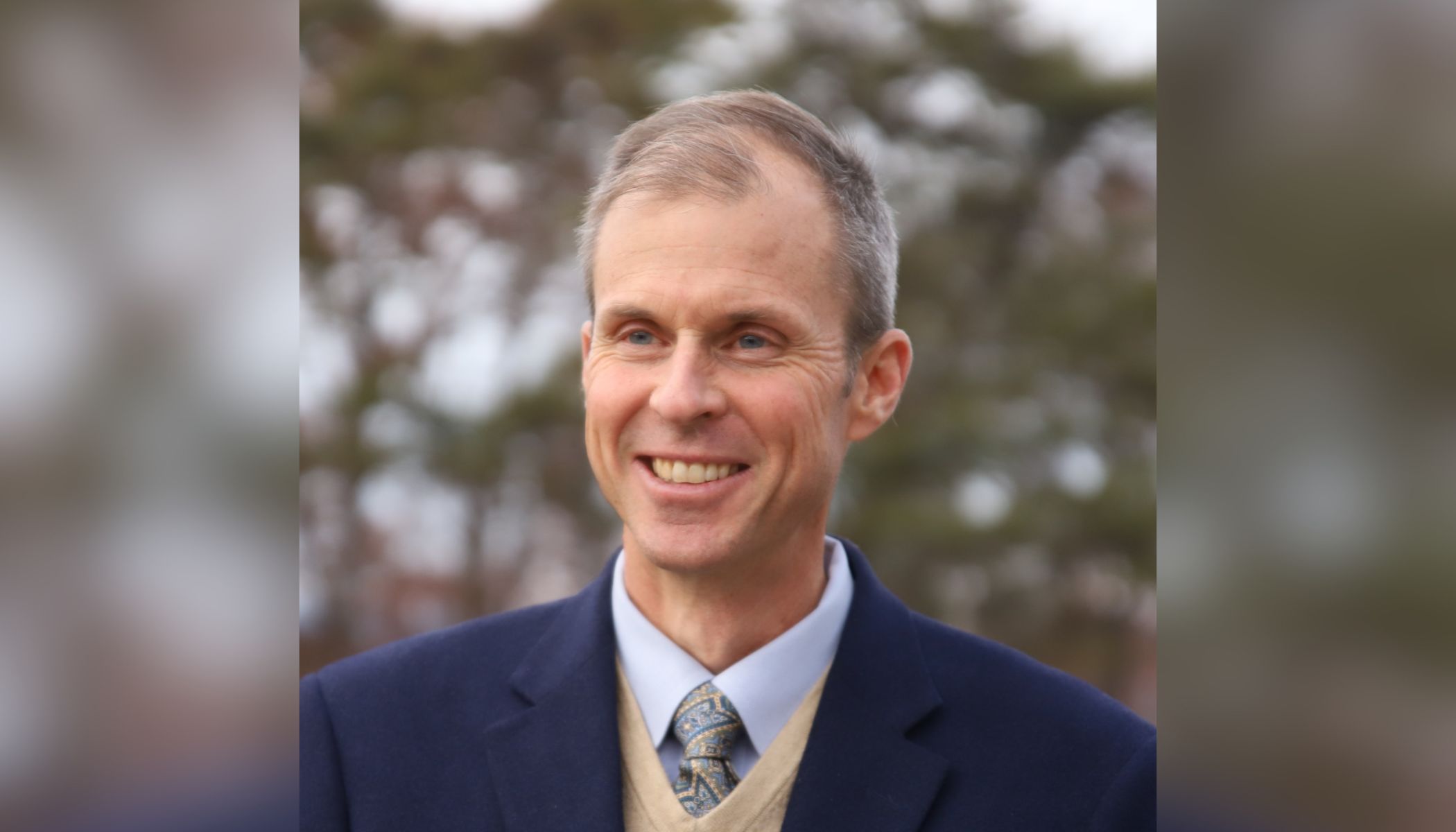
Christendom College professor John Cuddeback spoke to EWTN News about his new book “The Intentional Household: Living as if People Matter,” and treating our homes as places of human flourishing.
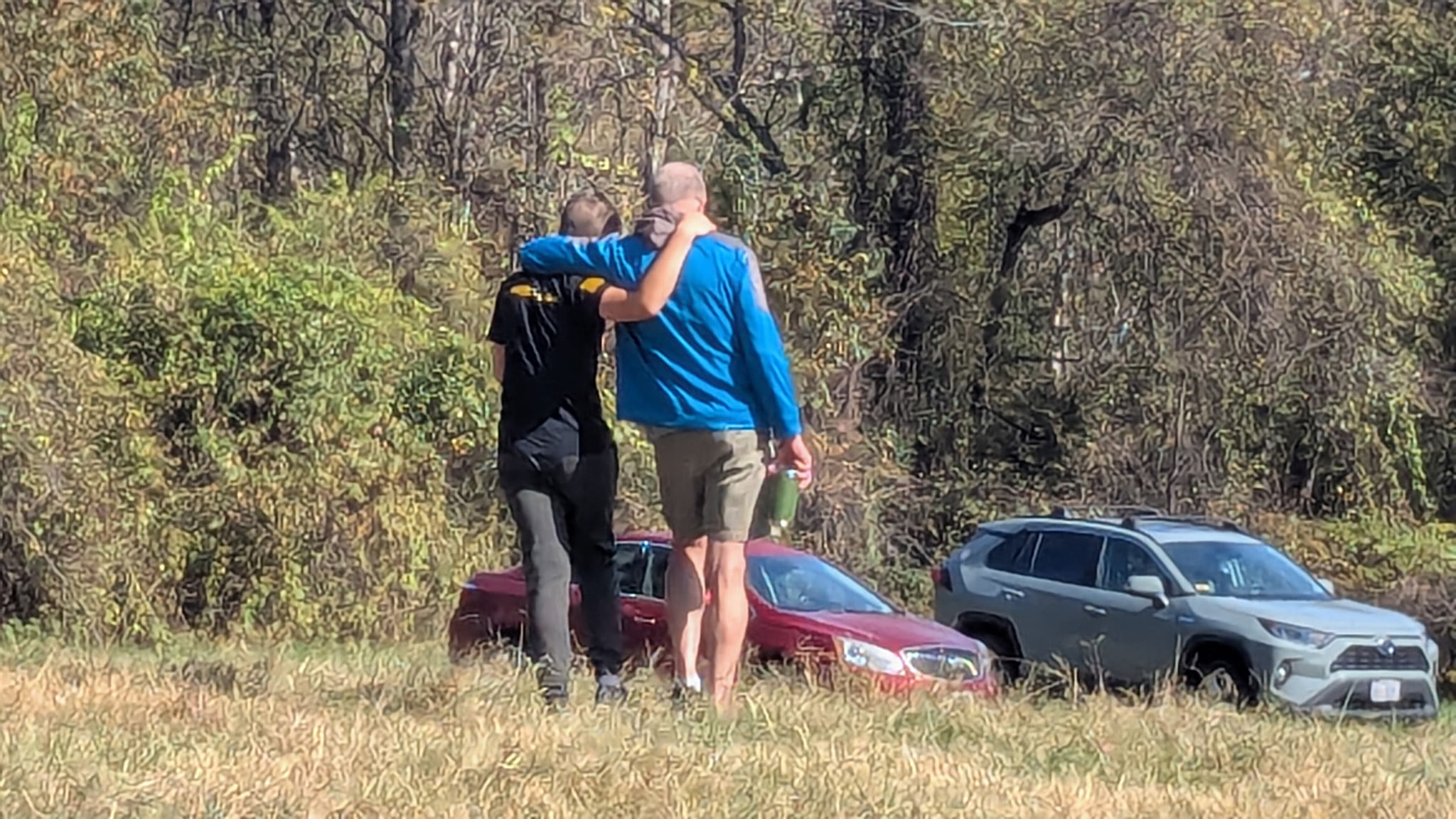
The annual camping event welcomes dads and sons for a mission to grow closer, strengthen their relationships through challenges and reflections, and partake in faith-filled adventures.