holiday

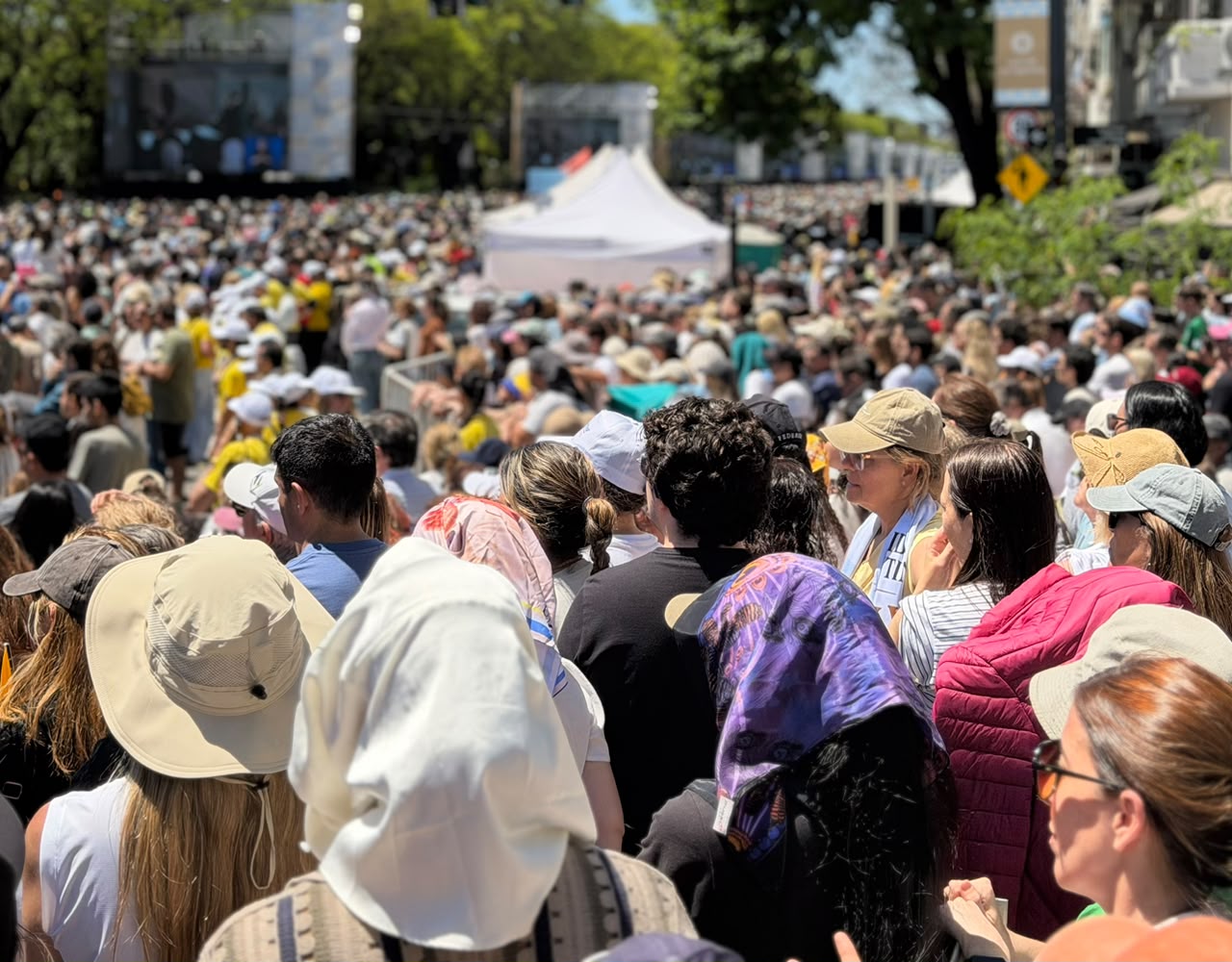
Behind the numbers: Stories from Leo XIV’s largest Mass #Catholic An estimated 2.5 million people made Pope Leo XIV’s Mass in Buenos Aires on Monday the largest of his pontificate. Behind that figure were faces, stories and testimonies of faith that filled a historic day.Access opened at midnight, on a national holiday declared for the apostolic visit, for the Mass at the Monumento a los Españoles in the Palermo neighborhood, scheduled for 11:30 a.m. Local artists greeted those who had camped overnight beside the altar, a large structure put up some weeks earlier, under a clear spring sky.Around 9 a.m., the singer-songwriter Athenas warmed the crowd with familiar Catholic songs. The surprise of the morning was Soledad Pastorutti, who sang her own pieces, including La Viajera and A Don Ata, and closed with religious songs such as Alma Misionera and Oración del Remanso.
 
 The crowd at the Mass with Pope Leo XIV in Buenos Aires, Nov. 9, 2026. | Credit: Julieta Villar/EWTN News
 
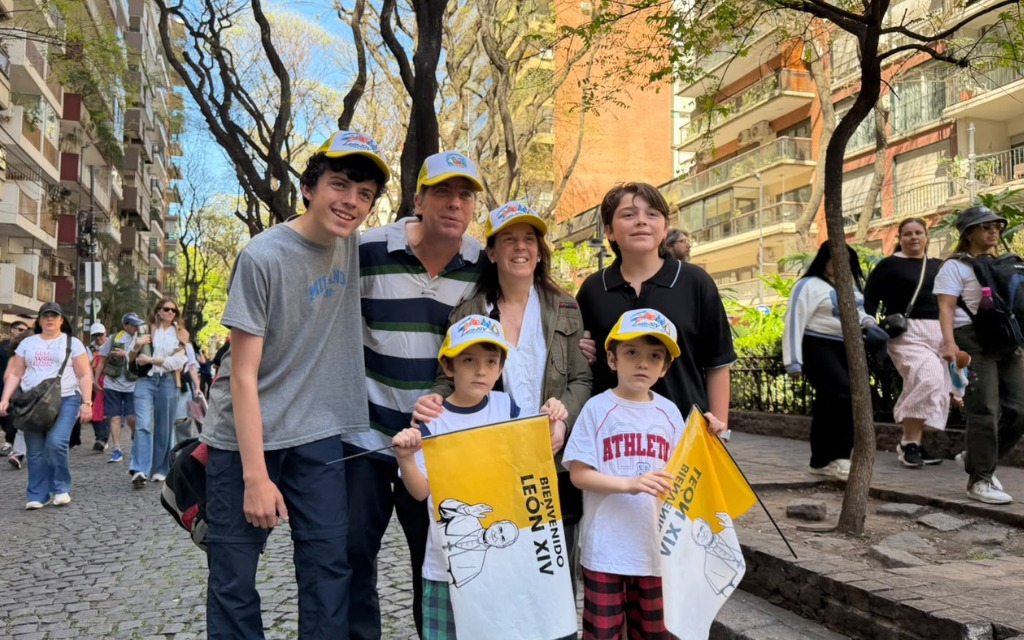
 With the streets closed, people walked in the hundreds: families, parish groups, couples, friends and a few onlookers, mixed in with street vendors selling flags, mugs and even images made with artificial intelligence that showed Pope Leo embracing Lionel Messi and Diego Maradona.Florencia Raspi and Nicolás Deim arrived on Avenida del Libertador with four of their five children, all in yellow and white caps bearing the pope’s image. Raspi, who was nine when she saw St. John Paul II with her own family, wanted her children to have that same experience.“What moves us is the faith, the unique moment we are going to live,” she told EWTN News, “and above all this great public act of faith, how faith moves us and stirs us.” For Argentine families, she hoped the pope would leave “a message of hope, of unity,” and the sense of “welcome everyone … that in our differences we all come together.”
 
 A group of young people at the Mass with Pope Leo XIV at the Monumento a los Españoles in Buenos Aires, Nov. 9, 2026. | Credit: Julieta Villar/EWTN News
 
 Olga walked arm in arm with her daughter, and with tears in her eyes spoke of “the emotion of seeing him, the faith we have,” and of waiting for “the blessing he is going to give us all.” For her country she wished “that we may be united, that we respect one another, and that the country may move forward.”Manuel Bur arrived in Buenos Aires on Friday with his girlfriend, from Concepción del Uruguay in Entre Ríos province. He hoped the pope would “give us strength, encouragement, to be better people, to be a better community.”Milagros Kirpach, of the Noche de la Caridad group at Our Lady of Guadalupe parish, said she had come for more than a glimpse of the pope. “What is being lived, the people walking to meet their faith, is what brought me,” she said. For Argentines she hoped for a message of unity and peace. “I think that all of us being united today reflects that.”Martina Navarro, of the Residencia Universitaria Sur of Opus Dei, had been volunteering since the early hours. “I had the joy of being able to take part. It was incredible to see the Church so alive, so happy to receive Pope Leo.”“As always, the pope leaves us unity, because he is literally the vicar of Christ on earth,” she said. “We have the joy of being able to be a little closer to heaven with him.”Francisco Brusco, of the Piarist Schools at Colegio Calasanz in Buenos Aires, also served as a volunteer. “I cannot think of Pope Leo without thinking of the first pope, who is St. Peter, and whenever I think of St. Peter I think of the great mercy of God,” he said. “Falling is human. Redemption comes from God and from his great mercy.”With the pope’s arrival, he said, “the most important thing is to show that the faith is more alive than ever,” and that it is “a very good way of showing that Argentina really is Catholic.”
 
 Two pilgrims at the Mass with Pope Leo XIV in Buenos Aires, Nov. 9, 2026. | Credit: Julieta Villar/EWTN News
 
 The popemobile crossed Avenida del Libertador after 11 a.m., nearly an hour behind schedule. The crowd in the sun covered their heads with caps, scarves, blankets and even bags. Many were moved by the pope’s arrival; others were somewhat surprised at how quickly the vehicle passed.The Mass itself was marked by respect, prayer and recollection. At the consecration, a great many of the faithful knelt, then went in an orderly way to receive Communion, distributed by more than 2,000 ministers of Holy Communion.In his homily, the pope spoke of the family as the place where faith, human virtues, a culture of work, respect for the elderly, the defense of life and fidelity to one’s word are handed on. He also drew applause when he recalled Pope Francis, who was archbishop of Buenos Aires before he became pope.At the sign of peace there was joy and a sense of fellowship, which lasted to the end, when the crowd left the site in an orderly way for home.This story was first published by ACI Prensa, the Spanish-language sister service of EWTN News, and has been translated and adapted by EWTN News English.

Behind the numbers: Stories from Leo XIV’s largest Mass #Catholic An estimated 2.5 million people made Pope Leo XIV’s Mass in Buenos Aires on Monday the largest of his pontificate. Behind that figure were faces, stories and testimonies of faith that filled a historic day.Access opened at midnight, on a national holiday declared for the apostolic visit, for the Mass at the Monumento a los Españoles in the Palermo neighborhood, scheduled for 11:30 a.m. Local artists greeted those who had camped overnight beside the altar, a large structure put up some weeks earlier, under a clear spring sky.Around 9 a.m., the singer-songwriter Athenas warmed the crowd with familiar Catholic songs. The surprise of the morning was Soledad Pastorutti, who sang her own pieces, including La Viajera and A Don Ata, and closed with religious songs such as Alma Misionera and Oración del Remanso. The crowd at the Mass with Pope Leo XIV in Buenos Aires, Nov. 9, 2026. | Credit: Julieta Villar/EWTN News With the streets closed, people walked in the hundreds: families, parish groups, couples, friends and a few onlookers, mixed in with street vendors selling flags, mugs and even images made with artificial intelligence that showed Pope Leo embracing Lionel Messi and Diego Maradona.Florencia Raspi and Nicolás Deim arrived on Avenida del Libertador with four of their five children, all in yellow and white caps bearing the pope’s image. Raspi, who was nine when she saw St. John Paul II with her own family, wanted her children to have that same experience.“What moves us is the faith, the unique moment we are going to live,” she told EWTN News, “and above all this great public act of faith, how faith moves us and stirs us.” For Argentine families, she hoped the pope would leave “a message of hope, of unity,” and the sense of “welcome everyone … that in our differences we all come together.” A group of young people at the Mass with Pope Leo XIV at the Monumento a los Españoles in Buenos Aires, Nov. 9, 2026. | Credit: Julieta Villar/EWTN News Olga walked arm in arm with her daughter, and with tears in her eyes spoke of “the emotion of seeing him, the faith we have,” and of waiting for “the blessing he is going to give us all.” For her country she wished “that we may be united, that we respect one another, and that the country may move forward.”Manuel Bur arrived in Buenos Aires on Friday with his girlfriend, from Concepción del Uruguay in Entre Ríos province. He hoped the pope would “give us strength, encouragement, to be better people, to be a better community.”Milagros Kirpach, of the Noche de la Caridad group at Our Lady of Guadalupe parish, said she had come for more than a glimpse of the pope. “What is being lived, the people walking to meet their faith, is what brought me,” she said. For Argentines she hoped for a message of unity and peace. “I think that all of us being united today reflects that.”Martina Navarro, of the Residencia Universitaria Sur of Opus Dei, had been volunteering since the early hours. “I had the joy of being able to take part. It was incredible to see the Church so alive, so happy to receive Pope Leo.”“As always, the pope leaves us unity, because he is literally the vicar of Christ on earth,” she said. “We have the joy of being able to be a little closer to heaven with him.”Francisco Brusco, of the Piarist Schools at Colegio Calasanz in Buenos Aires, also served as a volunteer. “I cannot think of Pope Leo without thinking of the first pope, who is St. Peter, and whenever I think of St. Peter I think of the great mercy of God,” he said. “Falling is human. Redemption comes from God and from his great mercy.”With the pope’s arrival, he said, “the most important thing is to show that the faith is more alive than ever,” and that it is “a very good way of showing that Argentina really is Catholic.” Two pilgrims at the Mass with Pope Leo XIV in Buenos Aires, Nov. 9, 2026. | Credit: Julieta Villar/EWTN News The popemobile crossed Avenida del Libertador after 11 a.m., nearly an hour behind schedule. The crowd in the sun covered their heads with caps, scarves, blankets and even bags. Many were moved by the pope’s arrival; others were somewhat surprised at how quickly the vehicle passed.The Mass itself was marked by respect, prayer and recollection. At the consecration, a great many of the faithful knelt, then went in an orderly way to receive Communion, distributed by more than 2,000 ministers of Holy Communion.In his homily, the pope spoke of the family as the place where faith, human virtues, a culture of work, respect for the elderly, the defense of life and fidelity to one’s word are handed on. He also drew applause when he recalled Pope Francis, who was archbishop of Buenos Aires before he became pope.At the sign of peace there was joy and a sense of fellowship, which lasted to the end, when the crowd left the site in an orderly way for home.This story was first published by ACI Prensa, the Spanish-language sister service of EWTN News, and has been translated and adapted by EWTN News English.

Families and volunteers who waited overnight in Buenos Aires spoke of handing on the faith, of unity and of a living Church.
Read More
Picture of the day
Vodno Telecommunication Tower under construction in Skopje, North Macedonia. Today is the Day of the Macedonian Revolutionary Struggle, a national holiday in North Macedonia celebrated on the occasion of the formation of the Internal Macedonian Revolutionary Organization.
Read More
How to face tragedy and still affirm God is your friend? The answer of a Venezuelan mother #Catholic On June 24, 2026, María Elena Rocha was in Caracas. That Wednesday, a public holiday in Venezuela, she decided to set out on a pilgrimage with two friends to visit sites associated with Venezuela’s first saints: St. Carmen Rendiles and St. José Gregorio Hernández.Her devotion made the circuitous, hour-long  journey from her home in La Guaira to the capital city feel shorter. María Elena lived in La Guaira’s Caribbean Golf I building with her family: her husband, Wilson, and their sons, 25-year-old Ricardo and 22-year-old Enrique, all three of whom chose to stay home that day.In Caracas, the day unfolded normally. María Elena and her friends visited the Colegio Belén, where the remains of Mother Carmen rest. Afterward, they went to the José Gregorio Hernández House Museum and concluded their pilgrimage with a Mass at Our Lady of La Candelaria Parish, where the remains of the “doctor of the poor” also rest.Earthquakes and uncertaintyAt 6:04 p.m., María Elena and her friends were in line to buy ice cream. Dark gray clouds over Caracas signaled an approaching storm, but the roar would not come from the sky but from the earth. At that moment, the ground shook with extreme violence, and panic reigned. The three of them managed to get out of the shopping mall where they had been.Soon, the power grid failed and both the internet and telephone lines went down. Two hours later, the group was finally able to retrieve their car from where it was parked and began the journey back home, a trip that, this time, seemed to last forever.
 
 Wilson, Ricardo, and Enrique on vacation | Credit: Courtesy of María Elena Rocha
 
 María Elena told EWTN News Español, the Spanish-language sister service of EWTN News, that what she encountered in La Guaira looked like something out of a horror movie. Late into the night, only fires broke the darkness. Entire buildings had collapsed. People were searching desperately through the rubble, while others were stealing and looting. There were shrieks, wailing, and weeping.The journey home was difficult, not only because of the damaged state of the road, but also because of the shock evoked by the scene. Every meter covered, every sight of pain and destruction, dealt a blow to the hope María Elena still clung to: the hope of reuniting with her loved ones. She could only reach her home on foot.María Elena faces unimaginable painIt was nearly midnight when María Elena saw that where the Caribbean Golf I building had once stood there was now only a massive pile of rubble. The 49-year-old woman said that paradoxically she felt a great sense of inner peace despite the tragedy. Amidst the confusion, she was told that one of her children was alive but trapped in the rubble. With great effort, María Elena made her way to the spot.It was Enrique, her youngest son. He was severely injured but was able to communicate with his mother. The first few hours following the earthquakes were chaotic in La Guaira; rescue efforts had to be carried out by hand because the necessary equipment for a swift response was not available. It was a very long night during which Enrique asked María Elena not to abandon him. “Don’t worry, son, I will never leave you alone,” she told him.
 
 María Elena with Enrique | Credit: Courtesy of María Elena Rocha
 
 And so, morning came, followed by the afternoon. Trapped and in pain, Enrique could hold on no longer. María Elena, always close by, said she heard his final breath: “He waited for me to take his last breath.” Enrique died right there, alongside his father and his older brother. It was days later that rescuers managed to recover their bodies, which María Elena was then able to give a Christian burial.“My faith grew stronger,” María Elena said. Her journey, however, has not been easy. It has been filled with pain, reproaches, and at times even anger toward God. María Elena was left on her own, and many times she sought answers.“I fought with God. I was filled with rage. ‘Why did you leave me here? Am I so bad that I have to stay here?’ Yet, I surrendered all my suffering to God for the sanctification of their souls,” she shared.Her greatest refuge has always been faith. Now she regularly attends a prayer group at a parish in Caracas, which she says has been very beneficial. She seeks indulgences for her husband and children and says she always tries to be cheerful and “let others see God in me.”“Despite the great loss I’ve experienced, I’ve held onto my sense of humor. That‘s one of the things I asked of God when my son Enrique passed away. I accepted his death with deep pain and entrusted him to God, but I prayed that he wouldn’t take away my joy because I had always been the source of joy in our home. That’s what my children and my husband used to say,” she remarked.“I want my husband and my children to feel proud of their wife and mother. I know that if I am happy, they will be happy, too. Happiness is a decision, and I decided to entrust my happiness to God because he wants all of us to be happy,” she added.Oct. 24 marks four months since that terrible day. More than 6,000 Venezuelans lost their lives in a matter of seconds; thousands were left injured, and many others remain missing. “Despite everything, I thank God for the fact that I was able to speak with my youngest son at that moment. I am grateful to God for life,” María Elena says, though she adds with that sense of humor she hasn’t lost: “Although I do ask him to take me soon.”“I ask that I might fulfill my mission quickly so that I can go to Heaven, because that’s what I long for most these days. Even before, I had no fear of death, because that is our destiny: to die in order to live and I want to live with God,” she said.María Elena says she doesn’t yet know what will become of her life, but affirms that she has “surrendered herself” to whatever Providence may decide.A message on the value of sufferingThe Church teaches us that God does not desire suffering for its own sake, nor is he its direct cause. The explanation of how God can permit evil without being its author is profound, yet it does not fully resolve the pain of any given loss. Through faith, we believe that God can bring good even out of evil; however, this does not make the death of innocent people a good thing, nor does it justify tragedies.Such suffering can take on meaning when experienced in union with Christ. As has been evidenced in the case in Venezuela following the earthquakes, pain can awaken solidarity and mutual responsibility; it can even prompt a society to reflect on how it might improve. This is María Elena’s conviction.“We have been suffering for years. Just try it, you’ll see: when you entrust that suffering to Christ, all the little things we go through, those moments of anger and indignation, offering them to Jesus for the sake of someone else, you will see how the blessings follow,” she said.
 
 María Elena after recovering intact from the rubble a statue of Our Lady of Fatima which belonged to the Luso-Venezuelan Center of Vargas | Credit: Courtesy of María Elena Rocha
 
 “And another thing: thank God for everything. It’s incredible, when you thank God for both the bad things and the good, blessings will follow. I’m not saying that problems won’t continue to arise; I still have plenty of things to deal with myself, but when we are with God, our burdens are lighter,” María Elena reflected.“I am not alone, because I have God; I have the Most Holy Virgin Mary, who has always been with me and I have felt her presence. And who better than she who knows what this pain is like?” she said.This story was first published by EWTN News Español, the Spanish-language sister service of EWTN News. It has been translated and adapted by EWTN News English.

How to face tragedy and still affirm God is your friend? The answer of a Venezuelan mother #Catholic On June 24, 2026, María Elena Rocha was in Caracas. That Wednesday, a public holiday in Venezuela, she decided to set out on a pilgrimage with two friends to visit sites associated with Venezuela’s first saints: St. Carmen Rendiles and St. José Gregorio Hernández.Her devotion made the circuitous, hour-long  journey from her home in La Guaira to the capital city feel shorter. María Elena lived in La Guaira’s Caribbean Golf I building with her family: her husband, Wilson, and their sons, 25-year-old Ricardo and 22-year-old Enrique, all three of whom chose to stay home that day.In Caracas, the day unfolded normally. María Elena and her friends visited the Colegio Belén, where the remains of Mother Carmen rest. Afterward, they went to the José Gregorio Hernández House Museum and concluded their pilgrimage with a Mass at Our Lady of La Candelaria Parish, where the remains of the “doctor of the poor” also rest.Earthquakes and uncertaintyAt 6:04 p.m., María Elena and her friends were in line to buy ice cream. Dark gray clouds over Caracas signaled an approaching storm, but the roar would not come from the sky but from the earth. At that moment, the ground shook with extreme violence, and panic reigned. The three of them managed to get out of the shopping mall where they had been.Soon, the power grid failed and both the internet and telephone lines went down. Two hours later, the group was finally able to retrieve their car from where it was parked and began the journey back home, a trip that, this time, seemed to last forever. Wilson, Ricardo, and Enrique on vacation | Credit: Courtesy of María Elena Rocha María Elena told EWTN News Español, the Spanish-language sister service of EWTN News, that what she encountered in La Guaira looked like something out of a horror movie. Late into the night, only fires broke the darkness. Entire buildings had collapsed. People were searching desperately through the rubble, while others were stealing and looting. There were shrieks, wailing, and weeping.The journey home was difficult, not only because of the damaged state of the road, but also because of the shock evoked by the scene. Every meter covered, every sight of pain and destruction, dealt a blow to the hope María Elena still clung to: the hope of reuniting with her loved ones. She could only reach her home on foot.María Elena faces unimaginable painIt was nearly midnight when María Elena saw that where the Caribbean Golf I building had once stood there was now only a massive pile of rubble. The 49-year-old woman said that paradoxically she felt a great sense of inner peace despite the tragedy. Amidst the confusion, she was told that one of her children was alive but trapped in the rubble. With great effort, María Elena made her way to the spot.It was Enrique, her youngest son. He was severely injured but was able to communicate with his mother. The first few hours following the earthquakes were chaotic in La Guaira; rescue efforts had to be carried out by hand because the necessary equipment for a swift response was not available. It was a very long night during which Enrique asked María Elena not to abandon him. “Don’t worry, son, I will never leave you alone,” she told him. María Elena with Enrique | Credit: Courtesy of María Elena Rocha And so, morning came, followed by the afternoon. Trapped and in pain, Enrique could hold on no longer. María Elena, always close by, said she heard his final breath: “He waited for me to take his last breath.” Enrique died right there, alongside his father and his older brother. It was days later that rescuers managed to recover their bodies, which María Elena was then able to give a Christian burial.“My faith grew stronger,” María Elena said. Her journey, however, has not been easy. It has been filled with pain, reproaches, and at times even anger toward God. María Elena was left on her own, and many times she sought answers.“I fought with God. I was filled with rage. ‘Why did you leave me here? Am I so bad that I have to stay here?’ Yet, I surrendered all my suffering to God for the sanctification of their souls,” she shared.Her greatest refuge has always been faith. Now she regularly attends a prayer group at a parish in Caracas, which she says has been very beneficial. She seeks indulgences for her husband and children and says she always tries to be cheerful and “let others see God in me.”“Despite the great loss I’ve experienced, I’ve held onto my sense of humor. That‘s one of the things I asked of God when my son Enrique passed away. I accepted his death with deep pain and entrusted him to God, but I prayed that he wouldn’t take away my joy because I had always been the source of joy in our home. That’s what my children and my husband used to say,” she remarked.“I want my husband and my children to feel proud of their wife and mother. I know that if I am happy, they will be happy, too. Happiness is a decision, and I decided to entrust my happiness to God because he wants all of us to be happy,” she added.Oct. 24 marks four months since that terrible day. More than 6,000 Venezuelans lost their lives in a matter of seconds; thousands were left injured, and many others remain missing. “Despite everything, I thank God for the fact that I was able to speak with my youngest son at that moment. I am grateful to God for life,” María Elena says, though she adds with that sense of humor she hasn’t lost: “Although I do ask him to take me soon.”“I ask that I might fulfill my mission quickly so that I can go to Heaven, because that’s what I long for most these days. Even before, I had no fear of death, because that is our destiny: to die in order to live and I want to live with God,” she said.María Elena says she doesn’t yet know what will become of her life, but affirms that she has “surrendered herself” to whatever Providence may decide.A message on the value of sufferingThe Church teaches us that God does not desire suffering for its own sake, nor is he its direct cause. The explanation of how God can permit evil without being its author is profound, yet it does not fully resolve the pain of any given loss. Through faith, we believe that God can bring good even out of evil; however, this does not make the death of innocent people a good thing, nor does it justify tragedies.Such suffering can take on meaning when experienced in union with Christ. As has been evidenced in the case in Venezuela following the earthquakes, pain can awaken solidarity and mutual responsibility; it can even prompt a society to reflect on how it might improve. This is María Elena’s conviction.“We have been suffering for years. Just try it, you’ll see: when you entrust that suffering to Christ, all the little things we go through, those moments of anger and indignation, offering them to Jesus for the sake of someone else, you will see how the blessings follow,” she said. María Elena after recovering intact from the rubble a statue of Our Lady of Fatima which belonged to the Luso-Venezuelan Center of Vargas | Credit: Courtesy of María Elena Rocha “And another thing: thank God for everything. It’s incredible, when you thank God for both the bad things and the good, blessings will follow. I’m not saying that problems won’t continue to arise; I still have plenty of things to deal with myself, but when we are with God, our burdens are lighter,” María Elena reflected.“I am not alone, because I have God; I have the Most Holy Virgin Mary, who has always been with me and I have felt her presence. And who better than she who knows what this pain is like?” she said.This story was first published by EWTN News Español, the Spanish-language sister service of EWTN News. It has been translated and adapted by EWTN News English.

Maria Elena Rocha recounts how despite the tragedy of losing her husband and two sons in last summer’s earthquake in Venezuela, her faith and trust in God still sustains her.
Read More
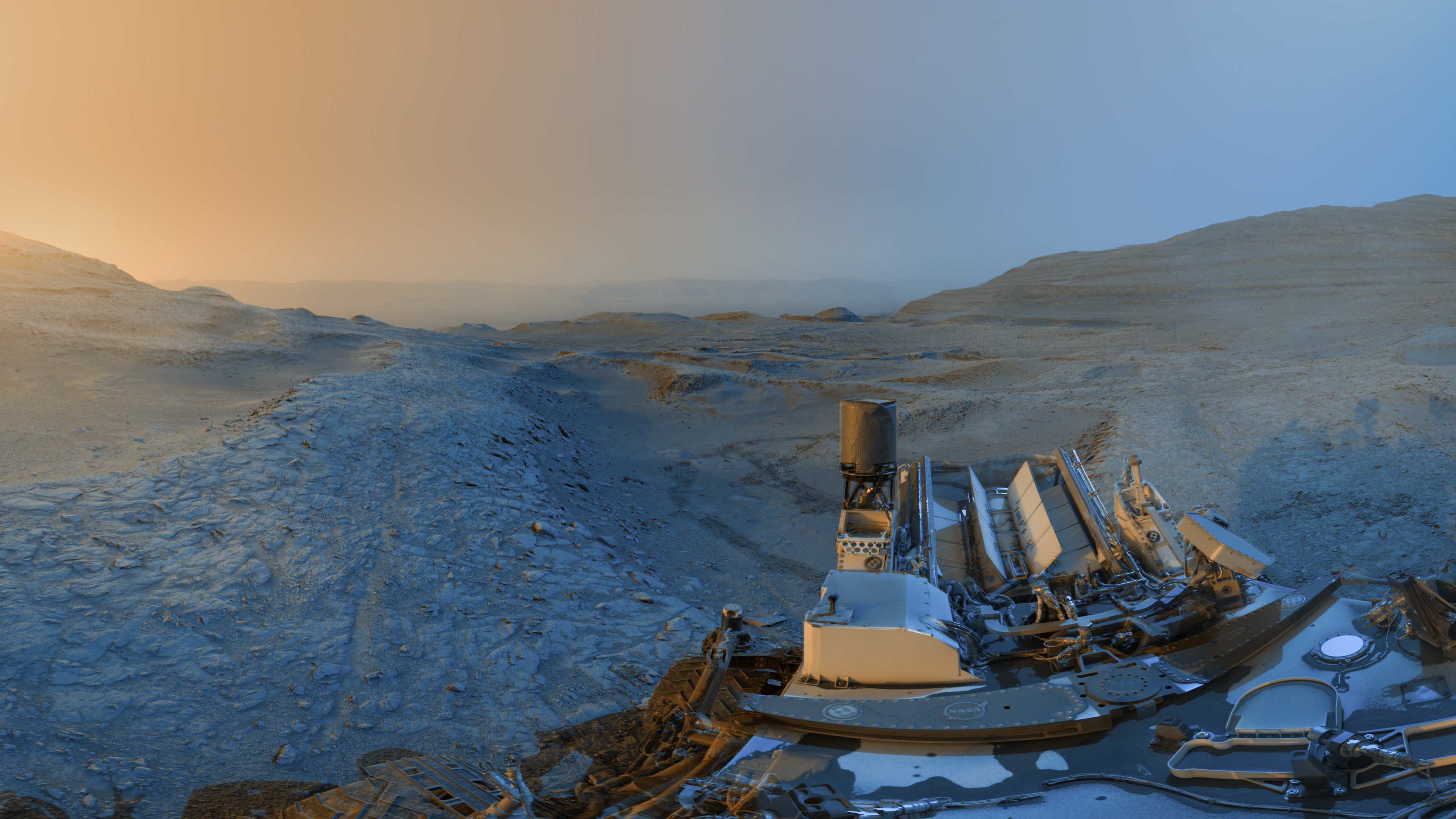
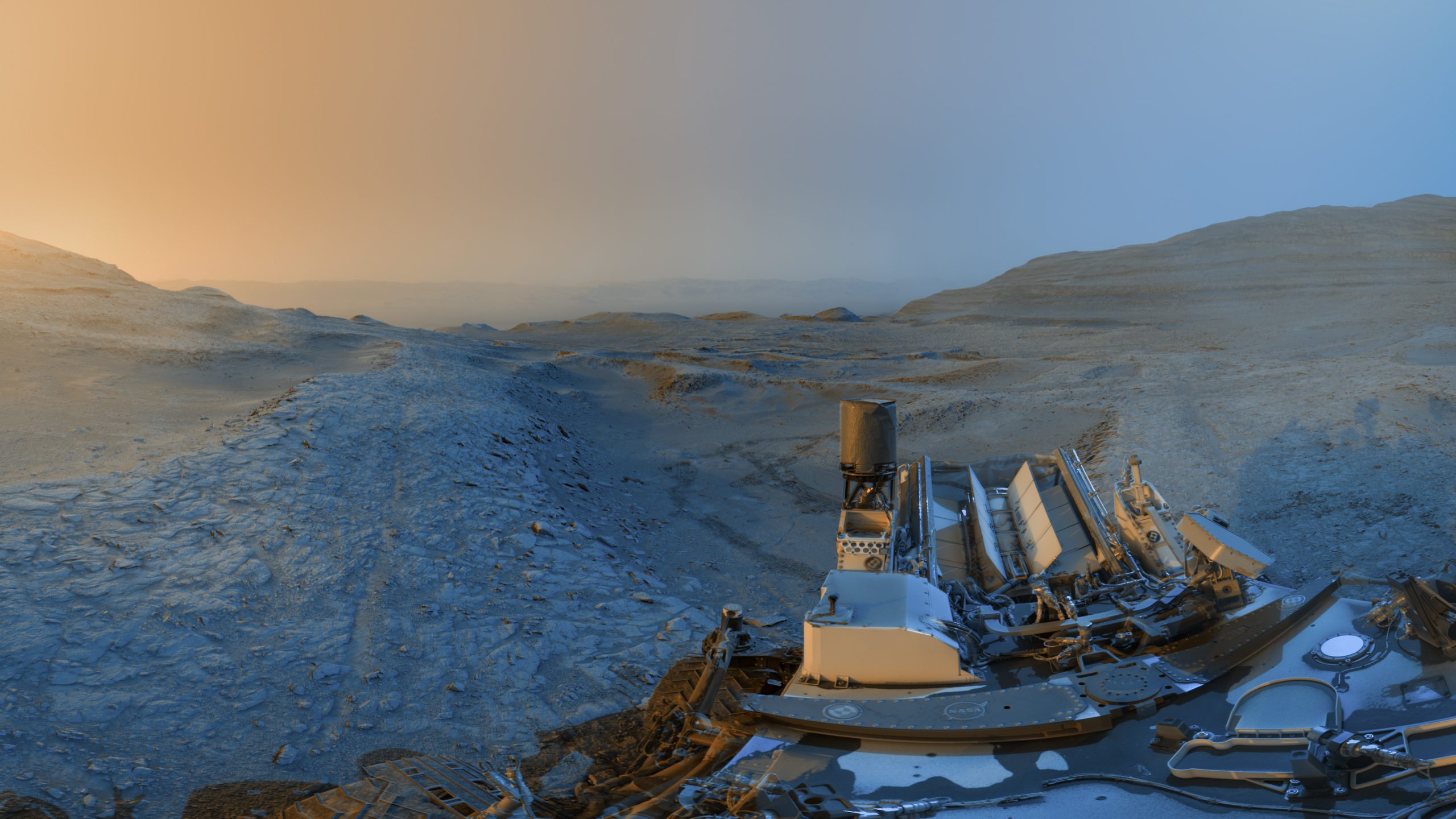
Curiosity Sends Holiday Postcard from Mars – NASA’s Curiosity Mars rover used its black-and-white navigation cameras to capture panoramas at two times of day on Nov. 18, 2025, spanning periods that occurred on both the 4,722nd and 4,723rd Martian days, or sols, of the mission. The panoramas were captured at 4:15 p.m. on Sol 4,722 and 8:20 a.m. on Sol 4,723 (both at local Mars time), then merged together. Color was later added for an artistic interpretation of the scene with blue representing the morning panorama and yellow representing the afternoon one.

NASA’s Curiosity Mars rover used its black-and-white navigation cameras to capture panoramas at two times of day on Nov. 18, 2025, spanning periods that occurred on both the 4,722nd and 4,723rd Martian days, or sols, of the mission. The panoramas were captured at 4:15 p.m. on Sol 4,722 and 8:20 a.m. on Sol 4,723 (both at local Mars time), then merged together. Color was later added for an artistic interpretation of the scene with blue representing the morning panorama and yellow representing the afternoon one.

Read More