

Multiple religious objectors are suing the state over its newly instituted assisted suicide regime.

Multiple religious objectors are suing the state over its newly instituted assisted suicide regime.
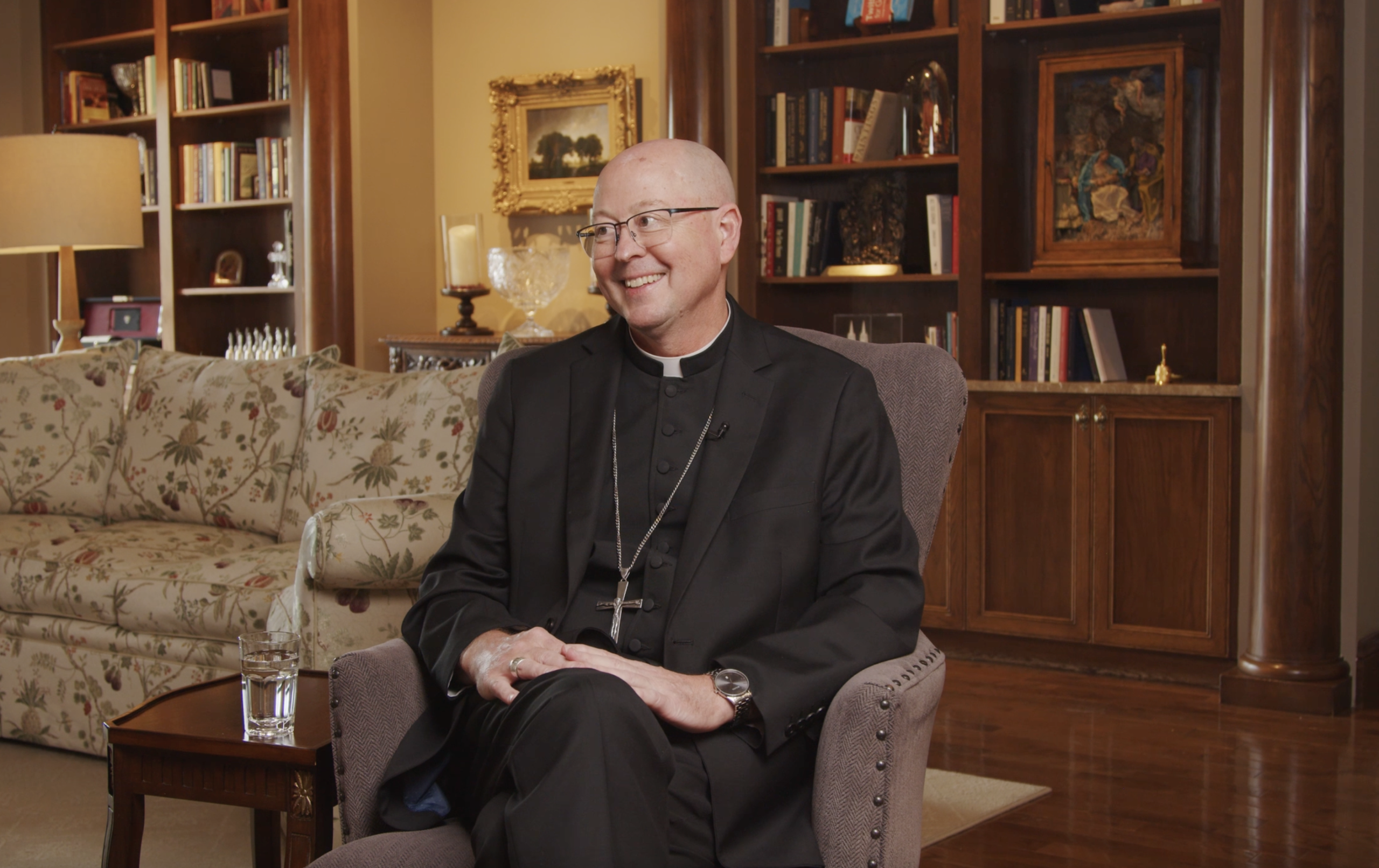
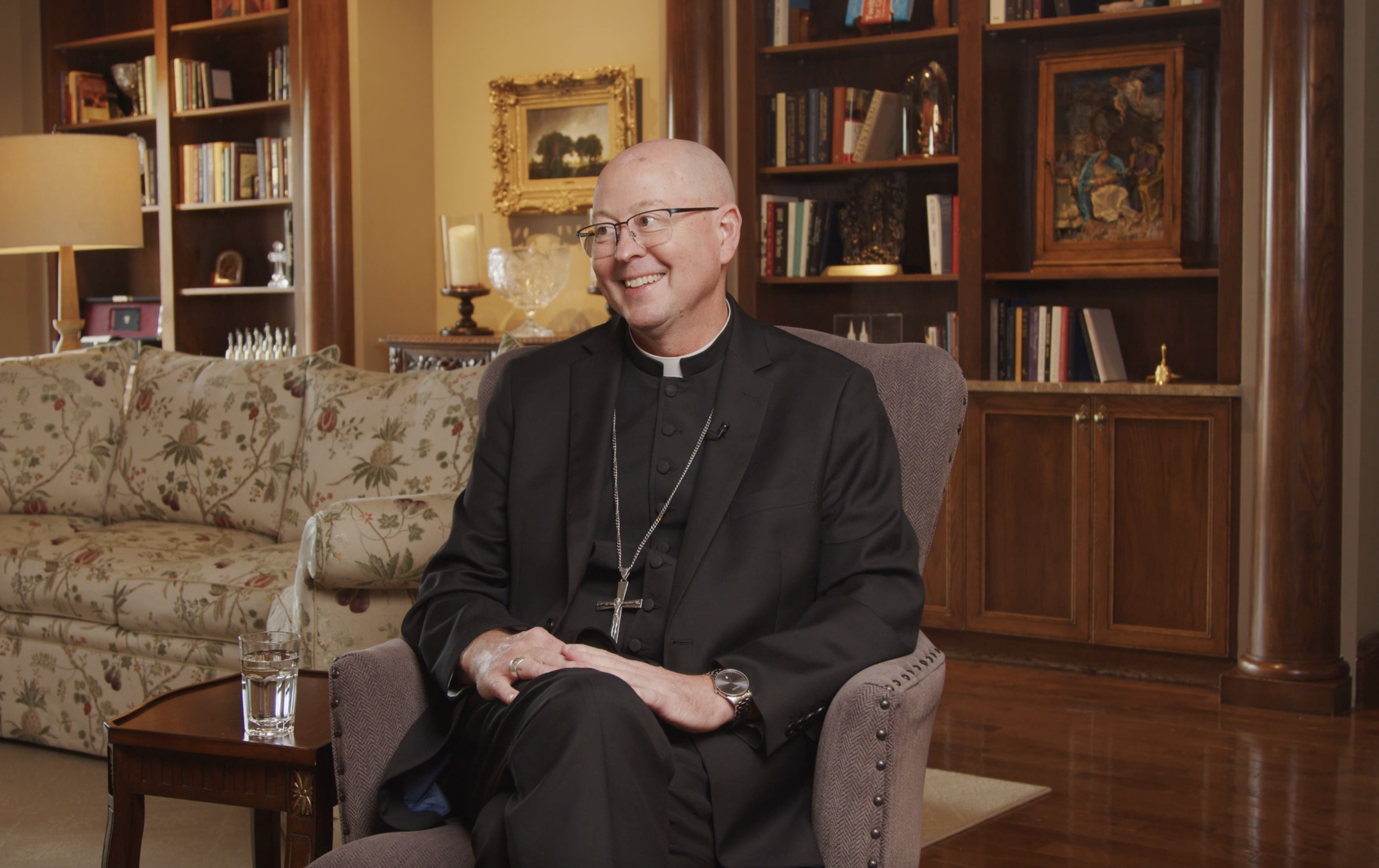
“This anniversary invites us to remember not only the founding of our nation but also the generations who have helped bring its ideals to life,” said the letter from Colorado Christian leaders.
![Oregon officials back off ‘gender ideology mandate’ for mom seeking to adopt #Catholic Oregon officials have agreed they will not “categorically disqualify” a Christian woman from adopting or fostering children based on her religious beliefs about gender and human sexuality, which settles a three-and-a-half-year legal battle.The Oregon Department of Human Services (ODHS) agreed to a legal settlement with Jessica Bates, who was represented by Alliance Defending Freedom (ADF). It affirms the department will not consider her religious beliefs when evaluating her application for a certification to adopt children and will not attempt to regulate her speech about gender and sexuality.“Every child deserves a loving home, and children suffer when the government excludes people of faith from foster care because of the state’s own ideological crusade,” ADF Senior Counsel Johannes Widmalm-Delphonse said in a statement following the Sept. 9 settlement.“Oregon officials turned Jessica away just because of her common-sense belief that parents should help children become comfortable with who they are instead of pushing them down a path of confusion and medicalization,” he said. “We believe this settlement is a win-win that protects constitutional rights and puts children’s interests first.”In September 2022, the ODHS denied Bates’ application because she would not comply with a state policy that requires applicants to agree they will “respect, accept and support the … sexual orientation, gender identity [and] gender expression … of a child or young adult” who is placed in the home, which ADF has characterized as a “gender ideology mandate.”Bates sued ODHS in March 2023, arguing that the policy violated her First Amendment rights to free speech and the free exercise of religion. The lawsuit stated she told the certification officer she would love any child as her own but would not facilitate a child’s gender transition through hormone therapy, use pronouns inconsistent with a child’s biological sex, or encourage gender expression inconsistent with the child’s biological sex or same-sex attraction.A federal district court initially ruled in favor of ODHS in December 2023, but an appellate panel of judges ruled in July 2025 that ODHS likely violated her constitutional rights and blocked the department from enforcing the rules against her while the lawsuit continued.Legal settlementPer the legal agreement, ODHS will allow Bates to apply for a certification and will not consider her religious views in any way.It states ODHS will not deny the application “because of her religious beliefs that sexual activity should occur only within the confines of a marriage between one man and one woman, and a person should identify and seek to live consistent with his or her biological sex.”The settlement adds that this extends to her “desire to respectfully speak about, live out, parent, and make day-to-day caregiving decisions consistent with these sincerely held religious beliefs.”Under the agreement, ODHS also cannot require her to “agree to use prescribed words or language, including chosen pronouns, to express views about sexual orientation, gender identity, or gender expression inconsistent with her religious beliefs described above as a condition of certification.”“[The] ODHS may not enforce any per se standard, rule, or policy that precludes Bates from being considered for any particular placement, based in whole or in part based on her religious belief,” the settlement agreement states.It further prohibits ODHS from disqualifying Bates from consideration for any particular child placement based on her religious beliefs.Yet, the settlement does not prevent ODHS from “deciding a child’s placement based on its individualized consideration of the child’s needs and of a foster parent’s concerns or limitations (including where religiously motivated) on their ability or willingness to meet the child’s specific needs, including with regard to their sexual orientation, gender identity, and gender expression.”The Oregon attorney general’s office referred EWTN News to the Oregon Department of Human Services for comment. The department did not respond to a request for comment.](https://unitedyam.com/wp-content/uploads/2026/09/oregon-officials-back-off-gender-ideology-mandate-for-mom-seeking-to-adopt-catholic-oregon-officials-have-agreed-they-will-not-categorically-disqualify-a-christian.jpg "Oregon officials back off ‘gender ideology mandate’ for mom seeking to adopt #Catholic Oregon officials have agreed they will not “categorically disqualify” a Christian woman from adopting or fostering children based on her religious beliefs about gender and human sexuality, which settles a three-and-a-half-year legal battle.The Oregon Department of Human Services (ODHS) agreed to a legal settlement with Jessica Bates, who was represented by Alliance Defending Freedom (ADF). It affirms the department will not consider her religious beliefs when evaluating her application for a certification to adopt children and will not attempt to regulate her speech about gender and sexuality.“Every child deserves a loving home, and children suffer when the government excludes people of faith from foster care because of the state’s own ideological crusade,” ADF Senior Counsel Johannes Widmalm-Delphonse said in a statement following the Sept. 9 settlement.“Oregon officials turned Jessica away just because of her common-sense belief that parents should help children become comfortable with who they are instead of pushing them down a path of confusion and medicalization,” he said. “We believe this settlement is a win-win that protects constitutional rights and puts children’s interests first.”In September 2022, the ODHS denied Bates’ application because she would not comply with a state policy that requires applicants to agree they will “respect, accept and support the … sexual orientation, gender identity [and] gender expression … of a child or young adult” who is placed in the home, which ADF has characterized as a “gender ideology mandate.”Bates sued ODHS in March 2023, arguing that the policy violated her First Amendment rights to free speech and the free exercise of religion. The lawsuit stated she told the certification officer she would love any child as her own but would not facilitate a child’s gender transition through hormone therapy, use pronouns inconsistent with a child’s biological sex, or encourage gender expression inconsistent with the child’s biological sex or same-sex attraction.A federal district court initially ruled in favor of ODHS in December 2023, but an appellate panel of judges ruled in July 2025 that ODHS likely violated her constitutional rights and blocked the department from enforcing the rules against her while the lawsuit continued.Legal settlementPer the legal agreement, ODHS will allow Bates to apply for a certification and will not consider her religious views in any way.It states ODHS will not deny the application “because of her religious beliefs that sexual activity should occur only within the confines of a marriage between one man and one woman, and a person should identify and seek to live consistent with his or her biological sex.”The settlement adds that this extends to her “desire to respectfully speak about, live out, parent, and make day-to-day caregiving decisions consistent with these sincerely held religious beliefs.”Under the agreement, ODHS also cannot require her to “agree to use prescribed words or language, including chosen pronouns, to express views about sexual orientation, gender identity, or gender expression inconsistent with her religious beliefs described above as a condition of certification.”“[The] ODHS may not enforce any per se standard, rule, or policy that precludes Bates from being considered for any particular placement, based in whole or in part based on her religious belief,” the settlement agreement states.It further prohibits ODHS from disqualifying Bates from consideration for any particular child placement based on her religious beliefs.Yet, the settlement does not prevent ODHS from “deciding a child’s placement based on its individualized consideration of the child’s needs and of a foster parent’s concerns or limitations (including where religiously motivated) on their ability or willingness to meet the child’s specific needs, including with regard to their sexual orientation, gender identity, and gender expression.”The Oregon attorney general’s office referred EWTN News to the Oregon Department of Human Services for comment. The department did not respond to a request for comment.")
The legal settlement ensures that Jessica Bates’ religious views will not be a factor in determining whether she can adopt children.
![U.S. bishops urge Supreme Court to allow communities to regulate firearms under Second Amendment #Catholic The U.S. Conference of Catholic Bishops is urging the U.S. Supreme Court to allow local communities to regulate firearm ownership, weighing in on a high-profile federal case that could significantly reshape the nation’s gun laws. The case before the high court, Viramontes v. Cook County, concerns a regulation enacted by Cook County, Illinois, banning more than 100 types of semiautomatic weapons, including the popular AR-15 platform.Two plaintiffs, Cutberto Viramontes and Christopher Khaya, sued to dispute the regulations under the Second and 14th amendments to the U.S. Constitution. The lawsuit argues that the Supreme Court should rule on the case “to guarantee fundamental Second Amendment rights and to address the confusion in the lower courts” regarding Supreme Court precedent.In their amicus brief regarding the legal dispute, the U.S. bishops urge the court to “[preserve] the traditional authority of political communities to regulate weapons.” The “autonomy of local authority” is a significant part of “America’s historical tradition of federalism,” the bishops write, comparing it to the long-standing Catholic principle of subsidiarity, which holds that the authority closest to a local need is best suited to tackle the issue. The principle of federalism does not allow for the wholesale redefinition of the Second Amendment, the bishops write. But, they argue, a “uniform constitutional standard need not require uniform firearm policy.” Guns have historically been regulated differently throughout the U.S. depending on the locality, the bishops say, and the U.S. Constitution “does not require every community to exercise … its authority to regulate weapons identically.” The prelates further argue that modern advances in weaponry mean firearms like AR-15s are “fundamentally dissimilar” from the standards of the 18th century; such weapons are “dangerous and unusual,” the bishops suggest, and are thus open to reasonable regulation. Though the issue was brought to trial due to the local regulation, the ultimate question before the Supreme Court is whether the Second Amendment “guarantee[s] the right to possess [the] AR-15 platform and similar semiautomatic rifles.” In the past 20 years the Supreme Court has significantly affirmed Second Amendment rights under the U.S. Constitution, including in the landmark 2008 case District of Columbia v. Heller, which upheld the right to own a firearm unconnected with service in a state militia. Those rights were broadly expanded in subsequent Supreme Court rulings such as 2010’s McDonald v. Chicago and the 2022 decision NYSRPA v. Bruen. The latter decision upheld a constitutional right to carry firearms for self-defense. In the 2024 decision United States v. Rahimi, on the other hand, the Supreme Court ruled that the Second Amendment does allow for individuals to be disarmed if they have been found to pose a credible threat to the physical safety of someone else.](https://unitedyam.com/wp-content/uploads/2026/09/u-s-bishops-urge-supreme-court-to-allow-communities-to-regulate-firearms-under-second-amendment-catholic-the-u-s-conference-of-catholic-bishops-is-urging-the-u-s-supreme-court-to-allow-local-commu.jpg "U.S. bishops urge Supreme Court to allow communities to regulate firearms under Second Amendment #Catholic The U.S. Conference of Catholic Bishops is urging the U.S. Supreme Court to allow local communities to regulate firearm ownership, weighing in on a high-profile federal case that could significantly reshape the nation’s gun laws. The case before the high court, Viramontes v. Cook County, concerns a regulation enacted by Cook County, Illinois, banning more than 100 types of semiautomatic weapons, including the popular AR-15 platform.Two plaintiffs, Cutberto Viramontes and Christopher Khaya, sued to dispute the regulations under the Second and 14th amendments to the U.S. Constitution. The lawsuit argues that the Supreme Court should rule on the case “to guarantee fundamental Second Amendment rights and to address the confusion in the lower courts” regarding Supreme Court precedent.In their amicus brief regarding the legal dispute, the U.S. bishops urge the court to “[preserve] the traditional authority of political communities to regulate weapons.” The “autonomy of local authority” is a significant part of “America’s historical tradition of federalism,” the bishops write, comparing it to the long-standing Catholic principle of subsidiarity, which holds that the authority closest to a local need is best suited to tackle the issue. The principle of federalism does not allow for the wholesale redefinition of the Second Amendment, the bishops write. But, they argue, a “uniform constitutional standard need not require uniform firearm policy.” Guns have historically been regulated differently throughout the U.S. depending on the locality, the bishops say, and the U.S. Constitution “does not require every community to exercise … its authority to regulate weapons identically.” The prelates further argue that modern advances in weaponry mean firearms like AR-15s are “fundamentally dissimilar” from the standards of the 18th century; such weapons are “dangerous and unusual,” the bishops suggest, and are thus open to reasonable regulation. Though the issue was brought to trial due to the local regulation, the ultimate question before the Supreme Court is whether the Second Amendment “guarantee[s] the right to possess [the] AR-15 platform and similar semiautomatic rifles.” In the past 20 years the Supreme Court has significantly affirmed Second Amendment rights under the U.S. Constitution, including in the landmark 2008 case District of Columbia v. Heller, which upheld the right to own a firearm unconnected with service in a state militia. Those rights were broadly expanded in subsequent Supreme Court rulings such as 2010’s McDonald v. Chicago and the 2022 decision NYSRPA v. Bruen. The latter decision upheld a constitutional right to carry firearms for self-defense. In the 2024 decision United States v. Rahimi, on the other hand, the Supreme Court ruled that the Second Amendment does allow for individuals to be disarmed if they have been found to pose a credible threat to the physical safety of someone else.")
The Supreme Court is set to consider whether or not Americans are permitted to possess AR-15 rifles and similar firearms.