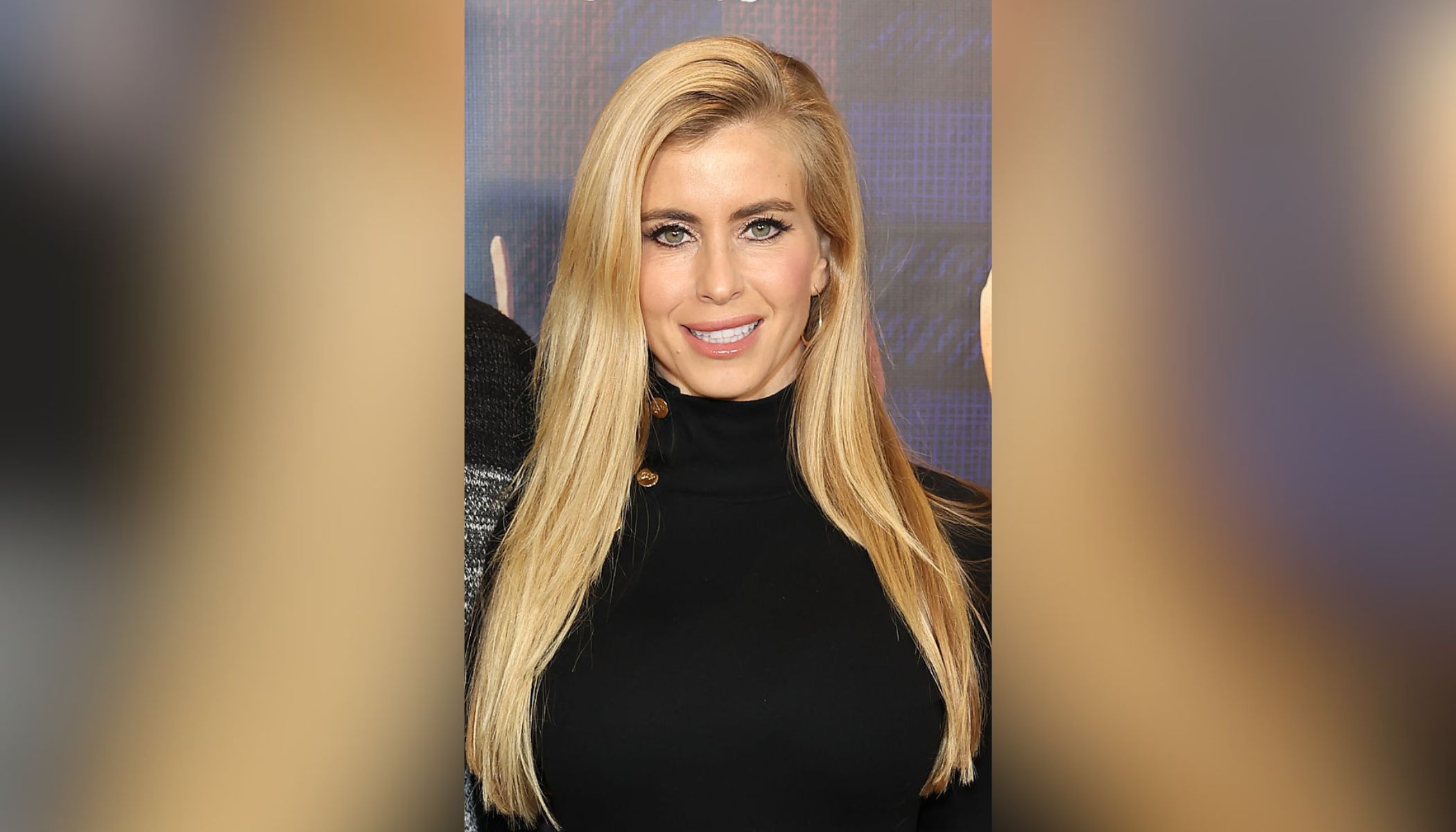
Read More New White House press secretary describes ‘miracle’ when her mother chose adoption over abortion #Catholic Newly appointed White House press secretary and pro-life advocate Katie Zacharia, whose appointment President Donald Trump announced Oct. 9, has shared that her biological mother chose life over abortion in the final moments before a scheduled procedure, calling it a “miracle.”Last year Zacharia, now herself a mother of four and an attorney, described in an interview with “We The People with Gates Garcia” how the precise circumstances of her birth became the foundation of her pro-life convictions.She told Garcia that she was “approximately 20, 30 minutes away from being aborted” when her mother, Ruth, changed her mind.Ruth, whom Zacharia described as having a “tough background of sexual abuse,” was about to head to her abortion appointment when the biological father called, pushing the abortion. Ruth was about to walk out the door to head to the clinic when the phone rang again. Ruth walked back to the phone to answer it, and the Christian counselor who’d called urged her to “consider an open adoption rather than an abortion, so you have an opportunity to know who this child could be and give this child an opportunity to live.”The counselor told her she did not understand “how painful” abortion would be for her, because along with “the loss of [her] baby,” there would be “ensuing psychological, physical … trauma.”Zacharia said her mother decided not to go through with the abortion “to the anger and dismay of her family,” which allowed Zacharia to be adopted as a newborn. She later met her biological mother at age 18, who told her the story. She said that “seconds of a phone call … saved my life,” calling her story “a miracle” that explains why the issue is “so near and dear” to her.Zacharia, who while in law school at Pepperdine University served as president of the university’s Christian Legal Society chapter, has also served on the board of advisers for the White Rose Resistance, a group founded by Seth Gruber that advocates for legal protection for the unborn.Zacharia has been a frequent commentator on Fox News, Newsmax, and other outlets. She also previously worked as general counsel for Fix California, a conservative nonprofit.In February, she became deputy assistant secretary for public affairs at the Department of Homeland Security under then-Secretary Kristi Noem. She resigned after roughly a month, citing the strain on her family of commuting between California, her home, and Washington, D.C. In June, she joined Trump Media & Technology Group/Truth Social as a senior communications adviser.Zacharia succeeds Karoline Leavitt, who in an interview with Sean Hannity last month explained that she left the position to spend more time with her growing family. Trump said Zacharia would begin her new role on Oct. 12 and hold an introductory news conference on Wednesday, Oct. 14, at 9:30 a.m. ET in the White House press briefing room. unitedyam October 12, 2026October 13, 2026 She said that she was “approximately 20, 30 minutes away from being aborted” when her mother changed her mind. Read More
Read More New film depicts the transformative power of Eucharistic adoration #Catholic A new movie is bringing the transformative power of Eucharistic adoration to the big screen. “Adore Him: He Is Here” uses firsthand accounts of real encounters and transformation and depictions of salvation history to portray the powerful love of God that is found in the Blessed Sacrament.The docudrama features several prominent Catholic figures including Archbishop Paul Coakley of the Archdiocese of Oklahoma City; Archbishop José Gómez of the Archdiocese of Los Angeles; Father Chris Alar of the Marian Fathers of the Immaculate Conception; Curtis Martin, the founder of FOCUS; evangelist Chris Stefanick; and many more.The film will be in theaters across the United States Oct. 4–8.The inspiration for the film came as a response to the docudrama “Jesus Thirsts: The Miracle of the Eucharist,” which was released in theaters in 2024. Created by the same filmmakers as “Adore Him,” “Jesus Thirsts” was made in response to a poll that showed that roughly 70% of Catholics don’t believe in the real presence of Jesus in the Eucharist.“We wanted to demonstrate that Jesus is real in the Eucharist,” Deacon Steve Greco, the filmmaker behind both films, told EWTN News in an interview. “So the people who saw that movie, many of them were inspired to say, ‘OK, now that Jesus is real, I have to do something different. My life has to be different.’ And in changing your life and your world, it really comes down to ‘I need to really be connected with him.’”He added: “So “Adore Him: He Is Here” is really meant to be a continuation, almost like a sequel, to the very first movie in which in order to activate Jesus, to activate the Holy Spirit in our hearts, we need to understand how to worship him. And Eucharistic adoration changes our entire life.”Greco also believes this film is necessary for today because “the Church is really being led back to Eucharist in a way like never before.” Deacon Steve Greco in the new film “Adore Him: He Is Here.” | Credit: Spirit Filled Hearts “We have this great activation going on in which people are really desiring the Blessed Sacrament and the Eucharist and going before the Blessed Sacrament in a way like never before,” he said. “We see more and more churches going to 24/7 adoration. Theyʼre expanding their hours of adoration. More and more people are going before the Blessed Sacrament to really be energized and to receive graces.”For those who are feeling called to go to Eucharistic adoration, potentially for the first time, Greco would advise them to “start with 10 minutes and just talk to the Lord. Just have a conversation like with your best friend and just be quiet.”Then those 10 minutes can turn into 20, then half an hour, and finally a full hour. But, the most important thing you need to do, he said, is to “open up your heart to his love.”“You will find that when you go before the Blessed Sacrament, if you open your heart and youʼre silent before the Lord and youʼre listening before the Lord, … God will come to you in a powerful way and show you that you are his beloved,” Greco added.With this in mind, he said he hopes viewers of the film will take away “that first of all, Jesus is real; the Blessed Sacrament, the Eucharist is real. The Blessed Sacrament is there for us to allow us to get to really experience his love in a way like never before. We hope that people go to the Blessed Sacrament, to the chapel.”“When they see this movie [we hope] they just start going and believing and get into the habit of going a few times a week if not every day and just let God love you and that will transform their life. That will give them hope and joy.” unitedyam October 3, 2026October 5, 2026 “Adore Him: He Is Here” will be in theaters Oct. 4–8. Read More
![New White House press secretary describes ‘miracle’ when her mother chose adoption over abortion #Catholic Newly appointed White House press secretary and pro-life advocate Katie Zacharia, whose appointment President Donald Trump announced Oct. 9, has shared that her biological mother chose life over abortion in the final moments before a scheduled procedure, calling it a “miracle.”Last year Zacharia, now herself a mother of four and an attorney, described in an interview with “We The People with Gates Garcia” how the precise circumstances of her birth became the foundation of her pro-life convictions.She told Garcia that she was “approximately 20, 30 minutes away from being aborted” when her mother, Ruth, changed her mind.Ruth, whom Zacharia described as having a “tough background of sexual abuse,” was about to head to her abortion appointment when the biological father called, pushing the abortion. Ruth was about to walk out the door to head to the clinic when the phone rang again. Ruth walked back to the phone to answer it, and the Christian counselor who’d called urged her to “consider an open adoption rather than an abortion, so you have an opportunity to know who this child could be and give this child an opportunity to live.”The counselor told her she did not understand “how painful” abortion would be for her, because along with “the loss of [her] baby,” there would be “ensuing psychological, physical … trauma.”Zacharia said her mother decided not to go through with the abortion “to the anger and dismay of her family,” which allowed Zacharia to be adopted as a newborn. She later met her biological mother at age 18, who told her the story. She said that “seconds of a phone call … saved my life,” calling her story “a miracle” that explains why the issue is “so near and dear” to her.Zacharia, who while in law school at Pepperdine University served as president of the university’s Christian Legal Society chapter, has also served on the board of advisers for the White Rose Resistance, a group founded by Seth Gruber that advocates for legal protection for the unborn.Zacharia has been a frequent commentator on Fox News, Newsmax, and other outlets. She also previously worked as general counsel for Fix California, a conservative nonprofit.In February, she became deputy assistant secretary for public affairs at the Department of Homeland Security under then-Secretary Kristi Noem. She resigned after roughly a month, citing the strain on her family of commuting between California, her home, and Washington, D.C. In June, she joined Trump Media & Technology Group/Truth Social as a senior communications adviser.Zacharia succeeds Karoline Leavitt, who in an interview with Sean Hannity last month explained that she left the position to spend more time with her growing family. Trump said Zacharia would begin her new role on Oct. 12 and hold an introductory news conference on Wednesday, Oct. 14, at 9:30 a.m. ET in the White House press briefing room.](https://unitedyam.com/wp-content/uploads/2026/10/new-white-house-press-secretary-describes-miracle-when-her-mother-chose-adoption-over-abortion-catholic-newly-appointed-white-house-press-secretary-and-pro-life-advocate-katie-zacha.jpg "New White House press secretary describes ‘miracle’ when her mother chose adoption over abortion #Catholic Newly appointed White House press secretary and pro-life advocate Katie Zacharia, whose appointment President Donald Trump announced Oct. 9, has shared that her biological mother chose life over abortion in the final moments before a scheduled procedure, calling it a “miracle.”Last year Zacharia, now herself a mother of four and an attorney, described in an interview with “We The People with Gates Garcia” how the precise circumstances of her birth became the foundation of her pro-life convictions.She told Garcia that she was “approximately 20, 30 minutes away from being aborted” when her mother, Ruth, changed her mind.Ruth, whom Zacharia described as having a “tough background of sexual abuse,” was about to head to her abortion appointment when the biological father called, pushing the abortion. Ruth was about to walk out the door to head to the clinic when the phone rang again. Ruth walked back to the phone to answer it, and the Christian counselor who’d called urged her to “consider an open adoption rather than an abortion, so you have an opportunity to know who this child could be and give this child an opportunity to live.”The counselor told her she did not understand “how painful” abortion would be for her, because along with “the loss of [her] baby,” there would be “ensuing psychological, physical … trauma.”Zacharia said her mother decided not to go through with the abortion “to the anger and dismay of her family,” which allowed Zacharia to be adopted as a newborn. She later met her biological mother at age 18, who told her the story. She said that “seconds of a phone call … saved my life,” calling her story “a miracle” that explains why the issue is “so near and dear” to her.Zacharia, who while in law school at Pepperdine University served as president of the university’s Christian Legal Society chapter, has also served on the board of advisers for the White Rose Resistance, a group founded by Seth Gruber that advocates for legal protection for the unborn.Zacharia has been a frequent commentator on Fox News, Newsmax, and other outlets. She also previously worked as general counsel for Fix California, a conservative nonprofit.In February, she became deputy assistant secretary for public affairs at the Department of Homeland Security under then-Secretary Kristi Noem. She resigned after roughly a month, citing the strain on her family of commuting between California, her home, and Washington, D.C. In June, she joined Trump Media & Technology Group/Truth Social as a senior communications adviser.Zacharia succeeds Karoline Leavitt, who in an interview with Sean Hannity last month explained that she left the position to spend more time with her growing family. Trump said Zacharia would begin her new role on Oct. 12 and hold an introductory news conference on Wednesday, Oct. 14, at 9:30 a.m. ET in the White House press briefing room.")

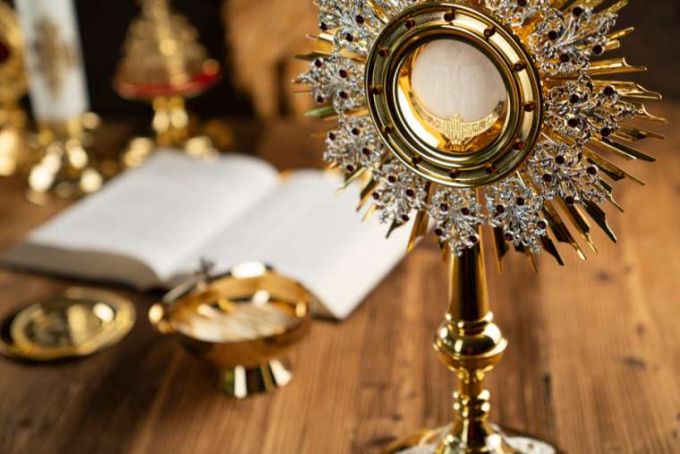
![New film depicts the transformative power of Eucharistic adoration #Catholic A new movie is bringing the transformative power of Eucharistic adoration to the big screen. “Adore Him: He Is Here” uses firsthand accounts of real encounters and transformation and depictions of salvation history to portray the powerful love of God that is found in the Blessed Sacrament.The docudrama features several prominent Catholic figures including Archbishop Paul Coakley of the Archdiocese of Oklahoma City; Archbishop José Gómez of the Archdiocese of Los Angeles; Father Chris Alar of the Marian Fathers of the Immaculate Conception; Curtis Martin, the founder of FOCUS; evangelist Chris Stefanick; and many more.The film will be in theaters across the United States Oct. 4–8.The inspiration for the film came as a response to the docudrama “Jesus Thirsts: The Miracle of the Eucharist,” which was released in theaters in 2024. Created by the same filmmakers as “Adore Him,” “Jesus Thirsts” was made in response to a poll that showed that roughly 70% of Catholics don’t believe in the real presence of Jesus in the Eucharist.“We wanted to demonstrate that Jesus is real in the Eucharist,” Deacon Steve Greco, the filmmaker behind both films, told EWTN News in an interview. “So the people who saw that movie, many of them were inspired to say, ‘OK, now that Jesus is real, I have to do something different. My life has to be different.’ And in changing your life and your world, it really comes down to ‘I need to really be connected with him.’”He added: “So “Adore Him: He Is Here” is really meant to be a continuation, almost like a sequel, to the very first movie in which in order to activate Jesus, to activate the Holy Spirit in our hearts, we need to understand how to worship him. And Eucharistic adoration changes our entire life.”Greco also believes this film is necessary for today because “the Church is really being led back to Eucharist in a way like never before.”
Deacon Steve Greco in the new film “Adore Him: He Is Here.” | Credit: Spirit Filled Hearts
“We have this great activation going on in which people are really desiring the Blessed Sacrament and the Eucharist and going before the Blessed Sacrament in a way like never before,” he said. “We see more and more churches going to 24/7 adoration. Theyʼre expanding their hours of adoration. More and more people are going before the Blessed Sacrament to really be energized and to receive graces.”For those who are feeling called to go to Eucharistic adoration, potentially for the first time, Greco would advise them to “start with 10 minutes and just talk to the Lord. Just have a conversation like with your best friend and just be quiet.”Then those 10 minutes can turn into 20, then half an hour, and finally a full hour. But, the most important thing you need to do, he said, is to “open up your heart to his love.”“You will find that when you go before the Blessed Sacrament, if you open your heart and youʼre silent before the Lord and youʼre listening before the Lord, … God will come to you in a powerful way and show you that you are his beloved,” Greco added.With this in mind, he said he hopes viewers of the film will take away “that first of all, Jesus is real; the Blessed Sacrament, the Eucharist is real. The Blessed Sacrament is there for us to allow us to get to really experience his love in a way like never before. We hope that people go to the Blessed Sacrament, to the chapel.”“When they see this movie [we hope] they just start going and believing and get into the habit of going a few times a week if not every day and just let God love you and that will transform their life. That will give them hope and joy.”](https://unitedyam.com/wp-content/uploads/2026/10/new-film-depicts-the-transformative-power-of-eucharistic-adoration-catholic-a-new-movie-is-bringing-the-transformative-power-of-eucharistic-adoration-to-the-big-screen-adore-him-he-is-here-scaled.png "New film depicts the transformative power of Eucharistic adoration #Catholic A new movie is bringing the transformative power of Eucharistic adoration to the big screen. “Adore Him: He Is Here” uses firsthand accounts of real encounters and transformation and depictions of salvation history to portray the powerful love of God that is found in the Blessed Sacrament.The docudrama features several prominent Catholic figures including Archbishop Paul Coakley of the Archdiocese of Oklahoma City; Archbishop José Gómez of the Archdiocese of Los Angeles; Father Chris Alar of the Marian Fathers of the Immaculate Conception; Curtis Martin, the founder of FOCUS; evangelist Chris Stefanick; and many more.The film will be in theaters across the United States Oct. 4–8.The inspiration for the film came as a response to the docudrama “Jesus Thirsts: The Miracle of the Eucharist,” which was released in theaters in 2024. Created by the same filmmakers as “Adore Him,” “Jesus Thirsts” was made in response to a poll that showed that roughly 70% of Catholics don’t believe in the real presence of Jesus in the Eucharist.“We wanted to demonstrate that Jesus is real in the Eucharist,” Deacon Steve Greco, the filmmaker behind both films, told EWTN News in an interview. “So the people who saw that movie, many of them were inspired to say, ‘OK, now that Jesus is real, I have to do something different. My life has to be different.’ And in changing your life and your world, it really comes down to ‘I need to really be connected with him.’”He added: “So “Adore Him: He Is Here” is really meant to be a continuation, almost like a sequel, to the very first movie in which in order to activate Jesus, to activate the Holy Spirit in our hearts, we need to understand how to worship him. And Eucharistic adoration changes our entire life.”Greco also believes this film is necessary for today because “the Church is really being led back to Eucharist in a way like never before.”
Deacon Steve Greco in the new film “Adore Him: He Is Here.” | Credit: Spirit Filled Hearts
“We have this great activation going on in which people are really desiring the Blessed Sacrament and the Eucharist and going before the Blessed Sacrament in a way like never before,” he said. “We see more and more churches going to 24/7 adoration. Theyʼre expanding their hours of adoration. More and more people are going before the Blessed Sacrament to really be energized and to receive graces.”For those who are feeling called to go to Eucharistic adoration, potentially for the first time, Greco would advise them to “start with 10 minutes and just talk to the Lord. Just have a conversation like with your best friend and just be quiet.”Then those 10 minutes can turn into 20, then half an hour, and finally a full hour. But, the most important thing you need to do, he said, is to “open up your heart to his love.”“You will find that when you go before the Blessed Sacrament, if you open your heart and youʼre silent before the Lord and youʼre listening before the Lord, … God will come to you in a powerful way and show you that you are his beloved,” Greco added.With this in mind, he said he hopes viewers of the film will take away “that first of all, Jesus is real; the Blessed Sacrament, the Eucharist is real. The Blessed Sacrament is there for us to allow us to get to really experience his love in a way like never before. We hope that people go to the Blessed Sacrament, to the chapel.”“When they see this movie [we hope] they just start going and believing and get into the habit of going a few times a week if not every day and just let God love you and that will transform their life. That will give them hope and joy.”")