parents

The life and legacy of St. Athanasius, champion of the Nicene Creed #Catholic The Catholic Church on May 2 honors St. Athanasius of Alexandria, a fourth-century bishop known as “the father of orthodoxy” for his dedication to the doctrine of Christ’s divinity. Athanasius played a key role at the First Council of Nicaea in A.D. 325 and defended the Nicene Creed throughout his life.Last year marked the 1,700th anniversary of the Council of Nicaea, which was convened during the pontificate of Pope Sylvester I in 325.St. Athanasius was born to Christian parents living in the Egyptian city of Alexandria in 296. His parents took great care to have their son educated, and his talents came to the attention of a local priest who was later canonized — St. Alexander of Alexandria. The priest and future saint tutored Athanasius in theology and eventually appointed him as an assistant.Around the age of 19, Athanasius spent a formative period in the Egyptian desert as a disciple of St. Anthony in his monastic community. Returning to Alexandria, he was ordained a deacon in 319 and resumed his assistance to Alexander, who had become a bishop. The Catholic Church, newly recognized by the Roman Empire, was already encountering a new series of dangers from within.The most serious threat to the fourth-century Church came from a priest named Arius, who taught that Jesus could not have existed eternally as God prior to his historical incarnation as a man. According to Arius, Jesus was the highest of created beings and could be considered “divine” only by analogy. Arians professed a belief in Jesus’ “divinity” but meant only that he was Godʼs greatest creature.Opponents of Arianism brought forth numerous Scriptures that taught Christ’s eternal preexistence and his identity as God. Nonetheless, many Greek-speaking Christians found it intellectually easier to believe in Jesus as a created demigod than to accept the mystery of a Father-Son relationship within the Godhead. By 325, the controversy was dividing the Church and unsettling the Roman Empire.NicaeaIn that year, Athanasius attended the First Ecumenical Council, held at Nicaea to examine and judge Arius’ doctrine in light of apostolic tradition. It reaffirmed the Church’s perennial teaching on Christ’s full deity and established the Nicene Creed as an authoritative statement of faith. The remainder of Athanasius’ life was a constant struggle to uphold the council’s teaching about Christ.Near the end of St. Alexander’s life, he insisted that Athanasius succeed him as the bishop of Alexandria. Athanasius took on the position just as Emperor Constantine, despite having convoked the Council of Nicaea, decided to relax its condemnation of Arius and his supporters. Athanasius continually refused to admit Arius to Communion, however, despite the urgings of the emperor.A number of Arians spent the next several decades attempting to manipulate bishops, emperors, and popes to move against Athanasius — particularly through the use of false accusations. Athanasius was accused of theft, murder, assault, and even of causing a famine by interfering with food shipments.Arius became ill and died in 336, but his heresy continued to live. Under the rule of the three emperors that followed Constantine, and particularly under the rule of the strongly Arian Constantius, Athanasius was driven into exile at least five times for insisting on the Nicene Creed as the Church’s authoritative rule of faith.Athanasius received the support of several popes and spent a portion of his exile in Rome. However, the Emperor Constantius did succeed in coercing one pope, Liberius, into condemning Athanasius by having him kidnapped, threatened with death, and sent away from Rome for two years. The pope eventually managed to return to Rome, where he again proclaimed Athanasius’ orthodoxy.Constantius went so far as to send troops to attack his clergy and congregations. Neither these measures nor direct attempts to assassinate the bishop succeeded in silencing him. However, they frequently made it difficult for him to remain in his diocese. He enjoyed some respite after Constantius’ death in 361 but was later persecuted by Emperor Julian the Apostate, who sought to revive paganism.In 369, Athanasius managed to convene an assembly of 90 bishops in Alexandria for the sake of warning the Church in Africa against the continuing threat of Arianism. He died in 373 and was vindicated by a more comprehensive rejection of Arianism at the Second Ecumenical Council, held in 381 at Constantinople.St. Gregory Nazianzen, who presided over part of that council, described St. Athanasius as “the true pillar of the Church” whose “life and conduct were the rule of bishops and his doctrine the rule of the orthodox faith.”This story was last published on May 2, 2025, and has been updated.

The life and legacy of St. Athanasius, champion of the Nicene Creed #Catholic The Catholic Church on May 2 honors St. Athanasius of Alexandria, a fourth-century bishop known as “the father of orthodoxy” for his dedication to the doctrine of Christ’s divinity. Athanasius played a key role at the First Council of Nicaea in A.D. 325 and defended the Nicene Creed throughout his life.Last year marked the 1,700th anniversary of the Council of Nicaea, which was convened during the pontificate of Pope Sylvester I in 325.St. Athanasius was born to Christian parents living in the Egyptian city of Alexandria in 296. His parents took great care to have their son educated, and his talents came to the attention of a local priest who was later canonized — St. Alexander of Alexandria. The priest and future saint tutored Athanasius in theology and eventually appointed him as an assistant.Around the age of 19, Athanasius spent a formative period in the Egyptian desert as a disciple of St. Anthony in his monastic community. Returning to Alexandria, he was ordained a deacon in 319 and resumed his assistance to Alexander, who had become a bishop. The Catholic Church, newly recognized by the Roman Empire, was already encountering a new series of dangers from within.The most serious threat to the fourth-century Church came from a priest named Arius, who taught that Jesus could not have existed eternally as God prior to his historical incarnation as a man. According to Arius, Jesus was the highest of created beings and could be considered “divine” only by analogy. Arians professed a belief in Jesus’ “divinity” but meant only that he was Godʼs greatest creature.Opponents of Arianism brought forth numerous Scriptures that taught Christ’s eternal preexistence and his identity as God. Nonetheless, many Greek-speaking Christians found it intellectually easier to believe in Jesus as a created demigod than to accept the mystery of a Father-Son relationship within the Godhead. By 325, the controversy was dividing the Church and unsettling the Roman Empire.NicaeaIn that year, Athanasius attended the First Ecumenical Council, held at Nicaea to examine and judge Arius’ doctrine in light of apostolic tradition. It reaffirmed the Church’s perennial teaching on Christ’s full deity and established the Nicene Creed as an authoritative statement of faith. The remainder of Athanasius’ life was a constant struggle to uphold the council’s teaching about Christ.Near the end of St. Alexander’s life, he insisted that Athanasius succeed him as the bishop of Alexandria. Athanasius took on the position just as Emperor Constantine, despite having convoked the Council of Nicaea, decided to relax its condemnation of Arius and his supporters. Athanasius continually refused to admit Arius to Communion, however, despite the urgings of the emperor.A number of Arians spent the next several decades attempting to manipulate bishops, emperors, and popes to move against Athanasius — particularly through the use of false accusations. Athanasius was accused of theft, murder, assault, and even of causing a famine by interfering with food shipments.Arius became ill and died in 336, but his heresy continued to live. Under the rule of the three emperors that followed Constantine, and particularly under the rule of the strongly Arian Constantius, Athanasius was driven into exile at least five times for insisting on the Nicene Creed as the Church’s authoritative rule of faith.Athanasius received the support of several popes and spent a portion of his exile in Rome. However, the Emperor Constantius did succeed in coercing one pope, Liberius, into condemning Athanasius by having him kidnapped, threatened with death, and sent away from Rome for two years. The pope eventually managed to return to Rome, where he again proclaimed Athanasius’ orthodoxy.Constantius went so far as to send troops to attack his clergy and congregations. Neither these measures nor direct attempts to assassinate the bishop succeeded in silencing him. However, they frequently made it difficult for him to remain in his diocese. He enjoyed some respite after Constantius’ death in 361 but was later persecuted by Emperor Julian the Apostate, who sought to revive paganism.In 369, Athanasius managed to convene an assembly of 90 bishops in Alexandria for the sake of warning the Church in Africa against the continuing threat of Arianism. He died in 373 and was vindicated by a more comprehensive rejection of Arianism at the Second Ecumenical Council, held in 381 at Constantinople.St. Gregory Nazianzen, who presided over part of that council, described St. Athanasius as “the true pillar of the Church” whose “life and conduct were the rule of bishops and his doctrine the rule of the orthodox faith.”This story was last published on May 2, 2025, and has been updated.

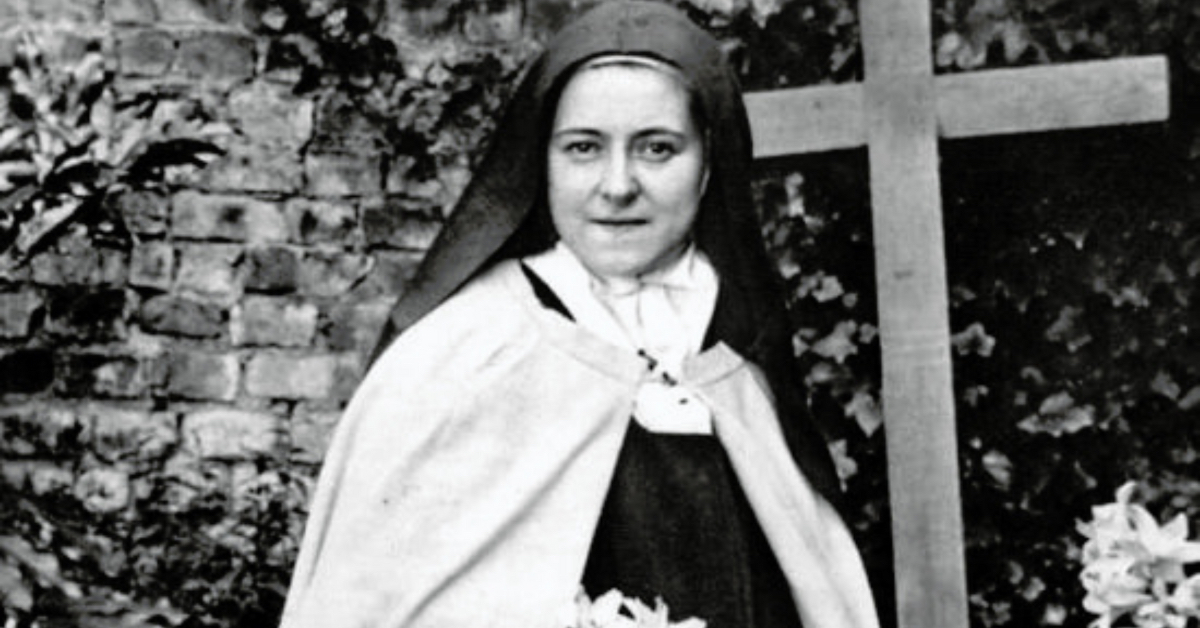
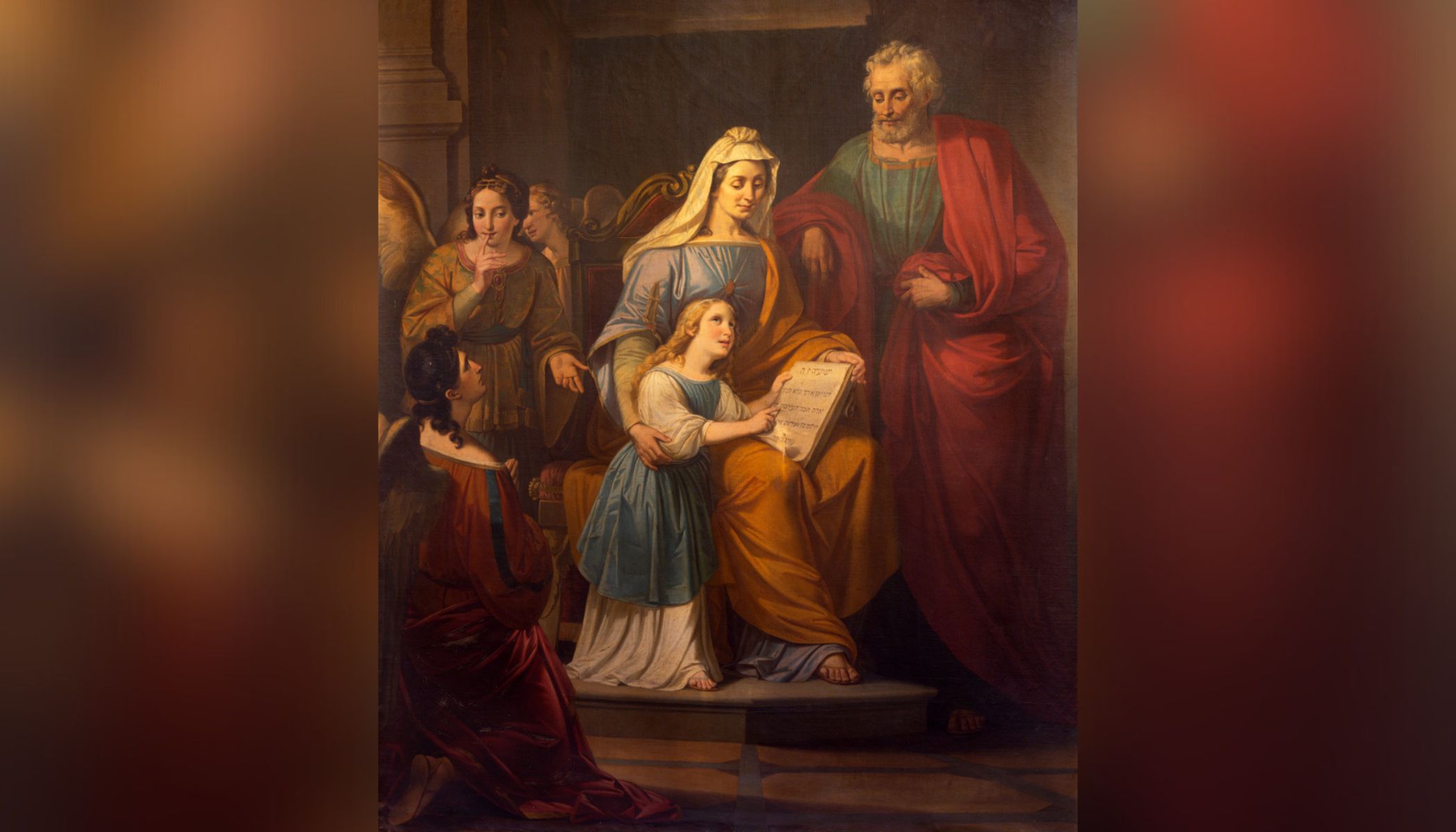
St. Athanasius, celebrated on May 2, was a fourth-century bishop who is known as “the father of orthodoxy” for his dedication to the doctrine of Christ’s divinity.

Read More
Pope Leo XIV responds to letter from victims of Minab girls’ school strike in Iran #Catholic Pope Leo XIV echoed his calls for dialogue and peace between the United States and Iran while expressing grief over the deaths of innocent children killed in a military attack that struck a girls’ elementary school in Minab, Iran.The Holy Father offered these comments April 23 after he received a letter from parents of girls who died in the strike. More than 150 people were killed in the Feb. 28 strike, which the Defense Department says it is investigating.“I have just seen a letter from families of children who were killed on the first day of the attack,” Leo said while speaking to journalists on a flight back to Rome after visiting four countries in Africa, according to the Vatican-run Vatican News.“They speak about how they have lost their children, who died in that event,” he said. “The issue is not whether there is regime change or not; the issue is how to promote the values we believe in without the death of so many innocent people.”Leo called the situation in Iran “complex” amid the ongoing ceasefire, stating that “one day Iran says yes and the United States says no, and vice versa.” The pope warned: “We do not know where things are heading.”“This chaotic, critical situation for the global economy has been created, but there is also an entire population in Iran of innocent people suffering because of this war,” he said. “So, on regime change, yes or no: It is not even clear what regime currently exists after the first days of attacks by Israel and the United States on Iran.”“Rather, I would encourage the continuation of dialogue for peace, that all sides make every effort to promote peace, remove the threat of war, and respect international law,” he said. “It is very important that innocent people are protected, as has not happened in several places.”The letter from the parents of the victims was published in full by a reporter for Press TV, which is operated by the Iranian government. The letter is written in Farsi.According to a partial English translation on Press TV, the parents said the pontiff’s consistent advocacy for peace “offered a healing touch to our broken hearts.”“Today, instead of feeling the warmth of our children’s embrace, we are left to hold onto their charred bags and bloody journals,” the letter said, according to the translation.“Our children will never return home to build a brighter future, but it is the prayer of us grieving parents that your message to ‘lay down the weapons’ be heard, at a time when the United States and the Israeli regime fuel the flames of these atrocities with their excessive demands,” it added.When asked for comment, the Defense Department pointed EWTN News to comments made by Secretary of Defense Pete Hegseth on April 24 when asked about the pope’s comment on Iran.“We know what our mission is,” he said. “We know what authority we have. Weʼre very clear about that. We follow the orders of the president.”“Weʼve got lawyers all over the place, looking at what weʼre doing and why weʼre doing it, and giving us every authority necessary under the Constitution and under our laws to execute it,” he added. “So we feel very confident across the spectrum about what weʼre doing and why weʼre doing it, and the legal justification that weʼre following in order to do it.”A Defense Department official told EWTN News that the strike on the school in Minab “is currently under investigation” and “more details will be provided [when] they become available.” The Pentagon has not claimed responsibility for the strike.

Pope Leo XIV responds to letter from victims of Minab girls’ school strike in Iran #Catholic Pope Leo XIV echoed his calls for dialogue and peace between the United States and Iran while expressing grief over the deaths of innocent children killed in a military attack that struck a girls’ elementary school in Minab, Iran.The Holy Father offered these comments April 23 after he received a letter from parents of girls who died in the strike. More than 150 people were killed in the Feb. 28 strike, which the Defense Department says it is investigating.“I have just seen a letter from families of children who were killed on the first day of the attack,” Leo said while speaking to journalists on a flight back to Rome after visiting four countries in Africa, according to the Vatican-run Vatican News.“They speak about how they have lost their children, who died in that event,” he said. “The issue is not whether there is regime change or not; the issue is how to promote the values we believe in without the death of so many innocent people.”Leo called the situation in Iran “complex” amid the ongoing ceasefire, stating that “one day Iran says yes and the United States says no, and vice versa.” The pope warned: “We do not know where things are heading.”“This chaotic, critical situation for the global economy has been created, but there is also an entire population in Iran of innocent people suffering because of this war,” he said. “So, on regime change, yes or no: It is not even clear what regime currently exists after the first days of attacks by Israel and the United States on Iran.”“Rather, I would encourage the continuation of dialogue for peace, that all sides make every effort to promote peace, remove the threat of war, and respect international law,” he said. “It is very important that innocent people are protected, as has not happened in several places.”The letter from the parents of the victims was published in full by a reporter for Press TV, which is operated by the Iranian government. The letter is written in Farsi.According to a partial English translation on Press TV, the parents said the pontiff’s consistent advocacy for peace “offered a healing touch to our broken hearts.”“Today, instead of feeling the warmth of our children’s embrace, we are left to hold onto their charred bags and bloody journals,” the letter said, according to the translation.“Our children will never return home to build a brighter future, but it is the prayer of us grieving parents that your message to ‘lay down the weapons’ be heard, at a time when the United States and the Israeli regime fuel the flames of these atrocities with their excessive demands,” it added.When asked for comment, the Defense Department pointed EWTN News to comments made by Secretary of Defense Pete Hegseth on April 24 when asked about the pope’s comment on Iran.“We know what our mission is,” he said. “We know what authority we have. Weʼre very clear about that. We follow the orders of the president.”“Weʼve got lawyers all over the place, looking at what weʼre doing and why weʼre doing it, and giving us every authority necessary under the Constitution and under our laws to execute it,” he added. “So we feel very confident across the spectrum about what weʼre doing and why weʼre doing it, and the legal justification that weʼre following in order to do it.”A Defense Department official told EWTN News that the strike on the school in Minab “is currently under investigation” and “more details will be provided [when] they become available.” The Pentagon has not claimed responsibility for the strike.

“The issue is not whether there is regime change or not; the issue is how to promote the values we believe in without the death of so many innocent people,” Pope Leo XIV said.

Read More
Vatican prepares Pope Leo XIV summit on marriage crisis #Catholic Pope Leo XIV is aware that among the vocations to which men and women are called by God, marriage is one of the “noblest and highest.”He said as much last October, on the 10th anniversary of the canonization of Sts. Louis and Zélie Martin, the parents of St. Thérèse of the Child Jesus. Now, the pope has set in motion a process to address both marital crises and the growing fear among young people of getting married and forming a family.Leo XIV has called the presidents of the world’s bishops’ conferences to Rome this October to seek a response to an issue he considers crucial not only for the Church but also for society.In preparation for the high-level meeting, the Vatican organized a study day Tuesday titled “The Sacrament of Marriage, Faith, and Munus Docendi” at the Casina Pio IV.The initiative, hosted by the Dicastery for the Laity, the Family, and Life, brought together about 75 participants by invitation, including representatives of various dicasteries of the Roman Curia as well as rectors, lecturers, and others involved in the formation of future pastors.According to the dicastery, the study day was devoted to the formation of priests in accompanying “young people, engaged couples, and married couples in faith.”How can the Church form pastors capable of accompanying young people, engaged couples, and spouses so that they live Christian marriage as an authentic experience of faith in a cultural context marked by secularization? Several speakers addressed that question, including Father Andrea Bozzolo, rector of the Pontifical Salesian University.Speaking with ACI Prensa, the Spanish-language sister service of EWTN News, the Italian priest — who has taught theology of marriage at the Pontifical John Paul II Institute for Studies on Marriage and Family — emphasized the urgent need to form priests who are prepared to accompany young people and help them live Christian marriage as a true event of faith rather than as a mere “formality or social rite.”According to Bozzolo, in large sectors of contemporary society, marriage is no longer perceived as a decisive moment in the formation of a family.“For many couples, marriage today seems to be a less decisive step in the emergence of the family covenant,” he said.In that context, he added, cohabitation before marriage has become widespread as a kind of trial stage. For many young people, the strength of that relationship, tested in daily life, “has become the condition for eventually considering access to marriage,” he said.Bozzolo explained that this mentality fuels the now widespread phenomenon of couples living together before going to the altar.Unlike in past decades, when de facto unions were presented as an ideological alternative to marriage, today “they are often understood as a preparatory path,” he said.In what he described as a “liquid society,” cohabitation frequently functions as a first family experience, open to being consolidated over time into a more stable relationship.“Cohabitation in most cases does not seek to exclude the marriage covenant but rather to verify its viability,” he said, noting that the increase in separations also reflects this way of understanding the bond.Not blaming, but not trivializingIn response to this reality, Bozzolo said the Church should “not blame” young people who ask to marry after living together, but it also should not “trivialize” premarital cohabitation, because “it is not the correct way” to arrive at the altar.He also called on the Church to break with stereotypes that present love as if it were “a simple feeling.”“Love has ontological value — and not merely psychological value — and that is why marriage is a privileged vehicle for the biblical revelation of the face of God,” he said.Bozzolo insisted on the need for priestly formation that helps future priests rediscover the decisive value of marriage as a public and sacramental act.“The public and religious expression of consent,” he said, is no longer usually perceived today as something that substantially affects the stability of the bond — a reality he described as “a pastoral challenge of the first order.”Marriage is not a simple social procedureFor that reason, he said, it is essential for the Church to prepare priests who can accompany young people along a journey of faith that presents Christian marriage not as a “simple social procedure.”The goal, Bozzolo explained, is to help priests accompany married couples so that they learn to “recognize the presence and action of God in the concrete history of their bond.”Such accompaniment, he said, requires a “formative approach” capable of bringing together biblical wisdom, theological understanding, an awareness of contemporary cultural trends, and attentive listening to the real experiences of families.One current problem among couples, he said, is the tendency to absolutize the relationship and place expectations on the spousal bond that the other person cannot sustain alone.“We cannot place the entire responsibility for our happiness on our spouse, because he or she will disappoint us. For that, we have Jesus, the true messiah,” Bozzolo said.Only from a well-grounded faith, he emphasized, is it possible to live marriage in a healthy, realistic way that is open to gratuitousness, without making the other person the ultimate source of meaning.For that reason, and in direct relation to the formation of future priests, Bozzolo highlighted the need to create formation paths in seminaries that integrate these dimensions and prepare pastors for authentic marriage ministry, rooted in life and not reduced to theoretical frameworks.The last time a pope called together all the presidents of the world’s bishops’ conferences was in February 2019, when Pope Francis gathered them to address the wound of sexual abuse in the Church. That meeting marked a shift in the global perception of the problem and made it possible to outline a long-term strategy.This story was first published by ACI Prensa, the Spanish-language sister service of EWTN News. It has been translated and adapted by EWTN News English.

Vatican prepares Pope Leo XIV summit on marriage crisis #Catholic Pope Leo XIV is aware that among the vocations to which men and women are called by God, marriage is one of the “noblest and highest.”He said as much last October, on the 10th anniversary of the canonization of Sts. Louis and Zélie Martin, the parents of St. Thérèse of the Child Jesus. Now, the pope has set in motion a process to address both marital crises and the growing fear among young people of getting married and forming a family.Leo XIV has called the presidents of the world’s bishops’ conferences to Rome this October to seek a response to an issue he considers crucial not only for the Church but also for society.In preparation for the high-level meeting, the Vatican organized a study day Tuesday titled “The Sacrament of Marriage, Faith, and Munus Docendi” at the Casina Pio IV.The initiative, hosted by the Dicastery for the Laity, the Family, and Life, brought together about 75 participants by invitation, including representatives of various dicasteries of the Roman Curia as well as rectors, lecturers, and others involved in the formation of future pastors.According to the dicastery, the study day was devoted to the formation of priests in accompanying “young people, engaged couples, and married couples in faith.”How can the Church form pastors capable of accompanying young people, engaged couples, and spouses so that they live Christian marriage as an authentic experience of faith in a cultural context marked by secularization? Several speakers addressed that question, including Father Andrea Bozzolo, rector of the Pontifical Salesian University.Speaking with ACI Prensa, the Spanish-language sister service of EWTN News, the Italian priest — who has taught theology of marriage at the Pontifical John Paul II Institute for Studies on Marriage and Family — emphasized the urgent need to form priests who are prepared to accompany young people and help them live Christian marriage as a true event of faith rather than as a mere “formality or social rite.”According to Bozzolo, in large sectors of contemporary society, marriage is no longer perceived as a decisive moment in the formation of a family.“For many couples, marriage today seems to be a less decisive step in the emergence of the family covenant,” he said.In that context, he added, cohabitation before marriage has become widespread as a kind of trial stage. For many young people, the strength of that relationship, tested in daily life, “has become the condition for eventually considering access to marriage,” he said.Bozzolo explained that this mentality fuels the now widespread phenomenon of couples living together before going to the altar.Unlike in past decades, when de facto unions were presented as an ideological alternative to marriage, today “they are often understood as a preparatory path,” he said.In what he described as a “liquid society,” cohabitation frequently functions as a first family experience, open to being consolidated over time into a more stable relationship.“Cohabitation in most cases does not seek to exclude the marriage covenant but rather to verify its viability,” he said, noting that the increase in separations also reflects this way of understanding the bond.Not blaming, but not trivializingIn response to this reality, Bozzolo said the Church should “not blame” young people who ask to marry after living together, but it also should not “trivialize” premarital cohabitation, because “it is not the correct way” to arrive at the altar.He also called on the Church to break with stereotypes that present love as if it were “a simple feeling.”“Love has ontological value — and not merely psychological value — and that is why marriage is a privileged vehicle for the biblical revelation of the face of God,” he said.Bozzolo insisted on the need for priestly formation that helps future priests rediscover the decisive value of marriage as a public and sacramental act.“The public and religious expression of consent,” he said, is no longer usually perceived today as something that substantially affects the stability of the bond — a reality he described as “a pastoral challenge of the first order.”Marriage is not a simple social procedureFor that reason, he said, it is essential for the Church to prepare priests who can accompany young people along a journey of faith that presents Christian marriage not as a “simple social procedure.”The goal, Bozzolo explained, is to help priests accompany married couples so that they learn to “recognize the presence and action of God in the concrete history of their bond.”Such accompaniment, he said, requires a “formative approach” capable of bringing together biblical wisdom, theological understanding, an awareness of contemporary cultural trends, and attentive listening to the real experiences of families.One current problem among couples, he said, is the tendency to absolutize the relationship and place expectations on the spousal bond that the other person cannot sustain alone.“We cannot place the entire responsibility for our happiness on our spouse, because he or she will disappoint us. For that, we have Jesus, the true messiah,” Bozzolo said.Only from a well-grounded faith, he emphasized, is it possible to live marriage in a healthy, realistic way that is open to gratuitousness, without making the other person the ultimate source of meaning.For that reason, and in direct relation to the formation of future priests, Bozzolo highlighted the need to create formation paths in seminaries that integrate these dimensions and prepare pastors for authentic marriage ministry, rooted in life and not reduced to theoretical frameworks.The last time a pope called together all the presidents of the world’s bishops’ conferences was in February 2019, when Pope Francis gathered them to address the wound of sexual abuse in the Church. That meeting marked a shift in the global perception of the problem and made it possible to outline a long-term strategy.This story was first published by ACI Prensa, the Spanish-language sister service of EWTN News. It has been translated and adapted by EWTN News English.

The October meeting in Rome will bring together presidents of bishops’ conferences from around the world to seek a response to what the pope considers a crucial issue for the Church and society.

Read More
Kicked out of Mass as a mischievous child, Pope Leo will ordain him Sunday #Catholic The Diocese of Rome shared the testimonies of eight seminarians who, on April 26, Good Shepherd Sunday, will be ordained priests by Pope Leo XIV. Among them is Christian Sguazzino, who as a child was once kicked out of Mass by a priest because he was causing "chaos.”Sguazzino, together with Deacon Danilo Defant and Sister Ester Maddalena Iapenna, will share their testimonies on Friday, April 24, at St. John Lateran Basilica, the cathedral church of Rome, during the prayer vigil for vocations.Sguazzino discovered his vocation at St. John of the Cross Parish. “When I was a child — after having made my first Communion — I would go play soccer and then attend Mass every day, always bringing a friend along,” the future priest recounted.“At that time, there wasn’t even a proper church building; instead, services were held in tents. My friends and I, naturally, caused a bit of chaos. So, one day the assistant pastor kicked us out and told us we would be excommunicated!” he shared with a smile.Recalling that time of mischief, Sguazzino said that “even then — despite everything — I felt the joy of being in church; I loved looking at the altar and the tabernacle.” Along his journey, he emphasized, it was crucial to meet “so many priests who were happy to be priests. Their witness was fundamental.”An uncle who was a priest always supported himYordan Camilo Medina is Colombian and has an uncle who is a priest. As a child, he recounted, “I used to accompany him to take Communion to the mountain communities, and the joy of the faithful upon receiving the body of Christ was incredible.”“Now he, too, is in Rome, and I have followed him here on my path of priestly formation. He has always supported me,” he added.He dreamed of becoming a friarGiovanni Emanuele Nunziante is 32 years old. He was born in Rome but spent part of his childhood in England. “If I had to tell you how my vocation began, my earliest memory dates back to when I was a child,“ he said. ”I didn’t yet fully understand what it meant to be a priest, but I dreamed of being close to the Lord and toyed with the idea of ​​becoming a friar. Then, it all faded into oblivion!”The call returned with force in 2016, during the Fourth Sunday of Easter. “Upon hearing the Gospel of the Good Shepherd, that desire to be close to the Lord in a special way returned … I realized that my deepest desire was to offer my life just as Jesus did — the Good Shepherd,” he said.The influence of the Neocatechumenal WayAntonino Ordine, 27, related that his vocation was born within the faith formation program known as the Neocatechumenal Way: “I was born and raised in a very practicing family, and this led me to appreciate the beauty of the work the Church carries out on a daily basis. I was fortunate enough to meet priests and missionary families especially during a mission in Sweden who were fundamental to my discernment.”He had wanted to become a doctor and after having served on missions in Latin America, the Middle East, and India, he realized that God was calling him to give himself completely out of love for him.He was born in Africa into a non-Catholic familyJos Emanuel Nleme Sabate was born in Cameroon. “My father was Protestant and we often prayed at home,” he said. “When I was 11 years old, I entered the minor seminary of my home diocese because it had a reputation as an excellent school. It was there that I learned about Catholicism.”“I was baptized at the age of 12 and I believe it was during that rite, which was unfamiliar to me at the time, that I decided to become a priest,” he shared. He is now studying sign language and helping people with disabilities.He was a pianist of international stature“I come from a Catholic family,” Daniele Riscica related, “and I have always participated in parish activities; however, I studied at the Frosinone Conservatory and completed my piano studies in classical music. From there, I continued my career as a concert pianist.”Regarded as a rising star of the international piano scene by the age of 24, he said, “I had already achieved many goals in life, yet I was not satisfied. I felt that God was calling me to something more. So I tried entering the seminary — almost as a test … and there I felt happy.”He is grateful for his parents' faithGiorgio Larosa is 30 years old and said that his “vocation was born out of attending the parish, thanks to the faith my parents instilled in me.” His parents' example, as well as “the example of other Christians, laypeople and priests, was also very powerful. In their stories, I saw the power of the Gospel,” he recounted.He left his job and entered the seminaryGuglielmo Lapenna is 35 years old and worked in a liquor factory before beginning his formation for the priesthood.“During World Youth Day 2016 in Kraków, I decided to leave my job and enter the seminary,” he shared, adding: “And the Lord has reaffirmed my vocation every day.”This story was first published by ACI Prensa, the Spanish-language sister service of EWTN News. It has been translated and adapted by EWTN News English.

Kicked out of Mass as a mischievous child, Pope Leo will ordain him Sunday #Catholic The Diocese of Rome shared the testimonies of eight seminarians who, on April 26, Good Shepherd Sunday, will be ordained priests by Pope Leo XIV. Among them is Christian Sguazzino, who as a child was once kicked out of Mass by a priest because he was causing "chaos.”Sguazzino, together with Deacon Danilo Defant and Sister Ester Maddalena Iapenna, will share their testimonies on Friday, April 24, at St. John Lateran Basilica, the cathedral church of Rome, during the prayer vigil for vocations.Sguazzino discovered his vocation at St. John of the Cross Parish. “When I was a child — after having made my first Communion — I would go play soccer and then attend Mass every day, always bringing a friend along,” the future priest recounted.“At that time, there wasn’t even a proper church building; instead, services were held in tents. My friends and I, naturally, caused a bit of chaos. So, one day the assistant pastor kicked us out and told us we would be excommunicated!” he shared with a smile.Recalling that time of mischief, Sguazzino said that “even then — despite everything — I felt the joy of being in church; I loved looking at the altar and the tabernacle.” Along his journey, he emphasized, it was crucial to meet “so many priests who were happy to be priests. Their witness was fundamental.”An uncle who was a priest always supported himYordan Camilo Medina is Colombian and has an uncle who is a priest. As a child, he recounted, “I used to accompany him to take Communion to the mountain communities, and the joy of the faithful upon receiving the body of Christ was incredible.”“Now he, too, is in Rome, and I have followed him here on my path of priestly formation. He has always supported me,” he added.He dreamed of becoming a friarGiovanni Emanuele Nunziante is 32 years old. He was born in Rome but spent part of his childhood in England. “If I had to tell you how my vocation began, my earliest memory dates back to when I was a child,“ he said. ”I didn’t yet fully understand what it meant to be a priest, but I dreamed of being close to the Lord and toyed with the idea of ​​becoming a friar. Then, it all faded into oblivion!”The call returned with force in 2016, during the Fourth Sunday of Easter. “Upon hearing the Gospel of the Good Shepherd, that desire to be close to the Lord in a special way returned … I realized that my deepest desire was to offer my life just as Jesus did — the Good Shepherd,” he said.The influence of the Neocatechumenal WayAntonino Ordine, 27, related that his vocation was born within the faith formation program known as the Neocatechumenal Way: “I was born and raised in a very practicing family, and this led me to appreciate the beauty of the work the Church carries out on a daily basis. I was fortunate enough to meet priests and missionary families especially during a mission in Sweden who were fundamental to my discernment.”He had wanted to become a doctor and after having served on missions in Latin America, the Middle East, and India, he realized that God was calling him to give himself completely out of love for him.He was born in Africa into a non-Catholic familyJos Emanuel Nleme Sabate was born in Cameroon. “My father was Protestant and we often prayed at home,” he said. “When I was 11 years old, I entered the minor seminary of my home diocese because it had a reputation as an excellent school. It was there that I learned about Catholicism.”“I was baptized at the age of 12 and I believe it was during that rite, which was unfamiliar to me at the time, that I decided to become a priest,” he shared. He is now studying sign language and helping people with disabilities.He was a pianist of international stature“I come from a Catholic family,” Daniele Riscica related, “and I have always participated in parish activities; however, I studied at the Frosinone Conservatory and completed my piano studies in classical music. From there, I continued my career as a concert pianist.”Regarded as a rising star of the international piano scene by the age of 24, he said, “I had already achieved many goals in life, yet I was not satisfied. I felt that God was calling me to something more. So I tried entering the seminary — almost as a test … and there I felt happy.”He is grateful for his parents' faithGiorgio Larosa is 30 years old and said that his “vocation was born out of attending the parish, thanks to the faith my parents instilled in me.” His parents' example, as well as “the example of other Christians, laypeople and priests, was also very powerful. In their stories, I saw the power of the Gospel,” he recounted.He left his job and entered the seminaryGuglielmo Lapenna is 35 years old and worked in a liquor factory before beginning his formation for the priesthood.“During World Youth Day 2016 in Kraków, I decided to leave my job and enter the seminary,” he shared, adding: “And the Lord has reaffirmed my vocation every day.”This story was first published by ACI Prensa, the Spanish-language sister service of EWTN News. It has been translated and adapted by EWTN News English.

Seminarians shared their personal stories of hearing and responding to God’s call to the priesthood.

Read More
1 in 6 face infertility; Catholic author urges faith-filled support #Catholic During this yearʼs National Infertility Awareness Week (NIAW), Leigh Fitzpatrick Snead, who personally carries the cross of infertility, spoke about the difficult topic with the hope of making others experiencing it feel less alone.NIAW runs from April 19–25, bringing attention to the high numbers of people — now 1 in 6 globally — who experience infertility at some point in their lives, according to the World Health Organization.Snead, a fellow at The Catholic Association, tackles the topic in her book “Infertile But Fruitful: Finding Fulfillment When You Canʼt Conceive.” Through her story and the stories of other women, she wrote the book to be “the voice of a friend who has been where you are now and made it through in one piece.”Snead said the book was “a chance for me to add to the growing conversation and awareness about infertility, especially among Catholics for whom in vitro fertilization (IVF) (the standard ‘cure’ for infertility) is not an option.” In an interview with EWTN News, Snead shared her perspective and offered encouragement and advice for couples navigating the grief of infertility.EWTN News: What might people not know about infertility?Leigh Snead: For sure, how many people are suffering from it. For good reasons, this is a particularly private cross — it involves the most intimate parts of your marriage, for one. But marriage is public, and people can easily see if you do or donʼt have children, or, in most cases, whether or not youʼre expecting.There is a lot of hard stuff experienced in silence and even shame. It might be hard to understand if you havenʼt been through it, but it can feel almost humiliating when you canʼt conceive and so you tend to slap on a smile and pretend nothing is wrong.Itʼs too bad when we give in to this temptation to isolate ourselves from others who really only want to help. Yes, their concern can feel like even more pressure on top of what you may already be feeling internally, but you should open yourself up to their prayers. In the same way, pray for married couples and couples you think might be carrying the cross of infertility, even before they ask you.What do you wish you knew when you began navigating infertility, and what would you tell couples who are going through it now?I wish I hadnʼt overlooked and underestimated the relief and comfort I could have received by being more open about my physical and emotional struggles when facing infertility. The more I kept it a secret, the more shameful it all felt, which led to isolation and even more secrecy and shame.Privacy is one thing, but purposefully forgoing the love and prayers of those who only care for you out of shame over something you have little to no control over — nothing good can come of that.What steps can couples who are going through infertility take?Seek good medical care that aligns with your values. Learn and develop a good understanding of what the Church teaches, especially about the prohibition of IVF. Understand the “why” — not just the fact that itʼs “not allowed.” Communicate with each other and make time to enjoy your marriage even though youʼre struggling.Bear this burden together. Find parish support groups or a group online. Pray together and choose a saint to accompany you. Youʼre probably going to feel and think some dark things, so frequent confession, spiritual direction, and counseling is a good idea.What does the Catholic Church offer couples who struggle with this? What do you think the Church can do to further help them?The teachings on marriage, sexuality, and procreation the Church gives us are such a gift, but we need to be reminded of them regularly. Iʼd like to see more priests and seminarians become fluent in the language of Catholic infertility. I think making a discussion about the possibility of infertility should be included in marriage prep courses.The Catholic infertility ministry Springs in the Desert is a great resource not only for those carrying the cross of infertility but for those, like priests, hoping to support them.What advice do you have for couples who are being pushed to try IVF and other methods that do not align with Church teaching?Seek medical care from a doctor who respects or, even better, shares your views on marriage, sexuality, procreation, and human dignity. This is true for whatever type of medical care you may be seeking and is not limited to fertility care. If you feel mistreated by your physician, just walk out. There is another doctor out there who will provide you with the care you deserve.You and your husband eventually became parents though adoption. What would you want people to know about adoption?I think itʼs important to keep in mind that infertility and adoption are not to be lumped together, and I try to not conflate the two in my work. Thatʼs not always easy for me because I have four beautiful sons through the great gift of adoption.Not everyone with a diagnosis of infertility will be called to adopt a child. There are so many ways to be fruitful! We shouldnʼt limit our idea of a fruitful marriage to the raising of children, and no one should feel obliged to adopt because theyʼre unable to conceive. And if they donʼt hear that call to adopt it does not mean that they didnʼt “really” want a child, or that they arenʼt suffering.In a similar fashion, adoption fulfilled my call to motherhood but the arrival of my sons did not “cure” my infertility, nor did it take away the scars infertility can leave behind. Itʼs one of those messy parts of life where you feel all the feelings at once.

1 in 6 face infertility; Catholic author urges faith-filled support #Catholic During this yearʼs National Infertility Awareness Week (NIAW), Leigh Fitzpatrick Snead, who personally carries the cross of infertility, spoke about the difficult topic with the hope of making others experiencing it feel less alone.NIAW runs from April 19–25, bringing attention to the high numbers of people — now 1 in 6 globally — who experience infertility at some point in their lives, according to the World Health Organization.Snead, a fellow at The Catholic Association, tackles the topic in her book “Infertile But Fruitful: Finding Fulfillment When You Canʼt Conceive.” Through her story and the stories of other women, she wrote the book to be “the voice of a friend who has been where you are now and made it through in one piece.”Snead said the book was “a chance for me to add to the growing conversation and awareness about infertility, especially among Catholics for whom in vitro fertilization (IVF) (the standard ‘cure’ for infertility) is not an option.” In an interview with EWTN News, Snead shared her perspective and offered encouragement and advice for couples navigating the grief of infertility.EWTN News: What might people not know about infertility?Leigh Snead: For sure, how many people are suffering from it. For good reasons, this is a particularly private cross — it involves the most intimate parts of your marriage, for one. But marriage is public, and people can easily see if you do or donʼt have children, or, in most cases, whether or not youʼre expecting.There is a lot of hard stuff experienced in silence and even shame. It might be hard to understand if you havenʼt been through it, but it can feel almost humiliating when you canʼt conceive and so you tend to slap on a smile and pretend nothing is wrong.Itʼs too bad when we give in to this temptation to isolate ourselves from others who really only want to help. Yes, their concern can feel like even more pressure on top of what you may already be feeling internally, but you should open yourself up to their prayers. In the same way, pray for married couples and couples you think might be carrying the cross of infertility, even before they ask you.What do you wish you knew when you began navigating infertility, and what would you tell couples who are going through it now?I wish I hadnʼt overlooked and underestimated the relief and comfort I could have received by being more open about my physical and emotional struggles when facing infertility. The more I kept it a secret, the more shameful it all felt, which led to isolation and even more secrecy and shame.Privacy is one thing, but purposefully forgoing the love and prayers of those who only care for you out of shame over something you have little to no control over — nothing good can come of that.What steps can couples who are going through infertility take?Seek good medical care that aligns with your values. Learn and develop a good understanding of what the Church teaches, especially about the prohibition of IVF. Understand the “why” — not just the fact that itʼs “not allowed.” Communicate with each other and make time to enjoy your marriage even though youʼre struggling.Bear this burden together. Find parish support groups or a group online. Pray together and choose a saint to accompany you. Youʼre probably going to feel and think some dark things, so frequent confession, spiritual direction, and counseling is a good idea.What does the Catholic Church offer couples who struggle with this? What do you think the Church can do to further help them?The teachings on marriage, sexuality, and procreation the Church gives us are such a gift, but we need to be reminded of them regularly. Iʼd like to see more priests and seminarians become fluent in the language of Catholic infertility. I think making a discussion about the possibility of infertility should be included in marriage prep courses.The Catholic infertility ministry Springs in the Desert is a great resource not only for those carrying the cross of infertility but for those, like priests, hoping to support them.What advice do you have for couples who are being pushed to try IVF and other methods that do not align with Church teaching?Seek medical care from a doctor who respects or, even better, shares your views on marriage, sexuality, procreation, and human dignity. This is true for whatever type of medical care you may be seeking and is not limited to fertility care. If you feel mistreated by your physician, just walk out. There is another doctor out there who will provide you with the care you deserve.You and your husband eventually became parents though adoption. What would you want people to know about adoption?I think itʼs important to keep in mind that infertility and adoption are not to be lumped together, and I try to not conflate the two in my work. Thatʼs not always easy for me because I have four beautiful sons through the great gift of adoption.Not everyone with a diagnosis of infertility will be called to adopt a child. There are so many ways to be fruitful! We shouldnʼt limit our idea of a fruitful marriage to the raising of children, and no one should feel obliged to adopt because theyʼre unable to conceive. And if they donʼt hear that call to adopt it does not mean that they didnʼt “really” want a child, or that they arenʼt suffering.In a similar fashion, adoption fulfilled my call to motherhood but the arrival of my sons did not “cure” my infertility, nor did it take away the scars infertility can leave behind. Itʼs one of those messy parts of life where you feel all the feelings at once.

During National Infertility Awareness Week, author Leigh Fitzpatrick Snead shared encouragement and advice for Catholic couples navigating infertility.

Read More
Beloved Catholic kids book series ‘Chime Travelers’ becomes animated TV show #Catholic The beloved children’s book series “Chime Travelers” has now made an exciting leap from page to screen with its development into an animated TV series, bringing its imaginative world to life in a whole new way. Known for its blend of adventure, time travel, and meaningful life lessons, the Catholic series has captivated young readers with its charming characters and heartfelt storytelling for over 10 years.“Chime Travelers,” written by Catholic author Lisa Hendey, follows twins Patrick and Katie as they travel to different places and time periods — all thanks to some magical church bells — to learn valuable life lessons from the saints.Developed by Family Theater Productions and Herald Entertainment, the new animated series depicts the same stories from the book series and includes episodes on St. Patrick, St. Francis of Assisi, St. Clare of Assisi, St. Kateri Tekakwitha, and the Holy Family.In an interview with EWTN News, Hendey said she’s “absolutely thrilled with the outcome” of the animated series.She shared that she had been in conversations with Family Theater Productions — a Catholic production studio in Hollywood — since 2017 about adapting the books for television.“They really saw at an early point the potential for the books to become a very dynamic [series], something even bigger than what they were as books, and itʼs been a long path enough to get to where we are now,” Hendey said.
 
 Katie meets St. Kateri Tekakwitha in an episode of “Chime Travelers.” | Credit: Family Theater Productions
 
 Father David Guffey, executive producer of “Chime Travelers” and the national director of Family Theater Productions, told EWTN News that he believed this series needed to be made because there aren’t many options in terms of Catholic media for children.“If you look at all the media thatʼs out there, thereʼs not much for Catholic children,” he said. “Thereʼs a lot for Catholic teens. Thereʼs a lot for Catholic adults. Thereʼs not a lot of Catholic childrenʼs programming. And we decided just to take a risk on this animated series so that thereʼd be another option for parents that wanted something solid to show their children.”While the book series only included five stories, the animated series will have more saint stories made into episodes for future seasons. For these additional stories, Hendey is serving as a consultant.“Iʼm so delighted that they continue to involve my voice and to give me the chance to say, ‘Well, I donʼt think my character would say that, or have we tried this, or have we thought about this?’ But the new stories are — theyʼre so exciting because theyʼre brand-new. I didnʼt write books about them,” she said. “And now the question will be, do we adapt books from those or what happens next?”Guffey, who is also a biblical consultant on the hit series “The Chosen," said he believes the rise in popularity in faith-based movies and shows being created has “been a long time in coming.”“For a long time, executives in Hollywood didnʼt believe that Christians were an audience,” he explained. “They didnʼt believe there was a faith-based audience and so they were very reluctant to fund or distribute projects. Weʼve had some big signs that there is an audience. Christians have proved themselves.”He highlighted “The Passion of the Christ” as the faith-based movie that opened the doors for other faith-based films to be created and “The Chosen” for doing the same for faith-based television series.“Christians and Catholics are showing they will seek out the kind of content that suits their families and their faith. And thatʼs going to change Hollywood — the business side of Hollywood especially,” Guffey added.The Catholic priest also emphasized the importance of creating faith-based media specifically for children.“With an adult show, adults will watch it once and theyʼre done. But with childrenʼs shows, if theyʼre of any quality at all, children will watch them over and over and over again. So, these shows and these stories really form young people in a really significant way,” he said.Hendey added that she’s grateful “we have now programming thatʼs not only faithful — because we always wanted to be faithful and we always wanted to really speak to the truth and the beauty and the goodness of our Church — but also thatʼs fun, thatʼs compelling, that kids want to watch over and over again.”As for her hopes for the series, Hendey said: “I hope that the kids who watch this, in particular, understand the agency that they have in their own lives to learn valuable lessons from the community of saints and to be a force for good in our world. We need them. We need their hearts and their purity and the love that they have, and so I hope they feel emboldened to realize that they really can make change in their world and in our world.”Guffey added: “When youʼre a kid, you think the problem youʼre going through, youʼre the only one that ever had it and you think you can be a very lonely place. I hope the series shows that first of all, Katie and Patrick go through some of the things they go through at school or at home, but also that the saints and the people whoʼve gone before us have gone through the same thing. And we can draw on the wisdom and the experience of others to gracefully move through the problems, the troubles that we encounter in our lives today.”“The lives of the saints are the lives of the Gospel in action. And I think itʼs important that children see how faith is put into practice,” Guffey shared. “And when we tell the stories of the saints, we are really telling the story of people who put their faith into practice in the good times and in the more difficult times.”“Chime Travelers” can be watched on Formed and on Hallow.

Beloved Catholic kids book series ‘Chime Travelers’ becomes animated TV show #Catholic The beloved children’s book series “Chime Travelers” has now made an exciting leap from page to screen with its development into an animated TV series, bringing its imaginative world to life in a whole new way. Known for its blend of adventure, time travel, and meaningful life lessons, the Catholic series has captivated young readers with its charming characters and heartfelt storytelling for over 10 years.“Chime Travelers,” written by Catholic author Lisa Hendey, follows twins Patrick and Katie as they travel to different places and time periods — all thanks to some magical church bells — to learn valuable life lessons from the saints.Developed by Family Theater Productions and Herald Entertainment, the new animated series depicts the same stories from the book series and includes episodes on St. Patrick, St. Francis of Assisi, St. Clare of Assisi, St. Kateri Tekakwitha, and the Holy Family.In an interview with EWTN News, Hendey said she’s “absolutely thrilled with the outcome” of the animated series.She shared that she had been in conversations with Family Theater Productions — a Catholic production studio in Hollywood — since 2017 about adapting the books for television.“They really saw at an early point the potential for the books to become a very dynamic [series], something even bigger than what they were as books, and itʼs been a long path enough to get to where we are now,” Hendey said. Katie meets St. Kateri Tekakwitha in an episode of “Chime Travelers.” | Credit: Family Theater Productions Father David Guffey, executive producer of “Chime Travelers” and the national director of Family Theater Productions, told EWTN News that he believed this series needed to be made because there aren’t many options in terms of Catholic media for children.“If you look at all the media thatʼs out there, thereʼs not much for Catholic children,” he said. “Thereʼs a lot for Catholic teens. Thereʼs a lot for Catholic adults. Thereʼs not a lot of Catholic childrenʼs programming. And we decided just to take a risk on this animated series so that thereʼd be another option for parents that wanted something solid to show their children.”While the book series only included five stories, the animated series will have more saint stories made into episodes for future seasons. For these additional stories, Hendey is serving as a consultant.“Iʼm so delighted that they continue to involve my voice and to give me the chance to say, ‘Well, I donʼt think my character would say that, or have we tried this, or have we thought about this?’ But the new stories are — theyʼre so exciting because theyʼre brand-new. I didnʼt write books about them,” she said. “And now the question will be, do we adapt books from those or what happens next?”Guffey, who is also a biblical consultant on the hit series “The Chosen," said he believes the rise in popularity in faith-based movies and shows being created has “been a long time in coming.”“For a long time, executives in Hollywood didnʼt believe that Christians were an audience,” he explained. “They didnʼt believe there was a faith-based audience and so they were very reluctant to fund or distribute projects. Weʼve had some big signs that there is an audience. Christians have proved themselves.”He highlighted “The Passion of the Christ” as the faith-based movie that opened the doors for other faith-based films to be created and “The Chosen” for doing the same for faith-based television series.“Christians and Catholics are showing they will seek out the kind of content that suits their families and their faith. And thatʼs going to change Hollywood — the business side of Hollywood especially,” Guffey added.The Catholic priest also emphasized the importance of creating faith-based media specifically for children.“With an adult show, adults will watch it once and theyʼre done. But with childrenʼs shows, if theyʼre of any quality at all, children will watch them over and over and over again. So, these shows and these stories really form young people in a really significant way,” he said.Hendey added that she’s grateful “we have now programming thatʼs not only faithful — because we always wanted to be faithful and we always wanted to really speak to the truth and the beauty and the goodness of our Church — but also thatʼs fun, thatʼs compelling, that kids want to watch over and over again.”As for her hopes for the series, Hendey said: “I hope that the kids who watch this, in particular, understand the agency that they have in their own lives to learn valuable lessons from the community of saints and to be a force for good in our world. We need them. We need their hearts and their purity and the love that they have, and so I hope they feel emboldened to realize that they really can make change in their world and in our world.”Guffey added: “When youʼre a kid, you think the problem youʼre going through, youʼre the only one that ever had it and you think you can be a very lonely place. I hope the series shows that first of all, Katie and Patrick go through some of the things they go through at school or at home, but also that the saints and the people whoʼve gone before us have gone through the same thing. And we can draw on the wisdom and the experience of others to gracefully move through the problems, the troubles that we encounter in our lives today.”“The lives of the saints are the lives of the Gospel in action. And I think itʼs important that children see how faith is put into practice,” Guffey shared. “And when we tell the stories of the saints, we are really telling the story of people who put their faith into practice in the good times and in the more difficult times.”“Chime Travelers” can be watched on Formed and on Hallow.

The new animated series depicts the same stories from the books, including episodes on St. Patrick, St. Francis of Assisi, St. Clare of Assisi, St. Kateri Tekakwitha, and the Holy Family.

Read More
Why Pakistan’s bishops doubt government will act on minor’s forced marriage #Catholic LAHORE, Pakistan — The head of the Catholic Church in Pakistan has expressed a guarded response to government committees formed to review a recent ruling by the country’s top constitutional court that upheld the marriage and conversion of a Christian minor.Federal Minister for Information and Broadcasting Attaullah Tarar announced on Easter Sunday, April 5, that the government had constituted a committee to examine the March 25 judgment of the Federal Constitutional Court validating the marriage of 13-year-old Maria Shahbaz to 30-year-old Shaheryar Ahmad.
 
 A protest for Maria Shahbaz outside Hyderabad Press Club, organized by the Catholic Bishops’ National Commission for Justice and Peace, on April 4, 2026, in Pakistan. | Credit: Bishop Samson Shukardin
 
 Bishop Samson Shukardin of Hyderabad, president of the Pakistan Catholic Bishops’ Conference (PCBC), voiced skepticism about the initiative.“These issues often subside by the time such committees make their reports public. The process is deliberately delayed so that people forget,” he told EWTN News.“This is fundamentally a religious freedom issue. Consent is often coerced from minors. We await a genuine response from the government. Many Muslim clerics support us but have avoided joining public protests,” he added.A father’s accountAccording to Maria’s father, Shehbaz Masih, his daughter was abducted, forcibly converted to Islam, and married without consent.A certificate issued by the National Database and Registration Authority (NADRA) submitted by the family states that Maria was 13 at the time of the marriage — below the legal minimum age of 18. The family has since taken refuge in a shelter and was unavailable for comment.The case dates back to July 2025, when Masih, a resident of Lahore, reported that his daughter had been abducted by a Muslim man after stepping out to a nearby shop.Dismissing a petition filed by the father seeking custody, the court ruled that the marriage was valid under “Muhammadan law” and that the husband held lawful guardianship.Protests and backlashThe judgment triggered widespread reaction on social media, along with protests, press conferences, and conventions across the country. At least three Catholic bishops, along with the PCBC, issued statements urging authorities to review the ruling.The backlash prompted government engagement with the concerns of the country’s Christian minority, estimated at 1.37% (3.28 million people).Addressing an interfaith Easter gathering in Lahore, Tarar assured Christian leaders of his support, saying the committee’s recommendations would be submitted to the Ministry of Law and Justice within a week.
 
 Archbishop Azad Marshall, moderator/president bishop of the Church of Pakistan, a united Protestant denomination, meets with ecumenical leaders and Christian politicians following an April 6, 2026, consultation on the Maria Shahbaz case at Waris Road, Lahore. | Credit: Church of Pakistan
 
 Legal dimensionsMeanwhile, Punjab Minister for Minorities Affairs Ramesh Singh Arora said his department was forming a parallel committee to examine the legal dimensions of the case.Mary James Gill, a Christian lawyer, former lawmaker, and executive director of the Center for Law and Justice who serves on the committee, welcomed the move as a “genuine concern to find a way forward.”“It is highly encouraging that a state representative personally took up the issue. However, we are still in a consultative process,” she told EWTN News, noting shortcomings in both the lower courts and within the affected community.“The petition was filed under Section 491 of the Criminal Procedure Code, which pertains to habeas corpus, and not to determining the exact age of the girl — a question that remains disputed,” Gill said.“Regrettably, no such verification was carried out in the lower courts. In cases where documentation is ambiguous, magistrates and sessions judges tend to rely on in-person statements, consent, and their own observations.”She noted that the Christian Marriage Act of 1872 governs the solemnization of marriages involving one or more Christians.“Similarly, the personal laws of both Christianity and Islam in Pakistan remain silent on the age of conversion. Church leaders need to revisit and update these frameworks. At the same time, parents must place greater emphasis on the ideological and moral formation of their children,” she added.In an April 6 letter to the law ministry, Anthony Naveed, deputy speaker of the Sindh Assembly, urged the federal government to address “serious legal gaps” exposed by the ruling and called for uniform amendments aligning provincial laws with Balochistan’s legislation, which explicitly invalidates child marriages.A pattern of abuseFor decades, rights advocates have called for stronger legal and administrative measures to prevent the abduction and forced religious conversion of girls from minority communities.At least 515 cases of abduction and forced conversion of minority girls and women were reported between 2021 and 2025, according to the Center for Social Justice. Hindu girls accounted for 69% (353 cases), followed by Christian girls at 31% (160 cases). Most victims were under 18, with cases concentrated in Sindh and Punjab.Shukardin said courts in the Muslim-majority country are not consistently applying laws prohibiting marriage under 18.“The Church is not in favor of marriages involving conversion under such circumstances. We demand safety for our daughters and will continue to raise our voice for underage brides of any religion,” he said.

Why Pakistan’s bishops doubt government will act on minor’s forced marriage #Catholic LAHORE, Pakistan — The head of the Catholic Church in Pakistan has expressed a guarded response to government committees formed to review a recent ruling by the country’s top constitutional court that upheld the marriage and conversion of a Christian minor.Federal Minister for Information and Broadcasting Attaullah Tarar announced on Easter Sunday, April 5, that the government had constituted a committee to examine the March 25 judgment of the Federal Constitutional Court validating the marriage of 13-year-old Maria Shahbaz to 30-year-old Shaheryar Ahmad. A protest for Maria Shahbaz outside Hyderabad Press Club, organized by the Catholic Bishops’ National Commission for Justice and Peace, on April 4, 2026, in Pakistan. | Credit: Bishop Samson Shukardin Bishop Samson Shukardin of Hyderabad, president of the Pakistan Catholic Bishops’ Conference (PCBC), voiced skepticism about the initiative.“These issues often subside by the time such committees make their reports public. The process is deliberately delayed so that people forget,” he told EWTN News.“This is fundamentally a religious freedom issue. Consent is often coerced from minors. We await a genuine response from the government. Many Muslim clerics support us but have avoided joining public protests,” he added.A father’s accountAccording to Maria’s father, Shehbaz Masih, his daughter was abducted, forcibly converted to Islam, and married without consent.A certificate issued by the National Database and Registration Authority (NADRA) submitted by the family states that Maria was 13 at the time of the marriage — below the legal minimum age of 18. The family has since taken refuge in a shelter and was unavailable for comment.The case dates back to July 2025, when Masih, a resident of Lahore, reported that his daughter had been abducted by a Muslim man after stepping out to a nearby shop.Dismissing a petition filed by the father seeking custody, the court ruled that the marriage was valid under “Muhammadan law” and that the husband held lawful guardianship.Protests and backlashThe judgment triggered widespread reaction on social media, along with protests, press conferences, and conventions across the country. At least three Catholic bishops, along with the PCBC, issued statements urging authorities to review the ruling.The backlash prompted government engagement with the concerns of the country’s Christian minority, estimated at 1.37% (3.28 million people).Addressing an interfaith Easter gathering in Lahore, Tarar assured Christian leaders of his support, saying the committee’s recommendations would be submitted to the Ministry of Law and Justice within a week. Archbishop Azad Marshall, moderator/president bishop of the Church of Pakistan, a united Protestant denomination, meets with ecumenical leaders and Christian politicians following an April 6, 2026, consultation on the Maria Shahbaz case at Waris Road, Lahore. | Credit: Church of Pakistan Legal dimensionsMeanwhile, Punjab Minister for Minorities Affairs Ramesh Singh Arora said his department was forming a parallel committee to examine the legal dimensions of the case.Mary James Gill, a Christian lawyer, former lawmaker, and executive director of the Center for Law and Justice who serves on the committee, welcomed the move as a “genuine concern to find a way forward.”“It is highly encouraging that a state representative personally took up the issue. However, we are still in a consultative process,” she told EWTN News, noting shortcomings in both the lower courts and within the affected community.“The petition was filed under Section 491 of the Criminal Procedure Code, which pertains to habeas corpus, and not to determining the exact age of the girl — a question that remains disputed,” Gill said.“Regrettably, no such verification was carried out in the lower courts. In cases where documentation is ambiguous, magistrates and sessions judges tend to rely on in-person statements, consent, and their own observations.”She noted that the Christian Marriage Act of 1872 governs the solemnization of marriages involving one or more Christians.“Similarly, the personal laws of both Christianity and Islam in Pakistan remain silent on the age of conversion. Church leaders need to revisit and update these frameworks. At the same time, parents must place greater emphasis on the ideological and moral formation of their children,” she added.In an April 6 letter to the law ministry, Anthony Naveed, deputy speaker of the Sindh Assembly, urged the federal government to address “serious legal gaps” exposed by the ruling and called for uniform amendments aligning provincial laws with Balochistan’s legislation, which explicitly invalidates child marriages.A pattern of abuseFor decades, rights advocates have called for stronger legal and administrative measures to prevent the abduction and forced religious conversion of girls from minority communities.At least 515 cases of abduction and forced conversion of minority girls and women were reported between 2021 and 2025, according to the Center for Social Justice. Hindu girls accounted for 69% (353 cases), followed by Christian girls at 31% (160 cases). Most victims were under 18, with cases concentrated in Sindh and Punjab.Shukardin said courts in the Muslim-majority country are not consistently applying laws prohibiting marriage under 18.“The Church is not in favor of marriages involving conversion under such circumstances. We demand safety for our daughters and will continue to raise our voice for underage brides of any religion,” he said.

Bishop Samson Shukardin said government committees are often delayed so people forget, as protests continue over the marriage of 13-year-old Maria Shahbaz.

Read More
Bishops’ commission considers social, cultural, and pastoral factors behind polygamy in Africa #Catholic NAIROBI, Kenya — In addition to theological reflections on marriage and the sacraments, the final report addressing the pastoral challenge of polygamy in Africa, which members of the Symposium of Episcopal Conferences of Africa and Madagascar (SECAM) issued on March 24, draws attention to a wide range of social, cultural, and pastoral realities shaping the practice across the continent.While reaffirming the Christian ideal of monogamous marriage, the 25-page report compiled by the SECAM commission — made up of selected theologians and professionals from relevant ecclesiastical disciplines — emphasizes that understanding the persistence of polygamy requires careful analysis of social change, legal frameworks, gender relations, and pastoral strategies within African societies.
 
 SECAM president Cardinal Fridolin Ambongo. | Credit: ACI Africa
 
 The report is a direct response to the mandate that the multiyear XVI Ordinary General Assembly of the Synod of Bishops — known as the Synod on Synodality — gave Catholic bishops in Africa: “to promote theological and pastoral discernment on the issue of polygamy.”Polygamy in a changing African social landscapeIn the report, the SECAM commission members note that polygamy cannot be understood solely through the lens of traditional culture. African societies have undergone profound transformation in recent decades.“The traditional environment has crumbled,” they said, leading to a climate in which many long-standing institutions and values are increasingly questioned. This transformation has also affected the dynamics of marriage and family life. Sociological studies cited in the report identify infertility as one of the principal motivations behind contemporary polygamy, though the report emphasizes that the reasons are complex.Despite modernization and evangelization, it notes that the practice of polygamy has not disappeared. Instead, “it remains alive and well” and, in some contexts, has even regained popularity.One notable development the SECAM commission members highlight in the report is the changing role of women in African societies. They observe that women increasingly occupy key economic roles, particularly within the informal sector.Legal frameworks across AfricaIn the report, commission members also highlight the legal status of polygamy across the continent.They note that roughly 30 African countries have legal frameworks that permit polygamy — either through civil law, customary law, or religious legislation. The list includes countries such as Kenya, Nigeria, Senegal, Tanzania, Morocco, and South Africa.However, the report points out that legal recognition of polygamy does not necessarily indicate broad societal consensus. In many countries, women’s movements have increasingly challenged these laws.“More and more women are speaking out against legislation in favor of polygamy, which is considered unfair and disrespectful of gender equality,” the report says.
 
 Members of the Symposium of Episcopal Conference of Africa and Madagascar (SECAM) meet at the 20th Plenary Assembly held in Kigali, Rwanda, from July 30 to Aug. 4, 2025, under the theme “Christ, Source of Hope, Reconciliation, and Peace.” | Credit: ACI Africa
 
 This tension between cultural tradition, legal frameworks, and evolving social values forms a significant part of the pastoral context in which the Catholic bishops in Africa must address the issue of polygamy, the SECAM commission says in the report.The question of women’s dignityA central theme in the report is the dignity of women within both cultural and ecclesial contexts.Pastoral responses to polygamy must explicitly seek “to enhance the dignity of women,” the report says. The report acknowledges that women sometimes choose polygamous arrangements for practical or cultural reasons — however, it raises theological questions about whether such choices correspond to God’s plan for human relationships.From a biblical perspective, polygamy “does not promote the development of women as intended by God,” according to the report. Therefore, pastoral strategies that help Christian communities reflect critically on cultural assumptions about gender roles and marriage are important.Economic vulnerability and the practice of polygamyThe report also links polygamy to economic vulnerability, particularly among widows.One example the SECAM commission members highlight is the traditional practice of levirate marriage, in which a widow marries a relative of her deceased husband in order to secure protection and support for herself and her children.While acknowledging the social security function of this practice, the report questions whether it can also lead to forms of exploitation and whether such arrangements risk reducing women to objects of exchange within family structures.For this reason, the commission members highlight the importance of pastoral care directed specifically toward widows. Ensuring their “material and moral security” can help prevent situations in which women feel compelled to enter polygamous relationships for survival, the report states.Hidden or ‘veiled’ forms of polygamyAnother issue raised in the report is what the SECAM commission members call “veiled polygamy.”This term refers to situations in which individuals maintain multiple sexual relationships outside formal marriage, resulting in families in which children are born to parents who are not married to one another.Although such situations do not present the same doctrinal challenges as formal polygamy, the commission members say they consider this harmful both to society and to the Church.One difficulty, they note, is that social stigma often falls disproportionately on women raising children outside marriage. The absence of fathers also raises concerns about the well-being of children.In response, the report calls for stronger pastoral formation within Christian communities so that believers can accompany families facing these realities with maturity and responsibility.
 
 Members of the SECAM in 2025 | Credit: ACI Africa
 
 Preparing couples for Christian marriageThe commission members in the report repeatedly emphasize that prevention is as important as pastoral accompaniment.Many cases of polygamy among baptized Christians arise from cultural expectations about fertility. In many African contexts, the inability to bear children can place intense pressure on a marriage, the report notes.Therefore, the report calls for rigorous marriage preparation programs that help couples understand the Christian meaning of marriage. While the desire for children is recognized as a legitimate cultural value, the reports stresses that biological fertility is not essential to the sacramental reality of marriage.Christian marriage, the SECAM commission members state, must be understood primarily as a covenant of love and fidelity rather than simply a means of producing offspring.A broader question of inculturationThroughout the report, commission members frame the issue of polygamy as part of a broader challenge of inculturation — the process of expressing Christian faith within diverse cultural contexts.They acknowledge that the Church’s engagement with African cultures has evolved significantly since the missionary era.While earlier pastoral approaches often treated polygamy primarily as a moral problem to be eliminated, today the Church must combine fidelity to the Gospel with attentive listening to cultural realities.In their concluding reflections, SECAM commission members call for continued dialogue among Catholic bishops in Africa, theologians, and pastoral workers to evaluate existing pastoral models and, where necessary, “propose other paths, with the aim of offering to all the possibility of an encounter with Christ and his Gospel.”In this way, the issue of polygamy is not simply a disciplinary question but part of the broader task of shaping an authentically African expression of Christian family life.This story was first published by ACI Africa, the sister service of EWTN News in Africa, and has been adapted by EWTN News.

Bishops’ commission considers social, cultural, and pastoral factors behind polygamy in Africa #Catholic NAIROBI, Kenya — In addition to theological reflections on marriage and the sacraments, the final report addressing the pastoral challenge of polygamy in Africa, which members of the Symposium of Episcopal Conferences of Africa and Madagascar (SECAM) issued on March 24, draws attention to a wide range of social, cultural, and pastoral realities shaping the practice across the continent.While reaffirming the Christian ideal of monogamous marriage, the 25-page report compiled by the SECAM commission — made up of selected theologians and professionals from relevant ecclesiastical disciplines — emphasizes that understanding the persistence of polygamy requires careful analysis of social change, legal frameworks, gender relations, and pastoral strategies within African societies. SECAM president Cardinal Fridolin Ambongo. | Credit: ACI Africa The report is a direct response to the mandate that the multiyear XVI Ordinary General Assembly of the Synod of Bishops — known as the Synod on Synodality — gave Catholic bishops in Africa: “to promote theological and pastoral discernment on the issue of polygamy.”Polygamy in a changing African social landscapeIn the report, the SECAM commission members note that polygamy cannot be understood solely through the lens of traditional culture. African societies have undergone profound transformation in recent decades.“The traditional environment has crumbled,” they said, leading to a climate in which many long-standing institutions and values are increasingly questioned. This transformation has also affected the dynamics of marriage and family life. Sociological studies cited in the report identify infertility as one of the principal motivations behind contemporary polygamy, though the report emphasizes that the reasons are complex.Despite modernization and evangelization, it notes that the practice of polygamy has not disappeared. Instead, “it remains alive and well” and, in some contexts, has even regained popularity.One notable development the SECAM commission members highlight in the report is the changing role of women in African societies. They observe that women increasingly occupy key economic roles, particularly within the informal sector.Legal frameworks across AfricaIn the report, commission members also highlight the legal status of polygamy across the continent.They note that roughly 30 African countries have legal frameworks that permit polygamy — either through civil law, customary law, or religious legislation. The list includes countries such as Kenya, Nigeria, Senegal, Tanzania, Morocco, and South Africa.However, the report points out that legal recognition of polygamy does not necessarily indicate broad societal consensus. In many countries, women’s movements have increasingly challenged these laws.“More and more women are speaking out against legislation in favor of polygamy, which is considered unfair and disrespectful of gender equality,” the report says. Members of the Symposium of Episcopal Conference of Africa and Madagascar (SECAM) meet at the 20th Plenary Assembly held in Kigali, Rwanda, from July 30 to Aug. 4, 2025, under the theme “Christ, Source of Hope, Reconciliation, and Peace.” | Credit: ACI Africa This tension between cultural tradition, legal frameworks, and evolving social values forms a significant part of the pastoral context in which the Catholic bishops in Africa must address the issue of polygamy, the SECAM commission says in the report.The question of women’s dignityA central theme in the report is the dignity of women within both cultural and ecclesial contexts.Pastoral responses to polygamy must explicitly seek “to enhance the dignity of women,” the report says. The report acknowledges that women sometimes choose polygamous arrangements for practical or cultural reasons — however, it raises theological questions about whether such choices correspond to God’s plan for human relationships.From a biblical perspective, polygamy “does not promote the development of women as intended by God,” according to the report. Therefore, pastoral strategies that help Christian communities reflect critically on cultural assumptions about gender roles and marriage are important.Economic vulnerability and the practice of polygamyThe report also links polygamy to economic vulnerability, particularly among widows.One example the SECAM commission members highlight is the traditional practice of levirate marriage, in which a widow marries a relative of her deceased husband in order to secure protection and support for herself and her children.While acknowledging the social security function of this practice, the report questions whether it can also lead to forms of exploitation and whether such arrangements risk reducing women to objects of exchange within family structures.For this reason, the commission members highlight the importance of pastoral care directed specifically toward widows. Ensuring their “material and moral security” can help prevent situations in which women feel compelled to enter polygamous relationships for survival, the report states.Hidden or ‘veiled’ forms of polygamyAnother issue raised in the report is what the SECAM commission members call “veiled polygamy.”This term refers to situations in which individuals maintain multiple sexual relationships outside formal marriage, resulting in families in which children are born to parents who are not married to one another.Although such situations do not present the same doctrinal challenges as formal polygamy, the commission members say they consider this harmful both to society and to the Church.One difficulty, they note, is that social stigma often falls disproportionately on women raising children outside marriage. The absence of fathers also raises concerns about the well-being of children.In response, the report calls for stronger pastoral formation within Christian communities so that believers can accompany families facing these realities with maturity and responsibility. Members of the SECAM in 2025 | Credit: ACI Africa Preparing couples for Christian marriageThe commission members in the report repeatedly emphasize that prevention is as important as pastoral accompaniment.Many cases of polygamy among baptized Christians arise from cultural expectations about fertility. In many African contexts, the inability to bear children can place intense pressure on a marriage, the report notes.Therefore, the report calls for rigorous marriage preparation programs that help couples understand the Christian meaning of marriage. While the desire for children is recognized as a legitimate cultural value, the reports stresses that biological fertility is not essential to the sacramental reality of marriage.Christian marriage, the SECAM commission members state, must be understood primarily as a covenant of love and fidelity rather than simply a means of producing offspring.A broader question of inculturationThroughout the report, commission members frame the issue of polygamy as part of a broader challenge of inculturation — the process of expressing Christian faith within diverse cultural contexts.They acknowledge that the Church’s engagement with African cultures has evolved significantly since the missionary era.While earlier pastoral approaches often treated polygamy primarily as a moral problem to be eliminated, today the Church must combine fidelity to the Gospel with attentive listening to cultural realities.In their concluding reflections, SECAM commission members call for continued dialogue among Catholic bishops in Africa, theologians, and pastoral workers to evaluate existing pastoral models and, where necessary, “propose other paths, with the aim of offering to all the possibility of an encounter with Christ and his Gospel.”In this way, the issue of polygamy is not simply a disciplinary question but part of the broader task of shaping an authentically African expression of Christian family life.This story was first published by ACI Africa, the sister service of EWTN News in Africa, and has been adapted by EWTN News.

The final report addressing the pastoral challenge of polygamy in Africa draws attention to a wide range of social, cultural, and pastoral realities shaping the practice across the continent.

Read More