Politics

India’s state elections deliver split verdict for Christian community #Catholic The results of staggered elections in four key Indian states held in April have drawn diverse reactions from the Christian community following the May 4 counting of the votes.While the poll outcomes from the two southern states of Kerala and Tamil Nadu have been soothing for Christians, the results from West Bengal and Assam in eastern and northeastern India have come as frustrating for Christian communities.Kerala: A ‘clear verdict’ against propagandaIn the southern Christian heartland of Kerala, the ruling communist alliance was decimated to 35 seats while the opposition Congress-led alliance won 102 seats in the 140-member assembly of Kerala, a state of 35 million people, 18% of whom are Christian.“The result has shown that the people cannot be misled by propaganda and they have given a clear verdict against it,” Father Thomas Tharayil, deputy secretary of the Kerala Catholic Bishops' Council, told EWTN News on May 6.The remark came against the backdrop of anti-Christian propaganda by the Hindu nationalist Bharatiya Janata Party (BJP), with prominent Christians in the BJP even attacking Church leaders for the Churchʼs protest against the draconian amendment to the Foreign Contribution Regulation Act.Christians in Kerala were relieved after four prominent Christians who had allied with the BJP lost the polls despite making much noise against church leadership: P.C. George, a seven-time Kerala legislator; his son Shone George; federal Minister of State for Minority Affairs George Kurian; and Anoop Antony, son of veteran Congress party leader and former Kerala chief minister A.K. Antony.Half a dozen other Christian candidates the BJP fielded in Christian pockets under its lotus symbol also lost, while the party won just three seats with its Hindu candidates.Tamil Nadu: A ‘genuinely historic’ TVK upsetIn neighboring Tamil Nadu, with a population of 77 million, the new political party TVK (Tamilaga Vettri Kazhagam — Victory Party of Tamil Nadu), founded by Catholic actor Joseph Vijay, stunned the Dravidian parties that had held power for nearly six decades between them.Under Vijayʼs leadership, the TVK he founded in 2024 won 108 of the 234 seats in the state legislature, with the ruling DMK reduced to 73 and the opposition AIADMK left with 53 seats.Describing the TVK victory that stunned even poll forecasts as “genuinely historic,” Father Charles Antony, editor of the Catholic fortnightly New Leader based in Chennai, told EWTN News: “Vijayʼs victory is real, consequential, and disruptive [of the] bipolar politics” in the state, which has more than 5 million Christians.“He visited churches, temples, and mosques alike during the campaign, successfully projecting himself as a leader for all communities. This secular messaging helped his party distance itself from identity-based polarization,” he added.While Vijay is “Catholic,” Antony emphasized that “his Christian identity is incidental to his politics. Attacks from the BJP [on his Christian identity] with ‘minority’ tag against him, paradoxically, may have helped consolidate minority votes.”West Bengal: ‘A terrible result many had feared’The likely outcome in West Bengal — the state bordering Bangladesh — had been the subject of much conjecture even before voting, due to the controversial, hurried action of the Election Commission of India that disenfranchised more than 9 million, or 12%, of its 76 million voters under a Special Intensive Revision of the voter list.The Trinamool Congress, which had ruled the state since 2011 across three consecutive terms, lost the election badly — as many had feared — winning a mere 80 seats while the BJP captured power in the state for the first time, with 205 seats in the 294-seat state assembly.“This is a terrible result many had feared,” Sunil Lucas, former president of Signis India, told EWTN News, while prominent Church leaders declined to comment on the results that bring the Hindu nationalist BJP to power in West Bengal — with Kolkata as its capital — for the first time.“Decoding BJPʼs Bengal sweep: 77 seats won in 2021 retained, 129 wrested from TMC,” Indian Express summed up the results, which were flayed by the ruling party and the opposition parties other than the BJP.On May 5, the national news channel NDTV carried a similar report with graphic details on how the ruling Trinamool Congress party “performed in seats with high voter deletions.” In constituencies where more than 25,000 voters had been disenfranchised, the BJP had won 95 of 147 seats, the report pointed out.Assam: ‘Democracy becomes a failure’In Assam state in the northeast, the BJP improved its tally with allies to 102 of the stateʼs 126 seats, securing a third consecutive term.“When the ruling party with over two-thirds majority has no member of the minorities in the legislature, democracy becomes a failure,” Allen Brooks, a Catholic and spokesperson for the ecumenical Assam Christian Forum, told EWTN News.While none of the 82 BJP winners are from the Muslim community, which accounts for 34% of Assamʼs population, Brooks also lamented that “there is not a single Christian in the Assam Assembly now, though Christians account for 3.7%” of the stateʼs 31 million people.Commenting on the election results, Cardinal Anthony Poola, president of the Catholic Bishops' conference of India, in a May 6 statement said: “The true measure of a vibrant democracy lies not just in the successful conduct of elections but in the steadfast commitment of elected leaders to serve the most vulnerable. We urge the new governments to work hand-in-hand with all institutions to build a more just, inclusive, and equitable India.”This story was updated at 12:29 p.m. ET on May 6, 2026, to include Cardinal Anthony Poolaʼs statement.

India’s state elections deliver split verdict for Christian community #Catholic The results of staggered elections in four key Indian states held in April have drawn diverse reactions from the Christian community following the May 4 counting of the votes.While the poll outcomes from the two southern states of Kerala and Tamil Nadu have been soothing for Christians, the results from West Bengal and Assam in eastern and northeastern India have come as frustrating for Christian communities.Kerala: A ‘clear verdict’ against propagandaIn the southern Christian heartland of Kerala, the ruling communist alliance was decimated to 35 seats while the opposition Congress-led alliance won 102 seats in the 140-member assembly of Kerala, a state of 35 million people, 18% of whom are Christian.“The result has shown that the people cannot be misled by propaganda and they have given a clear verdict against it,” Father Thomas Tharayil, deputy secretary of the Kerala Catholic Bishops' Council, told EWTN News on May 6.The remark came against the backdrop of anti-Christian propaganda by the Hindu nationalist Bharatiya Janata Party (BJP), with prominent Christians in the BJP even attacking Church leaders for the Churchʼs protest against the draconian amendment to the Foreign Contribution Regulation Act.Christians in Kerala were relieved after four prominent Christians who had allied with the BJP lost the polls despite making much noise against church leadership: P.C. George, a seven-time Kerala legislator; his son Shone George; federal Minister of State for Minority Affairs George Kurian; and Anoop Antony, son of veteran Congress party leader and former Kerala chief minister A.K. Antony.Half a dozen other Christian candidates the BJP fielded in Christian pockets under its lotus symbol also lost, while the party won just three seats with its Hindu candidates.Tamil Nadu: A ‘genuinely historic’ TVK upsetIn neighboring Tamil Nadu, with a population of 77 million, the new political party TVK (Tamilaga Vettri Kazhagam — Victory Party of Tamil Nadu), founded by Catholic actor Joseph Vijay, stunned the Dravidian parties that had held power for nearly six decades between them.Under Vijayʼs leadership, the TVK he founded in 2024 won 108 of the 234 seats in the state legislature, with the ruling DMK reduced to 73 and the opposition AIADMK left with 53 seats.Describing the TVK victory that stunned even poll forecasts as “genuinely historic,” Father Charles Antony, editor of the Catholic fortnightly New Leader based in Chennai, told EWTN News: “Vijayʼs victory is real, consequential, and disruptive [of the] bipolar politics” in the state, which has more than 5 million Christians.“He visited churches, temples, and mosques alike during the campaign, successfully projecting himself as a leader for all communities. This secular messaging helped his party distance itself from identity-based polarization,” he added.While Vijay is “Catholic,” Antony emphasized that “his Christian identity is incidental to his politics. Attacks from the BJP [on his Christian identity] with ‘minority’ tag against him, paradoxically, may have helped consolidate minority votes.”West Bengal: ‘A terrible result many had feared’The likely outcome in West Bengal — the state bordering Bangladesh — had been the subject of much conjecture even before voting, due to the controversial, hurried action of the Election Commission of India that disenfranchised more than 9 million, or 12%, of its 76 million voters under a Special Intensive Revision of the voter list.The Trinamool Congress, which had ruled the state since 2011 across three consecutive terms, lost the election badly — as many had feared — winning a mere 80 seats while the BJP captured power in the state for the first time, with 205 seats in the 294-seat state assembly.“This is a terrible result many had feared,” Sunil Lucas, former president of Signis India, told EWTN News, while prominent Church leaders declined to comment on the results that bring the Hindu nationalist BJP to power in West Bengal — with Kolkata as its capital — for the first time.“Decoding BJPʼs Bengal sweep: 77 seats won in 2021 retained, 129 wrested from TMC,” Indian Express summed up the results, which were flayed by the ruling party and the opposition parties other than the BJP.On May 5, the national news channel NDTV carried a similar report with graphic details on how the ruling Trinamool Congress party “performed in seats with high voter deletions.” In constituencies where more than 25,000 voters had been disenfranchised, the BJP had won 95 of 147 seats, the report pointed out.Assam: ‘Democracy becomes a failure’In Assam state in the northeast, the BJP improved its tally with allies to 102 of the stateʼs 126 seats, securing a third consecutive term.“When the ruling party with over two-thirds majority has no member of the minorities in the legislature, democracy becomes a failure,” Allen Brooks, a Catholic and spokesperson for the ecumenical Assam Christian Forum, told EWTN News.While none of the 82 BJP winners are from the Muslim community, which accounts for 34% of Assamʼs population, Brooks also lamented that “there is not a single Christian in the Assam Assembly now, though Christians account for 3.7%” of the stateʼs 31 million people.Commenting on the election results, Cardinal Anthony Poola, president of the Catholic Bishops' conference of India, in a May 6 statement said: “The true measure of a vibrant democracy lies not just in the successful conduct of elections but in the steadfast commitment of elected leaders to serve the most vulnerable. We urge the new governments to work hand-in-hand with all institutions to build a more just, inclusive, and equitable India.”This story was updated at 12:29 p.m. ET on May 6, 2026, to include Cardinal Anthony Poolaʼs statement.

Christian leaders welcomed the Kerala and Tamil Nadu outcomes but voiced alarm at the BJP’s historic sweep of West Bengal and a third-term win in Assam.

Read More
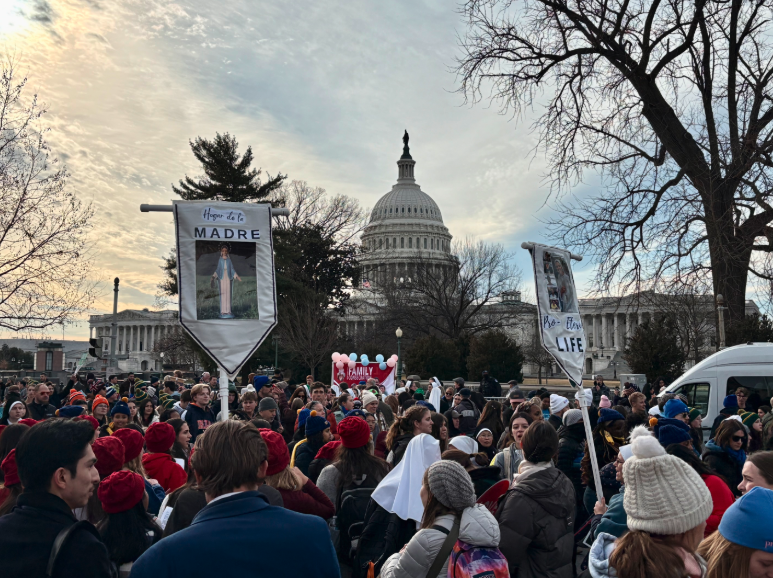
March for Life in Warsaw commemorates 1,060 years of Christianity in Poland #Catholic Thousands of people gathered in Poland’s capital on April 19 for the National March for Life, a large public demonstration organized under the slogan “Faith and Fidelity 1966–2026,” commemorating the 1,060th anniversary of the Christianization of Poland. The event combined religious observance, civic participation, and pro-life advocacy, drawing families, clergy, activists, and public figures to central Warsaw. The day began with Mass celebrated in two of the cityʼs major churches. 
 
 Mass is celebrated at the Archcathedral Basilica of the Martyrdom of St. John the Baptist in Warsaw, Poland, on April 19, 2026. | Credit: Tomasz Daniluk/Ordo Iuris
 
 In the Archcathedral Basilica of St. John the Baptist, Bishop Piotr Jarecki presided over the liturgy, while Bishop Tomasz Sztajerwald celebrated Mass at the Cathedral of St. Michael the Archangel and St. Florian in Warsaw-Praga.Participants later gathered at Castle Square, where the march officially began. Organizers described the event as a public expression of support for life and family, rooted in Poland’s Christian tradition. Metropolitan Archbishop Adrian Galbas of Warsaw encouraged participation ahead of the event, framing it as a testimony to human dignity. “We want to testify that we are lovers of life. Bring your family along! Life triumphs over every death,” he declared.
 
 Church leaders join Poland’s President Karol Nawrocki and other dignitaries at the March for Life in Warsaw on April 19, 2026. | Credit: Tomasz Daniluk/Ordo lures
 
 March through Warsaw highlights pro-life messageThe procession moved through central Warsaw streets under the historic slogan marking Poland’s Christian heritage. As participants approached the Presidential Palace, Polish President Karol Nawrocki spoke, linking the march to broader social concerns.“I support initiatives that serve Poland, and this initiative certainly serves Poland,” he said. “It is also a response to the deep demographic crisis. Today, the answer to many Polish problems lies precisely in Polish families, in our identity, in remembering where we come from and where we are going.”Organizers said the march was intended not only as a demonstration of pro-life conviction but also as a broader reflection on national identity and social cohesion.A prominent symbol carried during the march was a copy of the icon of Our Lady of Częstochowa, which has been traveling internationally for 14 years as part of the From Ocean to Ocean pilgrimage in defense of life. The icon has traveled more than 220,000 kilometers (almost 137,000 miles) and visited 32 countries across five continents.
 
 Participants carry an icon of Our Lady of Częstochowa. | Credit: Tomasz Daniluk/Ordo Iuris
 
 Shifting abortion attitudes among younger PolesThe National March for Life is organized by the St. Benedict Foundation alongside dozens of pro-life groups from across Poland and takes place under the honorary patronage of the Polish Episcopal Conference.Patrycja Michońska-Dynek, director of the Press Center of the Archdiocese of Warsaw, told EWTN News that there are shifting public attitudes toward abortion in Poland, including growing societal acceptance and increased calls for liberalization, attributing these changes to secularization, cultural pressures, and differing interpretations of freedom.Michońska-Dynek also observed that while pro-life values remain important in Polish society, younger generations often approach the issue with more nuanced perspectives, particularly in complex or exceptional situations. Fostering a “culture of life” must include practical support for families, such as assistance for single mothers and couples in crisis, Michońska-Dynek said.
 
 Lidia, a participant at the National March for Life. | Credit: Tomasz Daniluk/Ordo Iuris
 
 Not a single-issue agendaLidia Sankowska-Grabczuk, one of the organizers of the National March for Life, told EWTN News that the pro-life movement in Poland extends beyond a single-issue focus on abortion.“In a nutshell, the pro-life movement is [often] the anti-abortion movement. In our view… it’s a bit different. We don’t reduce it to a single-issue agenda,” she said, warning that such a narrow framing “strips it of its true meaning.” While protecting unborn life remains central, she described it as part of a broader vision rooted in what she called “the public voice of Polish Christianity.”She outlined three core pillars underpinning the movement. The first is “respect for life,” encompassing not only the unborn but also solidarity with the elderly, families, and those in need. The second is the family as society’s foundation, grounded in the traditional understanding of marriage and its role in Poland’s social stability. The third pillar is “a state serving the common good,” reflecting a view of politics as service and a call for greater social solidarity.
 
 March for Life in Warsaw commemorates 1,060 years of Christianity in Poland. | Credit: Tomasz Daniluk/Ordo Iuris
 
 Sankowska-Grabczuk also discussed the importance of Poland’s historical and Christian identity in shaping the movement. She noted that recent marches have intentionally marked major national milestones, including the 1,000th anniversary of Poland’s first royal coronation in 2025.These commemorations, she said, highlight how the movement sees its mission as inseparable from Poland’s historical development, where Christianity has long informed both national identity and social values.Pro-life voices and public participationAmong international participants was Tonio Borg, president of the European Federation One of Us. He urged participants to remain steadfast in their convictions despite criticism or public pressure. “Do not be afraid of being slandered and ridiculed because you seek to protect life from the moment of conception,” he said, encouraging continued public engagement and advocacy. He also called on supporters to make their voices heard in the public sphere, stressing the importance of influencing lawmakers and demonstrating that “the unborn child is one of us.”
 
 Paula, a participant at the National March for Life in Poland. | Credit: Tomasz Daniluk/Ordo Iuris
 
 Marcin Perłowski, director of the Centre for Life and Family, said participants gathered at the march out of a shared conviction that “human life begins at conception” and must be defended. He stated that the National March for Life serves as a public demonstration of that belief, describing it as a stand “against all those who raise a hand against unborn children.”Pro-life activist Emilia Mędrzecka told EWTN News that her position is grounded in a belief in universal human dignity. “Children in the womb are as human as we are… they are more dependent and need time to grow,” she said while adding that the march reflected a strong presence of families, young people, and older generations united in support of life.
 
 Polish president Karol Nawrocki walks among participants at the National March for Life in Poland. | Credit: Tomasz Daniluk/Ordo Iuris
 
 While official attendance figures have not been released, estimates provided to EWTN News suggested more than 10,000 people participated, with organizers placing peak attendance between 25,000 and 30,000.

March for Life in Warsaw commemorates 1,060 years of Christianity in Poland #Catholic Thousands of people gathered in Poland’s capital on April 19 for the National March for Life, a large public demonstration organized under the slogan “Faith and Fidelity 1966–2026,” commemorating the 1,060th anniversary of the Christianization of Poland. The event combined religious observance, civic participation, and pro-life advocacy, drawing families, clergy, activists, and public figures to central Warsaw. The day began with Mass celebrated in two of the cityʼs major churches. Mass is celebrated at the Archcathedral Basilica of the Martyrdom of St. John the Baptist in Warsaw, Poland, on April 19, 2026. | Credit: Tomasz Daniluk/Ordo Iuris In the Archcathedral Basilica of St. John the Baptist, Bishop Piotr Jarecki presided over the liturgy, while Bishop Tomasz Sztajerwald celebrated Mass at the Cathedral of St. Michael the Archangel and St. Florian in Warsaw-Praga.Participants later gathered at Castle Square, where the march officially began. Organizers described the event as a public expression of support for life and family, rooted in Poland’s Christian tradition. Metropolitan Archbishop Adrian Galbas of Warsaw encouraged participation ahead of the event, framing it as a testimony to human dignity. “We want to testify that we are lovers of life. Bring your family along! Life triumphs over every death,” he declared. Church leaders join Poland’s President Karol Nawrocki and other dignitaries at the March for Life in Warsaw on April 19, 2026. | Credit: Tomasz Daniluk/Ordo lures March through Warsaw highlights pro-life messageThe procession moved through central Warsaw streets under the historic slogan marking Poland’s Christian heritage. As participants approached the Presidential Palace, Polish President Karol Nawrocki spoke, linking the march to broader social concerns.“I support initiatives that serve Poland, and this initiative certainly serves Poland,” he said. “It is also a response to the deep demographic crisis. Today, the answer to many Polish problems lies precisely in Polish families, in our identity, in remembering where we come from and where we are going.”Organizers said the march was intended not only as a demonstration of pro-life conviction but also as a broader reflection on national identity and social cohesion.A prominent symbol carried during the march was a copy of the icon of Our Lady of Częstochowa, which has been traveling internationally for 14 years as part of the From Ocean to Ocean pilgrimage in defense of life. The icon has traveled more than 220,000 kilometers (almost 137,000 miles) and visited 32 countries across five continents. Participants carry an icon of Our Lady of Częstochowa. | Credit: Tomasz Daniluk/Ordo Iuris Shifting abortion attitudes among younger PolesThe National March for Life is organized by the St. Benedict Foundation alongside dozens of pro-life groups from across Poland and takes place under the honorary patronage of the Polish Episcopal Conference.Patrycja Michońska-Dynek, director of the Press Center of the Archdiocese of Warsaw, told EWTN News that there are shifting public attitudes toward abortion in Poland, including growing societal acceptance and increased calls for liberalization, attributing these changes to secularization, cultural pressures, and differing interpretations of freedom.Michońska-Dynek also observed that while pro-life values remain important in Polish society, younger generations often approach the issue with more nuanced perspectives, particularly in complex or exceptional situations. Fostering a “culture of life” must include practical support for families, such as assistance for single mothers and couples in crisis, Michońska-Dynek said. Lidia, a participant at the National March for Life. | Credit: Tomasz Daniluk/Ordo Iuris Not a single-issue agendaLidia Sankowska-Grabczuk, one of the organizers of the National March for Life, told EWTN News that the pro-life movement in Poland extends beyond a single-issue focus on abortion.“In a nutshell, the pro-life movement is [often] the anti-abortion movement. In our view… it’s a bit different. We don’t reduce it to a single-issue agenda,” she said, warning that such a narrow framing “strips it of its true meaning.” While protecting unborn life remains central, she described it as part of a broader vision rooted in what she called “the public voice of Polish Christianity.”She outlined three core pillars underpinning the movement. The first is “respect for life,” encompassing not only the unborn but also solidarity with the elderly, families, and those in need. The second is the family as society’s foundation, grounded in the traditional understanding of marriage and its role in Poland’s social stability. The third pillar is “a state serving the common good,” reflecting a view of politics as service and a call for greater social solidarity. March for Life in Warsaw commemorates 1,060 years of Christianity in Poland. | Credit: Tomasz Daniluk/Ordo Iuris Sankowska-Grabczuk also discussed the importance of Poland’s historical and Christian identity in shaping the movement. She noted that recent marches have intentionally marked major national milestones, including the 1,000th anniversary of Poland’s first royal coronation in 2025.These commemorations, she said, highlight how the movement sees its mission as inseparable from Poland’s historical development, where Christianity has long informed both national identity and social values.Pro-life voices and public participationAmong international participants was Tonio Borg, president of the European Federation One of Us. He urged participants to remain steadfast in their convictions despite criticism or public pressure. “Do not be afraid of being slandered and ridiculed because you seek to protect life from the moment of conception,” he said, encouraging continued public engagement and advocacy. He also called on supporters to make their voices heard in the public sphere, stressing the importance of influencing lawmakers and demonstrating that “the unborn child is one of us.” Paula, a participant at the National March for Life in Poland. | Credit: Tomasz Daniluk/Ordo Iuris Marcin Perłowski, director of the Centre for Life and Family, said participants gathered at the march out of a shared conviction that “human life begins at conception” and must be defended. He stated that the National March for Life serves as a public demonstration of that belief, describing it as a stand “against all those who raise a hand against unborn children.”Pro-life activist Emilia Mędrzecka told EWTN News that her position is grounded in a belief in universal human dignity. “Children in the womb are as human as we are… they are more dependent and need time to grow,” she said while adding that the march reflected a strong presence of families, young people, and older generations united in support of life. Polish president Karol Nawrocki walks among participants at the National March for Life in Poland. | Credit: Tomasz Daniluk/Ordo Iuris While official attendance figures have not been released, estimates provided to EWTN News suggested more than 10,000 people participated, with organizers placing peak attendance between 25,000 and 30,000.

Recent marches in Poland have intentionally marked major national milestones, including the 1,000th anniversary of Poland’s first royal coronation in 2025.

Read More
Pope Leo XIV urges Angola to ‘remove the obstacles to integral human development’ #Catholic LUANDA, Angola — Pope Leo XIV on April 18 called on Angola’s leaders and people to “remove the obstacles to integral human development,” urging them to choose the path of the common good, resist exploitative interests, and preserve the hope and joy that, he said, remain among Africa’s greatest treasures.The pope spoke at the presidential palace in Luanda during his meeting with authorities, civil society, and the diplomatic corps, the first public event of the Angola leg of his broader trip to Africa.Arriving in Luanda earlier in the day, Leo traveled by popemobile through jubilant crowds lining the route to the palace. He also held a private meeting with Angolan President João Lourenço before delivering his address.At the outset of his speech, the pope expressed solidarity with those affected by recent flooding in the country.“Before continuing, I would like to offer the assurance of my prayers for the victims of the heavy rains and floods that have struck the province of Benguela, and to express my closeness to the families who have lost their homes,” he said. “I also know that you, the people of Angola, are united in a great chain of solidarity with those affected.”His remarks came against the backdrop of mounting social strains in Angola, including protests last year over fuel price increases, repeated criticism by the country’s bishops over entrenched corruption, and deadly flooding in early April.Leo framed his address around themes that have marked earlier stops on his Africa trip, including peace, reconciliation, the common good, and criticism of those who exploit the continent for personal gain.Speaking in Portuguese, the pope praised the Angolan people for possessing “treasures that cannot be bought or taken away.”“In particular, there dwells within you a joy that not even the most adverse circumstances have been able to extinguish,” he said. This joy, he added, “is no stranger to sorrow, indignation, disappointment and defeat,” yet continues to be reborn in those who have resisted “the seductions of wealth.”The pope sharply criticized patterns of exploitation directed at Africa.“You know well that all too often people have looked — and continue to look — to your lands in order to give, or, more commonly, in order to take,” he said. “It is necessary to break this cycle of interests, which reduces reality, and even life itself, to mere commodities.”Leo described Africa’s joy and hope as “virtues that I would not hesitate to call ‘political,’” because “her young people and her poor continue to dream and to hope.” He said they “are not content with what already exists; they strive to rise above, to prepare themselves for great responsibilities, and to take an active part in shaping their own future.”He also emphasized that authentic social transformation cannot be imposed ideologically.“Indeed, the wisdom of a people cannot be stifled by any ideology, and the longing for the infinite that dwells in the human heart is a principle of social transformation far deeper than any political or cultural program,” he said.The pope said he had come to “listen to and encourage all those who have already chosen the paths of goodness, justice, peace, tolerance and reconciliation,” while also praying “for the conversion of those who choose contrary paths and hinder its harmonious and fraternal development.”Turning to Angola’s natural wealth, Leo warned against what he called a destructive extractive logic.“How much suffering, how many deaths, how many social and environmental disasters are brought about by this logic of extractivism!” he said. At every level, he added, it supports “a model of development that discriminates and excludes, while still presuming to impose itself as the only viable option.”He said Africa “urgently needs to overcome situations and dynamics of conflict and enmity that tear apart the social and political fabric of many countries, fostering poverty and exclusion.”Only encounter allows life to flourish, the pope said, and dialogue must come first, even when disagreements emerge.“Angola can experience great growth if, first of all, those who hold authority in the country believe in the manifold nature of its riches,” he said. “Do not be afraid of disagreement; do not suppress the ideas of the young or the dreams of the elderly; and know how to manage conflicts by transforming them into paths of renewal. Place the common good before every particular interest, never confusing your own part with the whole. History will then vindicate you, even if in the near term some may oppose you.”Leo then returned to the themes of joy and hope, describing them not as merely private sentiments but as forces with public and political consequences.“Despots and tyrants of both body and spirit seek to render souls passive and passions gloomy; they prefer a populace prone to inertia, docile and subservient to power,” he said.Sadness, he argued, leaves people vulnerable to fear, fanaticism, manipulation, and isolation from public life. By contrast, “true joy frees us from such alienation,” he said, calling joy “a gift of the Holy Spirit.”“Joy intensifies life and leads to the creation of community,” the pope said. “Joy knows how to carve paths even in the darkest zones of stagnation and hardship.”He concluded with an appeal for moral and social renewal.“Let us therefore examine our own hearts, dear friends, because without joy there is no renewal; without interiority there is no liberation; without encounter there is no politics; without the other there is no justice.”Leo said the Catholic Church wants to help Angola become “a project of hope” by fostering a just model of coexistence, especially in poor urban neighborhoods and remote rural areas.“Let us remove the obstacles to integral human development, working and hoping together alongside those whom the world has discarded but whom God has chosen,” he said.This story was first published by ACI Stampa, the Italian-language sister service of EWTN News. It has been translated and adapted by EWTN News English.

Pope Leo XIV urges Angola to ‘remove the obstacles to integral human development’ #Catholic LUANDA, Angola — Pope Leo XIV on April 18 called on Angola’s leaders and people to “remove the obstacles to integral human development,” urging them to choose the path of the common good, resist exploitative interests, and preserve the hope and joy that, he said, remain among Africa’s greatest treasures.The pope spoke at the presidential palace in Luanda during his meeting with authorities, civil society, and the diplomatic corps, the first public event of the Angola leg of his broader trip to Africa.Arriving in Luanda earlier in the day, Leo traveled by popemobile through jubilant crowds lining the route to the palace. He also held a private meeting with Angolan President João Lourenço before delivering his address.At the outset of his speech, the pope expressed solidarity with those affected by recent flooding in the country.“Before continuing, I would like to offer the assurance of my prayers for the victims of the heavy rains and floods that have struck the province of Benguela, and to express my closeness to the families who have lost their homes,” he said. “I also know that you, the people of Angola, are united in a great chain of solidarity with those affected.”His remarks came against the backdrop of mounting social strains in Angola, including protests last year over fuel price increases, repeated criticism by the country’s bishops over entrenched corruption, and deadly flooding in early April.Leo framed his address around themes that have marked earlier stops on his Africa trip, including peace, reconciliation, the common good, and criticism of those who exploit the continent for personal gain.Speaking in Portuguese, the pope praised the Angolan people for possessing “treasures that cannot be bought or taken away.”“In particular, there dwells within you a joy that not even the most adverse circumstances have been able to extinguish,” he said. This joy, he added, “is no stranger to sorrow, indignation, disappointment and defeat,” yet continues to be reborn in those who have resisted “the seductions of wealth.”The pope sharply criticized patterns of exploitation directed at Africa.“You know well that all too often people have looked — and continue to look — to your lands in order to give, or, more commonly, in order to take,” he said. “It is necessary to break this cycle of interests, which reduces reality, and even life itself, to mere commodities.”Leo described Africa’s joy and hope as “virtues that I would not hesitate to call ‘political,’” because “her young people and her poor continue to dream and to hope.” He said they “are not content with what already exists; they strive to rise above, to prepare themselves for great responsibilities, and to take an active part in shaping their own future.”He also emphasized that authentic social transformation cannot be imposed ideologically.“Indeed, the wisdom of a people cannot be stifled by any ideology, and the longing for the infinite that dwells in the human heart is a principle of social transformation far deeper than any political or cultural program,” he said.The pope said he had come to “listen to and encourage all those who have already chosen the paths of goodness, justice, peace, tolerance and reconciliation,” while also praying “for the conversion of those who choose contrary paths and hinder its harmonious and fraternal development.”Turning to Angola’s natural wealth, Leo warned against what he called a destructive extractive logic.“How much suffering, how many deaths, how many social and environmental disasters are brought about by this logic of extractivism!” he said. At every level, he added, it supports “a model of development that discriminates and excludes, while still presuming to impose itself as the only viable option.”He said Africa “urgently needs to overcome situations and dynamics of conflict and enmity that tear apart the social and political fabric of many countries, fostering poverty and exclusion.”Only encounter allows life to flourish, the pope said, and dialogue must come first, even when disagreements emerge.“Angola can experience great growth if, first of all, those who hold authority in the country believe in the manifold nature of its riches,” he said. “Do not be afraid of disagreement; do not suppress the ideas of the young or the dreams of the elderly; and know how to manage conflicts by transforming them into paths of renewal. Place the common good before every particular interest, never confusing your own part with the whole. History will then vindicate you, even if in the near term some may oppose you.”Leo then returned to the themes of joy and hope, describing them not as merely private sentiments but as forces with public and political consequences.“Despots and tyrants of both body and spirit seek to render souls passive and passions gloomy; they prefer a populace prone to inertia, docile and subservient to power,” he said.Sadness, he argued, leaves people vulnerable to fear, fanaticism, manipulation, and isolation from public life. By contrast, “true joy frees us from such alienation,” he said, calling joy “a gift of the Holy Spirit.”“Joy intensifies life and leads to the creation of community,” the pope said. “Joy knows how to carve paths even in the darkest zones of stagnation and hardship.”He concluded with an appeal for moral and social renewal.“Let us therefore examine our own hearts, dear friends, because without joy there is no renewal; without interiority there is no liberation; without encounter there is no politics; without the other there is no justice.”Leo said the Catholic Church wants to help Angola become “a project of hope” by fostering a just model of coexistence, especially in poor urban neighborhoods and remote rural areas.“Let us remove the obstacles to integral human development, working and hoping together alongside those whom the world has discarded but whom God has chosen,” he said.This story was first published by ACI Stampa, the Italian-language sister service of EWTN News. It has been translated and adapted by EWTN News English.

The pontiff urged the country to reject exploitative models of development and place the common good above particular interests.

Read More
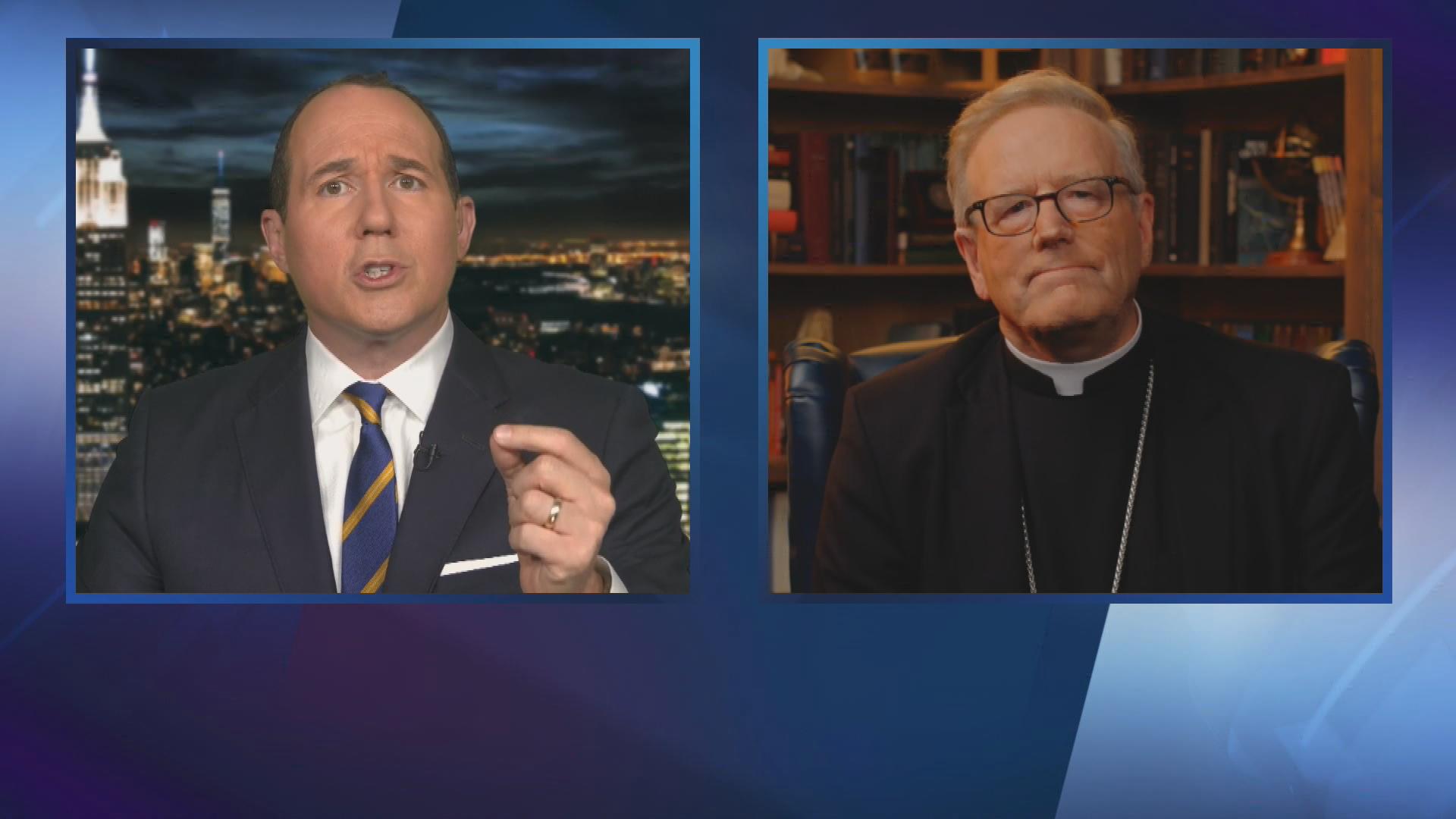
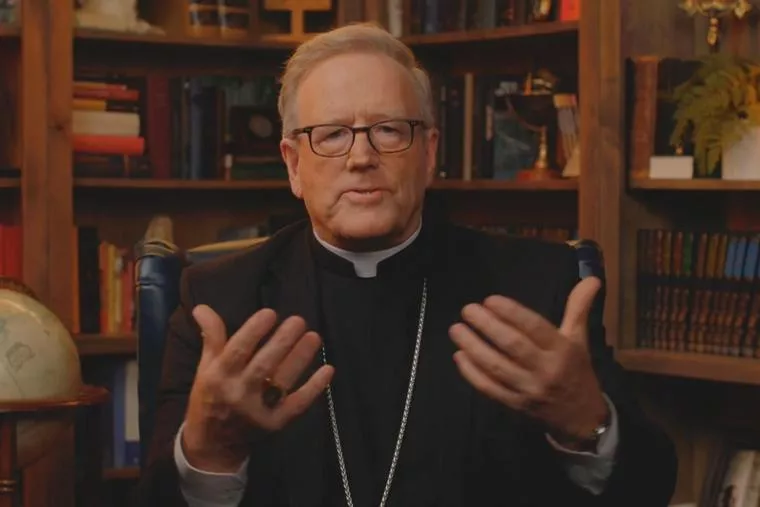
Trump’s comments on Pope Leo called ‘disrespectful’ as Americans react #Catholic Catholic bishops and U.S. elected officials have publicly criticized the president’s statements about Pope Leo XIV.President Donald Trump called Leo “weak on crime and terrible for foreign policy” in a lengthy social media post April 12 that drew response from the United States Conference of Catholic Bishops (USCCB) and elected officials.Bishop Robert Barron of the Diocese of Winona-Rochester, Minnesota, called Trump’s attack on Pope Leo XIV “disrespectful." Barron, who serves on Trump’s Religious Liberty Commission, said in a post on X that Trump’s comments “were entirely inappropriate and disrespectful” and “I think the president owes the pope an apology.”“[Trump’s comments] don’t contribute at all to a constructive conversation,” he said. “It is the pope’s prerogative to articulate Catholic doctrine and the principles that govern the moral life. In regard to the concrete application of those principles, people of goodwill can and do disagree.”Barron encouraged Catholic Trump officials to arrange a meeting with Vatican officials “so that a real dialogue can take place,” saying “this is far preferable to the statements on social media.”Bishop Michael Burbidge of Arlington, Virginia, said in a social media post: “Along with Archbishop [Paul] Coakley, president of the USCCB, and my brother bishops, I was disheartened by recent comments from President Trump concerning Pope Leo XIV and the Church. I pray that civility and respect are fully restored as together, with God’s grace, we work for peace and harmony among all people. May we also be united in our prayer for the end of war and violence so that Christ’s peace reigns throughout the world and in our hearts.”Palm Beach, Florida, Bishop Manuel de Jesús Rodríguez posted on X: “The @DiocesePB stands firm with our Holy Father, @Pontifex, and strongly rejects the disrespectful and violent attacks that Donald J. Trump has directed against the Holy Father.”Buffalo, New York, Bishop Michael Fisher posted on X: “This is not about politics but the very cause of humanity.”The Catholic Association's Ashley McGuire said in a statement: “The Catholic Church does not in any way fit into American political boxes. It will always prioritize the protection of innocent life in all its stages as well as the cause of the poor and marginalized. Insulting the pope, and all Catholics by extension, with the hope of making the Church bend to American political agendas, is discouraging and counterproductive.” McGuire added: “We pray that President Trump apologizes to Pope Leo.”U.S. officials' reaction beginsRepublican Vice President JD Vance, who is Catholic, has not yet commented on the matter, nor has Secretary of State Marco Rubio, also a Catholic.Sen. Mark Kelly, D-Arizona, who is Catholic, posted on X that “I find it abhorrent that the president of the United States would publicly attack the successor of St. Peter.”U.S. House Minority Leader Hakeem Jeffries said on X that Trump “shamefully attacked” the pope. Few Republican elected officials have spoken out.TweetDemocratic California Gov. Gavin Newsom posted on X: “Hey @GOP, you good with your guy directly attacking the pope now?”Rep. Lukas Schubert, a Republican Montana state lawmaker, disputed the presidentʼs statement that the pope is a “liberal person.”“Pope Leo is significantly further to the right than President Trump on abortion, gay marriage, and family values. Also he is more America First on the Iran War,” Schubert said.AI imageTrump also posted an AI-created image on Truth Social that appeared to portray himself as Jesus Christ, healing the sick, which led several Catholics to accuse the president of blasphemy.Edward Feser, a Catholic philosopher and professor at Pasadena City College, posted on X that Trump’s comments illustrate “how utter enslavement to the sin of pride makes a man unsuitable for the presidency.”“For all their faults, previous presidents had the visceral understanding of proper boundaries not to attack the vicar of Christ even when they disagreed with him,” he said.Feser quoted Daniel 11:36-37 in response to Trump’s AI image of himself as Christ, which reads: “And the king shall do according to his will; he shall exalt himself and magnify himself above every god, and shall speak astonishing things against the God of gods … He shall not give heed to any other god, for he shall magnify himself above all.”In reaction to the AI photo, Matt Fradd, the host of “Pints With Aquinas,“ urged Catholics to “offer a rosary today for Donald Trump and all blasphemers. … Seriously. Do it. I will too.”TweetRep. Shontel Brown, D-Ohio, did not directly reference Trumpʼs remarks about the pope but criticized the AI-created image on X: “There aren’t enough words to denounce how wrong this is.”The comments came after Leo criticized the Iran war and Trump’s rhetoric about targeting the entire civilization of Iran. Leo said in response to the post: “I have no fear neither of the Trump administration nor of speaking out loudly about the message of the Gospel.”Marjorie Taylor Greene, a former Republican congresswoman who was a strong ally of Trump before splitting with him on the Iran war and his handling of the Jeffrey Epstein files, posted on X that Trump “attacked the pope because the pope is rightly against Trump’s war in Iran and then he posted this picture of himself as if he is replacing Jesus.”“This comes after last week’s post of his evil tirade on Easter and then threatening to kill an entire civilization,” she said. “I completely denounce this and I’m praying against it!!!”‘Fuels division’Father Robert Sirico, the founder of the Acton Institute, said in a statement that Leo “has both the right and the duty to speak prophetically on matters of war and peace, the dignity of the human person, and the moral limits of force — even when his words discomfort political leaders.”He said Trump’s post does not “strengthen America’s moral standing but “merely fuels division.”Sirico also added that Catholics can disagree with popes on prudential judgments, such as foreign policy or crime, which he said are not infallible: “The Church herself teaches that such applications of principle admit of legitimate debate.”This story was updated at 11:50 a.m. ET on April 13, 2026, with comments from Buffalo, New York, Bishop Michael Fisher and The Catholic Associationʼs Ashley McGuire.

Trump’s comments on Pope Leo called ‘disrespectful’ as Americans react #Catholic Catholic bishops and U.S. elected officials have publicly criticized the president’s statements about Pope Leo XIV.President Donald Trump called Leo “weak on crime and terrible for foreign policy” in a lengthy social media post April 12 that drew response from the United States Conference of Catholic Bishops (USCCB) and elected officials.Bishop Robert Barron of the Diocese of Winona-Rochester, Minnesota, called Trump’s attack on Pope Leo XIV “disrespectful." Barron, who serves on Trump’s Religious Liberty Commission, said in a post on X that Trump’s comments “were entirely inappropriate and disrespectful” and “I think the president owes the pope an apology.”“[Trump’s comments] don’t contribute at all to a constructive conversation,” he said. “It is the pope’s prerogative to articulate Catholic doctrine and the principles that govern the moral life. In regard to the concrete application of those principles, people of goodwill can and do disagree.”Barron encouraged Catholic Trump officials to arrange a meeting with Vatican officials “so that a real dialogue can take place,” saying “this is far preferable to the statements on social media.”Bishop Michael Burbidge of Arlington, Virginia, said in a social media post: “Along with Archbishop [Paul] Coakley, president of the USCCB, and my brother bishops, I was disheartened by recent comments from President Trump concerning Pope Leo XIV and the Church. I pray that civility and respect are fully restored as together, with God’s grace, we work for peace and harmony among all people. May we also be united in our prayer for the end of war and violence so that Christ’s peace reigns throughout the world and in our hearts.”Palm Beach, Florida, Bishop Manuel de Jesús Rodríguez posted on X: “The @DiocesePB stands firm with our Holy Father, @Pontifex, and strongly rejects the disrespectful and violent attacks that Donald J. Trump has directed against the Holy Father.”Buffalo, New York, Bishop Michael Fisher posted on X: “This is not about politics but the very cause of humanity.”The Catholic Association's Ashley McGuire said in a statement: “The Catholic Church does not in any way fit into American political boxes. It will always prioritize the protection of innocent life in all its stages as well as the cause of the poor and marginalized. Insulting the pope, and all Catholics by extension, with the hope of making the Church bend to American political agendas, is discouraging and counterproductive.” McGuire added: “We pray that President Trump apologizes to Pope Leo.”U.S. officials' reaction beginsRepublican Vice President JD Vance, who is Catholic, has not yet commented on the matter, nor has Secretary of State Marco Rubio, also a Catholic.Sen. Mark Kelly, D-Arizona, who is Catholic, posted on X that “I find it abhorrent that the president of the United States would publicly attack the successor of St. Peter.”U.S. House Minority Leader Hakeem Jeffries said on X that Trump “shamefully attacked” the pope. Few Republican elected officials have spoken out.TweetDemocratic California Gov. Gavin Newsom posted on X: “Hey @GOP, you good with your guy directly attacking the pope now?”Rep. Lukas Schubert, a Republican Montana state lawmaker, disputed the presidentʼs statement that the pope is a “liberal person.”“Pope Leo is significantly further to the right than President Trump on abortion, gay marriage, and family values. Also he is more America First on the Iran War,” Schubert said.AI imageTrump also posted an AI-created image on Truth Social that appeared to portray himself as Jesus Christ, healing the sick, which led several Catholics to accuse the president of blasphemy.Edward Feser, a Catholic philosopher and professor at Pasadena City College, posted on X that Trump’s comments illustrate “how utter enslavement to the sin of pride makes a man unsuitable for the presidency.”“For all their faults, previous presidents had the visceral understanding of proper boundaries not to attack the vicar of Christ even when they disagreed with him,” he said.Feser quoted Daniel 11:36-37 in response to Trump’s AI image of himself as Christ, which reads: “And the king shall do according to his will; he shall exalt himself and magnify himself above every god, and shall speak astonishing things against the God of gods … He shall not give heed to any other god, for he shall magnify himself above all.”In reaction to the AI photo, Matt Fradd, the host of “Pints With Aquinas,“ urged Catholics to “offer a rosary today for Donald Trump and all blasphemers. … Seriously. Do it. I will too.”TweetRep. Shontel Brown, D-Ohio, did not directly reference Trumpʼs remarks about the pope but criticized the AI-created image on X: “There aren’t enough words to denounce how wrong this is.”The comments came after Leo criticized the Iran war and Trump’s rhetoric about targeting the entire civilization of Iran. Leo said in response to the post: “I have no fear neither of the Trump administration nor of speaking out loudly about the message of the Gospel.”Marjorie Taylor Greene, a former Republican congresswoman who was a strong ally of Trump before splitting with him on the Iran war and his handling of the Jeffrey Epstein files, posted on X that Trump “attacked the pope because the pope is rightly against Trump’s war in Iran and then he posted this picture of himself as if he is replacing Jesus.”“This comes after last week’s post of his evil tirade on Easter and then threatening to kill an entire civilization,” she said. “I completely denounce this and I’m praying against it!!!”‘Fuels division’Father Robert Sirico, the founder of the Acton Institute, said in a statement that Leo “has both the right and the duty to speak prophetically on matters of war and peace, the dignity of the human person, and the moral limits of force — even when his words discomfort political leaders.”He said Trump’s post does not “strengthen America’s moral standing but “merely fuels division.”Sirico also added that Catholics can disagree with popes on prudential judgments, such as foreign policy or crime, which he said are not infallible: “The Church herself teaches that such applications of principle admit of legitimate debate.”This story was updated at 11:50 a.m. ET on April 13, 2026, with comments from Buffalo, New York, Bishop Michael Fisher and The Catholic Associationʼs Ashley McGuire.

President Donald Trump called Leo “weak on crime and terrible for foreign policy” in a lengthy social media post April 12 that drew response from U.S. bishops and elected officials.

Read More
Minnesota bishop: Singer Gracie Abrams helps young people confront ‘gaping wounds in their hearts’ #Catholic Hereʼs a roundup of the latest Catholic education news in the U.S.Minnesota bishop cites Gracie Abrams in speech on educators’ role in healing woundsBishop Andrew Cozzens of Crookston shared a video performance of pop singer Gracie Abrams during his keynote speech at the National Catholic Educational Association convention.While discussing the role of educators in helping young people to heal from their wounds, Cozzens played a video of Abrams performing her song “Camden."“The poetry that she sings about expresses the depth of pain that she carries in her heart, and whatʼs even more clear is that it resonates with tens of thousands of people in the stadium all her same age,” Cozzens said during his April 7 keynote, according to UCA News. "Many people in the stadium also feel like singing.”In the song, an extended reflection on insecurity and personal struggles, Abrams sings, in part, “All of me, a wound to close / But I leave the whole thing open / I just wanted you to know / I was never good at coping.”“This is the height of popular culture,” he said. “This is what our young people are singing about, the gaping wounds in their hearts." Catholic educators must invite young people to encounter Christ in their wounds, rather than seeking value from social media, artificial intelligence, popular culture, or politics, he said.The National Catholic Educational Association convention took place April 7-9. Other highlights at the event included a live butter sculpture of Pope Leo XIV, and “Puppy Love” sessions sponsored by Safe Hands Rescue and Healing Hearts Rescue, according to the event schedule.Chicago Archdiocese says public school system abruptly cut off funding for students with disabilitiesMore than 800 students with disabilities attending Chicago Catholic schools will be affected after the city’s public school system suddenly suspended funding to social services before the end of the school year.The Chicago Archdiocese said in an April 10 statement that Chicago Public Schools (CPS) targeted only Catholic schools in terminating services for individuals with special needs under the Individuals with Disabilities Education Act (IDEA). The statement noted students with learning differences will lose access to math, reading, and writing tutoring, which will create “severe hardship for hundreds of students” who were relying on the services through the end of the year.“We are not aware of any other non-public school system or individual school, religious or secular, whose IDEA services have been terminated,” the archdiocese said. “It is not clear why Catholic schools are being treated differently, but Catholic school students have the right to be treated equally under the law.”Chicago Archbishop Cardinal Blase Cupich said the archdiocese "cannot allow this shocking and possibly discriminatory action by CPS to stand, not only given its affront to Catholics, but even more so since this injustice would disenfranchise the students we serve.” The archdiocese said efforts to reach CPS Superintendent Macquline King “have not yielded a response.”The archdiocese said the Chicago school system had verbally confirmed funding for the services would continue through the end of the school year “as recently as March 25" before informing the archdiocese during Holy Week that the services would be suspended. “While federal funding for these services was provided to CPS for the full school year, we were informed that the last day of services would be [April 10],” the archdiocese said.Georgia archdiocese launches virtual Catholic high schoolThe Archdiocese of Atlanta is starting a fully online Catholic high school program this fall in partnership with Catholic Education Services.The launch of Sacred Heart Virtual Academy comes amid increased demand among homeschooling families, according to an April 8 report from the Georgia Bulletin. Curriculum will be provided by Catholic Education Services, whose mission “is to partner with Catholic school leaders and provide services that extend the reach and impact of your school’s mission through a faith-centered, rigorously academic education with a flexible learning platform,” according to its website.“We knew that we were not filling the needs of a group of kids that were in our parishes,” Kim Shields, the archdiocesan associate superintendent of schools, said in the report. “This allows a child that doesn’t want to go to a brick-and-mortar school to have that opportunity.” The school will serve grades 9-12, according to its website, and is open to students outside of the archdiocese.“My hope is that it serves what we’re about — to provide programs for students to help them develop in all areas of their life,” Shields said. “The premise is that everything is centered around the mission of the Catholic Church.”

Minnesota bishop: Singer Gracie Abrams helps young people confront ‘gaping wounds in their hearts’ #Catholic Hereʼs a roundup of the latest Catholic education news in the U.S.Minnesota bishop cites Gracie Abrams in speech on educators’ role in healing woundsBishop Andrew Cozzens of Crookston shared a video performance of pop singer Gracie Abrams during his keynote speech at the National Catholic Educational Association convention.While discussing the role of educators in helping young people to heal from their wounds, Cozzens played a video of Abrams performing her song “Camden."“The poetry that she sings about expresses the depth of pain that she carries in her heart, and whatʼs even more clear is that it resonates with tens of thousands of people in the stadium all her same age,” Cozzens said during his April 7 keynote, according to UCA News. "Many people in the stadium also feel like singing.”In the song, an extended reflection on insecurity and personal struggles, Abrams sings, in part, “All of me, a wound to close / But I leave the whole thing open / I just wanted you to know / I was never good at coping.”“This is the height of popular culture,” he said. “This is what our young people are singing about, the gaping wounds in their hearts." Catholic educators must invite young people to encounter Christ in their wounds, rather than seeking value from social media, artificial intelligence, popular culture, or politics, he said.The National Catholic Educational Association convention took place April 7-9. Other highlights at the event included a live butter sculpture of Pope Leo XIV, and “Puppy Love” sessions sponsored by Safe Hands Rescue and Healing Hearts Rescue, according to the event schedule.Chicago Archdiocese says public school system abruptly cut off funding for students with disabilitiesMore than 800 students with disabilities attending Chicago Catholic schools will be affected after the city’s public school system suddenly suspended funding to social services before the end of the school year.The Chicago Archdiocese said in an April 10 statement that Chicago Public Schools (CPS) targeted only Catholic schools in terminating services for individuals with special needs under the Individuals with Disabilities Education Act (IDEA). The statement noted students with learning differences will lose access to math, reading, and writing tutoring, which will create “severe hardship for hundreds of students” who were relying on the services through the end of the year.“We are not aware of any other non-public school system or individual school, religious or secular, whose IDEA services have been terminated,” the archdiocese said. “It is not clear why Catholic schools are being treated differently, but Catholic school students have the right to be treated equally under the law.”Chicago Archbishop Cardinal Blase Cupich said the archdiocese "cannot allow this shocking and possibly discriminatory action by CPS to stand, not only given its affront to Catholics, but even more so since this injustice would disenfranchise the students we serve.” The archdiocese said efforts to reach CPS Superintendent Macquline King “have not yielded a response.”The archdiocese said the Chicago school system had verbally confirmed funding for the services would continue through the end of the school year “as recently as March 25" before informing the archdiocese during Holy Week that the services would be suspended. “While federal funding for these services was provided to CPS for the full school year, we were informed that the last day of services would be [April 10],” the archdiocese said.Georgia archdiocese launches virtual Catholic high schoolThe Archdiocese of Atlanta is starting a fully online Catholic high school program this fall in partnership with Catholic Education Services.The launch of Sacred Heart Virtual Academy comes amid increased demand among homeschooling families, according to an April 8 report from the Georgia Bulletin. Curriculum will be provided by Catholic Education Services, whose mission “is to partner with Catholic school leaders and provide services that extend the reach and impact of your school’s mission through a faith-centered, rigorously academic education with a flexible learning platform,” according to its website.“We knew that we were not filling the needs of a group of kids that were in our parishes,” Kim Shields, the archdiocesan associate superintendent of schools, said in the report. “This allows a child that doesn’t want to go to a brick-and-mortar school to have that opportunity.” The school will serve grades 9-12, according to its website, and is open to students outside of the archdiocese.“My hope is that it serves what we’re about — to provide programs for students to help them develop in all areas of their life,” Shields said. “The premise is that everything is centered around the mission of the Catholic Church.”

A roundup of the latest Catholic education news in the U.S.

Read More
JD Vance announces book exploring his conversion to Catholicism #Catholic Vice President JD Vance announced his book, “Communion: Finding My Way Back to Faith,” will be released June 16.“I’ve been writing this book for a long time, and I’m honored to finally be able to share the full story with you all,” Vance wrote in a post to X. “‘Communion’ is about my personal journey and how I found my way back to faith.”The book will be published by HarperCollins Publishers, which also published Vance’s 2016 bestselling book “Hillbilly Elegy: A Memoir of a Family and Culture in Crisis.” Since its release, “Hillbilly Elegy” has sold over 5 million copies worldwide.“The story of how I regained my faith, of course, only happened because I had lost it to begin with,” Vance wrote in a HarperCollins press release. “The interesting question that hangs over this book, and over my mind, is why I ever strayed from the path. Why the Christian faith of my youth failed to properly take root.”“I’m glad I found my way back to the Church. I learned much along the way. But if you believe as I do, you know I’ve been fortunate and touched by God’s grace,” he said.The book explores Vance’s conversion to the Catholic faith and what it means to be a Christian across all of the seasons of his life, including as a child, a young man, a husband, a father, and a leader.“To summarize this book: I’m a Christian, and I became a Christian because I believe that Jesus Christ’s teachings are true,” Vance said. “But I didn’t always think that, and by sharing my journey I might be helpful to others — Catholic, Protestant, or otherwise — who are seeking reconciliation with God.”Jonathan Burnham, president and publisher of the Harper Group, said the book “will speak to so many searching for faith, connection, and meaning in their lives.” He added: Vance’s “deeply heartfelt story of doubt and regained belief resonates far beyond politics, offering a moving reflection on the questions that define this moment in American public life.”

JD Vance announces book exploring his conversion to Catholicism #Catholic Vice President JD Vance announced his book, “Communion: Finding My Way Back to Faith,” will be released June 16.“I’ve been writing this book for a long time, and I’m honored to finally be able to share the full story with you all,” Vance wrote in a post to X. “‘Communion’ is about my personal journey and how I found my way back to faith.”The book will be published by HarperCollins Publishers, which also published Vance’s 2016 bestselling book “Hillbilly Elegy: A Memoir of a Family and Culture in Crisis.” Since its release, “Hillbilly Elegy” has sold over 5 million copies worldwide.“The story of how I regained my faith, of course, only happened because I had lost it to begin with,” Vance wrote in a HarperCollins press release. “The interesting question that hangs over this book, and over my mind, is why I ever strayed from the path. Why the Christian faith of my youth failed to properly take root.”“I’m glad I found my way back to the Church. I learned much along the way. But if you believe as I do, you know I’ve been fortunate and touched by God’s grace,” he said.The book explores Vance’s conversion to the Catholic faith and what it means to be a Christian across all of the seasons of his life, including as a child, a young man, a husband, a father, and a leader.“To summarize this book: I’m a Christian, and I became a Christian because I believe that Jesus Christ’s teachings are true,” Vance said. “But I didn’t always think that, and by sharing my journey I might be helpful to others — Catholic, Protestant, or otherwise — who are seeking reconciliation with God.”Jonathan Burnham, president and publisher of the Harper Group, said the book “will speak to so many searching for faith, connection, and meaning in their lives.” He added: Vance’s “deeply heartfelt story of doubt and regained belief resonates far beyond politics, offering a moving reflection on the questions that define this moment in American public life.”

“I’m glad I found my way back to the Church. I learned much along the way. But if you believe as I do, you know I’ve been fortunate and touched by God’s grace,” Vance said.

Read More
Yad Vashem chief: Holocaust memory is key to fighting antisemitism #Catholic Dani Dayan, chairman of Yad Vashem, said that remembering and honoring the Holocaust is essential to combating rising antisemitism worldwide.Dayan, who met with Pope Leo XIV on March 23 together with Israel’s ambassador to the Holy See, Yaron Sideman, said their conversation focused on “two issues: the historical remembrance, the need to remember, to know about the Holocaust — but not just for the sake of history, also for the sake of the present and the sake of the future.”We have to make sure that an “atrocity like this cannot happen again — not to the Jewish people, not to any other people,” he said.He added that antisemitism is “raising its ugly head again all over the world” and that the two issues are closely linked.“I think that knowing about the Holocaust, learning about the Holocaust, remembering, honoring the Holocaust is one of the tools to combat antisemitism,” Dayan said.‘Antisemitism is bigotry’Asked whether Israeli policy risks fueling antisemitism, Dayan rejected the premise.“I think antisemitism should not have palliative reasons. Antisemitism is bigotry, antisemitism is racism, and it’s completely independent of anything that Israel does or does not,” he said.He described antisemitism as a unifying force among otherwise opposed extremist groups.“In many sectors in the world, antisemitism has become the common denominator, the lingua franca of all the extremists in the world — left-wing extremists, right-wing extremists, religious extremists, Islamist extremists, and many others,” he said.“They hate each other on any other issue… [but] they don’t only agree, they even collaborate.”“Antisemitism should not be understood. It should be combated without any reservation,” he added, noting he found “full agreement” with Pope Leo XIV on the point.Memory, politics, and responsibilityDayan emphasized the distinction between Holocaust remembrance and contemporary political debates.“The policy and Holocaust remembrance are two completely different things,” he said, while noting that the Holocaust remains “omnipresent in the back of our minds” for many Jews and continues to shape collective identity.He said the obligation to remember the Holocaust is “threefold”: for the future, to build a world free of bigotry and genocide; for the present, amid resurging antisemitism; and as a moral duty to the victims.“Six million victims that were massacred by Nazi Germany and its collaborators during the Shoah deserve to be remembered,” he said. “It’s a debt that we have to maintain.”A shared history and a future visit?Reflecting on relations between the Catholic Church and the Jewish people, Dayan pointed to the significance of papal visits to Yad Vashem.He presented Pope Leo XIV with a painting by Jewish artist Carol Deutsch, created during the Shoah, depicting the biblical question “Adam, where are you?”He linked the image to Pope Francis’ address at Yad Vashem, in which the late pope asked: “Where was humanity?”Dayan expressed hope that Pope Leo XIV would visit Yad Vashem in the future, “when circumstances allow it.”‘Peace is an imperative’Asked about the role of believers in promoting peace, Dayan said the memory of the Holocaust underscores the urgency of that mission.“To yearn for it and to act for it,” he said. “Learning about the Holocaust… is one of the greatest motivations a person can have to understand that peace is an imperative.”He acknowledged that he once believed the devastation of World War II and the Holocaust would end war and antisemitism.“Unfortunately… I was very naive in that respect. We have to work harder, all of us, in order to make that a reality in the future,” he said.This story was first published by ACI Stampa, the Italian-language sister service of EWTN News. It has been translated and adapted by EWTN News English.

Yad Vashem chief: Holocaust memory is key to fighting antisemitism #Catholic Dani Dayan, chairman of Yad Vashem, said that remembering and honoring the Holocaust is essential to combating rising antisemitism worldwide.Dayan, who met with Pope Leo XIV on March 23 together with Israel’s ambassador to the Holy See, Yaron Sideman, said their conversation focused on “two issues: the historical remembrance, the need to remember, to know about the Holocaust — but not just for the sake of history, also for the sake of the present and the sake of the future.”We have to make sure that an “atrocity like this cannot happen again — not to the Jewish people, not to any other people,” he said.He added that antisemitism is “raising its ugly head again all over the world” and that the two issues are closely linked.“I think that knowing about the Holocaust, learning about the Holocaust, remembering, honoring the Holocaust is one of the tools to combat antisemitism,” Dayan said.‘Antisemitism is bigotry’Asked whether Israeli policy risks fueling antisemitism, Dayan rejected the premise.“I think antisemitism should not have palliative reasons. Antisemitism is bigotry, antisemitism is racism, and it’s completely independent of anything that Israel does or does not,” he said.He described antisemitism as a unifying force among otherwise opposed extremist groups.“In many sectors in the world, antisemitism has become the common denominator, the lingua franca of all the extremists in the world — left-wing extremists, right-wing extremists, religious extremists, Islamist extremists, and many others,” he said.“They hate each other on any other issue… [but] they don’t only agree, they even collaborate.”“Antisemitism should not be understood. It should be combated without any reservation,” he added, noting he found “full agreement” with Pope Leo XIV on the point.Memory, politics, and responsibilityDayan emphasized the distinction between Holocaust remembrance and contemporary political debates.“The policy and Holocaust remembrance are two completely different things,” he said, while noting that the Holocaust remains “omnipresent in the back of our minds” for many Jews and continues to shape collective identity.He said the obligation to remember the Holocaust is “threefold”: for the future, to build a world free of bigotry and genocide; for the present, amid resurging antisemitism; and as a moral duty to the victims.“Six million victims that were massacred by Nazi Germany and its collaborators during the Shoah deserve to be remembered,” he said. “It’s a debt that we have to maintain.”A shared history and a future visit?Reflecting on relations between the Catholic Church and the Jewish people, Dayan pointed to the significance of papal visits to Yad Vashem.He presented Pope Leo XIV with a painting by Jewish artist Carol Deutsch, created during the Shoah, depicting the biblical question “Adam, where are you?”He linked the image to Pope Francis’ address at Yad Vashem, in which the late pope asked: “Where was humanity?”Dayan expressed hope that Pope Leo XIV would visit Yad Vashem in the future, “when circumstances allow it.”‘Peace is an imperative’Asked about the role of believers in promoting peace, Dayan said the memory of the Holocaust underscores the urgency of that mission.“To yearn for it and to act for it,” he said. “Learning about the Holocaust… is one of the greatest motivations a person can have to understand that peace is an imperative.”He acknowledged that he once believed the devastation of World War II and the Holocaust would end war and antisemitism.“Unfortunately… I was very naive in that respect. We have to work harder, all of us, in order to make that a reality in the future,” he said.This story was first published by ACI Stampa, the Italian-language sister service of EWTN News. It has been translated and adapted by EWTN News English.

Dani Dayan speaks after meeting Pope Leo XIV, says antisemitism is “bigotry” independent of Israeli policy.

Read More