
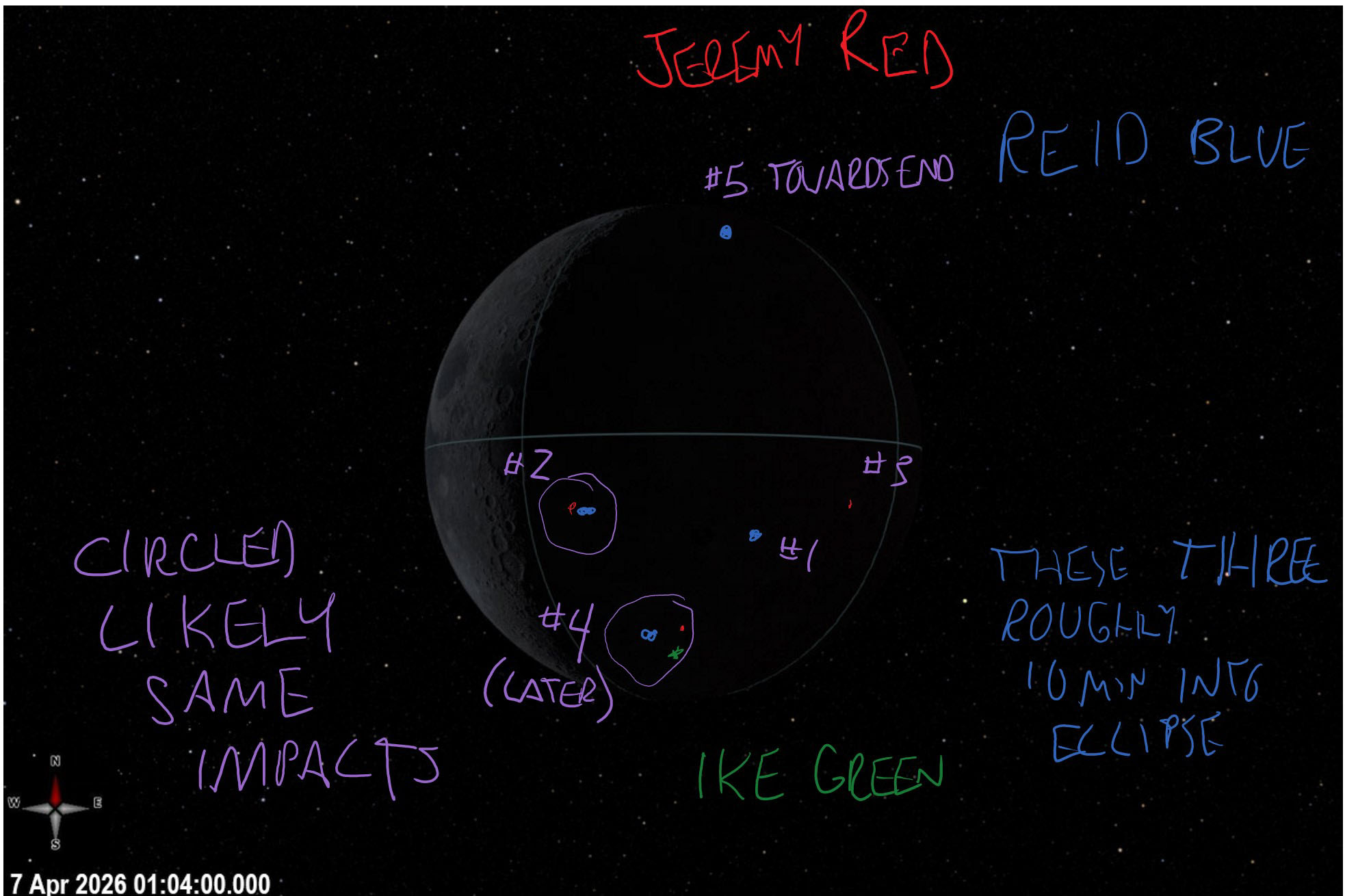
A visualization of a dark Moon eclipsing the Sun is marked with handwritten notes in this April 6, 2026, screenshot from an Artemis II crew member’s tablet.
Read MoreA visualization of a dark Moon eclipsing the Sun is marked with handwritten notes in this April 6, 2026, screenshot from an Artemis II crew member’s tablet.
Read More
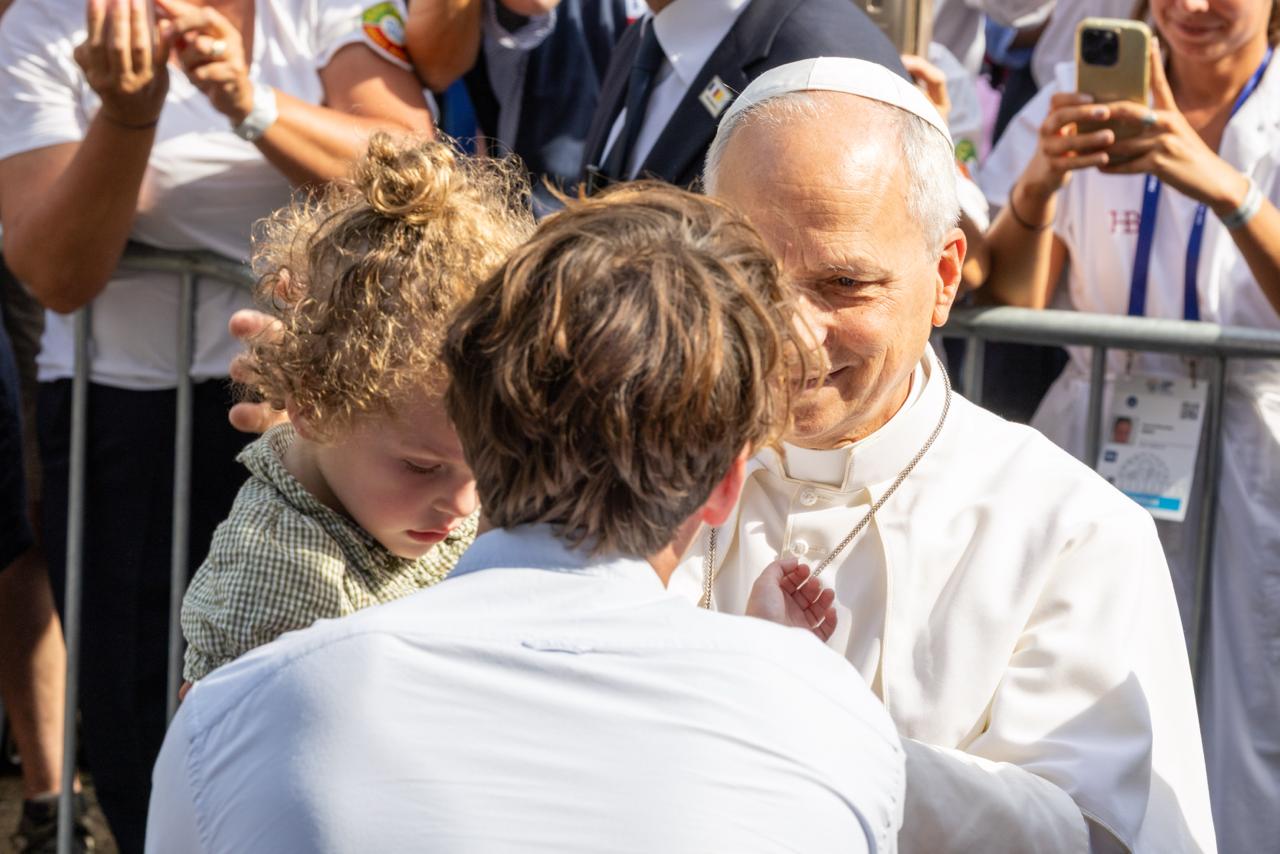
Pope Leo XIV blessed Olivia Hamelin, a 3-year-old with a rare genetic condition, during his visit to Lourdes, France.
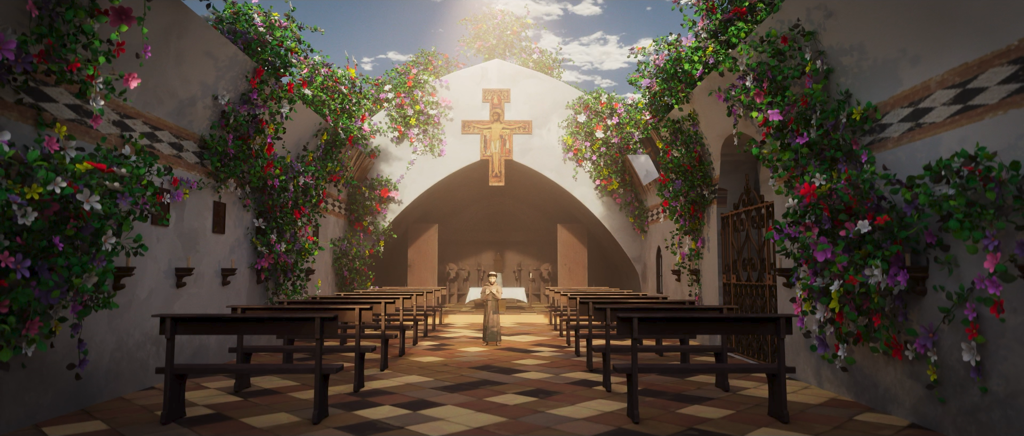
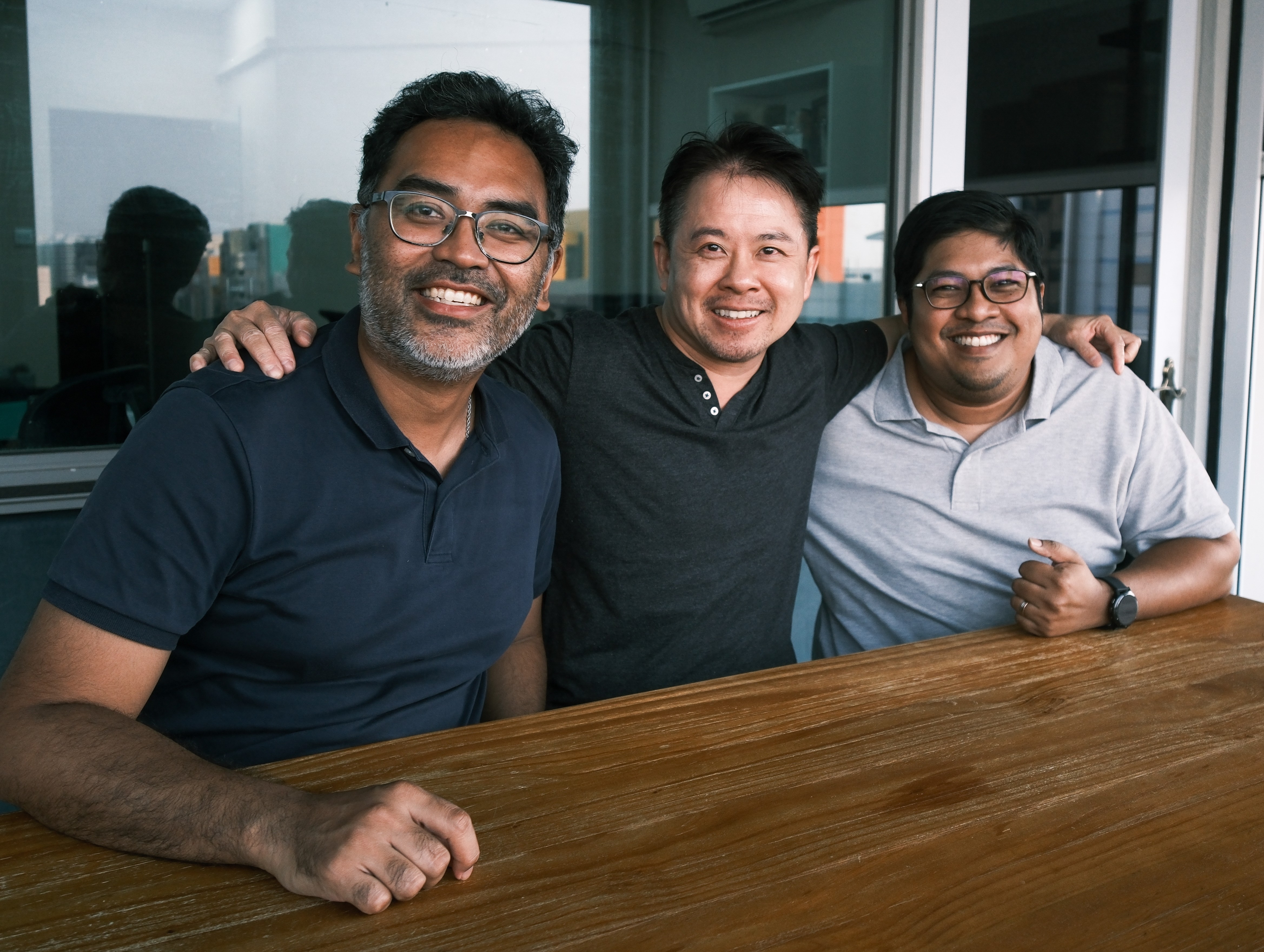
Director Benjamin Tanaka, executive producer Gabriel Patrick, and composer Ethan Hsu call the project “The Francis Chronicles.”
![Apostolic nuncio calls for ‘moral voice’ in AI development #Catholic Archbishop Gabriele Giordano Caccia, apostolic nuncio to the United States, discussed the need for a “moral voice” in artificial intelligence (AI) development during a panel discussion hosted by Georgetown University on Sept. 9.The panel, titled “AI, Catholic Social Teaching, and Pope Leoʼs Invitation to Dialogue with the World,” examined Pope Leo XIV’s encyclical Magnifica Humanitas and its call for a shared human effort to develop technology that serves the common good rather than harms it.Speakers noted that the Holy Father’s encyclical stopped short of prescribing specific policy ideas for addressing the moral and ethical concerns, but the nuncio said “there is the perception that we need a moral voice” on the subject.“A moral voice is what?” he said. “Not everything which is possible to be done should be done. Not everything that technology offers should be taken. This is a moral choice.”Caccia stressed that decisions affecting human lives should not be handed over to AI, citing distinctions between AI algorithms and the human conscience, as the Holy Father discussed in Magnifica Humanitas.Leo drew a distinction between artificial intelligence and human intelligence in the encyclical, focusing on how each approaches moral questions. The pope wrote that he rejected ideas of “artificial moral agents” and the notion that a machine can “distinguish between right and wrong with greater consistency than a human being.”“Moral judgment cannot be reduced to calculation, for it involves conscience, personal responsibility and the recognition of the other as a person,” Leo wrote. “Therefore, it is not permissible to entrust lethal or otherwise irreversible decisions to artificial systems.”Caccia said during the panel discussion that, as a society, “we have to keep the value of the human relationship.”“The problem is that [if] life and death is decided by a machine, not by the human being, who is accountable?” he said. “So these are very important, important questions. But I am confident, as I said, that together we can face this situation and find a way.”The nuncio said he has similar concerns about the use of AI in other types of decision-making that impacts humans.“I hear very troubling accounts of algorithms that can block access to healthcare, employment, and security on the basis of data tainted by prejudice and injustice,” he said. “And Iʼve heard the silence of those who have no voice. When decisions are made, decisions [are] likely to generate new forms of exclusion and suffering.”Quoting the encyclical, Caccia affirmed the pope’s call that AI “needs to be disarmed.”
Archbishop Gabriele Caccia, the Holy See’s permanent observer to the United Nations in New York, speaks on Aug. 29, 2025, the International Day Against Nuclear Tests. | Credit: Holy See Mission to the United Nations
“The word is strong, I know, but deliberately chosen because this moment needs words capable of attracting attention, awakening consciences, and indicating paths forward for humanity,” he said. “This is more or less a framework in which we can go on with the conversation.”Speaking to EWTN News after the panel, Caccia said the pope’s call to address moral concerns of AI is not just a call to Church leadership but to every Catholic.“There is, of course, the voice of the bishops,” he said. “But there is also the voice of Catholic people who are in the business or are engineers who are in the economy, who are in the field. So itʼs not just for those who have pastoral responsibility, but for the bigger community.”Pope’s impact on AI discussionSeveral panelists discussed the importance of Magnifica Humanitas in providing a type of moral guidance on AI development that focuses on the common good of humanity.Jasmine Sun, a journalist who writes about AI and Silicon Valley, said she “was actually surprised by how much folks I knew in Silicon Valley, in the AI industry did pay attention to Magnifica Humanitas.”“It was a lot more engagement, I think, than I expected,” she said. “And once again, I think itʼs because there is this sense that the profit motive that has driven Silicon Valley, that continues to drive Silicon Valley, is not enough.”Molly Kinder, CEO of the Breakwater Initiative, said the Church provides “wisdom and moral leadership” and believes its broad focus on humanity is why people listened.“Iʼm struck that in the opening pages of the Bible, there is a discussion of Adam and Eve being put on Earth to till the land as our fundamental reason for existing,” she said. “And it feels to me sometimes when Iʼm in Silicon Valley … they almost talk about almost a new Garden of Eden that AI is going to bring about, that maybe our purpose is not to work, or maybe itʼs leisure or a check and a hobby.”Caccia too said he was “positively surprised” by the reaction to the encyclical, saying “it seems that there was a need to do something about this.”“It didnʼt pretend to have the answers,” he said, “but he put questions, common questions that we have to tackle together to decide where we want to go.”](https://unitedyam.com/wp-content/uploads/2026/09/apostolic-nuncio-calls-for-moral-voice-in-ai-development-catholic-archbishop-gabriele-giordano-caccia-apostolic-nuncio-to-the-united-states-discussed-the-need-for-a-moral.jpg "Apostolic nuncio calls for ‘moral voice’ in AI development #Catholic Archbishop Gabriele Giordano Caccia, apostolic nuncio to the United States, discussed the need for a “moral voice” in artificial intelligence (AI) development during a panel discussion hosted by Georgetown University on Sept. 9.The panel, titled “AI, Catholic Social Teaching, and Pope Leoʼs Invitation to Dialogue with the World,” examined Pope Leo XIV’s encyclical Magnifica Humanitas and its call for a shared human effort to develop technology that serves the common good rather than harms it.Speakers noted that the Holy Father’s encyclical stopped short of prescribing specific policy ideas for addressing the moral and ethical concerns, but the nuncio said “there is the perception that we need a moral voice” on the subject.“A moral voice is what?” he said. “Not everything which is possible to be done should be done. Not everything that technology offers should be taken. This is a moral choice.”Caccia stressed that decisions affecting human lives should not be handed over to AI, citing distinctions between AI algorithms and the human conscience, as the Holy Father discussed in Magnifica Humanitas.Leo drew a distinction between artificial intelligence and human intelligence in the encyclical, focusing on how each approaches moral questions. The pope wrote that he rejected ideas of “artificial moral agents” and the notion that a machine can “distinguish between right and wrong with greater consistency than a human being.”“Moral judgment cannot be reduced to calculation, for it involves conscience, personal responsibility and the recognition of the other as a person,” Leo wrote. “Therefore, it is not permissible to entrust lethal or otherwise irreversible decisions to artificial systems.”Caccia said during the panel discussion that, as a society, “we have to keep the value of the human relationship.”“The problem is that [if] life and death is decided by a machine, not by the human being, who is accountable?” he said. “So these are very important, important questions. But I am confident, as I said, that together we can face this situation and find a way.”The nuncio said he has similar concerns about the use of AI in other types of decision-making that impacts humans.“I hear very troubling accounts of algorithms that can block access to healthcare, employment, and security on the basis of data tainted by prejudice and injustice,” he said. “And Iʼve heard the silence of those who have no voice. When decisions are made, decisions [are] likely to generate new forms of exclusion and suffering.”Quoting the encyclical, Caccia affirmed the pope’s call that AI “needs to be disarmed.”
Archbishop Gabriele Caccia, the Holy See’s permanent observer to the United Nations in New York, speaks on Aug. 29, 2025, the International Day Against Nuclear Tests. | Credit: Holy See Mission to the United Nations
“The word is strong, I know, but deliberately chosen because this moment needs words capable of attracting attention, awakening consciences, and indicating paths forward for humanity,” he said. “This is more or less a framework in which we can go on with the conversation.”Speaking to EWTN News after the panel, Caccia said the pope’s call to address moral concerns of AI is not just a call to Church leadership but to every Catholic.“There is, of course, the voice of the bishops,” he said. “But there is also the voice of Catholic people who are in the business or are engineers who are in the economy, who are in the field. So itʼs not just for those who have pastoral responsibility, but for the bigger community.”Pope’s impact on AI discussionSeveral panelists discussed the importance of Magnifica Humanitas in providing a type of moral guidance on AI development that focuses on the common good of humanity.Jasmine Sun, a journalist who writes about AI and Silicon Valley, said she “was actually surprised by how much folks I knew in Silicon Valley, in the AI industry did pay attention to Magnifica Humanitas.”“It was a lot more engagement, I think, than I expected,” she said. “And once again, I think itʼs because there is this sense that the profit motive that has driven Silicon Valley, that continues to drive Silicon Valley, is not enough.”Molly Kinder, CEO of the Breakwater Initiative, said the Church provides “wisdom and moral leadership” and believes its broad focus on humanity is why people listened.“Iʼm struck that in the opening pages of the Bible, there is a discussion of Adam and Eve being put on Earth to till the land as our fundamental reason for existing,” she said. “And it feels to me sometimes when Iʼm in Silicon Valley … they almost talk about almost a new Garden of Eden that AI is going to bring about, that maybe our purpose is not to work, or maybe itʼs leisure or a check and a hobby.”Caccia too said he was “positively surprised” by the reaction to the encyclical, saying “it seems that there was a need to do something about this.”“It didnʼt pretend to have the answers,” he said, “but he put questions, common questions that we have to tackle together to decide where we want to go.”")
Speakers at a Georgetown University event said Magnifica Humanitas offers moral guidance without policy steps, and the nuncio noted rising concern that debates over AI need a moral voice.

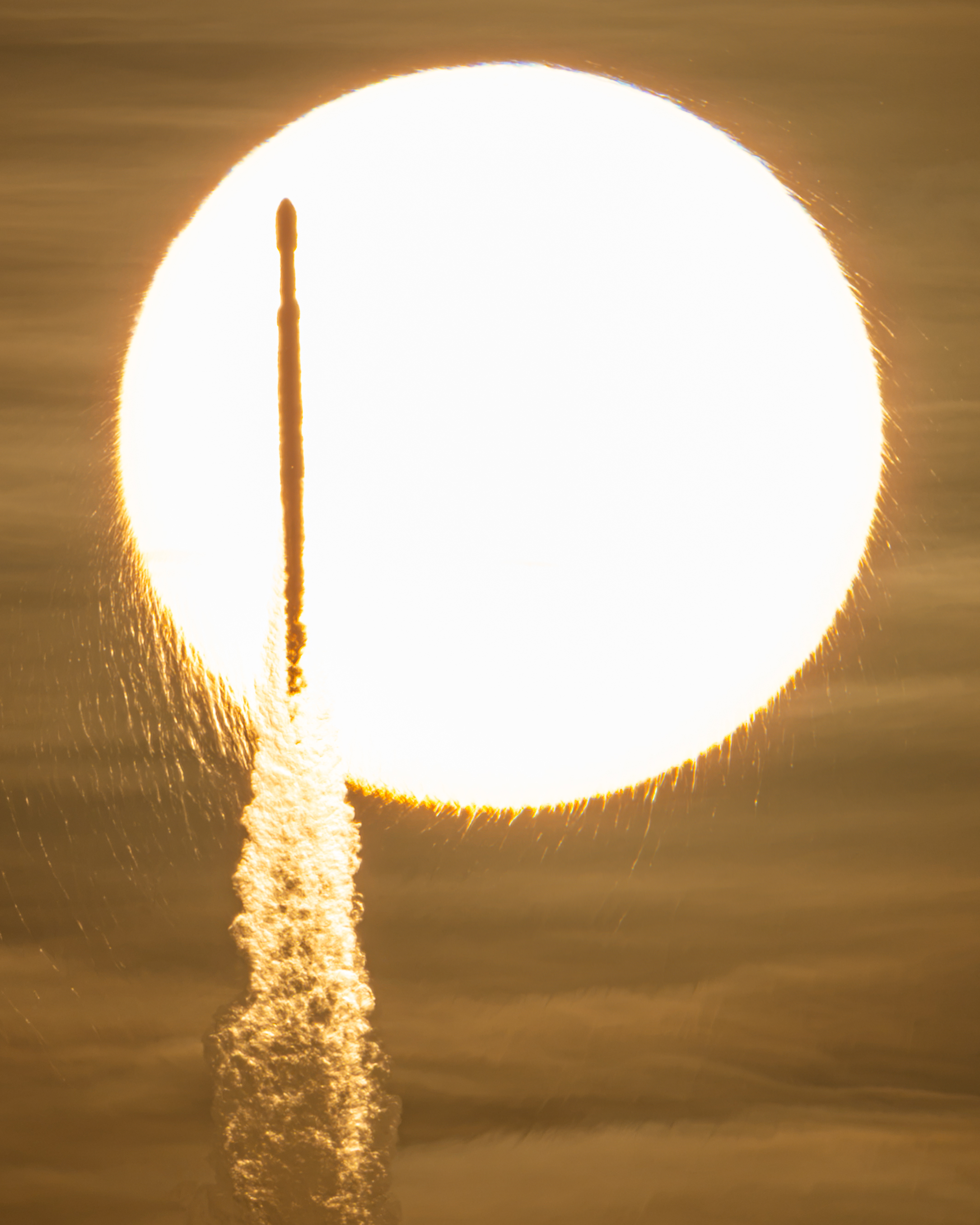
A SpaceX Falcon Heavy rocket with NASA’s Nancy Grace Roman Telescope on board is seen transiting the sun during launch from Launch Complex 39A, Sunday, Aug. 30, 2026, at NASA’s Kennedy Space Center in Florida.
Read More| Picture of the day |
|---|

|
|
A shepherd wearing a red turban, smiling and waving in the setting sun at Jawai Bandh in Rajasthan, India.
|
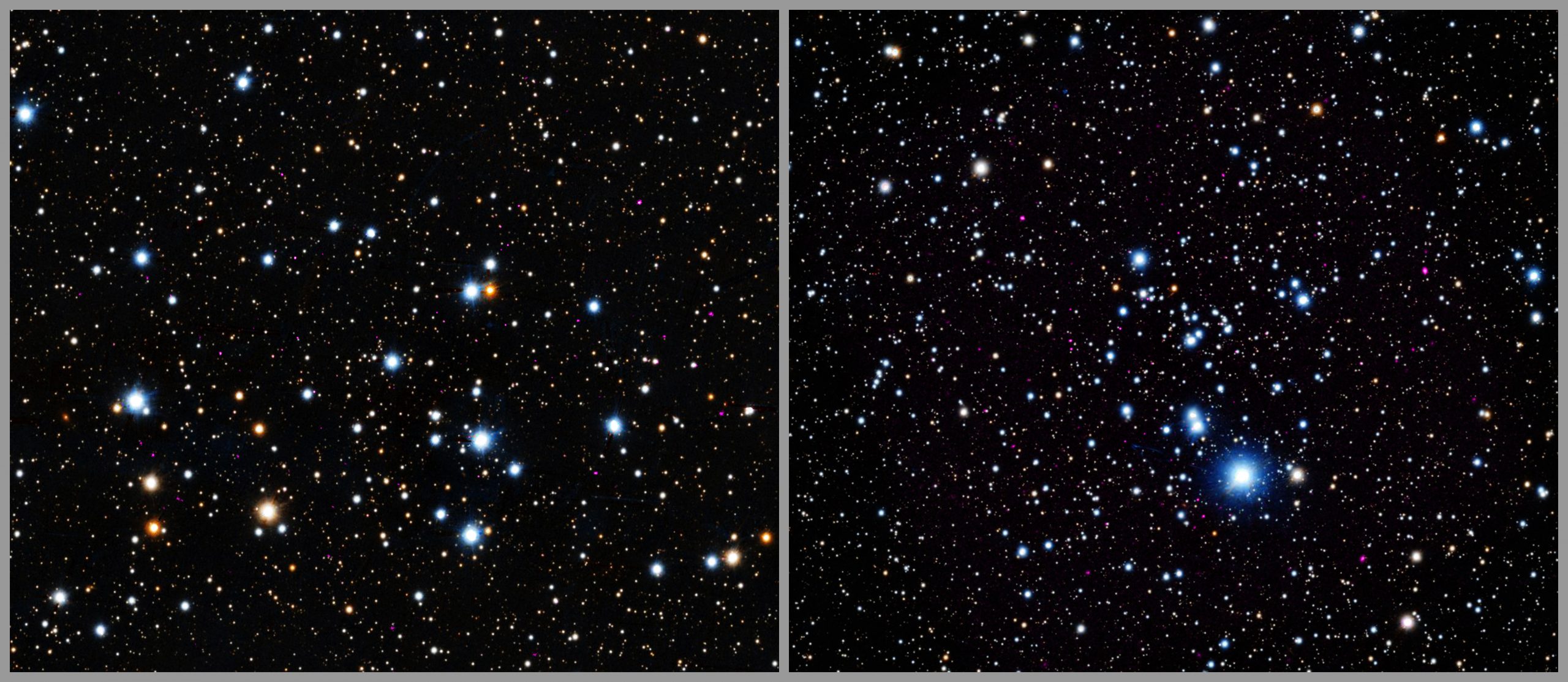
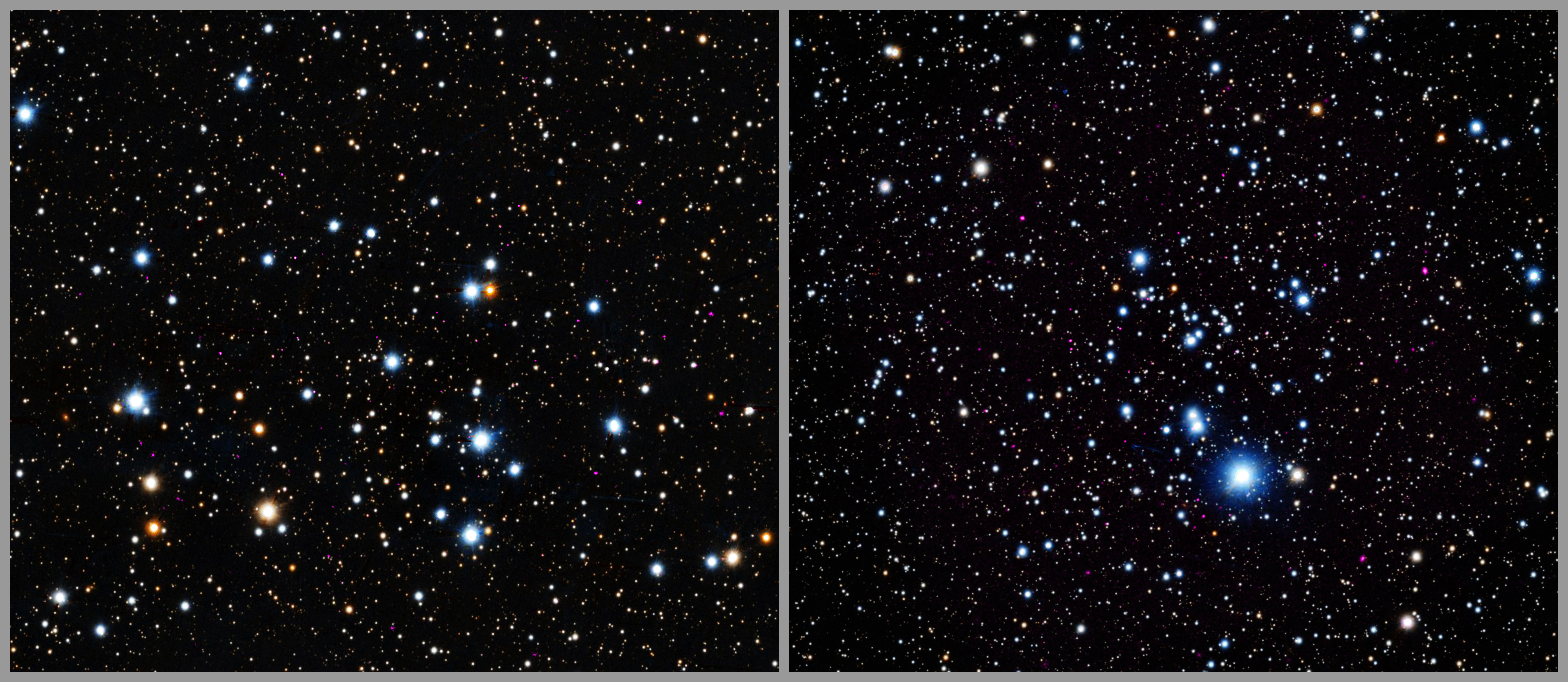
Scientists have found that young stellar cousins of our Sun are calming down and dimming more quickly in their X-ray output than previously thought, according to a study using NASA’s Chandra X-ray Observatory.
Read More| Picture of the day |
|---|
_en_omgeving.jpg)
|
|
Sun rises over a wintry landscape. Location, Langweerderwielen (Langwarder Wielen) and surroundings.
|
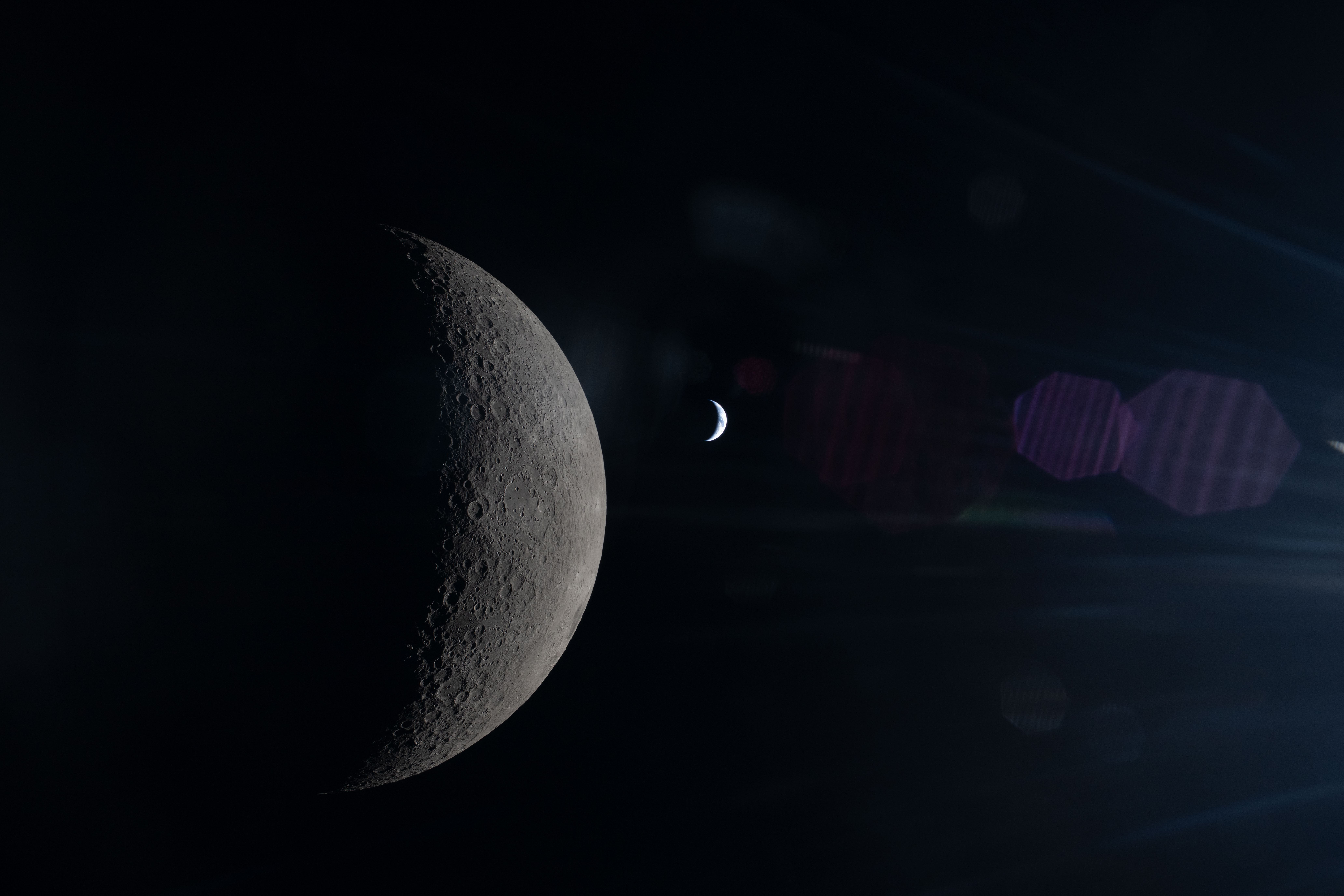
Seen during the Artemis II mission, the Moon and Earth align in the same frame, each partially illuminated by the Sun.
Read More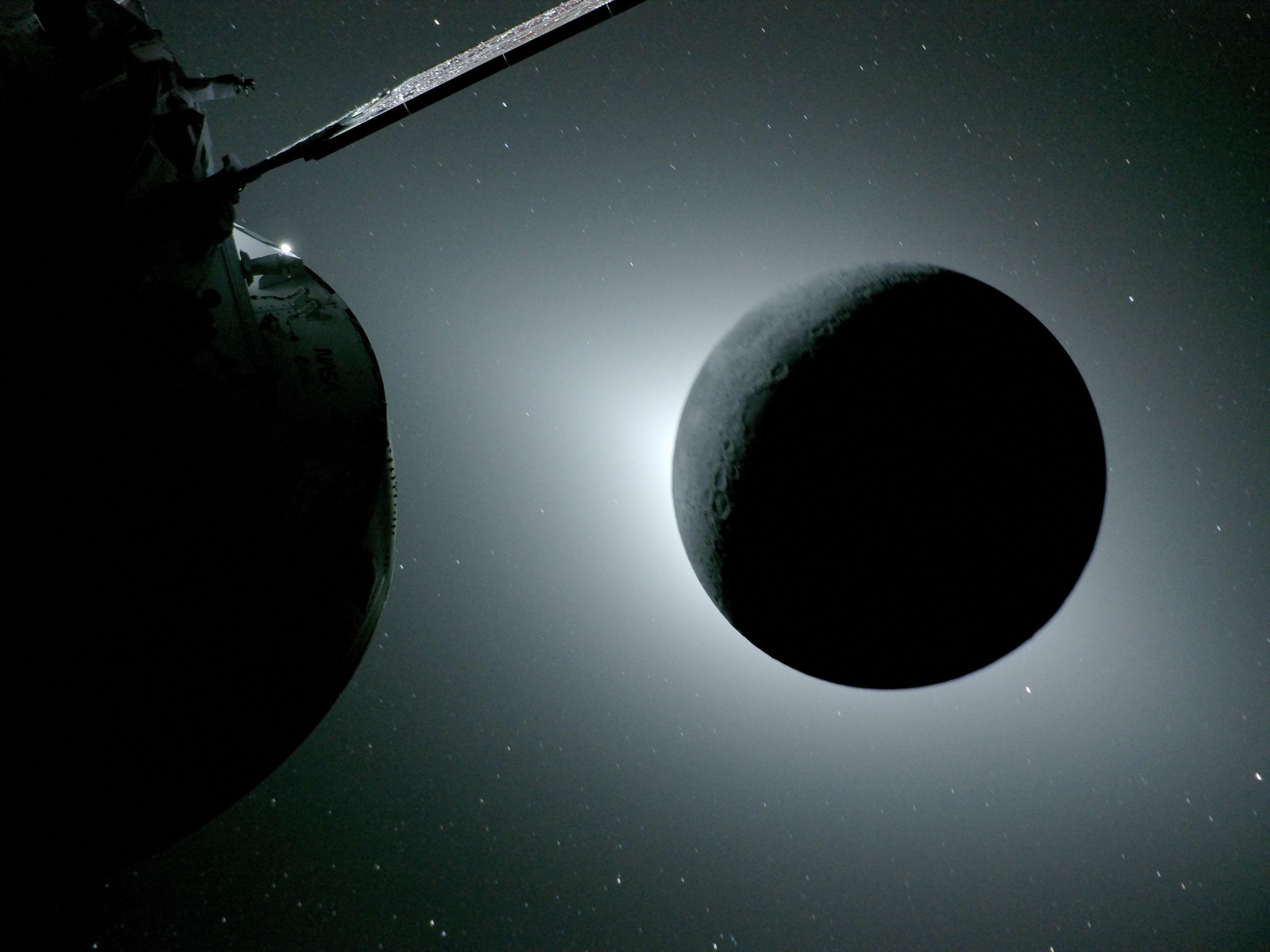
The Moon, seen here backlit by the Sun during a solar eclipse on April 6, 2026, is photographed by one of the cameras on the Orion spacecraft’s solar array wings. Orion is visible in the foreground on the left.
Read More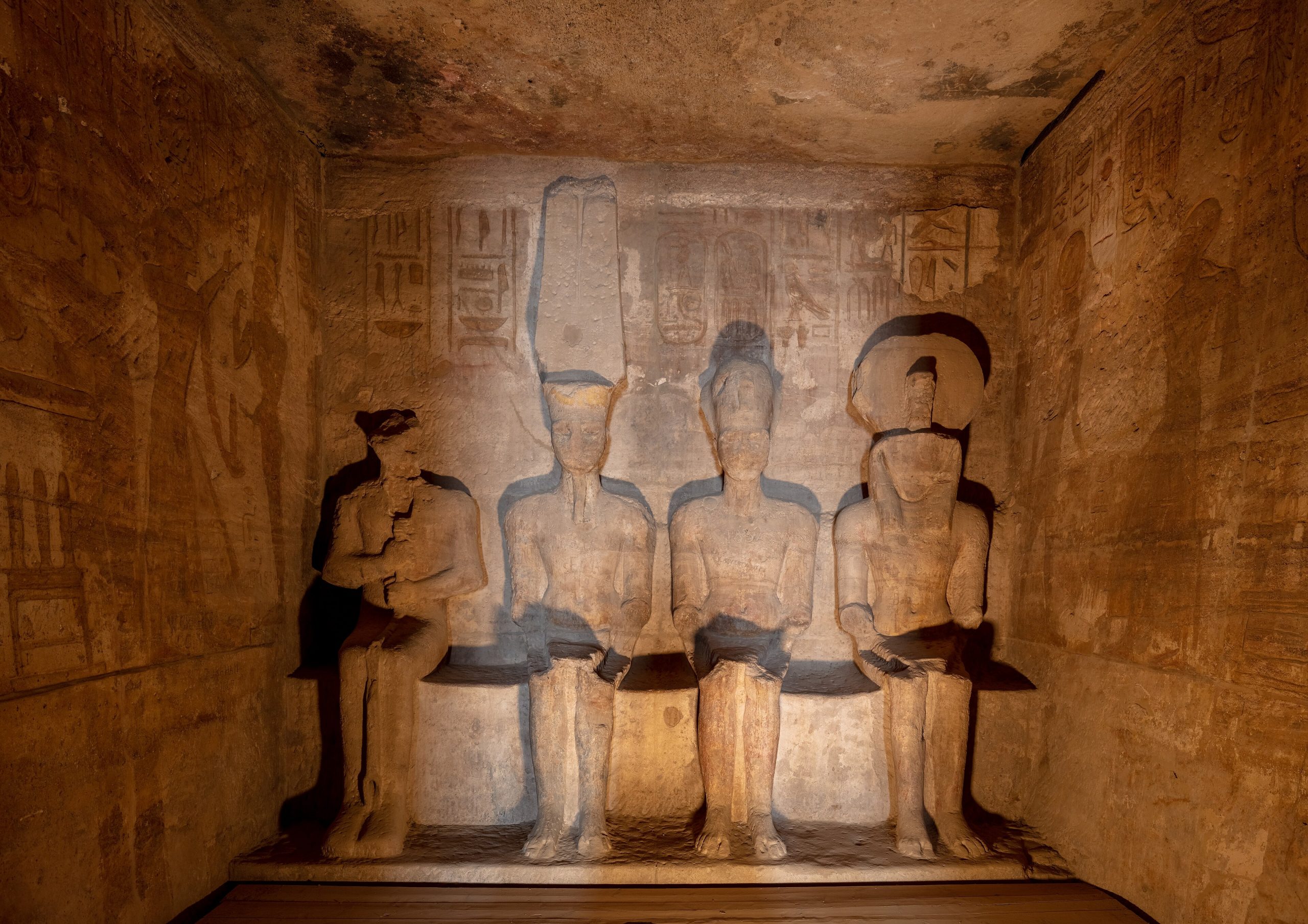
| Picture of the day |
|---|

|
|
Famous sanctuary of the temple of Ramses II, Abu Simbel, Egypt. The Great Temple at Abu Simbel, which took about twenty years to build, was completed around year 24 of the reign of Ramesses the Great (which corresponds to 1265 BC). It was dedicated to the gods Amun, Ra-Horakhty, and Ptah, as well as to the deified Ramesses himself. It is generally considered the grandest and most beautiful of the temples commissioned during the reign of Ramesses II, and one of the most beautiful in Egypt. In the sanctuary are rock cut sculptures of four seated figures: Ra-Horakhty, the deified king Ramesses, and the gods Amun Ra and Ptah, the main divinities in that period. It is believed that the axis of the temple was positioned by the ancient Egyptian architects in such a way that on October 22 and February 22 (allegedly the king’s birthday and coronation day, respectively), the rays of the sun would penetrate the sanctuary and illuminate the sculptures on the back wall, except for the statue of Ptah, a god connected with the realm of the dead, who always remained in the dark. People gather at Abu Simbel on these days to witness this.
|
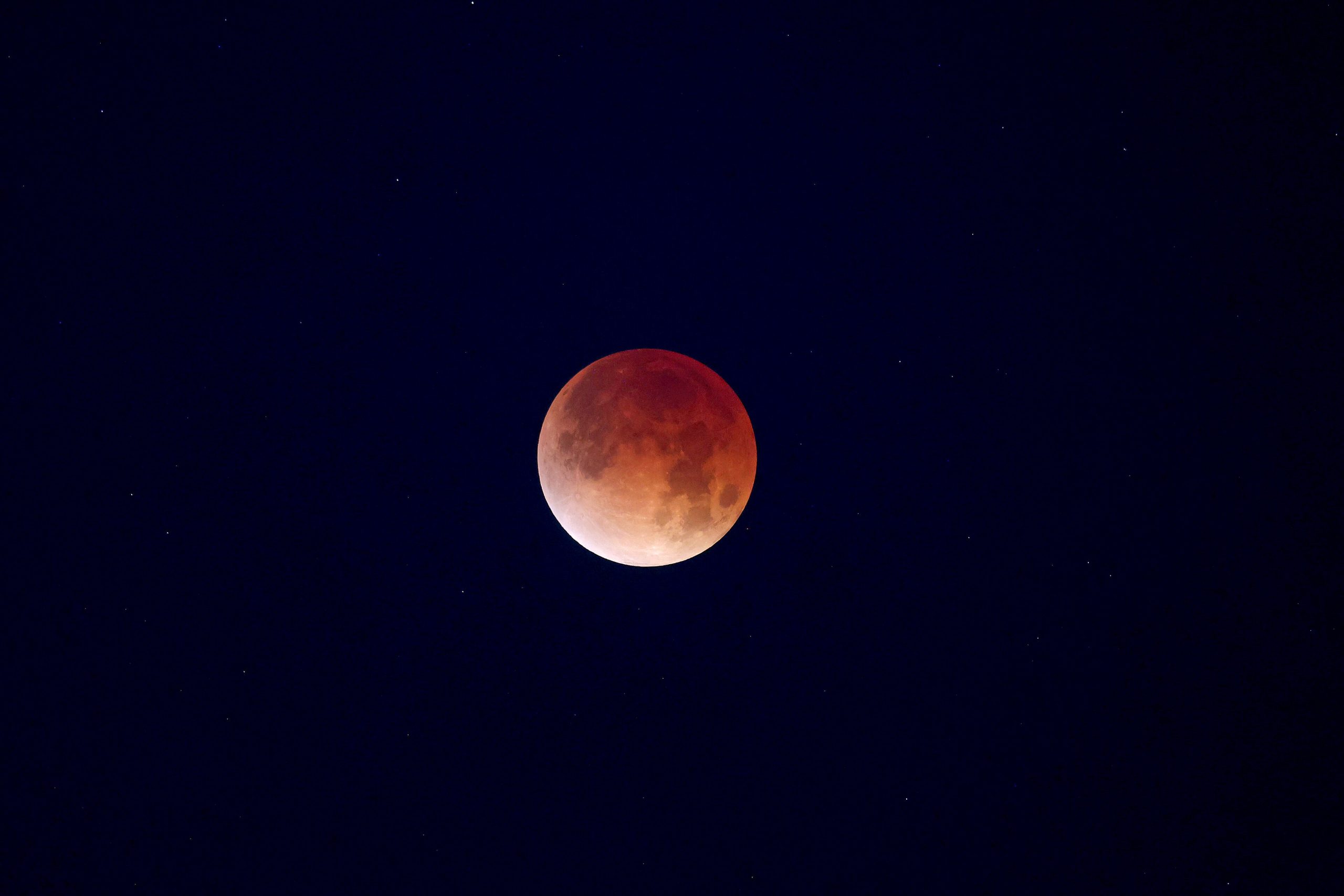
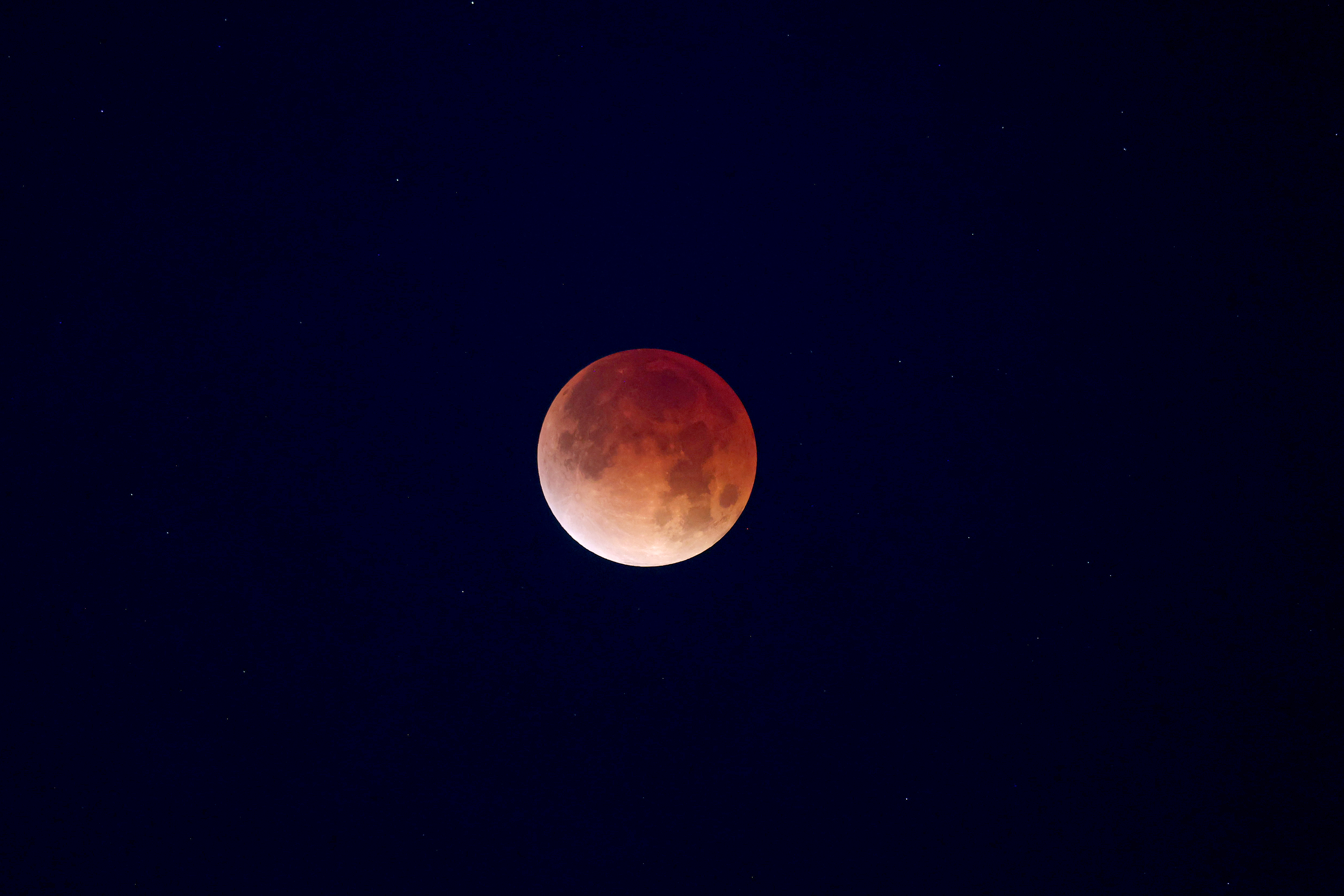
A total lunar eclipse rises over New Orleans, home of NASA’s Michoud Assembly Facility, in the early morning hours of Tuesday, March 3. A lunar eclipse occurs when Earth passes directly between the Sun and Moon, casting a huge shadow across the Moon’s surface. The Moon appears dark red or orange as the Sun’s light filters through Earth’s atmosphere.
Read More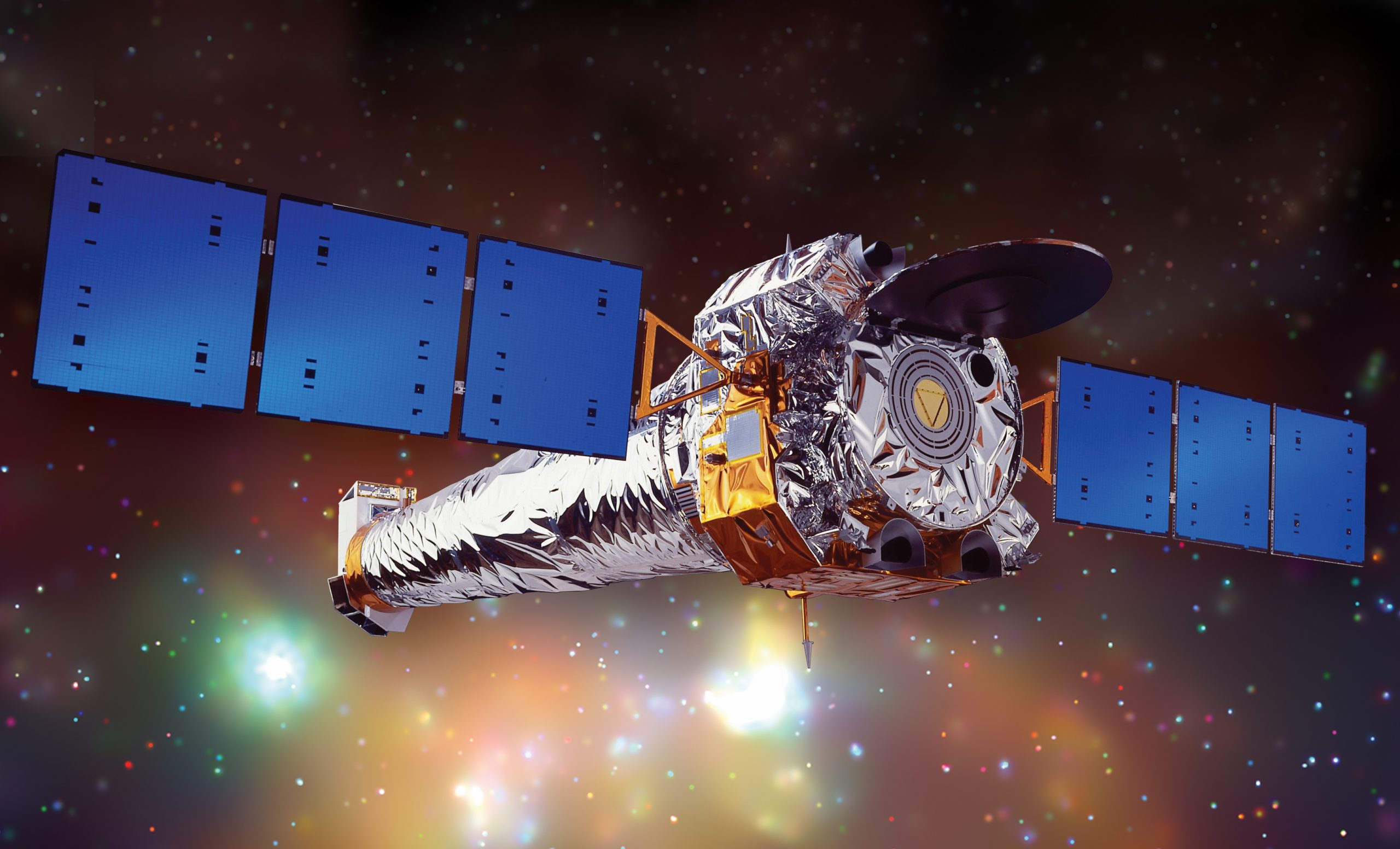
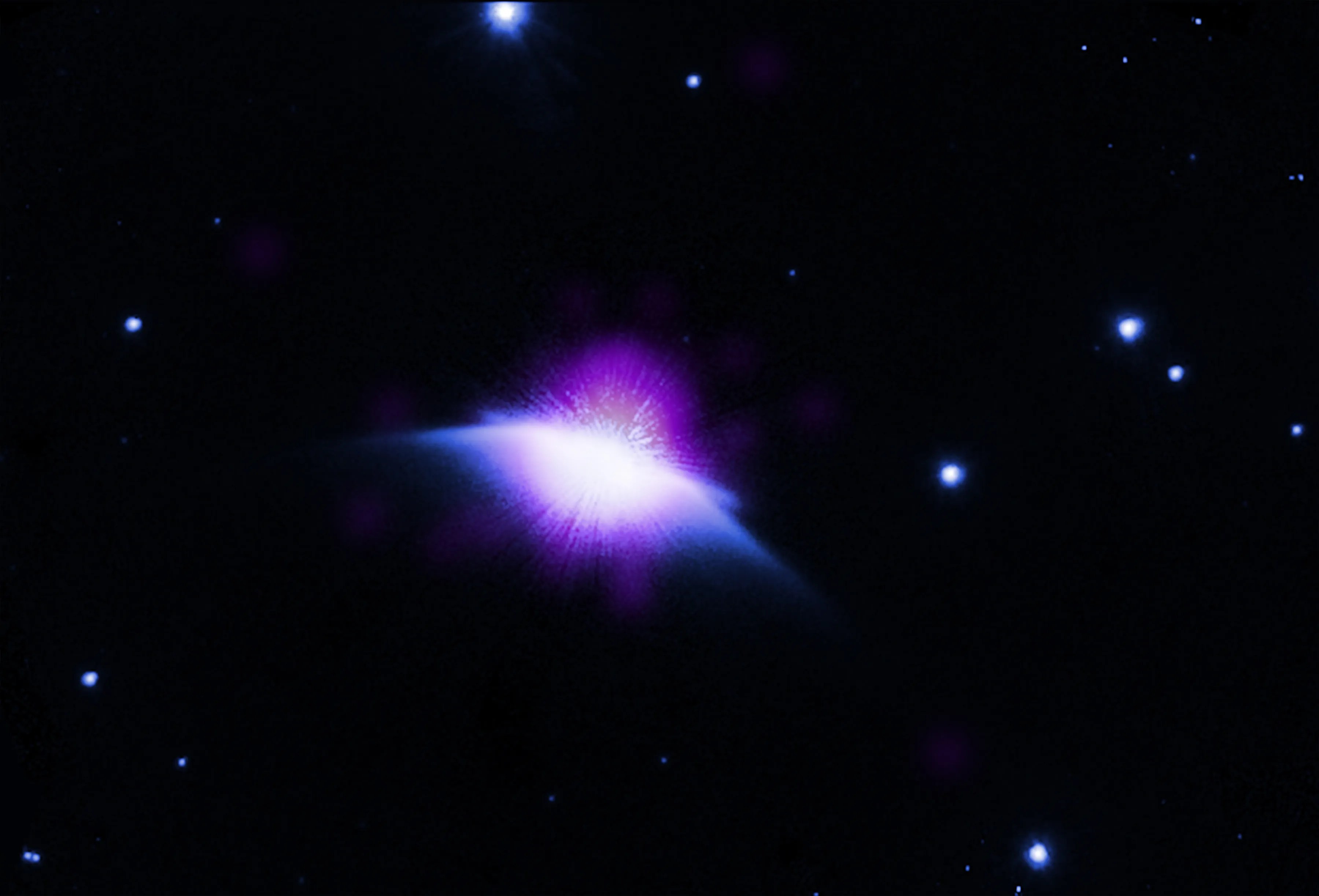
For the first time, a much younger version of the Sun has been caught red-handed blowing bubbles in the galaxy, by astronomers using NASA’s Chandra X-ray Observatory.
Read More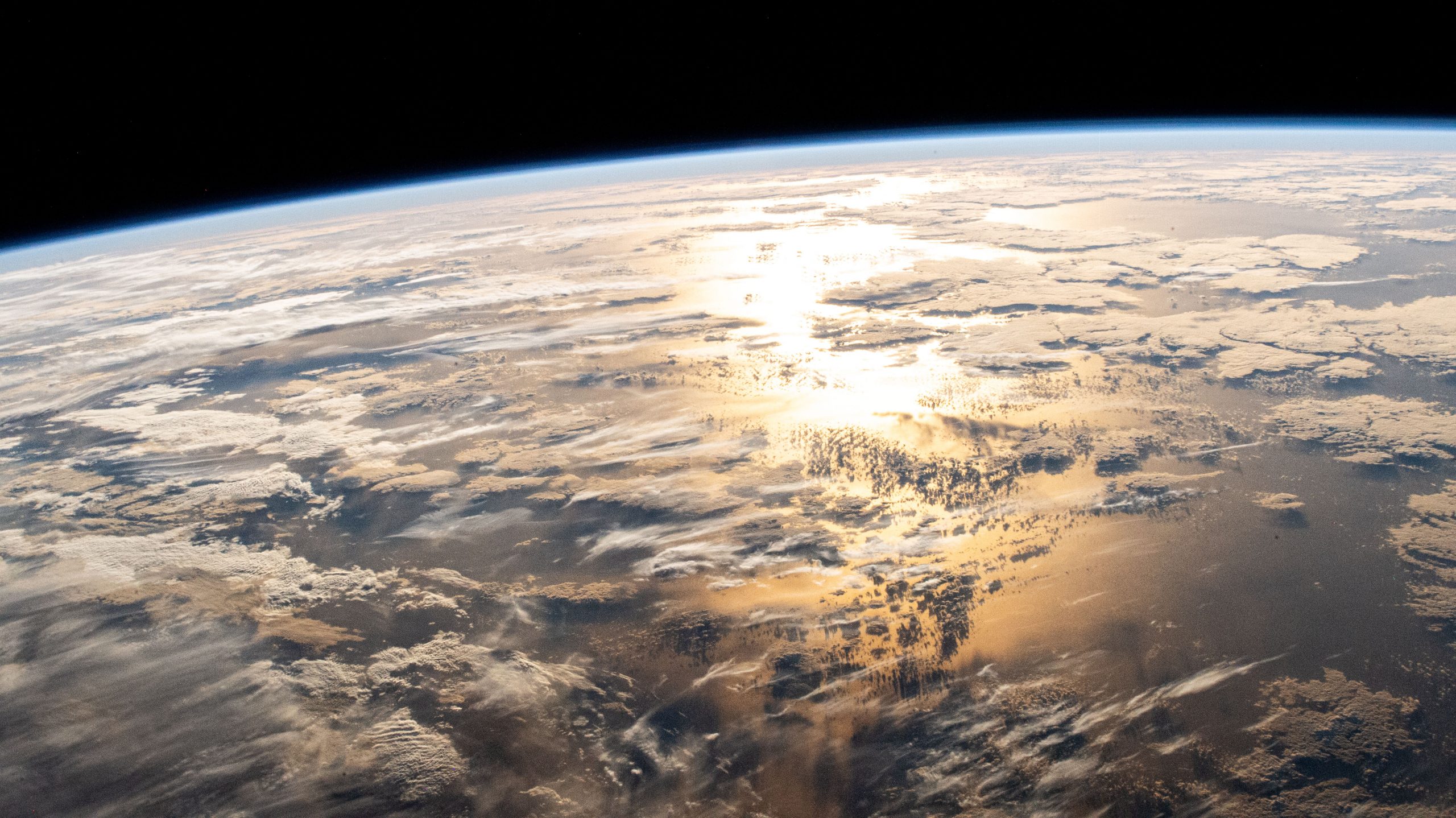
The sun’s glint beams off a partly cloudy Atlantic Ocean just after sunrise as the International Space Station orbited 263 miles above.
Read More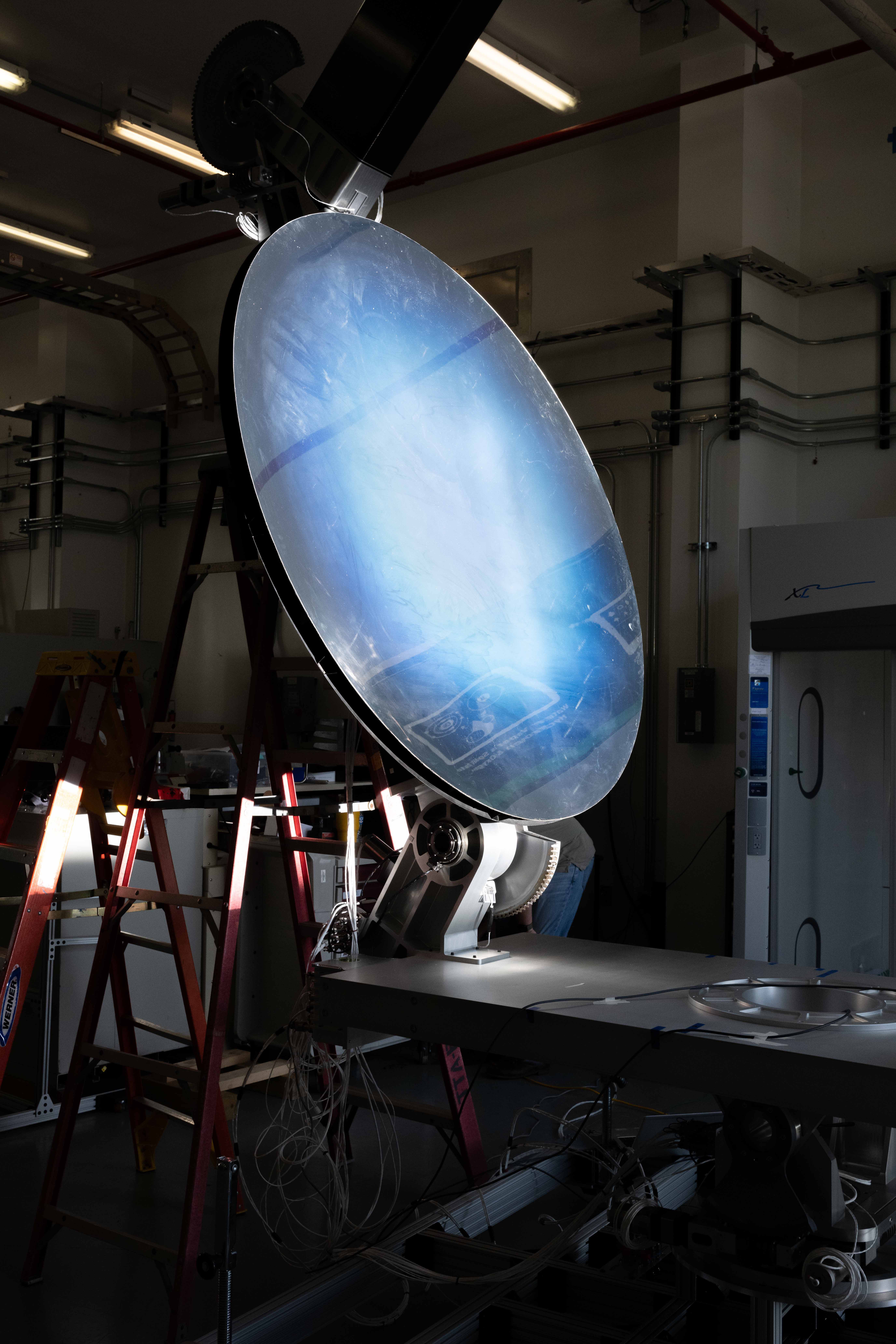
The Carbothermal Reduction Demonstration (CaRD) project aims to demonstrate the carbothermal reduction of lunar regolith to produce oxygen on the Moon’s South Pole. For this test, the team integrated the solar concentrator, mirrors, and software and confirmed the production of carbon monoxide.
Read More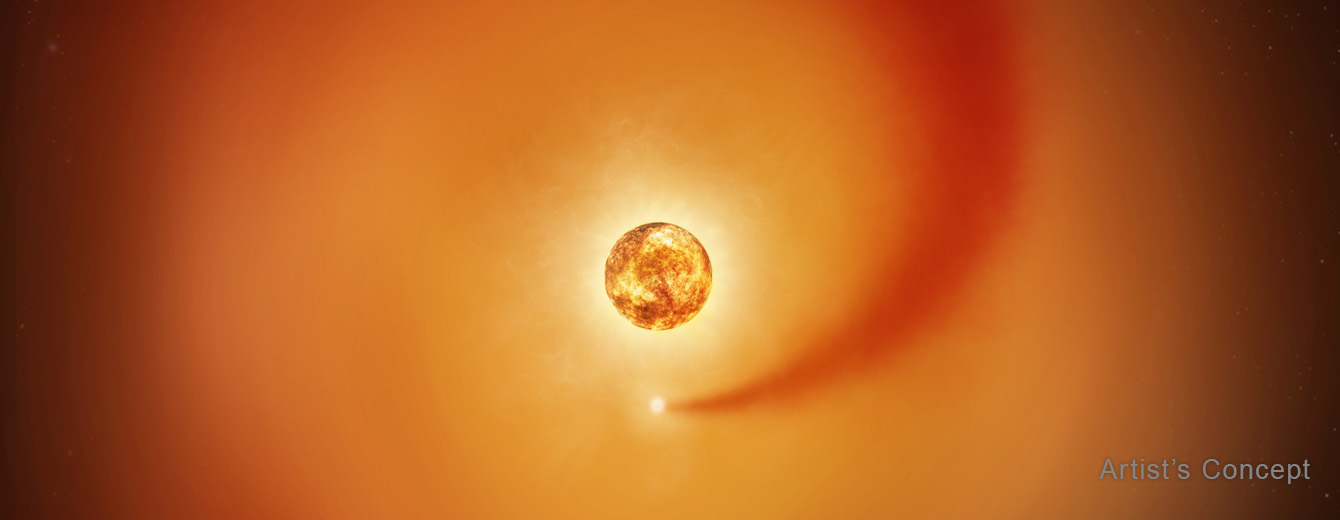
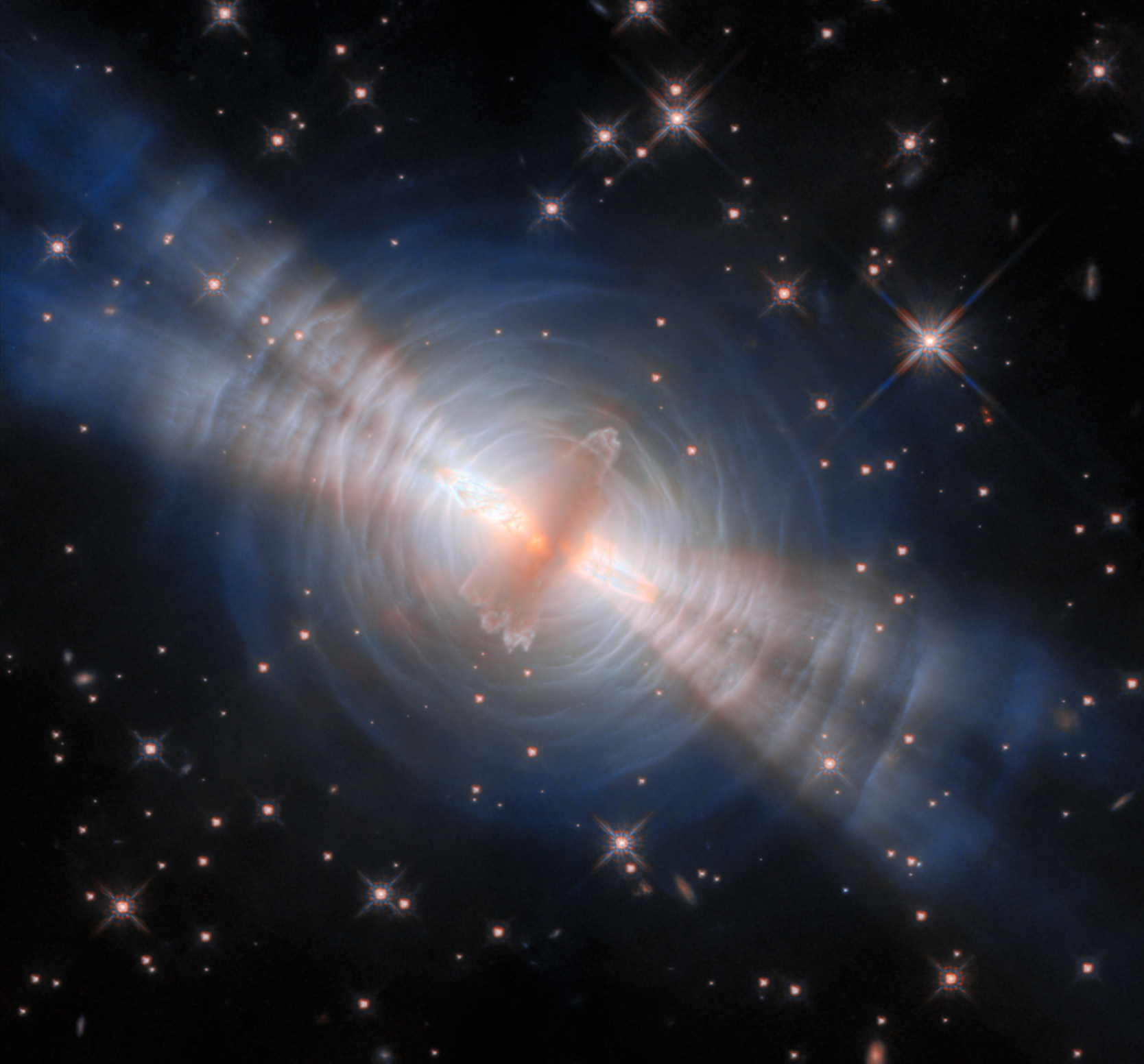
NASA’s Hubble Space Telescope reveals the clearest view yet of the Egg Nebula. This structure of gas and dust was created by a dying, Sun-like star. These newest observations were taken with Hubble’s Wide Field Camera 3.
Read More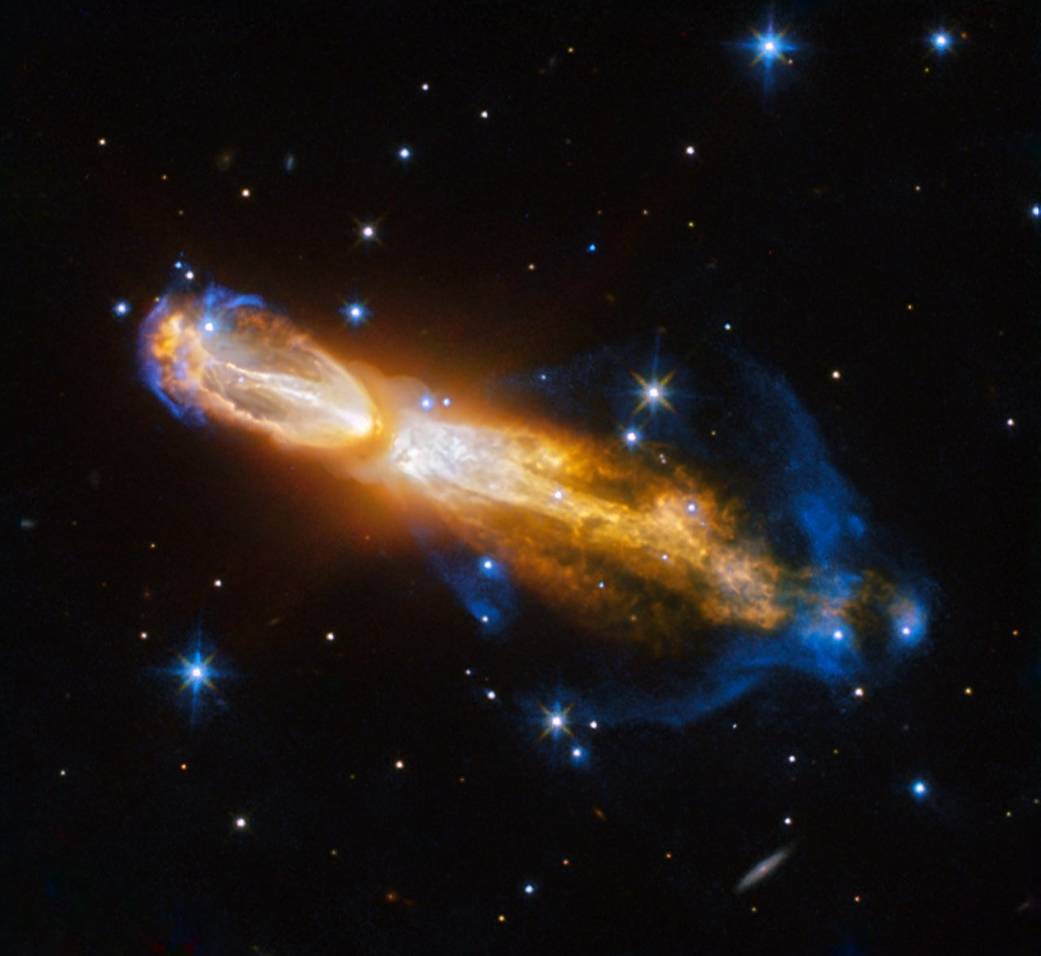
The Calabash Nebula, pictured here — which has the technical name OH 231.8+04.2 — is a spectacular example of the death of a low-mass star like the Sun. This image taken by the NASA/ESA Hubble Space Telescope shows the star going through a rapid transformation from a red giant to a planetary nebula, during which it blows its outer layers of gas and dust out into the surrounding space. The recently ejected material is spat out in opposite directions with immense speed — the gas shown in yellow is moving close to a million kilometres an hour. Astronomers rarely capture a star in this phase of its evolution because it occurs within the blink of an eye — in astronomical terms. Over the next thousand years the nebula is expected to evolve into a fully fledged planetary nebula. The nebula is also known as the Rotten Egg Nebula because it contains a lot of sulphur, an element that, when combined with other elements, smells like a rotten egg — but luckily, it resides over 5000 light-years away in the constellation of Puppis (The Poop deck).
Read More

| Picture of the day |
|---|

|
|
A beach chair on the beach of Juliusruh is illuminated by the rising morning sun.
|
