Day: April 29, 2026

Glorious St. Joseph,
model of all those who are devoted to labour,
obtain for me the grace to work conscientiously,
putting the call of duty above my many sins;
to work with thankfulness and joy,
considering it an honour to employ and develop,
by means of labour,
the gifts received from God;
to work with order,
peace, prudence and patience,
never surrendering to weariness or difficulties;
to work, above all,
with purity of intention,
and with detachment …

Read More

Gospel and Word of the Day – 30 April 2026 – A reading from the Book of the Acts of the Apostles Acts 13:13-25 From Paphos, Paul and his companions set sail and arrived at Perga in Pamphylia. But John left them and returned to Jerusalem. They continued on from Perga and reached Antioch in Pisidia. On the sabbath they entered into the synagogue and took their seats. After the reading of the law and the prophets, the synagogue officials sent word to them, “My brothers, if one of you has a word of exhortation for the people, please speak.” So Paul got up, motioned with his hand, and said, “Fellow children of Israel and you others who are God-fearing, listen. The God of this people Israel chose our ancestors and exalted the people during their sojourn in the land of Egypt. With uplifted arm he led them out, and for about forty years he put up with them in the desert. When he had destroyed seven nations in the land of Canaan, he gave them their land as an inheritance at the end of about four hundred and fifty years. After these things he provided judges up to Samuel the prophet. Then they asked for a king. God gave them Saul, son of Kish, a man from the tribe of Benjamin, for forty years. Then he removed him and raised up David as their king; of him he testified, I have found David, son of Jesse, a man after my own heart; he will carry out my every wish. From this man’s descendants God, according to his promise, has brought to Israel a savior, Jesus. John heralded his coming by proclaiming a baptism of repentance to all the people of Israel; and as John was completing his course, he would say, ‘What do you suppose that I am? I am not he. Behold, one is coming after me; I am not worthy to unfasten the sandals of his feet.’"From the Gospel according to John 13:16-20 When Jesus had washed the disciples’ feet, he said to them: “Amen, amen, I say to you, no slave is greater than his master nor any messenger greater than the one who sent him. If you understand this, blessed are you if you do it. I am not speaking of all of you. I know those whom I have chosen. But so that the Scripture might be fulfilled, The one who ate my food has raised his heel against me. From now on I am telling you before it happens, so that when it happens you may believe that I AM. Amen, amen, I say to you, whoever receives the one I send receives me, and whoever receives me receives the one who sent me.”How can we understand if we truly have faith, that is, if our faith, while miniscule, is genuine, pure, sincere? Jesus explains this by indicating what the measure of faith is: service. (…) This attitude toward God is also reflected in the manner of behaviour  in the community: it is reflected in the joy of being at the service of one another, finding one’s reward already therein,  and not in the recognition and gains that may derive from it. (…). Unworthy servants, that is, without expecting to be thanked, without pretexts. “We are unworthy servants” is an expression of humility and willingness, which does much good for the Church and recalls the right attitude for working within her: humble service, of which Jesus gave the example, by washing the feet of the disciples. (Pope Francis, Angelus, 6 October 2019)

A reading from the Book of the Acts of the Apostles
Acts 13:13-25

From Paphos, Paul and his companions
set sail and arrived at Perga in Pamphylia.
But John left them and returned to Jerusalem.
They continued on from Perga and reached Antioch in Pisidia.
On the sabbath they entered into the synagogue and took their seats.
After the reading of the law and the prophets,
the synagogue officials sent word to them,
“My brothers, if one of you has a word of exhortation
for the people, please speak.”

So Paul got up, motioned with his hand, and said,
“Fellow children of Israel and you others who are God-fearing, listen.
The God of this people Israel chose our ancestors
and exalted the people during their sojourn in the land of Egypt.
With uplifted arm he led them out,
and for about forty years he put up with them in the desert.
When he had destroyed seven nations in the land of Canaan,
he gave them their land as an inheritance
at the end of about four hundred and fifty years.
After these things he provided judges up to Samuel the prophet.
Then they asked for a king.
God gave them Saul, son of Kish,
a man from the tribe of Benjamin, for forty years.
Then he removed him and raised up David as their king;
of him he testified,
I have found David, son of Jesse, a man after my own heart;
he will carry out my every wish.
From this man’s descendants God, according to his promise,
has brought to Israel a savior, Jesus.
John heralded his coming by proclaiming a baptism of repentance
to all the people of Israel;
and as John was completing his course, he would say,
‘What do you suppose that I am? I am not he.
Behold, one is coming after me;
I am not worthy to unfasten the sandals of his feet.’"

From the Gospel according to John
13:16-20

When Jesus had washed the disciples’ feet, he said to them:
“Amen, amen, I say to you, no slave is greater than his master
nor any messenger greater than the one who sent him.
If you understand this, blessed are you if you do it.
I am not speaking of all of you.
I know those whom I have chosen.
But so that the Scripture might be fulfilled,
The one who ate my food has raised his heel against me.
From now on I am telling you before it happens,
so that when it happens you may believe that I AM.
Amen, amen, I say to you, whoever receives the one I send
receives me, and whoever receives me receives the one who sent me.”

How can we understand if we truly have faith, that is, if our faith, while miniscule, is genuine, pure, sincere? Jesus explains this by indicating what the measure of faith is: service. (…) This attitude toward God is also reflected in the manner of behaviour  in the community: it is reflected in the joy of being at the service of one another, finding one’s reward already therein,  and not in the recognition and gains that may derive from it. (…). Unworthy servants, that is, without expecting to be thanked, without pretexts. “We are unworthy servants” is an expression of humility and willingness, which does much good for the Church and recalls the right attitude for working within her: humble service, of which Jesus gave the example, by washing the feet of the disciples. (Pope Francis, Angelus, 6 October 2019)

Read More
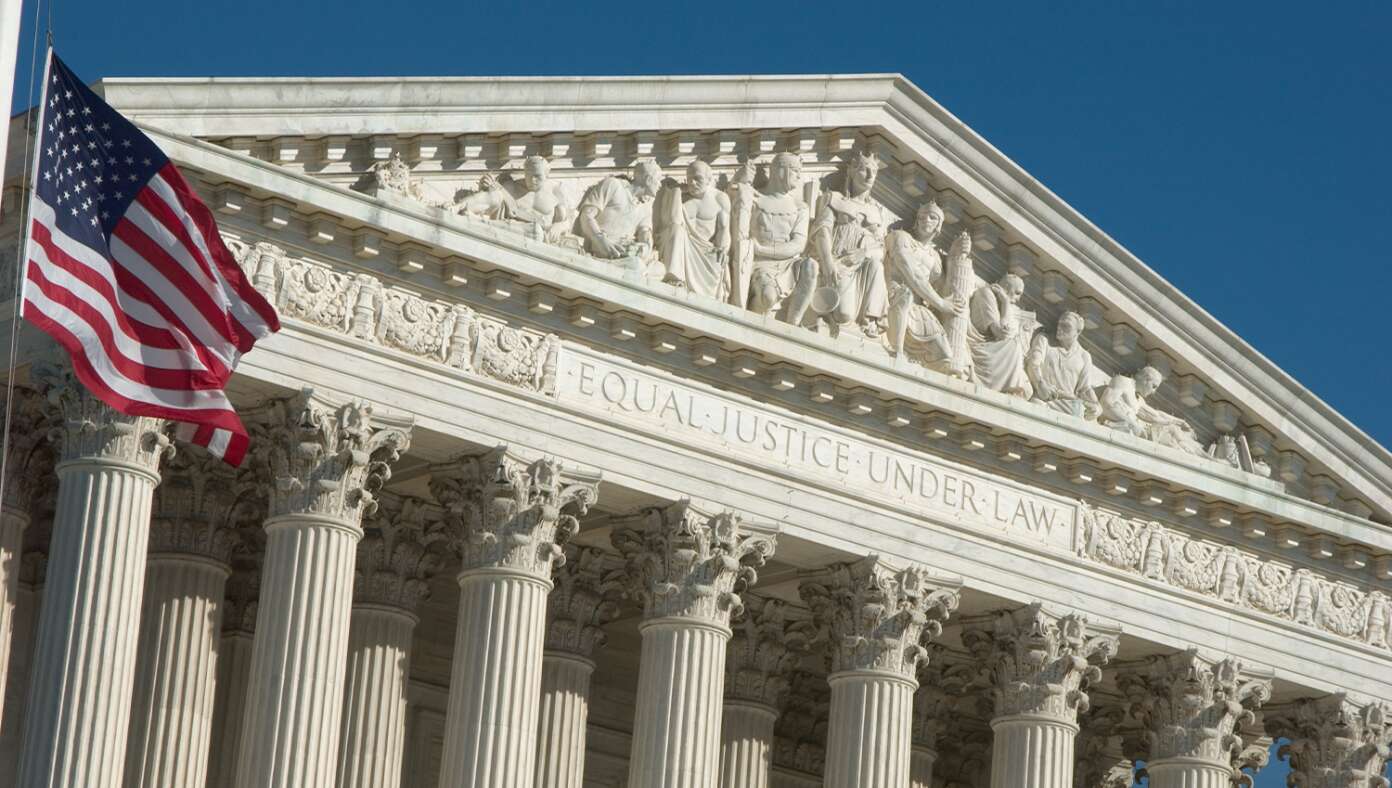
Supreme Court hears arguments on Trump’s effort to remove Haitian, Syrian migrants – #Catholic – The U.S. Supreme Court heard oral arguments in a legal challenge to efforts from President Donald Trump’s administration to remove the temporary legal status of Haitian and Syrian migrants.Former Homeland Security Secretary Kristi Noem terminated the temporary protected status (TPS) designation for migrants from Syria, Haiti, and other countries. If the court rules that her actions are lawful, the administration could order the removal of more than 350,000 Haitians and 6,000 Syrians.The Trump administration argued April 29 that the executive branch has broad discretion to terminate TPS for any country. The challengers, representing the migrants, argued Noem failed to follow the proper procedure and accused officials of unlawfully using racist beliefs about migrants to make their determinations.The United States Conference of Catholic Bishops has urged the administration to extend TPS status for both countries.Migrants’ lawyers challenge TrumpAhilan Arulanantham, who argued on behalf of the Syrians, recognized that the administration has “broad” discretion in determining TPS status but argued that Noem failed to follow proper procedure in her decision-making.Even though he said Noem can make the final decision to terminate TPS, he noted that the law requires Noem to consult with relevant agencies before deciding. He argued that Noem did not adequately consult with agencies prior to making the decision.“We cannot challenge on the ground that she’s wrong,” Arulanantham acknowledged, ”… [but] what is reviewable is whether she actually asks anything and gets any information about country conditions.”He said that one basis for Syria’s TPS designation was armed conflict, “but the secretary never consulted the State Department about the armed conflict.” Rather, he argued, “she terminated based on the national interest.”“We don’t argue about the levels; we don’t argue about the amount,” Arulanantham said. “All we say is [there] has to be deliberation about a subject. They have to talk about country conditions.”Justices questioned those arguments, with Justice Amy Coney Barrett pressing Arulanantham, asking him whether Noem could have consulted with the State Department on those subjects, and terminated the status, even if there was strong evidence in favor of extending it.Arulanantham said she could have, which led Barrett to assert the procedure appears to simply be a “box-checking exercise.”Justice Samuel Alito argued that if the administration has broad discretion in the “determination” of whether TPS status is extended: “If we apply the ordinary meaning of that term here, I really don’t understand how you can prevail.”Justice Elena Kagan appeared sympathetic to the claim that the court could review whether the administration followed procedures but that scrutinizing whether Noem consulted with agencies about proper or improper subjects “seems harder to me than the procedural argument.”Geoffrey Pipoly, who represented the Haitians, argued Noem’s review of the termination for his clients “was a sham,” saying the decision was “a preordained result driven by the president’s resolve to end TPS for Haiti no matter what.”He accused the president of “racial animus toward non-white immigrants and bare dislike of Haitians in particular,” citing Trump’s remark that Haiti is an “[expletive]-hole country” and his assertion that migrants were “eating the dogs and eating the cats.”Kagan questioned the argument, noting the Trump administration broadly scaled immigration back, stating: “I don’t quite see how that operates when all of these programs went.”Alito pressed Pipoly on what constitutes “white” and “non-white,” and said: “You have a really broad definition of who’s white and who’s not white. As I said, I don’t like dividing people of the world into these groups.”Justice Ketanji Brown Jackson defended the argument, noting that only predominantly non-white countries have TPS status.‘Broad discretion’U.S. Solicitor General D. John Sauer argued that the law does not permit judicial review of Noem’s decision to terminate TPS, arguing that Noem had “broad discretion” over how she considered whether to extend the status for those countries.“Any determination — with respect to designation, extension, or termination — is not subject to judicial review,” Sauer told the justices.Sauer said the secretary can determine which agencies are appropriate to consult and could even determine there are no proper agencies to consult. He accused the other side of simply claiming her consultation “wasn’t quite enough.”“Seeking input is consultation, seeking advice from someone knowledgeable is a form of consultation,” he said, arguing the secretary has broad discretion to decide what constitutes consultation.Sauer said these decisions are “traditionally entrusted to the political branches” and accused the district courts that halted TPS terminations of “appointing themselves junior varsity secretaries of state.”He also rejected the allegations of racism, saying “not a single one of [Trump’s comments] mentions race or relates to race.” He said they always refer to “crime, poverty, welfare dependency, drugs, [and] drug importation,” among other issues.Kagan challenged the suggestion there could be no judicial review at all, noting that Congress enacted a statute that requires consultation and “it set forth procedural steps that have to be followed.”“The Constitution … [says] due process applies to any alien who lives in the United States,” she said. “It applies to all people living here. … They’re entitled to due process. Now Congress has given them a process. It may not be a court process, but that’s OK. It’s a process and you’re saying … it’s unreviewable whether the president has followed that process.”Andrew Arthur, a resident fellow in law and policy at the Center for Immigration Studies and a former immigration judge, told “EWTN News Nightly” that terminating the status would not remove every person who entered through TPS if the administration succeeds in court because some people have other forms of lawful status, such as a student visa.“If they are here and they are not in lawful status and they donʼt have removal orders, [the Department of Homeland Security] is then going to have to take them all and put them into removal proceedings, get a removal order, and then remove them from the United States,” he said.

Supreme Court hears arguments on Trump’s effort to remove Haitian, Syrian migrants – #Catholic – The U.S. Supreme Court heard oral arguments in a legal challenge to efforts from President Donald Trump’s administration to remove the temporary legal status of Haitian and Syrian migrants.Former Homeland Security Secretary Kristi Noem terminated the temporary protected status (TPS) designation for migrants from Syria, Haiti, and other countries. If the court rules that her actions are lawful, the administration could order the removal of more than 350,000 Haitians and 6,000 Syrians.The Trump administration argued April 29 that the executive branch has broad discretion to terminate TPS for any country. The challengers, representing the migrants, argued Noem failed to follow the proper procedure and accused officials of unlawfully using racist beliefs about migrants to make their determinations.The United States Conference of Catholic Bishops has urged the administration to extend TPS status for both countries.Migrants’ lawyers challenge TrumpAhilan Arulanantham, who argued on behalf of the Syrians, recognized that the administration has “broad” discretion in determining TPS status but argued that Noem failed to follow proper procedure in her decision-making.Even though he said Noem can make the final decision to terminate TPS, he noted that the law requires Noem to consult with relevant agencies before deciding. He argued that Noem did not adequately consult with agencies prior to making the decision.“We cannot challenge on the ground that she’s wrong,” Arulanantham acknowledged, ”… [but] what is reviewable is whether she actually asks anything and gets any information about country conditions.”He said that one basis for Syria’s TPS designation was armed conflict, “but the secretary never consulted the State Department about the armed conflict.” Rather, he argued, “she terminated based on the national interest.”“We don’t argue about the levels; we don’t argue about the amount,” Arulanantham said. “All we say is [there] has to be deliberation about a subject. They have to talk about country conditions.”Justices questioned those arguments, with Justice Amy Coney Barrett pressing Arulanantham, asking him whether Noem could have consulted with the State Department on those subjects, and terminated the status, even if there was strong evidence in favor of extending it.Arulanantham said she could have, which led Barrett to assert the procedure appears to simply be a “box-checking exercise.”Justice Samuel Alito argued that if the administration has broad discretion in the “determination” of whether TPS status is extended: “If we apply the ordinary meaning of that term here, I really don’t understand how you can prevail.”Justice Elena Kagan appeared sympathetic to the claim that the court could review whether the administration followed procedures but that scrutinizing whether Noem consulted with agencies about proper or improper subjects “seems harder to me than the procedural argument.”Geoffrey Pipoly, who represented the Haitians, argued Noem’s review of the termination for his clients “was a sham,” saying the decision was “a preordained result driven by the president’s resolve to end TPS for Haiti no matter what.”He accused the president of “racial animus toward non-white immigrants and bare dislike of Haitians in particular,” citing Trump’s remark that Haiti is an “[expletive]-hole country” and his assertion that migrants were “eating the dogs and eating the cats.”Kagan questioned the argument, noting the Trump administration broadly scaled immigration back, stating: “I don’t quite see how that operates when all of these programs went.”Alito pressed Pipoly on what constitutes “white” and “non-white,” and said: “You have a really broad definition of who’s white and who’s not white. As I said, I don’t like dividing people of the world into these groups.”Justice Ketanji Brown Jackson defended the argument, noting that only predominantly non-white countries have TPS status.‘Broad discretion’U.S. Solicitor General D. John Sauer argued that the law does not permit judicial review of Noem’s decision to terminate TPS, arguing that Noem had “broad discretion” over how she considered whether to extend the status for those countries.“Any determination — with respect to designation, extension, or termination — is not subject to judicial review,” Sauer told the justices.Sauer said the secretary can determine which agencies are appropriate to consult and could even determine there are no proper agencies to consult. He accused the other side of simply claiming her consultation “wasn’t quite enough.”“Seeking input is consultation, seeking advice from someone knowledgeable is a form of consultation,” he said, arguing the secretary has broad discretion to decide what constitutes consultation.Sauer said these decisions are “traditionally entrusted to the political branches” and accused the district courts that halted TPS terminations of “appointing themselves junior varsity secretaries of state.”He also rejected the allegations of racism, saying “not a single one of [Trump’s comments] mentions race or relates to race.” He said they always refer to “crime, poverty, welfare dependency, drugs, [and] drug importation,” among other issues.Kagan challenged the suggestion there could be no judicial review at all, noting that Congress enacted a statute that requires consultation and “it set forth procedural steps that have to be followed.”“The Constitution … [says] due process applies to any alien who lives in the United States,” she said. “It applies to all people living here. … They’re entitled to due process. Now Congress has given them a process. It may not be a court process, but that’s OK. It’s a process and you’re saying … it’s unreviewable whether the president has followed that process.”Andrew Arthur, a resident fellow in law and policy at the Center for Immigration Studies and a former immigration judge, told “EWTN News Nightly” that terminating the status would not remove every person who entered through TPS if the administration succeeds in court because some people have other forms of lawful status, such as a student visa.“If they are here and they are not in lawful status and they donʼt have removal orders, [the Department of Homeland Security] is then going to have to take them all and put them into removal proceedings, get a removal order, and then remove them from the United States,” he said.

The debate focused on whether the Trump administration followed the proper procedure and adhered to relevant laws.

Read More
National Catholic leaders appointed to board of University of St. Thomas in Houston – #Catholic – As it continues the “confident renewal of its Catholic identity,” the University of St. Thomas in Houston announced the appointment of influential Catholic leaders to its board of directors this week.Among the new board members are R.R. “Rusty” Reno, editor of First Things; Adam Laxalt, the former attorney general of Nevada; and Mary Eberstadt, writer and senior research fellow at the Faith and Reason Institute in Washington, D.C.Reno told EWTN News he would like to see the school become a leader on the American Catholic academic scene.“It’s a Thomistic institute,” said Reno, a former theology professor, “and there’s a unique opportunity to put forward the Thomistic tradition in the context of American Catholic higher education in an intellectually strong and robust way.”The new members join the university board as the school “is poised to take its place among the leading Catholic institutions in our country,” school President Sinda Vanderpool said in a press release April 28.
 
 The University of St. Thomas in Houston. | Credit: Photo courtesy of the University of St. Thomas
 
 “The university’s governance now draws upon voices who have shaped national conversations in faith, culture, law, and public life,” said board chairman Craig Jarchow in the press release.“We live in a time when the academic culture, which is secular and progressive, exerts tremendous influence over the formation of young people,” Reno said. “A Catholic university requires a very clear and explicit mission to avoid drifting and becoming like any other university with a chapel. You don’t want that.”Eberstadt told EWTN News “the fact that UST has this enthusiastic, unapologetically Catholic leadership“ is ”what drew me to the school.”“Against the backdrop of secularization, and all the things that we know are wrong in the West,” the writer said she is seeing what she calls “the next American awakening.”Seeing “new forms of fellowship and outreach, Catholic and Protestant alike, including on campuses where there had never been such things before,” is exciting, she said.“It is clear that something is stirring, and so when I saw this in action at UST, I wanted to be a part of it and not just to keep telling people this was out there, but to participate in building it.”The school is now “the Catholic ‘room where it happens,’” Eberstadt said.Laxalt, a former naval officer and Iraq veteran, agreed, telling EWTN News that there is "an orthodox Catholic revival going on in the U.S. and our youth are seeking more depth and formation in their education.”“One of the things I have most cherished, both in and out of public service, is mentoring young people,” he said. “I am honored to support UST in grounding students in the Catholic intellectual tradition.”Eberstadt said she hopes that as a board member, she can help “enhance the social lives of the students because I know from my research, and we all know after COVID, thereʼs been a real collapse of socializing, in Gen Z especially.”She said she hopes this will build “community that will be part of their battle armor that they will take into their lives after they leave the university, so they will be grounded in a spiritual network and a network of fellowship.”Practically, she said she would like to see the university add square dances to its cultural repertoire. “It’s very small ‘d’ democratic,” she laughed. “You have to dance with everybody, you don’t have to have a partner, and it has the spiritual dimension of bringing students together who would otherwise be looking at their phones.”“And the fact that it’s an American pastime … It’s an American thing, perfect for the 250th anniversary of our country,” she said.Other new board members include philanthropist Charlene Brandau, attorney and UST alumnus Habeeb “Hobbs” Gnaim, energy executive David Preng, and retired Southwestern Energy Company CEO Bill Way.The University of St. Thomas is a comprehensive Catholic university offering programs in the traditional liberal arts, professional, and skilled-based disciplines.It ranks as the second-largest institution by enrollment among colleges and universities listed in the Newman Guide, published by the Cardinal Newman Society, which recognizes institutions committed to the Church’s principles of education.

National Catholic leaders appointed to board of University of St. Thomas in Houston – #Catholic – As it continues the “confident renewal of its Catholic identity,” the University of St. Thomas in Houston announced the appointment of influential Catholic leaders to its board of directors this week.Among the new board members are R.R. “Rusty” Reno, editor of First Things; Adam Laxalt, the former attorney general of Nevada; and Mary Eberstadt, writer and senior research fellow at the Faith and Reason Institute in Washington, D.C.Reno told EWTN News he would like to see the school become a leader on the American Catholic academic scene.“It’s a Thomistic institute,” said Reno, a former theology professor, “and there’s a unique opportunity to put forward the Thomistic tradition in the context of American Catholic higher education in an intellectually strong and robust way.”The new members join the university board as the school “is poised to take its place among the leading Catholic institutions in our country,” school President Sinda Vanderpool said in a press release April 28. The University of St. Thomas in Houston. | Credit: Photo courtesy of the University of St. Thomas “The university’s governance now draws upon voices who have shaped national conversations in faith, culture, law, and public life,” said board chairman Craig Jarchow in the press release.“We live in a time when the academic culture, which is secular and progressive, exerts tremendous influence over the formation of young people,” Reno said. “A Catholic university requires a very clear and explicit mission to avoid drifting and becoming like any other university with a chapel. You don’t want that.”Eberstadt told EWTN News “the fact that UST has this enthusiastic, unapologetically Catholic leadership“ is ”what drew me to the school.”“Against the backdrop of secularization, and all the things that we know are wrong in the West,” the writer said she is seeing what she calls “the next American awakening.”Seeing “new forms of fellowship and outreach, Catholic and Protestant alike, including on campuses where there had never been such things before,” is exciting, she said.“It is clear that something is stirring, and so when I saw this in action at UST, I wanted to be a part of it and not just to keep telling people this was out there, but to participate in building it.”The school is now “the Catholic ‘room where it happens,’” Eberstadt said.Laxalt, a former naval officer and Iraq veteran, agreed, telling EWTN News that there is "an orthodox Catholic revival going on in the U.S. and our youth are seeking more depth and formation in their education.”“One of the things I have most cherished, both in and out of public service, is mentoring young people,” he said. “I am honored to support UST in grounding students in the Catholic intellectual tradition.”Eberstadt said she hopes that as a board member, she can help “enhance the social lives of the students because I know from my research, and we all know after COVID, thereʼs been a real collapse of socializing, in Gen Z especially.”She said she hopes this will build “community that will be part of their battle armor that they will take into their lives after they leave the university, so they will be grounded in a spiritual network and a network of fellowship.”Practically, she said she would like to see the university add square dances to its cultural repertoire. “It’s very small ‘d’ democratic,” she laughed. “You have to dance with everybody, you don’t have to have a partner, and it has the spiritual dimension of bringing students together who would otherwise be looking at their phones.”“And the fact that it’s an American pastime … It’s an American thing, perfect for the 250th anniversary of our country,” she said.Other new board members include philanthropist Charlene Brandau, attorney and UST alumnus Habeeb “Hobbs” Gnaim, energy executive David Preng, and retired Southwestern Energy Company CEO Bill Way.The University of St. Thomas is a comprehensive Catholic university offering programs in the traditional liberal arts, professional, and skilled-based disciplines.It ranks as the second-largest institution by enrollment among colleges and universities listed in the Newman Guide, published by the Cardinal Newman Society, which recognizes institutions committed to the Church’s principles of education.

The new board members said they are inspired by the university’s move toward building a stronger Catholic identity and the hope they see in young people.

Read More
Patron saints named for World Youth Day 2027 #Catholic – (OSV News) — Organizers in Seoul, South Korea, announced five patron saints for World Youth Day 2027 that reflect the themes of truth, peace and love that are at the heart of the youth gathering.
The five saints selected by the WYD Organizing Committee include: St. John Paul II, who founded the World Youth Day celebration; St. Andrew Kim Taegon, the first Korean Catholic priest, and companions who were martyred; St. Frances Xavier Cabrini, patron saint of immigrants; St. Josephine Bakhita, patron saint of victims of human trafficking and modern slavery; and St. Carlo Acutis, the millennial saint known for his use of technology to evangelize.
According to the Asian Catholic news site Licas News, organizers said the lives of the patron saints reflected on issues relevant today, including persecution, migration and social struggle, making them appropriate guides for the global event.
The process of choosing the event’s patron saints began in late 2024, including a survey of young people, youth ministers and pastoral workers, followed by deliberations by the organizing committee, Licas News reported.
Volunteers also studied the lives and spirituality of the saints chosen to prepare prayers and their respective symbolic representations. Among the symbols chosen were a crozier for St. John Paul II and a computer for St. Carlo Acutis.

Click here to subscribe to our weekly newsletter.

Commenting on the announcement, Cardinal Kevin Farrell, prefect of the Dicastery for Laity, Family and Life, said the patron saints “play a fundamental role in the preparation” of every WYD.
“They invite young people, formators, and pastors to reflect on the gift of God’s call, on our baptismal, priestly, religious, and marital vocations, encouraging us to respond to it with generosity and courage in following Christ, who has conquered the world, as the theme of the upcoming WYD reminds us,” he said, according to Licas News.
Cardinal Farrell expressed his hope that the lives and witness of the five patron saints “inspire young people around the world, especially in contexts marked by difficulties and persecution, to see that holiness is not a distant ideal, to fix their gaze on Christ and to respond generously to His call.”
Korean Archbishop Peter Soon-Taick Chung of Seoul, president of the WYD organizing committee, noted that each saint “offers a concrete path for living out the faith amidst the realities that young people face today.”
“I hope that young people will discover in these saints examples for their own lives and, through the journey of preparation for World Youth Day, forge a deep spiritual bond with them,” he said.
The official website for World Youth Day 2027 was updated with biographical information on each saint. Organizers also launched an interactive site, titled “Meet Your Patron Saint,” where users can take a short quiz to match with one of the five saints.
Junno Arocho Esteves is an international correspondent for OSV News. Follow him on X @jae_journalist.
 

Patron saints named for World Youth Day 2027 #Catholic – (OSV News) — Organizers in Seoul, South Korea, announced five patron saints for World Youth Day 2027 that reflect the themes of truth, peace and love that are at the heart of the youth gathering. The five saints selected by the WYD Organizing Committee include: St. John Paul II, who founded the World Youth Day celebration; St. Andrew Kim Taegon, the first Korean Catholic priest, and companions who were martyred; St. Frances Xavier Cabrini, patron saint of immigrants; St. Josephine Bakhita, patron saint of victims of human trafficking and modern slavery; and St. Carlo Acutis, the millennial saint known for his use of technology to evangelize. According to the Asian Catholic news site Licas News, organizers said the lives of the patron saints reflected on issues relevant today, including persecution, migration and social struggle, making them appropriate guides for the global event. The process of choosing the event’s patron saints began in late 2024, including a survey of young people, youth ministers and pastoral workers, followed by deliberations by the organizing committee, Licas News reported. Volunteers also studied the lives and spirituality of the saints chosen to prepare prayers and their respective symbolic representations. Among the symbols chosen were a crozier for St. John Paul II and a computer for St. Carlo Acutis. Click here to subscribe to our weekly newsletter. Commenting on the announcement, Cardinal Kevin Farrell, prefect of the Dicastery for Laity, Family and Life, said the patron saints “play a fundamental role in the preparation” of every WYD. “They invite young people, formators, and pastors to reflect on the gift of God’s call, on our baptismal, priestly, religious, and marital vocations, encouraging us to respond to it with generosity and courage in following Christ, who has conquered the world, as the theme of the upcoming WYD reminds us,” he said, according to Licas News. Cardinal Farrell expressed his hope that the lives and witness of the five patron saints “inspire young people around the world, especially in contexts marked by difficulties and persecution, to see that holiness is not a distant ideal, to fix their gaze on Christ and to respond generously to His call.” Korean Archbishop Peter Soon-Taick Chung of Seoul, president of the WYD organizing committee, noted that each saint “offers a concrete path for living out the faith amidst the realities that young people face today.” “I hope that young people will discover in these saints examples for their own lives and, through the journey of preparation for World Youth Day, forge a deep spiritual bond with them,” he said. The official website for World Youth Day 2027 was updated with biographical information on each saint. Organizers also launched an interactive site, titled “Meet Your Patron Saint,” where users can take a short quiz to match with one of the five saints. Junno Arocho Esteves is an international correspondent for OSV News. Follow him on X @jae_journalist.  

Patron saints named for World Youth Day 2027 #Catholic –

(OSV News) — Organizers in Seoul, South Korea, announced five patron saints for World Youth Day 2027 that reflect the themes of truth, peace and love that are at the heart of the youth gathering.

The five saints selected by the WYD Organizing Committee include: St. John Paul II, who founded the World Youth Day celebration; St. Andrew Kim Taegon, the first Korean Catholic priest, and companions who were martyred; St. Frances Xavier Cabrini, patron saint of immigrants; St. Josephine Bakhita, patron saint of victims of human trafficking and modern slavery; and St. Carlo Acutis, the millennial saint known for his use of technology to evangelize.

According to the Asian Catholic news site Licas News, organizers said the lives of the patron saints reflected on issues relevant today, including persecution, migration and social struggle, making them appropriate guides for the global event.

The process of choosing the event’s patron saints began in late 2024, including a survey of young people, youth ministers and pastoral workers, followed by deliberations by the organizing committee, Licas News reported.

Volunteers also studied the lives and spirituality of the saints chosen to prepare prayers and their respective symbolic representations. Among the symbols chosen were a crozier for St. John Paul II and a computer for St. Carlo Acutis.


Click here to subscribe to our weekly newsletter.

Commenting on the announcement, Cardinal Kevin Farrell, prefect of the Dicastery for Laity, Family and Life, said the patron saints “play a fundamental role in the preparation” of every WYD.

“They invite young people, formators, and pastors to reflect on the gift of God’s call, on our baptismal, priestly, religious, and marital vocations, encouraging us to respond to it with generosity and courage in following Christ, who has conquered the world, as the theme of the upcoming WYD reminds us,” he said, according to Licas News.

Cardinal Farrell expressed his hope that the lives and witness of the five patron saints “inspire young people around the world, especially in contexts marked by difficulties and persecution, to see that holiness is not a distant ideal, to fix their gaze on Christ and to respond generously to His call.”

Korean Archbishop Peter Soon-Taick Chung of Seoul, president of the WYD organizing committee, noted that each saint “offers a concrete path for living out the faith amidst the realities that young people face today.”

“I hope that young people will discover in these saints examples for their own lives and, through the journey of preparation for World Youth Day, forge a deep spiritual bond with them,” he said.

The official website for World Youth Day 2027 was updated with biographical information on each saint. Organizers also launched an interactive site, titled “Meet Your Patron Saint,” where users can take a short quiz to match with one of the five saints.

Junno Arocho Esteves is an international correspondent for OSV News. Follow him on X @jae_journalist.
 

(OSV News) — Organizers in Seoul, South Korea, announced five patron saints for World Youth Day 2027 that reflect the themes of truth, peace and love that are at the heart of the youth gathering. The five saints selected by the WYD Organizing Committee include: St. John Paul II, who founded the World Youth Day celebration; St. Andrew Kim Taegon, the first Korean Catholic priest, and companions who were martyred; St. Frances Xavier Cabrini, patron saint of immigrants; St. Josephine Bakhita, patron saint of victims of human trafficking and modern slavery; and St. Carlo Acutis, the millennial saint known for

Read More
Church advocates for disappeared priest who became a symbol of South Sudan’s struggle #Catholic – (OSV News) — A Catholic bishop in South Sudan has appealed for information regarding a priest and his driver who disappeared three years ago without trace in the southwestern part of the country.
His appeal is a reminder of a tragic reality for pastors in the area, issued just days after the papal visit to the continent and after the Church observed Good Shepherd Sunday April 26.
On April 27, three years after Father Luke Yugue Mbokusa, and his driver Michael Gbeko, disappeared, Bishop Eduardo Hiiboro Kussala of Tombura-Yambio asked that Masses be offered for their intention.
He said that silence, many unanswered questions and deep wounds marked the unresolved and painful disappearance of the two. Even though the priest was declared dead by the diocese in 2024, the wound remains open as neither the family nor the diocese knows anything about the circumstances of his declared death and are unable to bury him.
“We have not received any new information about the disappearances,” Bishop Kussala told OSV News in an interview. “I believe the priest was killed because three years is a long time. Someone would have revealed it if he was alive.”

Click here to subscribe to our weekly newsletter.

In an appeal for the third anniversary, the bishop said Father Yugue was a servant of the Gospel, a shepherd dedicated to Christ’s mission of peace, reconciliation and hope. He said Gbeko was the priest’s companion in service, who walked faithfully beside him.
“They did not belong only to their families or to the Church. They belonged to all of us. Their disappearance is not a private loss. It is a national wound. It is a moral test for our society,” Bishop Kussala said in an April 27 statement.
Father John Gbemboyo Joseph Mbikoyezu, the pastoral and social communication coordinator of the bishops’ conference of Sudan and South Sudan, said that as a priest, he was in disbelief that his brother in the priesthood could disappear within the community he served without any trace.
“The disappearance of Father Luke Yugue three years ago has a lot to tell us about the people of South Sudan and beyond. It shows how fragile the lives of people are in the hands of the powerful,” he told OSV News, urging prayers for South Sudan’s Catholics.
According to Bishop Kussala, the two disappeared in a dangerous area controlled by a rebel group, where violence continues.
For this reason, the Church has been unable to mount a search to retrieve the remains of two.
“The place where we believe he was killed has never been peaceful. The rebels are still active there and we cannot fully access the place,” said Bishop Kussala.
The bishop is concerned that the government and the relevant institutions have not taken any action in relation to the disappearance, and nobody has been arrested in connection with it, adding that the Church continues to plead for help to know what went wrong.
“We want to keep pushing so that we can get a glimpse of what happened,” said Bishop Kussala. “He was a very useful and kind person. He gave himself to the service of the people. He did not deserve to die this way.”
The priest and the driver were among the many who have disappeared across South Sudan, according to the bishop.
“Many lives have been taken lightly. Many families continue to cry in silence. Their tears are not invisible to God,” he said in his April 27 statement.
As of June 2025, the International Committee of the Red Cross and South Sudan Red Cross were handling more than 6,000 open cases of missing persons.
Father Mbikoyezu said the Church has been advocating and praying for the priest and his driver, and trying to bring their disappearance to the attention of the leadership, so that their lives are not forgotten.
“It is time to stabilize the country for the good of all and it’s time to think of the needed peace required for all,” said Father Mbikoyezu.
Prior to Easter, a Catholic bishop in South Sudan warned that his people are living a real-life Way of the Cross, marked by suffering, violence and deep wounds.
Bishop Christian Carlassare of Bentiu, the Church’s newest diocese in northern South Sudan, said many families have mourned their dead, communities have been shattered, and many hearts carry deep wounds due to war and violence in the region.
“And when wounds run so deep, the word ‘forgiveness’ can seem almost disrespectful, and the word ‘peace’ may appear fragile, distant — almost impossible,” the bishop said in a message sent to OSV News on March 26. “And yet, it is precisely here, within these very wounds, that true peace can be born.”
Concerns are rising that current political instability is gradually pushing South Sudan, the world’s youngest nation, back toward war. As of March, 2.6 million people were internally displaced due to renewed conflict and intercommunal violence, with another 2.3 million living as refugees in neighboring countries, according to aid agencies.
Fredrick Nzwili writes for OSV News from Nairobi, Kenya.
 

Church advocates for disappeared priest who became a symbol of South Sudan’s struggle #Catholic – (OSV News) — A Catholic bishop in South Sudan has appealed for information regarding a priest and his driver who disappeared three years ago without trace in the southwestern part of the country. His appeal is a reminder of a tragic reality for pastors in the area, issued just days after the papal visit to the continent and after the Church observed Good Shepherd Sunday April 26. On April 27, three years after Father Luke Yugue Mbokusa, and his driver Michael Gbeko, disappeared, Bishop Eduardo Hiiboro Kussala of Tombura-Yambio asked that Masses be offered for their intention. He said that silence, many unanswered questions and deep wounds marked the unresolved and painful disappearance of the two. Even though the priest was declared dead by the diocese in 2024, the wound remains open as neither the family nor the diocese knows anything about the circumstances of his declared death and are unable to bury him. “We have not received any new information about the disappearances,” Bishop Kussala told OSV News in an interview. “I believe the priest was killed because three years is a long time. Someone would have revealed it if he was alive.” Click here to subscribe to our weekly newsletter. In an appeal for the third anniversary, the bishop said Father Yugue was a servant of the Gospel, a shepherd dedicated to Christ’s mission of peace, reconciliation and hope. He said Gbeko was the priest’s companion in service, who walked faithfully beside him. “They did not belong only to their families or to the Church. They belonged to all of us. Their disappearance is not a private loss. It is a national wound. It is a moral test for our society,” Bishop Kussala said in an April 27 statement. Father John Gbemboyo Joseph Mbikoyezu, the pastoral and social communication coordinator of the bishops’ conference of Sudan and South Sudan, said that as a priest, he was in disbelief that his brother in the priesthood could disappear within the community he served without any trace. “The disappearance of Father Luke Yugue three years ago has a lot to tell us about the people of South Sudan and beyond. It shows how fragile the lives of people are in the hands of the powerful,” he told OSV News, urging prayers for South Sudan’s Catholics. According to Bishop Kussala, the two disappeared in a dangerous area controlled by a rebel group, where violence continues. For this reason, the Church has been unable to mount a search to retrieve the remains of two. “The place where we believe he was killed has never been peaceful. The rebels are still active there and we cannot fully access the place,” said Bishop Kussala. The bishop is concerned that the government and the relevant institutions have not taken any action in relation to the disappearance, and nobody has been arrested in connection with it, adding that the Church continues to plead for help to know what went wrong. “We want to keep pushing so that we can get a glimpse of what happened,” said Bishop Kussala. “He was a very useful and kind person. He gave himself to the service of the people. He did not deserve to die this way.” The priest and the driver were among the many who have disappeared across South Sudan, according to the bishop. “Many lives have been taken lightly. Many families continue to cry in silence. Their tears are not invisible to God,” he said in his April 27 statement. As of June 2025, the International Committee of the Red Cross and South Sudan Red Cross were handling more than 6,000 open cases of missing persons. Father Mbikoyezu said the Church has been advocating and praying for the priest and his driver, and trying to bring their disappearance to the attention of the leadership, so that their lives are not forgotten. “It is time to stabilize the country for the good of all and it’s time to think of the needed peace required for all,” said Father Mbikoyezu. Prior to Easter, a Catholic bishop in South Sudan warned that his people are living a real-life Way of the Cross, marked by suffering, violence and deep wounds. Bishop Christian Carlassare of Bentiu, the Church’s newest diocese in northern South Sudan, said many families have mourned their dead, communities have been shattered, and many hearts carry deep wounds due to war and violence in the region. “And when wounds run so deep, the word ‘forgiveness’ can seem almost disrespectful, and the word ‘peace’ may appear fragile, distant — almost impossible,” the bishop said in a message sent to OSV News on March 26. “And yet, it is precisely here, within these very wounds, that true peace can be born.” Concerns are rising that current political instability is gradually pushing South Sudan, the world’s youngest nation, back toward war. As of March, 2.6 million people were internally displaced due to renewed conflict and intercommunal violence, with another 2.3 million living as refugees in neighboring countries, according to aid agencies. Fredrick Nzwili writes for OSV News from Nairobi, Kenya.  

Church advocates for disappeared priest who became a symbol of South Sudan’s struggle #Catholic –

(OSV News) — A Catholic bishop in South Sudan has appealed for information regarding a priest and his driver who disappeared three years ago without trace in the southwestern part of the country.

His appeal is a reminder of a tragic reality for pastors in the area, issued just days after the papal visit to the continent and after the Church observed Good Shepherd Sunday April 26.

On April 27, three years after Father Luke Yugue Mbokusa, and his driver Michael Gbeko, disappeared, Bishop Eduardo Hiiboro Kussala of Tombura-Yambio asked that Masses be offered for their intention.

He said that silence, many unanswered questions and deep wounds marked the unresolved and painful disappearance of the two. Even though the priest was declared dead by the diocese in 2024, the wound remains open as neither the family nor the diocese knows anything about the circumstances of his declared death and are unable to bury him.

“We have not received any new information about the disappearances,” Bishop Kussala told OSV News in an interview. “I believe the priest was killed because three years is a long time. Someone would have revealed it if he was alive.”


Click here to subscribe to our weekly newsletter.

In an appeal for the third anniversary, the bishop said Father Yugue was a servant of the Gospel, a shepherd dedicated to Christ’s mission of peace, reconciliation and hope. He said Gbeko was the priest’s companion in service, who walked faithfully beside him.

“They did not belong only to their families or to the Church. They belonged to all of us. Their disappearance is not a private loss. It is a national wound. It is a moral test for our society,” Bishop Kussala said in an April 27 statement.

Father John Gbemboyo Joseph Mbikoyezu, the pastoral and social communication coordinator of the bishops’ conference of Sudan and South Sudan, said that as a priest, he was in disbelief that his brother in the priesthood could disappear within the community he served without any trace.

“The disappearance of Father Luke Yugue three years ago has a lot to tell us about the people of South Sudan and beyond. It shows how fragile the lives of people are in the hands of the powerful,” he told OSV News, urging prayers for South Sudan’s Catholics.

According to Bishop Kussala, the two disappeared in a dangerous area controlled by a rebel group, where violence continues.

For this reason, the Church has been unable to mount a search to retrieve the remains of two.

“The place where we believe he was killed has never been peaceful. The rebels are still active there and we cannot fully access the place,” said Bishop Kussala.

The bishop is concerned that the government and the relevant institutions have not taken any action in relation to the disappearance, and nobody has been arrested in connection with it, adding that the Church continues to plead for help to know what went wrong.

“We want to keep pushing so that we can get a glimpse of what happened,” said Bishop Kussala. “He was a very useful and kind person. He gave himself to the service of the people. He did not deserve to die this way.”

The priest and the driver were among the many who have disappeared across South Sudan, according to the bishop.

“Many lives have been taken lightly. Many families continue to cry in silence. Their tears are not invisible to God,” he said in his April 27 statement.

As of June 2025, the International Committee of the Red Cross and South Sudan Red Cross were handling more than 6,000 open cases of missing persons.

Father Mbikoyezu said the Church has been advocating and praying for the priest and his driver, and trying to bring their disappearance to the attention of the leadership, so that their lives are not forgotten.

“It is time to stabilize the country for the good of all and it’s time to think of the needed peace required for all,” said Father Mbikoyezu.

Prior to Easter, a Catholic bishop in South Sudan warned that his people are living a real-life Way of the Cross, marked by suffering, violence and deep wounds.

Bishop Christian Carlassare of Bentiu, the Church’s newest diocese in northern South Sudan, said many families have mourned their dead, communities have been shattered, and many hearts carry deep wounds due to war and violence in the region.

“And when wounds run so deep, the word ‘forgiveness’ can seem almost disrespectful, and the word ‘peace’ may appear fragile, distant — almost impossible,” the bishop said in a message sent to OSV News on March 26. “And yet, it is precisely here, within these very wounds, that true peace can be born.”

Concerns are rising that current political instability is gradually pushing South Sudan, the world’s youngest nation, back toward war. As of March, 2.6 million people were internally displaced due to renewed conflict and intercommunal violence, with another 2.3 million living as refugees in neighboring countries, according to aid agencies.

Fredrick Nzwili writes for OSV News from Nairobi, Kenya.
 

(OSV News) — A Catholic bishop in South Sudan has appealed for information regarding a priest and his driver who disappeared three years ago without trace in the southwestern part of the country. His appeal is a reminder of a tragic reality for pastors in the area, issued just days after the papal visit to the continent and after the Church observed Good Shepherd Sunday April 26. On April 27, three years after Father Luke Yugue Mbokusa, and his driver Michael Gbeko, disappeared, Bishop Eduardo Hiiboro Kussala of Tombura-Yambio asked that Masses be offered for their intention. He said that

Read More
Papal trip put spotlight on local injustices, joy of Christian faith, pope says #Catholic – VATICAN CITY (CNS) — Pope Leo XIV wanted his journey to Africa to highlight the serious injustices continuing there and propose a message of peace to a world marred by conflict and violations of international law.
“At the same time, the apostolic journey gave people in Africa a chance to make their voices heard and to express the joy of being God’s people,” he said.
As had been customary by his predecessors, Pope Leo used his first general audience after his April 13-23 trip to four nations in Africa to tell people about the purpose of his visit and what struck him most about his travels.
Addressing thousands of people in St. Peter’s Square April 29, Pope Leo said in English that his time there “was meant to offer the world a message of peace at a moment marked by conflicts and frequent violations of international law.”
“Along with the call for peace, I also denounced the grave injustices that exist in those countries that are so rich in natural resources, urging the international community to overcome neo-colonial attitudes and engage in authentic collaboration,” he said.

Click here to subscribe to our weekly newsletter.

On his journey, the pope visited Algeria, Cameroon, Angola and Equatorial Guinea.
“From the very beginning of my pontificate, I have thought about a journey in Africa,” he said in his main address in Italian. “I thank the Lord for granting me the opportunity to undertake it, as shepherd, to meet and encourage the people of God.”
In Algeria, a predominantly Muslim country, the pope said he wanted to “show the world that it is possible to live together as brothers and sisters, even of different religions, when we recognize ourselves as children of the same merciful Father.”
The northern African country is also the birthplace of his “spiritual father,” St. Augustine, and by “revisiting the roots of my spiritual identity,” it offered a way to highlight his legacy, he said. “He is a master in the search for God and for truth. A testimony that is more important than ever today for Christians and for every person.”
The other three countries were predominantly Christian, he said, and “I, therefore, found myself immersed in an atmosphere of celebration of the faith.”
It was also a bit similar to “what happened to Jesus with the crowds in Galilee: He saw them thirsting and hungry for justice and proclaimed to them: ‘Blessed are the poor, blessed are the meek, blessed are the peacemakers,’” the pope said, “and, recognizing their faith, (Jesus) said, ‘You are the salt of the earth and the light of the world.’”
In Cameroon, he told the crowds in St. Peter’s Square, he reinforced the call to work together for reconciliation and peace.
Like the rest of the continent, Cameroon is rich in natural and human resources, he said, but there needs to be: “a fair distribution of wealth”; more opportunities for young people; an end to “endemic corruption”; the promotion of integral and sustainable development; and a stop to “the various forms of neo-colonialism with far-sighted international cooperation.”
In Equatorial Guinea, he said, the people “have weathered the vicissitudes of their history” and “renewed with great enthusiasm their determination to walk together towards a future of hope.”
“I cannot forget what happened in the prison in Bata,” he said, saying he “had never seen anything like it.”
“The prisoners sang at the top of their voices a song of thanksgiving to God and to the pope, asking him to pray ‘for their sins and their freedom,’” and then “they prayed the ‘Our Father’ with me in the pouring rain. A genuine sign of the Kingdom of God!”
Remarking on Angola overcoming its troubled period of civil war, the pope said, “God has guided and purified the Church, increasingly converting her in the service of the Gospel, human promotion, reconciliation and peace. A free Church for a free people!”
Seeing the joy and unity of the different generations and vocations of the Catholic faithful, the pope said he witnessed “the foundation of a hope that withstands the disappointments caused by ideologies and the empty promises of the powerful.”
“This hope demands concrete commitment, and the Church has the responsibility, with the witness and courageous proclamation of the Word of God, to recognize the rights of all and to promote their actual respect,” he added.
Whenever a pope visits a country, it is a chance for the people to have their voices be heard and for Catholics to “express the joy of being God’s people and the hope for a better future, of dignity for each and every one,” he said. “I am happy to have given them this opportunity, and at the same time I thank the Lord for what they have given me, an inestimable treasure for my heart and my ministry.”
 

Papal trip put spotlight on local injustices, joy of Christian faith, pope says #Catholic – VATICAN CITY (CNS) — Pope Leo XIV wanted his journey to Africa to highlight the serious injustices continuing there and propose a message of peace to a world marred by conflict and violations of international law. “At the same time, the apostolic journey gave people in Africa a chance to make their voices heard and to express the joy of being God’s people,” he said. As had been customary by his predecessors, Pope Leo used his first general audience after his April 13-23 trip to four nations in Africa to tell people about the purpose of his visit and what struck him most about his travels. Addressing thousands of people in St. Peter’s Square April 29, Pope Leo said in English that his time there “was meant to offer the world a message of peace at a moment marked by conflicts and frequent violations of international law.” “Along with the call for peace, I also denounced the grave injustices that exist in those countries that are so rich in natural resources, urging the international community to overcome neo-colonial attitudes and engage in authentic collaboration,” he said. Click here to subscribe to our weekly newsletter. On his journey, the pope visited Algeria, Cameroon, Angola and Equatorial Guinea. “From the very beginning of my pontificate, I have thought about a journey in Africa,” he said in his main address in Italian. “I thank the Lord for granting me the opportunity to undertake it, as shepherd, to meet and encourage the people of God.” In Algeria, a predominantly Muslim country, the pope said he wanted to “show the world that it is possible to live together as brothers and sisters, even of different religions, when we recognize ourselves as children of the same merciful Father.” The northern African country is also the birthplace of his “spiritual father,” St. Augustine, and by “revisiting the roots of my spiritual identity,” it offered a way to highlight his legacy, he said. “He is a master in the search for God and for truth. A testimony that is more important than ever today for Christians and for every person.” The other three countries were predominantly Christian, he said, and “I, therefore, found myself immersed in an atmosphere of celebration of the faith.” It was also a bit similar to “what happened to Jesus with the crowds in Galilee: He saw them thirsting and hungry for justice and proclaimed to them: ‘Blessed are the poor, blessed are the meek, blessed are the peacemakers,’” the pope said, “and, recognizing their faith, (Jesus) said, ‘You are the salt of the earth and the light of the world.’” In Cameroon, he told the crowds in St. Peter’s Square, he reinforced the call to work together for reconciliation and peace. Like the rest of the continent, Cameroon is rich in natural and human resources, he said, but there needs to be: “a fair distribution of wealth”; more opportunities for young people; an end to “endemic corruption”; the promotion of integral and sustainable development; and a stop to “the various forms of neo-colonialism with far-sighted international cooperation.” In Equatorial Guinea, he said, the people “have weathered the vicissitudes of their history” and “renewed with great enthusiasm their determination to walk together towards a future of hope.” “I cannot forget what happened in the prison in Bata,” he said, saying he “had never seen anything like it.” “The prisoners sang at the top of their voices a song of thanksgiving to God and to the pope, asking him to pray ‘for their sins and their freedom,’” and then “they prayed the ‘Our Father’ with me in the pouring rain. A genuine sign of the Kingdom of God!” Remarking on Angola overcoming its troubled period of civil war, the pope said, “God has guided and purified the Church, increasingly converting her in the service of the Gospel, human promotion, reconciliation and peace. A free Church for a free people!” Seeing the joy and unity of the different generations and vocations of the Catholic faithful, the pope said he witnessed “the foundation of a hope that withstands the disappointments caused by ideologies and the empty promises of the powerful.” “This hope demands concrete commitment, and the Church has the responsibility, with the witness and courageous proclamation of the Word of God, to recognize the rights of all and to promote their actual respect,” he added. Whenever a pope visits a country, it is a chance for the people to have their voices be heard and for Catholics to “express the joy of being God’s people and the hope for a better future, of dignity for each and every one,” he said. “I am happy to have given them this opportunity, and at the same time I thank the Lord for what they have given me, an inestimable treasure for my heart and my ministry.”  

Papal trip put spotlight on local injustices, joy of Christian faith, pope says #Catholic –

VATICAN CITY (CNS) — Pope Leo XIV wanted his journey to Africa to highlight the serious injustices continuing there and propose a message of peace to a world marred by conflict and violations of international law.

“At the same time, the apostolic journey gave people in Africa a chance to make their voices heard and to express the joy of being God’s people,” he said.

As had been customary by his predecessors, Pope Leo used his first general audience after his April 13-23 trip to four nations in Africa to tell people about the purpose of his visit and what struck him most about his travels.

Addressing thousands of people in St. Peter’s Square April 29, Pope Leo said in English that his time there “was meant to offer the world a message of peace at a moment marked by conflicts and frequent violations of international law.”

“Along with the call for peace, I also denounced the grave injustices that exist in those countries that are so rich in natural resources, urging the international community to overcome neo-colonial attitudes and engage in authentic collaboration,” he said.


Click here to subscribe to our weekly newsletter.

On his journey, the pope visited Algeria, Cameroon, Angola and Equatorial Guinea.

“From the very beginning of my pontificate, I have thought about a journey in Africa,” he said in his main address in Italian. “I thank the Lord for granting me the opportunity to undertake it, as shepherd, to meet and encourage the people of God.”

In Algeria, a predominantly Muslim country, the pope said he wanted to “show the world that it is possible to live together as brothers and sisters, even of different religions, when we recognize ourselves as children of the same merciful Father.”

The northern African country is also the birthplace of his “spiritual father,” St. Augustine, and by “revisiting the roots of my spiritual identity,” it offered a way to highlight his legacy, he said. “He is a master in the search for God and for truth. A testimony that is more important than ever today for Christians and for every person.”

The other three countries were predominantly Christian, he said, and “I, therefore, found myself immersed in an atmosphere of celebration of the faith.”

It was also a bit similar to “what happened to Jesus with the crowds in Galilee: He saw them thirsting and hungry for justice and proclaimed to them: ‘Blessed are the poor, blessed are the meek, blessed are the peacemakers,’” the pope said, “and, recognizing their faith, (Jesus) said, ‘You are the salt of the earth and the light of the world.’”

In Cameroon, he told the crowds in St. Peter’s Square, he reinforced the call to work together for reconciliation and peace.

Like the rest of the continent, Cameroon is rich in natural and human resources, he said, but there needs to be: “a fair distribution of wealth”; more opportunities for young people; an end to “endemic corruption”; the promotion of integral and sustainable development; and a stop to “the various forms of neo-colonialism with far-sighted international cooperation.”

In Equatorial Guinea, he said, the people “have weathered the vicissitudes of their history” and “renewed with great enthusiasm their determination to walk together towards a future of hope.”

“I cannot forget what happened in the prison in Bata,” he said, saying he “had never seen anything like it.”

“The prisoners sang at the top of their voices a song of thanksgiving to God and to the pope, asking him to pray ‘for their sins and their freedom,’” and then “they prayed the ‘Our Father’ with me in the pouring rain. A genuine sign of the Kingdom of God!”

Remarking on Angola overcoming its troubled period of civil war, the pope said, “God has guided and purified the Church, increasingly converting her in the service of the Gospel, human promotion, reconciliation and peace. A free Church for a free people!”

Seeing the joy and unity of the different generations and vocations of the Catholic faithful, the pope said he witnessed “the foundation of a hope that withstands the disappointments caused by ideologies and the empty promises of the powerful.”

“This hope demands concrete commitment, and the Church has the responsibility, with the witness and courageous proclamation of the Word of God, to recognize the rights of all and to promote their actual respect,” he added.

Whenever a pope visits a country, it is a chance for the people to have their voices be heard and for Catholics to “express the joy of being God’s people and the hope for a better future, of dignity for each and every one,” he said. “I am happy to have given them this opportunity, and at the same time I thank the Lord for what they have given me, an inestimable treasure for my heart and my ministry.”
 

VATICAN CITY (CNS) — Pope Leo XIV wanted his journey to Africa to highlight the serious injustices continuing there and propose a message of peace to a world marred by conflict and violations of international law. “At the same time, the apostolic journey gave people in Africa a chance to make their voices heard and to express the joy of being God’s people,” he said. As had been customary by his predecessors, Pope Leo used his first general audience after his April 13-23 trip to four nations in Africa to tell people about the purpose of his visit and what

Read More
Madre Peregrina statue on US tour brings message of hope, peace and joy, bishop says #Catholic – ST. PAUL, Minn. (OSV News) — The Madre Peregrina statue visiting the Twin Cities is like Mary visiting Elizabeth — she comes with news of hope and joy, said Auxiliary Bishop Kevin T. Kenney of St. Paul and Minneapolis.
The bishop shared a message of peace, joy and healing during a Mass April 23 at the Cathedral of St. Paul in St. Paul to welcome the statue of Our Lady of Guadalupe from Mexico City as the 500th anniversary of the apparition of Mary approaches in 2031.
Madre Peregrina, called Pilgrim Mother in English, was at the cathedral April 22-26, and then was moved to Incarnation Church in Minneapolis, where it will stay from April 27 to May 10.
Before coming to the Minnesota archdiocese, the statue was in Stevens Point, Wisconsin, the last of seven Wisconsin cities that were part of the tour.
Archbishop Bernard A. Hebda of St. Paul and Minneapolis presided at Mass at the cathedral, with Bishop Kenney delivering the homily and concelebrating with Auxiliary Bishop Michael J. Izen. A local mariachi band provided the music.

Click here to subscribe to our weekly newsletter.

“Our Lady of Guadalupe appears as an Indigenous woman, pregnant, because she wanted the Church, the new world, to give hope to all peoples. She wanted peace to exist. She wanted people to see that they were all children,” Bishop Kenney said in his homily.
Having the statue travel to New York City, Chicago, Milwaukee and other cities in the United States indicates the nation needs Mary’s intercession, Bishop Kenney said.
“(Madre Peregrina) has been traveling throughout the U.S. for the last few months,” Bishop Kenney said. “Back in October, we received an invitation for her to stop here. We accepted that invitation, but at the end of November, when (Operation) Metro Surge started in the Twin Cities, we decided that it wasn’t the time for her to come. So as temperatures went down in the area, she was in Wisconsin (and) we said yes.”
The tour began in Chicago in August 2025 and is traveling to several U.S. states before going on to Europe and Africa.
In St. Paul, after Mass and a video that told the story of Mary appearing to St. Juan Diego in December 1531, two long lines of people formed to venerate the statue.
One volunteer, Marie Zellner, helped usher people up the stairs to the sanctuary and the statue. Zellner wore a broach on her collar depicting the image of Our Lady of Guadalupe. She got the broach while visiting the real tilma at the Basilica of Our Lady of Guadalupe.
“She touches your heart, for sure,” Zellner said, admiring the statue from one of the front pews. “Especially if you’ve been to the basilica (in Mexico City). There’s nothing like it, told The Catholic Spirit, the archdiocesan news outlet.
Two friends, Aiden Schmidt and Luther Steen, attended Mass at the cathedral April 23. Schmidt was confirmed on Easter this year. Steen isn’t a practicing Catholic but said he attends a lot of events and Mass at the cathedral with Schmidt.
“We were going to come to Mass anyways,” Schmidt said. “We completely forgot that there was going to be Our Lady of Guadalupe until we came in here. We were caught completely by surprise.”
Together, after Mass, the two friends wrote prayer petitions on a strip of white ribbon and brought the prayers to a basket set before the statue.
The strips of white ribbons were available to anyone who wished to write their prayer intentions. The ribbons will be delivered to the Basilica of Our Lady of Guadalupe in Mexico City where St. Juan Diego’s tilma is kept for veneration.
Estela Villagrán Manancero, the director of the archdiocese’s Office of Latino Ministry, said she brought 10 spools of white ribbon thinking it would be enough for one night. But 10 spools were not enough.
Our Lady of Guadalupe holds a special place in Zellner’s life. She’s a parishioner of Our Lady of Guadalupe in St. Paul and took pilgrimages to Mexico City — her parents’ birthplace — with Bishop Kenney when he was pastor of her parish. She’s visited the basilica and tilma throughout her life, often traveling with her husband.
“My husband died a year ago. … It was one of the many beautiful things that we did together,” Zellner said. “As a Catholic family, we brought our kids every now and then, but mainly just he and I, we, would go as often as we could to Mexico City. It holds very special meaning to me, because he was with me at that time.”
She looked up at the statue again, and said, “I know now she’s taking care of him up there. And my mom and dad. The four of us went a lot (to Mexico City). It was always beautiful.”
Zellner has four children, 10 grandchildren and 10 great-grandchildren.
The feast of Our Lady of Guadalupe is Dec. 12, honoring the Virgin Mary’s appearance to St. Juan Diego. On that day at Our Lady of Guadalupe Parish, a statue of Mary is given a crown made of gold. Years ago, Zellner said, her uncle from Mexico City made that crown of gold. It was presented during a Mass with Bishop Kenney, then the pastor, presiding.
“My mom and dad presented it at the altar, and it was blessed,” Zellner said. “That same crown is at Our Lady of Guadalupe Church now, and she’s crowned every year with that crown on December 12.”
Zellner recruited her co-worker at the Minnesota Twins ticket office, Dawn Belko, a parishioner of St. Gerard Majella in Brooklyn Park, to volunteer with her to help during the statue’s stay at the cathedral. She told Belko, “OK, you’re going to learn about Our Lady of Guadalupe.”
In addition to the statue placed in the cathedral’s sanctuary, a side chapel held two large paintings of St. Juan Diego and the image of Our Lady of Guadalupe on his tilma. People were invited to pray there as well. Free rosaries were blessed and available for all who wanted one.
Zellner said she hopes to travel back to see the tilma but hasn’t been able to in recent years.
“With the troubles that this world is in these days, it’s a little difficult to travel. It’s been kind of scary to travel, so that has stopped me these last probably four, five years, but I sure would love to (visit again),” she said.
“We know of the protection of Our Lady, we know of the love of her son, Jesus Christ,” Bishop Kenney said during his homily. “Let us pray for that peace, let us pray for that hope, the healing that so many in today’s world need, but especially here in our archdiocese.”
Josh McGovern is a reporter at The Catholic Spirit, newspaper of the Archdiocese of St. Paul and Minneapolis. This story was originally published by The Catholic Spirit and is distributed through a partnership with OSV News.
 

Madre Peregrina statue on US tour brings message of hope, peace and joy, bishop says #Catholic – ST. PAUL, Minn. (OSV News) — The Madre Peregrina statue visiting the Twin Cities is like Mary visiting Elizabeth — she comes with news of hope and joy, said Auxiliary Bishop Kevin T. Kenney of St. Paul and Minneapolis. The bishop shared a message of peace, joy and healing during a Mass April 23 at the Cathedral of St. Paul in St. Paul to welcome the statue of Our Lady of Guadalupe from Mexico City as the 500th anniversary of the apparition of Mary approaches in 2031. Madre Peregrina, called Pilgrim Mother in English, was at the cathedral April 22-26, and then was moved to Incarnation Church in Minneapolis, where it will stay from April 27 to May 10. Before coming to the Minnesota archdiocese, the statue was in Stevens Point, Wisconsin, the last of seven Wisconsin cities that were part of the tour. Archbishop Bernard A. Hebda of St. Paul and Minneapolis presided at Mass at the cathedral, with Bishop Kenney delivering the homily and concelebrating with Auxiliary Bishop Michael J. Izen. A local mariachi band provided the music. Click here to subscribe to our weekly newsletter. “Our Lady of Guadalupe appears as an Indigenous woman, pregnant, because she wanted the Church, the new world, to give hope to all peoples. She wanted peace to exist. She wanted people to see that they were all children,” Bishop Kenney said in his homily. Having the statue travel to New York City, Chicago, Milwaukee and other cities in the United States indicates the nation needs Mary’s intercession, Bishop Kenney said. “(Madre Peregrina) has been traveling throughout the U.S. for the last few months,” Bishop Kenney said. “Back in October, we received an invitation for her to stop here. We accepted that invitation, but at the end of November, when (Operation) Metro Surge started in the Twin Cities, we decided that it wasn’t the time for her to come. So as temperatures went down in the area, she was in Wisconsin (and) we said yes.” The tour began in Chicago in August 2025 and is traveling to several U.S. states before going on to Europe and Africa. In St. Paul, after Mass and a video that told the story of Mary appearing to St. Juan Diego in December 1531, two long lines of people formed to venerate the statue. One volunteer, Marie Zellner, helped usher people up the stairs to the sanctuary and the statue. Zellner wore a broach on her collar depicting the image of Our Lady of Guadalupe. She got the broach while visiting the real tilma at the Basilica of Our Lady of Guadalupe. “She touches your heart, for sure,” Zellner said, admiring the statue from one of the front pews. “Especially if you’ve been to the basilica (in Mexico City). There’s nothing like it, told The Catholic Spirit, the archdiocesan news outlet. Two friends, Aiden Schmidt and Luther Steen, attended Mass at the cathedral April 23. Schmidt was confirmed on Easter this year. Steen isn’t a practicing Catholic but said he attends a lot of events and Mass at the cathedral with Schmidt. “We were going to come to Mass anyways,” Schmidt said. “We completely forgot that there was going to be Our Lady of Guadalupe until we came in here. We were caught completely by surprise.” Together, after Mass, the two friends wrote prayer petitions on a strip of white ribbon and brought the prayers to a basket set before the statue. The strips of white ribbons were available to anyone who wished to write their prayer intentions. The ribbons will be delivered to the Basilica of Our Lady of Guadalupe in Mexico City where St. Juan Diego’s tilma is kept for veneration. Estela Villagrán Manancero, the director of the archdiocese’s Office of Latino Ministry, said she brought 10 spools of white ribbon thinking it would be enough for one night. But 10 spools were not enough. Our Lady of Guadalupe holds a special place in Zellner’s life. She’s a parishioner of Our Lady of Guadalupe in St. Paul and took pilgrimages to Mexico City — her parents’ birthplace — with Bishop Kenney when he was pastor of her parish. She’s visited the basilica and tilma throughout her life, often traveling with her husband. “My husband died a year ago. … It was one of the many beautiful things that we did together,” Zellner said. “As a Catholic family, we brought our kids every now and then, but mainly just he and I, we, would go as often as we could to Mexico City. It holds very special meaning to me, because he was with me at that time.” She looked up at the statue again, and said, “I know now she’s taking care of him up there. And my mom and dad. The four of us went a lot (to Mexico City). It was always beautiful.” Zellner has four children, 10 grandchildren and 10 great-grandchildren. The feast of Our Lady of Guadalupe is Dec. 12, honoring the Virgin Mary’s appearance to St. Juan Diego. On that day at Our Lady of Guadalupe Parish, a statue of Mary is given a crown made of gold. Years ago, Zellner said, her uncle from Mexico City made that crown of gold. It was presented during a Mass with Bishop Kenney, then the pastor, presiding. “My mom and dad presented it at the altar, and it was blessed,” Zellner said. “That same crown is at Our Lady of Guadalupe Church now, and she’s crowned every year with that crown on December 12.” Zellner recruited her co-worker at the Minnesota Twins ticket office, Dawn Belko, a parishioner of St. Gerard Majella in Brooklyn Park, to volunteer with her to help during the statue’s stay at the cathedral. She told Belko, “OK, you’re going to learn about Our Lady of Guadalupe.” In addition to the statue placed in the cathedral’s sanctuary, a side chapel held two large paintings of St. Juan Diego and the image of Our Lady of Guadalupe on his tilma. People were invited to pray there as well. Free rosaries were blessed and available for all who wanted one. Zellner said she hopes to travel back to see the tilma but hasn’t been able to in recent years. “With the troubles that this world is in these days, it’s a little difficult to travel. It’s been kind of scary to travel, so that has stopped me these last probably four, five years, but I sure would love to (visit again),” she said. “We know of the protection of Our Lady, we know of the love of her son, Jesus Christ,” Bishop Kenney said during his homily. “Let us pray for that peace, let us pray for that hope, the healing that so many in today’s world need, but especially here in our archdiocese.” Josh McGovern is a reporter at The Catholic Spirit, newspaper of the Archdiocese of St. Paul and Minneapolis. This story was originally published by The Catholic Spirit and is distributed through a partnership with OSV News.  

Madre Peregrina statue on US tour brings message of hope, peace and joy, bishop says #Catholic –

ST. PAUL, Minn. (OSV News) — The Madre Peregrina statue visiting the Twin Cities is like Mary visiting Elizabeth — she comes with news of hope and joy, said Auxiliary Bishop Kevin T. Kenney of St. Paul and Minneapolis.

The bishop shared a message of peace, joy and healing during a Mass April 23 at the Cathedral of St. Paul in St. Paul to welcome the statue of Our Lady of Guadalupe from Mexico City as the 500th anniversary of the apparition of Mary approaches in 2031.

Madre Peregrina, called Pilgrim Mother in English, was at the cathedral April 22-26, and then was moved to Incarnation Church in Minneapolis, where it will stay from April 27 to May 10.

Before coming to the Minnesota archdiocese, the statue was in Stevens Point, Wisconsin, the last of seven Wisconsin cities that were part of the tour.

Archbishop Bernard A. Hebda of St. Paul and Minneapolis presided at Mass at the cathedral, with Bishop Kenney delivering the homily and concelebrating with Auxiliary Bishop Michael J. Izen. A local mariachi band provided the music.


Click here to subscribe to our weekly newsletter.

“Our Lady of Guadalupe appears as an Indigenous woman, pregnant, because she wanted the Church, the new world, to give hope to all peoples. She wanted peace to exist. She wanted people to see that they were all children,” Bishop Kenney said in his homily.

Having the statue travel to New York City, Chicago, Milwaukee and other cities in the United States indicates the nation needs Mary’s intercession, Bishop Kenney said.

“(Madre Peregrina) has been traveling throughout the U.S. for the last few months,” Bishop Kenney said. “Back in October, we received an invitation for her to stop here. We accepted that invitation, but at the end of November, when (Operation) Metro Surge started in the Twin Cities, we decided that it wasn’t the time for her to come. So as temperatures went down in the area, she was in Wisconsin (and) we said yes.”

The tour began in Chicago in August 2025 and is traveling to several U.S. states before going on to Europe and Africa.

In St. Paul, after Mass and a video that told the story of Mary appearing to St. Juan Diego in December 1531, two long lines of people formed to venerate the statue.

One volunteer, Marie Zellner, helped usher people up the stairs to the sanctuary and the statue. Zellner wore a broach on her collar depicting the image of Our Lady of Guadalupe. She got the broach while visiting the real tilma at the Basilica of Our Lady of Guadalupe.

“She touches your heart, for sure,” Zellner said, admiring the statue from one of the front pews. “Especially if you’ve been to the basilica (in Mexico City). There’s nothing like it, told The Catholic Spirit, the archdiocesan news outlet.

Two friends, Aiden Schmidt and Luther Steen, attended Mass at the cathedral April 23. Schmidt was confirmed on Easter this year. Steen isn’t a practicing Catholic but said he attends a lot of events and Mass at the cathedral with Schmidt.

“We were going to come to Mass anyways,” Schmidt said. “We completely forgot that there was going to be Our Lady of Guadalupe until we came in here. We were caught completely by surprise.”

Together, after Mass, the two friends wrote prayer petitions on a strip of white ribbon and brought the prayers to a basket set before the statue.

The strips of white ribbons were available to anyone who wished to write their prayer intentions. The ribbons will be delivered to the Basilica of Our Lady of Guadalupe in Mexico City where St. Juan Diego’s tilma is kept for veneration.

Estela Villagrán Manancero, the director of the archdiocese’s Office of Latino Ministry, said she brought 10 spools of white ribbon thinking it would be enough for one night. But 10 spools were not enough.

Our Lady of Guadalupe holds a special place in Zellner’s life. She’s a parishioner of Our Lady of Guadalupe in St. Paul and took pilgrimages to Mexico City — her parents’ birthplace — with Bishop Kenney when he was pastor of her parish. She’s visited the basilica and tilma throughout her life, often traveling with her husband.

“My husband died a year ago. … It was one of the many beautiful things that we did together,” Zellner said. “As a Catholic family, we brought our kids every now and then, but mainly just he and I, we, would go as often as we could to Mexico City. It holds very special meaning to me, because he was with me at that time.”

She looked up at the statue again, and said, “I know now she’s taking care of him up there. And my mom and dad. The four of us went a lot (to Mexico City). It was always beautiful.”

Zellner has four children, 10 grandchildren and 10 great-grandchildren.

The feast of Our Lady of Guadalupe is Dec. 12, honoring the Virgin Mary’s appearance to St. Juan Diego. On that day at Our Lady of Guadalupe Parish, a statue of Mary is given a crown made of gold. Years ago, Zellner said, her uncle from Mexico City made that crown of gold. It was presented during a Mass with Bishop Kenney, then the pastor, presiding.

“My mom and dad presented it at the altar, and it was blessed,” Zellner said. “That same crown is at Our Lady of Guadalupe Church now, and she’s crowned every year with that crown on December 12.”

Zellner recruited her co-worker at the Minnesota Twins ticket office, Dawn Belko, a parishioner of St. Gerard Majella in Brooklyn Park, to volunteer with her to help during the statue’s stay at the cathedral. She told Belko, “OK, you’re going to learn about Our Lady of Guadalupe.”

In addition to the statue placed in the cathedral’s sanctuary, a side chapel held two large paintings of St. Juan Diego and the image of Our Lady of Guadalupe on his tilma. People were invited to pray there as well. Free rosaries were blessed and available for all who wanted one.

Zellner said she hopes to travel back to see the tilma but hasn’t been able to in recent years.

“With the troubles that this world is in these days, it’s a little difficult to travel. It’s been kind of scary to travel, so that has stopped me these last probably four, five years, but I sure would love to (visit again),” she said.

“We know of the protection of Our Lady, we know of the love of her son, Jesus Christ,” Bishop Kenney said during his homily. “Let us pray for that peace, let us pray for that hope, the healing that so many in today’s world need, but especially here in our archdiocese.”

Josh McGovern is a reporter at The Catholic Spirit, newspaper of the Archdiocese of St. Paul and Minneapolis. This story was originally published by The Catholic Spirit and is distributed through a partnership with OSV News.
 

ST. PAUL, Minn. (OSV News) — The Madre Peregrina statue visiting the Twin Cities is like Mary visiting Elizabeth — she comes with news of hope and joy, said Auxiliary Bishop Kevin T. Kenney of St. Paul and Minneapolis. The bishop shared a message of peace, joy and healing during a Mass April 23 at the Cathedral of St. Paul in St. Paul to welcome the statue of Our Lady of Guadalupe from Mexico City as the 500th anniversary of the apparition of Mary approaches in 2031. Madre Peregrina, called Pilgrim Mother in English, was at the cathedral April 22-26,

Read More
Miami Catholic Charities to lay off more than 80 employees after government cut millions in funding #Catholic Catholic Charities of the Archdiocese of Miami (CCADM) said it will cut more than 80 jobs after the U.S. Department of Health and Human Services declined to renew an  million federal contract.“HHS not renewing funding to Catholic Charities of the Archdiocese of Miami will result in 85 staff members being laid off as of May 31, 2026,” Peter Routsis-Arroyo, the organization’s CEO, said in a statement to EWTN News.He said another 20 employees will be let go on June 30.For decades, CCADM partnered with the federal government to serve vulnerable children and families. The termination of the contract ended a more than 65-year relationship that began with Operation Pedro Pan, which resettled about 14,000 Cuban children who were fleeing the Castro regime in the U.S.The layoffs follow the announcement that CCADM "had to make the difficult decision to close the Msgr. Bryan Walsh Children’s Village,” Devika Austin, chief administrative officer of CCADM, wrote in an April 24 letter.The Msgr. Bryan O. Walsh Children’s Village, formerly known as Boys Town, is a CCADM program sheltering unaccompanied, undocumented immigrant children with the ability to house up to 81 children.
 
 It is baffling that the U.S. government would shut down a program that would be hard-pressed to replicate at the level of competence and excellence that Catholic Charities has achieved, if and when future waves of unaccompanied minors reach our shores.”
 
 Archbishop Thomas WenskiArchdiocese of Miami 
 
 
 “This week all affected employees received notice," she wrote. "We are working with our employees to assist them during this difficult transition."Due to the unforeseen circumstances, CCADM reported in the letter it was “unable to provide 60 days’ notice” to employees and noted that the “layoffs are permanent.”More than half of the staff laid off was made up of youth care workers in the program, along with numerous others including clinicians, case managers, and medical coordinators.During a press conference on April 15 following the funding cuts, Archbishop Thomas Wenski of Miami urged the government to reinstate the funds noting that services for unaccompanied minors would “be forced to shut down within three months.”“It is baffling that the U.S. government would shut down a program that would be hard-pressed to replicate at the level of competence and excellence that Catholic Charities has achieved, if and when future waves of unaccompanied minors reach our shores,” he said.

Miami Catholic Charities to lay off more than 80 employees after government cut millions in funding #Catholic Catholic Charities of the Archdiocese of Miami (CCADM) said it will cut more than 80 jobs after the U.S. Department of Health and Human Services declined to renew an $11 million federal contract.“HHS not renewing funding to Catholic Charities of the Archdiocese of Miami will result in 85 staff members being laid off as of May 31, 2026,” Peter Routsis-Arroyo, the organization’s CEO, said in a statement to EWTN News.He said another 20 employees will be let go on June 30.For decades, CCADM partnered with the federal government to serve vulnerable children and families. The termination of the contract ended a more than 65-year relationship that began with Operation Pedro Pan, which resettled about 14,000 Cuban children who were fleeing the Castro regime in the U.S.The layoffs follow the announcement that CCADM "had to make the difficult decision to close the Msgr. Bryan Walsh Children’s Village,” Devika Austin, chief administrative officer of CCADM, wrote in an April 24 letter.The Msgr. Bryan O. Walsh Children’s Village, formerly known as Boys Town, is a CCADM program sheltering unaccompanied, undocumented immigrant children with the ability to house up to 81 children. It is baffling that the U.S. government would shut down a program that would be hard-pressed to replicate at the level of competence and excellence that Catholic Charities has achieved, if and when future waves of unaccompanied minors reach our shores.” Archbishop Thomas WenskiArchdiocese of Miami “This week all affected employees received notice," she wrote. "We are working with our employees to assist them during this difficult transition."Due to the unforeseen circumstances, CCADM reported in the letter it was “unable to provide 60 days’ notice” to employees and noted that the “layoffs are permanent.”More than half of the staff laid off was made up of youth care workers in the program, along with numerous others including clinicians, case managers, and medical coordinators.During a press conference on April 15 following the funding cuts, Archbishop Thomas Wenski of Miami urged the government to reinstate the funds noting that services for unaccompanied minors would “be forced to shut down within three months.”“It is baffling that the U.S. government would shut down a program that would be hard-pressed to replicate at the level of competence and excellence that Catholic Charities has achieved, if and when future waves of unaccompanied minors reach our shores,” he said.

The U.S. Department of Health and Human Services canceled an $11 million federal contract that served families and vulnerable children including unaccompanied minors.

Read More
U.S. Supreme Court allows faith-based pregnancy center to challenge donor subpoena #Catholic The U.S. Supreme Court said a New Jersey faith-based pregnancy center may challenge a state subpoena demanding donor information.The court in a unanimous ruling April 29 decided the case could proceed in federal court, reversing a lower court decision that had deemed the lawsuit premature.The pregnancy center had raised First Amendment concerns about whether it could immediately assert its right to challenge a state subpoena demanding donor information — including names, addresses, and places of employment — in federal court, or whether it must first proceed through the state court system.The ruling was a victory for First Choice Women’s Resource Centers. Diverse groups including the U.S. Conference of Catholic Bishops, The Church of Jesus Christ of Latter-day Saints, members of Congress, the Trump administration, and the ACLU had agreed that First Choice should be able to challenge the subpoena in federal court without first litigating the issue in New Jersey state court.The case, First Choice Women’s Resource Centers, Inc. v. Davenport, involves a 2023 subpoena issued by New Jersey Attorney General Matthew J. Platkin seeking donor information from First Choice. In 2022, Platkin had begun investigating crisis pregnancy centers like First Choice, saying they are organizations that may provide “false or misleading information about the safety and legality of abortion.”First Choice described itself in a Supreme Court brief as a faith-based nonprofit serving New Jersey women by offering material support and medical services such as ultrasounds and pregnancy tests. The organization said it does not provide or refer for abortions.The U.S. Conference of Catholic Bishops told the court in an amicus brief: “Compelling disclosure of a religious organization’s financial support violates the constitutional guarantee of freedom of religion.”It contended that compelling disclosure would undermine the group’s religious mission and chill the free‑exercise rights of donors who give anonymously in keeping with their beliefs.

U.S. Supreme Court allows faith-based pregnancy center to challenge donor subpoena #Catholic The U.S. Supreme Court said a New Jersey faith-based pregnancy center may challenge a state subpoena demanding donor information.The court in a unanimous ruling April 29 decided the case could proceed in federal court, reversing a lower court decision that had deemed the lawsuit premature.The pregnancy center had raised First Amendment concerns about whether it could immediately assert its right to challenge a state subpoena demanding donor information — including names, addresses, and places of employment — in federal court, or whether it must first proceed through the state court system.The ruling was a victory for First Choice Women’s Resource Centers. Diverse groups including the U.S. Conference of Catholic Bishops, The Church of Jesus Christ of Latter-day Saints, members of Congress, the Trump administration, and the ACLU had agreed that First Choice should be able to challenge the subpoena in federal court without first litigating the issue in New Jersey state court.The case, First Choice Women’s Resource Centers, Inc. v. Davenport, involves a 2023 subpoena issued by New Jersey Attorney General Matthew J. Platkin seeking donor information from First Choice. In 2022, Platkin had begun investigating crisis pregnancy centers like First Choice, saying they are organizations that may provide “false or misleading information about the safety and legality of abortion.”First Choice described itself in a Supreme Court brief as a faith-based nonprofit serving New Jersey women by offering material support and medical services such as ultrasounds and pregnancy tests. The organization said it does not provide or refer for abortions.The U.S. Conference of Catholic Bishops told the court in an amicus brief: “Compelling disclosure of a religious organization’s financial support violates the constitutional guarantee of freedom of religion.”It contended that compelling disclosure would undermine the group’s religious mission and chill the free‑exercise rights of donors who give anonymously in keeping with their beliefs.

U.S. bishops had told the court in an amicus brief that compelling disclosure of a religious organization’s financial support violates the constitutional guarantee of freedom of religion.

Read More
Bishop winds up first pitch at St Elizabeth’s game #Catholic - Play ball! From the pulpit to the pitcher’s mound, Bishop Kevin J. Sweeney threw the ceremonial first pitch for the Eagles of St. Elizabeth University in the Convent Station neighborhood of Morris Township, N.J., on April 24. The doubleheader baseball game was held at Vincent J. and Lenda F. Naimoli Ballpark in Morristown, N.J., against the Saints of Marymount University in Arlington, Va.

BEACON PHOTOS | JOE GIGLI
 [See image gallery at beaconnj.org]

Click here to subscribe to our weekly newsletter.

Bishop winds up first pitch at St Elizabeth’s game #Catholic –

Play ball! From the pulpit to the pitcher’s mound, Bishop Kevin J. Sweeney threw the ceremonial first pitch for the Eagles of St. Elizabeth University in the Convent Station neighborhood of Morris Township, N.J., on April 24. The doubleheader baseball game was held at Vincent J. and Lenda F. Naimoli Ballpark in Morristown, N.J., against the Saints of Marymount University in Arlington, Va.

Play ball! From the pulpit to the pitcher’s mound, Bishop Kevin J. Sweeney threw the ceremonial first pitch for the Eagles of St. Elizabeth University in the Convent Station neighborhood of Morris Township, N.J., on April 24. The doubleheader baseball game was held at Vincent J. and Lenda F. Naimoli Ballpark in Morristown, N.J., against the Saints of Marymount University in Arlington, Va. BEACON PHOTOS | JOE GIGLI   Click here to subscribe to our weekly newsletter.

Read More
Bishop Kevin J. Sweeney’s Schedule: May, 2026 #Catholic – 


5/1
Fri., 7 p.m. Confirmation – St. Peter the Apostle Parish, Parsippany.


5/2
Sat., 8 a.m. Mass for Life & Procession, – St. Margaret of Scotland, Morristown; 10 a.m. Guardian Mass – the Cathedral of St. John the Baptist, Paterson; 12:30 p.m. N.J. Catholic Mental Health Conference, Piscataway.


5/3
Sun., 9:30 a.m. Confirmation – St. Brendan and St. George Parish, Clifton; 2 p.m. Confirmation – St. Therese Parish, Succasunna.


5/4
Mon., 12 p.m. Mass – St. Joseph’s University Medical Center chapel, Paterson, for Nurses’ Week; 7 p.m. Confirmation – Holy Spirit Parish, Pequannock.


5/5
Tue., 10 a.m. Board of Bishops Meeting – the Diocese of Metuchen.


5/6
Wed., 7 p.m. “An Evening with Jay Wright” – St. Paul Inside the Walls, Madison.


5/7
Thu., 7 p.m. Confirmation – Our Lady Queen of Peace Parish, Hewitt.


5/8
Fri., 7 p.m. Confirmation – St. Anthony of Padua Parish, Butler.


5/9
Sat., 11 a.m. Confirmation – St. Luke Parish, Long Valley; 5 p.m. Confirmation – St. Michael Parish, Netcong.


5/10
Sun., 9 a.m. Installation Mass for Rev. Lukasz Wnuk – St. Virgil Parish, Morris Plains; 11:30 a.m. Confirmation – St. Christopher Parish, Parsippany.


5/11
Mon., 7 p.m. Confirmation – St. Joseph Parish, Mendham.


5/12
Tue., 10 a.m. May Crowning for elementary schools – the Cathedral of St. John the Baptist, Paterson; 7 p.m. Confirmation – St. Joseph Parish, Lincoln Park.


5/13
Wed., 1:15 p.m. Mass – Our Lady’s Blue Army, The National Blue Army Shrine of Our Lady of Fatima, Asbury, N.J.


5/14
Thu., The Ascension of the Lord, 6 p.m. Confirmation – St. Patrick Parish, Chatham; 8 p.m. Confirmation – St. Patrick Parish, Chatham.


5/15
Fri., 10 a.m. St. Elizabeth University Commencement, Morristown; 7 p.m. Confirmation – St. James of the Marches Parish, Totowa.


5/16
Sat., 10 a.m. Gathering with deacon candidates and their wives – St. Paul Inside the Walls, Madison; 1 p.m. Confirmation – St. Anthony of Padua Parish, Passaic; 5 p.m. Confirmation – St. Virgil Parish, Morris Plains.


5/17
Sun., 12 p.m. Confirmation – St. Mary Parish, Denville; 4 p.m. Mass for the closing of the school anniversary year – St. Gerard Majella Parish, Paterson.


5/18
Mon., 1 p.m. Presbyteral Council – Chancery, Clifton; 5:30 p.m. National Community of Catechetical Leaders (NCCL) Certificate in Catechetical Ministry and Religious Education Graduation Mass – Resurrection Parish, Randolph.


5/19
Tue., 7 p.m. Confirmation – St. Philip the Apostle Parish, Clifton.


5/21
Thu., 7 p.m. Diocesan Pastoral Council.


5/22
Fri., 7 p.m. Confirmation – St. Therese Parish, Paterson.


5/23
Sat., 12 p.m. Confirmation – Sacred Heart and Our Lady Queen of the Most Holy Rosary Parish, Dover; 5:30 p.m. Installation Mass for Rev. Stephen Prisk – St. Anthony Parish, Hawthorne.


5/24
Sun., Pentecost Sunday, 11 a.m. Confirmation – St. Paul Parish, Clifton; 1 p.m. Spanish Mass – St. Paul Parish, Clifton.


5/25
Mon., Memorial Day, 10:30 a.m. Memorial Day, Mass – Calvary Catholic Cemetery, Paterson.


5/26
Tue., 7 p.m. Confirmation – St. Vincent Martyr Parish, Madison.


5/28
Thu., 7 p.m. Confirmation – St. Vincent Martyr Parish, Madison.


5/29
Fri., 7 p.m. Confirmation – Notre Dame of Mount Carmel Parish, Cedar Knolls.


5/30
Sat., 10 a.m. Permanent Diaconate ordination – the Cathedral of St. John the Baptist, Paterson. 5 p.m. Confirmation – Our Lady of the Lake Parish, Mount Arlington.


5/31
Sun., 12:30 p.m. Confirmation – Holy Rosary Parish, Passaic; 3 p.m. First Communion gathering – Resurrection Parish, Randolph.

Bishop Kevin J. Sweeney’s Schedule: May, 2026 #Catholic – 5/1 Fri., 7 p.m. Confirmation – St. Peter the Apostle Parish, Parsippany. 5/2 Sat., 8 a.m. Mass for Life & Procession, – St. Margaret of Scotland, Morristown; 10 a.m. Guardian Mass – the Cathedral of St. John the Baptist, Paterson; 12:30 p.m. N.J. Catholic Mental Health Conference, Piscataway. 5/3 Sun., 9:30 a.m. Confirmation – St. Brendan and St. George Parish, Clifton; 2 p.m. Confirmation – St. Therese Parish, Succasunna. 5/4 Mon., 12 p.m. Mass – St. Joseph’s University Medical Center chapel, Paterson, for Nurses’ Week; 7 p.m. Confirmation – Holy Spirit Parish, Pequannock. 5/5 Tue., 10 a.m. Board of Bishops Meeting – the Diocese of Metuchen. 5/6 Wed., 7 p.m. “An Evening with Jay Wright” – St. Paul Inside the Walls, Madison. 5/7 Thu., 7 p.m. Confirmation – Our Lady Queen of Peace Parish, Hewitt. 5/8 Fri., 7 p.m. Confirmation – St. Anthony of Padua Parish, Butler. 5/9 Sat., 11 a.m. Confirmation – St. Luke Parish, Long Valley; 5 p.m. Confirmation – St. Michael Parish, Netcong. 5/10 Sun., 9 a.m. Installation Mass for Rev. Lukasz Wnuk – St. Virgil Parish, Morris Plains; 11:30 a.m. Confirmation – St. Christopher Parish, Parsippany. 5/11 Mon., 7 p.m. Confirmation – St. Joseph Parish, Mendham. 5/12 Tue., 10 a.m. May Crowning for elementary schools – the Cathedral of St. John the Baptist, Paterson; 7 p.m. Confirmation – St. Joseph Parish, Lincoln Park. 5/13 Wed., 1:15 p.m. Mass – Our Lady’s Blue Army, The National Blue Army Shrine of Our Lady of Fatima, Asbury, N.J. 5/14 Thu., The Ascension of the Lord, 6 p.m. Confirmation – St. Patrick Parish, Chatham; 8 p.m. Confirmation – St. Patrick Parish, Chatham. 5/15 Fri., 10 a.m. St. Elizabeth University Commencement, Morristown; 7 p.m. Confirmation – St. James of the Marches Parish, Totowa. 5/16 Sat., 10 a.m. Gathering with deacon candidates and their wives – St. Paul Inside the Walls, Madison; 1 p.m. Confirmation – St. Anthony of Padua Parish, Passaic; 5 p.m. Confirmation – St. Virgil Parish, Morris Plains. 5/17 Sun., 12 p.m. Confirmation – St. Mary Parish, Denville; 4 p.m. Mass for the closing of the school anniversary year – St. Gerard Majella Parish, Paterson. 5/18 Mon., 1 p.m. Presbyteral Council – Chancery, Clifton; 5:30 p.m. National Community of Catechetical Leaders (NCCL) Certificate in Catechetical Ministry and Religious Education Graduation Mass – Resurrection Parish, Randolph. 5/19 Tue., 7 p.m. Confirmation – St. Philip the Apostle Parish, Clifton. 5/21 Thu., 7 p.m. Diocesan Pastoral Council. 5/22 Fri., 7 p.m. Confirmation – St. Therese Parish, Paterson. 5/23 Sat., 12 p.m. Confirmation – Sacred Heart and Our Lady Queen of the Most Holy Rosary Parish, Dover; 5:30 p.m. Installation Mass for Rev. Stephen Prisk – St. Anthony Parish, Hawthorne. 5/24 Sun., Pentecost Sunday, 11 a.m. Confirmation – St. Paul Parish, Clifton; 1 p.m. Spanish Mass – St. Paul Parish, Clifton. 5/25 Mon., Memorial Day, 10:30 a.m. Memorial Day, Mass – Calvary Catholic Cemetery, Paterson. 5/26 Tue., 7 p.m. Confirmation – St. Vincent Martyr Parish, Madison. 5/28 Thu., 7 p.m. Confirmation – St. Vincent Martyr Parish, Madison. 5/29 Fri., 7 p.m. Confirmation – Notre Dame of Mount Carmel Parish, Cedar Knolls. 5/30 Sat., 10 a.m. Permanent Diaconate ordination – the Cathedral of St. John the Baptist, Paterson. 5 p.m. Confirmation – Our Lady of the Lake Parish, Mount Arlington. 5/31 Sun., 12:30 p.m. Confirmation – Holy Rosary Parish, Passaic; 3 p.m. First Communion gathering – Resurrection Parish, Randolph.

Bishop Kevin J. Sweeney’s Schedule: May, 2026 #Catholic –

5/1 Fri., 7 p.m. Confirmation – St. Peter the Apostle Parish, Parsippany.
5/2 Sat., 8 a.m. Mass for Life & Procession, – St. Margaret of Scotland, Morristown; 10 a.m. Guardian Mass – the Cathedral of St. John the Baptist, Paterson; 12:30 p.m. N.J. Catholic Mental Health Conference, Piscataway.
5/3 Sun., 9:30 a.m. Confirmation – St. Brendan and St. George Parish, Clifton; 2 p.m. Confirmation – St. Therese Parish, Succasunna.
5/4 Mon., 12 p.m. Mass – St. Joseph’s University Medical Center chapel, Paterson, for Nurses’ Week; 7 p.m. Confirmation – Holy Spirit Parish, Pequannock.
5/5 Tue., 10 a.m. Board of Bishops Meeting – the Diocese of Metuchen.
5/6 Wed., 7 p.m. “An Evening with Jay Wright” – St. Paul Inside the Walls, Madison.
5/7 Thu., 7 p.m. Confirmation – Our Lady Queen of Peace Parish, Hewitt.
5/8 Fri., 7 p.m. Confirmation – St. Anthony of Padua Parish, Butler.
5/9 Sat., 11 a.m. Confirmation – St. Luke Parish, Long Valley; 5 p.m. Confirmation – St. Michael Parish, Netcong.
5/10 Sun., 9 a.m. Installation Mass for Rev. Lukasz Wnuk – St. Virgil Parish, Morris Plains; 11:30 a.m. Confirmation – St. Christopher Parish, Parsippany.
5/11 Mon., 7 p.m. Confirmation – St. Joseph Parish, Mendham.
5/12 Tue., 10 a.m. May Crowning for elementary schools – the Cathedral of St. John the Baptist, Paterson; 7 p.m. Confirmation – St. Joseph Parish, Lincoln Park.
5/13 Wed., 1:15 p.m. Mass – Our Lady’s Blue Army, The National Blue Army Shrine of Our Lady of Fatima, Asbury, N.J.
5/14 Thu., The Ascension of the Lord, 6 p.m. Confirmation – St. Patrick Parish, Chatham; 8 p.m. Confirmation – St. Patrick Parish, Chatham.
5/15 Fri., 10 a.m. St. Elizabeth University Commencement, Morristown; 7 p.m. Confirmation – St. James of the Marches Parish, Totowa.
5/16 Sat., 10 a.m. Gathering with deacon candidates and their wives – St. Paul Inside the Walls, Madison; 1 p.m. Confirmation – St. Anthony of Padua Parish, Passaic; 5 p.m. Confirmation – St. Virgil Parish, Morris Plains.
5/17 Sun., 12 p.m. Confirmation – St. Mary Parish, Denville; 4 p.m. Mass for the closing of the school anniversary year – St. Gerard Majella Parish, Paterson.
5/18 Mon., 1 p.m. Presbyteral Council – Chancery, Clifton; 5:30 p.m. National Community of Catechetical Leaders (NCCL) Certificate in Catechetical Ministry and Religious Education Graduation Mass – Resurrection Parish, Randolph.
5/19 Tue., 7 p.m. Confirmation – St. Philip the Apostle Parish, Clifton.
5/21 Thu., 7 p.m. Diocesan Pastoral Council.
5/22 Fri., 7 p.m. Confirmation – St. Therese Parish, Paterson.
5/23 Sat., 12 p.m. Confirmation – Sacred Heart and Our Lady Queen of the Most Holy Rosary Parish, Dover; 5:30 p.m. Installation Mass for Rev. Stephen Prisk – St. Anthony Parish, Hawthorne.
5/24 Sun., Pentecost Sunday, 11 a.m. Confirmation – St. Paul Parish, Clifton; 1 p.m. Spanish Mass – St. Paul Parish, Clifton.
5/25 Mon., Memorial Day, 10:30 a.m. Memorial Day, Mass – Calvary Catholic Cemetery, Paterson.
5/26 Tue., 7 p.m. Confirmation – St. Vincent Martyr Parish, Madison.
5/28 Thu., 7 p.m. Confirmation – St. Vincent Martyr Parish, Madison.
5/29 Fri., 7 p.m. Confirmation – Notre Dame of Mount Carmel Parish, Cedar Knolls.
5/30 Sat., 10 a.m. Permanent Diaconate ordination – the Cathedral of St. John the Baptist, Paterson. 5 p.m. Confirmation – Our Lady of the Lake Parish, Mount Arlington.
5/31 Sun., 12:30 p.m. Confirmation – Holy Rosary Parish, Passaic; 3 p.m. First Communion gathering – Resurrection Parish, Randolph.

5/1 Fri., 7 p.m. Confirmation – St. Peter the Apostle Parish, Parsippany. 5/2 Sat., 8 a.m. Mass for Life & Procession, – St. Margaret of Scotland, Morristown; 10 a.m. Guardian Mass – the Cathedral of St. John the Baptist, Paterson; 12:30 p.m. N.J. Catholic Mental Health Conference, Piscataway. 5/3 Sun., 9:30 a.m. Confirmation – St. Brendan and St. George Parish, Clifton; 2 p.m. Confirmation – St. Therese Parish, Succasunna. 5/4 Mon., 12 p.m. Mass – St. Joseph’s University Medical Center chapel, Paterson, for Nurses’ Week; 7 p.m. Confirmation – Holy Spirit Parish, Pequannock. 5/5 Tue., 10 a.m. Board of Bishops

Read More
Free book reflects on Pope Francis’ teachings on religious life – #Catholic – With the aim of keeping alive the pastoral, spiritual, and social legacy of Pope Francis, the free book “Legado de Francisco a la Iglesia y a la Vida Religiosa” (“Legacy of Francis to the Church and to Religious Life”) is now available online. The book consists of essays written by academics and religious from various parts of Latin America and is entirely in Spanish except for an essay on Amazonia written in Portuguese.The initiative was spearheaded by the Latin American and Caribbean Confederation of Men and Women Religious (CLAR, by its Spanish acronym) in the context of the World Day of Prayer for Vocations held on April 26, just a few days after the first anniversary of the death of the Argentine pontiff, who passed away on April 21, 2025, at the age of 88.In the introduction, Father Israel Arévalo Muñoz, deputy secretary of CLAR, explains that the volume brings together diverse perspectives on “the pastoral, political, spiritual, and ecological imprint that Pope Francis has left on the Church and on society.”The content is divided into four sections: “Spirituality and New Humanism,” “Theological-Pastoral Horizons,” “Francis’ Challenges to Religious Life,” and “Francis and the World’s Socio-Environmental and Political Challenges.”Twenty-one authors from diverse ecclesial and academic backgrounds collaborated on the work, including laypeople, women religious, and priests from congregations and institutes such as the Missionaries of the Holy Spirit, the Society of Jesus, and the Order of Preachers, among others. The prologue was written by Cardinal Ángel Rossi, SJ, archbishop of Córdoba, Argentina, who is considered a “spiritual son” of Francis.Arévalo notes that one of the central themes of the text is to demonstrate that Pope Francis’ leadership was grounded “in prayer, listening to the Spirit, and the conviction that the Gospel must once again become the center of ecclesial life.”He also notes that the Holy Father championed a “profound ecclesial reform, grounded in transparency, co-responsibility, and pastoral conversion.”Regarding his style of evangelization, the priest highlights that it was distinguished by “closeness, service, simplicity, and a commitment to the poor and marginalized” as well as by promoting a Church that is “Samaritan, missionary, and present in the geographical, social, and existential peripheries.”In this regard, the deputy secretary of CLAR expressed his hope that the book would inspire civil society, the Church, and religious life to “embody a coherent, prophetic, and compassionate leadership” and motivate Catholics to work toward “a culture of encounter, interreligious dialogue, respect for diversity, and the pursuit of unity amid differences.”The book can be downloaded free of charge here.This story was first published by ACI Prensa, the Spanish-language sister service of EWTN News. It has been translated and adapted by EWTN News English.

Free book reflects on Pope Francis’ teachings on religious life – #Catholic – With the aim of keeping alive the pastoral, spiritual, and social legacy of Pope Francis, the free book “Legado de Francisco a la Iglesia y a la Vida Religiosa” (“Legacy of Francis to the Church and to Religious Life”) is now available online. The book consists of essays written by academics and religious from various parts of Latin America and is entirely in Spanish except for an essay on Amazonia written in Portuguese.The initiative was spearheaded by the Latin American and Caribbean Confederation of Men and Women Religious (CLAR, by its Spanish acronym) in the context of the World Day of Prayer for Vocations held on April 26, just a few days after the first anniversary of the death of the Argentine pontiff, who passed away on April 21, 2025, at the age of 88.In the introduction, Father Israel Arévalo Muñoz, deputy secretary of CLAR, explains that the volume brings together diverse perspectives on “the pastoral, political, spiritual, and ecological imprint that Pope Francis has left on the Church and on society.”The content is divided into four sections: “Spirituality and New Humanism,” “Theological-Pastoral Horizons,” “Francis’ Challenges to Religious Life,” and “Francis and the World’s Socio-Environmental and Political Challenges.”Twenty-one authors from diverse ecclesial and academic backgrounds collaborated on the work, including laypeople, women religious, and priests from congregations and institutes such as the Missionaries of the Holy Spirit, the Society of Jesus, and the Order of Preachers, among others. The prologue was written by Cardinal Ángel Rossi, SJ, archbishop of Córdoba, Argentina, who is considered a “spiritual son” of Francis.Arévalo notes that one of the central themes of the text is to demonstrate that Pope Francis’ leadership was grounded “in prayer, listening to the Spirit, and the conviction that the Gospel must once again become the center of ecclesial life.”He also notes that the Holy Father championed a “profound ecclesial reform, grounded in transparency, co-responsibility, and pastoral conversion.”Regarding his style of evangelization, the priest highlights that it was distinguished by “closeness, service, simplicity, and a commitment to the poor and marginalized” as well as by promoting a Church that is “Samaritan, missionary, and present in the geographical, social, and existential peripheries.”In this regard, the deputy secretary of CLAR expressed his hope that the book would inspire civil society, the Church, and religious life to “embody a coherent, prophetic, and compassionate leadership” and motivate Catholics to work toward “a culture of encounter, interreligious dialogue, respect for diversity, and the pursuit of unity amid differences.”The book can be downloaded free of charge here.This story was first published by ACI Prensa, the Spanish-language sister service of EWTN News. It has been translated and adapted by EWTN News English.

The book compiles essays by 21 authors on the pastoral, political, spiritual, and ecological imprint that Pope Francis left on the Church and on society.

Read More
Pope Leo XIV condemns surge of violence in Colombia following attacks on civilians – #Catholic – Pope Leo XIV on Wednesday condemned a surge of violence in Colombia, following a weekend of deadly attacks in the southwest part of the country.Since Friday, rebel groups have carried out more than two dozen attacks on civilians and military bases, just ahead of the presidential elections scheduled for May 31.The deadliest incident took place when a bomb exploded on the Pan-American Highway in the department of Cauca as an intercity bus was passing by. The attack occurred in one of the regions that has suffered most from violence in recent weeks, amid an escalation of armed assaults.It is the bloodiest massacre of civilians recorded in the country in more than a decade, when the Colombian state and specialized nongovernmental organizations began officially identifying episodes involving the simultaneous deaths of three or more people as massacres.Before thousands of people gathered in St. Peter’s Square, the pontiff expressed his condemnation of the renewed wave of violence affecting the South American country.“With sorrow and concern, I have learned of the tragic situation of violence afflicting the southwestern region of Colombia, which has caused grave loss of human life,” he said, addressing Spanish-speakers.“I express my closeness in prayer to the victims and their families, and I urge everyone to reject every form of violence and to choose decisively the path of peace,” the pope said in Spanish.Colombia is once again experiencing some of the darkest episodes of its armed conflict. Since January, 48 massacres have been recorded. At least 229 people have been killed in the incidents, making it the most violent start to a year since the signing of the 2016 Peace Agreement.The wave of violence extends from north to south across the country, in a context marked by an increasingly tense electoral climate.This article was originally published by ACI Prensa, EWTN News' Spanish-language news partner. It has been translated and adapted by EWTN News English.

Pope Leo XIV condemns surge of violence in Colombia following attacks on civilians – #Catholic – Pope Leo XIV on Wednesday condemned a surge of violence in Colombia, following a weekend of deadly attacks in the southwest part of the country.Since Friday, rebel groups have carried out more than two dozen attacks on civilians and military bases, just ahead of the presidential elections scheduled for May 31.The deadliest incident took place when a bomb exploded on the Pan-American Highway in the department of Cauca as an intercity bus was passing by. The attack occurred in one of the regions that has suffered most from violence in recent weeks, amid an escalation of armed assaults.It is the bloodiest massacre of civilians recorded in the country in more than a decade, when the Colombian state and specialized nongovernmental organizations began officially identifying episodes involving the simultaneous deaths of three or more people as massacres.Before thousands of people gathered in St. Peter’s Square, the pontiff expressed his condemnation of the renewed wave of violence affecting the South American country.“With sorrow and concern, I have learned of the tragic situation of violence afflicting the southwestern region of Colombia, which has caused grave loss of human life,” he said, addressing Spanish-speakers.“I express my closeness in prayer to the victims and their families, and I urge everyone to reject every form of violence and to choose decisively the path of peace,” the pope said in Spanish.Colombia is once again experiencing some of the darkest episodes of its armed conflict. Since January, 48 massacres have been recorded. At least 229 people have been killed in the incidents, making it the most violent start to a year since the signing of the 2016 Peace Agreement.The wave of violence extends from north to south across the country, in a context marked by an increasingly tense electoral climate.This article was originally published by ACI Prensa, EWTN News' Spanish-language news partner. It has been translated and adapted by EWTN News English.

Since Friday, rebel groups have carried out more than two dozen attacks on civilians and military bases, just ahead of the presidential elections scheduled for May 31.

Read More
UK assisted‑suicide push is ‘losing momentum,’ euthanasia prevention advocate says – #Catholic – The push to legalize assisted suicide in the United Kingdom is “losing momentum” after legislation to legalize it stalled, according to a euthanasia prevention advocate.The House of Lords, the upper chamber of the U.K. Parliament, halted consideration of the Terminally Ill Adults (End of Life) Bill on April 24. More than 1,300 amendments were tabled during the committee stage, a record for any parliamentary bill. The debate lasted over 75 hours, consuming the available parliamentary timetable and preventing the bill from advancing.There is a “big pushback happening” against assisted suicide, Alex Schadenberg, executive director for the Euthanasia Prevention Coalition, said in an April 28 interview with “EWTN News Nightly.”The House of Lords “actually did what theyʼre supposed to do,” Schadenberg said. “They debated the bill and the government actually expected them to just have a short debate, have it go to committee, and then have it pass through. And in fact, they did have a thorough debate of the bill.”The bill was introduced by Kim Leadbeater, a British Labour Party politician, and it passed in the House of Commons in June 2025. It would have allowed terminally ill adults with six months or less to live to request medical help to end their own lives.While proponents said they expect to resurrect the proposal, it is “definitely at this moment losing momentum,” Schadenberg said. “I think it has a lot to do with the fact that it was recently defeated also in Scotland.”The Assisted Dying for Terminally Ill Adults (Scotland) Bill "was originally passed by 70 to 56, then it went into committee, then they had the final vote on it and it was defeated,” he said. “The vote flipped around; it was 69 to 57. It was defeated. This is the same group of people who first passed it and then defeated it.”“We also have the effect of Slovenia, who had a referendum and they overturned their assisted suicide law,” Schadenberg said.Also in Canada, “thereʼs been a lot of pushback now on euthanasia … So weʼre seeing this big pushback happening, which had not been happening before, partially because our government is very pro-euthanasia,” he said.‘Language’ of euthanasia mattersIn the U.K., and other nations, the language of euthanasia is not always clear, but it is “when a doctor, or in my country of Canada, a nurse practitioner, intentionally kills you,” Schadenberg said.“This is not about giving you lethal poison and you take it yourself, which is what happens in the U.S. with assisted suicide. This is them actually killing you,” he said.When "debate actually happens and people get a chance to actually discuss it openly, you realize pretty quickly that the support for it just starts disappearing because the euthanasia movement bases their big push on emotions,” Schadenberg said.“They want us to fear. They tell us stories of people who were going through difficult health conditions, and the answer for them was killing them," he said. "So I see that when you get this proper debate, things start turning around."In Canada there is “a committee looking at euthanasia for mental illness alone,” he said. “This whole committee is starting to reverse in direction because weʼre actually discussing, ‘What does this actually mean?’”The committee is “willing to discuss this openly, and the euthanasia lobby is getting very nervous because people are starting to back off from their support,” he said.While in the U.S., “there are now 13 states … that have legalized assisted suicide,” we “have to be willing to talk about what it is, always compassionately though,” Schadenberg said.“Iʼm not opposed to euthanasia or assisted suicide just because of how bad this is. Iʼm opposed to killing people,” he said.If “you allow the language of the other side to rule the debate, you end up losing the debate because people start thinking of it in a fuzzy way rather than for what it actually is,” Schadenberg said.

UK assisted‑suicide push is ‘losing momentum,’ euthanasia prevention advocate says – #Catholic – The push to legalize assisted suicide in the United Kingdom is “losing momentum” after legislation to legalize it stalled, according to a euthanasia prevention advocate.The House of Lords, the upper chamber of the U.K. Parliament, halted consideration of the Terminally Ill Adults (End of Life) Bill on April 24. More than 1,300 amendments were tabled during the committee stage, a record for any parliamentary bill. The debate lasted over 75 hours, consuming the available parliamentary timetable and preventing the bill from advancing.There is a “big pushback happening” against assisted suicide, Alex Schadenberg, executive director for the Euthanasia Prevention Coalition, said in an April 28 interview with “EWTN News Nightly.”The House of Lords “actually did what theyʼre supposed to do,” Schadenberg said. “They debated the bill and the government actually expected them to just have a short debate, have it go to committee, and then have it pass through. And in fact, they did have a thorough debate of the bill.”The bill was introduced by Kim Leadbeater, a British Labour Party politician, and it passed in the House of Commons in June 2025. It would have allowed terminally ill adults with six months or less to live to request medical help to end their own lives.While proponents said they expect to resurrect the proposal, it is “definitely at this moment losing momentum,” Schadenberg said. “I think it has a lot to do with the fact that it was recently defeated also in Scotland.”The Assisted Dying for Terminally Ill Adults (Scotland) Bill "was originally passed by 70 to 56, then it went into committee, then they had the final vote on it and it was defeated,” he said. “The vote flipped around; it was 69 to 57. It was defeated. This is the same group of people who first passed it and then defeated it.”“We also have the effect of Slovenia, who had a referendum and they overturned their assisted suicide law,” Schadenberg said.Also in Canada, “thereʼs been a lot of pushback now on euthanasia … So weʼre seeing this big pushback happening, which had not been happening before, partially because our government is very pro-euthanasia,” he said.‘Language’ of euthanasia mattersIn the U.K., and other nations, the language of euthanasia is not always clear, but it is “when a doctor, or in my country of Canada, a nurse practitioner, intentionally kills you,” Schadenberg said.“This is not about giving you lethal poison and you take it yourself, which is what happens in the U.S. with assisted suicide. This is them actually killing you,” he said.When "debate actually happens and people get a chance to actually discuss it openly, you realize pretty quickly that the support for it just starts disappearing because the euthanasia movement bases their big push on emotions,” Schadenberg said.“They want us to fear. They tell us stories of people who were going through difficult health conditions, and the answer for them was killing them," he said. "So I see that when you get this proper debate, things start turning around."In Canada there is “a committee looking at euthanasia for mental illness alone,” he said. “This whole committee is starting to reverse in direction because weʼre actually discussing, ‘What does this actually mean?’”The committee is “willing to discuss this openly, and the euthanasia lobby is getting very nervous because people are starting to back off from their support,” he said.While in the U.S., “there are now 13 states … that have legalized assisted suicide,” we “have to be willing to talk about what it is, always compassionately though,” Schadenberg said.“Iʼm not opposed to euthanasia or assisted suicide just because of how bad this is. Iʼm opposed to killing people,” he said.If “you allow the language of the other side to rule the debate, you end up losing the debate because people start thinking of it in a fuzzy way rather than for what it actually is,” Schadenberg said.

There is a “big pushback happening” against assisted suicide, said Alex Schadenberg, executive director for the Euthanasia Prevention Coalition.

Read More

Looking for a sky event this week? Check out our full Sky This Week column.  April 28: Ganymede passes through Jupiter’s shadow This evening, you can spot the planet Jupiter just a Full Moon’s width from the magnitude 3.5 star Wasat, also cataloged as Delta (δ) Geminorum.  As the sky grows dark this evening after sunset GeminiContinue reading “The Sky Today on Wednesday, April 29: Jupiter nudges up to Wasat”

The post The Sky Today on Wednesday, April 29: Jupiter nudges up to Wasat appeared first on Astronomy Magazine.

Read More