Un

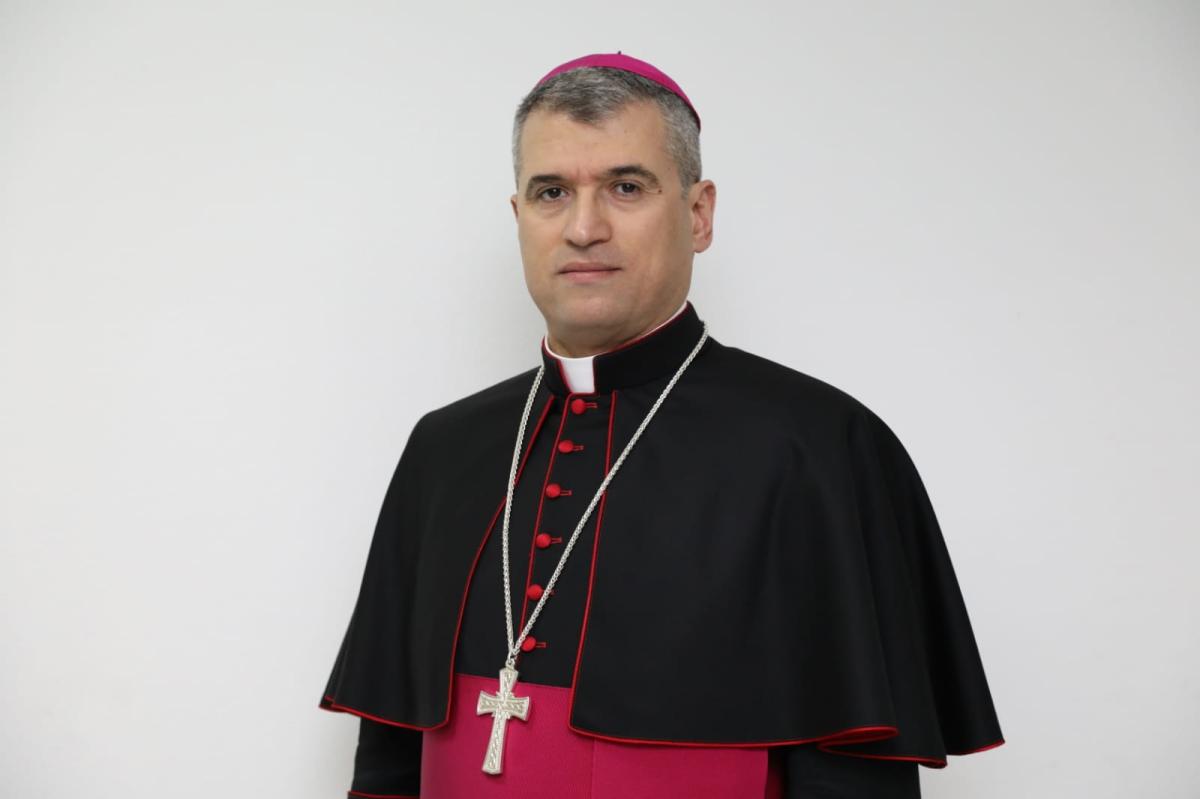
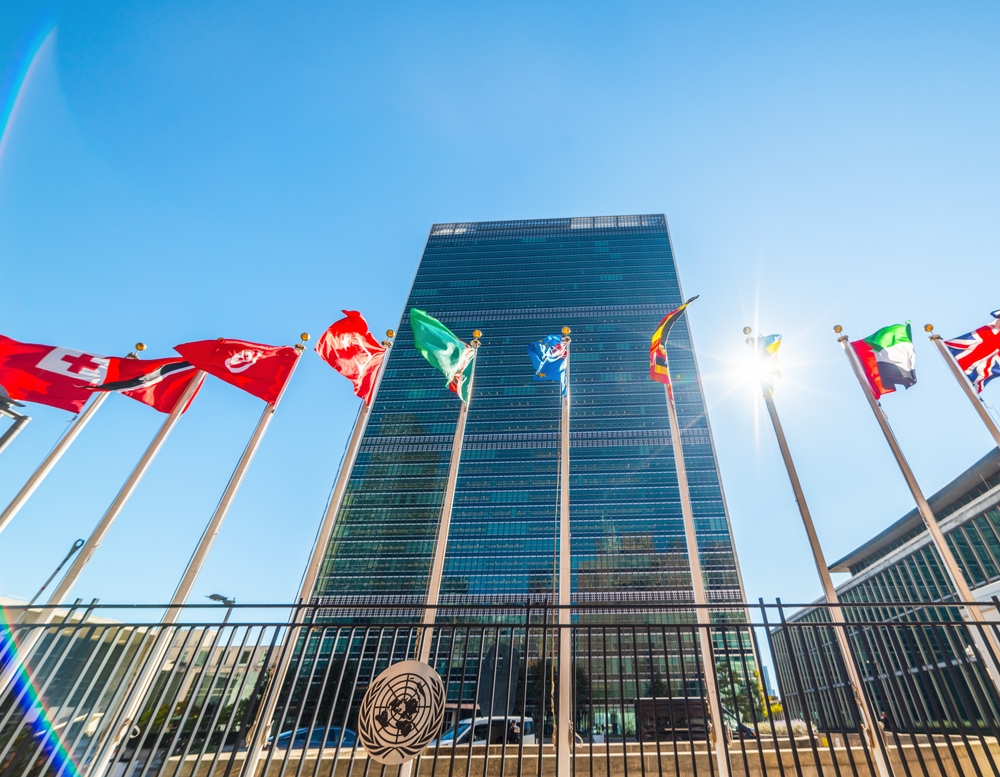
Archbishop Moth urges UN to act against global persecution of believers #Catholic Archbishop Richard Moth of Westminster in England issued “a vital call to action in support of people around the world oppressed for their faith” to national governments and the United Nations.Moth, president of the Catholic Bishops’ Conference of England and Wales, called on Catholics and people of goodwill to sign a petition urging world leaders to ensure countries fulfill the religious freedom requirements in Article 18 of the Universal Declaration of Human Rights.“Religious freedom is a right not a privilege,” Moth said in the Aug. 18 statement.The article, created and adopted in 1948, “affirms the right to freedom of religion or belief,” he said. “It was ratified by the United Nations and quickly became recognised around the world.”“The Second Vatican Council affirmed this right, teaching that ‘this freedom means that all people are to be immune from coercion… in such a way that no one is to be forced to act in a manner contrary to his or her own beliefs,’” he said.The petition is part of a campaign organized by the Catholic charity Aid to the Church in Need (ACN). It is intended to advocate for Article 18 ahead of the 10-year anniversary of Red Wednesday, an annual global campaign by ACN to raise awareness about religious persecution.It is “a critical moment to act,” as “more than 5 billion people live in countries where persecution, oppression, and discrimination restrict religious freedom, including more than 200 million Christians,” ACN reported.Despite Article 18’s recognition, “all too often Article 18 is ignored,” Moth said.The bishop said: “Men and women are imprisoned, others are driven from their homes, or even killed, simply because of their peacefully held beliefs.”“In some countries women and girls are kidnapped, forced to renounce their faith and marry their abductors; children are denied the right to learn about their faith; many people — young and old alike — are the victims of religious hatred; they suffer abuse and discrimination in the streets, at school and at work.”“We need to stand up for our brothers and sisters in Christ and stand in support of all those who suffer for their beliefs, recognising religious freedom as a universal human right,” Moth said.Answering Pope Leo’s callThe bishop echoed Pope Leo XIV’s call to not abandon persecuted believers.“As Pope Leo has said, ‘Religious freedom is not merely a legal right or a privilege granted to us by governments. It is a foundational condition that makes authentic reconciliation possible,’” Moth said. “In the words of the Holy Father, there can be … ’no peace without freedom of religion, freedom of thought, freedom of expression, and respect for the views of others,’” he concluded.

Archbishop Moth urges UN to act against global persecution of believers #Catholic Archbishop Richard Moth of Westminster in England issued “a vital call to action in support of people around the world oppressed for their faith” to national governments and the United Nations.Moth, president of the Catholic Bishops’ Conference of England and Wales, called on Catholics and people of goodwill to sign a petition urging world leaders to ensure countries fulfill the religious freedom requirements in Article 18 of the Universal Declaration of Human Rights.“Religious freedom is a right not a privilege,” Moth said in the Aug. 18 statement.The article, created and adopted in 1948, “affirms the right to freedom of religion or belief,” he said. “It was ratified by the United Nations and quickly became recognised around the world.”“The Second Vatican Council affirmed this right, teaching that ‘this freedom means that all people are to be immune from coercion… in such a way that no one is to be forced to act in a manner contrary to his or her own beliefs,’” he said.The petition is part of a campaign organized by the Catholic charity Aid to the Church in Need (ACN). It is intended to advocate for Article 18 ahead of the 10-year anniversary of Red Wednesday, an annual global campaign by ACN to raise awareness about religious persecution.It is “a critical moment to act,” as “more than 5 billion people live in countries where persecution, oppression, and discrimination restrict religious freedom, including more than 200 million Christians,” ACN reported.Despite Article 18’s recognition, “all too often Article 18 is ignored,” Moth said.The bishop said: “Men and women are imprisoned, others are driven from their homes, or even killed, simply because of their peacefully held beliefs.”“In some countries women and girls are kidnapped, forced to renounce their faith and marry their abductors; children are denied the right to learn about their faith; many people — young and old alike — are the victims of religious hatred; they suffer abuse and discrimination in the streets, at school and at work.”“We need to stand up for our brothers and sisters in Christ and stand in support of all those who suffer for their beliefs, recognising religious freedom as a universal human right,” Moth said.Answering Pope Leo’s callThe bishop echoed Pope Leo XIV’s call to not abandon persecuted believers.“As Pope Leo has said, ‘Religious freedom is not merely a legal right or a privilege granted to us by governments. It is a foundational condition that makes authentic reconciliation possible,’” Moth said. “In the words of the Holy Father, there can be … ’no peace without freedom of religion, freedom of thought, freedom of expression, and respect for the views of others,’” he concluded.

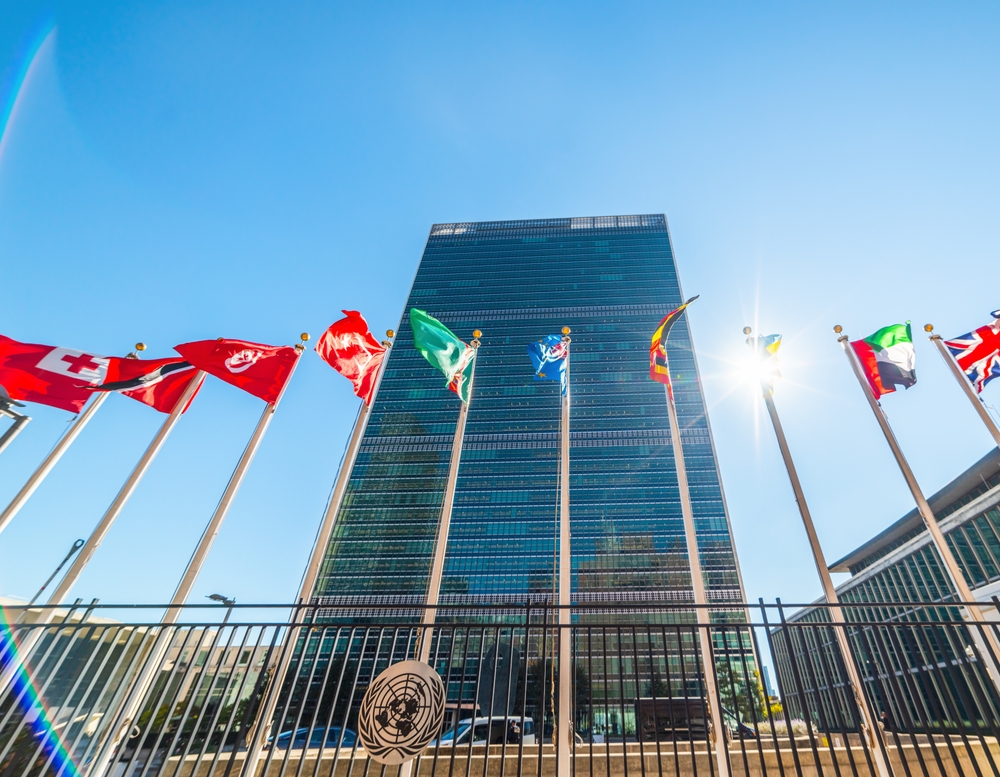
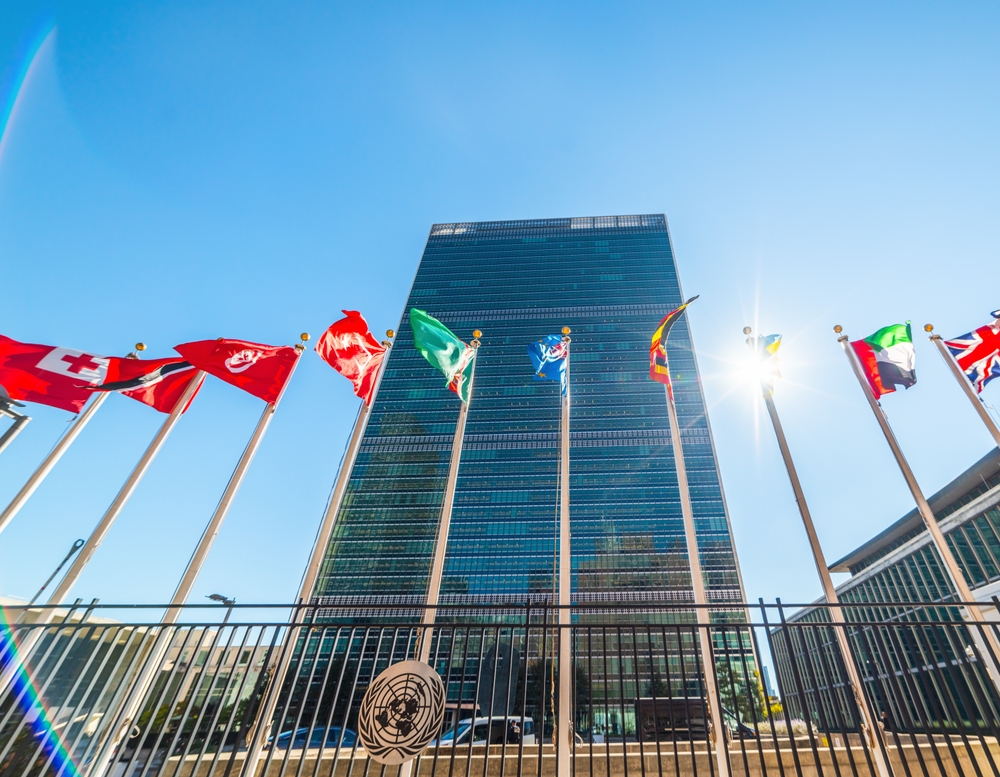
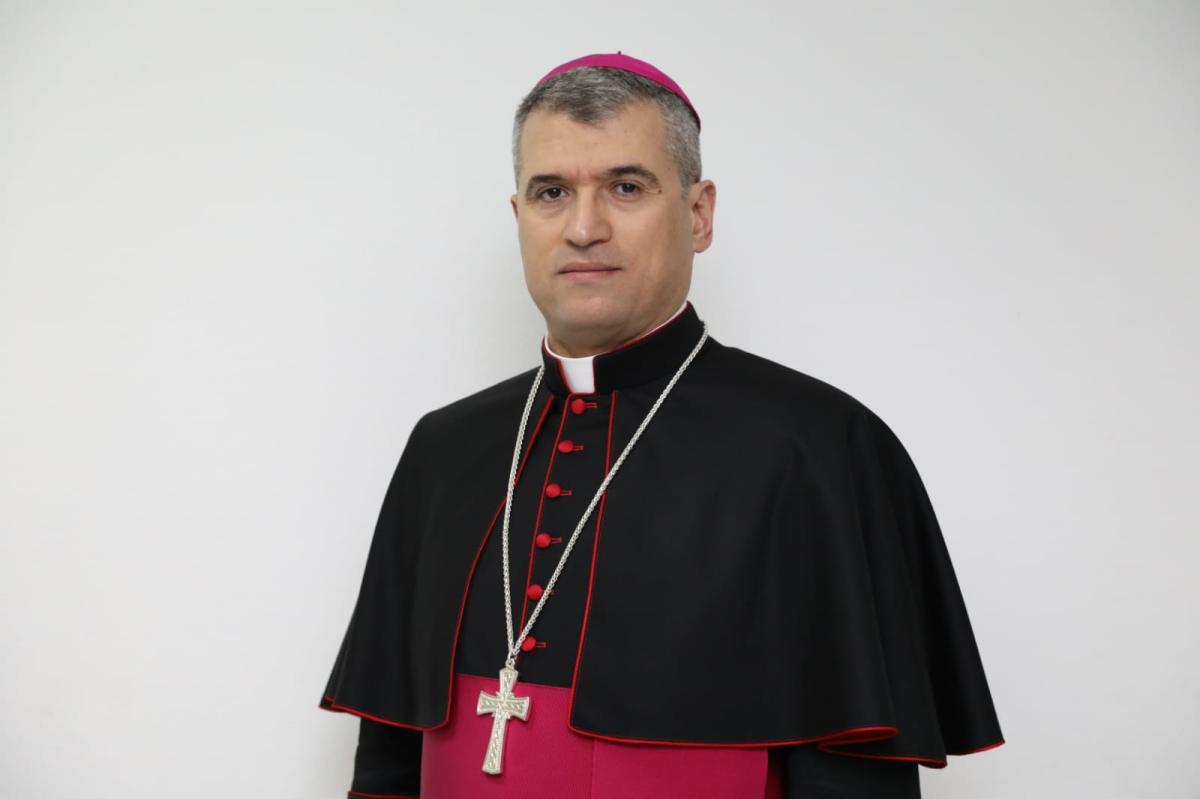
The president of the Catholic Bishops’ Conference of England and Wales urged world leaders to enforce religious freedom standards in the Universal Declaration of Human Rights.

Read More
Why the feast of St. Dominic is not actually the Dominicans’ biggest feast day #Catholic Aug. 8 marks the feast day of St. Dominic, the 13th-century priest known for founding the Order of Preachers, commonly called the Dominicans, and for spreading devotion to the rosary.Surprisingly, though, the Dominicans don’t usually do much to celebrate the saint’s Aug. 8 feast day.While the August feast “is for us certainly always a feast,” Dominican Father Angelo Giuseppe Urru told EWTN News in 2018, it’s not the primary one.Instead, the order celebrates “more solemnly” May 24, which is the solemnity of the Translation of St. Dominic.This unusual feast day commemorates the day St. Dominic’s remains were moved, or “translated,” from their original burial spot behind an altar of the church of San Nicolo della Vigne in Bologna, Italy, to a more prominent place in the church in 1233.For many Dominican provinces, this day is the big celebration, Urru said.The move of St. Dominic’s body was carried out at the request of Pope Gregory IX about one year before the saint’s canonization on July 13, 1234, only 13 years after his death.As recorded in a letter by Blessed Jordan of Saxony, one of the first leaders of the Dominicans, the brothers were very anxious before the move of the body, because they were worried that when the wooden coffin was un-interred from the stone sepulcher, the body would give off a foul odor, since it had been buried in a poorly constructed tomb, exposed to water and heat.But they received a great surprise, because when the tomb was opened, a wonderful and sweet perfume emanated from the coffin instead.“Its sweetness astonished those present, and they were filled with wonder at this strange occurrence. Everyone shed tears of joy, and fear and hope rose in all hearts,” Blessed Jordan wrote.He reported that the odor remained and if anyone touched a hand or some object to the body, the odor immediately attached itself and lingered for a long time.“The body was carried to the marble sepulcher where it would rest — it and the perfume that it poured forth. This marvelous aroma which the holy body emitted was evidence to all how much the saint had truly been the good odor of Christ,” he wrote.By 1240, the church containing St. Dominic’s remains had been expanded into a basilica and renamed for the saint.Now, every year Dominican friars, sisters, and laity all over the world celebrate St. Dominic on May 24.Mass is celebrated at the Basilica of Santa Sabina, the mother church of the Dominicans in Rome, for this feast.The tradition is for a priest of the Order of Friars Minor, commonly called the Franciscans, to say the Mass and preach. After Mass, the procession of friars stops at the first side chapel, where the Blessed Sacrament is kept, to sing the “O Lumen,” the Dominican antiphon to St. Dominic.Besides the tomb with the saint’s body, which is in the basilica in Bologna, there are few relics of St. Dominic in existence.One relic, a piece of his skull, can be found in Rome. It is at the church of Santa Maria del Rosario, part of a Dominican monastery located on Monte Mario, the tallest hill of Rome.Urru said he was not sure how it came to be kept in the monastery but that it originated when some students in Bologna stole it to have in their chapel.“There is also the breviary of St. Dominic, a small breviary,” he said.In 2016, the Dominicans celebrated the 800th anniversary of their founding with a jubilee year, culminating in an International Congress for the Mission of the Order, which took place Jan. 17–21 in Rome.Urru voiced gratitude for the blessing of vocations, which allow the order’s work to continue.Thankfully, though there are some provinces that are very small, many are growing and are very strong, he noted, such as those in Vietnam and Africa. The United States as well has seen a good number of new vocations, he said.Around the world, “there are many initiatives of the order,” and they are working hard still, just as they have the last 800 years.Ultimately, though, he said, the future of the order is “in the hands of God.”This story was first published on Aug. 8, 2017, and has been updated.

Why the feast of St. Dominic is not actually the Dominicans’ biggest feast day #Catholic Aug. 8 marks the feast day of St. Dominic, the 13th-century priest known for founding the Order of Preachers, commonly called the Dominicans, and for spreading devotion to the rosary.Surprisingly, though, the Dominicans don’t usually do much to celebrate the saint’s Aug. 8 feast day.While the August feast “is for us certainly always a feast,” Dominican Father Angelo Giuseppe Urru told EWTN News in 2018, it’s not the primary one.Instead, the order celebrates “more solemnly” May 24, which is the solemnity of the Translation of St. Dominic.This unusual feast day commemorates the day St. Dominic’s remains were moved, or “translated,” from their original burial spot behind an altar of the church of San Nicolo della Vigne in Bologna, Italy, to a more prominent place in the church in 1233.For many Dominican provinces, this day is the big celebration, Urru said.The move of St. Dominic’s body was carried out at the request of Pope Gregory IX about one year before the saint’s canonization on July 13, 1234, only 13 years after his death.As recorded in a letter by Blessed Jordan of Saxony, one of the first leaders of the Dominicans, the brothers were very anxious before the move of the body, because they were worried that when the wooden coffin was un-interred from the stone sepulcher, the body would give off a foul odor, since it had been buried in a poorly constructed tomb, exposed to water and heat.But they received a great surprise, because when the tomb was opened, a wonderful and sweet perfume emanated from the coffin instead.“Its sweetness astonished those present, and they were filled with wonder at this strange occurrence. Everyone shed tears of joy, and fear and hope rose in all hearts,” Blessed Jordan wrote.He reported that the odor remained and if anyone touched a hand or some object to the body, the odor immediately attached itself and lingered for a long time.“The body was carried to the marble sepulcher where it would rest — it and the perfume that it poured forth. This marvelous aroma which the holy body emitted was evidence to all how much the saint had truly been the good odor of Christ,” he wrote.By 1240, the church containing St. Dominic’s remains had been expanded into a basilica and renamed for the saint.Now, every year Dominican friars, sisters, and laity all over the world celebrate St. Dominic on May 24.Mass is celebrated at the Basilica of Santa Sabina, the mother church of the Dominicans in Rome, for this feast.The tradition is for a priest of the Order of Friars Minor, commonly called the Franciscans, to say the Mass and preach. After Mass, the procession of friars stops at the first side chapel, where the Blessed Sacrament is kept, to sing the “O Lumen,” the Dominican antiphon to St. Dominic.Besides the tomb with the saint’s body, which is in the basilica in Bologna, there are few relics of St. Dominic in existence.One relic, a piece of his skull, can be found in Rome. It is at the church of Santa Maria del Rosario, part of a Dominican monastery located on Monte Mario, the tallest hill of Rome.Urru said he was not sure how it came to be kept in the monastery but that it originated when some students in Bologna stole it to have in their chapel.“There is also the breviary of St. Dominic, a small breviary,” he said.In 2016, the Dominicans celebrated the 800th anniversary of their founding with a jubilee year, culminating in an International Congress for the Mission of the Order, which took place Jan. 17–21 in Rome.Urru voiced gratitude for the blessing of vocations, which allow the order’s work to continue.Thankfully, though there are some provinces that are very small, many are growing and are very strong, he noted, such as those in Vietnam and Africa. The United States as well has seen a good number of new vocations, he said.Around the world, “there are many initiatives of the order,” and they are working hard still, just as they have the last 800 years.Ultimately, though, he said, the future of the order is “in the hands of God.”This story was first published on Aug. 8, 2017, and has been updated.

While the August feast is “always a feast” for Dominicans, it’s not the primary one.

Read More