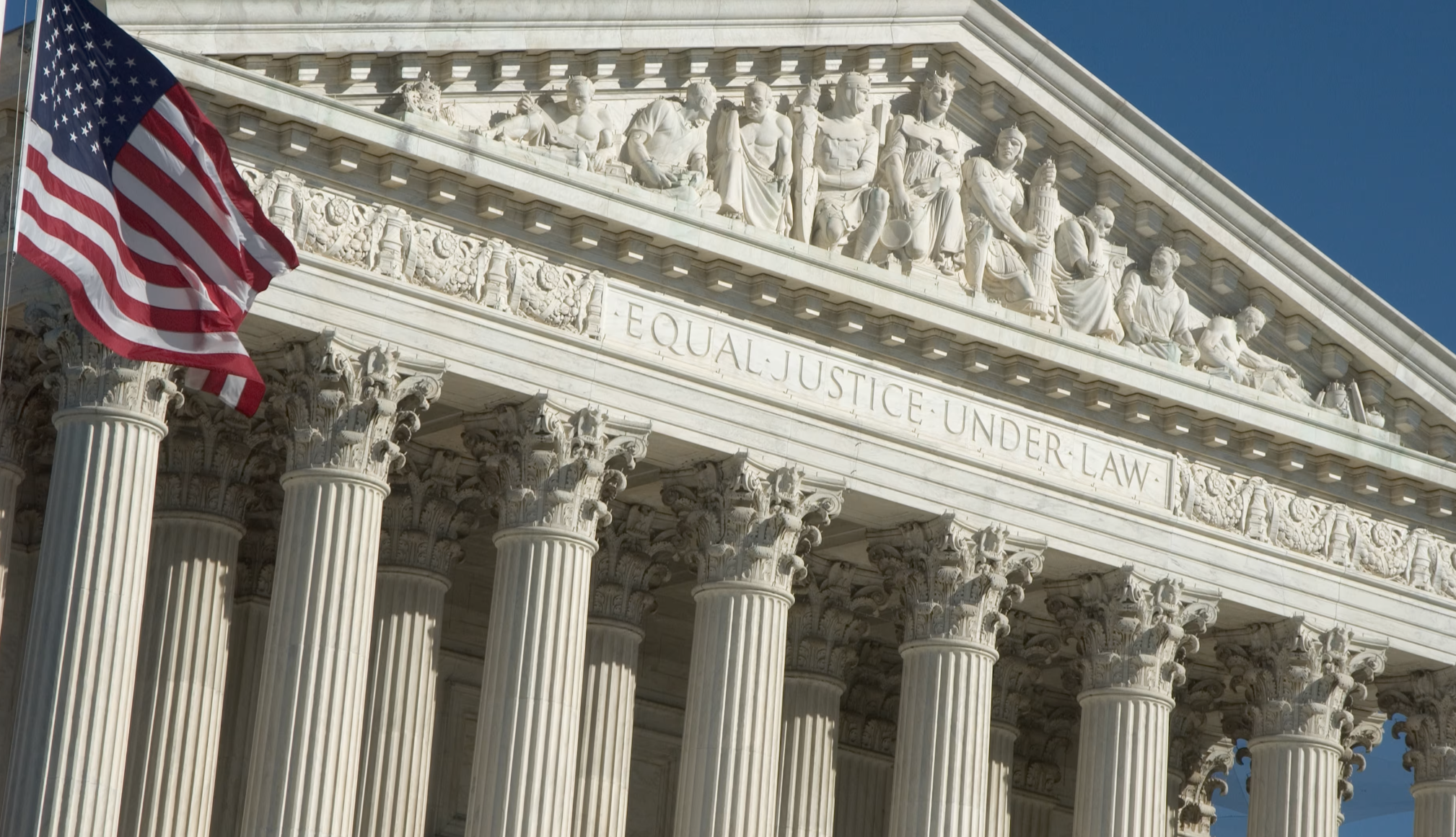
The U.S. Supreme Court said a New Jersey faith-based pregnancy center may challenge a state subpoena demanding donor information.
The court in a unanimous ruling April 29 decided the case could proceed in federal court, reversing a lower court decision that had deemed the lawsuit premature.
The pregnancy center had raised First Amendment concerns about whether it could immediately assert its right to challenge a state subpoena demanding donor information — including names, addresses, and places of employment — in federal court, or whether it must first proceed through the state court system.
The ruling was a victory for First Choice Women’s Resource Centers. Diverse groups including the U.S. Conference of Catholic Bishops, The Church of Jesus Christ of Latter-day Saints, members of Congress, the Trump administration, and the ACLU had agreed that First Choice should be able to challenge the subpoena in federal court without first litigating the issue in New Jersey state court.
The case, First Choice Women’s Resource Centers, Inc. v. Davenport, involves a 2023 subpoena issued by New Jersey Attorney General Matthew J. Platkin seeking donor information from First Choice. In 2022, Platkin had begun investigating crisis pregnancy centers like First Choice, saying they are organizations that may provide “false or misleading information about the safety and legality of abortion.”
First Choice described itself in a Supreme Court brief as a faith-based nonprofit serving New Jersey women by offering material support and medical services such as ultrasounds and pregnancy tests. The organization said it does not provide or refer for abortions.
The U.S. Conference of Catholic Bishops told the court in an amicus brief: “Compelling disclosure of a religious organization’s financial support violates the constitutional guarantee of freedom of religion.”
It contended that compelling disclosure would undermine the group’s religious mission and chill the free‑exercise rights of donors who give anonymously in keeping with their beliefs.
U.S. Supreme Court allows faith-based pregnancy center to challenge donor subpoena #Catholic
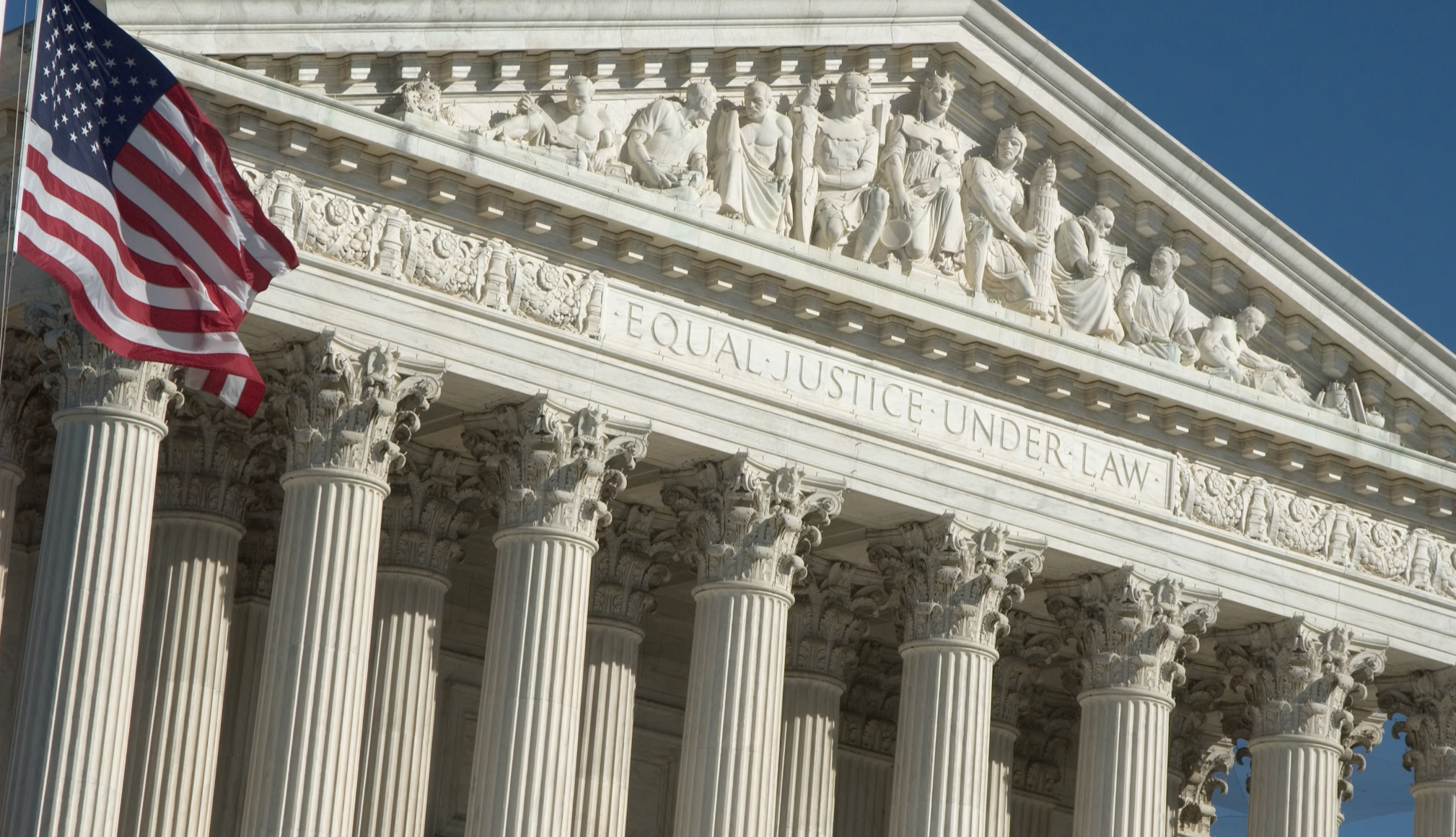
The U.S. Supreme Court said a New Jersey faith-based pregnancy center may challenge a state subpoena demanding donor information.
The court in a unanimous ruling April 29 decided the case could proceed in federal court, reversing a lower court decision that had deemed the lawsuit premature.
The pregnancy center had raised First Amendment concerns about whether it could immediately assert its right to challenge a state subpoena demanding donor information — including names, addresses, and places of employment — in federal court, or whether it must first proceed through the state court system.
The ruling was a victory for First Choice Women’s Resource Centers. Diverse groups including the U.S. Conference of Catholic Bishops, The Church of Jesus Christ of Latter-day Saints, members of Congress, the Trump administration, and the ACLU had agreed that First Choice should be able to challenge the subpoena in federal court without first litigating the issue in New Jersey state court.
The case, First Choice Women’s Resource Centers, Inc. v. Davenport, involves a 2023 subpoena issued by New Jersey Attorney General Matthew J. Platkin seeking donor information from First Choice. In 2022, Platkin had begun investigating crisis pregnancy centers like First Choice, saying they are organizations that may provide “false or misleading information about the safety and legality of abortion.”
First Choice described itself in a Supreme Court brief as a faith-based nonprofit serving New Jersey women by offering material support and medical services such as ultrasounds and pregnancy tests. The organization said it does not provide or refer for abortions.
The U.S. Conference of Catholic Bishops told the court in an amicus brief: “Compelling disclosure of a religious organization’s financial support violates the constitutional guarantee of freedom of religion.”
It contended that compelling disclosure would undermine the group’s religious mission and chill the free‑exercise rights of donors who give anonymously in keeping with their beliefs.