Day: September 23, 2026

Música y Misión: la Diócesis de Paterson convoca a sus músicos litúrgicos para una jornada de formación con OCP #Catholic – Músicos, cantores, directores de coro e instrumentistas de la Diócesis de Paterson se reunirán el sábado 3 de octubre para una jornada de formación, oración y encuentro junto al Instituto OCP. El evento se celebrará de 8:00 a.m. a 3:30 p.m. en la iglesia St. Andrew the Apostle, ubicada en 400 Mt. Prospect Ave., Clifton.
La jornada forma parte de Música y Misión, un programa de formación de un año dirigido a quienes sirven en el ministerio de la música litúrgica. A lo largo del programa, los participantes tienen acceso a sesiones virtuales a través de Facebook y Zoom sobre distintos aspectos de la música y la liturgia. El encuentro del 3 de octubre será el primero de carácter presencial y ofrecerá a músicos de distintas parroquias la oportunidad de conocerse, aprender juntos y compartir sus experiencias de servicio.
“La formación nos ayuda a recordar que la música no es solamente algo que hacemos durante la Misa; es un ministerio que ponemos al servicio de Dios y de nuestra comunidad”, señala Alejandra Osorio, músico de la iglesia Santa Margarita de Escocia en Morristown.
Un programa abierto a nuevos participantes
No es necesario haber asistido a las sesiones virtuales anteriores para participar en el encuentro presencial. Los músicos que aún no se hayan incorporado al programa pueden asistir, conocer la iniciativa y comenzar su proceso de formación junto a otros músicos de la diócesis.
La jornada se desarrollará en español y está dirigida principalmente a músicos de las comunidades hispanas de la diócesis. También están invitados quienes entiendan español, incluidos directores y músicos de habla inglesa interesados en conocer el repertorio y las tradiciones musicales de las comunidades hispanas.
Los ponentes
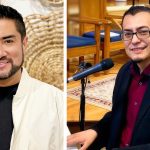
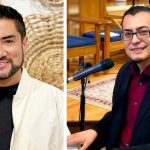
El evento contará con la participación de los músicos y compositores católicos Iván Díaz y Silvio Cuéllar.
Díaz, nacido y criado en Colombia, es compositor de música católica bilingüe, director coral y músico pastoral. Cuenta con una maestría en dirección coral y se desempeña actualmente como director de Campus Ministry en St. Thomas University, en Miami. Sus composiciones forman parte de varias colecciones de OCP, incluida Nuestra Alegría / Our Joy. En 2024 recibió el reconocimiento de Compositor Católico Distinguido del Año, otorgado por la Association of Catholic Publishers.
Cuéllar nació en Córdoba, Argentina, y creció en Bolivia antes de emigrar a Estados Unidos. Es músico pastoral, compositor, periodista y conferencista especializado en liturgia y vida familiar. Miembro fundador de la Asociación de Músicos Pastorales Hispanos, ha dedicado parte importante de su ministerio a la formación y el acompañamiento de comunidades católicas hispanas.
Contenido de la jornada
Durante el encuentro se abordarán temas como la espiritualidad del músico litúrgico, la técnica vocal y la formación de coros efectivos, con herramientas tanto prácticas como espirituales para quienes ejercen este ministerio en sus parroquias.
El programa incluirá también una sesión dedicada al repertorio de música de alabanza, utilizando el himnario Flor y Canto, cuarta edición, como recurso para explorar cantos apropiados para la celebración litúrgica en español.
Música y Misión busca fortalecer la formación de quienes sirven a través de la música y subrayar el papel que el canto y los instrumentos desempeñan en la participación de la comunidad durante la liturgia.
El costo de participación es de  e incluye alimentos. Para información y registro, comuníquese con Yessenia Castillo, de la Oficina del Ministerio Hispano de la Diócesis de Paterson, al (973) 538-0874, ext. 108, o por correo electrónico a hispanicoffice@patersondiocese.org.

Para suscribirse a nuestro boletín electrónico semanal, haga click aquí.


Música y Misión: la Diócesis de Paterson convoca a sus músicos litúrgicos para una jornada de formación con OCP #Catholic – Músicos, cantores, directores de coro e instrumentistas de la Diócesis de Paterson se reunirán el sábado 3 de octubre para una jornada de formación, oración y encuentro junto al Instituto OCP. El evento se celebrará de 8:00 a.m. a 3:30 p.m. en la iglesia St. Andrew the Apostle, ubicada en 400 Mt. Prospect Ave., Clifton. La jornada forma parte de Música y Misión, un programa de formación de un año dirigido a quienes sirven en el ministerio de la música litúrgica. A lo largo del programa, los participantes tienen acceso a sesiones virtuales a través de Facebook y Zoom sobre distintos aspectos de la música y la liturgia. El encuentro del 3 de octubre será el primero de carácter presencial y ofrecerá a músicos de distintas parroquias la oportunidad de conocerse, aprender juntos y compartir sus experiencias de servicio. “La formación nos ayuda a recordar que la música no es solamente algo que hacemos durante la Misa; es un ministerio que ponemos al servicio de Dios y de nuestra comunidad”, señala Alejandra Osorio, músico de la iglesia Santa Margarita de Escocia en Morristown. Un programa abierto a nuevos participantes No es necesario haber asistido a las sesiones virtuales anteriores para participar en el encuentro presencial. Los músicos que aún no se hayan incorporado al programa pueden asistir, conocer la iniciativa y comenzar su proceso de formación junto a otros músicos de la diócesis. La jornada se desarrollará en español y está dirigida principalmente a músicos de las comunidades hispanas de la diócesis. También están invitados quienes entiendan español, incluidos directores y músicos de habla inglesa interesados en conocer el repertorio y las tradiciones musicales de las comunidades hispanas. Los ponentes El evento contará con la participación de los músicos y compositores católicos Iván Díaz y Silvio Cuéllar. Díaz, nacido y criado en Colombia, es compositor de música católica bilingüe, director coral y músico pastoral. Cuenta con una maestría en dirección coral y se desempeña actualmente como director de Campus Ministry en St. Thomas University, en Miami. Sus composiciones forman parte de varias colecciones de OCP, incluida Nuestra Alegría / Our Joy. En 2024 recibió el reconocimiento de Compositor Católico Distinguido del Año, otorgado por la Association of Catholic Publishers. Cuéllar nació en Córdoba, Argentina, y creció en Bolivia antes de emigrar a Estados Unidos. Es músico pastoral, compositor, periodista y conferencista especializado en liturgia y vida familiar. Miembro fundador de la Asociación de Músicos Pastorales Hispanos, ha dedicado parte importante de su ministerio a la formación y el acompañamiento de comunidades católicas hispanas. Contenido de la jornada Durante el encuentro se abordarán temas como la espiritualidad del músico litúrgico, la técnica vocal y la formación de coros efectivos, con herramientas tanto prácticas como espirituales para quienes ejercen este ministerio en sus parroquias. El programa incluirá también una sesión dedicada al repertorio de música de alabanza, utilizando el himnario Flor y Canto, cuarta edición, como recurso para explorar cantos apropiados para la celebración litúrgica en español. Música y Misión busca fortalecer la formación de quienes sirven a través de la música y subrayar el papel que el canto y los instrumentos desempeñan en la participación de la comunidad durante la liturgia. El costo de participación es de $25 e incluye alimentos. Para información y registro, comuníquese con Yessenia Castillo, de la Oficina del Ministerio Hispano de la Diócesis de Paterson, al (973) 538-0874, ext. 108, o por correo electrónico a hispanicoffice@patersondiocese.org. Para suscribirse a nuestro boletín electrónico semanal, haga click aquí.  

Música y Misión: la Diócesis de Paterson convoca a sus músicos litúrgicos para una jornada de formación con OCP #Catholic –

Músicos, cantores, directores de coro e instrumentistas de la Diócesis de Paterson se reunirán el sábado 3 de octubre para una jornada de formación, oración y encuentro junto al Instituto OCP. El evento se celebrará de 8:00 a.m. a 3:30 p.m. en la iglesia St. Andrew the Apostle, ubicada en 400 Mt. Prospect Ave., Clifton.

La jornada forma parte de Música y Misión, un programa de formación de un año dirigido a quienes sirven en el ministerio de la música litúrgica. A lo largo del programa, los participantes tienen acceso a sesiones virtuales a través de Facebook y Zoom sobre distintos aspectos de la música y la liturgia. El encuentro del 3 de octubre será el primero de carácter presencial y ofrecerá a músicos de distintas parroquias la oportunidad de conocerse, aprender juntos y compartir sus experiencias de servicio.

“La formación nos ayuda a recordar que la música no es solamente algo que hacemos durante la Misa; es un ministerio que ponemos al servicio de Dios y de nuestra comunidad”, señala Alejandra Osorio, músico de la iglesia Santa Margarita de Escocia en Morristown.

Un programa abierto a nuevos participantes

No es necesario haber asistido a las sesiones virtuales anteriores para participar en el encuentro presencial. Los músicos que aún no se hayan incorporado al programa pueden asistir, conocer la iniciativa y comenzar su proceso de formación junto a otros músicos de la diócesis.

La jornada se desarrollará en español y está dirigida principalmente a músicos de las comunidades hispanas de la diócesis. También están invitados quienes entiendan español, incluidos directores y músicos de habla inglesa interesados en conocer el repertorio y las tradiciones musicales de las comunidades hispanas.

Los ponentes

El evento contará con la participación de los músicos y compositores católicos Iván Díaz y Silvio Cuéllar.

Díaz, nacido y criado en Colombia, es compositor de música católica bilingüe, director coral y músico pastoral. Cuenta con una maestría en dirección coral y se desempeña actualmente como director de Campus Ministry en St. Thomas University, en Miami. Sus composiciones forman parte de varias colecciones de OCP, incluida Nuestra Alegría / Our Joy. En 2024 recibió el reconocimiento de Compositor Católico Distinguido del Año, otorgado por la Association of Catholic Publishers.

Cuéllar nació en Córdoba, Argentina, y creció en Bolivia antes de emigrar a Estados Unidos. Es músico pastoral, compositor, periodista y conferencista especializado en liturgia y vida familiar. Miembro fundador de la Asociación de Músicos Pastorales Hispanos, ha dedicado parte importante de su ministerio a la formación y el acompañamiento de comunidades católicas hispanas.

Contenido de la jornada

Durante el encuentro se abordarán temas como la espiritualidad del músico litúrgico, la técnica vocal y la formación de coros efectivos, con herramientas tanto prácticas como espirituales para quienes ejercen este ministerio en sus parroquias.

El programa incluirá también una sesión dedicada al repertorio de música de alabanza, utilizando el himnario Flor y Canto, cuarta edición, como recurso para explorar cantos apropiados para la celebración litúrgica en español.

Música y Misión busca fortalecer la formación de quienes sirven a través de la música y subrayar el papel que el canto y los instrumentos desempeñan en la participación de la comunidad durante la liturgia.

El costo de participación es de $25 e incluye alimentos. Para información y registro, comuníquese con Yessenia Castillo, de la Oficina del Ministerio Hispano de la Diócesis de Paterson, al (973) 538-0874, ext. 108, o por correo electrónico a hispanicoffice@patersondiocese.org.


Para suscribirse a nuestro boletín electrónico semanal, haga click aquí.


Músicos, cantores, directores de coro e instrumentistas de la Diócesis de Paterson se reunirán el sábado 3 de octubre para una jornada de formación, oración y encuentro junto al Instituto OCP. El evento se celebrará de 8:00 a.m. a 3:30 p.m. en la iglesia St. Andrew the Apostle, ubicada en 400 Mt. Prospect Ave., Clifton. La jornada forma parte de Música y Misión, un programa de formación de un año dirigido a quienes sirven en el ministerio de la música litúrgica. A lo largo del programa, los participantes tienen acceso a sesiones virtuales a través de Facebook y Zoom sobre
Read More
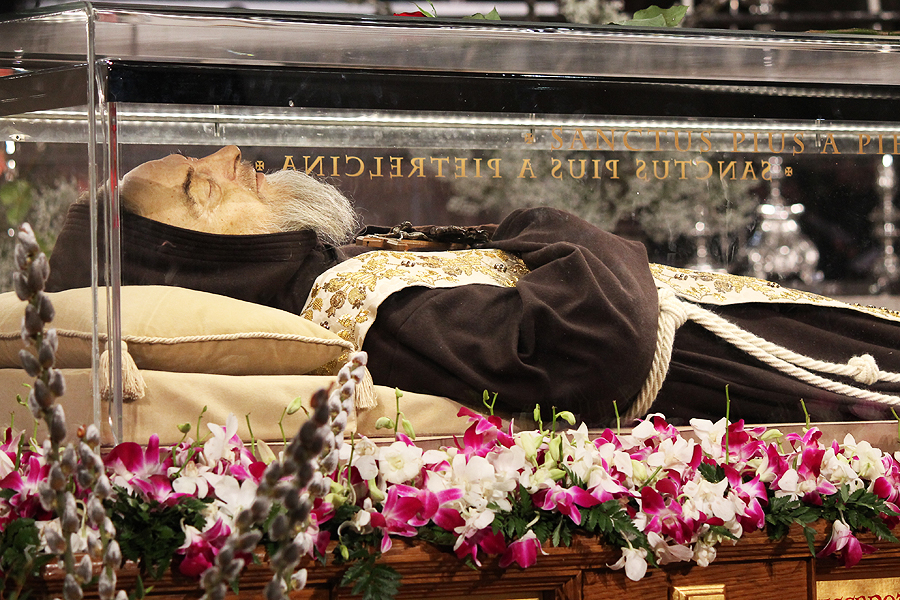
Padre Pio: 13 facts about St. Pio of Pietrelcina to know and share – #Catholic – One of the most popular Catholic saints of the 20th century, St. Pio of Pietrelcina, commonly known as Padre Pio, was a Capuchin Franciscan friar, priest, and mystic. His tomb can be found in the Sanctuary of St. Mary Our Lady of Grace in San Giovanni Rotondo, Italy.Padre Pio is known for his deep wisdom about prayer and peace, his stigmata, miraculous reports of his bilocation, being physically attacked by the devil, and mastering the spiritual life.As the Church celebrates his feast day on Sept. 23, here’s a look at 13 facts about St. Pio’s life and faith.1. Padre Pio was only 5 years old when he expressed a strong desire to serve God.Born Francesco Forgione on May 25, 1887, in Pietrelcina, Italy, he served as an altar boy at his local parish. At the early age of 5, he consecrated himself to Jesus. By the age of 10, his family looked to see how he could become a Capuchin friar.2. Padre Pio was only 15 when he entered the Capuchin Friars Minor as a novice.Being a young teenager, Francesco was given the name Pio or Pius when he entered as a novice. He professed his solemn vows three years later. No stranger to suffering amid frail health throughout much of his studies, he was ordained a priest in 1910. He ascended the Gargano mountains to the rural friary outside of San Giovanni Rotondo in 1916. He remained there for more than 50 years, until his death on Sept. 23, 1968.3. St. Pio received the visible wounds of Christ known as the stigmata, just like St. Francis of Assisi.On Sept. 20, 1918, Padre Pio received the stigmata while praying in a church. The wounds remained visible on his body for the rest of his life. The wounds were on his hands, feet, and side, corresponding to the wounds suffered by Jesus during his crucifixion.4. The blood from his stigmata smelled of floral perfume.Referred to as the “odor of sanctity,” the blood that came from Padre Pio’s wounds is said to have smelled like perfume or as having a floral aroma. The trait has also been exhibited by other saints who manifested stigmata markings.5. Padre Pio heard confessions 12 to 15 hours a day.While listening to confessions, the saint would smell flowers as sins were confessed. Some penitents waited two weeks just to visit him in the confessional. Padre Pio could also read the hearts of penitents, reminding them of sins that were forgotten or omitted.The saint once said: “Confession is the soul’s bath. You must go at least once a week. I do not want souls to stay away from confession more than a week. Even a clean and unoccupied room gathers dust; return after a week, and you will see that it needs dusting again!”6. Padre Pio suffered attacks from the devil on a consistent basis.From a young age, Padre Pio was blessed with heavenly visions, but he also experienced spiritual warfare, including attacks of the devil. In a book written by Father Gabriele Amorth on Padre Pio, the famous exorcist of Rome said: “The great and constant struggle in the life of the saint was against the enemies of God and souls, those demons who sought to capture his soul.”Amorth continued: “The devil appeared to him under many different forms: as a big black cat, wild and threatening, or as a repulsive animal, in the clear intention to frighten him; under the appearance of naked and provocative young girls who danced obscene dances, obviously to test the chastity of the young priest. However, the worst was when the devil took on the appearance of his spiritual director, or posed as Jesus, the Virgin Mary, or St. Francis.”7. He had the gift of bilocation, meaning that he could be in more than one place at a time.Multiple eyewitness accounts attest to the ability of Padre Pio to be in multiple places at once. Fellow friars remember seeing him in prayer outside when they knew he was still in his room. Some accounts come from others who claim to have seen him on different continents all over the world.As to how Padre Pio experienced such feats, the closest he ever came to an explanation of bilocation was to say that it occurred “by an extension of his personality.”8. A sighting of a “flying friar” kept war planes from bombing Padre Pio’s town during World War II.Among the most remarkable of the documented cases of bilocation was Padre Pio’s appearance in the air over San Giovanni Rotondo during World War II. While southern Italy remained in Nazi hands, American bombers were given the job of attacking the city of San Giovanni Rotondo. However, when they appeared over the city and prepared to unload their munitions, a brown-robed friar appeared before their aircraft. All attempts to release the bombs failed. In this way, Padre Pio kept his promise to the citizens that their town would be spared. Later on, when an American airbase was established at Foggia a few miles away, one of the pilots of the incident visited the friary and found, to his surprise, the friar he had seen in the air that day over San Giovanni.9. Before dying at the age of 81, all his wounds healed without scars, just as he had foretold they would 50 years prior.A doctor examining the saint’s body who was present when he was dying observed that the wounds of the stigmata were completely healed, without any trace or scar. Padre Pio’s body was placed in a coffin in the church of the monastery to allow pilgrims to visit and pray.10. Pilgrims can visit the rooms in which Padre Pio lived.All the cells where Padre Pio lived in Italy have been outfitted with vintage furnishings to make them look exactly like they were in the early 20th century. Each site also boasts a small museum with relics and artifacts from his life.11. Many miracles have been attributed to Padre Pio.Several miracles have been attributed to the saint’s intercession, including the story of Gemma di Giorgio, a little girl who visited Padre Pio. Born blind without pupils in either eye, she miraculously regained her sight after visiting him. One truly miraculous factor about her healing was that, although she could see, she still lacked pupils. Another miracle was chronicled on EWTN.12. He established a hospital.Living a life of suffering, made difficult by physical pain and sickness, Padre Pio was able to build a hospital with the help of generous sponsors. Casa Sollievo della Sofferenza, which means “Home for the Relief of the Suffering,” was inaugurated on May 5, 1956. The hospital sits atop a hill overlooking San Giovanni Rotondo. Starting with only about 250 beds and just enough equipment, the hospital is now known for its state-of-the-art facilities and services.13. Even before his death on Sept. 23, 1968, Padre Pio reportedly spent his last moments in prayer.Beatified in 1999, St. Padre Pio was canonized on June 16, 2002, by the late St. John Paul II. He is known among Catholics as St. Pio of Pietrelcina. More than 500,000 attended his canonization. He celebrated Mass the day before his death.This story was first published by the National Catholic Register, the sister partner of EWTN News, and has been adapted and updated by EWTN News.

Padre Pio: 13 facts about St. Pio of Pietrelcina to know and share – #Catholic – One of the most popular Catholic saints of the 20th century, St. Pio of Pietrelcina, commonly known as Padre Pio, was a Capuchin Franciscan friar, priest, and mystic. His tomb can be found in the Sanctuary of St. Mary Our Lady of Grace in San Giovanni Rotondo, Italy.Padre Pio is known for his deep wisdom about prayer and peace, his stigmata, miraculous reports of his bilocation, being physically attacked by the devil, and mastering the spiritual life.As the Church celebrates his feast day on Sept. 23, here’s a look at 13 facts about St. Pio’s life and faith.1. Padre Pio was only 5 years old when he expressed a strong desire to serve God.Born Francesco Forgione on May 25, 1887, in Pietrelcina, Italy, he served as an altar boy at his local parish. At the early age of 5, he consecrated himself to Jesus. By the age of 10, his family looked to see how he could become a Capuchin friar.2. Padre Pio was only 15 when he entered the Capuchin Friars Minor as a novice.Being a young teenager, Francesco was given the name Pio or Pius when he entered as a novice. He professed his solemn vows three years later. No stranger to suffering amid frail health throughout much of his studies, he was ordained a priest in 1910. He ascended the Gargano mountains to the rural friary outside of San Giovanni Rotondo in 1916. He remained there for more than 50 years, until his death on Sept. 23, 1968.3. St. Pio received the visible wounds of Christ known as the stigmata, just like St. Francis of Assisi.On Sept. 20, 1918, Padre Pio received the stigmata while praying in a church. The wounds remained visible on his body for the rest of his life. The wounds were on his hands, feet, and side, corresponding to the wounds suffered by Jesus during his crucifixion.4. The blood from his stigmata smelled of floral perfume.Referred to as the “odor of sanctity,” the blood that came from Padre Pio’s wounds is said to have smelled like perfume or as having a floral aroma. The trait has also been exhibited by other saints who manifested stigmata markings.5. Padre Pio heard confessions 12 to 15 hours a day.While listening to confessions, the saint would smell flowers as sins were confessed. Some penitents waited two weeks just to visit him in the confessional. Padre Pio could also read the hearts of penitents, reminding them of sins that were forgotten or omitted.The saint once said: “Confession is the soul’s bath. You must go at least once a week. I do not want souls to stay away from confession more than a week. Even a clean and unoccupied room gathers dust; return after a week, and you will see that it needs dusting again!”6. Padre Pio suffered attacks from the devil on a consistent basis.From a young age, Padre Pio was blessed with heavenly visions, but he also experienced spiritual warfare, including attacks of the devil. In a book written by Father Gabriele Amorth on Padre Pio, the famous exorcist of Rome said: “The great and constant struggle in the life of the saint was against the enemies of God and souls, those demons who sought to capture his soul.”Amorth continued: “The devil appeared to him under many different forms: as a big black cat, wild and threatening, or as a repulsive animal, in the clear intention to frighten him; under the appearance of naked and provocative young girls who danced obscene dances, obviously to test the chastity of the young priest. However, the worst was when the devil took on the appearance of his spiritual director, or posed as Jesus, the Virgin Mary, or St. Francis.”7. He had the gift of bilocation, meaning that he could be in more than one place at a time.Multiple eyewitness accounts attest to the ability of Padre Pio to be in multiple places at once. Fellow friars remember seeing him in prayer outside when they knew he was still in his room. Some accounts come from others who claim to have seen him on different continents all over the world.As to how Padre Pio experienced such feats, the closest he ever came to an explanation of bilocation was to say that it occurred “by an extension of his personality.”8. A sighting of a “flying friar” kept war planes from bombing Padre Pio’s town during World War II.Among the most remarkable of the documented cases of bilocation was Padre Pio’s appearance in the air over San Giovanni Rotondo during World War II. While southern Italy remained in Nazi hands, American bombers were given the job of attacking the city of San Giovanni Rotondo. However, when they appeared over the city and prepared to unload their munitions, a brown-robed friar appeared before their aircraft. All attempts to release the bombs failed. In this way, Padre Pio kept his promise to the citizens that their town would be spared. Later on, when an American airbase was established at Foggia a few miles away, one of the pilots of the incident visited the friary and found, to his surprise, the friar he had seen in the air that day over San Giovanni.9. Before dying at the age of 81, all his wounds healed without scars, just as he had foretold they would 50 years prior.A doctor examining the saint’s body who was present when he was dying observed that the wounds of the stigmata were completely healed, without any trace or scar. Padre Pio’s body was placed in a coffin in the church of the monastery to allow pilgrims to visit and pray.10. Pilgrims can visit the rooms in which Padre Pio lived.All the cells where Padre Pio lived in Italy have been outfitted with vintage furnishings to make them look exactly like they were in the early 20th century. Each site also boasts a small museum with relics and artifacts from his life.11. Many miracles have been attributed to Padre Pio.Several miracles have been attributed to the saint’s intercession, including the story of Gemma di Giorgio, a little girl who visited Padre Pio. Born blind without pupils in either eye, she miraculously regained her sight after visiting him. One truly miraculous factor about her healing was that, although she could see, she still lacked pupils. Another miracle was chronicled on EWTN.12. He established a hospital.Living a life of suffering, made difficult by physical pain and sickness, Padre Pio was able to build a hospital with the help of generous sponsors. Casa Sollievo della Sofferenza, which means “Home for the Relief of the Suffering,” was inaugurated on May 5, 1956. The hospital sits atop a hill overlooking San Giovanni Rotondo. Starting with only about 250 beds and just enough equipment, the hospital is now known for its state-of-the-art facilities and services.13. Even before his death on Sept. 23, 1968, Padre Pio reportedly spent his last moments in prayer.Beatified in 1999, St. Padre Pio was canonized on June 16, 2002, by the late St. John Paul II. He is known among Catholics as St. Pio of Pietrelcina. More than 500,000 attended his canonization. He celebrated Mass the day before his death.This story was first published by the National Catholic Register, the sister partner of EWTN News, and has been adapted and updated by EWTN News.

Padre Pio is known for his deep wisdom, his stigmata, miraculous reports of his bilocation, being physically attacked by the devil, and mastering the spiritual life.

Read More
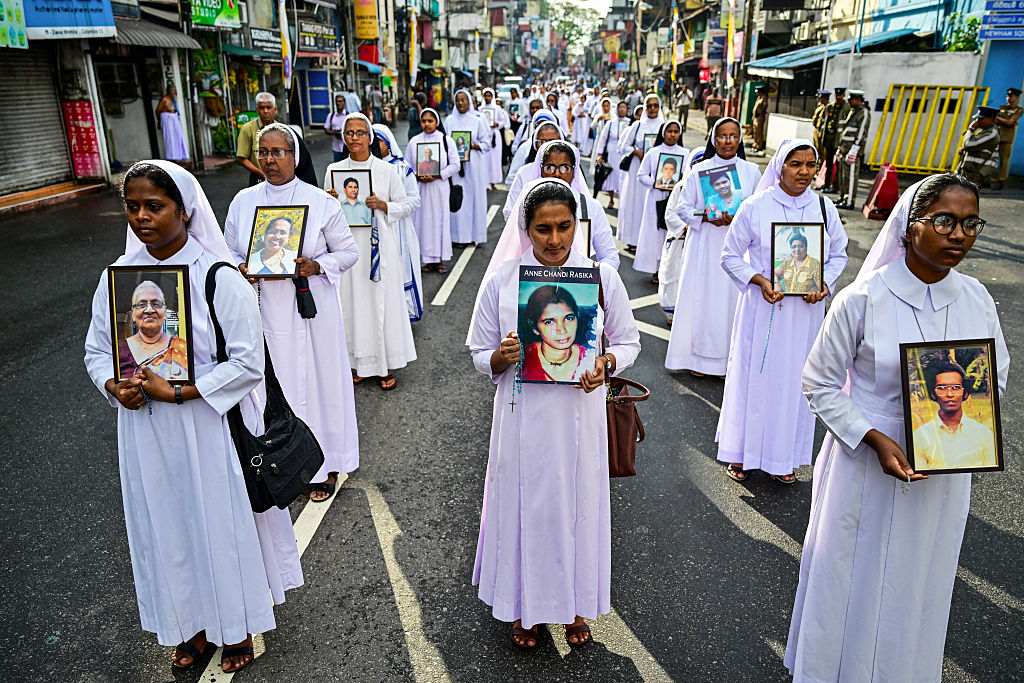
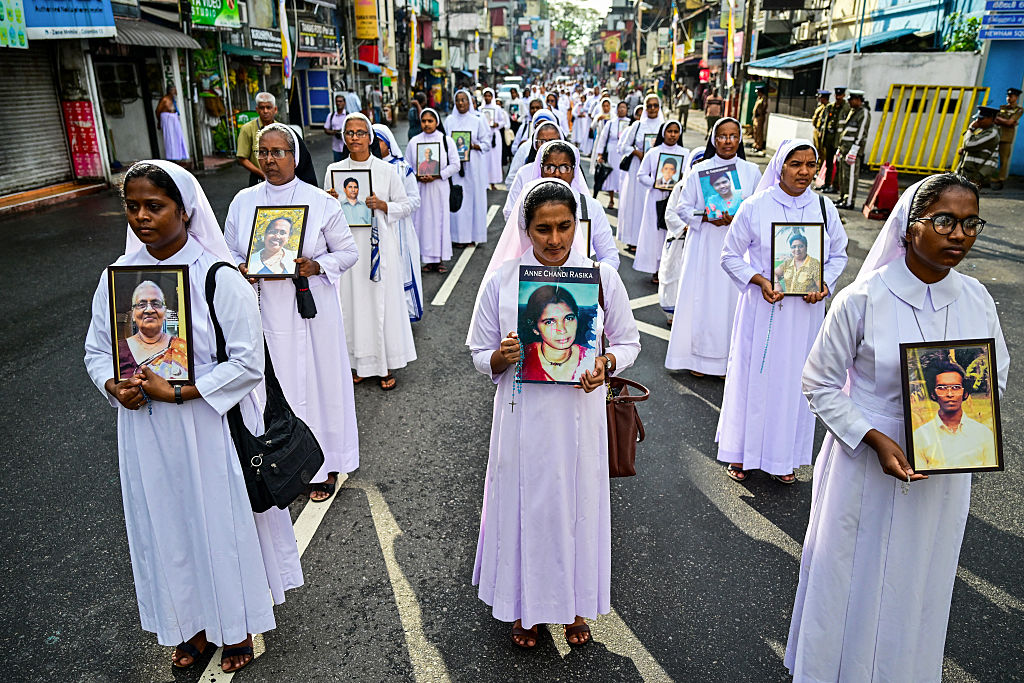
Sri Lanka jails 15 for up to 260 years over Easter Sunday church bombings – #Catholic – Sri Lanka’s High Court has sentenced 15 men to prison terms of 200 to 260 years for their roles in the 2019 Easter Sunday bombings. The convictions are the first directly tied to the attacks on three churches and three hotels that killed 279 people.A three-judge bench in Colombo delivered the verdict Sept. 22 after a nearly five-year trial involving 23,270 charges, LiCAS.news reported. Fourteen defendants were convicted on all counts, including murder, conspiracy to commit terrorism, and possession of firearms and explosives under the Prevention of Terrorism Act. Nine were acquitted, while a 15th was convicted on some counts. The court also ordered the confiscation of the convicts’ property.According to the sentencing list published by Sri Lanka Mirror, one defendant received 260 years, four received 240 years, five received 220 years, and five received 200 years. Prosecutors identified Mohamed Naufar, an Islamist preacher, as the ringleader who supported the suicide bombers, and he received 220 years.The dead included 45 foreign nationals, among them five U.S. citizens, according to the U.S. Justice Department.Father Jude Krishantha Fernando, director of mass communications for the Archdiocese of Colombo, welcomed the ruling but said those convicted “represented only one part of the case,” Newswire reported. He also called for scrutiny of whether intelligence and security officials had enough information to prevent the attacks.“Finally, we have justice,” Fernando told Agence France-Presse. “It has taken a long time to get to this point.”Church presses for a full accountingFor years, the Church has pressed to identify those who ordered the attacks. Cardinal Malcolm Ranjith of Colombo called the 2020 release of several suspects “sad and unfortunate,” and Pope Francis urged Sri Lankan authorities in 2022 to clarify “definitively who was responsible.”In February 2026, police arrested former intelligence chief Suresh Sallay, and the archdiocese asked that the investigation proceed “unhindered from any quarters.” Sallay denies the allegations.In July, former police chief Pujith Jayasundara and former defense secretary Hemasiri Fernando were sentenced to death for failing to act on intelligence warnings. In August, Ranjith said the Church “cannot support capital punishment because it violates human dignity,” Radio Veritas Asia reported.In 2025, the Dicastery for the Causes of Saints added the 167 Catholics killed in the bombings to its list of “Witnesses of Faith.”

Sri Lanka jails 15 for up to 260 years over Easter Sunday church bombings – #Catholic – Sri Lanka’s High Court has sentenced 15 men to prison terms of 200 to 260 years for their roles in the 2019 Easter Sunday bombings. The convictions are the first directly tied to the attacks on three churches and three hotels that killed 279 people.A three-judge bench in Colombo delivered the verdict Sept. 22 after a nearly five-year trial involving 23,270 charges, LiCAS.news reported. Fourteen defendants were convicted on all counts, including murder, conspiracy to commit terrorism, and possession of firearms and explosives under the Prevention of Terrorism Act. Nine were acquitted, while a 15th was convicted on some counts. The court also ordered the confiscation of the convicts’ property.According to the sentencing list published by Sri Lanka Mirror, one defendant received 260 years, four received 240 years, five received 220 years, and five received 200 years. Prosecutors identified Mohamed Naufar, an Islamist preacher, as the ringleader who supported the suicide bombers, and he received 220 years.The dead included 45 foreign nationals, among them five U.S. citizens, according to the U.S. Justice Department.Father Jude Krishantha Fernando, director of mass communications for the Archdiocese of Colombo, welcomed the ruling but said those convicted “represented only one part of the case,” Newswire reported. He also called for scrutiny of whether intelligence and security officials had enough information to prevent the attacks.“Finally, we have justice,” Fernando told Agence France-Presse. “It has taken a long time to get to this point.”Church presses for a full accountingFor years, the Church has pressed to identify those who ordered the attacks. Cardinal Malcolm Ranjith of Colombo called the 2020 release of several suspects “sad and unfortunate,” and Pope Francis urged Sri Lankan authorities in 2022 to clarify “definitively who was responsible.”In February 2026, police arrested former intelligence chief Suresh Sallay, and the archdiocese asked that the investigation proceed “unhindered from any quarters.” Sallay denies the allegations.In July, former police chief Pujith Jayasundara and former defense secretary Hemasiri Fernando were sentenced to death for failing to act on intelligence warnings. In August, Ranjith said the Church “cannot support capital punishment because it violates human dignity,” Radio Veritas Asia reported.In 2025, the Dicastery for the Causes of Saints added the 167 Catholics killed in the bombings to its list of “Witnesses of Faith.”

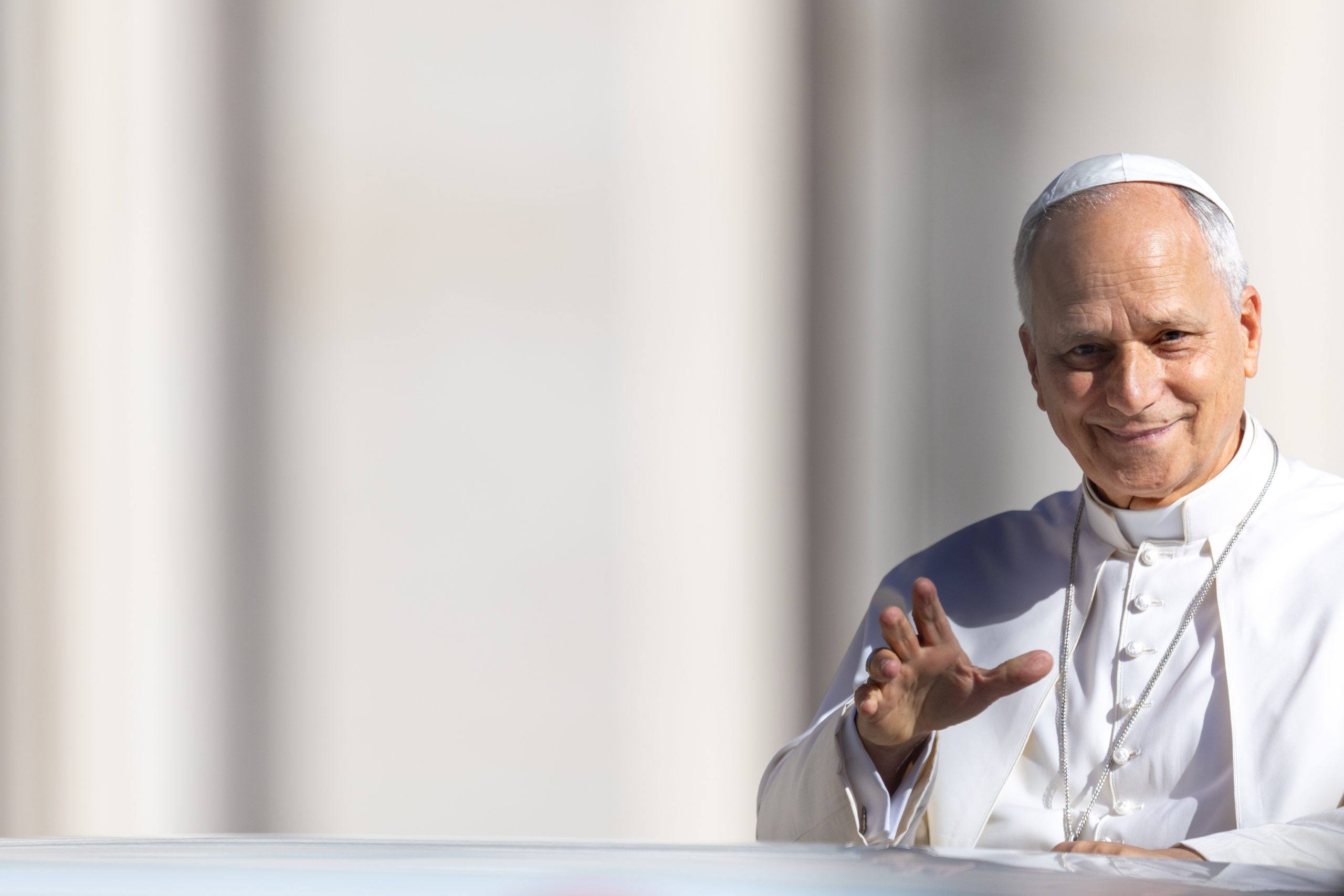
The Archdiocese of Colombo welcomed the ruling but said those convicted are only part of the case, as a separate probe into alleged state links continues.
Read More
Pope calls for protection of migrant minors: It is everyone’s responsibility – #Catholic – Pope Leo XIV appealed on Wednesday to “everyone’s sense of responsibility” to protect migrant and refugee minors, stressing that children and teenagers are the most vulnerable and often endure “unspeakable suffering.”“Children and teenagers are the most vulnerable,” he said at the end of his weekly general audience, recalling that the World Day of Migrants and Refugees will be celebrated on Sunday, Sept. 27.Following his catechesis in St. Peter’s Square, the pontiff noted that many minors endure “unspeakable suffering: violence, torture, exploitation, traumatic conditions, and it is not uncommon for them to lose their lives along migration routes.”In light of this reality, he called for ensuring the protection and support of young migrants.“I appeal to everyone’s sense of responsibility: Let us all feel a sense of involvement in the lives of these young people, who must always be protected and supported,” Leo XIV urged.The Church celebrates the World Day of Migrants and Refugees each year to raise awareness about the situation of displaced persons and to promote initiatives of welcome, integration, and accompaniment, with particular attention to those in the most vulnerable circumstances.In his message for this year’s World Day of Migrants and Refugees, titled “Even Just One of These Children,” Pope Leo XIV insisted that “public and private institutions are obliged to place the protection and dignity of every migrant child and adolescent at the center” of their efforts.Progress is not opposed to Christian faithIn his catechesis, the pope challenged the “prejudice” that portrays scientific and technological progress as being opposed to the Christian faith and warned of the “tragedy of atheistic humanism” described by French Jesuit Cardinal Henri de Lubac.“In post-Christian humanisms, the human being and God are mistakenly presented as rivals: In order to assert his knowledge, his freedom, and his progress, man would have to emancipate himself from God. Ultimately, however, by denying the relationship with God, one also loses the possibility of affirming the transcendent value of the human person,” the pontiff said in St. Peter’s Square.According to Leo, this interpretation “has brought about a change in the way contemporary man views the world, compared with previous ages,” opening the door to a “prejudice” that prevails especially in that part of Western culture that has lost its reference to Christian revelation.As part of his reflections on the Second Vatican Council’s pastoral constitution Gaudium et Spes, the Holy Father invited the faithful to ask: “What is the value of human activity in the world, and therefore of technical, social, and scientific progress?”“Created in the image and likeness of God, the human being is the agent of progress. With freedom and intelligence, he increases his knowledge, thereby advancing society as a whole,” he explained.Pope Leo XIV also said: “Humanity — and with it work, progress, and the autonomy of created realities — is not absorbed or nullified by the encounter with God but rather taken up in its entirety, continuing to be, in Christ, free and active: Indeed, it is in him that it finds full truth and freedom.”Addressing the pilgrims gathered in the square, the pope said: “Christians, like everyone else, are involved in building the city of man, striving towards the end of all things and the encounter with God, and reminding those with whom they share the adventure of progress, science, and life of this ultimate purpose.”He added, however, that earthly progress must be clearly distinguished from the development of Christ’s kingdom.“Finally, let us recall that in order to become authentic human progress — that is, progress for the whole person and for all people — technical and scientific progress must be inspired and guided by charity. Only in this way can it always be placed in the service of human dignity and promote the living conditions of all, especially the most disadvantaged,” the pope concluded.This story was first published in two parts by ACI Prensa, the Spanish-language sister service of EWTN News. It has been translated and adapted by EWTN News English.

Pope calls for protection of migrant minors: It is everyone’s responsibility – #Catholic – Pope Leo XIV appealed on Wednesday to “everyone’s sense of responsibility” to protect migrant and refugee minors, stressing that children and teenagers are the most vulnerable and often endure “unspeakable suffering.”“Children and teenagers are the most vulnerable,” he said at the end of his weekly general audience, recalling that the World Day of Migrants and Refugees will be celebrated on Sunday, Sept. 27.Following his catechesis in St. Peter’s Square, the pontiff noted that many minors endure “unspeakable suffering: violence, torture, exploitation, traumatic conditions, and it is not uncommon for them to lose their lives along migration routes.”In light of this reality, he called for ensuring the protection and support of young migrants.“I appeal to everyone’s sense of responsibility: Let us all feel a sense of involvement in the lives of these young people, who must always be protected and supported,” Leo XIV urged.The Church celebrates the World Day of Migrants and Refugees each year to raise awareness about the situation of displaced persons and to promote initiatives of welcome, integration, and accompaniment, with particular attention to those in the most vulnerable circumstances.In his message for this year’s World Day of Migrants and Refugees, titled “Even Just One of These Children,” Pope Leo XIV insisted that “public and private institutions are obliged to place the protection and dignity of every migrant child and adolescent at the center” of their efforts.Progress is not opposed to Christian faithIn his catechesis, the pope challenged the “prejudice” that portrays scientific and technological progress as being opposed to the Christian faith and warned of the “tragedy of atheistic humanism” described by French Jesuit Cardinal Henri de Lubac.“In post-Christian humanisms, the human being and God are mistakenly presented as rivals: In order to assert his knowledge, his freedom, and his progress, man would have to emancipate himself from God. Ultimately, however, by denying the relationship with God, one also loses the possibility of affirming the transcendent value of the human person,” the pontiff said in St. Peter’s Square.According to Leo, this interpretation “has brought about a change in the way contemporary man views the world, compared with previous ages,” opening the door to a “prejudice” that prevails especially in that part of Western culture that has lost its reference to Christian revelation.As part of his reflections on the Second Vatican Council’s pastoral constitution Gaudium et Spes, the Holy Father invited the faithful to ask: “What is the value of human activity in the world, and therefore of technical, social, and scientific progress?”“Created in the image and likeness of God, the human being is the agent of progress. With freedom and intelligence, he increases his knowledge, thereby advancing society as a whole,” he explained.Pope Leo XIV also said: “Humanity — and with it work, progress, and the autonomy of created realities — is not absorbed or nullified by the encounter with God but rather taken up in its entirety, continuing to be, in Christ, free and active: Indeed, it is in him that it finds full truth and freedom.”Addressing the pilgrims gathered in the square, the pope said: “Christians, like everyone else, are involved in building the city of man, striving towards the end of all things and the encounter with God, and reminding those with whom they share the adventure of progress, science, and life of this ultimate purpose.”He added, however, that earthly progress must be clearly distinguished from the development of Christ’s kingdom.“Finally, let us recall that in order to become authentic human progress — that is, progress for the whole person and for all people — technical and scientific progress must be inspired and guided by charity. Only in this way can it always be placed in the service of human dignity and promote the living conditions of all, especially the most disadvantaged,” the pope concluded.This story was first published in two parts by ACI Prensa, the Spanish-language sister service of EWTN News. It has been translated and adapted by EWTN News English.

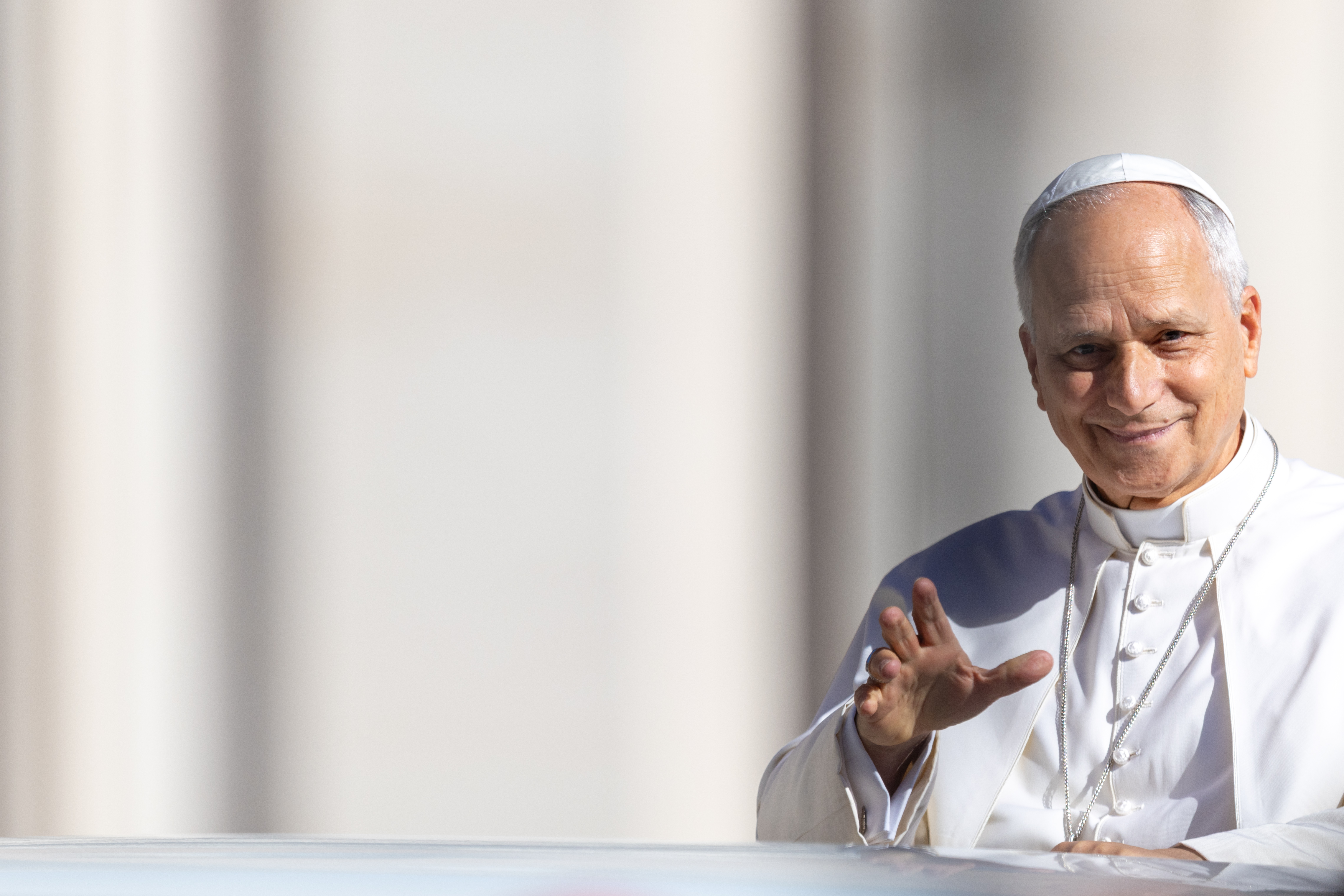
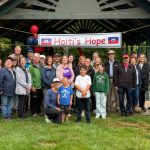
The pope’s appeal followed a reflection on how human progress finds full truth and freedom in an encounter with God.
Read More
Annual Walk of Hope supports Haiti schoolchildren #Catholic – Rainy weather didn’t deter about 50 people from coming out to support St. Vincent de Paul Parish’s second annual Walk of Hope, on Sept. 20, at Kantor Memorial Park in Gillette, N.J. Children were able to participate in educational and fun activities, and there were snacks, homemade treats, beverages and ice cream for all.
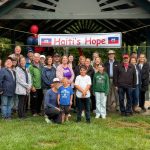
Father Hernan Cely, St. Vincent’s pastor, led the walk kick-off prayer for the event, which raised more than ,000 from generous sponsors and donors, including many local businesses and organizations, to support St. Vincent’s sister parish, St. Paul in Nanpol in Haiti. This year, the funds will primarily support the school and meal program serving more than 130 schoolchildren.
Since 2017, the Haiti’s Hope Ministry at St. Vincent de Paul Parish in the Stirling neighborhood of Long Hill Township , N.J., has funded the installation of a solar-powered water pump filtration system, helped construct and operate a school, and started a school meal program.
To learn more about Haiti’s Hope Ministry, please visit stvincentschurch.org.

Click here to subscribe to our weekly newsletter.

Annual Walk of Hope supports Haiti schoolchildren #Catholic –

Rainy weather didn’t deter about 50 people from coming out to support St. Vincent de Paul Parish’s second annual Walk of Hope, on Sept. 20, at Kantor Memorial Park in Gillette, N.J. Children were able to participate in educational and fun activities, and there were snacks, homemade treats, beverages and ice cream for all.

Father Hernan Cely, St. Vincent’s pastor, led the walk kick-off prayer for the event, which raised more than $7,000 from generous sponsors and donors, including many local businesses and organizations, to support St. Vincent’s sister parish, St. Paul in Nanpol in Haiti. This year, the funds will primarily support the school and meal program serving more than 130 schoolchildren.

Since 2017, the Haiti’s Hope Ministry at St. Vincent de Paul Parish in the Stirling neighborhood of Long Hill Township , N.J., has funded the installation of a solar-powered water pump filtration system, helped construct and operate a school, and started a school meal program.

To learn more about Haiti’s Hope Ministry, please visit stvincentschurch.org.


Click here to subscribe to our weekly newsletter.

Rainy weather didn’t deter about 50 people from coming out to support St. Vincent de Paul Parish’s second annual Walk of Hope, on Sept. 20, at Kantor Memorial Park in Gillette, N.J. Children were able to participate in educational and fun activities, and there were snacks, homemade treats, beverages and ice cream for all. Father Hernan Cely, St. Vincent’s pastor, led the walk kick-off prayer for the event, which raised more than $7,000 from generous sponsors and donors, including many local businesses and organizations, to support St. Vincent’s sister parish, St. Paul in Nanpol in Haiti. This year, the funds

Read More

Looking for a sky event this week? Check out our full Sky This Week column.  September 22: The autumnal equinox The bright Moon stands prominently in Aquarius the Water-bearer this evening, quickly waxing toward Full. Swing your scope up toward Earth’s lone satellite tonight and focus in on a point just east of the terminator dividing nightContinue reading “The Sky Today on Wednesday, September 23: Around Reiner Gamma”

The post The Sky Today on Wednesday, September 23: Around Reiner Gamma appeared first on Astronomy Magazine.

Read More