Best

Pope Leo XIV: Universities must seek truth and form the whole person #Catholic MALABO, Equatorial Guinea — Pope Leo XIV on Tuesday said the inauguration of a new university campus in Equatorial Guinea is “an act of trust in human beings,” praising investment in the education of young people during the final stop of his Africa trip.Speaking at the opening of the Pope Leo XIV University Campus in Basupú, part of the National University of Equatorial Guinea (UNGE), the pontiff said the new institution represents more than new buildings.“This inauguration is an act of trust in human beings, an affirmation of the fact that it is worth the effort to continue wagering on the formation of new generations and on the task, so demanding and yet so noble, of seeking the truth and putting knowledge at the service of the common good,” Leo said.The new campus, in the northern part of Bioko Island, is the country’s largest academic facility. The government chose to dedicate it to the pope in conjunction with his visit. Founded in 1995, the National University of Equatorial Guinea was established to help form national leaders and align academic and professional training with the country’s development needs.Leo was welcomed by Rector Filiberto Ntutumu Nguema Nchama and the archbishop of Malabo, Archbishop Juan Nsue Edjang May. A bust of the pope was unveiled before he met with students and professors gathered in the square outside the main entrance.Students appealed to the pope for encouragement in becoming “a generation characterized by discipline, respect, responsibility, and commitment to the common good,” one aimed not only at personal success but also at contributing to the development of Equatorial Guinea.Faculty members, for their part, pledged themselves to academic excellence, innovation, and the integral formation of students. University officials also stressed that science and technology are powerful tools whose value depends on how they are used and that Christian moral tradition offers essential guidance in that task.In his address, Leo turned to an image deeply resonant in Equatorial Guinea: the ceiba, the country’s national tree.“For the people of Equatorial Guinea, the ceiba, the national tree, has a great symbolic meaning,” he said. “A tree puts forth deep roots and ascends slowly with patience and strength to the heights, embodying in itself a fruitfulness that does not exist for itself.”The pope said the tree offers “a parable of that which a university is called to be”: an institution rooted in serious study, living memory, and the persevering search for truth.Leo then drew on biblical imagery to reflect on the relationship between faith, reason, and knowledge. Referring to the tree of the knowledge of good and evil in Genesis, he said the biblical account is not a rejection of human intelligence.“It should be emphasized that this story is not about a condemnation of knowledge as such, as if faith was afraid of intelligence or looked with suspicion upon the desire for knowledge,” he said.Instead, he warned against knowledge detached from truth and goodness and reduced to self-interest or domination.“The problem, therefore, does not rest with knowledge but in its deviation towards an intelligence that no longer seeks to correspond to reality but rather to twist it for its own purposes,” he said.Leo said Christian tradition points to another tree — the cross — as the redemption, not the negation, of human intelligence.“Christian tradition contemplates another tree, that of the cross, not as a denial of human intelligence but as a sign of its redemption,” he said.“At the cross, human beings are invited to allow their desire for knowledge to be healed: to rediscover that truth is not fabricated, not manipulated nor possessed like a trophy but welcomed, sought with humility, and served with responsibility.”For that reason, he said, Christ is not an escape from intellectual effort.“From a Christian perspective, Christ does not appear as a religious escape in the face of intellectual endeavors, as if faith began where reason ended,” Leo said. “On the contrary, in him the profound harmony between truth, reason, and freedom are manifested.”The pope said the Church’s concern in education is that young people be formed integrally, “rather than giving the mere appearance of success.”He added that the university should be judged less by its size or number of graduates than by the quality of the people it forms for society.“Here on this campus, the ceiba of Equatorial Guinea is called to bear fruits of progress rooted in solidarity and of a knowledge that ennobles and develops the human being in an integral way,” he said. “It is called to offer the fruits of intelligence and uprightness, of competence and wisdom, of excellence and service.”“If generations of men and women are profoundly shaped in this place by truth and are capable of transforming their own existence into a gift for others, then the ceiba will remain an eloquent symbol rooted in the best things of this land, elevated by wisdom and abounding in fruits that pay tribute to Equatorial Guinea and enrich the entire human family.”Before the university event, the pope also made a brief visit to St. Elizabeth of Hungary Cathedral in Malabo, built in 1897.This story was first published by ACI Stampa, the Italian-language sister service of EWTN News. It has been translated and adapted by EWTN News English.

Pope Leo XIV: Universities must seek truth and form the whole person #Catholic MALABO, Equatorial Guinea — Pope Leo XIV on Tuesday said the inauguration of a new university campus in Equatorial Guinea is “an act of trust in human beings,” praising investment in the education of young people during the final stop of his Africa trip.Speaking at the opening of the Pope Leo XIV University Campus in Basupú, part of the National University of Equatorial Guinea (UNGE), the pontiff said the new institution represents more than new buildings.“This inauguration is an act of trust in human beings, an affirmation of the fact that it is worth the effort to continue wagering on the formation of new generations and on the task, so demanding and yet so noble, of seeking the truth and putting knowledge at the service of the common good,” Leo said.The new campus, in the northern part of Bioko Island, is the country’s largest academic facility. The government chose to dedicate it to the pope in conjunction with his visit. Founded in 1995, the National University of Equatorial Guinea was established to help form national leaders and align academic and professional training with the country’s development needs.Leo was welcomed by Rector Filiberto Ntutumu Nguema Nchama and the archbishop of Malabo, Archbishop Juan Nsue Edjang May. A bust of the pope was unveiled before he met with students and professors gathered in the square outside the main entrance.Students appealed to the pope for encouragement in becoming “a generation characterized by discipline, respect, responsibility, and commitment to the common good,” one aimed not only at personal success but also at contributing to the development of Equatorial Guinea.Faculty members, for their part, pledged themselves to academic excellence, innovation, and the integral formation of students. University officials also stressed that science and technology are powerful tools whose value depends on how they are used and that Christian moral tradition offers essential guidance in that task.In his address, Leo turned to an image deeply resonant in Equatorial Guinea: the ceiba, the country’s national tree.“For the people of Equatorial Guinea, the ceiba, the national tree, has a great symbolic meaning,” he said. “A tree puts forth deep roots and ascends slowly with patience and strength to the heights, embodying in itself a fruitfulness that does not exist for itself.”The pope said the tree offers “a parable of that which a university is called to be”: an institution rooted in serious study, living memory, and the persevering search for truth.Leo then drew on biblical imagery to reflect on the relationship between faith, reason, and knowledge. Referring to the tree of the knowledge of good and evil in Genesis, he said the biblical account is not a rejection of human intelligence.“It should be emphasized that this story is not about a condemnation of knowledge as such, as if faith was afraid of intelligence or looked with suspicion upon the desire for knowledge,” he said.Instead, he warned against knowledge detached from truth and goodness and reduced to self-interest or domination.“The problem, therefore, does not rest with knowledge but in its deviation towards an intelligence that no longer seeks to correspond to reality but rather to twist it for its own purposes,” he said.Leo said Christian tradition points to another tree — the cross — as the redemption, not the negation, of human intelligence.“Christian tradition contemplates another tree, that of the cross, not as a denial of human intelligence but as a sign of its redemption,” he said.“At the cross, human beings are invited to allow their desire for knowledge to be healed: to rediscover that truth is not fabricated, not manipulated nor possessed like a trophy but welcomed, sought with humility, and served with responsibility.”For that reason, he said, Christ is not an escape from intellectual effort.“From a Christian perspective, Christ does not appear as a religious escape in the face of intellectual endeavors, as if faith began where reason ended,” Leo said. “On the contrary, in him the profound harmony between truth, reason, and freedom are manifested.”The pope said the Church’s concern in education is that young people be formed integrally, “rather than giving the mere appearance of success.”He added that the university should be judged less by its size or number of graduates than by the quality of the people it forms for society.“Here on this campus, the ceiba of Equatorial Guinea is called to bear fruits of progress rooted in solidarity and of a knowledge that ennobles and develops the human being in an integral way,” he said. “It is called to offer the fruits of intelligence and uprightness, of competence and wisdom, of excellence and service.”“If generations of men and women are profoundly shaped in this place by truth and are capable of transforming their own existence into a gift for others, then the ceiba will remain an eloquent symbol rooted in the best things of this land, elevated by wisdom and abounding in fruits that pay tribute to Equatorial Guinea and enrich the entire human family.”Before the university event, the pope also made a brief visit to St. Elizabeth of Hungary Cathedral in Malabo, built in 1897.This story was first published by ACI Stampa, the Italian-language sister service of EWTN News. It has been translated and adapted by EWTN News English.

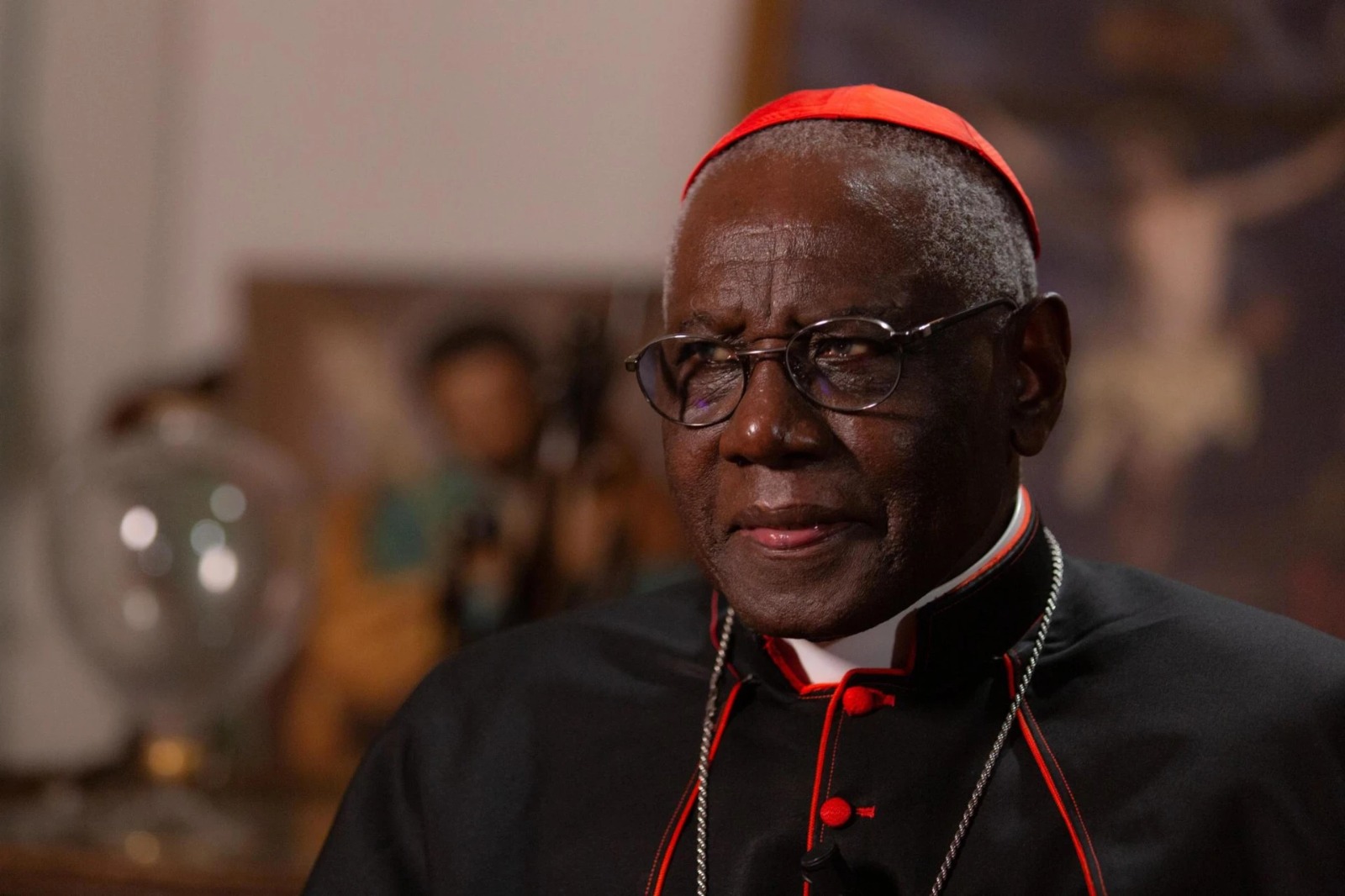
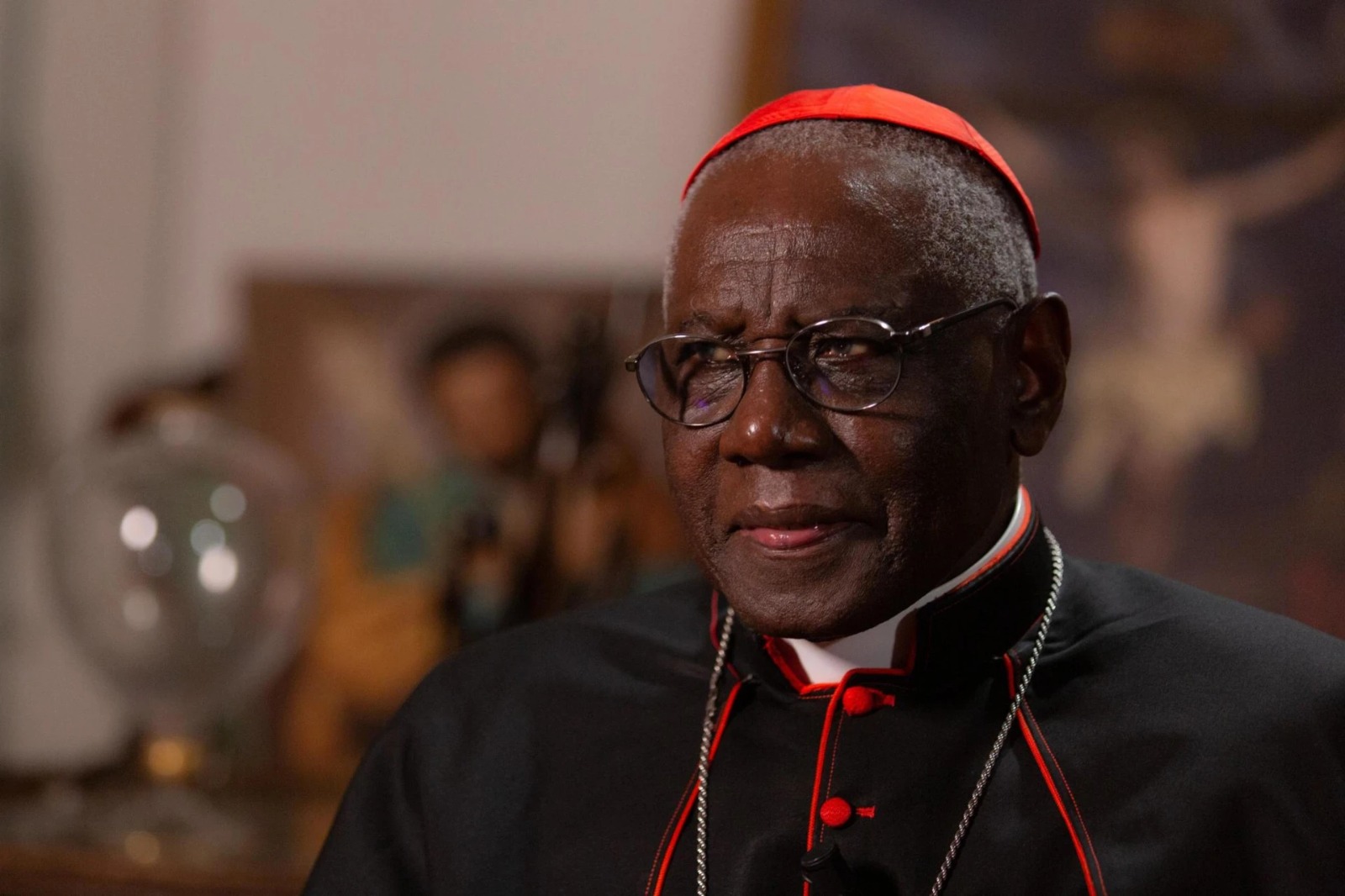
At the inauguration of a new campus named in his honor in Equatorial Guinea, the pope urged the education of young people in truth, responsibility, and service to the common good.

Read More
10 powerful quotes from Mother Angelica about faith and the love of Jesus #Catholic Mother Angelica was a Poor Clare nun and the dynamic foundress of EWTN, whose bold faith and candid teaching style brought millions closer to Christ through her television ministry. Born on April 20, 1923, she would have turned 103 years old this year.In honor of her birthday, here are 10 quotes from Mother Angelica about the love of Jesus and the beauty and challenge of living a life of faith:“Faith is often most alive when everything feels dark. That is when you choose to believe that God is there, even when you cannot see him or feel him. That kind of faith pleases God the most — because it is pure trust.”“Holiness is not for wimps and the cross is not negotiable, sweetheart — it’s a requirement.”“Jesus asks me to go to him when I am overburdened. He did not promise to take away those burdens, for I must carry mine as he carried his.”“Every Christian who strives for holiness of life experiences dryness of soul. It is to most people a heartrending experience. It is a paradox, for the soul becomes confused when it realizes the harder it strives the further away Jesus seems to be.”“The heart of Jesus is compassionate and understanding. It has felt the sting of ingratitude, and when my heart suffers from that same offense, I can turn to him, and he understands my feelings.”“Jesus feels my sorrow greater than I, for his love is infinite, and he suffers in an infinite way.”“Sometimes my worst day — one filled with pain and suffering — in the eyes of God, is my best day if Iʼve born it cheerfully and Iʼve born it with love.”“Faith is what gets you started. Hope is what keeps you going. Love is what brings you to the end.”“Faith is one foot on the ground, one foot in the air, and a queasy feeling in the stomach.”“You see, God expects his people to do the ridiculous so he can do the miraculous.”

10 powerful quotes from Mother Angelica about faith and the love of Jesus #Catholic Mother Angelica was a Poor Clare nun and the dynamic foundress of EWTN, whose bold faith and candid teaching style brought millions closer to Christ through her television ministry. Born on April 20, 1923, she would have turned 103 years old this year.In honor of her birthday, here are 10 quotes from Mother Angelica about the love of Jesus and the beauty and challenge of living a life of faith:“Faith is often most alive when everything feels dark. That is when you choose to believe that God is there, even when you cannot see him or feel him. That kind of faith pleases God the most — because it is pure trust.”“Holiness is not for wimps and the cross is not negotiable, sweetheart — it’s a requirement.”“Jesus asks me to go to him when I am overburdened. He did not promise to take away those burdens, for I must carry mine as he carried his.”“Every Christian who strives for holiness of life experiences dryness of soul. It is to most people a heartrending experience. It is a paradox, for the soul becomes confused when it realizes the harder it strives the further away Jesus seems to be.”“The heart of Jesus is compassionate and understanding. It has felt the sting of ingratitude, and when my heart suffers from that same offense, I can turn to him, and he understands my feelings.”“Jesus feels my sorrow greater than I, for his love is infinite, and he suffers in an infinite way.”“Sometimes my worst day — one filled with pain and suffering — in the eyes of God, is my best day if Iʼve born it cheerfully and Iʼve born it with love.”“Faith is what gets you started. Hope is what keeps you going. Love is what brings you to the end.”“Faith is one foot on the ground, one foot in the air, and a queasy feeling in the stomach.”“You see, God expects his people to do the ridiculous so he can do the miraculous.”

Born on April 20, 1923, Mother Angelica would be turning 103 years old this year. There is nothing she liked better than to share about faith in Jesus Christ.

Read More
Picture of the day


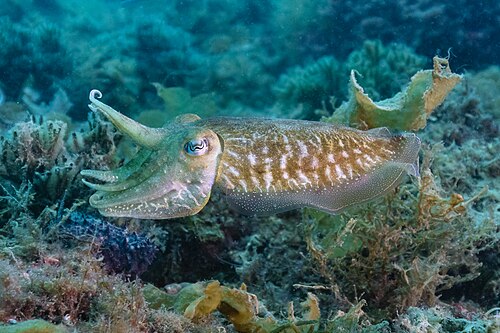
Common cuttlefish (Sepia officinalis), Arrábida National Park, Portugal. The common cuttlefish is one of the largest and best-known cuttlefish species. They are a migratory species that spend the summer and spring inshore for spawning and then move to depths of 100 to 200m during autumn and winter. They only have a lifespan of 1–2 years and have many predators including sharks, dolphins, seals, fish, and cephalopods which includes other cuttlefish. During the day, most cuttlefish can be found buried below the substrate and fairly inactive. At night however, they are actively searching for prey and can ambush them from under the substrate. Cuttlefish are carnivorous and eat a variety of organisms including crustaceans (crabs and shrimp), small fish, molluscs (clams and snails), and sometimes other cuttlefish.
 #ImageOfTheDay
Picture of the day
Common cuttlefish (Sepia officinalis), Arrábida National Park, Portugal. The common cuttlefish is one of the largest and best-known cuttlefish species. They are a migratory species that spend the summer and spring inshore for spawning and then move to depths of 100 to 200m during autumn and winter. They only have a lifespan of 1–2 years and have many predators including sharks, dolphins, seals, fish, and cephalopods which includes other cuttlefish. During the day, most cuttlefish can be found buried below the substrate and fairly inactive. At night however, they are actively searching for prey and can ambush them from under the substrate. Cuttlefish are carnivorous and eat a variety of organisms including crustaceans (crabs and shrimp), small fish, molluscs (clams and snails), and sometimes other cuttlefish.
Read More
Angola parish prepares to host historic meeting of pope and Church leaders #Catholic LUANDA, Angola — Our Lady of Fátima Parish in the Archdiocese of Luanda is at the center of preparations for a historic moment in Angola as it prepares to host Pope Leo XIV’s meeting with bishops, priests, women and men religious, and catechists during his planned April 18–21 apostolic visit.The encounter, scheduled for April 20, places the parish — run by members of the Order of Friars Minor Capuchin (OFM Cap) — in the spotlight, drawing attention from across the country and around the world.For Father Diogo Messias, pastor of the parish, the choice of Our Lady of Fátima as host is both an honor and a profound spiritual moment for the local Church.“The visit of the Holy Father to our community is a moment of great significance, joy, and pride for all the faithful,” he said in an interview with ACI Africa, the sister service of EWTN News in Africa, on March 18.“The pope’s presence is a blessing for our parish and for all of Angola,” he said. “The visit marks a historic moment, and seeing our parish chosen for this meeting is a cause of joy and renewal for our community.”
 
 Father Diogo Messias is pastor of Our Lady of Fátima Parish in the Archdiocese of Luanda in Angola. | Credit: Photo courtesy of ACI Africa
 
 As the largest Capuchin fraternity in Angola, the parish has become a hive of activity, with preparations focused on ensuring that the venue is ready to welcome hundreds of Church leaders and participants expected for the encounter.“The preparations are focused both inside and outside the church,” Messias explained, adding: “Visible work includes improving the courtyard, pavement, and chairs. The essential part, however, is the interior, where the meeting with the Holy Father will take place.”The parish’s infrastructure is old, but efforts are underway to enhance the space and ensure it reflects the dignity of the occasion.“It is not a case of serious deterioration, but we want to give dignity to the Capuchin house and the place of prayer for the faithful. Every touch and detail matters,” the priest said.
 
 Preparations are being made both inside and outside of Our Lady of Fátima Parish in the Archdiocese of Luanda, Angola, to prepare for Pope Leo XIV’s historic apostolic visit April 18–21, 2026. | Credit: Photo courtesy of ACI Africa
 
 Renovation works include painting, structural repairs, and adapting the church to accommodate the expected influx of participants. At the same time, improvements are ongoing in surrounding areas, particularly at Largo Rainha Ginga, where access routes and walkways are being upgraded.“These works aim to improve access and movement for everyone and enhance the appearance of the church that will receive the pope on April 20,” Messias said.Beyond logistics, Messias underscored the significance of the gathering, describing it as a moment that brings together the entire Church in Angola and beyond.“The meeting with the Holy Father involves the entire Church in Angola, including religious sisters, catechists, and members from other dioceses and neighboring countries, such as São Tomé,” he said. “The event will have national and international impact, showing the unity of the Church and the richness of Angolan culture.”While the parish prepares physically, the emphasis remains on spiritual renewal for those who will take part in the encounter.“Despite the great mobilization, the most important thing is the experience of renewal for all those present. Those who participate will leave strengthened in spirit, committed to the community, and motivated to live values of fraternity and respect,” Messias said.The April 20 meeting is expected to be one of the defining moments of the pope’s visit to Angola, offering a unique opportunity for direct engagement with Church leaders and pastoral agents.“Bishops, women and men religious, and catechists in Angola expect Pope Leo XIV to bring a message centered above all on unity, hope, and community commitment,” Messias said.He said the visit is widely seen as an opportunity for deeper reflection and renewal within the Church.
 
 Our Lady of Fátima Parish in Angola’s Archdiocese of Luanda will host Pope Leo XIV’s meeting with Church leaders during the pope’s planned apostolic visit April 18–21, 2026. | Credit: Photo courtesy of ACI Africa
 
 “The visit of the Holy Father is seen as a moment that goes beyond a simple meeting, being understood as an opportunity for inner renewal,” he said, adding: “It is expected that the Holy Father’s message will help consecrated persons renew their vocation, strengthen their dedication to service, and assume with greater responsibility the role they play in the life of the Church and the country.”Meanwhile, members of the local community are playing an active role in the preparations. Among them is David Afonso, a young carpenter overseeing the restoration of church benches.“Working to receive the Holy Father is a great responsibility, and we are doing our best to ensure everything is in good condition,” he said.Although not a Catholic, Afonso expressed pride in contributing to the preparations.“It is a pleasure to take part in an event of this magnitude. Every detail matters, and we want the space to be worthy and memorable for all the faithful and visitors,” he said.This story was first published by ACI Africa, the sister service of EWTN News in Africa, and has been adapted by EWTN News.

Angola parish prepares to host historic meeting of pope and Church leaders #Catholic LUANDA, Angola — Our Lady of Fátima Parish in the Archdiocese of Luanda is at the center of preparations for a historic moment in Angola as it prepares to host Pope Leo XIV’s meeting with bishops, priests, women and men religious, and catechists during his planned April 18–21 apostolic visit.The encounter, scheduled for April 20, places the parish — run by members of the Order of Friars Minor Capuchin (OFM Cap) — in the spotlight, drawing attention from across the country and around the world.For Father Diogo Messias, pastor of the parish, the choice of Our Lady of Fátima as host is both an honor and a profound spiritual moment for the local Church.“The visit of the Holy Father to our community is a moment of great significance, joy, and pride for all the faithful,” he said in an interview with ACI Africa, the sister service of EWTN News in Africa, on March 18.“The pope’s presence is a blessing for our parish and for all of Angola,” he said. “The visit marks a historic moment, and seeing our parish chosen for this meeting is a cause of joy and renewal for our community.” Father Diogo Messias is pastor of Our Lady of Fátima Parish in the Archdiocese of Luanda in Angola. | Credit: Photo courtesy of ACI Africa As the largest Capuchin fraternity in Angola, the parish has become a hive of activity, with preparations focused on ensuring that the venue is ready to welcome hundreds of Church leaders and participants expected for the encounter.“The preparations are focused both inside and outside the church,” Messias explained, adding: “Visible work includes improving the courtyard, pavement, and chairs. The essential part, however, is the interior, where the meeting with the Holy Father will take place.”The parish’s infrastructure is old, but efforts are underway to enhance the space and ensure it reflects the dignity of the occasion.“It is not a case of serious deterioration, but we want to give dignity to the Capuchin house and the place of prayer for the faithful. Every touch and detail matters,” the priest said. Preparations are being made both inside and outside of Our Lady of Fátima Parish in the Archdiocese of Luanda, Angola, to prepare for Pope Leo XIV’s historic apostolic visit April 18–21, 2026. | Credit: Photo courtesy of ACI Africa Renovation works include painting, structural repairs, and adapting the church to accommodate the expected influx of participants. At the same time, improvements are ongoing in surrounding areas, particularly at Largo Rainha Ginga, where access routes and walkways are being upgraded.“These works aim to improve access and movement for everyone and enhance the appearance of the church that will receive the pope on April 20,” Messias said.Beyond logistics, Messias underscored the significance of the gathering, describing it as a moment that brings together the entire Church in Angola and beyond.“The meeting with the Holy Father involves the entire Church in Angola, including religious sisters, catechists, and members from other dioceses and neighboring countries, such as São Tomé,” he said. “The event will have national and international impact, showing the unity of the Church and the richness of Angolan culture.”While the parish prepares physically, the emphasis remains on spiritual renewal for those who will take part in the encounter.“Despite the great mobilization, the most important thing is the experience of renewal for all those present. Those who participate will leave strengthened in spirit, committed to the community, and motivated to live values of fraternity and respect,” Messias said.The April 20 meeting is expected to be one of the defining moments of the pope’s visit to Angola, offering a unique opportunity for direct engagement with Church leaders and pastoral agents.“Bishops, women and men religious, and catechists in Angola expect Pope Leo XIV to bring a message centered above all on unity, hope, and community commitment,” Messias said.He said the visit is widely seen as an opportunity for deeper reflection and renewal within the Church. Our Lady of Fátima Parish in Angola’s Archdiocese of Luanda will host Pope Leo XIV’s meeting with Church leaders during the pope’s planned apostolic visit April 18–21, 2026. | Credit: Photo courtesy of ACI Africa “The visit of the Holy Father is seen as a moment that goes beyond a simple meeting, being understood as an opportunity for inner renewal,” he said, adding: “It is expected that the Holy Father’s message will help consecrated persons renew their vocation, strengthen their dedication to service, and assume with greater responsibility the role they play in the life of the Church and the country.”Meanwhile, members of the local community are playing an active role in the preparations. Among them is David Afonso, a young carpenter overseeing the restoration of church benches.“Working to receive the Holy Father is a great responsibility, and we are doing our best to ensure everything is in good condition,” he said.Although not a Catholic, Afonso expressed pride in contributing to the preparations.“It is a pleasure to take part in an event of this magnitude. Every detail matters, and we want the space to be worthy and memorable for all the faithful and visitors,” he said.This story was first published by ACI Africa, the sister service of EWTN News in Africa, and has been adapted by EWTN News.

Our Lady of Fatima Parish in the Archdiocese of Luanda is preparing to host Pope Leo XIV’s meeting with bishops, priests, women and men religious, and catechists during his April 18–21 visit.

Read More
At a time of conflict, Pope Leo sends a bridge-builder to the United States #Catholic Archbishop Gabriele Caccia, the recently appointed apostolic nuncio to the United States, takes up his new role at a time of heightened tension between the Vatican and the White House over issues including immigration to the U.S. and war in the Middle East.Former collaborators say Caccia’s personal qualities and wide diplomatic experience — including in Lebanon and the Philippines — make him well suited for this crucial assignment.The 68-year-old diplomat recently served as the permanent observer of the Holy See Mission to the United Nations in New York after Pope Francis appointed him there in 2019. His new job is important as a liaison between the Vatican and the U.S., where recent federal policies have faced growing resistance from Church leaders.Pope Leo’s new man on a high-stakes missionA veteran diplomat, Caccia will serve as Pope Leo XIV’s chief representative to the Trump administration. Like his predecessor, Cardinal Christophe Pierre, he assumes office amid ongoing tension between the administration and the Church, especially on immigration enforcement and foreign policy.In a public statement in November 2025, U.S. bishops strongly opposed the administration’s treatment of migrants during mass deportations. Pope Leo expressed support for the statement and denounced the treatment of migrants as “extremely disrespectful, and with instances of violence.”The U.S. bishops have also voiced concern over recent foreign policy moves, including interventions in the Middle East. In January of this year, three U.S. cardinals — Blase Cupich, Joseph Tobin, and Robert McElroy — jointly condemned the administration’s foreign policy in a public statement. In recent addresses, Pope Leo has also called for a ceasefire in the Middle East, deploring on March 15 a “widespread climate of hatred and fear.”Monsignor Roger Landry, who served at the Holy See Mission from 2015 to 2022 and now heads the Pontifical Mission Societies, expressed confidence in the nuncio’s ability to communicate the Holy See’s concerns effectively to the U.S. government while supporting the bishops.“He will represent Pope Leo very well to the U.S. government and the U.S. Church, be a great listener and effective relayer of what’s happening in the United States to Pope Leo, and be a steady source of counsel and support to U.S. bishops,” he told EWTN News.Dálida Morales, who interned at the mission and now works at the Ministry of Industry and Commerce in the Dominican Republic, conveyed hope for the archbishop’s potential to build international dialogue.“He is genuinely a bridge-builder for peace. At a time when dialogue, moral clarity, and principled leadership are urgently needed in the United States, his appointment there is both timely and hopeful,” she said.A diplomat forged in complex geopoliticsHaving worked in the diplomatic service of the Holy See since 1991, Caccia previously served in challenging posts before his appointment to the U.N. He served as apostolic nuncio to Lebanon and the Philippines, two countries with sensitive political climates.His service in Lebanon occurred during the outbreak of the Syrian Civil War in 2011. There, he helped coordinate the Church’s humanitarian response to support over 1.5 million Syrian refugees in Lebanon. His service also included helping maintain peace in a country constitutionally divided among Maronite Christians, Muslims, and Druze.He served in the Philippines at the height of President Rodrigo Duterte’s highly aggressive and controversial anti-narcotics campaign, which resulted in thousands of extrajudicial killings. As the nuncio, he helped to support the bishops, who were vocal critics against the government, while maintaining the country’s diplomatic relations with the Holy See.During his time at the U.N., he promoted the Vatican’s diplomatic stance. Father Mark Knestout, who served with Caccia as a former attaché for the Holy See Mission, noted the importance of his diplomatic experience in his new role.“He was in Lebanon for eight years, which is a complex situation because you have multiple denominations of Catholics there, alongside the situation with Muslims,” he told EWTN News. “So I see him being personable and striving to get to know everyone in the United States as best he can.”An inclusive leader and sports loverFormer staff of Caccia also shared with EWTN News some personal anecdotes from their time serving with him in New York. Vitória Volpato, a former intern at the mission who serves at the Prefecture of São Paulo in Brazil, noted with gratitude the archbishop’s insights on leadership.“He said something that stayed with me: ‘I do not choose the people I work with, but I work with the people I have.’ That made me reflect on what a good leader must be, something the archbishop clearly is,” she said.Ashley Campbell, who interned at the mission and now works at the Religious Freedom Institute, reflected on his love of sports. “I remember once walking with him back to the Holy See Mission building from the U.N., and we talked about how we both grew up playing sports and how amazing it would be if Vatican City could send athletes to the Olympics.”Fidelity to the Holy FatherOne trait consistently praised by those who have worked with the archbishop is his fidelity to the Holy Father. Knestout described the archbishop as a “true Churchman who wants to represent the desires and the intentions of the Holy Father.”Morales added: “Every Wednesday, he would ask us about the Holy Father’s general audience. In this way, he reminded us that one of the most meaningful ways to remain united to the Church is by listening to the voice of the pope. It is a habit I continue to keep today thanks to him.”

At a time of conflict, Pope Leo sends a bridge-builder to the United States #Catholic Archbishop Gabriele Caccia, the recently appointed apostolic nuncio to the United States, takes up his new role at a time of heightened tension between the Vatican and the White House over issues including immigration to the U.S. and war in the Middle East.Former collaborators say Caccia’s personal qualities and wide diplomatic experience — including in Lebanon and the Philippines — make him well suited for this crucial assignment.The 68-year-old diplomat recently served as the permanent observer of the Holy See Mission to the United Nations in New York after Pope Francis appointed him there in 2019. His new job is important as a liaison between the Vatican and the U.S., where recent federal policies have faced growing resistance from Church leaders.Pope Leo’s new man on a high-stakes missionA veteran diplomat, Caccia will serve as Pope Leo XIV’s chief representative to the Trump administration. Like his predecessor, Cardinal Christophe Pierre, he assumes office amid ongoing tension between the administration and the Church, especially on immigration enforcement and foreign policy.In a public statement in November 2025, U.S. bishops strongly opposed the administration’s treatment of migrants during mass deportations. Pope Leo expressed support for the statement and denounced the treatment of migrants as “extremely disrespectful, and with instances of violence.”The U.S. bishops have also voiced concern over recent foreign policy moves, including interventions in the Middle East. In January of this year, three U.S. cardinals — Blase Cupich, Joseph Tobin, and Robert McElroy — jointly condemned the administration’s foreign policy in a public statement. In recent addresses, Pope Leo has also called for a ceasefire in the Middle East, deploring on March 15 a “widespread climate of hatred and fear.”Monsignor Roger Landry, who served at the Holy See Mission from 2015 to 2022 and now heads the Pontifical Mission Societies, expressed confidence in the nuncio’s ability to communicate the Holy See’s concerns effectively to the U.S. government while supporting the bishops.“He will represent Pope Leo very well to the U.S. government and the U.S. Church, be a great listener and effective relayer of what’s happening in the United States to Pope Leo, and be a steady source of counsel and support to U.S. bishops,” he told EWTN News.Dálida Morales, who interned at the mission and now works at the Ministry of Industry and Commerce in the Dominican Republic, conveyed hope for the archbishop’s potential to build international dialogue.“He is genuinely a bridge-builder for peace. At a time when dialogue, moral clarity, and principled leadership are urgently needed in the United States, his appointment there is both timely and hopeful,” she said.A diplomat forged in complex geopoliticsHaving worked in the diplomatic service of the Holy See since 1991, Caccia previously served in challenging posts before his appointment to the U.N. He served as apostolic nuncio to Lebanon and the Philippines, two countries with sensitive political climates.His service in Lebanon occurred during the outbreak of the Syrian Civil War in 2011. There, he helped coordinate the Church’s humanitarian response to support over 1.5 million Syrian refugees in Lebanon. His service also included helping maintain peace in a country constitutionally divided among Maronite Christians, Muslims, and Druze.He served in the Philippines at the height of President Rodrigo Duterte’s highly aggressive and controversial anti-narcotics campaign, which resulted in thousands of extrajudicial killings. As the nuncio, he helped to support the bishops, who were vocal critics against the government, while maintaining the country’s diplomatic relations with the Holy See.During his time at the U.N., he promoted the Vatican’s diplomatic stance. Father Mark Knestout, who served with Caccia as a former attaché for the Holy See Mission, noted the importance of his diplomatic experience in his new role.“He was in Lebanon for eight years, which is a complex situation because you have multiple denominations of Catholics there, alongside the situation with Muslims,” he told EWTN News. “So I see him being personable and striving to get to know everyone in the United States as best he can.”An inclusive leader and sports loverFormer staff of Caccia also shared with EWTN News some personal anecdotes from their time serving with him in New York. Vitória Volpato, a former intern at the mission who serves at the Prefecture of São Paulo in Brazil, noted with gratitude the archbishop’s insights on leadership.“He said something that stayed with me: ‘I do not choose the people I work with, but I work with the people I have.’ That made me reflect on what a good leader must be, something the archbishop clearly is,” she said.Ashley Campbell, who interned at the mission and now works at the Religious Freedom Institute, reflected on his love of sports. “I remember once walking with him back to the Holy See Mission building from the U.N., and we talked about how we both grew up playing sports and how amazing it would be if Vatican City could send athletes to the Olympics.”Fidelity to the Holy FatherOne trait consistently praised by those who have worked with the archbishop is his fidelity to the Holy Father. Knestout described the archbishop as a “true Churchman who wants to represent the desires and the intentions of the Holy Father.”Morales added: “Every Wednesday, he would ask us about the Holy Father’s general audience. In this way, he reminded us that one of the most meaningful ways to remain united to the Church is by listening to the voice of the pope. It is a habit I continue to keep today thanks to him.”

Archbishop Gabriele Caccia, the new papal envoy to Washington, has been shaped by a diplomatic career in geopolitical hot spots.

Read More
Mathematicians can become ‘signs of hope for the world,’ Pope Leo XIV says #Catholic In a message conveyed through Vatican Secretary of State Cardinal Pietro Parolin, Pope Leo XIV on Friday said that mathematicians can become “signs of hope for the world,” particularly in a context marked by rapid technological advancements and challenges facing humanity.The pope’s message was addressed to the Turkish mathematician and university professor Betül Tanbay, chair of the International Day of Mathematics, which was observed March 13. Tanbay had informed the pontiff of a webinar dedicated to the theme “Mathematics and Hope.” In response, the pope sent a letter extending his cordial greetings and best wishes to all participants in the initiative.In the text, Leo XIV invited reflection on the role that mathematics can play in the face of “the multiple challenges confronting the human family,” citing rapid technological development, with all its potential “for both good and evil.”The pontiff encouraged participants to consider how mathematicians can offer a positive witness to society. “A particularly fruitful area of ​​research is the use of algorithms, especially in the field of artificial intelligence,” he noted.However, the pope emphasized that work in these fields demands something more than technical competence. As he pointed out, this task requires “not only intellectual effort and ingenuity but also the integral growth of the whole person,” capable of taking into account the moral dimension of emerging technologies.Recalling his own experience as a mathematics and physics teacher, Leo XIV quoted words he addressed to students during the Jubilee of the World of Education, held on Oct. 30, 2025: “Possessing vast knowledge is not enough if we don’t know who we are or what the meaning of life is.”Along these lines, the pontiff expressed his hope that participants would be attentive “to the profound spiritual needs of the human heart” and seek ways to humanize the digital realm so that it may become an opportunity for fraternity and creativity.Likewise, he encouraged mathematicians to be “prophets of hope, truth, and goodness in the world.”The message concluded with a prayer from the pope for all participants in the International Day of Mathematics, upon whom he invoked “abundant divine blessings of wisdom, joy, and peace.”Pope Leo XIV’s mathematical backgroundRobert Francis Prevost, now Pope Leo XIV, graduated in 1977 from Villanova University in Pennsylvania, earning a bachelor of arts degree in mathematics alongside studies in philosophy. This preceded the beginning of his theological studies upon his formal entry into the Augustinian novitiate that same year.During his time at the Catholic Theological Union in Chicago, Prevost combined his religious formation with teaching: He taught mathematics part time at Mendel Catholic High School in Chicago and worked occasionally as a substitute physics teacher at St. Rita of Cascia High School.This story was first published by ACI Prensa, the Spanish-language sister service of EWTN News. It has been translated and adapted by EWTN News English.

Mathematicians can become ‘signs of hope for the world,’ Pope Leo XIV says #Catholic In a message conveyed through Vatican Secretary of State Cardinal Pietro Parolin, Pope Leo XIV on Friday said that mathematicians can become “signs of hope for the world,” particularly in a context marked by rapid technological advancements and challenges facing humanity.The pope’s message was addressed to the Turkish mathematician and university professor Betül Tanbay, chair of the International Day of Mathematics, which was observed March 13. Tanbay had informed the pontiff of a webinar dedicated to the theme “Mathematics and Hope.” In response, the pope sent a letter extending his cordial greetings and best wishes to all participants in the initiative.In the text, Leo XIV invited reflection on the role that mathematics can play in the face of “the multiple challenges confronting the human family,” citing rapid technological development, with all its potential “for both good and evil.”The pontiff encouraged participants to consider how mathematicians can offer a positive witness to society. “A particularly fruitful area of ​​research is the use of algorithms, especially in the field of artificial intelligence,” he noted.However, the pope emphasized that work in these fields demands something more than technical competence. As he pointed out, this task requires “not only intellectual effort and ingenuity but also the integral growth of the whole person,” capable of taking into account the moral dimension of emerging technologies.Recalling his own experience as a mathematics and physics teacher, Leo XIV quoted words he addressed to students during the Jubilee of the World of Education, held on Oct. 30, 2025: “Possessing vast knowledge is not enough if we don’t know who we are or what the meaning of life is.”Along these lines, the pontiff expressed his hope that participants would be attentive “to the profound spiritual needs of the human heart” and seek ways to humanize the digital realm so that it may become an opportunity for fraternity and creativity.Likewise, he encouraged mathematicians to be “prophets of hope, truth, and goodness in the world.”The message concluded with a prayer from the pope for all participants in the International Day of Mathematics, upon whom he invoked “abundant divine blessings of wisdom, joy, and peace.”Pope Leo XIV’s mathematical backgroundRobert Francis Prevost, now Pope Leo XIV, graduated in 1977 from Villanova University in Pennsylvania, earning a bachelor of arts degree in mathematics alongside studies in philosophy. This preceded the beginning of his theological studies upon his formal entry into the Augustinian novitiate that same year.During his time at the Catholic Theological Union in Chicago, Prevost combined his religious formation with teaching: He taught mathematics part time at Mendel Catholic High School in Chicago and worked occasionally as a substitute physics teacher at St. Rita of Cascia High School.This story was first published by ACI Prensa, the Spanish-language sister service of EWTN News. It has been translated and adapted by EWTN News English.

On the International Day of Mathematics, Pope Leo XIV sent a message inviting reflection on the role good mathematics can play in today’s world.

Read More
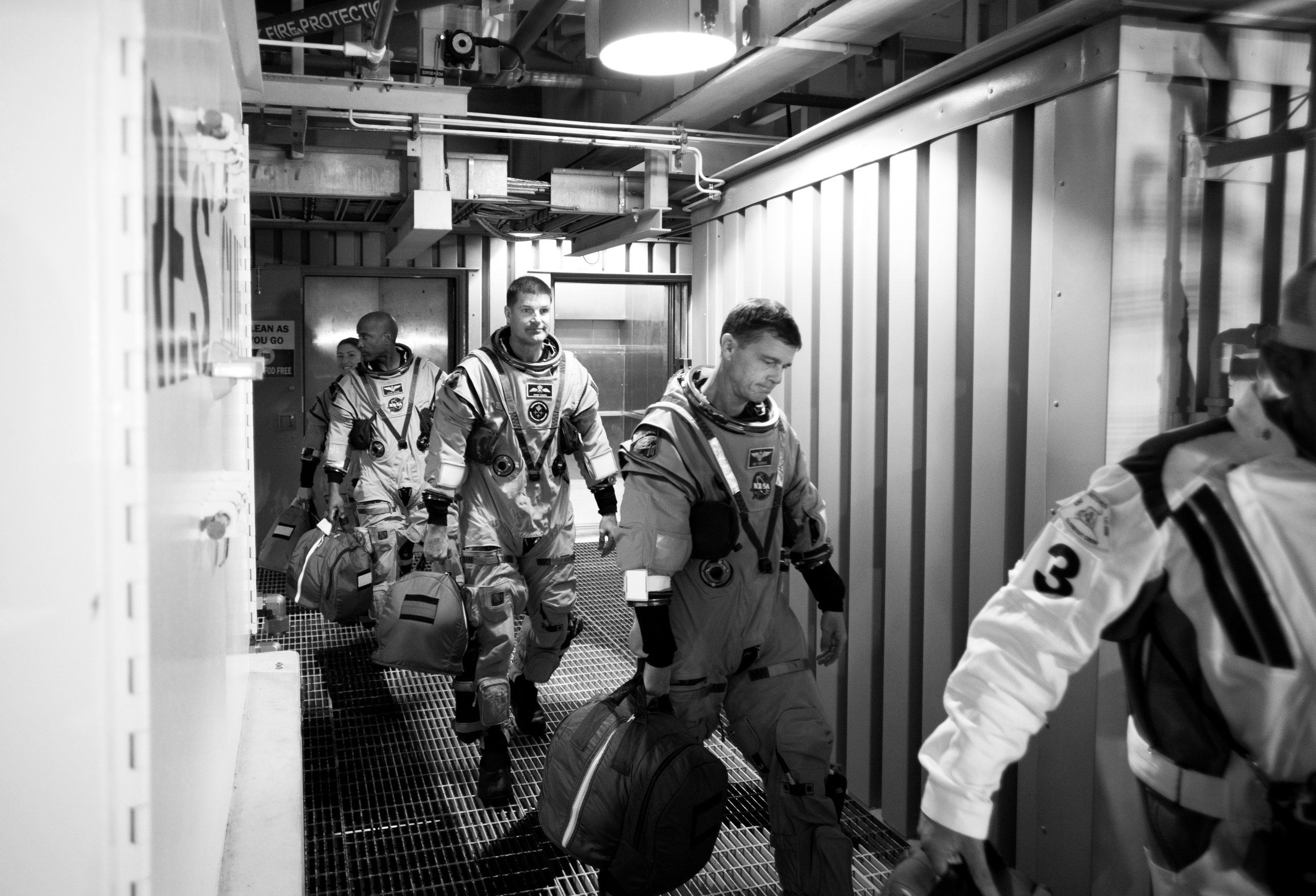
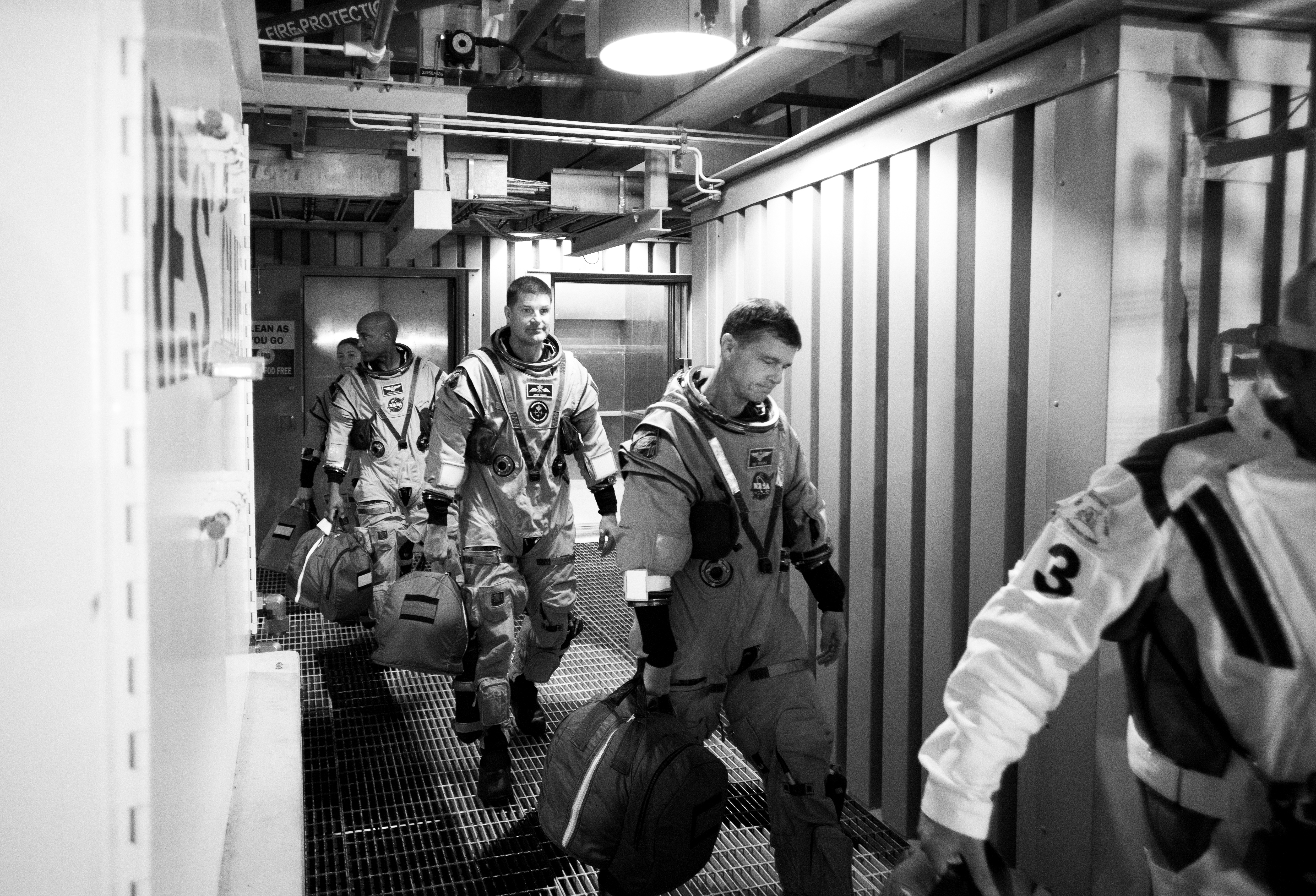
Best of 2025: Artemis II Countdown Demonstration Test – Artemis II crewmembers (left to right) NASA astronauts Christina Koch, mission specialist; and Victor Glover, pilot; CSA (Canadian Space Agency) astronaut Jeremy Hansen, mission specialist; and NASA astronaut Reid Wiseman, commander are led to the crew access arm as they prepare to board their Orion spacecraft atop NASA’s Space Launch System rocket during the Artemis II countdown demonstration test on Dec. 20, 2025.

Artemis II crewmembers (left to right) NASA astronauts Christina Koch, mission specialist; and Victor Glover, pilot; CSA (Canadian Space Agency) astronaut Jeremy Hansen, mission specialist; and NASA astronaut Reid Wiseman, commander are led to the crew access arm as they prepare to board their Orion spacecraft atop NASA’s Space Launch System rocket during the Artemis II countdown demonstration test on Dec. 20, 2025.

Read More
Picture of the day


The Isaiah Scroll is the best preserved of the seven Dead Sea Scrolls that were first discovered by Bedouin shepherds from Qumran. The Dead Sea Scrolls were first made available to the public on this date in 1991.
 #ImageOfTheDay
Picture of the day
The Isaiah Scroll is the best preserved of the seven Dead Sea Scrolls that were first discovered by Bedouin shepherds from Qumran. The Dead Sea Scrolls were first made available to the public on this date in 1991.
Read More
NASA Drop Test Supports Safer Air Taxi Designs

An aircraft body modeled after an air taxi with weighted test dummies inside is being prepared for a drop test by researchers at NASA’s Langley Research Center in Hampton, Virginia. The test was completed June 26 at Langley’s Landing and Impact Research Facility. The aircraft was dropped from a tall steel structure, known as a gantry, after being hoisted about 35 feet in the air by cables. NASA researchers are investigating aircraft materials that best absorb impact forces in a crash.

Read More
Picture of the day


Common cuttlefish (Sepia officinalis), Arrábida National Park, Portugal. The common cuttlefish is one of the largest and best-known cuttlefish species. They are a migratory species that spend the summer and spring inshore for spawning and then move to depths of 100 to 200m during autumn and winter. They only have a lifespan of 1–2 years and have many predators including sharks, dolphins, seals, fish, and cephalopods which includes other cuttlefish. During the day, most cuttlefish can be found buried below the substrate and fairly inactive. At night however, they are actively searching for prey and can ambush them from under the substrate. Cuttlefish are carnivorous and eat a variety of organisms including crustaceans (crabs and shrimp), small fish, molluscs (clams and snails), and sometimes other cuttlefish.
 #ImageOfTheDay
Picture of the day
Common cuttlefish (Sepia officinalis), Arrábida National Park, Portugal. The common cuttlefish is one of the largest and best-known cuttlefish species. They are a migratory species that spend the summer and spring inshore for spawning and then move to depths of 100 to 200m during autumn and winter. They only have a lifespan of 1–2 years and have many predators including sharks, dolphins, seals, fish, and cephalopods which includes other cuttlefish. During the day, most cuttlefish can be found buried below the substrate and fairly inactive. At night however, they are actively searching for prey and can ambush them from under the substrate. Cuttlefish are carnivorous and eat a variety of organisms including crustaceans (crabs and shrimp), small fish, molluscs (clams and snails), and sometimes other cuttlefish.
Read More