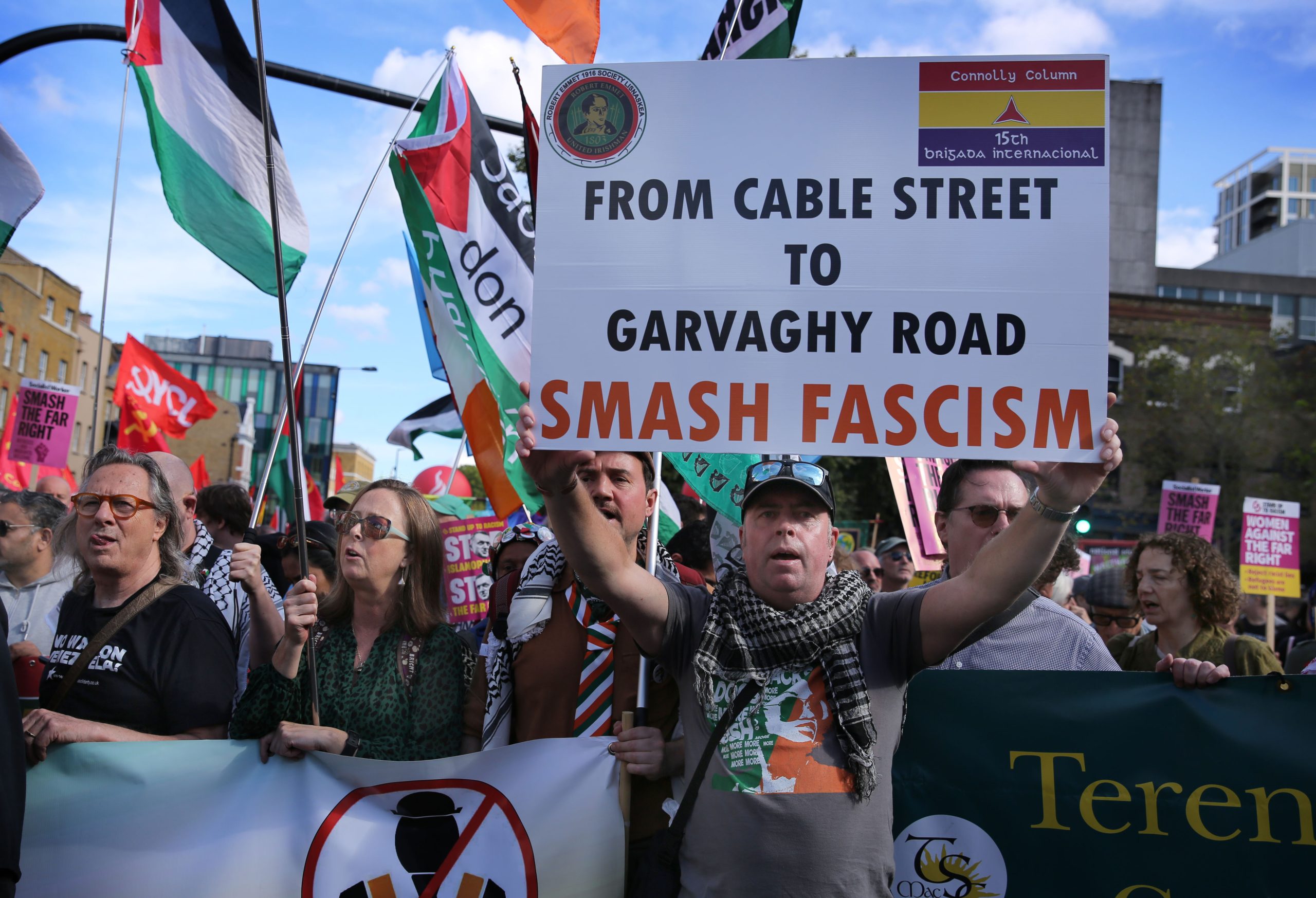

“Nobody wants a return to the past,” MP Chris Bryant said in ruling against the planned march down Garvaghy Road.
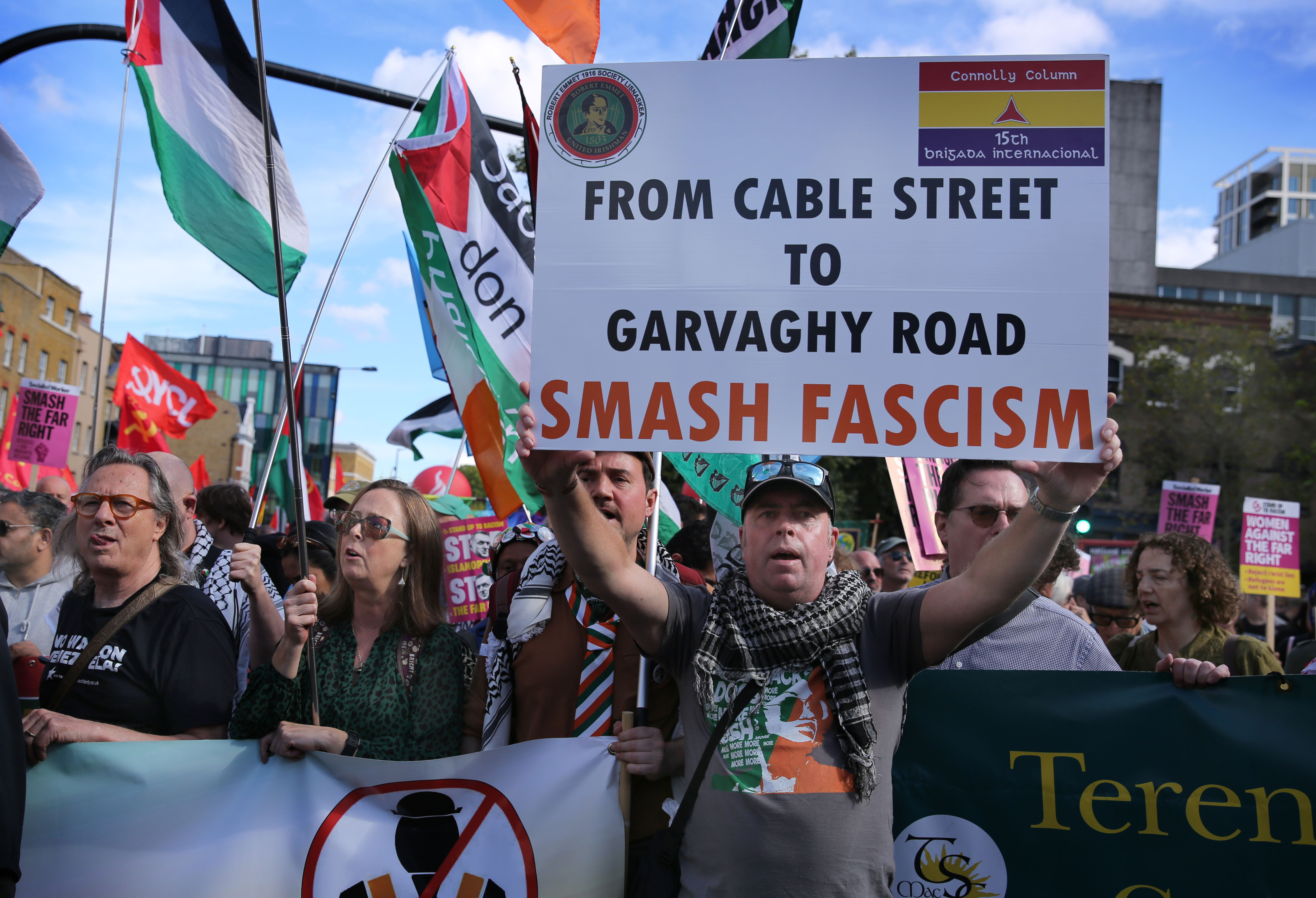
“Nobody wants a return to the past,” MP Chris Bryant said in ruling against the planned march down Garvaghy Road.

Multiple religious objectors are suing the state over its newly instituted assisted suicide regime.

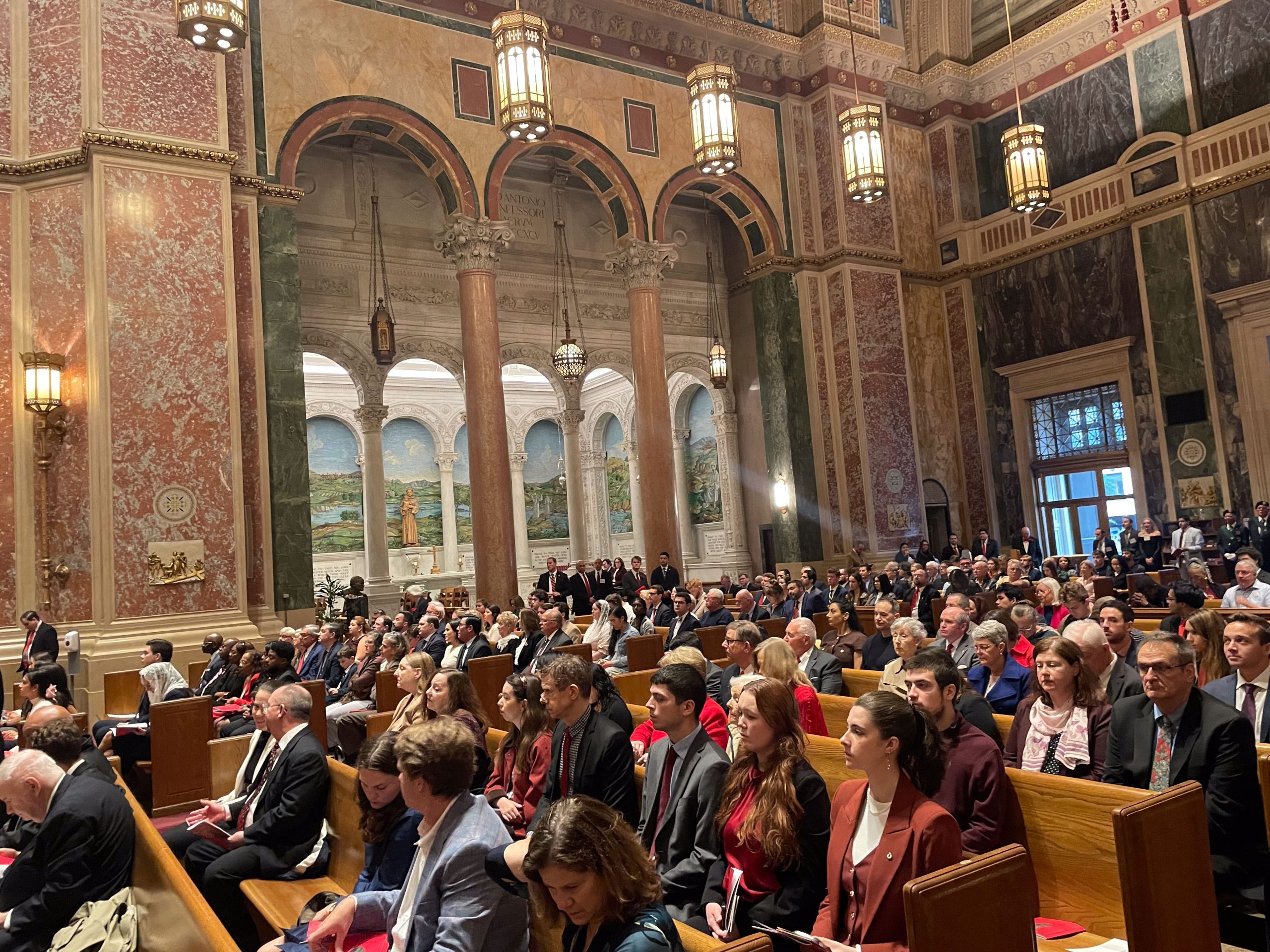
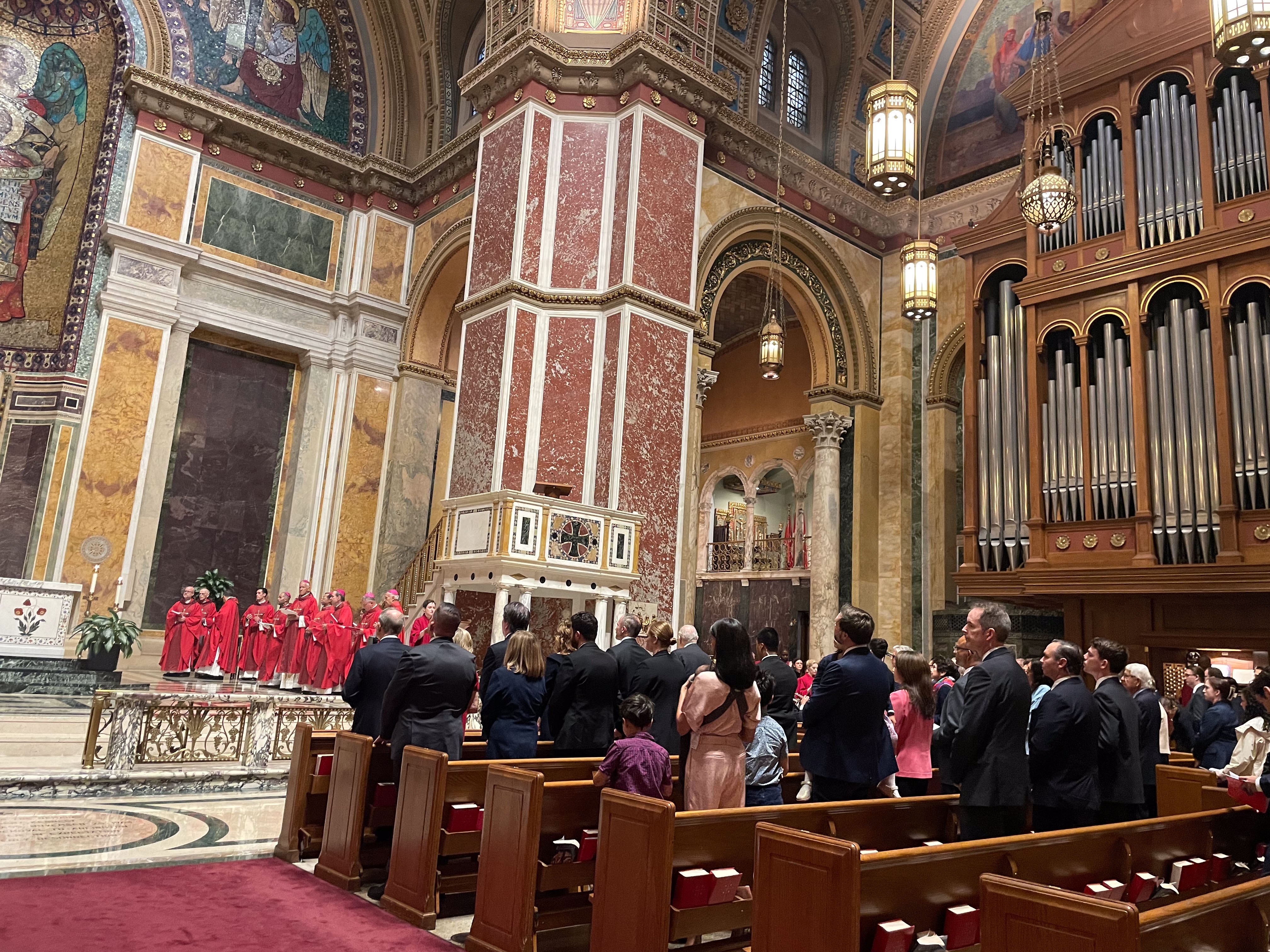
Washington Cardinal Robert McElroy was the principal celebrant of the Mass, and Archbishop Timothy Broglio of the Archdiocese for the Military Services, USA, offered the homily.

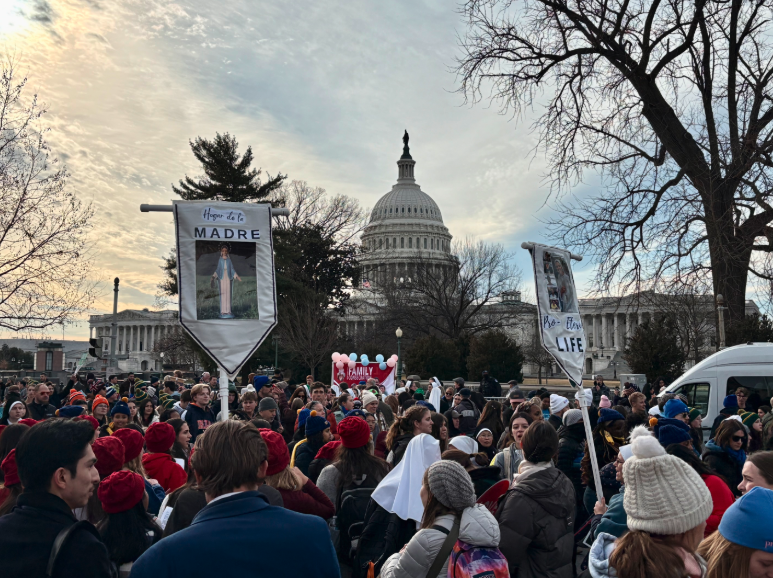
Retired Los Angeles Dodgers pitcher Clayton Kershaw is set to give the keynote address at the Jan. 22, 2027, rally.
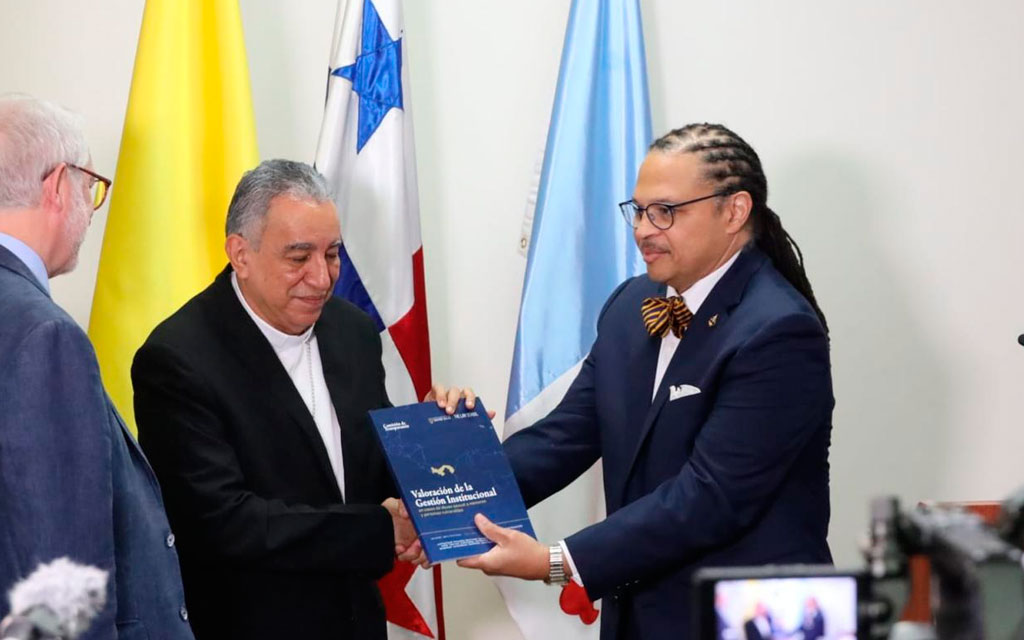
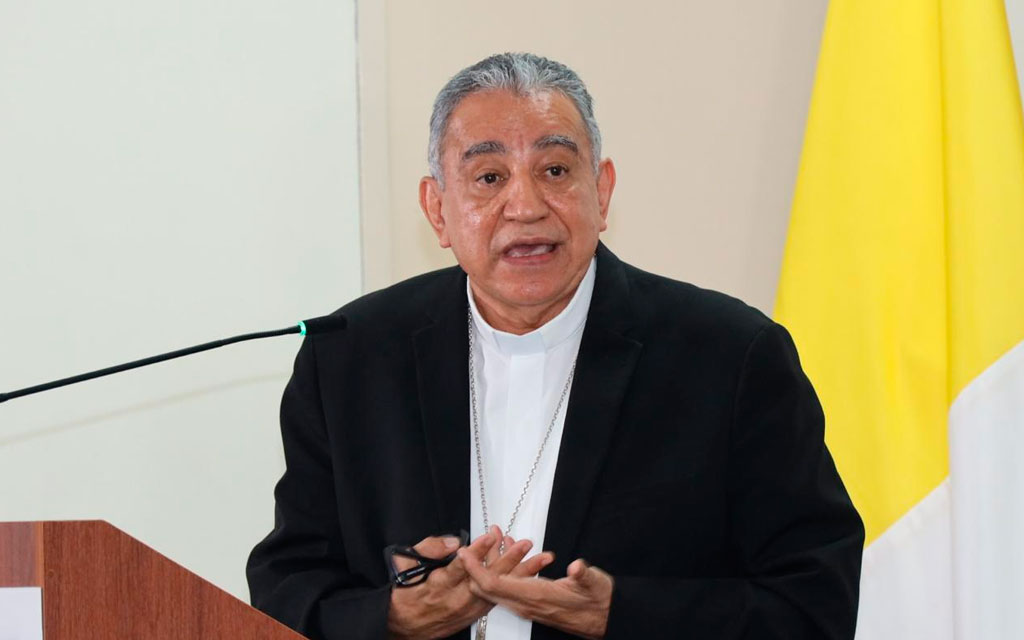
Addressing the scourge of sexual abuse, the archbishop of Panama requested the services of the Transparency Commission, a project sponsored by Notre Dame Law School and Madrid’s Villanueva University.
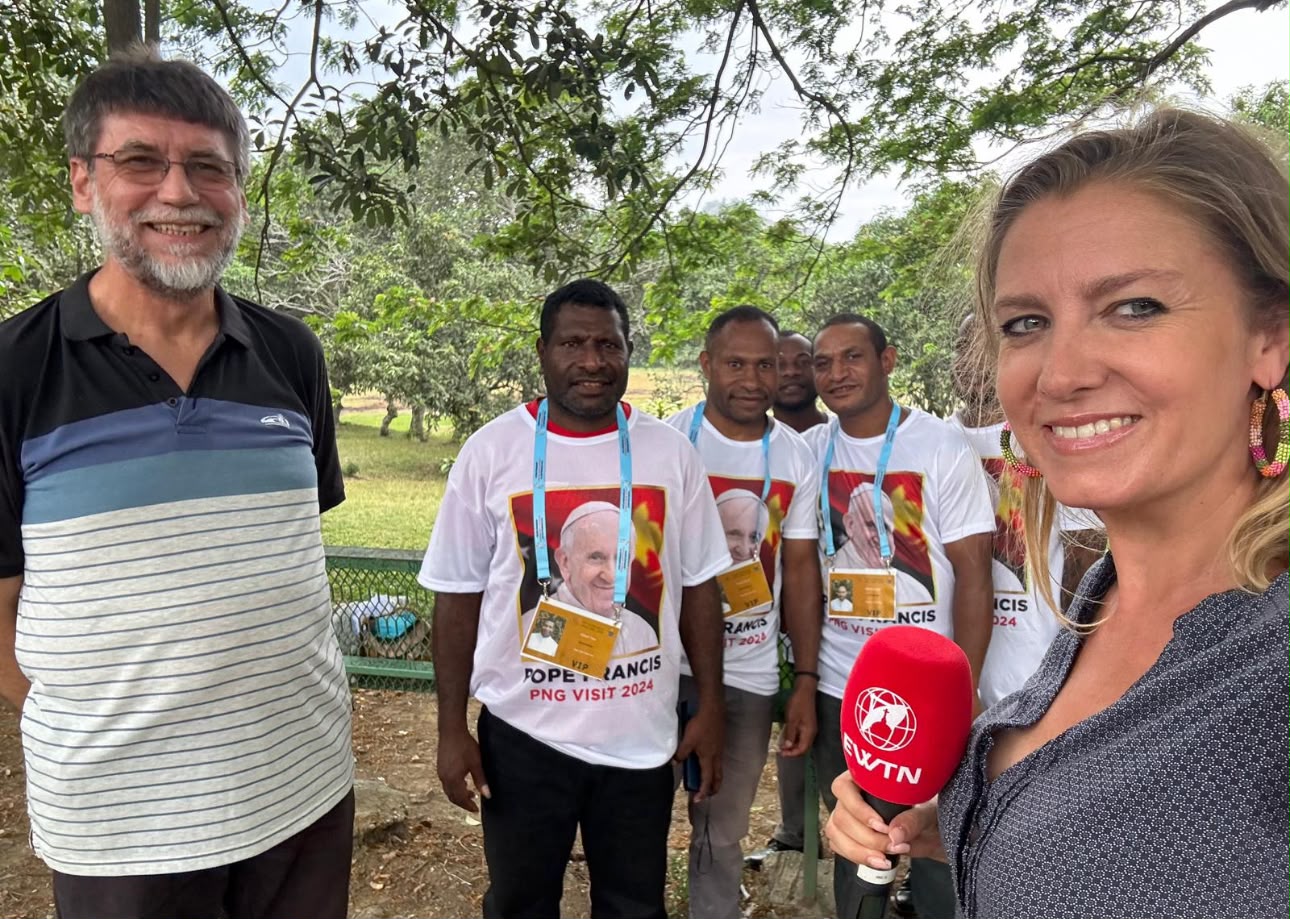
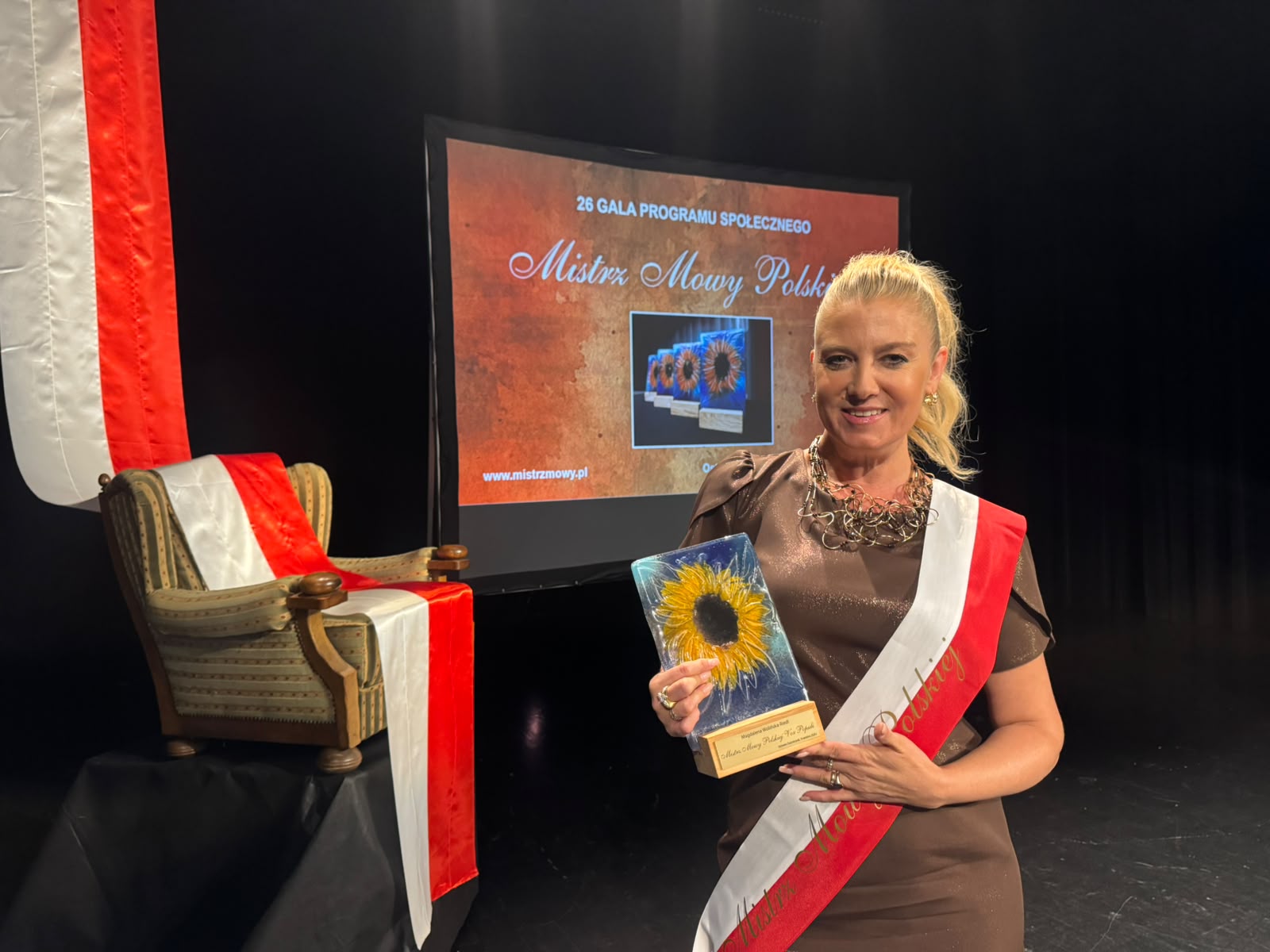
The longtime Vatican journalist and writer received the award in Ostrowiec, Poland, on Sept. 21.
![Oregon officials back off ‘gender ideology mandate’ for mom seeking to adopt #Catholic Oregon officials have agreed they will not “categorically disqualify” a Christian woman from adopting or fostering children based on her religious beliefs about gender and human sexuality, which settles a three-and-a-half-year legal battle.The Oregon Department of Human Services (ODHS) agreed to a legal settlement with Jessica Bates, who was represented by Alliance Defending Freedom (ADF). It affirms the department will not consider her religious beliefs when evaluating her application for a certification to adopt children and will not attempt to regulate her speech about gender and sexuality.“Every child deserves a loving home, and children suffer when the government excludes people of faith from foster care because of the state’s own ideological crusade,” ADF Senior Counsel Johannes Widmalm-Delphonse said in a statement following the Sept. 9 settlement.“Oregon officials turned Jessica away just because of her common-sense belief that parents should help children become comfortable with who they are instead of pushing them down a path of confusion and medicalization,” he said. “We believe this settlement is a win-win that protects constitutional rights and puts children’s interests first.”In September 2022, the ODHS denied Bates’ application because she would not comply with a state policy that requires applicants to agree they will “respect, accept and support the … sexual orientation, gender identity [and] gender expression … of a child or young adult” who is placed in the home, which ADF has characterized as a “gender ideology mandate.”Bates sued ODHS in March 2023, arguing that the policy violated her First Amendment rights to free speech and the free exercise of religion. The lawsuit stated she told the certification officer she would love any child as her own but would not facilitate a child’s gender transition through hormone therapy, use pronouns inconsistent with a child’s biological sex, or encourage gender expression inconsistent with the child’s biological sex or same-sex attraction.A federal district court initially ruled in favor of ODHS in December 2023, but an appellate panel of judges ruled in July 2025 that ODHS likely violated her constitutional rights and blocked the department from enforcing the rules against her while the lawsuit continued.Legal settlementPer the legal agreement, ODHS will allow Bates to apply for a certification and will not consider her religious views in any way.It states ODHS will not deny the application “because of her religious beliefs that sexual activity should occur only within the confines of a marriage between one man and one woman, and a person should identify and seek to live consistent with his or her biological sex.”The settlement adds that this extends to her “desire to respectfully speak about, live out, parent, and make day-to-day caregiving decisions consistent with these sincerely held religious beliefs.”Under the agreement, ODHS also cannot require her to “agree to use prescribed words or language, including chosen pronouns, to express views about sexual orientation, gender identity, or gender expression inconsistent with her religious beliefs described above as a condition of certification.”“[The] ODHS may not enforce any per se standard, rule, or policy that precludes Bates from being considered for any particular placement, based in whole or in part based on her religious belief,” the settlement agreement states.It further prohibits ODHS from disqualifying Bates from consideration for any particular child placement based on her religious beliefs.Yet, the settlement does not prevent ODHS from “deciding a child’s placement based on its individualized consideration of the child’s needs and of a foster parent’s concerns or limitations (including where religiously motivated) on their ability or willingness to meet the child’s specific needs, including with regard to their sexual orientation, gender identity, and gender expression.”The Oregon attorney general’s office referred EWTN News to the Oregon Department of Human Services for comment. The department did not respond to a request for comment.](https://unitedyam.com/wp-content/uploads/2026/09/oregon-officials-back-off-gender-ideology-mandate-for-mom-seeking-to-adopt-catholic-oregon-officials-have-agreed-they-will-not-categorically-disqualify-a-christian.jpg "Oregon officials back off ‘gender ideology mandate’ for mom seeking to adopt #Catholic Oregon officials have agreed they will not “categorically disqualify” a Christian woman from adopting or fostering children based on her religious beliefs about gender and human sexuality, which settles a three-and-a-half-year legal battle.The Oregon Department of Human Services (ODHS) agreed to a legal settlement with Jessica Bates, who was represented by Alliance Defending Freedom (ADF). It affirms the department will not consider her religious beliefs when evaluating her application for a certification to adopt children and will not attempt to regulate her speech about gender and sexuality.“Every child deserves a loving home, and children suffer when the government excludes people of faith from foster care because of the state’s own ideological crusade,” ADF Senior Counsel Johannes Widmalm-Delphonse said in a statement following the Sept. 9 settlement.“Oregon officials turned Jessica away just because of her common-sense belief that parents should help children become comfortable with who they are instead of pushing them down a path of confusion and medicalization,” he said. “We believe this settlement is a win-win that protects constitutional rights and puts children’s interests first.”In September 2022, the ODHS denied Bates’ application because she would not comply with a state policy that requires applicants to agree they will “respect, accept and support the … sexual orientation, gender identity [and] gender expression … of a child or young adult” who is placed in the home, which ADF has characterized as a “gender ideology mandate.”Bates sued ODHS in March 2023, arguing that the policy violated her First Amendment rights to free speech and the free exercise of religion. The lawsuit stated she told the certification officer she would love any child as her own but would not facilitate a child’s gender transition through hormone therapy, use pronouns inconsistent with a child’s biological sex, or encourage gender expression inconsistent with the child’s biological sex or same-sex attraction.A federal district court initially ruled in favor of ODHS in December 2023, but an appellate panel of judges ruled in July 2025 that ODHS likely violated her constitutional rights and blocked the department from enforcing the rules against her while the lawsuit continued.Legal settlementPer the legal agreement, ODHS will allow Bates to apply for a certification and will not consider her religious views in any way.It states ODHS will not deny the application “because of her religious beliefs that sexual activity should occur only within the confines of a marriage between one man and one woman, and a person should identify and seek to live consistent with his or her biological sex.”The settlement adds that this extends to her “desire to respectfully speak about, live out, parent, and make day-to-day caregiving decisions consistent with these sincerely held religious beliefs.”Under the agreement, ODHS also cannot require her to “agree to use prescribed words or language, including chosen pronouns, to express views about sexual orientation, gender identity, or gender expression inconsistent with her religious beliefs described above as a condition of certification.”“[The] ODHS may not enforce any per se standard, rule, or policy that precludes Bates from being considered for any particular placement, based in whole or in part based on her religious belief,” the settlement agreement states.It further prohibits ODHS from disqualifying Bates from consideration for any particular child placement based on her religious beliefs.Yet, the settlement does not prevent ODHS from “deciding a child’s placement based on its individualized consideration of the child’s needs and of a foster parent’s concerns or limitations (including where religiously motivated) on their ability or willingness to meet the child’s specific needs, including with regard to their sexual orientation, gender identity, and gender expression.”The Oregon attorney general’s office referred EWTN News to the Oregon Department of Human Services for comment. The department did not respond to a request for comment.")
The legal settlement ensures that Jessica Bates’ religious views will not be a factor in determining whether she can adopt children.
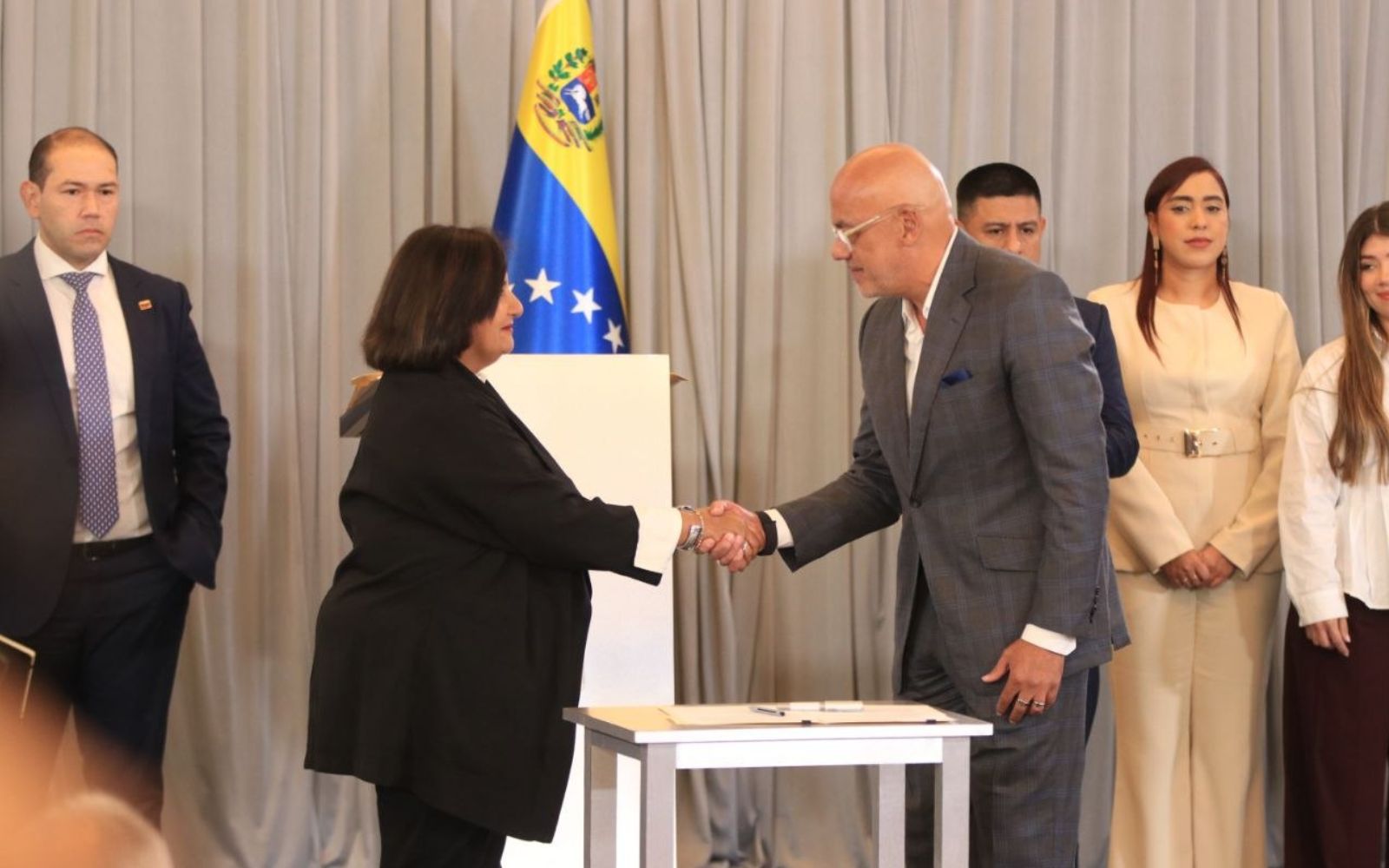
![Venezuela: Talks with opposition, oil deal, Delcy Rodríguez in New York, and the Church’s stance #Catholic Sept. 15 marked the start of the second round of negotiations between a Venezuelan opposition delegation and the country’s ruling socialist regime, a process promoted and driven by the U.S. government with an eye toward potential presidential elections in the South American nation.Dinorah Figuera, who leads the opposition delegation, arrived in Venezuela on Sept. 13 and before national and international media explained that once this weekʼs discussions conclude, the country could expect an announcement regarding the agreements reached.Meanwhile, Jorge Millán, who is also part of the opposition delegation, stated that they would continue “pursuing a Supreme Court of Justice with honorable, independent, and impartial judges capable of providing Venezuela with an upstanding judicial system after so many years. At the end of the cycle [of talks], we will present clear and verifiable objectives.”He also stated that this round of negotiations would also address the status of political parties, political guarantees, and “the dismantling of the repressive apparatus” established by Chavismo (the socialist government established by President Hugo Chávez and continued by President Nicolás Maduro) for over two decades. The state of freedom of expression in Venezuela will also be one of the items on the agenda.“The foundation for achieving a full democracy requires creating the conditions for elections to be held in Venezuela as soon as possible, as quickly as possible. We are laying the groundwork to reach those important areas that will enable all Venezuelans to elect our leaders very soon, with the speed we desire but also allowing for the time this will take,” Millán added.Concerns and proposals from the Catholic ChurchLast week, Cardinals Baltazar Porras and Diego Padrón, together with Bishop Emeritus Ramón Ovidio Pérez Morales, once again spoke out regarding the political and social situation in Venezuela. The prelates had previously raised their voices at the start of negotiations, offering to serve as guarantors of the process.On this occasion, they addressed the state of “indeterminacy, confusion, and uncertainty” prevailing in the country, offering “certain opinions, judgments, and proposals” that seek to “open the way” to help overcome the current crisis and achieve solid institutional stability and the national common good.Following the capture and extradition of President Nicolás Maduro and his wife, Cilia Flores, by U.S. forces on Jan. 3, the prelates noted that “changes have occurred, yet neither the desired and expected change nor a shift toward the structuring and functioning of the country in line with the preamble and fundamental principles of the 1999 Constitution is perceptible.”The cardinals and the bishop cite as examples of this lack of change that there are still political prisoners and a climate of repression as well as a state monopoly on the media and the continued centralization of power. Although these issues have been placed on the negotiating tableʼs agenda, the prelates maintain that these talks “operate within a framework of limited scope and authority.”In this regard, they pointed out that the state is operating on “shaky and legally undefined ground,” while the executive branch is “illegitimate regarding both its origins and its exercise of power.” Consequently, they emphasized the urgent need to call for elections soon.Oil deals with few detailsA few weeks ago, the Trump administration and the Chavista regime signed a massive energy deal granting the United States effective control over approximately one-third of Venezuelan oil, some 65 billion barrels of proven reserves.Beyond the economic aspects, the agreement has sparked particular controversy by including Venezuelan businessman Alejandro Betancourt López as an intermediary. He has been the subject of several investigations regarding alleged corruption, inflated prices in electricity contracts, and money laundering linked to the oil sector.Within Venezuela, Betancourt is singled out as one of the key figures responsible for the serious deterioration of the electrical grid, which has led to daily, hourslong blackouts across the country for years, severely impacting the populationʼs daily lives and even resulting in loss of life due to various causes.While acknowledging they are not experts in the field, Porras, Padrón, and Pérez Morales call for greater transparency in the negotiations and recommend “prudence and a gradual approach regarding commitments.” This, they state, reflects the prevailing sentiment among the Venezuelan people, who are concerned about the fate and use of the “vast sums of money” the state is set to receive.Greater emphasis on the need to call electionsIn light of the foregoing, the cardinals and the bishop underscored the priority of allowing the sovereign people of Venezuela to have a “a defined and clear mandate” regarding the nation’s future, a step that would also offer a sure path toward “encounter, social reconciliation, and peace.”“God has given us this country as a setting in which to build a ‘new society,’ the ideal of the civilization of love. We Venezuelans, through our own efforts and by invoking divine assistance, must keep hope alive and continue working on this compelling task, striving to reap its fruits of peace, freedom, justice, and fraternity,” the prelates stated.Delcy Rodríguez in New York?According to a Sept. 14 Bloomberg report, Venezuelaʼs interim president, Delcy Rodríguez, is considering a trip to New York to attend the United Nations General Assembly, which takes place next week.If the trip goes ahead, Rodríguez would be in the same city where Nicolás Maduro and Cilia Flores are in U.S. custody. When asked about a possible meeting with the Chavista leader, President Donald Trump simply replied: “Maybe, maybe.”Meanwhile, U.S. Secretary of State Marco Rubio indicated that an in-person meeting “probably will happen” if the presence of the interim regimeʼs president is confirmed.Rodríguezʼs presence on U.S. soil would mark a milestone in relations between Washington and Caracas, following more than two decades of tension and discord. Within Venezuela, the growing rapprochement between the U.S. government and the remnants of Chavismo is fueling concern and uncertainty regarding the possibility of real political change.This story was first published by ACI Prensa, the Spanish-language sister service of EWTN News. It has been translated and adapted by EWTN News English.](https://unitedyam.com/wp-content/uploads/2026/09/venezuela-talks-with-opposition-oil-deal-delcy-rodriguez-in-new-york-and-the-churchs-stance-catholic-sept-15-marked-the-start-of-the-second-round-of-negotiations-between-a-venezuelan-op.jpg "Venezuela: Talks with opposition, oil deal, Delcy Rodríguez in New York, and the Church’s stance #Catholic Sept. 15 marked the start of the second round of negotiations between a Venezuelan opposition delegation and the country’s ruling socialist regime, a process promoted and driven by the U.S. government with an eye toward potential presidential elections in the South American nation.Dinorah Figuera, who leads the opposition delegation, arrived in Venezuela on Sept. 13 and before national and international media explained that once this weekʼs discussions conclude, the country could expect an announcement regarding the agreements reached.Meanwhile, Jorge Millán, who is also part of the opposition delegation, stated that they would continue “pursuing a Supreme Court of Justice with honorable, independent, and impartial judges capable of providing Venezuela with an upstanding judicial system after so many years. At the end of the cycle [of talks], we will present clear and verifiable objectives.”He also stated that this round of negotiations would also address the status of political parties, political guarantees, and “the dismantling of the repressive apparatus” established by Chavismo (the socialist government established by President Hugo Chávez and continued by President Nicolás Maduro) for over two decades. The state of freedom of expression in Venezuela will also be one of the items on the agenda.“The foundation for achieving a full democracy requires creating the conditions for elections to be held in Venezuela as soon as possible, as quickly as possible. We are laying the groundwork to reach those important areas that will enable all Venezuelans to elect our leaders very soon, with the speed we desire but also allowing for the time this will take,” Millán added.Concerns and proposals from the Catholic ChurchLast week, Cardinals Baltazar Porras and Diego Padrón, together with Bishop Emeritus Ramón Ovidio Pérez Morales, once again spoke out regarding the political and social situation in Venezuela. The prelates had previously raised their voices at the start of negotiations, offering to serve as guarantors of the process.On this occasion, they addressed the state of “indeterminacy, confusion, and uncertainty” prevailing in the country, offering “certain opinions, judgments, and proposals” that seek to “open the way” to help overcome the current crisis and achieve solid institutional stability and the national common good.Following the capture and extradition of President Nicolás Maduro and his wife, Cilia Flores, by U.S. forces on Jan. 3, the prelates noted that “changes have occurred, yet neither the desired and expected change nor a shift toward the structuring and functioning of the country in line with the preamble and fundamental principles of the 1999 Constitution is perceptible.”The cardinals and the bishop cite as examples of this lack of change that there are still political prisoners and a climate of repression as well as a state monopoly on the media and the continued centralization of power. Although these issues have been placed on the negotiating tableʼs agenda, the prelates maintain that these talks “operate within a framework of limited scope and authority.”In this regard, they pointed out that the state is operating on “shaky and legally undefined ground,” while the executive branch is “illegitimate regarding both its origins and its exercise of power.” Consequently, they emphasized the urgent need to call for elections soon.Oil deals with few detailsA few weeks ago, the Trump administration and the Chavista regime signed a massive energy deal granting the United States effective control over approximately one-third of Venezuelan oil, some 65 billion barrels of proven reserves.Beyond the economic aspects, the agreement has sparked particular controversy by including Venezuelan businessman Alejandro Betancourt López as an intermediary. He has been the subject of several investigations regarding alleged corruption, inflated prices in electricity contracts, and money laundering linked to the oil sector.Within Venezuela, Betancourt is singled out as one of the key figures responsible for the serious deterioration of the electrical grid, which has led to daily, hourslong blackouts across the country for years, severely impacting the populationʼs daily lives and even resulting in loss of life due to various causes.While acknowledging they are not experts in the field, Porras, Padrón, and Pérez Morales call for greater transparency in the negotiations and recommend “prudence and a gradual approach regarding commitments.” This, they state, reflects the prevailing sentiment among the Venezuelan people, who are concerned about the fate and use of the “vast sums of money” the state is set to receive.Greater emphasis on the need to call electionsIn light of the foregoing, the cardinals and the bishop underscored the priority of allowing the sovereign people of Venezuela to have a “a defined and clear mandate” regarding the nation’s future, a step that would also offer a sure path toward “encounter, social reconciliation, and peace.”“God has given us this country as a setting in which to build a ‘new society,’ the ideal of the civilization of love. We Venezuelans, through our own efforts and by invoking divine assistance, must keep hope alive and continue working on this compelling task, striving to reap its fruits of peace, freedom, justice, and fraternity,” the prelates stated.Delcy Rodríguez in New York?According to a Sept. 14 Bloomberg report, Venezuelaʼs interim president, Delcy Rodríguez, is considering a trip to New York to attend the United Nations General Assembly, which takes place next week.If the trip goes ahead, Rodríguez would be in the same city where Nicolás Maduro and Cilia Flores are in U.S. custody. When asked about a possible meeting with the Chavista leader, President Donald Trump simply replied: “Maybe, maybe.”Meanwhile, U.S. Secretary of State Marco Rubio indicated that an in-person meeting “probably will happen” if the presence of the interim regimeʼs president is confirmed.Rodríguezʼs presence on U.S. soil would mark a milestone in relations between Washington and Caracas, following more than two decades of tension and discord. Within Venezuela, the growing rapprochement between the U.S. government and the remnants of Chavismo is fueling concern and uncertainty regarding the possibility of real political change.This story was first published by ACI Prensa, the Spanish-language sister service of EWTN News. It has been translated and adapted by EWTN News English.")
Ongoing talks between the socialist regime and the opposition in Venezuela are making some progress while the Church is trying to contribute to the transition to democracy and freedom.
![Surrogate mother petitions Supreme Court to ensure lifesaving care for newborn #Catholic A surrogate mother filed an emergency appeal to the U.S. Supreme Court to ensure a newborn baby will have access to lifesaving treatment for a heart condition amid her concerns that the biological parents may not continue treatment.McKenna West, an Alaska nurse and surrogate mother, gave birth to the baby boy on Aug. 12. She is asking the U.S. Supreme Court to block a court order that recognized the boy’s biological parents as having full custody and being the authority in medical decisions.The unborn child was diagnosed with a treatable heart defect at about 20 weeks into pregnancy. His biological parents demanded West abort the child because of the defect and threatened her with financial penalties if she did not, according to the petition filed by West’s lawyers at Alliance Defending Freedom.West refused and fled to Texas because the state’s pro-life laws prohibit most abortions. The boy is receiving lifesaving medical treatment at this time due to a court order in Texas. However, the petition states the biological parents “refused to commit to authorizing any life-saving care” for as long as needed to treat the condition.“Since [West] is now completely excluded from the life of the medically fragile infant she brought into the world, much less from the ability to make critical health decisions that protect him, time is of the essence,” the petition states.The petition warns that without immediate Supreme Court action, “the child could be removed from the Texas hospital and taken to California for hospice — despite his treatable condition — around September 17, if not sooner.”“Relief is all the more warranted here, given that the stakes involve the child’s life,” the petition adds.](https://unitedyam.com/wp-content/uploads/2026/09/surrogate-mother-petitions-supreme-court-to-ensure-lifesaving-care-for-newborn-catholic-a-surrogate-mother-filed-an-emergency-appeal-to-the-u-s-supreme-court-to-ensure-a-newborn-baby-will-have-acces.png "Surrogate mother petitions Supreme Court to ensure lifesaving care for newborn #Catholic A surrogate mother filed an emergency appeal to the U.S. Supreme Court to ensure a newborn baby will have access to lifesaving treatment for a heart condition amid her concerns that the biological parents may not continue treatment.McKenna West, an Alaska nurse and surrogate mother, gave birth to the baby boy on Aug. 12. She is asking the U.S. Supreme Court to block a court order that recognized the boy’s biological parents as having full custody and being the authority in medical decisions.The unborn child was diagnosed with a treatable heart defect at about 20 weeks into pregnancy. His biological parents demanded West abort the child because of the defect and threatened her with financial penalties if she did not, according to the petition filed by West’s lawyers at Alliance Defending Freedom.West refused and fled to Texas because the state’s pro-life laws prohibit most abortions. The boy is receiving lifesaving medical treatment at this time due to a court order in Texas. However, the petition states the biological parents “refused to commit to authorizing any life-saving care” for as long as needed to treat the condition.“Since [West] is now completely excluded from the life of the medically fragile infant she brought into the world, much less from the ability to make critical health decisions that protect him, time is of the essence,” the petition states.The petition warns that without immediate Supreme Court action, “the child could be removed from the Texas hospital and taken to California for hospice — despite his treatable condition — around September 17, if not sooner.”“Relief is all the more warranted here, given that the stakes involve the child’s life,” the petition adds.")
The surrogate mother says the biological parents previously pressured her to abort the child and hold full medical authority under a lower‑court order, prompting her emergency appeal.

Chad Pecknold, a longtime professor at The Catholic University of America, has begun working for the government agency that oversees immigration enforcement.

![U.S. bishops urge Supreme Court to allow communities to regulate firearms under Second Amendment #Catholic The U.S. Conference of Catholic Bishops is urging the U.S. Supreme Court to allow local communities to regulate firearm ownership, weighing in on a high-profile federal case that could significantly reshape the nation’s gun laws. The case before the high court, Viramontes v. Cook County, concerns a regulation enacted by Cook County, Illinois, banning more than 100 types of semiautomatic weapons, including the popular AR-15 platform.Two plaintiffs, Cutberto Viramontes and Christopher Khaya, sued to dispute the regulations under the Second and 14th amendments to the U.S. Constitution. The lawsuit argues that the Supreme Court should rule on the case “to guarantee fundamental Second Amendment rights and to address the confusion in the lower courts” regarding Supreme Court precedent.In their amicus brief regarding the legal dispute, the U.S. bishops urge the court to “[preserve] the traditional authority of political communities to regulate weapons.” The “autonomy of local authority” is a significant part of “America’s historical tradition of federalism,” the bishops write, comparing it to the long-standing Catholic principle of subsidiarity, which holds that the authority closest to a local need is best suited to tackle the issue. The principle of federalism does not allow for the wholesale redefinition of the Second Amendment, the bishops write. But, they argue, a “uniform constitutional standard need not require uniform firearm policy.” Guns have historically been regulated differently throughout the U.S. depending on the locality, the bishops say, and the U.S. Constitution “does not require every community to exercise … its authority to regulate weapons identically.” The prelates further argue that modern advances in weaponry mean firearms like AR-15s are “fundamentally dissimilar” from the standards of the 18th century; such weapons are “dangerous and unusual,” the bishops suggest, and are thus open to reasonable regulation. Though the issue was brought to trial due to the local regulation, the ultimate question before the Supreme Court is whether the Second Amendment “guarantee[s] the right to possess [the] AR-15 platform and similar semiautomatic rifles.” In the past 20 years the Supreme Court has significantly affirmed Second Amendment rights under the U.S. Constitution, including in the landmark 2008 case District of Columbia v. Heller, which upheld the right to own a firearm unconnected with service in a state militia. Those rights were broadly expanded in subsequent Supreme Court rulings such as 2010’s McDonald v. Chicago and the 2022 decision NYSRPA v. Bruen. The latter decision upheld a constitutional right to carry firearms for self-defense. In the 2024 decision United States v. Rahimi, on the other hand, the Supreme Court ruled that the Second Amendment does allow for individuals to be disarmed if they have been found to pose a credible threat to the physical safety of someone else.](https://unitedyam.com/wp-content/uploads/2026/09/u-s-bishops-urge-supreme-court-to-allow-communities-to-regulate-firearms-under-second-amendment-catholic-the-u-s-conference-of-catholic-bishops-is-urging-the-u-s-supreme-court-to-allow-local-commu.jpg "U.S. bishops urge Supreme Court to allow communities to regulate firearms under Second Amendment #Catholic The U.S. Conference of Catholic Bishops is urging the U.S. Supreme Court to allow local communities to regulate firearm ownership, weighing in on a high-profile federal case that could significantly reshape the nation’s gun laws. The case before the high court, Viramontes v. Cook County, concerns a regulation enacted by Cook County, Illinois, banning more than 100 types of semiautomatic weapons, including the popular AR-15 platform.Two plaintiffs, Cutberto Viramontes and Christopher Khaya, sued to dispute the regulations under the Second and 14th amendments to the U.S. Constitution. The lawsuit argues that the Supreme Court should rule on the case “to guarantee fundamental Second Amendment rights and to address the confusion in the lower courts” regarding Supreme Court precedent.In their amicus brief regarding the legal dispute, the U.S. bishops urge the court to “[preserve] the traditional authority of political communities to regulate weapons.” The “autonomy of local authority” is a significant part of “America’s historical tradition of federalism,” the bishops write, comparing it to the long-standing Catholic principle of subsidiarity, which holds that the authority closest to a local need is best suited to tackle the issue. The principle of federalism does not allow for the wholesale redefinition of the Second Amendment, the bishops write. But, they argue, a “uniform constitutional standard need not require uniform firearm policy.” Guns have historically been regulated differently throughout the U.S. depending on the locality, the bishops say, and the U.S. Constitution “does not require every community to exercise … its authority to regulate weapons identically.” The prelates further argue that modern advances in weaponry mean firearms like AR-15s are “fundamentally dissimilar” from the standards of the 18th century; such weapons are “dangerous and unusual,” the bishops suggest, and are thus open to reasonable regulation. Though the issue was brought to trial due to the local regulation, the ultimate question before the Supreme Court is whether the Second Amendment “guarantee[s] the right to possess [the] AR-15 platform and similar semiautomatic rifles.” In the past 20 years the Supreme Court has significantly affirmed Second Amendment rights under the U.S. Constitution, including in the landmark 2008 case District of Columbia v. Heller, which upheld the right to own a firearm unconnected with service in a state militia. Those rights were broadly expanded in subsequent Supreme Court rulings such as 2010’s McDonald v. Chicago and the 2022 decision NYSRPA v. Bruen. The latter decision upheld a constitutional right to carry firearms for self-defense. In the 2024 decision United States v. Rahimi, on the other hand, the Supreme Court ruled that the Second Amendment does allow for individuals to be disarmed if they have been found to pose a credible threat to the physical safety of someone else.")
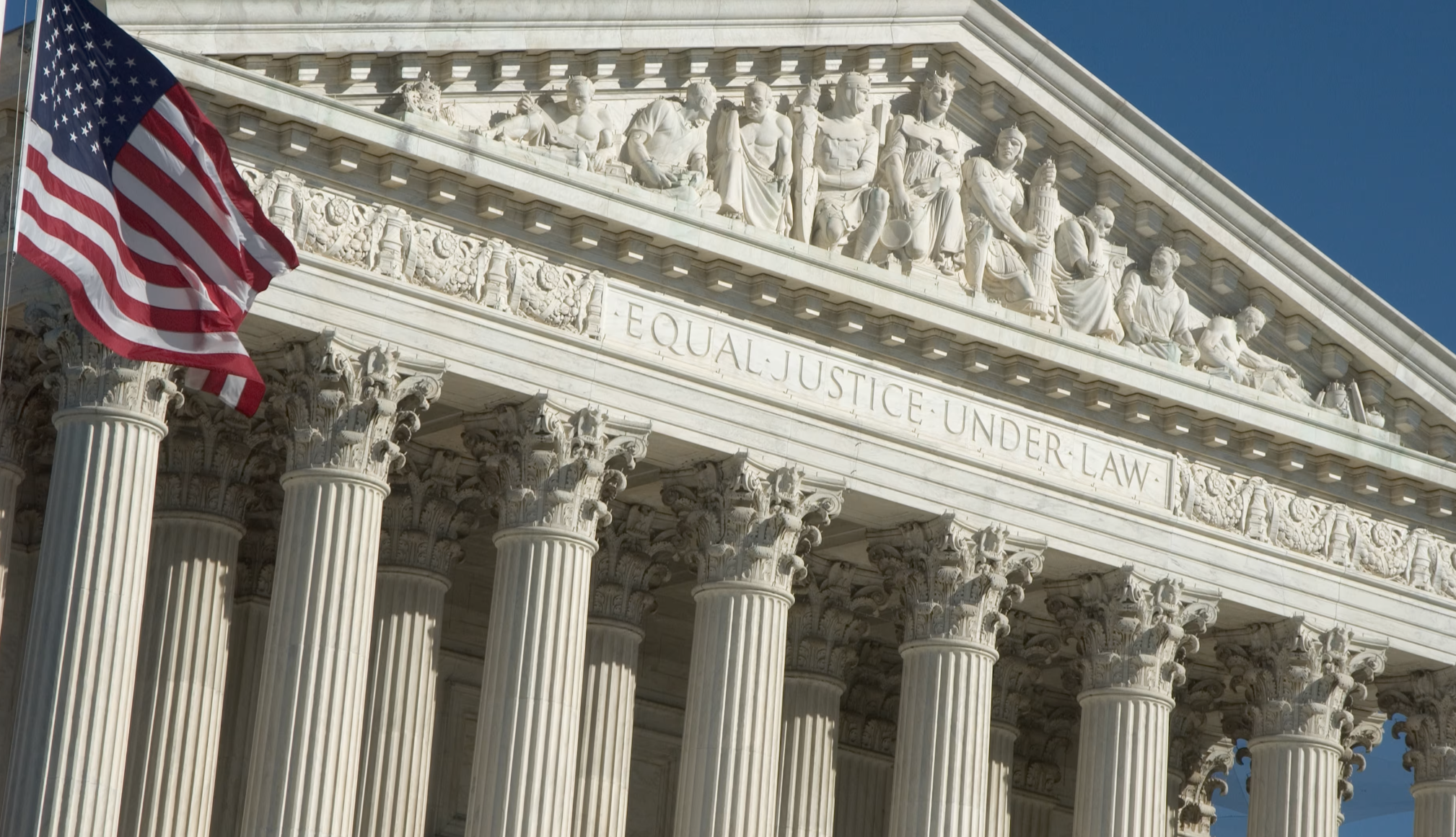
The Supreme Court is set to consider whether or not Americans are permitted to possess AR-15 rifles and similar firearms.

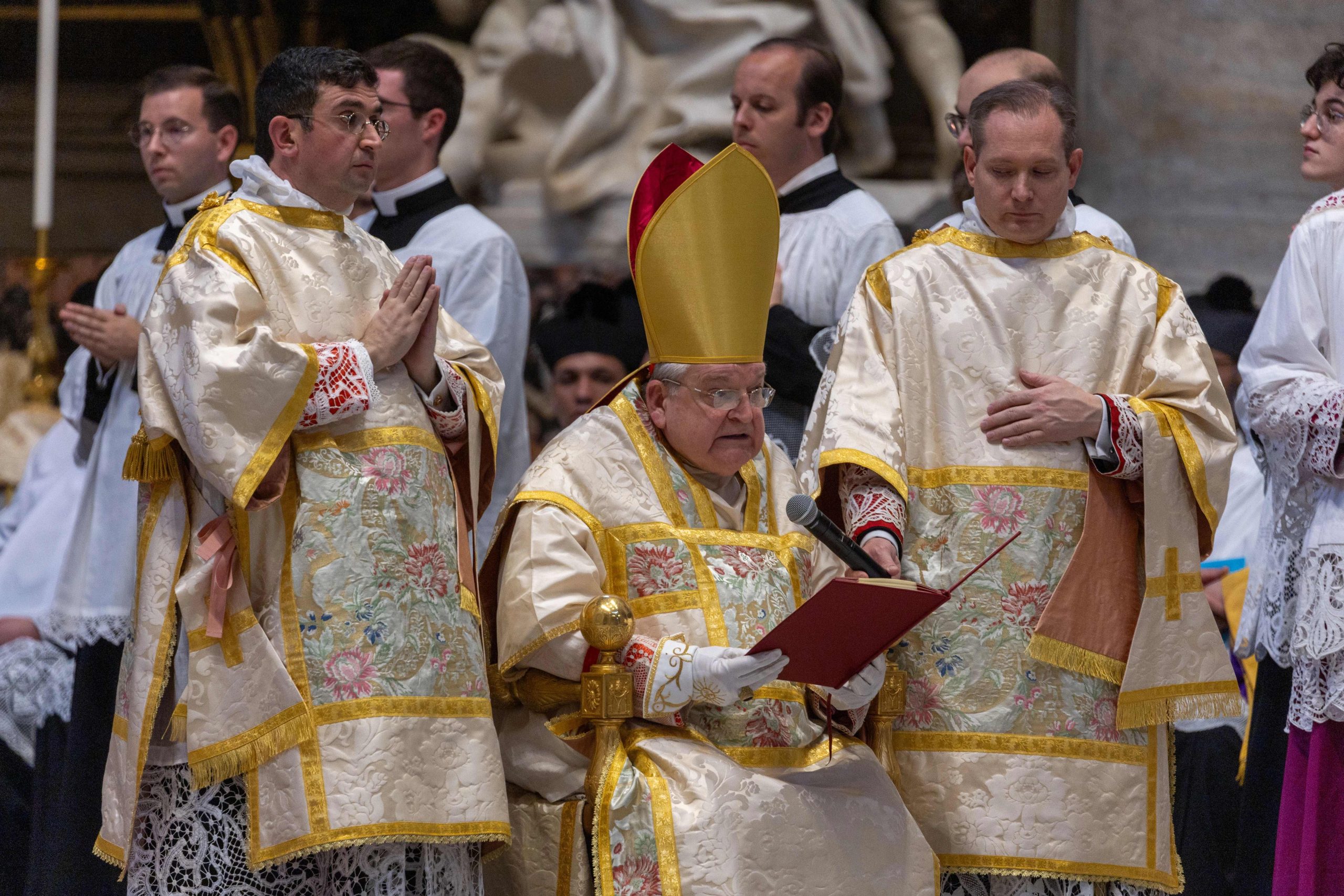
Catholic cardinal presides over Rosary Rally in Holland, Norway celebrates 100 years since first Mass, Scottish sisters to stand trial for abuse, and more in this week’s world news round up.

A federal judge has delayed a lawsuit over the abortion pill mifepristone, disappointing pro-lifers who are asking the U.S. Food and Drug Administration to protect women and unborn children.

Such restrictions on federal funding are made “without any compelling government interest,” the Justice Department said in a memorandum opinion.
A student challenges a 2004 Supreme Court decision, the Diocese of Scranton reopens its seminary, and Benedictine College names a speaker for its library dedication in this week’s education roundup.