instruction

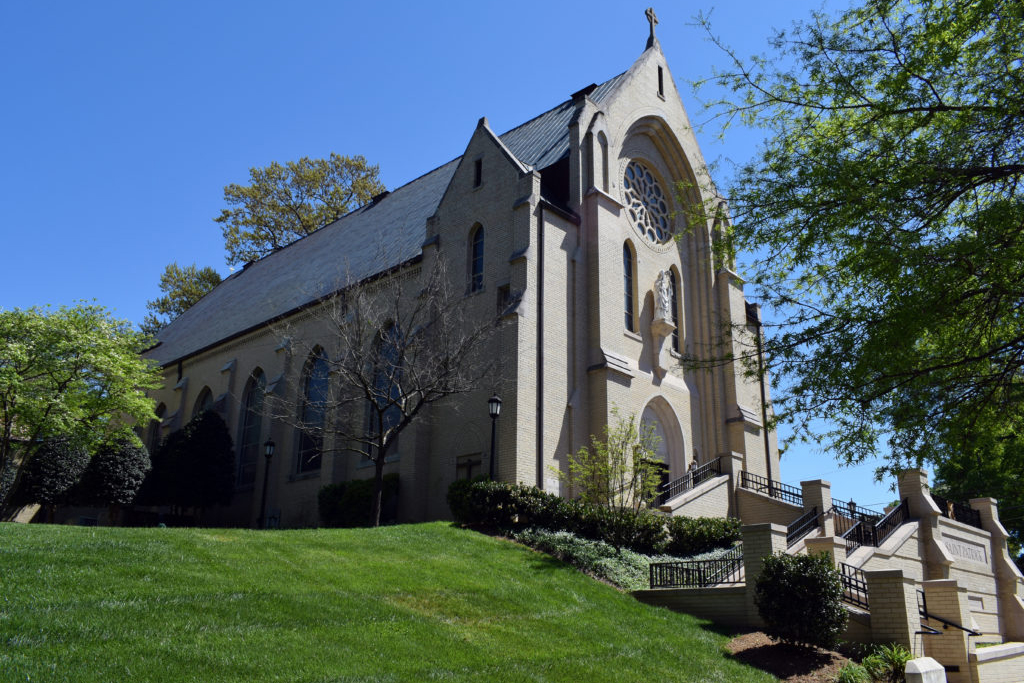
Vatican upholds Charlotte bishop’s ban of the use of altar rails, kneelers during Communion #Catholic The Vatican rejected an appeal by a parishioner in the Diocese of Charlotte, North Carolina, and has upheld Bishop Michael Martin’s prohibition of the use of altar rails and kneelers in the reception of Communion.In a letter dated Aug. 3, Archbishop Vittorio Francesco Viola, OFM, then-Secretary of the Dicastery for Divine Worship and the Discipline of the Sacraments, responded to a father who said he and his family had been denied the sacrament when they chose to kneel at the altar rail despite Martin’s instructions that the faithful should stand while receiving holy Communion, even in parishes with fixed altar rails.In the Vatican letter, first reported on by AdVaticanum, Viola wrote that after examining “the applicable universal and particular liturgical norms,” the dicastery found “no grounds for granting” the hierarchical recourse requested by the father, upholding Martin’s prohibition against kneeling at the altar rail.Viola said Martin’s “provisions neither deny the faithful access to the Sacrament of the Holy Eucharist nor prohibit the reception of Holy Communion while kneeling, which remains permitted according to the universal and particular liturgical discipline currently in force” in the United States.He said that Martin’s norms are concerned with the "external manner” in which Communion is distributed, meaning they govern the use of “altar rails, kneelers and prie-dieus,” and defended Martin’s authority as bishop to “regulate these matters in accordance” with canon law.Viola said the faithful do not have the right to ”determine individually the place and manner in which they present themselves” to receive Communion. They are still free to kneel “at the moment of reception,” he wrote, and cannot be denied Communion at that moment.Martin acknowledged this in his December 2025 letter, writing that while an “individual member of the faithful” is free to kneel to receive and should not be denied Communion, the “normative posture for all the faithful in the United States is standing,” per guidelines from the U.S. bishops.In May 2025, a leaked draft of a letter detailed Martin’s intended reforms of traditional practices in the diocese. In the letter, the bishop said that because “there is no mention in the conciliar documents, the reform of the liturgy, or current liturgical documents concerning the use of altar rails or kneelers for the distribution of holy Communion, they are not to be employed in the Diocese of Charlotte.”Martin also ordered the removal of all “temporary or movable fixtures used for kneeling,” including prie-dieux (movable kneelers).Also in the May letter, Martin said it was “simply absurd” to suggest that “kneeling is more reverent than standing.”Viola encouraged the faithful to “willingly adopt the manner indicated by their pastors” so that the reception of the Eucharist “may truly manifest the unity of those gathered around the one table of the Lord,” citing the General Instruction of the Roman Missal’s teaching “that a common posture observed by all participants is itself a sign of the unity of the Christian community assembled for the sacred liturgy.”Martin’s prohibition has faced a great deal of pushback in the diocese.In January, more than 30 priests in the Charlotte Diocese signed a letter to the Vatican’s Dicastery for Legislative Texts containing a set of questions, or “dubia,” related to Martin’s prohibition.The priests directly questioned “whether a diocesan bishop may prohibit the use of kneelers to assist members of the faithful who, of their own accord, wish to receive holy Communion kneeling,” reported The Pillar, which obtained a leaked copy of the diocesan priests’ letter at the time.A priest in the diocese who wished to remain anonymous due to an alleged “atmosphere of fear, retaliation, and mistrust” told EWTN News at the time that the actual number of the dubia’s supporters was “well north” of the 31, or a quarter of all priests in the diocese, who actually signed it.A spokesperson for the Diocese of Charlotte told EWTN News in January that the bishop “has not ‘restricted kneeling.’”

Vatican upholds Charlotte bishop’s ban of the use of altar rails, kneelers during Communion #Catholic The Vatican rejected an appeal by a parishioner in the Diocese of Charlotte, North Carolina, and has upheld Bishop Michael Martin’s prohibition of the use of altar rails and kneelers in the reception of Communion.In a letter dated Aug. 3, Archbishop Vittorio Francesco Viola, OFM, then-Secretary of the Dicastery for Divine Worship and the Discipline of the Sacraments, responded to a father who said he and his family had been denied the sacrament when they chose to kneel at the altar rail despite Martin’s instructions that the faithful should stand while receiving holy Communion, even in parishes with fixed altar rails.In the Vatican letter, first reported on by AdVaticanum, Viola wrote that after examining “the applicable universal and particular liturgical norms,” the dicastery found “no grounds for granting” the hierarchical recourse requested by the father, upholding Martin’s prohibition against kneeling at the altar rail.Viola said Martin’s “provisions neither deny the faithful access to the Sacrament of the Holy Eucharist nor prohibit the reception of Holy Communion while kneeling, which remains permitted according to the universal and particular liturgical discipline currently in force” in the United States.He said that Martin’s norms are concerned with the "external manner” in which Communion is distributed, meaning they govern the use of “altar rails, kneelers and prie-dieus,” and defended Martin’s authority as bishop to “regulate these matters in accordance” with canon law.Viola said the faithful do not have the right to ”determine individually the place and manner in which they present themselves” to receive Communion. They are still free to kneel “at the moment of reception,” he wrote, and cannot be denied Communion at that moment.Martin acknowledged this in his December 2025 letter, writing that while an “individual member of the faithful” is free to kneel to receive and should not be denied Communion, the “normative posture for all the faithful in the United States is standing,” per guidelines from the U.S. bishops.In May 2025, a leaked draft of a letter detailed Martin’s intended reforms of traditional practices in the diocese. In the letter, the bishop said that because “there is no mention in the conciliar documents, the reform of the liturgy, or current liturgical documents concerning the use of altar rails or kneelers for the distribution of holy Communion, they are not to be employed in the Diocese of Charlotte.”Martin also ordered the removal of all “temporary or movable fixtures used for kneeling,” including prie-dieux (movable kneelers).Also in the May letter, Martin said it was “simply absurd” to suggest that “kneeling is more reverent than standing.”Viola encouraged the faithful to “willingly adopt the manner indicated by their pastors” so that the reception of the Eucharist “may truly manifest the unity of those gathered around the one table of the Lord,” citing the General Instruction of the Roman Missal’s teaching “that a common posture observed by all participants is itself a sign of the unity of the Christian community assembled for the sacred liturgy.”Martin’s prohibition has faced a great deal of pushback in the diocese.In January, more than 30 priests in the Charlotte Diocese signed a letter to the Vatican’s Dicastery for Legislative Texts containing a set of questions, or “dubia,” related to Martin’s prohibition.The priests directly questioned “whether a diocesan bishop may prohibit the use of kneelers to assist members of the faithful who, of their own accord, wish to receive holy Communion kneeling,” reported The Pillar, which obtained a leaked copy of the diocesan priests’ letter at the time.A priest in the diocese who wished to remain anonymous due to an alleged “atmosphere of fear, retaliation, and mistrust” told EWTN News at the time that the actual number of the dubia’s supporters was “well north” of the 31, or a quarter of all priests in the diocese, who actually signed it.A spokesperson for the Diocese of Charlotte told EWTN News in January that the bishop “has not ‘restricted kneeling.’”

A parishioner in the Diocese of Charlotte petitioned the Dicastery for Divine Worship and the Discipline of the Sacraments after the bishop’s ban on kneelers went into effect earlier this year.

Read More
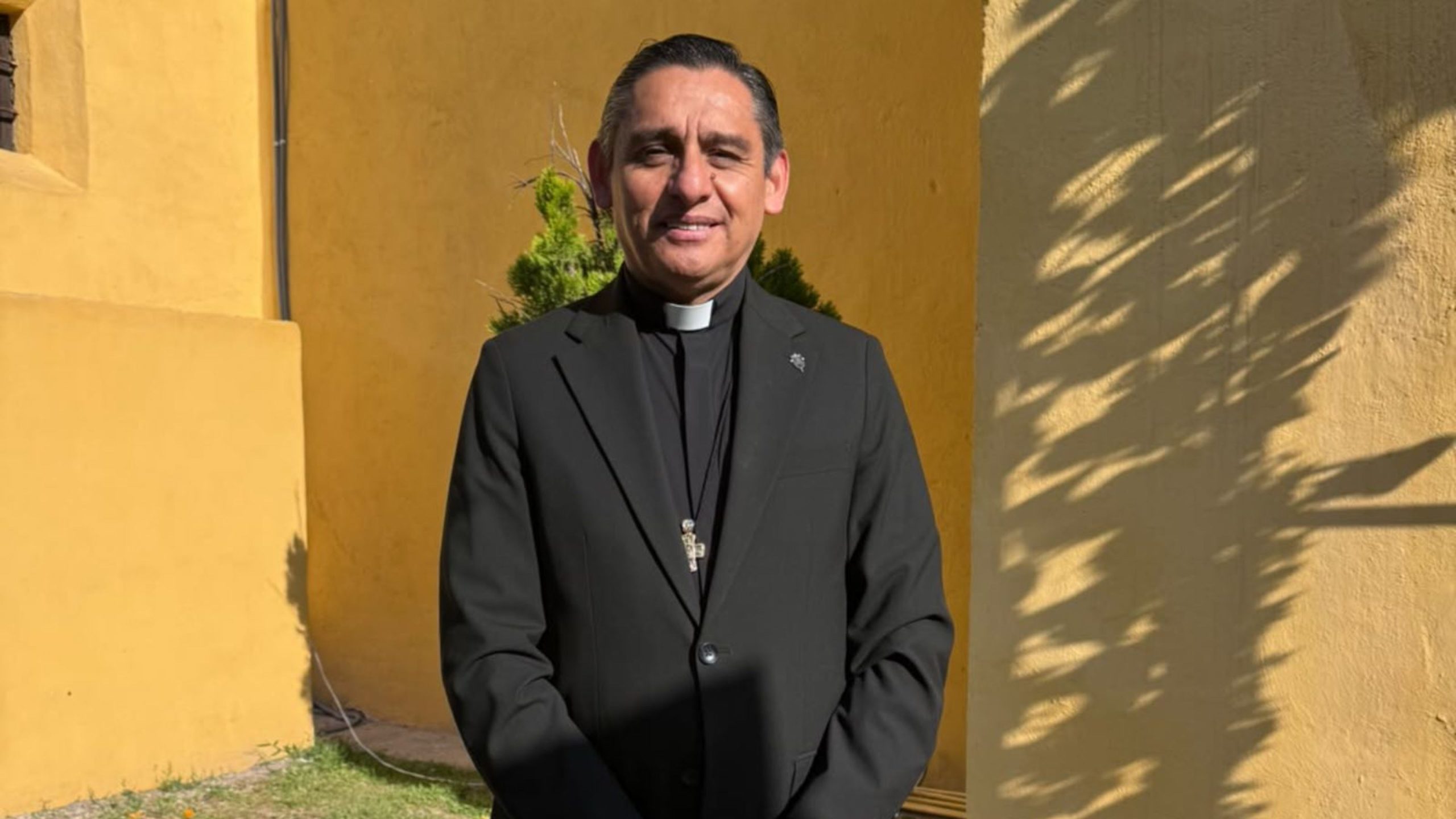
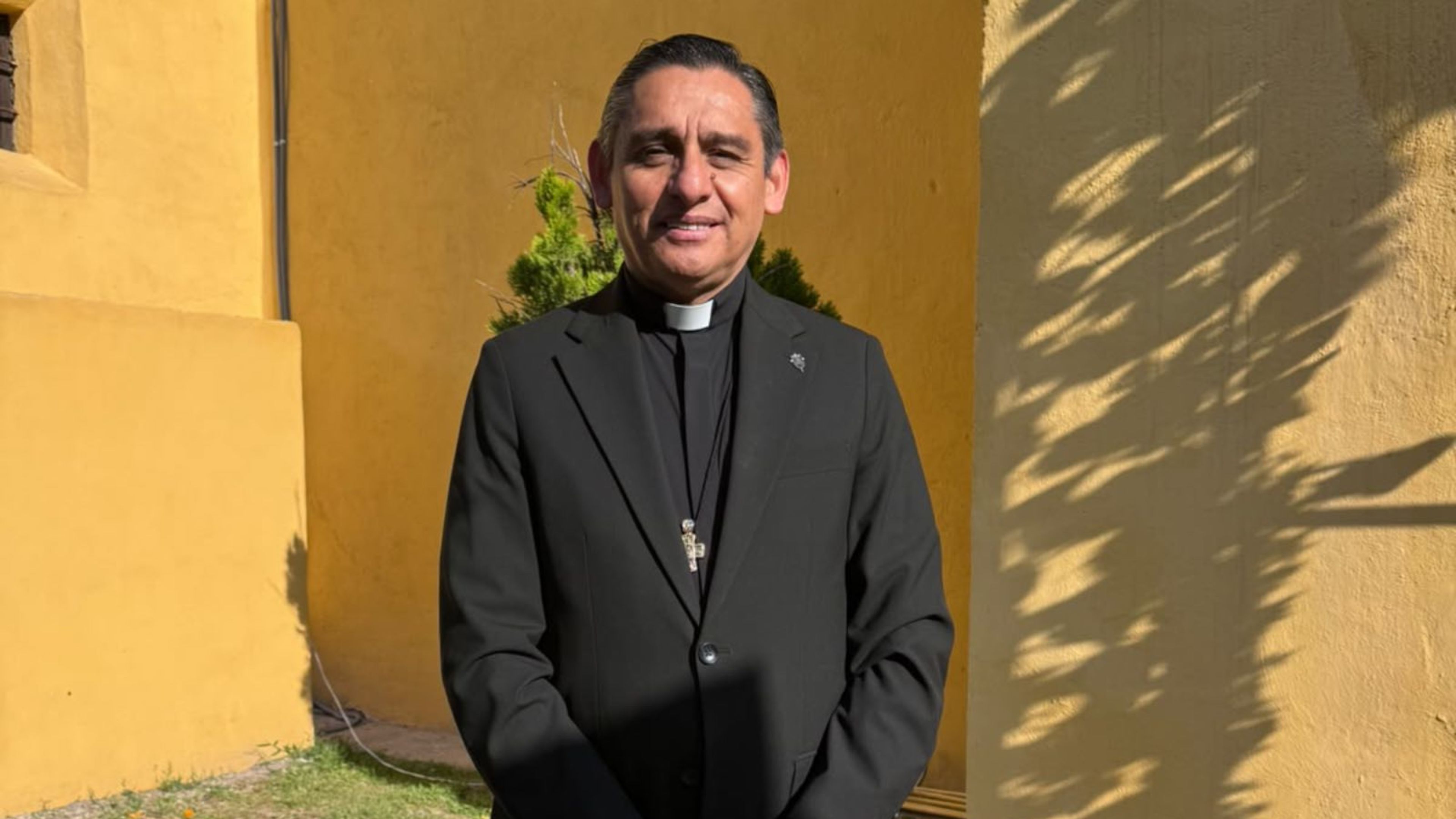
Priest refuses to remove his clerical attire after being told he must to renew passport in Mexico #Catholic Father Alberto Medel reported that staff at Mexico’s Secretariat of Foreign Affairs (SRE, by its Spanish acronym) demanded he remove his clerical attire for the photo to renew his passport, a requirement he described as discriminatory and a violation of his right to religious freedom.The incident took place on Nov. 4 at the passport office in the Coyoacán borough of Mexico City, according to an account the priest shared on X.In response to the complaint, Roberto Velasco Álvarez, who heads the SRE, said on X that he had given instructions “for the photograph to be retaken with him wearing his ecclesiastical attire, and for the passport to be issued.”What happened?According to Medel, the coordinator of the theological committee for the college of exorcists of the Primatial Archdiocese of Mexico, an SRE employee told him that he “could not have the photograph taken while wearing his ecclesiastical attire.”The priest refused to remove his attire, arguing that he had the right to dress according “to my state of life, provided that my face remained perfectly visible.”The employee consulted with a supervisor, and Medel was allowed to be photographed in his clerical attire.However, while waiting for his new passport, the priest was told by another person, who “did not identify herself by name or position and displayed a hostile attitude from the start,” that the SRE would not process a passport application with a photograph showing him in clerical attire.When Medel requested that she show him the law that prohibited his attire, the official “showed him a page from the secretariat’s internal regulations, which state that photographs containing religious symbols are not permitted.”Medel said a police officer standing behind the official seemed to indicate “a clear attitude of intimidation.”“We Catholic priests are second-class citizens whose freedoms and rights are restricted because of our choice of faith,” he stated, alleging that what occurred violated the rights stipulated in the Mexican Constitution concerning nondiscrimination and religious freedom.“Today, I was subjected to discrimination; my human rights were violated, and I was humiliated through clear expressions of anticlericalism and Christianophobia,” he said.Passport regulations and the Supreme Court precedentArticle 14 of Mexico’s “Regulations for Passports and Identity and Travel Documents” stipulates that for the passport application process, “the photograph must be taken facing forward, in color, with a white background; the head must be uncovered, and there must be no garments or objects that partially or completely cover the face, including eyeglasses.”The article does not establish a general prohibition against the use of religious attire or symbols in photographs for a Mexican passport.On Dec. 11, 2025, the Supreme Court of Justice of the Nation resolved a dispute concerning Muslim women who had been required to remove their hijabs in order to obtain a passport.In that case, the court determined that the women could wear the hijabs; regulations must be interpreted in a manner consistent with freedom of religion, ideology, and conscience; and individuals may wear “religious garments, attire, or symbols” that do not hinder their identification.Furthermore, the court cautioned against “the absolute sacrifice of religious freedom.”‘I am not the only person who has suffered this’In a statement to EWTN News Español, the Spanish-language sister service of EWTN News, Medel confirmed that following Velasco’s statement, he received an email and a phone call from SRE staff in order to facilitate the renewal of his passport.However, he has been unable to return to the government office due to his pastoral commitments including the celebration of the 500th anniversary of his parish, Santa María de la Visitación, in the Indigenous town of Santa María Tepepan. This event is scheduled for this Saturday, Nov. 7, and will be attended by the apostolic nuncio to Mexico, Archbishop Joseph Spiteri. Medel said he plans to travel to Rome on Monday, Nov. 9, which is why he needed his passport.He said he hopes to be able to complete the process but also believes it is necessary for the SRE to take measures to prevent other religious from facing similar situations.“I don’t need an apology,” he said, expressing his hope that this case will lead to “firmer steps” being taken to ensure that nothing like this happens again.He said other priests and religious sisters told him they have had similar experiences. Medel clarified that clerical attire “is not a uniform; it is my way of life.” He noted that because he dresses as a priest, he’s been insulted but has also experienced “a great deal of good: People I encounter ask for a blessing, and I have heard confessions in airports, on airplanes, on buses, and out on the street.”He said he is requesting from the authorities, “in writing, a commitment and an instruction to all offices of the Ministry of Foreign Affairs, that ensures this does not happen again to any priest or religious.”After EWTN News Español contacted the General Directorate for Social Communication of the Secretariat of Foreign Affairs, the office forwarded Velasco’s public statement.This story was first published by EWTN News Español, the Spanish-language sister service of EWTN News. It has been translated and adapted by EWTN News English.

Priest refuses to remove his clerical attire after being told he must to renew passport in Mexico #Catholic Father Alberto Medel reported that staff at Mexico’s Secretariat of Foreign Affairs (SRE, by its Spanish acronym) demanded he remove his clerical attire for the photo to renew his passport, a requirement he described as discriminatory and a violation of his right to religious freedom.The incident took place on Nov. 4 at the passport office in the Coyoacán borough of Mexico City, according to an account the priest shared on X.In response to the complaint, Roberto Velasco Álvarez, who heads the SRE, said on X that he had given instructions “for the photograph to be retaken with him wearing his ecclesiastical attire, and for the passport to be issued.”What happened?According to Medel, the coordinator of the theological committee for the college of exorcists of the Primatial Archdiocese of Mexico, an SRE employee told him that he “could not have the photograph taken while wearing his ecclesiastical attire.”The priest refused to remove his attire, arguing that he had the right to dress according “to my state of life, provided that my face remained perfectly visible.”The employee consulted with a supervisor, and Medel was allowed to be photographed in his clerical attire.However, while waiting for his new passport, the priest was told by another person, who “did not identify herself by name or position and displayed a hostile attitude from the start,” that the SRE would not process a passport application with a photograph showing him in clerical attire.When Medel requested that she show him the law that prohibited his attire, the official “showed him a page from the secretariat’s internal regulations, which state that photographs containing religious symbols are not permitted.”Medel said a police officer standing behind the official seemed to indicate “a clear attitude of intimidation.”“We Catholic priests are second-class citizens whose freedoms and rights are restricted because of our choice of faith,” he stated, alleging that what occurred violated the rights stipulated in the Mexican Constitution concerning nondiscrimination and religious freedom.“Today, I was subjected to discrimination; my human rights were violated, and I was humiliated through clear expressions of anticlericalism and Christianophobia,” he said.Passport regulations and the Supreme Court precedentArticle 14 of Mexico’s “Regulations for Passports and Identity and Travel Documents” stipulates that for the passport application process, “the photograph must be taken facing forward, in color, with a white background; the head must be uncovered, and there must be no garments or objects that partially or completely cover the face, including eyeglasses.”The article does not establish a general prohibition against the use of religious attire or symbols in photographs for a Mexican passport.On Dec. 11, 2025, the Supreme Court of Justice of the Nation resolved a dispute concerning Muslim women who had been required to remove their hijabs in order to obtain a passport.In that case, the court determined that the women could wear the hijabs; regulations must be interpreted in a manner consistent with freedom of religion, ideology, and conscience; and individuals may wear “religious garments, attire, or symbols” that do not hinder their identification.Furthermore, the court cautioned against “the absolute sacrifice of religious freedom.”‘I am not the only person who has suffered this’In a statement to EWTN News Español, the Spanish-language sister service of EWTN News, Medel confirmed that following Velasco’s statement, he received an email and a phone call from SRE staff in order to facilitate the renewal of his passport.However, he has been unable to return to the government office due to his pastoral commitments including the celebration of the 500th anniversary of his parish, Santa María de la Visitación, in the Indigenous town of Santa María Tepepan. This event is scheduled for this Saturday, Nov. 7, and will be attended by the apostolic nuncio to Mexico, Archbishop Joseph Spiteri. Medel said he plans to travel to Rome on Monday, Nov. 9, which is why he needed his passport.He said he hopes to be able to complete the process but also believes it is necessary for the SRE to take measures to prevent other religious from facing similar situations.“I don’t need an apology,” he said, expressing his hope that this case will lead to “firmer steps” being taken to ensure that nothing like this happens again.He said other priests and religious sisters told him they have had similar experiences. Medel clarified that clerical attire “is not a uniform; it is my way of life.” He noted that because he dresses as a priest, he’s been insulted but has also experienced “a great deal of good: People I encounter ask for a blessing, and I have heard confessions in airports, on airplanes, on buses, and out on the street.”He said he is requesting from the authorities, “in writing, a commitment and an instruction to all offices of the Ministry of Foreign Affairs, that ensures this does not happen again to any priest or religious.”After EWTN News Español contacted the General Directorate for Social Communication of the Secretariat of Foreign Affairs, the office forwarded Velasco’s public statement.This story was first published by EWTN News Español, the Spanish-language sister service of EWTN News. It has been translated and adapted by EWTN News English.

Father Alberto Medel reported that he was told to remove his clerical attire in order to renew his passport in Mexico despite the existence of judicial rulings that protect religious clothing.
Read More
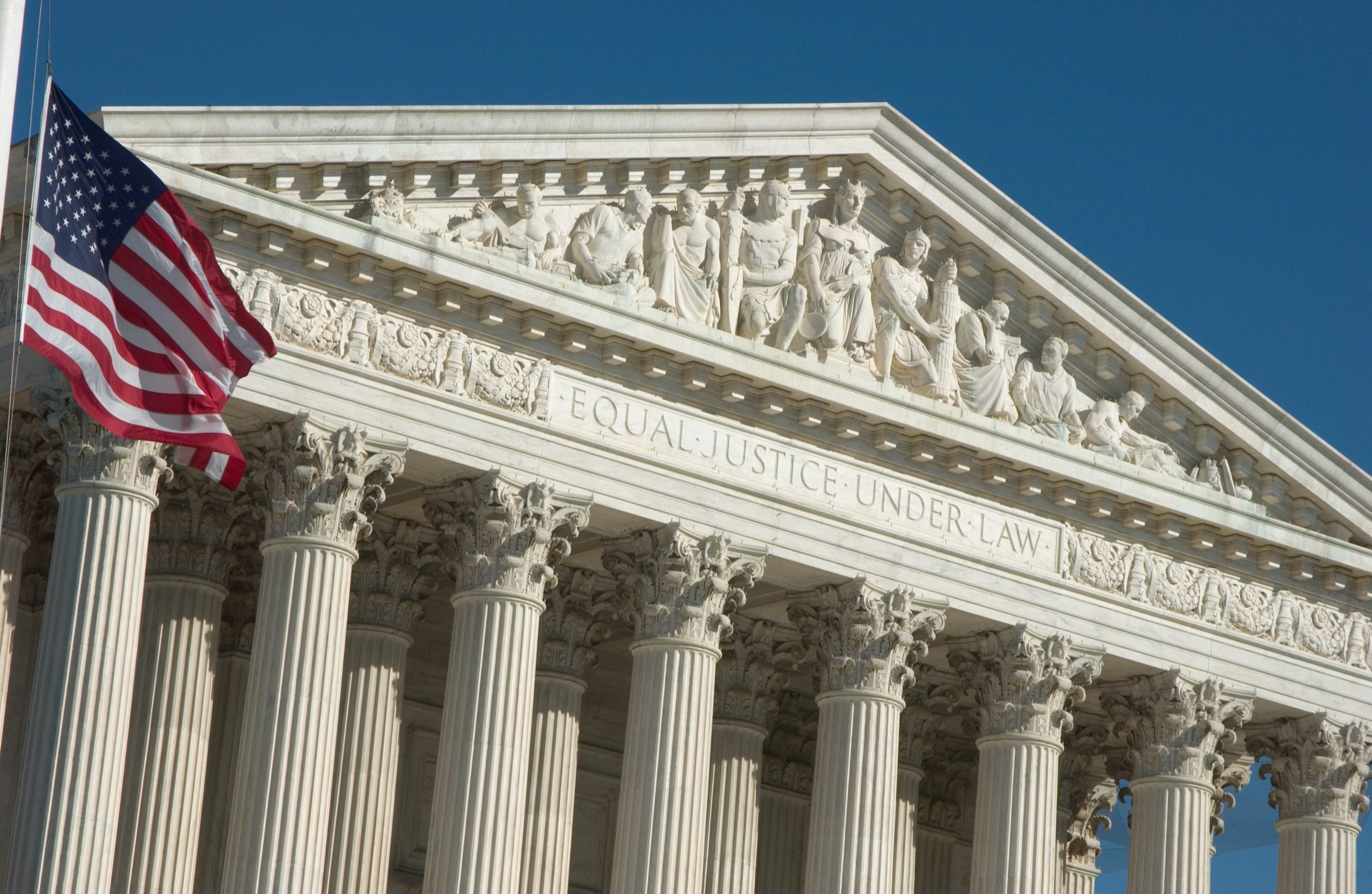
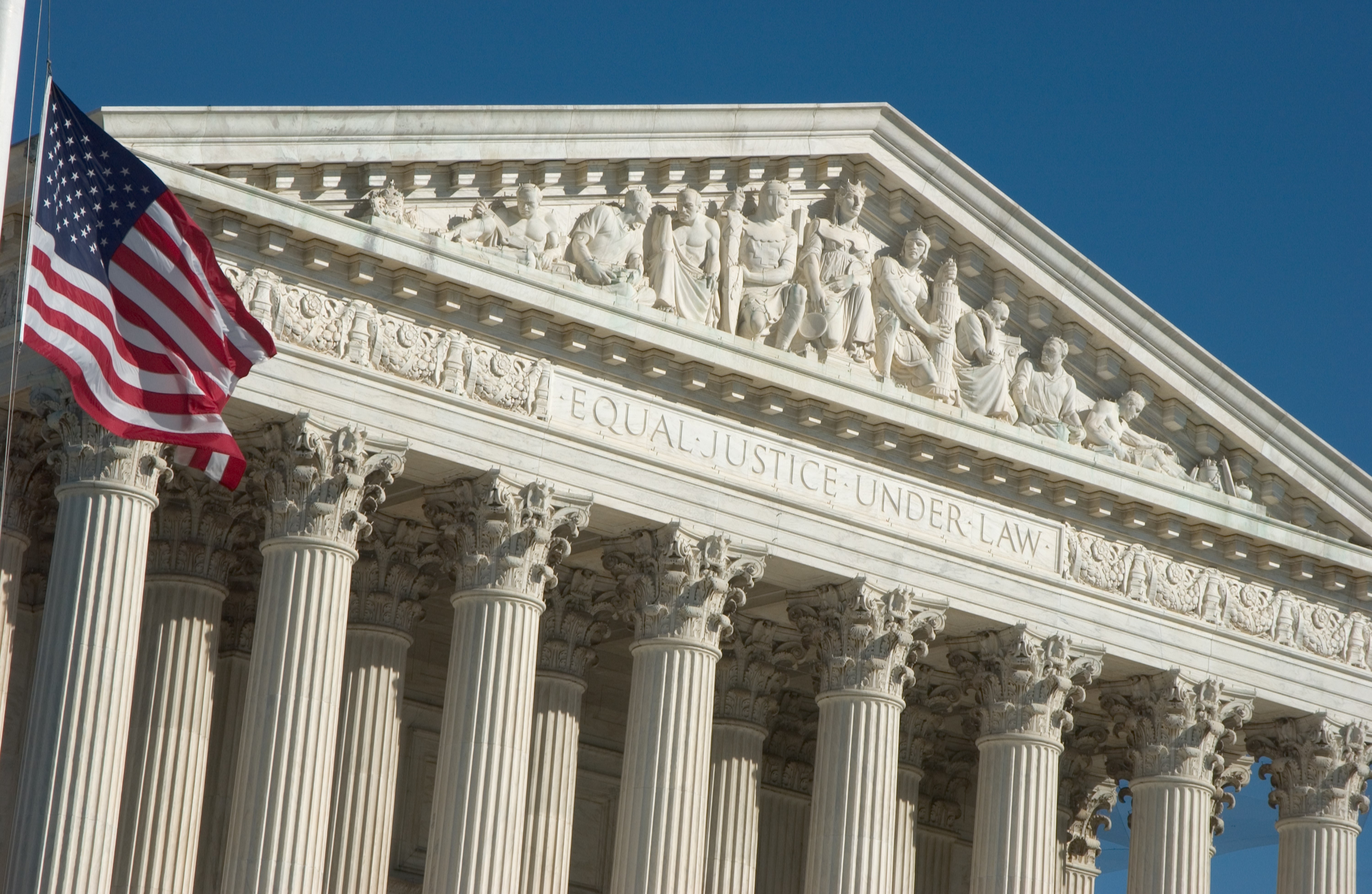
U.S. Supreme Court leans toward Catholic schools in clash over pre-K funding #Catholic A majority of U.S. Supreme Court justices sounded ready to require that Colorado provide Catholic schools government funding for preschool even if the schools refuse to guarantee admission for children of same-sex couples, during oral arguments Tuesday in a case involving a school in the Archdiocese of Denver.The case, St. Mary School v. Roy, centers on a preschool-through-grade-8 Catholic school in Littleton that wants to participate in the state’s universal preschool program.Justice Brett Kavanaugh, a member of the court’s conservative majority, described the case as a clash between the free exercise of religion and the right to same-sex marriage the court found in Obergefell v. Hodges in 2015. But he suggested the clash is unnecessary because parents in Colorado have so many options for prekindergarten, since there are more than 2,000 providers in the state, while the Archdiocese of Denver has only 34 schools that provide the service.“Why has this been provoked when there’s an ability for everyone to go to the school, a good school, that’s a fit for them, and to respect religious rights?” he asked.Helen Norton, deputy solicitor general for the state of Colorado, said parents often choose prekindergarten programs based on their location and their hours rather than their curriculum.“Colorado has an interest in ensuring that its public funds go to schools that ensure equal opportunity — not some opportunity, that ensure equal opportunity to public-funded options, regardless of protected-class status,” Norton said, replying to Kavanaugh’s question. “Families are harmed when they’re turned away from the publicly funded school that makes their lives work because of their protected-class status.”‘Creating a Catholic community’In 2020, Colorado voters approved a state-funded universal prekindergarten program, using increases in tobacco-related taxes to pay for it. The state government is planning to spend about $360 million for the program during the 2026-2027 school year. The state pays preschool providers about $6,100 per year for 15 hours a week of instruction for 4-year-olds during the 2026-2027 school year, according to state standards.Catholic schools want to participate in the program, but the Archdiocese of Denver objects to a state mandate concerning admissions.A Colorado state statute requires that preschools participating in the funding program provide children “an equal opportunity to enroll and receive preschool services” regardless of eight protected classes — including “sexual orientation” and “gender identity” — “as such characteristics and circumstances apply to the child or the child’s family.”A lawyer for the Catholic schools told justices Tuesday that Church and school officials want to make admissions decisions on a case-by-case basis in alignment with Catholic teachings instead of simply allowing all comers because of a state mandate.“I think it’s their thoughtful attempt to say, ‘We’re creating a Catholic community,’” said Nicholas Reaves, senior counsel for the Becket law group, which is representing the Catholic schools.Reaves got hostile questions from the court’s three liberals (Sonia Sotomayor, Elena Kagan, and Ketanji Brown Jackson) and either friendly or neutral questions from the court’s five conservatives (Clarence Thomas, Samuel Alito, Brett Kavanaugh, Neil Gorsuch, and Amy Coney Barrett), which suggests how the decision might ultimately go. (The chief justice, John Roberts, often seen as a swing vote, mostly moderated the discussion.)Sarah Harris, principal deputy solicitor general in the Trump administration, also argued on the Catholic schools’ side during oral presentations Tuesday.Many optionsThe history of Catholic schools in the 19th century came up during oral arguments, including their origin in concerns among Catholic clerics and parents that government-run public schools were providing a Protestant point of view to the exclusion of Catholicism. Kavanaugh, a Catholic, at one point asked the lawyer for the state of Colorado about a moment in the trial record when the administrator of the state’s universal prekindergarten program was asked about Catholic history.“The director of the program, by all accounts a dutiful public servant, … was asked at the trial, ‘Are you aware that Catholics have historically been discriminated against?’ And she answered, ‘No,’” Kavanaugh said. “I was surprised by that answer and curious if that’s Colorado’s position.”“Not at all, Your Honor,” Norton replied. “And it’s Colorado’s position that the equal-opportunity requirements help religious families. They ensure that Catholic families are not turned away from the UPK [universal prekindergarten] school that best meets their needs because of their faith or because of any other protected characteristic. And a history of discrimination against Catholics is among the reasons that requirement is so important.”Some legal observers have suggested that a majority of the U.S. Supreme Court may use the Colorado case as a vehicle to overturn the Smith decision in 1990, which, although written by the late conservative Justice Antonin Scalia, is disliked by many religious-liberty advocates who argue it doesn’t respect free-exercise rights enough.Yet the lawyer representing the Catholic schools on Tuesday offered narrower grounds for the justices to overturn Colorado’s admissions requirements, noting that for every Catholic preschool program in the Archdiocese of Denver, there are two universal prekindergarten programs already in the state’s program within three miles of it.Said Reaves: “This is just not really a problem in real life.”This story was first published by the National Catholic Register, the sister partner of EWTN News, and has been adapted by EWTN News.

U.S. Supreme Court leans toward Catholic schools in clash over pre-K funding #Catholic A majority of U.S. Supreme Court justices sounded ready to require that Colorado provide Catholic schools government funding for preschool even if the schools refuse to guarantee admission for children of same-sex couples, during oral arguments Tuesday in a case involving a school in the Archdiocese of Denver.The case, St. Mary School v. Roy, centers on a preschool-through-grade-8 Catholic school in Littleton that wants to participate in the state’s universal preschool program.Justice Brett Kavanaugh, a member of the court’s conservative majority, described the case as a clash between the free exercise of religion and the right to same-sex marriage the court found in Obergefell v. Hodges in 2015. But he suggested the clash is unnecessary because parents in Colorado have so many options for prekindergarten, since there are more than 2,000 providers in the state, while the Archdiocese of Denver has only 34 schools that provide the service.“Why has this been provoked when there’s an ability for everyone to go to the school, a good school, that’s a fit for them, and to respect religious rights?” he asked.Helen Norton, deputy solicitor general for the state of Colorado, said parents often choose prekindergarten programs based on their location and their hours rather than their curriculum.“Colorado has an interest in ensuring that its public funds go to schools that ensure equal opportunity — not some opportunity, that ensure equal opportunity to public-funded options, regardless of protected-class status,” Norton said, replying to Kavanaugh’s question. “Families are harmed when they’re turned away from the publicly funded school that makes their lives work because of their protected-class status.”‘Creating a Catholic community’In 2020, Colorado voters approved a state-funded universal prekindergarten program, using increases in tobacco-related taxes to pay for it. The state government is planning to spend about $360 million for the program during the 2026-2027 school year. The state pays preschool providers about $6,100 per year for 15 hours a week of instruction for 4-year-olds during the 2026-2027 school year, according to state standards.Catholic schools want to participate in the program, but the Archdiocese of Denver objects to a state mandate concerning admissions.A Colorado state statute requires that preschools participating in the funding program provide children “an equal opportunity to enroll and receive preschool services” regardless of eight protected classes — including “sexual orientation” and “gender identity” — “as such characteristics and circumstances apply to the child or the child’s family.”A lawyer for the Catholic schools told justices Tuesday that Church and school officials want to make admissions decisions on a case-by-case basis in alignment with Catholic teachings instead of simply allowing all comers because of a state mandate.“I think it’s their thoughtful attempt to say, ‘We’re creating a Catholic community,’” said Nicholas Reaves, senior counsel for the Becket law group, which is representing the Catholic schools.Reaves got hostile questions from the court’s three liberals (Sonia Sotomayor, Elena Kagan, and Ketanji Brown Jackson) and either friendly or neutral questions from the court’s five conservatives (Clarence Thomas, Samuel Alito, Brett Kavanaugh, Neil Gorsuch, and Amy Coney Barrett), which suggests how the decision might ultimately go. (The chief justice, John Roberts, often seen as a swing vote, mostly moderated the discussion.)Sarah Harris, principal deputy solicitor general in the Trump administration, also argued on the Catholic schools’ side during oral presentations Tuesday.Many optionsThe history of Catholic schools in the 19th century came up during oral arguments, including their origin in concerns among Catholic clerics and parents that government-run public schools were providing a Protestant point of view to the exclusion of Catholicism. Kavanaugh, a Catholic, at one point asked the lawyer for the state of Colorado about a moment in the trial record when the administrator of the state’s universal prekindergarten program was asked about Catholic history.“The director of the program, by all accounts a dutiful public servant, … was asked at the trial, ‘Are you aware that Catholics have historically been discriminated against?’ And she answered, ‘No,’” Kavanaugh said. “I was surprised by that answer and curious if that’s Colorado’s position.”“Not at all, Your Honor,” Norton replied. “And it’s Colorado’s position that the equal-opportunity requirements help religious families. They ensure that Catholic families are not turned away from the UPK [universal prekindergarten] school that best meets their needs because of their faith or because of any other protected characteristic. And a history of discrimination against Catholics is among the reasons that requirement is so important.”Some legal observers have suggested that a majority of the U.S. Supreme Court may use the Colorado case as a vehicle to overturn the Smith decision in 1990, which, although written by the late conservative Justice Antonin Scalia, is disliked by many religious-liberty advocates who argue it doesn’t respect free-exercise rights enough.Yet the lawyer representing the Catholic schools on Tuesday offered narrower grounds for the justices to overturn Colorado’s admissions requirements, noting that for every Catholic preschool program in the Archdiocese of Denver, there are two universal prekindergarten programs already in the state’s program within three miles of it.Said Reaves: “This is just not really a problem in real life.”This story was first published by the National Catholic Register, the sister partner of EWTN News, and has been adapted by EWTN News.

A Colorado case pits sexual orientation and gender-identity protections against religious standards for school admissions.
Read More