![New White House press secretary describes ‘miracle’ when her mother chose adoption over abortion #Catholic Newly appointed White House press secretary and pro-life advocate Katie Zacharia, whose appointment President Donald Trump announced Oct. 9, has shared that her biological mother chose life over abortion in the final moments before a scheduled procedure, calling it a “miracle.”Last year Zacharia, now herself a mother of four and an attorney, described in an interview with “We The People with Gates Garcia” how the precise circumstances of her birth became the foundation of her pro-life convictions.She told Garcia that she was “approximately 20, 30 minutes away from being aborted” when her mother, Ruth, changed her mind.Ruth, whom Zacharia described as having a “tough background of sexual abuse,” was about to head to her abortion appointment when the biological father called, pushing the abortion. Ruth was about to walk out the door to head to the clinic when the phone rang again. Ruth walked back to the phone to answer it, and the Christian counselor who’d called urged her to “consider an open adoption rather than an abortion, so you have an opportunity to know who this child could be and give this child an opportunity to live.”The counselor told her she did not understand “how painful” abortion would be for her, because along with “the loss of [her] baby,” there would be “ensuing psychological, physical … trauma.”Zacharia said her mother decided not to go through with the abortion “to the anger and dismay of her family,” which allowed Zacharia to be adopted as a newborn. She later met her biological mother at age 18, who told her the story. She said that “seconds of a phone call … saved my life,” calling her story “a miracle” that explains why the issue is “so near and dear” to her.Zacharia, who while in law school at Pepperdine University served as president of the university’s Christian Legal Society chapter, has also served on the board of advisers for the White Rose Resistance, a group founded by Seth Gruber that advocates for legal protection for the unborn.Zacharia has been a frequent commentator on Fox News, Newsmax, and other outlets. She also previously worked as general counsel for Fix California, a conservative nonprofit.In February, she became deputy assistant secretary for public affairs at the Department of Homeland Security under then-Secretary Kristi Noem. She resigned after roughly a month, citing the strain on her family of commuting between California, her home, and Washington, D.C. In June, she joined Trump Media & Technology Group/Truth Social as a senior communications adviser.Zacharia succeeds Karoline Leavitt, who in an interview with Sean Hannity last month explained that she left the position to spend more time with her growing family. Trump said Zacharia would begin her new role on Oct. 12 and hold an introductory news conference on Wednesday, Oct. 14, at 9:30 a.m. ET in the White House press briefing room.](https://unitedyam.com/wp-content/uploads/2026/10/new-white-house-press-secretary-describes-miracle-when-her-mother-chose-adoption-over-abortion-catholic-newly-appointed-white-house-press-secretary-and-pro-life-advocate-katie-zacha.jpg "New White House press secretary describes ‘miracle’ when her mother chose adoption over abortion #Catholic Newly appointed White House press secretary and pro-life advocate Katie Zacharia, whose appointment President Donald Trump announced Oct. 9, has shared that her biological mother chose life over abortion in the final moments before a scheduled procedure, calling it a “miracle.”Last year Zacharia, now herself a mother of four and an attorney, described in an interview with “We The People with Gates Garcia” how the precise circumstances of her birth became the foundation of her pro-life convictions.She told Garcia that she was “approximately 20, 30 minutes away from being aborted” when her mother, Ruth, changed her mind.Ruth, whom Zacharia described as having a “tough background of sexual abuse,” was about to head to her abortion appointment when the biological father called, pushing the abortion. Ruth was about to walk out the door to head to the clinic when the phone rang again. Ruth walked back to the phone to answer it, and the Christian counselor who’d called urged her to “consider an open adoption rather than an abortion, so you have an opportunity to know who this child could be and give this child an opportunity to live.”The counselor told her she did not understand “how painful” abortion would be for her, because along with “the loss of [her] baby,” there would be “ensuing psychological, physical … trauma.”Zacharia said her mother decided not to go through with the abortion “to the anger and dismay of her family,” which allowed Zacharia to be adopted as a newborn. She later met her biological mother at age 18, who told her the story. She said that “seconds of a phone call … saved my life,” calling her story “a miracle” that explains why the issue is “so near and dear” to her.Zacharia, who while in law school at Pepperdine University served as president of the university’s Christian Legal Society chapter, has also served on the board of advisers for the White Rose Resistance, a group founded by Seth Gruber that advocates for legal protection for the unborn.Zacharia has been a frequent commentator on Fox News, Newsmax, and other outlets. She also previously worked as general counsel for Fix California, a conservative nonprofit.In February, she became deputy assistant secretary for public affairs at the Department of Homeland Security under then-Secretary Kristi Noem. She resigned after roughly a month, citing the strain on her family of commuting between California, her home, and Washington, D.C. In June, she joined Trump Media & Technology Group/Truth Social as a senior communications adviser.Zacharia succeeds Karoline Leavitt, who in an interview with Sean Hannity last month explained that she left the position to spend more time with her growing family. Trump said Zacharia would begin her new role on Oct. 12 and hold an introductory news conference on Wednesday, Oct. 14, at 9:30 a.m. ET in the White House press briefing room.")

She said that she was “approximately 20, 30 minutes away from being aborted” when her mother changed her mind.
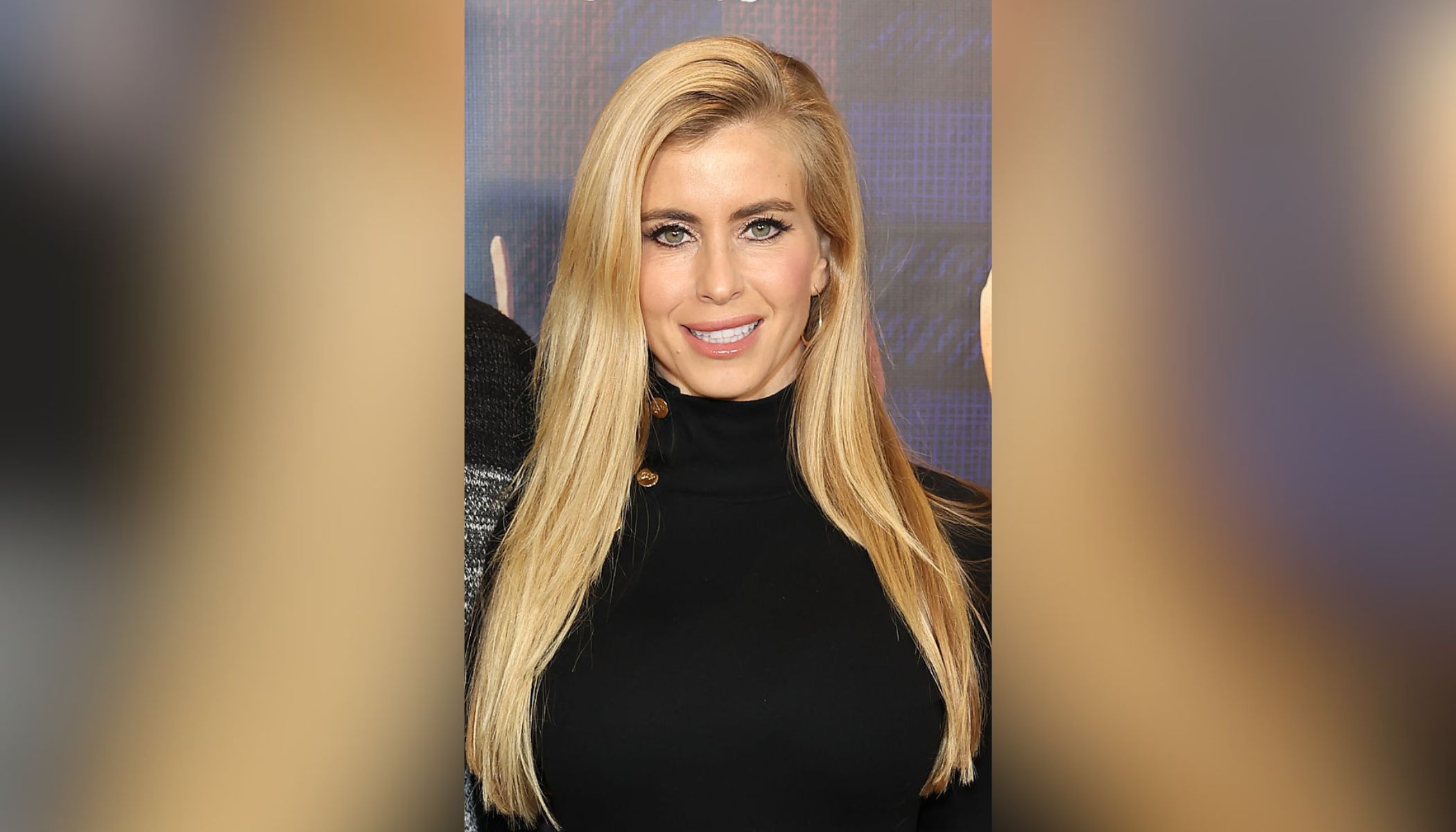
She said that she was “approximately 20, 30 minutes away from being aborted” when her mother changed her mind.
Noah McKay said the Catholic Church’s evidence in favor of vindicatory miracles helped lead him to the Church.
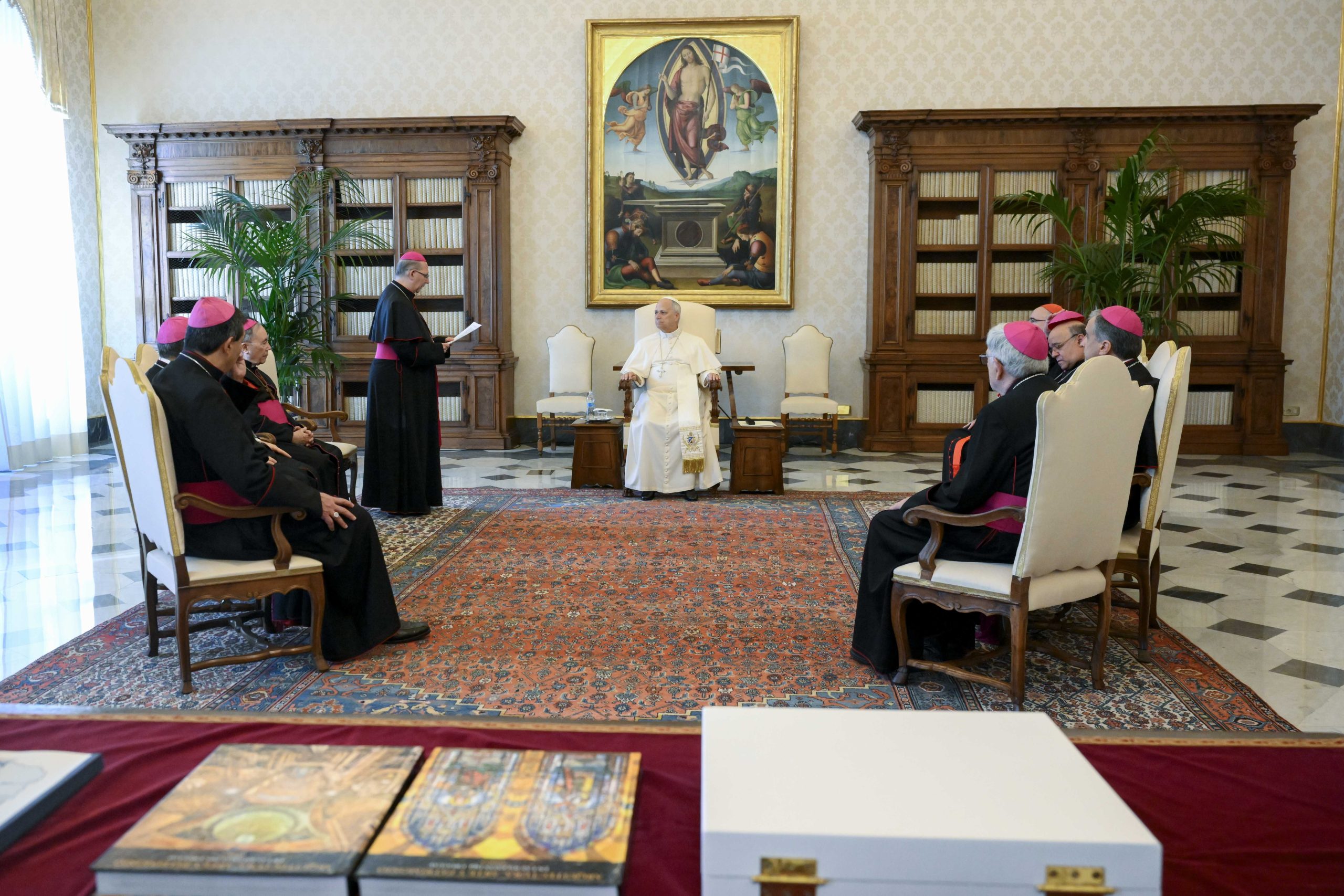
Although church attendance is low and the society is quite s quite secularized, the president of Uruguay’s bishops’ conference believes Pope Leo’s visit will give a boost to the country’s spiritual renewal.
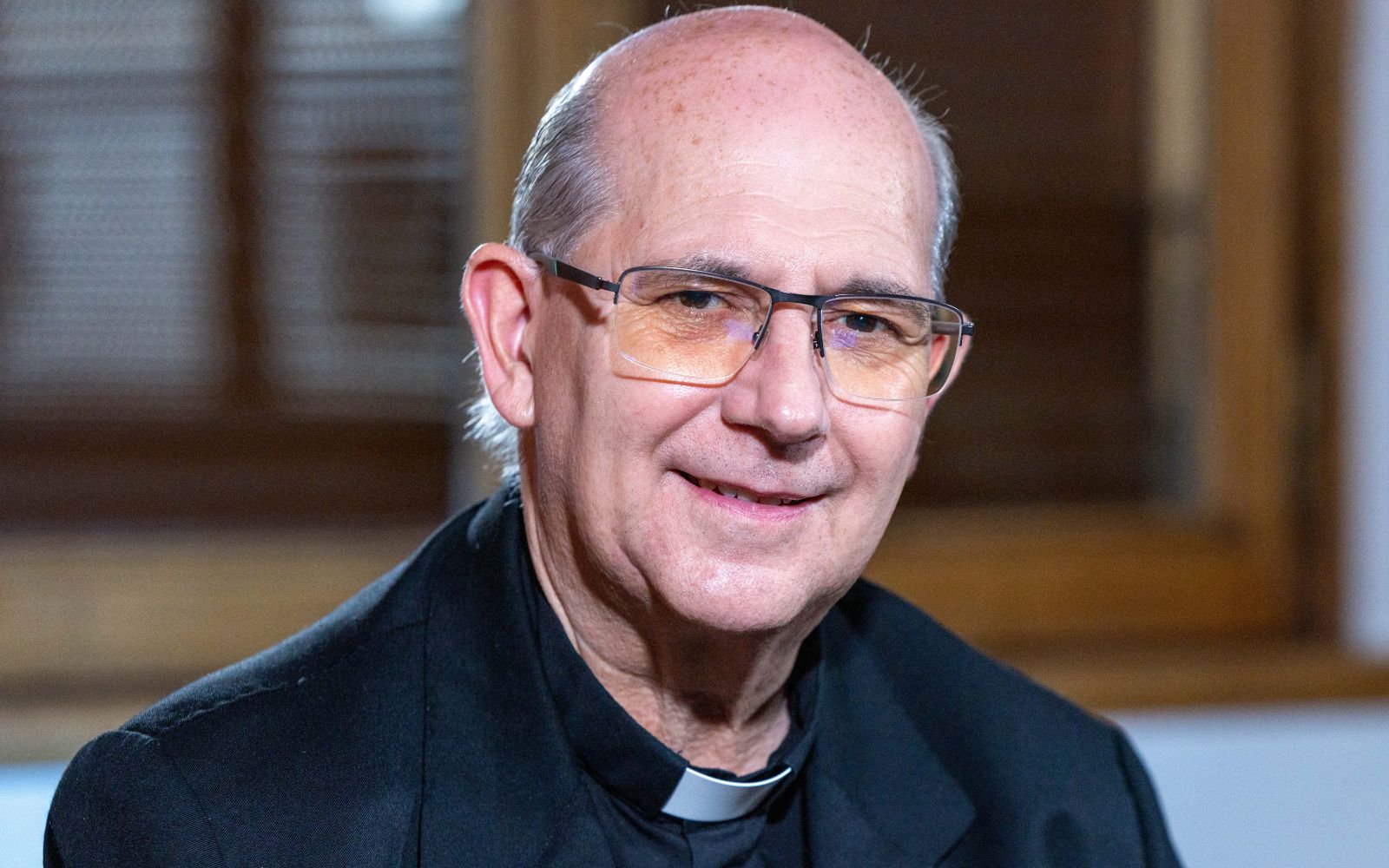
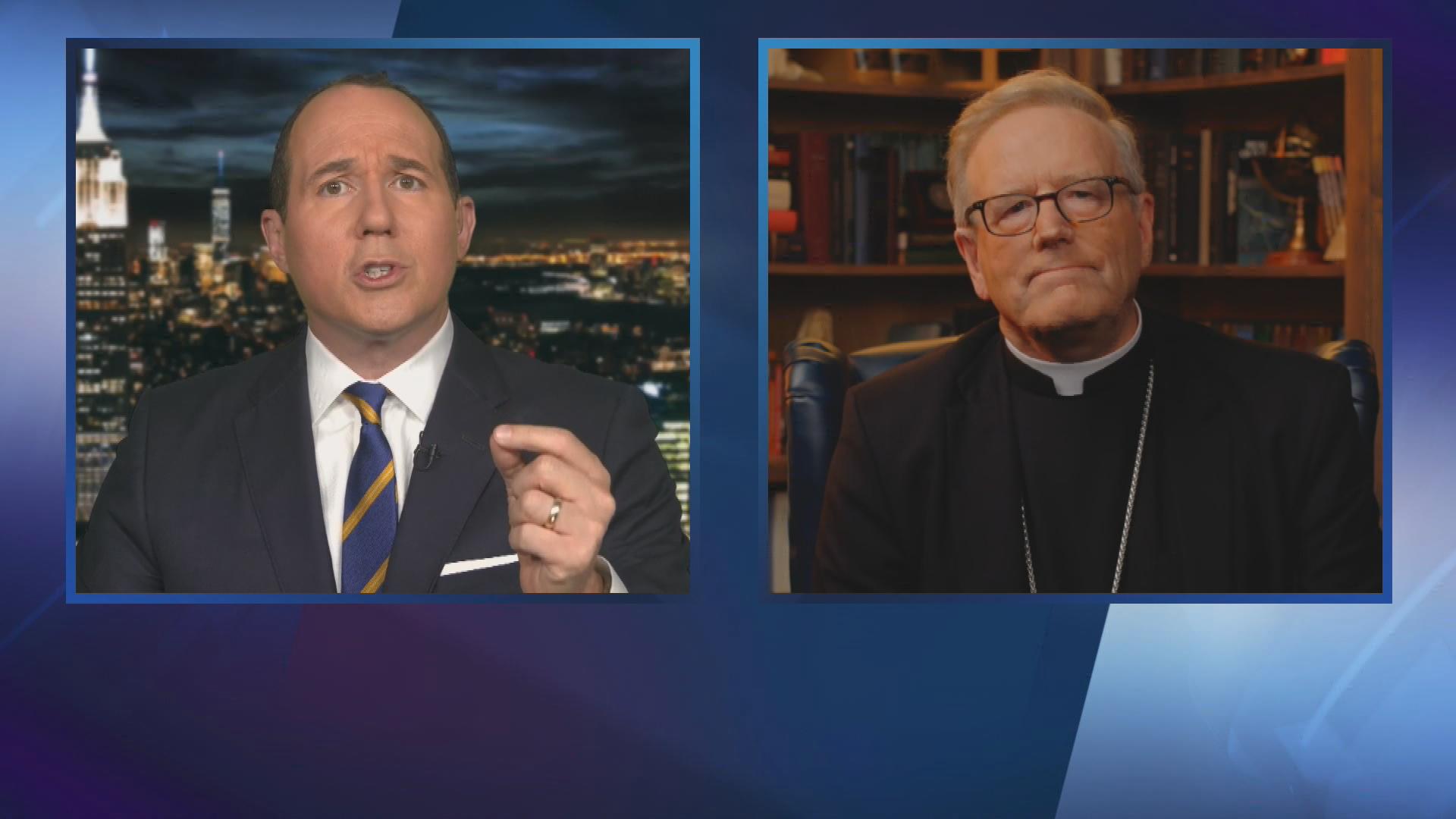
The Word on Fire founder clarifies the call to evangelize, defends his nonpartisan advisory role on religious liberty, and warns of resurgent communism.
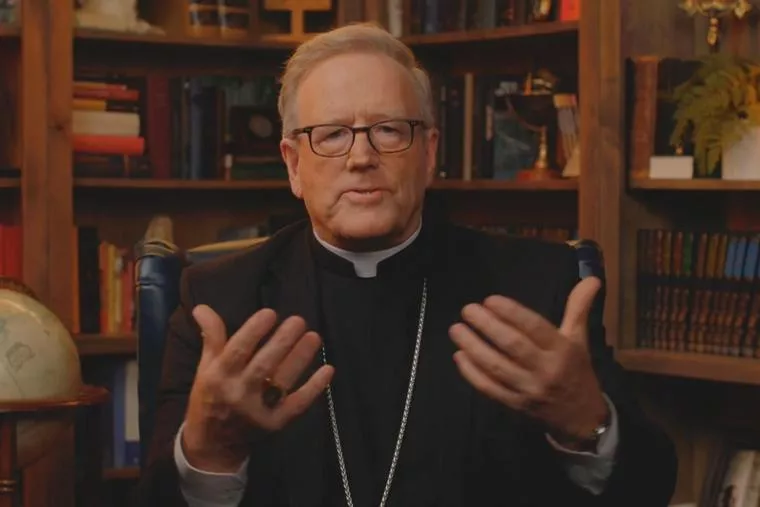

Chad Pecknold, a longtime professor at The Catholic University of America, has begun working for the government agency that oversees immigration enforcement.

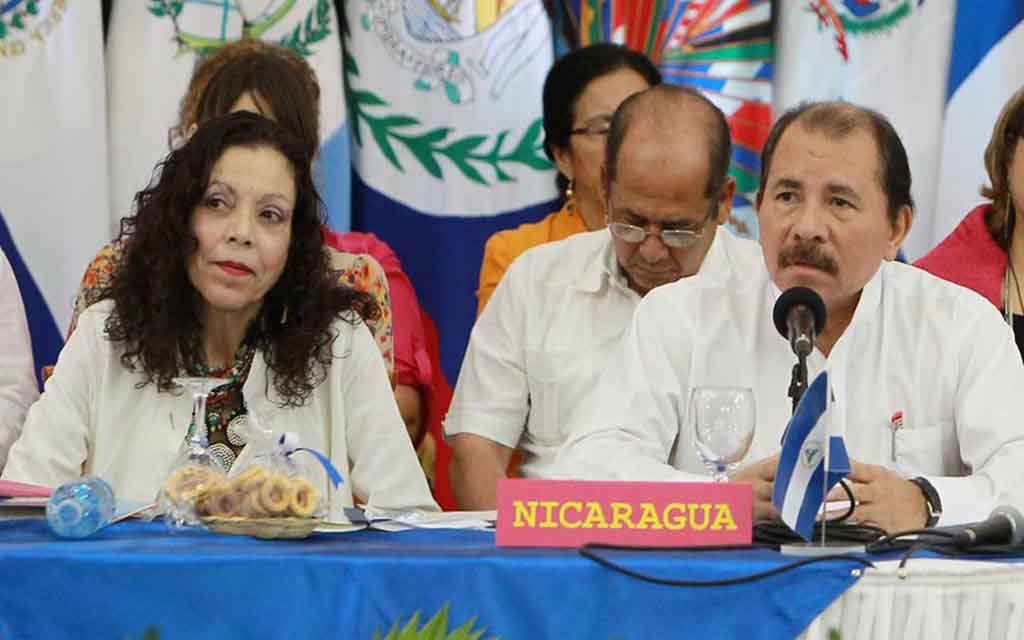
![Human rights group calls Nicaragua’s constitutional reforms a ‘usurpation of power’ #Catholic Nicaragua’s National Assembly, controlled by the dictatorship of President Daniel Ortega and his wife and co-president, Rosario Murillo, “unanimously” approved a constitutional reform barring “traitors to the homeland” (the term the regime uses for its political opposition) from participating in elections. The measure has sparked widespread domestic and international condemnation.The reform was “unanimously approved in general terms,” Assembly President Gustavo Porras stated on Sept. 1 during a special session held in the city of León, according to the Nicaraguan newspaper La Prensa.The reform amends the constitution, which extends the presidential term, as well as those of other high-ranking officials, from six to seven years, with the possibility of renewal.Ortega has governed Nicaragua for about 30 years: since 2007, and previously, from 1979 to 1990. On July 19, he stated that there would be no further elections in Nicaragua, and on July 31, he proposed the reform — set to take effect in 2027 — that excludes “coup plotters” and “terrorists,”, terms he uses to refer to the political opposition, from participating in elections.Reforms are a ‘formalization of the usurpation of power’Ruta del Cambio (Pathway for Change), an organization which defends human rights and the rule of law, declared in a Sept. 2 statement that it “categorically rejects and and gives no legal recognition to the partial reform to the Political Constitution [of the Republic of Nicaragua] approved during the first legislative session on Sept. 1, 2026, by a National Assembly stripped of all independence and reduced to a mere rubber stamp for the will of Daniel Ortega and Rosario Murillo.”Ruta del Cambio counts among its leaders Félix Maradiaga, a former presidential candidate and former political prisoner now living in exile.“What has been approved is not a constitutional reform. It is the formalization of the usurpation of power through a text drafted in secret, approved without opposition, and voted for with unanimous obedience by those who owe their positions, privileges, and impunity to the couple that has hijacked the state,” Ruta del Cambio charged.“Daniel Ortega and Rosario Murillo have turned the constitution into a family’s title deed. They have transformed the state into personal property, the law into an instrument of vengeance, and the republic’s [law enforcement apparatus] into tools of terror against the very people they swore to serve,” the organization emphasized.Ruta del Cambio called for “rejecting the legal validity of this reform and of any act, mandate, extension, or appointment derived from it, and formally declaring it without force under international law.”Elections ‘without legitimacy’“What we are seeing in Nicaragua right now is a reform attempting to hold elections without competition, without legitimacy, and without any possibility of change. In other words, Ortega controls the judges and the playing field, and seeks to firmly establish his authoritarian model without any competition,” stated Arturo Mcfields Yescas, Nicaragua’s former ambassador to the Organization of American States (OAS), in a Sept. 3 interview with EWTN Noticias, the Spanish-language edition of EWTN News.“This further undermines not only civil and political freedoms but also another fundamental freedom: religious freedom,” he pointed out.McFields explained that when the regime speaks of “traitors to the homeland,” it is referring to those who dissent from its rule. “People who questioned Ortega’s authority immediately became traitors to the homeland,” as did those who “simply thought differently” or called for “international mediation.”“This means,” he charged, “that anyone who does not applaud Ortega becomes a traitor to the homeland.”U.S. reactionOn Wednesday, U.S. Secretary of State Marco Rubio stated on X that “the Murillo-Ortega’s National Assembly gutted what remained of Nicaragua’s democracy in the second constitutional rewrite in two years. The U.S. will implement measures at the next @OAS_official [meeting of foreign ministers] to ensure that our hemisphere stops business as usual with this dictatorship.”Regarding the United States’ call for countries to sever diplomatic and commercial ties with Nicaragua, McFields called it “an extraordinary start.” “For the first time, Ortega is facing pressure of this nature. For the first time, the OAS has approved a resolution on Nicaragua almost unanimously,” by convening a meeting of foreign ministers to address the situation, McFields said.Likewise, neighboring Costa Rica expressed its “deep concern regarding the ongoing deterioration of democracy in Nicaragua, exacerbated by the recent constitutional reform that further limits political and electoral participation,” and stated that it “will support a firm and coordinated response” with the OAS.The government of Peru, led by President Keiko Fujimori, also rejected the approval of the constitutional reform. In a Sept. 2 statement, it declared that it “will stand with the Nicaraguan people, their political prisoners, their exiles, and all those who are currently persecuted for dreaming of free elections.”Persecution of the Catholic Church in NicaraguaMcFields questioned the stance of countries like Brazil and Mexico, which did not support the resolution against Nicaragua, stating that “it’s surprising, painful, and something that ought to change. There should be empathy for the suffering of the Nicaraguan people, for persecuted politicians, for priests who have been imprisoned, exiled, or banished, and for the churches that have, at times, been burned down. It is truly grotesque, yet ideology seems to be prevailing over democracy.”Since 2018, the Ortega-Murillo dictatorship has waged a fierce campaign of persecution against the Catholic Church in Nicaragua. Its latest known victim is the bishop emeritus of Estelí, Abelardo Mata (80), who suffers from diabetes, a heart condition, and vision problems. His condition remains uncertain, despite the regime’s claim that he is at home. In mid-August, the regime released a video of an interview with the prelate, who recently celebrated his 50th anniversary as a priest, without specifying when the footage was recorded.This story was first published by ACI Prensa, the Spanish-language sister service of EWTN News. It has been translated and adapted by EWTN News English.](https://unitedyam.com/wp-content/uploads/2026/09/human-rights-group-calls-nicaraguas-constitutional-reforms-a-usurpation-of-power-catholic-nicaraguas-national-assembly-controlled-by-the-dictatorship-of-president.jpg "Human rights group calls Nicaragua’s constitutional reforms a ‘usurpation of power’ #Catholic Nicaragua’s National Assembly, controlled by the dictatorship of President Daniel Ortega and his wife and co-president, Rosario Murillo, “unanimously” approved a constitutional reform barring “traitors to the homeland” (the term the regime uses for its political opposition) from participating in elections. The measure has sparked widespread domestic and international condemnation.The reform was “unanimously approved in general terms,” Assembly President Gustavo Porras stated on Sept. 1 during a special session held in the city of León, according to the Nicaraguan newspaper La Prensa.The reform amends the constitution, which extends the presidential term, as well as those of other high-ranking officials, from six to seven years, with the possibility of renewal.Ortega has governed Nicaragua for about 30 years: since 2007, and previously, from 1979 to 1990. On July 19, he stated that there would be no further elections in Nicaragua, and on July 31, he proposed the reform — set to take effect in 2027 — that excludes “coup plotters” and “terrorists,”, terms he uses to refer to the political opposition, from participating in elections.Reforms are a ‘formalization of the usurpation of power’Ruta del Cambio (Pathway for Change), an organization which defends human rights and the rule of law, declared in a Sept. 2 statement that it “categorically rejects and and gives no legal recognition to the partial reform to the Political Constitution [of the Republic of Nicaragua] approved during the first legislative session on Sept. 1, 2026, by a National Assembly stripped of all independence and reduced to a mere rubber stamp for the will of Daniel Ortega and Rosario Murillo.”Ruta del Cambio counts among its leaders Félix Maradiaga, a former presidential candidate and former political prisoner now living in exile.“What has been approved is not a constitutional reform. It is the formalization of the usurpation of power through a text drafted in secret, approved without opposition, and voted for with unanimous obedience by those who owe their positions, privileges, and impunity to the couple that has hijacked the state,” Ruta del Cambio charged.“Daniel Ortega and Rosario Murillo have turned the constitution into a family’s title deed. They have transformed the state into personal property, the law into an instrument of vengeance, and the republic’s [law enforcement apparatus] into tools of terror against the very people they swore to serve,” the organization emphasized.Ruta del Cambio called for “rejecting the legal validity of this reform and of any act, mandate, extension, or appointment derived from it, and formally declaring it without force under international law.”Elections ‘without legitimacy’“What we are seeing in Nicaragua right now is a reform attempting to hold elections without competition, without legitimacy, and without any possibility of change. In other words, Ortega controls the judges and the playing field, and seeks to firmly establish his authoritarian model without any competition,” stated Arturo Mcfields Yescas, Nicaragua’s former ambassador to the Organization of American States (OAS), in a Sept. 3 interview with EWTN Noticias, the Spanish-language edition of EWTN News.“This further undermines not only civil and political freedoms but also another fundamental freedom: religious freedom,” he pointed out.McFields explained that when the regime speaks of “traitors to the homeland,” it is referring to those who dissent from its rule. “People who questioned Ortega’s authority immediately became traitors to the homeland,” as did those who “simply thought differently” or called for “international mediation.”“This means,” he charged, “that anyone who does not applaud Ortega becomes a traitor to the homeland.”U.S. reactionOn Wednesday, U.S. Secretary of State Marco Rubio stated on X that “the Murillo-Ortega’s National Assembly gutted what remained of Nicaragua’s democracy in the second constitutional rewrite in two years. The U.S. will implement measures at the next @OAS_official [meeting of foreign ministers] to ensure that our hemisphere stops business as usual with this dictatorship.”Regarding the United States’ call for countries to sever diplomatic and commercial ties with Nicaragua, McFields called it “an extraordinary start.” “For the first time, Ortega is facing pressure of this nature. For the first time, the OAS has approved a resolution on Nicaragua almost unanimously,” by convening a meeting of foreign ministers to address the situation, McFields said.Likewise, neighboring Costa Rica expressed its “deep concern regarding the ongoing deterioration of democracy in Nicaragua, exacerbated by the recent constitutional reform that further limits political and electoral participation,” and stated that it “will support a firm and coordinated response” with the OAS.The government of Peru, led by President Keiko Fujimori, also rejected the approval of the constitutional reform. In a Sept. 2 statement, it declared that it “will stand with the Nicaraguan people, their political prisoners, their exiles, and all those who are currently persecuted for dreaming of free elections.”Persecution of the Catholic Church in NicaraguaMcFields questioned the stance of countries like Brazil and Mexico, which did not support the resolution against Nicaragua, stating that “it’s surprising, painful, and something that ought to change. There should be empathy for the suffering of the Nicaraguan people, for persecuted politicians, for priests who have been imprisoned, exiled, or banished, and for the churches that have, at times, been burned down. It is truly grotesque, yet ideology seems to be prevailing over democracy.”Since 2018, the Ortega-Murillo dictatorship has waged a fierce campaign of persecution against the Catholic Church in Nicaragua. Its latest known victim is the bishop emeritus of Estelí, Abelardo Mata (80), who suffers from diabetes, a heart condition, and vision problems. His condition remains uncertain, despite the regime’s claim that he is at home. In mid-August, the regime released a video of an interview with the prelate, who recently celebrated his 50th anniversary as a priest, without specifying when the footage was recorded.This story was first published by ACI Prensa, the Spanish-language sister service of EWTN News. It has been translated and adapted by EWTN News English.")
The Ortega-Murilla regime has approved reforms that bar the opposition from participating in elections, drawing strong opposition from exiled leaders, the United States, Costa Rica and Peru.
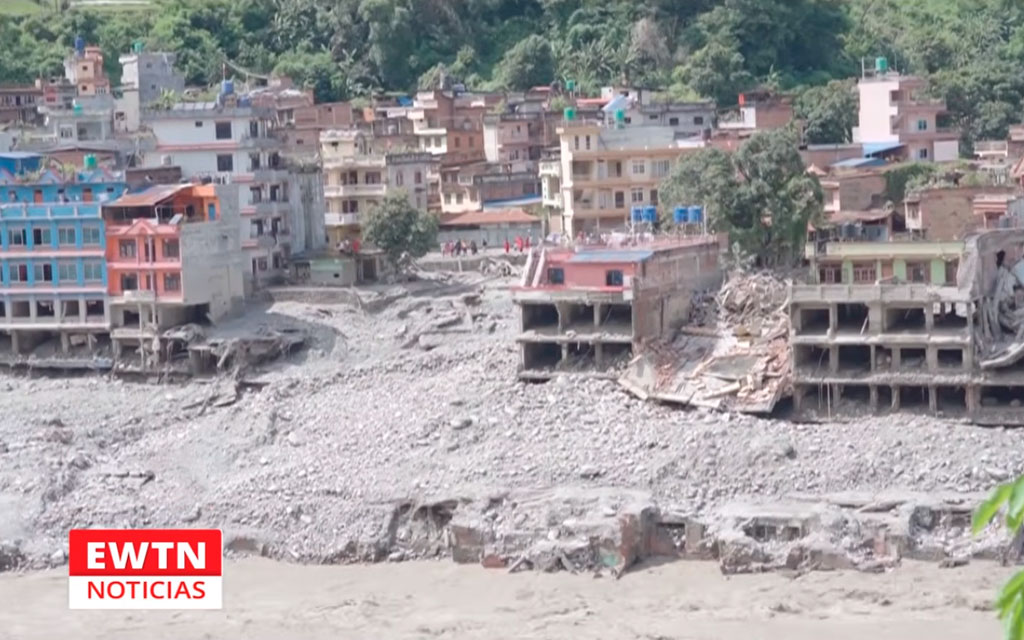
![Church in Nepal helping flood victims find hope, apostolic administrator says #Catholic Father Silas Bogati, apostolic administrator of the apostolic vicariate of Nepal, said the Catholic Church, a small minority of about 10,000 faithful in the Asian nation, is committed to aiding those affected by the recent major flooding.According to authorities, the number of dead from last week’s flood exceeds 1,000, while more than 4,000 people remain missing across both countries, CNN reported.“By being there, providing relief now and, later, contributing to reconstruction, we give hope. Our presence among those who are suffering will give them hope,” the priest said in an interview with the pontifical foundation Aid to the Church in Need (ACN).Bogati explained that in Nepal, “the Catholic Church has 13 parishes and 10,000 Catholics, but it has always worked for the Nepali population irrespective of their religion, and we will continue to do so as they suffer in this hour of need.”Caritas Nepal has set up community kitchens and dispatched food supplies for 300 affected families to last for 15 days. Given the forecast of additional rainfall and the fact that many people are still sleeping outdoors, the organization said there is a need for tarpaulins, blankets, and sleeping mats.After noting that “no Catholic churches or chapels have been destroyed,” the Nepalese priest recalled that “the Holy Father, Pope Leo, was the first to pray and to show his sympathy and closeness to the victims of these flash floods. In the same way, we are receiving prayers and support from the Catholic Church around the world.”Leo XIV has encouraged prayers for those affected and for rescue teams, and has urged the international community to provide aid in a spirit of solidarity.Bogati described the affected area of Rasuwa, located on Nepalʼs border with Tibet. He said an important trade route with Tibet runs through the region, as well as the city of Syabrubesi, “one of the main departure points for tourists traveling toward the Langtang Valley.”One of this concerns is that “members of one of the Catholic communities [who] go down to Syabrubesi to work … may have been swept away by the waters. We do not have any figures yet.”“All these hotels and settlements were swept away. There has been a high death toll in this area, and the river continued downstream, wreaking havoc across five districts. The flood has caused enormous devastation, as a huge mass of water surged downstream, destroying everything in its path. Some communities are still cut off, and search and rescue operations are proving difficult,” he recounted.The apostolic administrator asked for prayers for all the victims and those affected by the tragedy, and expressed gratitude for ACN’s closeness and solidarity.This story was first published by ACI Prensa, the Spanish-language sister service of EWTN News. It has been translated and adapted by EWTN News English.](https://unitedyam.com/wp-content/uploads/2026/09/church-in-nepal-helping-flood-victims-find-hope-apostolic-administrator-says-catholic-father-silas-bogati-apostolic-administrator-of-the-apostolic-vicariate-of-nepal-said-the-catholic-church-a-sm.jpg "Church in Nepal helping flood victims find hope, apostolic administrator says #Catholic Father Silas Bogati, apostolic administrator of the apostolic vicariate of Nepal, said the Catholic Church, a small minority of about 10,000 faithful in the Asian nation, is committed to aiding those affected by the recent major flooding.According to authorities, the number of dead from last week’s flood exceeds 1,000, while more than 4,000 people remain missing across both countries, CNN reported.“By being there, providing relief now and, later, contributing to reconstruction, we give hope. Our presence among those who are suffering will give them hope,” the priest said in an interview with the pontifical foundation Aid to the Church in Need (ACN).Bogati explained that in Nepal, “the Catholic Church has 13 parishes and 10,000 Catholics, but it has always worked for the Nepali population irrespective of their religion, and we will continue to do so as they suffer in this hour of need.”Caritas Nepal has set up community kitchens and dispatched food supplies for 300 affected families to last for 15 days. Given the forecast of additional rainfall and the fact that many people are still sleeping outdoors, the organization said there is a need for tarpaulins, blankets, and sleeping mats.After noting that “no Catholic churches or chapels have been destroyed,” the Nepalese priest recalled that “the Holy Father, Pope Leo, was the first to pray and to show his sympathy and closeness to the victims of these flash floods. In the same way, we are receiving prayers and support from the Catholic Church around the world.”Leo XIV has encouraged prayers for those affected and for rescue teams, and has urged the international community to provide aid in a spirit of solidarity.Bogati described the affected area of Rasuwa, located on Nepalʼs border with Tibet. He said an important trade route with Tibet runs through the region, as well as the city of Syabrubesi, “one of the main departure points for tourists traveling toward the Langtang Valley.”One of this concerns is that “members of one of the Catholic communities [who] go down to Syabrubesi to work … may have been swept away by the waters. We do not have any figures yet.”“All these hotels and settlements were swept away. There has been a high death toll in this area, and the river continued downstream, wreaking havoc across five districts. The flood has caused enormous devastation, as a huge mass of water surged downstream, destroying everything in its path. Some communities are still cut off, and search and rescue operations are proving difficult,” he recounted.The apostolic administrator asked for prayers for all the victims and those affected by the tragedy, and expressed gratitude for ACN’s closeness and solidarity.This story was first published by ACI Prensa, the Spanish-language sister service of EWTN News. It has been translated and adapted by EWTN News English.")
Although a small minority in Nepal, the Catholic Church through Caritas is providing what aid it can to help to those affected by the major flooding.
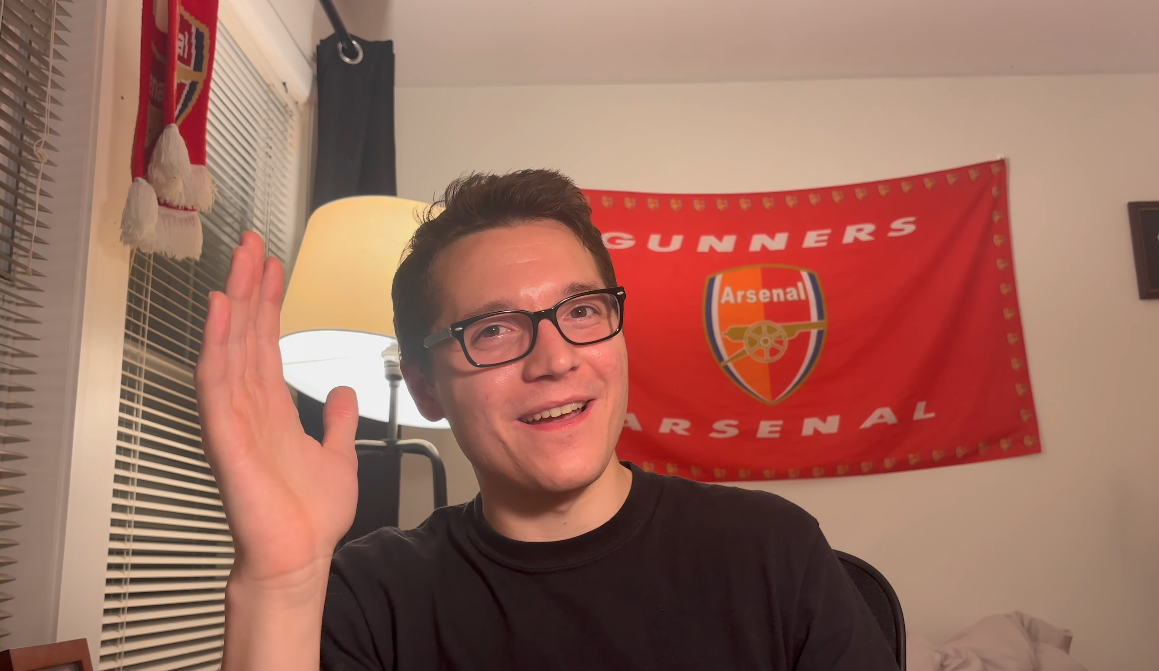
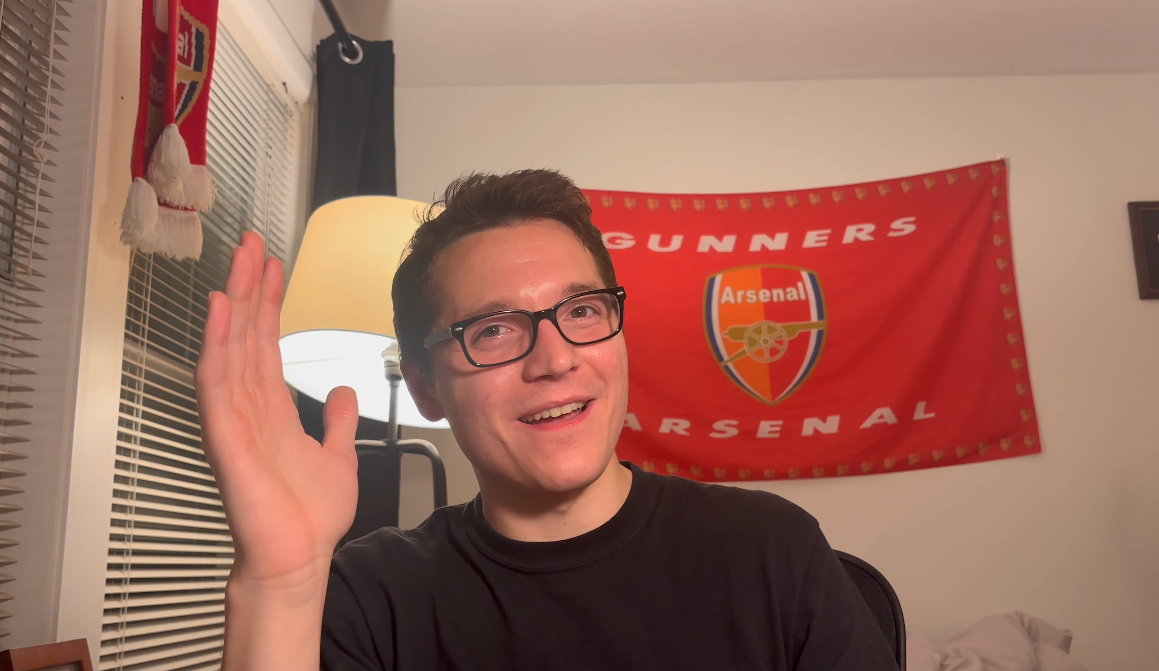
Joe Schmid ran a highly popular agnostic YouTube channel for years, but “a gift of God’s grace” has led him back to the faith.
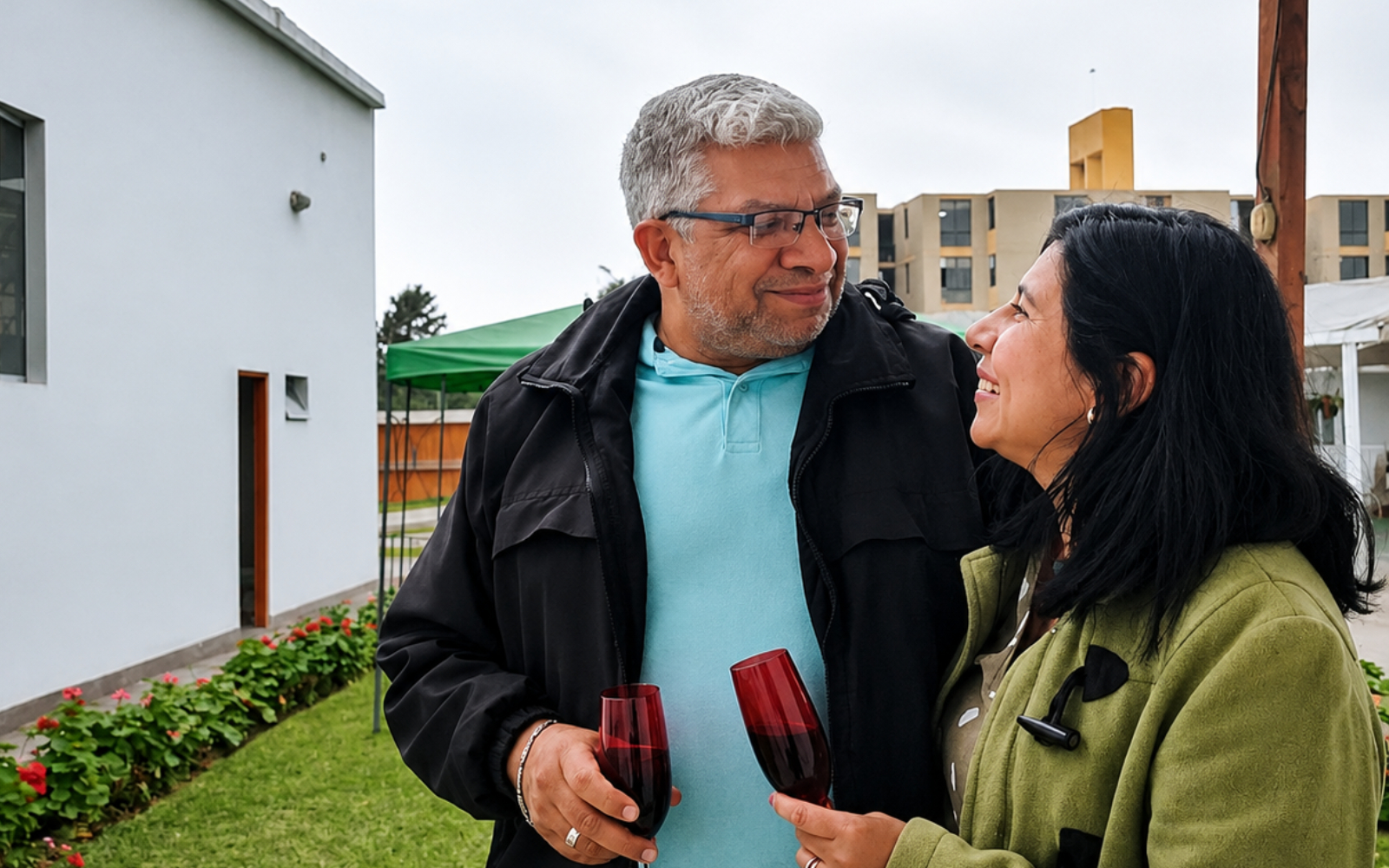
![Hope for broken marriages: One couple’s story #Catholic On April 7, 2009, Mariela Villanueva landed in Venezuela convinced that she was going to end her marriage. Five years had passed since her husband, Harold Figueras, had left his family in Peru and rebuilt his life in another country. She carried with her the pain of a long separation and the resolve to sign the divorce papers. He had with him a written list of all the grievances he intended to unleash the moment he saw her.Nothing happened the way either of them had imagined.They arranged to meet on a Wednesday at 3 p.m., the Hour of Mercy, at the very spot where they had courted years before. When Mariela appeared, Harold frantically searched for the sheet of paper containing his complaints. It had vanished.“I was expecting a war. She opened her arms to embrace me, and I realized that I was the only one who wanted to fight,” Harold recalled in an interview with ACI Prensa, the Spanish-language sister service of EWTN News. Mariela said she made that gesture because she had already begun a process of conversion and was holding onto one last hope.That embrace did not immediately restore the marriage, however. It would still be nearly a month before he ended the other relationship he was in and decided to return to his family. But on that day, they both attest, Jesus won the first great battle.
Harold and Mariela in front of Lima Cathedral. | Credit: Photo courtesy of Harold Figueras and Mariela Villanueva
A marriage marked by woundednessHarold and Mariela met in 1998 at the Venezuelan College of Engineers. He worked in systems; she was a young lawyer running a legal consultation firm with dozens of professionals under her supervision.While Mariela had grown up in a Catholic family and frequently prayed the rosary, Harold was completely indifferent to the faith.“I used to make fun of priests. For me, getting married in the Church was simply a matter of fulfilling a social formality,” he admitted.They were married in a civil ceremony and on Sept. 2, 2000, received the sacrament at marriage at St. Francis of Assisi Parish in Barranco, Peru. However, they acknowledged that they came to the altar without truly understanding the meaning of the vocation of marriage.“We began our life together without God at the center. That was the first major mistake,” Harold explained.Over the years, deep-seated wounds began to surface: abandonment, loneliness, pride, an inability to communicate, and unrealistic expectations about love. Venezuela’s economic crisis further aggravated the situation. Harold traveled constantly between the two countries until, one day, he simply stopped coming back.Mariela was left alone in Lima with her young daughter.
Recent photo of Harold and Mariela with their three daughters in Lima, Peru. | Credit: Photo courtesy of Harold Figueras and Mariela Villanueva
‘Mom, teach me to pray’Paradoxically, the restoration did not begin when Harold changed. It began when Mariela got down on her knees.Estranged from the Church and filled with resentment, the young mother had abandoned the practice of her faith after being hurt by a bad experience at a parish. Everything changed thanks to an unexpected request from her 7-year-old daughter: “Mom, grandma says you know how to pray. Teach me the rosary.”Mariela agreed, more out of a sense of obligation than anything else. Shortly after that, her daughter insisted on making her first Communion and said something that pierced her mother’s heart: “You know what it’s like to have Jesus in your heart… so why don’t you [go to Communion]?”Those words led Mariela back to the confessional.From then on, she began a routine that would change her life: daily Mass before work, Eucharistic adoration at midday, and the rosary every night with her daughter.“I was looking for God to change my husband. The Lord ended up changing me,” she related.
Harold and Mariela with members of the Peruvian Catholic movement “Jesus and Mary Are Restoring My Family.” | Credit: Photo courtesy of Harold Figueras and Mariela Villanueva
‘Look at me’During Eucharistic adoration, an experience occurred that would, years later, give its name to the retreat the couple now leads as part of the Peruvian Catholic movement “Jesus and Mary Are Restoring My Family.”Mariela was praying, seeing herself as the victim in her story: “Lord, look at me. Look at how good I am. Look at what he did to me.”Then, she raised her eyes toward the monstrance.“I no longer saw the monstrance. I saw Jesus, wounded and bloodied. And he said to me only: ‘Look at me.’”In that moment, she experienced a personal encounter with Jesus. She began to recall her own sins from childhood and realized that, for years, she had been unable to recognize her own wounds.“I realized that God wasn’t going to ask me about Harold’s sins. He was going to ask me how much I loved my husband within the sacrament.”Her prayer changed completely, and she no longer asked for Harold to return. She only prayed: “Lord, bring him back to you.”
Mariela Villanueva. | Credit: Photo courtesy of Mariela Villanueva
The hell of the occultWhile Mariela was deepening her prayer life, Harold was heading down a completely opposite path.Seeking better financial prospects, he began consulting tarot cards. Next came syncretist Santería practices, and finally Palería, a witchcraft practice involving human remains and animal sacrifices.“I entered a dark room containing skeletal remains. I felt an indescribable fear, yet I kept looking for answers where they weren’t to be found,” Harold recalled.Amid that emptiness, he began to notice something strange. Mariela kept calling him, but no longer to get him back. One afternoon, in a mocking tone, he asked her: “What’s wrong? Don’t you need me anymore?”Her answer baffled him.“No. Whatʼs going on is that I have someone here who loves me.”Harold thought she had another romantic partner, but today he knows his wife was speaking of Christ himself.
Harold Figueras. | Credit: Photo courtesy of Harold Figueras
Welcomed back with loveAfter that encounter with his wife in Venezuela, Harold eventually returned to Peru.He admitted he was terrified of facing Mariela’s family and above all, their daughter. He imagined reproaches, humiliation, and rejection. Yet, he found exactly the opposite.“They all hugged me as if I had just stepped out to buy bread,” he recounted.A few days later, he accompanied Mariela to the Oblate Fathers’ church in the Barranco neighborhood of Lima. He had no thought of even going inside. He was standing near the doorway when, as he tells it, he felt an inner impulse that led him straight to the confessional.“I told the priest: ‘Father, I’ve been separated from my wife for five years, and I don’t know why I’ve come back.’”The priest invited him to attend a spiritual retreat. It was there that Harold experienced his own conversion.Before the Blessed Sacrament, after resisting for hours, Harold looked up: “I no longer saw the monstrance. I saw two honey-colored eyes that pierced my heart. I began to weep as I never had in my life.”From that moment on, he abandoned the occult and began a journey of faith that continues to this day.An ongoing miracleMore than 15 years have passed since that reconciliation.Harold and Mariela maintain that the true miracle was not simply living together again but discovering that marriage is a daily path to holiness.“Restoring the marriage takes your whole life. It doesn’t stop when the husband returns. It begins there,” Mariela said.
Harold and Mariela today. | Credit: Photo courtesy of Harold Figueras and Mariela Villanueva
That experience gave rise to the “Jesus and Mary Are Restoring My Family” movement, an initiative that supports spouses who are separated or on the verge of divorce. The path they propose begins with oneʼs own conversion rather than an attempt to change oneʼs spouse.Those who come to the mission begin with what’s called “Mary’s Workshop,” a preparation for consecration to the Immaculate Heart of Mary that focuses on the sacrament of marriage. There, the aim is for each person to acknowledge his or her own wounds and receive the tools to discern how to handle their issues as a family.However, Harold and Mariela noted that not all journeys end the same way. Some married couples manage to reunite, while others go their separate ways, including through the process of a declaration of nullity. What remains, they maintain, is the call to conversion and to seek God’s will.“The Lord wants us to be holy,” Mariela explained. She said that even when a person goes through a process different from what she or he hoped for, suffering can become an opportunity to draw closer to Christ and offer that pain for the holiness of the Church.Today, when they look back, the couple no longer see themselves as the same people who had separated. Mariela describes Harold as a man more committed to knowing Godʼs love and capable of giving of himself to his family.For his part, he acknowledged that the woman he reunited with after five years was no longer the same one he had left behind.
The Figueras Villanueva family today. | Credit: Photo courtesy of Harold Figueras and Mariela Villanueva
For this reason, their testimony does not aim to offer a formula for restoring a lost marriage. It is, above all, the story of two people who discovered that, before asking God to change the other person, they had to allow themselves to be transformed by him.“Many people come saying, ‘I want my husband to come back.’ We tell them: First, let Jesus return to the center of your heart,” Harold explained.Their message to couples in crisis stems from that experience: Don’t hide your wounds, don’t let shame defeat you, and don’t confuse restoration with a simple return to the life you had before.For as they discovered that Wednesday afternoon in 2009, some marital battles are not won by defeating the other person but by allowing oneself to be conquered by God’s merciful love.This story was first published by ACI Prensa, the Spanish-language sister service of EWTN News. It has been translated and adapted by EWTN News English.](https://unitedyam.com/wp-content/uploads/2026/08/hope-for-broken-marriages-one-couples-story-catholic-on-april-7-2009-mariela-villanueva-landed-in-venezuela-convinced-that-she-was-going-to-end-her-marriage-five-years-had-passed-since-h.jpg "Hope for broken marriages: One couple’s story #Catholic On April 7, 2009, Mariela Villanueva landed in Venezuela convinced that she was going to end her marriage. Five years had passed since her husband, Harold Figueras, had left his family in Peru and rebuilt his life in another country. She carried with her the pain of a long separation and the resolve to sign the divorce papers. He had with him a written list of all the grievances he intended to unleash the moment he saw her.Nothing happened the way either of them had imagined.They arranged to meet on a Wednesday at 3 p.m., the Hour of Mercy, at the very spot where they had courted years before. When Mariela appeared, Harold frantically searched for the sheet of paper containing his complaints. It had vanished.“I was expecting a war. She opened her arms to embrace me, and I realized that I was the only one who wanted to fight,” Harold recalled in an interview with ACI Prensa, the Spanish-language sister service of EWTN News. Mariela said she made that gesture because she had already begun a process of conversion and was holding onto one last hope.That embrace did not immediately restore the marriage, however. It would still be nearly a month before he ended the other relationship he was in and decided to return to his family. But on that day, they both attest, Jesus won the first great battle.
Harold and Mariela in front of Lima Cathedral. | Credit: Photo courtesy of Harold Figueras and Mariela Villanueva
A marriage marked by woundednessHarold and Mariela met in 1998 at the Venezuelan College of Engineers. He worked in systems; she was a young lawyer running a legal consultation firm with dozens of professionals under her supervision.While Mariela had grown up in a Catholic family and frequently prayed the rosary, Harold was completely indifferent to the faith.“I used to make fun of priests. For me, getting married in the Church was simply a matter of fulfilling a social formality,” he admitted.They were married in a civil ceremony and on Sept. 2, 2000, received the sacrament at marriage at St. Francis of Assisi Parish in Barranco, Peru. However, they acknowledged that they came to the altar without truly understanding the meaning of the vocation of marriage.“We began our life together without God at the center. That was the first major mistake,” Harold explained.Over the years, deep-seated wounds began to surface: abandonment, loneliness, pride, an inability to communicate, and unrealistic expectations about love. Venezuela’s economic crisis further aggravated the situation. Harold traveled constantly between the two countries until, one day, he simply stopped coming back.Mariela was left alone in Lima with her young daughter.
Recent photo of Harold and Mariela with their three daughters in Lima, Peru. | Credit: Photo courtesy of Harold Figueras and Mariela Villanueva
‘Mom, teach me to pray’Paradoxically, the restoration did not begin when Harold changed. It began when Mariela got down on her knees.Estranged from the Church and filled with resentment, the young mother had abandoned the practice of her faith after being hurt by a bad experience at a parish. Everything changed thanks to an unexpected request from her 7-year-old daughter: “Mom, grandma says you know how to pray. Teach me the rosary.”Mariela agreed, more out of a sense of obligation than anything else. Shortly after that, her daughter insisted on making her first Communion and said something that pierced her mother’s heart: “You know what it’s like to have Jesus in your heart… so why don’t you [go to Communion]?”Those words led Mariela back to the confessional.From then on, she began a routine that would change her life: daily Mass before work, Eucharistic adoration at midday, and the rosary every night with her daughter.“I was looking for God to change my husband. The Lord ended up changing me,” she related.
Harold and Mariela with members of the Peruvian Catholic movement “Jesus and Mary Are Restoring My Family.” | Credit: Photo courtesy of Harold Figueras and Mariela Villanueva
‘Look at me’During Eucharistic adoration, an experience occurred that would, years later, give its name to the retreat the couple now leads as part of the Peruvian Catholic movement “Jesus and Mary Are Restoring My Family.”Mariela was praying, seeing herself as the victim in her story: “Lord, look at me. Look at how good I am. Look at what he did to me.”Then, she raised her eyes toward the monstrance.“I no longer saw the monstrance. I saw Jesus, wounded and bloodied. And he said to me only: ‘Look at me.’”In that moment, she experienced a personal encounter with Jesus. She began to recall her own sins from childhood and realized that, for years, she had been unable to recognize her own wounds.“I realized that God wasn’t going to ask me about Harold’s sins. He was going to ask me how much I loved my husband within the sacrament.”Her prayer changed completely, and she no longer asked for Harold to return. She only prayed: “Lord, bring him back to you.”
Mariela Villanueva. | Credit: Photo courtesy of Mariela Villanueva
The hell of the occultWhile Mariela was deepening her prayer life, Harold was heading down a completely opposite path.Seeking better financial prospects, he began consulting tarot cards. Next came syncretist Santería practices, and finally Palería, a witchcraft practice involving human remains and animal sacrifices.“I entered a dark room containing skeletal remains. I felt an indescribable fear, yet I kept looking for answers where they weren’t to be found,” Harold recalled.Amid that emptiness, he began to notice something strange. Mariela kept calling him, but no longer to get him back. One afternoon, in a mocking tone, he asked her: “What’s wrong? Don’t you need me anymore?”Her answer baffled him.“No. Whatʼs going on is that I have someone here who loves me.”Harold thought she had another romantic partner, but today he knows his wife was speaking of Christ himself.
Harold Figueras. | Credit: Photo courtesy of Harold Figueras
Welcomed back with loveAfter that encounter with his wife in Venezuela, Harold eventually returned to Peru.He admitted he was terrified of facing Mariela’s family and above all, their daughter. He imagined reproaches, humiliation, and rejection. Yet, he found exactly the opposite.“They all hugged me as if I had just stepped out to buy bread,” he recounted.A few days later, he accompanied Mariela to the Oblate Fathers’ church in the Barranco neighborhood of Lima. He had no thought of even going inside. He was standing near the doorway when, as he tells it, he felt an inner impulse that led him straight to the confessional.“I told the priest: ‘Father, I’ve been separated from my wife for five years, and I don’t know why I’ve come back.’”The priest invited him to attend a spiritual retreat. It was there that Harold experienced his own conversion.Before the Blessed Sacrament, after resisting for hours, Harold looked up: “I no longer saw the monstrance. I saw two honey-colored eyes that pierced my heart. I began to weep as I never had in my life.”From that moment on, he abandoned the occult and began a journey of faith that continues to this day.An ongoing miracleMore than 15 years have passed since that reconciliation.Harold and Mariela maintain that the true miracle was not simply living together again but discovering that marriage is a daily path to holiness.“Restoring the marriage takes your whole life. It doesn’t stop when the husband returns. It begins there,” Mariela said.
Harold and Mariela today. | Credit: Photo courtesy of Harold Figueras and Mariela Villanueva
That experience gave rise to the “Jesus and Mary Are Restoring My Family” movement, an initiative that supports spouses who are separated or on the verge of divorce. The path they propose begins with oneʼs own conversion rather than an attempt to change oneʼs spouse.Those who come to the mission begin with what’s called “Mary’s Workshop,” a preparation for consecration to the Immaculate Heart of Mary that focuses on the sacrament of marriage. There, the aim is for each person to acknowledge his or her own wounds and receive the tools to discern how to handle their issues as a family.However, Harold and Mariela noted that not all journeys end the same way. Some married couples manage to reunite, while others go their separate ways, including through the process of a declaration of nullity. What remains, they maintain, is the call to conversion and to seek God’s will.“The Lord wants us to be holy,” Mariela explained. She said that even when a person goes through a process different from what she or he hoped for, suffering can become an opportunity to draw closer to Christ and offer that pain for the holiness of the Church.Today, when they look back, the couple no longer see themselves as the same people who had separated. Mariela describes Harold as a man more committed to knowing Godʼs love and capable of giving of himself to his family.For his part, he acknowledged that the woman he reunited with after five years was no longer the same one he had left behind.
The Figueras Villanueva family today. | Credit: Photo courtesy of Harold Figueras and Mariela Villanueva
For this reason, their testimony does not aim to offer a formula for restoring a lost marriage. It is, above all, the story of two people who discovered that, before asking God to change the other person, they had to allow themselves to be transformed by him.“Many people come saying, ‘I want my husband to come back.’ We tell them: First, let Jesus return to the center of your heart,” Harold explained.Their message to couples in crisis stems from that experience: Don’t hide your wounds, don’t let shame defeat you, and don’t confuse restoration with a simple return to the life you had before.For as they discovered that Wednesday afternoon in 2009, some marital battles are not won by defeating the other person but by allowing oneself to be conquered by God’s merciful love.This story was first published by ACI Prensa, the Spanish-language sister service of EWTN News. It has been translated and adapted by EWTN News English.")
Starting out their marriage without God at the center, the couple became estranged and the husband left, but things began to change when their daughter asked her mom, “Teach me to pray.”


![New film depicts the transformative power of Eucharistic adoration #Catholic A new movie is bringing the transformative power of Eucharistic adoration to the big screen. “Adore Him: He Is Here” uses firsthand accounts of real encounters and transformation and depictions of salvation history to portray the powerful love of God that is found in the Blessed Sacrament.The docudrama features several prominent Catholic figures including Archbishop Paul Coakley of the Archdiocese of Oklahoma City; Archbishop José Gómez of the Archdiocese of Los Angeles; Father Chris Alar of the Marian Fathers of the Immaculate Conception; Curtis Martin, the founder of FOCUS; evangelist Chris Stefanick; and many more.The film will be in theaters across the United States Oct. 4–8.The inspiration for the film came as a response to the docudrama “Jesus Thirsts: The Miracle of the Eucharist,” which was released in theaters in 2024. Created by the same filmmakers as “Adore Him,” “Jesus Thirsts” was made in response to a poll that showed that roughly 70% of Catholics don’t believe in the real presence of Jesus in the Eucharist.“We wanted to demonstrate that Jesus is real in the Eucharist,” Deacon Steve Greco, the filmmaker behind both films, told EWTN News in an interview. “So the people who saw that movie, many of them were inspired to say, ‘OK, now that Jesus is real, I have to do something different. My life has to be different.’ And in changing your life and your world, it really comes down to ‘I need to really be connected with him.’”He added: “So “Adore Him: He Is Here” is really meant to be a continuation, almost like a sequel, to the very first movie in which in order to activate Jesus, to activate the Holy Spirit in our hearts, we need to understand how to worship him. And Eucharistic adoration changes our entire life.”Greco also believes this film is necessary for today because “the Church is really being led back to Eucharist in a way like never before.”
Deacon Steve Greco in the new film “Adore Him: He Is Here.” | Credit: Spirit Filled Hearts
“We have this great activation going on in which people are really desiring the Blessed Sacrament and the Eucharist and going before the Blessed Sacrament in a way like never before,” he said. “We see more and more churches going to 24/7 adoration. Theyʼre expanding their hours of adoration. More and more people are going before the Blessed Sacrament to really be energized and to receive graces.”For those who are feeling called to go to Eucharistic adoration, potentially for the first time, Greco would advise them to “start with 10 minutes and just talk to the Lord. Just have a conversation like with your best friend and just be quiet.”Then those 10 minutes can turn into 20, then half an hour, and finally a full hour. But, the most important thing you need to do, he said, is to “open up your heart to his love.”“You will find that when you go before the Blessed Sacrament, if you open your heart and youʼre silent before the Lord and youʼre listening before the Lord, … God will come to you in a powerful way and show you that you are his beloved,” Greco added.With this in mind, he said he hopes viewers of the film will take away “that first of all, Jesus is real; the Blessed Sacrament, the Eucharist is real. The Blessed Sacrament is there for us to allow us to get to really experience his love in a way like never before. We hope that people go to the Blessed Sacrament, to the chapel.”“When they see this movie [we hope] they just start going and believing and get into the habit of going a few times a week if not every day and just let God love you and that will transform their life. That will give them hope and joy.”](https://unitedyam.com/wp-content/uploads/2026/10/new-film-depicts-the-transformative-power-of-eucharistic-adoration-catholic-a-new-movie-is-bringing-the-transformative-power-of-eucharistic-adoration-to-the-big-screen-adore-him-he-is-here-scaled.png "New film depicts the transformative power of Eucharistic adoration #Catholic A new movie is bringing the transformative power of Eucharistic adoration to the big screen. “Adore Him: He Is Here” uses firsthand accounts of real encounters and transformation and depictions of salvation history to portray the powerful love of God that is found in the Blessed Sacrament.The docudrama features several prominent Catholic figures including Archbishop Paul Coakley of the Archdiocese of Oklahoma City; Archbishop José Gómez of the Archdiocese of Los Angeles; Father Chris Alar of the Marian Fathers of the Immaculate Conception; Curtis Martin, the founder of FOCUS; evangelist Chris Stefanick; and many more.The film will be in theaters across the United States Oct. 4–8.The inspiration for the film came as a response to the docudrama “Jesus Thirsts: The Miracle of the Eucharist,” which was released in theaters in 2024. Created by the same filmmakers as “Adore Him,” “Jesus Thirsts” was made in response to a poll that showed that roughly 70% of Catholics don’t believe in the real presence of Jesus in the Eucharist.“We wanted to demonstrate that Jesus is real in the Eucharist,” Deacon Steve Greco, the filmmaker behind both films, told EWTN News in an interview. “So the people who saw that movie, many of them were inspired to say, ‘OK, now that Jesus is real, I have to do something different. My life has to be different.’ And in changing your life and your world, it really comes down to ‘I need to really be connected with him.’”He added: “So “Adore Him: He Is Here” is really meant to be a continuation, almost like a sequel, to the very first movie in which in order to activate Jesus, to activate the Holy Spirit in our hearts, we need to understand how to worship him. And Eucharistic adoration changes our entire life.”Greco also believes this film is necessary for today because “the Church is really being led back to Eucharist in a way like never before.”
Deacon Steve Greco in the new film “Adore Him: He Is Here.” | Credit: Spirit Filled Hearts
“We have this great activation going on in which people are really desiring the Blessed Sacrament and the Eucharist and going before the Blessed Sacrament in a way like never before,” he said. “We see more and more churches going to 24/7 adoration. Theyʼre expanding their hours of adoration. More and more people are going before the Blessed Sacrament to really be energized and to receive graces.”For those who are feeling called to go to Eucharistic adoration, potentially for the first time, Greco would advise them to “start with 10 minutes and just talk to the Lord. Just have a conversation like with your best friend and just be quiet.”Then those 10 minutes can turn into 20, then half an hour, and finally a full hour. But, the most important thing you need to do, he said, is to “open up your heart to his love.”“You will find that when you go before the Blessed Sacrament, if you open your heart and youʼre silent before the Lord and youʼre listening before the Lord, … God will come to you in a powerful way and show you that you are his beloved,” Greco added.With this in mind, he said he hopes viewers of the film will take away “that first of all, Jesus is real; the Blessed Sacrament, the Eucharist is real. The Blessed Sacrament is there for us to allow us to get to really experience his love in a way like never before. We hope that people go to the Blessed Sacrament, to the chapel.”“When they see this movie [we hope] they just start going and believing and get into the habit of going a few times a week if not every day and just let God love you and that will transform their life. That will give them hope and joy.”")