Legislation

Pro-life leaders remember Sen. Lindsey Graham as longtime champion for unborn children #Catholic WASHINGTON — National pro-life organizations are remembering the late Sen. Lindsey Graham as one of the movement’s most steadfast advocates, praising his decades-long legislative efforts to protect unborn children and pledging to continue the work he championed.Following news of Graham’s death, leaders from Susan B. Anthony Pro-Life America, National Right to Life, and other pro-life groups reflected on the South Carolina Republican’s legacy, highlighting his willingness to pursue federal protections for unborn children even when such efforts faced political opposition.Graham’s sister, Darline Graham Nordone, has been named to hold his Senate seat temporarily to fulfill the remainder of his term.Among those paying tribute was Susan B. Anthony Pro-Life America, which worked closely with Graham on federal abortion legislation.“Lindsey Graham was an unwavering pro-life champion and a friend,” SBA Pro-Life America President Marjorie Dannenfelser said in a statement. “A man of vision and tenacity, he gave wise counsel and advocacy in countless difficult moments fighting for the rights of the unborn child.”“Sen. Graham never retreated from the fight for the unborn,” Kelsey Pritchard, communications director for Susan B. Anthony Pro-Life America, told Veronica Dudo in an interview with “EWTN News Nightly.” “He always would run into battle, even when no one else would.”Pritchard pointed to Graham’s role in efforts to defund Planned Parenthood, his advocacy on abortion pill regulations, and his repeated calls for national protections for unborn children.Legacy of federal pro-life advocacyFollowing the Supreme Court’s 2022 Dobbs v. Jackson Women’s Health Organization decision, Graham became one of the leading congressional voices arguing that the federal government still had a responsibility to protect unborn children, introducing legislation to establish nationwide abortion limits.Pritchard said one of the movement’s top priorities remains ending the policy permitting abortion drugs to be prescribed through telehealth and mailed without an in-person physician visit.She noted that Graham was instrumental in organizing a letter signed by 51 senators urging the administration to rescind the policy.“Lindsey Graham was so influential on that front,” Pritchard said. “We’ll be continuing that work in the days ahead.”In a statement issued following Graham’s death, National Right to Life also honored Graham’s decades of advocacy, calling him “one of the most influential and steadfast champions of unborn children ever to serve in the United States Congress.”“The pro-life movement has lost one of its greatest champions,” National Right to Life President Carol Tobias said. “Throughout his career, Lindsey Graham never wavered in his conviction that every innocent human life has inherent dignity and deserves the protection of the law.”Graham’s office noted his role in passing a law enacted in 2004 that recognizes an unborn child as a separate victim in certain federal crimes. It also pointed to his years of introducing legislation to protect pain-capable unborn children from abortion and his advocacy for federal protections following the 2022 Dobbs decision.South Carolina Citizens for Life Executive Director Holly Gatling called Graham “a great defender” of the right to life, saying “the unborn, their mothers, and the medically vulnerable members of our human family had a great defender in Sen. Graham.”Carrying forward Graham’s legacyFor Pritchard, Graham’s lasting legacy extends beyond legislation.“We hope that they remember that he was such a cheerful warrior, someone with a great sense of humor and someone who never backed down,” she told “EWTN News Nightly.” “He said we should never apologize for standing up for the unborn.”“There will be no replacements for Lindsey Graham, that’s for sure,” she added. “But we hope and pray there will be many people who follow his example and continue the fight for babies and moms.”

Pro-life leaders remember Sen. Lindsey Graham as longtime champion for unborn children #Catholic WASHINGTON — National pro-life organizations are remembering the late Sen. Lindsey Graham as one of the movement’s most steadfast advocates, praising his decades-long legislative efforts to protect unborn children and pledging to continue the work he championed.Following news of Graham’s death, leaders from Susan B. Anthony Pro-Life America, National Right to Life, and other pro-life groups reflected on the South Carolina Republican’s legacy, highlighting his willingness to pursue federal protections for unborn children even when such efforts faced political opposition.Graham’s sister, Darline Graham Nordone, has been named to hold his Senate seat temporarily to fulfill the remainder of his term.Among those paying tribute was Susan B. Anthony Pro-Life America, which worked closely with Graham on federal abortion legislation.“Lindsey Graham was an unwavering pro-life champion and a friend,” SBA Pro-Life America President Marjorie Dannenfelser said in a statement. “A man of vision and tenacity, he gave wise counsel and advocacy in countless difficult moments fighting for the rights of the unborn child.”“Sen. Graham never retreated from the fight for the unborn,” Kelsey Pritchard, communications director for Susan B. Anthony Pro-Life America, told Veronica Dudo in an interview with “EWTN News Nightly.” “He always would run into battle, even when no one else would.”Pritchard pointed to Graham’s role in efforts to defund Planned Parenthood, his advocacy on abortion pill regulations, and his repeated calls for national protections for unborn children.Legacy of federal pro-life advocacyFollowing the Supreme Court’s 2022 Dobbs v. Jackson Women’s Health Organization decision, Graham became one of the leading congressional voices arguing that the federal government still had a responsibility to protect unborn children, introducing legislation to establish nationwide abortion limits.Pritchard said one of the movement’s top priorities remains ending the policy permitting abortion drugs to be prescribed through telehealth and mailed without an in-person physician visit.She noted that Graham was instrumental in organizing a letter signed by 51 senators urging the administration to rescind the policy.“Lindsey Graham was so influential on that front,” Pritchard said. “We’ll be continuing that work in the days ahead.”In a statement issued following Graham’s death, National Right to Life also honored Graham’s decades of advocacy, calling him “one of the most influential and steadfast champions of unborn children ever to serve in the United States Congress.”“The pro-life movement has lost one of its greatest champions,” National Right to Life President Carol Tobias said. “Throughout his career, Lindsey Graham never wavered in his conviction that every innocent human life has inherent dignity and deserves the protection of the law.”Graham’s office noted his role in passing a law enacted in 2004 that recognizes an unborn child as a separate victim in certain federal crimes. It also pointed to his years of introducing legislation to protect pain-capable unborn children from abortion and his advocacy for federal protections following the 2022 Dobbs decision.South Carolina Citizens for Life Executive Director Holly Gatling called Graham “a great defender” of the right to life, saying “the unborn, their mothers, and the medically vulnerable members of our human family had a great defender in Sen. Graham.”Carrying forward Graham’s legacyFor Pritchard, Graham’s lasting legacy extends beyond legislation.“We hope that they remember that he was such a cheerful warrior, someone with a great sense of humor and someone who never backed down,” she told “EWTN News Nightly.” “He said we should never apologize for standing up for the unborn.”“There will be no replacements for Lindsey Graham, that’s for sure,” she added. “But we hope and pray there will be many people who follow his example and continue the fight for babies and moms.”

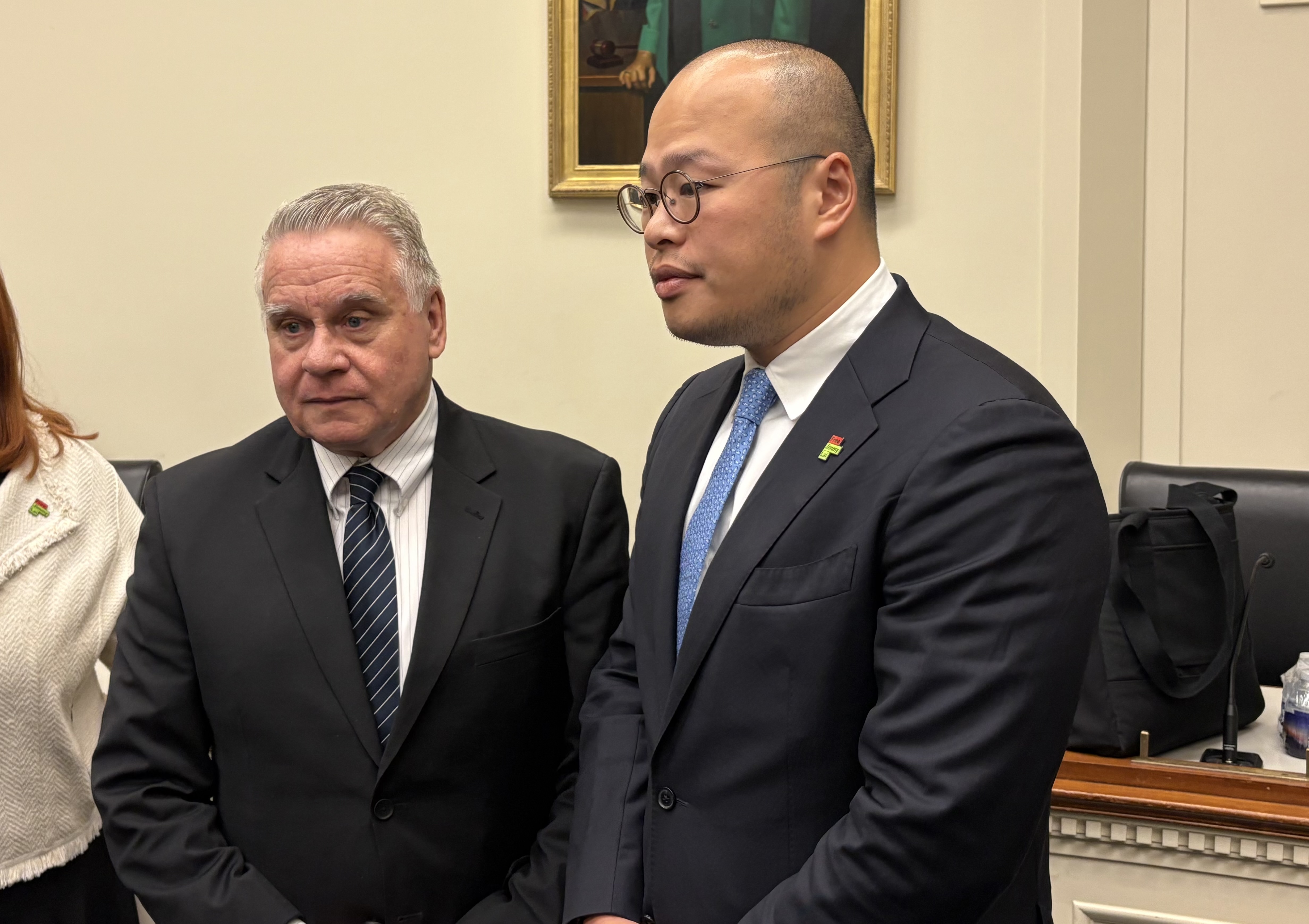
Graham, 71, died on July 11, and pro-life groups pledged to continue legislative efforts he supported.

Read More
Wyoming Catholic College student wins Presidential 1776 Award #Catholic Incoming Wyoming Catholic College student Miriam Washut took home a 0,000 scholarship after winning first place in the first-ever Presidential 1776 Awards, a nationwide civics competition.Washut, who is the daughter of Wyoming Catholic College President Kyle Washut, emerged triumphant from among 20 finalists and over 8,000 students from all 50 states and territories who entered the competition.Washut, along with the second and third place winners, met with President Donald Trump in the Oval Office July 1 alongside U.S. Secretary of Education Linda McMahon.TweetMcMahon said the award “recognizes students who have demonstrated a deep understanding of America’s founding principles and enthusiasm for learning America’s story. What better way to celebrate 250 years of this great nation than by honoring those who will carry us into the next 250!”University of Mary launches graduate school of theology in ArizonaThe University of Mary has announced it will open a graduate school of theology in Phoenix in the fall.The satellite graduate school will offer a four-year master of divinity degree and a 36-credit master of arts in theology, taught in person at the Arizona Center, located across from St. Mary’s Basilica and the diocesan pastoral center, the university announced on June 30. The university described the move as a further development of its “long-standing partnership with the Diocese of Phoenix and Nazareth Seminary,” and an expansion of its Arizona mission. “What originally started as undergraduate formation for the seminarians of the diocese has blossomed into an academic program that now includes master’s-level work,” said Eric Westby, associate professor of theology at the university. “This formation will help students know their faith more deeply and be equipped to pass it on in a variety of settings,” he added. Benedictine College to open Independence Hall-themed library  Benedictine College in Atchison, Kansas, will hold a soft-launch opening of its new library, built to resemble Independence Hall in Philadelphia, on July 4.
 
 Benedictine Collegeʼs new library is designed to simultaneously honor the Catholic intellectual tradition and the principles of American liberty. | Credit: Courtesy of Benedictine College
 
 The interior of the new library includes an exact replica of Independence Hall’s historic Assembly Room, where America’s Declaration of Independence was debated and signed. The Assembly Room will be open to the public from 9 a.m. to noon, the college said in a press release. Visitors to the library, which is in the final stages of construction, will also be able to view a replica of the Liberty Bell. Visitors will also have the opportunity to view a collection of historic documents through an exhibit titled “Celebrating the American Experiment.”“Thirty-nine documents trace the story of the American founding and its origins in centuries of Western political thought,” the exhibit page states. “Among them are works by Aristotle, Cicero, John Locke, and Algernon Sidney, as well as the Declaration of Independence, the Federalist Papers, and a rare 1788 printing of the Constitution of the United States, one of only five known copies in existence.”DeSantis blocks funding for security improvements at Catholic schoolsRepublican Florida Gov. Ron DeSantis has vetoed a bill that would have allocated  million in state funding for security improvements at Catholic schools in Miami-Dade County. The veto came after the Florida Legislature passed the bill on May 29.The Archdiocese of Miami expressed its disappointment with the veto and thanked lawmakers for their efforts to pass legislation to protect its more than 37,000 students. “Security enhancements are not a luxury; they are an essential component of providing safe environments where students can learn and thrive,” the Archdiocese of Miami said in a June 29 statement. The archdiocese noted that it does not receive any funding to offset security costs, despite other privately-run public charter schools in the state receiving government aid.

Wyoming Catholic College student wins Presidential 1776 Award #Catholic Incoming Wyoming Catholic College student Miriam Washut took home a $150,000 scholarship after winning first place in the first-ever Presidential 1776 Awards, a nationwide civics competition.Washut, who is the daughter of Wyoming Catholic College President Kyle Washut, emerged triumphant from among 20 finalists and over 8,000 students from all 50 states and territories who entered the competition.Washut, along with the second and third place winners, met with President Donald Trump in the Oval Office July 1 alongside U.S. Secretary of Education Linda McMahon.TweetMcMahon said the award “recognizes students who have demonstrated a deep understanding of America’s founding principles and enthusiasm for learning America’s story. What better way to celebrate 250 years of this great nation than by honoring those who will carry us into the next 250!”University of Mary launches graduate school of theology in ArizonaThe University of Mary has announced it will open a graduate school of theology in Phoenix in the fall.The satellite graduate school will offer a four-year master of divinity degree and a 36-credit master of arts in theology, taught in person at the Arizona Center, located across from St. Mary’s Basilica and the diocesan pastoral center, the university announced on June 30. The university described the move as a further development of its “long-standing partnership with the Diocese of Phoenix and Nazareth Seminary,” and an expansion of its Arizona mission. “What originally started as undergraduate formation for the seminarians of the diocese has blossomed into an academic program that now includes master’s-level work,” said Eric Westby, associate professor of theology at the university. “This formation will help students know their faith more deeply and be equipped to pass it on in a variety of settings,” he added. Benedictine College to open Independence Hall-themed library  Benedictine College in Atchison, Kansas, will hold a soft-launch opening of its new library, built to resemble Independence Hall in Philadelphia, on July 4. Benedictine Collegeʼs new library is designed to simultaneously honor the Catholic intellectual tradition and the principles of American liberty. | Credit: Courtesy of Benedictine College The interior of the new library includes an exact replica of Independence Hall’s historic Assembly Room, where America’s Declaration of Independence was debated and signed. The Assembly Room will be open to the public from 9 a.m. to noon, the college said in a press release. Visitors to the library, which is in the final stages of construction, will also be able to view a replica of the Liberty Bell. Visitors will also have the opportunity to view a collection of historic documents through an exhibit titled “Celebrating the American Experiment.”“Thirty-nine documents trace the story of the American founding and its origins in centuries of Western political thought,” the exhibit page states. “Among them are works by Aristotle, Cicero, John Locke, and Algernon Sidney, as well as the Declaration of Independence, the Federalist Papers, and a rare 1788 printing of the Constitution of the United States, one of only five known copies in existence.”DeSantis blocks funding for security improvements at Catholic schoolsRepublican Florida Gov. Ron DeSantis has vetoed a bill that would have allocated $15 million in state funding for security improvements at Catholic schools in Miami-Dade County. The veto came after the Florida Legislature passed the bill on May 29.The Archdiocese of Miami expressed its disappointment with the veto and thanked lawmakers for their efforts to pass legislation to protect its more than 37,000 students. “Security enhancements are not a luxury; they are an essential component of providing safe environments where students can learn and thrive,” the Archdiocese of Miami said in a June 29 statement. The archdiocese noted that it does not receive any funding to offset security costs, despite other privately-run public charter schools in the state receiving government aid.

A Wyoming Catholic College student wins a White House civics competition, Benedictine College shows off its new library, and more in this week’s roundup of Catholic education news in the U.S.

Read More
Court ruling leaves Haitian migrants’ future uncertain as Archbishop Wenski urges Senate action #Catholic The future of hundreds of thousands of Haitian and Syrian migrants living legally in the United States remains uncertain after the Supreme Court allowed the Trump administration to move forward with changes to temporary protected status (TPS), shifting the issue back to Congress.In response to the decision, Archbishop Thomas Wenski of Miami called on Congress to protect TPS holders, arguing that ending the humanitarian program would have serious consequences for migrants, their families, and communities across the country.In an interview with Veronica Dudo of “EWTN News Nightly” on June 26, Wenski said the court’s ruling was “not unexpected,” adding that the justices ultimately returned the issue to lawmakers.“The decision was not unexpected, because a conservative court doesn’t want to rule from the bench, as it were. And so what has been done is kick the ball back into the Congress, which is the body of the government that is supposed to be making the laws,” he said.Push for Senate voteThe Miami archbishop said the U.S. Senate should send the president legislation passed in the House that would extend TPS protections for Haitians for three additional years. In April, the U.S. House of Representatives passed the legislation, H.R. 1689, that would extend TPS for Haitians until 2029. Senate consideration is next.“We’re asking the senators of the United States to approve that proposition, so that it could be passed into law,” he said, and he also urged its passage in a column for the Archdiocese of Miami. TPS allows nationals from countries experiencing armed conflict, natural disasters, or other extraordinary conditions to remain and work legally in the United States temporarily. Haiti was first designated for TPS following the devastating 2010 earthquake.Wenski warned that ending those protections could have severe humanitarian consequences.“Haiti could be described very correctly as a house on fire,” he said. “It would be hard to see how you could send back 350,000 people, many of whom have been here since the earthquake of 2010, and have built lives here in this country … and it’s unconscionable to think that that could be done without creating a tremendous humanitarian disaster.”The archbishop also highlighted the economic role many Haitian immigrants play, particularly in healthcare.“The Haitians are working; they’re not on the public dole. They’re not public charges. They’re working, and many of them are working in the healthcare sector,” he said.Within the Archdiocese of Miami, he said, many TPS holders serve in Catholic nursing homes and other healthcare ministries.“To have their work permits revoked and taken away from them would have not only a terrible effect on them, but it would have an economic impact on the entire community,” he said.The archdiocese is also preparing to assist migrants facing legal uncertainty.“The Archdiocese of Miami has Catholic Legal Services … we’re trying to accompany them and to see if there are any other pathways or solutions,” he said.Even so, Wenski emphasized that lasting immigration reform must come from Congress.“The ball is in the court of the Senate.”

Court ruling leaves Haitian migrants’ future uncertain as Archbishop Wenski urges Senate action #Catholic The future of hundreds of thousands of Haitian and Syrian migrants living legally in the United States remains uncertain after the Supreme Court allowed the Trump administration to move forward with changes to temporary protected status (TPS), shifting the issue back to Congress.In response to the decision, Archbishop Thomas Wenski of Miami called on Congress to protect TPS holders, arguing that ending the humanitarian program would have serious consequences for migrants, their families, and communities across the country.In an interview with Veronica Dudo of “EWTN News Nightly” on June 26, Wenski said the court’s ruling was “not unexpected,” adding that the justices ultimately returned the issue to lawmakers.“The decision was not unexpected, because a conservative court doesn’t want to rule from the bench, as it were. And so what has been done is kick the ball back into the Congress, which is the body of the government that is supposed to be making the laws,” he said.Push for Senate voteThe Miami archbishop said the U.S. Senate should send the president legislation passed in the House that would extend TPS protections for Haitians for three additional years. In April, the U.S. House of Representatives passed the legislation, H.R. 1689, that would extend TPS for Haitians until 2029. Senate consideration is next.“We’re asking the senators of the United States to approve that proposition, so that it could be passed into law,” he said, and he also urged its passage in a column for the Archdiocese of Miami. TPS allows nationals from countries experiencing armed conflict, natural disasters, or other extraordinary conditions to remain and work legally in the United States temporarily. Haiti was first designated for TPS following the devastating 2010 earthquake.Wenski warned that ending those protections could have severe humanitarian consequences.“Haiti could be described very correctly as a house on fire,” he said. “It would be hard to see how you could send back 350,000 people, many of whom have been here since the earthquake of 2010, and have built lives here in this country … and it’s unconscionable to think that that could be done without creating a tremendous humanitarian disaster.”The archbishop also highlighted the economic role many Haitian immigrants play, particularly in healthcare.“The Haitians are working; they’re not on the public dole. They’re not public charges. They’re working, and many of them are working in the healthcare sector,” he said.Within the Archdiocese of Miami, he said, many TPS holders serve in Catholic nursing homes and other healthcare ministries.“To have their work permits revoked and taken away from them would have not only a terrible effect on them, but it would have an economic impact on the entire community,” he said.The archdiocese is also preparing to assist migrants facing legal uncertainty.“The Archdiocese of Miami has Catholic Legal Services … we’re trying to accompany them and to see if there are any other pathways or solutions,” he said.Even so, Wenski emphasized that lasting immigration reform must come from Congress.“The ball is in the court of the Senate.”

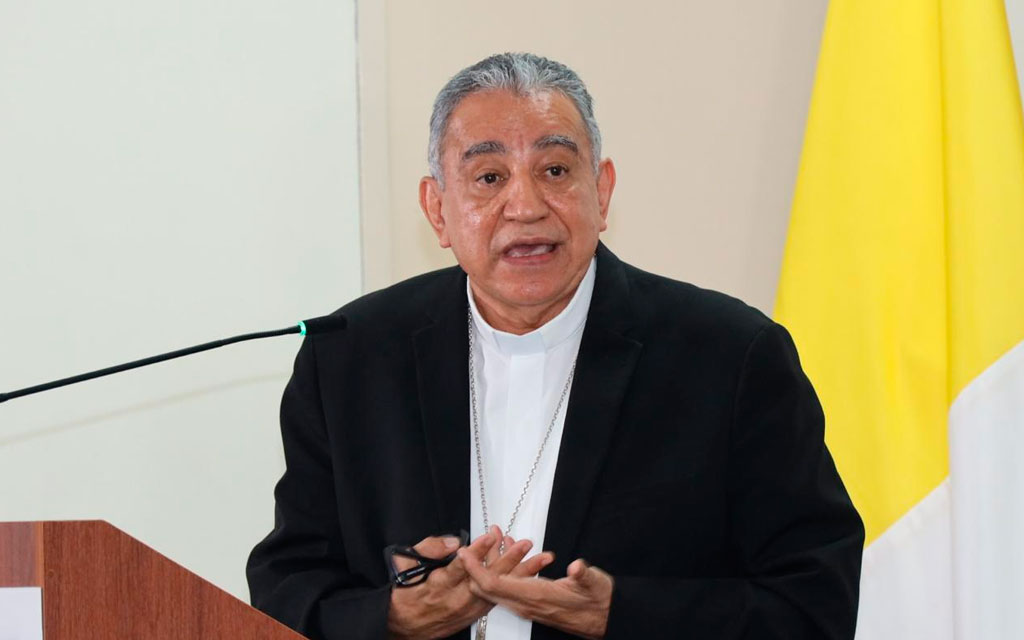
The Miami archbishop said the U.S. Senate should send the president legislation that would extend Temporary Protected Status protections to Haitians for three years.

Read More
Five years of euthanasia in Spain: The toll and path forward to overturn #Catholic It hasbeen five years since the Euthanasia Law came into effect in Spain — a law that, since its approval, has claimed the lives of 1,668 people, according to official data published by the Spanish Ministry of Health.Since its inception, the number of euthanasia procedures carried out in the country has risen steadily; from 75 in the second half of 2021 to 288 in 2022, followed by 334 in 2023, some 426 in 2024 and 565 in 2025.The Madrid-based Professionals for Ethics Association has issued a report that points out that the progression of euthanasia over the past five years shows that “once approved, euthanasia becomes a slippery slope” with destructive effects.In addition to accelerated year-to-year growth in the number of euthanasia cases, the ethics professionals cite the progressive expansion of the grounds for the procedure under the catch-all category of “severe suffering.”Euthanasia procedures have been streamlined “even at the cost of reducing or eliminating safeguards,” according to the report.Euthanasia is being promoted “as an altruistic choice, based on arguments regarding organ donation and bequests to pro-euthanasia associations.”The report denounces the “imposition of the so-called ‘right to die’ and personal autonomy over good medical practice.”The practice of euthanasia results in the “abandonment of clinical effort” in situations where it appears to be an “easier and less costly” option. The report also underscores that euthanasia “harms the relationship of trust” between patient and physician, as well as between the patient and their family members.The "normalization of euthanasia" in society and among healthcare professionals has led to the "loss of the meaning of vulnerable life, of aging, and of the value of caring for and accompanying” such patients, the report finds.Other destructive effects include “social pressure on dependent individuals based on ‘quality of life’ criteria and the perception of being a burden to others” and, finally, the fostering of individualism and “society’s indifference toward suffering.”RecommendationsBeyond pointing out dangers and contradictions inherent in the advance of euthanasia in Spain, the Professionals for Ethics Association proposes five measures “to reverse the slippery slope of euthanasia upon which we have already embarked.” The first recommended measure is to develop “the plan, organization, and resources necessary to provide nationwide palliative care coverage," which must include "home-based teams and specialized pediatric units."The ethics professionals also recommend boosting support “for vulnerable individuals and their families,” specifically those facing dependency, mental illness, and unwanted loneliness. This requires both the allocation of resources to address these challenges and facilitating “family support through programs that balance work and family life in order to provide care” for the patient.A third recommendation is to monitor official information regarding the euthanasia procedures performed in order to “ensure rigor in the processes for requesting and approving euthanasia,” as well as preventing lax interpretations of the law that make “euthanasia the easiest, most accessible, and quickest ‘solution’.”Fourth, the association holds that “it is vital to preserve the mission and objectives of healthcare aimed at preventing, curing, and caring for health as well as professional ethics and practice.”In this regard, the group emphasizes that “euthanasia runs counter to the essence of medicine, caring for human life, and should never be considered a medical act.” Thus, the association also advocates the right of healthcare workers to conscientiously object to participating in euthanasia procedures.Finally, the association calls for halting the promotion of euthanasia, as its rise “is neither a social good nor a sign of progress in human rights, nor is it even a neutral matter.”“The fact that an increasing number of people in Spain desire a lethal injection should be a cause for concern, not celebration,” the group emphasizes; and therefore advocates for “a euthanasia prevention plan” similar to those for suicide and, ultimately, the repeal of the euthanasia law and the enactment of legislation “that facilitates the care of human life until the very end.”This story was first published by ACI Prensa, the Spanish-language sister service of EWTN News. It has been translated and adapted by EWTN News English.

Five years of euthanasia in Spain: The toll and path forward to overturn #Catholic It hasbeen five years since the Euthanasia Law came into effect in Spain — a law that, since its approval, has claimed the lives of 1,668 people, according to official data published by the Spanish Ministry of Health.Since its inception, the number of euthanasia procedures carried out in the country has risen steadily; from 75 in the second half of 2021 to 288 in 2022, followed by 334 in 2023, some 426 in 2024 and 565 in 2025.The Madrid-based Professionals for Ethics Association has issued a report that points out that the progression of euthanasia over the past five years shows that “once approved, euthanasia becomes a slippery slope” with destructive effects.In addition to accelerated year-to-year growth in the number of euthanasia cases, the ethics professionals cite the progressive expansion of the grounds for the procedure under the catch-all category of “severe suffering.”Euthanasia procedures have been streamlined “even at the cost of reducing or eliminating safeguards,” according to the report.Euthanasia is being promoted “as an altruistic choice, based on arguments regarding organ donation and bequests to pro-euthanasia associations.”The report denounces the “imposition of the so-called ‘right to die’ and personal autonomy over good medical practice.”The practice of euthanasia results in the “abandonment of clinical effort” in situations where it appears to be an “easier and less costly” option. The report also underscores that euthanasia “harms the relationship of trust” between patient and physician, as well as between the patient and their family members.The "normalization of euthanasia" in society and among healthcare professionals has led to the "loss of the meaning of vulnerable life, of aging, and of the value of caring for and accompanying” such patients, the report finds.Other destructive effects include “social pressure on dependent individuals based on ‘quality of life’ criteria and the perception of being a burden to others” and, finally, the fostering of individualism and “society’s indifference toward suffering.”RecommendationsBeyond pointing out dangers and contradictions inherent in the advance of euthanasia in Spain, the Professionals for Ethics Association proposes five measures “to reverse the slippery slope of euthanasia upon which we have already embarked.” The first recommended measure is to develop “the plan, organization, and resources necessary to provide nationwide palliative care coverage," which must include "home-based teams and specialized pediatric units."The ethics professionals also recommend boosting support “for vulnerable individuals and their families,” specifically those facing dependency, mental illness, and unwanted loneliness. This requires both the allocation of resources to address these challenges and facilitating “family support through programs that balance work and family life in order to provide care” for the patient.A third recommendation is to monitor official information regarding the euthanasia procedures performed in order to “ensure rigor in the processes for requesting and approving euthanasia,” as well as preventing lax interpretations of the law that make “euthanasia the easiest, most accessible, and quickest ‘solution’.”Fourth, the association holds that “it is vital to preserve the mission and objectives of healthcare aimed at preventing, curing, and caring for health as well as professional ethics and practice.”In this regard, the group emphasizes that “euthanasia runs counter to the essence of medicine, caring for human life, and should never be considered a medical act.” Thus, the association also advocates the right of healthcare workers to conscientiously object to participating in euthanasia procedures.Finally, the association calls for halting the promotion of euthanasia, as its rise “is neither a social good nor a sign of progress in human rights, nor is it even a neutral matter.”“The fact that an increasing number of people in Spain desire a lethal injection should be a cause for concern, not celebration,” the group emphasizes; and therefore advocates for “a euthanasia prevention plan” similar to those for suicide and, ultimately, the repeal of the euthanasia law and the enactment of legislation “that facilitates the care of human life until the very end.”This story was first published by ACI Prensa, the Spanish-language sister service of EWTN News. It has been translated and adapted by EWTN News English.

Euthanasia is on the rise in Spain, and as its destructive effects become more apparent, ethics professionals are offering recommendations to prevent and ultimately eliminate the practice.

Read More
U.S. House passes housing bill with backing from Catholic Charities USA #Catholic The U.S. House of Representatives on June 23 passed Catholic-backed housing legislation that, if and when it is signed by President Donald Trump, is expected to expand financing for affordable housing. Catholic Charities USA President Kerry Alys Robinson said in a June 23 statement the bill (HR 6644) “has the potential to improve the lives of so many of our fellow citizens.” The White House did not immediately reply to a request for comment, but Trump is expected to sign the bill into law on June 24.The House cleared the measure and agreed to the version that the U.S. Senate had amended on June 22. The legislation, among other things, would adjust federal multifamily loan limits.Rep. French Hill, R-Arkansas, sponsored the bill, titled “The 21st Century ROAD to Housing Act.”“We applaud Congressʼs effort to address manufactured housing laws, veterans’ access to housing, and rental assistance for the elderly and disabled through the advancement of this bill,” Robinson said.The Catholic Charities leader praised provisions in the bill related to zoning reforms, increased private investment in the Low-Income Housing Tax Credit program, a higher public welfare investment cap for banks, changes to homeless assistance programs, and the reauthorization of the Community Development Block Grant–Disaster Recovery program.She also lauded the bill’s proposed reforms to the HOME Investment Partnerships and Community Development Block Grant programs, which she said have been key resources for addressing the housing needs of low-income individuals and families.“All of God’s children deserve a safe, decent, affordable place to call home and this legislation is an important next step in providing that assurance,” Robinson said. “We look forward to continued collaboration with Congress to ensure that housing policy in our nation reflects both sound research and our shared moral commitment to protect the most vulnerable.”

U.S. House passes housing bill with backing from Catholic Charities USA #Catholic The U.S. House of Representatives on June 23 passed Catholic-backed housing legislation that, if and when it is signed by President Donald Trump, is expected to expand financing for affordable housing. Catholic Charities USA President Kerry Alys Robinson said in a June 23 statement the bill (HR 6644) “has the potential to improve the lives of so many of our fellow citizens.” The White House did not immediately reply to a request for comment, but Trump is expected to sign the bill into law on June 24.The House cleared the measure and agreed to the version that the U.S. Senate had amended on June 22. The legislation, among other things, would adjust federal multifamily loan limits.Rep. French Hill, R-Arkansas, sponsored the bill, titled “The 21st Century ROAD to Housing Act.”“We applaud Congressʼs effort to address manufactured housing laws, veterans’ access to housing, and rental assistance for the elderly and disabled through the advancement of this bill,” Robinson said.The Catholic Charities leader praised provisions in the bill related to zoning reforms, increased private investment in the Low-Income Housing Tax Credit program, a higher public welfare investment cap for banks, changes to homeless assistance programs, and the reauthorization of the Community Development Block Grant–Disaster Recovery program.She also lauded the bill’s proposed reforms to the HOME Investment Partnerships and Community Development Block Grant programs, which she said have been key resources for addressing the housing needs of low-income individuals and families.“All of God’s children deserve a safe, decent, affordable place to call home and this legislation is an important next step in providing that assurance,” Robinson said. “We look forward to continued collaboration with Congress to ensure that housing policy in our nation reflects both sound research and our shared moral commitment to protect the most vulnerable.”

Catholic Charities USA President Kerry Alys Robinson said the bill “has the potential to improve the lives of so many of our fellow citizens.”

Read More
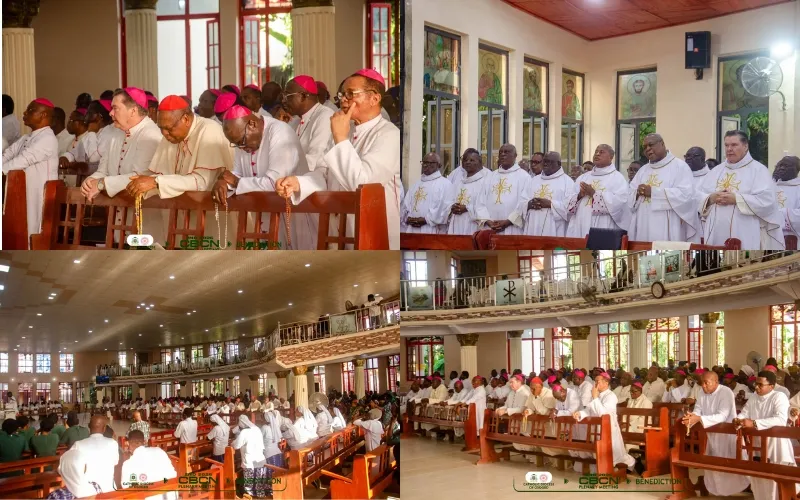
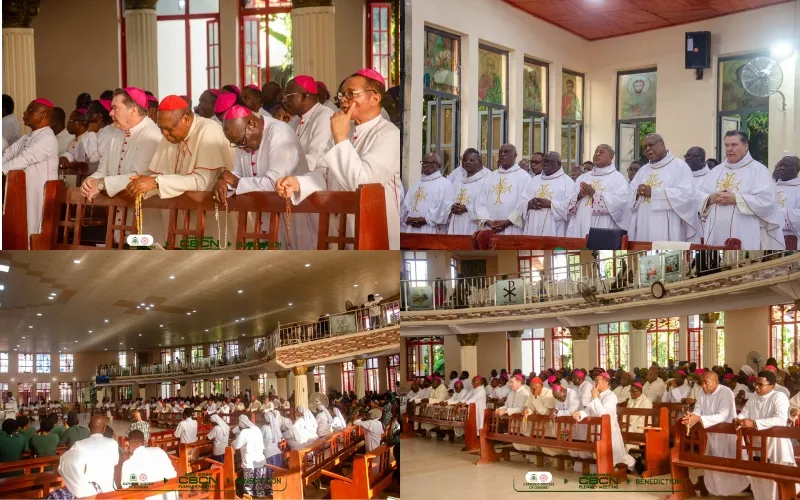
Irish bishops call for calm in Belfast following racially motivated civil unrest #Catholic Following its summer 2026 general meeting, the Irish Bishops’ Conference voiced its deep concern about the attack on human life and the wider violence and social disorder that has taken place in Belfast and across Northern Ireland this past week.The civil unrest followed a brutal knife attack in Belfast carried out by a Sudanese national. Footage of the incident has been widely circulated globally and on social media. Bishop Alan McGuckian, SJ, of Down and Connor said: “My thoughts and prayers are firstly with Stephen Ogilvie, who sustained life-changing devastating injuries in a brutal and horrific attack.”Referring to the rioting, intimidation, and vandalism toward immigrant people that followed, he said: “So many newcomers make an outstanding contribution to our communities, including our parishes. They are our friends. Shame on all those who have sought to mobilize, agitate, weaponize, and politicize the fear and concerns of others over the last few days. All of us have a responsibility to de-escalate societal tension rather than stoke the flames of racism.”Lebanese priest says ‘situation drastically deteriorating’ for ChristiansFather Youssef Semaan, parish priest of Kfour, Nabatieh District, in Lebanon, said the situation for Christians remaining in the country is continuing to worsen.“Every week is more dangerous than the last. The situation has become unbearable,” Semaan said, according to a press release from Aid to the Church in Need on Thursday. The priest, who was forced to leave Kfour due to safety reasons, said he has managed to return on two occasions. He said many Christians have been faced with the difficult decision to “stay and risk their lives or abandon our land without any guarantee that we will ever get our houses or our goods back.” In Kfour, the Christian population has dropped from 120 to around 12, ACN noted. “We still have hope,” Semaan said. “But hope itself is not enough. It has to be based on solid foundations that allow us to rebuild and go on living. We are human after all.”Zimbabwe bishops consecrate nation to Mary, a ‘model of courage’ in difficult timesMembers of the Zimbabwe Catholic Bishops’ Conference (ZCBC) have consecrated the Southern African nation to the Immaculate Heart of the Blessed Virgin Mary, entrusting the country to her maternal protection and presenting her as a model of faith, hope, courage, and love amid ongoing challenges.The consecration took place during a Mass marking the conclusion of the bishops’ 2026 plenary assembly at the Sacred Heart of Jesus Cathedral of the Archdiocese of Harare on June 10, ACI Africa, the sister service of EWTN News in Africa, reported Thursday. In his homily, ZCBC president Bishop Raymond Tapiwa Mupandasekwa said the bishops identified Mary as a fitting patroness for Zimbabwe, saying: “The act of surrender to God is indeed an imitation of this Holy Virgin. She is the woman who not only shows her total surrender to God in faith, but she is also a woman of great hope. At the foot of the cross she stands. A great sign of courage in a very difficult moment.”Legislation threatening the seal of confession in France failsA provision in a bill proposed to the French National Assembly that would have compelled priests to violate the seal of confession to report instances of abuse against minors has failed.The bill, aimed at preventing and combating violence in schools in the wake of a sex abuse scandal at a Catholic boarding school in southern France, was adopted on June 1 without the proposed clause that would have removed exemptions for priests from mandatory reporting of information regarding sexual abuse heard during the sacrament of confession. The French Bishops’ Conference expressed “grave concern” ahead of a debate on the bill, noting several articles in the bill that “call into question several fundamental freedoms,” including the right to secrecy under the seal of confession.Christians in Tyre face new wave of uncertaintyThe Christian community in the southern Lebanese city of Tyre is watching recent developments with growing concern after the area was included in an Israeli evacuation warning for the first time, ACI MENA, the Arabic-language sister service of EWTN News, reported Thursday.Church leaders fear that any military escalation could have lasting consequences for one of Lebanon’s oldest Christian communities, which has already endured years of economic hardship and emigration. Melkite Greek Catholic Archbishop Georges Iskandar called for urgent efforts to protect civilians and preserve the city’s historic and religious character, warning that further instability could accelerate the decline of the local Christian presence.Victims of clergy abuse in Australia clash with diocese over memorialA group representing victim survivors of clergy abuse has announced its agreement with the Diocese of Ballarat in Australia to build a memorial for victims “null and void” after an alleged communication breakdown with the diocese.“Throughout the memorial process, we have sought to engage with Church representatives in a respectful, transparent, and constructive manner. We have acted in good faith and demonstrated a genuine willingness to work collaboratively towards memorials at both sites: St. Patrick’s Cathedral and St. Alipius Old Boys School,” the Ballarat and District Survivors Memorial Committee said in a June 6 Facebook post. “Regrettably, we do not believe the same level of transparency and good faith has been demonstrated by the Church during these negotiations.”British National Trust reopens 420-year-old Catholic lodgeLyveden, a three-story Tudor lodge in Northamptonshire, England, known for its Catholic symbolism, has been reopened following conservation work.“Weʼre very excited to open Lyveden Lodge after 18 months and welcome visitors back inside this remarkable building,” Matthew Glasgow, senior building surveyor, said in a BBC News report on Friday. “While further conservation work will be needed in the coming years, the completed repairs mean visitors can once again enjoy this extraordinary unfinished vision of Sir Thomas Tresham.” Conservationists conducted repairs to the lodge’s stonework, replaced timber, and restored its Elizabethan garden. Constructed in the 16th century by Sir Thomas Tresham, a practicing Catholic who faced persecution for refusing to attend Anglican church services during the late 1500s and early 1600s, Lyveden is built in the shape of a Greek cross and features references to Christian numerology, according to the National Trust’s website.Rebaptisms raise questions in Syria’s Maronite communityReports that several Maronites in the Latakia countryside of Syria joined Protestant groups and underwent “rebaptism” have sparked discussion within the local Church about the challenges facing parish life in the region.The situation came to light in the village of Ain Halaqim, where community members pointed to years of pastoral difficulties, including the absence of a resident priest and limited opportunities for ongoing catechesis, ACI MENA reported Friday. Rather than focusing solely on the individuals who left, many local voices are asking broader questions about how the Church can better accompany the faithful, especially in communities affected by economic struggles and migration.

Irish bishops call for calm in Belfast following racially motivated civil unrest #Catholic Following its summer 2026 general meeting, the Irish Bishops’ Conference voiced its deep concern about the attack on human life and the wider violence and social disorder that has taken place in Belfast and across Northern Ireland this past week.The civil unrest followed a brutal knife attack in Belfast carried out by a Sudanese national. Footage of the incident has been widely circulated globally and on social media. Bishop Alan McGuckian, SJ, of Down and Connor said: “My thoughts and prayers are firstly with Stephen Ogilvie, who sustained life-changing devastating injuries in a brutal and horrific attack.”Referring to the rioting, intimidation, and vandalism toward immigrant people that followed, he said: “So many newcomers make an outstanding contribution to our communities, including our parishes. They are our friends. Shame on all those who have sought to mobilize, agitate, weaponize, and politicize the fear and concerns of others over the last few days. All of us have a responsibility to de-escalate societal tension rather than stoke the flames of racism.”Lebanese priest says ‘situation drastically deteriorating’ for ChristiansFather Youssef Semaan, parish priest of Kfour, Nabatieh District, in Lebanon, said the situation for Christians remaining in the country is continuing to worsen.“Every week is more dangerous than the last. The situation has become unbearable,” Semaan said, according to a press release from Aid to the Church in Need on Thursday. The priest, who was forced to leave Kfour due to safety reasons, said he has managed to return on two occasions. He said many Christians have been faced with the difficult decision to “stay and risk their lives or abandon our land without any guarantee that we will ever get our houses or our goods back.” In Kfour, the Christian population has dropped from 120 to around 12, ACN noted. “We still have hope,” Semaan said. “But hope itself is not enough. It has to be based on solid foundations that allow us to rebuild and go on living. We are human after all.”Zimbabwe bishops consecrate nation to Mary, a ‘model of courage’ in difficult timesMembers of the Zimbabwe Catholic Bishops’ Conference (ZCBC) have consecrated the Southern African nation to the Immaculate Heart of the Blessed Virgin Mary, entrusting the country to her maternal protection and presenting her as a model of faith, hope, courage, and love amid ongoing challenges.The consecration took place during a Mass marking the conclusion of the bishops’ 2026 plenary assembly at the Sacred Heart of Jesus Cathedral of the Archdiocese of Harare on June 10, ACI Africa, the sister service of EWTN News in Africa, reported Thursday. In his homily, ZCBC president Bishop Raymond Tapiwa Mupandasekwa said the bishops identified Mary as a fitting patroness for Zimbabwe, saying: “The act of surrender to God is indeed an imitation of this Holy Virgin. She is the woman who not only shows her total surrender to God in faith, but she is also a woman of great hope. At the foot of the cross she stands. A great sign of courage in a very difficult moment.”Legislation threatening the seal of confession in France failsA provision in a bill proposed to the French National Assembly that would have compelled priests to violate the seal of confession to report instances of abuse against minors has failed.The bill, aimed at preventing and combating violence in schools in the wake of a sex abuse scandal at a Catholic boarding school in southern France, was adopted on June 1 without the proposed clause that would have removed exemptions for priests from mandatory reporting of information regarding sexual abuse heard during the sacrament of confession. The French Bishops’ Conference expressed “grave concern” ahead of a debate on the bill, noting several articles in the bill that “call into question several fundamental freedoms,” including the right to secrecy under the seal of confession.Christians in Tyre face new wave of uncertaintyThe Christian community in the southern Lebanese city of Tyre is watching recent developments with growing concern after the area was included in an Israeli evacuation warning for the first time, ACI MENA, the Arabic-language sister service of EWTN News, reported Thursday.Church leaders fear that any military escalation could have lasting consequences for one of Lebanon’s oldest Christian communities, which has already endured years of economic hardship and emigration. Melkite Greek Catholic Archbishop Georges Iskandar called for urgent efforts to protect civilians and preserve the city’s historic and religious character, warning that further instability could accelerate the decline of the local Christian presence.Victims of clergy abuse in Australia clash with diocese over memorialA group representing victim survivors of clergy abuse has announced its agreement with the Diocese of Ballarat in Australia to build a memorial for victims “null and void” after an alleged communication breakdown with the diocese.“Throughout the memorial process, we have sought to engage with Church representatives in a respectful, transparent, and constructive manner. We have acted in good faith and demonstrated a genuine willingness to work collaboratively towards memorials at both sites: St. Patrick’s Cathedral and St. Alipius Old Boys School,” the Ballarat and District Survivors Memorial Committee said in a June 6 Facebook post. “Regrettably, we do not believe the same level of transparency and good faith has been demonstrated by the Church during these negotiations.”British National Trust reopens 420-year-old Catholic lodgeLyveden, a three-story Tudor lodge in Northamptonshire, England, known for its Catholic symbolism, has been reopened following conservation work.“Weʼre very excited to open Lyveden Lodge after 18 months and welcome visitors back inside this remarkable building,” Matthew Glasgow, senior building surveyor, said in a BBC News report on Friday. “While further conservation work will be needed in the coming years, the completed repairs mean visitors can once again enjoy this extraordinary unfinished vision of Sir Thomas Tresham.” Conservationists conducted repairs to the lodge’s stonework, replaced timber, and restored its Elizabethan garden. Constructed in the 16th century by Sir Thomas Tresham, a practicing Catholic who faced persecution for refusing to attend Anglican church services during the late 1500s and early 1600s, Lyveden is built in the shape of a Greek cross and features references to Christian numerology, according to the National Trust’s website.Rebaptisms raise questions in Syria’s Maronite communityReports that several Maronites in the Latakia countryside of Syria joined Protestant groups and underwent “rebaptism” have sparked discussion within the local Church about the challenges facing parish life in the region.The situation came to light in the village of Ain Halaqim, where community members pointed to years of pastoral difficulties, including the absence of a resident priest and limited opportunities for ongoing catechesis, ACI MENA reported Friday. Rather than focusing solely on the individuals who left, many local voices are asking broader questions about how the Church can better accompany the faithful, especially in communities affected by economic struggles and migration.

Bishops in Northern Ireland call for peace, abuse victims in Australia clash with diocese, anti-Catholic legislation in France fails, Zimbabwe, and more in this week’s Catholic world news roundup.

Read More