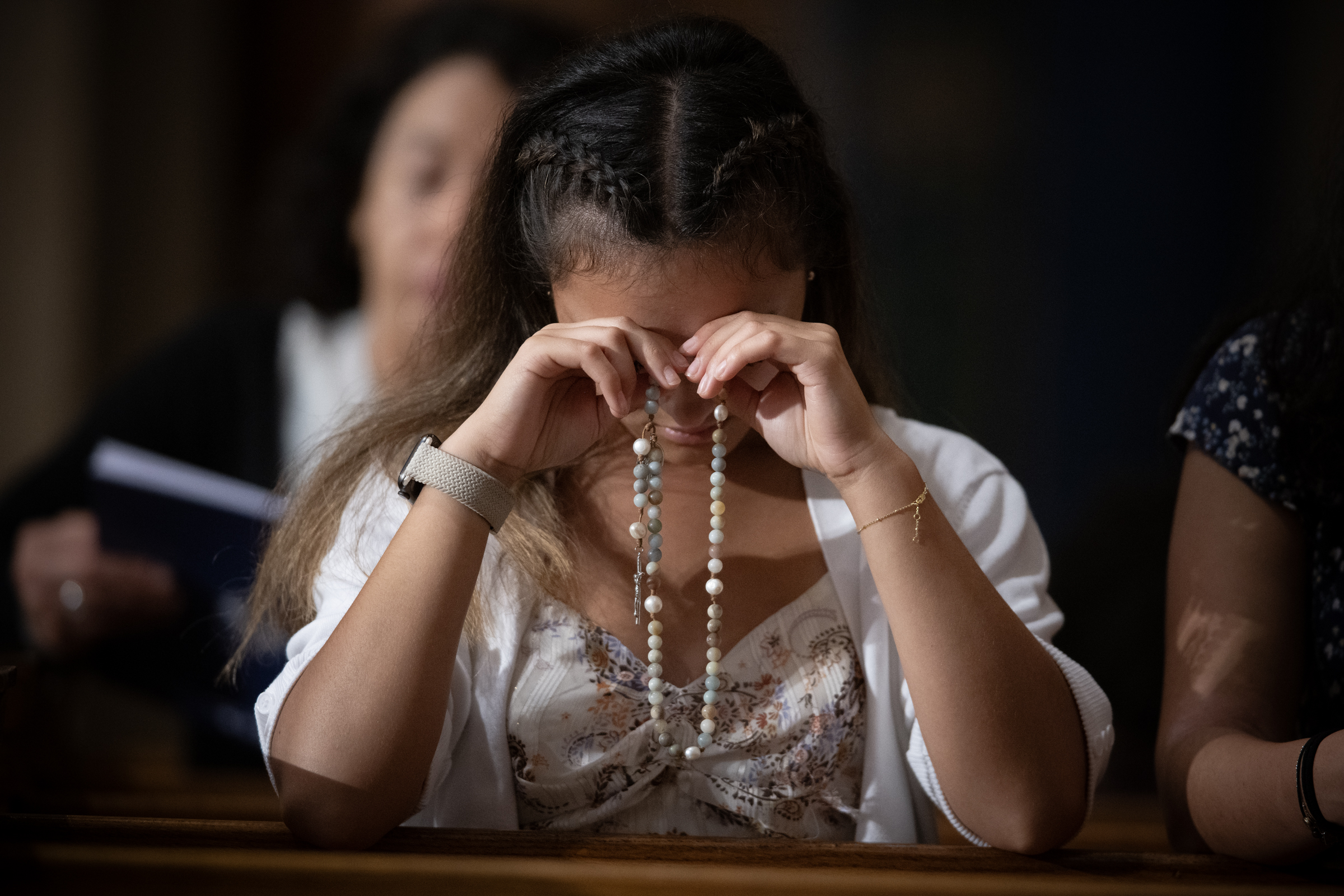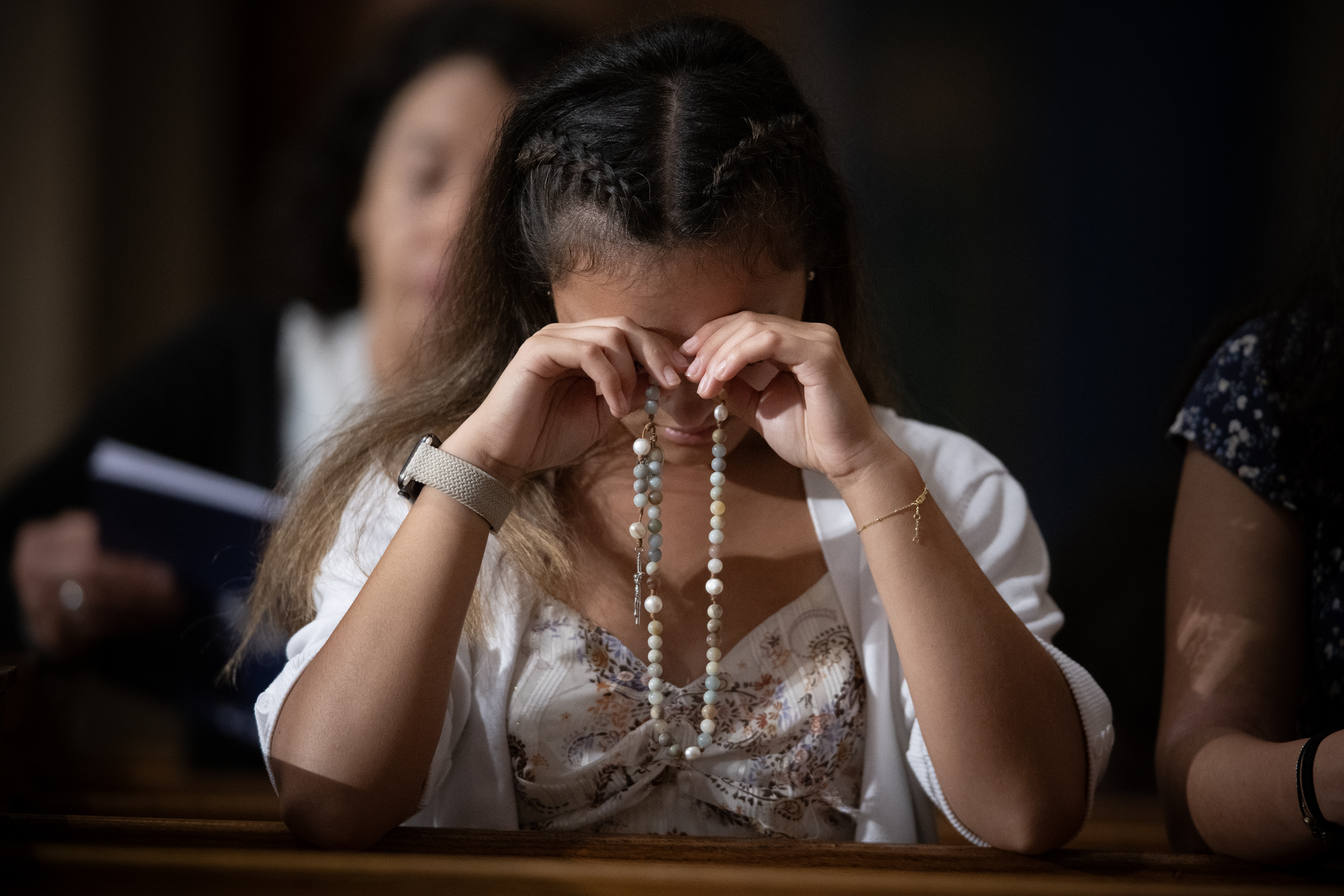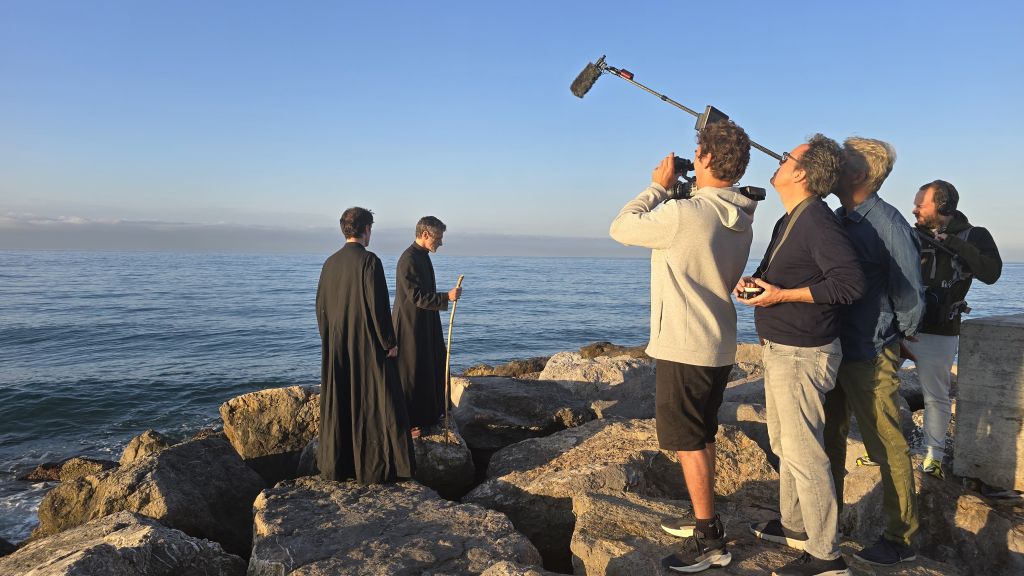

The USCCB president called on Catholics to exercise their “right and responsibility” to vote while advocacy organization CatholicVote issued state voter guides.

The USCCB president called on Catholics to exercise their “right and responsibility” to vote while advocacy organization CatholicVote issued state voter guides.
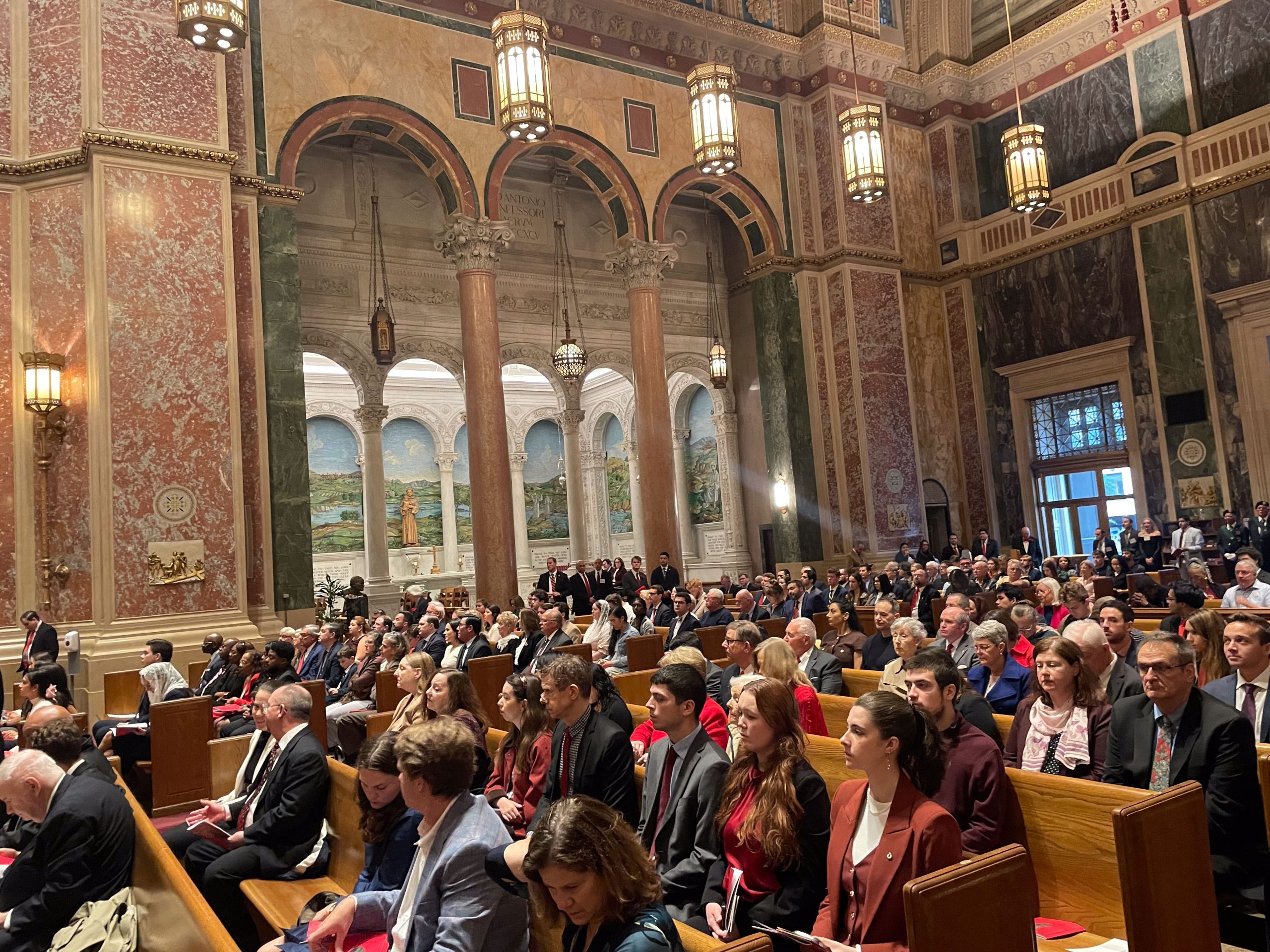
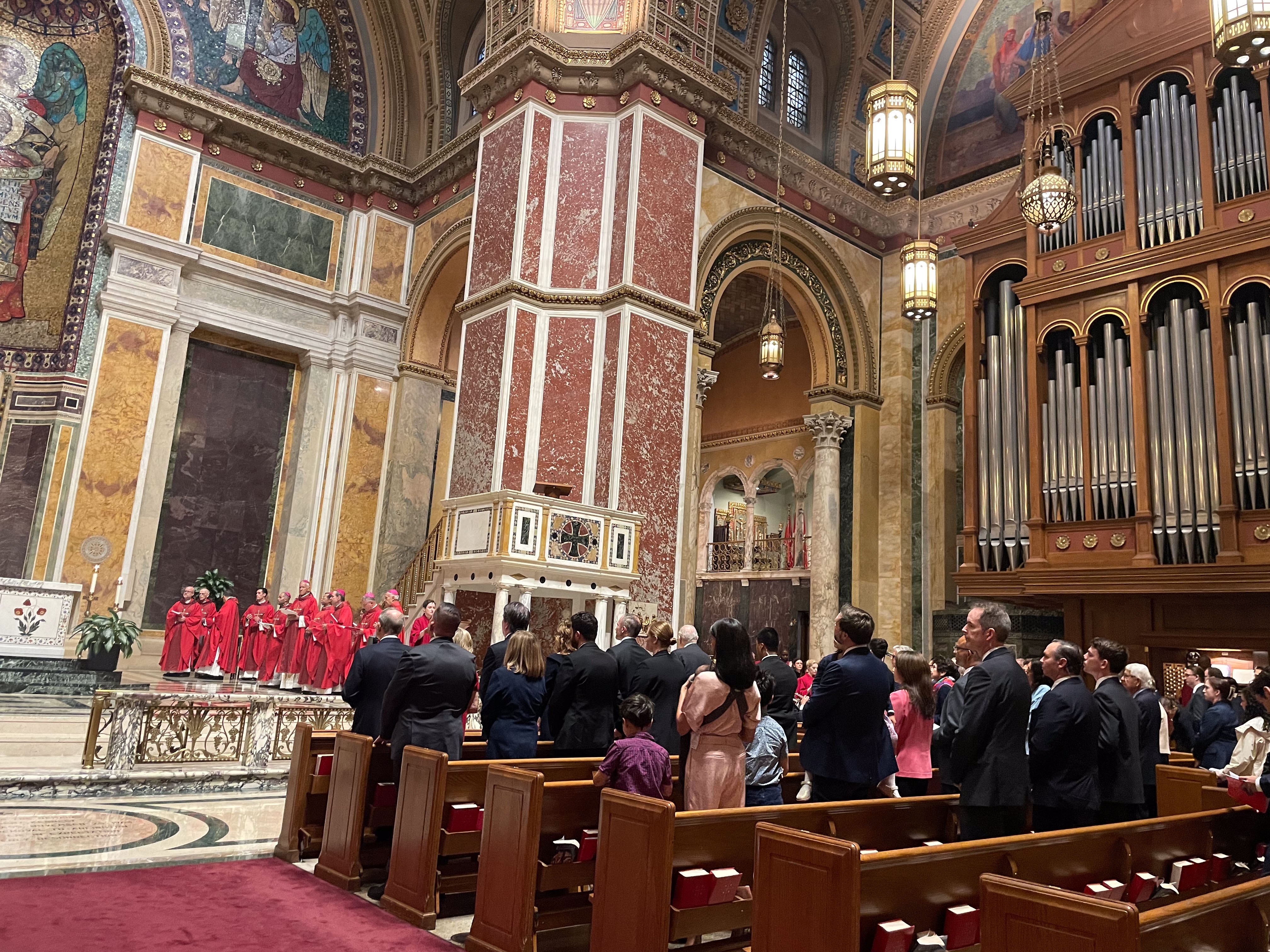
Washington Cardinal Robert McElroy was the principal celebrant of the Mass, and Archbishop Timothy Broglio of the Archdiocese for the Military Services, USA, offered the homily.
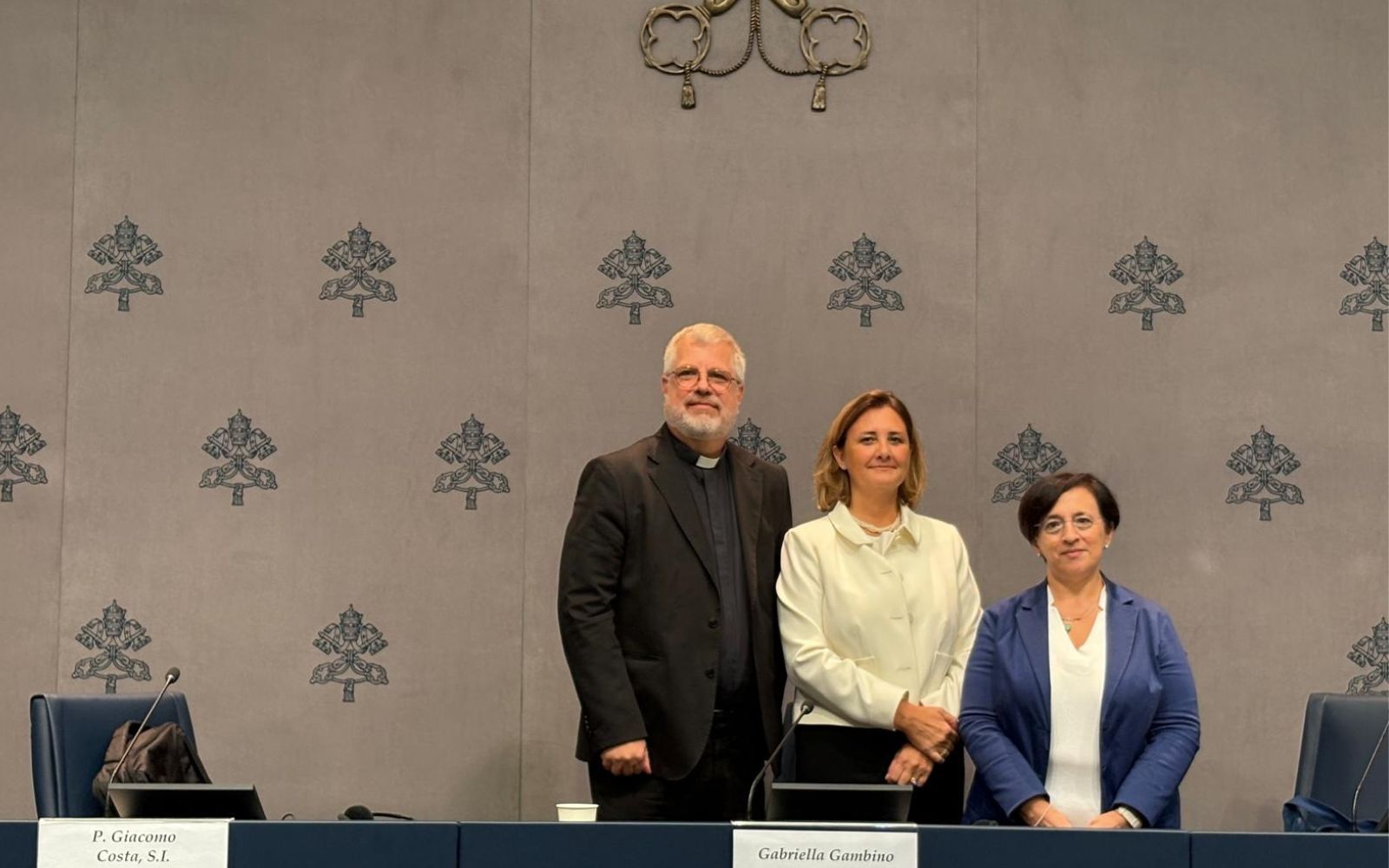
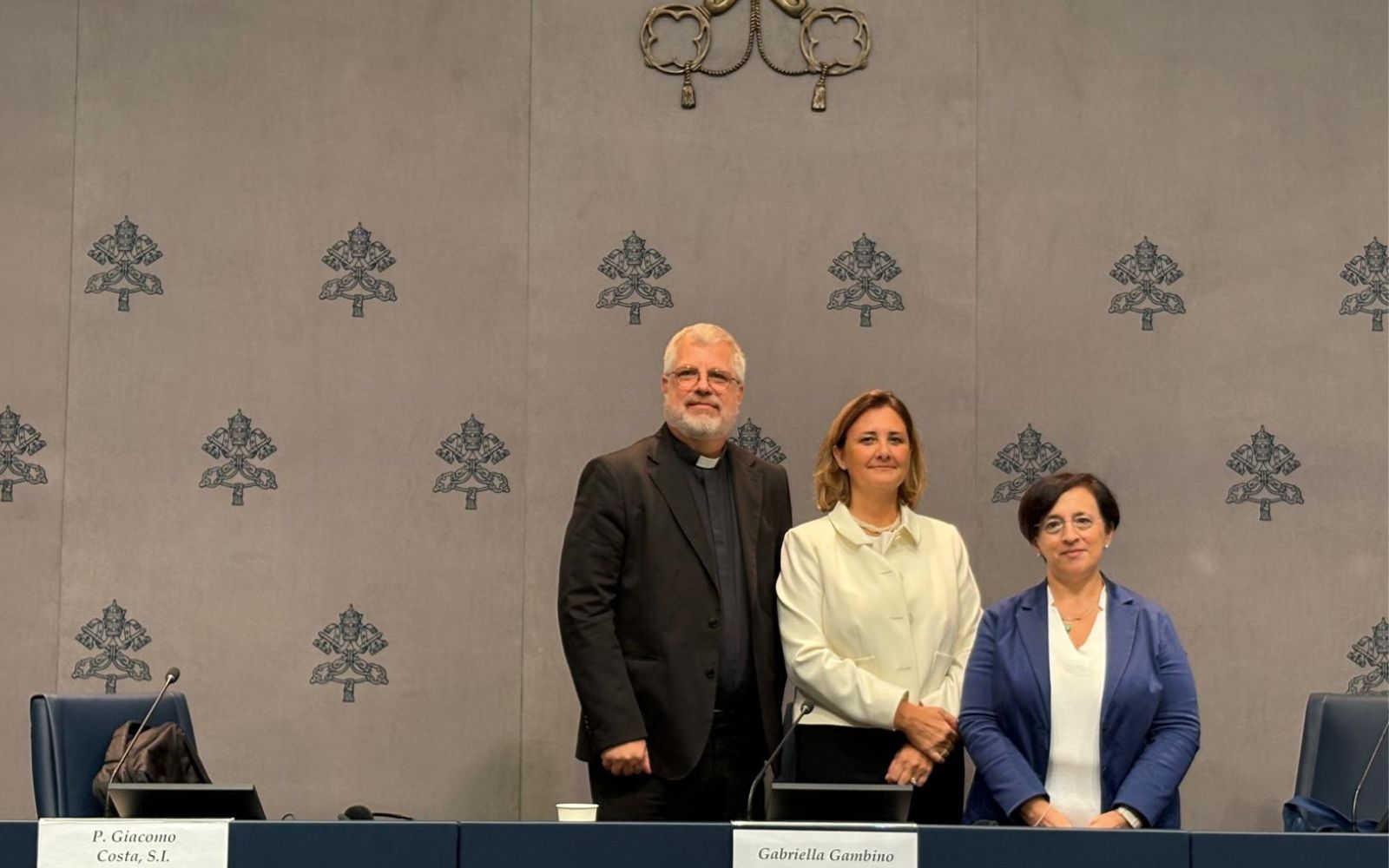
Vatican officials said the weeklong meeting is neither a synod, nor an evaluation of Amoris Laetitia.
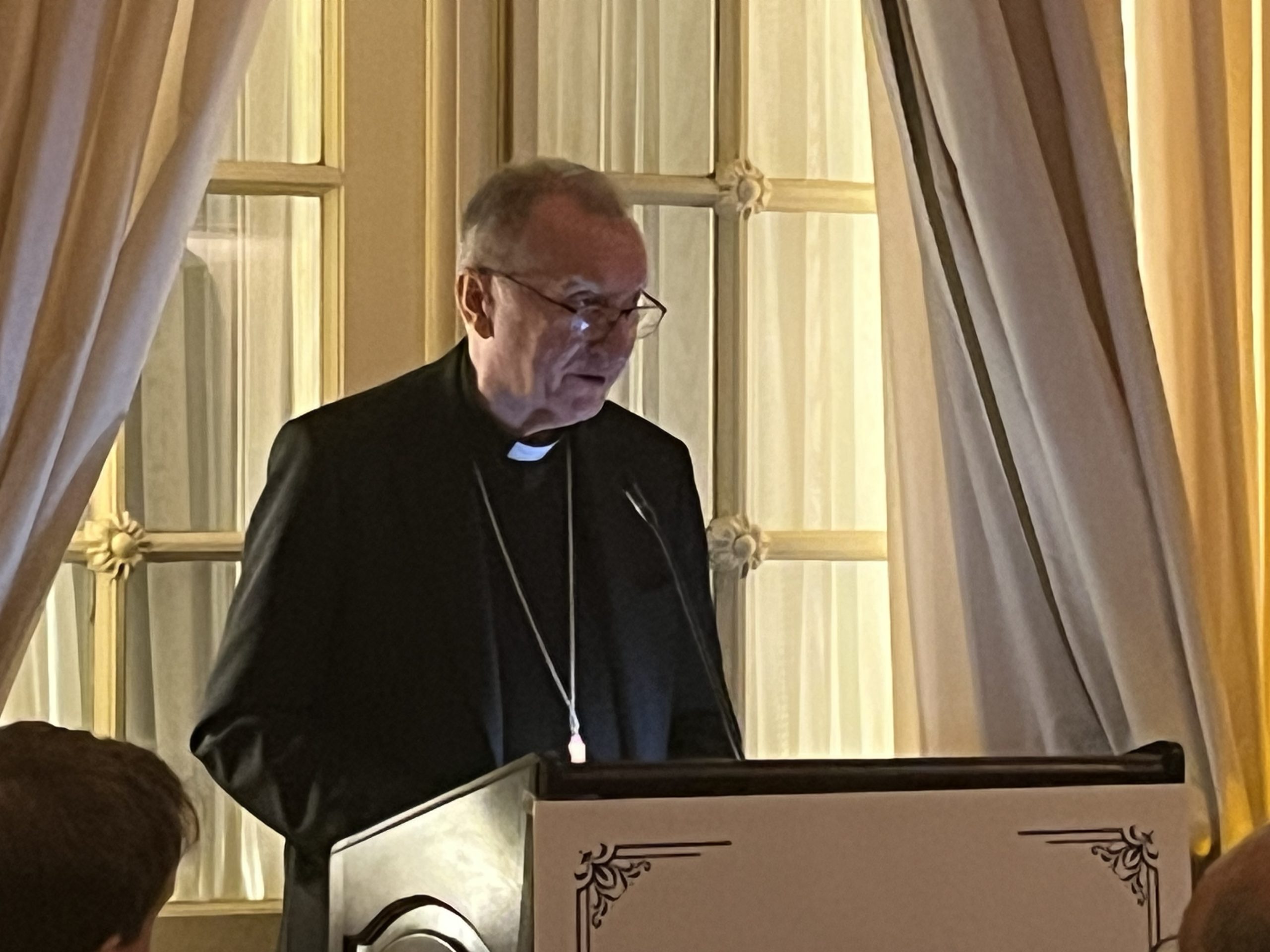
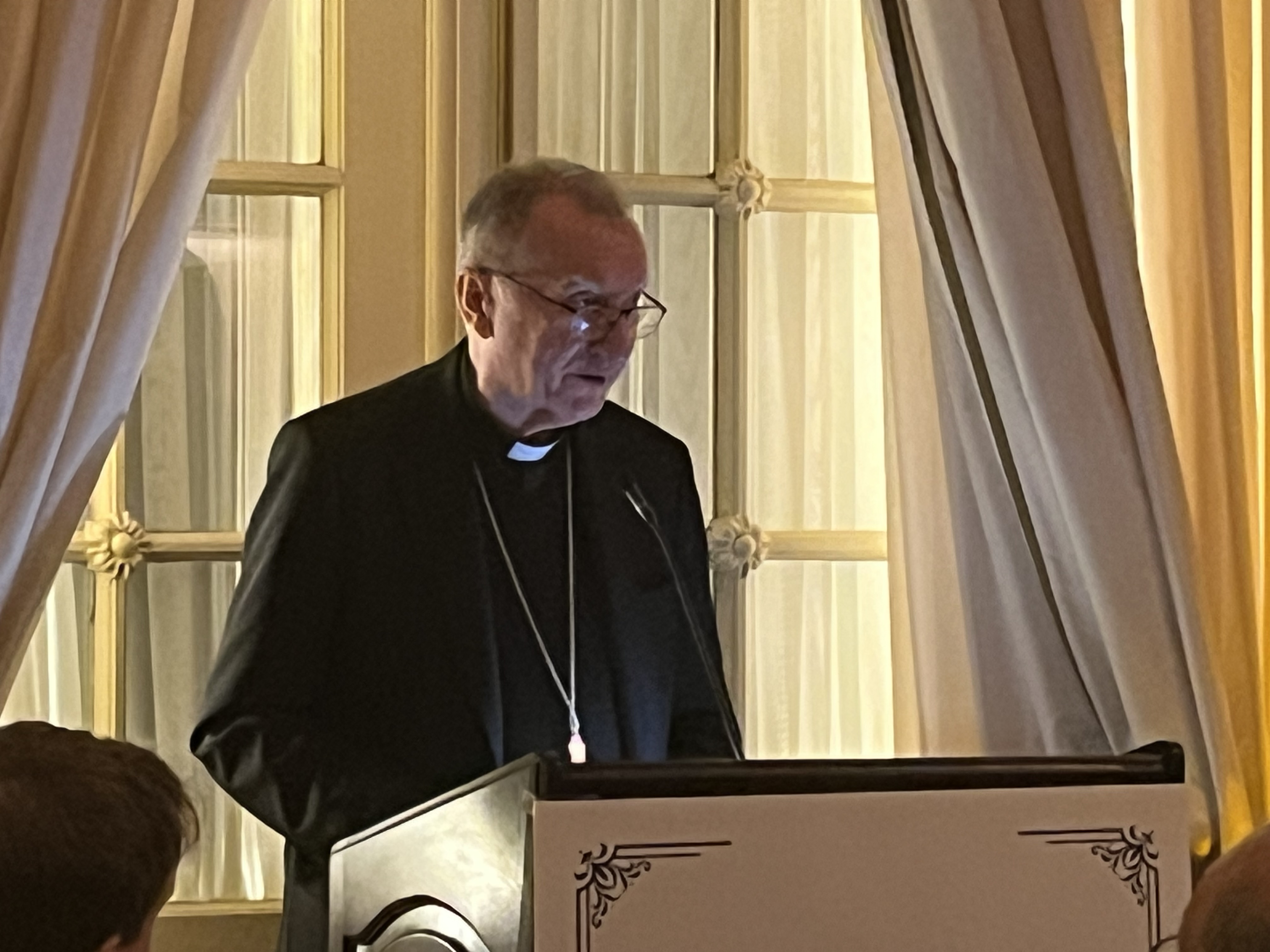
“In a world connected online and disconnected offline, be people of presence,” Cardinal Pietro Parolin said. “In a world asking whether we can remain human, answer with the witness of your lives.”
Pope Leo XIV titled this year’s observance of World Day of Migrants and Refugees “Even Just One of These Children,” citing Matthew 18:5: “Whoever welcomes one such child in my name welcomes me.”
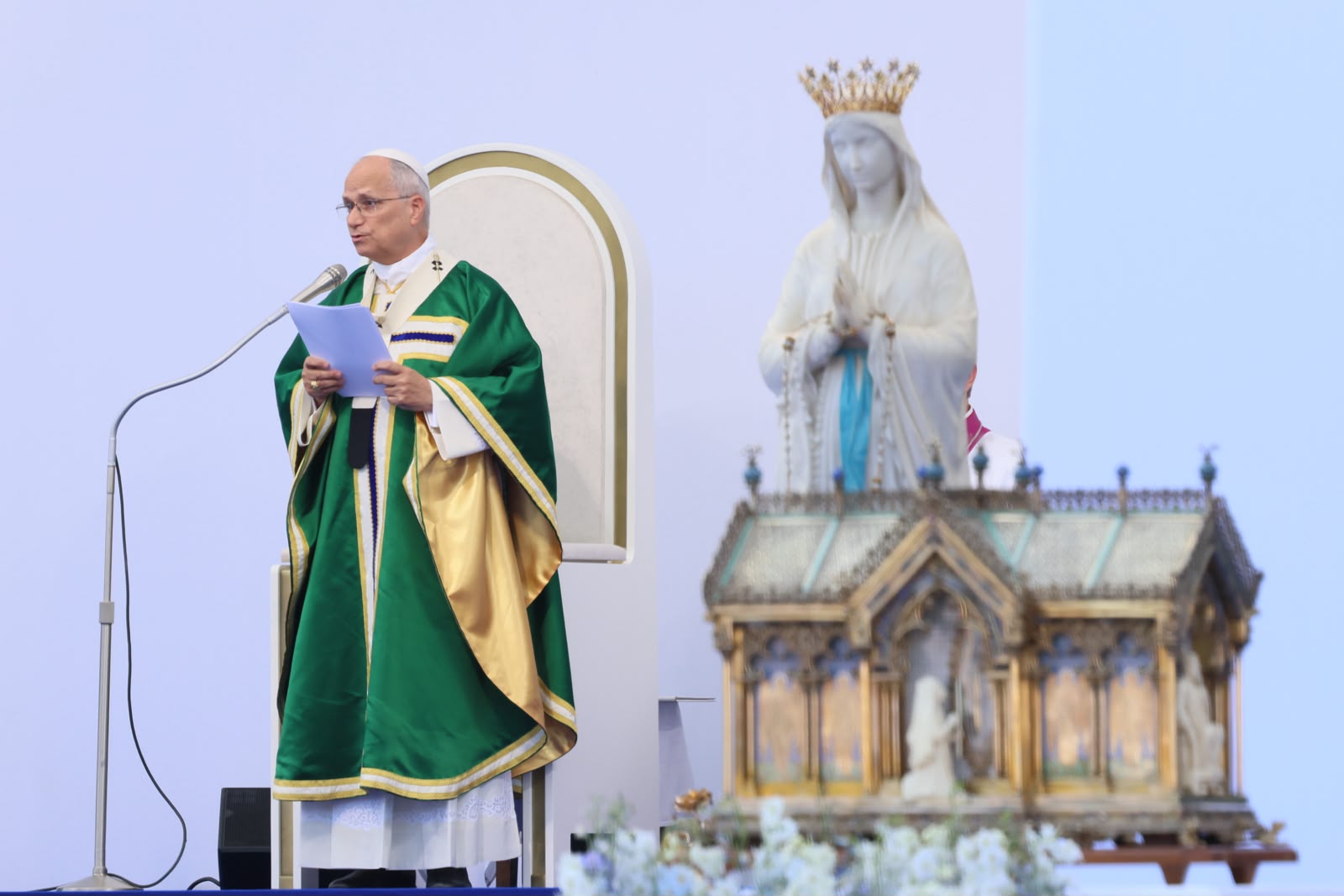
![Pope Leo in Lourdes: The Church must heal her ‘wounds, infidelities, and painful errors’ #Catholic LOURDES, France — Pope Leo XIV issued a firm call to conversion from sin and error in the Church, and invited all to repent and do penance, at the Sanctuary of Our Lady of Lourdes on Sunday.Mary’s call to conversion in her message to St. Bernadette “also concerns the Church herself as she makes her earthly journey. She must have the courage to begin with herself,” he said at Mass on Sept. 27.“In order to heal the deep wounds, infidelities and painful errors that have occurred within her, we must humbly place ourselves under the Lord’s purifying gaze. Recognizing our own faults is essential to our spiritual growth,” the pontiff said.In 2021, the Independent Commission on Sexual Abuse in the Church (CIASE) published a nearly 2,500-page final report, estimating that 216,000 children were abused by priests, deacons, monks, or nuns in France from 1950 to 2020.TweetLeo is scheduled to meet later on Sunday with seven victims of clerical sexual abuse in France.Lourdes is an evocative backdrop to the private meeting, since it is among the first shrines to cover artwork by the accused sexual abuser Father Marko Rupnik, currently on trial at the Vatican.Rupnik’s mosaics decorating the front of the Basilica of the Rosary were covered ahead of Leo’s visit and will remain covered indefinitely, according to the local bishop.The pope celebrated Mass on a prairie across the river Gave de Pau from the grotto of the apparitions on the third day of his Sept. 25-28 visit to France.Pilgrims from France and around the world gathered on the grassy hill and along the streets of the shrine. Some waved flags or held banners of sacred images. A number of pilgrims arrived in wheelchairs. Around 150,000 people attended the Mass, according to the Vatican.Claire Banks, a nurse from the UK, said she has traveled over 100 times to Lourdes.“It was too good of an opportunity to miss coming here and seeing the pope. I think he’s wonderful,” she told EWTN News. She described an “electric atmosphere” at the shrine since Leo’s arrival.Libby Frank, another Mass attendee, is also from the UK, but has lived in Lourdes for 40 years. She recently retired after working for a charity that brings sick people to the shrine.“I worked for three papal visits and now I’ve come to one papal visit to enjoy it with my family and friends and just be part of the community,” she said, referencing two visits by St. Pope John Paul II in 1983 and 2004, and one by Pope Benedict in 2008.“There’s been a phenomenal amount of excitement locally waiting for Leo to come visit. The town [of Lourdes] has really gotten behind everything that’s happening,” she said.TweetThe Sanctuary of Our Lady of Lourdes is among the most popular Catholic shrines in the world, built on the site of Mary’s apparitions to St. Bernadette in 1858. It is particularly visited by the sick, who come to bathe in or drink its healing spring water.In his homily, Pope Leo noted that a “call to conversion, both tender and urgent,” was a central part of the message the Virgin Mary entrusted to Bernadette, and that “it is today, not tomorrow, that we must repent.”He said Jesus is quite direct about the call to repentance: “As St. Luke tells us, ‘Unless you repent, you will all perish.’ But he also extends our horizon beyond this earthly life to the horizon of eternal life.”“Did not the Virgin Mary say to St. Bernadette, ‘I do not promise to make you happy in this world but in the next’?” Leo said.The pope noted that we can often forget this in an age and society focused on progress and material wellbeing.Eternal life is already won for us by Jesus’ sacrifice, he continued, but “the obstacle to grace and eternal life — the only obstacle to this love — is sin.”The Holy Father called everyone to do penance, an act of love for God and for our brothers and sisters, “who do not heed this call to conversion, and whose sins lead them towards death.”“We want to make amends for the wounds our sins have dealt to [God’s] heart,” he said.Addressing the many sick, elderly, and disabled people present at the Mass, Leo said their suffering, if lived in a “spirit of offering,” can take part “in the redemptive work that the world so greatly needs.”“In this way, you are truly at the heart of the Church, and your role is irreplaceable,” he said.“In the face of current trends that seek to redefine the value of human life in illness, suffering and old age, the grotto of Massabielle stands as a place of Christian hope,” he said. “Here, no one is turned away due to their frailty.”Earlier in the morning, Leo met with France’s bishops at the shrine, where he praised their courage in opposing the recent legalization of euthanasia and assisted suicide in the country.“I encourage you to persevere, together with all people of good will who uphold the same values,” he told the bishops’ conference.At the end of Mass, before praying the Angelus, the pope invited those present to pray the rosary for peace, and to offer concrete acts of penance and mercy.“It was here that the Immaculate Virgin appeared to St. Bernadette with the rosary and, as it were, guided her in prayer,” he said. “For this reason, today I invite all the faithful and all Christian communities to pray the holy rosary throughout the coming month of October, with the particular intention that wars may cease and that peace may be established among peoples in conflict.”Elliot Hartley contributed to this report.This story was updated at 7:14 a.m. ET with more information about the Mass and the pope’s meeting with bishops.](https://unitedyam.com/wp-content/uploads/2026/09/pope-leo-in-lourdes-the-church-must-heal-her-wounds-infidelities-and-painful-errors-catholic-lourdes-france-pope-leo-xiv-issued-a-firm-call-to-conversion-from-sin-and.jpg "Pope Leo in Lourdes: The Church must heal her ‘wounds, infidelities, and painful errors’ #Catholic LOURDES, France — Pope Leo XIV issued a firm call to conversion from sin and error in the Church, and invited all to repent and do penance, at the Sanctuary of Our Lady of Lourdes on Sunday.Mary’s call to conversion in her message to St. Bernadette “also concerns the Church herself as she makes her earthly journey. She must have the courage to begin with herself,” he said at Mass on Sept. 27.“In order to heal the deep wounds, infidelities and painful errors that have occurred within her, we must humbly place ourselves under the Lord’s purifying gaze. Recognizing our own faults is essential to our spiritual growth,” the pontiff said.In 2021, the Independent Commission on Sexual Abuse in the Church (CIASE) published a nearly 2,500-page final report, estimating that 216,000 children were abused by priests, deacons, monks, or nuns in France from 1950 to 2020.TweetLeo is scheduled to meet later on Sunday with seven victims of clerical sexual abuse in France.Lourdes is an evocative backdrop to the private meeting, since it is among the first shrines to cover artwork by the accused sexual abuser Father Marko Rupnik, currently on trial at the Vatican.Rupnik’s mosaics decorating the front of the Basilica of the Rosary were covered ahead of Leo’s visit and will remain covered indefinitely, according to the local bishop.The pope celebrated Mass on a prairie across the river Gave de Pau from the grotto of the apparitions on the third day of his Sept. 25-28 visit to France.Pilgrims from France and around the world gathered on the grassy hill and along the streets of the shrine. Some waved flags or held banners of sacred images. A number of pilgrims arrived in wheelchairs. Around 150,000 people attended the Mass, according to the Vatican.Claire Banks, a nurse from the UK, said she has traveled over 100 times to Lourdes.“It was too good of an opportunity to miss coming here and seeing the pope. I think he’s wonderful,” she told EWTN News. She described an “electric atmosphere” at the shrine since Leo’s arrival.Libby Frank, another Mass attendee, is also from the UK, but has lived in Lourdes for 40 years. She recently retired after working for a charity that brings sick people to the shrine.“I worked for three papal visits and now I’ve come to one papal visit to enjoy it with my family and friends and just be part of the community,” she said, referencing two visits by St. Pope John Paul II in 1983 and 2004, and one by Pope Benedict in 2008.“There’s been a phenomenal amount of excitement locally waiting for Leo to come visit. The town [of Lourdes] has really gotten behind everything that’s happening,” she said.TweetThe Sanctuary of Our Lady of Lourdes is among the most popular Catholic shrines in the world, built on the site of Mary’s apparitions to St. Bernadette in 1858. It is particularly visited by the sick, who come to bathe in or drink its healing spring water.In his homily, Pope Leo noted that a “call to conversion, both tender and urgent,” was a central part of the message the Virgin Mary entrusted to Bernadette, and that “it is today, not tomorrow, that we must repent.”He said Jesus is quite direct about the call to repentance: “As St. Luke tells us, ‘Unless you repent, you will all perish.’ But he also extends our horizon beyond this earthly life to the horizon of eternal life.”“Did not the Virgin Mary say to St. Bernadette, ‘I do not promise to make you happy in this world but in the next’?” Leo said.The pope noted that we can often forget this in an age and society focused on progress and material wellbeing.Eternal life is already won for us by Jesus’ sacrifice, he continued, but “the obstacle to grace and eternal life — the only obstacle to this love — is sin.”The Holy Father called everyone to do penance, an act of love for God and for our brothers and sisters, “who do not heed this call to conversion, and whose sins lead them towards death.”“We want to make amends for the wounds our sins have dealt to [God’s] heart,” he said.Addressing the many sick, elderly, and disabled people present at the Mass, Leo said their suffering, if lived in a “spirit of offering,” can take part “in the redemptive work that the world so greatly needs.”“In this way, you are truly at the heart of the Church, and your role is irreplaceable,” he said.“In the face of current trends that seek to redefine the value of human life in illness, suffering and old age, the grotto of Massabielle stands as a place of Christian hope,” he said. “Here, no one is turned away due to their frailty.”Earlier in the morning, Leo met with France’s bishops at the shrine, where he praised their courage in opposing the recent legalization of euthanasia and assisted suicide in the country.“I encourage you to persevere, together with all people of good will who uphold the same values,” he told the bishops’ conference.At the end of Mass, before praying the Angelus, the pope invited those present to pray the rosary for peace, and to offer concrete acts of penance and mercy.“It was here that the Immaculate Virgin appeared to St. Bernadette with the rosary and, as it were, guided her in prayer,” he said. “For this reason, today I invite all the faithful and all Christian communities to pray the holy rosary throughout the coming month of October, with the particular intention that wars may cease and that peace may be established among peoples in conflict.”Elliot Hartley contributed to this report.This story was updated at 7:14 a.m. ET with more information about the Mass and the pope’s meeting with bishops.")
The pontiff spoke about the urgency of repentance and conversion at a Mass on the third day of his visit to France.
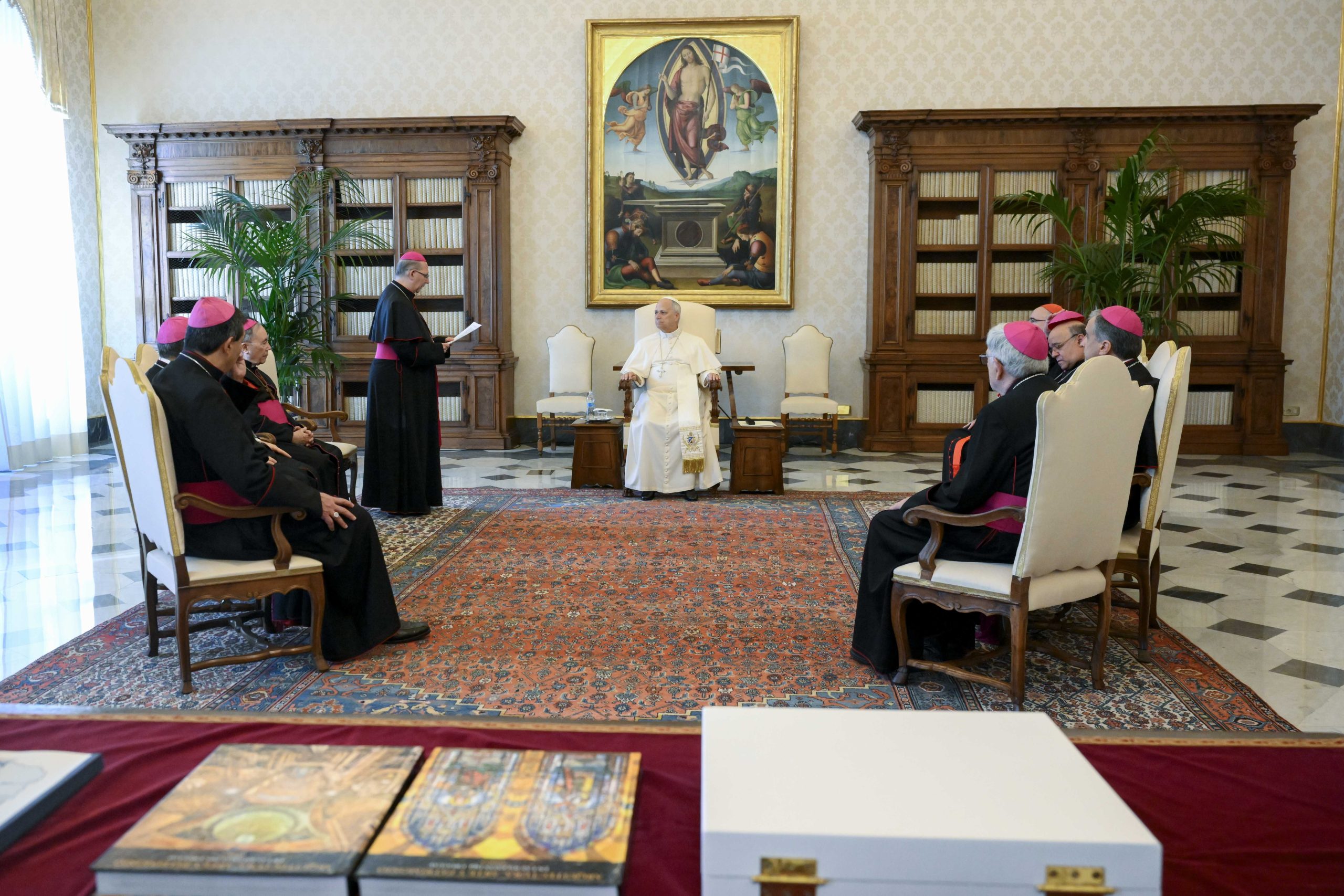
Although church attendance is low and the society is quite s quite secularized, the president of Uruguay’s bishops’ conference believes Pope Leo’s visit will give a boost to the country’s spiritual renewal.
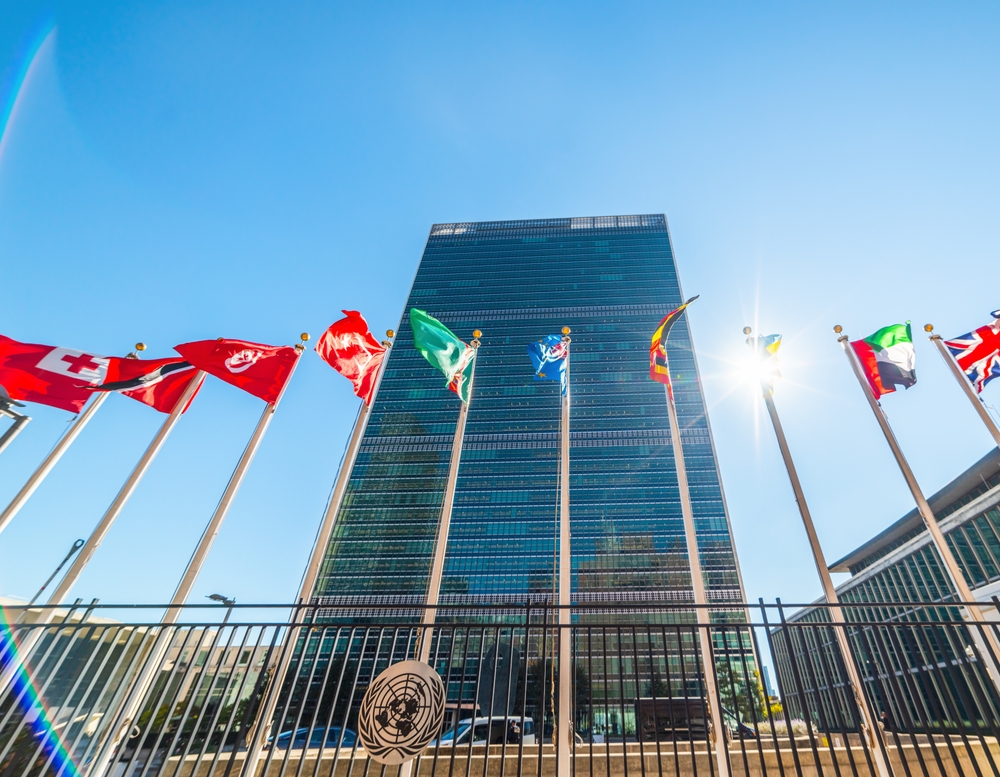
The discussion focuses on the question “What are we building, for whom, and who will inherit it?”
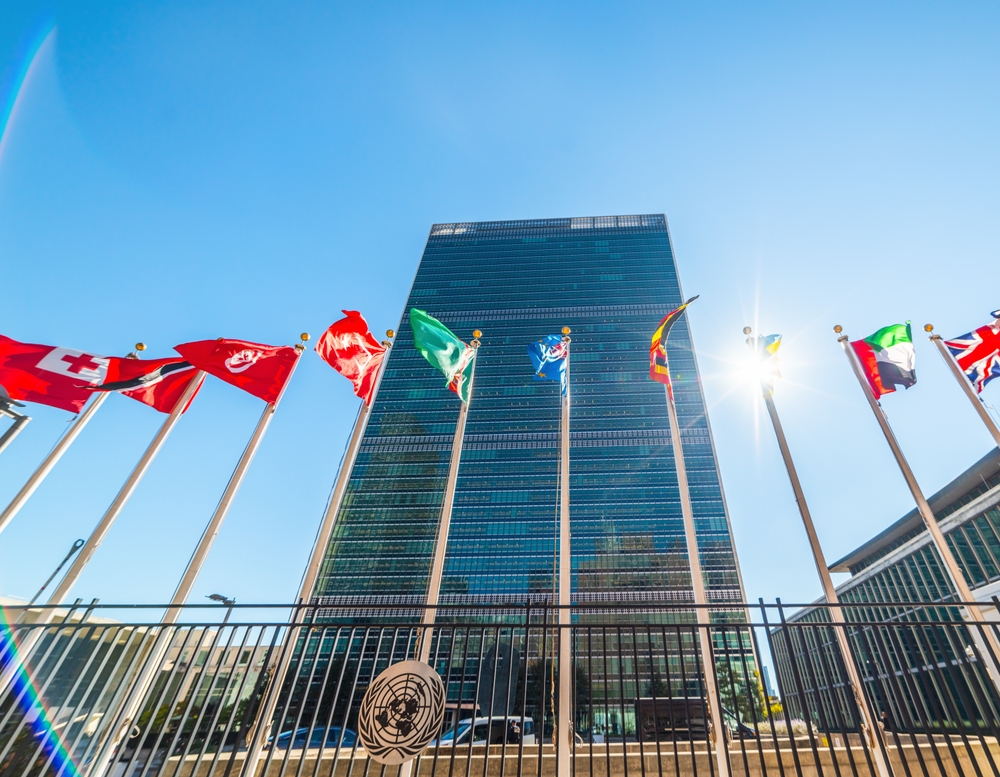
![Venezuela: Talks with opposition, oil deal, Delcy Rodríguez in New York, and the Church’s stance #Catholic Sept. 15 marked the start of the second round of negotiations between a Venezuelan opposition delegation and the country’s ruling socialist regime, a process promoted and driven by the U.S. government with an eye toward potential presidential elections in the South American nation.Dinorah Figuera, who leads the opposition delegation, arrived in Venezuela on Sept. 13 and before national and international media explained that once this weekʼs discussions conclude, the country could expect an announcement regarding the agreements reached.Meanwhile, Jorge Millán, who is also part of the opposition delegation, stated that they would continue “pursuing a Supreme Court of Justice with honorable, independent, and impartial judges capable of providing Venezuela with an upstanding judicial system after so many years. At the end of the cycle [of talks], we will present clear and verifiable objectives.”He also stated that this round of negotiations would also address the status of political parties, political guarantees, and “the dismantling of the repressive apparatus” established by Chavismo (the socialist government established by President Hugo Chávez and continued by President Nicolás Maduro) for over two decades. The state of freedom of expression in Venezuela will also be one of the items on the agenda.“The foundation for achieving a full democracy requires creating the conditions for elections to be held in Venezuela as soon as possible, as quickly as possible. We are laying the groundwork to reach those important areas that will enable all Venezuelans to elect our leaders very soon, with the speed we desire but also allowing for the time this will take,” Millán added.Concerns and proposals from the Catholic ChurchLast week, Cardinals Baltazar Porras and Diego Padrón, together with Bishop Emeritus Ramón Ovidio Pérez Morales, once again spoke out regarding the political and social situation in Venezuela. The prelates had previously raised their voices at the start of negotiations, offering to serve as guarantors of the process.On this occasion, they addressed the state of “indeterminacy, confusion, and uncertainty” prevailing in the country, offering “certain opinions, judgments, and proposals” that seek to “open the way” to help overcome the current crisis and achieve solid institutional stability and the national common good.Following the capture and extradition of President Nicolás Maduro and his wife, Cilia Flores, by U.S. forces on Jan. 3, the prelates noted that “changes have occurred, yet neither the desired and expected change nor a shift toward the structuring and functioning of the country in line with the preamble and fundamental principles of the 1999 Constitution is perceptible.”The cardinals and the bishop cite as examples of this lack of change that there are still political prisoners and a climate of repression as well as a state monopoly on the media and the continued centralization of power. Although these issues have been placed on the negotiating tableʼs agenda, the prelates maintain that these talks “operate within a framework of limited scope and authority.”In this regard, they pointed out that the state is operating on “shaky and legally undefined ground,” while the executive branch is “illegitimate regarding both its origins and its exercise of power.” Consequently, they emphasized the urgent need to call for elections soon.Oil deals with few detailsA few weeks ago, the Trump administration and the Chavista regime signed a massive energy deal granting the United States effective control over approximately one-third of Venezuelan oil, some 65 billion barrels of proven reserves.Beyond the economic aspects, the agreement has sparked particular controversy by including Venezuelan businessman Alejandro Betancourt López as an intermediary. He has been the subject of several investigations regarding alleged corruption, inflated prices in electricity contracts, and money laundering linked to the oil sector.Within Venezuela, Betancourt is singled out as one of the key figures responsible for the serious deterioration of the electrical grid, which has led to daily, hourslong blackouts across the country for years, severely impacting the populationʼs daily lives and even resulting in loss of life due to various causes.While acknowledging they are not experts in the field, Porras, Padrón, and Pérez Morales call for greater transparency in the negotiations and recommend “prudence and a gradual approach regarding commitments.” This, they state, reflects the prevailing sentiment among the Venezuelan people, who are concerned about the fate and use of the “vast sums of money” the state is set to receive.Greater emphasis on the need to call electionsIn light of the foregoing, the cardinals and the bishop underscored the priority of allowing the sovereign people of Venezuela to have a “a defined and clear mandate” regarding the nation’s future, a step that would also offer a sure path toward “encounter, social reconciliation, and peace.”“God has given us this country as a setting in which to build a ‘new society,’ the ideal of the civilization of love. We Venezuelans, through our own efforts and by invoking divine assistance, must keep hope alive and continue working on this compelling task, striving to reap its fruits of peace, freedom, justice, and fraternity,” the prelates stated.Delcy Rodríguez in New York?According to a Sept. 14 Bloomberg report, Venezuelaʼs interim president, Delcy Rodríguez, is considering a trip to New York to attend the United Nations General Assembly, which takes place next week.If the trip goes ahead, Rodríguez would be in the same city where Nicolás Maduro and Cilia Flores are in U.S. custody. When asked about a possible meeting with the Chavista leader, President Donald Trump simply replied: “Maybe, maybe.”Meanwhile, U.S. Secretary of State Marco Rubio indicated that an in-person meeting “probably will happen” if the presence of the interim regimeʼs president is confirmed.Rodríguezʼs presence on U.S. soil would mark a milestone in relations between Washington and Caracas, following more than two decades of tension and discord. Within Venezuela, the growing rapprochement between the U.S. government and the remnants of Chavismo is fueling concern and uncertainty regarding the possibility of real political change.This story was first published by ACI Prensa, the Spanish-language sister service of EWTN News. It has been translated and adapted by EWTN News English.](https://unitedyam.com/wp-content/uploads/2026/09/venezuela-talks-with-opposition-oil-deal-delcy-rodriguez-in-new-york-and-the-churchs-stance-catholic-sept-15-marked-the-start-of-the-second-round-of-negotiations-between-a-venezuelan-op.jpg "Venezuela: Talks with opposition, oil deal, Delcy Rodríguez in New York, and the Church’s stance #Catholic Sept. 15 marked the start of the second round of negotiations between a Venezuelan opposition delegation and the country’s ruling socialist regime, a process promoted and driven by the U.S. government with an eye toward potential presidential elections in the South American nation.Dinorah Figuera, who leads the opposition delegation, arrived in Venezuela on Sept. 13 and before national and international media explained that once this weekʼs discussions conclude, the country could expect an announcement regarding the agreements reached.Meanwhile, Jorge Millán, who is also part of the opposition delegation, stated that they would continue “pursuing a Supreme Court of Justice with honorable, independent, and impartial judges capable of providing Venezuela with an upstanding judicial system after so many years. At the end of the cycle [of talks], we will present clear and verifiable objectives.”He also stated that this round of negotiations would also address the status of political parties, political guarantees, and “the dismantling of the repressive apparatus” established by Chavismo (the socialist government established by President Hugo Chávez and continued by President Nicolás Maduro) for over two decades. The state of freedom of expression in Venezuela will also be one of the items on the agenda.“The foundation for achieving a full democracy requires creating the conditions for elections to be held in Venezuela as soon as possible, as quickly as possible. We are laying the groundwork to reach those important areas that will enable all Venezuelans to elect our leaders very soon, with the speed we desire but also allowing for the time this will take,” Millán added.Concerns and proposals from the Catholic ChurchLast week, Cardinals Baltazar Porras and Diego Padrón, together with Bishop Emeritus Ramón Ovidio Pérez Morales, once again spoke out regarding the political and social situation in Venezuela. The prelates had previously raised their voices at the start of negotiations, offering to serve as guarantors of the process.On this occasion, they addressed the state of “indeterminacy, confusion, and uncertainty” prevailing in the country, offering “certain opinions, judgments, and proposals” that seek to “open the way” to help overcome the current crisis and achieve solid institutional stability and the national common good.Following the capture and extradition of President Nicolás Maduro and his wife, Cilia Flores, by U.S. forces on Jan. 3, the prelates noted that “changes have occurred, yet neither the desired and expected change nor a shift toward the structuring and functioning of the country in line with the preamble and fundamental principles of the 1999 Constitution is perceptible.”The cardinals and the bishop cite as examples of this lack of change that there are still political prisoners and a climate of repression as well as a state monopoly on the media and the continued centralization of power. Although these issues have been placed on the negotiating tableʼs agenda, the prelates maintain that these talks “operate within a framework of limited scope and authority.”In this regard, they pointed out that the state is operating on “shaky and legally undefined ground,” while the executive branch is “illegitimate regarding both its origins and its exercise of power.” Consequently, they emphasized the urgent need to call for elections soon.Oil deals with few detailsA few weeks ago, the Trump administration and the Chavista regime signed a massive energy deal granting the United States effective control over approximately one-third of Venezuelan oil, some 65 billion barrels of proven reserves.Beyond the economic aspects, the agreement has sparked particular controversy by including Venezuelan businessman Alejandro Betancourt López as an intermediary. He has been the subject of several investigations regarding alleged corruption, inflated prices in electricity contracts, and money laundering linked to the oil sector.Within Venezuela, Betancourt is singled out as one of the key figures responsible for the serious deterioration of the electrical grid, which has led to daily, hourslong blackouts across the country for years, severely impacting the populationʼs daily lives and even resulting in loss of life due to various causes.While acknowledging they are not experts in the field, Porras, Padrón, and Pérez Morales call for greater transparency in the negotiations and recommend “prudence and a gradual approach regarding commitments.” This, they state, reflects the prevailing sentiment among the Venezuelan people, who are concerned about the fate and use of the “vast sums of money” the state is set to receive.Greater emphasis on the need to call electionsIn light of the foregoing, the cardinals and the bishop underscored the priority of allowing the sovereign people of Venezuela to have a “a defined and clear mandate” regarding the nation’s future, a step that would also offer a sure path toward “encounter, social reconciliation, and peace.”“God has given us this country as a setting in which to build a ‘new society,’ the ideal of the civilization of love. We Venezuelans, through our own efforts and by invoking divine assistance, must keep hope alive and continue working on this compelling task, striving to reap its fruits of peace, freedom, justice, and fraternity,” the prelates stated.Delcy Rodríguez in New York?According to a Sept. 14 Bloomberg report, Venezuelaʼs interim president, Delcy Rodríguez, is considering a trip to New York to attend the United Nations General Assembly, which takes place next week.If the trip goes ahead, Rodríguez would be in the same city where Nicolás Maduro and Cilia Flores are in U.S. custody. When asked about a possible meeting with the Chavista leader, President Donald Trump simply replied: “Maybe, maybe.”Meanwhile, U.S. Secretary of State Marco Rubio indicated that an in-person meeting “probably will happen” if the presence of the interim regimeʼs president is confirmed.Rodríguezʼs presence on U.S. soil would mark a milestone in relations between Washington and Caracas, following more than two decades of tension and discord. Within Venezuela, the growing rapprochement between the U.S. government and the remnants of Chavismo is fueling concern and uncertainty regarding the possibility of real political change.This story was first published by ACI Prensa, the Spanish-language sister service of EWTN News. It has been translated and adapted by EWTN News English.")
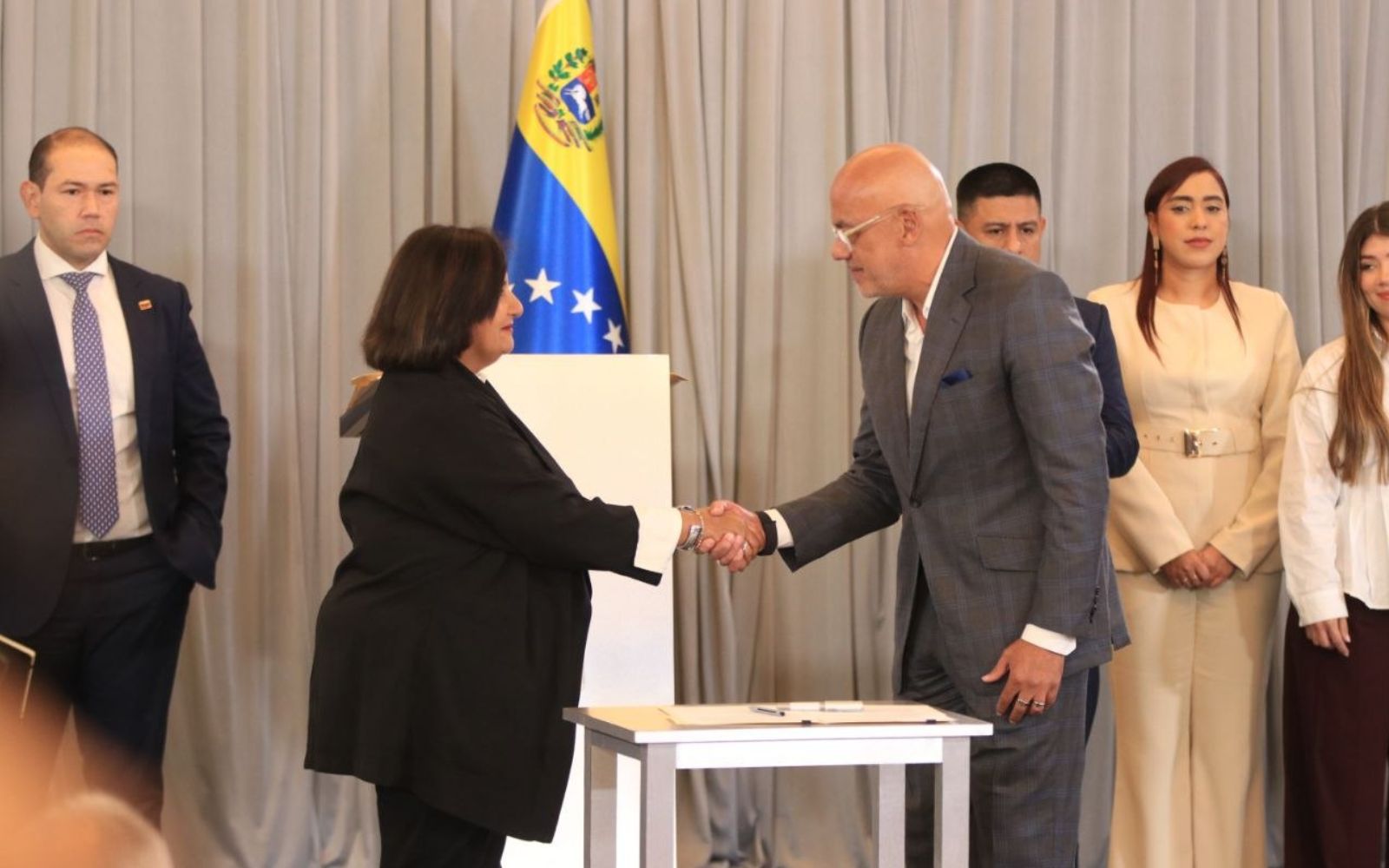
Ongoing talks between the socialist regime and the opposition in Venezuela are making some progress while the Church is trying to contribute to the transition to democracy and freedom.

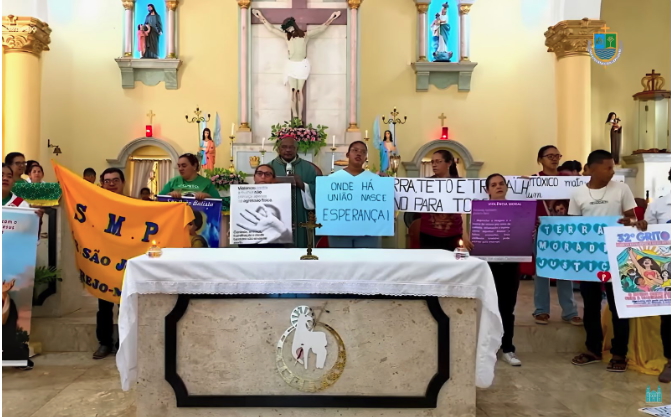
This past Sept. 7, the “Creed of the Ecclesial Base Communities” was included as part of a Mass marking Brazil’s annual “Cry of the Excluded” event.
![Faith on the Hill: Catholic members of Congress share how faith shapes their lives and work #Catholic For many of the 150 Catholics serving in the 119th Congress, faith plays an important role in their lives and work.The current number of Catholic lawmakers on Capitol Hill is slightly higher than the previous Congress, with Catholics accounting for more than 28% of the members of the United States House of Representatives and Senate. Of the Catholic members, 126 serve in the House and 24 in the Senate, according to a report from the Pew Research Center.In this special report, EWTN News Capitol Hill correspondent Erik Rosales spoke with various Catholic members of Congress about their faith and how they live it in their work.Sen. Eric SchmittSen. Eric Schmitt, R-Missouri, grew up a cradle Catholic and said his parents instilled in him the importance of having a personal relationship with Christ at a young age.“I grew up in St. Louis, which is a very Catholic town and has been referred to as the Rome of the West because per capita, very Catholic,” Schmitt told Rosales.A “conversation back home, it might very easily start … ‘What parish are you at? or ‘What parish did you grow up in?’” Schmitt said.At 17, Schmitt went to a Jesuit retreat house that had a profound impact on him. Later, when his son was born with a rare genetic condition, Schmitt would often return to the Jesuits for prayer.It “was a seed that was planted … when I was confronted with this really kind of difficult situation. I went back there, and it was a profound experience,” he said. “I go back every year. Itʼs a … weekend silent retreat. And that keeps me very rooted.”When working busy days on the Hill, Schmitt said he looks to prayer.“Iʼll listen to a podcast by Bishop [Robert] Barron or Father Michael Schmitz,” he said. “I think technology now too has allowed a different avenue for people to … maintain their faith and grow their faith.”Even “if itʼs five or 10 minutes, it really does help me kind of start the day right,” Schmitt said.Rep. John RutherfordRep. John Rutherford, R-Florida, also spoke about leaning on his faith when working in a hectic position, often by attending Mass and saying the rosary.“In Ephesians 2:10, it says, ‘for we are all Godʼs workmanship, created in the image of Christ Jesus to do good work,’ which he prepared … in advance for us to do,’” Rutherford said. “So heʼs got work out there that heʼs prepared for me to do,” he continued.While Rutherford’s Catholic faith is incorporated into his day-to-day life, he shared that was not always the case. He grew up in the United Methodist Church, but at about 14 years old, “fell away from the church,” he said.After becoming a police officer in Jacksonville, Florida, Rutherford’s perspective on faith changed. Witnessing crimes made him question his own mortality.“So I went back to the Bible, and I read the Bible literally cover to cover, not once but twice,” he said.Rutherford returned to the Methodist Church, while his wife and kids attended Catholic Mass. After reading about the Methodist Churchʼs seven principles, he realized he didnʼt agree with them.“It was a long process, but I finally read a book by Pope John Paul II, ‘Crossing the Threshold of Hope,’ and that explained where the authority of the Church is,” Rutherford said. “And how itʼs passed down through the papacy.”After his research, and inspired by the true Church and presence of Jesus in the Eucharist, Rutherford entered the Catholic Church.Rep. Mark MessmerRep. Mark Messmer, R-Indiana, said he has spent his life putting God, family, and community first.It was during his time as a state legislator that a colleague invited Messmer and his wife to attend a Cursillo, a retreat focused on showing Christian laity how to become effective leaders and how to use the Gospel in daily life.“It ignited a passion and a love for Christ, and a love for the Eucharist that I always said I wanted. And then it gives you the tools [for] your prayer life, study life, and evangelization, how to live that out on a daily basis,” he said.Messmer said he stays grounded with daily Mass and his Friday morning prayer group. He and his family also all join together for a weekly group call to catch up and join for “spiritual reinforcement.”Rep. Stephanie BiceRep. Stephanie Bice, R-Oklahoma, converted to Catholicism in college after she started going to Mass with her now husband.Bice served six years in the Oklahoma Senate and later ran for U.S. Congress. She joined a number of women who have been elected over the past two cycles.“Not every woman believes that … you should be able to terminate pregnancies up to birth,” Bice said. “So you had a groundswell of women consider running for congressional seats and Senate seats,” she said.While serving on Capitol Hill, Bice said she turns to prayer and the comfort of the Blessed Mother.“I stumbled across a group of staffers that actually pray the rosary on fly-in days in the morning,” she explained. “I said, ‘Hey, can a member come?’ And they were delighted that I would even ask.”One highlight of her congressional career was meeting Pope Francis at the Vatican. The invitation came from Rep. James Langevin, a fellow Catholic and Democrat from Rhode Island.Pope Francis “looked at my husband and I after blessing us both, and he said: ‘Will you pray for me?’ And that was pretty profound,” Bice said.Rep. Robert Onder“Really, my Catholic faith has motivated me my whole life, my whole career, and really motivated in many ways the direction my life has taken,” Rep. Robert Onder, R-Missouri, said.Onder said his faith was present in his work trying to pass a religious liberty bill in the Missouri Senate and through his fight to protect the conscience rights of physicians who are forced to perform abortions.As a medical doctor, Onder detailed the present problem in some states and hospitals, which “want to force physicians to participate in abortions, participate in vitro fertilization or artificial contraception, and, of course, more recently, participate in euthanasia.”Onder said his political service has been motivated by love of God, family, and country. He said he stays rooted in faith by attending daily Mass. He said he also enjoys talking with other lawmakers about their love for Christ.“Speaker [Mike] Johnson is absolutely a brother in the Christian faith and a very, very strong believer,” Onder said. “It does give me a lot hope and a lot of encouragement to serve with other people who really take their faith seriously.”Rep. Riley MooreRep. Riley Moore, R-West Virginia, said his Catholic faith is “is the most important thing” in his life.“It forms me — every decision I make, everything that I do here on the Hill, it is central to my life. Iʼm always praying to be able to deepen my faith, be a strong family man, and then also my service.”“So itʼs my faith, my family, my service to my state, my country. But faith comes first.”“Canʼt always be easy to discern Godʼs will, particularly in a place that is more about individual will and not Godʼs will,” Moore said. “Iʼm trying to re-center myself towards that. Thatʼs that gravitational pull for me that Iʼm always trying to get back to.”Moore started as a Hill staffer on the House Foreign Affairs Committee, working under the late Rep. Henry Hyde, R-Illinois. One of his priorities is drawing attention to the persecution of Christians around the world, especially in Nigeria.While in Nigeria, “I met a woman who had had all five of her children murdered, murdered by Islamic terrorists,” Moore said. “I met another woman who had her two daughters and husband killed right in front of her, and then they killed her unborn child.”“As we know and weʼve heard many times, and itʼs so true that there is salvation through suffering. I think that … their suffering offers us salvation as well by doing something here,” he said.House Majority Whip Tom EmmerMajority Whip of the U.S. House of Representatives Tom Emmer discussed how his faith was largely inspired by his family, including his father, who attended daily Mass.“The example that they set is, I believe, why I am who I am,” said Emmer, R-Minnesota.Emmer also detailed the trials of his faith, including the loss of his sister Bridget, who died of breast cancer at 38 years old.Emmer said he was angry at the Lord and had doubts about Godʼs will because of his sisterʼs suffering. A conversation with Bridget during her chemotherapy treatment was a pivotal moment for him and his faith.“She looked at me and she said, ‘Tom, would I love to live forever? Absolutely. But Iʼm not going to,’” he explained. His sister added: “I have lived a good life. If God comes and calls me today, so be it.”Emmer said her words brought him away from his own anger with the Lord. Now his message to others is to put God first while living each moment to the fullest.](https://unitedyam.com/wp-content/uploads/2026/09/faith-on-the-hill-catholic-members-of-congress-share-how-faith-shapes-their-lives-and-work-catholic-for-many-of-the-150-catholics-serving-in-the-119th-congress-faith-plays-an-important-role-in-thei-scaled.jpg "Faith on the Hill: Catholic members of Congress share how faith shapes their lives and work #Catholic For many of the 150 Catholics serving in the 119th Congress, faith plays an important role in their lives and work.The current number of Catholic lawmakers on Capitol Hill is slightly higher than the previous Congress, with Catholics accounting for more than 28% of the members of the United States House of Representatives and Senate. Of the Catholic members, 126 serve in the House and 24 in the Senate, according to a report from the Pew Research Center.In this special report, EWTN News Capitol Hill correspondent Erik Rosales spoke with various Catholic members of Congress about their faith and how they live it in their work.Sen. Eric SchmittSen. Eric Schmitt, R-Missouri, grew up a cradle Catholic and said his parents instilled in him the importance of having a personal relationship with Christ at a young age.“I grew up in St. Louis, which is a very Catholic town and has been referred to as the Rome of the West because per capita, very Catholic,” Schmitt told Rosales.A “conversation back home, it might very easily start … ‘What parish are you at? or ‘What parish did you grow up in?’” Schmitt said.At 17, Schmitt went to a Jesuit retreat house that had a profound impact on him. Later, when his son was born with a rare genetic condition, Schmitt would often return to the Jesuits for prayer.It “was a seed that was planted … when I was confronted with this really kind of difficult situation. I went back there, and it was a profound experience,” he said. “I go back every year. Itʼs a … weekend silent retreat. And that keeps me very rooted.”When working busy days on the Hill, Schmitt said he looks to prayer.“Iʼll listen to a podcast by Bishop [Robert] Barron or Father Michael Schmitz,” he said. “I think technology now too has allowed a different avenue for people to … maintain their faith and grow their faith.”Even “if itʼs five or 10 minutes, it really does help me kind of start the day right,” Schmitt said.Rep. John RutherfordRep. John Rutherford, R-Florida, also spoke about leaning on his faith when working in a hectic position, often by attending Mass and saying the rosary.“In Ephesians 2:10, it says, ‘for we are all Godʼs workmanship, created in the image of Christ Jesus to do good work,’ which he prepared … in advance for us to do,’” Rutherford said. “So heʼs got work out there that heʼs prepared for me to do,” he continued.While Rutherford’s Catholic faith is incorporated into his day-to-day life, he shared that was not always the case. He grew up in the United Methodist Church, but at about 14 years old, “fell away from the church,” he said.After becoming a police officer in Jacksonville, Florida, Rutherford’s perspective on faith changed. Witnessing crimes made him question his own mortality.“So I went back to the Bible, and I read the Bible literally cover to cover, not once but twice,” he said.Rutherford returned to the Methodist Church, while his wife and kids attended Catholic Mass. After reading about the Methodist Churchʼs seven principles, he realized he didnʼt agree with them.“It was a long process, but I finally read a book by Pope John Paul II, ‘Crossing the Threshold of Hope,’ and that explained where the authority of the Church is,” Rutherford said. “And how itʼs passed down through the papacy.”After his research, and inspired by the true Church and presence of Jesus in the Eucharist, Rutherford entered the Catholic Church.Rep. Mark MessmerRep. Mark Messmer, R-Indiana, said he has spent his life putting God, family, and community first.It was during his time as a state legislator that a colleague invited Messmer and his wife to attend a Cursillo, a retreat focused on showing Christian laity how to become effective leaders and how to use the Gospel in daily life.“It ignited a passion and a love for Christ, and a love for the Eucharist that I always said I wanted. And then it gives you the tools [for] your prayer life, study life, and evangelization, how to live that out on a daily basis,” he said.Messmer said he stays grounded with daily Mass and his Friday morning prayer group. He and his family also all join together for a weekly group call to catch up and join for “spiritual reinforcement.”Rep. Stephanie BiceRep. Stephanie Bice, R-Oklahoma, converted to Catholicism in college after she started going to Mass with her now husband.Bice served six years in the Oklahoma Senate and later ran for U.S. Congress. She joined a number of women who have been elected over the past two cycles.“Not every woman believes that … you should be able to terminate pregnancies up to birth,” Bice said. “So you had a groundswell of women consider running for congressional seats and Senate seats,” she said.While serving on Capitol Hill, Bice said she turns to prayer and the comfort of the Blessed Mother.“I stumbled across a group of staffers that actually pray the rosary on fly-in days in the morning,” she explained. “I said, ‘Hey, can a member come?’ And they were delighted that I would even ask.”One highlight of her congressional career was meeting Pope Francis at the Vatican. The invitation came from Rep. James Langevin, a fellow Catholic and Democrat from Rhode Island.Pope Francis “looked at my husband and I after blessing us both, and he said: ‘Will you pray for me?’ And that was pretty profound,” Bice said.Rep. Robert Onder“Really, my Catholic faith has motivated me my whole life, my whole career, and really motivated in many ways the direction my life has taken,” Rep. Robert Onder, R-Missouri, said.Onder said his faith was present in his work trying to pass a religious liberty bill in the Missouri Senate and through his fight to protect the conscience rights of physicians who are forced to perform abortions.As a medical doctor, Onder detailed the present problem in some states and hospitals, which “want to force physicians to participate in abortions, participate in vitro fertilization or artificial contraception, and, of course, more recently, participate in euthanasia.”Onder said his political service has been motivated by love of God, family, and country. He said he stays rooted in faith by attending daily Mass. He said he also enjoys talking with other lawmakers about their love for Christ.“Speaker [Mike] Johnson is absolutely a brother in the Christian faith and a very, very strong believer,” Onder said. “It does give me a lot hope and a lot of encouragement to serve with other people who really take their faith seriously.”Rep. Riley MooreRep. Riley Moore, R-West Virginia, said his Catholic faith is “is the most important thing” in his life.“It forms me — every decision I make, everything that I do here on the Hill, it is central to my life. Iʼm always praying to be able to deepen my faith, be a strong family man, and then also my service.”“So itʼs my faith, my family, my service to my state, my country. But faith comes first.”“Canʼt always be easy to discern Godʼs will, particularly in a place that is more about individual will and not Godʼs will,” Moore said. “Iʼm trying to re-center myself towards that. Thatʼs that gravitational pull for me that Iʼm always trying to get back to.”Moore started as a Hill staffer on the House Foreign Affairs Committee, working under the late Rep. Henry Hyde, R-Illinois. One of his priorities is drawing attention to the persecution of Christians around the world, especially in Nigeria.While in Nigeria, “I met a woman who had had all five of her children murdered, murdered by Islamic terrorists,” Moore said. “I met another woman who had her two daughters and husband killed right in front of her, and then they killed her unborn child.”“As we know and weʼve heard many times, and itʼs so true that there is salvation through suffering. I think that … their suffering offers us salvation as well by doing something here,” he said.House Majority Whip Tom EmmerMajority Whip of the U.S. House of Representatives Tom Emmer discussed how his faith was largely inspired by his family, including his father, who attended daily Mass.“The example that they set is, I believe, why I am who I am,” said Emmer, R-Minnesota.Emmer also detailed the trials of his faith, including the loss of his sister Bridget, who died of breast cancer at 38 years old.Emmer said he was angry at the Lord and had doubts about Godʼs will because of his sisterʼs suffering. A conversation with Bridget during her chemotherapy treatment was a pivotal moment for him and his faith.“She looked at me and she said, ‘Tom, would I love to live forever? Absolutely. But Iʼm not going to,’” he explained. His sister added: “I have lived a good life. If God comes and calls me today, so be it.”Emmer said her words brought him away from his own anger with the Lord. Now his message to others is to put God first while living each moment to the fullest.")
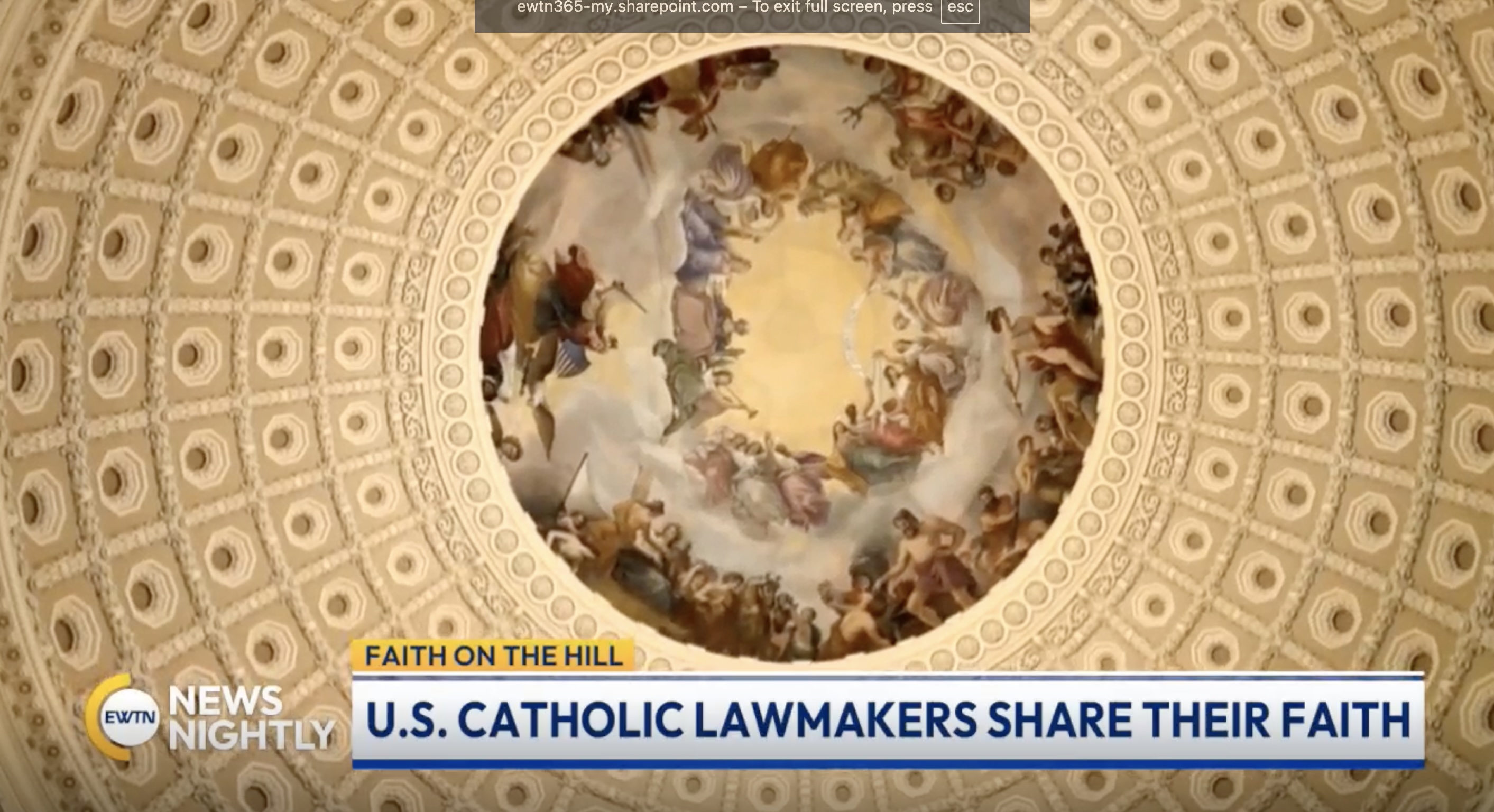
EWTN News Capitol Hill correspondent Erik Rosales spoke with various Catholic lawmakers about how their faith intersects with their public service.
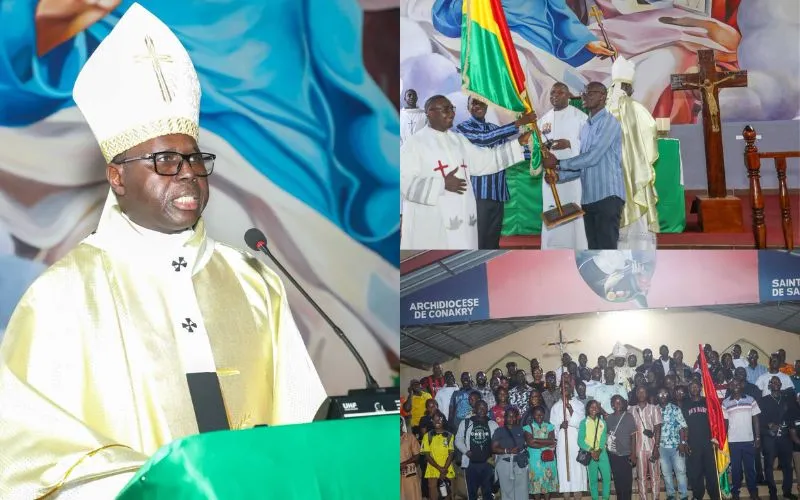
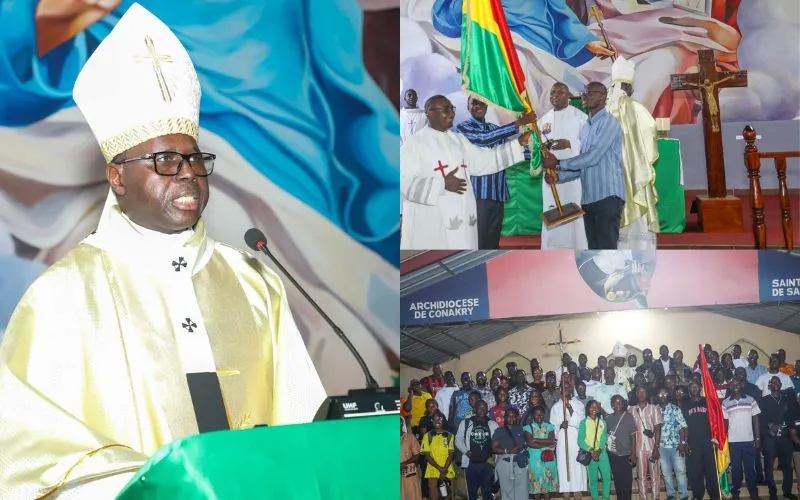
Archbishop François Sylla challenged the youth delegation to see themselves as active members of the Church as they head to the youth celebration in Ghana.
| Picture of the day |
|---|

|
|
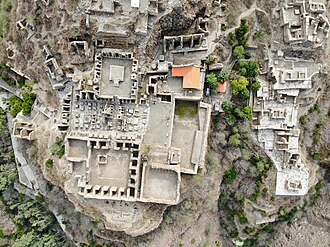
Aerial view of the ruins of Takht-i-Bahi, a 1st-century CE Buddhist monastery complex located in what was once the ancient Indian region of Gandhara, in the present-day northern Pakistani province of Khyber Pakhtunkhwa. It is representative of Buddhist monastic architecture from its era and the ruins were listed as a World Heritage Site in 1980, with UNESCO describing it as having been “exceptionally well-preserved”.
|