relationships

EWTN News explains: Why does the pope visit mosques on papal trips? #Catholic For more than a quarter-century, popes have periodically visited Islamic mosques as part of official voyages and papal visits. The tradition began with Pope John Paul II, who in 2001 became the first pope in history known to have entered a mosque when he visited the Great Mosque of Damascus in the capital of Syria. The subsequent Popes Benedict XVI, Francis, and Leo XIV have all paid visits to mosques to hold ecumenical dialogues and host diplomatic meetings. Yet the practice is not without some controversy. Indeed, Leo XIVʼs visit to the Great Mosque of Algiers on April 13 drew some backlash on social media by critics incredulous over the leader of the Catholic Church visiting a major Islamic holy site. (This was Leoʼs second visit to a mosque; he also visited the famed “Blue Mosque” in Istanbul in late 2025.) 
 
 Pope Leo XIV stands with Rector Mohamed Mamoun Al Qasimi at the Great Mosque in Algiers, Monday, April 13, 2026. | Credit: Vatican Media
 
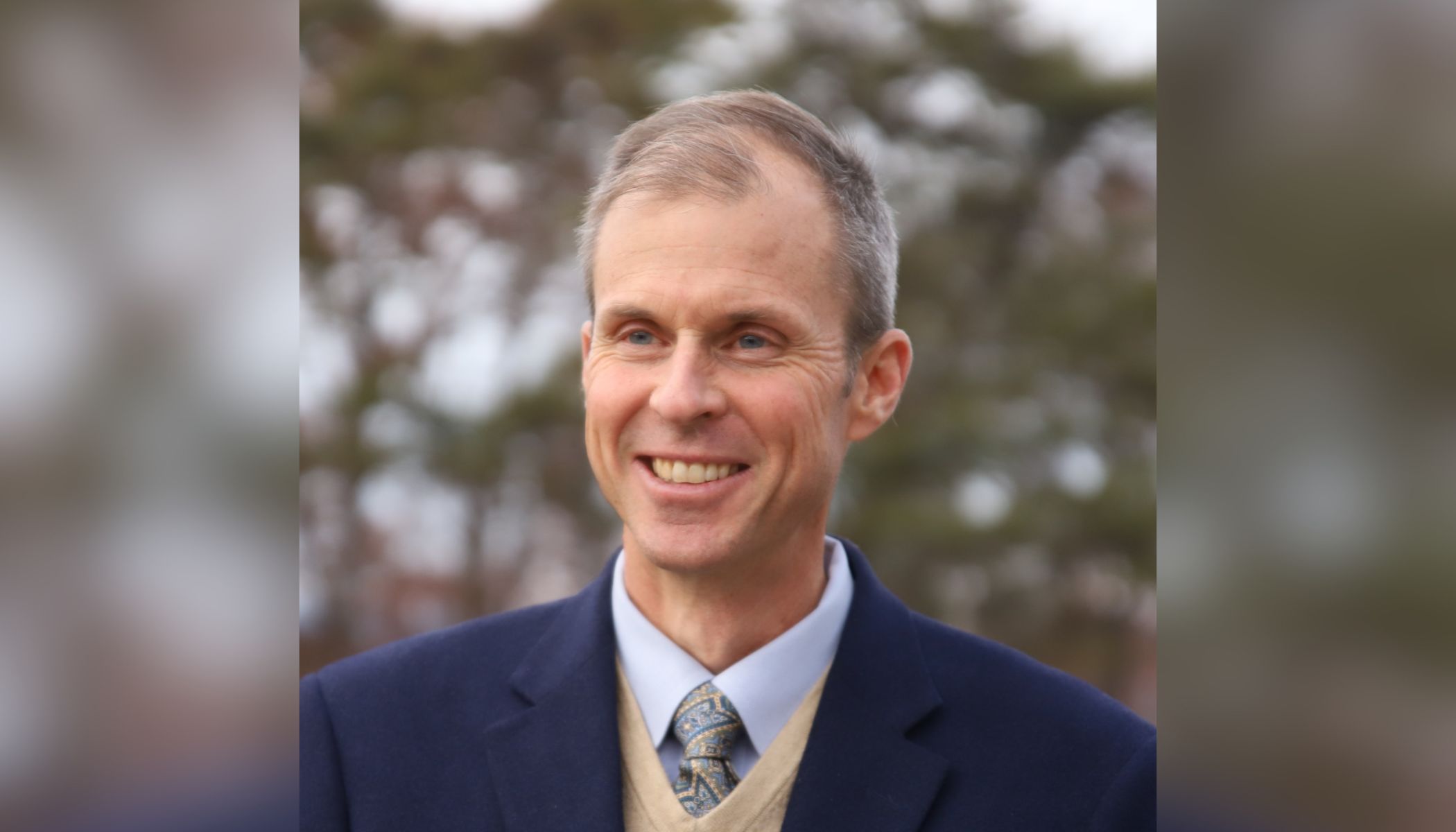
 So why do popes make visits to mosques, courting controversy and criticism for making a point to go to holy sites of another religion? ‘We can live together in peace’Pope Leo XIV himself addressed criticism directed toward him on April 15 on board the papal plane after leaving Algiers bound for Cameroon. “I think the visit to the mosque was significant [and showed] that although we have different beliefs, we have different ways of worshipping, we have different ways of living, we can [still] live together in peace,” the Holy Father said.  “I think that to promote that kind of image is something which the world needs to hear today,” he said, arguing that such visits show that “together we can continue to offer in our witness as we continue on this apostolic voyage.”Gabriel Said Reynolds, a theology professor at the University of Notre Dame who has written multiple works on the Quran and its relationship to Christianity, told EWTN News that interpreting papal visits to mosques should include an understanding of “the Churchʼs vision of God in the world.” “What is God’s relationship to the world? That’s been important to all of the recent popes,” he said.Reynolds pointed out that an Islamic mosque is “fundamentally different from a church.” “A Catholic church is a sort of temple in which God is present in the tabernacle — body, blood, soul, and divinity,” he said. “It’s a sacred space in the deepest sense of the word.”“What Muslims would say of a mosque is fundamentally different,” he said. “A mosque is for communal prayer, but the communal prayer that takes place in a mosque is no different than the ritual prayer that’s more often done at home.” He likened a mosque to a “gathering place” with just a few features that set it apart as a distinct site — such as a pulpit for occasional sermons and an alcove that denotes the direction of Mecca to which Muslims orient themselves during prayer. Reynolds said popes visit mosques in no small part as a “pastoral concern” for Christians living in majority-Muslim countries, such as Algeria. “Algerian society is thoroughly Islamic,” he said. “It’s not generally marked by notions of rights and responsibilities and citizenship in the same way the U.S. is. Cultivating positive relationships with Muslim leaders is absolutely essential for Christians.”Reynolds said the Churchʼs view about human dignity has “fundamental implications with its relationship toward non-Christians.” He pointed out, for instance, that the pope “could show up at an atheist convention and meet the people there and have dialogue with them.”“John 3:16 says God loves the world,” he said. “It’s not that God loves believers and doesn’t love the unbelievers. All people are children of God, according to Catholic teaching.”The declaration Nostra Aetate, meanwhile — issued by the Second Vatican Council in 1965 to address Catholicismʼs relationship with non-Christians — affirmed that the Church “regards [Muslims] with esteem.”The document points out that although Muslims “do not acknowledge Jesus as God,” they still “adore the one God” and “revere [Jesus] as a prophet” while giving honor to the Virgin Mother as well. The Second Vatican Council acknowledged that “in the course of centuries not a few quarrels and hostilities have arisen” between Christians and Muslims, but the document “urge[d] all to forget the past and to work sincerely for mutual understanding.”It further called on religious adherents to “preserve as well as to promote together for the benefit of all mankind social justice and moral welfare, as well as peace and freedom.”

EWTN News explains: Why does the pope visit mosques on papal trips? #Catholic For more than a quarter-century, popes have periodically visited Islamic mosques as part of official voyages and papal visits. The tradition began with Pope John Paul II, who in 2001 became the first pope in history known to have entered a mosque when he visited the Great Mosque of Damascus in the capital of Syria. The subsequent Popes Benedict XVI, Francis, and Leo XIV have all paid visits to mosques to hold ecumenical dialogues and host diplomatic meetings. Yet the practice is not without some controversy. Indeed, Leo XIVʼs visit to the Great Mosque of Algiers on April 13 drew some backlash on social media by critics incredulous over the leader of the Catholic Church visiting a major Islamic holy site. (This was Leoʼs second visit to a mosque; he also visited the famed “Blue Mosque” in Istanbul in late 2025.) Pope Leo XIV stands with Rector Mohamed Mamoun Al Qasimi at the Great Mosque in Algiers, Monday, April 13, 2026. | Credit: Vatican Media So why do popes make visits to mosques, courting controversy and criticism for making a point to go to holy sites of another religion? ‘We can live together in peace’Pope Leo XIV himself addressed criticism directed toward him on April 15 on board the papal plane after leaving Algiers bound for Cameroon. “I think the visit to the mosque was significant [and showed] that although we have different beliefs, we have different ways of worshipping, we have different ways of living, we can [still] live together in peace,” the Holy Father said.  “I think that to promote that kind of image is something which the world needs to hear today,” he said, arguing that such visits show that “together we can continue to offer in our witness as we continue on this apostolic voyage.”Gabriel Said Reynolds, a theology professor at the University of Notre Dame who has written multiple works on the Quran and its relationship to Christianity, told EWTN News that interpreting papal visits to mosques should include an understanding of “the Churchʼs vision of God in the world.” “What is God’s relationship to the world? That’s been important to all of the recent popes,” he said.Reynolds pointed out that an Islamic mosque is “fundamentally different from a church.” “A Catholic church is a sort of temple in which God is present in the tabernacle — body, blood, soul, and divinity,” he said. “It’s a sacred space in the deepest sense of the word.”“What Muslims would say of a mosque is fundamentally different,” he said. “A mosque is for communal prayer, but the communal prayer that takes place in a mosque is no different than the ritual prayer that’s more often done at home.” He likened a mosque to a “gathering place” with just a few features that set it apart as a distinct site — such as a pulpit for occasional sermons and an alcove that denotes the direction of Mecca to which Muslims orient themselves during prayer. Reynolds said popes visit mosques in no small part as a “pastoral concern” for Christians living in majority-Muslim countries, such as Algeria. “Algerian society is thoroughly Islamic,” he said. “It’s not generally marked by notions of rights and responsibilities and citizenship in the same way the U.S. is. Cultivating positive relationships with Muslim leaders is absolutely essential for Christians.”Reynolds said the Churchʼs view about human dignity has “fundamental implications with its relationship toward non-Christians.” He pointed out, for instance, that the pope “could show up at an atheist convention and meet the people there and have dialogue with them.”“John 3:16 says God loves the world,” he said. “It’s not that God loves believers and doesn’t love the unbelievers. All people are children of God, according to Catholic teaching.”The declaration Nostra Aetate, meanwhile — issued by the Second Vatican Council in 1965 to address Catholicismʼs relationship with non-Christians — affirmed that the Church “regards [Muslims] with esteem.”The document points out that although Muslims “do not acknowledge Jesus as God,” they still “adore the one God” and “revere [Jesus] as a prophet” while giving honor to the Virgin Mother as well. The Second Vatican Council acknowledged that “in the course of centuries not a few quarrels and hostilities have arisen” between Christians and Muslims, but the document “urge[d] all to forget the past and to work sincerely for mutual understanding.”It further called on religious adherents to “preserve as well as to promote together for the benefit of all mankind social justice and moral welfare, as well as peace and freedom.”

Why do popes make visits to Islamic mosques, courting controversy and criticism by taking part in events at holy sites of another religion?

Read More
Pope Leo XIV in Algeria: Where there is conflict the Church brings reconciliation #Catholic ANNABA, Algeria — Pope Leo XIV concluded his visit to the land of St. Augustine by celebrating Mass at the Basilica of St. Augustine in Annaba, where he said the Church is continually reborn when it brings hope to the despairing, dignity to the poor, and reconciliation where there is conflict.The basilica, dedicated to the bishop of ancient Hippo, was built between 1881 and 1907 at the initiative of Algiers Archbishop Charles-Martial-Allemand Lavigerie and was elevated to the rank of minor basilica on April 24, 1914, by Pope Pius X. Restoration work was completed in 2013, with support that included a personal donation from Pope Benedict XVI.In his homily, the pope reflected on the Gospel account of Jesus’ nighttime encounter with Nicodemus, presenting it as a summons to renewal for the whole Church and especially for Algeria’s Christian community.“Today we listen to the Gospel, the good news for all time, in this basilica in Annaba dedicated to St. Augustine, bishop of the ancient city of Hippo,” the pope said. “Over the centuries, the names of the places that welcome us have changed, but the saints continue to serve as our patrons and faithful witnesses of a connection to the land that comes from heaven.”Leo said Jesus’ words to Nicodemus — “You must be born from above” — are not a burden but an invitation to freedom and new life in God.“Such is the invitation for every man and woman who seeks salvation!” he said. “Jesus’ invitation gives rise to the mission of the whole Church, and consequently to the Christian community in Algeria: to be born again from above, that is, from God. In this perspective, faith overcomes earthly hardships and the Lord’s grace makes the desert blossom.”The pope acknowledged that Christ’s command can sound impossible at first but said it reveals God’s power to renew human life.“On the contrary, the obligation expressed by Jesus is a gift of freedom for us, because it reveals an unexpected possibility: We can be born anew from above thanks to God,” Leo said. “We should do so, then, according to his loving will, which desires to renew humanity by calling us to a communion of life that begins with faith. While Christ invites us to renew our lives completely, he also gives us the strength to do so.”He then asked whether life can truly begin again and answered with hope rooted in the cross and Resurrection.“Yes! The Lord’s response, so full of love, fills our hearts with hope,” the pope said. “No matter how weighed down we are by pain or sin: The crucified One carries all these burdens with us and for us. No matter how discouraged we are by our own weaknesses: It is precisely then that God manifests his strength, the God who has raised Christ from the dead in order to give life to the world.”“Each one of us can experience the freedom of new life that comes from faith in the Redeemer,” he added. “Once again, St. Augustine offers us an example of this: We revere him for his conversion even more than for his wisdom.”Turning to the Acts of the Apostles, Leo said the life of the early Church remains the model for genuine ecclesial reform.“Even today, we must embrace this apostolic rule and put it into practice, meditating on it as an authentic criterion for ecclesial reform: a reform that must begin in the heart, if it is to be genuine, and must encompass everyone if it is to be effective,” he said.The pope said the first Christian community was not founded on a merely human agreement but on communion in Christ.“The early Church, therefore, was not based on a social contract but rather on the harmony of faith, affections, ideas, and life decisions centered on the love of God who became man to save all the peoples of the earth,” he said.That unity, he said, must bear fruit in charity, especially amid poverty and oppression.“Therefore, in the face of poverty and oppression, the guiding principle above all for Christians is charity: Let us do to those around us, as we would have them do to us,” Leo said. “Inspired by this law, inscribed in our hearts by God, the Church is continually reborn, for where there is despair she kindles hope, where there is misery she brings dignity, and where there is conflict she brings reconciliation.”Addressing bishops and priests, the pope said pastors are called above all to bear witness to God without fear or compromise.“The primary task of pastors as ministers of the Gospel is therefore to bear witness to God before the world with one heart and one soul, not permitting our concerns to lead us astray through fear, nor trends to undermine us through compromise,” he said.“Together with you, brothers in the episcopate and the priesthood, let us constantly renew this mission for the sake of those entrusted to us, so that through her service, the whole Church may be a message of new life for those we encounter,” he added.In his closing appeal, Leo addressed Algeria’s Christians directly, praising their fidelity and urging them to continue witnessing to the Gospel in ordinary life.“Dearest Christians of Algeria, you remain a humble and faithful sign of Christ’s love in this land,” he said. “Bear witness to the Gospel through simple gestures, genuine relationships, and a dialogue lived out day by day: In this way, you bring flavor and light to the places where you live.”He also praised their perseverance through hardship and invoked the example of the martyrs and of St. Augustine.“Your history is one of generous hospitality and resilience in times of trial,” the pope said. “Here the martyrs prayed; here St. Augustine loved his flock, fervently seeking the truth and serving Christ with ardent faith. Be heirs to this tradition, bearing witness through fraternal charity to the freedom of those born from above as a hope of salvation for the world.”Several cardinals concelebrated the Mass with the pope, including Cardinal Jean-Paul Vesco, archbishop of Algiers; Cardinal Cristóbal López Romero, archbishop of Rabat; and curial cardinals Pietro Parolin, George Koovakad, Luis Antonio Tagle, Peter Turkson, and Robert Sarah. Also among the concelebrants were Archbishop Paul Gallagher and Father Joseph Farrell, prior general of the Augustinians.Before the Mass, the pope visited the Augustinian community house and later had lunch with his confreres.At the end of the celebration, Bishop Michel Jean-Paul Guillaud of Constantine offered words of thanks to the pope.“Holy Father, your visit to this place, a source of your Augustinian roots, was brief, but it was an encouragement for us,” Guillaud said. “First of all, it strengthened our Christian community in its faith and in its trust in the goodwill and respect of the Algerian people. We could not have welcomed you without the support and active collaboration of the authorities and the joyful hospitality of our Algerian brothers and sisters.”The exchange of gifts followed: The pope received a ceramic work made by an Algerian artist, and he in turn gave a chalice.Leo then offered brief words of thanks of his own.“This journey has been for me a particular gift of God’s providence, a gift that the Lord has wished to make to the whole Church,” the pope said. “And it seems to me that I can sum it up this way: God is love; he is the Father of all men and women. Let us return to God with humility…”He continued: “We acknowledge that the current situation of the world is caught in a negative spiral that ultimately depends on our pride. We need him, we need his mercy, because only in him is the peace of the human heart found, and with him we will all be able to live together.”This story was first published by ACI Stampa, the Italian-language sister service of EWTN News. It has been translated and adapted by EWTN News English.

Pope Leo XIV in Algeria: Where there is conflict the Church brings reconciliation #Catholic ANNABA, Algeria — Pope Leo XIV concluded his visit to the land of St. Augustine by celebrating Mass at the Basilica of St. Augustine in Annaba, where he said the Church is continually reborn when it brings hope to the despairing, dignity to the poor, and reconciliation where there is conflict.The basilica, dedicated to the bishop of ancient Hippo, was built between 1881 and 1907 at the initiative of Algiers Archbishop Charles-Martial-Allemand Lavigerie and was elevated to the rank of minor basilica on April 24, 1914, by Pope Pius X. Restoration work was completed in 2013, with support that included a personal donation from Pope Benedict XVI.In his homily, the pope reflected on the Gospel account of Jesus’ nighttime encounter with Nicodemus, presenting it as a summons to renewal for the whole Church and especially for Algeria’s Christian community.“Today we listen to the Gospel, the good news for all time, in this basilica in Annaba dedicated to St. Augustine, bishop of the ancient city of Hippo,” the pope said. “Over the centuries, the names of the places that welcome us have changed, but the saints continue to serve as our patrons and faithful witnesses of a connection to the land that comes from heaven.”Leo said Jesus’ words to Nicodemus — “You must be born from above” — are not a burden but an invitation to freedom and new life in God.“Such is the invitation for every man and woman who seeks salvation!” he said. “Jesus’ invitation gives rise to the mission of the whole Church, and consequently to the Christian community in Algeria: to be born again from above, that is, from God. In this perspective, faith overcomes earthly hardships and the Lord’s grace makes the desert blossom.”The pope acknowledged that Christ’s command can sound impossible at first but said it reveals God’s power to renew human life.“On the contrary, the obligation expressed by Jesus is a gift of freedom for us, because it reveals an unexpected possibility: We can be born anew from above thanks to God,” Leo said. “We should do so, then, according to his loving will, which desires to renew humanity by calling us to a communion of life that begins with faith. While Christ invites us to renew our lives completely, he also gives us the strength to do so.”He then asked whether life can truly begin again and answered with hope rooted in the cross and Resurrection.“Yes! The Lord’s response, so full of love, fills our hearts with hope,” the pope said. “No matter how weighed down we are by pain or sin: The crucified One carries all these burdens with us and for us. No matter how discouraged we are by our own weaknesses: It is precisely then that God manifests his strength, the God who has raised Christ from the dead in order to give life to the world.”“Each one of us can experience the freedom of new life that comes from faith in the Redeemer,” he added. “Once again, St. Augustine offers us an example of this: We revere him for his conversion even more than for his wisdom.”Turning to the Acts of the Apostles, Leo said the life of the early Church remains the model for genuine ecclesial reform.“Even today, we must embrace this apostolic rule and put it into practice, meditating on it as an authentic criterion for ecclesial reform: a reform that must begin in the heart, if it is to be genuine, and must encompass everyone if it is to be effective,” he said.The pope said the first Christian community was not founded on a merely human agreement but on communion in Christ.“The early Church, therefore, was not based on a social contract but rather on the harmony of faith, affections, ideas, and life decisions centered on the love of God who became man to save all the peoples of the earth,” he said.That unity, he said, must bear fruit in charity, especially amid poverty and oppression.“Therefore, in the face of poverty and oppression, the guiding principle above all for Christians is charity: Let us do to those around us, as we would have them do to us,” Leo said. “Inspired by this law, inscribed in our hearts by God, the Church is continually reborn, for where there is despair she kindles hope, where there is misery she brings dignity, and where there is conflict she brings reconciliation.”Addressing bishops and priests, the pope said pastors are called above all to bear witness to God without fear or compromise.“The primary task of pastors as ministers of the Gospel is therefore to bear witness to God before the world with one heart and one soul, not permitting our concerns to lead us astray through fear, nor trends to undermine us through compromise,” he said.“Together with you, brothers in the episcopate and the priesthood, let us constantly renew this mission for the sake of those entrusted to us, so that through her service, the whole Church may be a message of new life for those we encounter,” he added.In his closing appeal, Leo addressed Algeria’s Christians directly, praising their fidelity and urging them to continue witnessing to the Gospel in ordinary life.“Dearest Christians of Algeria, you remain a humble and faithful sign of Christ’s love in this land,” he said. “Bear witness to the Gospel through simple gestures, genuine relationships, and a dialogue lived out day by day: In this way, you bring flavor and light to the places where you live.”He also praised their perseverance through hardship and invoked the example of the martyrs and of St. Augustine.“Your history is one of generous hospitality and resilience in times of trial,” the pope said. “Here the martyrs prayed; here St. Augustine loved his flock, fervently seeking the truth and serving Christ with ardent faith. Be heirs to this tradition, bearing witness through fraternal charity to the freedom of those born from above as a hope of salvation for the world.”Several cardinals concelebrated the Mass with the pope, including Cardinal Jean-Paul Vesco, archbishop of Algiers; Cardinal Cristóbal López Romero, archbishop of Rabat; and curial cardinals Pietro Parolin, George Koovakad, Luis Antonio Tagle, Peter Turkson, and Robert Sarah. Also among the concelebrants were Archbishop Paul Gallagher and Father Joseph Farrell, prior general of the Augustinians.Before the Mass, the pope visited the Augustinian community house and later had lunch with his confreres.At the end of the celebration, Bishop Michel Jean-Paul Guillaud of Constantine offered words of thanks to the pope.“Holy Father, your visit to this place, a source of your Augustinian roots, was brief, but it was an encouragement for us,” Guillaud said. “First of all, it strengthened our Christian community in its faith and in its trust in the goodwill and respect of the Algerian people. We could not have welcomed you without the support and active collaboration of the authorities and the joyful hospitality of our Algerian brothers and sisters.”The exchange of gifts followed: The pope received a ceramic work made by an Algerian artist, and he in turn gave a chalice.Leo then offered brief words of thanks of his own.“This journey has been for me a particular gift of God’s providence, a gift that the Lord has wished to make to the whole Church,” the pope said. “And it seems to me that I can sum it up this way: God is love; he is the Father of all men and women. Let us return to God with humility…”He continued: “We acknowledge that the current situation of the world is caught in a negative spiral that ultimately depends on our pride. We need him, we need his mercy, because only in him is the peace of the human heart found, and with him we will all be able to live together.”This story was first published by ACI Stampa, the Italian-language sister service of EWTN News. It has been translated and adapted by EWTN News English.

At the Basilica of St. Augustine, the pontiff urged Christians to bear witness through “simple gestures, genuine relationships and a dialogue lived out day by day.”

Read More
Pope Leo XIV: Sport must be a ‘space for encounter’ #Catholic VATICAN CITY — Pope Leo XIV on Thursday praised athletes from the Milan-Cortina 2026 Olympic and Paralympic Games, saying sport “can and must truly become a space for encounter” in a world marked by “polarization, rivalry, and conflicts that escalate into devastating wars.”Speaking in the Clementine Hall at the Vatican on April 9, the Holy Father welcomed the athletes “with joy” shortly after the conclusion of the Winter Games and thanked them for their witness.“Thank you for what you have shown,” the pope said. “Truly, sport, when lived authentically, is not merely a performance: It is a form of language, a narrative made up of gestures, of effort, of anticipation, of falls, and of new beginnings.”Leo XIV said the games revealed not only athletic achievement but also “stories of sacrifice, of discipline, of tenacity.”“In particular, in Paralympic competitions we have seen how a limitation can become a source of revelation: not something that holds a person back but something that can be transformed, even transfigured into newfound qualities,” he said. “You athletes have become life stories that inspire a great number of people.”The pope also emphasized the communal dimension of athletic success, saying: “No one wins alone.”“Your team spirit reminds us that no one wins alone, because behind every victory there are many people involved — from family to teams — as well as many days of training, pressure, and solitude,” he said.Quoting Psalm 18, he added: “It is often precisely in these moments that God reveals himself, as the psalmist sings: ‘Thou didst give a wide place for my steps under me, and my feet did not slip.’”Leo XIV said sport helps mature the human person by fostering discipline, humility, and right relationships.“Sport contributes to the maturing of our character, requires a steadfast spirituality, and is a fruitful form of education,” he said. “By training the mind, along with the limbs, sport is authentic when it remains humane — that is, when it remains faithful to its first vocation: to be a school of life and talent.”“A school in which one learns that true success is measured by the quality of relationships: not by the amount of prizes but by mutual respect, by shared joy in the game,” he continued.Referring to his Feb. 6 apostolic letter “Life in Abundance,” written for the occasion of the Olympics and Paralympics, the pope said the Gospel’s vision of abundant life points to harmony between the physical and interior dimensions of the person.Turning to the present global situation, Leo XIV said the athletes’ witness carries special importance.“At the present time, so marked by polarization, rivalry, and conflicts that escalate into devastating wars, your commitment takes on an even greater value: Sport can and must truly become a space for encounter!” he said. “Not a show of strength but an exercise in relationship.”Recalling the value of the Olympic truce, he thanked the athletes for making visible “this possibility of peace as a prophecy that is by no means rhetorical: breaking the logic of violence to promote that of encounter.”The pope also warned against distortions in sport, including doping, commercialism, and the reduction of athletes to mere spectacle.“We are well aware that sport also brings with it certain temptations: that of performance at any cost, which can lead to doping; that of profit, which transforms the game into a market and the athlete into a star; that of spectacle, which reduces the athlete to an image or a number,” he said. “Against these excesses, your witness is essential.”Leo XIV concluded by thanking the athletes for showing “an honest and beautiful way of inhabiting the world” and urged them to keep the human person at the center of sport in all its forms.Following the audience, several of the athletes spoke to journalists about their experience of the audience and competing in the Winter Games, including speed skater Francesca Lollobrigida, who won two gold medals at Milan-Cortina this year.
 
 Francesca Lollobrigida responds to journalists after a papal audience at the Apostolic Palace in Vatican City on April 9, 2026. | Credit: Ishmael Adibuah/EWTN News
 
 “My goal was just to show that in my sport; I was able to combine, you know, being a mother and a top athlete,“ Lollobrigida told EWTN News. ”Iʼm just doing this for the other women, you know, that maybe at some points during their career they want to stop to focus on the family and then to come back.”Nikko Landeros, an American-born Catholic who lost both his legs in 2007, represented Italy in ice hockey at the latest Paralympic games. He described to EWTN News the role of Catholicism in his athletic journey.“At home, I started pretty much Catholic. You know, I went to Catholic school in the U.S. Weʼve been going to church now… not as much as I should, but, you know, I still pray every day, and Iʼm thankful to be here. You know, if it werenʼt for God, I wouldnʼt be alive. So, you know, Iʼm super thankful,” Landeros said.This story was first published by ACI Stampa, the Italian-language sister service of EWTN News. It has been translated and adapted by EWTN News English.

Pope Leo XIV: Sport must be a ‘space for encounter’ #Catholic VATICAN CITY — Pope Leo XIV on Thursday praised athletes from the Milan-Cortina 2026 Olympic and Paralympic Games, saying sport “can and must truly become a space for encounter” in a world marked by “polarization, rivalry, and conflicts that escalate into devastating wars.”Speaking in the Clementine Hall at the Vatican on April 9, the Holy Father welcomed the athletes “with joy” shortly after the conclusion of the Winter Games and thanked them for their witness.“Thank you for what you have shown,” the pope said. “Truly, sport, when lived authentically, is not merely a performance: It is a form of language, a narrative made up of gestures, of effort, of anticipation, of falls, and of new beginnings.”Leo XIV said the games revealed not only athletic achievement but also “stories of sacrifice, of discipline, of tenacity.”“In particular, in Paralympic competitions we have seen how a limitation can become a source of revelation: not something that holds a person back but something that can be transformed, even transfigured into newfound qualities,” he said. “You athletes have become life stories that inspire a great number of people.”The pope also emphasized the communal dimension of athletic success, saying: “No one wins alone.”“Your team spirit reminds us that no one wins alone, because behind every victory there are many people involved — from family to teams — as well as many days of training, pressure, and solitude,” he said.Quoting Psalm 18, he added: “It is often precisely in these moments that God reveals himself, as the psalmist sings: ‘Thou didst give a wide place for my steps under me, and my feet did not slip.’”Leo XIV said sport helps mature the human person by fostering discipline, humility, and right relationships.“Sport contributes to the maturing of our character, requires a steadfast spirituality, and is a fruitful form of education,” he said. “By training the mind, along with the limbs, sport is authentic when it remains humane — that is, when it remains faithful to its first vocation: to be a school of life and talent.”“A school in which one learns that true success is measured by the quality of relationships: not by the amount of prizes but by mutual respect, by shared joy in the game,” he continued.Referring to his Feb. 6 apostolic letter “Life in Abundance,” written for the occasion of the Olympics and Paralympics, the pope said the Gospel’s vision of abundant life points to harmony between the physical and interior dimensions of the person.Turning to the present global situation, Leo XIV said the athletes’ witness carries special importance.“At the present time, so marked by polarization, rivalry, and conflicts that escalate into devastating wars, your commitment takes on an even greater value: Sport can and must truly become a space for encounter!” he said. “Not a show of strength but an exercise in relationship.”Recalling the value of the Olympic truce, he thanked the athletes for making visible “this possibility of peace as a prophecy that is by no means rhetorical: breaking the logic of violence to promote that of encounter.”The pope also warned against distortions in sport, including doping, commercialism, and the reduction of athletes to mere spectacle.“We are well aware that sport also brings with it certain temptations: that of performance at any cost, which can lead to doping; that of profit, which transforms the game into a market and the athlete into a star; that of spectacle, which reduces the athlete to an image or a number,” he said. “Against these excesses, your witness is essential.”Leo XIV concluded by thanking the athletes for showing “an honest and beautiful way of inhabiting the world” and urged them to keep the human person at the center of sport in all its forms.Following the audience, several of the athletes spoke to journalists about their experience of the audience and competing in the Winter Games, including speed skater Francesca Lollobrigida, who won two gold medals at Milan-Cortina this year. Francesca Lollobrigida responds to journalists after a papal audience at the Apostolic Palace in Vatican City on April 9, 2026. | Credit: Ishmael Adibuah/EWTN News “My goal was just to show that in my sport; I was able to combine, you know, being a mother and a top athlete,“ Lollobrigida told EWTN News. ”Iʼm just doing this for the other women, you know, that maybe at some points during their career they want to stop to focus on the family and then to come back.”Nikko Landeros, an American-born Catholic who lost both his legs in 2007, represented Italy in ice hockey at the latest Paralympic games. He described to EWTN News the role of Catholicism in his athletic journey.“At home, I started pretty much Catholic. You know, I went to Catholic school in the U.S. Weʼve been going to church now… not as much as I should, but, you know, I still pray every day, and Iʼm thankful to be here. You know, if it werenʼt for God, I wouldnʼt be alive. So, you know, Iʼm super thankful,” Landeros said.This story was first published by ACI Stampa, the Italian-language sister service of EWTN News. It has been translated and adapted by EWTN News English.

The pontiff addressed athletes from the Milan-Cortina 2026 Olympic and Paralympic Games.

Read More
Bishops’ commission considers social, cultural, and pastoral factors behind polygamy in Africa #Catholic NAIROBI, Kenya — In addition to theological reflections on marriage and the sacraments, the final report addressing the pastoral challenge of polygamy in Africa, which members of the Symposium of Episcopal Conferences of Africa and Madagascar (SECAM) issued on March 24, draws attention to a wide range of social, cultural, and pastoral realities shaping the practice across the continent.While reaffirming the Christian ideal of monogamous marriage, the 25-page report compiled by the SECAM commission — made up of selected theologians and professionals from relevant ecclesiastical disciplines — emphasizes that understanding the persistence of polygamy requires careful analysis of social change, legal frameworks, gender relations, and pastoral strategies within African societies.
 
 SECAM president Cardinal Fridolin Ambongo. | Credit: ACI Africa
 
 The report is a direct response to the mandate that the multiyear XVI Ordinary General Assembly of the Synod of Bishops — known as the Synod on Synodality — gave Catholic bishops in Africa: “to promote theological and pastoral discernment on the issue of polygamy.”Polygamy in a changing African social landscapeIn the report, the SECAM commission members note that polygamy cannot be understood solely through the lens of traditional culture. African societies have undergone profound transformation in recent decades.“The traditional environment has crumbled,” they said, leading to a climate in which many long-standing institutions and values are increasingly questioned. This transformation has also affected the dynamics of marriage and family life. Sociological studies cited in the report identify infertility as one of the principal motivations behind contemporary polygamy, though the report emphasizes that the reasons are complex.Despite modernization and evangelization, it notes that the practice of polygamy has not disappeared. Instead, “it remains alive and well” and, in some contexts, has even regained popularity.One notable development the SECAM commission members highlight in the report is the changing role of women in African societies. They observe that women increasingly occupy key economic roles, particularly within the informal sector.Legal frameworks across AfricaIn the report, commission members also highlight the legal status of polygamy across the continent.They note that roughly 30 African countries have legal frameworks that permit polygamy — either through civil law, customary law, or religious legislation. The list includes countries such as Kenya, Nigeria, Senegal, Tanzania, Morocco, and South Africa.However, the report points out that legal recognition of polygamy does not necessarily indicate broad societal consensus. In many countries, women’s movements have increasingly challenged these laws.“More and more women are speaking out against legislation in favor of polygamy, which is considered unfair and disrespectful of gender equality,” the report says.
 
 Members of the Symposium of Episcopal Conference of Africa and Madagascar (SECAM) meet at the 20th Plenary Assembly held in Kigali, Rwanda, from July 30 to Aug. 4, 2025, under the theme “Christ, Source of Hope, Reconciliation, and Peace.” | Credit: ACI Africa
 
 This tension between cultural tradition, legal frameworks, and evolving social values forms a significant part of the pastoral context in which the Catholic bishops in Africa must address the issue of polygamy, the SECAM commission says in the report.The question of women’s dignityA central theme in the report is the dignity of women within both cultural and ecclesial contexts.Pastoral responses to polygamy must explicitly seek “to enhance the dignity of women,” the report says. The report acknowledges that women sometimes choose polygamous arrangements for practical or cultural reasons — however, it raises theological questions about whether such choices correspond to God’s plan for human relationships.From a biblical perspective, polygamy “does not promote the development of women as intended by God,” according to the report. Therefore, pastoral strategies that help Christian communities reflect critically on cultural assumptions about gender roles and marriage are important.Economic vulnerability and the practice of polygamyThe report also links polygamy to economic vulnerability, particularly among widows.One example the SECAM commission members highlight is the traditional practice of levirate marriage, in which a widow marries a relative of her deceased husband in order to secure protection and support for herself and her children.While acknowledging the social security function of this practice, the report questions whether it can also lead to forms of exploitation and whether such arrangements risk reducing women to objects of exchange within family structures.For this reason, the commission members highlight the importance of pastoral care directed specifically toward widows. Ensuring their “material and moral security” can help prevent situations in which women feel compelled to enter polygamous relationships for survival, the report states.Hidden or ‘veiled’ forms of polygamyAnother issue raised in the report is what the SECAM commission members call “veiled polygamy.”This term refers to situations in which individuals maintain multiple sexual relationships outside formal marriage, resulting in families in which children are born to parents who are not married to one another.Although such situations do not present the same doctrinal challenges as formal polygamy, the commission members say they consider this harmful both to society and to the Church.One difficulty, they note, is that social stigma often falls disproportionately on women raising children outside marriage. The absence of fathers also raises concerns about the well-being of children.In response, the report calls for stronger pastoral formation within Christian communities so that believers can accompany families facing these realities with maturity and responsibility.
 
 Members of the SECAM in 2025 | Credit: ACI Africa
 
 Preparing couples for Christian marriageThe commission members in the report repeatedly emphasize that prevention is as important as pastoral accompaniment.Many cases of polygamy among baptized Christians arise from cultural expectations about fertility. In many African contexts, the inability to bear children can place intense pressure on a marriage, the report notes.Therefore, the report calls for rigorous marriage preparation programs that help couples understand the Christian meaning of marriage. While the desire for children is recognized as a legitimate cultural value, the reports stresses that biological fertility is not essential to the sacramental reality of marriage.Christian marriage, the SECAM commission members state, must be understood primarily as a covenant of love and fidelity rather than simply a means of producing offspring.A broader question of inculturationThroughout the report, commission members frame the issue of polygamy as part of a broader challenge of inculturation — the process of expressing Christian faith within diverse cultural contexts.They acknowledge that the Church’s engagement with African cultures has evolved significantly since the missionary era.While earlier pastoral approaches often treated polygamy primarily as a moral problem to be eliminated, today the Church must combine fidelity to the Gospel with attentive listening to cultural realities.In their concluding reflections, SECAM commission members call for continued dialogue among Catholic bishops in Africa, theologians, and pastoral workers to evaluate existing pastoral models and, where necessary, “propose other paths, with the aim of offering to all the possibility of an encounter with Christ and his Gospel.”In this way, the issue of polygamy is not simply a disciplinary question but part of the broader task of shaping an authentically African expression of Christian family life.This story was first published by ACI Africa, the sister service of EWTN News in Africa, and has been adapted by EWTN News.

Bishops’ commission considers social, cultural, and pastoral factors behind polygamy in Africa #Catholic NAIROBI, Kenya — In addition to theological reflections on marriage and the sacraments, the final report addressing the pastoral challenge of polygamy in Africa, which members of the Symposium of Episcopal Conferences of Africa and Madagascar (SECAM) issued on March 24, draws attention to a wide range of social, cultural, and pastoral realities shaping the practice across the continent.While reaffirming the Christian ideal of monogamous marriage, the 25-page report compiled by the SECAM commission — made up of selected theologians and professionals from relevant ecclesiastical disciplines — emphasizes that understanding the persistence of polygamy requires careful analysis of social change, legal frameworks, gender relations, and pastoral strategies within African societies. SECAM president Cardinal Fridolin Ambongo. | Credit: ACI Africa The report is a direct response to the mandate that the multiyear XVI Ordinary General Assembly of the Synod of Bishops — known as the Synod on Synodality — gave Catholic bishops in Africa: “to promote theological and pastoral discernment on the issue of polygamy.”Polygamy in a changing African social landscapeIn the report, the SECAM commission members note that polygamy cannot be understood solely through the lens of traditional culture. African societies have undergone profound transformation in recent decades.“The traditional environment has crumbled,” they said, leading to a climate in which many long-standing institutions and values are increasingly questioned. This transformation has also affected the dynamics of marriage and family life. Sociological studies cited in the report identify infertility as one of the principal motivations behind contemporary polygamy, though the report emphasizes that the reasons are complex.Despite modernization and evangelization, it notes that the practice of polygamy has not disappeared. Instead, “it remains alive and well” and, in some contexts, has even regained popularity.One notable development the SECAM commission members highlight in the report is the changing role of women in African societies. They observe that women increasingly occupy key economic roles, particularly within the informal sector.Legal frameworks across AfricaIn the report, commission members also highlight the legal status of polygamy across the continent.They note that roughly 30 African countries have legal frameworks that permit polygamy — either through civil law, customary law, or religious legislation. The list includes countries such as Kenya, Nigeria, Senegal, Tanzania, Morocco, and South Africa.However, the report points out that legal recognition of polygamy does not necessarily indicate broad societal consensus. In many countries, women’s movements have increasingly challenged these laws.“More and more women are speaking out against legislation in favor of polygamy, which is considered unfair and disrespectful of gender equality,” the report says. Members of the Symposium of Episcopal Conference of Africa and Madagascar (SECAM) meet at the 20th Plenary Assembly held in Kigali, Rwanda, from July 30 to Aug. 4, 2025, under the theme “Christ, Source of Hope, Reconciliation, and Peace.” | Credit: ACI Africa This tension between cultural tradition, legal frameworks, and evolving social values forms a significant part of the pastoral context in which the Catholic bishops in Africa must address the issue of polygamy, the SECAM commission says in the report.The question of women’s dignityA central theme in the report is the dignity of women within both cultural and ecclesial contexts.Pastoral responses to polygamy must explicitly seek “to enhance the dignity of women,” the report says. The report acknowledges that women sometimes choose polygamous arrangements for practical or cultural reasons — however, it raises theological questions about whether such choices correspond to God’s plan for human relationships.From a biblical perspective, polygamy “does not promote the development of women as intended by God,” according to the report. Therefore, pastoral strategies that help Christian communities reflect critically on cultural assumptions about gender roles and marriage are important.Economic vulnerability and the practice of polygamyThe report also links polygamy to economic vulnerability, particularly among widows.One example the SECAM commission members highlight is the traditional practice of levirate marriage, in which a widow marries a relative of her deceased husband in order to secure protection and support for herself and her children.While acknowledging the social security function of this practice, the report questions whether it can also lead to forms of exploitation and whether such arrangements risk reducing women to objects of exchange within family structures.For this reason, the commission members highlight the importance of pastoral care directed specifically toward widows. Ensuring their “material and moral security” can help prevent situations in which women feel compelled to enter polygamous relationships for survival, the report states.Hidden or ‘veiled’ forms of polygamyAnother issue raised in the report is what the SECAM commission members call “veiled polygamy.”This term refers to situations in which individuals maintain multiple sexual relationships outside formal marriage, resulting in families in which children are born to parents who are not married to one another.Although such situations do not present the same doctrinal challenges as formal polygamy, the commission members say they consider this harmful both to society and to the Church.One difficulty, they note, is that social stigma often falls disproportionately on women raising children outside marriage. The absence of fathers also raises concerns about the well-being of children.In response, the report calls for stronger pastoral formation within Christian communities so that believers can accompany families facing these realities with maturity and responsibility. Members of the SECAM in 2025 | Credit: ACI Africa Preparing couples for Christian marriageThe commission members in the report repeatedly emphasize that prevention is as important as pastoral accompaniment.Many cases of polygamy among baptized Christians arise from cultural expectations about fertility. In many African contexts, the inability to bear children can place intense pressure on a marriage, the report notes.Therefore, the report calls for rigorous marriage preparation programs that help couples understand the Christian meaning of marriage. While the desire for children is recognized as a legitimate cultural value, the reports stresses that biological fertility is not essential to the sacramental reality of marriage.Christian marriage, the SECAM commission members state, must be understood primarily as a covenant of love and fidelity rather than simply a means of producing offspring.A broader question of inculturationThroughout the report, commission members frame the issue of polygamy as part of a broader challenge of inculturation — the process of expressing Christian faith within diverse cultural contexts.They acknowledge that the Church’s engagement with African cultures has evolved significantly since the missionary era.While earlier pastoral approaches often treated polygamy primarily as a moral problem to be eliminated, today the Church must combine fidelity to the Gospel with attentive listening to cultural realities.In their concluding reflections, SECAM commission members call for continued dialogue among Catholic bishops in Africa, theologians, and pastoral workers to evaluate existing pastoral models and, where necessary, “propose other paths, with the aim of offering to all the possibility of an encounter with Christ and his Gospel.”In this way, the issue of polygamy is not simply a disciplinary question but part of the broader task of shaping an authentically African expression of Christian family life.This story was first published by ACI Africa, the sister service of EWTN News in Africa, and has been adapted by EWTN News.

The final report addressing the pastoral challenge of polygamy in Africa draws attention to a wide range of social, cultural, and pastoral realities shaping the practice across the continent.

Read More
Catholic bishops in Africa release final report addressing pastoral challenge of polygamy #Catholic NAIROBI, Kenya — Catholic bishops in Africa have released a final report addressing the pastoral challenge of polygamy across Africa. The 25-page document responds directly to the mandate that the multiyear XVI Ordinary General Assembly of the Synod of Bishops, the Synod on Synodality, gave to members of the Symposium of Episcopal Conferences of Africa and Madagascar (SECAM) “to promote theological and pastoral discernment on the issue of polygamy.”Compiled by a SECAM commission made up of selected theologians and professionals from relevant ecclesiastical disciplines, the report presents a structured reflection on the phenomenon through what it describes as a process of “quadruple listening”: attentive engagement with African cultural realities, sacred Scripture, Church teaching on Christian marriage, and pastoral practices already operative within ecclesial communities across the continent.Polygamy within the context of the African familyThe report begins by situating polygamy within the broader cultural and religious context of the African family. According to the SECAM commission: “The African family is built on the covenant: an alliance between human groups, an alliance with ancestors, and an alliance with God.”Within this worldview, the birth of children is central. The commission members explained that “at the heart of this family, the child represents an inestimable treasure, a divine blessing. He perpetuates the name of the lineage while helping to consolidate the present life.”It is within this framework that members of the SECAM commission situated polygamy, defined as “a marital regime in which an individual is linked at the same time to several spouses.” They clarified that although the term technically includes both polyandry and polygyny, the latter — a man married to multiple women — remains by far the most common form in Africa.Historically, the practice emerged from specific social needs. In early agrarian and nomadic societies, large families provided economic stability and security, they noted, recalling: “Polygamous marriages were practiced not only for the sake of large families, but also for reasons of solidarity, alliances, and political objectives.”Marriage in traditional African societies also carried communal and spiritual dimensions that made divorce rare, they further noted, recalling that marriage ceremonies involved not only the spouses but entire families and even calling upon ancestors, reflecting a deeply communal understanding of family life.
 
 SECAM president Cardinal Fridolin Ambongo (left) and secretary-general Father Rafael Simbine Junior (right). | Credit: ACI Africa
 
 Biblical discernmentTurning to Scripture, the SECAM commission members noted that the Bible itself reflects diverse marital practices. In the Old Testament world, “forms of marriage varied, from polygamy to monogamy,” and several biblical figures lived in polygamous unions.Nevertheless, the commission members stressed in the report that monogamy gradually emerged as the biblical ideal. They pointed to the Book of Tobit as a text that strongly “exalts monogamy,” describing families that are “strictly monogamous” and characterized by fidelity and religious devotion.The commission members interpreted this development as part of what they call a “divine pedagogy.” According to their report, God allowed polygamy historically but ultimately revealed the ideal of monogamous marriage through Christ.“In his Son, he shows that polygamy is not the ideal couple desired by God,” they said, emphasizing Jesus’ teaching that marriage is a union between “one man and one woman.”This biblical reflection also addressed one of the most common cultural motivations for polygamy — infertility. The commission insisted that biological impediments to fertility do not justify polygamy.They explained that biblical tradition broadens the understanding of motherhood and fatherhood beyond biological reproduction. True fruitfulness, the commission members wrote, can consist in fidelity to God and virtuous life rather than biological offspring alone.Ethical questions raised by polygamyThe report on the pastoral challenges of polygamy raised ethical questions about whether the core meaning of Christian marriage can be reconciled with polygamous unions. The commission highlighted the Christian understanding of marriage as a total mutual gift between two persons.“If marriage translates into ‘the gift of oneself to another,’ one might wonder how a man or woman can experience this ‘gift of self’ by giving themselves to several wives or husbands at the same time,” they observed.Commission members also raised questions about emotional and psychological dimensions, asking whether shared marital relationships risk undermining authentic communion between spouses.The Christian understanding of marriage, they noted, is further illuminated by the apostle Paul’s comparison of marriage with the relationship between Christ and the Church — a singular and exclusive covenant of love.Pastoral challenges: Baptism and sacramental lifeThe commission acknowledged that polygamy has long posed pastoral challenges for the Church in Africa, especially when individuals living in polygamous unions seek baptism or integration into Catholic communities.Historically, missionaries often approached the issue by requiring monogamy as a condition for baptism, they recalled, adding that “monogamous marriage was therefore a requirement for being or becoming a Christian.”Today, however, pastoral practice has evolved in many African dioceses, they said, identifying several pastoral approaches currently used within local churches.One approach requires a man seeking full sacramental participation to choose one spouse while continuing to provide for the other women and their children.Another response is the “permanent catechumenate,” in which a polygamous individual participates in catechetical formation and community life without receiving baptism or the other sacraments due to the continuing marital situation.A third practice involves baptizing the first wife when she has been placed in a polygamous relationship without her consent. In such cases, she may be fully integrated into the Christian community while remaining within her family environment.Position on baptism for polygamistsOne of the clearest conclusions of the SECAM commission concerned the sacrament of baptism. The commission argued that baptizing someone who intends to remain in a polygamous union risks undermining the theological meaning of baptism itself.“Baptizing a polygamist who will continue to remain so would give every appearance of legitimizing this irregularity and could distort or even devalue baptism of its substance,” they stated.For this reason, the commission recommended that baptism should normally follow a clear commitment to monogamous marriage.According to their report, polygamous catechumens should undergo thorough preparation and be ready to “accept the Gospel message, adhere to the Christian ideal, and commit to monogamous marriage before receiving baptism.”Implications for Catholics living in polygamous familiesAt the pastoral level, the members of the commission stressed accompaniment rather than exclusion. The Church, the report says, must practice “a pastoral approach of proximity, listening, and accompaniment.”This approach acknowledges that many polygamous families cannot easily dissolve existing marital bonds. In such cases, pastoral accompaniment may maintain the family structure while gradually introducing the Christian vision of marriage.The commission noted that some members of polygamous families — particularly the first wife and children — may meet the conditions for full sacramental participation, while others may live their faith “in a penitent manner and in the hope of full integration into the community of Jesus’ disciples.”Ultimately, the commission members framed the issue as part of a broader process of inculturation. The challenge for the Church in Africa, they concluded, is to present the Gospel within cultural realities while remaining faithful to the Christian understanding of marriage.This story was first published by ACI Africa, the sister service of EWTN News in Africa, and has been adapted by EWTN News.

Catholic bishops in Africa release final report addressing pastoral challenge of polygamy #Catholic NAIROBI, Kenya — Catholic bishops in Africa have released a final report addressing the pastoral challenge of polygamy across Africa. The 25-page document responds directly to the mandate that the multiyear XVI Ordinary General Assembly of the Synod of Bishops, the Synod on Synodality, gave to members of the Symposium of Episcopal Conferences of Africa and Madagascar (SECAM) “to promote theological and pastoral discernment on the issue of polygamy.”Compiled by a SECAM commission made up of selected theologians and professionals from relevant ecclesiastical disciplines, the report presents a structured reflection on the phenomenon through what it describes as a process of “quadruple listening”: attentive engagement with African cultural realities, sacred Scripture, Church teaching on Christian marriage, and pastoral practices already operative within ecclesial communities across the continent.Polygamy within the context of the African familyThe report begins by situating polygamy within the broader cultural and religious context of the African family. According to the SECAM commission: “The African family is built on the covenant: an alliance between human groups, an alliance with ancestors, and an alliance with God.”Within this worldview, the birth of children is central. The commission members explained that “at the heart of this family, the child represents an inestimable treasure, a divine blessing. He perpetuates the name of the lineage while helping to consolidate the present life.”It is within this framework that members of the SECAM commission situated polygamy, defined as “a marital regime in which an individual is linked at the same time to several spouses.” They clarified that although the term technically includes both polyandry and polygyny, the latter — a man married to multiple women — remains by far the most common form in Africa.Historically, the practice emerged from specific social needs. In early agrarian and nomadic societies, large families provided economic stability and security, they noted, recalling: “Polygamous marriages were practiced not only for the sake of large families, but also for reasons of solidarity, alliances, and political objectives.”Marriage in traditional African societies also carried communal and spiritual dimensions that made divorce rare, they further noted, recalling that marriage ceremonies involved not only the spouses but entire families and even calling upon ancestors, reflecting a deeply communal understanding of family life. SECAM president Cardinal Fridolin Ambongo (left) and secretary-general Father Rafael Simbine Junior (right). | Credit: ACI Africa Biblical discernmentTurning to Scripture, the SECAM commission members noted that the Bible itself reflects diverse marital practices. In the Old Testament world, “forms of marriage varied, from polygamy to monogamy,” and several biblical figures lived in polygamous unions.Nevertheless, the commission members stressed in the report that monogamy gradually emerged as the biblical ideal. They pointed to the Book of Tobit as a text that strongly “exalts monogamy,” describing families that are “strictly monogamous” and characterized by fidelity and religious devotion.The commission members interpreted this development as part of what they call a “divine pedagogy.” According to their report, God allowed polygamy historically but ultimately revealed the ideal of monogamous marriage through Christ.“In his Son, he shows that polygamy is not the ideal couple desired by God,” they said, emphasizing Jesus’ teaching that marriage is a union between “one man and one woman.”This biblical reflection also addressed one of the most common cultural motivations for polygamy — infertility. The commission insisted that biological impediments to fertility do not justify polygamy.They explained that biblical tradition broadens the understanding of motherhood and fatherhood beyond biological reproduction. True fruitfulness, the commission members wrote, can consist in fidelity to God and virtuous life rather than biological offspring alone.Ethical questions raised by polygamyThe report on the pastoral challenges of polygamy raised ethical questions about whether the core meaning of Christian marriage can be reconciled with polygamous unions. The commission highlighted the Christian understanding of marriage as a total mutual gift between two persons.“If marriage translates into ‘the gift of oneself to another,’ one might wonder how a man or woman can experience this ‘gift of self’ by giving themselves to several wives or husbands at the same time,” they observed.Commission members also raised questions about emotional and psychological dimensions, asking whether shared marital relationships risk undermining authentic communion between spouses.The Christian understanding of marriage, they noted, is further illuminated by the apostle Paul’s comparison of marriage with the relationship between Christ and the Church — a singular and exclusive covenant of love.Pastoral challenges: Baptism and sacramental lifeThe commission acknowledged that polygamy has long posed pastoral challenges for the Church in Africa, especially when individuals living in polygamous unions seek baptism or integration into Catholic communities.Historically, missionaries often approached the issue by requiring monogamy as a condition for baptism, they recalled, adding that “monogamous marriage was therefore a requirement for being or becoming a Christian.”Today, however, pastoral practice has evolved in many African dioceses, they said, identifying several pastoral approaches currently used within local churches.One approach requires a man seeking full sacramental participation to choose one spouse while continuing to provide for the other women and their children.Another response is the “permanent catechumenate,” in which a polygamous individual participates in catechetical formation and community life without receiving baptism or the other sacraments due to the continuing marital situation.A third practice involves baptizing the first wife when she has been placed in a polygamous relationship without her consent. In such cases, she may be fully integrated into the Christian community while remaining within her family environment.Position on baptism for polygamistsOne of the clearest conclusions of the SECAM commission concerned the sacrament of baptism. The commission argued that baptizing someone who intends to remain in a polygamous union risks undermining the theological meaning of baptism itself.“Baptizing a polygamist who will continue to remain so would give every appearance of legitimizing this irregularity and could distort or even devalue baptism of its substance,” they stated.For this reason, the commission recommended that baptism should normally follow a clear commitment to monogamous marriage.According to their report, polygamous catechumens should undergo thorough preparation and be ready to “accept the Gospel message, adhere to the Christian ideal, and commit to monogamous marriage before receiving baptism.”Implications for Catholics living in polygamous familiesAt the pastoral level, the members of the commission stressed accompaniment rather than exclusion. The Church, the report says, must practice “a pastoral approach of proximity, listening, and accompaniment.”This approach acknowledges that many polygamous families cannot easily dissolve existing marital bonds. In such cases, pastoral accompaniment may maintain the family structure while gradually introducing the Christian vision of marriage.The commission noted that some members of polygamous families — particularly the first wife and children — may meet the conditions for full sacramental participation, while others may live their faith “in a penitent manner and in the hope of full integration into the community of Jesus’ disciples.”Ultimately, the commission members framed the issue as part of a broader process of inculturation. The challenge for the Church in Africa, they concluded, is to present the Gospel within cultural realities while remaining faithful to the Christian understanding of marriage.This story was first published by ACI Africa, the sister service of EWTN News in Africa, and has been adapted by EWTN News.

SECAM has issued a 25-page final report addressing the pastoral challenge of polygamy across Africa, a direct response to a mandate given at the Synod on Synodality.

Read More
Pope decries war’s toll #Catholic Pope Leo XIV on Sunday voiced dismay over ongoing conflicts around the world, saying the suffering of innocent victims “hurts all of humanity” and urging an end to hostilities grounded in dialogue and respect for human dignity.“We cannot remain silent in the face of the suffering of so many defenseless people who are victims of these conflicts. What hurts them hurts all of humanity,” the pope said after praying the Angelus on March 22.“The death and pain caused by these wars is a scandal for the entire human family and a cry that rises to God,” he continued. “I strongly renew my appeal to persevere in prayer, so that hostilities may cease and paths to peace may finally open up, based on sincere dialogue and respect for the dignity of every human person.”Earlier, in his reflection before the Angelus, the pope focused on the Gospel account of the raising of Lazarus, describing it as a sign of Christ’s victory over death and the promise of eternal life received through baptism.“The account of the resurrection of Lazarus, then, invites us to listen to this profound need and, with the power of the Holy Spirit, to free our hearts from habits, conditioning, and ways of thinking which, like boulders, shut us away in the tomb of selfishness, materialism, violence, and superficiality,” he said.“In these places there is no life but only confusion, dissatisfaction, and loneliness.”Quoting Jesus’ command in the Gospel — “Come out!” — the pope said Christ calls believers to emerge from such “cramped spaces,” renewed by his grace, and to “walk in the light of love, as new women and men, capable of hoping and loving, without calculation and without measure, according to the model of his infinite charity.”He also warned that the world seems “to constantly search for novelty and change, even at the cost of sacrificing important things — time, energy, values, affections,” as though “fame, material goods, entertainment, and fleeting relationships could fill our hearts or make us immortal.”“It is a symptom of a longing for the infinite that each of us carries within us, a need that cannot be satisfied by passing things,” he said. “Nothing finite can quench our inner thirst, for we are made for God, and we find no peace until we rest in him.”The pope concluded by entrusting the faithful to the Virgin Mary, praying that the experience of encountering the risen Christ may be renewed in them each day.This story was first published by ACI Stampa, the Italian-language sister service of EWTN News. It has been translated and adapted by EWTN News English.

Pope decries war’s toll #Catholic Pope Leo XIV on Sunday voiced dismay over ongoing conflicts around the world, saying the suffering of innocent victims “hurts all of humanity” and urging an end to hostilities grounded in dialogue and respect for human dignity.“We cannot remain silent in the face of the suffering of so many defenseless people who are victims of these conflicts. What hurts them hurts all of humanity,” the pope said after praying the Angelus on March 22.“The death and pain caused by these wars is a scandal for the entire human family and a cry that rises to God,” he continued. “I strongly renew my appeal to persevere in prayer, so that hostilities may cease and paths to peace may finally open up, based on sincere dialogue and respect for the dignity of every human person.”Earlier, in his reflection before the Angelus, the pope focused on the Gospel account of the raising of Lazarus, describing it as a sign of Christ’s victory over death and the promise of eternal life received through baptism.“The account of the resurrection of Lazarus, then, invites us to listen to this profound need and, with the power of the Holy Spirit, to free our hearts from habits, conditioning, and ways of thinking which, like boulders, shut us away in the tomb of selfishness, materialism, violence, and superficiality,” he said.“In these places there is no life but only confusion, dissatisfaction, and loneliness.”Quoting Jesus’ command in the Gospel — “Come out!” — the pope said Christ calls believers to emerge from such “cramped spaces,” renewed by his grace, and to “walk in the light of love, as new women and men, capable of hoping and loving, without calculation and without measure, according to the model of his infinite charity.”He also warned that the world seems “to constantly search for novelty and change, even at the cost of sacrificing important things — time, energy, values, affections,” as though “fame, material goods, entertainment, and fleeting relationships could fill our hearts or make us immortal.”“It is a symptom of a longing for the infinite that each of us carries within us, a need that cannot be satisfied by passing things,” he said. “Nothing finite can quench our inner thirst, for we are made for God, and we find no peace until we rest in him.”The pope concluded by entrusting the faithful to the Virgin Mary, praying that the experience of encountering the risen Christ may be renewed in them each day.This story was first published by ACI Stampa, the Italian-language sister service of EWTN News. It has been translated and adapted by EWTN News English.

Pope Leo XIV says suffering of innocent victims “hurts all of humanity” as he calls for end to hostilities and renewed paths to peace.

Read More