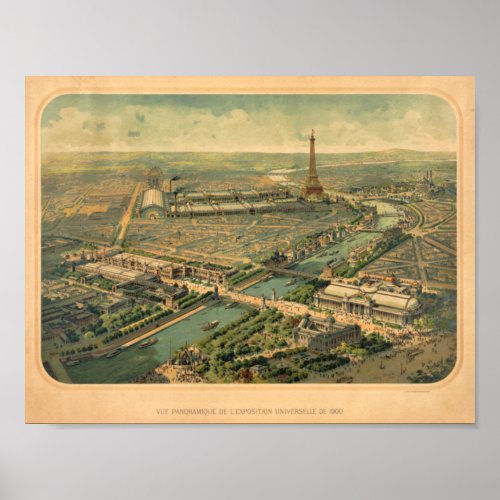
Tower

Picture of the day
Vodno Telecommunication Tower under construction in Skopje, North Macedonia. Today is the Day of the Macedonian Revolutionary Struggle, a national holiday in North Macedonia celebrated on the occasion of the formation of the Internal Macedonian Revolutionary Organization.
Read More
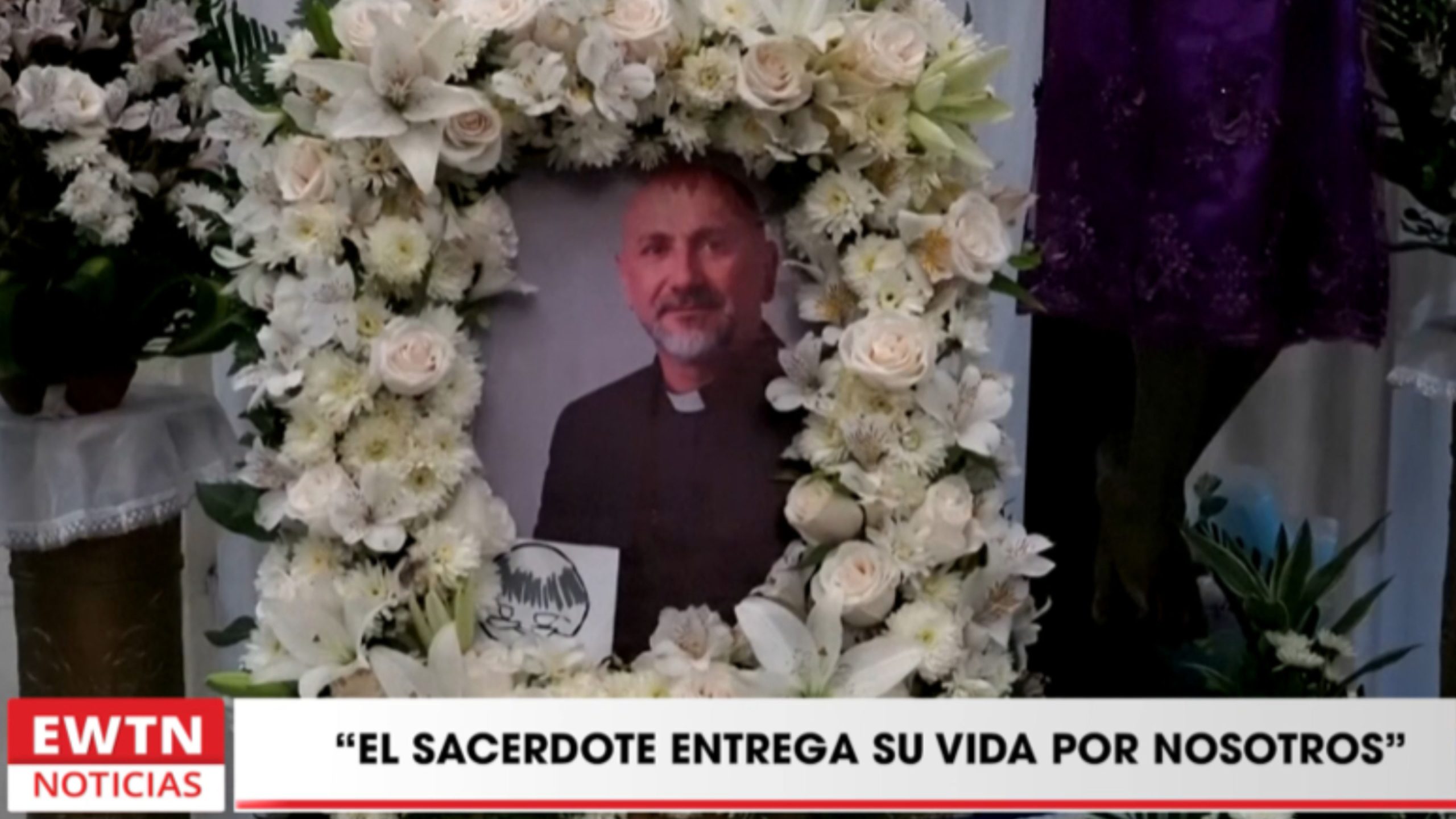
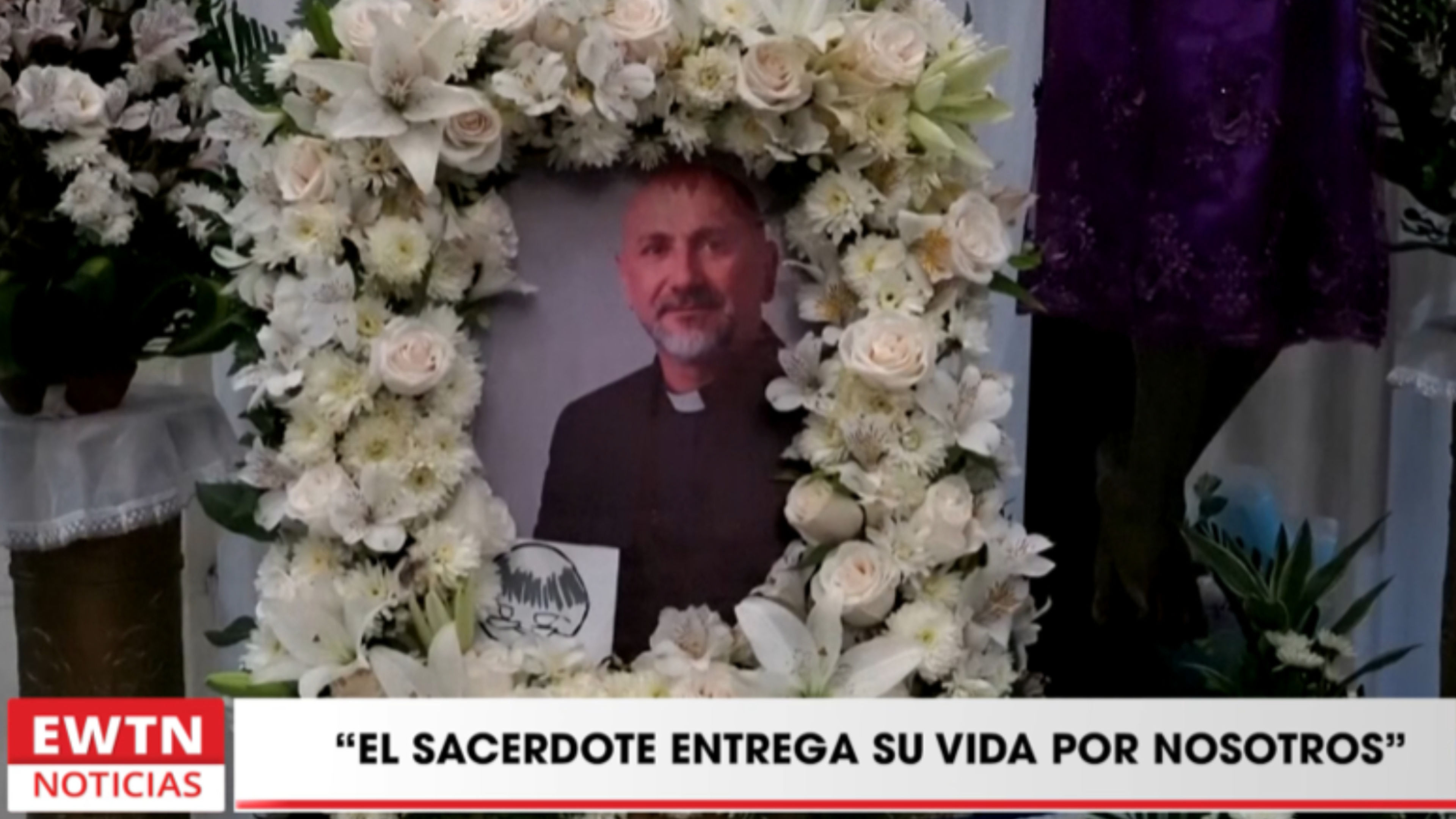
Falling cross that killed priest a punishment from God? A priest reflects #Catholic The death of Father Patricio Alfredo Sánchez Molinari on Saturday, Oct. 17, which occurred when a cross fell on him while he was celebrating Mass in Guayaquil, Ecuador, has left Catholics in shock.In response to comments on social media questioning whether the incident was a punishment from God, Father Juan Carlos Vásconez, a priest and rector of St. Josemaría Escrivá Church in Guayaquil, pointed to a passage from the Gospel to explain why it should not be interpreted in that way.In comments to EWTN News Español, the Spanish-language sister service of EWTN News, Vásconez spoke about the collapse of the tower of Siloam, which resulted in the deaths of 18 people (cf. Luke 13:4-5). He explained that Jesus made it clear that the victims were no more sinful than the other inhabitants of Jerusalem. Rather than assigning them blame, the Lord called everyone to repentance.“In the face of death, there is a message of equality. Life is fragile, and we will all go through that moment,” he said.The priest recalled that Sánchez was very well loved in Guayaquil and noted his piety. In February, he had led a retreat that was attended by other priests.A cross falls during MassFor Vásconez, the circumstances surrounding the Redemptorist priest’s death also invite reflection on the Christian faith.“The Mass is the sacrifice of Christ on Calvary, and it is the greatest thing we Christians have here on earth,” he noted.Vásconez shared in the grief caused by Sánchez’s passing, affirming that even in the midst of a tragedy, the faithful can find strength in God. He also asked for prayers for the Redemptorists and for the community of Our Lady of Perpetual Help Parish, which has lost its parish priest.“I would say that this will serve as a seed, inspiring [more men] to also want to dedicate themselves,” he added, referring to the possibility that the priest’s witness might encourage new vocations.Reviewing safety in churchesVásconez also called for an inspection of objects installed within churches to prevent accidents. He emphasized the need to ensure that crosses and religious images are securely fastened and that items attached to walls and ceilings are also checked.He mentioned that he recently learned of another incident in which a piece of marble detached from a wall. Consequently, he explained that at the church where he serves, they will inspect the ceiling lights to ensure they are securely anchored.“These are safety matters which incidents like this serve as a reminder to pay attention to such things,” he noted.The priest asked for prayers for the parishioners of Our Lady of Perpetual Help and for the Redemptorist family following the death of Sánchez.This story was first published by EWTN News Español, the Spanish-language sister service of EWTN News. It has been translated and adapted by EWTN News English.

Falling cross that killed priest a punishment from God? A priest reflects #Catholic The death of Father Patricio Alfredo Sánchez Molinari on Saturday, Oct. 17, which occurred when a cross fell on him while he was celebrating Mass in Guayaquil, Ecuador, has left Catholics in shock.In response to comments on social media questioning whether the incident was a punishment from God, Father Juan Carlos Vásconez, a priest and rector of St. Josemaría Escrivá Church in Guayaquil, pointed to a passage from the Gospel to explain why it should not be interpreted in that way.In comments to EWTN News Español, the Spanish-language sister service of EWTN News, Vásconez spoke about the collapse of the tower of Siloam, which resulted in the deaths of 18 people (cf. Luke 13:4-5). He explained that Jesus made it clear that the victims were no more sinful than the other inhabitants of Jerusalem. Rather than assigning them blame, the Lord called everyone to repentance.“In the face of death, there is a message of equality. Life is fragile, and we will all go through that moment,” he said.The priest recalled that Sánchez was very well loved in Guayaquil and noted his piety. In February, he had led a retreat that was attended by other priests.A cross falls during MassFor Vásconez, the circumstances surrounding the Redemptorist priest’s death also invite reflection on the Christian faith.“The Mass is the sacrifice of Christ on Calvary, and it is the greatest thing we Christians have here on earth,” he noted.Vásconez shared in the grief caused by Sánchez’s passing, affirming that even in the midst of a tragedy, the faithful can find strength in God. He also asked for prayers for the Redemptorists and for the community of Our Lady of Perpetual Help Parish, which has lost its parish priest.“I would say that this will serve as a seed, inspiring [more men] to also want to dedicate themselves,” he added, referring to the possibility that the priest’s witness might encourage new vocations.Reviewing safety in churchesVásconez also called for an inspection of objects installed within churches to prevent accidents. He emphasized the need to ensure that crosses and religious images are securely fastened and that items attached to walls and ceilings are also checked.He mentioned that he recently learned of another incident in which a piece of marble detached from a wall. Consequently, he explained that at the church where he serves, they will inspect the ceiling lights to ensure they are securely anchored.“These are safety matters which incidents like this serve as a reminder to pay attention to such things,” he noted.The priest asked for prayers for the parishioners of Our Lady of Perpetual Help and for the Redemptorist family following the death of Sánchez.This story was first published by EWTN News Español, the Spanish-language sister service of EWTN News. It has been translated and adapted by EWTN News English.

Father Juan Vásconez said the death of Father Patricio Sánchez resulting from a large cross falling in him should not be interpreted as a punishment but as a call to repent, as we will all die.
Read More
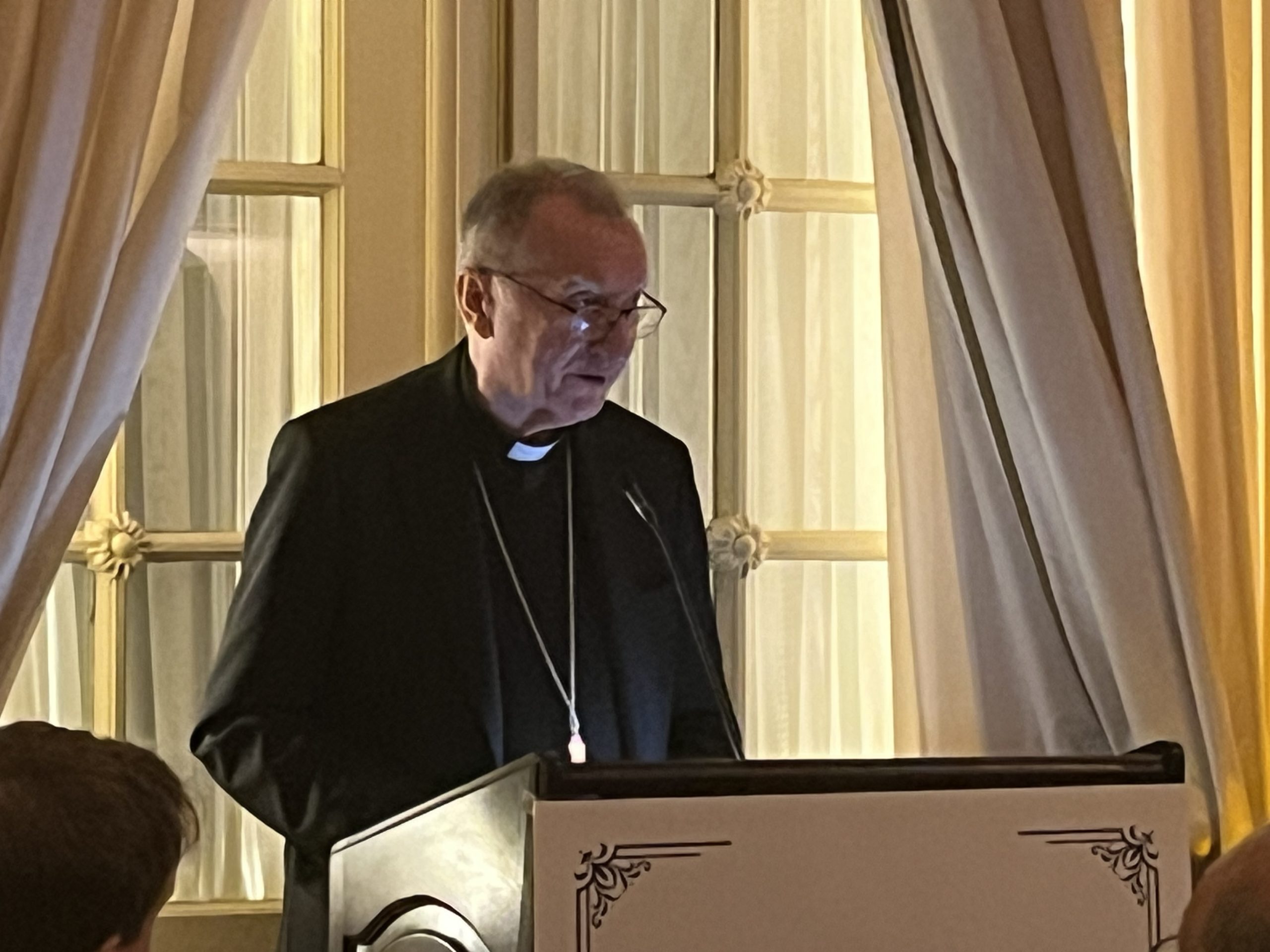
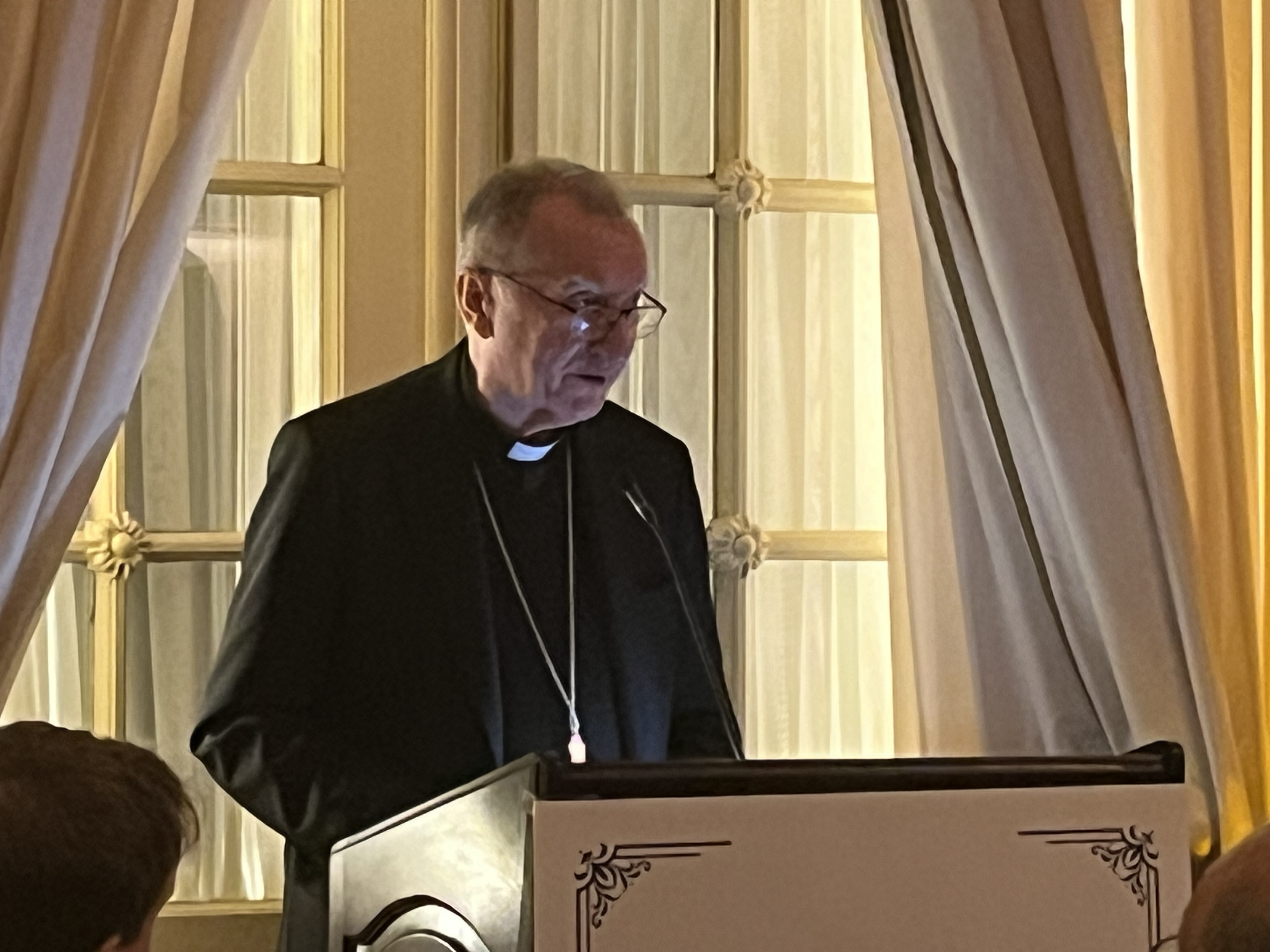
Vatican secretary of state says world’s fragmentation starts with forgetting what a human person is #Catholic NEW YORK — The root of today’s fragmented world is not technology, excess freedom, or diversity but the loss of a common understanding of who the human person is, Vatican Secretary of State Cardinal Pietro Parolin said at a New York dinner that took place during the United Nations General Assembly’s High-level Week.Parolin spoke Sept. 25 as an honoree of CAPP-USA, the U.S. arm of the Fondazione Centesimus Annus Pro Pontifice, a Vatican foundation that promotes Catholic social teaching and was established by St. John Paul II in 1993.Among those present at the event were the U.S. Ambassador to the United Nations (U.N.) Mike Waltz, Knights of Columbus Supreme Knight Patrick Kelly, and the Holy See’s permanent observer to the U.N., Archbishop Christophe-Zakhia El-Kassis, who delivered the evening’s benediction.Parolin said: “In the light of the Gospel, each generation must read the signs of its own times.”Citing Pope Leo XIV’s encyclical Magnifica Humanitas, Parolin said modern technology is not humanity’s enemy but that dignity belongs to people, not systems or algorithms. He also recalled Rerum Novarum, the encyclical Pope Leo XIII penned in 1891 as the Church’s response to the industrial revolution and which laid the foundation for Catholic social teaching.“In a world that builds towers, build places of encounter,” Parolin challenged his listeners. “In a world connected online and disconnected offline, be people of presence. In a world asking whether we can remain human, answer with the witness of your lives.”He told attendees the foundation matters because its members are meant to be “bridge builders between the encyclicals … and the decisions made in daily life.”Fragmentation and lonelinessParolin said people “are more connected than any generation in history, and yet many of us are lonelier than ever.” Exchanging information instantly but struggling to encounter one another as human beings has led to fragmentation, he said, and families, communities, and nations are “divided into camps that no longer even speak the same language.”He noted Pope Leo’s description of this moment in the opening lines of Magnifica Humanitas, saying: “We can either construct a new tower of Babel or build the city in which God and humanity dwell together.”‘A fragmented world is a searching world’Regarding the spiritual hunger many modern people are feeling, he said restlessness, especially among the young, is evidence that our hearts are made for God and cannot rest until we rest in him, citing St. Augustine.“A fragmented world is also a searching world,” he noted.“The human person is not self-made, but receives; he is a being created for relationship,” he said. “Leo expressed the hope that the world will come to recognize the human heart is the place where God desires to dwell.”The Church’s social doctrine is “itself an expression of the spiritual life,” Parolin said, and results in a faith that becomes real “concern for the worker, the family, the poor, and the seeking of the common good.”Freedom and pluralism not to blame, Parolin saysOn freedom and pluralism, he rejected blaming “too much freedom” or “too many voices.” The Church defends “freedom as a gift inseparable from human dignity,” he said, noting the Second Vatican Council’s teaching on “religious freedom as a right found in the very nature of the human person.” But, he said, “freedom detached from truth and responsibility for others turns against itself.” Freedom, in the Christian vision, “is not the capacity to choose anything whatsoever. It is the capacity to choose the good.”Authentic pluralism, he said, rests on dignity, the common good, solidarity, and subsidiarity. “We should respect the family, communities, and institutions through which people flourish,” he urged.The next day, Sept. 26, Parolin addressed the opening of the 81st U.N. General Assembly, whose theme is “Restoring Trust, Managing Transformation: A United Nations That Delivers for All.”

Vatican secretary of state says world’s fragmentation starts with forgetting what a human person is #Catholic NEW YORK — The root of today’s fragmented world is not technology, excess freedom, or diversity but the loss of a common understanding of who the human person is, Vatican Secretary of State Cardinal Pietro Parolin said at a New York dinner that took place during the United Nations General Assembly’s High-level Week.Parolin spoke Sept. 25 as an honoree of CAPP-USA, the U.S. arm of the Fondazione Centesimus Annus Pro Pontifice, a Vatican foundation that promotes Catholic social teaching and was established by St. John Paul II in 1993.Among those present at the event were the U.S. Ambassador to the United Nations (U.N.) Mike Waltz, Knights of Columbus Supreme Knight Patrick Kelly, and the Holy See’s permanent observer to the U.N., Archbishop Christophe-Zakhia El-Kassis, who delivered the evening’s benediction.Parolin said: “In the light of the Gospel, each generation must read the signs of its own times.”Citing Pope Leo XIV’s encyclical Magnifica Humanitas, Parolin said modern technology is not humanity’s enemy but that dignity belongs to people, not systems or algorithms. He also recalled Rerum Novarum, the encyclical Pope Leo XIII penned in 1891 as the Church’s response to the industrial revolution and which laid the foundation for Catholic social teaching.“In a world that builds towers, build places of encounter,” Parolin challenged his listeners. “In a world connected online and disconnected offline, be people of presence. In a world asking whether we can remain human, answer with the witness of your lives.”He told attendees the foundation matters because its members are meant to be “bridge builders between the encyclicals … and the decisions made in daily life.”Fragmentation and lonelinessParolin said people “are more connected than any generation in history, and yet many of us are lonelier than ever.” Exchanging information instantly but struggling to encounter one another as human beings has led to fragmentation, he said, and families, communities, and nations are “divided into camps that no longer even speak the same language.”He noted Pope Leo’s description of this moment in the opening lines of Magnifica Humanitas, saying: “We can either construct a new tower of Babel or build the city in which God and humanity dwell together.”‘A fragmented world is a searching world’Regarding the spiritual hunger many modern people are feeling, he said restlessness, especially among the young, is evidence that our hearts are made for God and cannot rest until we rest in him, citing St. Augustine.“A fragmented world is also a searching world,” he noted.“The human person is not self-made, but receives; he is a being created for relationship,” he said. “Leo expressed the hope that the world will come to recognize the human heart is the place where God desires to dwell.”The Church’s social doctrine is “itself an expression of the spiritual life,” Parolin said, and results in a faith that becomes real “concern for the worker, the family, the poor, and the seeking of the common good.”Freedom and pluralism not to blame, Parolin saysOn freedom and pluralism, he rejected blaming “too much freedom” or “too many voices.” The Church defends “freedom as a gift inseparable from human dignity,” he said, noting the Second Vatican Council’s teaching on “religious freedom as a right found in the very nature of the human person.” But, he said, “freedom detached from truth and responsibility for others turns against itself.” Freedom, in the Christian vision, “is not the capacity to choose anything whatsoever. It is the capacity to choose the good.”Authentic pluralism, he said, rests on dignity, the common good, solidarity, and subsidiarity. “We should respect the family, communities, and institutions through which people flourish,” he urged.The next day, Sept. 26, Parolin addressed the opening of the 81st U.N. General Assembly, whose theme is “Restoring Trust, Managing Transformation: A United Nations That Delivers for All.”

“In a world connected online and disconnected offline, be people of presence,” Cardinal Pietro Parolin said. “In a world asking whether we can remain human, answer with the witness of your lives.”
Read More
Picture of the day
Genex Tower in Belgrade, Serbia, an iconic example of Yugoslav brutalism, framed with abandoned car park. Today is 35 years since both Slovenia and Croatia declared their independence from Yugoslavia, and started the breakup of Yugoslavia.
Read More
Picture of the day


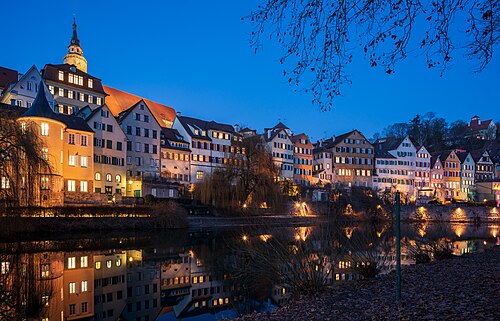
The Neckarfront in Tübingen, Germany, seen in the blue hour over the river Neckar. At the left the Hölderlinturm, followed by a row of historic town houses, at the top the tower of St. George’s Collegiate Church.
 #ImageOfTheDay
Picture of the day
The Neckarfront in Tübingen, Germany, seen in the blue hour over the river Neckar. At the left the Hölderlinturm, followed by a row of historic town houses, at the top the tower of St. George’s Collegiate Church.
Read More