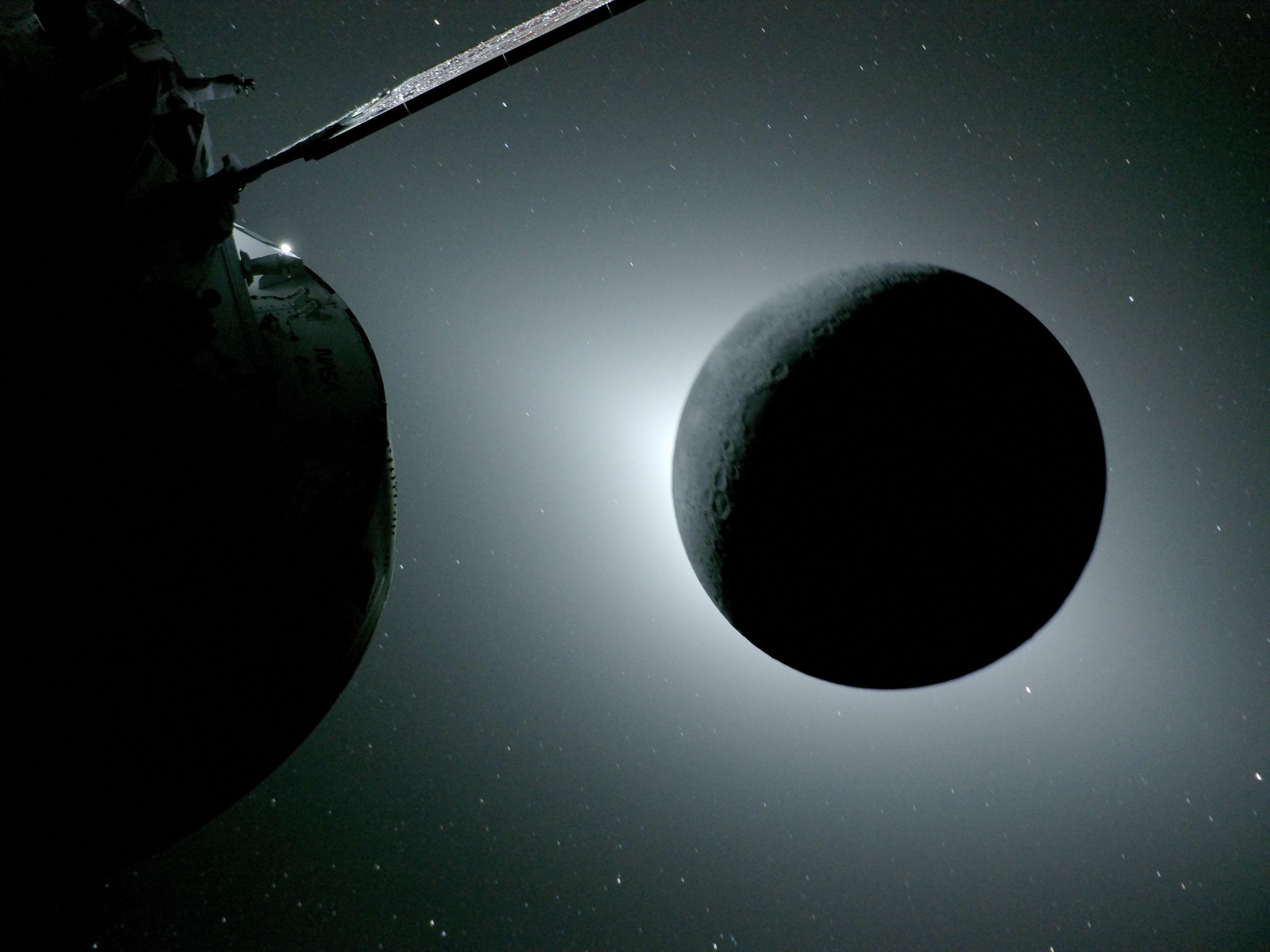
The Moon, seen here backlit by the Sun during a solar eclipse on April 6, 2026, is photographed by one of the cameras on the Orion spacecraft’s solar array wings. Orion is visible in the foreground on the left.
Read MoreThe Moon, seen here backlit by the Sun during a solar eclipse on April 6, 2026, is photographed by one of the cameras on the Orion spacecraft’s solar array wings. Orion is visible in the foreground on the left.
Read More
| Picture of the day |
|---|
_-_S%C3%A8te_-_December_2018.jpg)
|
|
Viking Sky (ship, 2017) – moored in the harbour of Sète (Hérault, France)
|
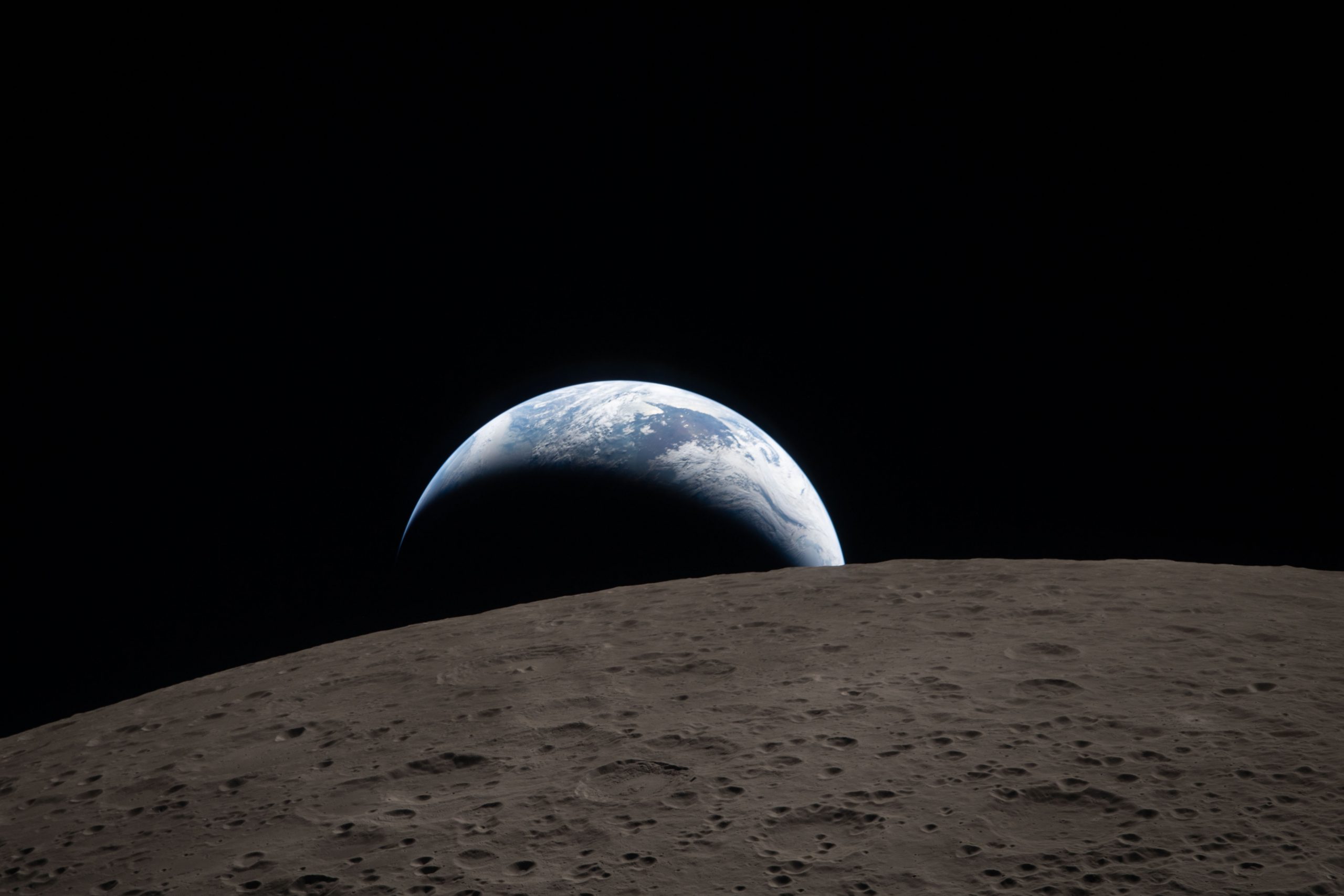
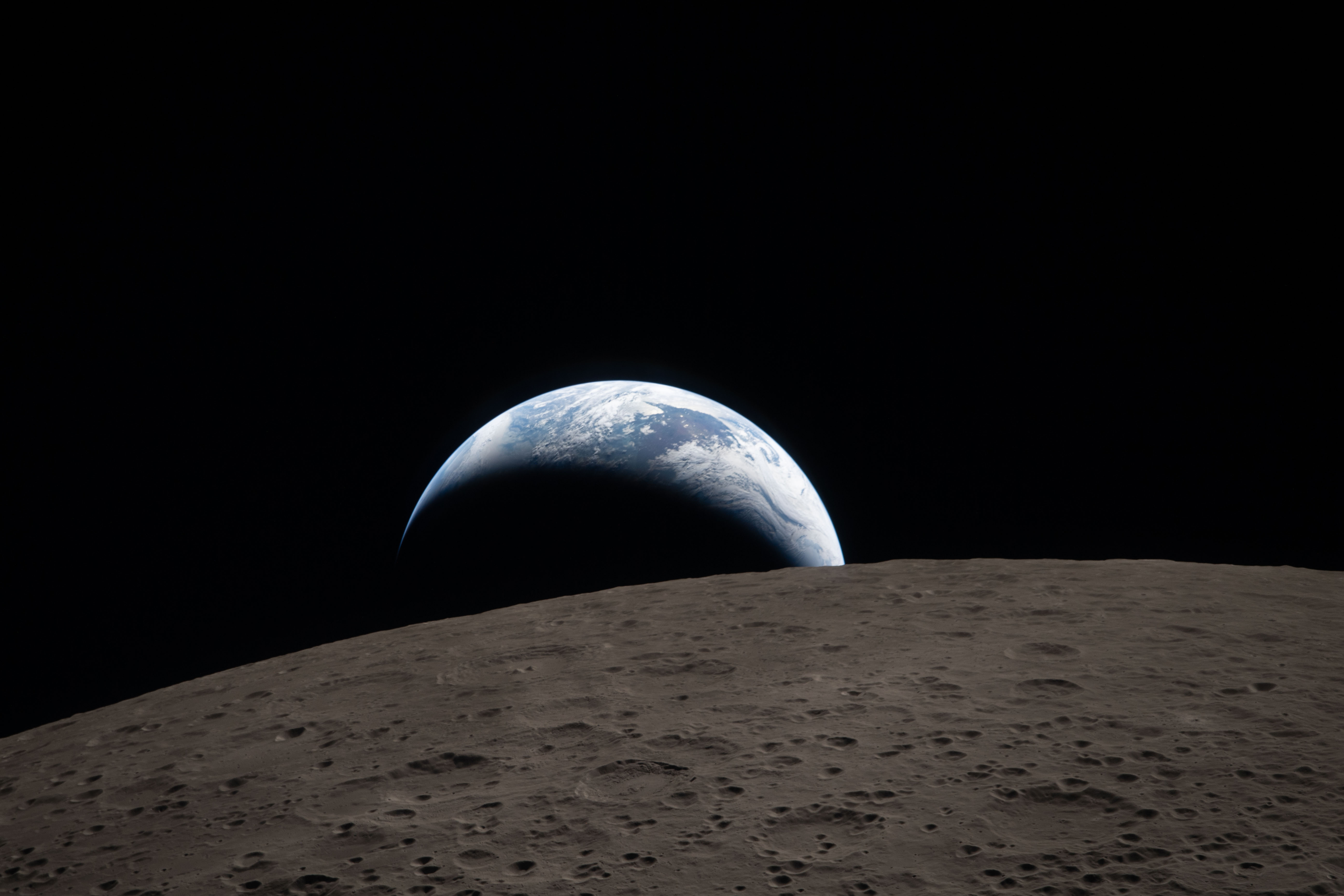
Earthset captured through the Orion spacecraft window at 6:41 p.m. EDT, April 6, 2026, during the Artemis II crew’s flyby of the Moon.
Read More| Picture of the day |
|---|

|
|
Sand dunes of the Thar Desert in the Indian state of Rajasthan. On this day in 1949, the state was formed after a merger of several Rajput princely states into the Indian Union following India’s independence from British colonial rule.
|
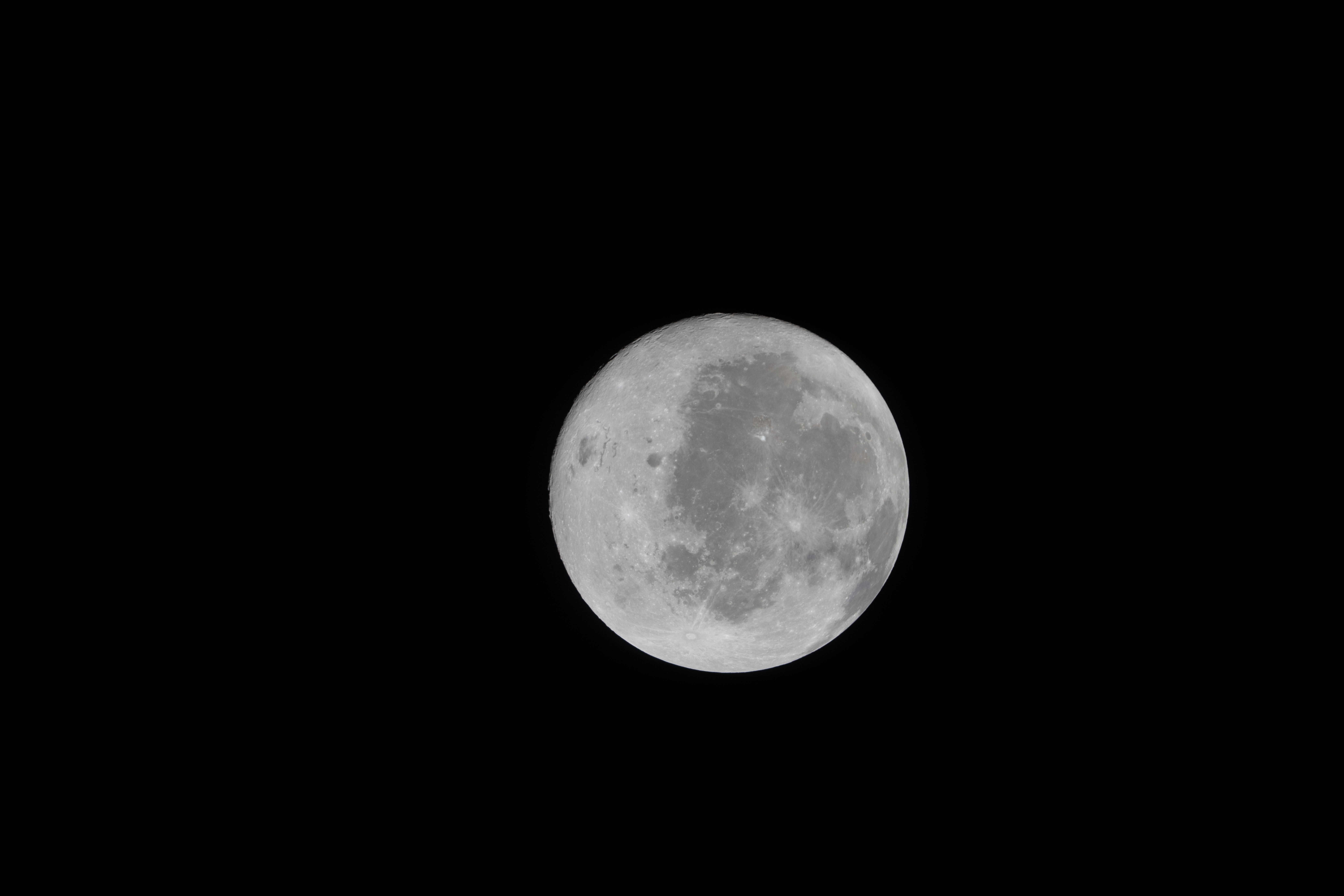
A view of the near side of the Moon, the side we always see from Earth, as seen from the Orion spacecraft.
Read More
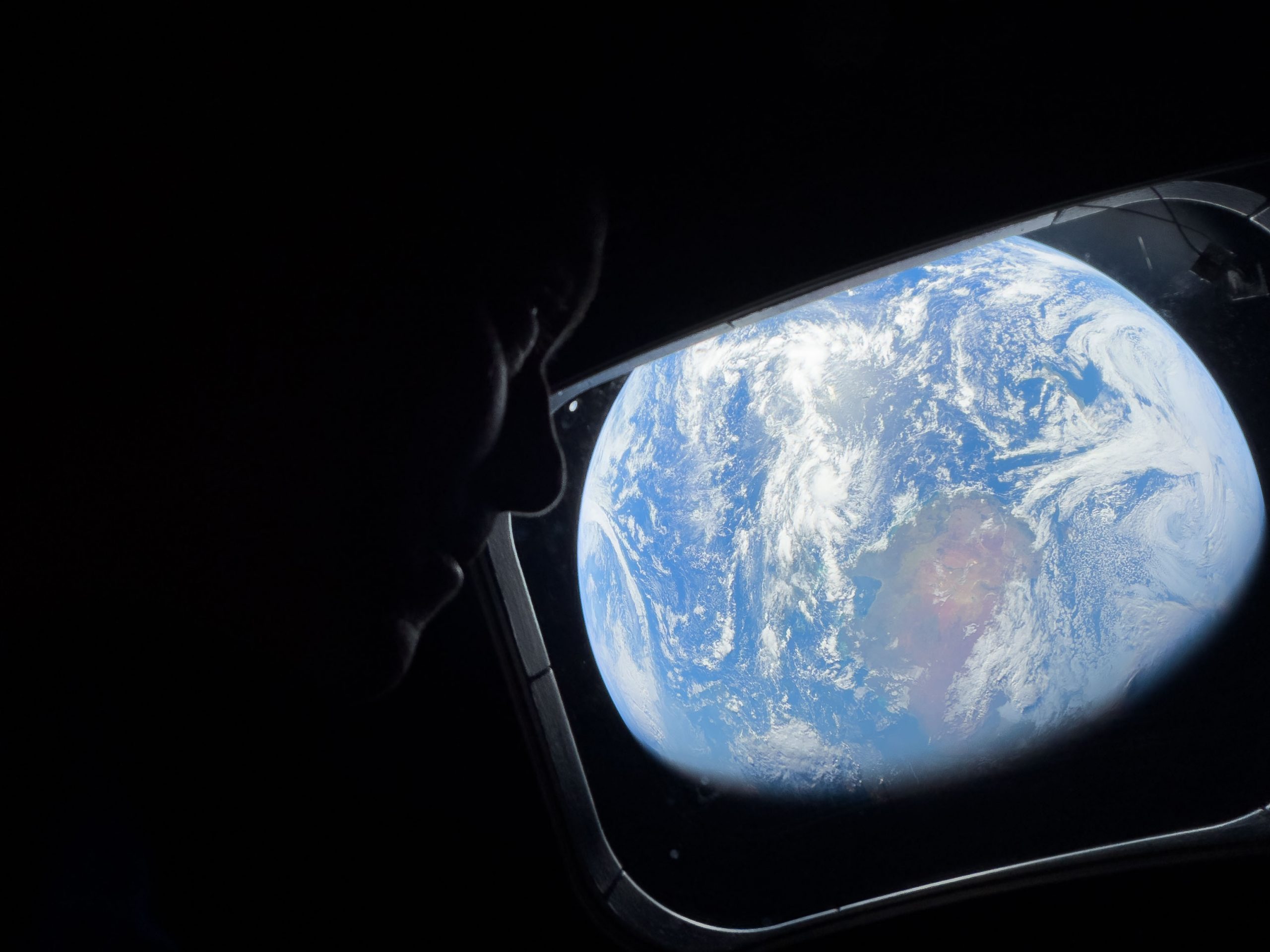
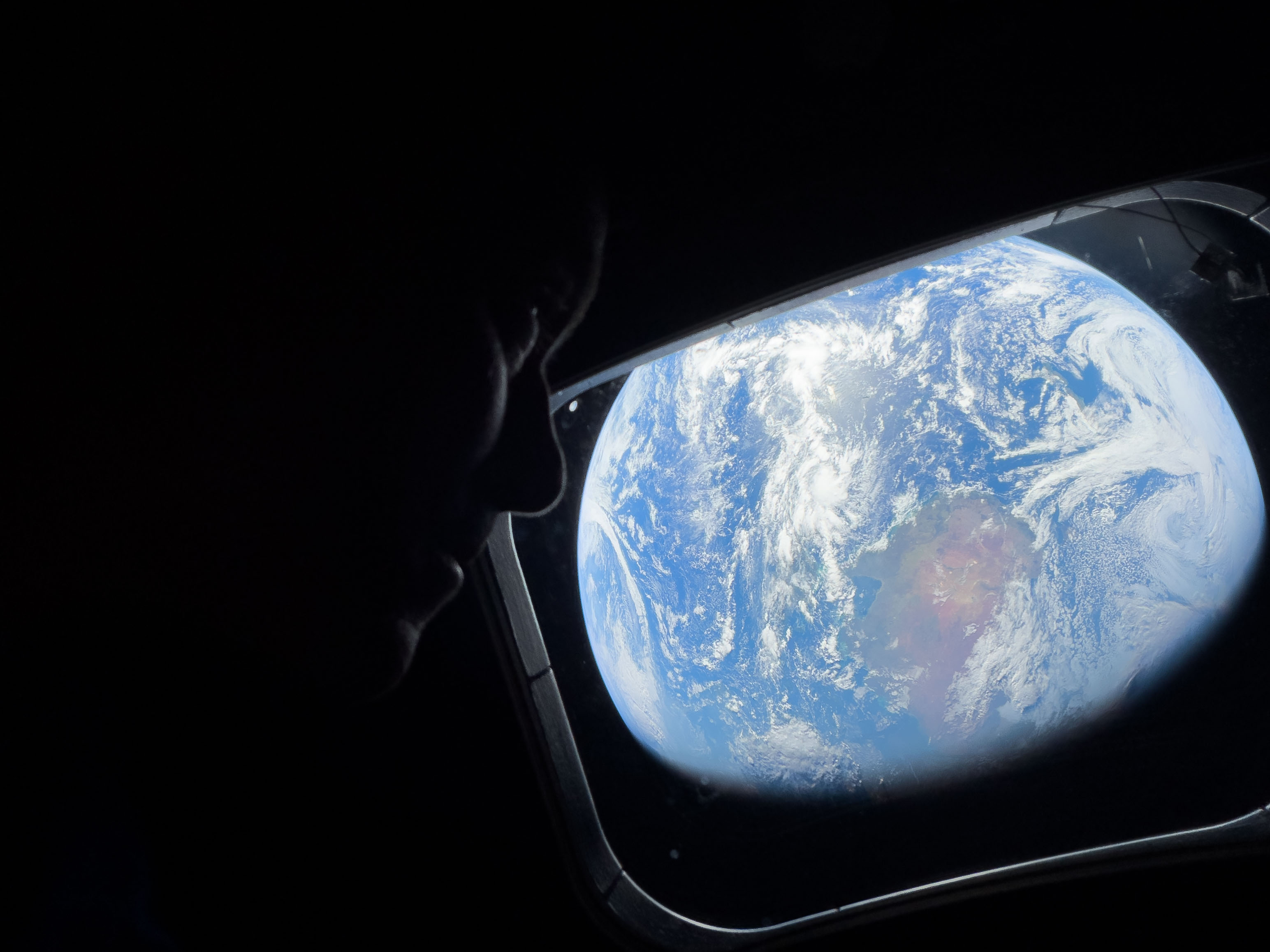
NASA astronaut and Artemis II Commander Reid Wiseman peers out of one of the Orion spacecraft’s main cabin windows on April 4, 2026, looking back at Earth, as the crew travels towards the Moon.
Read More| Picture of the day |
|---|

|
|
Mary Martin with children, during production of the Broadway musical The Sound of Music. Martin portrayed Maria von Trapp who died on this day in 1987.
|
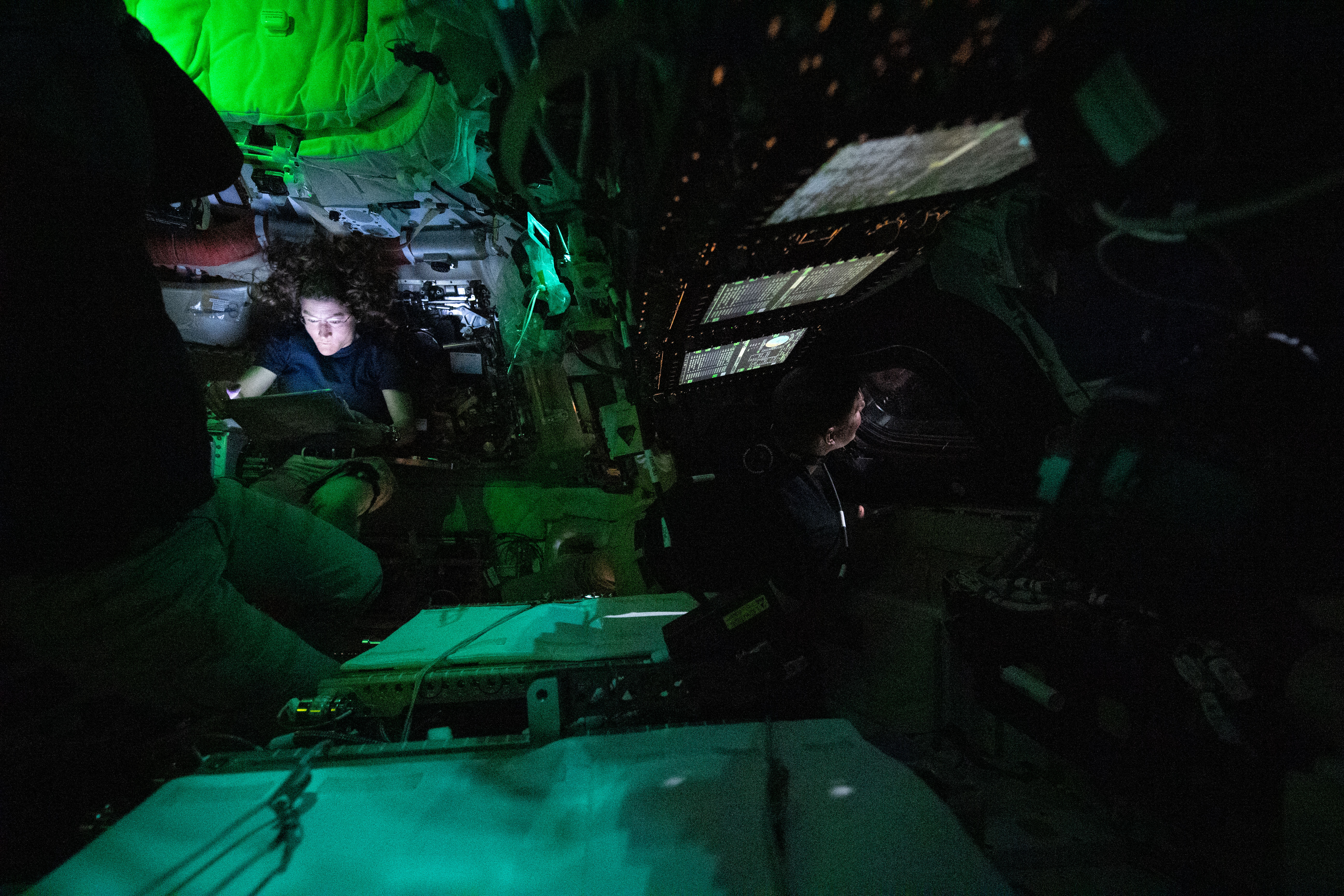
NASA astronaut Christina Koch is illuminated by a screen inside the darkened Orion spacecraft on the third day of the agency’s Artemis II mission. To the right of the image’s center, CSA (Canadian Space Agency) astronaut Jeremy Hansen is seen in profile peering out of one of Orion’s windows. Lights are turned off to avoid glare on the windows.
Read More| Picture of the day |
|---|

|
|
Kyzylkup table mountain. Kyzylsai regional park, Mangystau District, Mangystau Region, Kazakhstan
|
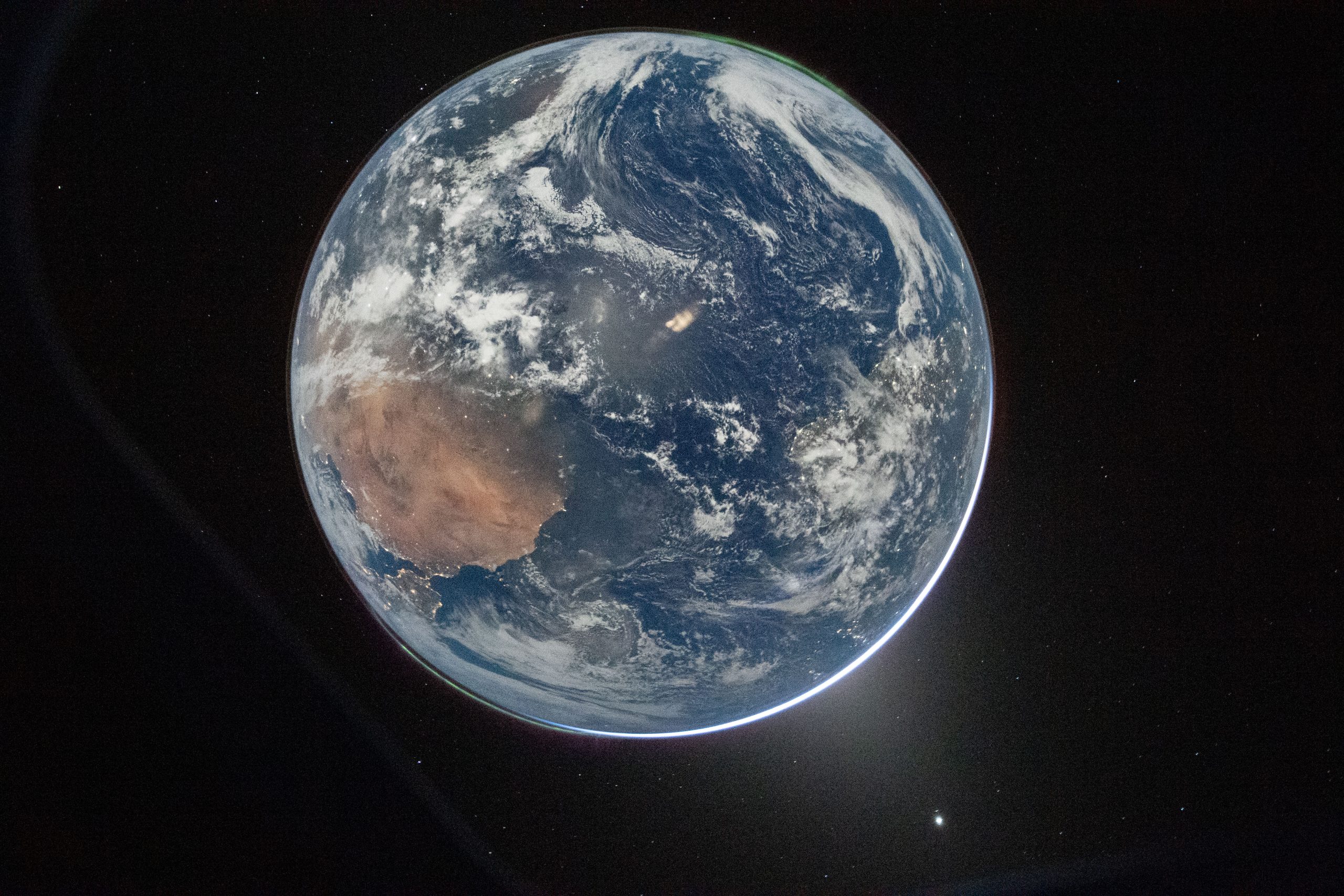
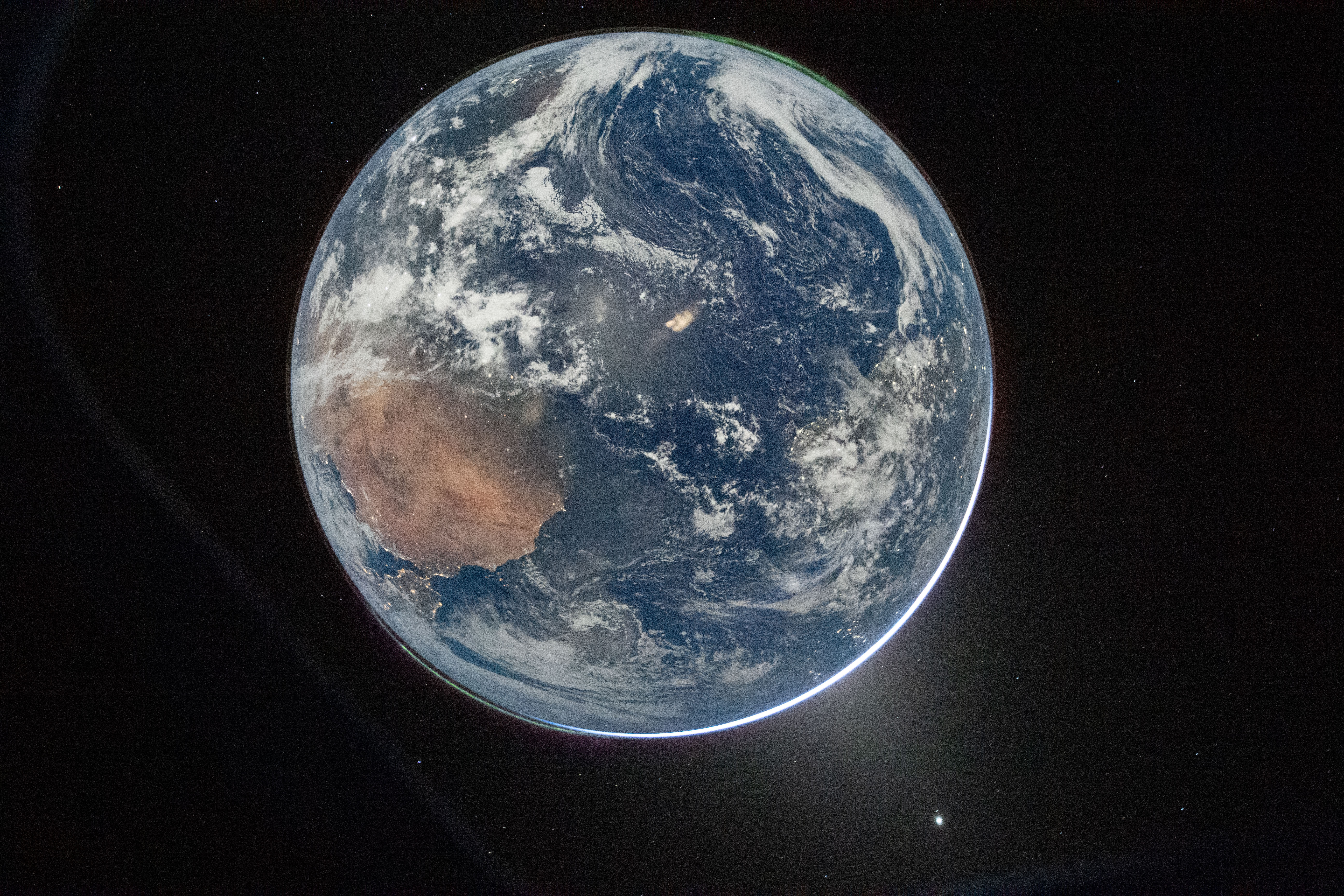
NASA astronaut and Artemis II Commander Reid Wiseman took this picture of Earth from the Orion spacecraft’s window on April 2, 2026, after completing the translunar injection burn.
Read More
| Picture of the day |
|---|

|
|
Villages of Hullathy Gram Panchayat in a steep arid valley in the north face of the Nilgiri Mountains. Villagers have created a vibrant agrarian economy, largely vegetables and tea, using terraces and irrigation. Tamil Nadu, India.
|
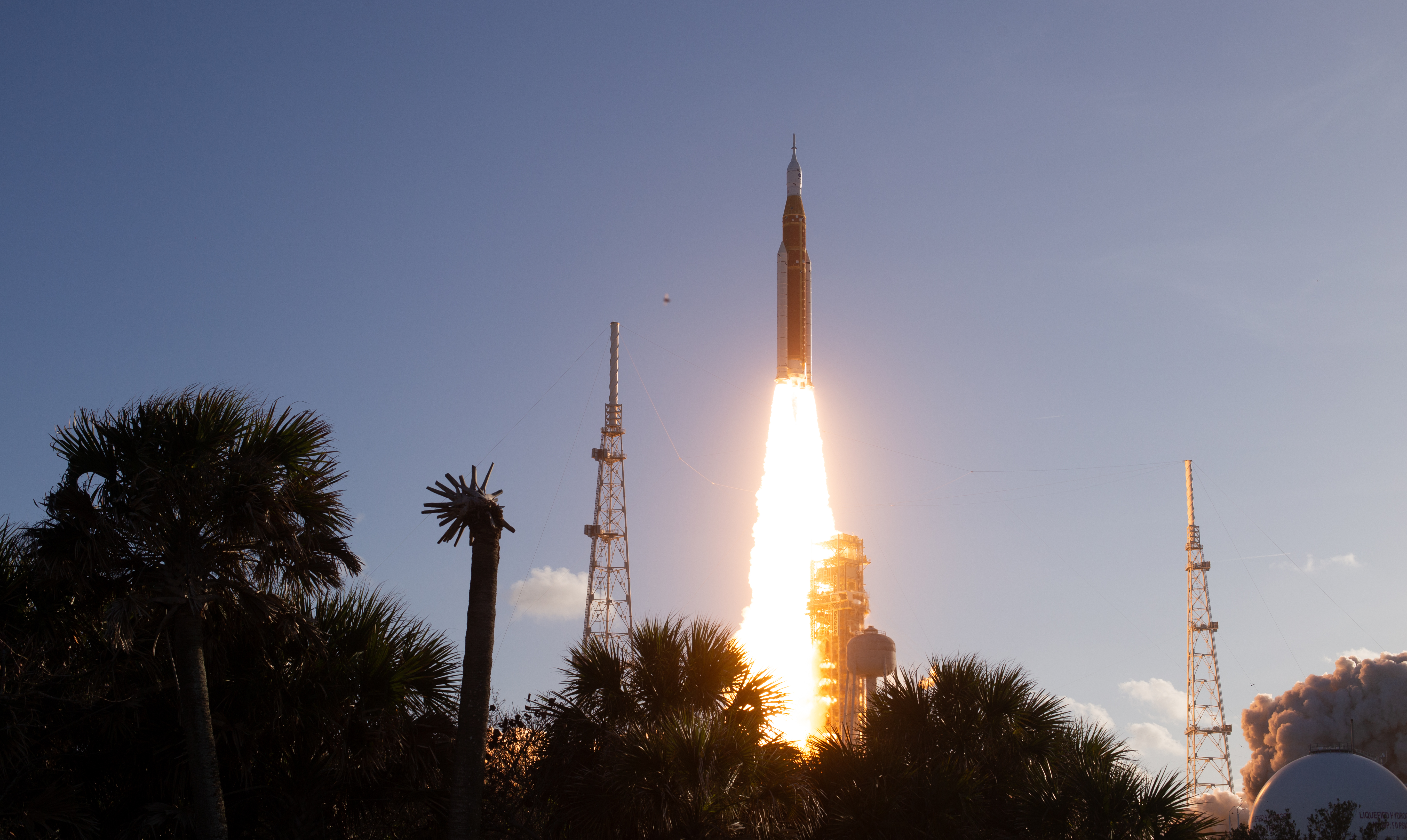
NASA’s Space Launch System rocket carrying the Orion spacecraft with NASA astronauts Reid Wiseman, commander; Victor Glover, pilot; Christina Koch, mission specialist; and CSA (Canadian Space Agency) astronaut Jeremy Hansen, mission specialist onboard launches on the Artemis II mission, Wednesday, April 1, 2026, from Launch Complex 39B at NASA’s Kennedy Space Center in Florida.
Read More| Picture of the day |
|---|
_Blanchetown.jpg)
|
|
Little corella (Cacatua sanguinea gymnopis) Murray River, Blanchetown, South Australia. A type of cockatoo.
|
| Picture of the day |
|---|
.jpg)
|
|
A previously unpublished illustration intended for the Saturday Evening Post’s 1943 New Year’s edition. It was never used due to publisher demands that the illustrator, J.C. Leyendecker, create a more optimistic and patriotic cover that was sensitive to the families of American soldiers. It was publicly shown for the first time in 2020 as part of an auction.
|
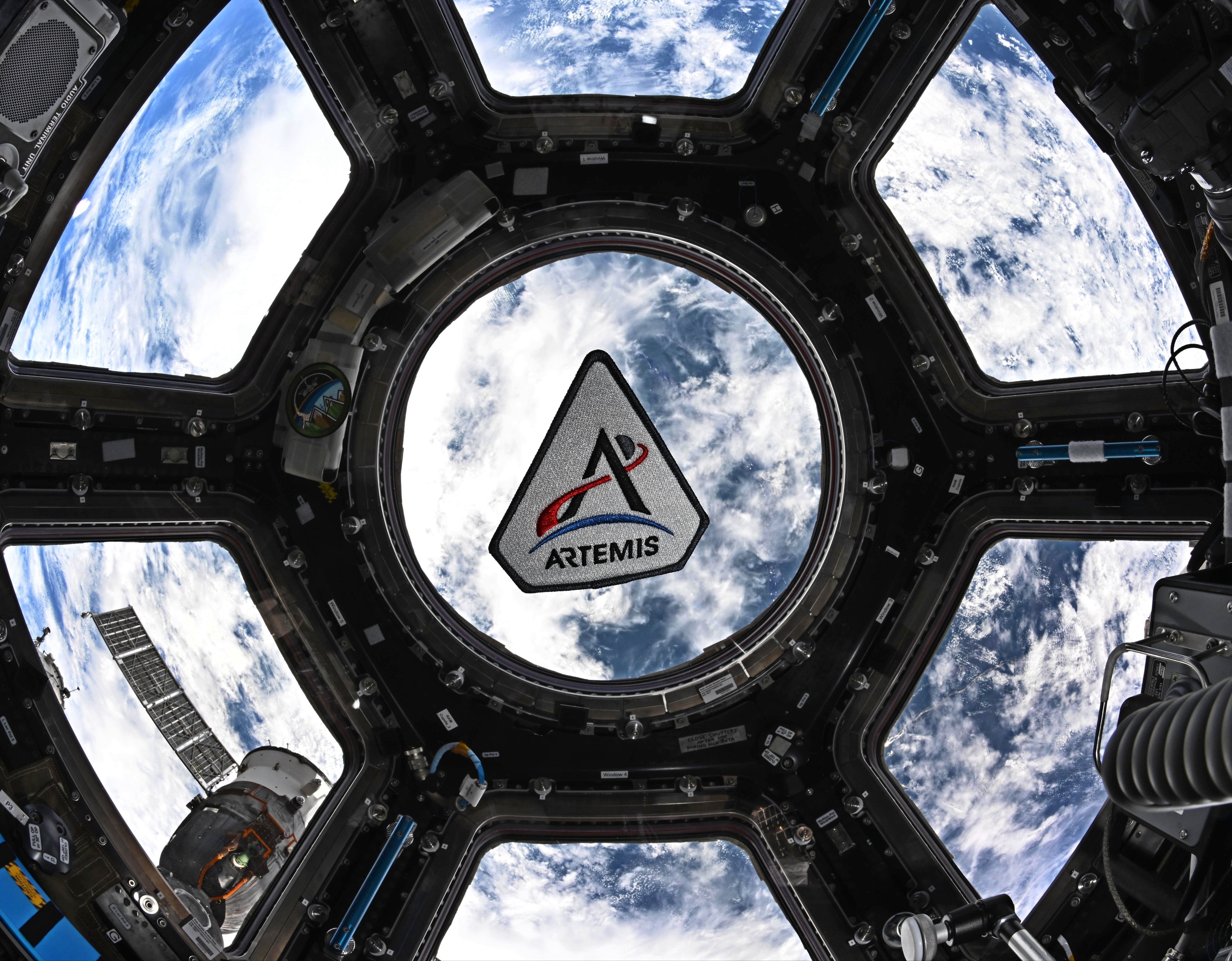
NASA astronaut Jessica Meir shared this photo of an Artemis program patch floating in the International Space Station’s cupola on X.
Read More
| Picture of the day |
|---|
,_parque_nacional_Ras_Muhammad,_Egipto,_2022-03-26,_DD_155.jpg)
|
|
Royal angelfish (Pygoplites diacanthus), Ras Muhammad National Park, Red Sea, Egypt. The body of the royal angelfish is moderately elongate, is very compressed and can reach a length of up to 25 centimetres (9.8 in) It’s widely distributed throughout the Indo-Pacific and can be found in the Red Sea and Indian Ocean around East Africa and the Maldives, stretching to the Tuamoto Islands, New Caledonia, and Great Barrier Reef. The royal angelfish occurs at depths ranging from 0 to 80m (0 to 262 ft), in coral rich areas of lagoons, reefs, and are also often found in the vicinity of caves. It is a carnivorous species that feeds on sponges and tunicates located throughout reefs and underwater caves. They are a non-migratory species that can be found solitary, in pairs, or groups.
|
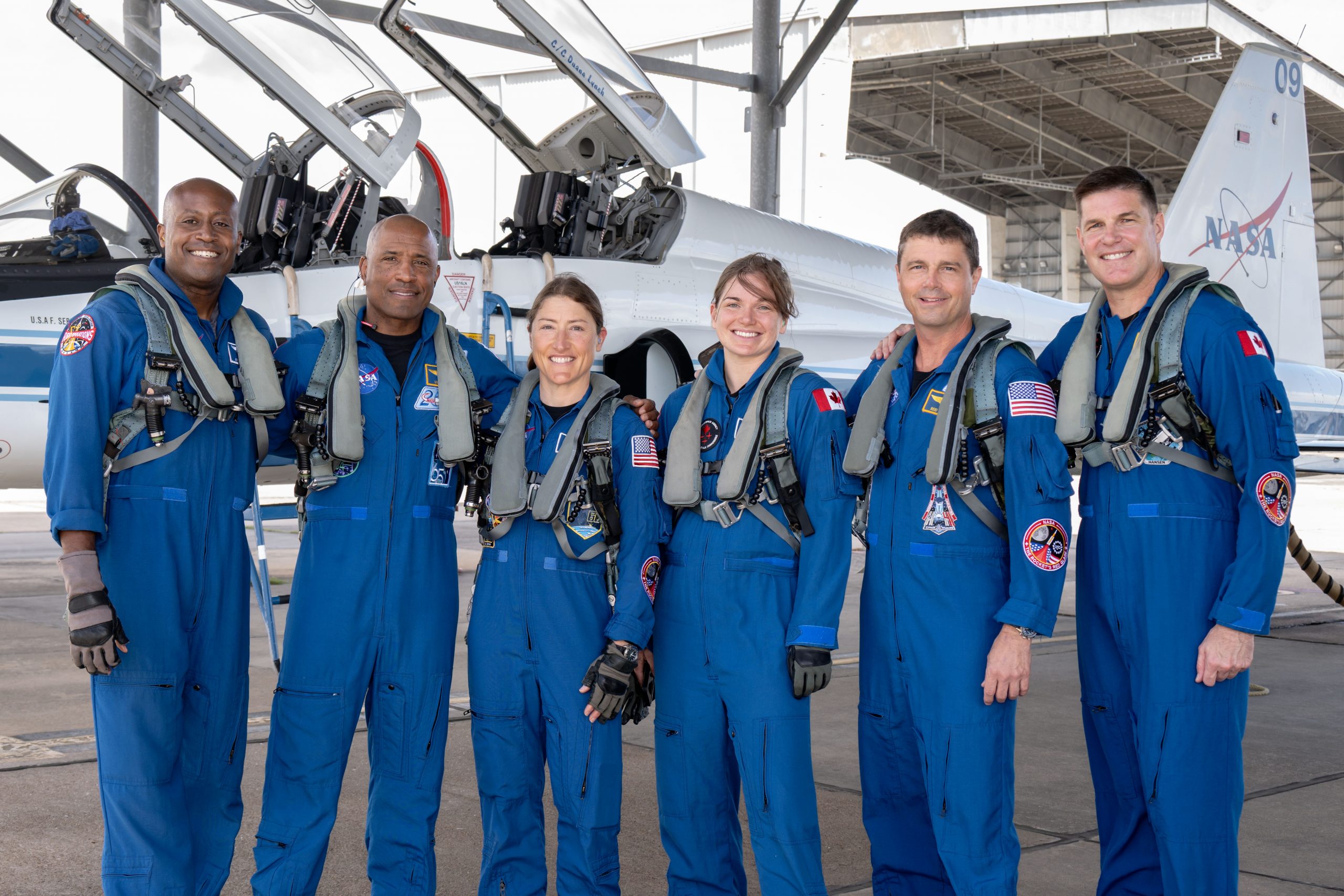
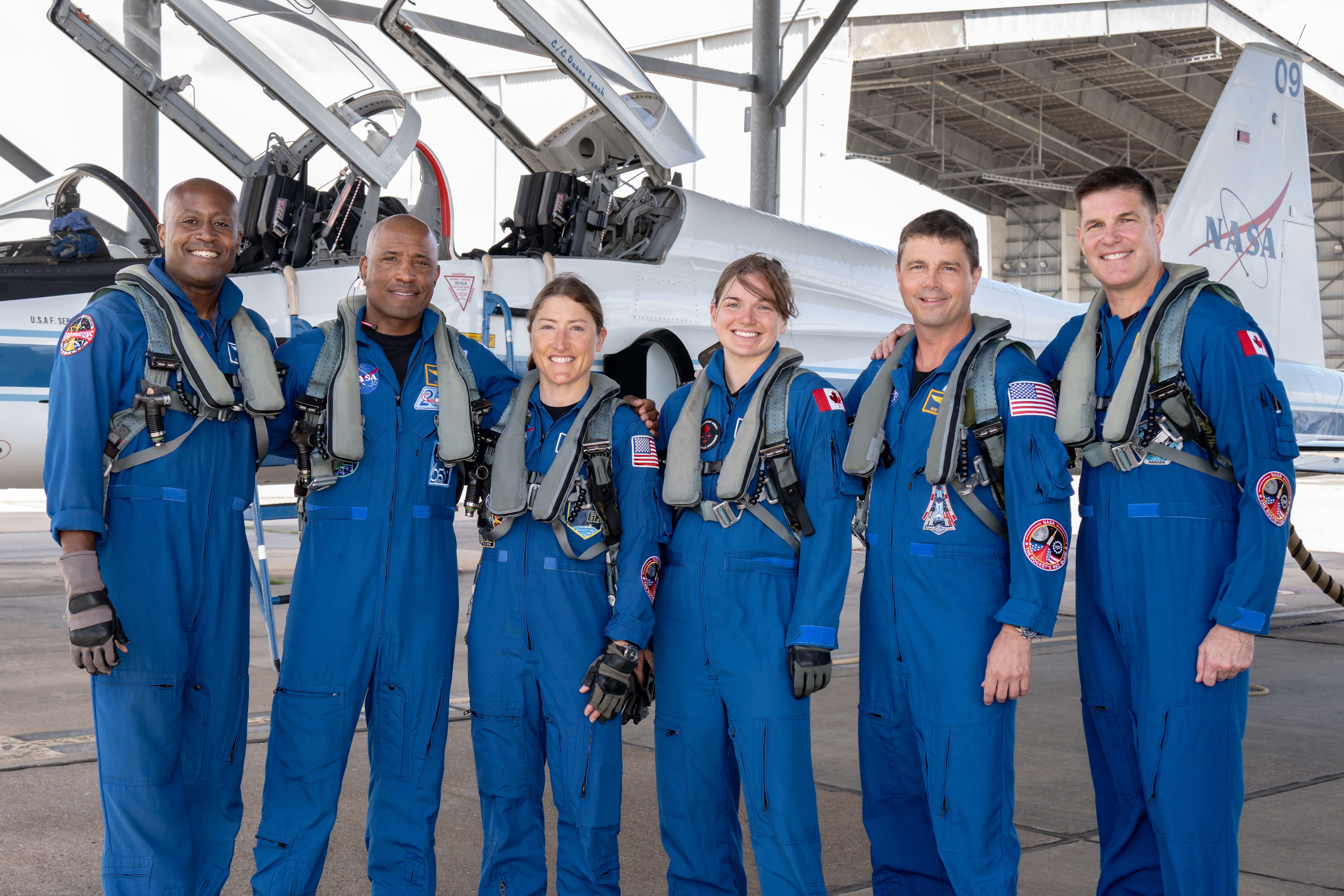
From left to right, NASA astronauts Andre Douglas, Victor Glover, and Christina Koch, CSA (Canadian Space Agency) astronauts Jenni Gibbons, NASA astronaut Reid Wiseman, and CSA astronaut Jeremy Hansen pose for a photo before the Artemis II crew proceed to a media event on March 27, 2026.
Read More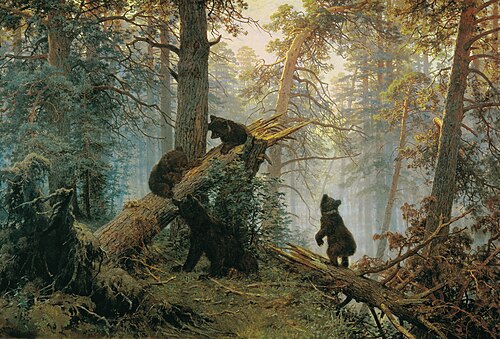
| Picture of the day |
|---|

|
|
Morning in a Pine Forest (1889) by Russian artists Ivan Shishkin and Konstantin Savitsky.
|
| Picture of the day |
|---|

|
|
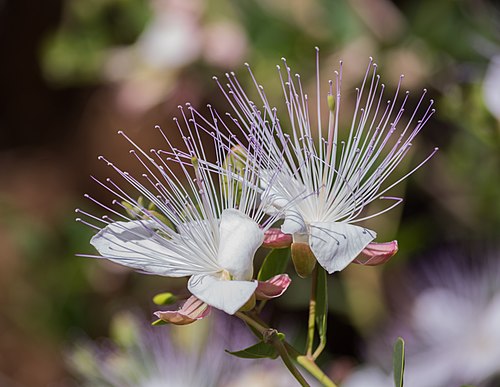
Capparis spinosa in the Ichkeul National Park. Today is the first day of spring and Tunisia’s Independence Day.
|
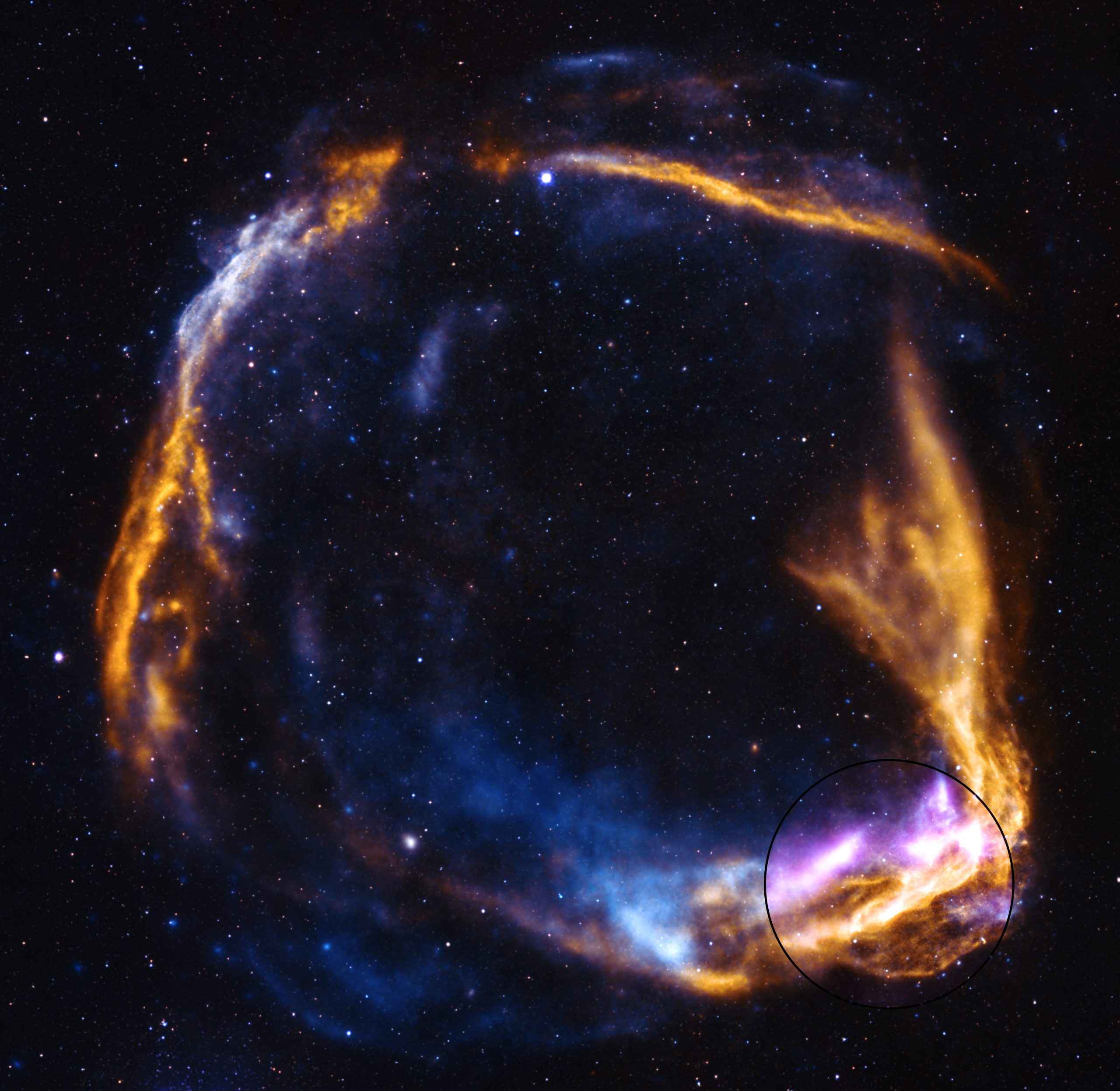
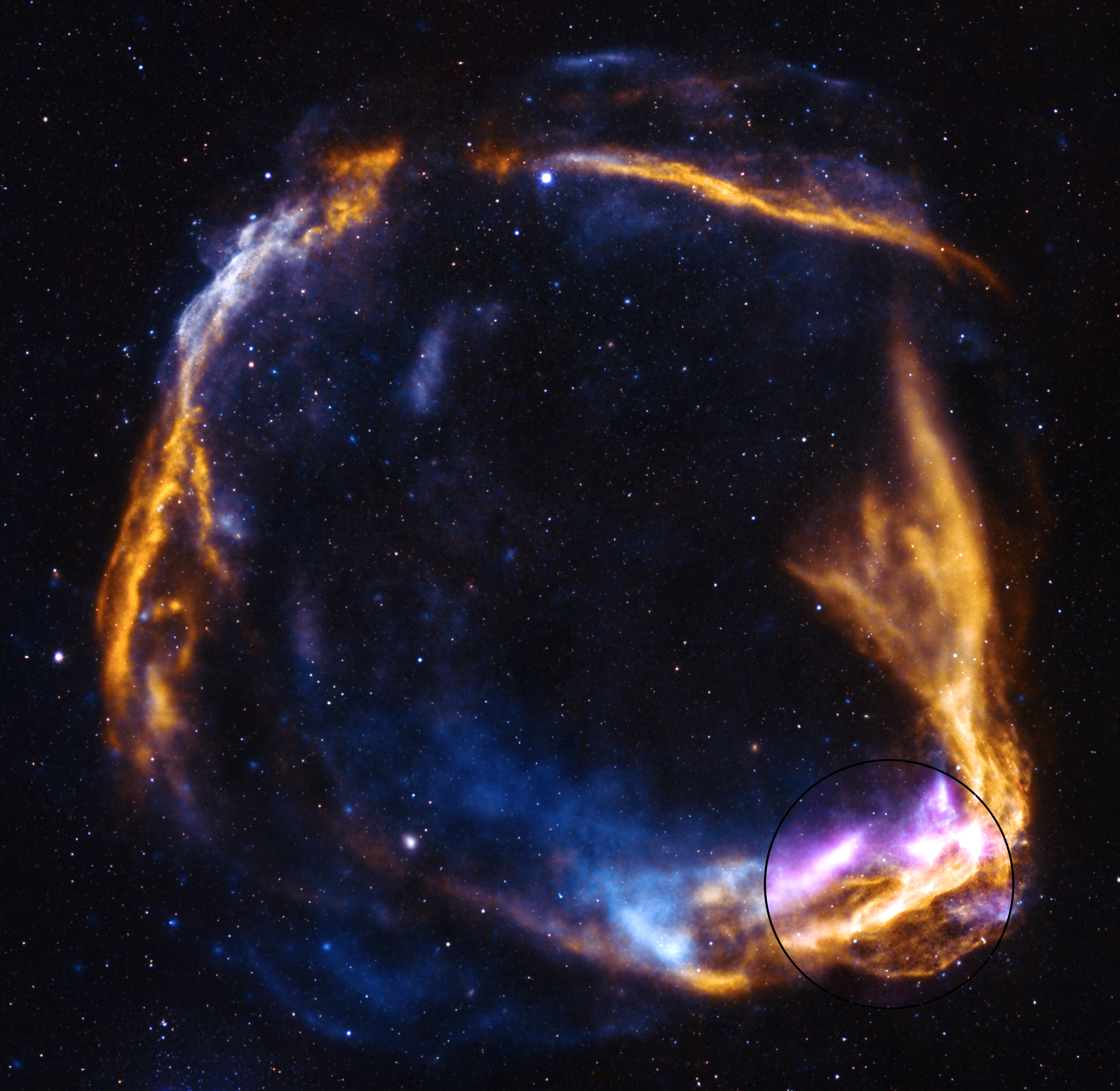
NASA’s IXPE observed the outer rim of the supernova remnant highlighted in purple in the inset. Data from IXPE is combined with data from NASA’s Chandra X-ray Observatory and ESA’s XMM-Newton.
Read More
| Picture of the day |
|---|

|
|
Saint Joseph depicted holding a staff with lily blossoms and the Christ Child on a stained-glass window in the Saint Antony church in Urtijëi. Today is St. Joseph’s feast day in Western Christianity.
|
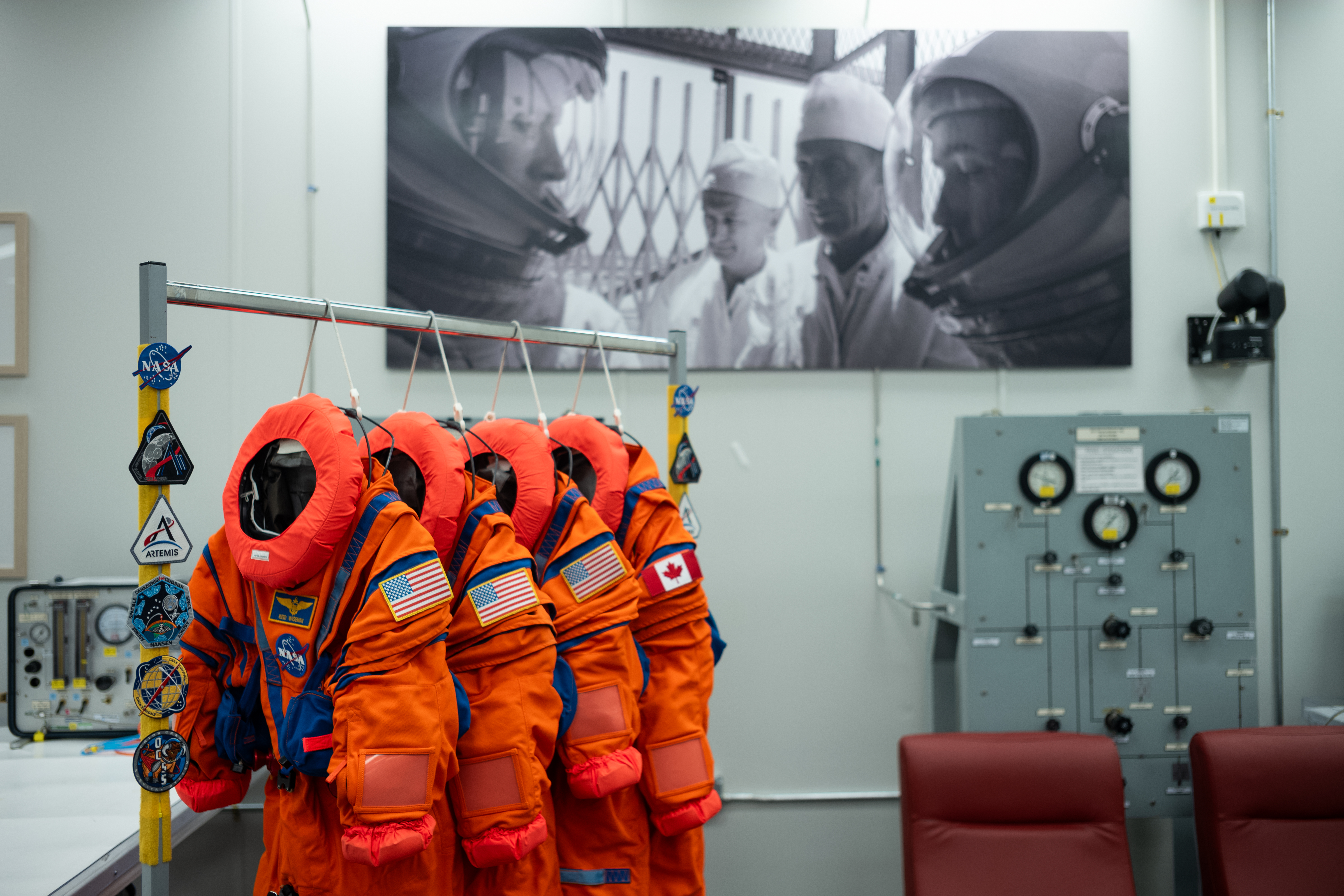
The Orion Crew Survival System suits that Commander Reid Wiseman, Pilot Victor Glover, and Mission Specialist Christina Koch from NASA, and Mission Specialist Jeremy Hansen from the CSA (Canadian Space Agency) will wear on the Artemis II test flight are seen in the suit-up room of the Neil A. Armstrong Operations and Checkout Building, Saturday, Jan. 17, 2026, at NASA’s Kennedy Space Center in Florida.
Read More| Picture of the day |
|---|

|
|
An equirectangular 360×180 degree view of the choir of the nave of St. Patrick’s Cathedral in Dublin, Ireland. Today is Saint Patrick’s Day.
|
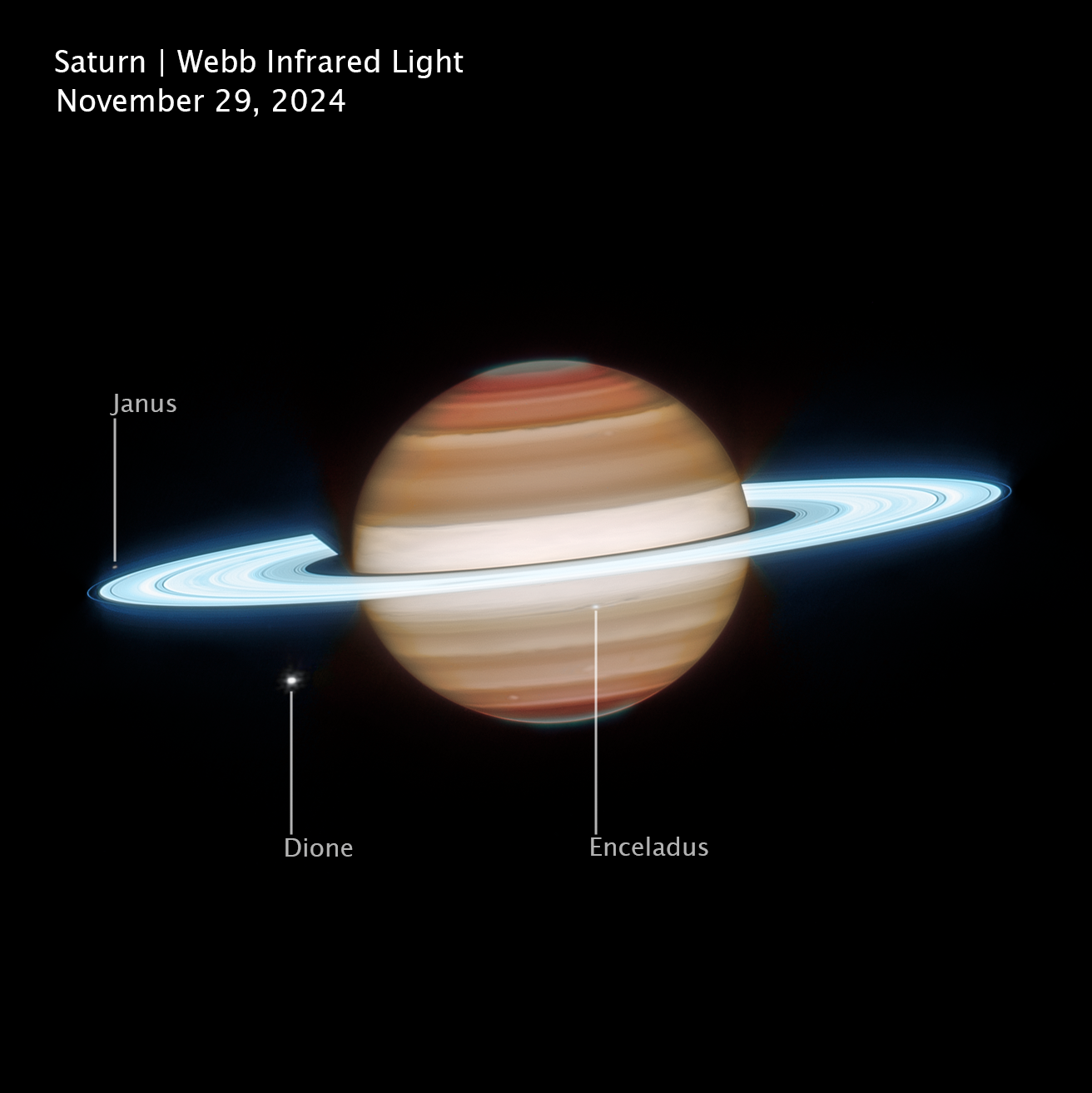
Captured Nov. 29, 2024 by NASA’s James Webb Space Telescope, this infrared view of Saturn shows its glowing icy rings and layered atmosphere. Several moons are visible, including Janus, Dione, and Enceladus.
Read More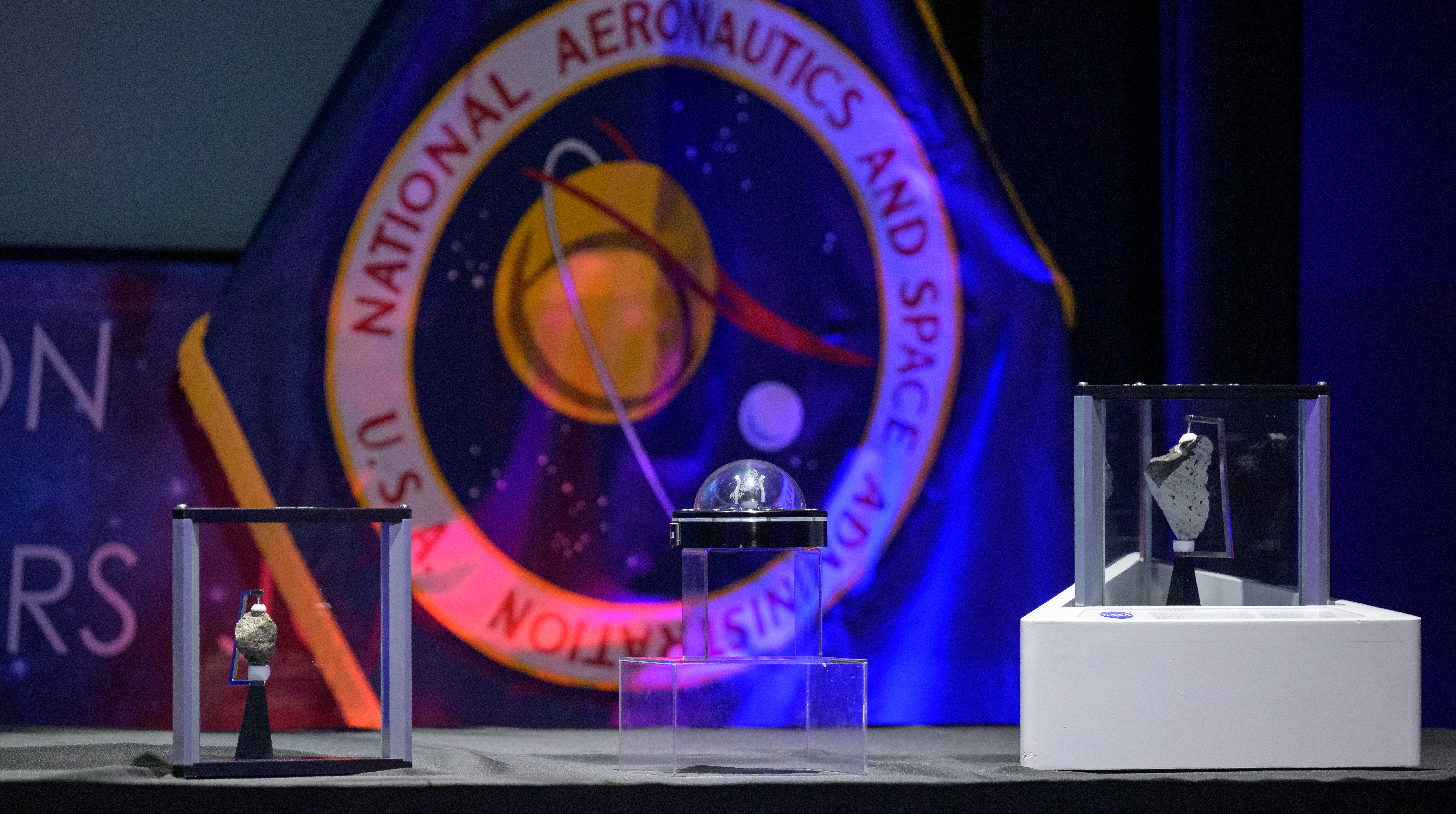
Moon rocks are seen during a March 24, 2026, event where NASA is outlining how the agency is executing the National Space Policy and accelerating preparations for America’s return to the surface of the Moon by 2028.
Read More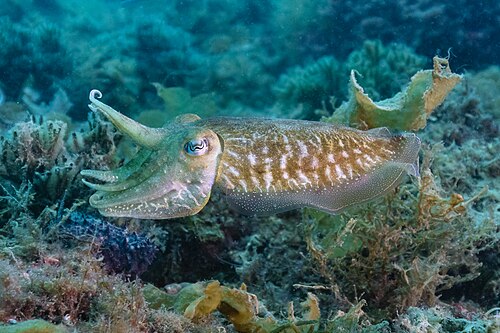
| Picture of the day |
|---|
,_Parque_natural_de_la_Arr%C3%A1bida,_Portugal,_2020-07-21,_DD_62.jpg)
|
|
Common cuttlefish (Sepia officinalis), Arrábida National Park, Portugal. The common cuttlefish is one of the largest and best-known cuttlefish species. They are a migratory species that spend the summer and spring inshore for spawning and then move to depths of 100 to 200m during autumn and winter. They only have a lifespan of 1–2 years and have many predators including sharks, dolphins, seals, fish, and cephalopods which includes other cuttlefish. During the day, most cuttlefish can be found buried below the substrate and fairly inactive. At night however, they are actively searching for prey and can ambush them from under the substrate. Cuttlefish are carnivorous and eat a variety of organisms including crustaceans (crabs and shrimp), small fish, molluscs (clams and snails), and sometimes other cuttlefish.
|

This new image from the Hubble Space Telescope and the James Webb Space Telescope takes a closer look at the core of Messier 101, also known as the Pinwheel Galaxy.
Read More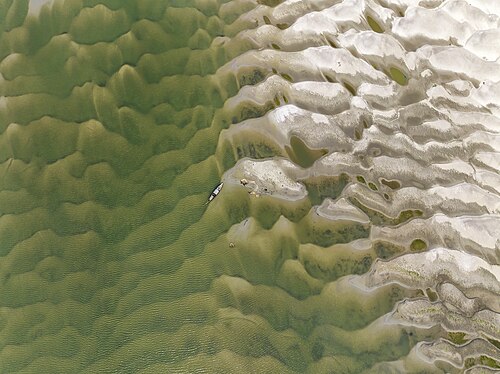
| Picture of the day |
|---|

|
|
Fishermen fishing in the chars (shifting sediment islands) of the river Padma in Rajshahi District, Bangladesh. The chars are being frequently visible as the river is drying up. Today is the International Day of Action for Rivers.
|
| Picture of the day |
|---|

|
|
British Drift Championship driver Adam Simmons and his JZ-powered R33 visiting the Norfolk Arena Drift Team at Swaffham Raceway.
|
| Picture of the day |
|---|
_11.jpg)
|
|
Delleboersterheide, nature reserve of the It Fryske Gea. Scots pine (Pinus sylvestris) on an overgrown heathland.
|

NASA astronaut and Expedition 74 crew member Chris Williams smiles for the camera during a spacesuit fit verification inside the International Space Station’s Quest airlock.
Read More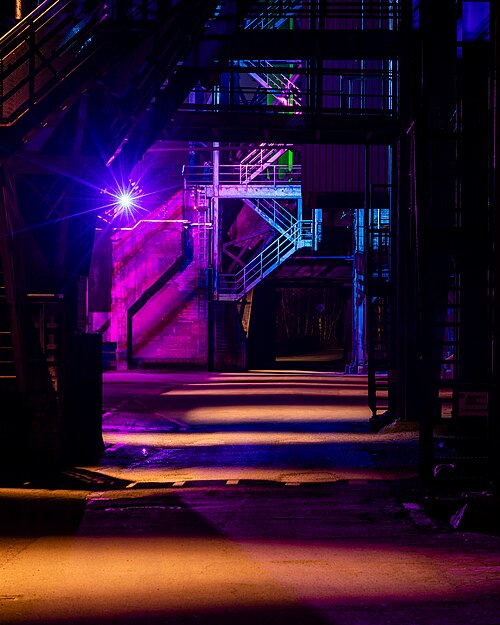
| Picture of the day |
|---|

|
|
Blast furnace road (at night) Landschaftspark Duisburg-Nord, North Rhine-Westphalia, Germany
|
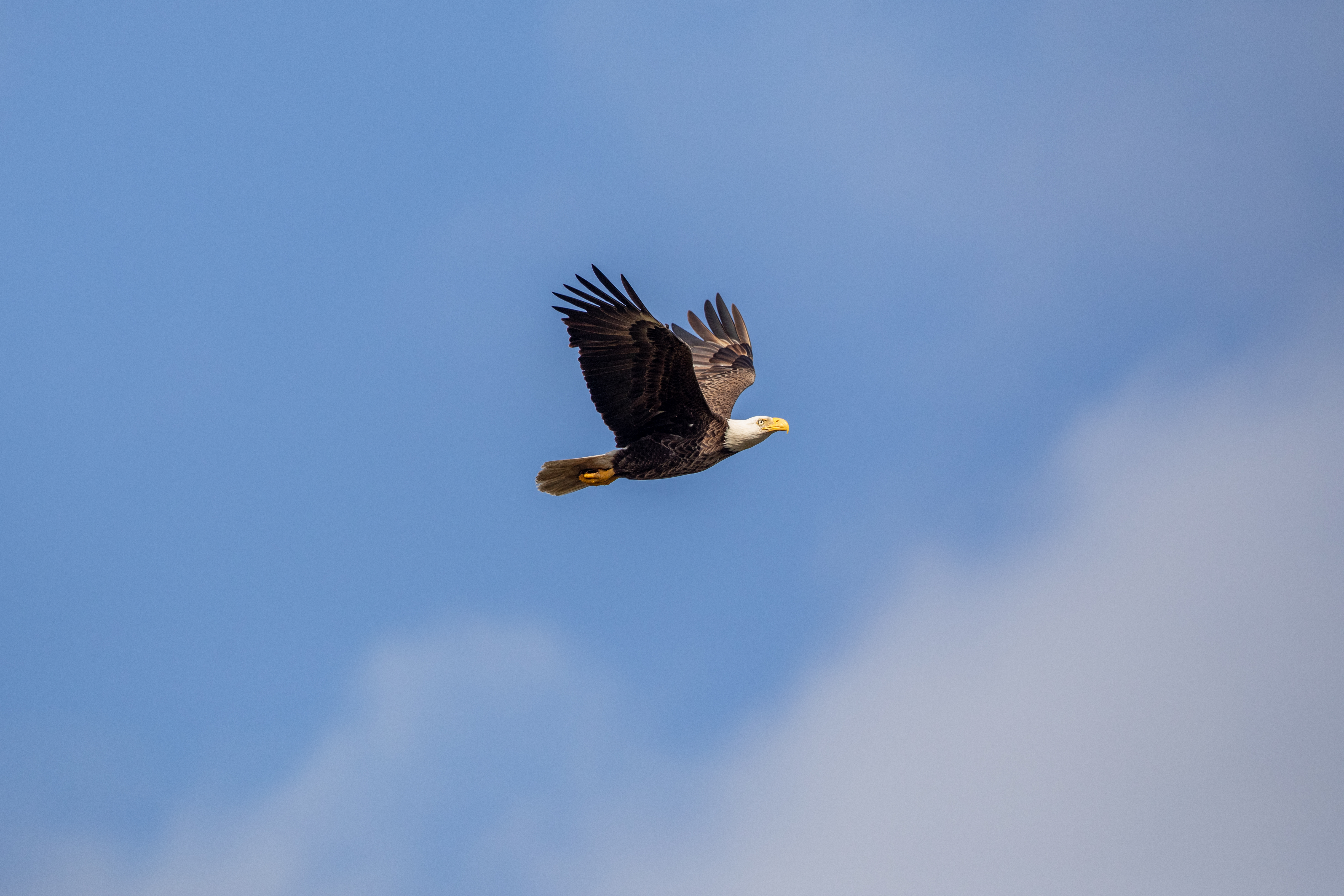
An American bald eagles flies away from its nest and tree at NASA’s Kennedy Space Center in Florida on Friday, March 13, 2026.
Read More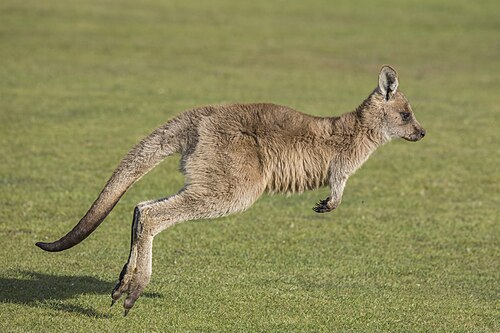
| Picture of the day |
|---|
_juvenile_hopping_Esk_Valley.jpg)
|
|
Forester kangaroo (Macropus giganteus tasmaniensis) juvenile, Upper Esk Valley, Dorset, Tasmania, Australia
|
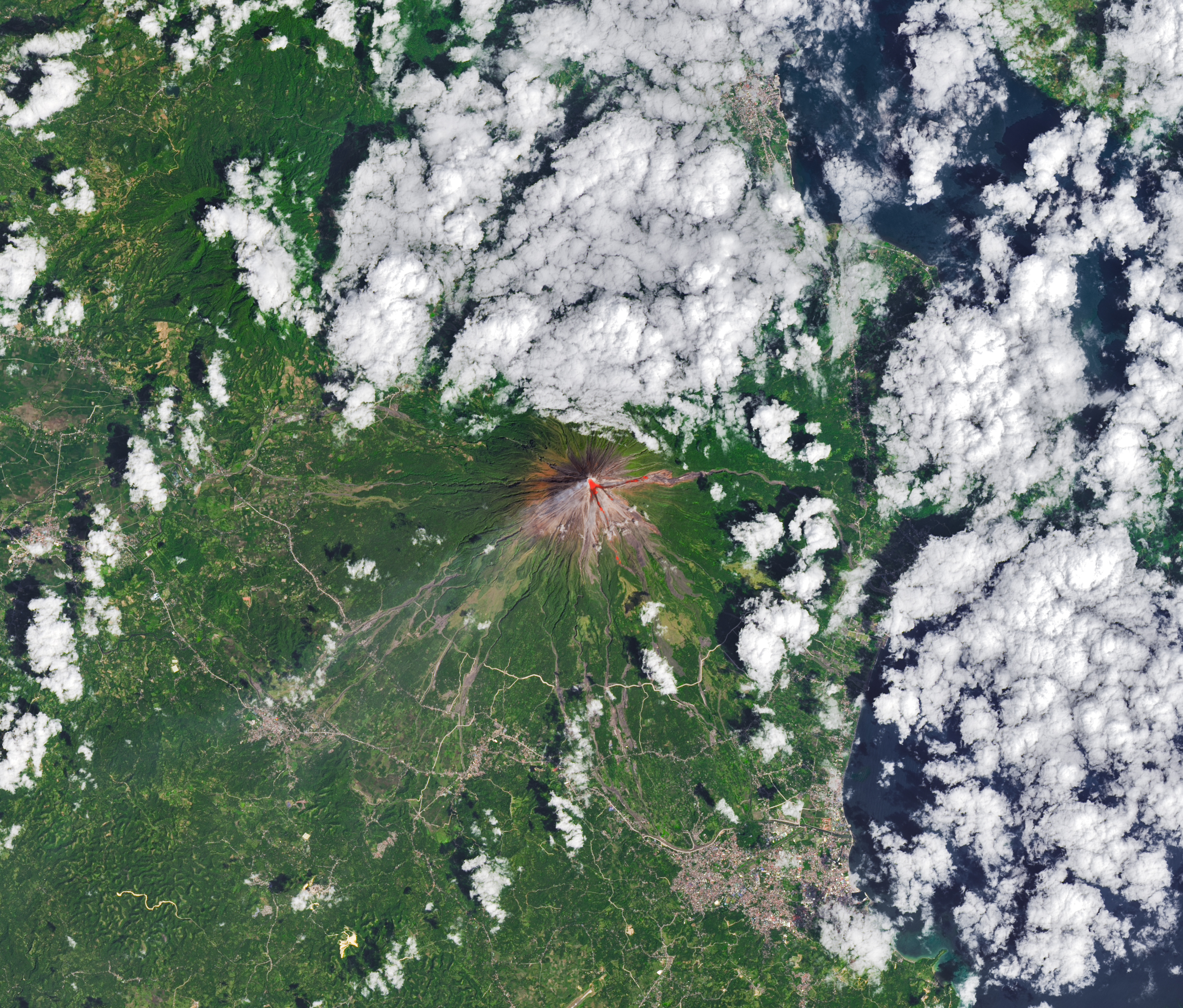
At any given moment, about 20 volcanoes on Earth are actively erupting. Often among them is Mayon—the most active volcano in the Philippines.
Read More
| Picture of the day |
|---|

|
|
Tower Clock manufacturer in Morez, France – Louis-Delphin Odobey Cadet. Daylight saving time begins today in much of the Western Hemisphere.
|
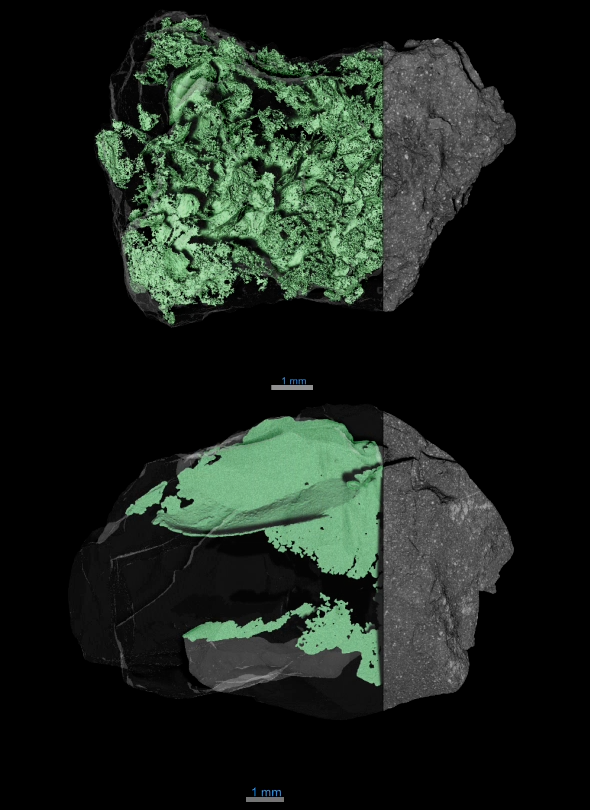
These X-ray computed tomography (XCT) scans of particles from asteroid Bennu show the most common types of crack networks observed in Bennu samples.
Read More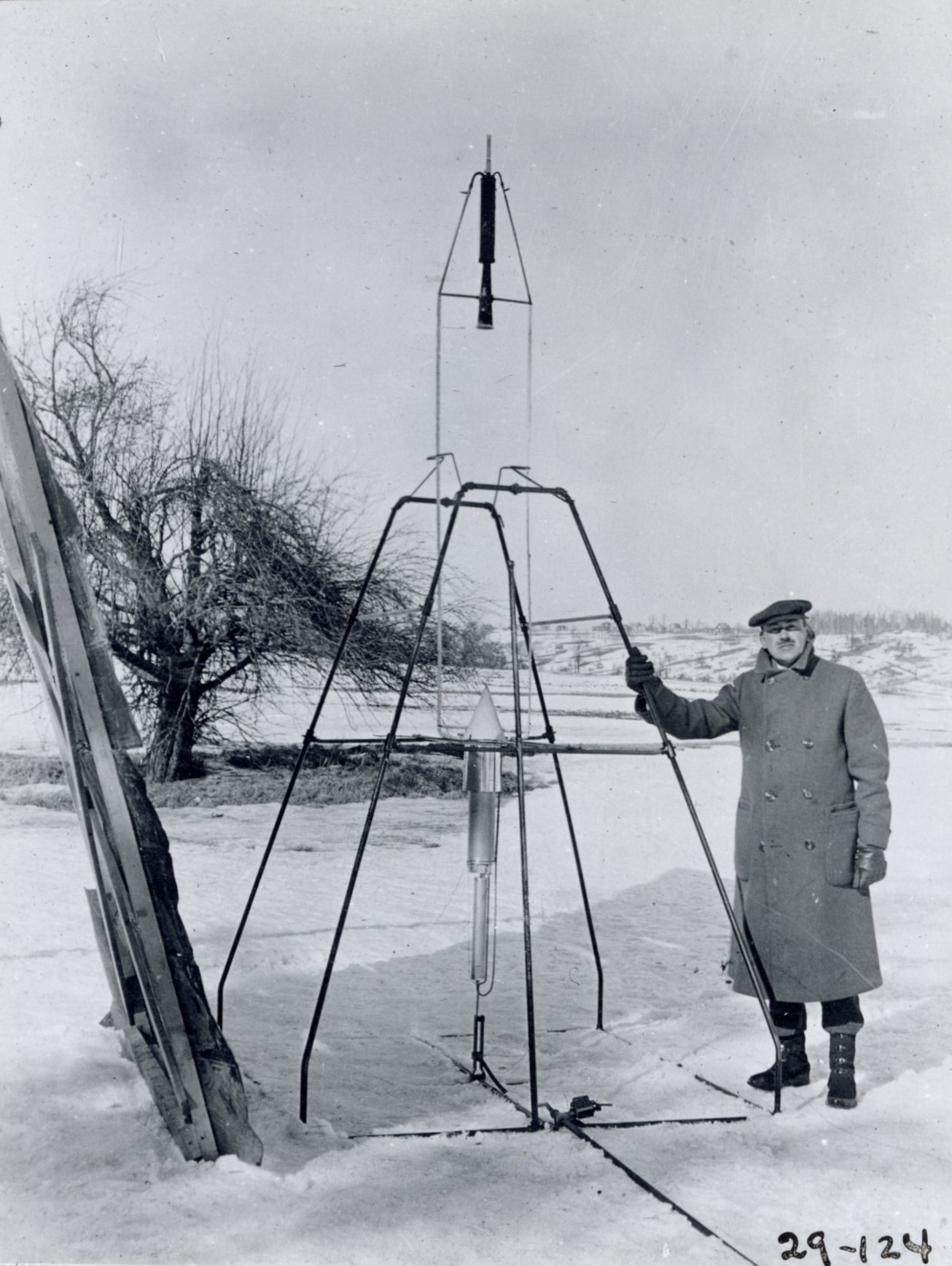
Dr. Robert H. Goddard and a liquid oxygen-gasoline rocket in the frame from which it was fired on March 16, 1926, at Auburn, Mass.
Read More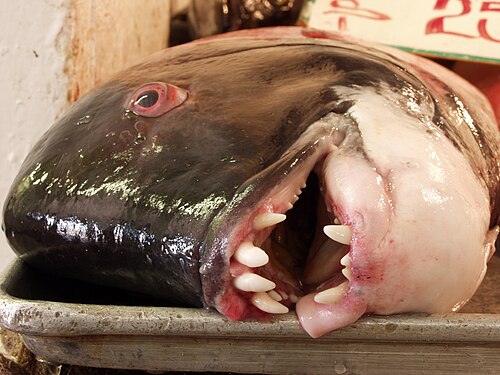
| Picture of the day |
|---|
_at_Ensenada%27s_fishmarket.jpg)
|
|
A California Sheephead at Ensenada´s fishmarket (Mercado Negro), Baja California, México. The California Sheephead (Semicossyphus pulcher) is characterized by its wrasse-like shape, and three different color patterns for juveniles, adult males, and adult females.
|
| Picture of the day |
|---|

|
|
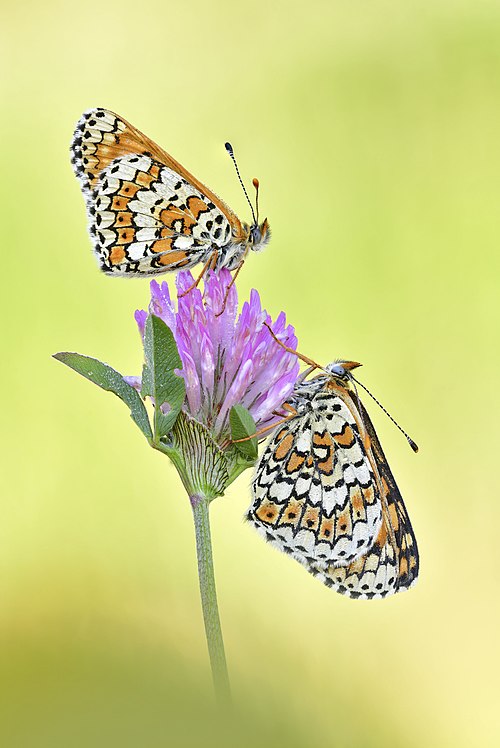
Two Glanville fritillaries (Melitaea cinxia) on a red clover. Today is Kaede Hondo’s birthday, she voiced Kokoro Yotsuba in Kamisama Minarai: Himitsu no Cocotama.
|
| Picture of the day |
|---|
|
|
|
Two Glanville fritillaries (Melitaea cinxia) on a red clover. Today is Kaede Hondo’s birthday, she voiced Kokoro Yotsuba in Kamisama Minarai: Himitsu no Cocotama.
|
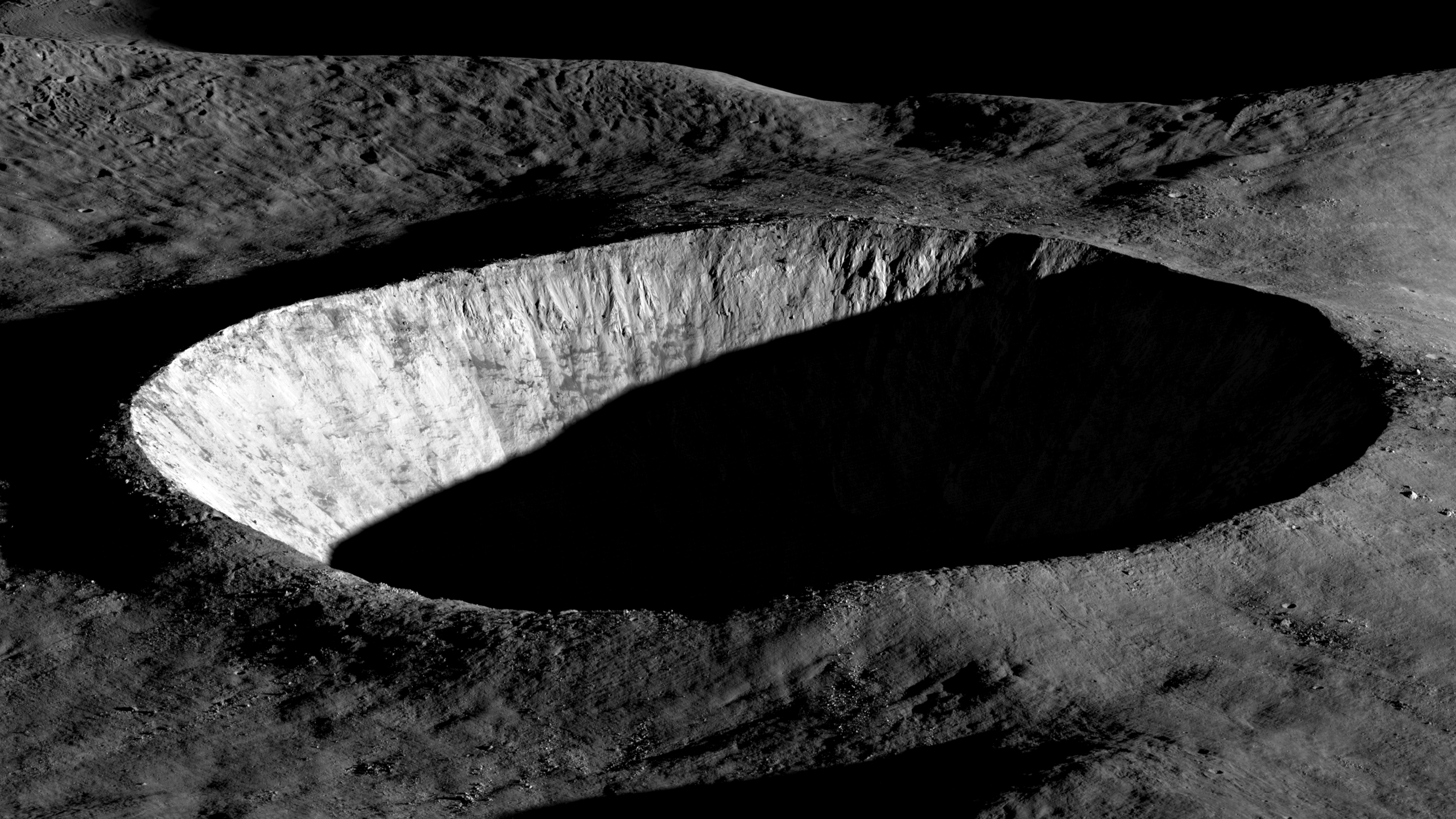
Early morning sunlight illuminates the western wall of this unnamed crater, leaving deep shadows on the ground and in the interior. The image was taken on August 30, 2023, by LROC (Lunar Reconnaissance Orbiter Camera).
Read More| Picture of the day |
|---|
_22-03-2025_(d.j.b.)_01.jpg)
|
|
Ground shoot of one Euphorbia griffithii Beautifully colored ground shoot emerges in a natural border. Focus stack of 15 photos.
|
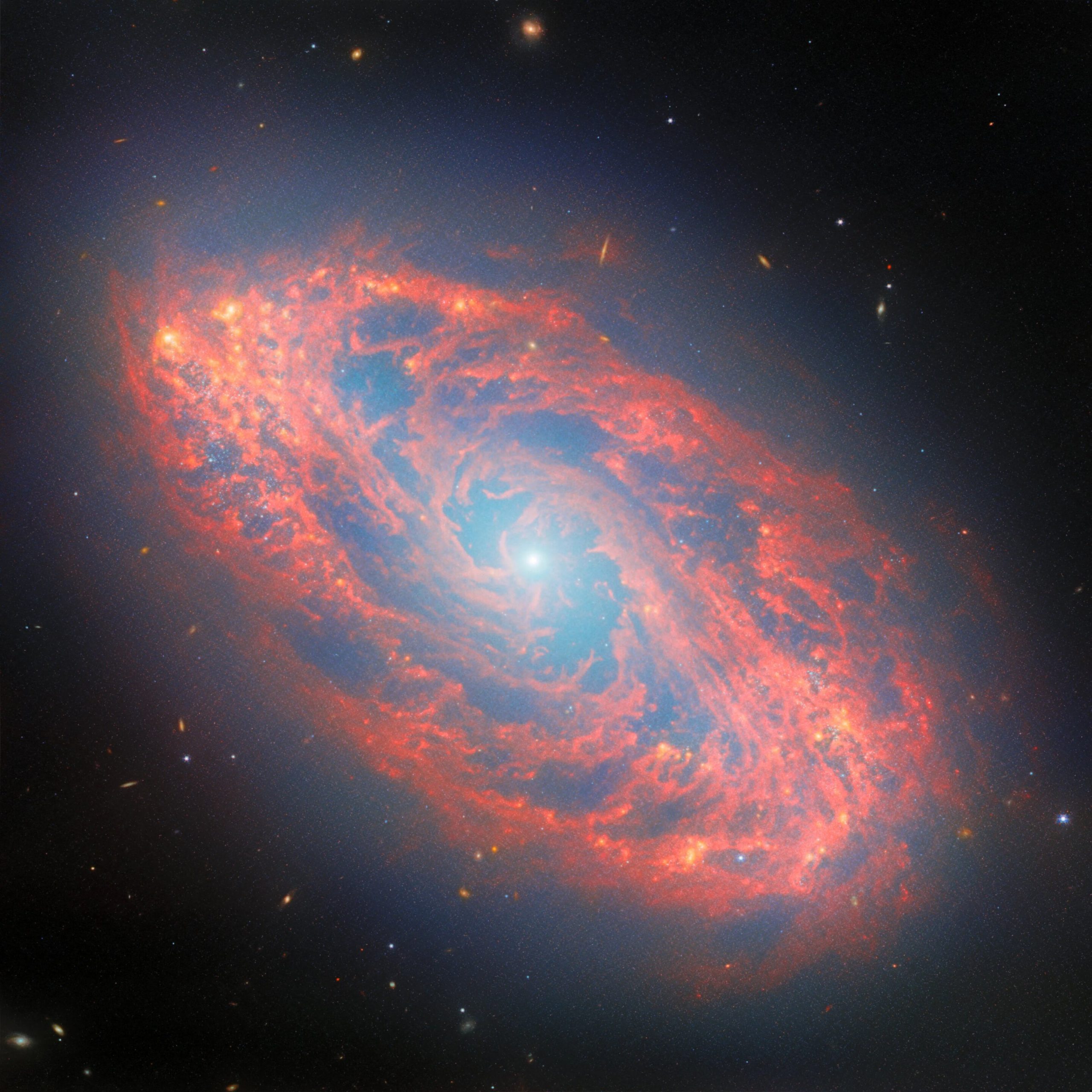
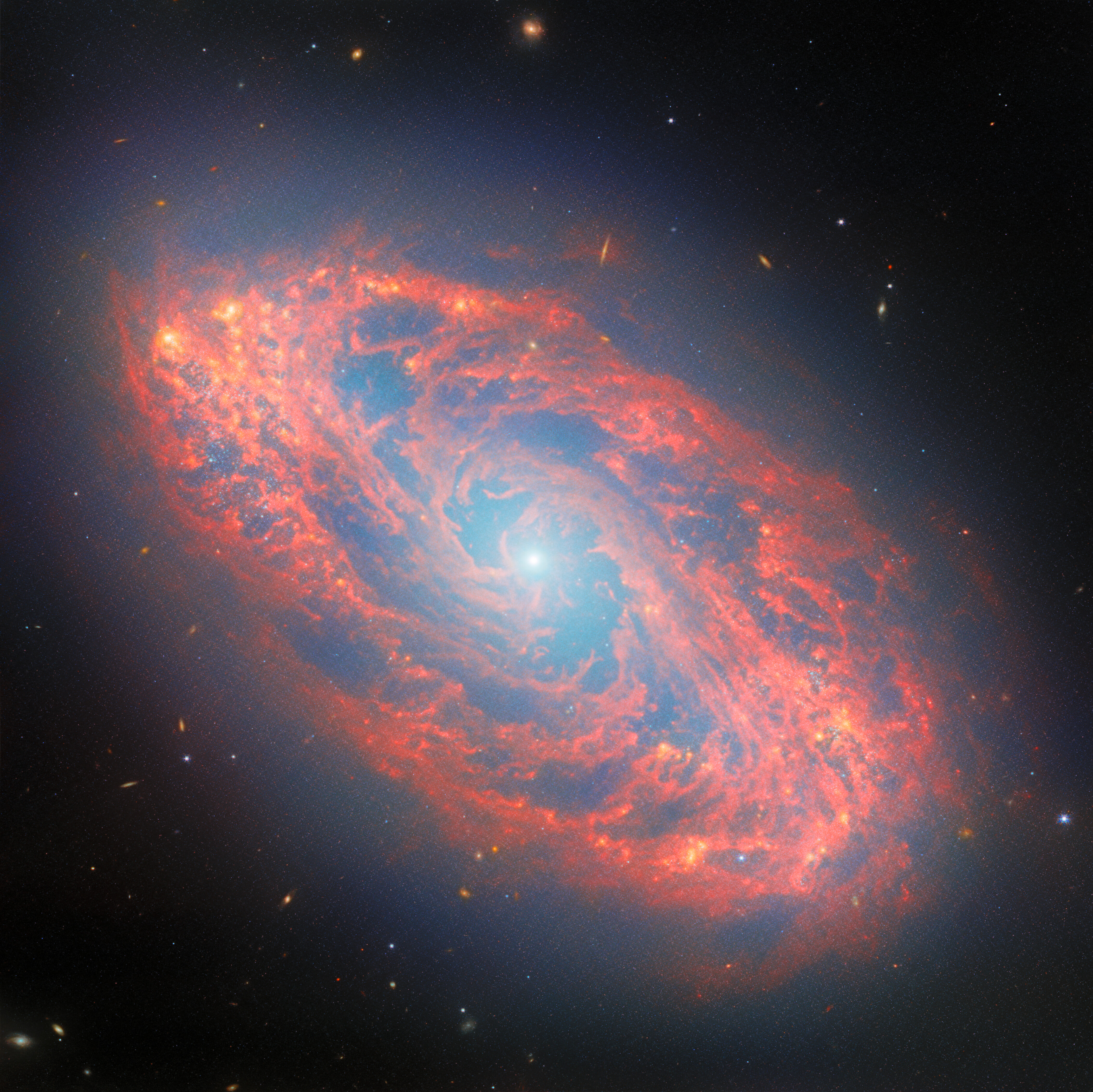
Two powerful instruments of the NASA/ESA/CSA James Webb Space Telescope joined forces to create this scenic galaxy view. This spiral galaxy is named NGC 5134, and it’s located 65 million light-years away in the constellation Virgo.
Read More
| Picture of the day |
|---|

|
|
Two children playing with colours on the Hindu festival of Holi in Bangladesh. Today is Holi.
|
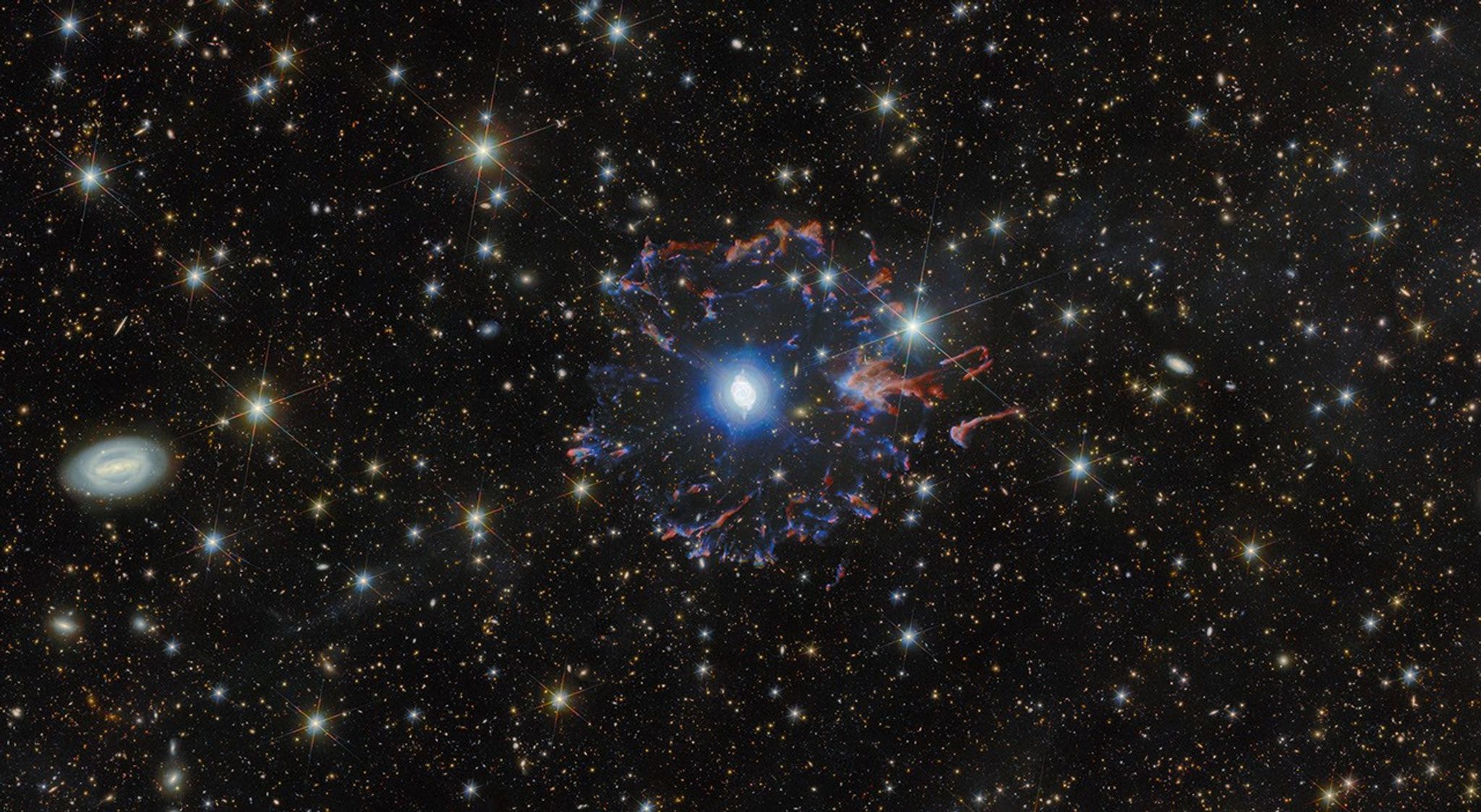
In Euclid’s wide, near-infrared, and visible light view, the arcs and filaments of the nebula’s bright central region are situated within a halo of colorful fragments of gas zooming away from the star. This ring was ejected from the star at an earlier stage, before the main nebula at the center formed. Hubble captures the very core of the billowing gas with high-resolution visible-light images, adding extra detail in the center of this image. The whole nebula stands out against a backdrop teeming with distant galaxies, demonstrating how local astrophysical beauty and the farthest reaches of the cosmos can be seen together in modern astronomical surveys. Together, these missions provide a rich and complementary view of NGC 6543 — revealing the delicate interplay between stellar end-of-life processes and the vast cosmic tapestry beyond.
Read More
| Picture of the day |
|---|

|
|
Doll (musha-ningyo) featuring Takenouchi no Sukune, minister of Emperor Ōjin; end of the Edo period, 19th century, Japan. Ann and Gabriel Barbier-Mueller Museum, Dallas (Texas) ; the photograph was taken during an exhibition in the Musée des Arts Premiers in Paris
|
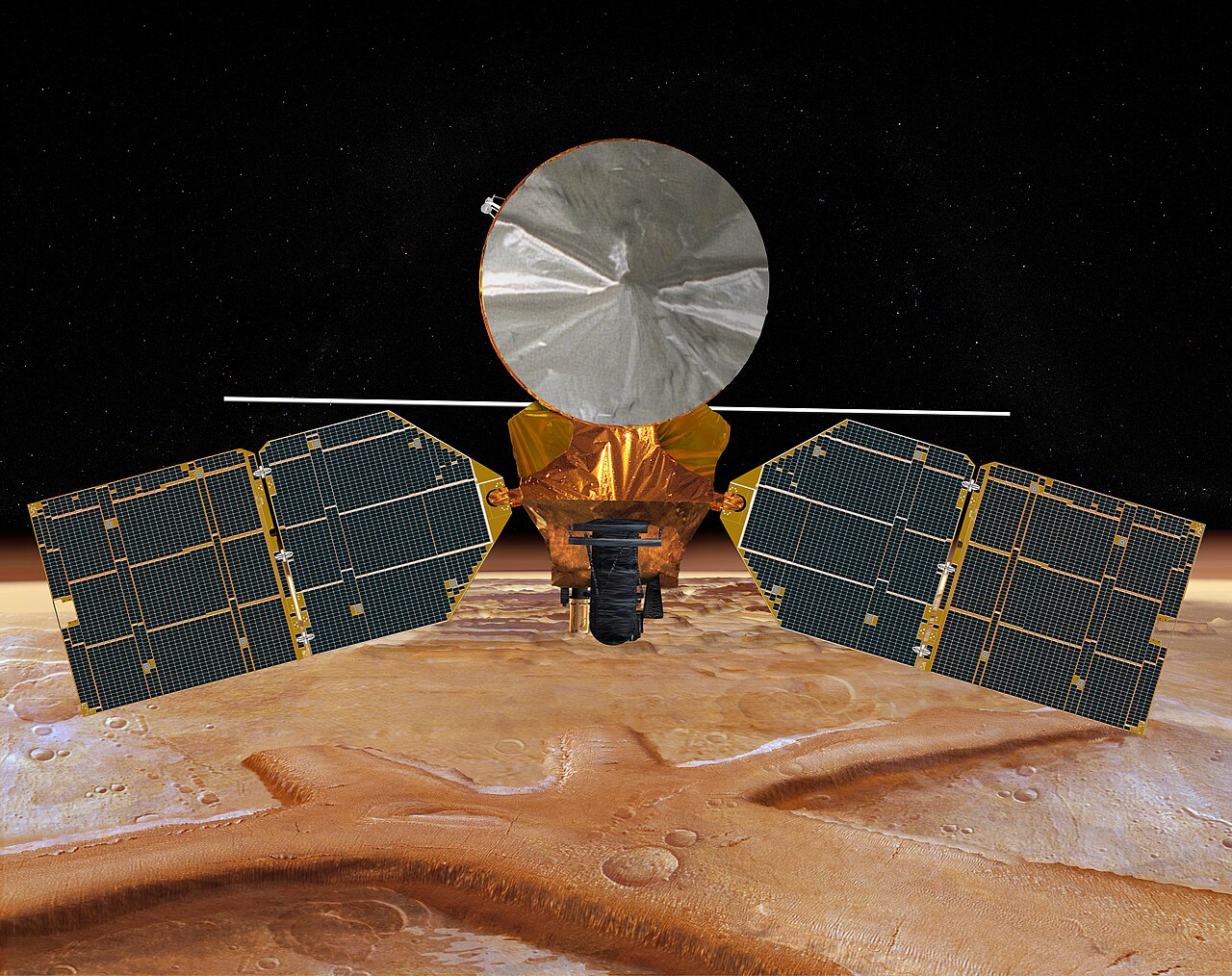

This impact crater, as seen by NASA’s Mars Reconnaissance Orbiter in 2015, appeared relatively recent as it has a sharp rim and well-preserved ejecta.
Read More