
| Picture of the day |
|---|
-L1005460.jpg)
|
|
PO boxes at the historic U.S. Post Office in downtown Chico, California. Today is International World Post Day.
|

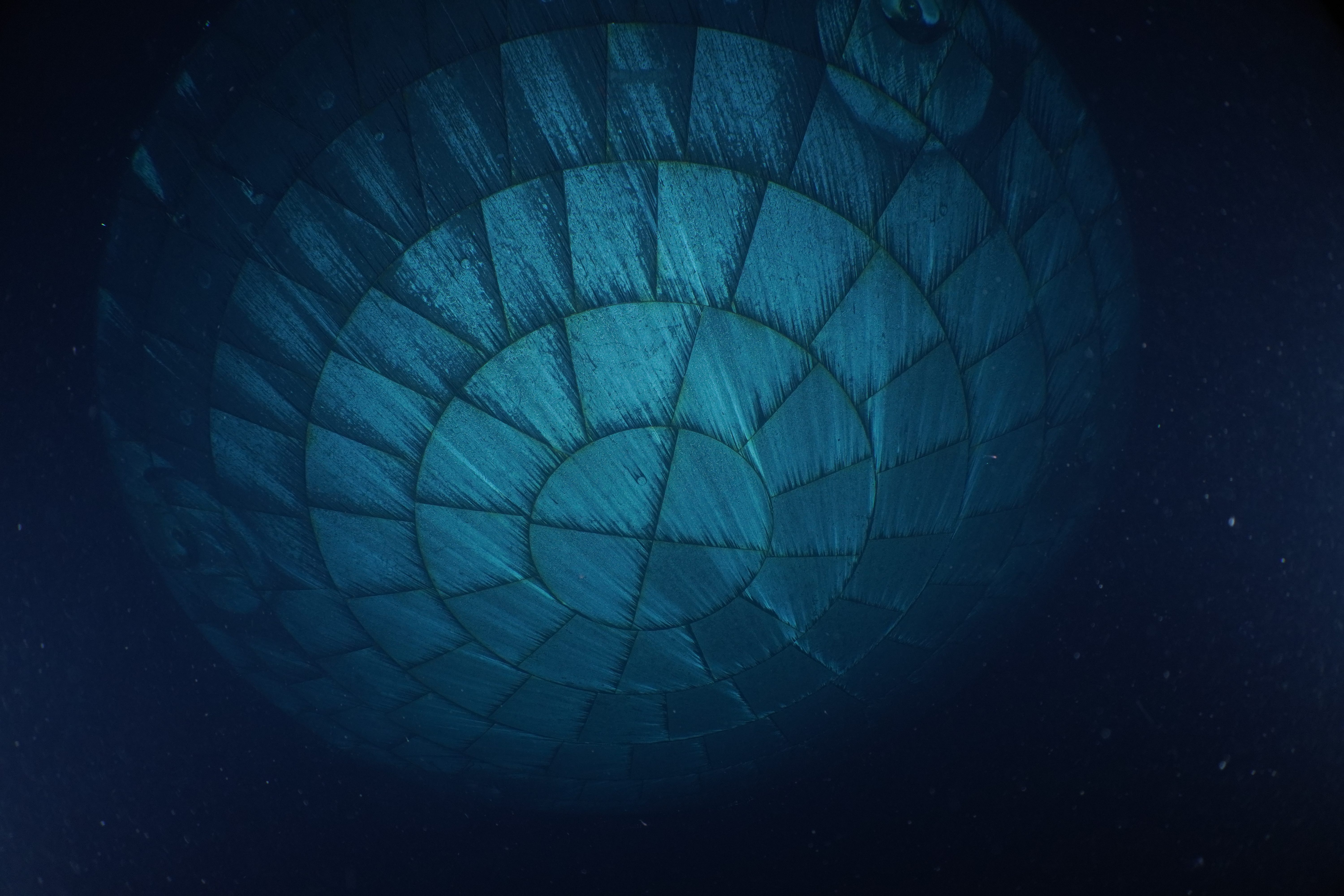
Shortly after Artemis II splashdown on April 10, 2026, U.S. Navy divers captured underwater imagery of the Orion spacecraft’s heat shield.
Read More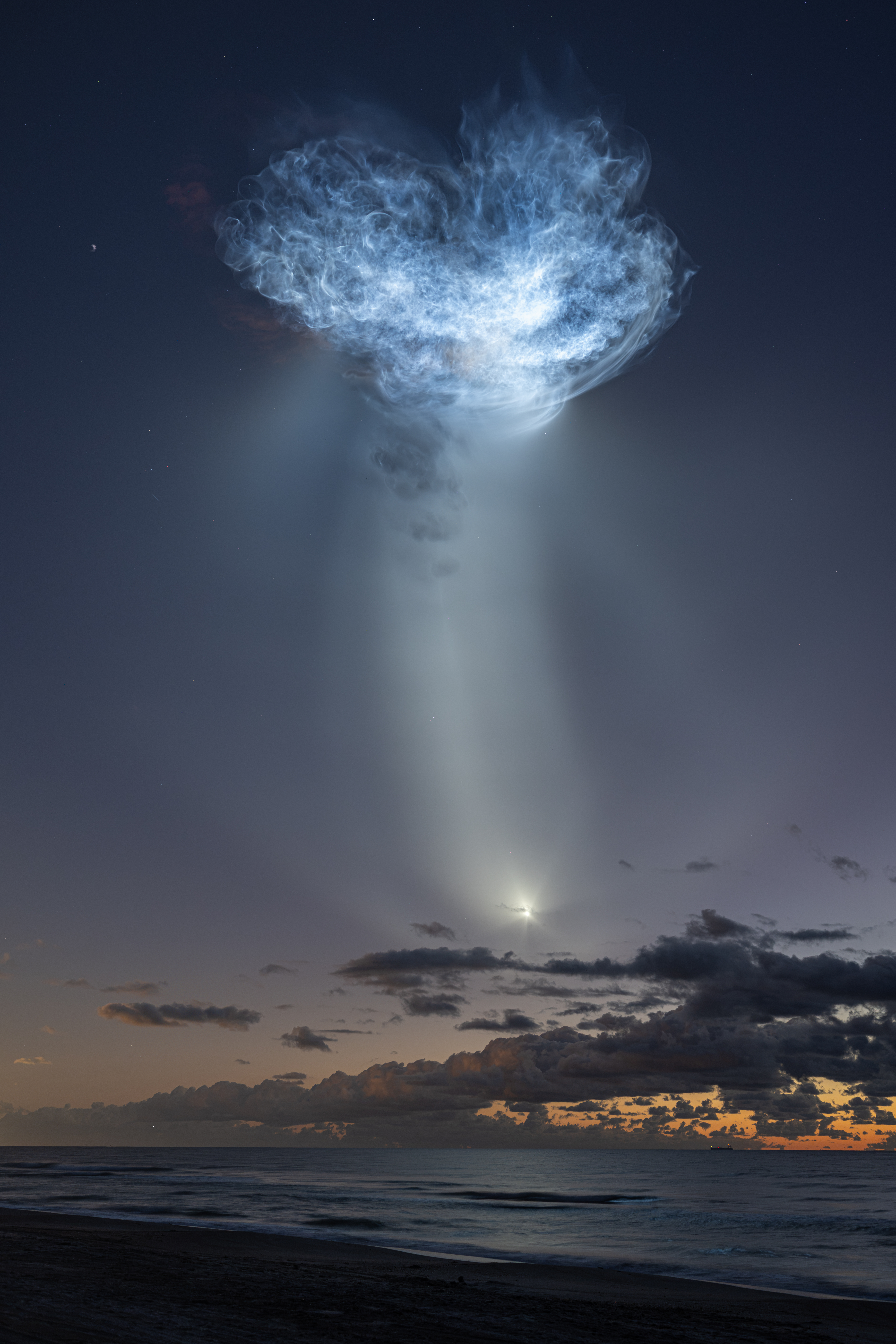
The exhaust plumes of a SpaceX Falcon 9 rocket carrying the company’s Dragon spacecraft are seen illuminated by sunlight against the predawn sky during the launch of NASA’s SpaceX CRS-35 mission, Tuesday, Oct. 13, 2026, as seen from Cocoa Beach, Florida. The light makes the plumes look like a jellyfish in the sky.
Read More

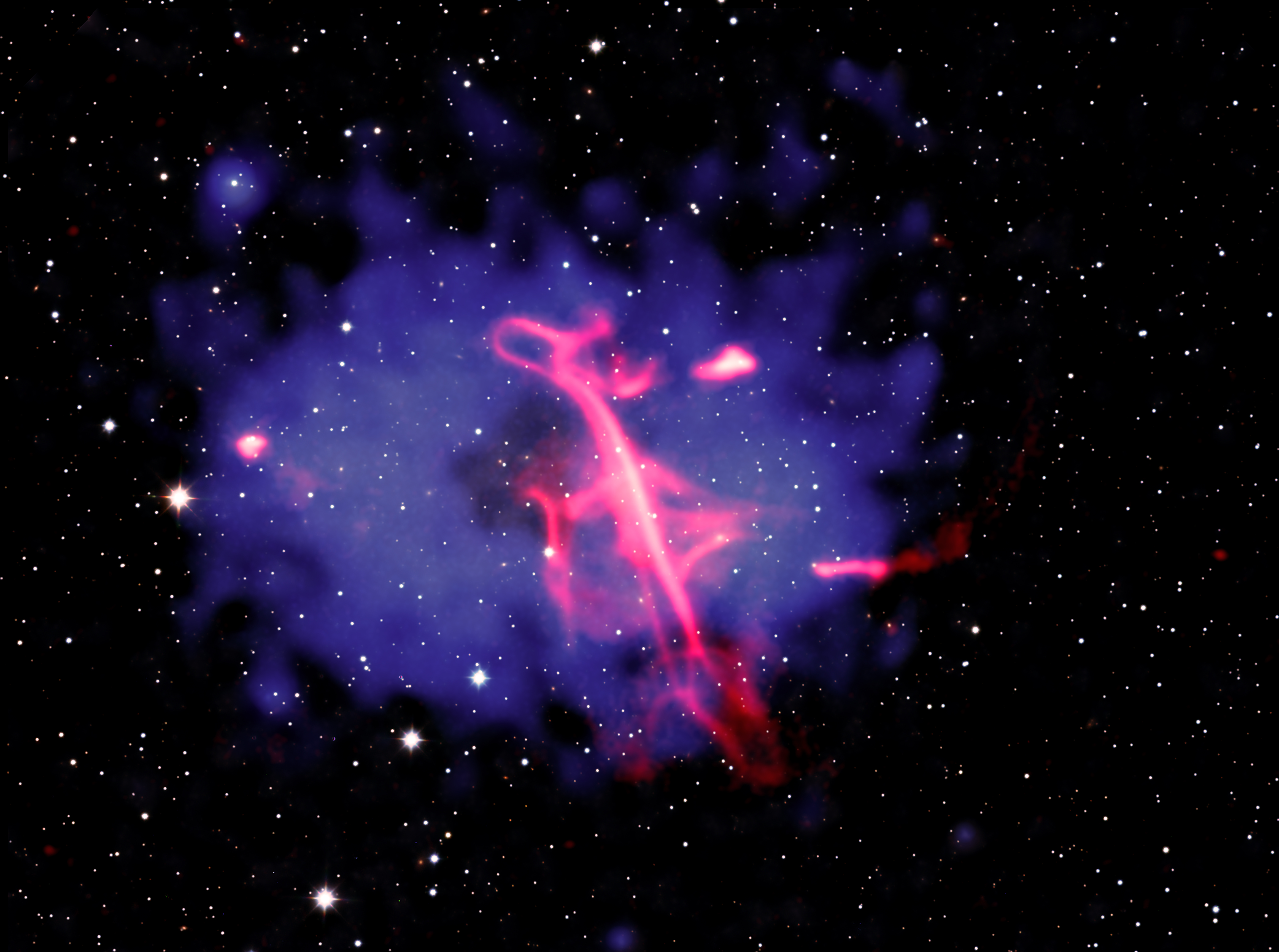
Astronomers have used NASA’s Chandra X-ray Observatory to break down the cause of a remarkable formation of radio waves they have nicknamed the “Treble Clef” because its distinct shape strongly resembles the musical symbol.
Read More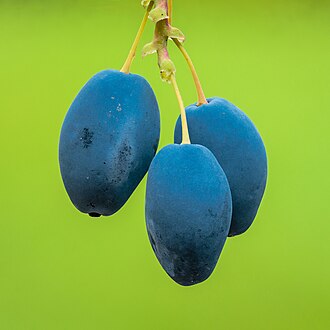
_01.jpg)
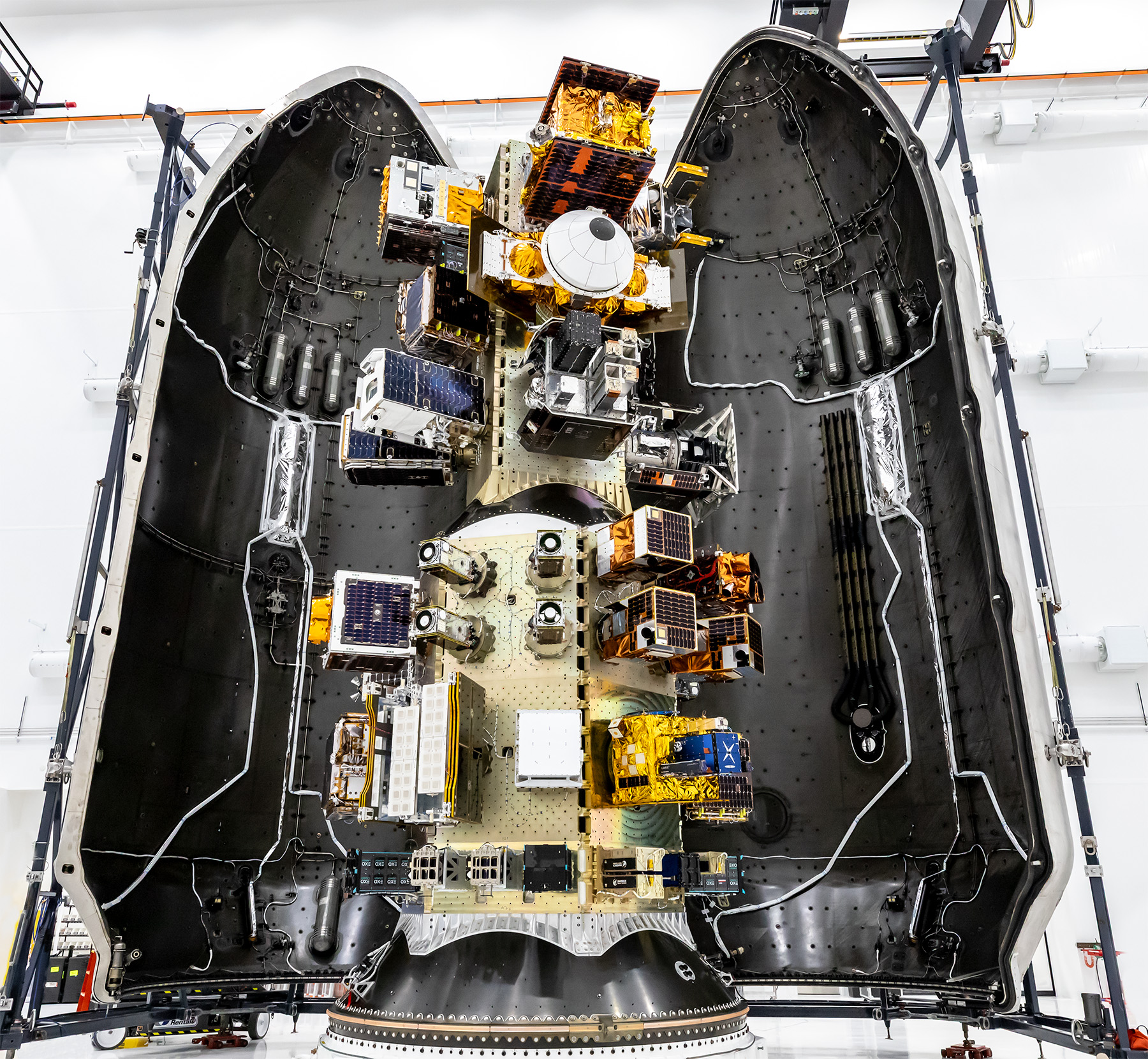
Three NASA-supported small spacecraft, shown along with many commercial payloads, before being encapsulated in a SpaceX Falcon 9. The rocket launched the payloads into low-Earth orbit at 11:32 a.m. PDT Thursday, Oct. 1, 2026, as part of the company’s Transporter-18 mission from Space Launch Complex 4 East at Vandenberg Space Force Base in California.
Read More| Picture of the day |
|---|

|
|
Twin mills (front: green mill, 1856; rear: red mill or Schoof’s mill, 1706), Greetsiel, Krummhörn, Lower Saxony, Germany
|

| Picture of the day |
|---|
_-_Ceiling.jpg)
|
|
Baciccio’s Triumph of Franciscan Order depicts the Apostles recommending Francis of Assisi, Anthony of Padua, and other Franciscans to Christ for admittance into Heaven. The fresco is on the vaulted ceiling of the Church of the Twelve Holy Apostles in Rome. This year is the 800th anniversary of Francis of Assisi’s death. Today is his feast day.
|
| Picture of the day |
|---|
_male_in_flight_Michaelmas_Cay.jpg)
|
|
Brown booby (Sula leucogaster plotus) male in flight over Michaelmas Cay, Great Barrier Reef, Queensland, Australia.
|



This NASA/ESA/CSA James Webb Space Telescope Picture of the Month features galaxies in incredible detail that have been warped and multiplied like they’ve stepped into a house of mirrors.
Read More| Picture of the day |
|---|

|
|
The tower of the Cathedral of Saint Domnius (Split, Croatia) as seen from the Vestibule of Diocletian’s Palace.
|
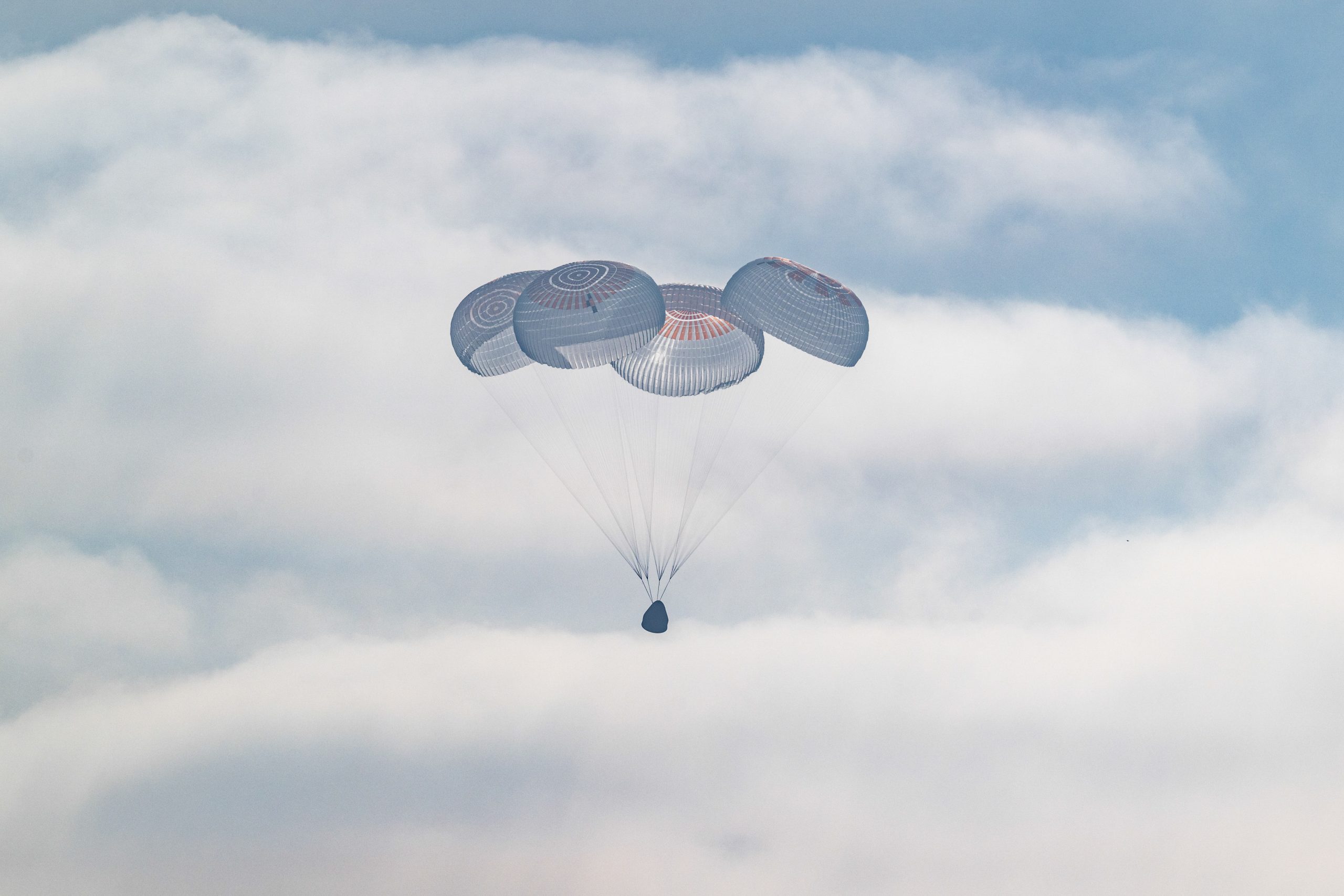
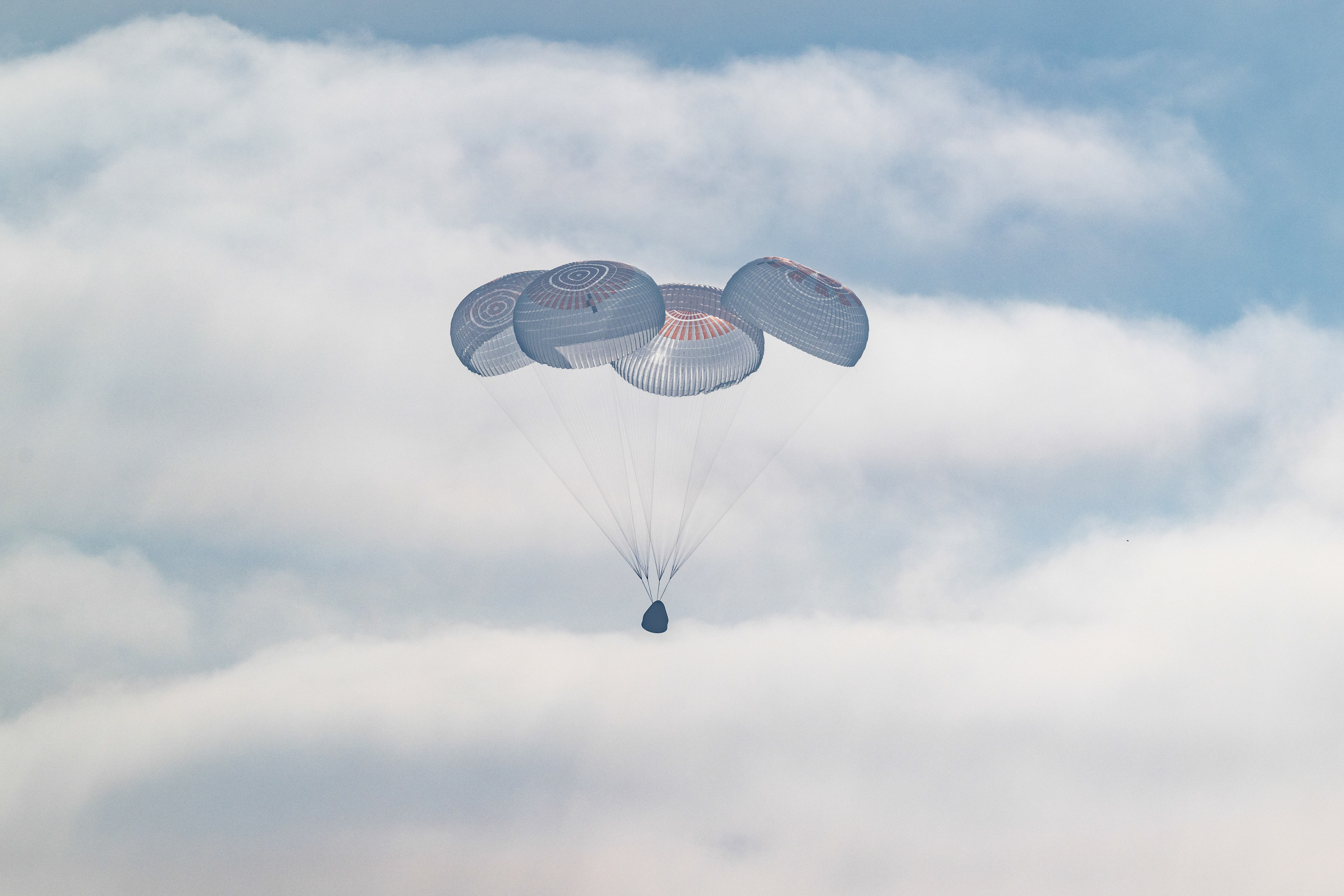
The SpaceX Crew Dragon Freedom spacecraft is seen as it lands with NASA astronauts Jessica Meir and Jack Hathaway, ESA (European Space Agency) astronaut Sophie Adenot, and Roscosmos cosmonaut Andrey Fedyaev aboard in the Pacific Ocean off the coast of Los Angeles, Calif., Thursday, Oct. 8, 2026.
Read More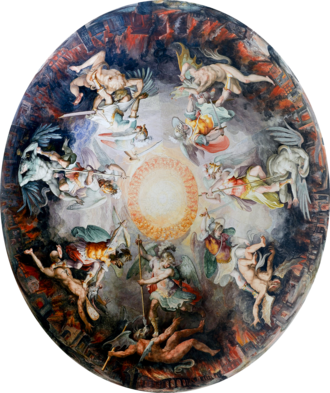
| Picture of the day |
|---|

|
|
Ceiling Painted Dome Cupola Angels Fighting Demons in the Vatican Museums. Today is Michaelmas in much of Western Christianity.
|
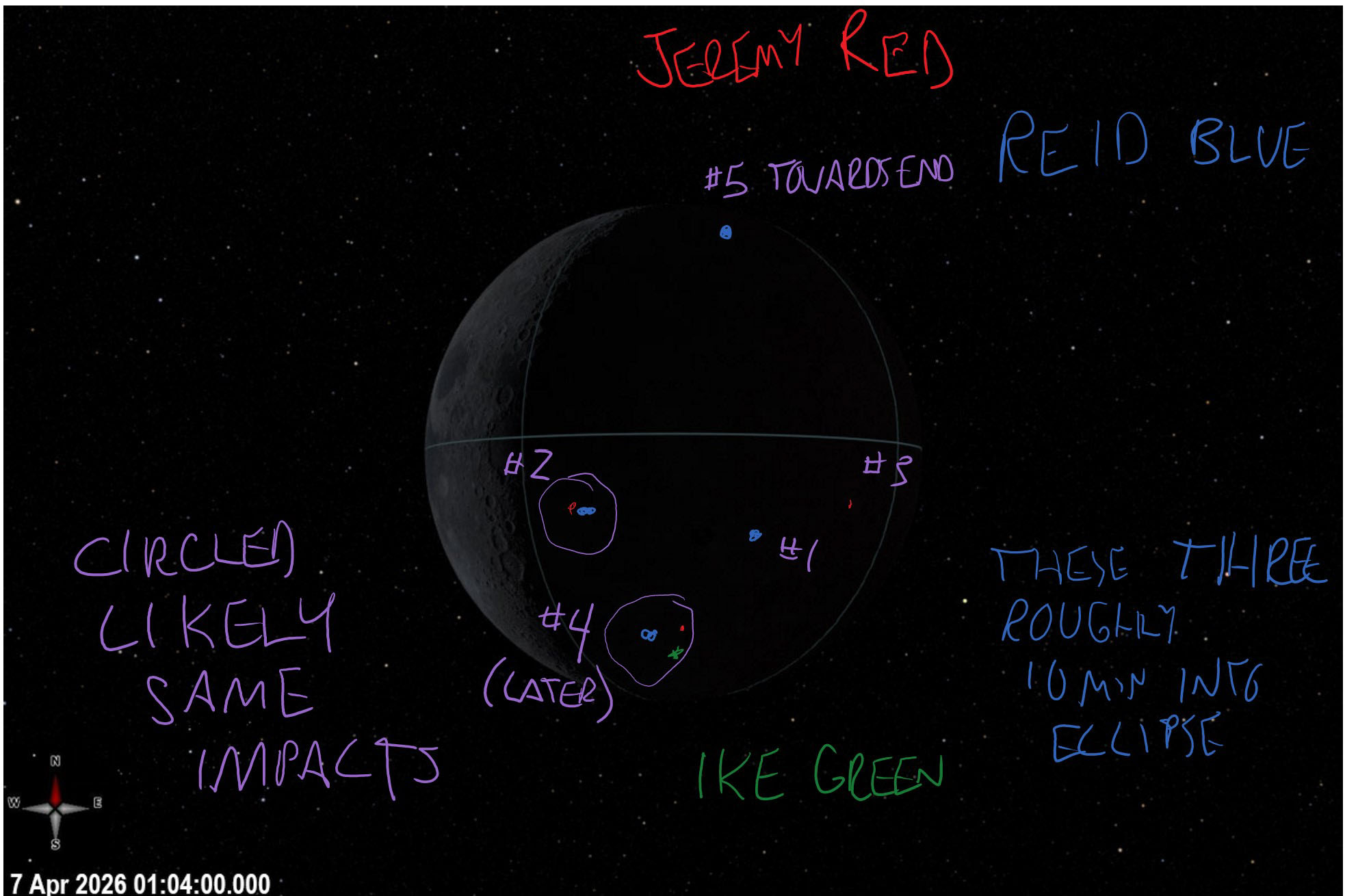
A visualization of a dark Moon eclipsing the Sun is marked with handwritten notes in this April 6, 2026, screenshot from an Artemis II crew member’s tablet.
Read More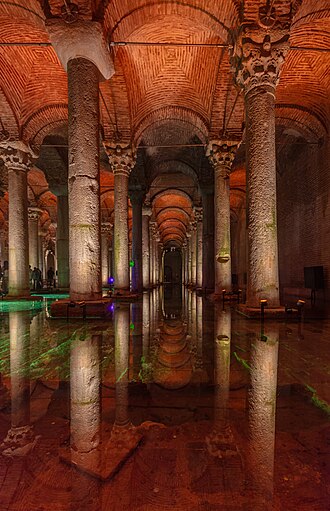
| Picture of the day |
|---|

|
|
View of the Basilica Cistern, Istanbul, Turkey. The Basilica Cistern, or Cisterna Basilica is the largest of several hundred ancient cisterns that lie beneath the city. This subterranean cistern was called Basilica because it was located under a large public square, the Stoa Basilica, on the First Hill of Constantinople. The cistern, built in the 6th century during the reign of Byzantine emperor Justinian I, provided a water filtration system for the Great Palace of Constantinople and other buildings on the First Hill, and continued to provide water to the Topkapı Palace after the Ottoman conquest in 1453 and into modern times. Today it is kept with little water, for public access inside the space.
|


This artist’s concept depicts a possible explanation for the unusual chemical abundances NASA’s Hubble Space Telescope detected in the HS 0209+0832 system: a second-generation planet orbiting the white dwarf star.
Read More| Picture of the day |
|---|

|
|
Gladiolus dalenii (parrot gladiolus) flower in the rain. About 4–5 cm (1.6–2.0 in) across. Garden plant in Ooty, The Nilgiris, south India. Focus-stack of 38 images.
|

NASA astronaut and mission specialist of the agency’s Artemis II mission, Christina Koch, led the fans in singing the Eagles Fight Song from the field at an NFL game between the Philadelphia Eagles and the Los Angeles Rams at Lincoln Financial Field on Sunday, Oct. 4, 2026, in Philadelphia.
Read More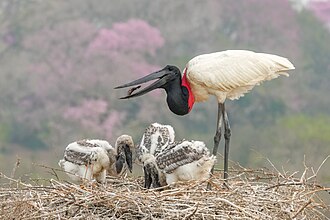
| Picture of the day |
|---|

|
|
Jabiru (Jabiru mycteria) feeding its chicks in their nest in Mato Grosso, Brazil
|

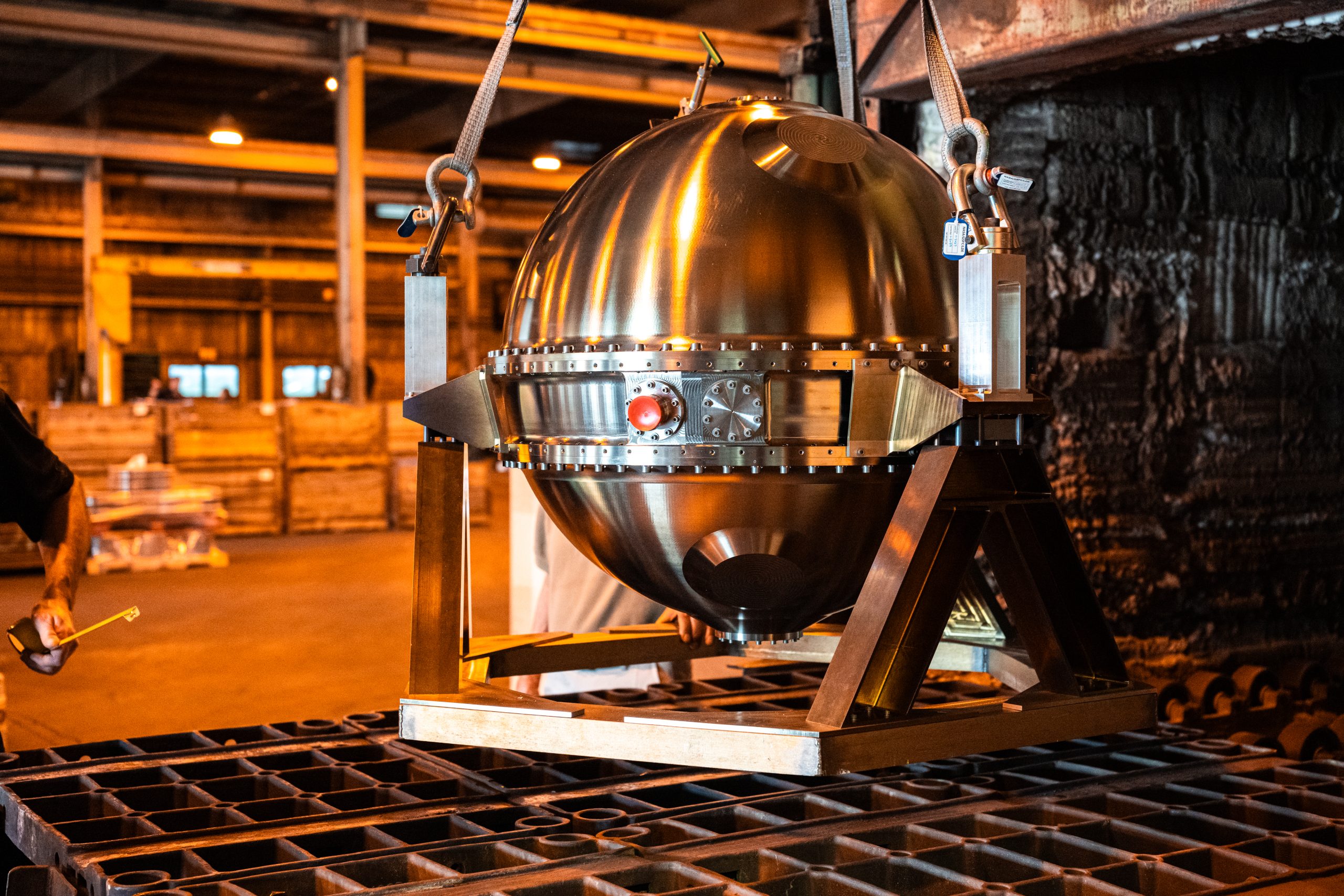
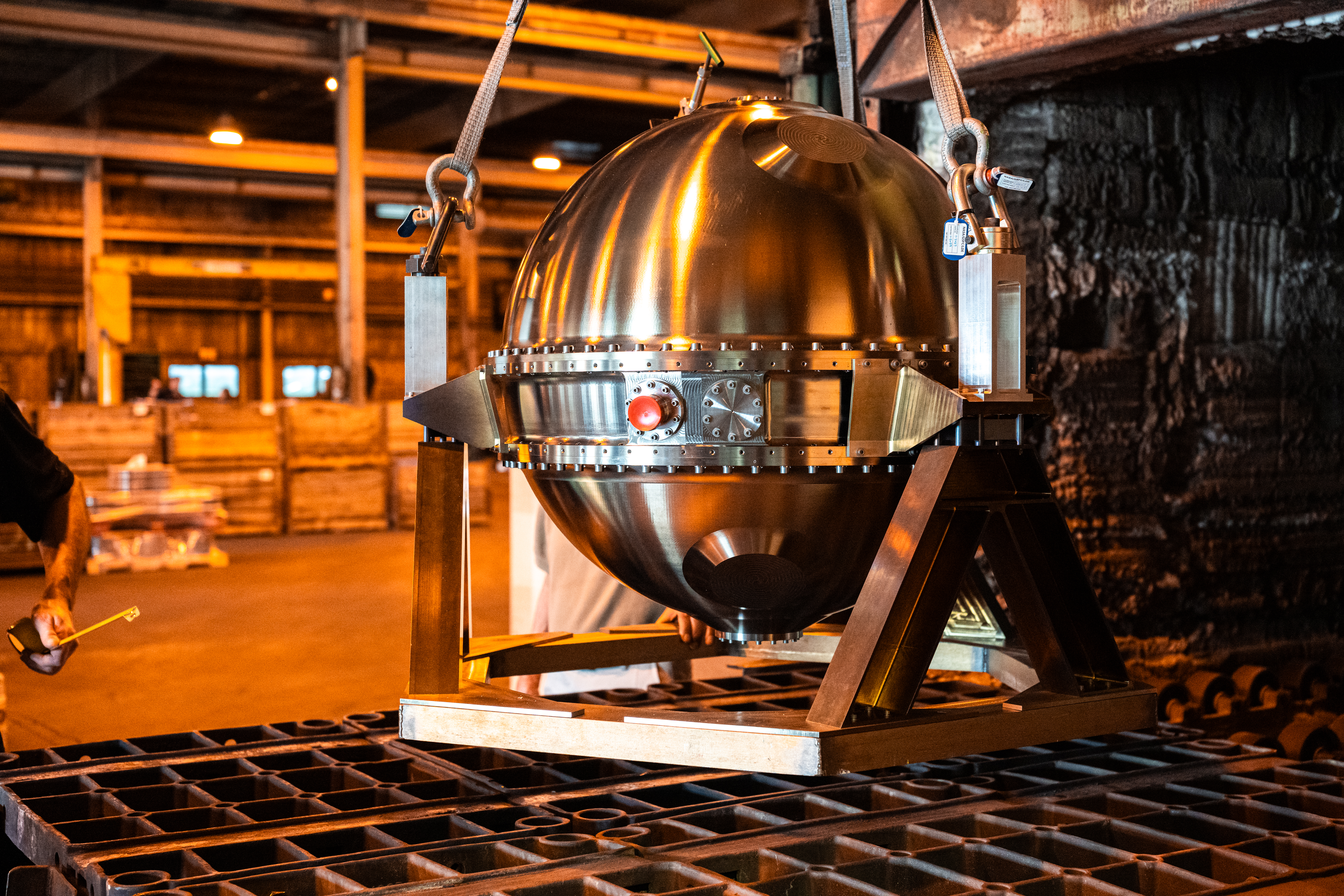
An engineering model of NASA’s DAVINCI (Deep Atmosphere Venus Investigation of Noble gases, Chemistry, and Imaging) descent probe passed a key test that ran from Aug. 28 to Sept. 10, showing it can survive the extreme temperatures of Venus.
Read More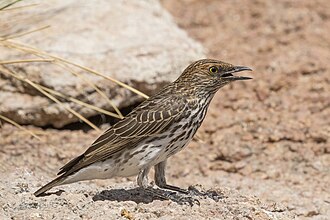
| Picture of the day |
|---|
_female.jpg)
|
|
Female violet-backed starling (Cinnyricinclus leucogaster verreauxi), Damaraland, Namibia.
|
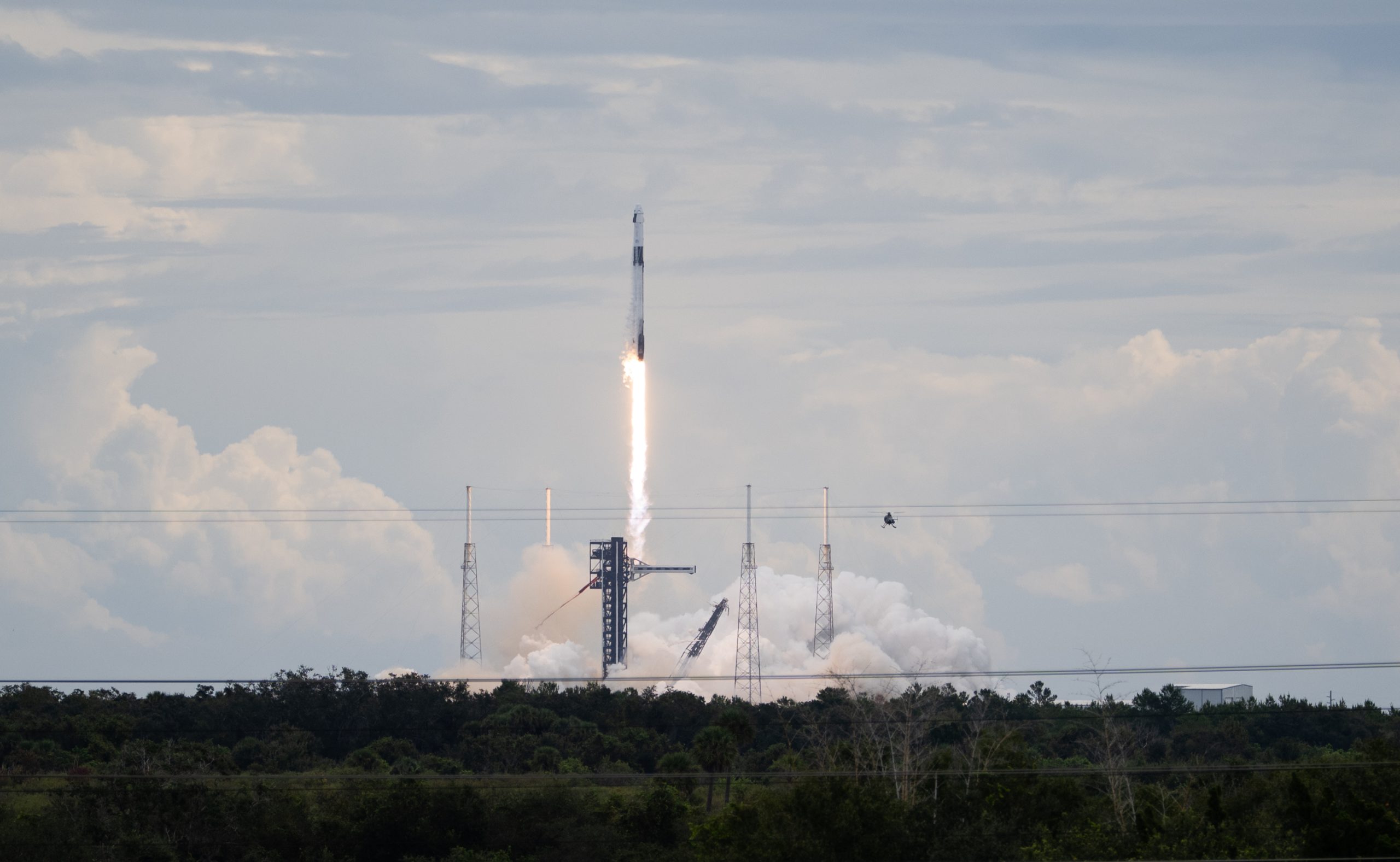
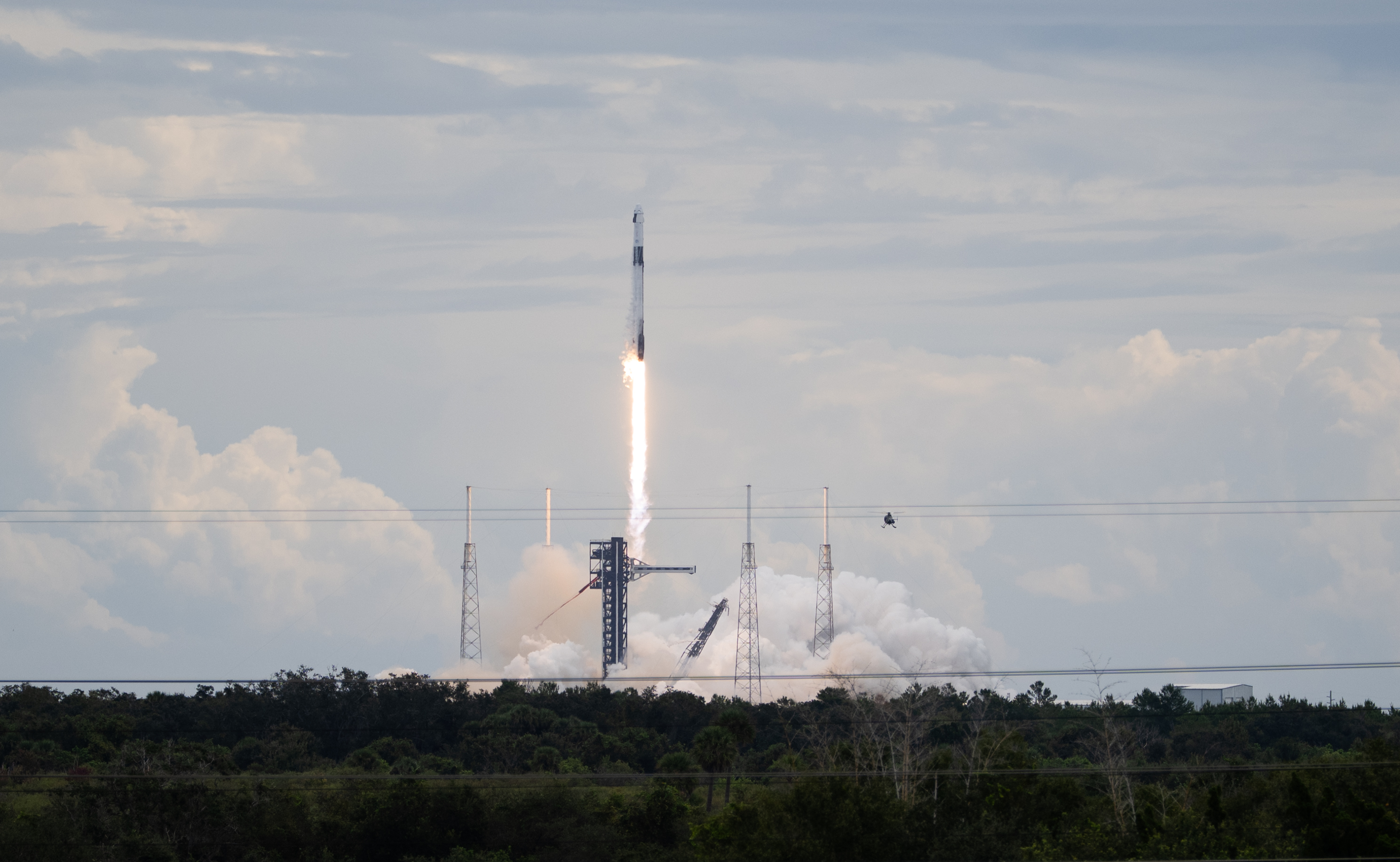
A SpaceX Falcon 9 rocket carrying the company’s Dragon spacecraft is launched on NASA’s SpaceX Crew-13 mission to the International Space Station with NASA astronauts Jessica Watkins and Luke Delaney, CSA (Canadian Space Agency) astronaut Joshua Kutryk, and Roscosmos cosmonaut Sergey Teteryatnikov aboard, Thursday, Oct. 1, 2026, from Cape Canaveral Space Force Station in Florida.
Read More

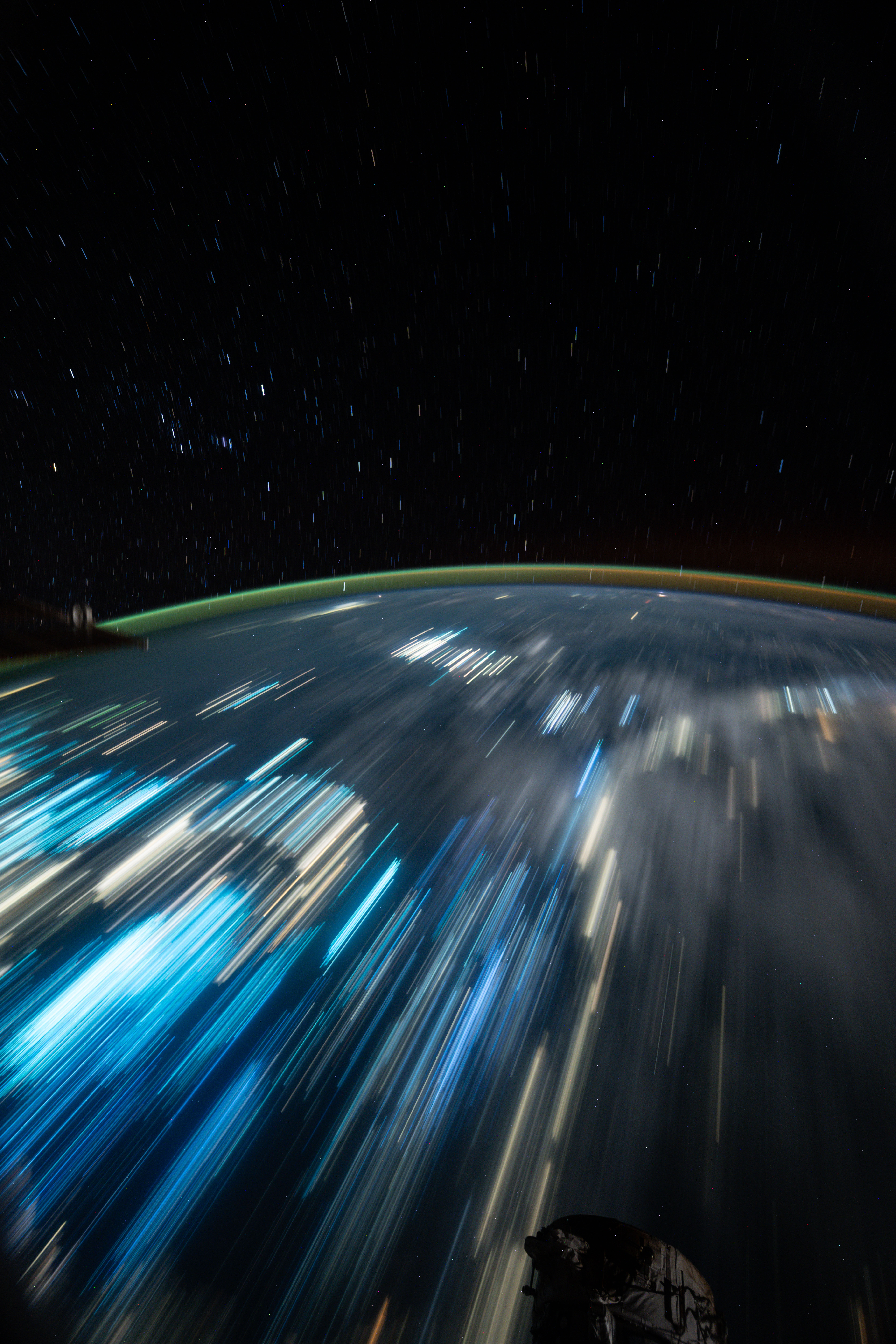
This long-duration image shows star trails above Earth and the blue lights of fishing boats and the yellow lights of Indonesian cities stretching below the International Space Station as it orbited 258 miles above the Banda Sea.
Read More
| Picture of the day |
|---|

|
|
Chief Joseph of the Wallowa band of Nez Perce, an American Native American tribe in the Pacific Northwest. This photo was taken by Edward Sheriff Curtis. Chief Joseph died on this day in 1904.
|
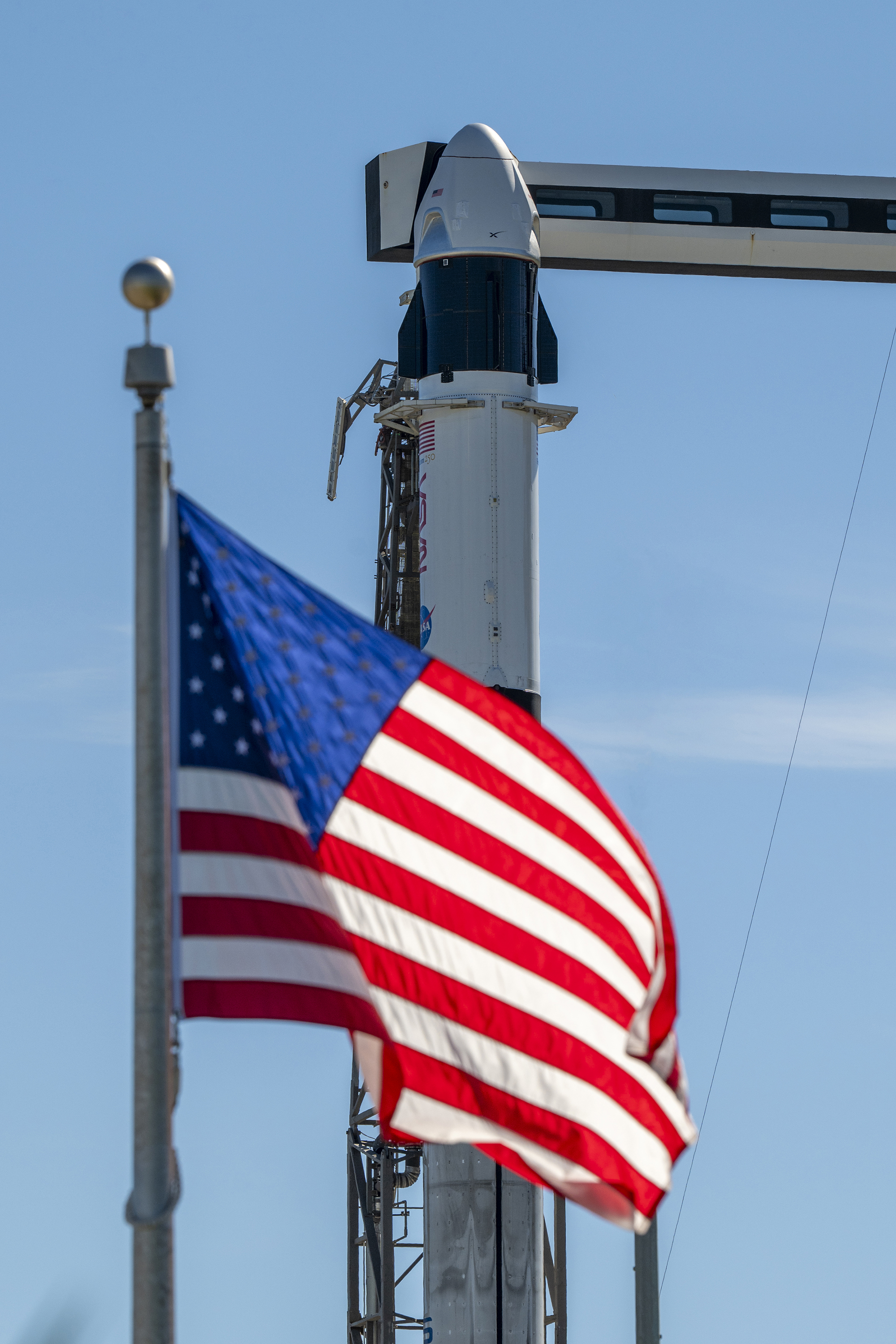
Ahead of launch of NASA’s SpaceX Crew-13 mission, a SpaceX Falcon 9 rocket, with the Dragon spacecraft atop, is vertical at the launch pad of Space Launch Complex 40 at Cape Canaveral Space Force Station in Florida on Sunday, Sept. 27, 2026.
Read More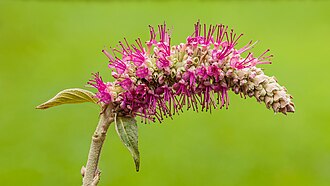
| Picture of the day |
|---|
.jpg)
|
|
Inflorescence of a Rostrinucula dependens. This subshrub is native to China and blooms from August to October. Focus stack of 54 photos.
|
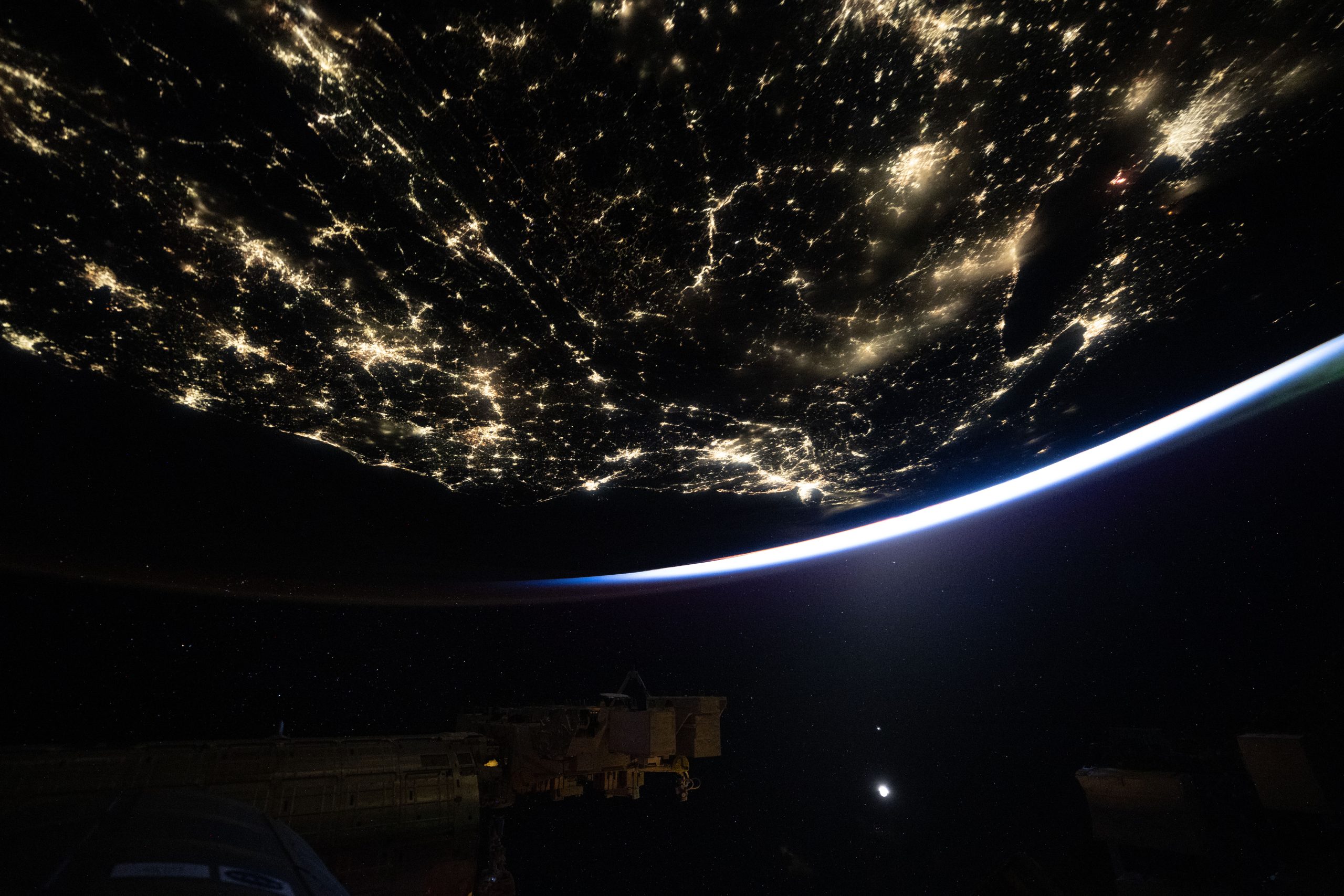
This nighttime view of the United States, dotted with city lights looking toward New York City (center), was taken at approximately 3:40 a.m. local time from the International Space Station as it orbited 259 miles above Earth.
Read More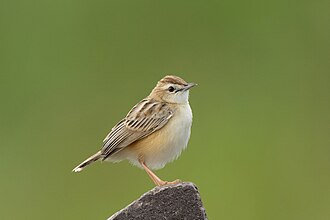
| Picture of the day |
|---|

|
|
A fan-tailed warbler (Zitting cisticola) in Bhigwan, Maharashtra, India.
|



NASA astronaut and commander of the agency’s Artemis II mission, Reid Wiseman, a Baltimore native, takes a selfie with fans at an NFL game between the New Orleans Saints and the Baltimore Ravens at M&T Bank Stadium, Sunday, Sept. 20, 2026, in Baltimore.
Read More
| Picture of the day |
|---|
.jpg)
|
|
A group of newly ordained Buddhist śramaṇas performing the traditional lamp-lighting ritual on Prabarana Purnima, Bangladesh.
|
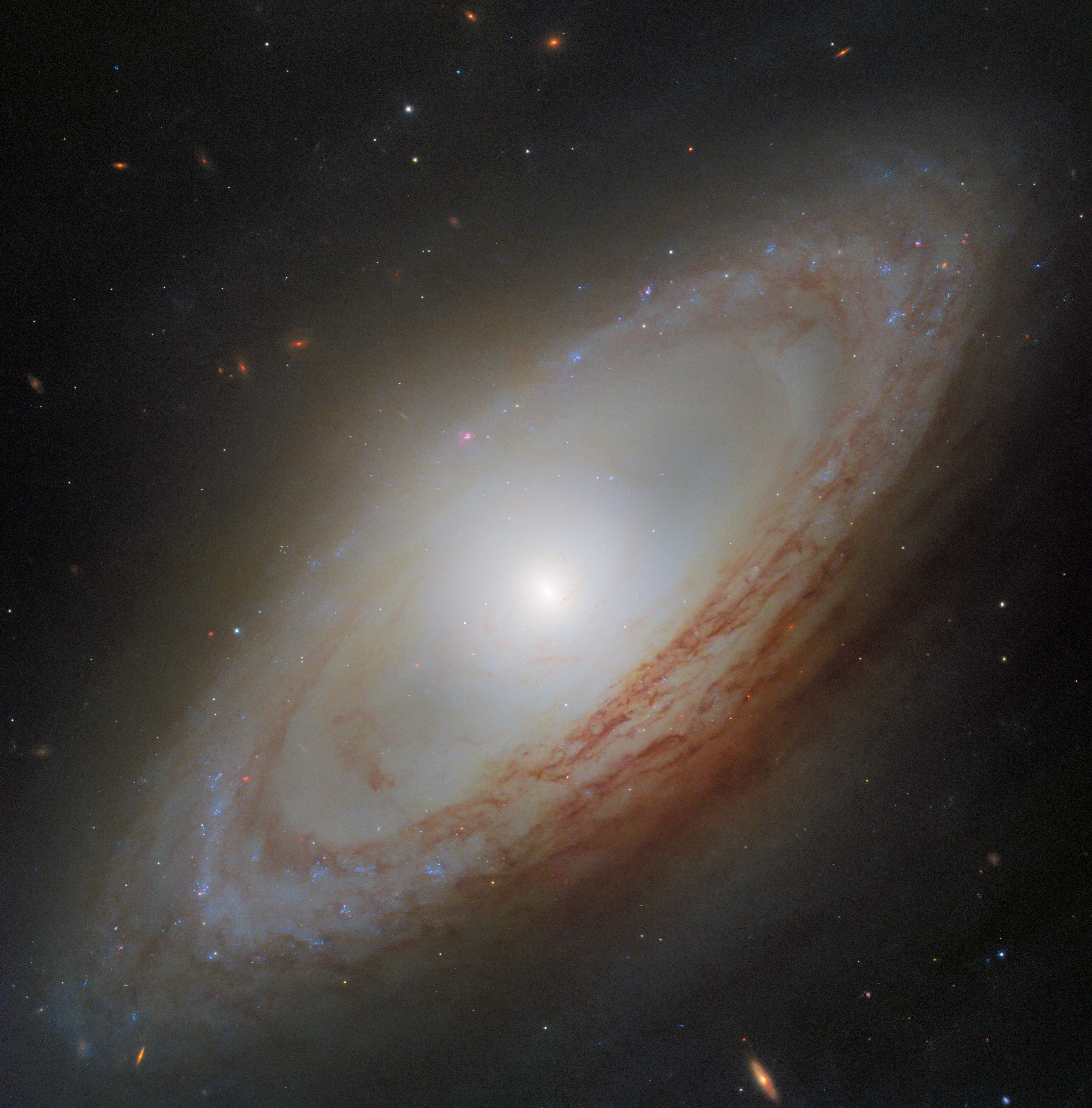
Though the spiral galaxy in this ESA/Hubble Picture of the Month seems serene, it hides a chaotic secret.
Read More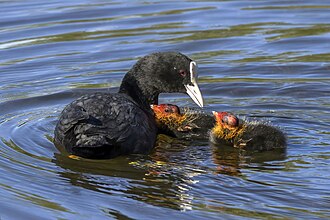
| Picture of the day |
|---|
_with_chicks.jpg)
|
|
Eurasian coot (Fulica atra) with chicks, Estanque de San Lázaro, Trujillo, Spain.
|
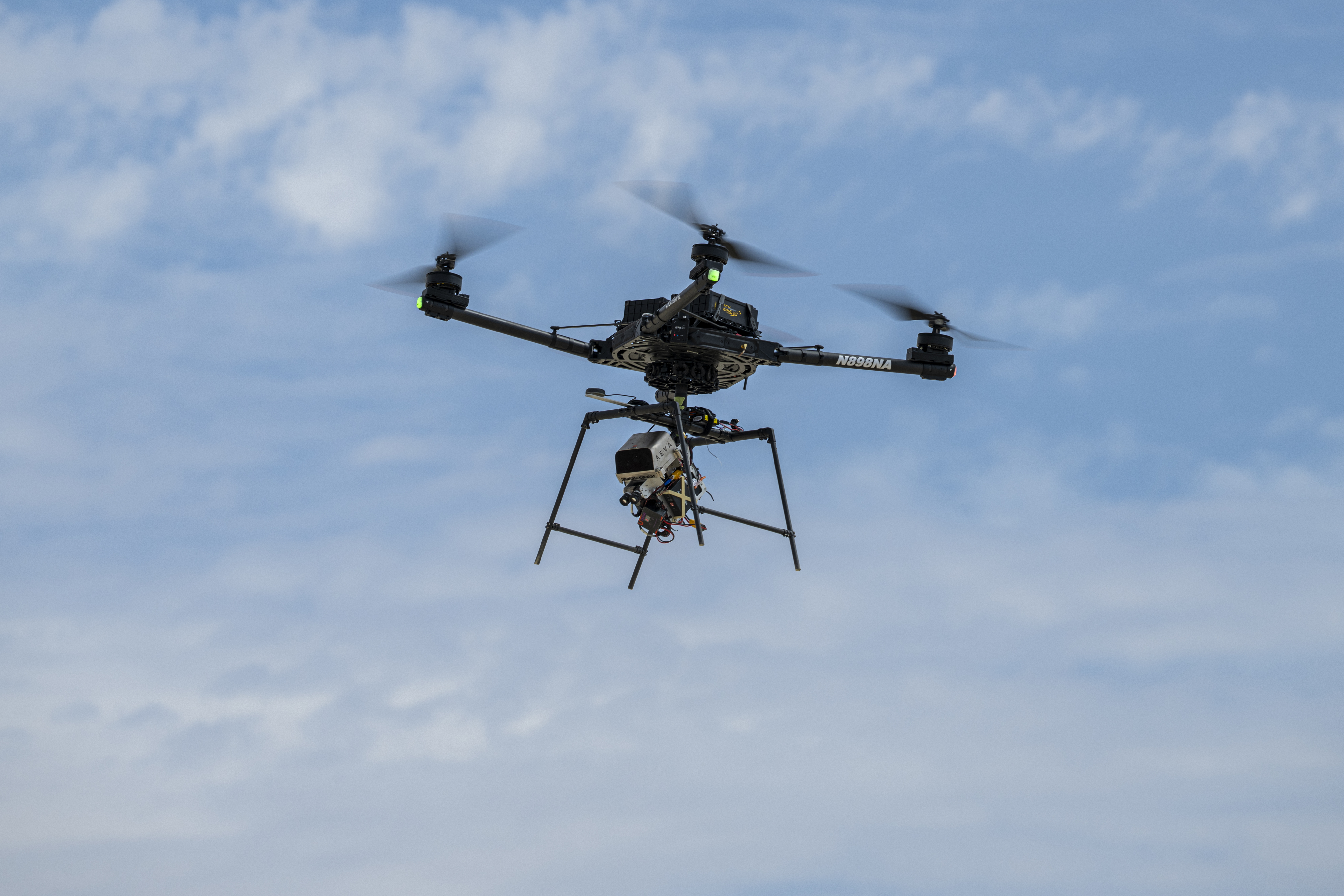
An Alta-X drone flies an advanced guidance and navigation system known as the Safe and Precise Landing – Integrated Capabilities Evolution (SPLICE) experiment near NASA’s Armstrong Flight Research Center in Edwards, California, on Thursday, Aug. 27, 2026.
Read More| Picture of the day |
|---|

|
|
Church of the Jesuit College, Ponta Delgada, São Miguel Island, Azores, Portugal
|

An image from NASA’s Hubble Space Telescope of galaxy cluster MACS J0417 is part of repeated observations to monitor for the reappearance of supernova Athena, which can help astronomers measure the expansion rate of the universe.
Read More| Picture of the day |
|---|

|
|
A historical reenactment of a pioneer traveling the Oregon Trail in Wyoming.
|
Using NASA’s Chandra X-ray Observatory, scientists have discovered a new class of objects behaving unlike any they have seen before.
Read More

| Picture of the day |
|---|

|
|
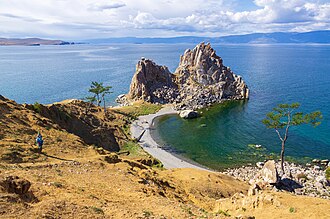
Cape Burhan with Shamanka Rock. The rock formation is made of white marble, dolomite, limestone, with inclusions of garnet, quartz and graphite. Olkhon Island, Lake Baikal, Russia.
|

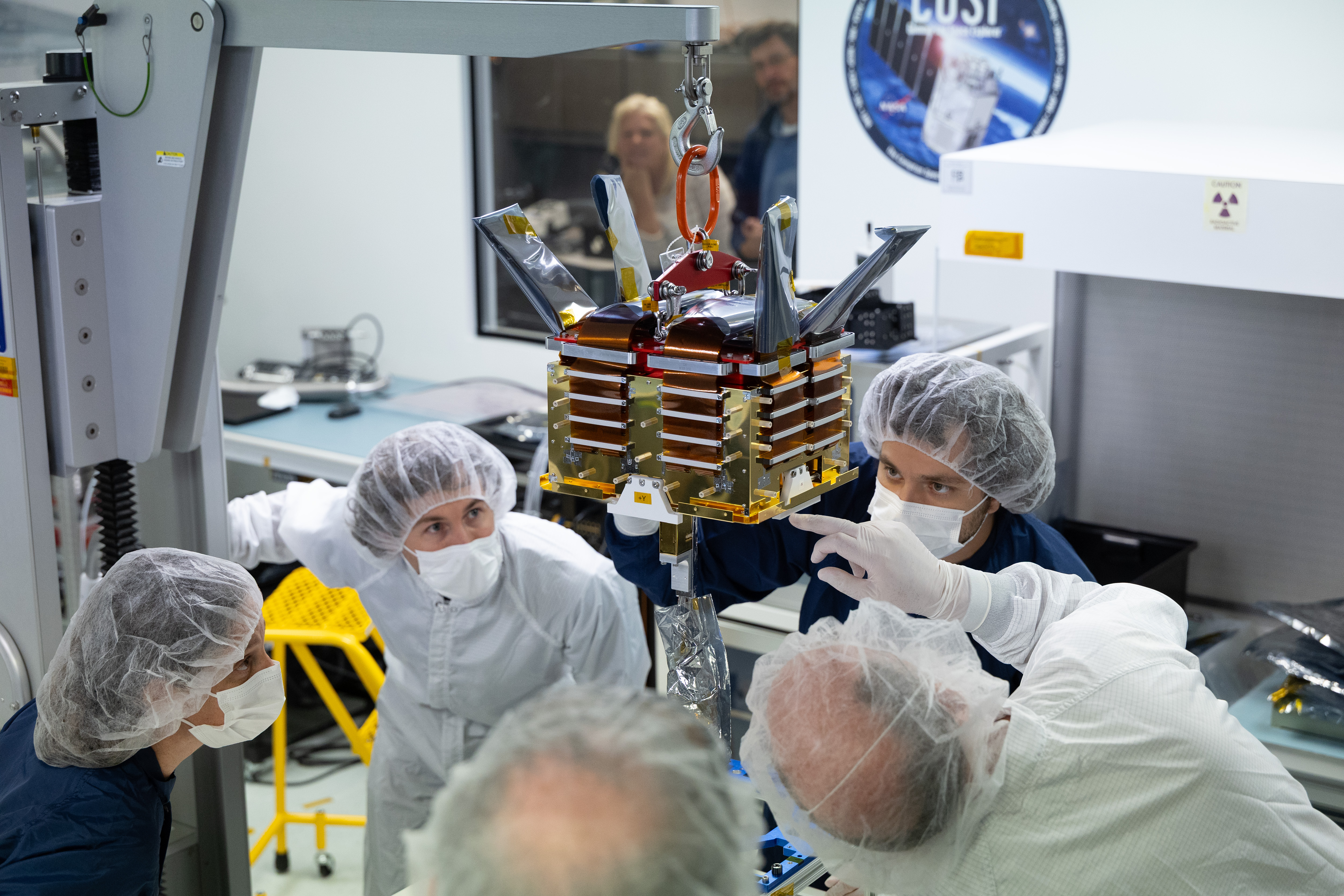
UC Berkeley engineers and managers watch as the COSI (Compton Spectrometer and Imager) detector assembly is slowly raised from a table in this July 8, 2026, image.
Read More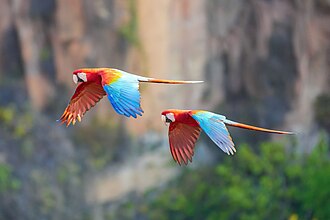
| Picture of the day |
|---|

|
|
Red-and-green macaw (Ara chloropterus) couple in flight in Mato Grosso, Brazil
|
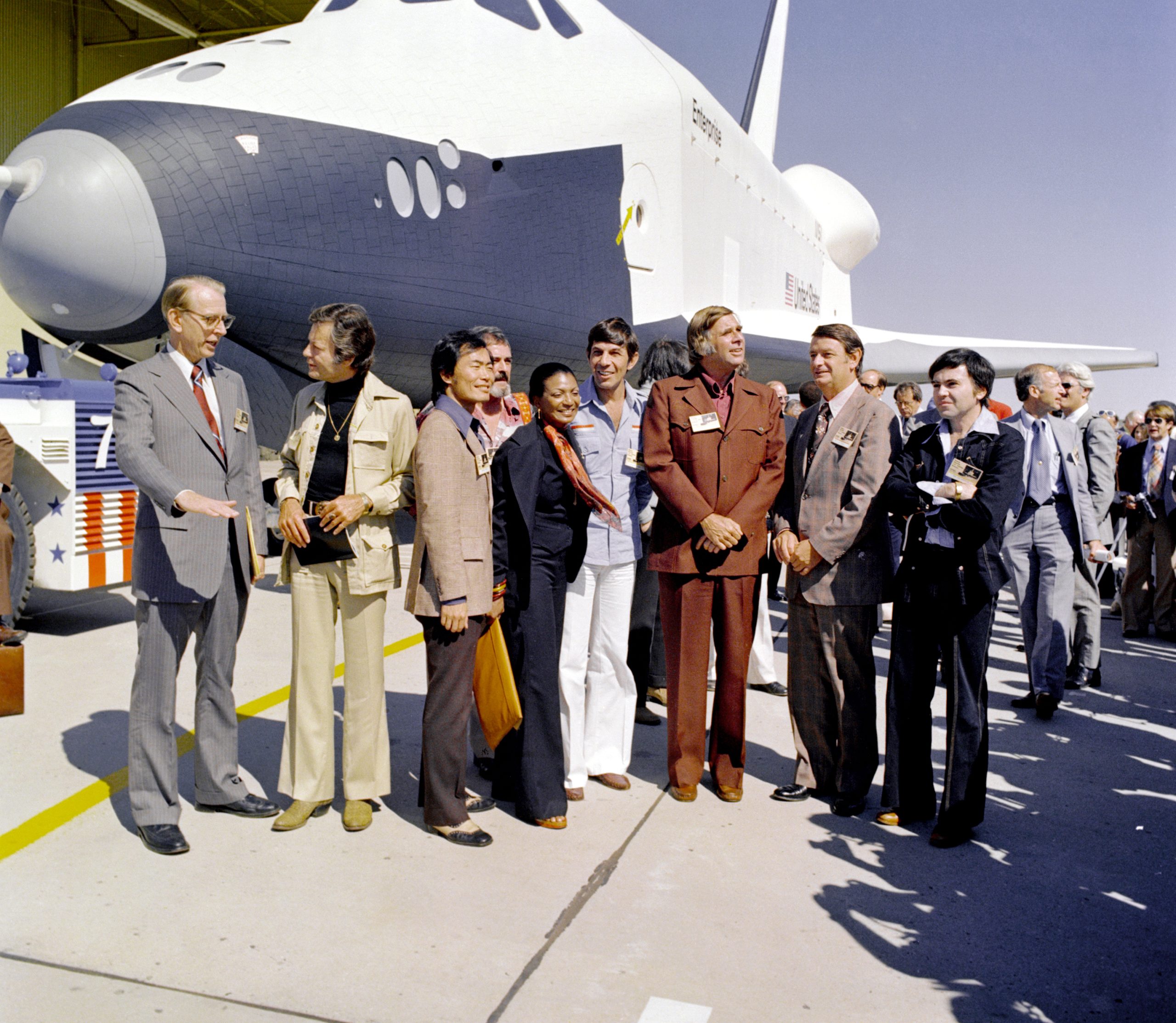
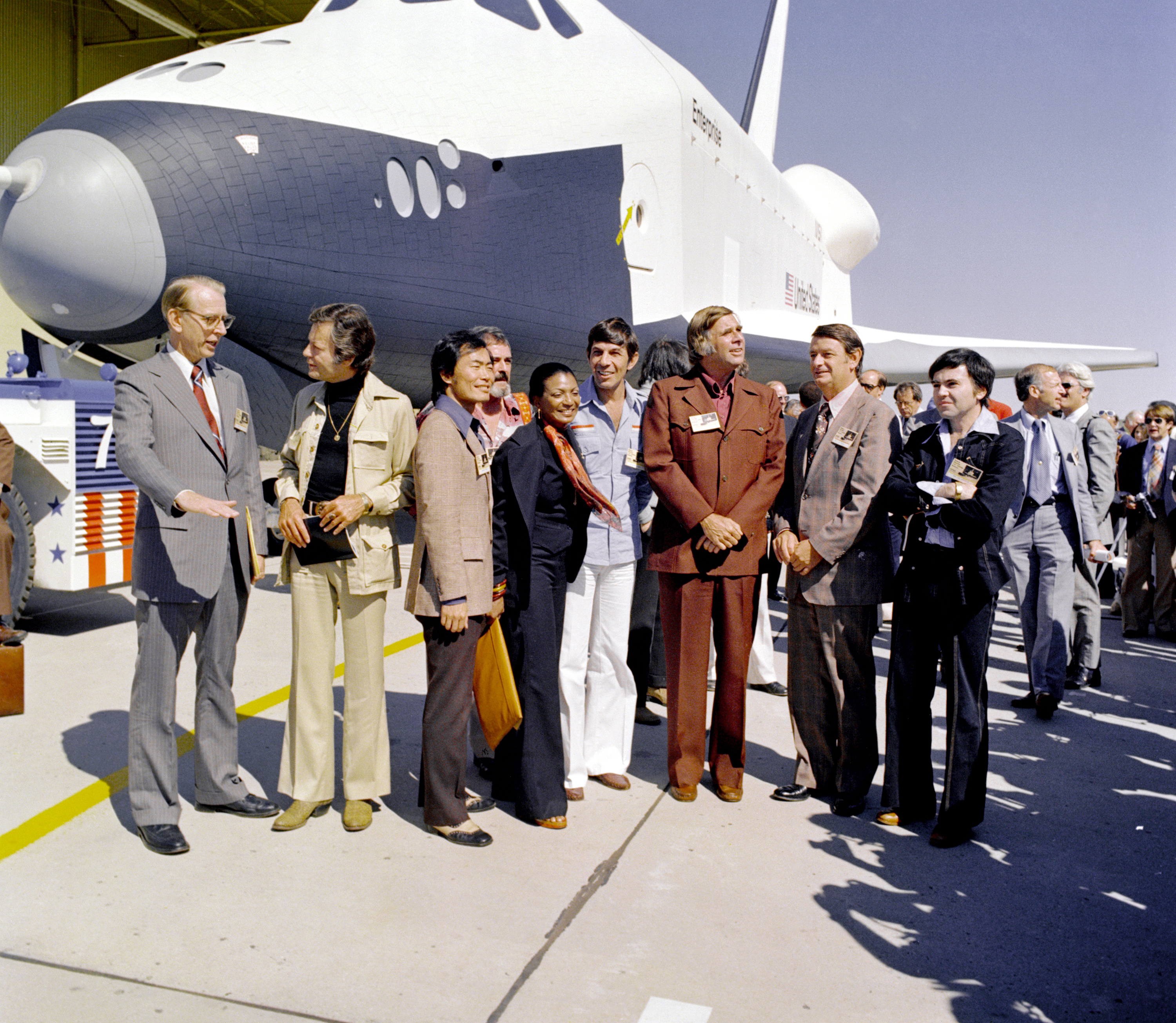
The rollout ceremony for NASA’s first space shuttle, OV-101, coincided with Constitution Day of the nation’s bicentennial on Sept.17, 1976. Although the orbiter was originally planned to be named Constitution, Star Trek fans successfully convinced President Gerald Ford to name it Enterprise after the series’ fictional starship.
Read More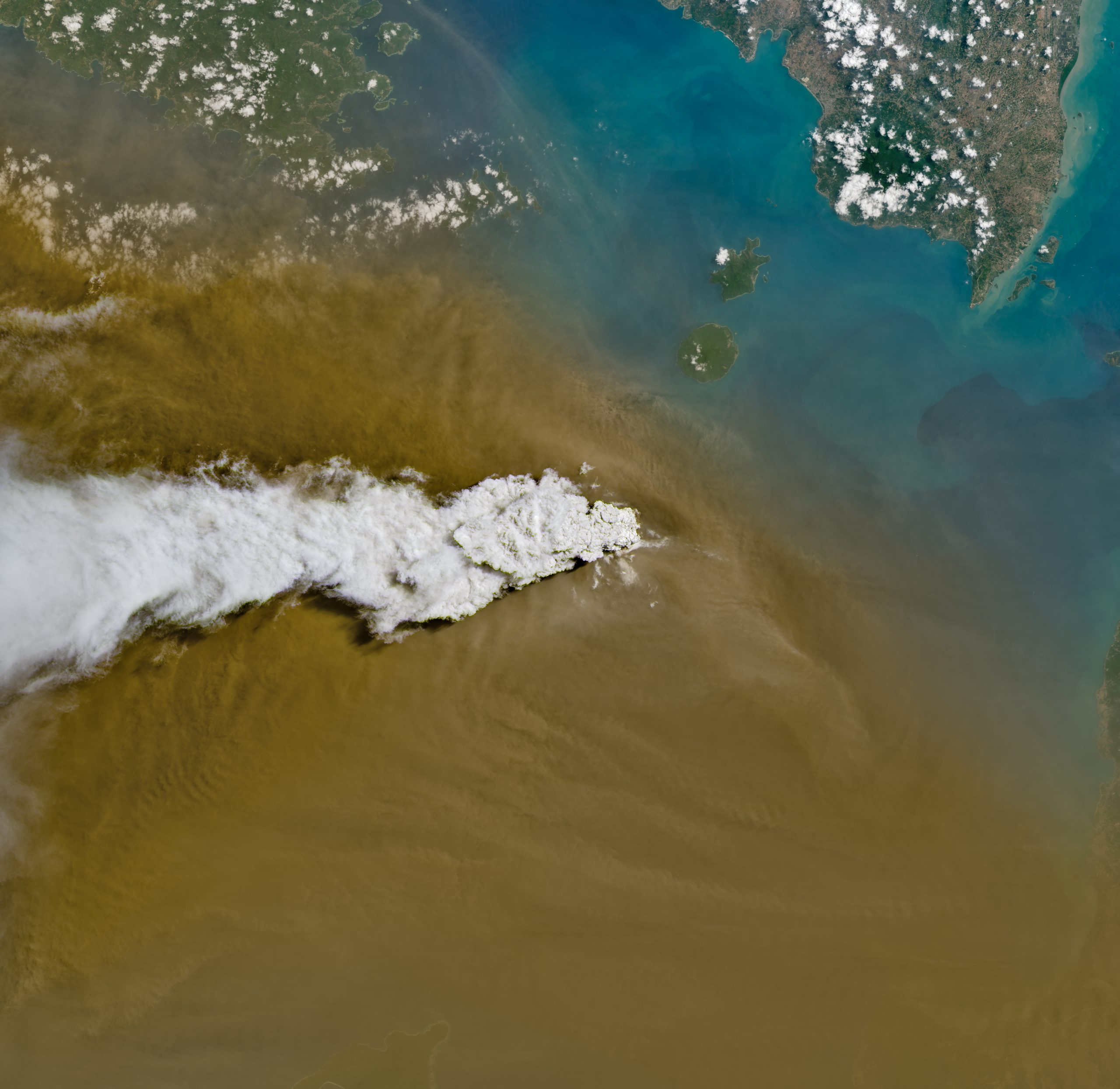
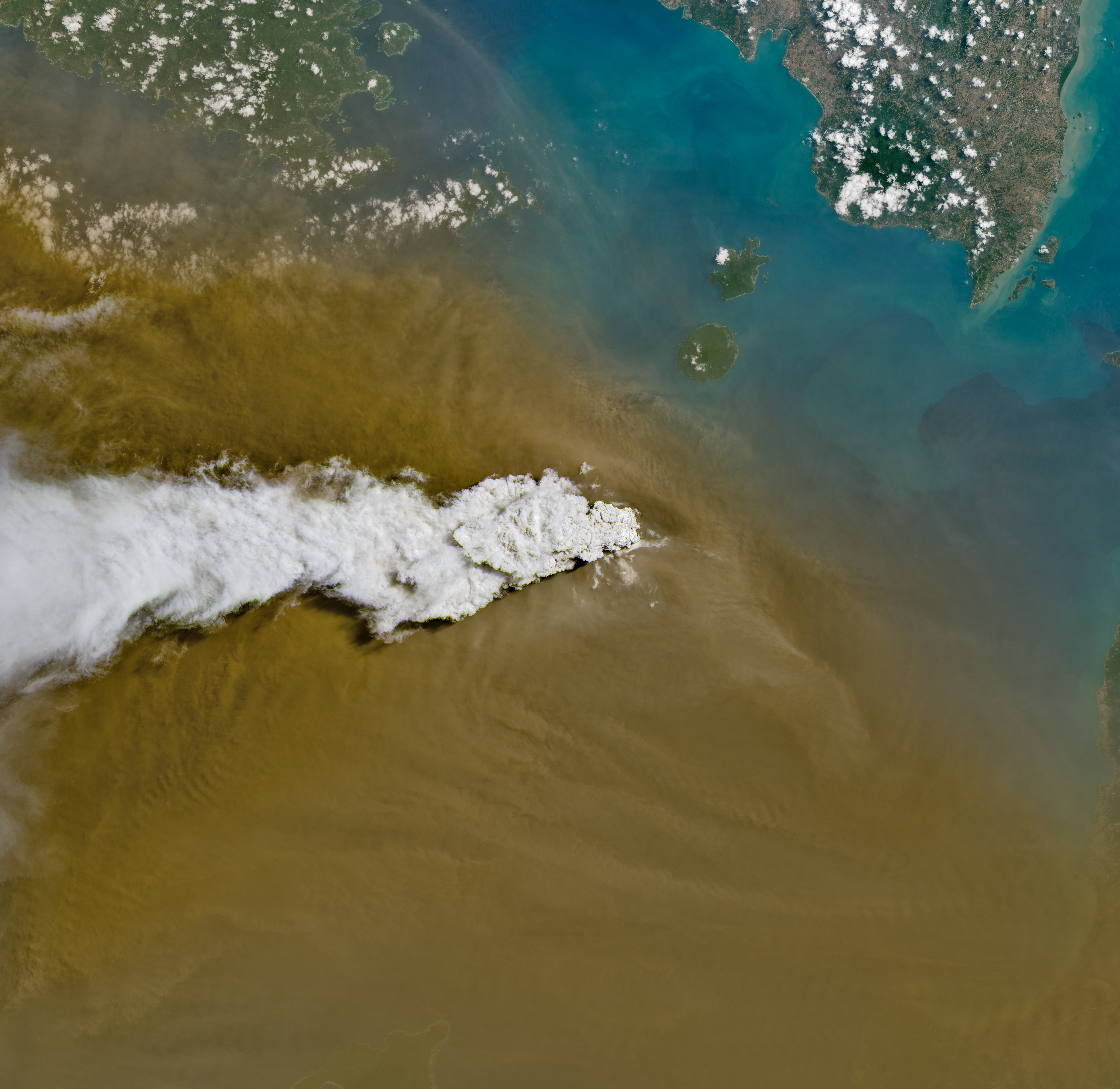
Anak Krakatau erupts ash and volcanic gases in this image acquired with the OLI (Operational Land Imager) on Landsat 8 on Sept. 5, 2026.
Read More