![Oregon officials back off ‘gender ideology mandate’ for mom seeking to adopt #Catholic Oregon officials have agreed they will not “categorically disqualify” a Christian woman from adopting or fostering children based on her religious beliefs about gender and human sexuality, which settles a three-and-a-half-year legal battle.The Oregon Department of Human Services (ODHS) agreed to a legal settlement with Jessica Bates, who was represented by Alliance Defending Freedom (ADF). It affirms the department will not consider her religious beliefs when evaluating her application for a certification to adopt children and will not attempt to regulate her speech about gender and sexuality.“Every child deserves a loving home, and children suffer when the government excludes people of faith from foster care because of the state’s own ideological crusade,” ADF Senior Counsel Johannes Widmalm-Delphonse said in a statement following the Sept. 9 settlement.“Oregon officials turned Jessica away just because of her common-sense belief that parents should help children become comfortable with who they are instead of pushing them down a path of confusion and medicalization,” he said. “We believe this settlement is a win-win that protects constitutional rights and puts children’s interests first.”In September 2022, the ODHS denied Bates’ application because she would not comply with a state policy that requires applicants to agree they will “respect, accept and support the … sexual orientation, gender identity [and] gender expression … of a child or young adult” who is placed in the home, which ADF has characterized as a “gender ideology mandate.”Bates sued ODHS in March 2023, arguing that the policy violated her First Amendment rights to free speech and the free exercise of religion. The lawsuit stated she told the certification officer she would love any child as her own but would not facilitate a child’s gender transition through hormone therapy, use pronouns inconsistent with a child’s biological sex, or encourage gender expression inconsistent with the child’s biological sex or same-sex attraction.A federal district court initially ruled in favor of ODHS in December 2023, but an appellate panel of judges ruled in July 2025 that ODHS likely violated her constitutional rights and blocked the department from enforcing the rules against her while the lawsuit continued.Legal settlementPer the legal agreement, ODHS will allow Bates to apply for a certification and will not consider her religious views in any way.It states ODHS will not deny the application “because of her religious beliefs that sexual activity should occur only within the confines of a marriage between one man and one woman, and a person should identify and seek to live consistent with his or her biological sex.”The settlement adds that this extends to her “desire to respectfully speak about, live out, parent, and make day-to-day caregiving decisions consistent with these sincerely held religious beliefs.”Under the agreement, ODHS also cannot require her to “agree to use prescribed words or language, including chosen pronouns, to express views about sexual orientation, gender identity, or gender expression inconsistent with her religious beliefs described above as a condition of certification.”“[The] ODHS may not enforce any per se standard, rule, or policy that precludes Bates from being considered for any particular placement, based in whole or in part based on her religious belief,” the settlement agreement states.It further prohibits ODHS from disqualifying Bates from consideration for any particular child placement based on her religious beliefs.Yet, the settlement does not prevent ODHS from “deciding a child’s placement based on its individualized consideration of the child’s needs and of a foster parent’s concerns or limitations (including where religiously motivated) on their ability or willingness to meet the child’s specific needs, including with regard to their sexual orientation, gender identity, and gender expression.”The Oregon attorney general’s office referred EWTN News to the Oregon Department of Human Services for comment. The department did not respond to a request for comment.](https://unitedyam.com/wp-content/uploads/2026/09/oregon-officials-back-off-gender-ideology-mandate-for-mom-seeking-to-adopt-catholic-oregon-officials-have-agreed-they-will-not-categorically-disqualify-a-christian.jpg "Oregon officials back off ‘gender ideology mandate’ for mom seeking to adopt #Catholic Oregon officials have agreed they will not “categorically disqualify” a Christian woman from adopting or fostering children based on her religious beliefs about gender and human sexuality, which settles a three-and-a-half-year legal battle.The Oregon Department of Human Services (ODHS) agreed to a legal settlement with Jessica Bates, who was represented by Alliance Defending Freedom (ADF). It affirms the department will not consider her religious beliefs when evaluating her application for a certification to adopt children and will not attempt to regulate her speech about gender and sexuality.“Every child deserves a loving home, and children suffer when the government excludes people of faith from foster care because of the state’s own ideological crusade,” ADF Senior Counsel Johannes Widmalm-Delphonse said in a statement following the Sept. 9 settlement.“Oregon officials turned Jessica away just because of her common-sense belief that parents should help children become comfortable with who they are instead of pushing them down a path of confusion and medicalization,” he said. “We believe this settlement is a win-win that protects constitutional rights and puts children’s interests first.”In September 2022, the ODHS denied Bates’ application because she would not comply with a state policy that requires applicants to agree they will “respect, accept and support the … sexual orientation, gender identity [and] gender expression … of a child or young adult” who is placed in the home, which ADF has characterized as a “gender ideology mandate.”Bates sued ODHS in March 2023, arguing that the policy violated her First Amendment rights to free speech and the free exercise of religion. The lawsuit stated she told the certification officer she would love any child as her own but would not facilitate a child’s gender transition through hormone therapy, use pronouns inconsistent with a child’s biological sex, or encourage gender expression inconsistent with the child’s biological sex or same-sex attraction.A federal district court initially ruled in favor of ODHS in December 2023, but an appellate panel of judges ruled in July 2025 that ODHS likely violated her constitutional rights and blocked the department from enforcing the rules against her while the lawsuit continued.Legal settlementPer the legal agreement, ODHS will allow Bates to apply for a certification and will not consider her religious views in any way.It states ODHS will not deny the application “because of her religious beliefs that sexual activity should occur only within the confines of a marriage between one man and one woman, and a person should identify and seek to live consistent with his or her biological sex.”The settlement adds that this extends to her “desire to respectfully speak about, live out, parent, and make day-to-day caregiving decisions consistent with these sincerely held religious beliefs.”Under the agreement, ODHS also cannot require her to “agree to use prescribed words or language, including chosen pronouns, to express views about sexual orientation, gender identity, or gender expression inconsistent with her religious beliefs described above as a condition of certification.”“[The] ODHS may not enforce any per se standard, rule, or policy that precludes Bates from being considered for any particular placement, based in whole or in part based on her religious belief,” the settlement agreement states.It further prohibits ODHS from disqualifying Bates from consideration for any particular child placement based on her religious beliefs.Yet, the settlement does not prevent ODHS from “deciding a child’s placement based on its individualized consideration of the child’s needs and of a foster parent’s concerns or limitations (including where religiously motivated) on their ability or willingness to meet the child’s specific needs, including with regard to their sexual orientation, gender identity, and gender expression.”The Oregon attorney general’s office referred EWTN News to the Oregon Department of Human Services for comment. The department did not respond to a request for comment.")

The legal settlement ensures that Jessica Bates’ religious views will not be a factor in determining whether she can adopt children.

The legal settlement ensures that Jessica Bates’ religious views will not be a factor in determining whether she can adopt children.

A recent study highlights that when women are coerced or pressured into abortion, they are at high risk for negative outcomes — but abortion prviidess rarely screen for abortion coercion.

![Surrogate mother petitions Supreme Court to ensure lifesaving care for newborn #Catholic A surrogate mother filed an emergency appeal to the U.S. Supreme Court to ensure a newborn baby will have access to lifesaving treatment for a heart condition amid her concerns that the biological parents may not continue treatment.McKenna West, an Alaska nurse and surrogate mother, gave birth to the baby boy on Aug. 12. She is asking the U.S. Supreme Court to block a court order that recognized the boy’s biological parents as having full custody and being the authority in medical decisions.The unborn child was diagnosed with a treatable heart defect at about 20 weeks into pregnancy. His biological parents demanded West abort the child because of the defect and threatened her with financial penalties if she did not, according to the petition filed by West’s lawyers at Alliance Defending Freedom.West refused and fled to Texas because the state’s pro-life laws prohibit most abortions. The boy is receiving lifesaving medical treatment at this time due to a court order in Texas. However, the petition states the biological parents “refused to commit to authorizing any life-saving care” for as long as needed to treat the condition.“Since [West] is now completely excluded from the life of the medically fragile infant she brought into the world, much less from the ability to make critical health decisions that protect him, time is of the essence,” the petition states.The petition warns that without immediate Supreme Court action, “the child could be removed from the Texas hospital and taken to California for hospice — despite his treatable condition — around September 17, if not sooner.”“Relief is all the more warranted here, given that the stakes involve the child’s life,” the petition adds.](https://unitedyam.com/wp-content/uploads/2026/09/surrogate-mother-petitions-supreme-court-to-ensure-lifesaving-care-for-newborn-catholic-a-surrogate-mother-filed-an-emergency-appeal-to-the-u-s-supreme-court-to-ensure-a-newborn-baby-will-have-acces.png "Surrogate mother petitions Supreme Court to ensure lifesaving care for newborn #Catholic A surrogate mother filed an emergency appeal to the U.S. Supreme Court to ensure a newborn baby will have access to lifesaving treatment for a heart condition amid her concerns that the biological parents may not continue treatment.McKenna West, an Alaska nurse and surrogate mother, gave birth to the baby boy on Aug. 12. She is asking the U.S. Supreme Court to block a court order that recognized the boy’s biological parents as having full custody and being the authority in medical decisions.The unborn child was diagnosed with a treatable heart defect at about 20 weeks into pregnancy. His biological parents demanded West abort the child because of the defect and threatened her with financial penalties if she did not, according to the petition filed by West’s lawyers at Alliance Defending Freedom.West refused and fled to Texas because the state’s pro-life laws prohibit most abortions. The boy is receiving lifesaving medical treatment at this time due to a court order in Texas. However, the petition states the biological parents “refused to commit to authorizing any life-saving care” for as long as needed to treat the condition.“Since [West] is now completely excluded from the life of the medically fragile infant she brought into the world, much less from the ability to make critical health decisions that protect him, time is of the essence,” the petition states.The petition warns that without immediate Supreme Court action, “the child could be removed from the Texas hospital and taken to California for hospice — despite his treatable condition — around September 17, if not sooner.”“Relief is all the more warranted here, given that the stakes involve the child’s life,” the petition adds.")
The surrogate mother says the biological parents previously pressured her to abort the child and hold full medical authority under a lower‑court order, prompting her emergency appeal.
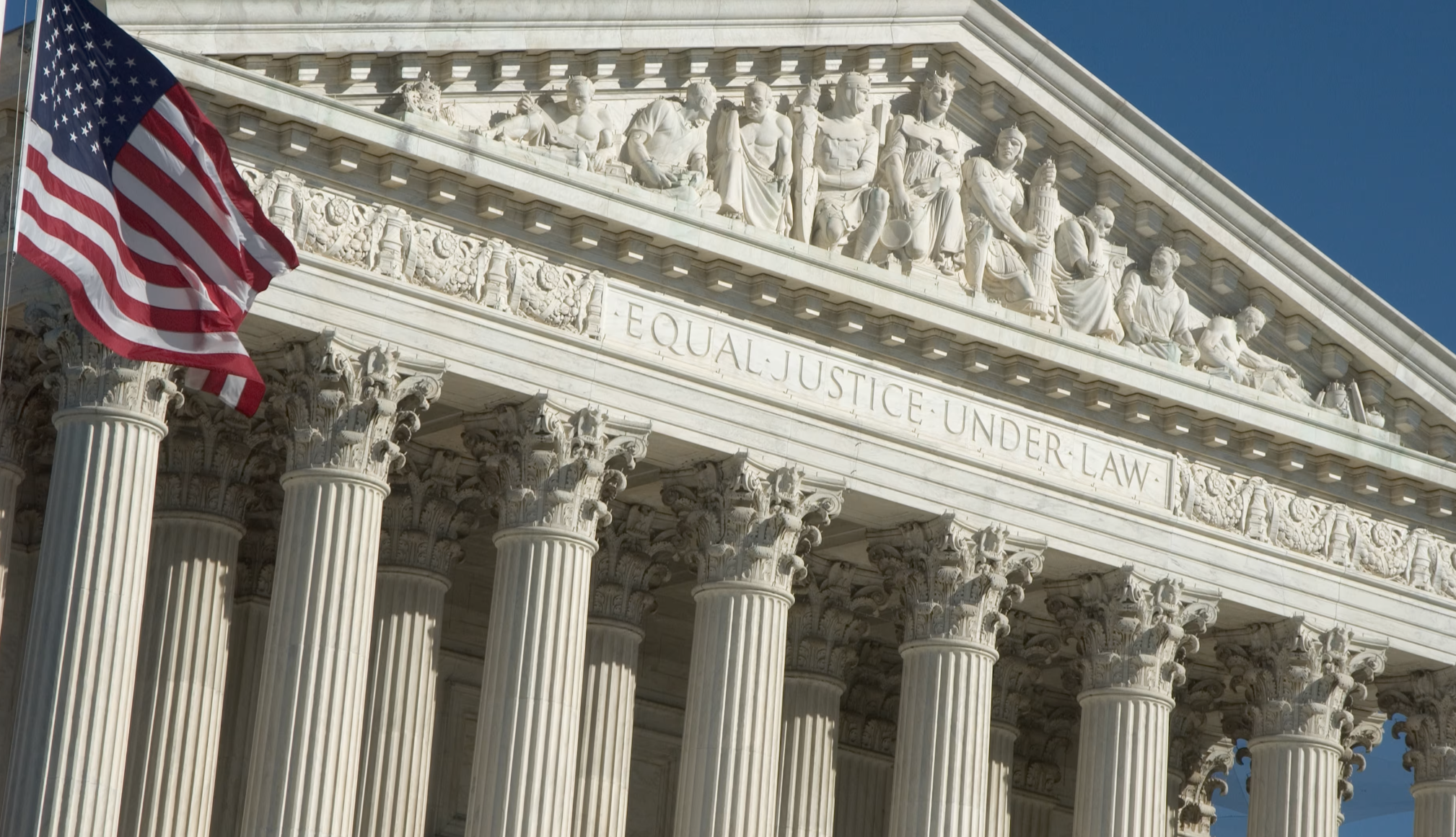

A student challenges a 2004 Supreme Court decision, the Diocese of Scranton reopens its seminary, and Benedictine College names a speaker for its library dedication in this week’s education roundup.