Asia

Cambodia’s Buddhist leaders honor Catholic bishop for decades of cooperation #Catholic Cambodia’s Buddhist leadership has conferred a high honorary title on the Catholic bishop of Phnom Penh, recognizing decades of cooperation between Buddhist and Christian communities in a country where the Catholic Church remains a small minority.Bishop Olivier Schmitthaeusler, apostolic vicar of Phnom Penh, received the title “Akka Mahāupāsakabuddhasāsanūpatthambhakr,” roughly translated as “Elder Great Lay Supporter and Upholder of the Buddha’s Dispensation,” during a ceremony on June 13, 2026, at Wat Botum Vatey in the Cambodian capital.
 
 Bishop Olivier Schmitthaeusler meets with Venerable Khim Sorn, third deputy supreme patriarch of Cambodiaʼs Mohanikaya Buddhist order, during a ceremony at Wat Botum Vatey in Phnom Penh on June 13, 2026. | Credit: Ly Sovanna/Catholic National Office for Social Communications in Cambodia
 
 The title was conferred by Supreme Patriarch Nun Nget of Cambodia’s Mohanikaya Buddhist order and presented at a ceremony presided over by Venerable Khim Sorn, the order’s third deputy supreme patriarch.The honor builds on a distinction Schmitthaeusler received in 2022, when Cambodia’s Buddhist leadership named him a “Maha Upasaka,” recognizing his support for Buddhist communities and his role in promoting dialogue and cooperation between Cambodia’s Buddhist majority and its small Catholic minority.At the time, Buddhist leaders cited joint development projects, educational initiatives, and efforts to strengthen social cohesion. The new title represents a higher level of recognition from the country’s Buddhist establishment.Speaking at the ceremony, Khim Sorn pointed to Cambodia’s constitutional framework, which recognizes Buddhism as the state religion while protecting religious freedom.He said the Constitution of the Kingdom of Cambodia clearly stipulates that Buddhism is the state religion, but “it also guarantees complete freedom of religious belief without coercion” and promotes religious harmony, peaceful coexistence, and mutual respect among the different religions.Buddhist leaders said the recognition reflected Schmitthaeusler’s long involvement in educational, humanitarian, and community-development initiatives carried out in cooperation with Buddhist institutions.For Schmitthaeusler, the award marked another chapter in a relationship that began more than two decades ago. “This is a profoundly meaningful event for me as a Catholic bishop,” he said.The French-born missionary of the Paris Foreign Missions Society traced that relationship to his years as a parish priest in Takeo province, where Catholics and Buddhists worked together on local development projects.Among them was the construction of a road linking a Catholic community and a nearby pagoda, an initiative he said helped lay the groundwork for deeper cooperation.Over the years, that collaboration expanded into education and social services. Schmitthaeusler noted that he supported the establishment of a primary school at Wat Ang Montrey, where students study Pali, Sanskrit, and other academic subjects.The prelate also highlighted joint humanitarian efforts during the COVID-19 pandemic and assistance provided to displaced families during recent tensions along the Cambodia-Thailand border.“Receiving the status of Akka Mahāupāsakabuddhasāsanūpatthambhakr today is a moment of profound recognition of how the Catholic Church and Buddhism walk hand-in-hand for the common good of our people and our country,” he said.
 
 Bishop Olivier Schmitthaeusler poses with community members outside Wat Botum Vatey in Phnom Penh on June 13, 2026, after receiving a high honorary title from Cambodiaʼs Buddhist leadership in recognition of his work promoting Buddhist-Christian cooperation. | Credit: Ly Sovanna/Catholic National Office for Social Communications in Cambodia
 
 Schmitthaeusler also cited recent dialogue initiatives involving Buddhist and Christian leaders from Cambodia and across Asia focused on peacebuilding and reconciliation.“We know that when Cambodia is full of peace, it radiates a positive influence to the rest of the world,” he said. “This is a powerful signal: when religions journey together, the world will witness true peace,” he added.A small Church rebuilt after the Khmer RougeTheravada Buddhism is practiced by the vast majority of Cambodia’s roughly 18 million people. The Catholic Church numbers about 20,000 faithful across one apostolic vicariate and two apostolic prefectures.The Catholic Church was nearly wiped out during the Khmer Rouge era, when religious communities were persecuted and most church buildings were destroyed.Since public religious life resumed in the early 1990s, the Catholic Church has gradually rebuilt through education, health care, social services, and pastoral ministry, becoming a small but visible presence in Cambodian society.

Cambodia’s Buddhist leaders honor Catholic bishop for decades of cooperation #Catholic Cambodia’s Buddhist leadership has conferred a high honorary title on the Catholic bishop of Phnom Penh, recognizing decades of cooperation between Buddhist and Christian communities in a country where the Catholic Church remains a small minority.Bishop Olivier Schmitthaeusler, apostolic vicar of Phnom Penh, received the title “Akka Mahāupāsakabuddhasāsanūpatthambhakr,” roughly translated as “Elder Great Lay Supporter and Upholder of the Buddha’s Dispensation,” during a ceremony on June 13, 2026, at Wat Botum Vatey in the Cambodian capital. Bishop Olivier Schmitthaeusler meets with Venerable Khim Sorn, third deputy supreme patriarch of Cambodiaʼs Mohanikaya Buddhist order, during a ceremony at Wat Botum Vatey in Phnom Penh on June 13, 2026. | Credit: Ly Sovanna/Catholic National Office for Social Communications in Cambodia The title was conferred by Supreme Patriarch Nun Nget of Cambodia’s Mohanikaya Buddhist order and presented at a ceremony presided over by Venerable Khim Sorn, the order’s third deputy supreme patriarch.The honor builds on a distinction Schmitthaeusler received in 2022, when Cambodia’s Buddhist leadership named him a “Maha Upasaka,” recognizing his support for Buddhist communities and his role in promoting dialogue and cooperation between Cambodia’s Buddhist majority and its small Catholic minority.At the time, Buddhist leaders cited joint development projects, educational initiatives, and efforts to strengthen social cohesion. The new title represents a higher level of recognition from the country’s Buddhist establishment.Speaking at the ceremony, Khim Sorn pointed to Cambodia’s constitutional framework, which recognizes Buddhism as the state religion while protecting religious freedom.He said the Constitution of the Kingdom of Cambodia clearly stipulates that Buddhism is the state religion, but “it also guarantees complete freedom of religious belief without coercion” and promotes religious harmony, peaceful coexistence, and mutual respect among the different religions.Buddhist leaders said the recognition reflected Schmitthaeusler’s long involvement in educational, humanitarian, and community-development initiatives carried out in cooperation with Buddhist institutions.For Schmitthaeusler, the award marked another chapter in a relationship that began more than two decades ago. “This is a profoundly meaningful event for me as a Catholic bishop,” he said.The French-born missionary of the Paris Foreign Missions Society traced that relationship to his years as a parish priest in Takeo province, where Catholics and Buddhists worked together on local development projects.Among them was the construction of a road linking a Catholic community and a nearby pagoda, an initiative he said helped lay the groundwork for deeper cooperation.Over the years, that collaboration expanded into education and social services. Schmitthaeusler noted that he supported the establishment of a primary school at Wat Ang Montrey, where students study Pali, Sanskrit, and other academic subjects.The prelate also highlighted joint humanitarian efforts during the COVID-19 pandemic and assistance provided to displaced families during recent tensions along the Cambodia-Thailand border.“Receiving the status of Akka Mahāupāsakabuddhasāsanūpatthambhakr today is a moment of profound recognition of how the Catholic Church and Buddhism walk hand-in-hand for the common good of our people and our country,” he said. Bishop Olivier Schmitthaeusler poses with community members outside Wat Botum Vatey in Phnom Penh on June 13, 2026, after receiving a high honorary title from Cambodiaʼs Buddhist leadership in recognition of his work promoting Buddhist-Christian cooperation. | Credit: Ly Sovanna/Catholic National Office for Social Communications in Cambodia Schmitthaeusler also cited recent dialogue initiatives involving Buddhist and Christian leaders from Cambodia and across Asia focused on peacebuilding and reconciliation.“We know that when Cambodia is full of peace, it radiates a positive influence to the rest of the world,” he said. “This is a powerful signal: when religions journey together, the world will witness true peace,” he added.A small Church rebuilt after the Khmer RougeTheravada Buddhism is practiced by the vast majority of Cambodia’s roughly 18 million people. The Catholic Church numbers about 20,000 faithful across one apostolic vicariate and two apostolic prefectures.The Catholic Church was nearly wiped out during the Khmer Rouge era, when religious communities were persecuted and most church buildings were destroyed.Since public religious life resumed in the early 1990s, the Catholic Church has gradually rebuilt through education, health care, social services, and pastoral ministry, becoming a small but visible presence in Cambodian society.

The recognition for Bishop Olivier Schmitthaeusler is a rare gesture from the Buddhist establishment of a country where Catholics number barely 20,000.

Read More
Vatican elevates Philippine Padre Pio shrine to international status #Catholic The Vatican has elevated the National Shrine and Parish of St. Padre Pio in Batangas, Philippines, to the rank of an international shrine, making it only the second shrine in the Philippines to receive the designation from the Holy See.The decree was issued by the Dicastery for Evangelization on May 25, coinciding with the 139th anniversary of the birth of St. Pio of Pietrelcina (also known as Padre Pio), the Capuchin saint whose spirituality continues to attract millions of devotees worldwide.The recognition places the shrine among a select group of Catholic pilgrimage sites acknowledged by the universal Church for their exceptional spiritual significance and their capacity to welcome pilgrims from around the world.Archbishop Gilbert Garcera of Lipa, president of the Catholic Bishops' Conference of the Philippines (CBCP), announced the news in a video message posted on the shrineʼs official social media page.The archbishop said he personally received the official communication from Archbishop Charles John Brown, apostolic nuncio to the Philippines.“This recognition marks a historic milestone not only for the shrine and the Archdiocese of Lipa but also for the Church in the Philippines, as it becomes a place of pilgrimage and devotion with international significance,” Garcera said in a separate statement.The elevation follows the unanimous approval by the CBCP during its plenary assembly in July 2024, when the bishops endorsed the shrineʼs application and recommended it to the Holy See for international recognition.For Father Oscar L. Andal, rector and parish priest of the shrine, the designation represents both an honor and a mission.“This distinguished recognition is both a blessing and a responsibility,” Andal told EWTN News. “As an international shrine, we are called to welcome pilgrims from every corner of the world and continue sharing Padre Pioʼs message of prayer, trust in God, and love for humanity. We receive this honor with gratitude and humility, recognizing that it strengthens our commitment to serve the faithful and bring them closer to Christ,” he said.The priest also noted that the recognition deepens the spiritual bond between the Batangas shrine and the Sanctuary of St. Pio of Pietrelcina in San Giovanni Rotondo, Italy, where the saint spent much of his priestly ministry.A historic moment for the Philippine ChurchFather Reynante Tolentino, president of the Association of Catholic Shrines and Pilgrimages of the Philippines, described the declaration as a historic milestone not only for the Church in the Philippines but also for the entire nation.“The declaration of the National Shrine of St. Padre Pio in Batangas as an international shrine is a historic and tremendous blessing,” Tolentino said.
 
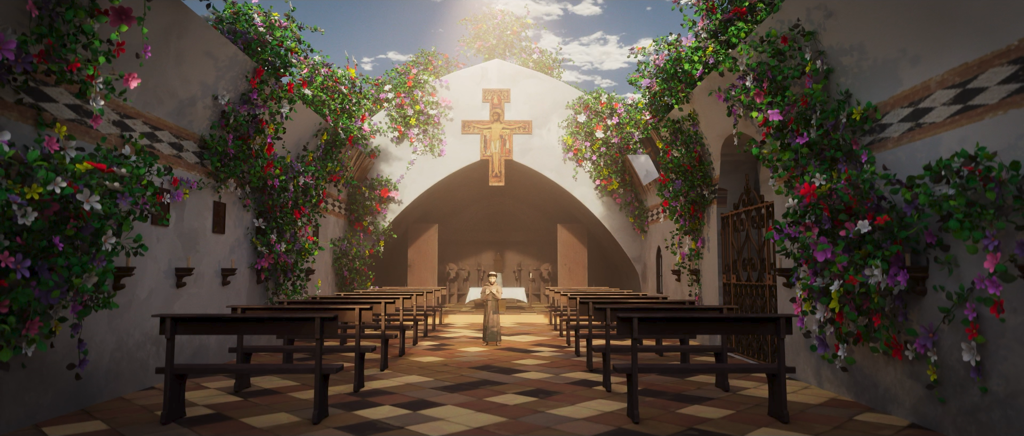
 The interior of the National Shrine and Parish of St. Padre Pio in Santo Tomas, Batangas, Philippines. | Credit: Photo courtesy of Father Oscar Andal, National Shrine of St. Padre Pio
 
 He noted that the shrine becomes the second international shrine in the Philippines and Southeast Asia after the International Shrine of Our Lady of Peace and Good Voyage in Antipolo. Tolentino was the rector of the Cathedral and National Shrine of Our Lady of Peace and Good Voyage in Antipolo, Rizal province, when it became the first national shrine in the Philippines and Southeast Asia to be elevated to international shrine status.For Tolentino, the Holy Seeʼs decision affirms the enduring devotion of Filipinos to the saint known for bearing the stigmata and for his ministry of spiritual and physical healing.“This is a clear affirmation and validation of the strong devotion of Batangueños and Filipinos in general to Padre Pio,” he said.“People continue to come because everyone seeks healing — not only physical healing but spiritual healing as well.”He emphasized that while the shrineʼs administrators and devotees supported the initiative from the beginning, the formal recommendation to Rome came through the collective discernment and approval of the CBCP.Tolentino also expressed hope that all shrines in the country — whether diocesan, national, or international — would continue to serve as centers of evangelization and places of refuge for those in need.From local devotion to international pilgrimage destinationThe history of the shrine is closely linked to the rapid growth of devotion to Padre Pio following his canonization by St. John Paul II in 2002.What began as a small chapel in Santo Tomas in 2003 gradually developed into a major pilgrimage center. It was declared an archdiocesan shrine in 2008 and elevated to national shrine status in 2015.Today, the shrine welcomes hundreds of thousands of pilgrims annually who seek healing, spiritual renewal, and a deeper encounter with Christ through the intercession of Padre Pio.The shrine houses first-class relics of the saint and has become known for its vibrant sacramental life, particularly the celebration of the Eucharist, the sacrament of reconciliation, healing Masses, and devotional activities.Every 23rd day of the month, commemorating the saintʼs death on Sept. 23, thousands gather for healing Masses and pastoral activities.The shrineʼs ministry has also extended beyond Philippine shores through pilgrimages and devotional missions in Thailand, Hong Kong, and Malaysia.According to Andal, the growth of the shrine has been made possible through the dedication of clergy, religious communities, benefactors, volunteers, and countless devotees whose support has enabled the expansion of its ministries while remaining faithful to its spiritual mission.Occupying more than 17 hectares (about 42 acres), the shrine continues to implement a long-term development plan aimed at creating a more prayerful and pilgrim-centered environment.A recognition of universal significanceThe title of international shrine is reserved for a church or other sacred place that possesses particular importance for the life of the universal Church.The designation recognizes the Batangas shrine not only as a center of local devotion but also as a destination capable of serving pilgrims from across Asia and the wider world.Church leaders say the recognition highlights the universal appeal of Padre Pioʼs spirituality — a spirituality rooted in prayer, repentance, trust in divine providence, and devotion to Godʼs mercy.As an international shrine, the sanctuary is expected to strengthen its pilgrim programs, expand opportunities for spiritual formation, and foster greater collaboration with Catholic communities in promoting the life and teachings of the Capuchin saint.“As we celebrate this momentous recognition,” Andal said, “we entrust ourselves to the intercession of St. Padre Pio and renew our commitment to being a beacon of faith, hope, and charity.”“May all who visit this sacred space encounter Godʼs mercy, experience spiritual renewal, and find inspiration in the example of Padre Pioʼs holy life.”The formal declaration and presentation of the Holy Seeʼs decree will take place on Sept. 23, the liturgical memorial of St. Padre Pio, marking a new chapter in the history of one of the Philippines' most beloved pilgrimage destinations.

Vatican elevates Philippine Padre Pio shrine to international status #Catholic The Vatican has elevated the National Shrine and Parish of St. Padre Pio in Batangas, Philippines, to the rank of an international shrine, making it only the second shrine in the Philippines to receive the designation from the Holy See.The decree was issued by the Dicastery for Evangelization on May 25, coinciding with the 139th anniversary of the birth of St. Pio of Pietrelcina (also known as Padre Pio), the Capuchin saint whose spirituality continues to attract millions of devotees worldwide.The recognition places the shrine among a select group of Catholic pilgrimage sites acknowledged by the universal Church for their exceptional spiritual significance and their capacity to welcome pilgrims from around the world.Archbishop Gilbert Garcera of Lipa, president of the Catholic Bishops' Conference of the Philippines (CBCP), announced the news in a video message posted on the shrineʼs official social media page.The archbishop said he personally received the official communication from Archbishop Charles John Brown, apostolic nuncio to the Philippines.“This recognition marks a historic milestone not only for the shrine and the Archdiocese of Lipa but also for the Church in the Philippines, as it becomes a place of pilgrimage and devotion with international significance,” Garcera said in a separate statement.The elevation follows the unanimous approval by the CBCP during its plenary assembly in July 2024, when the bishops endorsed the shrineʼs application and recommended it to the Holy See for international recognition.For Father Oscar L. Andal, rector and parish priest of the shrine, the designation represents both an honor and a mission.“This distinguished recognition is both a blessing and a responsibility,” Andal told EWTN News. “As an international shrine, we are called to welcome pilgrims from every corner of the world and continue sharing Padre Pioʼs message of prayer, trust in God, and love for humanity. We receive this honor with gratitude and humility, recognizing that it strengthens our commitment to serve the faithful and bring them closer to Christ,” he said.The priest also noted that the recognition deepens the spiritual bond between the Batangas shrine and the Sanctuary of St. Pio of Pietrelcina in San Giovanni Rotondo, Italy, where the saint spent much of his priestly ministry.A historic moment for the Philippine ChurchFather Reynante Tolentino, president of the Association of Catholic Shrines and Pilgrimages of the Philippines, described the declaration as a historic milestone not only for the Church in the Philippines but also for the entire nation.“The declaration of the National Shrine of St. Padre Pio in Batangas as an international shrine is a historic and tremendous blessing,” Tolentino said. The interior of the National Shrine and Parish of St. Padre Pio in Santo Tomas, Batangas, Philippines. | Credit: Photo courtesy of Father Oscar Andal, National Shrine of St. Padre Pio He noted that the shrine becomes the second international shrine in the Philippines and Southeast Asia after the International Shrine of Our Lady of Peace and Good Voyage in Antipolo. Tolentino was the rector of the Cathedral and National Shrine of Our Lady of Peace and Good Voyage in Antipolo, Rizal province, when it became the first national shrine in the Philippines and Southeast Asia to be elevated to international shrine status.For Tolentino, the Holy Seeʼs decision affirms the enduring devotion of Filipinos to the saint known for bearing the stigmata and for his ministry of spiritual and physical healing.“This is a clear affirmation and validation of the strong devotion of Batangueños and Filipinos in general to Padre Pio,” he said.“People continue to come because everyone seeks healing — not only physical healing but spiritual healing as well.”He emphasized that while the shrineʼs administrators and devotees supported the initiative from the beginning, the formal recommendation to Rome came through the collective discernment and approval of the CBCP.Tolentino also expressed hope that all shrines in the country — whether diocesan, national, or international — would continue to serve as centers of evangelization and places of refuge for those in need.From local devotion to international pilgrimage destinationThe history of the shrine is closely linked to the rapid growth of devotion to Padre Pio following his canonization by St. John Paul II in 2002.What began as a small chapel in Santo Tomas in 2003 gradually developed into a major pilgrimage center. It was declared an archdiocesan shrine in 2008 and elevated to national shrine status in 2015.Today, the shrine welcomes hundreds of thousands of pilgrims annually who seek healing, spiritual renewal, and a deeper encounter with Christ through the intercession of Padre Pio.The shrine houses first-class relics of the saint and has become known for its vibrant sacramental life, particularly the celebration of the Eucharist, the sacrament of reconciliation, healing Masses, and devotional activities.Every 23rd day of the month, commemorating the saintʼs death on Sept. 23, thousands gather for healing Masses and pastoral activities.The shrineʼs ministry has also extended beyond Philippine shores through pilgrimages and devotional missions in Thailand, Hong Kong, and Malaysia.According to Andal, the growth of the shrine has been made possible through the dedication of clergy, religious communities, benefactors, volunteers, and countless devotees whose support has enabled the expansion of its ministries while remaining faithful to its spiritual mission.Occupying more than 17 hectares (about 42 acres), the shrine continues to implement a long-term development plan aimed at creating a more prayerful and pilgrim-centered environment.A recognition of universal significanceThe title of international shrine is reserved for a church or other sacred place that possesses particular importance for the life of the universal Church.The designation recognizes the Batangas shrine not only as a center of local devotion but also as a destination capable of serving pilgrims from across Asia and the wider world.Church leaders say the recognition highlights the universal appeal of Padre Pioʼs spirituality — a spirituality rooted in prayer, repentance, trust in divine providence, and devotion to Godʼs mercy.As an international shrine, the sanctuary is expected to strengthen its pilgrim programs, expand opportunities for spiritual formation, and foster greater collaboration with Catholic communities in promoting the life and teachings of the Capuchin saint.“As we celebrate this momentous recognition,” Andal said, “we entrust ourselves to the intercession of St. Padre Pio and renew our commitment to being a beacon of faith, hope, and charity.”“May all who visit this sacred space encounter Godʼs mercy, experience spiritual renewal, and find inspiration in the example of Padre Pioʼs holy life.”The formal declaration and presentation of the Holy Seeʼs decree will take place on Sept. 23, the liturgical memorial of St. Padre Pio, marking a new chapter in the history of one of the Philippines' most beloved pilgrimage destinations.

Only the second International Shrine in the Philippines, the Batangas sanctuary will mark its new status with a formal declaration on the saint’s Sept. 23 memorial.

Read More
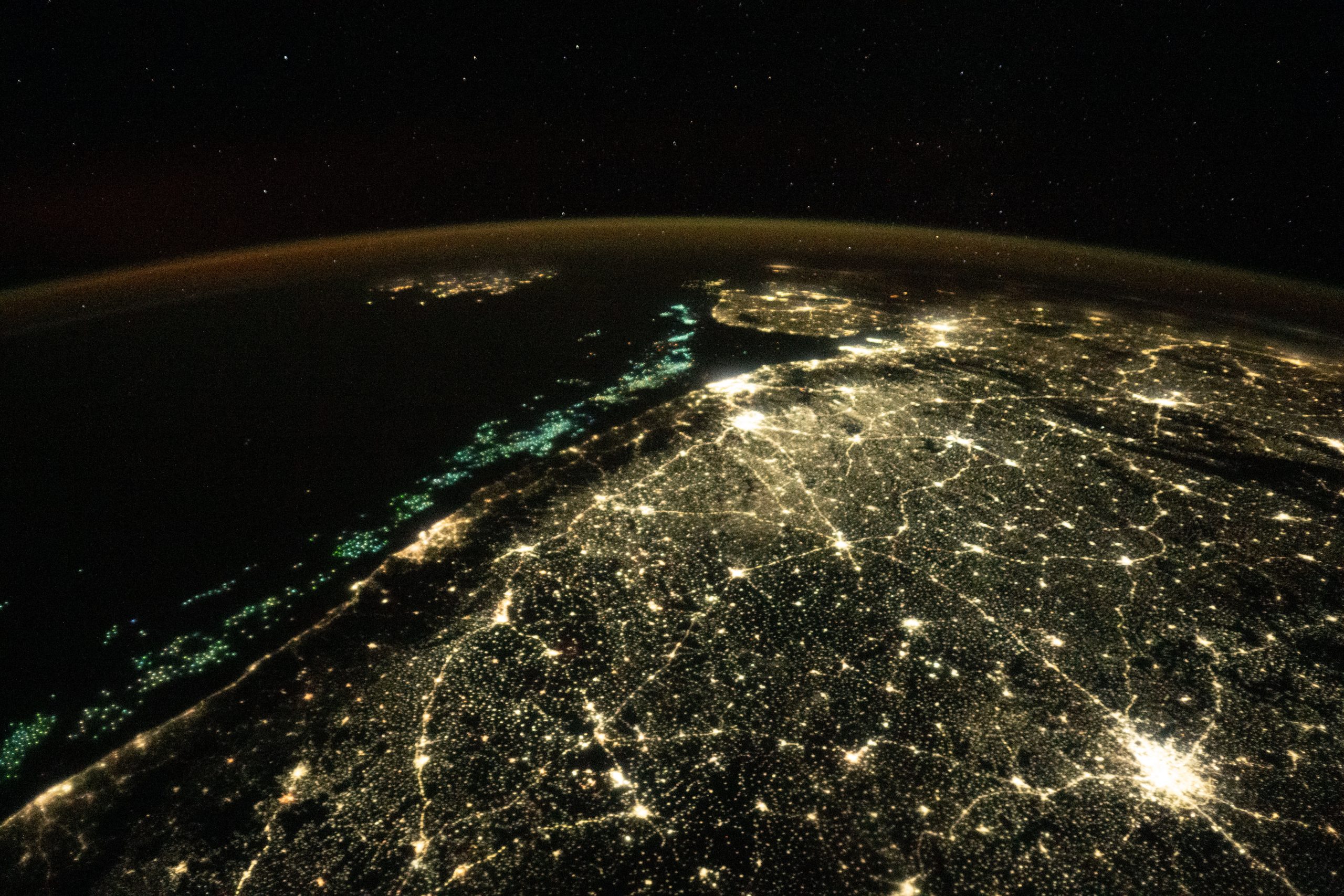
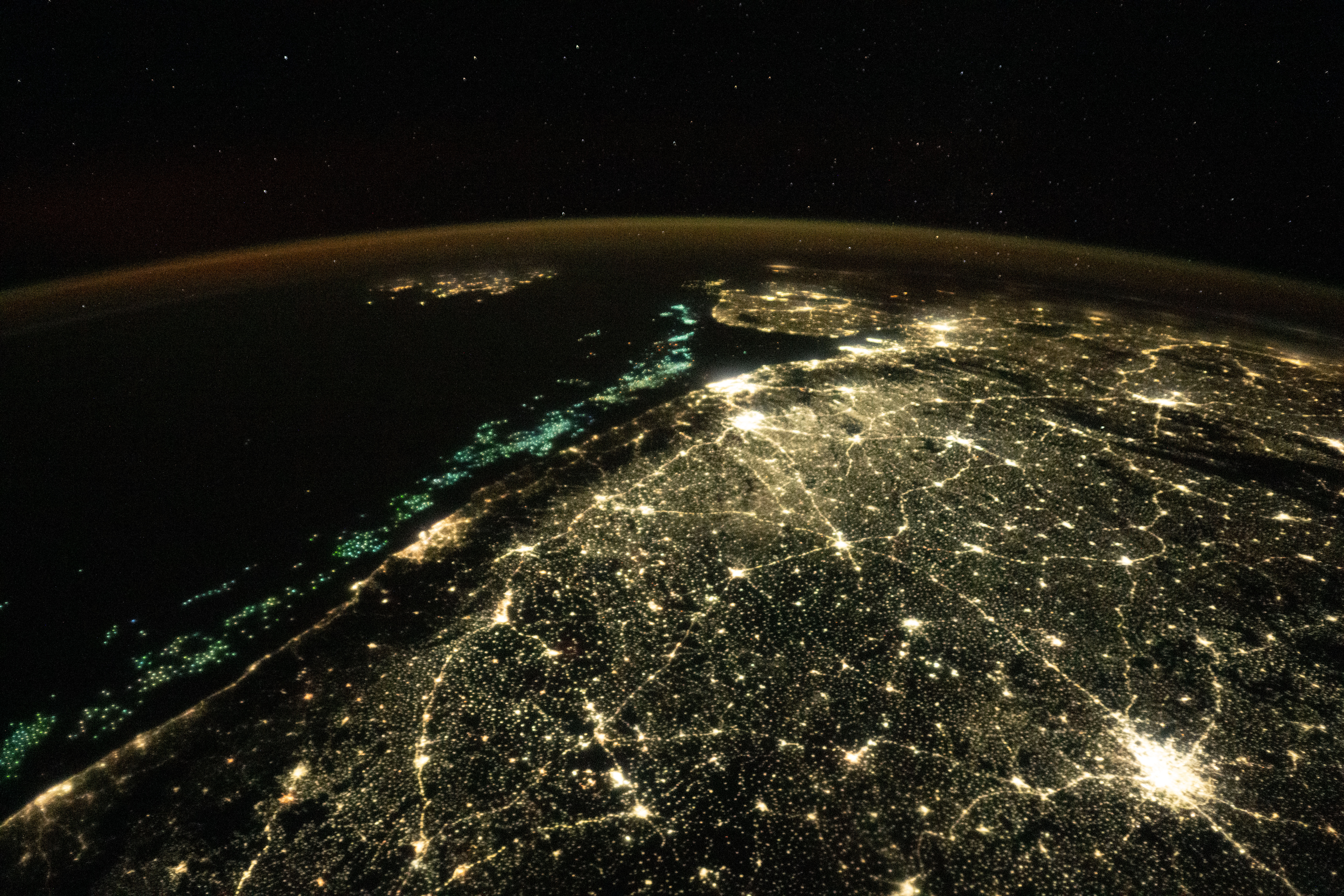
Fishing Boats and City Lights – Fishing boats illuminate the Arabian Sea along India’s west coast with green lights designed to attract squid, shrimp, sardines, and mackerel in this nighttime photograph from the International Space Station, orbiting 259 miles above Earth. At lower right, the city lights of Hyderabad—renowned for its historic diamond and pearl trade—stretch westward toward the Mumbai Metropolitan Region, home to over 26 million people and the heart of Bollywood.

Fishing boats illuminate the Arabian Sea along India’s west coast with green lights designed to attract squid, shrimp, sardines, and mackerel in this nighttime photograph from the International Space Station, orbiting 259 miles above Earth. At lower right, the city lights of Hyderabad—renowned for its historic diamond and pearl trade—stretch westward toward the Mumbai Metropolitan Region, home to over 26 million people and the heart of Bollywood.

Read More