Babies

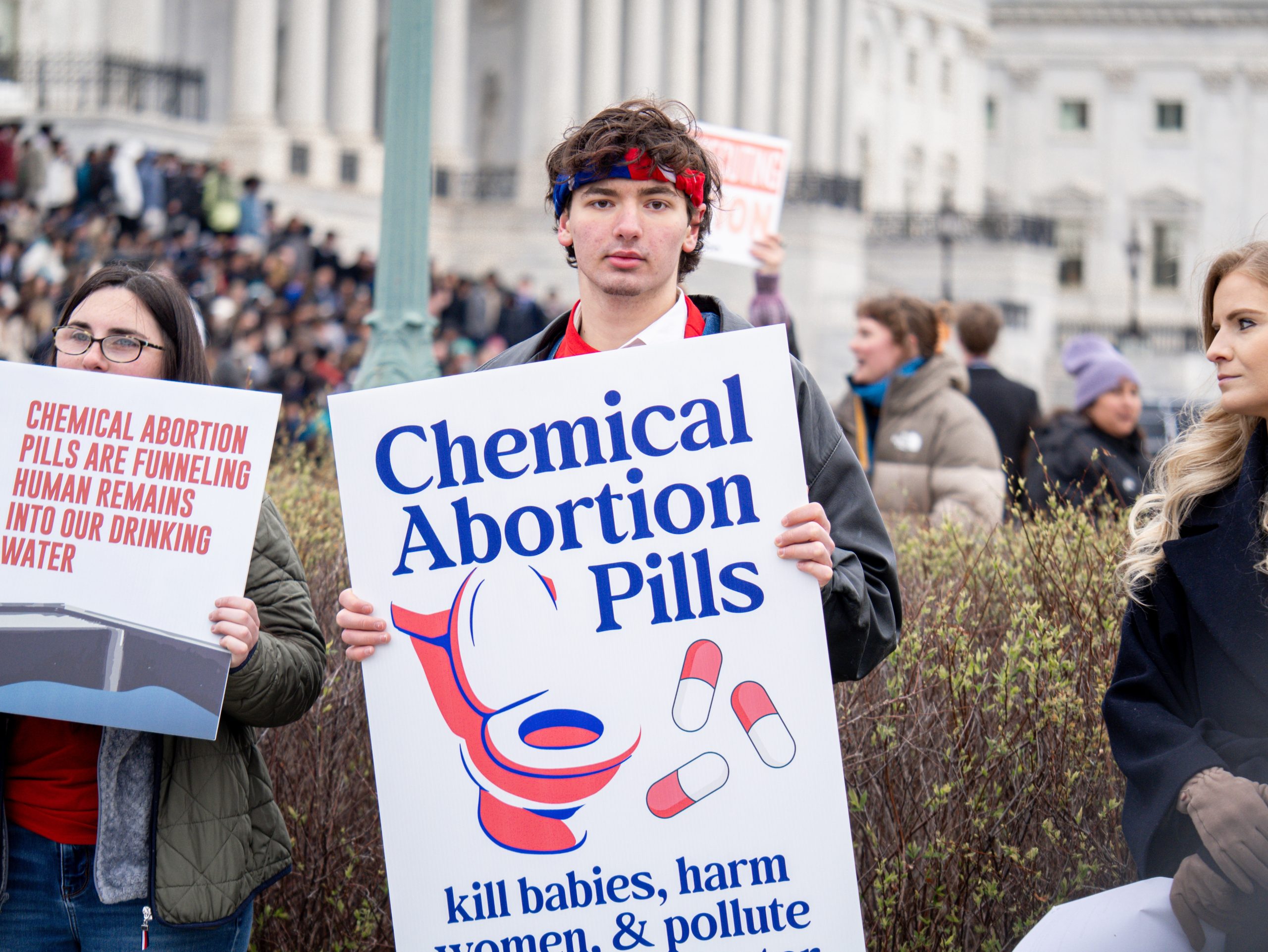
Christian leaders unite against chemical abortion #Catholic In a declaration led by Sen. Josh Hawley, R-Missouri, Christian leaders are calling on lawmakers to ban the abortion drug mifepristone.Drafted by a group of more than 30 pastors from around the U.S., the Declaration for Life with Christian Leaders supports pro-life legislation, condemns chemical abortion, and affirms the dignity of unborn children from conception. The four-page declaration has been signed by 100 faith leaders from Missouri as well as 50,000 citizens.“This Declaration for Life, written by pastors, is calling on everyday Christians across America to stand for life and confront the scourge of chemical abortion,” Hawley stated.“It is the first duty of the Church to defend human dignity where it is denied,” the declaration says.Tony Perkins, who heads the Family Research Council, a national Christian political advocacy group, has been outspoken in his support of the declaration, criticizing the Republican Party’s recent silence on abortion.“There are Republican members of Congress and state leaders who continue to champion the unborn, but the Republican Party has gone all but silent on the issue of life,” Perkins stated. “The strong pro-life language that was a part of the GOP platform for decades was removed, and little is said about abortion.”“We are called to defend the defenseless and speak for those whose voices have been silenced,” Perkins said.South Korean bishops oppose abortion pillSouth Korean Catholic bishops are opposing the government’s expansion of abortion pill use, calling it a "disregard for life.”In response to South Korea’s announcement that it will allow the use of abortion pills through nine weeks of pregnancy, the Catholic Bishops’ Conference of Korea (CBCK) released a statement opposing the move.“The CBCK voices deep concerns as this measure would only institutionalize abortion in an ‘orderly’ manner, without changing its fundamental nature, while allowing a disregard for life to be more deeply rooted in our society,” the bishops stated.“We eagerly ask the government and the National Assembly to deeply contemplate this and choose a path that both protects life while practically helping women,” the bishops continued.Students for Life launches campus campaign showing human cost of abortionA fall campaign titled “Abortion Victims: Every Abortion Has a Human Cost” by the pro-life group Students for Life of America (SFLA) will span 150 college campuses across the United States.Educational displays will highlight the victims of abortion and what abortion procedures look like.The campaign began Sept. 8, near the one-year anniversary of conservative activist Charlie Kirk’s assassination on Sept. 10, 2025.“The goal is to continue his legacy of bringing the fight for free speech and the sanctity of life to college campuses across the nation,” the group said.“So many people are harmed by abortion, most notably preborn children,” said SFLA Vice President of Field Programs Reagan Barklage. “Millions of children lose their lives every year at the hands of physicians betraying their oath to uphold life, and so many others experience forced abortions in trafficking and abuse. This tour tells their stories — and why we must act to keep others from suffering the same fate.”EPA to test drinking water for pharmaceuticalsThe U.S. Environmental Protection Agency (EPA) announced a new study of drinking water that will screen for pharmaceutical pollutants.Pro-life groups have been calling on the EPA to test for water pollution caused by abortion drugs. The EPA had previously said it would investigate.Missourians split on abortion, poll findsAn August poll found narrow margins in public opinion on an amendment that would protect unborn children in Missouri.In November, Missourians can vote on whether to repeal a 2024 pro-abortion amendment. In its place, a new amendment would protect unborn babies except those conceived by rape or incest, or in medical emergencies.The Missouri polls found that 44% opposed the pro-life amendment and 43% supported it, while 13% were unsure.The poll by SLU/YouGov was conducted Aug. 13–24 and had a margin of error of about 4 percentage points.When polled in February, 50% of Missourians were in favor of reinstating the pro-life amendment.California passes bill requiring community colleges to provide abortionsA California bill that would require community colleges to provide medical abortions is heading to Gov. Gavin Newsom’s desk.The bill, which the California Senate passed with a 61-17 vote, would require community colleges with medical centers to offer chemical abortion drugs beginning Jan. 1, 2029. Newsom, a Democrat, is expected to sign the bill.Wisconsin bishops denounce Planned Parenthood lawsuit seeking to overturn abortion safeguardsWisconsin bishops are opposing a lawsuit filed by Planned Parenthood of Wisconsin to overturn laws protecting women and unborn children.The lawsuit, filed in Dane County, argues that two Wisconsin laws violate the state constitution. One law requires a 24-hour wait period between requesting an abortion and receiving one; the other law maintains that only licensed physicians can provide abortions.Abortion in Wisconsin is legal up to 20 weeks after fertilization. “These commonsense laws provide critical protection and medical safeguards for Wisconsin’s women and their children,” the statement by the Wisconsin Catholic Conference read. “The suit aims to eliminate these laws not for patient safety, but for profit and expediency. No woman should be rushed into an abortion. When human life is on the line, every moment counts.”Idaho Supreme Court adjusts abortion amendment language following lawsuitThe Idaho Supreme Court overwrote a pro-abortion group’s objection to amendment language in a recent decision.The court approved revised ballot statements for Proposition 1, an abortion amendment set to be voted on this November that would create a “right” to abortion.The decision approves a clarification of the meaning of fetal viability and adds a more specific description of how a yes vote would be in support of “codifying a statutory reproductive right to freedom and privacy.”Idahoans United for Women and Families, a pro-abortion group advocating for the abortion amendment, had filed a lawsuit over the language and objected to the newly revised statements.

Christian leaders unite against chemical abortion #Catholic In a declaration led by Sen. Josh Hawley, R-Missouri, Christian leaders are calling on lawmakers to ban the abortion drug mifepristone.Drafted by a group of more than 30 pastors from around the U.S., the Declaration for Life with Christian Leaders supports pro-life legislation, condemns chemical abortion, and affirms the dignity of unborn children from conception. The four-page declaration has been signed by 100 faith leaders from Missouri as well as 50,000 citizens.“This Declaration for Life, written by pastors, is calling on everyday Christians across America to stand for life and confront the scourge of chemical abortion,” Hawley stated.“It is the first duty of the Church to defend human dignity where it is denied,” the declaration says.Tony Perkins, who heads the Family Research Council, a national Christian political advocacy group, has been outspoken in his support of the declaration, criticizing the Republican Party’s recent silence on abortion.“There are Republican members of Congress and state leaders who continue to champion the unborn, but the Republican Party has gone all but silent on the issue of life,” Perkins stated. “The strong pro-life language that was a part of the GOP platform for decades was removed, and little is said about abortion.”“We are called to defend the defenseless and speak for those whose voices have been silenced,” Perkins said.South Korean bishops oppose abortion pillSouth Korean Catholic bishops are opposing the government’s expansion of abortion pill use, calling it a "disregard for life.”In response to South Korea’s announcement that it will allow the use of abortion pills through nine weeks of pregnancy, the Catholic Bishops’ Conference of Korea (CBCK) released a statement opposing the move.“The CBCK voices deep concerns as this measure would only institutionalize abortion in an ‘orderly’ manner, without changing its fundamental nature, while allowing a disregard for life to be more deeply rooted in our society,” the bishops stated.“We eagerly ask the government and the National Assembly to deeply contemplate this and choose a path that both protects life while practically helping women,” the bishops continued.Students for Life launches campus campaign showing human cost of abortionA fall campaign titled “Abortion Victims: Every Abortion Has a Human Cost” by the pro-life group Students for Life of America (SFLA) will span 150 college campuses across the United States.Educational displays will highlight the victims of abortion and what abortion procedures look like.The campaign began Sept. 8, near the one-year anniversary of conservative activist Charlie Kirk’s assassination on Sept. 10, 2025.“The goal is to continue his legacy of bringing the fight for free speech and the sanctity of life to college campuses across the nation,” the group said.“So many people are harmed by abortion, most notably preborn children,” said SFLA Vice President of Field Programs Reagan Barklage. “Millions of children lose their lives every year at the hands of physicians betraying their oath to uphold life, and so many others experience forced abortions in trafficking and abuse. This tour tells their stories — and why we must act to keep others from suffering the same fate.”EPA to test drinking water for pharmaceuticalsThe U.S. Environmental Protection Agency (EPA) announced a new study of drinking water that will screen for pharmaceutical pollutants.Pro-life groups have been calling on the EPA to test for water pollution caused by abortion drugs. The EPA had previously said it would investigate.Missourians split on abortion, poll findsAn August poll found narrow margins in public opinion on an amendment that would protect unborn children in Missouri.In November, Missourians can vote on whether to repeal a 2024 pro-abortion amendment. In its place, a new amendment would protect unborn babies except those conceived by rape or incest, or in medical emergencies.The Missouri polls found that 44% opposed the pro-life amendment and 43% supported it, while 13% were unsure.The poll by SLU/YouGov was conducted Aug. 13–24 and had a margin of error of about 4 percentage points.When polled in February, 50% of Missourians were in favor of reinstating the pro-life amendment.California passes bill requiring community colleges to provide abortionsA California bill that would require community colleges to provide medical abortions is heading to Gov. Gavin Newsom’s desk.The bill, which the California Senate passed with a 61-17 vote, would require community colleges with medical centers to offer chemical abortion drugs beginning Jan. 1, 2029. Newsom, a Democrat, is expected to sign the bill.Wisconsin bishops denounce Planned Parenthood lawsuit seeking to overturn abortion safeguardsWisconsin bishops are opposing a lawsuit filed by Planned Parenthood of Wisconsin to overturn laws protecting women and unborn children.The lawsuit, filed in Dane County, argues that two Wisconsin laws violate the state constitution. One law requires a 24-hour wait period between requesting an abortion and receiving one; the other law maintains that only licensed physicians can provide abortions.Abortion in Wisconsin is legal up to 20 weeks after fertilization. “These commonsense laws provide critical protection and medical safeguards for Wisconsin’s women and their children,” the statement by the Wisconsin Catholic Conference read. “The suit aims to eliminate these laws not for patient safety, but for profit and expediency. No woman should be rushed into an abortion. When human life is on the line, every moment counts.”Idaho Supreme Court adjusts abortion amendment language following lawsuitThe Idaho Supreme Court overwrote a pro-abortion group’s objection to amendment language in a recent decision.The court approved revised ballot statements for Proposition 1, an abortion amendment set to be voted on this November that would create a “right” to abortion.The decision approves a clarification of the meaning of fetal viability and adds a more specific description of how a yes vote would be in support of “codifying a statutory reproductive right to freedom and privacy.”Idahoans United for Women and Families, a pro-abortion group advocating for the abortion amendment, had filed a lawsuit over the language and objected to the newly revised statements.

Here is a roundup of recent pro-life and abortion-related news.

Read More
EWTN to air film on St. Peter Claver, slave of the slaves #Catholic St. Peter Claver was a Spanish Jesuit priest who dedicated his life to the care of African slaves. On Sept. 9 — the saint’s feast day — EWTN will release an original docudrama on his life titled “Saint Peter Claver — Slave of the Slaves.”The docudrama was filmed on location in Spain, Colombia, and Cape Verde and uses interviews and dramatizations to present the life of Claver, who tirelessly ministered to the spiritual and physical needs of African slaves in Cartagena, Colombia, for 40 years.The film will air on EWTN TV and EWTN+ on Sept. 9 at 9:30 p.m. ET and re-air on Sept. 12 at 8 p.m. ET. At this time, the program will not air on YouTube.
 
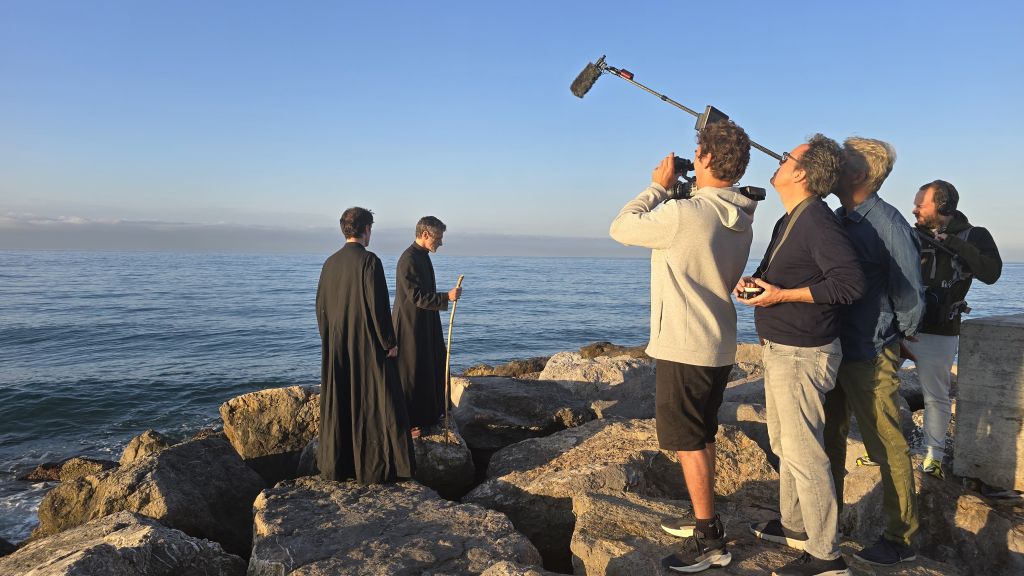
 A behind-the-scenes look at the making of “Saint Peter Claver — Slave of the Slaves.” | Credit: EWTN
 
 Who was St. Peter Claver?Born on June 26, 1580, in Catalonia, Spain, Claver grew up in a devout Catholic farming family. He attended the University of Barcelona and at age 20 joined the Jesuits.During his studies as a novice, Claver met an older lay Jesuit brother, Alphonsus Rodriguez. It was Rodriguez who encouraged Claver to become a missionary in the Spanish colonies in the Americas.In 1610, Claver traveled from Spain to Cartagena, Colombia, where he was ordained a priest five years later.At that time, the African slave trade had been in place for several decades in the Americas, and Cartagena was one of the busiest slave ports in the Spanish empire.While there, Claver witnessed the cruelty with which the slaves were treated firsthand, despite Pope Paul III’s repeated condemnations of slavery. It is estimated that tens of thousands of enslaved Africans passed through Cartagena during Claver’s ministry.Moved by their suffering, Claver worked to bring both bodily and spiritual aid to the slaves. Despite his own health problems and the language barrier, he dedicated himself to his vocation.Claver would meet slave ships upon arrival in the harbor and board them to care for the poorly treated passengers on board who had made the journey from Africa in diseased and cramped conditions over the course of several months. He would tend to the sick — bringing food, water, and medicine — and treat wounds and illnesses. He would immediately baptize babies and those near death.After a slave was sold, Claver would continue to visit the individual, providing physical and spiritual support.When it came to catechesis, due to the language barrier, Claver used pictorial representations of the Gospel stories he was teaching.Throughout his ministry, Claver lived on small amounts of food and sleep. His lifestyle led to several miraculous occurrences, including when he healed the sick with the touch of his cloak or appeared surrounded by a supernatural light during his hospital visits.After suffering for several years from poor health, Claver died on Sept. 8, 1654. He had baptized and taught the faith to more than 300,000 slaves during his 40 years in Colombia.He was beatified by Pius IX on July 16, 1850, and canonized along with his friend St. Alphonsus Rodriguez on Jan. 15, 1888, by Pope Leo XIII.Claver is the patron saint of enslaved peoples, African missions, and interracial justice, and one of several patron saints of Colombia.

EWTN to air film on St. Peter Claver, slave of the slaves #Catholic St. Peter Claver was a Spanish Jesuit priest who dedicated his life to the care of African slaves. On Sept. 9 — the saint’s feast day — EWTN will release an original docudrama on his life titled “Saint Peter Claver — Slave of the Slaves.”The docudrama was filmed on location in Spain, Colombia, and Cape Verde and uses interviews and dramatizations to present the life of Claver, who tirelessly ministered to the spiritual and physical needs of African slaves in Cartagena, Colombia, for 40 years.The film will air on EWTN TV and EWTN+ on Sept. 9 at 9:30 p.m. ET and re-air on Sept. 12 at 8 p.m. ET. At this time, the program will not air on YouTube. A behind-the-scenes look at the making of “Saint Peter Claver — Slave of the Slaves.” | Credit: EWTN Who was St. Peter Claver?Born on June 26, 1580, in Catalonia, Spain, Claver grew up in a devout Catholic farming family. He attended the University of Barcelona and at age 20 joined the Jesuits.During his studies as a novice, Claver met an older lay Jesuit brother, Alphonsus Rodriguez. It was Rodriguez who encouraged Claver to become a missionary in the Spanish colonies in the Americas.In 1610, Claver traveled from Spain to Cartagena, Colombia, where he was ordained a priest five years later.At that time, the African slave trade had been in place for several decades in the Americas, and Cartagena was one of the busiest slave ports in the Spanish empire.While there, Claver witnessed the cruelty with which the slaves were treated firsthand, despite Pope Paul III’s repeated condemnations of slavery. It is estimated that tens of thousands of enslaved Africans passed through Cartagena during Claver’s ministry.Moved by their suffering, Claver worked to bring both bodily and spiritual aid to the slaves. Despite his own health problems and the language barrier, he dedicated himself to his vocation.Claver would meet slave ships upon arrival in the harbor and board them to care for the poorly treated passengers on board who had made the journey from Africa in diseased and cramped conditions over the course of several months. He would tend to the sick — bringing food, water, and medicine — and treat wounds and illnesses. He would immediately baptize babies and those near death.After a slave was sold, Claver would continue to visit the individual, providing physical and spiritual support.When it came to catechesis, due to the language barrier, Claver used pictorial representations of the Gospel stories he was teaching.Throughout his ministry, Claver lived on small amounts of food and sleep. His lifestyle led to several miraculous occurrences, including when he healed the sick with the touch of his cloak or appeared surrounded by a supernatural light during his hospital visits.After suffering for several years from poor health, Claver died on Sept. 8, 1654. He had baptized and taught the faith to more than 300,000 slaves during his 40 years in Colombia.He was beatified by Pius IX on July 16, 1850, and canonized along with his friend St. Alphonsus Rodriguez on Jan. 15, 1888, by Pope Leo XIII.Claver is the patron saint of enslaved peoples, African missions, and interracial justice, and one of several patron saints of Colombia.

“Saint Peter Claver — Slave of the Slaves” will air on EWTN on Sept. 9.

Read More

Watchdog group flags safety concerns at Colorado abortion clinics after death of teenager #Catholic In Colorado, advocates for life are gathering to remember a young woman who died during a second-trimester abortion at a Planned Parenthood — and to call for better safety regulations.Alexis “Lexi” Arguello died of complications during an abortion at the Planned Parenthood in Fort Collins; her grandparents claimed the clinic waited too long to call 911.The three-day “Justice for Lexi” campaign, taking place Aug. 27–29, aims to draw attention to the “the tragic death of Lexi Arguello and the numerous abortion injuries sustained by other unprotected women in unregulated abortion clinics across the state,” according to Operation Rescue, a watchdog group working to end abortion in the U.S. In the 1980s and 1990s, the group organized peaceful sit-ins and blockades in front of abortion clinics, which sometimes led to arrests.A press conference on Aug. 28 will be held on the sidewalk in front of the Fort Collins Planned Parenthood, where 12 other women have been injured, according to the group. Auxiliary Bishop Jorge Rodriguez-Novelo of the Archdiocese of Denver will speak at the prayer rally following the press conference.Dr. Catherine Wheeler, a former abortionist who now heads the Colorado Chapter of the American Association of Pro-Life Obstetricians and Gynecologists, a group that promotes patients’ rights for unborn babies and mothers, is set to speak at the event.“The tragic loss of Lexi’s life and at least 13 ambulances from Fort Collins since January 2025 witness to the dangers of later abortion, magnified by lack of oversight, transparency and accountability,” Wheeler stated in an Aug. 24 press release.“Women and Coloradans do not understand the dangers of abortion after the first trimester, and are not told the facilities are not regulated or inspected to be sure that anesthesia is safe, sterilization protocols are enforced, clinicians are adequately trained, or that the staff and facility are prepared, equipped and capable to manage emergencies like hemorrhage, uterine perforation or acute respiratory failure, known complications,” Wheeler continued.Dr. Tom Perille, who heads Democrats for Life of Colorado, insists that women’s safety must come first.“For two consecutive years, bills have been introduced in the Colorado Assembly to grant the Colorado Department of Public Health and Environment the authority to license, regulate, and inspect second and third trimester abortion facilities like they do other high risk healthcare facilities,” Perille said in the release. “Both times, the bills were defeated along party lines at the bequest of the abortion industry.”“Putting the abortion industry’s financial interests above the health and safety of Colorado women must stop,” he said.Operation Rescue has been monitoring the Fort Collins Planned Parenthood since Arguello’s death last year, according to the press release.“Since Lexi’s tragic death, our team has documented at least 12 more women injured at this same Planned Parenthood,” Sarah Neely, COO of Operation Rescue, said in a statement. “Another late-term Planned Parenthood located in Denver has injured nine women. Not one incident has been investigated, not even the death of Lexi, when evidence and testimony suggested Planned Parenthood staff waited too long to call 911.”In one case on July 9, Planned Parenthood in Fort Collins called 911 for a “hemorrhaging” patient.Attorney Alexandra Snyder of Life Legal Defense Foundation, a pro-life nonprofit defending unborn children, called for more safety regulations for abortion.“The need for adequate regulations is most pronounced in facilities that perform second- and third-trimester abortions, like the one that treated Lexi before she died,” Snyder said. “Colorado’s legislature has twice rejected attempts to impose even basic safety requirements. We will continue to fight for laws that protect women in Colorado from this unconscionable neglect on the part of the Legislature.”“We hope that Lexi’s death will finally compel lawmakers to require abortion clinics to meet the same patient safety standards required of other medical facilities,” Snyder said.

Watchdog group flags safety concerns at Colorado abortion clinics after death of teenager #Catholic In Colorado, advocates for life are gathering to remember a young woman who died during a second-trimester abortion at a Planned Parenthood — and to call for better safety regulations.Alexis “Lexi” Arguello died of complications during an abortion at the Planned Parenthood in Fort Collins; her grandparents claimed the clinic waited too long to call 911.The three-day “Justice for Lexi” campaign, taking place Aug. 27–29, aims to draw attention to the “the tragic death of Lexi Arguello and the numerous abortion injuries sustained by other unprotected women in unregulated abortion clinics across the state,” according to Operation Rescue, a watchdog group working to end abortion in the U.S. In the 1980s and 1990s, the group organized peaceful sit-ins and blockades in front of abortion clinics, which sometimes led to arrests.A press conference on Aug. 28 will be held on the sidewalk in front of the Fort Collins Planned Parenthood, where 12 other women have been injured, according to the group. Auxiliary Bishop Jorge Rodriguez-Novelo of the Archdiocese of Denver will speak at the prayer rally following the press conference.Dr. Catherine Wheeler, a former abortionist who now heads the Colorado Chapter of the American Association of Pro-Life Obstetricians and Gynecologists, a group that promotes patients’ rights for unborn babies and mothers, is set to speak at the event.“The tragic loss of Lexi’s life and at least 13 ambulances from Fort Collins since January 2025 witness to the dangers of later abortion, magnified by lack of oversight, transparency and accountability,” Wheeler stated in an Aug. 24 press release.“Women and Coloradans do not understand the dangers of abortion after the first trimester, and are not told the facilities are not regulated or inspected to be sure that anesthesia is safe, sterilization protocols are enforced, clinicians are adequately trained, or that the staff and facility are prepared, equipped and capable to manage emergencies like hemorrhage, uterine perforation or acute respiratory failure, known complications,” Wheeler continued.Dr. Tom Perille, who heads Democrats for Life of Colorado, insists that women’s safety must come first.“For two consecutive years, bills have been introduced in the Colorado Assembly to grant the Colorado Department of Public Health and Environment the authority to license, regulate, and inspect second and third trimester abortion facilities like they do other high risk healthcare facilities,” Perille said in the release. “Both times, the bills were defeated along party lines at the bequest of the abortion industry.”“Putting the abortion industry’s financial interests above the health and safety of Colorado women must stop,” he said.Operation Rescue has been monitoring the Fort Collins Planned Parenthood since Arguello’s death last year, according to the press release.“Since Lexi’s tragic death, our team has documented at least 12 more women injured at this same Planned Parenthood,” Sarah Neely, COO of Operation Rescue, said in a statement. “Another late-term Planned Parenthood located in Denver has injured nine women. Not one incident has been investigated, not even the death of Lexi, when evidence and testimony suggested Planned Parenthood staff waited too long to call 911.”In one case on July 9, Planned Parenthood in Fort Collins called 911 for a “hemorrhaging” patient.Attorney Alexandra Snyder of Life Legal Defense Foundation, a pro-life nonprofit defending unborn children, called for more safety regulations for abortion.“The need for adequate regulations is most pronounced in facilities that perform second- and third-trimester abortions, like the one that treated Lexi before she died,” Snyder said. “Colorado’s legislature has twice rejected attempts to impose even basic safety requirements. We will continue to fight for laws that protect women in Colorado from this unconscionable neglect on the part of the Legislature.”“We hope that Lexi’s death will finally compel lawmakers to require abortion clinics to meet the same patient safety standards required of other medical facilities,” Snyder said.

Last year, 18-year-old Lexi Arguello died after complications from a late-term abortion. Activists say staff waited too long to call 911 — and note that women continue to be injured at the clinic.

Read More
‘An unborn child is a child’: Lawyer questions lack of empathy regarding pregnancy loss #Catholic Ecuadorian lawyer Pablo Proaño questioned the lack of empathy for families who lose a child during pregnancy and called for protocols to support them.His remarks followed the death due to a pregnancy complication of Stefano, the son of Ecuadorian President Daniel Noboa and his wife, Lavinia Valbonesi.On Aug. 15, Interior Minister Nataly Morillo announced the news and offered her condolences to the presidential family.Many comments appeared on social media questioning the characterization of the loss as the death of a “child” rather than an embryo or fetus, or arguing that the matter should have remained private.For Proaño, a lawyer with the firm Dignidad y Derecho (Dignity and Law), these reactions reveal “a lack of understanding regarding pregnancy loss and a lack of empathy that goes beyond the political debate over the way the president is running the country.”“Many people approached this topic by first claiming it’s a ‘fake news’ story — arguing that it’s not a child, but rather an embryo or a fetus — and secondly, by insisting that it’s a matter that should remain private. And this reveals, as I said, a profound lack of empathy,” he noted in an interview with ACI Prensa, the Spanish-language sister service of EWTN News.‘There’s already an expectation’ of welcoming the childThe lawyer explained that regardless of gestational age, “parents who already know, long for, and look forward to welcoming this baby are already forming an expectation, both on the psychological and social level.”He said there can be “severe psychological impact following the loss” but also “long-term effects when the time comes to decide whether or not to try for another child.”The lawyer also noted that this suffering can arise in everyday situations, particularly when the mother encounters other women with babies.Proaño said he believes the scale of the phenomenon makes it important for society to learn how to support those going through this type of grief. “According to the World Health Organization, 1 in 4 women has experienced pregnancy loss at some point in her life,” he stated.The lawyer noted that while the circumstances of a miscarriage or an abortion may differ, both situations can involve suffering and grief.“Induced abortion often entails a greater sense of guilt,” he said.Regarding miscarriage, he said there is also “a great deal of suffering regarding why the pregnancy could not be carried to term.” “Many questions remain unanswered, and this creates a great deal of anxiety and can even lead to cases of severe depression in women and families going through this grief,” he continued.The need for protocols regarding pregnancy lossProaño said he believes healthcare systems should have protocols in place to care for women who lose their babies during pregnancy.“The first and most important aspect is institutional support from a medical standpoint. In many Latin American countries, there are protocols known as ‘butterfly protocols’ for the care of women experiencing pregnancy loss,” he explained.In this practice, the silhouette of a butterfly is placed on the headboard of the patient’s bed, alerting the hospital staff to be particularly sensitive to her emotional state. The butterfly symbolizes a brief life, fragility, and transformation.Ecuador does not currently have an official protocol from the Ministry of Health. “There are foundations promoting these types of protocols, and individual hospitals may implement them, but it largely depends on whether the hospital authorities choose to adopt them,” Proaño stated.These protocols, he explained, aim to prevent situations that could increase the suffering of a woman who has just lost her child.“What do these ‘butterfly protocols’ mean? It means healthcare staff are sensitized that they don’t say things like, ‘Oh, right. Well, it would have been better if you’d done this or that, and then you wouldn’t have lost the baby,’” he explained.He also emphasized the need to avoid placing a woman who has just suffered a loss “in the maternity ward, where you can hear and see other women with their babies.”Proaño even proposes identifying these patients: “They should be given a separate room and identified by a symbol or a sign on the door, so that when a nurse or doctor walks by, no one makes the mistake of asking, ‘And where is your baby? Why haven’t they brought your baby to you?’” he said.In addition, the woman should receive psychological care, he noted.Employers should also have to make allowancesAccording to Proaño, families also need “social recognition that extends to the workplace.”“In Ecuador, these cases often only qualify for three days of leave for a family emergency, and three days is not enough,” he maintained.“Many of these people go through episodes of severe depression, return to work, and are then fired because the enhanced job protection afforded to pregnant women because they are carrying a child does not apply. But if the baby dies, they don’t benefit from this leave,” he added.Parents' right to say goodbye to their childAnother aspect the lawyer deems necessary to review is what happens to the babyʼs remains following a pregnancy loss.Measures should be in place “to ensure the baby can be given a proper burial," he stated.Proaño explained that, according to Ecuadorian regulations, there is a distinction regarding the release of remains based on whether the pregnancy has reached 22 weeks of gestation.“In Ecuador, up to the 22nd week of pregnancy, hospitals are not required to hand over the child — the body or remains of the fetus — and may simply dispose of it, donate it for research, or even sell it to institutions,” he stated.He said this situation can deprive parents of a step that is important for the grieving process.“This baby is the child of a family that deserves and needs, for the sake of their grieving process, to bury him and have a place to go to mourn his death,” he noted.In his view, families should receive clear information about their rights and be able to decide what happens to their childʼs remains.“Parents should be provided with informed consent that explains this possibility and their rights, so they can make a decision. And if they ultimately decide not to take the fetus, they should also be able to decide on its final disposition,” he explained.‘An unborn child is a child’Beyond the legal and medical aspects, Proaño said he believes there is a cultural challenge: “A great deal of work to raise awareness and foster understanding” needs to be done, he noted.“Because an unborn child is a child; it’s not merely a fetus,” he emphasized.The lawyer lamented that many families do not even receive condolences after losing a child during pregnancy. He also questioned certain responses that may seem well-intentioned but ultimately minimize the pain.For example, he said, “there are many doctors who say, ‘You can get pregnant again; there’s no problem.’ As if that loss could simply be erased from a mother’s heart.”An issue that also involves the stateProaño maintained that the response should include public policies focused on prevention, support, and family protection.“At the state level, there are these three points: promoting the implementation of support protocols; ensuring proper informed consent when the disposition of the fetuses is to be decided; and enacting workplace reforms to grant parents more time to grieve the loss of their child in accordance with the law,” he explained.“And also, having awareness-raising campaigns. Furthermore — taking it a step further — it would be very important for the state to take up this issue as a public policy necessity,” he added.Proaño said he also believes that proper preventive care during pregnancy can help reduce some pregnancy losses. He cited, among other factors, medical monitoring during pregnancy and the detection of potential vitamin or hormonal deficiencies.This story was first published by ACI Prensa, the Spanish-language sister service of EWTN News. It has been translated and adapted by EWTN News English.

‘An unborn child is a child’: Lawyer questions lack of empathy regarding pregnancy loss #Catholic Ecuadorian lawyer Pablo Proaño questioned the lack of empathy for families who lose a child during pregnancy and called for protocols to support them.His remarks followed the death due to a pregnancy complication of Stefano, the son of Ecuadorian President Daniel Noboa and his wife, Lavinia Valbonesi.On Aug. 15, Interior Minister Nataly Morillo announced the news and offered her condolences to the presidential family.Many comments appeared on social media questioning the characterization of the loss as the death of a “child” rather than an embryo or fetus, or arguing that the matter should have remained private.For Proaño, a lawyer with the firm Dignidad y Derecho (Dignity and Law), these reactions reveal “a lack of understanding regarding pregnancy loss and a lack of empathy that goes beyond the political debate over the way the president is running the country.”“Many people approached this topic by first claiming it’s a ‘fake news’ story — arguing that it’s not a child, but rather an embryo or a fetus — and secondly, by insisting that it’s a matter that should remain private. And this reveals, as I said, a profound lack of empathy,” he noted in an interview with ACI Prensa, the Spanish-language sister service of EWTN News.‘There’s already an expectation’ of welcoming the childThe lawyer explained that regardless of gestational age, “parents who already know, long for, and look forward to welcoming this baby are already forming an expectation, both on the psychological and social level.”He said there can be “severe psychological impact following the loss” but also “long-term effects when the time comes to decide whether or not to try for another child.”The lawyer also noted that this suffering can arise in everyday situations, particularly when the mother encounters other women with babies.Proaño said he believes the scale of the phenomenon makes it important for society to learn how to support those going through this type of grief. “According to the World Health Organization, 1 in 4 women has experienced pregnancy loss at some point in her life,” he stated.The lawyer noted that while the circumstances of a miscarriage or an abortion may differ, both situations can involve suffering and grief.“Induced abortion often entails a greater sense of guilt,” he said.Regarding miscarriage, he said there is also “a great deal of suffering regarding why the pregnancy could not be carried to term.” “Many questions remain unanswered, and this creates a great deal of anxiety and can even lead to cases of severe depression in women and families going through this grief,” he continued.The need for protocols regarding pregnancy lossProaño said he believes healthcare systems should have protocols in place to care for women who lose their babies during pregnancy.“The first and most important aspect is institutional support from a medical standpoint. In many Latin American countries, there are protocols known as ‘butterfly protocols’ for the care of women experiencing pregnancy loss,” he explained.In this practice, the silhouette of a butterfly is placed on the headboard of the patient’s bed, alerting the hospital staff to be particularly sensitive to her emotional state. The butterfly symbolizes a brief life, fragility, and transformation.Ecuador does not currently have an official protocol from the Ministry of Health. “There are foundations promoting these types of protocols, and individual hospitals may implement them, but it largely depends on whether the hospital authorities choose to adopt them,” Proaño stated.These protocols, he explained, aim to prevent situations that could increase the suffering of a woman who has just lost her child.“What do these ‘butterfly protocols’ mean? It means healthcare staff are sensitized that they don’t say things like, ‘Oh, right. Well, it would have been better if you’d done this or that, and then you wouldn’t have lost the baby,’” he explained.He also emphasized the need to avoid placing a woman who has just suffered a loss “in the maternity ward, where you can hear and see other women with their babies.”Proaño even proposes identifying these patients: “They should be given a separate room and identified by a symbol or a sign on the door, so that when a nurse or doctor walks by, no one makes the mistake of asking, ‘And where is your baby? Why haven’t they brought your baby to you?’” he said.In addition, the woman should receive psychological care, he noted.Employers should also have to make allowancesAccording to Proaño, families also need “social recognition that extends to the workplace.”“In Ecuador, these cases often only qualify for three days of leave for a family emergency, and three days is not enough,” he maintained.“Many of these people go through episodes of severe depression, return to work, and are then fired because the enhanced job protection afforded to pregnant women because they are carrying a child does not apply. But if the baby dies, they don’t benefit from this leave,” he added.Parents' right to say goodbye to their childAnother aspect the lawyer deems necessary to review is what happens to the babyʼs remains following a pregnancy loss.Measures should be in place “to ensure the baby can be given a proper burial," he stated.Proaño explained that, according to Ecuadorian regulations, there is a distinction regarding the release of remains based on whether the pregnancy has reached 22 weeks of gestation.“In Ecuador, up to the 22nd week of pregnancy, hospitals are not required to hand over the child — the body or remains of the fetus — and may simply dispose of it, donate it for research, or even sell it to institutions,” he stated.He said this situation can deprive parents of a step that is important for the grieving process.“This baby is the child of a family that deserves and needs, for the sake of their grieving process, to bury him and have a place to go to mourn his death,” he noted.In his view, families should receive clear information about their rights and be able to decide what happens to their childʼs remains.“Parents should be provided with informed consent that explains this possibility and their rights, so they can make a decision. And if they ultimately decide not to take the fetus, they should also be able to decide on its final disposition,” he explained.‘An unborn child is a child’Beyond the legal and medical aspects, Proaño said he believes there is a cultural challenge: “A great deal of work to raise awareness and foster understanding” needs to be done, he noted.“Because an unborn child is a child; it’s not merely a fetus,” he emphasized.The lawyer lamented that many families do not even receive condolences after losing a child during pregnancy. He also questioned certain responses that may seem well-intentioned but ultimately minimize the pain.For example, he said, “there are many doctors who say, ‘You can get pregnant again; there’s no problem.’ As if that loss could simply be erased from a mother’s heart.”An issue that also involves the stateProaño maintained that the response should include public policies focused on prevention, support, and family protection.“At the state level, there are these three points: promoting the implementation of support protocols; ensuring proper informed consent when the disposition of the fetuses is to be decided; and enacting workplace reforms to grant parents more time to grieve the loss of their child in accordance with the law,” he explained.“And also, having awareness-raising campaigns. Furthermore — taking it a step further — it would be very important for the state to take up this issue as a public policy necessity,” he added.Proaño said he also believes that proper preventive care during pregnancy can help reduce some pregnancy losses. He cited, among other factors, medical monitoring during pregnancy and the detection of potential vitamin or hormonal deficiencies.This story was first published by ACI Prensa, the Spanish-language sister service of EWTN News. It has been translated and adapted by EWTN News English.

Ecuadoran lawyer Pablo Proaño’s remarks followed the death due to a pregnancy complication of Stefano, the son of Ecuadorian President Daniel Noboa and his wife, Lavinia Valbonesi.

Read More
Advocates warn New Jersey law could criminalize prayer outside abortion clinics #Catholic New Jersey Gov. Mikie Sherrill on Aug. 20 signed a bill that criminalizes “interference” with “reproductive” or “gender-affirming” care, a law that opponents say has serious implications for freedom of speech.The law criminalizes inflicting “emotional harm” against those seeking or providing “reproductive health care services.” It also bans filming and sharing videos within 100 feet of an abortion clinic.Under the new law, an officer can “order the immediate dispersal of a gathering that substantially impedes access to or departure from an entrance or driveway to a reproductive or gender-affirming health care facility during the business hours of the facility.”The measure is a type of “bubble” law, which creates zones around abortion clinics where free speech is limited in “buffer zones.”Violations of the law could be punished by up to 18 months’ imprisonment and/or a $10,000 fine.New Jersey Right to Life Executive Director Marie Tasy criticized the law, describing its provisions as “inherently subjective” and the law itself as “a serious danger to free speech.”“Peaceful sidewalk counseling, prayer, holding signs, or simply offering help and alternatives outside a facility can easily be labeled ‘intimidation’ by someone who claims to feel threatened, leaving pro-life advocates open to criminal charges that are difficult to disprove and chilling constitutionally protected expression,” Tasy said.Catholic diocese leads campaign against abortion amendment referendumThe Diocese of Arlington, Virginia, is leading a campaign to oppose an amendment referendum that could create a right to abortion in the state constitution as well as another measure that would remove a same-sex marriage ban in the state.The campaign Catholics Vote No is opposing the ballot measure titled the “Virginia Right to Reproductive Freedom Amendment” as well as the “Virginia Remove Constitutional Same-Sex Marriage Ban Amendment.”Arlington Bishop Michael Burbidge describes the measures as “very serious legal threats to human life and marriage” in a video statement.“If written into Virginia’s Constitution, these unjust amendments would be extraordinarily difficult to reverse,” the campaign website states. The abortion amendment would “effectively” make Virginia “a sanctuary for abortion and commercial abortion businesses,” it states. “Basic health and safety standards that protect women from harm would be eliminated, parents would be pushed out of life-altering decisions involving their family and children, and unregulated abortions would be possible, performed even on healthy babies up to the moment of birth for any reason with no limits,” the campaign says.Live Action says it will keep referring to abortion as ‘killing’The pro-life group Live Action has said it will not stop calling abortion “killing” after a pro-abortion group threatened the organization with legal action.Live Action made the declaration in response to a cease-and-desist letter sent by the abortion-supporting legal group Amplify Legal. The dispute is over claims made by Live Action in multiple articles about abortion cases where the unborn baby had a serious life-threatening diagnosis.“Each of our clients has described the decision to end their wanted pregnancy as the most compassionate choice for their own health, future fertility, and family’s wellbeing,” the letter read, arguing that Live Action News “repeatedly [wrote] about our clients intentionally ‘killing’ their babies.”In its response Live Action said it would not follow the request to “delete years of reporting and commentary on the most contested moral and political question in American public life.”“We are fighting for a culture and legal system that respects every human life and refuses to treat the sick, disabled, or unborn as disposable,” said Live Action Founder and President Lila Rose in a statement. “Legal threats against our First Amendment right to speak will not change that mission.”Catholic dad Mark Houck continues pro-life work after federal legal battleCatholic father Mark Houck is joining CatholicVote’s development team as a gift officer, the group announced this week. Houck and his family are adjusting to life after their home in rural eastern Pennsylvania was raided by 20 armed federal agents in the early hours of Sept. 23, 2022. Houck was arrested in front of his family and interrogated for six hours. The incident led to nearly four years of legal battles, which concluded with the family earning a seven-figure settlement for damages.“I am still very much unpacking spiritually what happened to us — very profound and certainly God is revealing his ultimate plan for us through it all, CatholicVote being the latest direction he has taken us,” Houck told EWTN News. “We are so happy to be with an organization that shares our passion for our faith, the pro-life cause, and, of course, advocacy in the public square.”Houck’s role in the organization "will extend beyond that [of a gift officer],” CatholicVote spokeswoman Laurie Olsen told EWTN News. He will “have a voice in all our pro-life efforts,” she said.Houck, meanwhile, told EWTN News: “We measure success by one soul at a time.”“Save a soul, you save your own soul. It is that one soul that gets me going and up early to head into Philadelphia and serve the common good with sidewalk advocacy,” he said.Federal court strikes down Indiana abortion parental-consent lawThe U.S. Court of Appeals for the 7th Circuit ruled on Aug. 18 against an Indiana law that prevents doctors from providing abortion assistance to minors without parental consent.The 54-page ruling struck down a law that required parental consent to aid or assist a minor in obtaining an abortion. The ruling said that the parental-consent law violated the First Amendment.

Advocates warn New Jersey law could criminalize prayer outside abortion clinics #Catholic New Jersey Gov. Mikie Sherrill on Aug. 20 signed a bill that criminalizes “interference” with “reproductive” or “gender-affirming” care, a law that opponents say has serious implications for freedom of speech.The law criminalizes inflicting “emotional harm” against those seeking or providing “reproductive health care services.” It also bans filming and sharing videos within 100 feet of an abortion clinic.Under the new law, an officer can “order the immediate dispersal of a gathering that substantially impedes access to or departure from an entrance or driveway to a reproductive or gender-affirming health care facility during the business hours of the facility.”The measure is a type of “bubble” law, which creates zones around abortion clinics where free speech is limited in “buffer zones.”Violations of the law could be punished by up to 18 months’ imprisonment and/or a $10,000 fine.New Jersey Right to Life Executive Director Marie Tasy criticized the law, describing its provisions as “inherently subjective” and the law itself as “a serious danger to free speech.”“Peaceful sidewalk counseling, prayer, holding signs, or simply offering help and alternatives outside a facility can easily be labeled ‘intimidation’ by someone who claims to feel threatened, leaving pro-life advocates open to criminal charges that are difficult to disprove and chilling constitutionally protected expression,” Tasy said.Catholic diocese leads campaign against abortion amendment referendumThe Diocese of Arlington, Virginia, is leading a campaign to oppose an amendment referendum that could create a right to abortion in the state constitution as well as another measure that would remove a same-sex marriage ban in the state.The campaign Catholics Vote No is opposing the ballot measure titled the “Virginia Right to Reproductive Freedom Amendment” as well as the “Virginia Remove Constitutional Same-Sex Marriage Ban Amendment.”Arlington Bishop Michael Burbidge describes the measures as “very serious legal threats to human life and marriage” in a video statement.“If written into Virginia’s Constitution, these unjust amendments would be extraordinarily difficult to reverse,” the campaign website states. The abortion amendment would “effectively” make Virginia “a sanctuary for abortion and commercial abortion businesses,” it states. “Basic health and safety standards that protect women from harm would be eliminated, parents would be pushed out of life-altering decisions involving their family and children, and unregulated abortions would be possible, performed even on healthy babies up to the moment of birth for any reason with no limits,” the campaign says.Live Action says it will keep referring to abortion as ‘killing’The pro-life group Live Action has said it will not stop calling abortion “killing” after a pro-abortion group threatened the organization with legal action.Live Action made the declaration in response to a cease-and-desist letter sent by the abortion-supporting legal group Amplify Legal. The dispute is over claims made by Live Action in multiple articles about abortion cases where the unborn baby had a serious life-threatening diagnosis.“Each of our clients has described the decision to end their wanted pregnancy as the most compassionate choice for their own health, future fertility, and family’s wellbeing,” the letter read, arguing that Live Action News “repeatedly [wrote] about our clients intentionally ‘killing’ their babies.”In its response Live Action said it would not follow the request to “delete years of reporting and commentary on the most contested moral and political question in American public life.”“We are fighting for a culture and legal system that respects every human life and refuses to treat the sick, disabled, or unborn as disposable,” said Live Action Founder and President Lila Rose in a statement. “Legal threats against our First Amendment right to speak will not change that mission.”Catholic dad Mark Houck continues pro-life work after federal legal battleCatholic father Mark Houck is joining CatholicVote’s development team as a gift officer, the group announced this week. Houck and his family are adjusting to life after their home in rural eastern Pennsylvania was raided by 20 armed federal agents in the early hours of Sept. 23, 2022. Houck was arrested in front of his family and interrogated for six hours. The incident led to nearly four years of legal battles, which concluded with the family earning a seven-figure settlement for damages.“I am still very much unpacking spiritually what happened to us — very profound and certainly God is revealing his ultimate plan for us through it all, CatholicVote being the latest direction he has taken us,” Houck told EWTN News. “We are so happy to be with an organization that shares our passion for our faith, the pro-life cause, and, of course, advocacy in the public square.”Houck’s role in the organization "will extend beyond that [of a gift officer],” CatholicVote spokeswoman Laurie Olsen told EWTN News. He will “have a voice in all our pro-life efforts,” she said.Houck, meanwhile, told EWTN News: “We measure success by one soul at a time.”“Save a soul, you save your own soul. It is that one soul that gets me going and up early to head into Philadelphia and serve the common good with sidewalk advocacy,” he said.Federal court strikes down Indiana abortion parental-consent lawThe U.S. Court of Appeals for the 7th Circuit ruled on Aug. 18 against an Indiana law that prevents doctors from providing abortion assistance to minors without parental consent.The 54-page ruling struck down a law that required parental consent to aid or assist a minor in obtaining an abortion. The ruling said that the parental-consent law violated the First Amendment.

Here is a roundup of recent pro-life and abortion-related news.

Read More
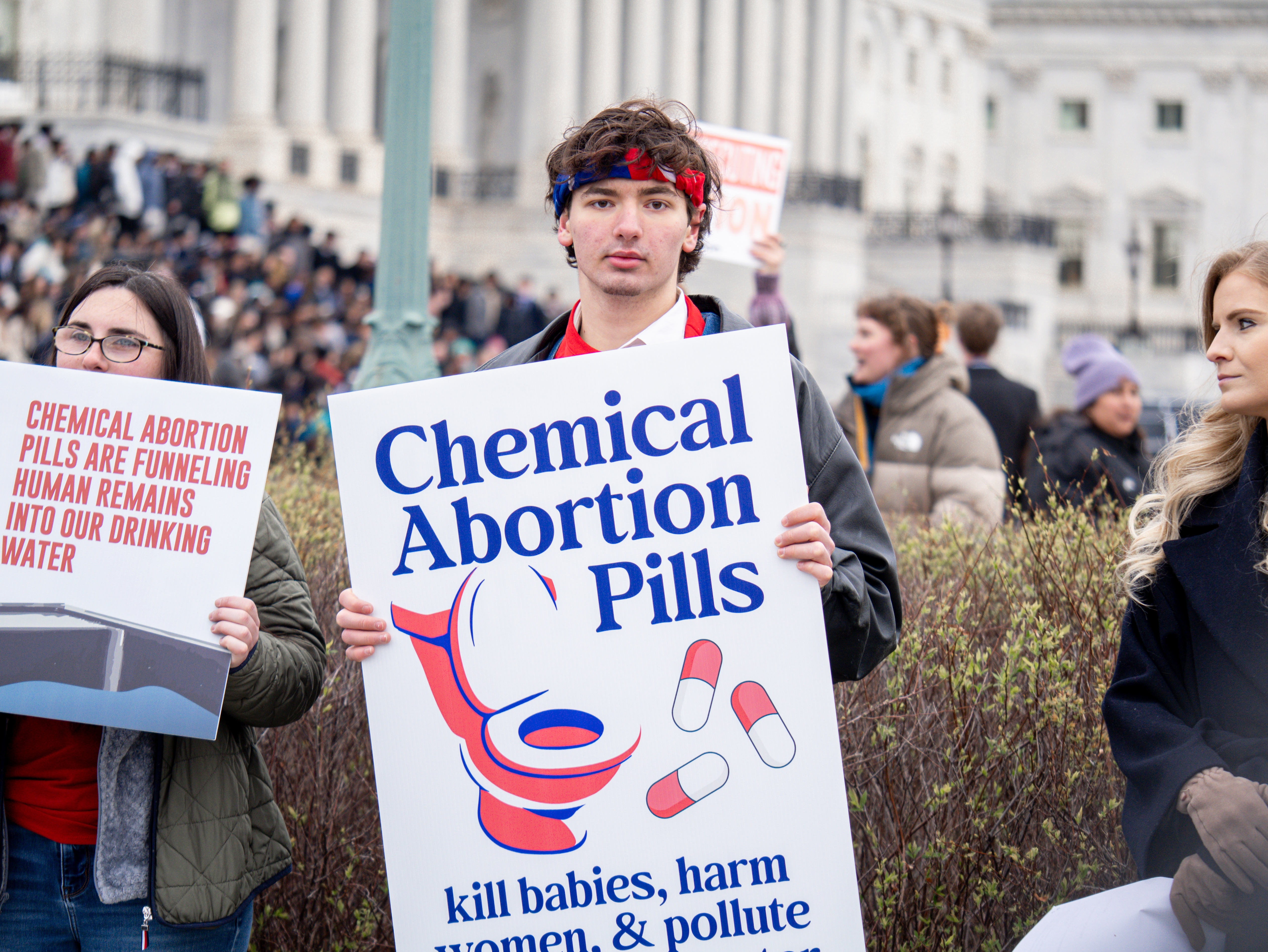
How Trump’s new FDA pick could be monumental in the fight for life #Catholic In the wake of U.S. President Donald Trump’s appointment of Dr. Heidi Overton, a medical doctor with a history of fighting for life, as head of the Food and Drug Administration (FDA), pro-life groups are urging her to end mail-order abortion.Since January 2025 and up until now, Overton has worked as deputy assistant to the president for domestic policy. Before that, she spent more than three years at the America First Policy Institute (AFPI), a conservative think tank. On Aug. 19, Trump appointed her to head the FDA, though she will need to be confirmed by the Senate first, which is likely given the Republican majority.She has a doctorate in clinical investigation from Johnson Hopkins Bloomberg School of Public Health as well as a medical degree from the University of New Mexico School of Medicine. Overton has been outspoken about the dangers of chemical abortion for women and babies, according to a 2023 AFPI brief she authored where she criticized federal policy that made abortion pills available via telehealth.“Abortion is corrosive to children, women, and society broadly because it devalues and extinguishes innocent human life,” Overton wrote in 2023. “Unfortunately, federal policymakers have recently expanded access to abortion pills, also called chemical abortions, which are far more dangerous to women, enabling rapid access to abortion.”About two-thirds of abortions in the United States are chemical, meaning they happen via mifepristone and misoprostol pills. These pills are available via mail in any state, even states where these drugs are illegal. Abortion by mail is highly unregulated, creating danger for female patients.The abortion pill has continued to be left largely unregulated by Trump’s Food and Drug Administration, in spite of the documented danger to women, including coercion, poisonings, and physical harm.Advocates for unborn children highlight the importance of opposing chemical abortions and protecting unborn children across state lines, as chemical abortion pills make state pro-life laws moot.Hope for limitations on chemical abortionsLeading voices for life agree that the FDA should regulate mail-order chemical abortions. After being deeply disappointed so far by Trump’s FDA, they hope Overton is the woman for the task.The American Association of Pro-Life Obstetricians and Gynecologists (AAPLOG), an organization of medical doctors who believe in protecting unborn children and their mothers, “applauds the nomination,” said CEO Dr. Christina Francis.“Dr. Overton has a track record of recognizing the dignity of all of our patients (including our fetal patients) and recognizing the value of life-affirming healthcare,” Francis told EWTN News.“We are hopeful that Dr. Overton will reinstate vital safeguards around the dangerous abortion drug mifepristone,” Francis said. “Too many tragic incidents continue to pile up in which women have been left to handle the consequences of these potentially fatal drugs on their own.”“As physicians, we demand the FDA do its job and reinstate essential safeguards for our patients,” Francis said.Live Action, a group seeking to shift the culture and law on abortion, also viewed the nomination positively.“Live Action is encouraged by President Trump’s nomination of Dr. Heidi Overton to lead the Food and Drug Administration,” said Live Action spokesman Noah Brandt.“During Dr. Overton’s time at the America First Policy Institute, she helped lead important work exposing the dangers of chemical abortion and the serious risks posed by the abortion pill,” Brandt told EWTN News.“We pray that if Dr. Overton is confirmed that she brings that same courage and leadership to the FDA, which has an enormous responsibility to protect the health and safety of America’s women and children,” Brandt said.Brandt called on Overton to put a halt to chemical abortion pills entirely, beginning with mail-order abortions.“If confirmed, Dr. Overton should pull the deadly abortion pill from the market completely by first ending mail-order abortions, which are killing babies across the country,” he said.Kristi Hamrick, spokeswoman for Students for Life Action, called for Overton to take serious action against mifepristone.“It’s a good thing to have a nominee who has been skeptical of the kinds of policies the FDA has been pushing, but we are not looking for words; we are looking for deeds,” Hamrick told EWTN News. “The reckless rubber-stamping of chemical abortion pills has implications for babies in the womb, their mothers, and even the environment.”“We are looking for a first-ever review of chemical abortion pills, the abusers' dream drug, that is now being mailed illegally into many states with pro-life laws in place,” Hamrick said.Hamrick also urged Overton to investigate the environmental impact of chemical abortion drugs in the nation’s drinking water supplies.“The FDA has never looked into the environmental risks of allowing abortion water pollution nationwide, and you donʼt have to be pro-life to want clean drinking water,” Hamrick said.“We would ask Dr. Overton to do the work never done before — really evaluate mifepristone, its distribution, and risks to babies, women, and all life, endangered species included,” Hamrick said.

How Trump’s new FDA pick could be monumental in the fight for life #Catholic In the wake of U.S. President Donald Trump’s appointment of Dr. Heidi Overton, a medical doctor with a history of fighting for life, as head of the Food and Drug Administration (FDA), pro-life groups are urging her to end mail-order abortion.Since January 2025 and up until now, Overton has worked as deputy assistant to the president for domestic policy. Before that, she spent more than three years at the America First Policy Institute (AFPI), a conservative think tank. On Aug. 19, Trump appointed her to head the FDA, though she will need to be confirmed by the Senate first, which is likely given the Republican majority.She has a doctorate in clinical investigation from Johnson Hopkins Bloomberg School of Public Health as well as a medical degree from the University of New Mexico School of Medicine. Overton has been outspoken about the dangers of chemical abortion for women and babies, according to a 2023 AFPI brief she authored where she criticized federal policy that made abortion pills available via telehealth.“Abortion is corrosive to children, women, and society broadly because it devalues and extinguishes innocent human life,” Overton wrote in 2023. “Unfortunately, federal policymakers have recently expanded access to abortion pills, also called chemical abortions, which are far more dangerous to women, enabling rapid access to abortion.”About two-thirds of abortions in the United States are chemical, meaning they happen via mifepristone and misoprostol pills. These pills are available via mail in any state, even states where these drugs are illegal. Abortion by mail is highly unregulated, creating danger for female patients.The abortion pill has continued to be left largely unregulated by Trump’s Food and Drug Administration, in spite of the documented danger to women, including coercion, poisonings, and physical harm.Advocates for unborn children highlight the importance of opposing chemical abortions and protecting unborn children across state lines, as chemical abortion pills make state pro-life laws moot.Hope for limitations on chemical abortionsLeading voices for life agree that the FDA should regulate mail-order chemical abortions. After being deeply disappointed so far by Trump’s FDA, they hope Overton is the woman for the task.The American Association of Pro-Life Obstetricians and Gynecologists (AAPLOG), an organization of medical doctors who believe in protecting unborn children and their mothers, “applauds the nomination,” said CEO Dr. Christina Francis.“Dr. Overton has a track record of recognizing the dignity of all of our patients (including our fetal patients) and recognizing the value of life-affirming healthcare,” Francis told EWTN News.“We are hopeful that Dr. Overton will reinstate vital safeguards around the dangerous abortion drug mifepristone,” Francis said. “Too many tragic incidents continue to pile up in which women have been left to handle the consequences of these potentially fatal drugs on their own.”“As physicians, we demand the FDA do its job and reinstate essential safeguards for our patients,” Francis said.Live Action, a group seeking to shift the culture and law on abortion, also viewed the nomination positively.“Live Action is encouraged by President Trump’s nomination of Dr. Heidi Overton to lead the Food and Drug Administration,” said Live Action spokesman Noah Brandt.“During Dr. Overton’s time at the America First Policy Institute, she helped lead important work exposing the dangers of chemical abortion and the serious risks posed by the abortion pill,” Brandt told EWTN News.“We pray that if Dr. Overton is confirmed that she brings that same courage and leadership to the FDA, which has an enormous responsibility to protect the health and safety of America’s women and children,” Brandt said.Brandt called on Overton to put a halt to chemical abortion pills entirely, beginning with mail-order abortions.“If confirmed, Dr. Overton should pull the deadly abortion pill from the market completely by first ending mail-order abortions, which are killing babies across the country,” he said.Kristi Hamrick, spokeswoman for Students for Life Action, called for Overton to take serious action against mifepristone.“It’s a good thing to have a nominee who has been skeptical of the kinds of policies the FDA has been pushing, but we are not looking for words; we are looking for deeds,” Hamrick told EWTN News. “The reckless rubber-stamping of chemical abortion pills has implications for babies in the womb, their mothers, and even the environment.”“We are looking for a first-ever review of chemical abortion pills, the abusers' dream drug, that is now being mailed illegally into many states with pro-life laws in place,” Hamrick said.Hamrick also urged Overton to investigate the environmental impact of chemical abortion drugs in the nation’s drinking water supplies.“The FDA has never looked into the environmental risks of allowing abortion water pollution nationwide, and you donʼt have to be pro-life to want clean drinking water,” Hamrick said.“We would ask Dr. Overton to do the work never done before — really evaluate mifepristone, its distribution, and risks to babies, women, and all life, endangered species included,” Hamrick said.

Commissioner appointee Heidi Overton has criticized the U.S. Food and Drug Administration’s chemical abortion policies in the past. She is now poised to be in a position to change them.

Read More