Dragon

How the St. Benedict medal became a shield against the powers of darkness #Catholic Temptations in a fallen city, memories of a beautiful woman, a poisoned chalice, the attacks of an envious priest, curses from a pagan priest, a rock that won’t budge and another that falls on a young monk, a kitchen in flames, a dragon that lurks to devour a fleeing monk, threats from Gothic warlords, and the prospect of a destroyed monastery.These are some of the attacks that St. Benedict, whose feast the Catholic Church celebrates on July 11, endured throughout his life.Benedict even had to use force to manifest his authority as abbot over his monks oppressed by the enemy, as related in Father Robert Nixon’s book “The Cross and Medal of Saint Benedict: A Mystical Sign of Divine Power” (TAN, 2024):“Benedict found this monk outside wandering around aimlessly when he should have been in the oratory in prayer. With a certain degree of paternal severity and charitable discipline, he reprimanded him for his lack of wisdom and discernment and struck him with his staff. At this, the monk fell down, motionless. And after that, the devil … never troubled him again. It was as if the staff of Benedict had not struck the hapless monk but had rather driven away the wicked tempter himself!” (p. 14).St. Benedict has come to be recognized for the power of his actions against the enemy, alongside St. Michael the Archangel, as a major protector against evil — particularly through the medal that bears his image.Nixon’s book offers an overview of how the medal rose to prominence as a Catholic devotion and received papal approval, couching it within the story of St. Benedict’s life and the rise of his order of monks.The St. Benedict medalIf you’ve seen the back of a St. Benedict medal, you may have noticed a series of letters. The first set is arranged in and around the shape of the cross: C S P B C S S M L N D S M D. The next set is arranged in a circle around the cross: V R S N S M V S M Q L I V B.This arrangement first came to serious attention in the year 1647 in relation to the Benedictine Abbey of Metten in Bavaria, Germany, when it was believed to have prevented a series of diabolic attacks.Although some of the laity already had medals with these letters engraved, no one at the time understood their meaning. It was only in researching the library’s manuscripts that a 15th-century illustration of St. Benedict pointed to the full prayer they abbreviated:“Cross of our Holy Father Benedict. May the cross be light to me. May the dragon not be a leader to me. Get behind me, Satan: Never persuade me to vain things. What you like is evil; may you yourself drink your venom!”Due to a widespread story of the medal preventing the effect of curses and bringing about exorcisms and healings, which Nixon details in his book, its use spread across Europe, with Pope Benedict XIV approving an official blessing for it and granting it indulgences in 1741.The great father of modern Benedictine monasticism, Dom Prosper Guéranger, speculated why God would grant so many favors to those who invoke his help through St. Benedict’s medal. In an age when “rationalism is so rife,” God has deigned to offer help to those “who put their confidence in the sacred signs marked on the medal” with “strong and simple” faith (Guéranger, “The Medal or Cross of St. Benedict,” author’s preface). It’s as if to laugh at the devil and his plans to pull people away from God through the alleged sophistication of the modern world, overcoming them with simple signs pointing us to the cross and the protection of a holy monk.Of course, the medal should not be used in a superstitious way. It expresses our faith and confidence in God, which conquers the power of the enemy through the blood of Christ. Within God’s plan of salvation, there are certain key defenders of God’s people. St. Benedict proved himself as one over his own monks in spiritual combat. Through the efficacy of his medal, he has manifested himself as a fatherly defender of all who invoke his help.Throughout history, the monastic life has served as a constant beacon calling us to greater conversion of life and prayer. Turning to St. Benedict can lead us to embrace some of his spiritual principles, such as humility, obedience, stability, hospitality, the prayerful reading of Scripture in “lectio divina,” and viewing our work as a means of honoring God.While St. Benedict faced trials in his life as a monk, we all face trials and attacks from the enemy in the Christian life. Sacramentals can help us in our journey of faith, including our efforts to keep evil far away.St. Benedict medals and rosaries with the medal affixed can be purchased at religious gift stores and can be blessed after purchase. Medals are also available at EWTN’s Religious Catalogue site.This story was first published by the National Catholic Register, the sister partner of EWTN News, and has been adapted by EWTN News.

How the St. Benedict medal became a shield against the powers of darkness #Catholic Temptations in a fallen city, memories of a beautiful woman, a poisoned chalice, the attacks of an envious priest, curses from a pagan priest, a rock that won’t budge and another that falls on a young monk, a kitchen in flames, a dragon that lurks to devour a fleeing monk, threats from Gothic warlords, and the prospect of a destroyed monastery.These are some of the attacks that St. Benedict, whose feast the Catholic Church celebrates on July 11, endured throughout his life.Benedict even had to use force to manifest his authority as abbot over his monks oppressed by the enemy, as related in Father Robert Nixon’s book “The Cross and Medal of Saint Benedict: A Mystical Sign of Divine Power” (TAN, 2024):“Benedict found this monk outside wandering around aimlessly when he should have been in the oratory in prayer. With a certain degree of paternal severity and charitable discipline, he reprimanded him for his lack of wisdom and discernment and struck him with his staff. At this, the monk fell down, motionless. And after that, the devil … never troubled him again. It was as if the staff of Benedict had not struck the hapless monk but had rather driven away the wicked tempter himself!” (p. 14).St. Benedict has come to be recognized for the power of his actions against the enemy, alongside St. Michael the Archangel, as a major protector against evil — particularly through the medal that bears his image.Nixon’s book offers an overview of how the medal rose to prominence as a Catholic devotion and received papal approval, couching it within the story of St. Benedict’s life and the rise of his order of monks.The St. Benedict medalIf you’ve seen the back of a St. Benedict medal, you may have noticed a series of letters. The first set is arranged in and around the shape of the cross: C S P B C S S M L N D S M D. The next set is arranged in a circle around the cross: V R S N S M V S M Q L I V B.This arrangement first came to serious attention in the year 1647 in relation to the Benedictine Abbey of Metten in Bavaria, Germany, when it was believed to have prevented a series of diabolic attacks.Although some of the laity already had medals with these letters engraved, no one at the time understood their meaning. It was only in researching the library’s manuscripts that a 15th-century illustration of St. Benedict pointed to the full prayer they abbreviated:“Cross of our Holy Father Benedict. May the cross be light to me. May the dragon not be a leader to me. Get behind me, Satan: Never persuade me to vain things. What you like is evil; may you yourself drink your venom!”Due to a widespread story of the medal preventing the effect of curses and bringing about exorcisms and healings, which Nixon details in his book, its use spread across Europe, with Pope Benedict XIV approving an official blessing for it and granting it indulgences in 1741.The great father of modern Benedictine monasticism, Dom Prosper Guéranger, speculated why God would grant so many favors to those who invoke his help through St. Benedict’s medal. In an age when “rationalism is so rife,” God has deigned to offer help to those “who put their confidence in the sacred signs marked on the medal” with “strong and simple” faith (Guéranger, “The Medal or Cross of St. Benedict,” author’s preface). It’s as if to laugh at the devil and his plans to pull people away from God through the alleged sophistication of the modern world, overcoming them with simple signs pointing us to the cross and the protection of a holy monk.Of course, the medal should not be used in a superstitious way. It expresses our faith and confidence in God, which conquers the power of the enemy through the blood of Christ. Within God’s plan of salvation, there are certain key defenders of God’s people. St. Benedict proved himself as one over his own monks in spiritual combat. Through the efficacy of his medal, he has manifested himself as a fatherly defender of all who invoke his help.Throughout history, the monastic life has served as a constant beacon calling us to greater conversion of life and prayer. Turning to St. Benedict can lead us to embrace some of his spiritual principles, such as humility, obedience, stability, hospitality, the prayerful reading of Scripture in “lectio divina,” and viewing our work as a means of honoring God.While St. Benedict faced trials in his life as a monk, we all face trials and attacks from the enemy in the Christian life. Sacramentals can help us in our journey of faith, including our efforts to keep evil far away.St. Benedict medals and rosaries with the medal affixed can be purchased at religious gift stores and can be blessed after purchase. Medals are also available at EWTN’s Religious Catalogue site.This story was first published by the National Catholic Register, the sister partner of EWTN News, and has been adapted by EWTN News.

St. Benedict, whose feast the Catholic Church celebrates on July 11, endured constant attacks from the enemy throughout his life.

Read More
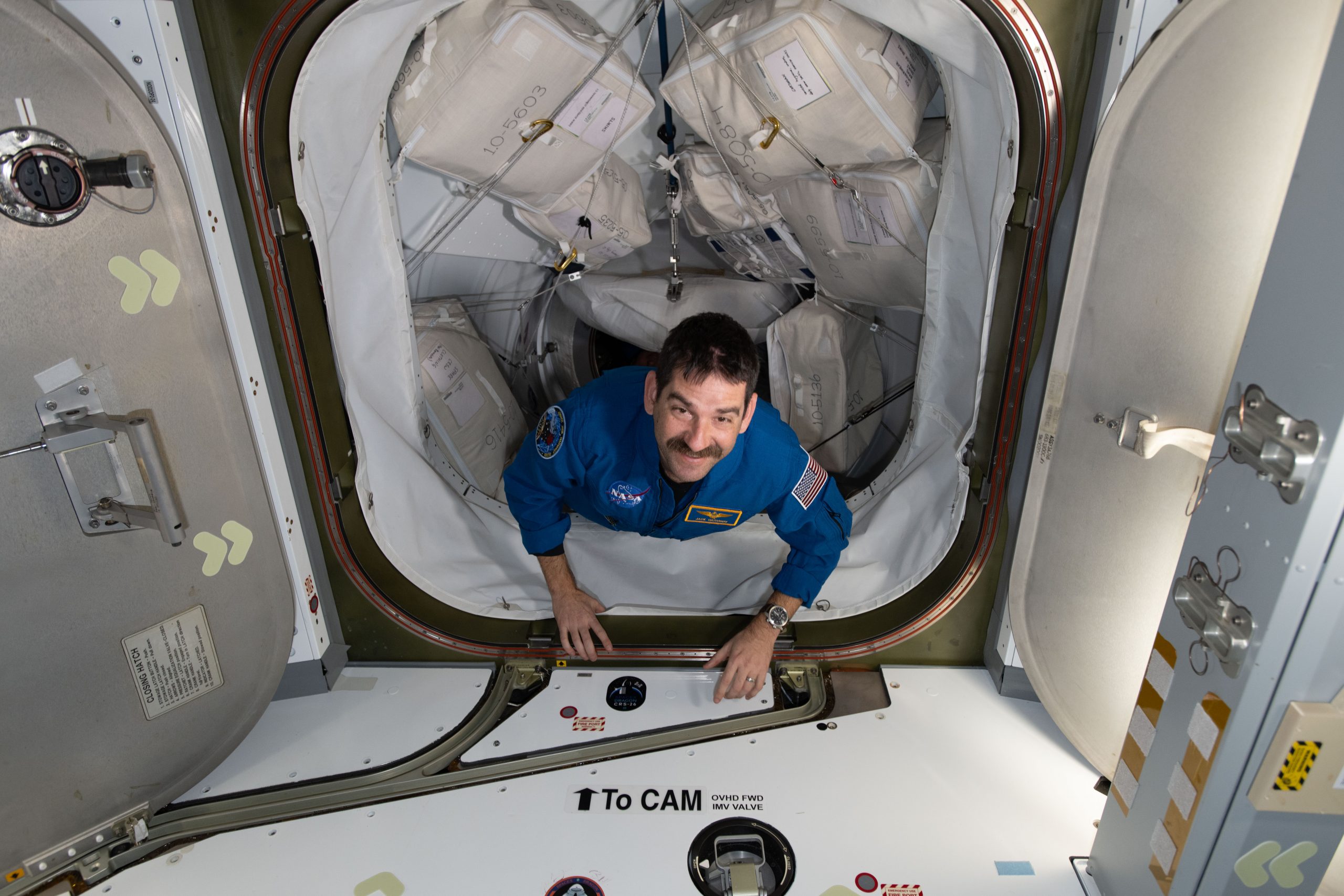
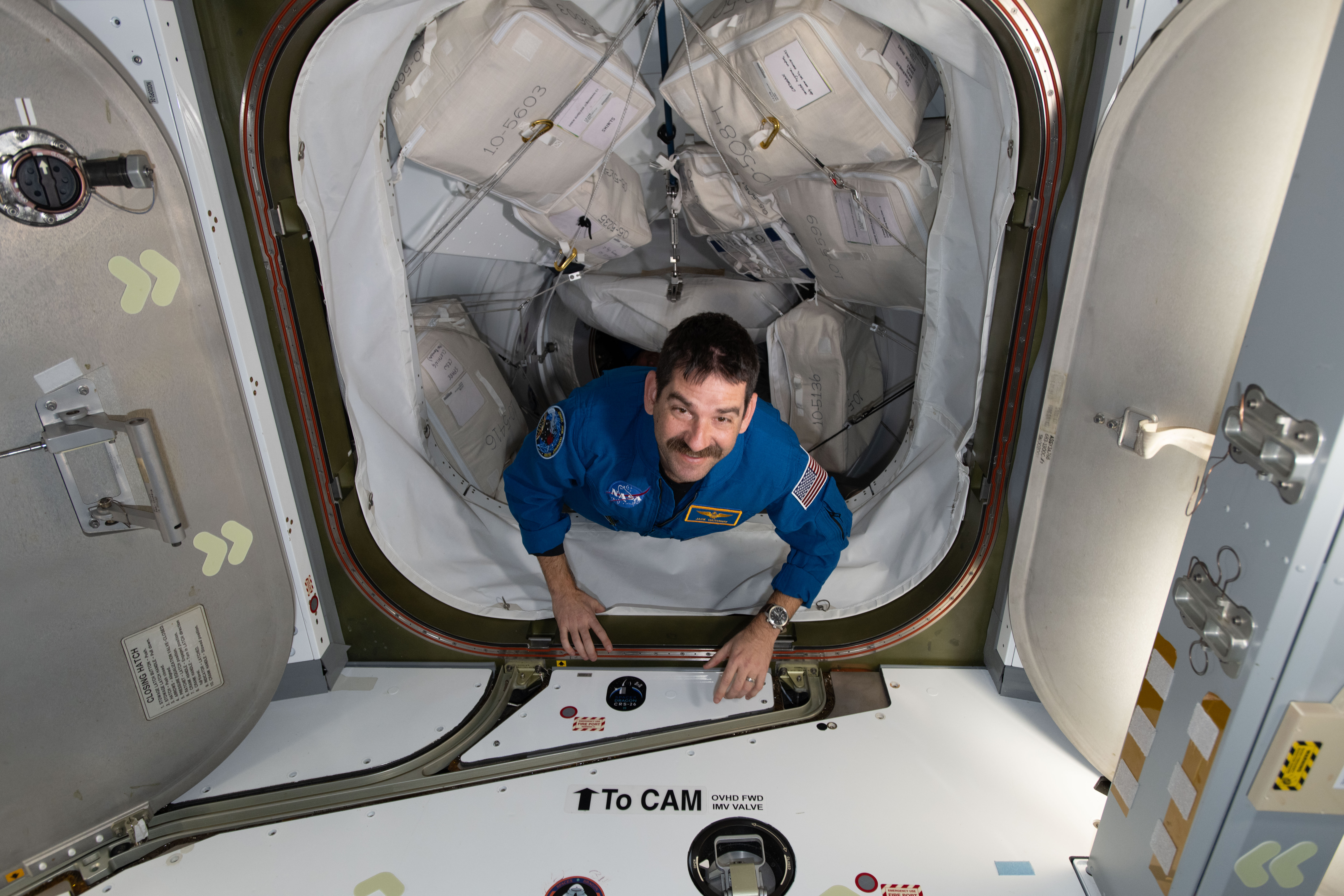
Making an Entrance – NASA astronaut and SpaceX Crew-12 Pilot Jack Hathaway enters the International Space Station after docking aboard the Dragon spacecraft to join Expedition 74 and begin a long-duration microgravity research mission.

NASA astronaut and SpaceX Crew-12 Pilot Jack Hathaway enters the International Space Station after docking aboard the Dragon spacecraft to join Expedition 74 and begin a long-duration microgravity research mission.

Read More
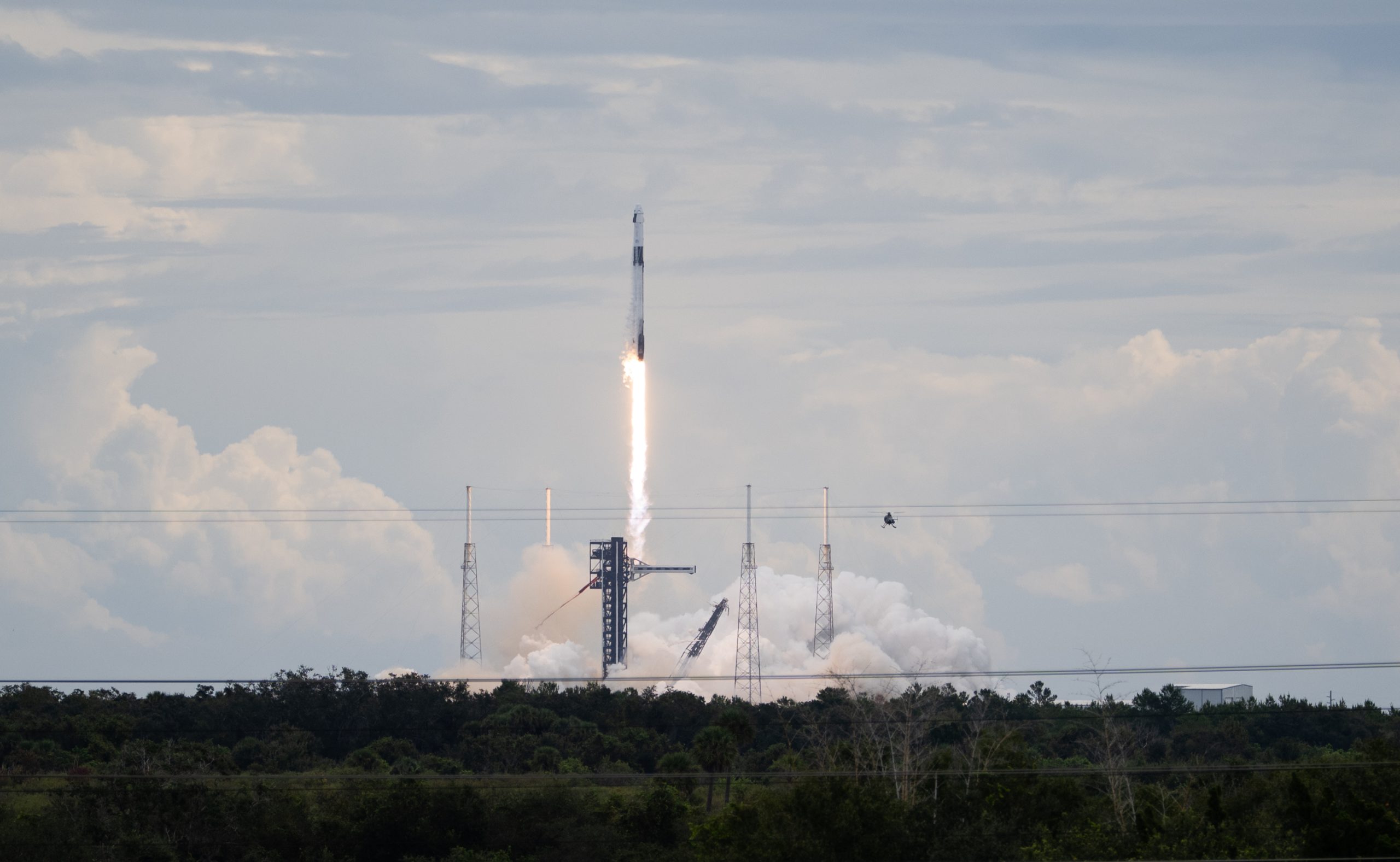
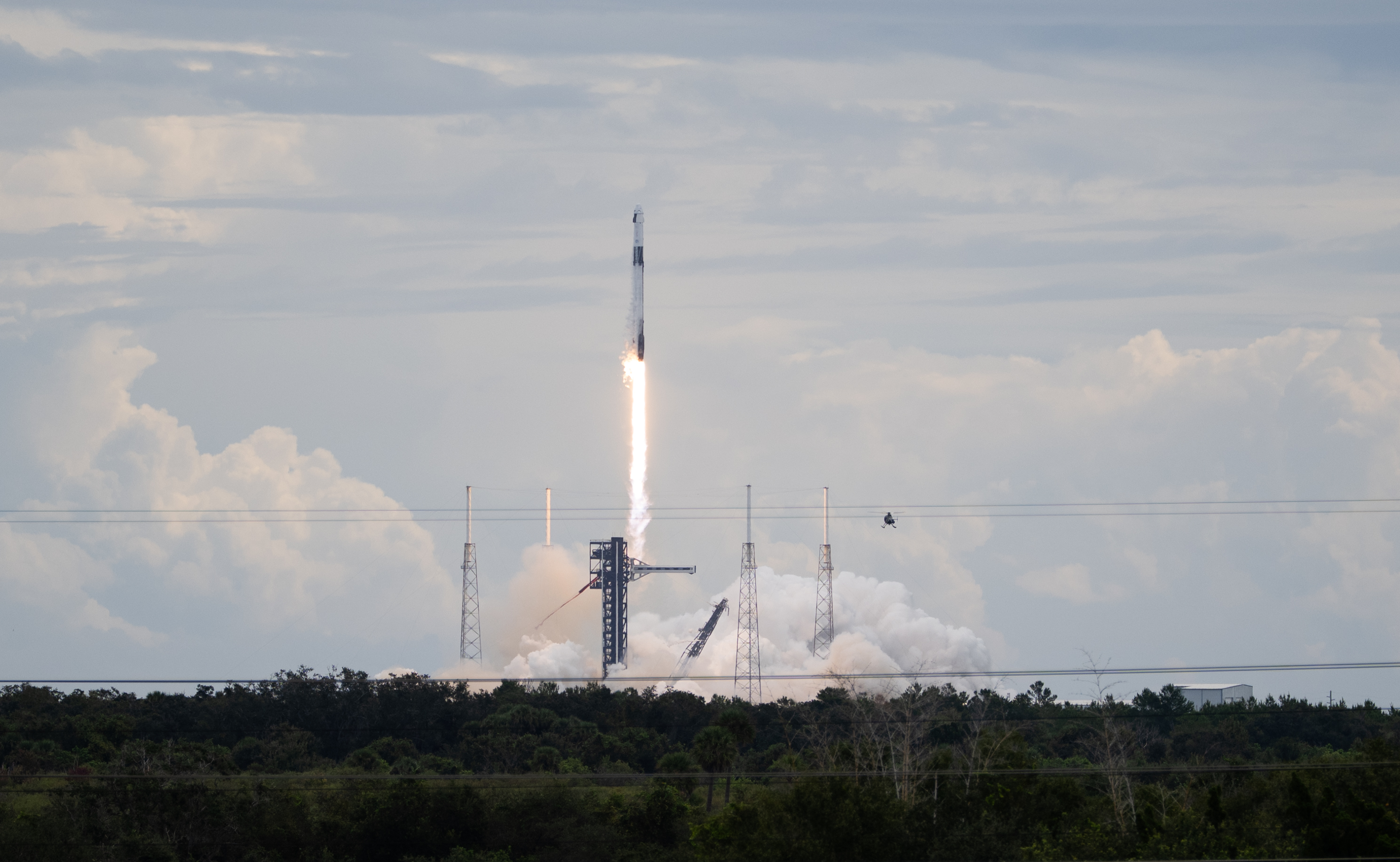
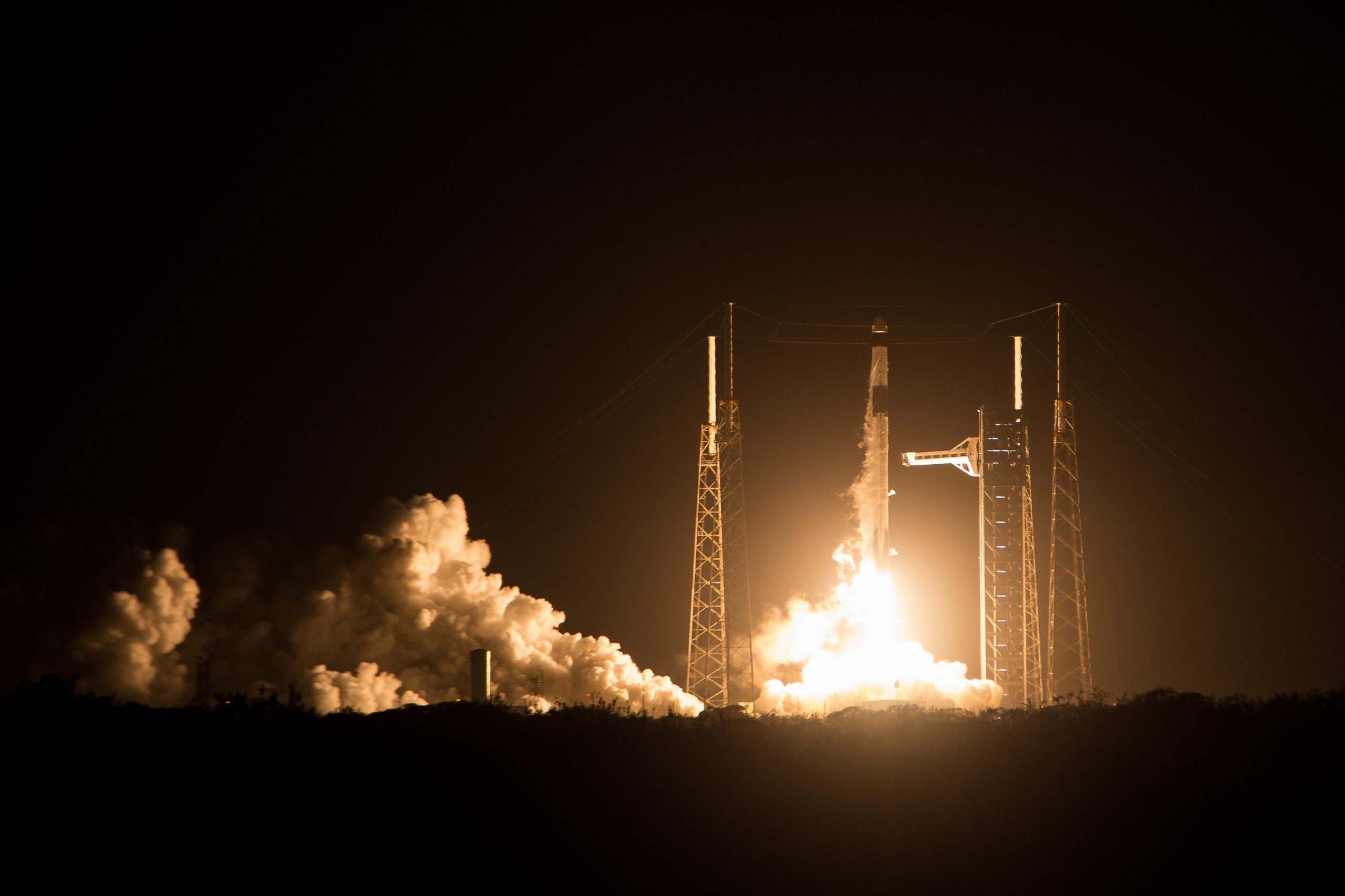
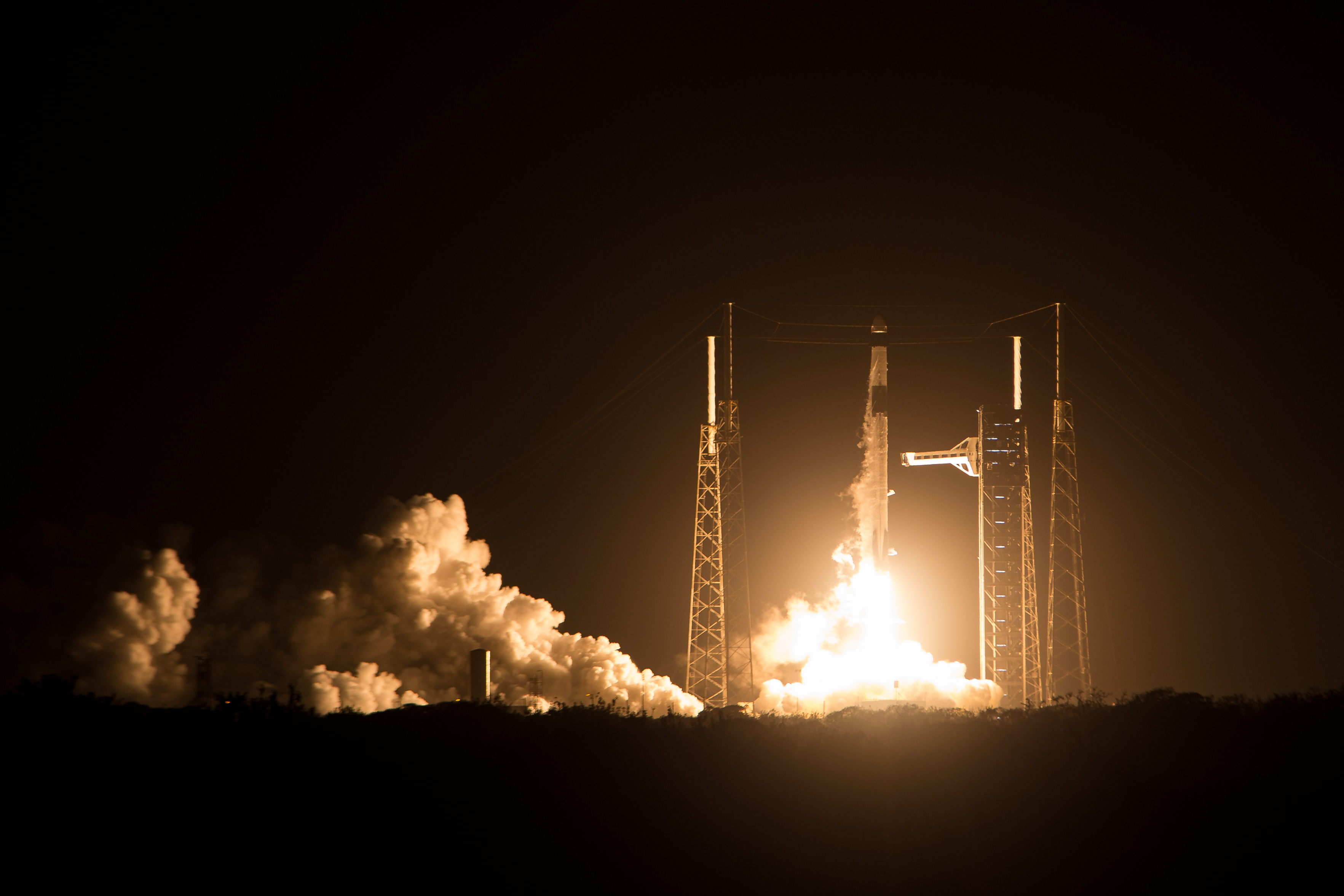
NASA’s SpaceX Crew-12 Launch – A SpaceX Falcon 9 rocket carrying the company’s Dragon spacecraft is launched on NASA’s SpaceX Crew-12 mission to the International Space Station with NASA astronauts Jessica Meir, Jack Hathaway, ESA (European Space Agency) astronaut Sophie Adenot, and Roscosmos cosmonaut Andrey Fedyaev onboard, Friday, Feb. 13, 2026, from Cape Canaveral Space Force Station in Florida. NASA’s SpaceX Crew-12 mission is the twelfth crew rotation mission of the SpaceX Dragon spacecraft and Falcon 9 rocket to the International Space Station as part of the agency’s Commercial Crew Program. Meir, Hathaway, Adenot, and Fedyaev launched at 5:15 a.m. EST from Space Launch Complex 40 at the Cape Canaveral Space Force Station to begin a mission aboard the orbital outpost.

A SpaceX Falcon 9 rocket carrying the company’s Dragon spacecraft is launched on NASA’s SpaceX Crew-12 mission to the International Space Station with NASA astronauts Jessica Meir, Jack Hathaway, ESA (European Space Agency) astronaut Sophie Adenot, and Roscosmos cosmonaut Andrey Fedyaev onboard, Friday, Feb. 13, 2026, from Cape Canaveral Space Force Station in Florida. NASA’s SpaceX Crew-12 mission is the twelfth crew rotation mission of the SpaceX Dragon spacecraft and Falcon 9 rocket to the International Space Station as part of the agency’s Commercial Crew Program. Meir, Hathaway, Adenot, and Fedyaev launched at 5:15 a.m. EST from Space Launch Complex 40 at the Cape Canaveral Space Force Station to begin a mission aboard the orbital outpost.

Read More
Picture of the day


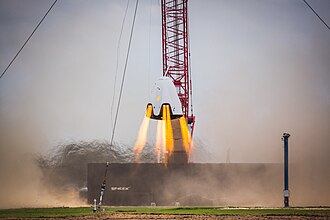
A full-size test article of the SpaceX Crew Dragon named DragonFly fires its eight SuperDraco engines in a development test of its ability to land with the accuracy of a helicopter using only the thrusters. The company conducted two tethered tests vehicle attached to a crane so engineers could refine the landing software and systems on the spacecraft. SpaceX envisions returning people to Earth from space on the power of thrust instead of beneath parachutes. SpaceX, in partnership with NASA’s Commercial Crew Program, is developing the Crew Dragon and Falcon 9 integrated system to take astronauts to launch astronauts to the International Space Station from the United States.
 #ImageOfTheDay
Picture of the day
A full-size test article of the SpaceX Crew Dragon named DragonFly fires its eight SuperDraco engines in a development test of its ability to land with the accuracy of a helicopter using only the thrusters. The company conducted two tethered tests vehicle attached to a crane so engineers could refine the landing software and systems on the spacecraft. SpaceX envisions returning people to Earth from space on the power of thrust instead of beneath parachutes. SpaceX, in partnership with NASA’s Commercial Crew Program, is developing the Crew Dragon and Falcon 9 integrated system to take astronauts to launch astronauts to the International Space Station from the United States.
Read More
NASA’s SpaceX Crew-10 Splashes Down in Pacific Ocean

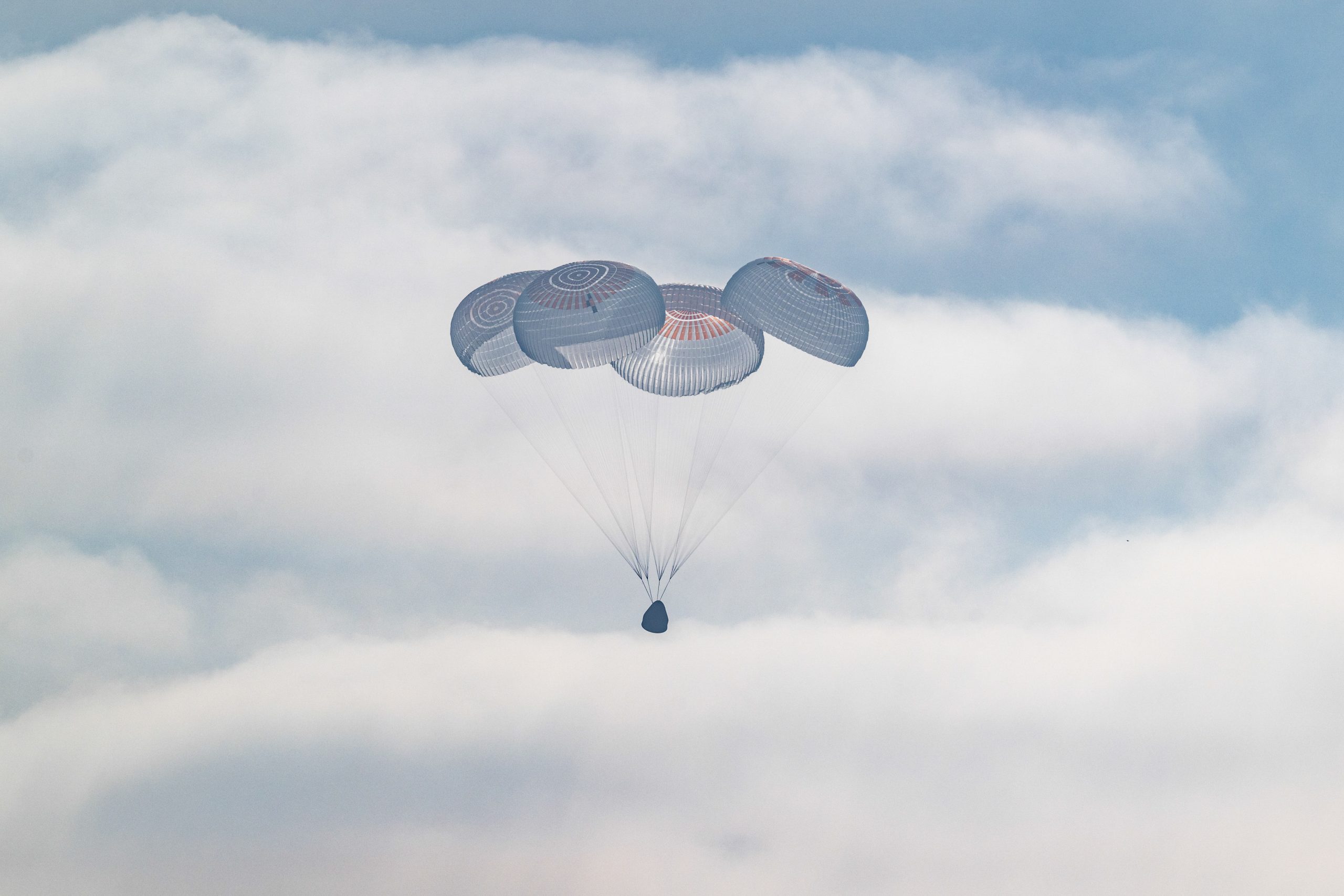
Roscosmos cosmonaut Kirill Peskov, left, NASA astronauts Nichole Ayers and Anne McClain, and JAXA (Japan Aerospace Exploration Agency) astronaut Takuya Onishi are seen inside the SpaceX Dragon Endurance spacecraft aboard the SpaceX recovery ship SHANNON shortly after having landed in the Pacific Ocean off the coast of San Diego, Calif., Saturday, Aug. 9, 2025. McClain, Ayers, Onishi, and Peskov returned after 147 days in space as part of Expedition 73 aboard the International Space Station.

Read More
Crew-11 Launches to International Space Station

A SpaceX Falcon 9 rocket carrying the company’s Dragon spacecraft is launched on NASA’s SpaceX Crew-11 mission to the International Space Station with NASA astronauts Zena Cardman, Mike Fincke, JAXA (Japan Aerospace Exploration Agency) astronaut Kimiya Yui, and Roscosmos cosmonaut Oleg Platonov aboard, Friday, Aug. 1, 2025, from NASA’s Kennedy Space Center in Florida.

Read More
Sunrise on Crew-11 Launch Attempt

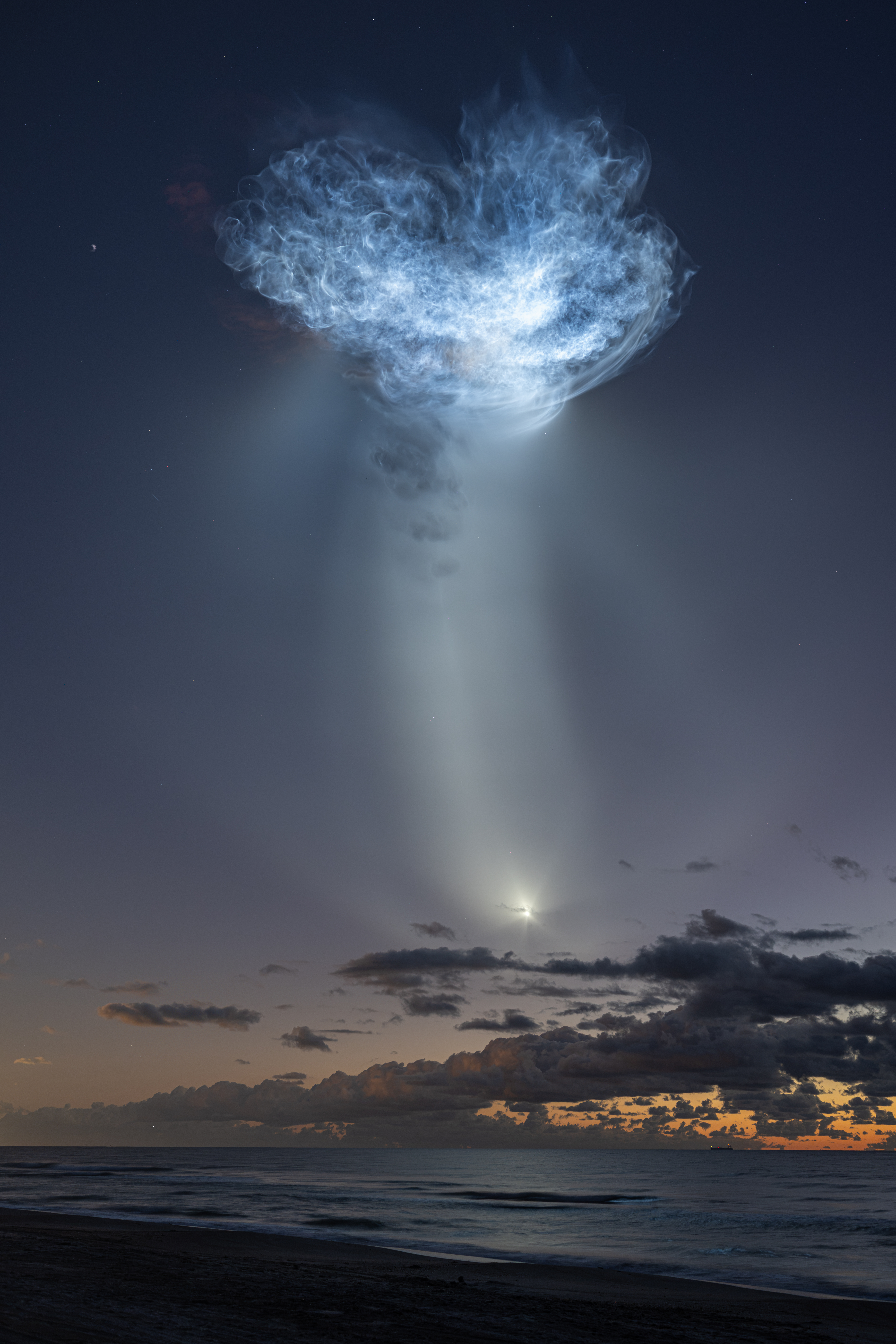
A NASA photographer captured the sunrise on July 31, 2025, ahead of NASA’s SpaceX Crew-11 launch attempt. The Crew-11 mission will send NASA astronauts Zena Cardman and Mike Fincke, along with JAXA (Japan Aerospace Exploration Agency) astronaut Kimiya Yui and Roscosmos cosmonaut Oleg Platonov, to the International Space Station aboard SpaceX’s Dragon spacecraft and Falcon 9.

Read More
Re-imagine Hesperides and Ladon the Dragon’ by Boris Vallejo #AIDragon

Reimagining Boris Vallejo’s “Hesperides and Ladon the Dragon” in the style of Vincent van Gogh transforms the mythical scene into a vibrant and swirling masterpiece. The garden of the Hesperides becomes an explosion of high-contrast colors, with thick, expressive brushstrokes that bring the foliage and trees to life. The leaves and branches twist and turn with intense greens and deep blues, each stroke imbued with movement and energy. The golden apples, central to the myth, gleam with brilliant yellows and oranges, their radiance standing out starkly against the lush, chaotic background. Van Gogh’s dynamic use of color and texture infuses the scene with a sense of vitality and enchantment.

Read More