![Vice President Vance to EWTN: ‘We are God’s ambassadors on Earth’ #Catholic Vice President JD Vance on Oct. 22 told Raymond Arroyo on EWTN News’ “The World Over with Raymond Arroyo” that God calls Christians to be “humble in the face [of] uncertainty” and that Christians walking in faith often “take two steps toward Jesus and one step back” before arriving at Christ. Vance spoke with Arroyo in a wide-ranging interview that included politics, immigration, economics, and faith. The vice president has been especially forthcoming about his own faith journey, one which began in Appalachian Protestant churches and eventually led him to the Catholic Church. He attended Christian churches while growing up but was drawn to what in June he described as the “beautiful ancient Church” of Catholicism. Speaking with Arroyo, Vance described a religious experience in which he was driving on mountain roads back from his grandmother’s funeral and nearly drove off the road. “And just like right at that point where Iʼm like, all right, Iʼm about to go over the side of the mountain, the car just comes to a completely restful stop,” he said. “Like God put his hand on that car and made it stop.”The experience “gnawed at me,” Vance said, describing the event as “a door opening.” “[W]e are ultimately Godʼs ambassadors here on Earth,” he said, describing what he said is the “powerful” witness of Christians “doing good things.” Arroyo and Vance discussed several other topics in the interview, including the ongoing civil unrest and rioting in France. “I donʼt think you can talk about whatʼs happening in France without acknowledging the role of migration,” Vance said. “Because in the neighborhoods where you see the most significant violence, the most significant outburst, the burning of these beautiful historical buildings — you often have neighborhoods with extremely high immigrant populations.”Western societies “want to be welcoming to people,” the vice president said. But “when we allow someone into our country, are they culturally compatible? Are they willing to assimilate into Western values and Western society?”Asked about Church leadership on immigration issues, Vance — who has publicly disagreed with the U.S. bishops on some aspects of the immigration debate — said he would “never accuse the Church of being naive.” The Church “will say two things that I fundamentally believe in and agree with, but I think 90% of people agree with, which is: One, you must be welcoming towards a stranger. On the other hand, nations are allowed to control their borders.” As Vance sees it, the Church leadership in the U.S. has “missed an opportunity” to strike a balance on immigration in an age of high migration. He noted that the airplane is “less than 100 years old” and that rapid large-scale immigration is “a very new phenomenon.” “I do think the Church has to figure out what should the immigration policy of an advanced economy be in a world of mass transit,” he said. He noted that Christians are called “to be fundamentally hopeful [of] the future.” He disputed arguments that France is on the verge of “civilizational death,” describing it instead as “civilizational risk.” “[I] think that if France returns to its Christian roots, it can be welcoming to the stranger. It can also protect its borders and in a way that preserves its civilization,” he said.](https://unitedyam.com/wp-content/uploads/2026/10/vice-president-vance-to-ewtn-we-are-gods-ambassadors-on-earth-catholic-vice-president-jd-vance-on-oct-22-told-raymond-arroyo-on-ewtn-news-the-world-over.png "Vice President Vance to EWTN: ‘We are God’s ambassadors on Earth’ #Catholic Vice President JD Vance on Oct. 22 told Raymond Arroyo on EWTN News’ “The World Over with Raymond Arroyo” that God calls Christians to be “humble in the face [of] uncertainty” and that Christians walking in faith often “take two steps toward Jesus and one step back” before arriving at Christ. Vance spoke with Arroyo in a wide-ranging interview that included politics, immigration, economics, and faith. The vice president has been especially forthcoming about his own faith journey, one which began in Appalachian Protestant churches and eventually led him to the Catholic Church. He attended Christian churches while growing up but was drawn to what in June he described as the “beautiful ancient Church” of Catholicism. Speaking with Arroyo, Vance described a religious experience in which he was driving on mountain roads back from his grandmother’s funeral and nearly drove off the road. “And just like right at that point where Iʼm like, all right, Iʼm about to go over the side of the mountain, the car just comes to a completely restful stop,” he said. “Like God put his hand on that car and made it stop.”The experience “gnawed at me,” Vance said, describing the event as “a door opening.” “[W]e are ultimately Godʼs ambassadors here on Earth,” he said, describing what he said is the “powerful” witness of Christians “doing good things.” Arroyo and Vance discussed several other topics in the interview, including the ongoing civil unrest and rioting in France. “I donʼt think you can talk about whatʼs happening in France without acknowledging the role of migration,” Vance said. “Because in the neighborhoods where you see the most significant violence, the most significant outburst, the burning of these beautiful historical buildings — you often have neighborhoods with extremely high immigrant populations.”Western societies “want to be welcoming to people,” the vice president said. But “when we allow someone into our country, are they culturally compatible? Are they willing to assimilate into Western values and Western society?”Asked about Church leadership on immigration issues, Vance — who has publicly disagreed with the U.S. bishops on some aspects of the immigration debate — said he would “never accuse the Church of being naive.” The Church “will say two things that I fundamentally believe in and agree with, but I think 90% of people agree with, which is: One, you must be welcoming towards a stranger. On the other hand, nations are allowed to control their borders.” As Vance sees it, the Church leadership in the U.S. has “missed an opportunity” to strike a balance on immigration in an age of high migration. He noted that the airplane is “less than 100 years old” and that rapid large-scale immigration is “a very new phenomenon.” “I do think the Church has to figure out what should the immigration policy of an advanced economy be in a world of mass transit,” he said. He noted that Christians are called “to be fundamentally hopeful [of] the future.” He disputed arguments that France is on the verge of “civilizational death,” describing it instead as “civilizational risk.” “[I] think that if France returns to its Christian roots, it can be welcoming to the stranger. It can also protect its borders and in a way that preserves its civilization,” he said.")

JD Vance spoke with EWTN News anchor Raymond Arroyo in a wide-ranging interview that included politics, immigration, economics, and faith.
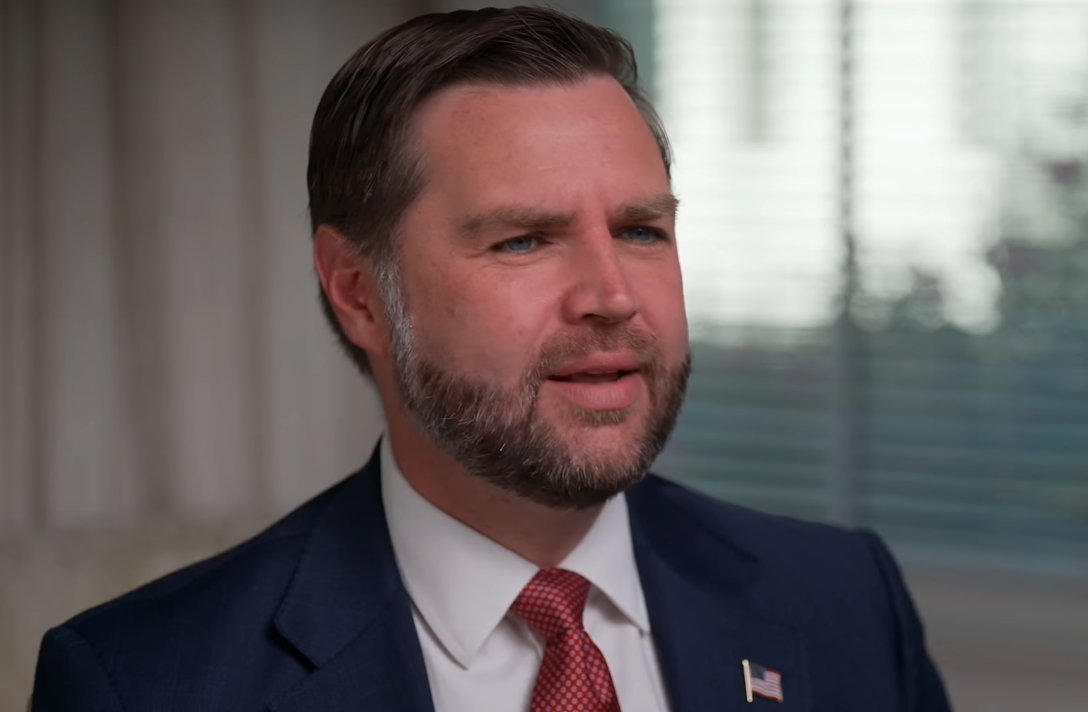
JD Vance spoke with EWTN News anchor Raymond Arroyo in a wide-ranging interview that included politics, immigration, economics, and faith.
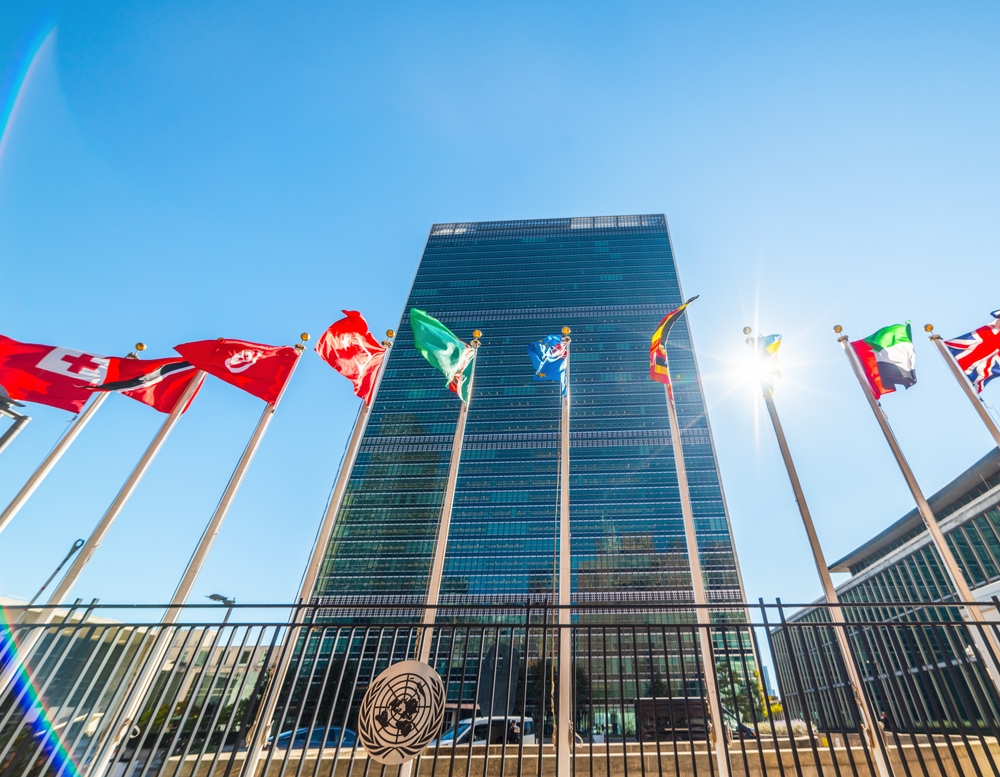
“Circumstances of a person’s birth should not determine the respect for one’s inherent God-given dignity or the opportunities an individual is able to access,” Archbishop Christophe El-Kassis said.
![Over 150,000 visitors prepare to welcome Pope Leo in Lourdes #Catholic LOURDES, France — As Pope Leo XIV lands in Paris to begin the first official papal visit to France since 2008, pilgrims, organizers, and business owners in Lourdes are preparing for his arrival in the town expected on Saturday night.Patrick Vinuales, owner of Hôtels Vinuales — the largest hotel chain in Lourdes — told EWTN News: “The average number of people who would be staying in Lourdes is roughly 20,000. But for the Sunday Mass, there will be something like 150,000 people. We expect altogether an attendance of nearly a quarter of a million people over the weekend.”“What I think is very important is the enthusiasm of people. A lot of people have been calling us saying even if they couldnʼt come, they were so happy for the pope to come to Lourdes, to reveal more about the message of Our Lady to Bernadette,” he told EWTN News.Tourism is a big business in Lourdes. The town is widely considered to be the area with the highest concentration of hotels in France outside of Paris — rather unusual for a town with a population of 10,000. Hotel owners have been making the most of the increase in numbers.Joseph Tedesco, owner of the Grand Hôtel Moderne, built in 1896 by the nephew of St. Bernadette, told EWTN News: “Everybody increased their prices… We made a huge effort to welcome individuals, because usually itʼs mostly big dioceses… but this event made more individuals come and thatʼs a completely different type of business.”For the major ceremonies, tourists will need to have registered in advance, or they won’t be allowed into the sanctuary. “The biggest challenge is the people who organized the pilgrimage before they knew the pope was coming. There are a lot of people who donʼt have their ticket,” he said. “Our hotel is in the red area, so it wonʼt be accessible [by car].”Pope John Paul II visited Lourdes in 1983 and 2004. In 2007, Pope Benedict XVI visited, which Tedesco recalls. “Two months after I bought the hotel 18 years ago, Pope Benedict XVI arrived… We didnʼt have all this security for sure. But thatʼs maybe because we didnʼt have the geopolitical problem that we have today.”
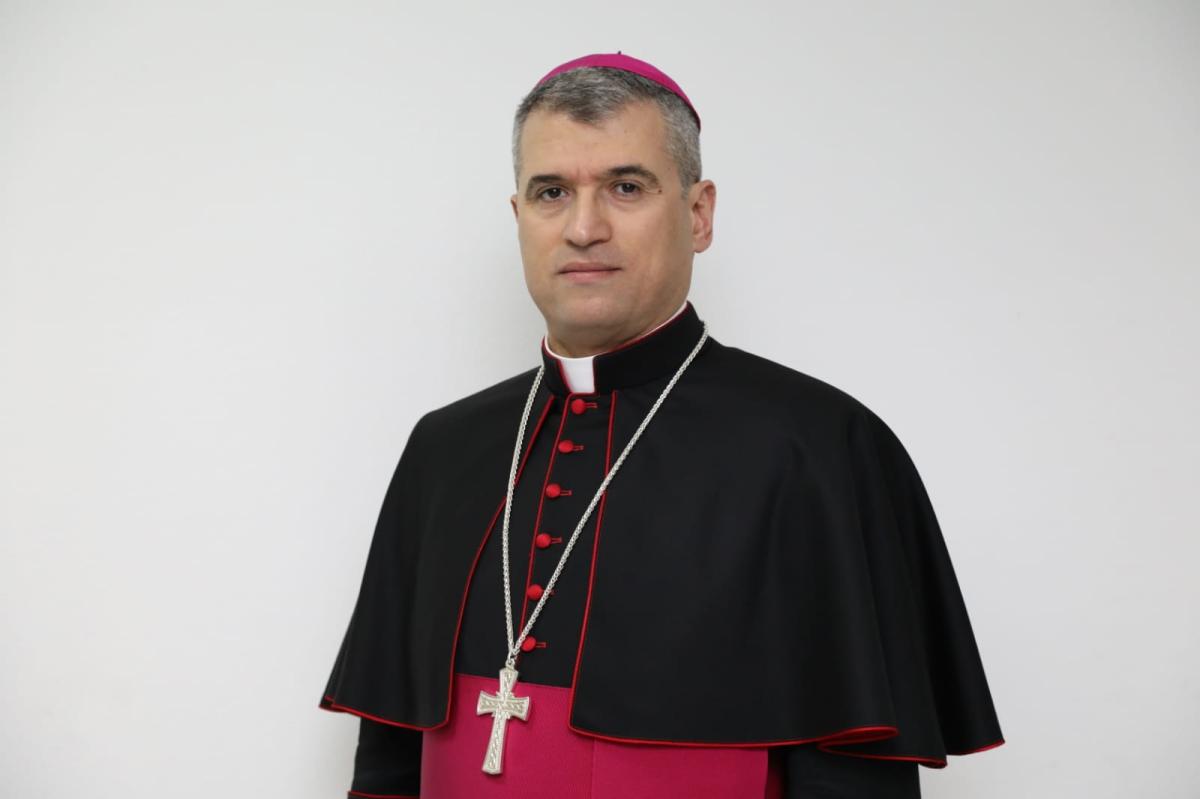
Pilgrims gather to pray before Pope Leo arrives in Lourdes, France, during his papal trip to France Sept. 25-28, 2026. | Credit: Elliot Hartley
“This visit is, first and foremost, a visit by the Successor of Peter to strengthen his brothers in the faith and to address our society as a whole,” said Monsignor Jean-Marc Micas, bishop of Tarbes and Lourdes.During this visit, Pope Leo will pray at the grotto and take part in the torchlight procession, meet with bishops of the French Episcopal Conference, celebrate Holy Mass, and meet the staff and sick community at Accueil Notre Dame, the main hospital for sick pilgrims.He also will meet privately with seven survivors of sexual abuse in the Church — a major focus for critics who argue the Church hasn’t confronted the problem fully.The visit also marks an increase in the number of attendees on organized pilgrimage groups. Most visitors to Lourdes come as part of an organized group, often with their local diocese.Caroline Trainor, a Lourdes organizer for Joe Walsh Tours, told EWTN News she had seen a huge increase in sign-ups. “When they heard that the pope was visiting, they were signing up to come back to be here over the weekend,” she said. “So thatʼs really positive for the future because it brings Lourdes back into the spotlight… Even coming in this morning, you can kind of feel this little ripple of excitement.”Lourdes’ story can be traced back to 1858, when St. Bernadette Soubirous, a 14-year-old peasant girl, had apparitions of Our Lady in a small cave. A shrine was built there, and the Pyrenean town became a pilgrimage site known for its miraculous healings.Paul Eaton, president of Ireland’s national Carmelite pilgrimage, told EWTN News: “It’s just electrifying. You really have to come here to experience it. It’s just something else… weʼre so blessed to have this honor.”“When the news first came out, we thought ‘this is not happening!’ That increased our numbers, which was fantastic… Weʼre very lucky because we have an awful lot of the same people that come with us every year who are actually hooked… They love Lourdes. They really, really do.”Michael Murphy has been coming on pilgrimage to Lourdes for 19 years. He told EWTN News: “Thereʼs a draw that continually brings me back. Itʼs difficult to explain. Itʼs just the serenity and the atmosphere. For the dates and to align with the pope as well, it just made it extra special.”Organized pilgrimages to Lourdes often have two sides. Pilgrims can either join as someone in need of assistance or as a volunteer. Those with learning or physical disabilities spend the week being assisted by volunteers, who help them with their daily needs.Clíona, a first-time pilgrim, told EWTN News: “I heard people describing Lourdes before, but I never expected it just to be like this. Thereʼs something about it. Itʼs like a magical place.”“Itʼs a different experience than Iʼve ever experienced before,” Harry Lynch, another first-time pilgrim, told EWTN News. “I wasnʼt expecting it to be this busy. Everyoneʼs very excited about everything thatʼs about to happen.”Martin has been visiting Lourdes for 20 years from Ireland. He told EWTN News: “Weʼve got more youth coming now than we had years ago, which is great. With the visit of the pope, we’re getting two trips in one! Thereʼs so much excitement, so much talk about it, and itʼs a great thing for everyone. Some people donʼt get the chance to go to Rome, so they’re getting a real run for their money this year.”The visit is expected to provide a huge boost to Lourdes’ economy. Natasha Afonso, a local souvenir shop owner, told EWTN News: “When tourists found out the pope was coming, many delayed their trips to align the dates. So, we lost a lot of business in the middle [of the] season, but now it’s growing again.”“Lourdes is known for its miracles, so it’s good for the publicity, for the young people, and the new generations to come.”](https://unitedyam.com/wp-content/uploads/2026/09/over-150000-visitors-prepare-to-welcome-pope-leo-in-lourdes-catholic-lourdes-france-as-pope-leo-xiv-lands-in-paris-to-begin-the-first-official-papal-visit-to-france-since-2008-pilgrims.jpg "Over 150,000 visitors prepare to welcome Pope Leo in Lourdes #Catholic LOURDES, France — As Pope Leo XIV lands in Paris to begin the first official papal visit to France since 2008, pilgrims, organizers, and business owners in Lourdes are preparing for his arrival in the town expected on Saturday night.Patrick Vinuales, owner of Hôtels Vinuales — the largest hotel chain in Lourdes — told EWTN News: “The average number of people who would be staying in Lourdes is roughly 20,000. But for the Sunday Mass, there will be something like 150,000 people. We expect altogether an attendance of nearly a quarter of a million people over the weekend.”“What I think is very important is the enthusiasm of people. A lot of people have been calling us saying even if they couldnʼt come, they were so happy for the pope to come to Lourdes, to reveal more about the message of Our Lady to Bernadette,” he told EWTN News.Tourism is a big business in Lourdes. The town is widely considered to be the area with the highest concentration of hotels in France outside of Paris — rather unusual for a town with a population of 10,000. Hotel owners have been making the most of the increase in numbers.Joseph Tedesco, owner of the Grand Hôtel Moderne, built in 1896 by the nephew of St. Bernadette, told EWTN News: “Everybody increased their prices… We made a huge effort to welcome individuals, because usually itʼs mostly big dioceses… but this event made more individuals come and thatʼs a completely different type of business.”For the major ceremonies, tourists will need to have registered in advance, or they won’t be allowed into the sanctuary. “The biggest challenge is the people who organized the pilgrimage before they knew the pope was coming. There are a lot of people who donʼt have their ticket,” he said. “Our hotel is in the red area, so it wonʼt be accessible [by car].”Pope John Paul II visited Lourdes in 1983 and 2004. In 2007, Pope Benedict XVI visited, which Tedesco recalls. “Two months after I bought the hotel 18 years ago, Pope Benedict XVI arrived… We didnʼt have all this security for sure. But thatʼs maybe because we didnʼt have the geopolitical problem that we have today.”
Pilgrims gather to pray before Pope Leo arrives in Lourdes, France, during his papal trip to France Sept. 25-28, 2026. | Credit: Elliot Hartley
“This visit is, first and foremost, a visit by the Successor of Peter to strengthen his brothers in the faith and to address our society as a whole,” said Monsignor Jean-Marc Micas, bishop of Tarbes and Lourdes.During this visit, Pope Leo will pray at the grotto and take part in the torchlight procession, meet with bishops of the French Episcopal Conference, celebrate Holy Mass, and meet the staff and sick community at Accueil Notre Dame, the main hospital for sick pilgrims.He also will meet privately with seven survivors of sexual abuse in the Church — a major focus for critics who argue the Church hasn’t confronted the problem fully.The visit also marks an increase in the number of attendees on organized pilgrimage groups. Most visitors to Lourdes come as part of an organized group, often with their local diocese.Caroline Trainor, a Lourdes organizer for Joe Walsh Tours, told EWTN News she had seen a huge increase in sign-ups. “When they heard that the pope was visiting, they were signing up to come back to be here over the weekend,” she said. “So thatʼs really positive for the future because it brings Lourdes back into the spotlight… Even coming in this morning, you can kind of feel this little ripple of excitement.”Lourdes’ story can be traced back to 1858, when St. Bernadette Soubirous, a 14-year-old peasant girl, had apparitions of Our Lady in a small cave. A shrine was built there, and the Pyrenean town became a pilgrimage site known for its miraculous healings.Paul Eaton, president of Ireland’s national Carmelite pilgrimage, told EWTN News: “It’s just electrifying. You really have to come here to experience it. It’s just something else… weʼre so blessed to have this honor.”“When the news first came out, we thought ‘this is not happening!’ That increased our numbers, which was fantastic… Weʼre very lucky because we have an awful lot of the same people that come with us every year who are actually hooked… They love Lourdes. They really, really do.”Michael Murphy has been coming on pilgrimage to Lourdes for 19 years. He told EWTN News: “Thereʼs a draw that continually brings me back. Itʼs difficult to explain. Itʼs just the serenity and the atmosphere. For the dates and to align with the pope as well, it just made it extra special.”Organized pilgrimages to Lourdes often have two sides. Pilgrims can either join as someone in need of assistance or as a volunteer. Those with learning or physical disabilities spend the week being assisted by volunteers, who help them with their daily needs.Clíona, a first-time pilgrim, told EWTN News: “I heard people describing Lourdes before, but I never expected it just to be like this. Thereʼs something about it. Itʼs like a magical place.”“Itʼs a different experience than Iʼve ever experienced before,” Harry Lynch, another first-time pilgrim, told EWTN News. “I wasnʼt expecting it to be this busy. Everyoneʼs very excited about everything thatʼs about to happen.”Martin has been visiting Lourdes for 20 years from Ireland. He told EWTN News: “Weʼve got more youth coming now than we had years ago, which is great. With the visit of the pope, we’re getting two trips in one! Thereʼs so much excitement, so much talk about it, and itʼs a great thing for everyone. Some people donʼt get the chance to go to Rome, so they’re getting a real run for their money this year.”The visit is expected to provide a huge boost to Lourdes’ economy. Natasha Afonso, a local souvenir shop owner, told EWTN News: “When tourists found out the pope was coming, many delayed their trips to align the dates. So, we lost a lot of business in the middle [of the] season, but now it’s growing again.”“Lourdes is known for its miracles, so it’s good for the publicity, for the young people, and the new generations to come.”")
As Pope Leo XIV makes his way to Lourdes later on Sept. 26 as part of his four-day trip to France, pilgrims, local residents, and business owners in the famous town prepare with excitement.
![Apostolic nuncio calls for ‘moral voice’ in AI development #Catholic Archbishop Gabriele Giordano Caccia, apostolic nuncio to the United States, discussed the need for a “moral voice” in artificial intelligence (AI) development during a panel discussion hosted by Georgetown University on Sept. 9.The panel, titled “AI, Catholic Social Teaching, and Pope Leoʼs Invitation to Dialogue with the World,” examined Pope Leo XIV’s encyclical Magnifica Humanitas and its call for a shared human effort to develop technology that serves the common good rather than harms it.Speakers noted that the Holy Father’s encyclical stopped short of prescribing specific policy ideas for addressing the moral and ethical concerns, but the nuncio said “there is the perception that we need a moral voice” on the subject.“A moral voice is what?” he said. “Not everything which is possible to be done should be done. Not everything that technology offers should be taken. This is a moral choice.”Caccia stressed that decisions affecting human lives should not be handed over to AI, citing distinctions between AI algorithms and the human conscience, as the Holy Father discussed in Magnifica Humanitas.Leo drew a distinction between artificial intelligence and human intelligence in the encyclical, focusing on how each approaches moral questions. The pope wrote that he rejected ideas of “artificial moral agents” and the notion that a machine can “distinguish between right and wrong with greater consistency than a human being.”“Moral judgment cannot be reduced to calculation, for it involves conscience, personal responsibility and the recognition of the other as a person,” Leo wrote. “Therefore, it is not permissible to entrust lethal or otherwise irreversible decisions to artificial systems.”Caccia said during the panel discussion that, as a society, “we have to keep the value of the human relationship.”“The problem is that [if] life and death is decided by a machine, not by the human being, who is accountable?” he said. “So these are very important, important questions. But I am confident, as I said, that together we can face this situation and find a way.”The nuncio said he has similar concerns about the use of AI in other types of decision-making that impacts humans.“I hear very troubling accounts of algorithms that can block access to healthcare, employment, and security on the basis of data tainted by prejudice and injustice,” he said. “And Iʼve heard the silence of those who have no voice. When decisions are made, decisions [are] likely to generate new forms of exclusion and suffering.”Quoting the encyclical, Caccia affirmed the pope’s call that AI “needs to be disarmed.”
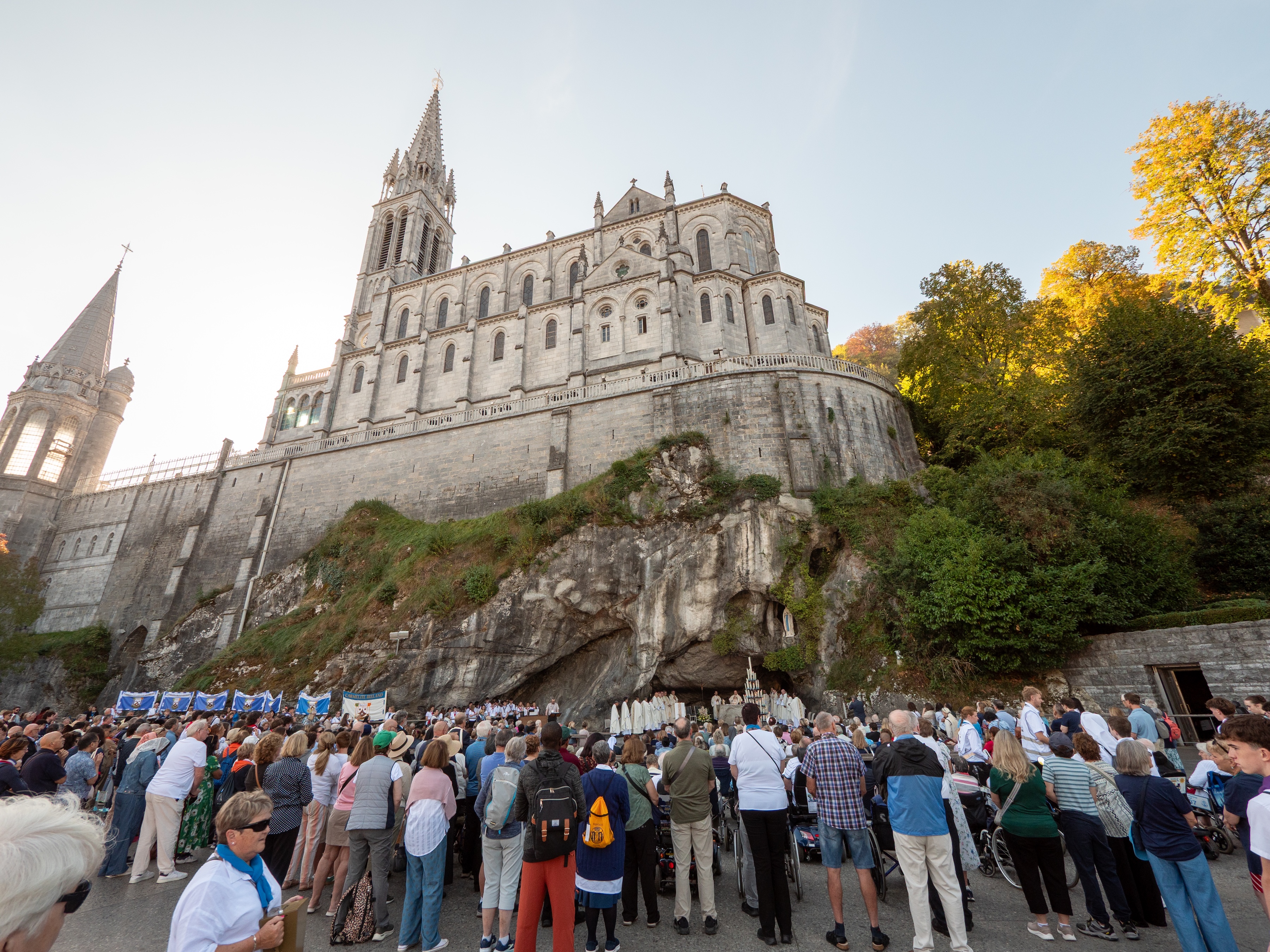
Archbishop Gabriele Caccia, the Holy See’s permanent observer to the United Nations in New York, speaks on Aug. 29, 2025, the International Day Against Nuclear Tests. | Credit: Holy See Mission to the United Nations
“The word is strong, I know, but deliberately chosen because this moment needs words capable of attracting attention, awakening consciences, and indicating paths forward for humanity,” he said. “This is more or less a framework in which we can go on with the conversation.”Speaking to EWTN News after the panel, Caccia said the pope’s call to address moral concerns of AI is not just a call to Church leadership but to every Catholic.“There is, of course, the voice of the bishops,” he said. “But there is also the voice of Catholic people who are in the business or are engineers who are in the economy, who are in the field. So itʼs not just for those who have pastoral responsibility, but for the bigger community.”Pope’s impact on AI discussionSeveral panelists discussed the importance of Magnifica Humanitas in providing a type of moral guidance on AI development that focuses on the common good of humanity.Jasmine Sun, a journalist who writes about AI and Silicon Valley, said she “was actually surprised by how much folks I knew in Silicon Valley, in the AI industry did pay attention to Magnifica Humanitas.”“It was a lot more engagement, I think, than I expected,” she said. “And once again, I think itʼs because there is this sense that the profit motive that has driven Silicon Valley, that continues to drive Silicon Valley, is not enough.”Molly Kinder, CEO of the Breakwater Initiative, said the Church provides “wisdom and moral leadership” and believes its broad focus on humanity is why people listened.“Iʼm struck that in the opening pages of the Bible, there is a discussion of Adam and Eve being put on Earth to till the land as our fundamental reason for existing,” she said. “And it feels to me sometimes when Iʼm in Silicon Valley … they almost talk about almost a new Garden of Eden that AI is going to bring about, that maybe our purpose is not to work, or maybe itʼs leisure or a check and a hobby.”Caccia too said he was “positively surprised” by the reaction to the encyclical, saying “it seems that there was a need to do something about this.”“It didnʼt pretend to have the answers,” he said, “but he put questions, common questions that we have to tackle together to decide where we want to go.”](https://unitedyam.com/wp-content/uploads/2026/09/apostolic-nuncio-calls-for-moral-voice-in-ai-development-catholic-archbishop-gabriele-giordano-caccia-apostolic-nuncio-to-the-united-states-discussed-the-need-for-a-moral.jpg "Apostolic nuncio calls for ‘moral voice’ in AI development #Catholic Archbishop Gabriele Giordano Caccia, apostolic nuncio to the United States, discussed the need for a “moral voice” in artificial intelligence (AI) development during a panel discussion hosted by Georgetown University on Sept. 9.The panel, titled “AI, Catholic Social Teaching, and Pope Leoʼs Invitation to Dialogue with the World,” examined Pope Leo XIV’s encyclical Magnifica Humanitas and its call for a shared human effort to develop technology that serves the common good rather than harms it.Speakers noted that the Holy Father’s encyclical stopped short of prescribing specific policy ideas for addressing the moral and ethical concerns, but the nuncio said “there is the perception that we need a moral voice” on the subject.“A moral voice is what?” he said. “Not everything which is possible to be done should be done. Not everything that technology offers should be taken. This is a moral choice.”Caccia stressed that decisions affecting human lives should not be handed over to AI, citing distinctions between AI algorithms and the human conscience, as the Holy Father discussed in Magnifica Humanitas.Leo drew a distinction between artificial intelligence and human intelligence in the encyclical, focusing on how each approaches moral questions. The pope wrote that he rejected ideas of “artificial moral agents” and the notion that a machine can “distinguish between right and wrong with greater consistency than a human being.”“Moral judgment cannot be reduced to calculation, for it involves conscience, personal responsibility and the recognition of the other as a person,” Leo wrote. “Therefore, it is not permissible to entrust lethal or otherwise irreversible decisions to artificial systems.”Caccia said during the panel discussion that, as a society, “we have to keep the value of the human relationship.”“The problem is that [if] life and death is decided by a machine, not by the human being, who is accountable?” he said. “So these are very important, important questions. But I am confident, as I said, that together we can face this situation and find a way.”The nuncio said he has similar concerns about the use of AI in other types of decision-making that impacts humans.“I hear very troubling accounts of algorithms that can block access to healthcare, employment, and security on the basis of data tainted by prejudice and injustice,” he said. “And Iʼve heard the silence of those who have no voice. When decisions are made, decisions [are] likely to generate new forms of exclusion and suffering.”Quoting the encyclical, Caccia affirmed the pope’s call that AI “needs to be disarmed.”
Archbishop Gabriele Caccia, the Holy See’s permanent observer to the United Nations in New York, speaks on Aug. 29, 2025, the International Day Against Nuclear Tests. | Credit: Holy See Mission to the United Nations
“The word is strong, I know, but deliberately chosen because this moment needs words capable of attracting attention, awakening consciences, and indicating paths forward for humanity,” he said. “This is more or less a framework in which we can go on with the conversation.”Speaking to EWTN News after the panel, Caccia said the pope’s call to address moral concerns of AI is not just a call to Church leadership but to every Catholic.“There is, of course, the voice of the bishops,” he said. “But there is also the voice of Catholic people who are in the business or are engineers who are in the economy, who are in the field. So itʼs not just for those who have pastoral responsibility, but for the bigger community.”Pope’s impact on AI discussionSeveral panelists discussed the importance of Magnifica Humanitas in providing a type of moral guidance on AI development that focuses on the common good of humanity.Jasmine Sun, a journalist who writes about AI and Silicon Valley, said she “was actually surprised by how much folks I knew in Silicon Valley, in the AI industry did pay attention to Magnifica Humanitas.”“It was a lot more engagement, I think, than I expected,” she said. “And once again, I think itʼs because there is this sense that the profit motive that has driven Silicon Valley, that continues to drive Silicon Valley, is not enough.”Molly Kinder, CEO of the Breakwater Initiative, said the Church provides “wisdom and moral leadership” and believes its broad focus on humanity is why people listened.“Iʼm struck that in the opening pages of the Bible, there is a discussion of Adam and Eve being put on Earth to till the land as our fundamental reason for existing,” she said. “And it feels to me sometimes when Iʼm in Silicon Valley … they almost talk about almost a new Garden of Eden that AI is going to bring about, that maybe our purpose is not to work, or maybe itʼs leisure or a check and a hobby.”Caccia too said he was “positively surprised” by the reaction to the encyclical, saying “it seems that there was a need to do something about this.”“It didnʼt pretend to have the answers,” he said, “but he put questions, common questions that we have to tackle together to decide where we want to go.”")
Speakers at a Georgetown University event said Magnifica Humanitas offers moral guidance without policy steps, and the nuncio noted rising concern that debates over AI need a moral voice.

| Picture of the day |
|---|

|
|
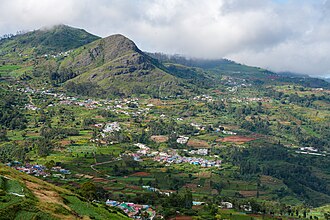
Villages of Hullathy Gram Panchayat in a steep arid valley in the north face of the Nilgiri Mountains. Villagers have created a vibrant agrarian economy, largely vegetables and tea, using terraces and irrigation. Tamil Nadu, India.
|