grace

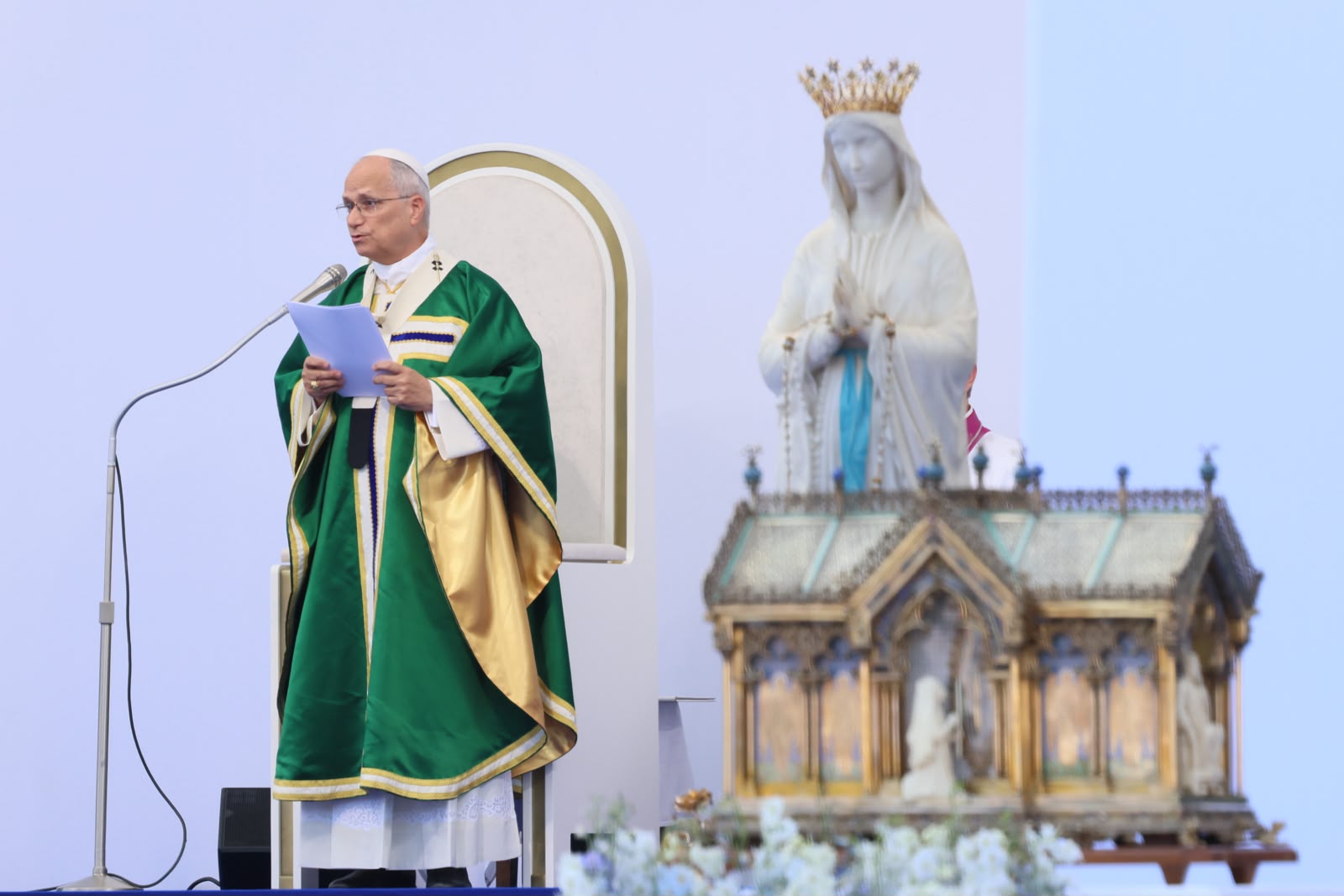
Pope Leo XIV in Algeria: Where there is conflict the Church brings reconciliation #Catholic ANNABA, Algeria — Pope Leo XIV concluded his visit to the land of St. Augustine by celebrating Mass at the Basilica of St. Augustine in Annaba, where he said the Church is continually reborn when it brings hope to the despairing, dignity to the poor, and reconciliation where there is conflict.The basilica, dedicated to the bishop of ancient Hippo, was built between 1881 and 1907 at the initiative of Algiers Archbishop Charles-Martial-Allemand Lavigerie and was elevated to the rank of minor basilica on April 24, 1914, by Pope Pius X. Restoration work was completed in 2013, with support that included a personal donation from Pope Benedict XVI.In his homily, the pope reflected on the Gospel account of Jesus’ nighttime encounter with Nicodemus, presenting it as a summons to renewal for the whole Church and especially for Algeria’s Christian community.“Today we listen to the Gospel, the good news for all time, in this basilica in Annaba dedicated to St. Augustine, bishop of the ancient city of Hippo,” the pope said. “Over the centuries, the names of the places that welcome us have changed, but the saints continue to serve as our patrons and faithful witnesses of a connection to the land that comes from heaven.”Leo said Jesus’ words to Nicodemus — “You must be born from above” — are not a burden but an invitation to freedom and new life in God.“Such is the invitation for every man and woman who seeks salvation!” he said. “Jesus’ invitation gives rise to the mission of the whole Church, and consequently to the Christian community in Algeria: to be born again from above, that is, from God. In this perspective, faith overcomes earthly hardships and the Lord’s grace makes the desert blossom.”The pope acknowledged that Christ’s command can sound impossible at first but said it reveals God’s power to renew human life.“On the contrary, the obligation expressed by Jesus is a gift of freedom for us, because it reveals an unexpected possibility: We can be born anew from above thanks to God,” Leo said. “We should do so, then, according to his loving will, which desires to renew humanity by calling us to a communion of life that begins with faith. While Christ invites us to renew our lives completely, he also gives us the strength to do so.”He then asked whether life can truly begin again and answered with hope rooted in the cross and Resurrection.“Yes! The Lord’s response, so full of love, fills our hearts with hope,” the pope said. “No matter how weighed down we are by pain or sin: The crucified One carries all these burdens with us and for us. No matter how discouraged we are by our own weaknesses: It is precisely then that God manifests his strength, the God who has raised Christ from the dead in order to give life to the world.”“Each one of us can experience the freedom of new life that comes from faith in the Redeemer,” he added. “Once again, St. Augustine offers us an example of this: We revere him for his conversion even more than for his wisdom.”Turning to the Acts of the Apostles, Leo said the life of the early Church remains the model for genuine ecclesial reform.“Even today, we must embrace this apostolic rule and put it into practice, meditating on it as an authentic criterion for ecclesial reform: a reform that must begin in the heart, if it is to be genuine, and must encompass everyone if it is to be effective,” he said.The pope said the first Christian community was not founded on a merely human agreement but on communion in Christ.“The early Church, therefore, was not based on a social contract but rather on the harmony of faith, affections, ideas, and life decisions centered on the love of God who became man to save all the peoples of the earth,” he said.That unity, he said, must bear fruit in charity, especially amid poverty and oppression.“Therefore, in the face of poverty and oppression, the guiding principle above all for Christians is charity: Let us do to those around us, as we would have them do to us,” Leo said. “Inspired by this law, inscribed in our hearts by God, the Church is continually reborn, for where there is despair she kindles hope, where there is misery she brings dignity, and where there is conflict she brings reconciliation.”Addressing bishops and priests, the pope said pastors are called above all to bear witness to God without fear or compromise.“The primary task of pastors as ministers of the Gospel is therefore to bear witness to God before the world with one heart and one soul, not permitting our concerns to lead us astray through fear, nor trends to undermine us through compromise,” he said.“Together with you, brothers in the episcopate and the priesthood, let us constantly renew this mission for the sake of those entrusted to us, so that through her service, the whole Church may be a message of new life for those we encounter,” he added.In his closing appeal, Leo addressed Algeria’s Christians directly, praising their fidelity and urging them to continue witnessing to the Gospel in ordinary life.“Dearest Christians of Algeria, you remain a humble and faithful sign of Christ’s love in this land,” he said. “Bear witness to the Gospel through simple gestures, genuine relationships, and a dialogue lived out day by day: In this way, you bring flavor and light to the places where you live.”He also praised their perseverance through hardship and invoked the example of the martyrs and of St. Augustine.“Your history is one of generous hospitality and resilience in times of trial,” the pope said. “Here the martyrs prayed; here St. Augustine loved his flock, fervently seeking the truth and serving Christ with ardent faith. Be heirs to this tradition, bearing witness through fraternal charity to the freedom of those born from above as a hope of salvation for the world.”Several cardinals concelebrated the Mass with the pope, including Cardinal Jean-Paul Vesco, archbishop of Algiers; Cardinal Cristóbal López Romero, archbishop of Rabat; and curial cardinals Pietro Parolin, George Koovakad, Luis Antonio Tagle, Peter Turkson, and Robert Sarah. Also among the concelebrants were Archbishop Paul Gallagher and Father Joseph Farrell, prior general of the Augustinians.Before the Mass, the pope visited the Augustinian community house and later had lunch with his confreres.At the end of the celebration, Bishop Michel Jean-Paul Guillaud of Constantine offered words of thanks to the pope.“Holy Father, your visit to this place, a source of your Augustinian roots, was brief, but it was an encouragement for us,” Guillaud said. “First of all, it strengthened our Christian community in its faith and in its trust in the goodwill and respect of the Algerian people. We could not have welcomed you without the support and active collaboration of the authorities and the joyful hospitality of our Algerian brothers and sisters.”The exchange of gifts followed: The pope received a ceramic work made by an Algerian artist, and he in turn gave a chalice.Leo then offered brief words of thanks of his own.“This journey has been for me a particular gift of God’s providence, a gift that the Lord has wished to make to the whole Church,” the pope said. “And it seems to me that I can sum it up this way: God is love; he is the Father of all men and women. Let us return to God with humility…”He continued: “We acknowledge that the current situation of the world is caught in a negative spiral that ultimately depends on our pride. We need him, we need his mercy, because only in him is the peace of the human heart found, and with him we will all be able to live together.”This story was first published by ACI Stampa, the Italian-language sister service of EWTN News. It has been translated and adapted by EWTN News English.

Pope Leo XIV in Algeria: Where there is conflict the Church brings reconciliation #Catholic ANNABA, Algeria — Pope Leo XIV concluded his visit to the land of St. Augustine by celebrating Mass at the Basilica of St. Augustine in Annaba, where he said the Church is continually reborn when it brings hope to the despairing, dignity to the poor, and reconciliation where there is conflict.The basilica, dedicated to the bishop of ancient Hippo, was built between 1881 and 1907 at the initiative of Algiers Archbishop Charles-Martial-Allemand Lavigerie and was elevated to the rank of minor basilica on April 24, 1914, by Pope Pius X. Restoration work was completed in 2013, with support that included a personal donation from Pope Benedict XVI.In his homily, the pope reflected on the Gospel account of Jesus’ nighttime encounter with Nicodemus, presenting it as a summons to renewal for the whole Church and especially for Algeria’s Christian community.“Today we listen to the Gospel, the good news for all time, in this basilica in Annaba dedicated to St. Augustine, bishop of the ancient city of Hippo,” the pope said. “Over the centuries, the names of the places that welcome us have changed, but the saints continue to serve as our patrons and faithful witnesses of a connection to the land that comes from heaven.”Leo said Jesus’ words to Nicodemus — “You must be born from above” — are not a burden but an invitation to freedom and new life in God.“Such is the invitation for every man and woman who seeks salvation!” he said. “Jesus’ invitation gives rise to the mission of the whole Church, and consequently to the Christian community in Algeria: to be born again from above, that is, from God. In this perspective, faith overcomes earthly hardships and the Lord’s grace makes the desert blossom.”The pope acknowledged that Christ’s command can sound impossible at first but said it reveals God’s power to renew human life.“On the contrary, the obligation expressed by Jesus is a gift of freedom for us, because it reveals an unexpected possibility: We can be born anew from above thanks to God,” Leo said. “We should do so, then, according to his loving will, which desires to renew humanity by calling us to a communion of life that begins with faith. While Christ invites us to renew our lives completely, he also gives us the strength to do so.”He then asked whether life can truly begin again and answered with hope rooted in the cross and Resurrection.“Yes! The Lord’s response, so full of love, fills our hearts with hope,” the pope said. “No matter how weighed down we are by pain or sin: The crucified One carries all these burdens with us and for us. No matter how discouraged we are by our own weaknesses: It is precisely then that God manifests his strength, the God who has raised Christ from the dead in order to give life to the world.”“Each one of us can experience the freedom of new life that comes from faith in the Redeemer,” he added. “Once again, St. Augustine offers us an example of this: We revere him for his conversion even more than for his wisdom.”Turning to the Acts of the Apostles, Leo said the life of the early Church remains the model for genuine ecclesial reform.“Even today, we must embrace this apostolic rule and put it into practice, meditating on it as an authentic criterion for ecclesial reform: a reform that must begin in the heart, if it is to be genuine, and must encompass everyone if it is to be effective,” he said.The pope said the first Christian community was not founded on a merely human agreement but on communion in Christ.“The early Church, therefore, was not based on a social contract but rather on the harmony of faith, affections, ideas, and life decisions centered on the love of God who became man to save all the peoples of the earth,” he said.That unity, he said, must bear fruit in charity, especially amid poverty and oppression.“Therefore, in the face of poverty and oppression, the guiding principle above all for Christians is charity: Let us do to those around us, as we would have them do to us,” Leo said. “Inspired by this law, inscribed in our hearts by God, the Church is continually reborn, for where there is despair she kindles hope, where there is misery she brings dignity, and where there is conflict she brings reconciliation.”Addressing bishops and priests, the pope said pastors are called above all to bear witness to God without fear or compromise.“The primary task of pastors as ministers of the Gospel is therefore to bear witness to God before the world with one heart and one soul, not permitting our concerns to lead us astray through fear, nor trends to undermine us through compromise,” he said.“Together with you, brothers in the episcopate and the priesthood, let us constantly renew this mission for the sake of those entrusted to us, so that through her service, the whole Church may be a message of new life for those we encounter,” he added.In his closing appeal, Leo addressed Algeria’s Christians directly, praising their fidelity and urging them to continue witnessing to the Gospel in ordinary life.“Dearest Christians of Algeria, you remain a humble and faithful sign of Christ’s love in this land,” he said. “Bear witness to the Gospel through simple gestures, genuine relationships, and a dialogue lived out day by day: In this way, you bring flavor and light to the places where you live.”He also praised their perseverance through hardship and invoked the example of the martyrs and of St. Augustine.“Your history is one of generous hospitality and resilience in times of trial,” the pope said. “Here the martyrs prayed; here St. Augustine loved his flock, fervently seeking the truth and serving Christ with ardent faith. Be heirs to this tradition, bearing witness through fraternal charity to the freedom of those born from above as a hope of salvation for the world.”Several cardinals concelebrated the Mass with the pope, including Cardinal Jean-Paul Vesco, archbishop of Algiers; Cardinal Cristóbal López Romero, archbishop of Rabat; and curial cardinals Pietro Parolin, George Koovakad, Luis Antonio Tagle, Peter Turkson, and Robert Sarah. Also among the concelebrants were Archbishop Paul Gallagher and Father Joseph Farrell, prior general of the Augustinians.Before the Mass, the pope visited the Augustinian community house and later had lunch with his confreres.At the end of the celebration, Bishop Michel Jean-Paul Guillaud of Constantine offered words of thanks to the pope.“Holy Father, your visit to this place, a source of your Augustinian roots, was brief, but it was an encouragement for us,” Guillaud said. “First of all, it strengthened our Christian community in its faith and in its trust in the goodwill and respect of the Algerian people. We could not have welcomed you without the support and active collaboration of the authorities and the joyful hospitality of our Algerian brothers and sisters.”The exchange of gifts followed: The pope received a ceramic work made by an Algerian artist, and he in turn gave a chalice.Leo then offered brief words of thanks of his own.“This journey has been for me a particular gift of God’s providence, a gift that the Lord has wished to make to the whole Church,” the pope said. “And it seems to me that I can sum it up this way: God is love; he is the Father of all men and women. Let us return to God with humility…”He continued: “We acknowledge that the current situation of the world is caught in a negative spiral that ultimately depends on our pride. We need him, we need his mercy, because only in him is the peace of the human heart found, and with him we will all be able to live together.”This story was first published by ACI Stampa, the Italian-language sister service of EWTN News. It has been translated and adapted by EWTN News English.

At the Basilica of St. Augustine, the pontiff urged Christians to bear witness through “simple gestures, genuine relationships and a dialogue lived out day by day.”

Read More
Trump’s comments on Pope Leo called ‘disrespectful’ as Americans react #Catholic Catholic bishops and U.S. elected officials have publicly criticized the president’s statements about Pope Leo XIV.President Donald Trump called Leo “weak on crime and terrible for foreign policy” in a lengthy social media post April 12 that drew response from the United States Conference of Catholic Bishops (USCCB) and elected officials.Bishop Robert Barron of the Diocese of Winona-Rochester, Minnesota, called Trump’s attack on Pope Leo XIV “disrespectful." Barron, who serves on Trump’s Religious Liberty Commission, said in a post on X that Trump’s comments “were entirely inappropriate and disrespectful” and “I think the president owes the pope an apology.”“[Trump’s comments] don’t contribute at all to a constructive conversation,” he said. “It is the pope’s prerogative to articulate Catholic doctrine and the principles that govern the moral life. In regard to the concrete application of those principles, people of goodwill can and do disagree.”Barron encouraged Catholic Trump officials to arrange a meeting with Vatican officials “so that a real dialogue can take place,” saying “this is far preferable to the statements on social media.”Bishop Michael Burbidge of Arlington, Virginia, said in a social media post: “Along with Archbishop [Paul] Coakley, president of the USCCB, and my brother bishops, I was disheartened by recent comments from President Trump concerning Pope Leo XIV and the Church. I pray that civility and respect are fully restored as together, with God’s grace, we work for peace and harmony among all people. May we also be united in our prayer for the end of war and violence so that Christ’s peace reigns throughout the world and in our hearts.”Palm Beach, Florida, Bishop Manuel de Jesús Rodríguez posted on X: “The @DiocesePB stands firm with our Holy Father, @Pontifex, and strongly rejects the disrespectful and violent attacks that Donald J. Trump has directed against the Holy Father.”Buffalo, New York, Bishop Michael Fisher posted on X: “This is not about politics but the very cause of humanity.”The Catholic Association's Ashley McGuire said in a statement: “The Catholic Church does not in any way fit into American political boxes. It will always prioritize the protection of innocent life in all its stages as well as the cause of the poor and marginalized. Insulting the pope, and all Catholics by extension, with the hope of making the Church bend to American political agendas, is discouraging and counterproductive.” McGuire added: “We pray that President Trump apologizes to Pope Leo.”U.S. officials' reaction beginsRepublican Vice President JD Vance, who is Catholic, has not yet commented on the matter, nor has Secretary of State Marco Rubio, also a Catholic.Sen. Mark Kelly, D-Arizona, who is Catholic, posted on X that “I find it abhorrent that the president of the United States would publicly attack the successor of St. Peter.”U.S. House Minority Leader Hakeem Jeffries said on X that Trump “shamefully attacked” the pope. Few Republican elected officials have spoken out.TweetDemocratic California Gov. Gavin Newsom posted on X: “Hey @GOP, you good with your guy directly attacking the pope now?”Rep. Lukas Schubert, a Republican Montana state lawmaker, disputed the presidentʼs statement that the pope is a “liberal person.”“Pope Leo is significantly further to the right than President Trump on abortion, gay marriage, and family values. Also he is more America First on the Iran War,” Schubert said.AI imageTrump also posted an AI-created image on Truth Social that appeared to portray himself as Jesus Christ, healing the sick, which led several Catholics to accuse the president of blasphemy.Edward Feser, a Catholic philosopher and professor at Pasadena City College, posted on X that Trump’s comments illustrate “how utter enslavement to the sin of pride makes a man unsuitable for the presidency.”“For all their faults, previous presidents had the visceral understanding of proper boundaries not to attack the vicar of Christ even when they disagreed with him,” he said.Feser quoted Daniel 11:36-37 in response to Trump’s AI image of himself as Christ, which reads: “And the king shall do according to his will; he shall exalt himself and magnify himself above every god, and shall speak astonishing things against the God of gods … He shall not give heed to any other god, for he shall magnify himself above all.”In reaction to the AI photo, Matt Fradd, the host of “Pints With Aquinas,“ urged Catholics to “offer a rosary today for Donald Trump and all blasphemers. … Seriously. Do it. I will too.”TweetRep. Shontel Brown, D-Ohio, did not directly reference Trumpʼs remarks about the pope but criticized the AI-created image on X: “There aren’t enough words to denounce how wrong this is.”The comments came after Leo criticized the Iran war and Trump’s rhetoric about targeting the entire civilization of Iran. Leo said in response to the post: “I have no fear neither of the Trump administration nor of speaking out loudly about the message of the Gospel.”Marjorie Taylor Greene, a former Republican congresswoman who was a strong ally of Trump before splitting with him on the Iran war and his handling of the Jeffrey Epstein files, posted on X that Trump “attacked the pope because the pope is rightly against Trump’s war in Iran and then he posted this picture of himself as if he is replacing Jesus.”“This comes after last week’s post of his evil tirade on Easter and then threatening to kill an entire civilization,” she said. “I completely denounce this and I’m praying against it!!!”‘Fuels division’Father Robert Sirico, the founder of the Acton Institute, said in a statement that Leo “has both the right and the duty to speak prophetically on matters of war and peace, the dignity of the human person, and the moral limits of force — even when his words discomfort political leaders.”He said Trump’s post does not “strengthen America’s moral standing but “merely fuels division.”Sirico also added that Catholics can disagree with popes on prudential judgments, such as foreign policy or crime, which he said are not infallible: “The Church herself teaches that such applications of principle admit of legitimate debate.”This story was updated at 11:50 a.m. ET on April 13, 2026, with comments from Buffalo, New York, Bishop Michael Fisher and The Catholic Associationʼs Ashley McGuire.

Trump’s comments on Pope Leo called ‘disrespectful’ as Americans react #Catholic Catholic bishops and U.S. elected officials have publicly criticized the president’s statements about Pope Leo XIV.President Donald Trump called Leo “weak on crime and terrible for foreign policy” in a lengthy social media post April 12 that drew response from the United States Conference of Catholic Bishops (USCCB) and elected officials.Bishop Robert Barron of the Diocese of Winona-Rochester, Minnesota, called Trump’s attack on Pope Leo XIV “disrespectful." Barron, who serves on Trump’s Religious Liberty Commission, said in a post on X that Trump’s comments “were entirely inappropriate and disrespectful” and “I think the president owes the pope an apology.”“[Trump’s comments] don’t contribute at all to a constructive conversation,” he said. “It is the pope’s prerogative to articulate Catholic doctrine and the principles that govern the moral life. In regard to the concrete application of those principles, people of goodwill can and do disagree.”Barron encouraged Catholic Trump officials to arrange a meeting with Vatican officials “so that a real dialogue can take place,” saying “this is far preferable to the statements on social media.”Bishop Michael Burbidge of Arlington, Virginia, said in a social media post: “Along with Archbishop [Paul] Coakley, president of the USCCB, and my brother bishops, I was disheartened by recent comments from President Trump concerning Pope Leo XIV and the Church. I pray that civility and respect are fully restored as together, with God’s grace, we work for peace and harmony among all people. May we also be united in our prayer for the end of war and violence so that Christ’s peace reigns throughout the world and in our hearts.”Palm Beach, Florida, Bishop Manuel de Jesús Rodríguez posted on X: “The @DiocesePB stands firm with our Holy Father, @Pontifex, and strongly rejects the disrespectful and violent attacks that Donald J. Trump has directed against the Holy Father.”Buffalo, New York, Bishop Michael Fisher posted on X: “This is not about politics but the very cause of humanity.”The Catholic Association's Ashley McGuire said in a statement: “The Catholic Church does not in any way fit into American political boxes. It will always prioritize the protection of innocent life in all its stages as well as the cause of the poor and marginalized. Insulting the pope, and all Catholics by extension, with the hope of making the Church bend to American political agendas, is discouraging and counterproductive.” McGuire added: “We pray that President Trump apologizes to Pope Leo.”U.S. officials' reaction beginsRepublican Vice President JD Vance, who is Catholic, has not yet commented on the matter, nor has Secretary of State Marco Rubio, also a Catholic.Sen. Mark Kelly, D-Arizona, who is Catholic, posted on X that “I find it abhorrent that the president of the United States would publicly attack the successor of St. Peter.”U.S. House Minority Leader Hakeem Jeffries said on X that Trump “shamefully attacked” the pope. Few Republican elected officials have spoken out.TweetDemocratic California Gov. Gavin Newsom posted on X: “Hey @GOP, you good with your guy directly attacking the pope now?”Rep. Lukas Schubert, a Republican Montana state lawmaker, disputed the presidentʼs statement that the pope is a “liberal person.”“Pope Leo is significantly further to the right than President Trump on abortion, gay marriage, and family values. Also he is more America First on the Iran War,” Schubert said.AI imageTrump also posted an AI-created image on Truth Social that appeared to portray himself as Jesus Christ, healing the sick, which led several Catholics to accuse the president of blasphemy.Edward Feser, a Catholic philosopher and professor at Pasadena City College, posted on X that Trump’s comments illustrate “how utter enslavement to the sin of pride makes a man unsuitable for the presidency.”“For all their faults, previous presidents had the visceral understanding of proper boundaries not to attack the vicar of Christ even when they disagreed with him,” he said.Feser quoted Daniel 11:36-37 in response to Trump’s AI image of himself as Christ, which reads: “And the king shall do according to his will; he shall exalt himself and magnify himself above every god, and shall speak astonishing things against the God of gods … He shall not give heed to any other god, for he shall magnify himself above all.”In reaction to the AI photo, Matt Fradd, the host of “Pints With Aquinas,“ urged Catholics to “offer a rosary today for Donald Trump and all blasphemers. … Seriously. Do it. I will too.”TweetRep. Shontel Brown, D-Ohio, did not directly reference Trumpʼs remarks about the pope but criticized the AI-created image on X: “There aren’t enough words to denounce how wrong this is.”The comments came after Leo criticized the Iran war and Trump’s rhetoric about targeting the entire civilization of Iran. Leo said in response to the post: “I have no fear neither of the Trump administration nor of speaking out loudly about the message of the Gospel.”Marjorie Taylor Greene, a former Republican congresswoman who was a strong ally of Trump before splitting with him on the Iran war and his handling of the Jeffrey Epstein files, posted on X that Trump “attacked the pope because the pope is rightly against Trump’s war in Iran and then he posted this picture of himself as if he is replacing Jesus.”“This comes after last week’s post of his evil tirade on Easter and then threatening to kill an entire civilization,” she said. “I completely denounce this and I’m praying against it!!!”‘Fuels division’Father Robert Sirico, the founder of the Acton Institute, said in a statement that Leo “has both the right and the duty to speak prophetically on matters of war and peace, the dignity of the human person, and the moral limits of force — even when his words discomfort political leaders.”He said Trump’s post does not “strengthen America’s moral standing but “merely fuels division.”Sirico also added that Catholics can disagree with popes on prudential judgments, such as foreign policy or crime, which he said are not infallible: “The Church herself teaches that such applications of principle admit of legitimate debate.”This story was updated at 11:50 a.m. ET on April 13, 2026, with comments from Buffalo, New York, Bishop Michael Fisher and The Catholic Associationʼs Ashley McGuire.

President Donald Trump called Leo “weak on crime and terrible for foreign policy” in a lengthy social media post April 12 that drew response from U.S. bishops and elected officials.

Read More
Chaldean Church chooses Archbishop Amel Nona as patriarch, succeeding Cardinal Sako #Catholic The Chaldean Synod has elected Archbishop Amel Shamon Nona as the new Patriarch of the Chaldean Catholic Church, succeeding Cardinal Louis Raphael Sako, who submitted his resignation to Pope Leo XIV on March 9 amid a financial and legal scandal concerning a former Chaldean bishop in San Diego.The election took place during the synod’s meetings held in Rome since April 9.This election comes at a critical time for both the Chaldean Church and the wider region, amid ongoing political challenges in Iraq and the Middle East, as well as internal ecclesial issues related to unity and the organization of Church life both locally and in the diaspora.Following the election, the Chaldean bishops issued a statement saying:“After deep spiritual and fraternal deliberations, conducted in a spirit of prayer and ecclesial discernment, and mindful of the apostolic responsibility entrusted to them, the Fathers of the Synod elected the Patriarch of the Chaldean Church according to the established canonical procedures. After completing the required ballots, and in accordance with the will expressed by the Synod, His Excellency Archbishop Amel Shamon Nona was elected Patriarch of the Chaldean Church and chose for himself the name His Beatitude Patriarch Mar Paul III Nona.”The statement continued: “His Beatitude accepted the election in accordance with canonical norms, expressing his reliance on God’s grace and his commitment to exercise his patriarchal ministry with fidelity and responsibility, in full communion with the Fathers of the Synod, in service of the unity of the Chaldean Church and its mission in the homeland and the diaspora.”“The Fathers of the Synod raise their prayers to the Lord Jesus Christ, the Good Shepherd, asking that He grant the elected Patriarch wisdom and strength,“ the statement continued. ”They affirm their confidence that this ministry will contribute to strengthening the faithful in their faith, enhancing their unity, and revitalizing the Church’s mission in bearing witness to the Gospel.”The Synod also called on all members of the Chaldean Church — clergy and faithful alike — to unite around the new Patriarch and support him through prayer and shared responsibility for the good of the Church and the growth of its mission.Archbishop Nona was born in Alqosh in northern Iraq in 1967. He was ordained a priest in 1991 after completing his studies at the Patriarchal Seminary in Baghdad. He later pursued higher studies in Rome, earning a doctorate in theological anthropology from the Pontifical Lateran University.He served in the parishes of Alqosh before being appointed Archbishop of Mosul in 2009, during a period marked by escalating violence against Christians in Iraq.During the events of 2014, he left Mosul along with his faithful following the takeover of the city by the terrorist group ISIS, marking a pivotal moment in the modern history of the Chaldean Church.In 2015, the Holy See appointed him head of the Chaldean Eparchy of St. Thomas the Apostle in Australia and New Zealand, where he continued his pastoral ministry among the Chaldean diaspora.His appointment comes following the resignation of Cardinal Raphael Sako, who announced that he submitted his resignation to Pope Leo XIV of his own free will on the morning of March 9 so he could “dedicate himself quietly to prayer, writing, and simple service.”The timing sparked controversy within the Chaldean community. Pope Leo XIV on March 10 accepted the resignation of Bishop Emanuel Shaleta, a Chaldean Catholic bishop arrested in San Diego in March on charges of embezzling Church funds.Sako had allegedly attempted to support or transfer the embattled bishop to a higher position, leading many to question whether the financial scandal played a role in the patriarch’s decision.This story was first published by ACI MENA, the Arabic-language sister service of EWTN News. It has been translated and adapted by EWTN News English.

Chaldean Church chooses Archbishop Amel Nona as patriarch, succeeding Cardinal Sako #Catholic The Chaldean Synod has elected Archbishop Amel Shamon Nona as the new Patriarch of the Chaldean Catholic Church, succeeding Cardinal Louis Raphael Sako, who submitted his resignation to Pope Leo XIV on March 9 amid a financial and legal scandal concerning a former Chaldean bishop in San Diego.The election took place during the synod’s meetings held in Rome since April 9.This election comes at a critical time for both the Chaldean Church and the wider region, amid ongoing political challenges in Iraq and the Middle East, as well as internal ecclesial issues related to unity and the organization of Church life both locally and in the diaspora.Following the election, the Chaldean bishops issued a statement saying:“After deep spiritual and fraternal deliberations, conducted in a spirit of prayer and ecclesial discernment, and mindful of the apostolic responsibility entrusted to them, the Fathers of the Synod elected the Patriarch of the Chaldean Church according to the established canonical procedures. After completing the required ballots, and in accordance with the will expressed by the Synod, His Excellency Archbishop Amel Shamon Nona was elected Patriarch of the Chaldean Church and chose for himself the name His Beatitude Patriarch Mar Paul III Nona.”The statement continued: “His Beatitude accepted the election in accordance with canonical norms, expressing his reliance on God’s grace and his commitment to exercise his patriarchal ministry with fidelity and responsibility, in full communion with the Fathers of the Synod, in service of the unity of the Chaldean Church and its mission in the homeland and the diaspora.”“The Fathers of the Synod raise their prayers to the Lord Jesus Christ, the Good Shepherd, asking that He grant the elected Patriarch wisdom and strength,“ the statement continued. ”They affirm their confidence that this ministry will contribute to strengthening the faithful in their faith, enhancing their unity, and revitalizing the Church’s mission in bearing witness to the Gospel.”The Synod also called on all members of the Chaldean Church — clergy and faithful alike — to unite around the new Patriarch and support him through prayer and shared responsibility for the good of the Church and the growth of its mission.Archbishop Nona was born in Alqosh in northern Iraq in 1967. He was ordained a priest in 1991 after completing his studies at the Patriarchal Seminary in Baghdad. He later pursued higher studies in Rome, earning a doctorate in theological anthropology from the Pontifical Lateran University.He served in the parishes of Alqosh before being appointed Archbishop of Mosul in 2009, during a period marked by escalating violence against Christians in Iraq.During the events of 2014, he left Mosul along with his faithful following the takeover of the city by the terrorist group ISIS, marking a pivotal moment in the modern history of the Chaldean Church.In 2015, the Holy See appointed him head of the Chaldean Eparchy of St. Thomas the Apostle in Australia and New Zealand, where he continued his pastoral ministry among the Chaldean diaspora.His appointment comes following the resignation of Cardinal Raphael Sako, who announced that he submitted his resignation to Pope Leo XIV of his own free will on the morning of March 9 so he could “dedicate himself quietly to prayer, writing, and simple service.”The timing sparked controversy within the Chaldean community. Pope Leo XIV on March 10 accepted the resignation of Bishop Emanuel Shaleta, a Chaldean Catholic bishop arrested in San Diego in March on charges of embezzling Church funds.Sako had allegedly attempted to support or transfer the embattled bishop to a higher position, leading many to question whether the financial scandal played a role in the patriarch’s decision.This story was first published by ACI MENA, the Arabic-language sister service of EWTN News. It has been translated and adapted by EWTN News English.

His appointment comes following the resignation of Cardinal Raphael Sako, who submitted his resignation to Pope Leo XIV on March 9 amid a legal and financial scandal surrounding a former bishop.

Read More
Pope Leo XIV: ‘Kneel down as brothers and sisters alongside the oppressed’ #Catholic Pope Leo XIV on Holy Thursday returned the Mass of the Lord’s Supper to the Basilica of St. John Lateran, reviving a papal practice last observed there in 2012 under Benedict XVI.Departing from Pope Francis’ custom of celebrating the liturgy in prisons or migrant centers, Leo celebrated the rite in the cathedral of Rome and washed the feet of 12 priests of the Diocese of Rome.In his homily, the pope framed the liturgy as the solemn entrance into the Easter Triduum and said Christ’s love, shown in both the Eucharist and the washing of the feet, reveals the justice of God in a world wounded by evil.“This evening’s solemn liturgy marks our entry into the holy Triduum of the Lord’s passion, death, and resurrection,” Leo said. “We cross this threshold not as mere spectators, nor out of habit, but as those personally invited by Jesus himself as guests at the Supper in which bread and wine become for us the sacrament of salvation.”“His love becomes both gesture and nourishment for all, revealing the justice of God,” the pope said. “In this world, and particularly in those places where evil abounds, Jesus loves definitively — forever, and with his whole being.”Reflecting on the washing of the feet, Leo said the gesture is not simply a moral lesson but a revelation of God’s own way of loving.“What the Lord shows us — taking the water, the basin, and the towel — is far more than a moral example,” he said. “He entrusts to us his very way of life. The washing of the feet is a gesture that encapsulates the revelation of God.”The pope also cited Benedict XVI, recalling that Christians must repeatedly learn that God’s greatness is unlike worldly greatness. “We too must ‘learn repeatedly that God’s greatness is different from our idea of greatness… because we systematically desire a God of success and not of the Passion,’” Leo said.He warned that human beings are tempted to seek a God who grants success, victory, or usefulness like wealth and power rather than recognizing the divine power revealed in humble service.“Yet we fail to perceive that God does indeed serve us through the gratuitous and humble gesture of washing feet,” Leo said. “This is the true omnipotence of God.”The pope said Jesus’ action purifies both humanity’s false image of God and its false image of man.“For we tend to consider ourselves powerful when we dominate, victorious when we destroy our equals, great when we are feared,” he said. “In contrast, as true God and true man, Christ offers us the example of self-giving, service, and love.”Leo stressed that Christ gave this example not in a moment of acclaim but “on the night he was betrayed, in the darkness of incomprehension and violence.”“In this way, it becomes clear that the Lord’s love precedes our own goodness or purity; he loves us first, and in that love, he forgives and restores us,” the pope said.Quoting St. John’s Gospel, Leo urged Christians to live out mutual service in imitation of Christ: “He does not ask us to repay him but to share his gift among ourselves: ‘You also ought to wash one another’s feet.’”The pope also referred to Pope Francis’ 2013 Holy Thursday homily, noting that Christian service cannot be reduced to abstraction or empty obligation but must spring from charity.Allowing oneself to be served by the Lord, Leo said, is a precondition for serving others. “By washing our bodies, Jesus purifies our souls,” he said. “In him, God has given us an example — not of how to dominate, but of how to liberate; not of how to destroy life, but of how to give it.”In one of the homily’s strongest appeals, the pope turned to the suffering of those crushed by violence and oppression.“As humanity is brought to its knees by so many acts of brutality, let us too kneel down as brothers and sisters alongside the oppressed,” he said.Leo said the liturgy of Holy Thursday draws together the institution of the Eucharist and holy orders, revealing “the perfect self-gift of Jesus, the High Priest and living, eternal Eucharist.”Addressing priests directly, he said: “Beloved brothers in the priesthood, we are called to serve the people of God with our whole lives.”He concluded by inviting Catholics to spend time in Eucharistic adoration and to ask for the grace to imitate Christ’s love.“Holy Thursday is therefore a day of fervent gratitude and authentic fraternity,” the pope said. “May this evening’s Eucharistic adoration, in every parish and community, be a time to contemplate Jesus’ gesture, kneeling as he did, and to ask for the strength to imitate his service with the same love.”This story was first published by ACI Stampa, the Italian-language sister service of EWTN News. It has been translated and adapted by EWTN News English.

Pope Leo XIV: ‘Kneel down as brothers and sisters alongside the oppressed’ #Catholic Pope Leo XIV on Holy Thursday returned the Mass of the Lord’s Supper to the Basilica of St. John Lateran, reviving a papal practice last observed there in 2012 under Benedict XVI.Departing from Pope Francis’ custom of celebrating the liturgy in prisons or migrant centers, Leo celebrated the rite in the cathedral of Rome and washed the feet of 12 priests of the Diocese of Rome.In his homily, the pope framed the liturgy as the solemn entrance into the Easter Triduum and said Christ’s love, shown in both the Eucharist and the washing of the feet, reveals the justice of God in a world wounded by evil.“This evening’s solemn liturgy marks our entry into the holy Triduum of the Lord’s passion, death, and resurrection,” Leo said. “We cross this threshold not as mere spectators, nor out of habit, but as those personally invited by Jesus himself as guests at the Supper in which bread and wine become for us the sacrament of salvation.”“His love becomes both gesture and nourishment for all, revealing the justice of God,” the pope said. “In this world, and particularly in those places where evil abounds, Jesus loves definitively — forever, and with his whole being.”Reflecting on the washing of the feet, Leo said the gesture is not simply a moral lesson but a revelation of God’s own way of loving.“What the Lord shows us — taking the water, the basin, and the towel — is far more than a moral example,” he said. “He entrusts to us his very way of life. The washing of the feet is a gesture that encapsulates the revelation of God.”The pope also cited Benedict XVI, recalling that Christians must repeatedly learn that God’s greatness is unlike worldly greatness. “We too must ‘learn repeatedly that God’s greatness is different from our idea of greatness… because we systematically desire a God of success and not of the Passion,’” Leo said.He warned that human beings are tempted to seek a God who grants success, victory, or usefulness like wealth and power rather than recognizing the divine power revealed in humble service.“Yet we fail to perceive that God does indeed serve us through the gratuitous and humble gesture of washing feet,” Leo said. “This is the true omnipotence of God.”The pope said Jesus’ action purifies both humanity’s false image of God and its false image of man.“For we tend to consider ourselves powerful when we dominate, victorious when we destroy our equals, great when we are feared,” he said. “In contrast, as true God and true man, Christ offers us the example of self-giving, service, and love.”Leo stressed that Christ gave this example not in a moment of acclaim but “on the night he was betrayed, in the darkness of incomprehension and violence.”“In this way, it becomes clear that the Lord’s love precedes our own goodness or purity; he loves us first, and in that love, he forgives and restores us,” the pope said.Quoting St. John’s Gospel, Leo urged Christians to live out mutual service in imitation of Christ: “He does not ask us to repay him but to share his gift among ourselves: ‘You also ought to wash one another’s feet.’”The pope also referred to Pope Francis’ 2013 Holy Thursday homily, noting that Christian service cannot be reduced to abstraction or empty obligation but must spring from charity.Allowing oneself to be served by the Lord, Leo said, is a precondition for serving others. “By washing our bodies, Jesus purifies our souls,” he said. “In him, God has given us an example — not of how to dominate, but of how to liberate; not of how to destroy life, but of how to give it.”In one of the homily’s strongest appeals, the pope turned to the suffering of those crushed by violence and oppression.“As humanity is brought to its knees by so many acts of brutality, let us too kneel down as brothers and sisters alongside the oppressed,” he said.Leo said the liturgy of Holy Thursday draws together the institution of the Eucharist and holy orders, revealing “the perfect self-gift of Jesus, the High Priest and living, eternal Eucharist.”Addressing priests directly, he said: “Beloved brothers in the priesthood, we are called to serve the people of God with our whole lives.”He concluded by inviting Catholics to spend time in Eucharistic adoration and to ask for the grace to imitate Christ’s love.“Holy Thursday is therefore a day of fervent gratitude and authentic fraternity,” the pope said. “May this evening’s Eucharistic adoration, in every parish and community, be a time to contemplate Jesus’ gesture, kneeling as he did, and to ask for the strength to imitate his service with the same love.”This story was first published by ACI Stampa, the Italian-language sister service of EWTN News. It has been translated and adapted by EWTN News English.

On Holy Thursday, the pontiff urged Catholics to imitate Christ’s service in a world marked by brutality.

Read More
JD Vance announces book exploring his conversion to Catholicism #Catholic Vice President JD Vance announced his book, “Communion: Finding My Way Back to Faith,” will be released June 16.“I’ve been writing this book for a long time, and I’m honored to finally be able to share the full story with you all,” Vance wrote in a post to X. “‘Communion’ is about my personal journey and how I found my way back to faith.”The book will be published by HarperCollins Publishers, which also published Vance’s 2016 bestselling book “Hillbilly Elegy: A Memoir of a Family and Culture in Crisis.” Since its release, “Hillbilly Elegy” has sold over 5 million copies worldwide.“The story of how I regained my faith, of course, only happened because I had lost it to begin with,” Vance wrote in a HarperCollins press release. “The interesting question that hangs over this book, and over my mind, is why I ever strayed from the path. Why the Christian faith of my youth failed to properly take root.”“I’m glad I found my way back to the Church. I learned much along the way. But if you believe as I do, you know I’ve been fortunate and touched by God’s grace,” he said.The book explores Vance’s conversion to the Catholic faith and what it means to be a Christian across all of the seasons of his life, including as a child, a young man, a husband, a father, and a leader.“To summarize this book: I’m a Christian, and I became a Christian because I believe that Jesus Christ’s teachings are true,” Vance said. “But I didn’t always think that, and by sharing my journey I might be helpful to others — Catholic, Protestant, or otherwise — who are seeking reconciliation with God.”Jonathan Burnham, president and publisher of the Harper Group, said the book “will speak to so many searching for faith, connection, and meaning in their lives.” He added: Vance’s “deeply heartfelt story of doubt and regained belief resonates far beyond politics, offering a moving reflection on the questions that define this moment in American public life.”

JD Vance announces book exploring his conversion to Catholicism #Catholic Vice President JD Vance announced his book, “Communion: Finding My Way Back to Faith,” will be released June 16.“I’ve been writing this book for a long time, and I’m honored to finally be able to share the full story with you all,” Vance wrote in a post to X. “‘Communion’ is about my personal journey and how I found my way back to faith.”The book will be published by HarperCollins Publishers, which also published Vance’s 2016 bestselling book “Hillbilly Elegy: A Memoir of a Family and Culture in Crisis.” Since its release, “Hillbilly Elegy” has sold over 5 million copies worldwide.“The story of how I regained my faith, of course, only happened because I had lost it to begin with,” Vance wrote in a HarperCollins press release. “The interesting question that hangs over this book, and over my mind, is why I ever strayed from the path. Why the Christian faith of my youth failed to properly take root.”“I’m glad I found my way back to the Church. I learned much along the way. But if you believe as I do, you know I’ve been fortunate and touched by God’s grace,” he said.The book explores Vance’s conversion to the Catholic faith and what it means to be a Christian across all of the seasons of his life, including as a child, a young man, a husband, a father, and a leader.“To summarize this book: I’m a Christian, and I became a Christian because I believe that Jesus Christ’s teachings are true,” Vance said. “But I didn’t always think that, and by sharing my journey I might be helpful to others — Catholic, Protestant, or otherwise — who are seeking reconciliation with God.”Jonathan Burnham, president and publisher of the Harper Group, said the book “will speak to so many searching for faith, connection, and meaning in their lives.” He added: Vance’s “deeply heartfelt story of doubt and regained belief resonates far beyond politics, offering a moving reflection on the questions that define this moment in American public life.”

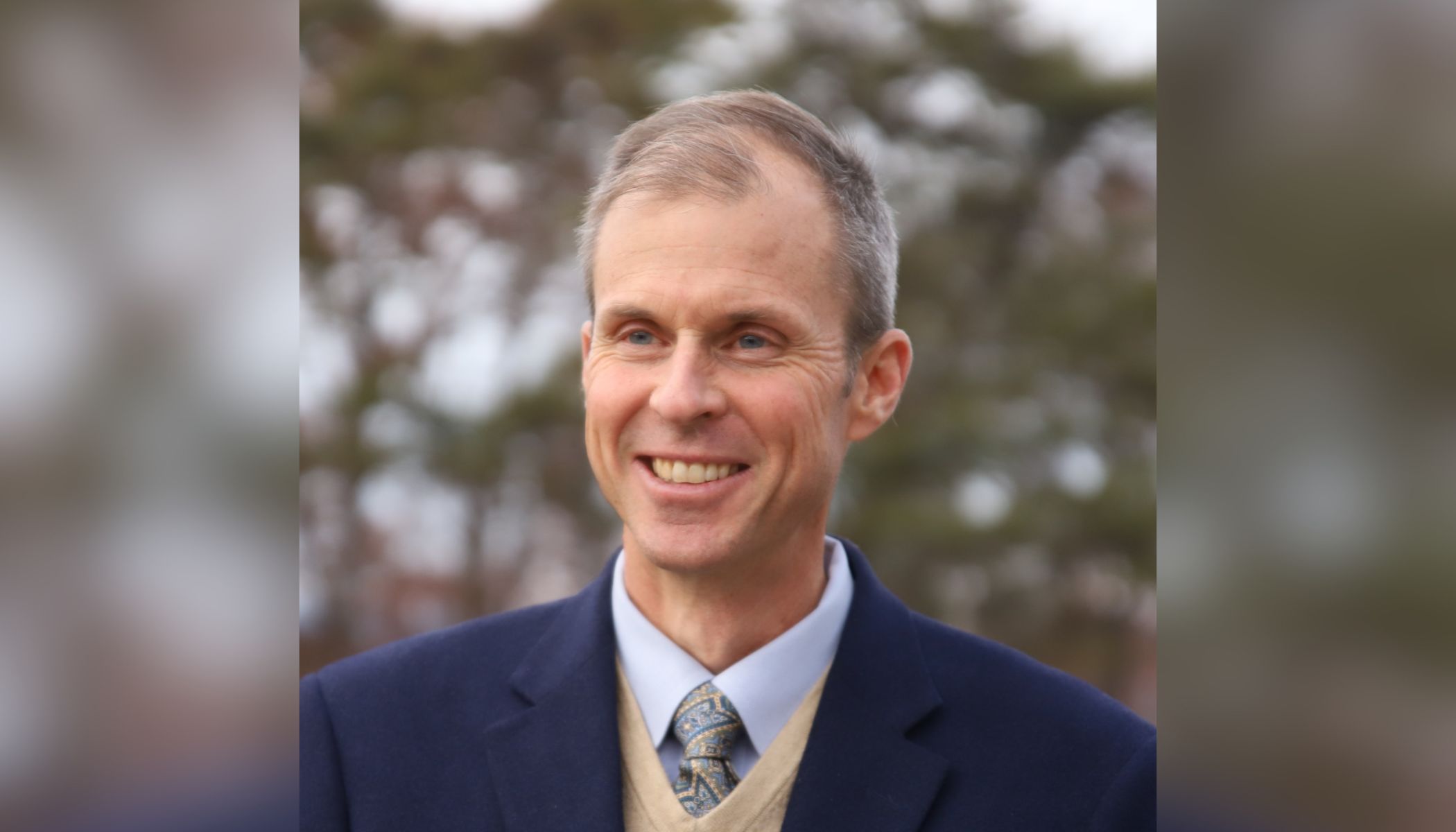
“I’m glad I found my way back to the Church. I learned much along the way. But if you believe as I do, you know I’ve been fortunate and touched by God’s grace,” Vance said.

Read More
Pope Leo XIV at Monaco stadium Mass: Wars are ‘the result of the idolatry of power and money’ #Catholic Pope Leo XIV on March 28 condemned all military conflicts, which he argued are the result of the “idolatry of power and money” and which “bloody” Godʼs gift of grace to men.Godʼs grace “illuminates our present, because the wars that bloody it are the result of the idolatry of power and money,” said Leo in the homily he delivered during the Mass at the Louis II Stadium in Monaco.Four months after his first apostolic trip to Turkey and Lebanon, the pontiff ended his lightning visit to the Principality of Monaco with the Mass in the stadium dedicated to Prince Louis II, who reigned between 1922 and 1949.The stadium has a capacity for more than 18,000 spectators, which makes it a prominent place for sporting and entertainment events, in addition to being an ideal place for the papal Mass.Upon his arrival, Leo toured the venue in a golf cart, from which he greeted and blessed the cheering faithful who were waiting for him while waving flags of the Vatican City and of Monaco.The logic of power versus innocenceIn his homily, the pope highlighted the biblical account in which the members of the Sanhedrin decide to kill Jesus. From this passage, he explained that the face of God is revealed alongside those who, moved by power interests, are willing to eliminate the innocent.As he pointed out, Caiphas' verdict is born from a political calculation based on fear: “Forgetting Godʼs promise to his people, they want to kill the innocent, because behind their fear is the attachment to power.”“Isnʼt that what happens today?” the pope asked. “Even today, how many calculations are made in the world to kill innocent people; how many false reasons are used to get them out of the way!”Not getting used to warThe pontiff called for the purification of the “idolatry” that feeds wars and turns men into slaves of other men, while urging the faithful to not get used to violence.“Every truncated life is a wound to the body of Christ. Letʼs not get used to the rumble of weapons or the images of war!” he exclaimed.In this sense, he stressed that peace cannot be reduced to a balance of power: “It is not a mere balance of forces, but the work of purified hearts, of those who see in the other a brother to take care of, not an enemy to bring down.”Mercy, response to evilFaced with the persistence of evil, the pope recalled that Godʼs justice acts as a source of hope and renewal: “The Lord frees from pain by infusing hope, he converts the hardness of the heart by transforming power into service, precisely while manifesting the true name of his omnipotence: mercy.”In this way, he assured that it is “mercy that saves the world” because it takes charge of all human existence, “in each of its weaknesses, from the moment it is conceived in the womb until it ages,” he added.A message on the eve of EasterThe popeʼs visit to Monaco, just eight hours long, was made at the invitation of Albert II of Monaco. It took place on the eve of Holy Week, a context to which the pope referred during his homily. “The Lord changes the history of the world by calling us from idolatry to true faith, from death to life,” he said.In this context, he also evoked the prophet Jeremiah: “In the face of the numerous injustices that destroy the peoples and the war that plagues the nations, the voice of the prophet Jeremiah is constantly raised: I will change their mourning into joy, I will make them happy and I will console them with their affliction” (Jer 31,13).The joy that is born of charityFinally, the pontiff called the faithful to be witnesses of hope, making “many happy with their faith” and sharing a joy that is not acquired as a prize, but is born of charity.“The source of this joy is the love of God: love for the nascent and fragile life, which must always be welcomed and cared for; love for young and old life, which must be encouraged in the trials of each stage; love for healthy and sick life, sometimes alone, always in need of being accompanied with care,” he concluded.At the end of the celebration, the Archbishop of Monaco, Monsignor Dominique-Marie David, thanked Pope Leo XIV for his visit, emphasizing that God is “the source of all good” and that the pontiff, as the successor of Peter, has come to remind the local Church of this.In this sense, he stressed that the pope has encouraged the faithful to face “fearlessly” the current challenges, aware that they have “a treasure capable of sustaining hope, ours and that of the world.”On the eve of Holy Week, David said that the popeʼs visit has served to “confirm the faith of his brothers,” reinforcing the commitment of the Christian community.Pope Leo XIV gave the Archdiocese of Monaco a contemporary sculpture by St. Francis of Assisi. The work represents the Italian saint, one of the most beloved figures of the Christian tradition and universally recognized as a messenger of peace, fraternity and reconciliation.Francis in the sculpture appears dressed in the simple Franciscan habit, a symbol of evangelical poverty and inner freedom, girded by the characteristic cord with three knots.In the sculpture the saint holds a white dove in his left hand, while the right hand opens in a gesture of welcome and donation.This story was first published by ACI Prensa, the Spanish-language sister service of EWTN News. It has been translated and adapted by EWTN News English.

Pope Leo XIV at Monaco stadium Mass: Wars are ‘the result of the idolatry of power and money’ #Catholic Pope Leo XIV on March 28 condemned all military conflicts, which he argued are the result of the “idolatry of power and money” and which “bloody” Godʼs gift of grace to men.Godʼs grace “illuminates our present, because the wars that bloody it are the result of the idolatry of power and money,” said Leo in the homily he delivered during the Mass at the Louis II Stadium in Monaco.Four months after his first apostolic trip to Turkey and Lebanon, the pontiff ended his lightning visit to the Principality of Monaco with the Mass in the stadium dedicated to Prince Louis II, who reigned between 1922 and 1949.The stadium has a capacity for more than 18,000 spectators, which makes it a prominent place for sporting and entertainment events, in addition to being an ideal place for the papal Mass.Upon his arrival, Leo toured the venue in a golf cart, from which he greeted and blessed the cheering faithful who were waiting for him while waving flags of the Vatican City and of Monaco.The logic of power versus innocenceIn his homily, the pope highlighted the biblical account in which the members of the Sanhedrin decide to kill Jesus. From this passage, he explained that the face of God is revealed alongside those who, moved by power interests, are willing to eliminate the innocent.As he pointed out, Caiphas' verdict is born from a political calculation based on fear: “Forgetting Godʼs promise to his people, they want to kill the innocent, because behind their fear is the attachment to power.”“Isnʼt that what happens today?” the pope asked. “Even today, how many calculations are made in the world to kill innocent people; how many false reasons are used to get them out of the way!”Not getting used to warThe pontiff called for the purification of the “idolatry” that feeds wars and turns men into slaves of other men, while urging the faithful to not get used to violence.“Every truncated life is a wound to the body of Christ. Letʼs not get used to the rumble of weapons or the images of war!” he exclaimed.In this sense, he stressed that peace cannot be reduced to a balance of power: “It is not a mere balance of forces, but the work of purified hearts, of those who see in the other a brother to take care of, not an enemy to bring down.”Mercy, response to evilFaced with the persistence of evil, the pope recalled that Godʼs justice acts as a source of hope and renewal: “The Lord frees from pain by infusing hope, he converts the hardness of the heart by transforming power into service, precisely while manifesting the true name of his omnipotence: mercy.”In this way, he assured that it is “mercy that saves the world” because it takes charge of all human existence, “in each of its weaknesses, from the moment it is conceived in the womb until it ages,” he added.A message on the eve of EasterThe popeʼs visit to Monaco, just eight hours long, was made at the invitation of Albert II of Monaco. It took place on the eve of Holy Week, a context to which the pope referred during his homily. “The Lord changes the history of the world by calling us from idolatry to true faith, from death to life,” he said.In this context, he also evoked the prophet Jeremiah: “In the face of the numerous injustices that destroy the peoples and the war that plagues the nations, the voice of the prophet Jeremiah is constantly raised: I will change their mourning into joy, I will make them happy and I will console them with their affliction” (Jer 31,13).The joy that is born of charityFinally, the pontiff called the faithful to be witnesses of hope, making “many happy with their faith” and sharing a joy that is not acquired as a prize, but is born of charity.“The source of this joy is the love of God: love for the nascent and fragile life, which must always be welcomed and cared for; love for young and old life, which must be encouraged in the trials of each stage; love for healthy and sick life, sometimes alone, always in need of being accompanied with care,” he concluded.At the end of the celebration, the Archbishop of Monaco, Monsignor Dominique-Marie David, thanked Pope Leo XIV for his visit, emphasizing that God is “the source of all good” and that the pontiff, as the successor of Peter, has come to remind the local Church of this.In this sense, he stressed that the pope has encouraged the faithful to face “fearlessly” the current challenges, aware that they have “a treasure capable of sustaining hope, ours and that of the world.”On the eve of Holy Week, David said that the popeʼs visit has served to “confirm the faith of his brothers,” reinforcing the commitment of the Christian community.Pope Leo XIV gave the Archdiocese of Monaco a contemporary sculpture by St. Francis of Assisi. The work represents the Italian saint, one of the most beloved figures of the Christian tradition and universally recognized as a messenger of peace, fraternity and reconciliation.Francis in the sculpture appears dressed in the simple Franciscan habit, a symbol of evangelical poverty and inner freedom, girded by the characteristic cord with three knots.In the sculpture the saint holds a white dove in his left hand, while the right hand opens in a gesture of welcome and donation.This story was first published by ACI Prensa, the Spanish-language sister service of EWTN News. It has been translated and adapted by EWTN News English.

The Holy Father during his homily at Monaco’s Louis II Stadium urged the faithful to “not get used to the rumble of weapons or the images of war.”

Read More
Pope decries war’s toll #Catholic Pope Leo XIV on Sunday voiced dismay over ongoing conflicts around the world, saying the suffering of innocent victims “hurts all of humanity” and urging an end to hostilities grounded in dialogue and respect for human dignity.“We cannot remain silent in the face of the suffering of so many defenseless people who are victims of these conflicts. What hurts them hurts all of humanity,” the pope said after praying the Angelus on March 22.“The death and pain caused by these wars is a scandal for the entire human family and a cry that rises to God,” he continued. “I strongly renew my appeal to persevere in prayer, so that hostilities may cease and paths to peace may finally open up, based on sincere dialogue and respect for the dignity of every human person.”Earlier, in his reflection before the Angelus, the pope focused on the Gospel account of the raising of Lazarus, describing it as a sign of Christ’s victory over death and the promise of eternal life received through baptism.“The account of the resurrection of Lazarus, then, invites us to listen to this profound need and, with the power of the Holy Spirit, to free our hearts from habits, conditioning, and ways of thinking which, like boulders, shut us away in the tomb of selfishness, materialism, violence, and superficiality,” he said.“In these places there is no life but only confusion, dissatisfaction, and loneliness.”Quoting Jesus’ command in the Gospel — “Come out!” — the pope said Christ calls believers to emerge from such “cramped spaces,” renewed by his grace, and to “walk in the light of love, as new women and men, capable of hoping and loving, without calculation and without measure, according to the model of his infinite charity.”He also warned that the world seems “to constantly search for novelty and change, even at the cost of sacrificing important things — time, energy, values, affections,” as though “fame, material goods, entertainment, and fleeting relationships could fill our hearts or make us immortal.”“It is a symptom of a longing for the infinite that each of us carries within us, a need that cannot be satisfied by passing things,” he said. “Nothing finite can quench our inner thirst, for we are made for God, and we find no peace until we rest in him.”The pope concluded by entrusting the faithful to the Virgin Mary, praying that the experience of encountering the risen Christ may be renewed in them each day.This story was first published by ACI Stampa, the Italian-language sister service of EWTN News. It has been translated and adapted by EWTN News English.

Pope decries war’s toll #Catholic Pope Leo XIV on Sunday voiced dismay over ongoing conflicts around the world, saying the suffering of innocent victims “hurts all of humanity” and urging an end to hostilities grounded in dialogue and respect for human dignity.“We cannot remain silent in the face of the suffering of so many defenseless people who are victims of these conflicts. What hurts them hurts all of humanity,” the pope said after praying the Angelus on March 22.“The death and pain caused by these wars is a scandal for the entire human family and a cry that rises to God,” he continued. “I strongly renew my appeal to persevere in prayer, so that hostilities may cease and paths to peace may finally open up, based on sincere dialogue and respect for the dignity of every human person.”Earlier, in his reflection before the Angelus, the pope focused on the Gospel account of the raising of Lazarus, describing it as a sign of Christ’s victory over death and the promise of eternal life received through baptism.“The account of the resurrection of Lazarus, then, invites us to listen to this profound need and, with the power of the Holy Spirit, to free our hearts from habits, conditioning, and ways of thinking which, like boulders, shut us away in the tomb of selfishness, materialism, violence, and superficiality,” he said.“In these places there is no life but only confusion, dissatisfaction, and loneliness.”Quoting Jesus’ command in the Gospel — “Come out!” — the pope said Christ calls believers to emerge from such “cramped spaces,” renewed by his grace, and to “walk in the light of love, as new women and men, capable of hoping and loving, without calculation and without measure, according to the model of his infinite charity.”He also warned that the world seems “to constantly search for novelty and change, even at the cost of sacrificing important things — time, energy, values, affections,” as though “fame, material goods, entertainment, and fleeting relationships could fill our hearts or make us immortal.”“It is a symptom of a longing for the infinite that each of us carries within us, a need that cannot be satisfied by passing things,” he said. “Nothing finite can quench our inner thirst, for we are made for God, and we find no peace until we rest in him.”The pope concluded by entrusting the faithful to the Virgin Mary, praying that the experience of encountering the risen Christ may be renewed in them each day.This story was first published by ACI Stampa, the Italian-language sister service of EWTN News. It has been translated and adapted by EWTN News English.

Pope Leo XIV says suffering of innocent victims “hurts all of humanity” as he calls for end to hostilities and renewed paths to peace.

Read More
‘God wants to cover us in robes of grace,’ Catholic fashion writer says #Catholic According to Catholic author Mary Harper, the way we dress can be a way to express faith, human dignity, and personal identity.Harper, author of “The Liturgical Style Guide,” in which she explores how faith should influence how we dress, noted that the Bible shows the symbolic importance of clothing: “It’s actually pretty amazing how, throughout both the Old Testament and the New … clothing is mentioned over 100 times... The majority of times, it’s meant to be a sign of God’s mercy and providence.”This symbolism appears from the very beginning of the Bible, she said in a recent interview posted by the Archdiocese of Miami.
 
 Mary Harper, author of “The Liturgical Style Guide,” explores how faith can influence even everyday dress. | Credit: Archdiocese of Miami
 
 After original sin, Adam and Eve tried to cover themselves by sewing together fig leaves, which Harper called “flimsy.”“What does God do? He literally slaughters an animal, the first sacrifice in Scripture. He covers them in leather garments because he wants them to have something that’s worthy, something that’s good, something that’s actually going to protect them and be lasting,” she explained.According to Harper, this biblical image helps us understand human dignity. “God wants to cover us in robes of grace,” she said, also recalling the parable of the prodigal son, when the father “puts a robe on him and a ring on him, as a reminder of his goodness and his dignity and his identity.”That’s why even something as ordinary as getting dressed every day can have a spiritual dimension. “Even through something that we do every day — getting dressed for the day — the Lord is speaking his providence over you. He desires to lavish you in grace. Even getting dressed in the morning is a way to remember putting on Christ, putting on your baptismal garment again, remembering who you are and who you’re called to be in Christ,” she pointed out.Harper grew up Catholic in New Orleans. She earned her master’s and bachelor’s degrees in theology from Ave Maria University and is the founder of LiturgicalStyle.com, a project dedicated to reflecting on the theological significance of clothing based on the Bible, the stories of the saints, and the liturgical calendar.She also writes for litanynyc.com a Catholic made-to-measure clothing company that seeks to apply the Church’s social teaching in its production process.Clothing as a form of Christian witness“Whether I intend it or not, my clothing is going to communicate something. You wear a school uniform, it tells you what school you go to; priests put on vestments that tell you about the liturgical season. Well, there’s great power in that,” she said.From that perspective, she added, clothing can become a form of Christian witness. “I have the capacity to communicate the Gospel through my very garments, through intentionality, creativity, and beauty.”The author also cautioned that the Christian view of modesty avoids two extremes: absolute individualism and fear of the body.“One extreme is, I can wear whatever I want, I don’t care what anyone else thinks about it. At the same time, we don’t want to get to the point of, ‘I don’t know how to dress myself well, and I’m so scared of doing the wrong thing … [and] nothing can show because my body is bad,’” she explained.“The Church has never said that,” Harper added, noting that Christian teaching on the goodness of the human body is developed in depth in St. John Paul II’s theology of the body.More than strict rules, she argued, the key lies in discerning: “What is it that I want to communicate through what I’m wearing?” Harper also explained that modesty involves considering the context and the activity.“It is my responsibility to wear something that makes sense for the activity at hand, for the environment that I’m in, and that allows me to be fully present. That’s a service to everyone around me and to myself,” she stated, citing as an example the impracticality of wearing flip flops to hike in the Rocky Mountains.Drawing inspiration from the saintsHarper also proposed a creative idea for living out one’s faith in everyday life: finding inspiration in the saints when choosing what to wear.This does not mean, she clarified, that we imitate them literally. “I’m not telling you to go around wearing a Carmelite habit,” she joked.Rather, she suggested small symbolic gestures: “If you have Western boots, you can say you’re wearing them in honor of St. Teresa of the Andes,” who loved horseback riding. Or “when you wear jeans, you can think of her, because she just loved to be this great adventurer and going into the mountains” and “I’m going to ask her to pray for me."Creativity and freedom in the Christian lifeFor Harper, the relationship between faith and clothing should not become a source of scrupulosity or pressure.“Sometimes we can get so caught up saying, ‘If I’m a ‘real Catholic,’ then I’m going to dress in this particular way.’ I think it’s really easy to get kind of scrupulous when it comes to clothing,” she reflected.Instead, she recommended bringing the matter to prayer and discernment with trusted individuals. “If you have any concern about, ‘Am I dressing in a way that is good?’, talk to someone who knows your heart,” she advised.Finally, Harper encouraged living out Christian creativity in these everyday details as well: “The Holy Spirit is creative."“When you get dressed for the day, if you just say, ‘Come, Holy Spirit,’ he’s going to show up. It’s going to be awesome and joyful, and it’ll be more fun.”This story was first published by ACI Prensa, the Spanish-language sister service of EWTN News. It has been translated and adapted by EWTN News English.

‘God wants to cover us in robes of grace,’ Catholic fashion writer says #Catholic According to Catholic author Mary Harper, the way we dress can be a way to express faith, human dignity, and personal identity.Harper, author of “The Liturgical Style Guide,” in which she explores how faith should influence how we dress, noted that the Bible shows the symbolic importance of clothing: “It’s actually pretty amazing how, throughout both the Old Testament and the New … clothing is mentioned over 100 times… The majority of times, it’s meant to be a sign of God’s mercy and providence.”This symbolism appears from the very beginning of the Bible, she said in a recent interview posted by the Archdiocese of Miami. Mary Harper, author of “The Liturgical Style Guide,” explores how faith can influence even everyday dress. | Credit: Archdiocese of Miami After original sin, Adam and Eve tried to cover themselves by sewing together fig leaves, which Harper called “flimsy.”“What does God do? He literally slaughters an animal, the first sacrifice in Scripture. He covers them in leather garments because he wants them to have something that’s worthy, something that’s good, something that’s actually going to protect them and be lasting,” she explained.According to Harper, this biblical image helps us understand human dignity. “God wants to cover us in robes of grace,” she said, also recalling the parable of the prodigal son, when the father “puts a robe on him and a ring on him, as a reminder of his goodness and his dignity and his identity.”That’s why even something as ordinary as getting dressed every day can have a spiritual dimension. “Even through something that we do every day — getting dressed for the day — the Lord is speaking his providence over you. He desires to lavish you in grace. Even getting dressed in the morning is a way to remember putting on Christ, putting on your baptismal garment again, remembering who you are and who you’re called to be in Christ,” she pointed out.Harper grew up Catholic in New Orleans. She earned her master’s and bachelor’s degrees in theology from Ave Maria University and is the founder of LiturgicalStyle.com, a project dedicated to reflecting on the theological significance of clothing based on the Bible, the stories of the saints, and the liturgical calendar.She also writes for litanynyc.com a Catholic made-to-measure clothing company that seeks to apply the Church’s social teaching in its production process.Clothing as a form of Christian witness“Whether I intend it or not, my clothing is going to communicate something. You wear a school uniform, it tells you what school you go to; priests put on vestments that tell you about the liturgical season. Well, there’s great power in that,” she said.From that perspective, she added, clothing can become a form of Christian witness. “I have the capacity to communicate the Gospel through my very garments, through intentionality, creativity, and beauty.”The author also cautioned that the Christian view of modesty avoids two extremes: absolute individualism and fear of the body.“One extreme is, I can wear whatever I want, I don’t care what anyone else thinks about it. At the same time, we don’t want to get to the point of, ‘I don’t know how to dress myself well, and I’m so scared of doing the wrong thing … [and] nothing can show because my body is bad,’” she explained.“The Church has never said that,” Harper added, noting that Christian teaching on the goodness of the human body is developed in depth in St. John Paul II’s theology of the body.More than strict rules, she argued, the key lies in discerning: “What is it that I want to communicate through what I’m wearing?” Harper also explained that modesty involves considering the context and the activity.“It is my responsibility to wear something that makes sense for the activity at hand, for the environment that I’m in, and that allows me to be fully present. That’s a service to everyone around me and to myself,” she stated, citing as an example the impracticality of wearing flip flops to hike in the Rocky Mountains.Drawing inspiration from the saintsHarper also proposed a creative idea for living out one’s faith in everyday life: finding inspiration in the saints when choosing what to wear.This does not mean, she clarified, that we imitate them literally. “I’m not telling you to go around wearing a Carmelite habit,” she joked.Rather, she suggested small symbolic gestures: “If you have Western boots, you can say you’re wearing them in honor of St. Teresa of the Andes,” who loved horseback riding. Or “when you wear jeans, you can think of her, because she just loved to be this great adventurer and going into the mountains” and “I’m going to ask her to pray for me."Creativity and freedom in the Christian lifeFor Harper, the relationship between faith and clothing should not become a source of scrupulosity or pressure.“Sometimes we can get so caught up saying, ‘If I’m a ‘real Catholic,’ then I’m going to dress in this particular way.’ I think it’s really easy to get kind of scrupulous when it comes to clothing,” she reflected.Instead, she recommended bringing the matter to prayer and discernment with trusted individuals. “If you have any concern about, ‘Am I dressing in a way that is good?’, talk to someone who knows your heart,” she advised.Finally, Harper encouraged living out Christian creativity in these everyday details as well: “The Holy Spirit is creative."“When you get dressed for the day, if you just say, ‘Come, Holy Spirit,’ he’s going to show up. It’s going to be awesome and joyful, and it’ll be more fun.”This story was first published by ACI Prensa, the Spanish-language sister service of EWTN News. It has been translated and adapted by EWTN News English.

Mary Harper explains the positive dimension of choosing what to wear and what it can express, urging Catholics to invite the Holy Spirit into their fashion choices.

Read More
Lebanon mourns Father Pierre El-Rahi as calls for peace echo at his funeral #Catholic Amid a war weighing heavily on southern Lebanon with fear and destruction, a prayer of farewell rose from the town of Qlayaa for a priest who chose to remain beside his people until the very end. In the courtyard of St. George Church in a scene marked by tears, prayer, and hope, mourners bid farewell to Father Pierre El-Rahi, who was killed after shelling struck his town.The funeral and burial rites were held with the participation of Bishop Elias Nassar, representing Maronite Patriarch Cardinal Bechara Boutros al-Rahi, and Maronite Archbishop of Tyre Charbel Abdallah, along with Lebanese Army Commander Gen. Rodolphe Haykal, members of the clergy, and a large crowd of townspeople and loved ones who came to bid farewell to their pastor.In a message read on his behalf by Nassar, al-Rahi expressed his “deep pain and sorrow” at the news of the priest’s martyrdom. He described him as a “zealous and courageous pastor” and a man marked by “priestly virtues filled with divine grace.” Recalling El-Rahi’s priestly journey and pastoral service, the patriarch noted that the late priest was a son of the town of Debel and had lived his priesthood, since his ordination in 2014, with unconditional love, remaining close to children, youth, and families. As a result, St. George Parish in Qlayaa, which he had served for about five years, became “a model of a vibrant parish of Christ.”Al-Rahi noted that the martyred priest’s role was not limited to pastoral work. He also held ecclesial, canonical, and social responsibilities in the Archdiocese of Tyre, while serving those who were suffering, the poor, and prisoners. 
 
 Mourners gather for the funeral of Father Pierre El-Rahi at St. George Church in the town of Qlayaa in southern Lebanon. | Credit: ACI MENA
 
 The patriarch also stressed El-Rahi’s “courageous” decision to remain with the steadfast people of Qlayaa while the region bears the cost of the ongoing war. He added in his message: “We pray that his martyrdom may be an act of redemption for the people of Qlayaa and for all Lebanon and the Lebanese who reject this war and long for a just, comprehensive, and lasting peace.”Pope Leo XIV mourned the martyred priest at the end of his weekly general audience on Wednesday. He said El-Rahi embodied the meaning of his family name, becoming “a true shepherd,” always close to his flock and filled with the love and sacrifice of Jesus, the Good Shepherd. He added that the priest rushed without hesitation to help members of his parish as soon as he heard they had been wounded in the shelling. The pope concluded with a prayer for peace in the Middle East, saying: “We ask God to make his shed blood a seed of peace for beloved Lebanon.”This story was first published by ACI MENA, the Arabic-language sister service of EWTN News. It has been translated and adapted by EWTN News English.

Lebanon mourns Father Pierre El-Rahi as calls for peace echo at his funeral #Catholic Amid a war weighing heavily on southern Lebanon with fear and destruction, a prayer of farewell rose from the town of Qlayaa for a priest who chose to remain beside his people until the very end. In the courtyard of St. George Church in a scene marked by tears, prayer, and hope, mourners bid farewell to Father Pierre El-Rahi, who was killed after shelling struck his town.The funeral and burial rites were held with the participation of Bishop Elias Nassar, representing Maronite Patriarch Cardinal Bechara Boutros al-Rahi, and Maronite Archbishop of Tyre Charbel Abdallah, along with Lebanese Army Commander Gen. Rodolphe Haykal, members of the clergy, and a large crowd of townspeople and loved ones who came to bid farewell to their pastor.In a message read on his behalf by Nassar, al-Rahi expressed his “deep pain and sorrow” at the news of the priest’s martyrdom. He described him as a “zealous and courageous pastor” and a man marked by “priestly virtues filled with divine grace.” Recalling El-Rahi’s priestly journey and pastoral service, the patriarch noted that the late priest was a son of the town of Debel and had lived his priesthood, since his ordination in 2014, with unconditional love, remaining close to children, youth, and families. As a result, St. George Parish in Qlayaa, which he had served for about five years, became “a model of a vibrant parish of Christ.”Al-Rahi noted that the martyred priest’s role was not limited to pastoral work. He also held ecclesial, canonical, and social responsibilities in the Archdiocese of Tyre, while serving those who were suffering, the poor, and prisoners. Mourners gather for the funeral of Father Pierre El-Rahi at St. George Church in the town of Qlayaa in southern Lebanon. | Credit: ACI MENA The patriarch also stressed El-Rahi’s “courageous” decision to remain with the steadfast people of Qlayaa while the region bears the cost of the ongoing war. He added in his message: “We pray that his martyrdom may be an act of redemption for the people of Qlayaa and for all Lebanon and the Lebanese who reject this war and long for a just, comprehensive, and lasting peace.”Pope Leo XIV mourned the martyred priest at the end of his weekly general audience on Wednesday. He said El-Rahi embodied the meaning of his family name, becoming “a true shepherd,” always close to his flock and filled with the love and sacrifice of Jesus, the Good Shepherd. He added that the priest rushed without hesitation to help members of his parish as soon as he heard they had been wounded in the shelling. The pope concluded with a prayer for peace in the Middle East, saying: “We ask God to make his shed blood a seed of peace for beloved Lebanon.”This story was first published by ACI MENA, the Arabic-language sister service of EWTN News. It has been translated and adapted by EWTN News English.

In the courtyard of St. George Church, in a scene marked by tears, prayer, and hope, mourners bid farewell to a beloved priest who was killed after shelling struck his town.

Read More