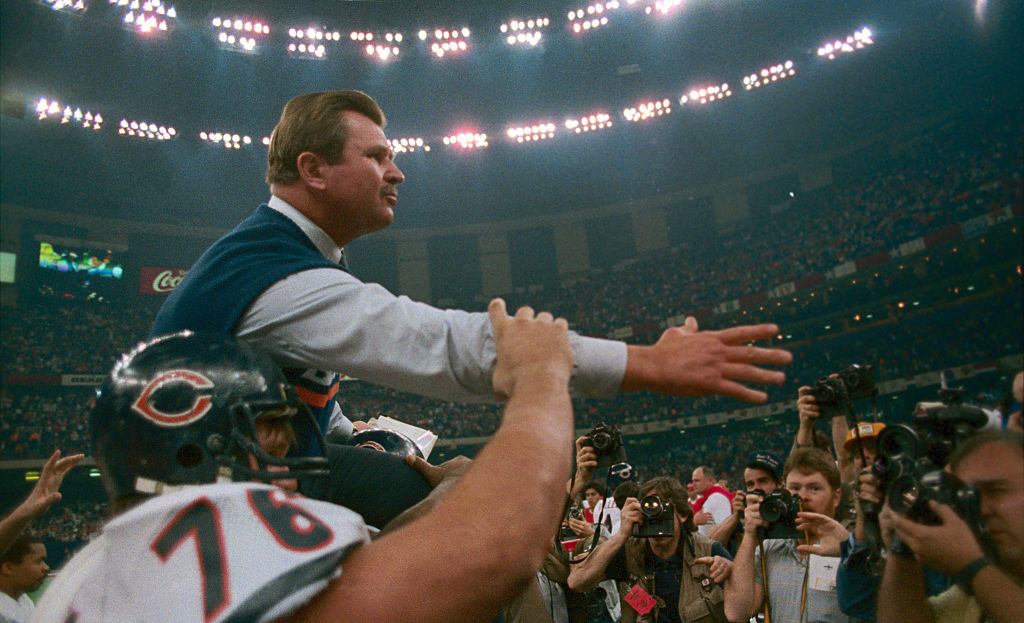

The Chicago Bears icon, who died on Friday, gave to charities, lectored at Mass, and belonged to the Knights of Columbus.
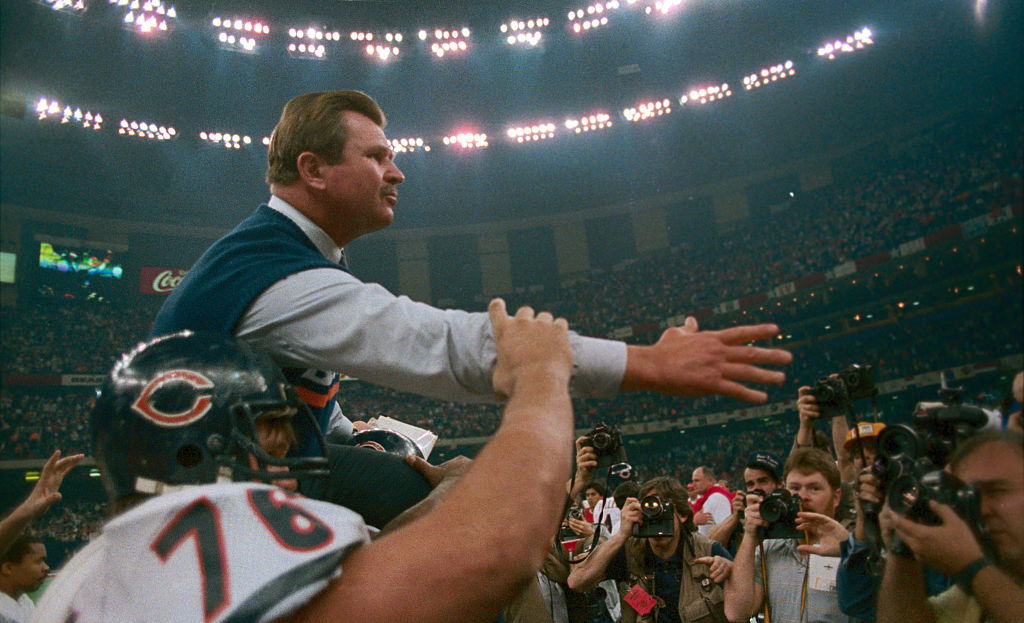
The Chicago Bears icon, who died on Friday, gave to charities, lectored at Mass, and belonged to the Knights of Columbus.
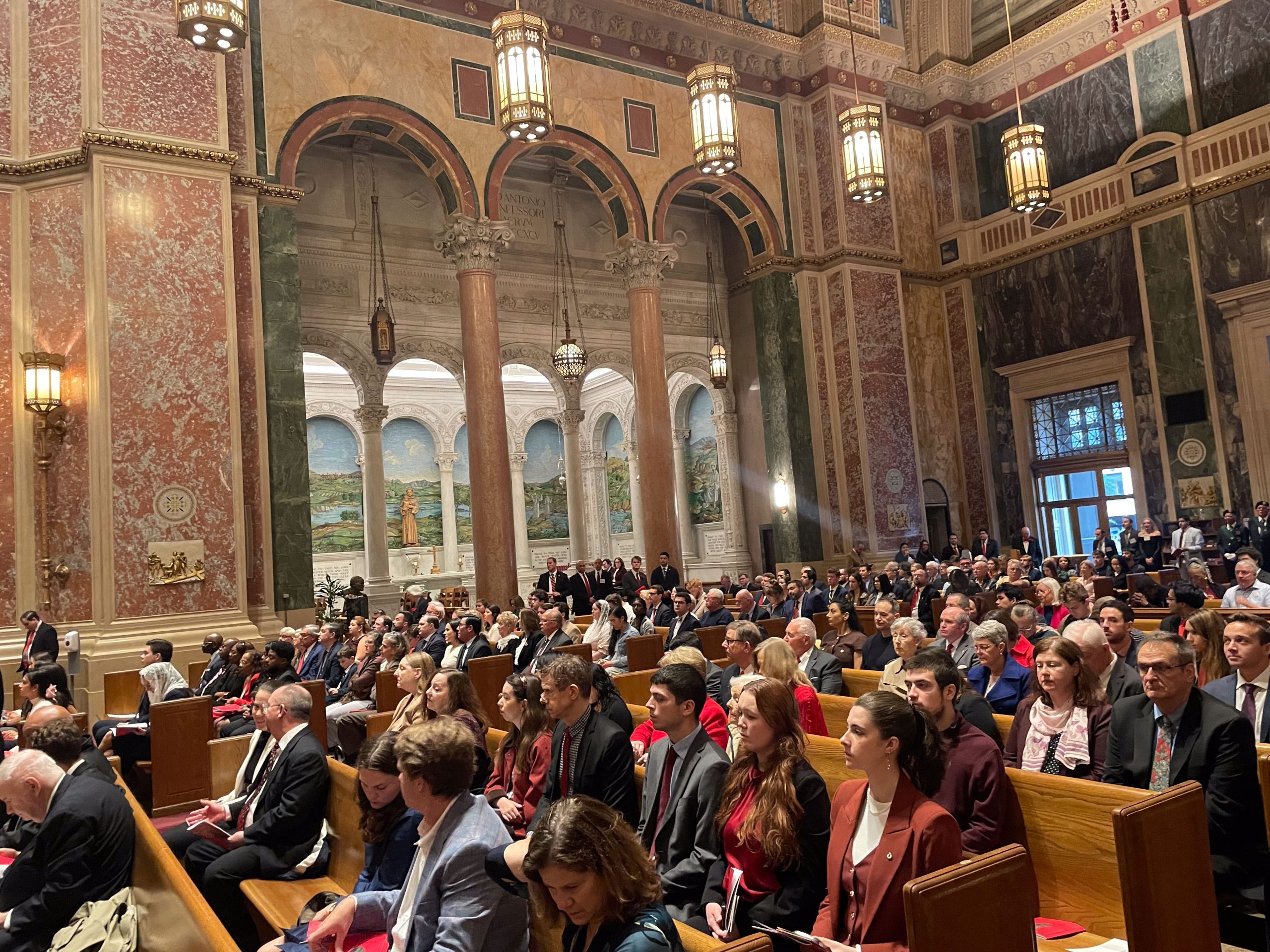
Washington Cardinal Robert McElroy was the principal celebrant of the Mass, and Archbishop Timothy Broglio of the Archdiocese for the Military Services, USA, offered the homily.
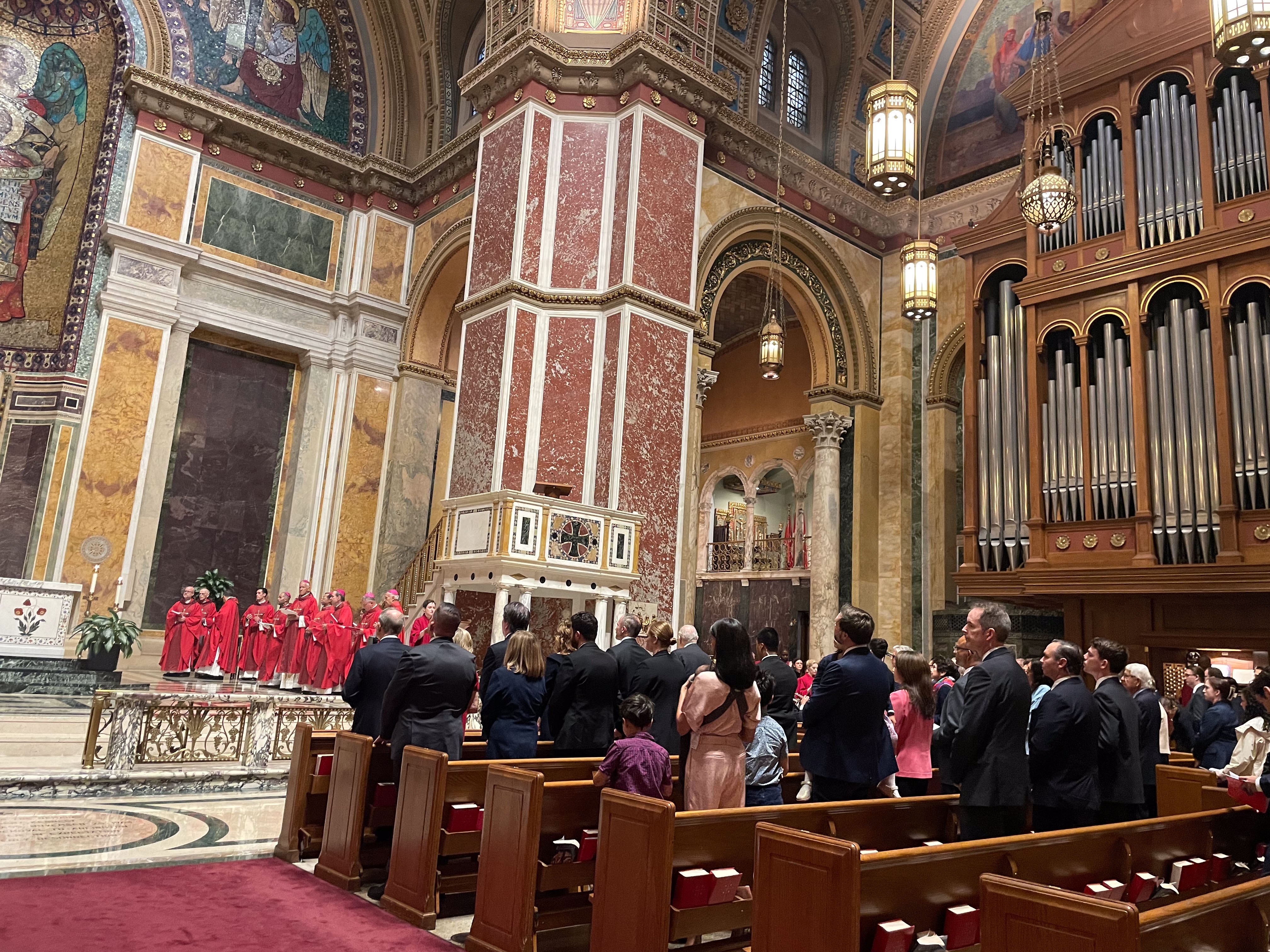

Pope Leo XIV titled this year’s observance of World Day of Migrants and Refugees “Even Just One of These Children,” citing Matthew 18:5: “Whoever welcomes one such child in my name welcomes me.”

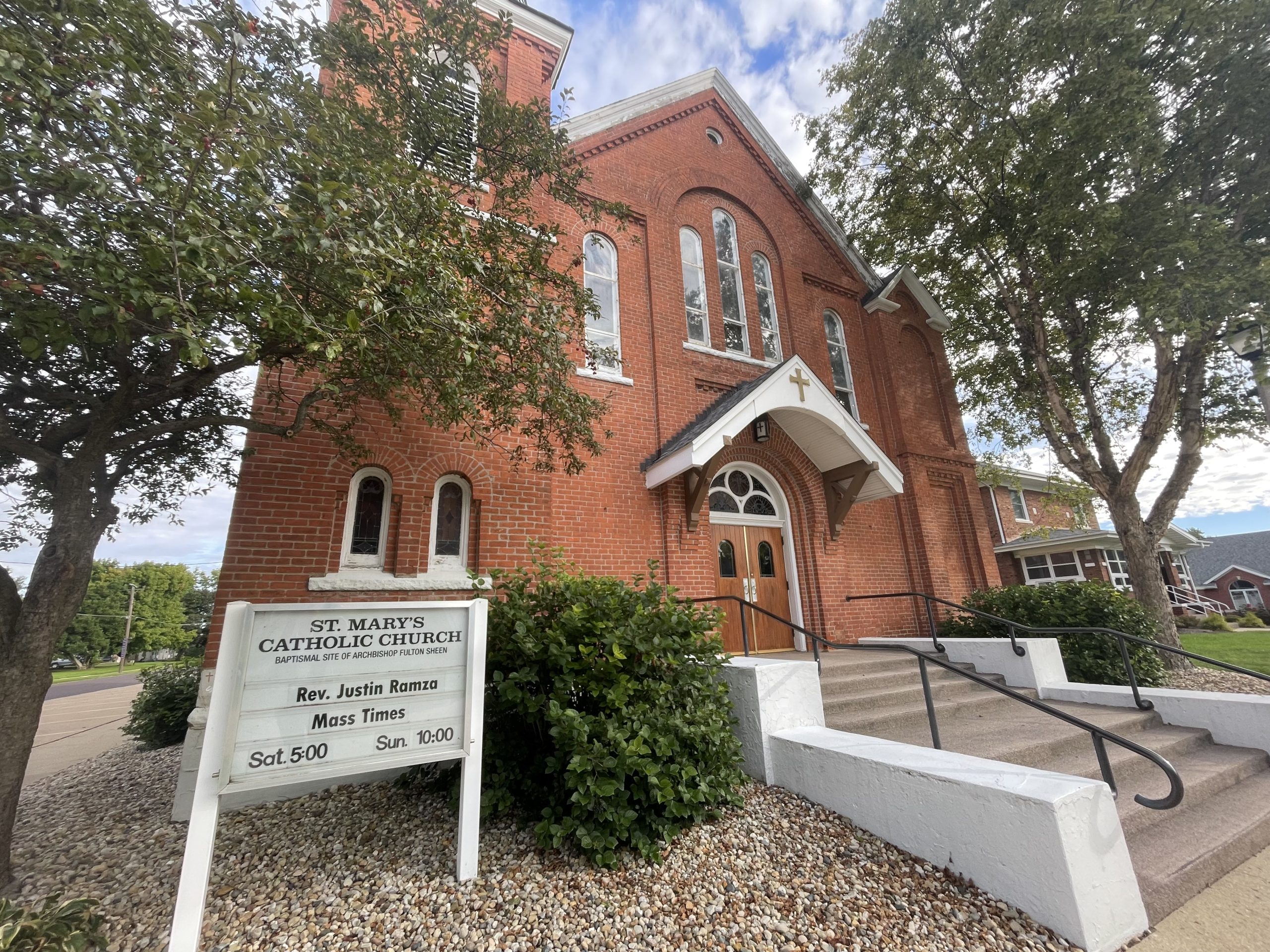
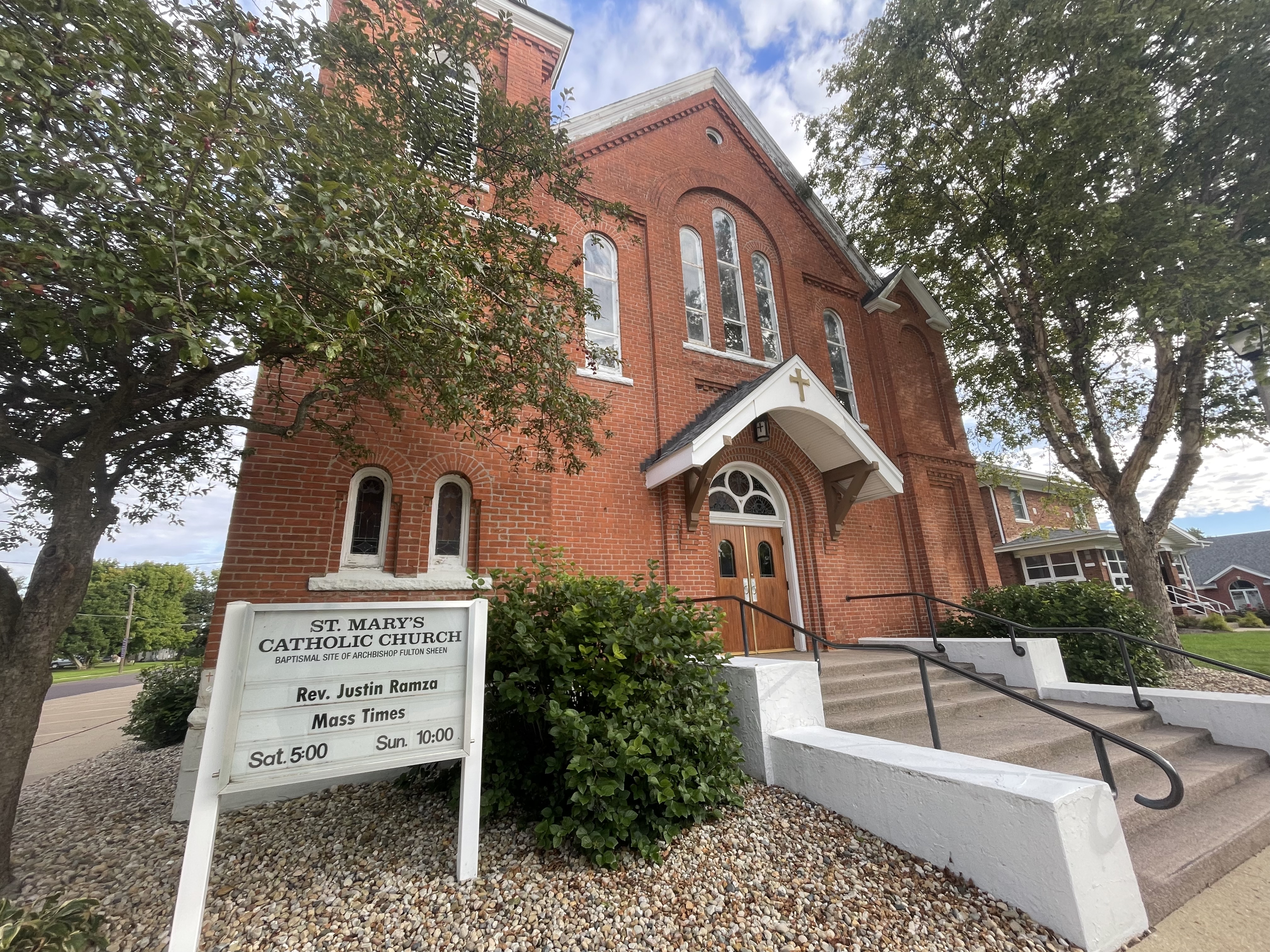
The combined parish of St. Mary in El Paso, Illinois, and St. John in Benson, Illinois, will be the first parish in the world to be named after the new blessed.
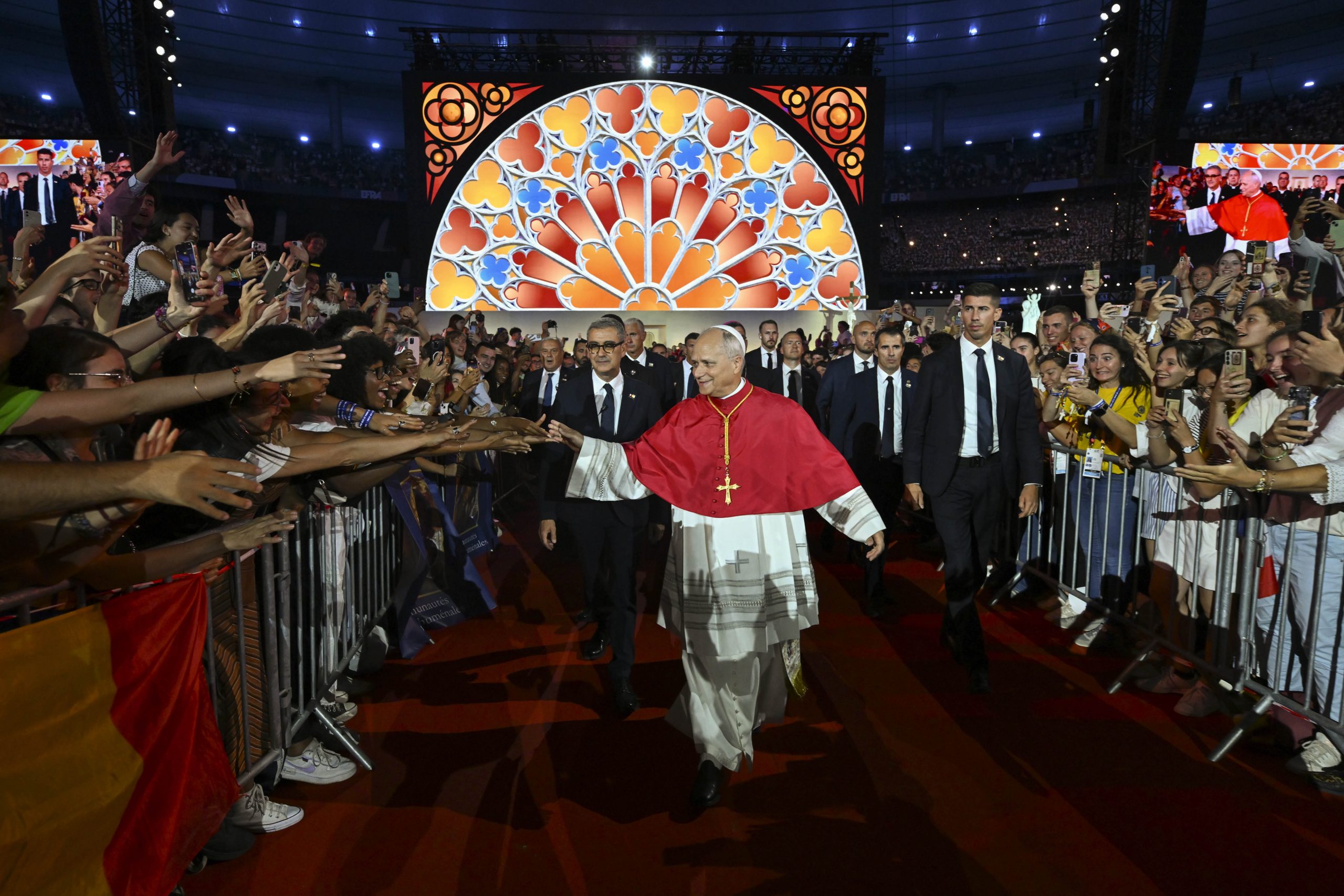
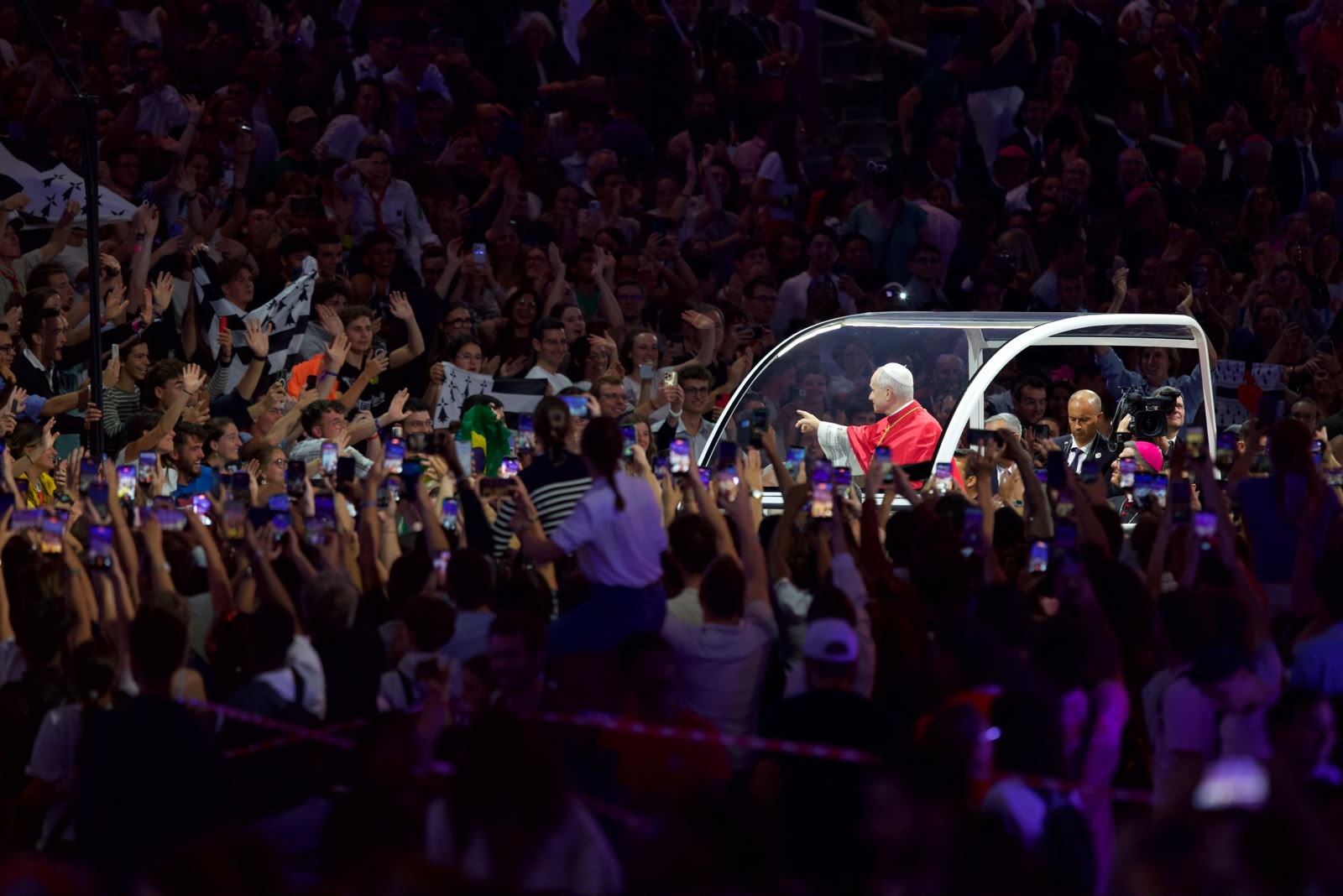
France’s Catholic culture and the energy of the country’s young people stole the show at a prayer vigil at the national stadium in Saint-Denis, France.
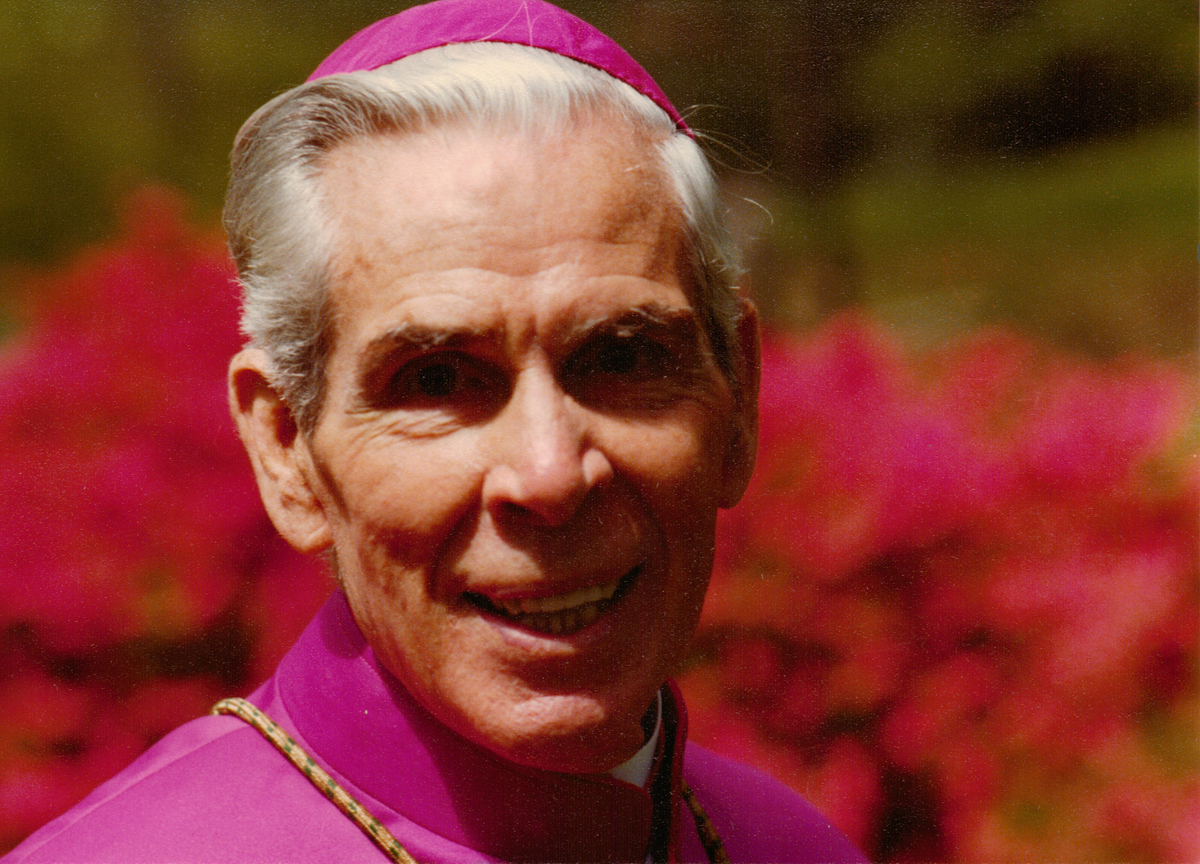
![As beatification nears, new book explains why Fulton Sheen was ‘America’s Apostle’ #Catholic With the beatification of Archbishop Fulton Sheen approaching, a new book on the life and legacy of the evangelist and television and radio show host explains why he was “America’s Apostle.”Allan Smith, founder and director of the Archbishop Fulton J. Sheen Mission Society of Canada, published the book “America’s Apostle” on Sept. 15, just ahead of the archbishop’s beatification on Sept. 24.“I think … the title is a perfect one — ‘Americaʼs Apostle,’ because he really was an apostle to the American people in the great tradition of apostles,” Vice President and Editorial Director of EWTN News Matthew Bunson told “EWTN News Nightly” anchor Veronica Dudo on Sept. 22.The book was published through EWTN Publishing and Sophia Institute Press.“[Sheen] was a brilliant communicator; he had immense gifts on television, radio, as a writer, as a poet,” Bunson said. “But all of that was geared toward proclaiming Jesus Christ in exactly the same way that a good apostle should.”Sheen began his media career as a priest, hosting an hourlong radio show called “The Catholic Hour” in 1930 until he was consecrated an auxiliary bishop in New York in 1951 and transitioned to television, hosting “Life Is Worth Living.” At its peak, Sheen’s radio show was reaching about 4 million people weekly, and his television show was reaching about 30 million people.“Like a good apostle, he used all the means of communications at his disposal,” Bunson said. “I just mentioned television, radio, you name it. He wanted to use it. So itʼs perfectly appropriate, I think, for him to be called ‘Americaʼs Apostle.’”Sheen also reserved one hour every day for prayer in front of the Blessed Sacrament, beginning this when he was ordained in 1919 until he died in 1979. He was found dead at the age of 84 in his chapel in front of the Blessed Sacrament.Bunson explained that Sheen “made a promise on the day of his ordination” that he would do a Holy Hour in front of the Blessed Sacrament. He also noted Sheen wrote in his autobiography, “Treasure in Clay,” that he prepared for his homilies, his books, and his speeches in front of the Eucharist.
The book cover for “America’s Apostle: Celebrating the Life and Legacy of Blessed Fulton J. Sheen” features a portrait of Sheen. It was released days before Sheen’s beatification set for Sept. 24, 2026. | Credit: EWTN
“He made the Blessed Sacrament his way of not just preparing, but making himself holy and worthy of the people he was talking to,” Bunson said. “Because thatʼs how seriously he took what he was saying.”“So as a communicator, it wasnʼt just communicating about himself,” he said. “He was always proclaiming a person, and that was Jesus Christ. And he did that by developing and fostering his love for the Eucharist. And he did it in the Holy Hour.”“Fulton Sheen, pray for us,” Bunson concluded.](https://unitedyam.com/wp-content/uploads/2026/09/as-beatification-nears-new-book-explains-why-fulton-sheen-was-americas-apostle-catholic-with-the-beatification-of-archbishop-fulton-sheen-approaching-a-new-book-on-the-li.png "As beatification nears, new book explains why Fulton Sheen was ‘America’s Apostle’ #Catholic With the beatification of Archbishop Fulton Sheen approaching, a new book on the life and legacy of the evangelist and television and radio show host explains why he was “America’s Apostle.”Allan Smith, founder and director of the Archbishop Fulton J. Sheen Mission Society of Canada, published the book “America’s Apostle” on Sept. 15, just ahead of the archbishop’s beatification on Sept. 24.“I think … the title is a perfect one — ‘Americaʼs Apostle,’ because he really was an apostle to the American people in the great tradition of apostles,” Vice President and Editorial Director of EWTN News Matthew Bunson told “EWTN News Nightly” anchor Veronica Dudo on Sept. 22.The book was published through EWTN Publishing and Sophia Institute Press.“[Sheen] was a brilliant communicator; he had immense gifts on television, radio, as a writer, as a poet,” Bunson said. “But all of that was geared toward proclaiming Jesus Christ in exactly the same way that a good apostle should.”Sheen began his media career as a priest, hosting an hourlong radio show called “The Catholic Hour” in 1930 until he was consecrated an auxiliary bishop in New York in 1951 and transitioned to television, hosting “Life Is Worth Living.” At its peak, Sheen’s radio show was reaching about 4 million people weekly, and his television show was reaching about 30 million people.“Like a good apostle, he used all the means of communications at his disposal,” Bunson said. “I just mentioned television, radio, you name it. He wanted to use it. So itʼs perfectly appropriate, I think, for him to be called ‘Americaʼs Apostle.’”Sheen also reserved one hour every day for prayer in front of the Blessed Sacrament, beginning this when he was ordained in 1919 until he died in 1979. He was found dead at the age of 84 in his chapel in front of the Blessed Sacrament.Bunson explained that Sheen “made a promise on the day of his ordination” that he would do a Holy Hour in front of the Blessed Sacrament. He also noted Sheen wrote in his autobiography, “Treasure in Clay,” that he prepared for his homilies, his books, and his speeches in front of the Eucharist.
The book cover for “America’s Apostle: Celebrating the Life and Legacy of Blessed Fulton J. Sheen” features a portrait of Sheen. It was released days before Sheen’s beatification set for Sept. 24, 2026. | Credit: EWTN
“He made the Blessed Sacrament his way of not just preparing, but making himself holy and worthy of the people he was talking to,” Bunson said. “Because thatʼs how seriously he took what he was saying.”“So as a communicator, it wasnʼt just communicating about himself,” he said. “He was always proclaiming a person, and that was Jesus Christ. And he did that by developing and fostering his love for the Eucharist. And he did it in the Holy Hour.”“Fulton Sheen, pray for us,” Bunson concluded.")
The book by Allan Smith was published on Sept. 15, about one week before the beatification. EWTN’s Matthew Bunson discusses the book and Sheen’s legacy on “EWTN News Nightly.”
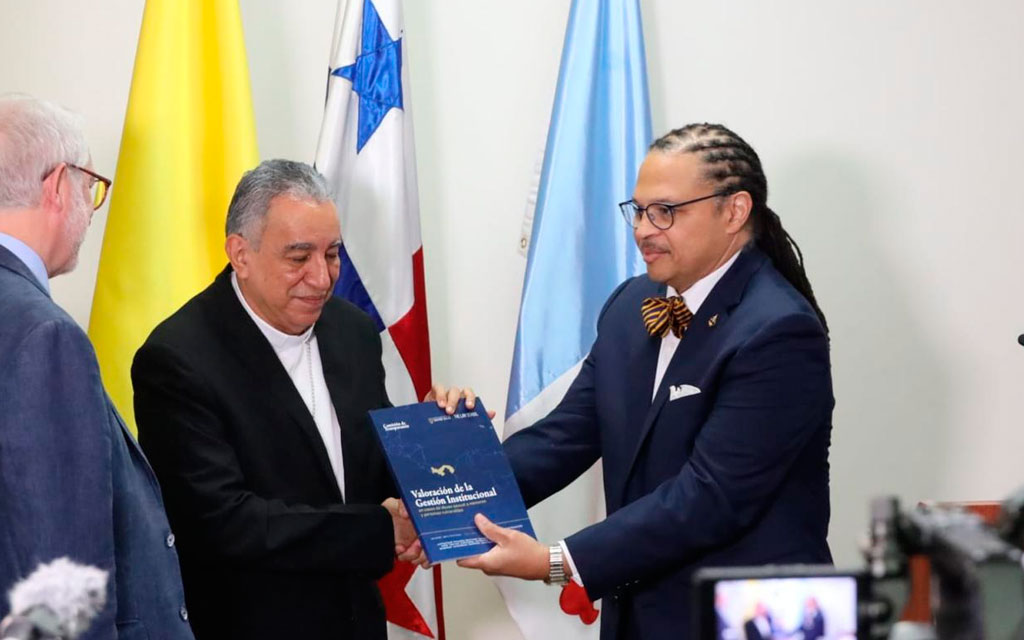
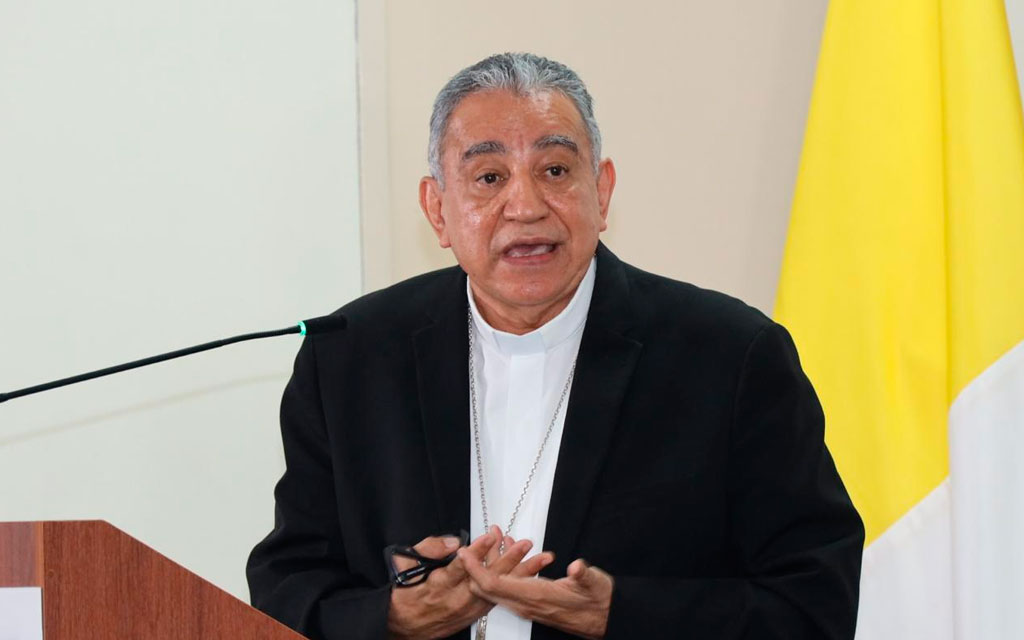
Addressing the scourge of sexual abuse, the archbishop of Panama requested the services of the Transparency Commission, a project sponsored by Notre Dame Law School and Madrid’s Villanueva University.
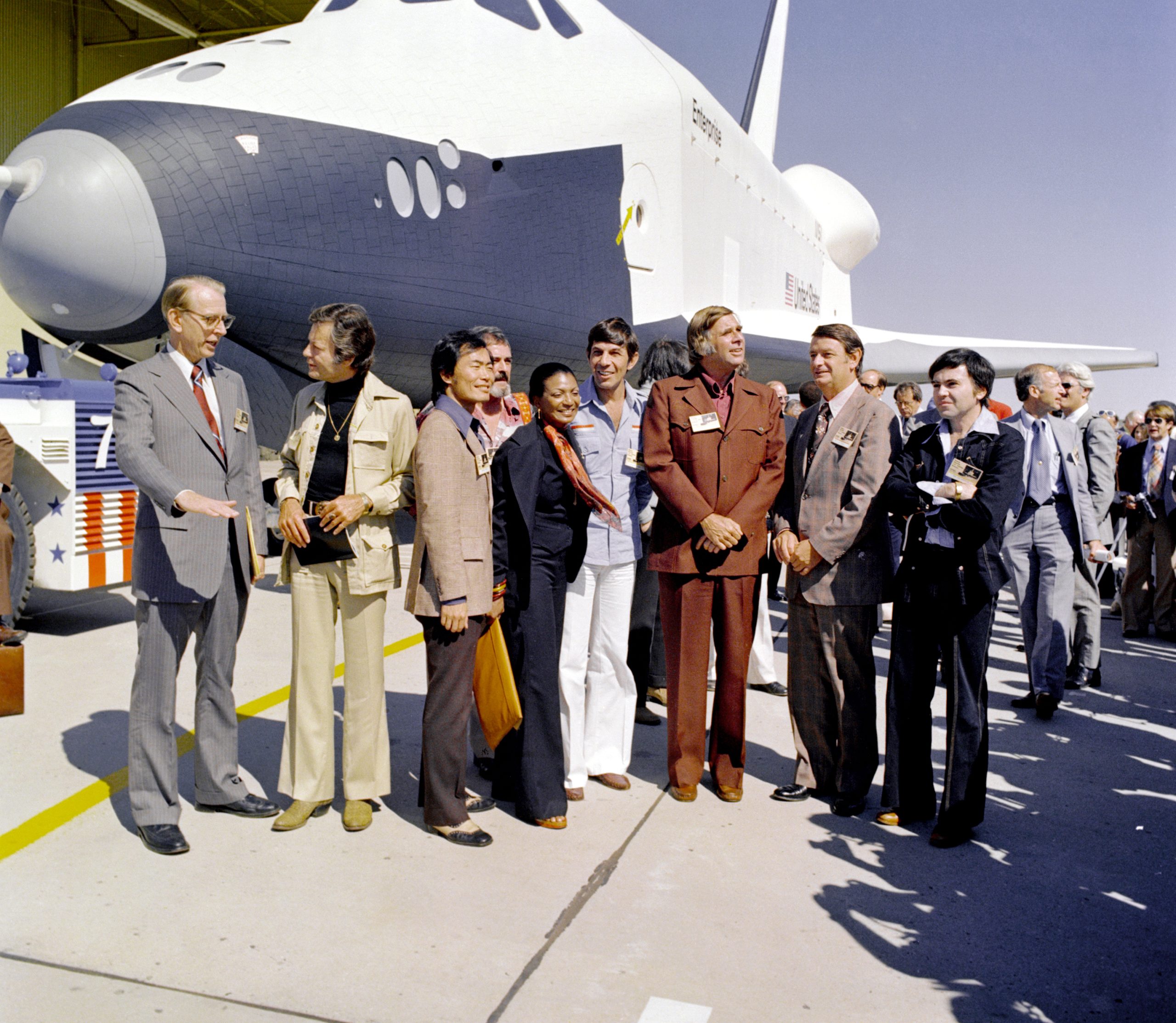
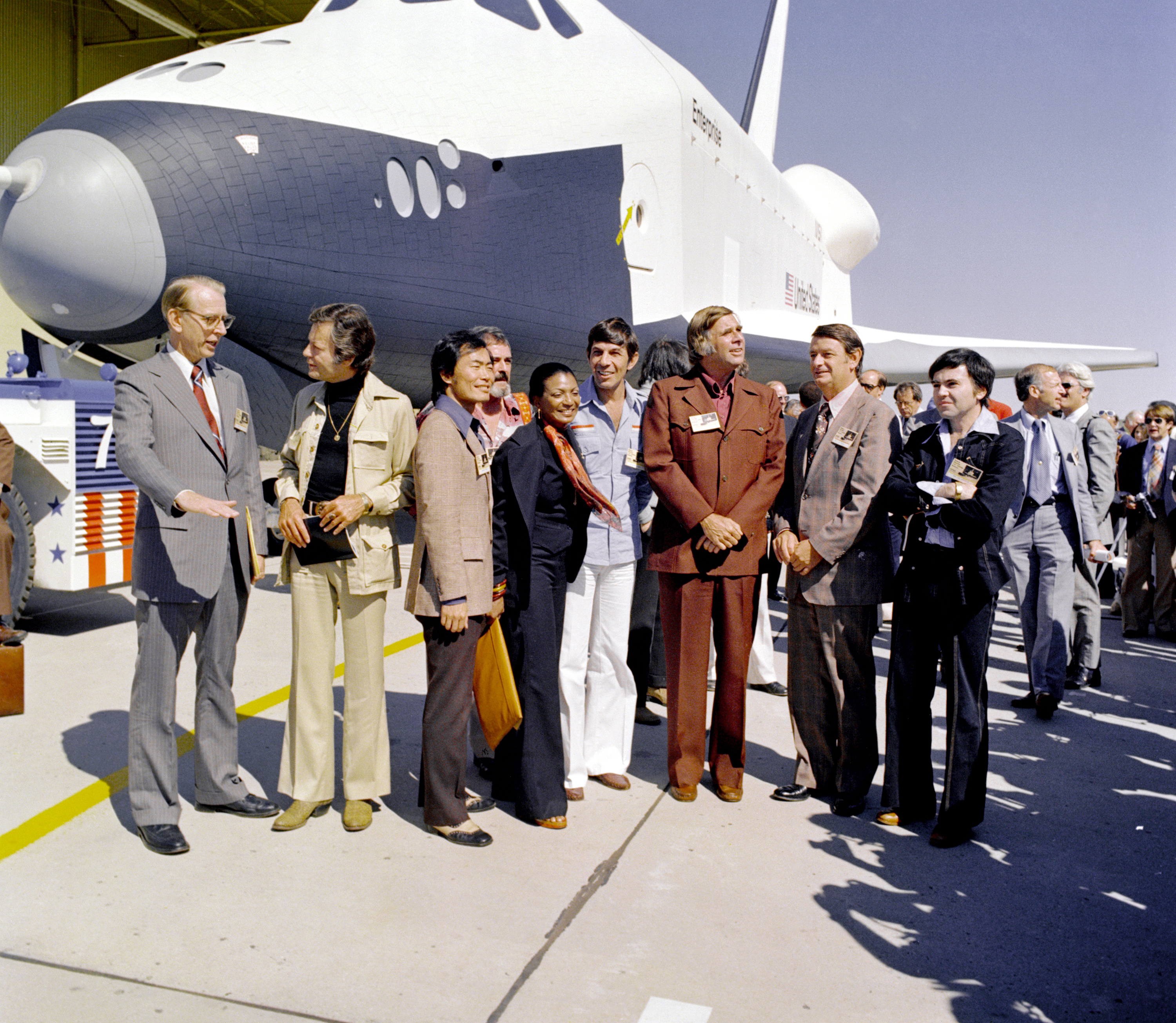
The rollout ceremony for NASA’s first space shuttle, OV-101, coincided with Constitution Day of the nation’s bicentennial on Sept.17, 1976. Although the orbiter was originally planned to be named Constitution, Star Trek fans successfully convinced President Gerald Ford to name it Enterprise after the series’ fictional starship.
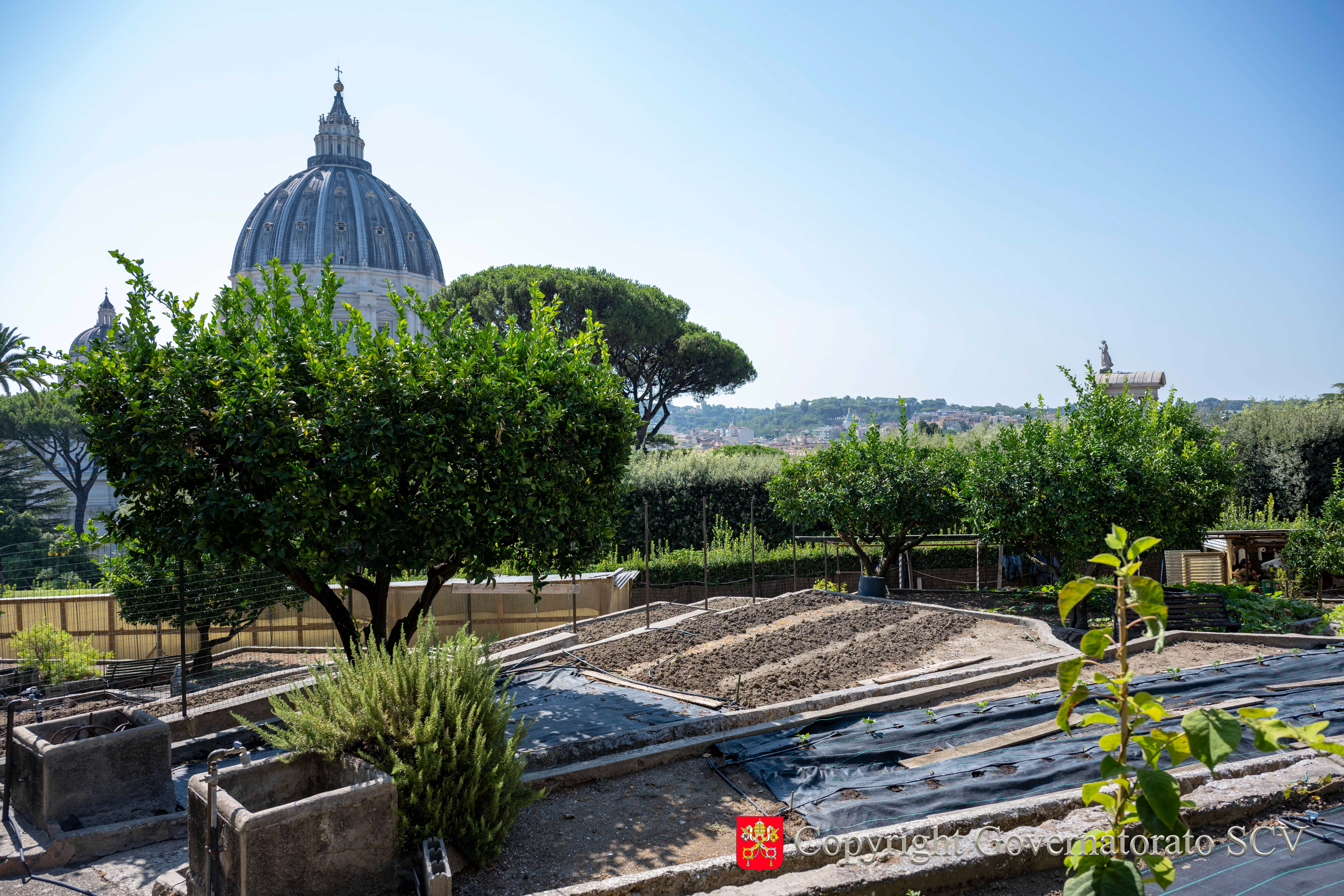
Read More![Vatican vegetable garden goes 100% organic #Catholic A vegetable garden and orchard inside the Vatican walls, which historically provided food for the pope’s household, is now cultivated using exclusively organic farming techniques.The private garden covers almost a tenth of an acre of cultivable land inside the Mater Ecclesiae Monastery property, where Pope Benedict XVI lived during his retirement and now reside cloistered Benedictine nuns from the Abbey of St. Scholastica in Victoria, Argentina.Sometimes known as “the pope’s garden,” the vegetable plot “has always been a defining feature of the Vatican Gardens because, in fact, the Vatican Gardens were originally created primarily for that purpose — to provide sustenance for the [Apostolic] Palace,” Stefano Giampaolo, a forestry expert and head of the Gardens and Environment Service of the Vatican, told EWTN News.Giampaolo explained that now the plot is more accurately understood as the vegetable garden of the Vatican Gardens — an area that covers roughly half of Vatican City at 57 acres.
Mater Ecclesiae Monastery, built inside Vatican City in the 1990s to house nuns who support the ministry of the pope through prayer, has an adjoining vegetable garden and orchard. | Credit: Hannah Brockhaus/EWTN News
The Benedictine nuns at Mater Ecclesiae Monastery, who pray for the pope, eat the fruit and vegetables grown in the garden and use them to make jams and other food preserves. The excess produce is given to a Vatican soup kitchen run by the Missionaries of Charity.The move to biological farming techniques has been underway for several years, partly in response to Pope Francis’ 2015 encyclical Laudato Si’, Giampaolo said.The challenges of organicAccording to Gilberto Bianchi, the gardener responsible for the orchard and vegetable patch since 2008, the Vatican has a “desire to respect nature” in how it cares for the plants and trees on its land.But it’s far from easy.“Clearly, running a completely organic vegetable garden presents challenges, partly because insects are aggressive, and we use natural predators in the soil to control them,” Bianchi said. “No chemical fertilizers or insecticides are used.”He added that soil drainage and water conservation are also challenges.“This type of soil drains very well, so to conserve water, we add coconut fiber to retain moisture. And it’s watered with a drip irrigation system specifically to target the plants and avoid wasting water,” he said.Part of an organic agriculture also means respecting the seasons, he said. “Right now, the winter crops are being planted, while the summer crops are being harvested.”
The fresh produce grown in the vegetable garden and orchard in Vatican City feeds the Benedictine nuns living in the Mater Ecclesiae Monastery and supports the nearby Missionaries of Charity-run soup kitchen. | Credit: Governorate of Vatican City State
The end-of-summer harvest includes tomatoes, eggplants, green beans, zucchini, cucumbers, and peppers, while the fall and winter crop has broccoli, spinach, lettuce, and pumpkins.According to Vatican Media, the garden also includes garlic, basil, and a Peruvian variety of chili peppers known for its intensity. Kiwi plants were also added recently at the request of the Argentinian nuns.Next to the garden is a small orchard of around 15 citrus trees, some of which are 150 years old.“At this time, we’re planting savoy cabbage,” Bianchi said. “In short, whatever is in season. … So whatever is planted is because nature dictates it at that moment. The plants are grown from seed. We don’t use lab-grown plants.”A historic collection of gardensBianchi, who has worked for more than three decades in the Vatican Gardens, “is the one with the most expertise in this field, and he is now passing that knowledge on to a new gardener,” Giampaolo said.The expert gardener is part of a team of around 35 gardeners and administrators who oversee the Vatican’s green spaces and provide the flower arrangements for papal ceremonies.
Stefano Giampaolo, left, head of the Gardens and Environment Service of Vatican City, and expert gardener Gilberto Bianchi, right, the main caretaker of the orchard and vegetable garden commonly known as “the pope’s garden,” share their expertise with EWTN News in the Vatican Gardens on Sept. 9, 2026. | Credit: Hannah Brockhaus/EWTN News
“People expect to see a single garden, but in reality, as the name suggests, they are the Vatican Gardens — a collection of gardens,” Giampaolo said.The Gardens date to the mid-13th century, when Pope Nicolas III moved the papal residence from the Lateran Palace to the Vatican, had the city state’s walls built, and ordered the creation of a lawn, orchard, and “viridarium” — a Roman-style garden with flowerbeds and a fountain.Today, Giampaolo said, “there are countless different species, both trees and flowers. This is because, over time, the gardens have been enriched by donations and the search for specific botanical material, to the point of becoming a true botanical garden.”“Visitors are often struck by the diversity of the spaces — so many different gardens contained within this small area.”Ultimately, he said, the gardeners hope to one day eliminate all synthetic fertilizers and pesticides from their care of the entire Vatican territory.“It’s a process — the transformation of all the Gardens into organic ones,” he said.](https://unitedyam.com/wp-content/uploads/2026/09/vatican-vegetable-garden-goes-100-organic-catholic-a-vegetable-garden-and-orchard-inside-the-vatican-walls-which-historically-provided-food-for-the-popes-household-is-now-cultivated-using-scaled.jpg "Vatican vegetable garden goes 100% organic #Catholic A vegetable garden and orchard inside the Vatican walls, which historically provided food for the pope’s household, is now cultivated using exclusively organic farming techniques.The private garden covers almost a tenth of an acre of cultivable land inside the Mater Ecclesiae Monastery property, where Pope Benedict XVI lived during his retirement and now reside cloistered Benedictine nuns from the Abbey of St. Scholastica in Victoria, Argentina.Sometimes known as “the pope’s garden,” the vegetable plot “has always been a defining feature of the Vatican Gardens because, in fact, the Vatican Gardens were originally created primarily for that purpose — to provide sustenance for the [Apostolic] Palace,” Stefano Giampaolo, a forestry expert and head of the Gardens and Environment Service of the Vatican, told EWTN News.Giampaolo explained that now the plot is more accurately understood as the vegetable garden of the Vatican Gardens — an area that covers roughly half of Vatican City at 57 acres.
Mater Ecclesiae Monastery, built inside Vatican City in the 1990s to house nuns who support the ministry of the pope through prayer, has an adjoining vegetable garden and orchard. | Credit: Hannah Brockhaus/EWTN News
The Benedictine nuns at Mater Ecclesiae Monastery, who pray for the pope, eat the fruit and vegetables grown in the garden and use them to make jams and other food preserves. The excess produce is given to a Vatican soup kitchen run by the Missionaries of Charity.The move to biological farming techniques has been underway for several years, partly in response to Pope Francis’ 2015 encyclical Laudato Si’, Giampaolo said.The challenges of organicAccording to Gilberto Bianchi, the gardener responsible for the orchard and vegetable patch since 2008, the Vatican has a “desire to respect nature” in how it cares for the plants and trees on its land.But it’s far from easy.“Clearly, running a completely organic vegetable garden presents challenges, partly because insects are aggressive, and we use natural predators in the soil to control them,” Bianchi said. “No chemical fertilizers or insecticides are used.”He added that soil drainage and water conservation are also challenges.“This type of soil drains very well, so to conserve water, we add coconut fiber to retain moisture. And it’s watered with a drip irrigation system specifically to target the plants and avoid wasting water,” he said.Part of an organic agriculture also means respecting the seasons, he said. “Right now, the winter crops are being planted, while the summer crops are being harvested.”
The fresh produce grown in the vegetable garden and orchard in Vatican City feeds the Benedictine nuns living in the Mater Ecclesiae Monastery and supports the nearby Missionaries of Charity-run soup kitchen. | Credit: Governorate of Vatican City State
The end-of-summer harvest includes tomatoes, eggplants, green beans, zucchini, cucumbers, and peppers, while the fall and winter crop has broccoli, spinach, lettuce, and pumpkins.According to Vatican Media, the garden also includes garlic, basil, and a Peruvian variety of chili peppers known for its intensity. Kiwi plants were also added recently at the request of the Argentinian nuns.Next to the garden is a small orchard of around 15 citrus trees, some of which are 150 years old.“At this time, we’re planting savoy cabbage,” Bianchi said. “In short, whatever is in season. … So whatever is planted is because nature dictates it at that moment. The plants are grown from seed. We don’t use lab-grown plants.”A historic collection of gardensBianchi, who has worked for more than three decades in the Vatican Gardens, “is the one with the most expertise in this field, and he is now passing that knowledge on to a new gardener,” Giampaolo said.The expert gardener is part of a team of around 35 gardeners and administrators who oversee the Vatican’s green spaces and provide the flower arrangements for papal ceremonies.
Stefano Giampaolo, left, head of the Gardens and Environment Service of Vatican City, and expert gardener Gilberto Bianchi, right, the main caretaker of the orchard and vegetable garden commonly known as “the pope’s garden,” share their expertise with EWTN News in the Vatican Gardens on Sept. 9, 2026. | Credit: Hannah Brockhaus/EWTN News
“People expect to see a single garden, but in reality, as the name suggests, they are the Vatican Gardens — a collection of gardens,” Giampaolo said.The Gardens date to the mid-13th century, when Pope Nicolas III moved the papal residence from the Lateran Palace to the Vatican, had the city state’s walls built, and ordered the creation of a lawn, orchard, and “viridarium” — a Roman-style garden with flowerbeds and a fountain.Today, Giampaolo said, “there are countless different species, both trees and flowers. This is because, over time, the gardens have been enriched by donations and the search for specific botanical material, to the point of becoming a true botanical garden.”“Visitors are often struck by the diversity of the spaces — so many different gardens contained within this small area.”Ultimately, he said, the gardeners hope to one day eliminate all synthetic fertilizers and pesticides from their care of the entire Vatican territory.“It’s a process — the transformation of all the Gardens into organic ones,” he said.")
The move to biological farming techniques has been underway for several years in response to Pope Francis’ 2015 encyclical Laudato Si’.
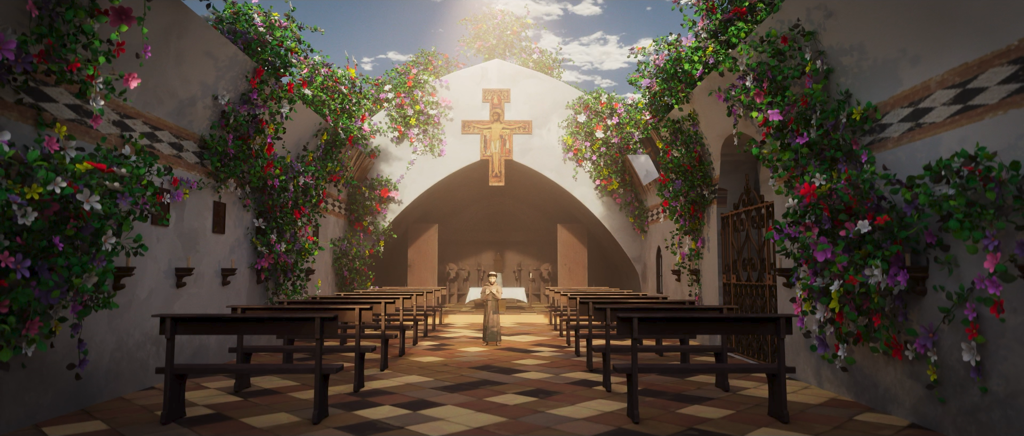
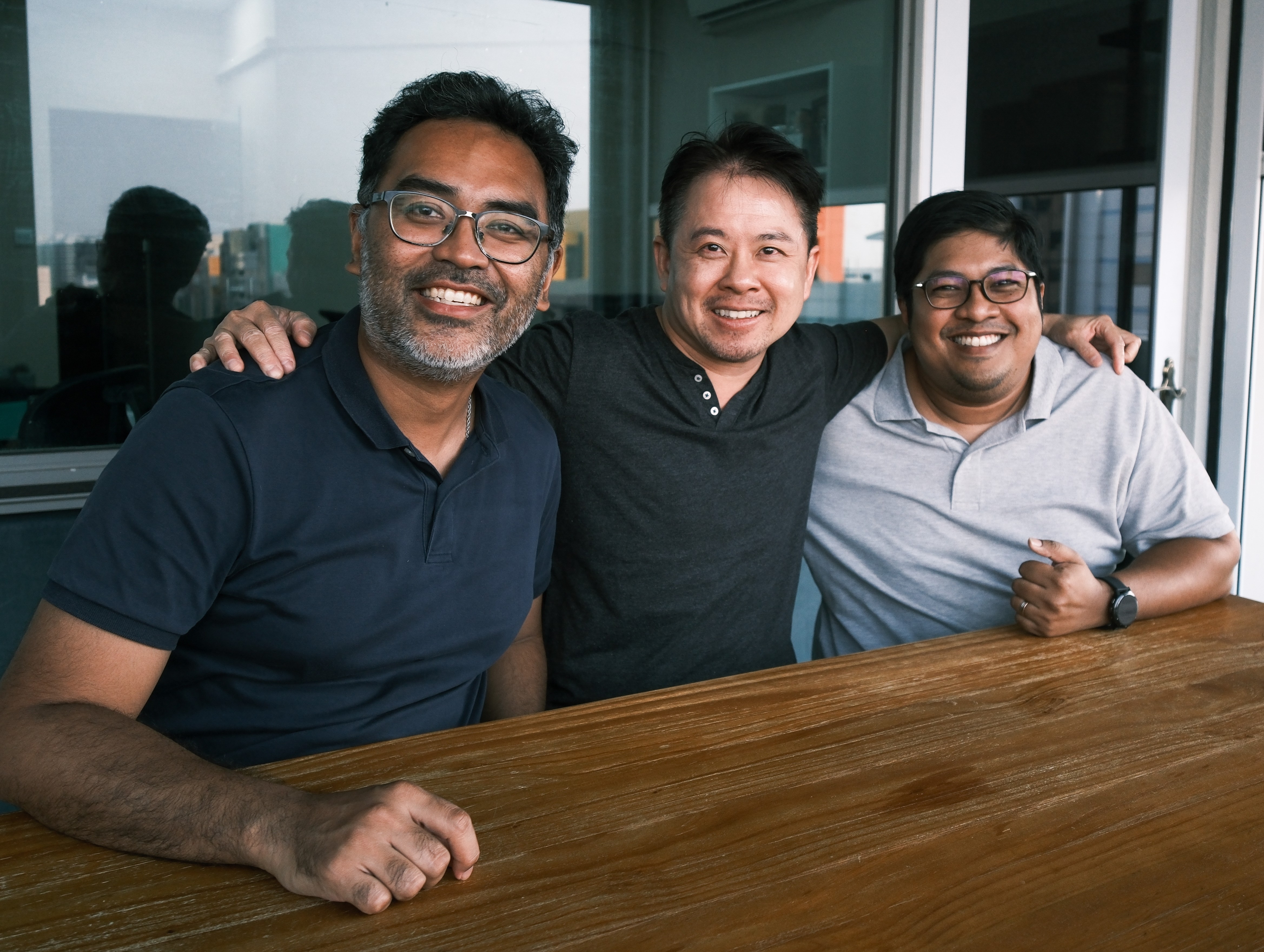
Director Benjamin Tanaka, executive producer Gabriel Patrick, and composer Ethan Hsu call the project “The Francis Chronicles.”
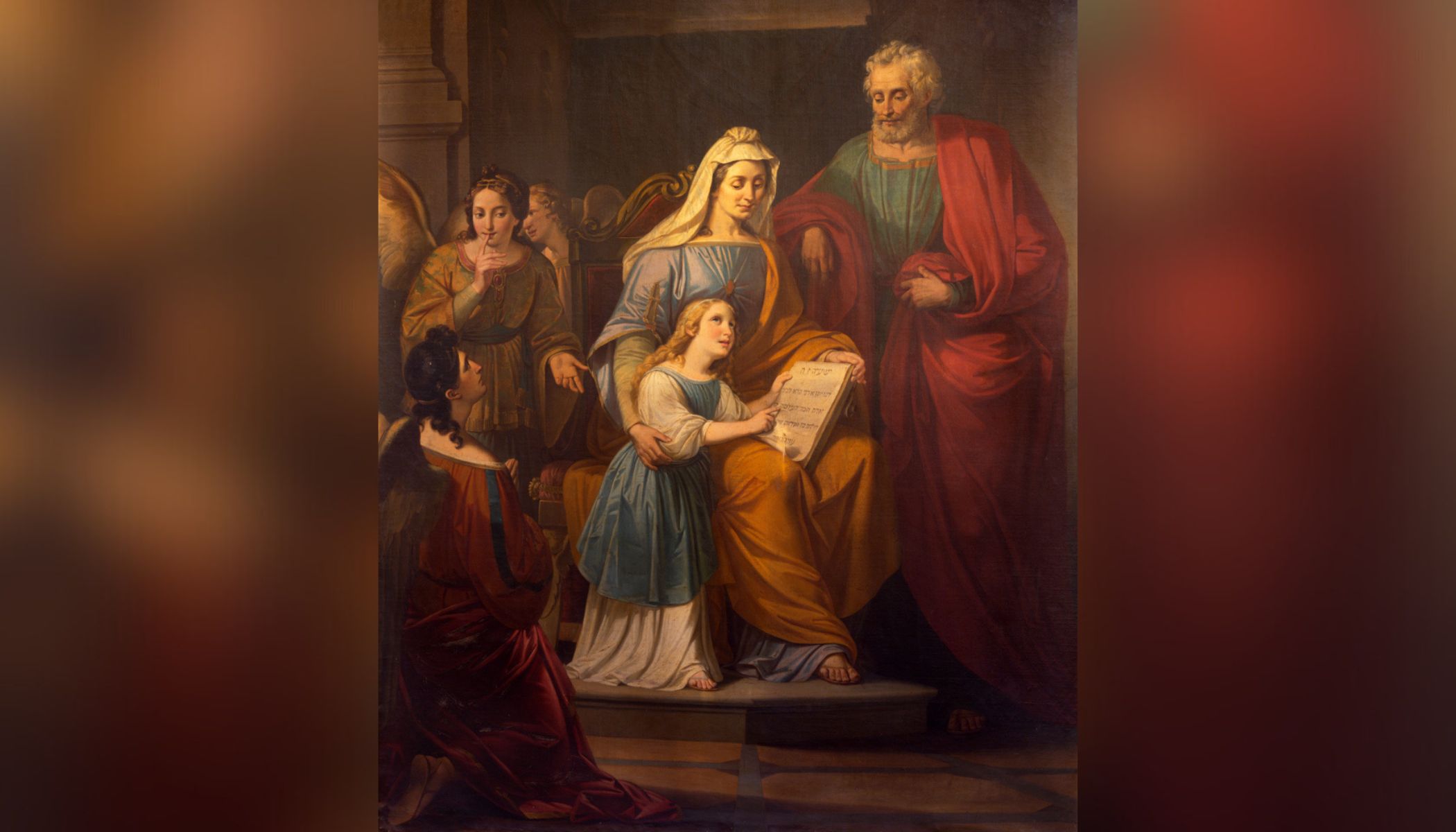
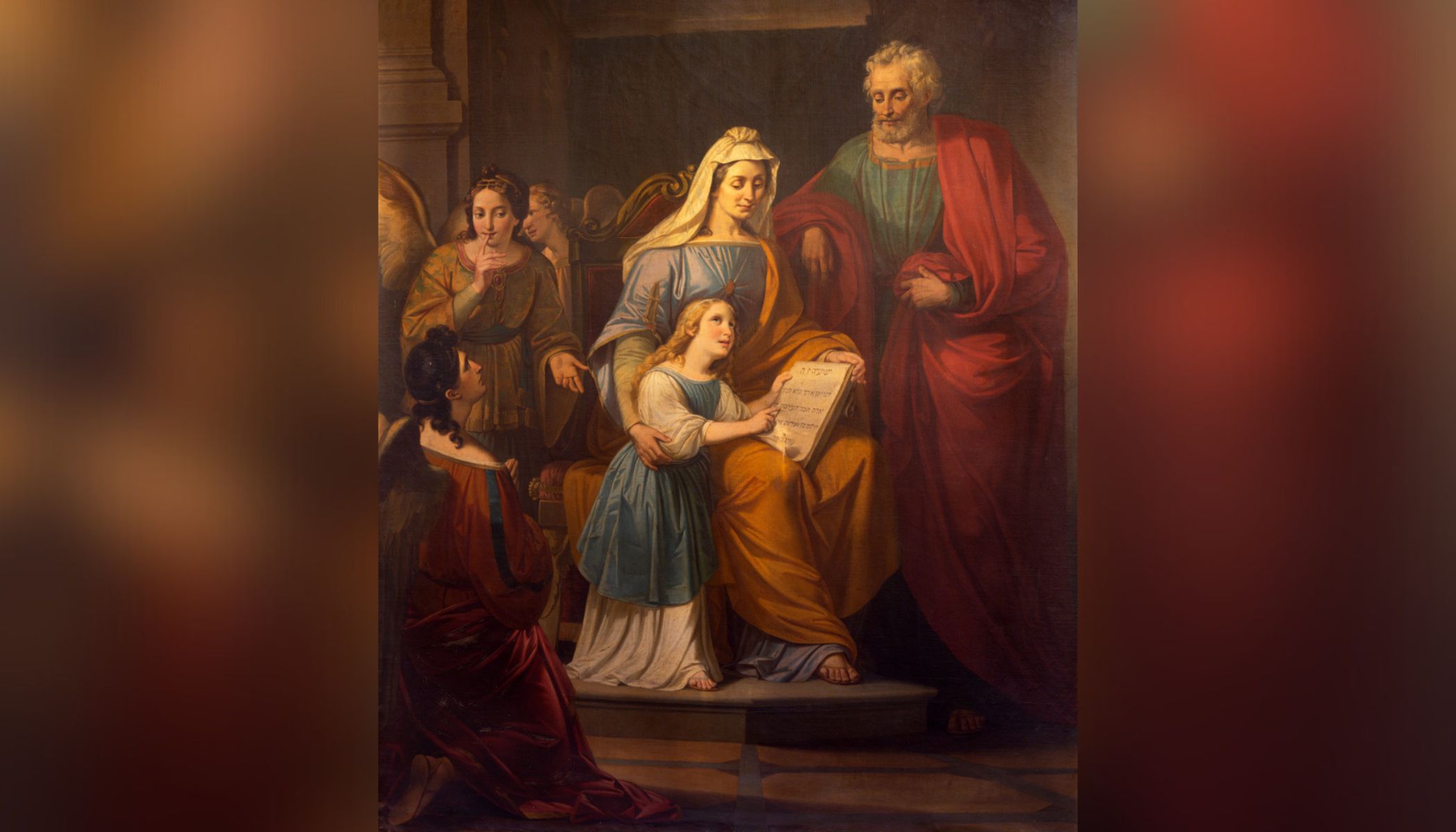
The Catholic Church celebrates the birth of the Blessed Virgin Mary on Sept. 8, nine months after the Dec. 8 celebration of her immaculate conception.
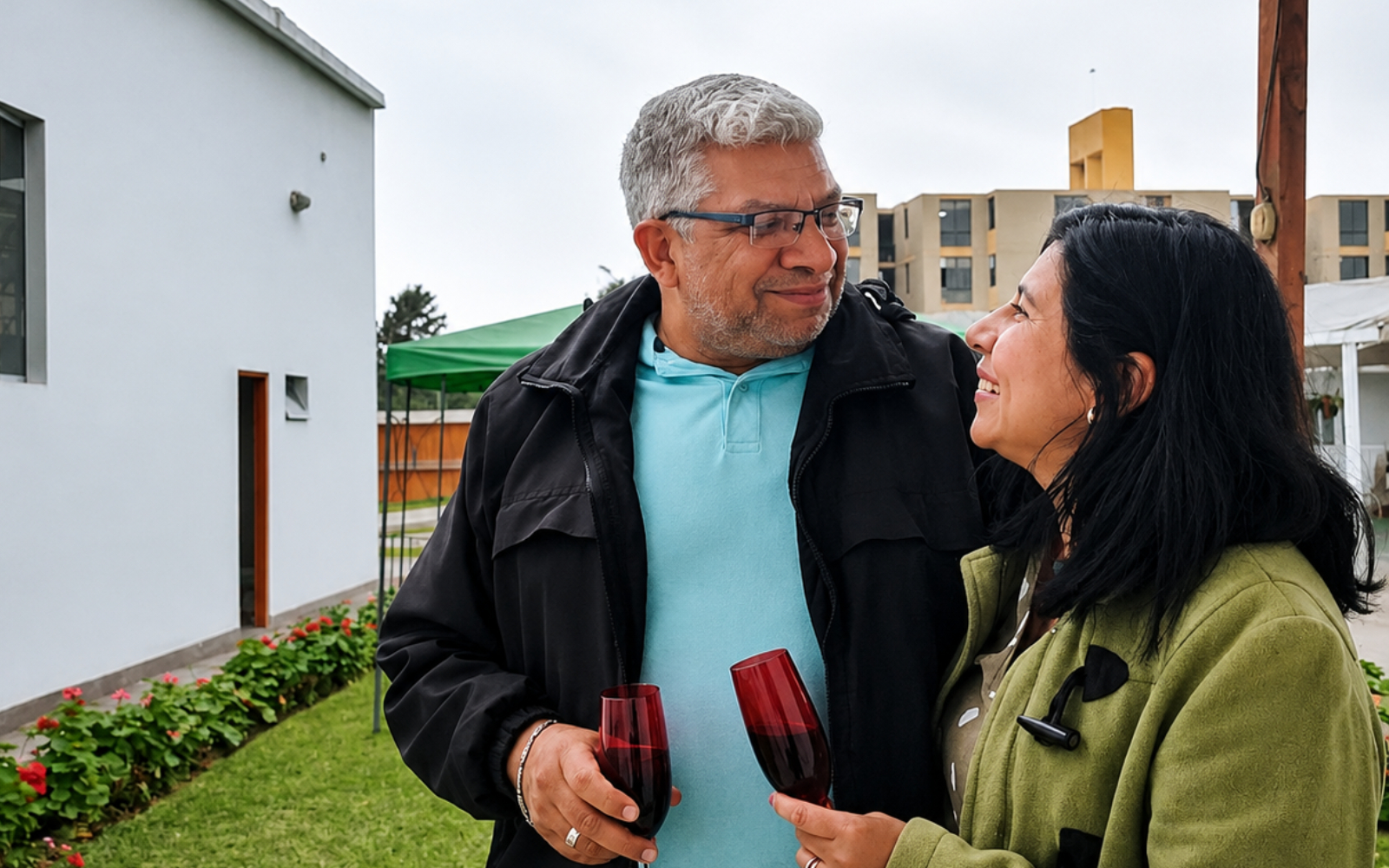
![Hope for broken marriages: One couple’s story #Catholic On April 7, 2009, Mariela Villanueva landed in Venezuela convinced that she was going to end her marriage. Five years had passed since her husband, Harold Figueras, had left his family in Peru and rebuilt his life in another country. She carried with her the pain of a long separation and the resolve to sign the divorce papers. He had with him a written list of all the grievances he intended to unleash the moment he saw her.Nothing happened the way either of them had imagined.They arranged to meet on a Wednesday at 3 p.m., the Hour of Mercy, at the very spot where they had courted years before. When Mariela appeared, Harold frantically searched for the sheet of paper containing his complaints. It had vanished.“I was expecting a war. She opened her arms to embrace me, and I realized that I was the only one who wanted to fight,” Harold recalled in an interview with ACI Prensa, the Spanish-language sister service of EWTN News. Mariela said she made that gesture because she had already begun a process of conversion and was holding onto one last hope.That embrace did not immediately restore the marriage, however. It would still be nearly a month before he ended the other relationship he was in and decided to return to his family. But on that day, they both attest, Jesus won the first great battle.
Harold and Mariela in front of Lima Cathedral. | Credit: Photo courtesy of Harold Figueras and Mariela Villanueva
A marriage marked by woundednessHarold and Mariela met in 1998 at the Venezuelan College of Engineers. He worked in systems; she was a young lawyer running a legal consultation firm with dozens of professionals under her supervision.While Mariela had grown up in a Catholic family and frequently prayed the rosary, Harold was completely indifferent to the faith.“I used to make fun of priests. For me, getting married in the Church was simply a matter of fulfilling a social formality,” he admitted.They were married in a civil ceremony and on Sept. 2, 2000, received the sacrament at marriage at St. Francis of Assisi Parish in Barranco, Peru. However, they acknowledged that they came to the altar without truly understanding the meaning of the vocation of marriage.“We began our life together without God at the center. That was the first major mistake,” Harold explained.Over the years, deep-seated wounds began to surface: abandonment, loneliness, pride, an inability to communicate, and unrealistic expectations about love. Venezuela’s economic crisis further aggravated the situation. Harold traveled constantly between the two countries until, one day, he simply stopped coming back.Mariela was left alone in Lima with her young daughter.
Recent photo of Harold and Mariela with their three daughters in Lima, Peru. | Credit: Photo courtesy of Harold Figueras and Mariela Villanueva
‘Mom, teach me to pray’Paradoxically, the restoration did not begin when Harold changed. It began when Mariela got down on her knees.Estranged from the Church and filled with resentment, the young mother had abandoned the practice of her faith after being hurt by a bad experience at a parish. Everything changed thanks to an unexpected request from her 7-year-old daughter: “Mom, grandma says you know how to pray. Teach me the rosary.”Mariela agreed, more out of a sense of obligation than anything else. Shortly after that, her daughter insisted on making her first Communion and said something that pierced her mother’s heart: “You know what it’s like to have Jesus in your heart… so why don’t you [go to Communion]?”Those words led Mariela back to the confessional.From then on, she began a routine that would change her life: daily Mass before work, Eucharistic adoration at midday, and the rosary every night with her daughter.“I was looking for God to change my husband. The Lord ended up changing me,” she related.
Harold and Mariela with members of the Peruvian Catholic movement “Jesus and Mary Are Restoring My Family.” | Credit: Photo courtesy of Harold Figueras and Mariela Villanueva
‘Look at me’During Eucharistic adoration, an experience occurred that would, years later, give its name to the retreat the couple now leads as part of the Peruvian Catholic movement “Jesus and Mary Are Restoring My Family.”Mariela was praying, seeing herself as the victim in her story: “Lord, look at me. Look at how good I am. Look at what he did to me.”Then, she raised her eyes toward the monstrance.“I no longer saw the monstrance. I saw Jesus, wounded and bloodied. And he said to me only: ‘Look at me.’”In that moment, she experienced a personal encounter with Jesus. She began to recall her own sins from childhood and realized that, for years, she had been unable to recognize her own wounds.“I realized that God wasn’t going to ask me about Harold’s sins. He was going to ask me how much I loved my husband within the sacrament.”Her prayer changed completely, and she no longer asked for Harold to return. She only prayed: “Lord, bring him back to you.”
Mariela Villanueva. | Credit: Photo courtesy of Mariela Villanueva
The hell of the occultWhile Mariela was deepening her prayer life, Harold was heading down a completely opposite path.Seeking better financial prospects, he began consulting tarot cards. Next came syncretist Santería practices, and finally Palería, a witchcraft practice involving human remains and animal sacrifices.“I entered a dark room containing skeletal remains. I felt an indescribable fear, yet I kept looking for answers where they weren’t to be found,” Harold recalled.Amid that emptiness, he began to notice something strange. Mariela kept calling him, but no longer to get him back. One afternoon, in a mocking tone, he asked her: “What’s wrong? Don’t you need me anymore?”Her answer baffled him.“No. Whatʼs going on is that I have someone here who loves me.”Harold thought she had another romantic partner, but today he knows his wife was speaking of Christ himself.
Harold Figueras. | Credit: Photo courtesy of Harold Figueras
Welcomed back with loveAfter that encounter with his wife in Venezuela, Harold eventually returned to Peru.He admitted he was terrified of facing Mariela’s family and above all, their daughter. He imagined reproaches, humiliation, and rejection. Yet, he found exactly the opposite.“They all hugged me as if I had just stepped out to buy bread,” he recounted.A few days later, he accompanied Mariela to the Oblate Fathers’ church in the Barranco neighborhood of Lima. He had no thought of even going inside. He was standing near the doorway when, as he tells it, he felt an inner impulse that led him straight to the confessional.“I told the priest: ‘Father, I’ve been separated from my wife for five years, and I don’t know why I’ve come back.’”The priest invited him to attend a spiritual retreat. It was there that Harold experienced his own conversion.Before the Blessed Sacrament, after resisting for hours, Harold looked up: “I no longer saw the monstrance. I saw two honey-colored eyes that pierced my heart. I began to weep as I never had in my life.”From that moment on, he abandoned the occult and began a journey of faith that continues to this day.An ongoing miracleMore than 15 years have passed since that reconciliation.Harold and Mariela maintain that the true miracle was not simply living together again but discovering that marriage is a daily path to holiness.“Restoring the marriage takes your whole life. It doesn’t stop when the husband returns. It begins there,” Mariela said.
Harold and Mariela today. | Credit: Photo courtesy of Harold Figueras and Mariela Villanueva
That experience gave rise to the “Jesus and Mary Are Restoring My Family” movement, an initiative that supports spouses who are separated or on the verge of divorce. The path they propose begins with oneʼs own conversion rather than an attempt to change oneʼs spouse.Those who come to the mission begin with what’s called “Mary’s Workshop,” a preparation for consecration to the Immaculate Heart of Mary that focuses on the sacrament of marriage. There, the aim is for each person to acknowledge his or her own wounds and receive the tools to discern how to handle their issues as a family.However, Harold and Mariela noted that not all journeys end the same way. Some married couples manage to reunite, while others go their separate ways, including through the process of a declaration of nullity. What remains, they maintain, is the call to conversion and to seek God’s will.“The Lord wants us to be holy,” Mariela explained. She said that even when a person goes through a process different from what she or he hoped for, suffering can become an opportunity to draw closer to Christ and offer that pain for the holiness of the Church.Today, when they look back, the couple no longer see themselves as the same people who had separated. Mariela describes Harold as a man more committed to knowing Godʼs love and capable of giving of himself to his family.For his part, he acknowledged that the woman he reunited with after five years was no longer the same one he had left behind.
The Figueras Villanueva family today. | Credit: Photo courtesy of Harold Figueras and Mariela Villanueva
For this reason, their testimony does not aim to offer a formula for restoring a lost marriage. It is, above all, the story of two people who discovered that, before asking God to change the other person, they had to allow themselves to be transformed by him.“Many people come saying, ‘I want my husband to come back.’ We tell them: First, let Jesus return to the center of your heart,” Harold explained.Their message to couples in crisis stems from that experience: Don’t hide your wounds, don’t let shame defeat you, and don’t confuse restoration with a simple return to the life you had before.For as they discovered that Wednesday afternoon in 2009, some marital battles are not won by defeating the other person but by allowing oneself to be conquered by God’s merciful love.This story was first published by ACI Prensa, the Spanish-language sister service of EWTN News. It has been translated and adapted by EWTN News English.](https://unitedyam.com/wp-content/uploads/2026/08/hope-for-broken-marriages-one-couples-story-catholic-on-april-7-2009-mariela-villanueva-landed-in-venezuela-convinced-that-she-was-going-to-end-her-marriage-five-years-had-passed-since-h.jpg "Hope for broken marriages: One couple’s story #Catholic On April 7, 2009, Mariela Villanueva landed in Venezuela convinced that she was going to end her marriage. Five years had passed since her husband, Harold Figueras, had left his family in Peru and rebuilt his life in another country. She carried with her the pain of a long separation and the resolve to sign the divorce papers. He had with him a written list of all the grievances he intended to unleash the moment he saw her.Nothing happened the way either of them had imagined.They arranged to meet on a Wednesday at 3 p.m., the Hour of Mercy, at the very spot where they had courted years before. When Mariela appeared, Harold frantically searched for the sheet of paper containing his complaints. It had vanished.“I was expecting a war. She opened her arms to embrace me, and I realized that I was the only one who wanted to fight,” Harold recalled in an interview with ACI Prensa, the Spanish-language sister service of EWTN News. Mariela said she made that gesture because she had already begun a process of conversion and was holding onto one last hope.That embrace did not immediately restore the marriage, however. It would still be nearly a month before he ended the other relationship he was in and decided to return to his family. But on that day, they both attest, Jesus won the first great battle.
Harold and Mariela in front of Lima Cathedral. | Credit: Photo courtesy of Harold Figueras and Mariela Villanueva
A marriage marked by woundednessHarold and Mariela met in 1998 at the Venezuelan College of Engineers. He worked in systems; she was a young lawyer running a legal consultation firm with dozens of professionals under her supervision.While Mariela had grown up in a Catholic family and frequently prayed the rosary, Harold was completely indifferent to the faith.“I used to make fun of priests. For me, getting married in the Church was simply a matter of fulfilling a social formality,” he admitted.They were married in a civil ceremony and on Sept. 2, 2000, received the sacrament at marriage at St. Francis of Assisi Parish in Barranco, Peru. However, they acknowledged that they came to the altar without truly understanding the meaning of the vocation of marriage.“We began our life together without God at the center. That was the first major mistake,” Harold explained.Over the years, deep-seated wounds began to surface: abandonment, loneliness, pride, an inability to communicate, and unrealistic expectations about love. Venezuela’s economic crisis further aggravated the situation. Harold traveled constantly between the two countries until, one day, he simply stopped coming back.Mariela was left alone in Lima with her young daughter.
Recent photo of Harold and Mariela with their three daughters in Lima, Peru. | Credit: Photo courtesy of Harold Figueras and Mariela Villanueva
‘Mom, teach me to pray’Paradoxically, the restoration did not begin when Harold changed. It began when Mariela got down on her knees.Estranged from the Church and filled with resentment, the young mother had abandoned the practice of her faith after being hurt by a bad experience at a parish. Everything changed thanks to an unexpected request from her 7-year-old daughter: “Mom, grandma says you know how to pray. Teach me the rosary.”Mariela agreed, more out of a sense of obligation than anything else. Shortly after that, her daughter insisted on making her first Communion and said something that pierced her mother’s heart: “You know what it’s like to have Jesus in your heart… so why don’t you [go to Communion]?”Those words led Mariela back to the confessional.From then on, she began a routine that would change her life: daily Mass before work, Eucharistic adoration at midday, and the rosary every night with her daughter.“I was looking for God to change my husband. The Lord ended up changing me,” she related.
Harold and Mariela with members of the Peruvian Catholic movement “Jesus and Mary Are Restoring My Family.” | Credit: Photo courtesy of Harold Figueras and Mariela Villanueva
‘Look at me’During Eucharistic adoration, an experience occurred that would, years later, give its name to the retreat the couple now leads as part of the Peruvian Catholic movement “Jesus and Mary Are Restoring My Family.”Mariela was praying, seeing herself as the victim in her story: “Lord, look at me. Look at how good I am. Look at what he did to me.”Then, she raised her eyes toward the monstrance.“I no longer saw the monstrance. I saw Jesus, wounded and bloodied. And he said to me only: ‘Look at me.’”In that moment, she experienced a personal encounter with Jesus. She began to recall her own sins from childhood and realized that, for years, she had been unable to recognize her own wounds.“I realized that God wasn’t going to ask me about Harold’s sins. He was going to ask me how much I loved my husband within the sacrament.”Her prayer changed completely, and she no longer asked for Harold to return. She only prayed: “Lord, bring him back to you.”
Mariela Villanueva. | Credit: Photo courtesy of Mariela Villanueva
The hell of the occultWhile Mariela was deepening her prayer life, Harold was heading down a completely opposite path.Seeking better financial prospects, he began consulting tarot cards. Next came syncretist Santería practices, and finally Palería, a witchcraft practice involving human remains and animal sacrifices.“I entered a dark room containing skeletal remains. I felt an indescribable fear, yet I kept looking for answers where they weren’t to be found,” Harold recalled.Amid that emptiness, he began to notice something strange. Mariela kept calling him, but no longer to get him back. One afternoon, in a mocking tone, he asked her: “What’s wrong? Don’t you need me anymore?”Her answer baffled him.“No. Whatʼs going on is that I have someone here who loves me.”Harold thought she had another romantic partner, but today he knows his wife was speaking of Christ himself.
Harold Figueras. | Credit: Photo courtesy of Harold Figueras
Welcomed back with loveAfter that encounter with his wife in Venezuela, Harold eventually returned to Peru.He admitted he was terrified of facing Mariela’s family and above all, their daughter. He imagined reproaches, humiliation, and rejection. Yet, he found exactly the opposite.“They all hugged me as if I had just stepped out to buy bread,” he recounted.A few days later, he accompanied Mariela to the Oblate Fathers’ church in the Barranco neighborhood of Lima. He had no thought of even going inside. He was standing near the doorway when, as he tells it, he felt an inner impulse that led him straight to the confessional.“I told the priest: ‘Father, I’ve been separated from my wife for five years, and I don’t know why I’ve come back.’”The priest invited him to attend a spiritual retreat. It was there that Harold experienced his own conversion.Before the Blessed Sacrament, after resisting for hours, Harold looked up: “I no longer saw the monstrance. I saw two honey-colored eyes that pierced my heart. I began to weep as I never had in my life.”From that moment on, he abandoned the occult and began a journey of faith that continues to this day.An ongoing miracleMore than 15 years have passed since that reconciliation.Harold and Mariela maintain that the true miracle was not simply living together again but discovering that marriage is a daily path to holiness.“Restoring the marriage takes your whole life. It doesn’t stop when the husband returns. It begins there,” Mariela said.
Harold and Mariela today. | Credit: Photo courtesy of Harold Figueras and Mariela Villanueva
That experience gave rise to the “Jesus and Mary Are Restoring My Family” movement, an initiative that supports spouses who are separated or on the verge of divorce. The path they propose begins with oneʼs own conversion rather than an attempt to change oneʼs spouse.Those who come to the mission begin with what’s called “Mary’s Workshop,” a preparation for consecration to the Immaculate Heart of Mary that focuses on the sacrament of marriage. There, the aim is for each person to acknowledge his or her own wounds and receive the tools to discern how to handle their issues as a family.However, Harold and Mariela noted that not all journeys end the same way. Some married couples manage to reunite, while others go their separate ways, including through the process of a declaration of nullity. What remains, they maintain, is the call to conversion and to seek God’s will.“The Lord wants us to be holy,” Mariela explained. She said that even when a person goes through a process different from what she or he hoped for, suffering can become an opportunity to draw closer to Christ and offer that pain for the holiness of the Church.Today, when they look back, the couple no longer see themselves as the same people who had separated. Mariela describes Harold as a man more committed to knowing Godʼs love and capable of giving of himself to his family.For his part, he acknowledged that the woman he reunited with after five years was no longer the same one he had left behind.
The Figueras Villanueva family today. | Credit: Photo courtesy of Harold Figueras and Mariela Villanueva
For this reason, their testimony does not aim to offer a formula for restoring a lost marriage. It is, above all, the story of two people who discovered that, before asking God to change the other person, they had to allow themselves to be transformed by him.“Many people come saying, ‘I want my husband to come back.’ We tell them: First, let Jesus return to the center of your heart,” Harold explained.Their message to couples in crisis stems from that experience: Don’t hide your wounds, don’t let shame defeat you, and don’t confuse restoration with a simple return to the life you had before.For as they discovered that Wednesday afternoon in 2009, some marital battles are not won by defeating the other person but by allowing oneself to be conquered by God’s merciful love.This story was first published by ACI Prensa, the Spanish-language sister service of EWTN News. It has been translated and adapted by EWTN News English.")
Starting out their marriage without God at the center, the couple became estranged and the husband left, but things began to change when their daughter asked her mom, “Teach me to pray.”
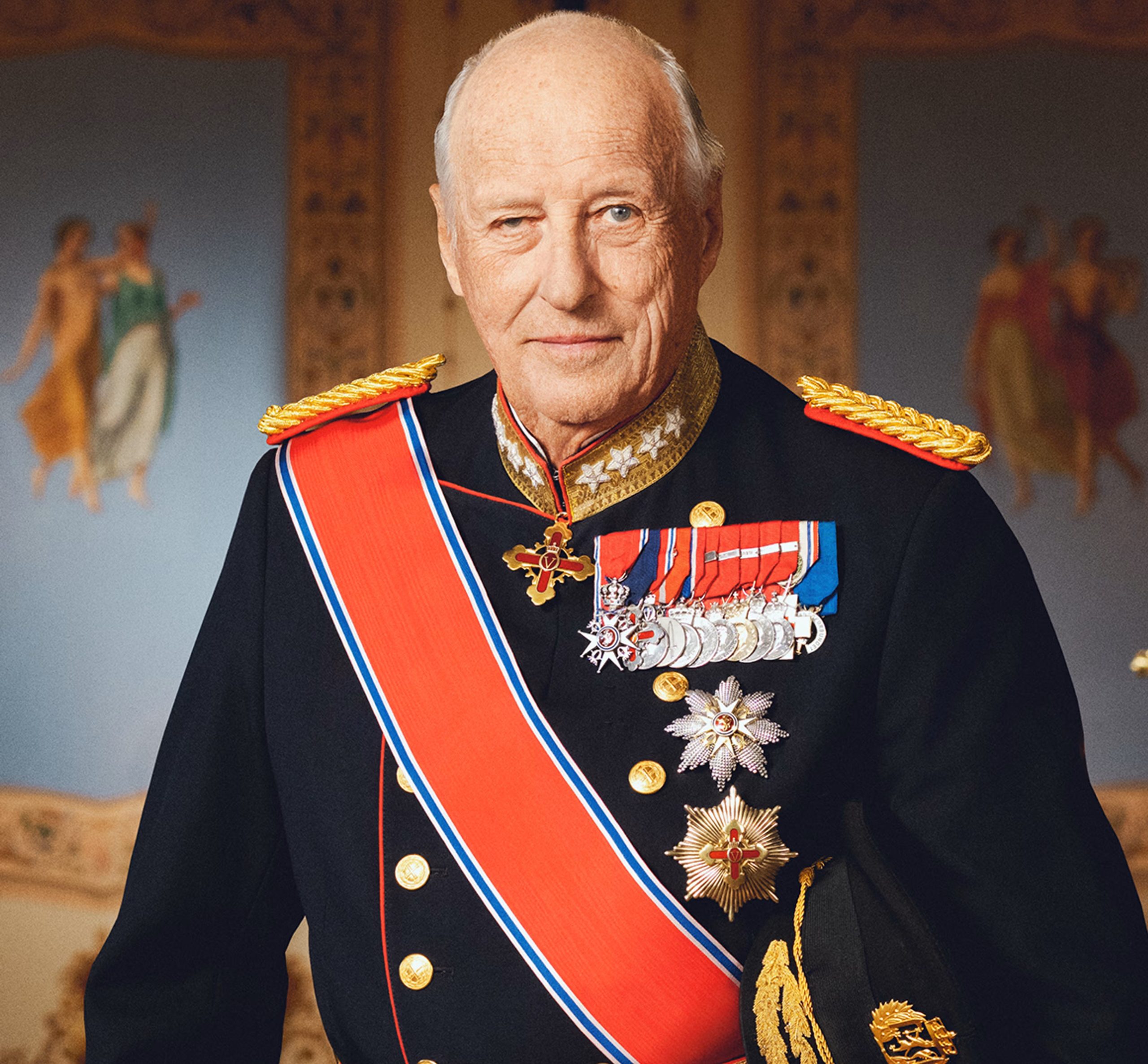
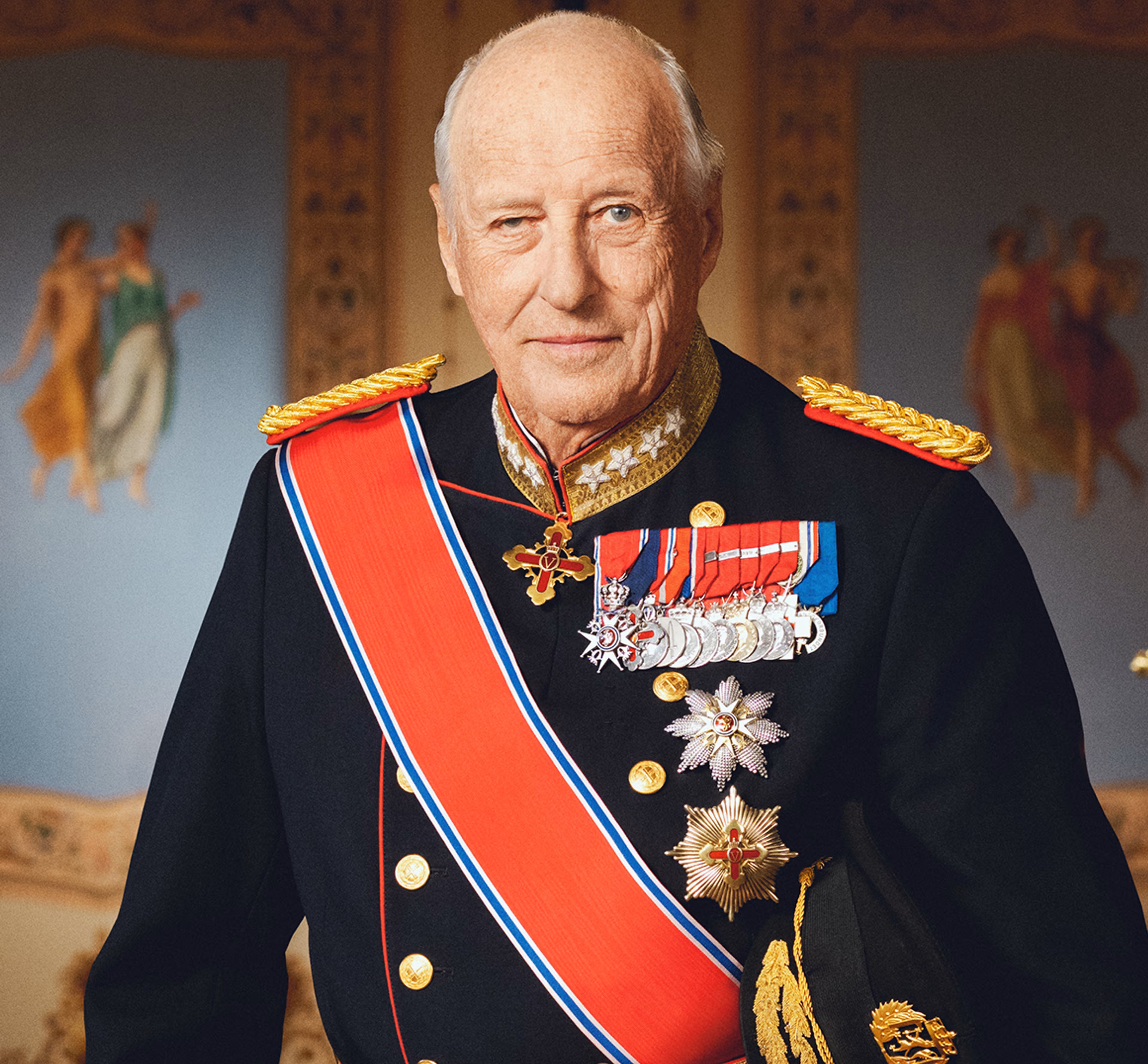
Bishop Erik Varden invoked a ninth-century prayer for the dying as he commended King Harald V to God’s mercy on behalf of Norwegian Catholics.
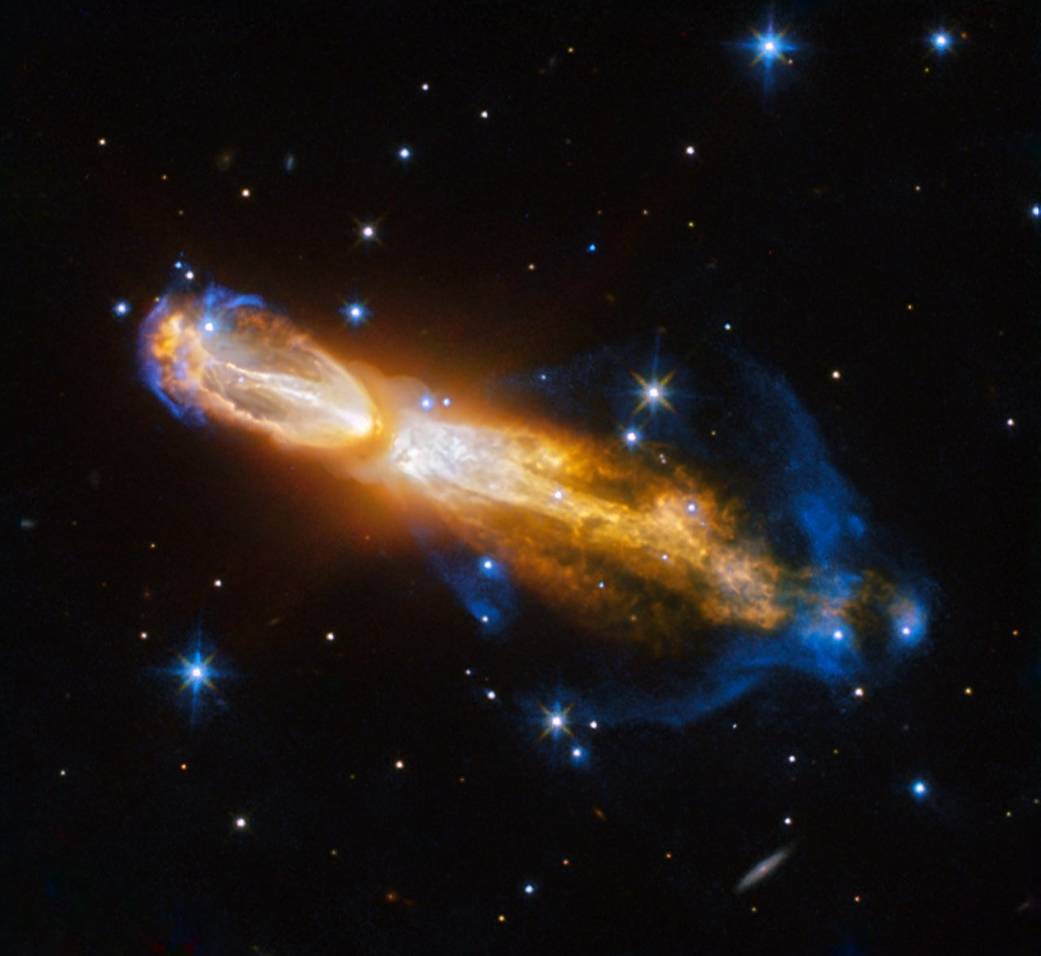
The Calabash Nebula, pictured here — which has the technical name OH 231.8+04.2 — is a spectacular example of the death of a low-mass star like the Sun. This image taken by the NASA/ESA Hubble Space Telescope shows the star going through a rapid transformation from a red giant to a planetary nebula, during which it blows its outer layers of gas and dust out into the surrounding space. The recently ejected material is spat out in opposite directions with immense speed — the gas shown in yellow is moving close to a million kilometres an hour. Astronomers rarely capture a star in this phase of its evolution because it occurs within the blink of an eye — in astronomical terms. Over the next thousand years the nebula is expected to evolve into a fully fledged planetary nebula. The nebula is also known as the Rotten Egg Nebula because it contains a lot of sulphur, an element that, when combined with other elements, smells like a rotten egg — but luckily, it resides over 5000 light-years away in the constellation of Puppis (The Poop deck).
Read More![Inaugural edition of Sheen Awards honors Mother Angelica #Catholic On Sept. 25, one day after the beatification of Archbishop Fulton Sheen, members of the media and entertainment world as well as the Church at large gathered in Peoria, Illinois — the hometown of now-Blessed Fulton Sheen — for the inaugural Sheen Awards.Among the notable figures in attendance were Bishop Louis Tylka of the Diocese of Peoria; Bishop John Barres of the Diocese Rockville Centre, New York; Bishop Robert Barron of the Diocese of Winona-Rochester, Minnesota; Jonathan Roumie, who plays Jesus in “The Chosen”; David Henrie, host of EWTN’s travel series “Seeking Beauty”; and Siobhan Fallon Hogan, host of the EWTN podcast “Catholics and Cappuccinos.” Seven awards were presented including the Radio and Podcast Impact Award, the Evangelization Impact Award, the Mission and Humanitarian Impact Award, the Innovation Impact Award, the Digital Creator Impact Award, the Television and Streaming Impact Award, and the Archbishop Fulton J. Sheen Lifetime Achievement Award.Mother Angelica, EWTN’s foundress, posthumously received the inaugural Lifetime Achievement Award. The award was bestowed on Mother Angelica in recognition of her lifetime of service to the Church and her pioneering use of television to proclaim the Gospel through the Eternal Word Television Network. EWTN Studios President Peter Gagnon accepted the award on her behalf.“On behalf of Michael Warsaw, CEO, and myself, we want to thank Bishop Tylka and the Archbishop Sheen Foundation for honoring Mother Angelica with this award,” Gagnon said in his acceptance speech. Gagnon worked with Mother Angelica for many years and pointed out that “one of her favorite expressions was to say, ‘This is awesome!’”He said: “When there would be a papal event, she would say, ‘Wasnʼt that awesome?’ … I think tonight she would say, ‘This is awesome.’”A little over one year after the death of Sheen — on Dec. 12, 1980 — EWTN was officially incorporated by Mother Angelica. Reflecting on this, Gagnon said: “I donʼt think itʼs a coincidence.”“Mother Angelica took the torch from Archbishop Sheen because she saw the power of reaching people through the media, through television,” he said. “She, like Archbishop Sheen, could reach through that camera lens and talk to you. And when she was talking to you, she was talking to you directly.”Gagnon added: “Also like him [Sheen], she had just an incredible love for the Church and a zeal for souls. I never knew anyone who loved Our Lord as much as Mother Angelica did. Her impact on many throughout the world is truly humbling and amazing.”EWTN has aired “Life Is Worth Living,” Sheen’s popular television show, for over 20 years. Gagnon emphasized that the network is “proud to share his words and message throughout the world.”In an additional statement commenting on the significance of the award, Michael Warsaw, chairman and CEO of EWTN Global Catholic Network, noted: “Among the great Catholic evangelists of the 20th century, Blessed Archbishop Fulton J. Sheen, and our own Mother Angelica, stand out for the extraordinary ways they embraced media to proclaim the Gospel, defend the dignity of the human person and speak the truth to a world desperately in need of Jesus Christ.” “It is especially meaningful to see Mother Angelica honored in the name of Archbishop Sheen, whose pioneering use of radio and television demonstrated the power of media in service of the Gospel,” Warsaw pointed out. He said the recognition is “particularly poignant as we mark the 10th anniversary of Mother Angelica’s passing.”
EWTN Studios President Peter Gagnon accepts the Lifetime Achievement Award on behalf of Mother Angelica at the Sheen Awards on Sept. 25, 2026. | Credit: Nellie Gould, Archbishop Fulton J. Sheen Foundation
“She would have been deeply honored to be recognized at the inaugural Sheen Awards and counted among the innovators and communicators carrying forward Archbishop Sheen’s legacy,” Warsaw added.Broaching the topic of Mother Angelica’s own potential cause for canonization, Warsaw indicated: “While I remain mindful of the Church’s careful discernment regarding any potential cause for sainthood, I can say personally that I pray and hope that one day Mother Angelica might be numbered among the saints of the Church she loved and served so faithfully.”Warsaw concluded: “On behalf of the entire EWTN family, I am profoundly grateful for this recognition of Mother Angelica and, more importantly, for the opportunity to remember what animated both Mother Angelica and Blessed Fulton Sheen: the desire to bring souls to Jesus Christ. May their example inspire us all to use the gifts God has given us to proclaim the Gospel with courage, creativity and joy.”Additional Sheen Award recipients included Katie McGrady, who received the Radio and Podcast Impact Award; Roumie, who received the Television and Streaming Impact Award; and Barron, who received the Evangelization Impact Award.The Mission and Humanitarian Impact Award went to the Pontifical Mission Societies in the United States, while Hallow received the Innovation Impact Award. Paul J. Kim was awarded the Digital Creator Impact Award.Watch EWTN’s livestream of the red carpet at the Sheen Awards here.](https://unitedyam.com/wp-content/uploads/2026/10/inaugural-edition-of-sheen-awards-honors-mother-angelica-catholic-on-sept-25-one-day-after-the-beatification-of-archbishop-fulton-sheen-members-of-the-media-and-entertainment-world-as-well-as-the-scaled.jpg "Inaugural edition of Sheen Awards honors Mother Angelica #Catholic On Sept. 25, one day after the beatification of Archbishop Fulton Sheen, members of the media and entertainment world as well as the Church at large gathered in Peoria, Illinois — the hometown of now-Blessed Fulton Sheen — for the inaugural Sheen Awards.Among the notable figures in attendance were Bishop Louis Tylka of the Diocese of Peoria; Bishop John Barres of the Diocese Rockville Centre, New York; Bishop Robert Barron of the Diocese of Winona-Rochester, Minnesota; Jonathan Roumie, who plays Jesus in “The Chosen”; David Henrie, host of EWTN’s travel series “Seeking Beauty”; and Siobhan Fallon Hogan, host of the EWTN podcast “Catholics and Cappuccinos.” Seven awards were presented including the Radio and Podcast Impact Award, the Evangelization Impact Award, the Mission and Humanitarian Impact Award, the Innovation Impact Award, the Digital Creator Impact Award, the Television and Streaming Impact Award, and the Archbishop Fulton J. Sheen Lifetime Achievement Award.Mother Angelica, EWTN’s foundress, posthumously received the inaugural Lifetime Achievement Award. The award was bestowed on Mother Angelica in recognition of her lifetime of service to the Church and her pioneering use of television to proclaim the Gospel through the Eternal Word Television Network. EWTN Studios President Peter Gagnon accepted the award on her behalf.“On behalf of Michael Warsaw, CEO, and myself, we want to thank Bishop Tylka and the Archbishop Sheen Foundation for honoring Mother Angelica with this award,” Gagnon said in his acceptance speech. Gagnon worked with Mother Angelica for many years and pointed out that “one of her favorite expressions was to say, ‘This is awesome!’”He said: “When there would be a papal event, she would say, ‘Wasnʼt that awesome?’ … I think tonight she would say, ‘This is awesome.’”A little over one year after the death of Sheen — on Dec. 12, 1980 — EWTN was officially incorporated by Mother Angelica. Reflecting on this, Gagnon said: “I donʼt think itʼs a coincidence.”“Mother Angelica took the torch from Archbishop Sheen because she saw the power of reaching people through the media, through television,” he said. “She, like Archbishop Sheen, could reach through that camera lens and talk to you. And when she was talking to you, she was talking to you directly.”Gagnon added: “Also like him [Sheen], she had just an incredible love for the Church and a zeal for souls. I never knew anyone who loved Our Lord as much as Mother Angelica did. Her impact on many throughout the world is truly humbling and amazing.”EWTN has aired “Life Is Worth Living,” Sheen’s popular television show, for over 20 years. Gagnon emphasized that the network is “proud to share his words and message throughout the world.”In an additional statement commenting on the significance of the award, Michael Warsaw, chairman and CEO of EWTN Global Catholic Network, noted: “Among the great Catholic evangelists of the 20th century, Blessed Archbishop Fulton J. Sheen, and our own Mother Angelica, stand out for the extraordinary ways they embraced media to proclaim the Gospel, defend the dignity of the human person and speak the truth to a world desperately in need of Jesus Christ.” “It is especially meaningful to see Mother Angelica honored in the name of Archbishop Sheen, whose pioneering use of radio and television demonstrated the power of media in service of the Gospel,” Warsaw pointed out. He said the recognition is “particularly poignant as we mark the 10th anniversary of Mother Angelica’s passing.”
EWTN Studios President Peter Gagnon accepts the Lifetime Achievement Award on behalf of Mother Angelica at the Sheen Awards on Sept. 25, 2026. | Credit: Nellie Gould, Archbishop Fulton J. Sheen Foundation
“She would have been deeply honored to be recognized at the inaugural Sheen Awards and counted among the innovators and communicators carrying forward Archbishop Sheen’s legacy,” Warsaw added.Broaching the topic of Mother Angelica’s own potential cause for canonization, Warsaw indicated: “While I remain mindful of the Church’s careful discernment regarding any potential cause for sainthood, I can say personally that I pray and hope that one day Mother Angelica might be numbered among the saints of the Church she loved and served so faithfully.”Warsaw concluded: “On behalf of the entire EWTN family, I am profoundly grateful for this recognition of Mother Angelica and, more importantly, for the opportunity to remember what animated both Mother Angelica and Blessed Fulton Sheen: the desire to bring souls to Jesus Christ. May their example inspire us all to use the gifts God has given us to proclaim the Gospel with courage, creativity and joy.”Additional Sheen Award recipients included Katie McGrady, who received the Radio and Podcast Impact Award; Roumie, who received the Television and Streaming Impact Award; and Barron, who received the Evangelization Impact Award.The Mission and Humanitarian Impact Award went to the Pontifical Mission Societies in the United States, while Hallow received the Innovation Impact Award. Paul J. Kim was awarded the Digital Creator Impact Award.Watch EWTN’s livestream of the red carpet at the Sheen Awards here.")