Title

Pope Leo XIV prays for parents who have suffered the loss of a baby #Catholic Pope Leo XIV assured his prayers “for all parents who suffer the loss of a child, especially a baby,” on the occasion of the upcoming Day for Life, which will be celebrated in England, Wales, Scotland, and Ireland this coming Sunday, June 21.In a message signed by Vatican Secretary of State Cardinal Pietro Parolin, the pope said he is praying that these parents “find consolation and peace in the knowledge of God’s love for them” and for the child they have lost. “This divine love gives meaning to the life of every person and, far from ending with death, invites us to a new fullness in eternity,” the pontiff affirmed.According to a statement from the Irish Bishops’ Conference, Pope Leo XIV also sent his best wishes and prayers to all those participating in this day of prayer, which is centered on “wonder at the full humanity of the child in the mother’s womb” as well as the efforts made to support mothers and fathers who have suffered the loss of a baby.He also urged parents to find the support they need in the Church community, “especially in a life nourished by prayer and the sacraments.”‘Wonder at the child in the mother’s womb’Organized under the title “Wonder at the Child in the Mother’s Womb,” the Day for Life, which always falls on Father’s Day, recalls that every human being is endowed with infinite dignity from the very moment of conception, “simply by existing, by having been wanted, created, and loved by God,” as the pope recalled in his recent encyclical Magnifica Humanitas.The Bishops’ Conferences of England, Wales, Scotland, and Ireland recalled in their statement that fatherhood “is a vocation full of joys and hopes, but also of sorrows and concerns.”The bishops wished to specially acknowledge the pain of parents who have lost a child before birth or during infancy and to offer them a message of hope and consolation: that of fullness in eternity.The Church wants to be especially close to these parents, according to the bishops, who emphasized the need for spiritual and pastoral accompaniment as parents face physical and psychological consequences, as well as the feeling of powerlessness in not knowing how to support their family or how to express their own grief. The bishops also recalled that “God has created, wanted, and deeply loved from all eternity every child, including those who lose their lives before birth or shortly afterward.”The prelates emphasized that the word of God “reveals the sacred humanity of the unborn child” and that parents therefore understand how precious and unique the child they have lost is: “They know that no other child will ever be able to replace him,” they affirmed.From this perspective, the bishops denounced the inconsistency of describing life in the mother’s womb as a mere cluster of cells. “How can that life be someone so loved and valuable to their parents and, at the same time, be considered something worthless and disposable?” they asked.The prelates insisted that science is clear in stating that life begins at the moment of fertilization. “The more we learn from science, the more we understand the Church’s teaching on the unique value of the unborn child,” they highlighted.They further recalled that every human being is not only a body “but also an immortal soul, with a unique and eternal relationship with God, our Creator,” which is why the unborn child “deserves full protection under the law.”They emphasized that the Church “has always rejected voluntary abortion” and committed themselves to “work and pray so that our society values the life of every child,” especially in the earliest stages of human existence.This story was first published by ACI Prensa, the Spanish-language sister service of EWTN News. It has been translated and adapted by EWTN News English.

Pope Leo XIV prays for parents who have suffered the loss of a baby #Catholic Pope Leo XIV assured his prayers “for all parents who suffer the loss of a child, especially a baby,” on the occasion of the upcoming Day for Life, which will be celebrated in England, Wales, Scotland, and Ireland this coming Sunday, June 21.In a message signed by Vatican Secretary of State Cardinal Pietro Parolin, the pope said he is praying that these parents “find consolation and peace in the knowledge of God’s love for them” and for the child they have lost. “This divine love gives meaning to the life of every person and, far from ending with death, invites us to a new fullness in eternity,” the pontiff affirmed.According to a statement from the Irish Bishops’ Conference, Pope Leo XIV also sent his best wishes and prayers to all those participating in this day of prayer, which is centered on “wonder at the full humanity of the child in the mother’s womb” as well as the efforts made to support mothers and fathers who have suffered the loss of a baby.He also urged parents to find the support they need in the Church community, “especially in a life nourished by prayer and the sacraments.”‘Wonder at the child in the mother’s womb’Organized under the title “Wonder at the Child in the Mother’s Womb,” the Day for Life, which always falls on Father’s Day, recalls that every human being is endowed with infinite dignity from the very moment of conception, “simply by existing, by having been wanted, created, and loved by God,” as the pope recalled in his recent encyclical Magnifica Humanitas.The Bishops’ Conferences of England, Wales, Scotland, and Ireland recalled in their statement that fatherhood “is a vocation full of joys and hopes, but also of sorrows and concerns.”The bishops wished to specially acknowledge the pain of parents who have lost a child before birth or during infancy and to offer them a message of hope and consolation: that of fullness in eternity.The Church wants to be especially close to these parents, according to the bishops, who emphasized the need for spiritual and pastoral accompaniment as parents face physical and psychological consequences, as well as the feeling of powerlessness in not knowing how to support their family or how to express their own grief. The bishops also recalled that “God has created, wanted, and deeply loved from all eternity every child, including those who lose their lives before birth or shortly afterward.”The prelates emphasized that the word of God “reveals the sacred humanity of the unborn child” and that parents therefore understand how precious and unique the child they have lost is: “They know that no other child will ever be able to replace him,” they affirmed.From this perspective, the bishops denounced the inconsistency of describing life in the mother’s womb as a mere cluster of cells. “How can that life be someone so loved and valuable to their parents and, at the same time, be considered something worthless and disposable?” they asked.The prelates insisted that science is clear in stating that life begins at the moment of fertilization. “The more we learn from science, the more we understand the Church’s teaching on the unique value of the unborn child,” they highlighted.They further recalled that every human being is not only a body “but also an immortal soul, with a unique and eternal relationship with God, our Creator,” which is why the unborn child “deserves full protection under the law.”They emphasized that the Church “has always rejected voluntary abortion” and committed themselves to “work and pray so that our society values the life of every child,” especially in the earliest stages of human existence.This story was first published by ACI Prensa, the Spanish-language sister service of EWTN News. It has been translated and adapted by EWTN News English.

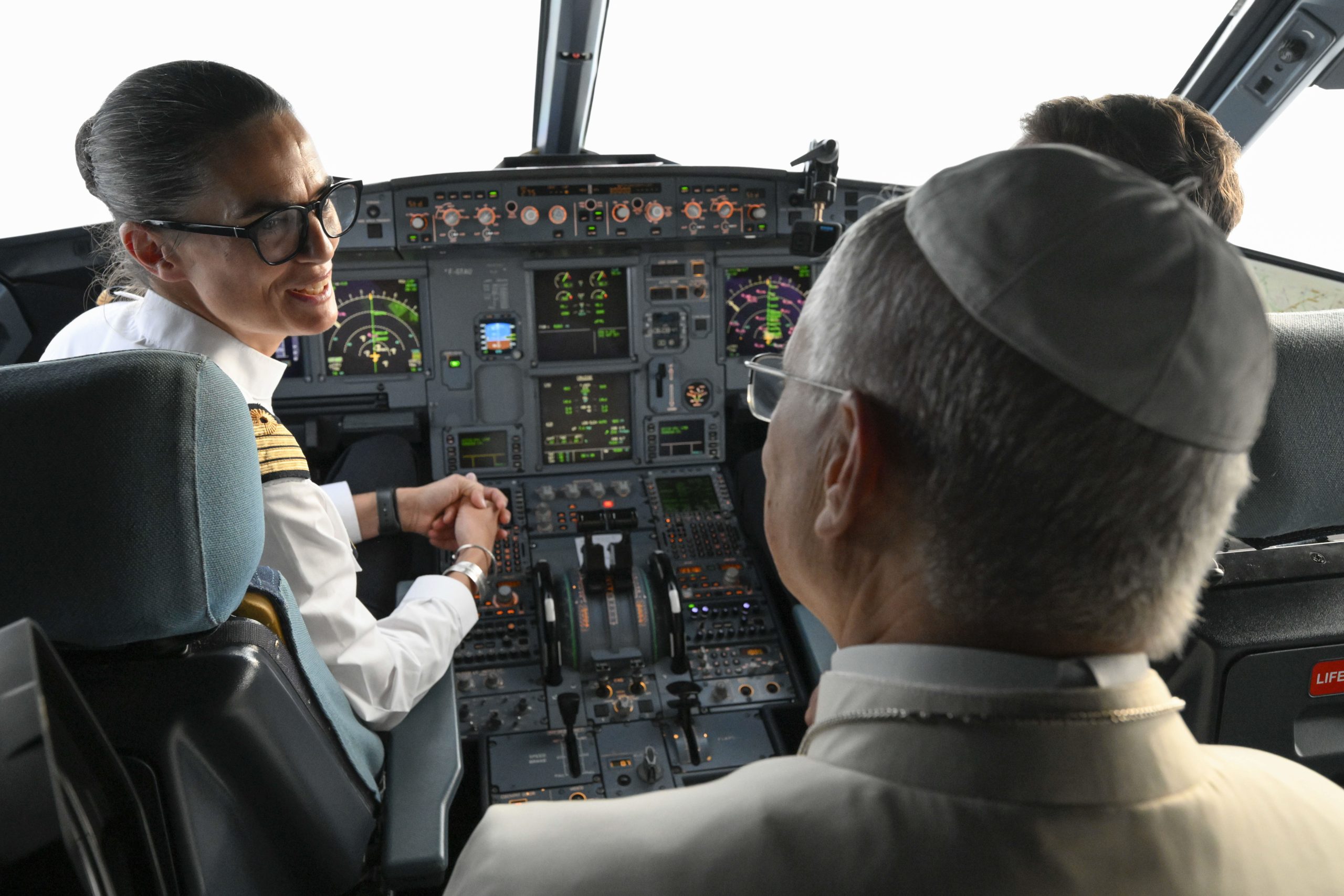
God’s “divine love gives meaning to the life of every person and, far from ending with death, invites us to a new fullness in eternity,” the pope said.

Read More
Pope Leo XIV honors Our Lady of Almudena with Golden Rose, reflects on Spain’s Christian heritage #Catholic For more than a thousand years, generations of Catholics in Madrid have turned to Our Lady of Almudena in times of celebration, hardship, and prayer. On June 8, that enduring devotion received one of the Church’s highest marks of recognition when Pope Leo XIV bestowed a Golden Rose upon the historic statue.“As a symbol of the pope’s filial love for the Virgin Mary, I will place a Golden Rose at her feet,” Leo said during a ceremony at Madrid’s Cathedral of Santa María la Real de la Almudena.The papal honor — one of the highest distinctions a pope can bestow upon a Marian image or shrine — recognizes the deep devotion generations of Spanish Catholics have shown to the Blessed Virgin under the title of Almudena.The exact origin of the gifting of a Golden Rose is unknown, although it is considered one of the oldest papal traditions. The earliest reliable record dates to 1096, when Pope Urban II sent one to Fulcone d’Angers. Hidden in the citadel wallAddressing the faithful gathered in the cathedral, Leo reflected on the image’s unique place in Madrid’s history.“For centuries, countless generations of Madrileños have venerated this image of the Blessed Virgin Mary holding her divine Son in her arms and presenting him to us,” the pope said.According to long-standing tradition, the devotion dates to the early centuries of Christianity in Spain. When Muslim forces conquered much of the Iberian Peninsula in A.D. 712, Christians in Madrid reportedly concealed the statue within the city’s defensive walls to protect it from destruction. The image remained hidden for centuries as Christian kingdoms gradually sought to reclaim territories across the peninsula during the Reconquista.The wall that fell In 1083, after King Alfonso VI of Castile recaptured Madrid, Christians searched for the long-lost statue. Tradition holds that after days of prayer, a section of the city wall suddenly collapsed, revealing the image preserved within. Witnesses reported seeing lights near the site, and the statue was discovered largely intact despite centuries of concealment.Recalling the story, Leo noted that “during challenging periods for the Christian community, the statue of the Virgin Mary was hidden in a niche of the citadel wall for protection. It remained concealed for some time, until parts of the wall collapsed and it was miraculously discovered intact.”The title “Almudena” derives from the Arabic word “al-mudayna,” meaning “citadel” or “fortress,” a reference to the location where the image was found.A message for today In his homily, the pope used the collapse of the wall as a spiritual lesson for modern society.“It was thanks to a collapsed wall that the Mother was reunited with her people,” Leo said. “This event is providential, because it points to the path that Jesus, through his most holy mother, invites us to follow.”Leo connected that image to challenges facing the modern world, observing that “there are still many walls that do not protect but rather divide, separate, and isolate.”The ceremony also highlighted the popeʼs connection to Spain, a nation whose Catholic heritage has profoundly shaped the history of the Church. By honoring one of Spain’s most beloved Marian images, the pontiff underscored the enduring importance of popular Marian devotion and the Christian roots that continue to influence Spanish culture.Renewing faith and hope Beyond its historical significance, the story of Our Lady of Almudena continues to resonate with Catholics today. The devotion recalls themes of perseverance, hope, and trust in God’s providence, themes Pope Leo himself highlighted as he encouraged the faithful to remain steadfast in faith, charity, and hope.Calling the devotion a source of hope, Leo described it as “a sign of the Christian roots that characterize you and give you life, but also of the great hope which continues to motivate you to move forward.”He concluded by encouraging Catholics to remain steadfast in faith, charity, and hope, asking that the intercession of Our Lady of Almudena strengthen believers in their love for Christ and help them “form bonds and restore the universal language of communion, fraternal love, and harmony.”

Pope Leo XIV honors Our Lady of Almudena with Golden Rose, reflects on Spain’s Christian heritage #Catholic For more than a thousand years, generations of Catholics in Madrid have turned to Our Lady of Almudena in times of celebration, hardship, and prayer. On June 8, that enduring devotion received one of the Church’s highest marks of recognition when Pope Leo XIV bestowed a Golden Rose upon the historic statue.“As a symbol of the pope’s filial love for the Virgin Mary, I will place a Golden Rose at her feet,” Leo said during a ceremony at Madrid’s Cathedral of Santa María la Real de la Almudena.The papal honor — one of the highest distinctions a pope can bestow upon a Marian image or shrine — recognizes the deep devotion generations of Spanish Catholics have shown to the Blessed Virgin under the title of Almudena.The exact origin of the gifting of a Golden Rose is unknown, although it is considered one of the oldest papal traditions. The earliest reliable record dates to 1096, when Pope Urban II sent one to Fulcone d’Angers. Hidden in the citadel wallAddressing the faithful gathered in the cathedral, Leo reflected on the image’s unique place in Madrid’s history.“For centuries, countless generations of Madrileños have venerated this image of the Blessed Virgin Mary holding her divine Son in her arms and presenting him to us,” the pope said.According to long-standing tradition, the devotion dates to the early centuries of Christianity in Spain. When Muslim forces conquered much of the Iberian Peninsula in A.D. 712, Christians in Madrid reportedly concealed the statue within the city’s defensive walls to protect it from destruction. The image remained hidden for centuries as Christian kingdoms gradually sought to reclaim territories across the peninsula during the Reconquista.The wall that fell In 1083, after King Alfonso VI of Castile recaptured Madrid, Christians searched for the long-lost statue. Tradition holds that after days of prayer, a section of the city wall suddenly collapsed, revealing the image preserved within. Witnesses reported seeing lights near the site, and the statue was discovered largely intact despite centuries of concealment.Recalling the story, Leo noted that “during challenging periods for the Christian community, the statue of the Virgin Mary was hidden in a niche of the citadel wall for protection. It remained concealed for some time, until parts of the wall collapsed and it was miraculously discovered intact.”The title “Almudena” derives from the Arabic word “al-mudayna,” meaning “citadel” or “fortress,” a reference to the location where the image was found.A message for today In his homily, the pope used the collapse of the wall as a spiritual lesson for modern society.“It was thanks to a collapsed wall that the Mother was reunited with her people,” Leo said. “This event is providential, because it points to the path that Jesus, through his most holy mother, invites us to follow.”Leo connected that image to challenges facing the modern world, observing that “there are still many walls that do not protect but rather divide, separate, and isolate.”The ceremony also highlighted the popeʼs connection to Spain, a nation whose Catholic heritage has profoundly shaped the history of the Church. By honoring one of Spain’s most beloved Marian images, the pontiff underscored the enduring importance of popular Marian devotion and the Christian roots that continue to influence Spanish culture.Renewing faith and hope Beyond its historical significance, the story of Our Lady of Almudena continues to resonate with Catholics today. The devotion recalls themes of perseverance, hope, and trust in God’s providence, themes Pope Leo himself highlighted as he encouraged the faithful to remain steadfast in faith, charity, and hope.Calling the devotion a source of hope, Leo described it as “a sign of the Christian roots that characterize you and give you life, but also of the great hope which continues to motivate you to move forward.”He concluded by encouraging Catholics to remain steadfast in faith, charity, and hope, asking that the intercession of Our Lady of Almudena strengthen believers in their love for Christ and help them “form bonds and restore the universal language of communion, fraternal love, and harmony.”

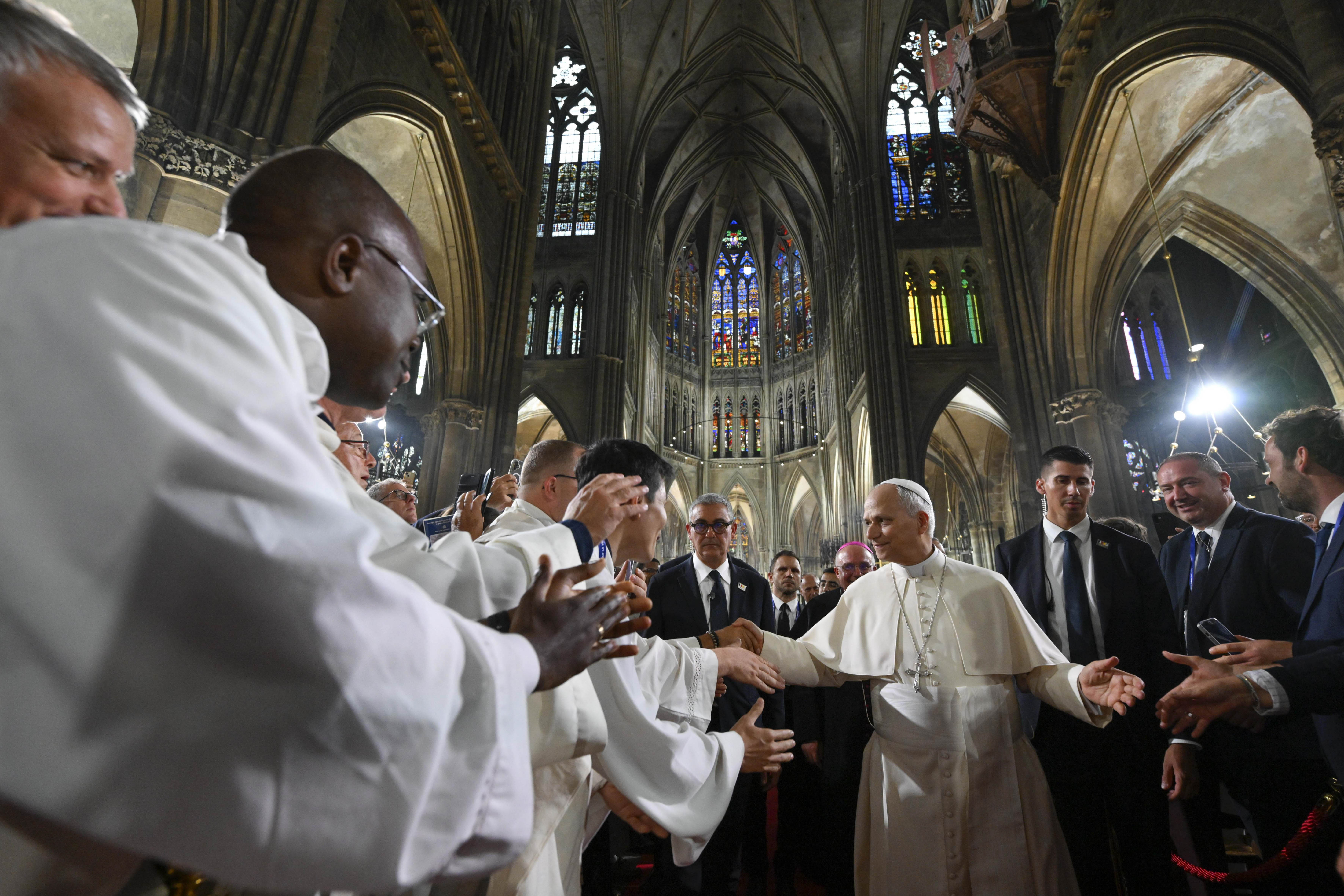
The origin of the gifting of a golden rose is unknown, but it is considered one of the oldest papal traditions dating back to 1096.

Read More
Vatican elevates Philippine Padre Pio shrine to international status #Catholic The Vatican has elevated the National Shrine and Parish of St. Padre Pio in Batangas, Philippines, to the rank of an international shrine, making it only the second shrine in the Philippines to receive the designation from the Holy See.The decree was issued by the Dicastery for Evangelization on May 25, coinciding with the 139th anniversary of the birth of St. Pio of Pietrelcina (also known as Padre Pio), the Capuchin saint whose spirituality continues to attract millions of devotees worldwide.The recognition places the shrine among a select group of Catholic pilgrimage sites acknowledged by the universal Church for their exceptional spiritual significance and their capacity to welcome pilgrims from around the world.Archbishop Gilbert Garcera of Lipa, president of the Catholic Bishops' Conference of the Philippines (CBCP), announced the news in a video message posted on the shrineʼs official social media page.The archbishop said he personally received the official communication from Archbishop Charles John Brown, apostolic nuncio to the Philippines.“This recognition marks a historic milestone not only for the shrine and the Archdiocese of Lipa but also for the Church in the Philippines, as it becomes a place of pilgrimage and devotion with international significance,” Garcera said in a separate statement.The elevation follows the unanimous approval by the CBCP during its plenary assembly in July 2024, when the bishops endorsed the shrineʼs application and recommended it to the Holy See for international recognition.For Father Oscar L. Andal, rector and parish priest of the shrine, the designation represents both an honor and a mission.“This distinguished recognition is both a blessing and a responsibility,” Andal told EWTN News. “As an international shrine, we are called to welcome pilgrims from every corner of the world and continue sharing Padre Pioʼs message of prayer, trust in God, and love for humanity. We receive this honor with gratitude and humility, recognizing that it strengthens our commitment to serve the faithful and bring them closer to Christ,” he said.The priest also noted that the recognition deepens the spiritual bond between the Batangas shrine and the Sanctuary of St. Pio of Pietrelcina in San Giovanni Rotondo, Italy, where the saint spent much of his priestly ministry.A historic moment for the Philippine ChurchFather Reynante Tolentino, president of the Association of Catholic Shrines and Pilgrimages of the Philippines, described the declaration as a historic milestone not only for the Church in the Philippines but also for the entire nation.“The declaration of the National Shrine of St. Padre Pio in Batangas as an international shrine is a historic and tremendous blessing,” Tolentino said.
 
 The interior of the National Shrine and Parish of St. Padre Pio in Santo Tomas, Batangas, Philippines. | Credit: Photo courtesy of Father Oscar Andal, National Shrine of St. Padre Pio
 
 He noted that the shrine becomes the second international shrine in the Philippines and Southeast Asia after the International Shrine of Our Lady of Peace and Good Voyage in Antipolo. Tolentino was the rector of the Cathedral and National Shrine of Our Lady of Peace and Good Voyage in Antipolo, Rizal province, when it became the first national shrine in the Philippines and Southeast Asia to be elevated to international shrine status.For Tolentino, the Holy Seeʼs decision affirms the enduring devotion of Filipinos to the saint known for bearing the stigmata and for his ministry of spiritual and physical healing.“This is a clear affirmation and validation of the strong devotion of Batangueños and Filipinos in general to Padre Pio,” he said.“People continue to come because everyone seeks healing — not only physical healing but spiritual healing as well.”He emphasized that while the shrineʼs administrators and devotees supported the initiative from the beginning, the formal recommendation to Rome came through the collective discernment and approval of the CBCP.Tolentino also expressed hope that all shrines in the country — whether diocesan, national, or international — would continue to serve as centers of evangelization and places of refuge for those in need.From local devotion to international pilgrimage destinationThe history of the shrine is closely linked to the rapid growth of devotion to Padre Pio following his canonization by St. John Paul II in 2002.What began as a small chapel in Santo Tomas in 2003 gradually developed into a major pilgrimage center. It was declared an archdiocesan shrine in 2008 and elevated to national shrine status in 2015.Today, the shrine welcomes hundreds of thousands of pilgrims annually who seek healing, spiritual renewal, and a deeper encounter with Christ through the intercession of Padre Pio.The shrine houses first-class relics of the saint and has become known for its vibrant sacramental life, particularly the celebration of the Eucharist, the sacrament of reconciliation, healing Masses, and devotional activities.Every 23rd day of the month, commemorating the saintʼs death on Sept. 23, thousands gather for healing Masses and pastoral activities.The shrineʼs ministry has also extended beyond Philippine shores through pilgrimages and devotional missions in Thailand, Hong Kong, and Malaysia.According to Andal, the growth of the shrine has been made possible through the dedication of clergy, religious communities, benefactors, volunteers, and countless devotees whose support has enabled the expansion of its ministries while remaining faithful to its spiritual mission.Occupying more than 17 hectares (about 42 acres), the shrine continues to implement a long-term development plan aimed at creating a more prayerful and pilgrim-centered environment.A recognition of universal significanceThe title of international shrine is reserved for a church or other sacred place that possesses particular importance for the life of the universal Church.The designation recognizes the Batangas shrine not only as a center of local devotion but also as a destination capable of serving pilgrims from across Asia and the wider world.Church leaders say the recognition highlights the universal appeal of Padre Pioʼs spirituality — a spirituality rooted in prayer, repentance, trust in divine providence, and devotion to Godʼs mercy.As an international shrine, the sanctuary is expected to strengthen its pilgrim programs, expand opportunities for spiritual formation, and foster greater collaboration with Catholic communities in promoting the life and teachings of the Capuchin saint.“As we celebrate this momentous recognition,” Andal said, “we entrust ourselves to the intercession of St. Padre Pio and renew our commitment to being a beacon of faith, hope, and charity.”“May all who visit this sacred space encounter Godʼs mercy, experience spiritual renewal, and find inspiration in the example of Padre Pioʼs holy life.”The formal declaration and presentation of the Holy Seeʼs decree will take place on Sept. 23, the liturgical memorial of St. Padre Pio, marking a new chapter in the history of one of the Philippines' most beloved pilgrimage destinations.

Vatican elevates Philippine Padre Pio shrine to international status #Catholic The Vatican has elevated the National Shrine and Parish of St. Padre Pio in Batangas, Philippines, to the rank of an international shrine, making it only the second shrine in the Philippines to receive the designation from the Holy See.The decree was issued by the Dicastery for Evangelization on May 25, coinciding with the 139th anniversary of the birth of St. Pio of Pietrelcina (also known as Padre Pio), the Capuchin saint whose spirituality continues to attract millions of devotees worldwide.The recognition places the shrine among a select group of Catholic pilgrimage sites acknowledged by the universal Church for their exceptional spiritual significance and their capacity to welcome pilgrims from around the world.Archbishop Gilbert Garcera of Lipa, president of the Catholic Bishops' Conference of the Philippines (CBCP), announced the news in a video message posted on the shrineʼs official social media page.The archbishop said he personally received the official communication from Archbishop Charles John Brown, apostolic nuncio to the Philippines.“This recognition marks a historic milestone not only for the shrine and the Archdiocese of Lipa but also for the Church in the Philippines, as it becomes a place of pilgrimage and devotion with international significance,” Garcera said in a separate statement.The elevation follows the unanimous approval by the CBCP during its plenary assembly in July 2024, when the bishops endorsed the shrineʼs application and recommended it to the Holy See for international recognition.For Father Oscar L. Andal, rector and parish priest of the shrine, the designation represents both an honor and a mission.“This distinguished recognition is both a blessing and a responsibility,” Andal told EWTN News. “As an international shrine, we are called to welcome pilgrims from every corner of the world and continue sharing Padre Pioʼs message of prayer, trust in God, and love for humanity. We receive this honor with gratitude and humility, recognizing that it strengthens our commitment to serve the faithful and bring them closer to Christ,” he said.The priest also noted that the recognition deepens the spiritual bond between the Batangas shrine and the Sanctuary of St. Pio of Pietrelcina in San Giovanni Rotondo, Italy, where the saint spent much of his priestly ministry.A historic moment for the Philippine ChurchFather Reynante Tolentino, president of the Association of Catholic Shrines and Pilgrimages of the Philippines, described the declaration as a historic milestone not only for the Church in the Philippines but also for the entire nation.“The declaration of the National Shrine of St. Padre Pio in Batangas as an international shrine is a historic and tremendous blessing,” Tolentino said. The interior of the National Shrine and Parish of St. Padre Pio in Santo Tomas, Batangas, Philippines. | Credit: Photo courtesy of Father Oscar Andal, National Shrine of St. Padre Pio He noted that the shrine becomes the second international shrine in the Philippines and Southeast Asia after the International Shrine of Our Lady of Peace and Good Voyage in Antipolo. Tolentino was the rector of the Cathedral and National Shrine of Our Lady of Peace and Good Voyage in Antipolo, Rizal province, when it became the first national shrine in the Philippines and Southeast Asia to be elevated to international shrine status.For Tolentino, the Holy Seeʼs decision affirms the enduring devotion of Filipinos to the saint known for bearing the stigmata and for his ministry of spiritual and physical healing.“This is a clear affirmation and validation of the strong devotion of Batangueños and Filipinos in general to Padre Pio,” he said.“People continue to come because everyone seeks healing — not only physical healing but spiritual healing as well.”He emphasized that while the shrineʼs administrators and devotees supported the initiative from the beginning, the formal recommendation to Rome came through the collective discernment and approval of the CBCP.Tolentino also expressed hope that all shrines in the country — whether diocesan, national, or international — would continue to serve as centers of evangelization and places of refuge for those in need.From local devotion to international pilgrimage destinationThe history of the shrine is closely linked to the rapid growth of devotion to Padre Pio following his canonization by St. John Paul II in 2002.What began as a small chapel in Santo Tomas in 2003 gradually developed into a major pilgrimage center. It was declared an archdiocesan shrine in 2008 and elevated to national shrine status in 2015.Today, the shrine welcomes hundreds of thousands of pilgrims annually who seek healing, spiritual renewal, and a deeper encounter with Christ through the intercession of Padre Pio.The shrine houses first-class relics of the saint and has become known for its vibrant sacramental life, particularly the celebration of the Eucharist, the sacrament of reconciliation, healing Masses, and devotional activities.Every 23rd day of the month, commemorating the saintʼs death on Sept. 23, thousands gather for healing Masses and pastoral activities.The shrineʼs ministry has also extended beyond Philippine shores through pilgrimages and devotional missions in Thailand, Hong Kong, and Malaysia.According to Andal, the growth of the shrine has been made possible through the dedication of clergy, religious communities, benefactors, volunteers, and countless devotees whose support has enabled the expansion of its ministries while remaining faithful to its spiritual mission.Occupying more than 17 hectares (about 42 acres), the shrine continues to implement a long-term development plan aimed at creating a more prayerful and pilgrim-centered environment.A recognition of universal significanceThe title of international shrine is reserved for a church or other sacred place that possesses particular importance for the life of the universal Church.The designation recognizes the Batangas shrine not only as a center of local devotion but also as a destination capable of serving pilgrims from across Asia and the wider world.Church leaders say the recognition highlights the universal appeal of Padre Pioʼs spirituality — a spirituality rooted in prayer, repentance, trust in divine providence, and devotion to Godʼs mercy.As an international shrine, the sanctuary is expected to strengthen its pilgrim programs, expand opportunities for spiritual formation, and foster greater collaboration with Catholic communities in promoting the life and teachings of the Capuchin saint.“As we celebrate this momentous recognition,” Andal said, “we entrust ourselves to the intercession of St. Padre Pio and renew our commitment to being a beacon of faith, hope, and charity.”“May all who visit this sacred space encounter Godʼs mercy, experience spiritual renewal, and find inspiration in the example of Padre Pioʼs holy life.”The formal declaration and presentation of the Holy Seeʼs decree will take place on Sept. 23, the liturgical memorial of St. Padre Pio, marking a new chapter in the history of one of the Philippines' most beloved pilgrimage destinations.

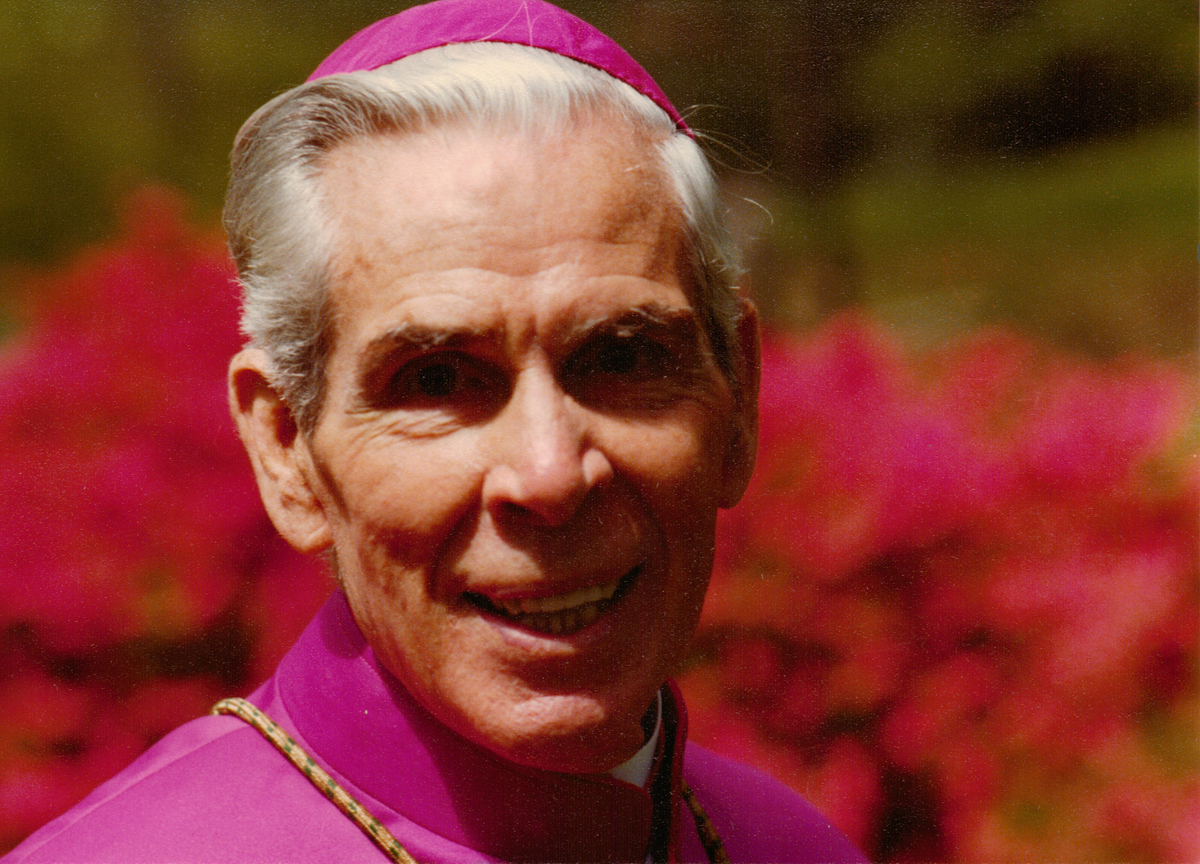
Only the second International Shrine in the Philippines, the Batangas sanctuary will mark its new status with a formal declaration on the saint’s Sept. 23 memorial.

Read More
Pope Leo XIV meets with Chicago Mayor Brandon Johnson #Catholic Pope Leo met with the mayor of Chicago, Brandon Johnson, at the Vatican on May 28.Johnson, who has served as mayor since 2023, met with the pontiff for the first time since his election. He also used the occasion to formally invite the pontiff to visit his native city, Chicago.In a press briefing to journalists after the audience, Johnson explained that the two discussed the policies of the United States government under President Donald Trump, including immigration and the Iran conflict.Johnson: Trumpʼs actions in Iran are tyrannicalThe Democratic mayor sharply criticized Trump in remarks to journalists, calling him a “tyrant” as well as a “disgrace” for involving the U.S. in the Israel-Iran conflict. He also said he discussed his concerns about the administration with Pope Leo and described his recent encyclical, Magnifica Humanitas, as a “call to action” to work to avoid wars. “I think the popeʼs encyclical is a call to action for the entire planet,” Johnson told journalists at the briefing. “Illegal wars do not leave just a trail of tears and trauma, but it also harms and brutalize our humanity. The economic drive with which [Trump] is moving is selfish.”Leo XIV has regularly criticized the U.S.-Israel war in Iran as unjust. Johnson, reflecting on his discussions with the pope, stated that “his position around Trump was more about disagreement with his approach.”“In the midst of a brutal, horrific, and ignorant tyrant that is currently occupying the White House, it is imperative that we really walk in the true essence of our faith. The impact of his failures on our global economy is quite severe. It is a disgrace to the sensibility of our humanity,” Johnson said.
 
 Mayor of Chicago Brandon Johnson holds a press briefing at The American University of Rome on May 28, 2026. | Credit: Ishmael Adibuah/EWTN News
 
 The Chicago mayor also said the two spoke about the Trump administrationʼs immigration enforcement, specifically raids by the United States Immigration and Customs Enforcement (ICE). “We did discuss ICE. The pope wanted to know how ICE impacted our city and whether there were still examples of ICE raids happening in our city. I talked about how our rapid response team came together to support families. And then I talked about my executive orders, for which he was very gracious and encouraging, especially those I signed to protect the people of Chicago.”Praise for Leoʼs apology for slaveryLeo XIV presented his first encyclical on May 25 at the Vatican, offering moral guidance amid widespread concern about the dangers posed by artificial intelligence.In the text, Leo issued an apology for the Churchʼs role in the trans-Atlantic slave trade. Johnson praised the pope for his courage and explained that he had discussed the legacy of slavery with him.“We talked about the conditions that the long legacy of slavery and disinvestment has had on Black Americans and Black people around the world,” Johnson said. “I engaged in a conversation with him around reparations and why it is important to work to repair the harm caused by the brutal legacy of slavery.”Yusef Jackson, the son of renowned civil rights activist Rev. Jesse Jackson Sr., was also part of the mayorʼs delegation that visited the pope. He praised Leo for his apology on behalf of the Church for slavery.“The pope is a powerful man. The color of his title commands respect around the world. For him to use the color of that title, coming from Chicago, a very segregated and class-divided city, with the bona fides to be a freedom fighter, meant a lot to me. He is a pope that I agree with,” Jackson said.An invitation to come to ChicagoJohnson also presented the pope with an official letter inviting him to visit Chicago and offer Mass at Grant Park. He wrote the letter after being advised by the Catholic archbishop of Chicago, Cardinal Blase Cupich.Speaking about the possibility of a future visit by Leo, he described his feelings and those of the city as hopeful.
 
 Official invitation by the mayor of Chicago, Brandon Johnson, to Pope Leo XIV, at the American University of Rome on May 28, 2026. | Credit: Ishmael Adibuah/EWTN News
 
 “We are going to remain hopeful. We have an open invitation for the pope to come to the city of Chicago. Ultimately, it will be his decision whether his schedule allows him to come. Some of the greatest voices for justice come from the city of Chicago. And that beloved city, of course, birthed Pope Leo XIV.”Along with the official invitation letter, the pontiff was presented with a ceremonial key to the city of Chicago.Correction: An earlier version of this story incorrectly spelled the first name of Cardinal Blase Cupich. (Published May 29, 2026)

Pope Leo XIV meets with Chicago Mayor Brandon Johnson #Catholic Pope Leo met with the mayor of Chicago, Brandon Johnson, at the Vatican on May 28.Johnson, who has served as mayor since 2023, met with the pontiff for the first time since his election. He also used the occasion to formally invite the pontiff to visit his native city, Chicago.In a press briefing to journalists after the audience, Johnson explained that the two discussed the policies of the United States government under President Donald Trump, including immigration and the Iran conflict.Johnson: Trumpʼs actions in Iran are tyrannicalThe Democratic mayor sharply criticized Trump in remarks to journalists, calling him a “tyrant” as well as a “disgrace” for involving the U.S. in the Israel-Iran conflict. He also said he discussed his concerns about the administration with Pope Leo and described his recent encyclical, Magnifica Humanitas, as a “call to action” to work to avoid wars. “I think the popeʼs encyclical is a call to action for the entire planet,” Johnson told journalists at the briefing. “Illegal wars do not leave just a trail of tears and trauma, but it also harms and brutalize our humanity. The economic drive with which [Trump] is moving is selfish.”Leo XIV has regularly criticized the U.S.-Israel war in Iran as unjust. Johnson, reflecting on his discussions with the pope, stated that “his position around Trump was more about disagreement with his approach.”“In the midst of a brutal, horrific, and ignorant tyrant that is currently occupying the White House, it is imperative that we really walk in the true essence of our faith. The impact of his failures on our global economy is quite severe. It is a disgrace to the sensibility of our humanity,” Johnson said. Mayor of Chicago Brandon Johnson holds a press briefing at The American University of Rome on May 28, 2026. | Credit: Ishmael Adibuah/EWTN News The Chicago mayor also said the two spoke about the Trump administrationʼs immigration enforcement, specifically raids by the United States Immigration and Customs Enforcement (ICE). “We did discuss ICE. The pope wanted to know how ICE impacted our city and whether there were still examples of ICE raids happening in our city. I talked about how our rapid response team came together to support families. And then I talked about my executive orders, for which he was very gracious and encouraging, especially those I signed to protect the people of Chicago.”Praise for Leoʼs apology for slaveryLeo XIV presented his first encyclical on May 25 at the Vatican, offering moral guidance amid widespread concern about the dangers posed by artificial intelligence.In the text, Leo issued an apology for the Churchʼs role in the trans-Atlantic slave trade. Johnson praised the pope for his courage and explained that he had discussed the legacy of slavery with him.“We talked about the conditions that the long legacy of slavery and disinvestment has had on Black Americans and Black people around the world,” Johnson said. “I engaged in a conversation with him around reparations and why it is important to work to repair the harm caused by the brutal legacy of slavery.”Yusef Jackson, the son of renowned civil rights activist Rev. Jesse Jackson Sr., was also part of the mayorʼs delegation that visited the pope. He praised Leo for his apology on behalf of the Church for slavery.“The pope is a powerful man. The color of his title commands respect around the world. For him to use the color of that title, coming from Chicago, a very segregated and class-divided city, with the bona fides to be a freedom fighter, meant a lot to me. He is a pope that I agree with,” Jackson said.An invitation to come to ChicagoJohnson also presented the pope with an official letter inviting him to visit Chicago and offer Mass at Grant Park. He wrote the letter after being advised by the Catholic archbishop of Chicago, Cardinal Blase Cupich.Speaking about the possibility of a future visit by Leo, he described his feelings and those of the city as hopeful. Official invitation by the mayor of Chicago, Brandon Johnson, to Pope Leo XIV, at the American University of Rome on May 28, 2026. | Credit: Ishmael Adibuah/EWTN News “We are going to remain hopeful. We have an open invitation for the pope to come to the city of Chicago. Ultimately, it will be his decision whether his schedule allows him to come. Some of the greatest voices for justice come from the city of Chicago. And that beloved city, of course, birthed Pope Leo XIV.”Along with the official invitation letter, the pontiff was presented with a ceremonial key to the city of Chicago.Correction: An earlier version of this story incorrectly spelled the first name of Cardinal Blase Cupich. (Published May 29, 2026)

The pontiff met with Johnson at the Vatican on May 28 and was formally invited to visit his native city next year.

Read More
German Catholic congress approves bondage group’s booth #Catholic An ecumenical working group promoting “consensual BDSM culture” will again exhibit at Germanyʼs Catholic Congress in Würzburg this week after organizers said its guidelines pose “no contradiction with the Catechism.”BDSM is an acronym that stands for “bondage and discipline, dominance and submission, sadism and masochism.”“The Ecumenical Working Group BDSM and Christianity has been represented on the Kirchenmeile at several Catholic Congresses now,” Cosima Jagow-Duda, head of press and marketing at the Catholic Congress, told CNA Deutsch, the German-language sister service of EWTN News, in response to an inquiry.“All organizations with an explicitly Christian reference have this right in principle, provided they are not unconstitutional or hostile to specific groups.” The groupʼs guidelines, she added, contain “no contradiction with the Catechism.”The working group was founded in 1999, according to its own website. It also exhibited at the previous Catholic Congress in Erfurt in 2024.Organized by the Central Committee of German Catholics (ZdK), the German Catholic Congress (Katholikentag) is a biennial gathering led by laypeople and representing the countryʼs main umbrella organization for lay Catholic associations. The 104th edition is taking place from May 13 to 17 in Würzburg under the motto “Have Courage, Stand Up!” Around 20,000 people are expected to attend the event, which features approximately 900 events across 50 venues.The approved booth is listed in the official program as stand number MW-R-07 on the Kirchenmeile — a German term meaning “Church Mile” — an exhibitor area where approximately 300 organizations present themselves to attendees.‘Out of the taboo corner’On its website, the working group describes itself as “Christians from various denominations who deal with eroticism and sexuality, particularly in the area of sadomasochistic sexual preferences.”Its published guidelines open with a “preamble on the relationship with God,” affirm belief in “the love and salvation through Jesus Christ,” and state that the group “accepts and lives the diverse and consensual BDSM culture.” The group has also said it wants to take the topic “out of the taboo corner.”Jagow-Duda told CNA Deutsch that applications for the Kirchenmeile “follow clear rules and guidelines” and that the organizers do not admit, for example, “right-wing extremist or anti-democratic groups.”The printed program book states, on page 58, that “a diversity of opinions that encourages and enriches discourse on the cohesion of society is expressly desired,” with limits “where discriminatory, racist, or antisemitic convictions are represented, expressions of group-related misanthropy, or an ideological distance from the free democratic constitutional order are to be expected.”“This concerns a booth where Christians are entering into conversation about their faith,” Jagow-Duda said.Other groups presenting on the Kirchenmeile whose positions stand in tension with Catholic teaching on sexuality include the Network of Catholic Lesbians, the LGBT initiative #OutInChurch, and the Ecumenical Working Group Homosexuals and Church.The official program also lists a “Queer worship service” on May 16 under the title “Life is colorful — diversity in the Church?!” and a Bible workshop titled “Reading the Bible queerly. Why G*D is a fan of diversity.”Pro-life panels rejected, association still presentThe eventʼs panel program, meanwhile, turned down three proposals on surrogacy, abortion, and end-of-life care from the countryʼs largest lay pro-life association, citing limited slots, even as the association maintains its own booth at the congress.The proposals were submitted by the Action for the Right to Life for All (ALfA) in cooperation with the Association of Catholic German Teachers (VkdL).The proposals' titles, according to the Catholic weekly Die Tagespost, were “Life Without a Child? Is Surrogacy the Solution on the Way to a Wished-For Child?”, “Taboo Topic Abortion — ‘I didnʼt want to abort, I had to,’” and “My Death and My Dignity — Autonomy and Human Dignity at the End of Life.”Britta Baas, a spokeswoman for the ZdK, told Die Tagespost that the rejections were made on “capacity grounds.” Two-thirds of all applications had to be turned down because only 40 panel slots were available, she said.The Catholic Congress leadership had set up a so-called “topic convention” before the nationwide call for proposals opened, which pre-selected the 40 panel themes. About three times as many applications were submitted as there were slots, Baas said, and “the panel working group commissioned by the Catholic Congress leadership then had to make a selection.”According to Die Tagespost, ALfA and VkdL had already secured several speakers for the proposed panels, including psychiatrist Christian Spaemann, surgeon and medical ethicist Kai Witzel, and the jurist Felix Böllmann of Alliance Defending Freedom International.The Catholic Congress will, however, host one panel on assisted suicide, titled “Quo Vadis Assisted Suicide? General Regulations and Individual Wishes,” with Social Democratic Party (SPD) parliamentarian Lars Castellucci and the president of the German Caritas Association, Eva Maria Welskop-Deffaa, among the discussants.ALfA itself will be present at the Catholic Congress with a booth on the Kirchenmeile, located in the “Social Cohesion” theme area. In parallel to the official program, the association is holding its own events in cooperation with the VkdL and Die Tagespost, including a lecture on end-of-life autonomy by Witzel, a presentation on international surrogacy by ALfA national chair Cornelia Kaminski, and a panel discussion with Bishop Rudolf Voderholzer of Regensburg on the relationship between the Catholic Church and the German pro-life movement.“The commitment to the protection of human life belongs at the heart of the Church,” Kaminski said in a May 8 statement. “The Catholic Congress is therefore an important place to enter into conversation with people, to present our work, and to make clear how many areas there are in which the right to life and human dignity are under threat — and how needed Church members are who commit themselves to this cause.”Catholic teaching on sexualityThe Catechism of the Catholic Church teaches that sexual pleasure “is morally disordered when sought for itself, isolated from its procreative and unitive purposes” (No. 2351).Chastity, the Catechism teaches, “involves the integrity of the person and the integrality of the gift” and is realized in “the complete and lifelong mutual gift of a man and a woman” (No. 2337). It requires what the Catechism calls “an apprenticeship in self-mastery which is a training in human freedom” (No. 2339).Consent does not, in Catholic moral theology, automatically change the moral character of an act.

German Catholic congress approves bondage group’s booth #Catholic An ecumenical working group promoting “consensual BDSM culture” will again exhibit at Germanyʼs Catholic Congress in Würzburg this week after organizers said its guidelines pose “no contradiction with the Catechism.”BDSM is an acronym that stands for “bondage and discipline, dominance and submission, sadism and masochism.”“The Ecumenical Working Group BDSM and Christianity has been represented on the Kirchenmeile at several Catholic Congresses now,” Cosima Jagow-Duda, head of press and marketing at the Catholic Congress, told CNA Deutsch, the German-language sister service of EWTN News, in response to an inquiry.“All organizations with an explicitly Christian reference have this right in principle, provided they are not unconstitutional or hostile to specific groups.” The groupʼs guidelines, she added, contain “no contradiction with the Catechism.”The working group was founded in 1999, according to its own website. It also exhibited at the previous Catholic Congress in Erfurt in 2024.Organized by the Central Committee of German Catholics (ZdK), the German Catholic Congress (Katholikentag) is a biennial gathering led by laypeople and representing the countryʼs main umbrella organization for lay Catholic associations. The 104th edition is taking place from May 13 to 17 in Würzburg under the motto “Have Courage, Stand Up!” Around 20,000 people are expected to attend the event, which features approximately 900 events across 50 venues.The approved booth is listed in the official program as stand number MW-R-07 on the Kirchenmeile — a German term meaning “Church Mile” — an exhibitor area where approximately 300 organizations present themselves to attendees.‘Out of the taboo corner’On its website, the working group describes itself as “Christians from various denominations who deal with eroticism and sexuality, particularly in the area of sadomasochistic sexual preferences.”Its published guidelines open with a “preamble on the relationship with God,” affirm belief in “the love and salvation through Jesus Christ,” and state that the group “accepts and lives the diverse and consensual BDSM culture.” The group has also said it wants to take the topic “out of the taboo corner.”Jagow-Duda told CNA Deutsch that applications for the Kirchenmeile “follow clear rules and guidelines” and that the organizers do not admit, for example, “right-wing extremist or anti-democratic groups.”The printed program book states, on page 58, that “a diversity of opinions that encourages and enriches discourse on the cohesion of society is expressly desired,” with limits “where discriminatory, racist, or antisemitic convictions are represented, expressions of group-related misanthropy, or an ideological distance from the free democratic constitutional order are to be expected.”“This concerns a booth where Christians are entering into conversation about their faith,” Jagow-Duda said.Other groups presenting on the Kirchenmeile whose positions stand in tension with Catholic teaching on sexuality include the Network of Catholic Lesbians, the LGBT initiative #OutInChurch, and the Ecumenical Working Group Homosexuals and Church.The official program also lists a “Queer worship service” on May 16 under the title “Life is colorful — diversity in the Church?!” and a Bible workshop titled “Reading the Bible queerly. Why G*D is a fan of diversity.”Pro-life panels rejected, association still presentThe eventʼs panel program, meanwhile, turned down three proposals on surrogacy, abortion, and end-of-life care from the countryʼs largest lay pro-life association, citing limited slots, even as the association maintains its own booth at the congress.The proposals were submitted by the Action for the Right to Life for All (ALfA) in cooperation with the Association of Catholic German Teachers (VkdL).The proposals' titles, according to the Catholic weekly Die Tagespost, were “Life Without a Child? Is Surrogacy the Solution on the Way to a Wished-For Child?”, “Taboo Topic Abortion — ‘I didnʼt want to abort, I had to,’” and “My Death and My Dignity — Autonomy and Human Dignity at the End of Life.”Britta Baas, a spokeswoman for the ZdK, told Die Tagespost that the rejections were made on “capacity grounds.” Two-thirds of all applications had to be turned down because only 40 panel slots were available, she said.The Catholic Congress leadership had set up a so-called “topic convention” before the nationwide call for proposals opened, which pre-selected the 40 panel themes. About three times as many applications were submitted as there were slots, Baas said, and “the panel working group commissioned by the Catholic Congress leadership then had to make a selection.”According to Die Tagespost, ALfA and VkdL had already secured several speakers for the proposed panels, including psychiatrist Christian Spaemann, surgeon and medical ethicist Kai Witzel, and the jurist Felix Böllmann of Alliance Defending Freedom International.The Catholic Congress will, however, host one panel on assisted suicide, titled “Quo Vadis Assisted Suicide? General Regulations and Individual Wishes,” with Social Democratic Party (SPD) parliamentarian Lars Castellucci and the president of the German Caritas Association, Eva Maria Welskop-Deffaa, among the discussants.ALfA itself will be present at the Catholic Congress with a booth on the Kirchenmeile, located in the “Social Cohesion” theme area. In parallel to the official program, the association is holding its own events in cooperation with the VkdL and Die Tagespost, including a lecture on end-of-life autonomy by Witzel, a presentation on international surrogacy by ALfA national chair Cornelia Kaminski, and a panel discussion with Bishop Rudolf Voderholzer of Regensburg on the relationship between the Catholic Church and the German pro-life movement.“The commitment to the protection of human life belongs at the heart of the Church,” Kaminski said in a May 8 statement. “The Catholic Congress is therefore an important place to enter into conversation with people, to present our work, and to make clear how many areas there are in which the right to life and human dignity are under threat — and how needed Church members are who commit themselves to this cause.”Catholic teaching on sexualityThe Catechism of the Catholic Church teaches that sexual pleasure “is morally disordered when sought for itself, isolated from its procreative and unitive purposes” (No. 2351).Chastity, the Catechism teaches, “involves the integrity of the person and the integrality of the gift” and is realized in “the complete and lifelong mutual gift of a man and a woman” (No. 2337). It requires what the Catechism calls “an apprenticeship in self-mastery which is a training in human freedom” (No. 2339).Consent does not, in Catholic moral theology, automatically change the moral character of an act.

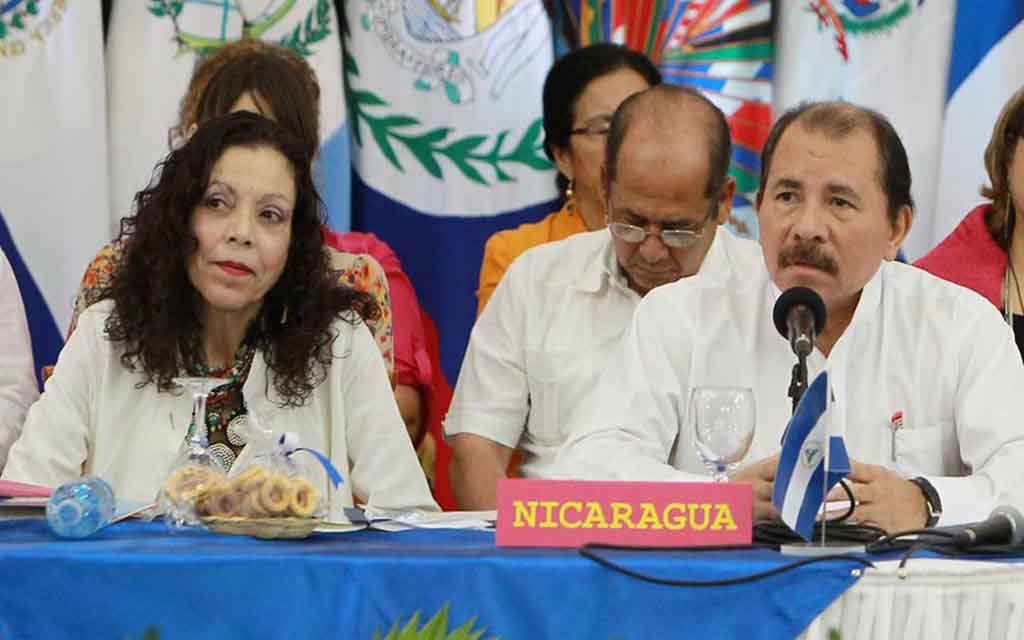
Organizers of the Würzburg congress told EWTN News the group’s guidelines contain ‘no contradiction with the Catechism.’

Read More