Word

SEEK 2026: 7 ways to discern your vocation #Catholic 
 
 From left to right: Sister Catherine Joy, Sister Virginia Joy, and Sister Israel Rose of the Sisters of Life at SEEK 2026 in Denver. | Credit: Francesca Fenton/EWTN News

Jan 7, 2026 / 06:00 am (CNA).
Hundreds of young women filled a ballroom on Jan. 4 at the 2026 SEEK Conference in Denver to hear Sister Virginia Joy Cotter, SV, discuss how to follow God’s call and determine one’s vocation.“When we think about vocation, it’s ultimately a call to love and be loved,” Sister Virginia Joy said during her talk, titled “The Adventure of the Yes: Following God’s Call.”“Growing up, or even now, you’re probably asked, ‘What are you going to do when you grow up? What’s your major? What do you want to do with your life?’” she said. “I would guess no one has probably asked you, ‘What are you going to do with your love? How do you plan to make a gift of yourself?’ But these are the questions that sit behind a vocation.”“For some, the word vocation might be completely foreign to you. For others, maybe it provokes a stream of emotions from wonder to anticipation to anxiety. Whatever it means to you, it’s good to take stock of where it sits with you right now and open your heart to whatever God wants to give you this morning.”Sister Virginia Joy shared that “ultimately, our vocation is not a problem to be fixed or a riddle to be solved … Vocation is deeply relational, personal, and distinct. It comes from the Latin ‘vocare,’ meaning to call, to name, to summon. There’s one who calls and there’s one who responds. It’s a relationship between each individual and God.”Here are seven ways a person can discern his or her vocation based on Sister Virginia Joy’s talk:Pay attention to where and how you are called to loveSister Virginia Joy shared that the questions behind one’s vocation are fundamentally about “what are you going to do with your love” and how you are called to “make a gift of yourself,” not merely what career or role you will have.Receive God’s love firstShe emphasized that the prerequisite for hearing God’s call is first receiving his love, since vocation flows from a relationship.“When I think about a vocational call, I think of two things: First, God is the one who calls, and it is always a call of love. Second, we are the ones to respond to that call and to love in return. So first, the prerequisite to hearing God’s call is receiving his love,” Sister Virginia Joy said.Develop a real prayer life and speak honestly to GodGod makes himself known in prayer, especially when a person speaks from the heart — expressing longing, confusion, loneliness, or desire for meaning.Sister Virginia Joy highlighted that “God is looking for a place to break in and make himself known. I trust you’ve experienced it here at SEEK. It’s real. He’s real. And he is in pursuit of your heart. He knows you and he desires that you come to know him. This happens in prayer.”“But prayer can be challenging because we’re used to instant gratification. We want to see results. And yet relationships, they’re not about results,” she added. “Relationships take time, patience, and trust. Sometimes I think we settle or we allow ourselves to get distracted because real love means facing our weakness and searching for the Lord in times of loneliness, doubt, and even pain.”Sister Virginia Joy Cotter, SV, during her talk on Jan. 4, 2026, at the SEEK conference in Denver. | Credit: Francesca Fenton/EWTN NewsStay close to the sacraments, especially confession and the EucharistSister Virginia Joy emphasized that living in grace and regularly receiving the sacraments helps ensure that a person does not miss God’s call and gains the strength to respond in his time. She shared with those gathered that she has always found herself making life decisions after “a good confession — decisions to move across the country, decisions to become a missionary, decisions to accept a particular job or begin or end a dating relationship.”“I know there can be a lot of fear about somehow missing what God is calling me to,” Sister Virginia Joy said. “And I just want to crush that fear because the truth is if you’re staying close to the sacraments, if you’re living in grace, you will not miss what God is calling you to. And because of the grace of the sacraments, you will have the strength to respond in God’s time.”Live your call to love daily, even before knowing your definitive vocationSister Virginia Joy stressed that holiness and vocation are lived now, through everyday acts of love, even before one enters marriage, religious life, or another permanent state.She asked those gathered: “Where are we called to love?”“It’s not a complicated question. All the love happens right where God has you — with family, friends, roommates. We are each given so many opportunities to love every day. You might not be in your definitive vocation right now or five years from now, but your call to love is now. Your call to make a gift of yourself is now,” she said.Recognize your unique giftsEspecially for women, discerning vocation involves recognizing the “uniquely feminine” capacity for receptivity, generosity, spiritual maternity, and leading others to God, Sister Virginia Joy explained.“As women, we possess a unique capacity for love … Written into our very makeup by design, we as women have space for another, room for another. And the physical capacity — we’ve heard this over the days — the physical capacity to receive and carry life sheds a much deeper reality within the heart of each woman,” she said. “Our bodies and souls are intimately connected and together they tell us something — that our love is receptive, sensitive, generous, maternal.”Observe where your heart becomes undivided and freeA key sign of vocation is interior freedom and unity of heart, where fear gives way to peace and clarity about where, as Sister Virginia Joy said, one is called “to make a gift of oneself in a total way.”She shared that while discerning her own vocation her heart was divided — seeing the beauty in both married life and religious life. It wasn’t until she asked in prayer, “What do you want, Lord?” while on retreat with the Sisters of Life that she heard him say, “You. You. All of you for myself.”“And in an instant, my heart was undivided,” she recalled. “I knew where I was being called to give my love and my life, and I felt more free than I ever had.”“Your love story is going to be perfectly unique to you,” Sister Virginia Joy added. “God has been preparing something far beyond your expectations and he desires your freedom to respond with an undivided heart. Whether it be marriage, religious life, lay life, there is no doubt he wants you and your unique love. God loves you.”

SEEK 2026: 7 ways to discern your vocation #Catholic From left to right: Sister Catherine Joy, Sister Virginia Joy, and Sister Israel Rose of the Sisters of Life at SEEK 2026 in Denver. | Credit: Francesca Fenton/EWTN News Jan 7, 2026 / 06:00 am (CNA). Hundreds of young women filled a ballroom on Jan. 4 at the 2026 SEEK Conference in Denver to hear Sister Virginia Joy Cotter, SV, discuss how to follow God’s call and determine one’s vocation.“When we think about vocation, it’s ultimately a call to love and be loved,” Sister Virginia Joy said during her talk, titled “The Adventure of the Yes: Following God’s Call.”“Growing up, or even now, you’re probably asked, ‘What are you going to do when you grow up? What’s your major? What do you want to do with your life?’” she said. “I would guess no one has probably asked you, ‘What are you going to do with your love? How do you plan to make a gift of yourself?’ But these are the questions that sit behind a vocation.”“For some, the word vocation might be completely foreign to you. For others, maybe it provokes a stream of emotions from wonder to anticipation to anxiety. Whatever it means to you, it’s good to take stock of where it sits with you right now and open your heart to whatever God wants to give you this morning.”Sister Virginia Joy shared that “ultimately, our vocation is not a problem to be fixed or a riddle to be solved … Vocation is deeply relational, personal, and distinct. It comes from the Latin ‘vocare,’ meaning to call, to name, to summon. There’s one who calls and there’s one who responds. It’s a relationship between each individual and God.”Here are seven ways a person can discern his or her vocation based on Sister Virginia Joy’s talk:Pay attention to where and how you are called to loveSister Virginia Joy shared that the questions behind one’s vocation are fundamentally about “what are you going to do with your love” and how you are called to “make a gift of yourself,” not merely what career or role you will have.Receive God’s love firstShe emphasized that the prerequisite for hearing God’s call is first receiving his love, since vocation flows from a relationship.“When I think about a vocational call, I think of two things: First, God is the one who calls, and it is always a call of love. Second, we are the ones to respond to that call and to love in return. So first, the prerequisite to hearing God’s call is receiving his love,” Sister Virginia Joy said.Develop a real prayer life and speak honestly to GodGod makes himself known in prayer, especially when a person speaks from the heart — expressing longing, confusion, loneliness, or desire for meaning.Sister Virginia Joy highlighted that “God is looking for a place to break in and make himself known. I trust you’ve experienced it here at SEEK. It’s real. He’s real. And he is in pursuit of your heart. He knows you and he desires that you come to know him. This happens in prayer.”“But prayer can be challenging because we’re used to instant gratification. We want to see results. And yet relationships, they’re not about results,” she added. “Relationships take time, patience, and trust. Sometimes I think we settle or we allow ourselves to get distracted because real love means facing our weakness and searching for the Lord in times of loneliness, doubt, and even pain.”Sister Virginia Joy Cotter, SV, during her talk on Jan. 4, 2026, at the SEEK conference in Denver. | Credit: Francesca Fenton/EWTN NewsStay close to the sacraments, especially confession and the EucharistSister Virginia Joy emphasized that living in grace and regularly receiving the sacraments helps ensure that a person does not miss God’s call and gains the strength to respond in his time. She shared with those gathered that she has always found herself making life decisions after “a good confession — decisions to move across the country, decisions to become a missionary, decisions to accept a particular job or begin or end a dating relationship.”“I know there can be a lot of fear about somehow missing what God is calling me to,” Sister Virginia Joy said. “And I just want to crush that fear because the truth is if you’re staying close to the sacraments, if you’re living in grace, you will not miss what God is calling you to. And because of the grace of the sacraments, you will have the strength to respond in God’s time.”Live your call to love daily, even before knowing your definitive vocationSister Virginia Joy stressed that holiness and vocation are lived now, through everyday acts of love, even before one enters marriage, religious life, or another permanent state.She asked those gathered: “Where are we called to love?”“It’s not a complicated question. All the love happens right where God has you — with family, friends, roommates. We are each given so many opportunities to love every day. You might not be in your definitive vocation right now or five years from now, but your call to love is now. Your call to make a gift of yourself is now,” she said.Recognize your unique giftsEspecially for women, discerning vocation involves recognizing the “uniquely feminine” capacity for receptivity, generosity, spiritual maternity, and leading others to God, Sister Virginia Joy explained.“As women, we possess a unique capacity for love … Written into our very makeup by design, we as women have space for another, room for another. And the physical capacity — we’ve heard this over the days — the physical capacity to receive and carry life sheds a much deeper reality within the heart of each woman,” she said. “Our bodies and souls are intimately connected and together they tell us something — that our love is receptive, sensitive, generous, maternal.”Observe where your heart becomes undivided and freeA key sign of vocation is interior freedom and unity of heart, where fear gives way to peace and clarity about where, as Sister Virginia Joy said, one is called “to make a gift of oneself in a total way.”She shared that while discerning her own vocation her heart was divided — seeing the beauty in both married life and religious life. It wasn’t until she asked in prayer, “What do you want, Lord?” while on retreat with the Sisters of Life that she heard him say, “You. You. All of you for myself.”“And in an instant, my heart was undivided,” she recalled. “I knew where I was being called to give my love and my life, and I felt more free than I ever had.”“Your love story is going to be perfectly unique to you,” Sister Virginia Joy added. “God has been preparing something far beyond your expectations and he desires your freedom to respond with an undivided heart. Whether it be marriage, religious life, lay life, there is no doubt he wants you and your unique love. God loves you.”


From left to right: Sister Catherine Joy, Sister Virginia Joy, and Sister Israel Rose of the Sisters of Life at SEEK 2026 in Denver. | Credit: Francesca Fenton/EWTN News

Jan 7, 2026 / 06:00 am (CNA).

Hundreds of young women filled a ballroom on Jan. 4 at the 2026 SEEK Conference in Denver to hear Sister Virginia Joy Cotter, SV, discuss how to follow God’s call and determine one’s vocation.

“When we think about vocation, it’s ultimately a call to love and be loved,” Sister Virginia Joy said during her talk, titled “The Adventure of the Yes: Following God’s Call.”

“Growing up, or even now, you’re probably asked, ‘What are you going to do when you grow up? What’s your major? What do you want to do with your life?’” she said. “I would guess no one has probably asked you, ‘What are you going to do with your love? How do you plan to make a gift of yourself?’ But these are the questions that sit behind a vocation.”

“For some, the word vocation might be completely foreign to you. For others, maybe it provokes a stream of emotions from wonder to anticipation to anxiety. Whatever it means to you, it’s good to take stock of where it sits with you right now and open your heart to whatever God wants to give you this morning.”

Sister Virginia Joy shared that “ultimately, our vocation is not a problem to be fixed or a riddle to be solved … Vocation is deeply relational, personal, and distinct. It comes from the Latin ‘vocare,’ meaning to call, to name, to summon. There’s one who calls and there’s one who responds. It’s a relationship between each individual and God.”

Here are seven ways a person can discern his or her vocation based on Sister Virginia Joy’s talk:

Pay attention to where and how you are called to love

Sister Virginia Joy shared that the questions behind one’s vocation are fundamentally about “what are you going to do with your love” and how you are called to “make a gift of yourself,” not merely what career or role you will have.

Receive God’s love first

She emphasized that the prerequisite for hearing God’s call is first receiving his love, since vocation flows from a relationship.

“When I think about a vocational call, I think of two things: First, God is the one who calls, and it is always a call of love. Second, we are the ones to respond to that call and to love in return. So first, the prerequisite to hearing God’s call is receiving his love,” Sister Virginia Joy said.

Develop a real prayer life and speak honestly to God

God makes himself known in prayer, especially when a person speaks from the heart — expressing longing, confusion, loneliness, or desire for meaning.

Sister Virginia Joy highlighted that “God is looking for a place to break in and make himself known. I trust you’ve experienced it here at SEEK. It’s real. He’s real. And he is in pursuit of your heart. He knows you and he desires that you come to know him. This happens in prayer.”

“But prayer can be challenging because we’re used to instant gratification. We want to see results. And yet relationships, they’re not about results,” she added. “Relationships take time, patience, and trust. Sometimes I think we settle or we allow ourselves to get distracted because real love means facing our weakness and searching for the Lord in times of loneliness, doubt, and even pain.”

Sister Virginia Joy Cotter, SV, during her talk on Jan. 4, 2026, at the SEEK conference in Denver. | Credit: Francesca Fenton/EWTN News

Stay close to the sacraments, especially confession and the Eucharist

Sister Virginia Joy emphasized that living in grace and regularly receiving the sacraments helps ensure that a person does not miss God’s call and gains the strength to respond in his time.

She shared with those gathered that she has always found herself making life decisions after “a good confession — decisions to move across the country, decisions to become a missionary, decisions to accept a particular job or begin or end a dating relationship.”

“I know there can be a lot of fear about somehow missing what God is calling me to,” Sister Virginia Joy said. “And I just want to crush that fear because the truth is if you’re staying close to the sacraments, if you’re living in grace, you will not miss what God is calling you to. And because of the grace of the sacraments, you will have the strength to respond in God’s time.”

Live your call to love daily, even before knowing your definitive vocation

Sister Virginia Joy stressed that holiness and vocation are lived now, through everyday acts of love, even before one enters marriage, religious life, or another permanent state.

She asked those gathered: “Where are we called to love?”

“It’s not a complicated question. All the love happens right where God has you — with family, friends, roommates. We are each given so many opportunities to love every day. You might not be in your definitive vocation right now or five years from now, but your call to love is now. Your call to make a gift of yourself is now,” she said.

Recognize your unique gifts

Especially for women, discerning vocation involves recognizing the “uniquely feminine” capacity for receptivity, generosity, spiritual maternity, and leading others to God, Sister Virginia Joy explained.

“As women, we possess a unique capacity for love … Written into our very makeup by design, we as women have space for another, room for another. And the physical capacity — we’ve heard this over the days — the physical capacity to receive and carry life sheds a much deeper reality within the heart of each woman,” she said. “Our bodies and souls are intimately connected and together they tell us something — that our love is receptive, sensitive, generous, maternal.”

Observe where your heart becomes undivided and free

A key sign of vocation is interior freedom and unity of heart, where fear gives way to peace and clarity about where, as Sister Virginia Joy said, one is called “to make a gift of oneself in a total way.”

She shared that while discerning her own vocation her heart was divided — seeing the beauty in both married life and religious life. It wasn’t until she asked in prayer, “What do you want, Lord?” while on retreat with the Sisters of Life that she heard him say, “You. You. All of you for myself.”

“And in an instant, my heart was undivided,” she recalled. “I knew where I was being called to give my love and my life, and I felt more free than I ever had.”

“Your love story is going to be perfectly unique to you,” Sister Virginia Joy added. “God has been preparing something far beyond your expectations and he desires your freedom to respond with an undivided heart. Whether it be marriage, religious life, lay life, there is no doubt he wants you and your unique love. God loves you.”

Read More
‘As men, you’re called to act!’ speaker says to a packed room of young men at SEEK 2026 #Catholic 
 
 John Bishop, founder of Forge, speaks to hundreds of young men at the SEEK 2026 conference in the Diocese of Fort Worth, Texas, on Jan. 2, 2026. | Credit: Amira Abuzeid/CNA

Jan 6, 2026 / 07:00 am (CNA).
Hundreds of young men at the SEEK 2026 conference in the Fort Worth, Texas, Diocese this weekend filled a cavernous room to learn about what it means to be a man formed by “Jesus Christ and his Church.”John Bishop, founder and executive director of Forge, an organization that supports the family with an emphasis on masculinity, told the young men that “you are much more than your animalistic desires. Live something higher for someone higher.”In his talk titled “God Made Men,” Bishop spoke about how when Adam, the first man, “opened his eyes, he had never seen a woman before. She was completely naked.”“It was a great day for Adam,” Bishop said to waves of laughter. “Adam was the Elon Musk of the garden.”Taking a more serious tone, Bishop asked: “How would Adam see Eve? In his theology of the body, Pope John Paul II said Eve’s body was a manifestation of her soul. Eve had a perfect body, but when Adam saw her naked body, he didn’t lust over her.”“He realized who she was and who he was: made to make a gift of himself to her,” he said.Bishop then turned to what happened next: “What did Adam do as the snake came into the garden?” he asked.“Nothing! The most common, toxic, nauseating sin that runs rampant throughout men in the world is that we don’t do a damn thing.”“When we see our brothers walking into sin, we twiddle our thumbs. When we see our daughters walking out wearing next to nothing, we say nothing. When we’re grandfathers seeing the culture going in a bad way, we watch football,” he said.‘The image of God lives in a man fully alive’“You’re called to act!” Bishop admonished the group. “You might be filled with doubt … but it might be time for you to take the first step.”“The image of God lives in a man fully alive … Study after study shows that when a good man acts and doesn’t hold anything back, when he follows Christ with all [he is], … when he gives himself over [to Christ], the effect of that one man’s life multiplies beyond anything that we can understand,” he said.Hundreds of young men listen to John Bishop’s talk on masculinity on Jan. 2, 2026, at the SEEK conference in Grapevine, Texas. | Credit: Amira Abuzeid/CNAPatricio Parra, a sophomore at Texas A&M University, told CNA that he enjoyed Bishop’s talk because he and his friends have noticed how “society says it’s toxic to be masculine.”Parra said a New York Times journalist asked him and his friends after the talk why his generation of men was so invested in the faith.“There’s a striving for men to want to be men again,” he told her. “As a society, we see male role models on YouTube, but they are deformed. Recently, there aren’t a lot of good masculine models to follow.”Parra said what stood out to him the most after Bishop’s talk was the idea that Adam saw Eve’s physical beauty as the same as her internal beauty and recognized her dignity.“We have to strive to be as masculine as that,” Parra said.He said he took to heart three pieces of advice Bishop gave the men in the audience.First: “There’s no glory without the cross, no sainthood without suffering; so suffer a little bit. Make your body go through hard things,” Parra recalled. “Everything we suffer now will bring fruit for others, including our children someday, who will want to emulate us.”Next, Parra said Bishop advised that young men invest in solid, masculine friendships where they encourage one another toward sainthood.Last, Bishop told his listeners to be like St. Joseph, who, after Adam, was “one of the most manly men in Scripture.”“Joseph never said a word. We just know what he did,” Parra said. “We should do the same: just be quiet and act.”Parra demonstrated a hand motion he and his other friends from Texas A&M invented to go with the words “Zip it and act!” He made a zipper motion across his mouth and then the letter “A” with his fingers.“Don’t just talk about asking a girl out; do it!” he said enthusiastically. “Don’t just think about seminary; go do it!”

‘As men, you’re called to act!’ speaker says to a packed room of young men at SEEK 2026 #Catholic John Bishop, founder of Forge, speaks to hundreds of young men at the SEEK 2026 conference in the Diocese of Fort Worth, Texas, on Jan. 2, 2026. | Credit: Amira Abuzeid/CNA Jan 6, 2026 / 07:00 am (CNA). Hundreds of young men at the SEEK 2026 conference in the Fort Worth, Texas, Diocese this weekend filled a cavernous room to learn about what it means to be a man formed by “Jesus Christ and his Church.”John Bishop, founder and executive director of Forge, an organization that supports the family with an emphasis on masculinity, told the young men that “you are much more than your animalistic desires. Live something higher for someone higher.”In his talk titled “God Made Men,” Bishop spoke about how when Adam, the first man, “opened his eyes, he had never seen a woman before. She was completely naked.”“It was a great day for Adam,” Bishop said to waves of laughter. “Adam was the Elon Musk of the garden.”Taking a more serious tone, Bishop asked: “How would Adam see Eve? In his theology of the body, Pope John Paul II said Eve’s body was a manifestation of her soul. Eve had a perfect body, but when Adam saw her naked body, he didn’t lust over her.”“He realized who she was and who he was: made to make a gift of himself to her,” he said.Bishop then turned to what happened next: “What did Adam do as the snake came into the garden?” he asked.“Nothing! The most common, toxic, nauseating sin that runs rampant throughout men in the world is that we don’t do a damn thing.”“When we see our brothers walking into sin, we twiddle our thumbs. When we see our daughters walking out wearing next to nothing, we say nothing. When we’re grandfathers seeing the culture going in a bad way, we watch football,” he said.‘The image of God lives in a man fully alive’“You’re called to act!” Bishop admonished the group. “You might be filled with doubt … but it might be time for you to take the first step.”“The image of God lives in a man fully alive … Study after study shows that when a good man acts and doesn’t hold anything back, when he follows Christ with all [he is], … when he gives himself over [to Christ], the effect of that one man’s life multiplies beyond anything that we can understand,” he said.Hundreds of young men listen to John Bishop’s talk on masculinity on Jan. 2, 2026, at the SEEK conference in Grapevine, Texas. | Credit: Amira Abuzeid/CNAPatricio Parra, a sophomore at Texas A&M University, told CNA that he enjoyed Bishop’s talk because he and his friends have noticed how “society says it’s toxic to be masculine.”Parra said a New York Times journalist asked him and his friends after the talk why his generation of men was so invested in the faith.“There’s a striving for men to want to be men again,” he told her. “As a society, we see male role models on YouTube, but they are deformed. Recently, there aren’t a lot of good masculine models to follow.”Parra said what stood out to him the most after Bishop’s talk was the idea that Adam saw Eve’s physical beauty as the same as her internal beauty and recognized her dignity.“We have to strive to be as masculine as that,” Parra said.He said he took to heart three pieces of advice Bishop gave the men in the audience.First: “There’s no glory without the cross, no sainthood without suffering; so suffer a little bit. Make your body go through hard things,” Parra recalled. “Everything we suffer now will bring fruit for others, including our children someday, who will want to emulate us.”Next, Parra said Bishop advised that young men invest in solid, masculine friendships where they encourage one another toward sainthood.Last, Bishop told his listeners to be like St. Joseph, who, after Adam, was “one of the most manly men in Scripture.”“Joseph never said a word. We just know what he did,” Parra said. “We should do the same: just be quiet and act.”Parra demonstrated a hand motion he and his other friends from Texas A&M invented to go with the words “Zip it and act!” He made a zipper motion across his mouth and then the letter “A” with his fingers.“Don’t just talk about asking a girl out; do it!” he said enthusiastically. “Don’t just think about seminary; go do it!”


John Bishop, founder of Forge, speaks to hundreds of young men at the SEEK 2026 conference in the Diocese of Fort Worth, Texas, on Jan. 2, 2026. | Credit: Amira Abuzeid/CNA

Jan 6, 2026 / 07:00 am (CNA).

Hundreds of young men at the SEEK 2026 conference in the Fort Worth, Texas, Diocese this weekend filled a cavernous room to learn about what it means to be a man formed by “Jesus Christ and his Church.”

John Bishop, founder and executive director of Forge, an organization that supports the family with an emphasis on masculinity, told the young men that “you are much more than your animalistic desires. Live something higher for someone higher.”

In his talk titled “God Made Men,” Bishop spoke about how when Adam, the first man, “opened his eyes, he had never seen a woman before. She was completely naked.”

“It was a great day for Adam,” Bishop said to waves of laughter. “Adam was the Elon Musk of the garden.”

Taking a more serious tone, Bishop asked: “How would Adam see Eve? In his theology of the body, Pope John Paul II said Eve’s body was a manifestation of her soul. Eve had a perfect body, but when Adam saw her naked body, he didn’t lust over her.”

“He realized who she was and who he was: made to make a gift of himself to her,” he said.

Bishop then turned to what happened next: “What did Adam do as the snake came into the garden?” he asked.

“Nothing! The most common, toxic, nauseating sin that runs rampant throughout men in the world is that we don’t do a damn thing.”

“When we see our brothers walking into sin, we twiddle our thumbs. When we see our daughters walking out wearing next to nothing, we say nothing. When we’re grandfathers seeing the culture going in a bad way, we watch football,” he said.

‘The image of God lives in a man fully alive’

“You’re called to act!” Bishop admonished the group. “You might be filled with doubt … but it might be time for you to take the first step.”

“The image of God lives in a man fully alive … Study after study shows that when a good man acts and doesn’t hold anything back, when he follows Christ with all [he is], … when he gives himself over [to Christ], the effect of that one man’s life multiplies beyond anything that we can understand,” he said.

Hundreds of young men listen to John Bishop’s talk on masculinity on Jan. 2, 2026, at the SEEK conference in Grapevine, Texas. | Credit: Amira Abuzeid/CNA

Patricio Parra, a sophomore at Texas A&M University, told CNA that he enjoyed Bishop’s talk because he and his friends have noticed how “society says it’s toxic to be masculine.”

Parra said a New York Times journalist asked him and his friends after the talk why his generation of men was so invested in the faith.

“There’s a striving for men to want to be men again,” he told her. “As a society, we see male role models on YouTube, but they are deformed. Recently, there aren’t a lot of good masculine models to follow.”

Parra said what stood out to him the most after Bishop’s talk was the idea that Adam saw Eve’s physical beauty as the same as her internal beauty and recognized her dignity.

“We have to strive to be as masculine as that,” Parra said.

He said he took to heart three pieces of advice Bishop gave the men in the audience.

First: “There’s no glory without the cross, no sainthood without suffering; so suffer a little bit. Make your body go through hard things,” Parra recalled. “Everything we suffer now will bring fruit for others, including our children someday, who will want to emulate us.”

Next, Parra said Bishop advised that young men invest in solid, masculine friendships where they encourage one another toward sainthood.

Last, Bishop told his listeners to be like St. Joseph, who, after Adam, was “one of the most manly men in Scripture.”

“Joseph never said a word. We just know what he did,” Parra said. “We should do the same: just be quiet and act.”

Parra demonstrated a hand motion he and his other friends from Texas A&M invented to go with the words “Zip it and act!” He made a zipper motion across his mouth and then the letter “A” with his fingers.

“Don’t just talk about asking a girl out; do it!” he said enthusiastically. “Don’t just think about seminary; go do it!”

Read More
Catholic mom spreads ‘IC2KG’ message to youth, attends first SEEK conference #Catholic 
 
 Lauri Hauser stands in front of her IC2KG booth at the SEEK 2026 conference in Denver on Jan. 2, 2026. | Credit: Francesca Fenton/EWTN News

Jan 5, 2026 / 18:52 pm (CNA).
Twenty years ago, Lauri Hauser, a Catholic mom of two and high school math teacher from Madison, Wisconsin, started a chant with her children — something simple and fun that would keep God and their faith at the forefront of their minds.“I would chant ‘IC’ and they would respond, ‘2KG,’” Hauser told CNA in an interview.“IC2KG,” which stands for “I choose to know God,” would be chanted around the Hauser household as chores would be done, while the kids played, and after flag football games in the backyard.Fast forward 20 years and the family chant is now being shared with children in Catholic schools and, most recently, at the SEEK 2026 conference in Denver, which took place Jan. 1–5.Hauser explained that it was her youngest son, Joe, who inspired his mother to start her IC2KG ministry. While in college, Joe was a part of an Athletes in Action group and asked his mom if she could make IC2KG shirts for the young men in the group.“I said, ‘No. We don’t do T-shirts and this is just kind of a family thing and I’m kind of private with my faith,’” she recalled.After breaking his arm before his senior year of college, Joe took it upon himself to create a T-shirt design with the “IC2KG” phrase printed on the front. One hundred shirts were made and they were a huge hit among the athletes. It was after this that Hauser thought this could become a ministry.Despite attending a Catholic grade school and college, Hauser never felt completely comfortable sharing her faith publicly. After the success of the T-shirts, she began to think that “maybe these are the words, or the saying, that somebody needs to be bold and be brave and stand up and be strong and be courageous to share our faith.”“I thought maybe this could be something that kids could catch on to or kids could keep in their heart — I choose to know God. We need to make that choice every day that we get up,” she added.Using her background in education, Hauser created a program that she now takes to Catholic schools in Wisconsin and neighboring states, as well as through Zoom, in order to speak with schools that are further away.The program aims to teach kids how to know, love, serve, and share God with others. Some of the elements of the program include testimonies from older kids to young children, teaching kids the IC2KG chant, pairing younger kids with an older IC2KG buddy, and playing games such as IC2KG bingo. Many elements of the program vary from school to school.The program also includes a powerful demonstration where a child is asked to stand on a ball. The other kids observe and then share what they see, such as the child on the ball is wobbly, unsure of himself, or is shaky. That child then goes and stands on a prop Bible.“Then the kids will observe and say, ‘Oh yeah, when you’re standing on the Bible, you are steadfast, you’re strong, you’re solid. This is the foundation,’” Hauser said.Hauser has also designed more apparel with the IC2KG message. Her website includes T-shirts, hats, stickers, and wristbands with the hope that people will join her movement to inspire the faithful everywhere to know, love, serve, and share God with others.During the SEEK 2026 conference, Hauser greeted college students from all over the country at the IC2KG booth. She called her first experience at SEEK “beautiful” and that her heart was “booming.”Lauri Hauser and her son, Ben Hauser, stand in front of their “IC2KG” booth at the SEEK 2026 conference in Denver on Jan. 2, 2026. | Credit: Francesca Fenton/EWTN News“The response has been amazing. They’re all excited,” she added. “I’ve had conversations with kids and they’re like, ‘Yeah, I'm not really great at sharing.’ I said, ‘You know, neither am I, but it’s kind of time to take the duct tape off the word share — just take it off like a Band-Aid and let’s just do it because now is the time … It’s just going to be a more beautiful world if we all share our faith.’”She said that as she folds each piece of clothing, she recites a prayer over it: “Bless the person who wears this shirt and help them spread your message.”Hauser said she hopes her ministry will “help people to just take that little step forward” and act as a “little life raft to help us go to the public square and share our faith.”

Catholic mom spreads ‘IC2KG’ message to youth, attends first SEEK conference #Catholic Lauri Hauser stands in front of her IC2KG booth at the SEEK 2026 conference in Denver on Jan. 2, 2026. | Credit: Francesca Fenton/EWTN News Jan 5, 2026 / 18:52 pm (CNA). Twenty years ago, Lauri Hauser, a Catholic mom of two and high school math teacher from Madison, Wisconsin, started a chant with her children — something simple and fun that would keep God and their faith at the forefront of their minds.“I would chant ‘IC’ and they would respond, ‘2KG,’” Hauser told CNA in an interview.“IC2KG,” which stands for “I choose to know God,” would be chanted around the Hauser household as chores would be done, while the kids played, and after flag football games in the backyard.Fast forward 20 years and the family chant is now being shared with children in Catholic schools and, most recently, at the SEEK 2026 conference in Denver, which took place Jan. 1–5.Hauser explained that it was her youngest son, Joe, who inspired his mother to start her IC2KG ministry. While in college, Joe was a part of an Athletes in Action group and asked his mom if she could make IC2KG shirts for the young men in the group.“I said, ‘No. We don’t do T-shirts and this is just kind of a family thing and I’m kind of private with my faith,’” she recalled.After breaking his arm before his senior year of college, Joe took it upon himself to create a T-shirt design with the “IC2KG” phrase printed on the front. One hundred shirts were made and they were a huge hit among the athletes. It was after this that Hauser thought this could become a ministry.Despite attending a Catholic grade school and college, Hauser never felt completely comfortable sharing her faith publicly. After the success of the T-shirts, she began to think that “maybe these are the words, or the saying, that somebody needs to be bold and be brave and stand up and be strong and be courageous to share our faith.”“I thought maybe this could be something that kids could catch on to or kids could keep in their heart — I choose to know God. We need to make that choice every day that we get up,” she added.Using her background in education, Hauser created a program that she now takes to Catholic schools in Wisconsin and neighboring states, as well as through Zoom, in order to speak with schools that are further away.The program aims to teach kids how to know, love, serve, and share God with others. Some of the elements of the program include testimonies from older kids to young children, teaching kids the IC2KG chant, pairing younger kids with an older IC2KG buddy, and playing games such as IC2KG bingo. Many elements of the program vary from school to school.The program also includes a powerful demonstration where a child is asked to stand on a ball. The other kids observe and then share what they see, such as the child on the ball is wobbly, unsure of himself, or is shaky. That child then goes and stands on a prop Bible.“Then the kids will observe and say, ‘Oh yeah, when you’re standing on the Bible, you are steadfast, you’re strong, you’re solid. This is the foundation,’” Hauser said.Hauser has also designed more apparel with the IC2KG message. Her website includes T-shirts, hats, stickers, and wristbands with the hope that people will join her movement to inspire the faithful everywhere to know, love, serve, and share God with others.During the SEEK 2026 conference, Hauser greeted college students from all over the country at the IC2KG booth. She called her first experience at SEEK “beautiful” and that her heart was “booming.”Lauri Hauser and her son, Ben Hauser, stand in front of their “IC2KG” booth at the SEEK 2026 conference in Denver on Jan. 2, 2026. | Credit: Francesca Fenton/EWTN News“The response has been amazing. They’re all excited,” she added. “I’ve had conversations with kids and they’re like, ‘Yeah, I'm not really great at sharing.’ I said, ‘You know, neither am I, but it’s kind of time to take the duct tape off the word share — just take it off like a Band-Aid and let’s just do it because now is the time … It’s just going to be a more beautiful world if we all share our faith.’”She said that as she folds each piece of clothing, she recites a prayer over it: “Bless the person who wears this shirt and help them spread your message.”Hauser said she hopes her ministry will “help people to just take that little step forward” and act as a “little life raft to help us go to the public square and share our faith.”


Lauri Hauser stands in front of her IC2KG booth at the SEEK 2026 conference in Denver on Jan. 2, 2026. | Credit: Francesca Fenton/EWTN News

Jan 5, 2026 / 18:52 pm (CNA).

Twenty years ago, Lauri Hauser, a Catholic mom of two and high school math teacher from Madison, Wisconsin, started a chant with her children — something simple and fun that would keep God and their faith at the forefront of their minds.

“I would chant ‘IC’ and they would respond, ‘2KG,’” Hauser told CNA in an interview.

“IC2KG,” which stands for “I choose to know God,” would be chanted around the Hauser household as chores would be done, while the kids played, and after flag football games in the backyard.

Fast forward 20 years and the family chant is now being shared with children in Catholic schools and, most recently, at the SEEK 2026 conference in Denver, which took place Jan. 1–5.

Hauser explained that it was her youngest son, Joe, who inspired his mother to start her IC2KG ministry. While in college, Joe was a part of an Athletes in Action group and asked his mom if she could make IC2KG shirts for the young men in the group.

“I said, ‘No. We don’t do T-shirts and this is just kind of a family thing and I’m kind of private with my faith,’” she recalled.

After breaking his arm before his senior year of college, Joe took it upon himself to create a T-shirt design with the “IC2KG” phrase printed on the front. One hundred shirts were made and they were a huge hit among the athletes. It was after this that Hauser thought this could become a ministry.

Despite attending a Catholic grade school and college, Hauser never felt completely comfortable sharing her faith publicly. After the success of the T-shirts, she began to think that “maybe these are the words, or the saying, that somebody needs to be bold and be brave and stand up and be strong and be courageous to share our faith.”

“I thought maybe this could be something that kids could catch on to or kids could keep in their heart — I choose to know God. We need to make that choice every day that we get up,” she added.

Using her background in education, Hauser created a program that she now takes to Catholic schools in Wisconsin and neighboring states, as well as through Zoom, in order to speak with schools that are further away.

The program aims to teach kids how to know, love, serve, and share God with others. Some of the elements of the program include testimonies from older kids to young children, teaching kids the IC2KG chant, pairing younger kids with an older IC2KG buddy, and playing games such as IC2KG bingo. Many elements of the program vary from school to school.

The program also includes a powerful demonstration where a child is asked to stand on a ball. The other kids observe and then share what they see, such as the child on the ball is wobbly, unsure of himself, or is shaky. That child then goes and stands on a prop Bible.

“Then the kids will observe and say, ‘Oh yeah, when you’re standing on the Bible, you are steadfast, you’re strong, you’re solid. This is the foundation,’” Hauser said.

Hauser has also designed more apparel with the IC2KG message. Her website includes T-shirts, hats, stickers, and wristbands with the hope that people will join her movement to inspire the faithful everywhere to know, love, serve, and share God with others.

During the SEEK 2026 conference, Hauser greeted college students from all over the country at the IC2KG booth. She called her first experience at SEEK “beautiful” and that her heart was “booming.”

Lauri Hauser and her son, Ben Hauser, stand in front of their “IC2KG” booth at the SEEK 2026 conference in Denver on Jan. 2, 2026. | Credit: Francesca Fenton/EWTN News

“The response has been amazing. They’re all excited,” she added. “I’ve had conversations with kids and they’re like, ‘Yeah, I'm not really great at sharing.’ I said, ‘You know, neither am I, but it’s kind of time to take the duct tape off the word share — just take it off like a Band-Aid and let’s just do it because now is the time … It’s just going to be a more beautiful world if we all share our faith.’”

She said that as she folds each piece of clothing, she recites a prayer over it: “Bless the person who wears this shirt and help them spread your message.”

Hauser said she hopes her ministry will “help people to just take that little step forward” and act as a “little life raft to help us go to the public square and share our faith.”

Read More
Bishop Barron critiques New York Mayor Mamdani’s embrace of ‘collectivism’ #Catholic 
 
 Democratic Mayor-Elect Zohran Mamdani speaks to members of the media during a press conference after voting on Nov. 4, 2025. | Credit: Alexi J. Rosenfeld/Getty Images

Jan 5, 2026 / 17:32 pm (CNA).
Bishop Robert Barron, founder of the Word on Fire ministry, criticized New York City Mayor Zohran Mamdani for promising constituents “the warmth of collectivism” in his Jan. 1 inaugural address.Mamdani, who defeated two candidates with nearly 51% of the vote in the November election, won on a democratic socialist platform. His plans include free buses, city-owned grocery stores, no-cost child care, raising the minimum wage to  per hour, and freezing the rent for people in rent-stabilized apartments.“We will replace the frigidity of rugged individualism with the warmth of collectivism,” Mamdani said in his inaugural address.“If our campaign demonstrated that the people of New York yearn for solidarity, then let this government foster it,” he said. “Because no matter what you eat, what language you speak, how you pray, or where you come from — the words that most define us are the two we all share: New Yorkers.”Barron, bishop of the Diocese of Winona-Rochester, Minnesota, said in a post on X that this line “took my breath away.”“Collectivism in its various forms is responsible for the deaths of at least 100 million people in the last century,” Barron said.“Socialist and communist forms of government around the world today — Venezuela, Cuba, North Korea, etc. — are disastrous,” he added. “Catholic social teaching has consistently condemned socialism and has embraced the market economy, which people like Mayor Mamdani caricature as ‘rugged individualism.’ In fact, it is the economic system that is based upon the rights, freedom, and dignity of the human person.”“For God’s sake, spare me the ‘warmth of collectivism,’” Barron concluded.Catholic teaching on socialismBoth socialism and communism have been condemned by many popes, first by Pope Pius IX in his 1849 encyclical Nostis et Nobiscum, just one year after Karl Marx published “ The Communist Manifesto.”The foundation of Catholic social teaching rests on Pope Leo XIII’s 1891 encyclical Rerum Novarum.In the encyclical, Leo denounced socialism and communism, and also condemned poor labor conditions for the working class and employers “who use human beings as mere instruments for moneymaking.”“Each needs the other: Capital cannot do without labor, nor labor without capital,” the 19th century pontiff wrote. “Mutual agreement results in the beauty of good order, while perpetual conflict necessarily produces confusion and savage barbarity.”Pope Pius XI, in his 1931 encyclical Quadragesimo Anno, wrote of the importance of private property, that man must be able to “fully cultivate and develop all his faculties unto the praise and glory of his Creator; and that by faithfully fulfilling the duties of his craft or other calling he may obtain for himself temporal and at the same time eternal happiness.”Socialism, he said, is “wholly ignoring and indifferent to this sublime end of both man and society, affirms that human association has been instituted for the sake of material advantage alone.”“Religious socialism, Christian socialism, are contradictory terms; no one can be at the same time a good Catholic and a true socialist,” Pius XI wrote.Pope Benedict XVI differentiated socialism and democratic socialism. In 2006, he wrote: “In many respects, democratic socialism was and is close to Catholic social doctrine and has in any case made a remarkable contribution to the formation of a social consciousness.”Though, in his 2005 encyclical Deus Caritas Est, Benedict XVI wrote that government should not control everything but that society needs a state that, “in accordance with the principle of subsidiarity, generously acknowledges and supports initiatives arising from the different social forces and combines spontaneity with closeness to those in need.”Pope Francis has criticized Marxist ideology but also “radical individualism,” which he said in his 2020 encyclical Fratelli Tutti “makes us believe that everything consists in giving free rein to our own ambitions, as if by pursuing ever greater ambitions and creating safety nets we would somehow be serving the common good.”In 2024, Francis encouraged cooperation and dialogue between Marxists and Christians. The Catechism of the Catholic Church teaches: “The Church has rejected the totalitarian and atheistic ideologies associated in modem times with ‘communism’ or ‘socialism.’ She has likewise refused to accept, in the practice of ‘capitalism,’ individualism and the absolute primacy of the law of the marketplace over human labor.”

Bishop Barron critiques New York Mayor Mamdani’s embrace of ‘collectivism’ #Catholic Democratic Mayor-Elect Zohran Mamdani speaks to members of the media during a press conference after voting on Nov. 4, 2025. | Credit: Alexi J. Rosenfeld/Getty Images Jan 5, 2026 / 17:32 pm (CNA). Bishop Robert Barron, founder of the Word on Fire ministry, criticized New York City Mayor Zohran Mamdani for promising constituents “the warmth of collectivism” in his Jan. 1 inaugural address.Mamdani, who defeated two candidates with nearly 51% of the vote in the November election, won on a democratic socialist platform. His plans include free buses, city-owned grocery stores, no-cost child care, raising the minimum wage to $30 per hour, and freezing the rent for people in rent-stabilized apartments.“We will replace the frigidity of rugged individualism with the warmth of collectivism,” Mamdani said in his inaugural address.“If our campaign demonstrated that the people of New York yearn for solidarity, then let this government foster it,” he said. “Because no matter what you eat, what language you speak, how you pray, or where you come from — the words that most define us are the two we all share: New Yorkers.”Barron, bishop of the Diocese of Winona-Rochester, Minnesota, said in a post on X that this line “took my breath away.”“Collectivism in its various forms is responsible for the deaths of at least 100 million people in the last century,” Barron said.“Socialist and communist forms of government around the world today — Venezuela, Cuba, North Korea, etc. — are disastrous,” he added. “Catholic social teaching has consistently condemned socialism and has embraced the market economy, which people like Mayor Mamdani caricature as ‘rugged individualism.’ In fact, it is the economic system that is based upon the rights, freedom, and dignity of the human person.”“For God’s sake, spare me the ‘warmth of collectivism,’” Barron concluded.Catholic teaching on socialismBoth socialism and communism have been condemned by many popes, first by Pope Pius IX in his 1849 encyclical Nostis et Nobiscum, just one year after Karl Marx published “ The Communist Manifesto.”The foundation of Catholic social teaching rests on Pope Leo XIII’s 1891 encyclical Rerum Novarum.In the encyclical, Leo denounced socialism and communism, and also condemned poor labor conditions for the working class and employers “who use human beings as mere instruments for moneymaking.”“Each needs the other: Capital cannot do without labor, nor labor without capital,” the 19th century pontiff wrote. “Mutual agreement results in the beauty of good order, while perpetual conflict necessarily produces confusion and savage barbarity.”Pope Pius XI, in his 1931 encyclical Quadragesimo Anno, wrote of the importance of private property, that man must be able to “fully cultivate and develop all his faculties unto the praise and glory of his Creator; and that by faithfully fulfilling the duties of his craft or other calling he may obtain for himself temporal and at the same time eternal happiness.”Socialism, he said, is “wholly ignoring and indifferent to this sublime end of both man and society, affirms that human association has been instituted for the sake of material advantage alone.”“Religious socialism, Christian socialism, are contradictory terms; no one can be at the same time a good Catholic and a true socialist,” Pius XI wrote.Pope Benedict XVI differentiated socialism and democratic socialism. In 2006, he wrote: “In many respects, democratic socialism was and is close to Catholic social doctrine and has in any case made a remarkable contribution to the formation of a social consciousness.”Though, in his 2005 encyclical Deus Caritas Est, Benedict XVI wrote that government should not control everything but that society needs a state that, “in accordance with the principle of subsidiarity, generously acknowledges and supports initiatives arising from the different social forces and combines spontaneity with closeness to those in need.”Pope Francis has criticized Marxist ideology but also “radical individualism,” which he said in his 2020 encyclical Fratelli Tutti “makes us believe that everything consists in giving free rein to our own ambitions, as if by pursuing ever greater ambitions and creating safety nets we would somehow be serving the common good.”In 2024, Francis encouraged cooperation and dialogue between Marxists and Christians. The Catechism of the Catholic Church teaches: “The Church has rejected the totalitarian and atheistic ideologies associated in modem times with ‘communism’ or ‘socialism.’ She has likewise refused to accept, in the practice of ‘capitalism,’ individualism and the absolute primacy of the law of the marketplace over human labor.”


Democratic Mayor-Elect Zohran Mamdani speaks to members of the media during a press conference after voting on Nov. 4, 2025. | Credit: Alexi J. Rosenfeld/Getty Images

Jan 5, 2026 / 17:32 pm (CNA).

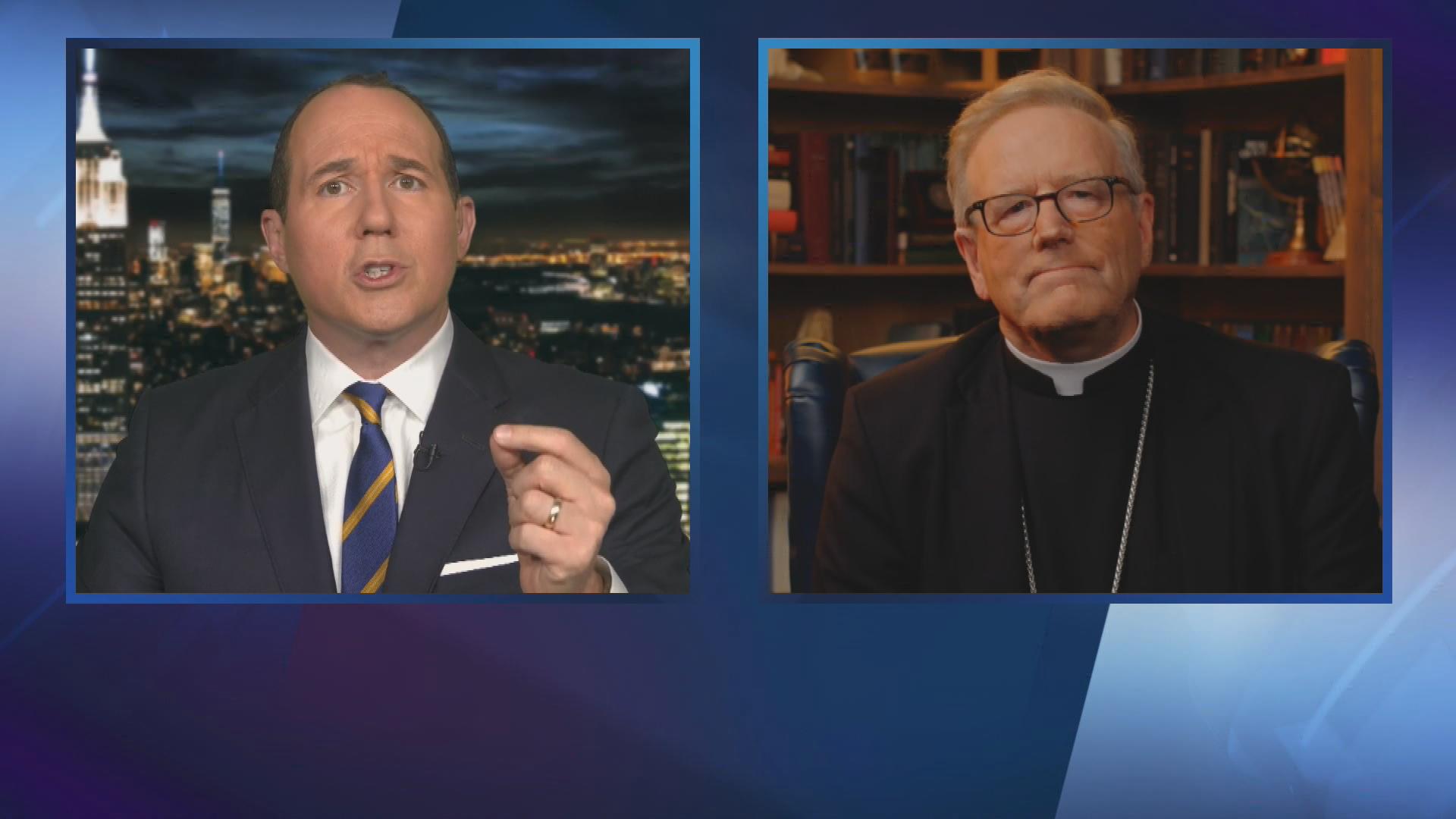
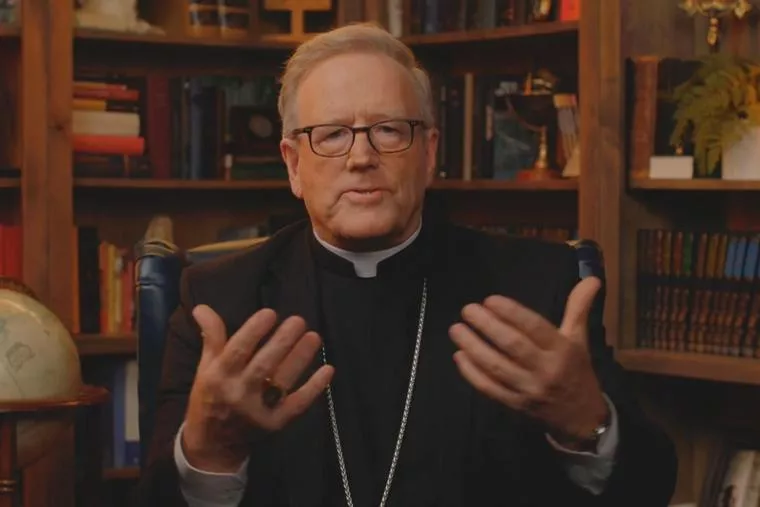
Bishop Robert Barron, founder of the Word on Fire ministry, criticized New York City Mayor Zohran Mamdani for promising constituents “the warmth of collectivism” in his Jan. 1 inaugural address.

Mamdani, who defeated two candidates with nearly 51% of the vote in the November election, won on a democratic socialist platform. His plans include free buses, city-owned grocery stores, no-cost child care, raising the minimum wage to $30 per hour, and freezing the rent for people in rent-stabilized apartments.

“We will replace the frigidity of rugged individualism with the warmth of collectivism,” Mamdani said in his inaugural address.

“If our campaign demonstrated that the people of New York yearn for solidarity, then let this government foster it,” he said. “Because no matter what you eat, what language you speak, how you pray, or where you come from — the words that most define us are the two we all share: New Yorkers.”

Barron, bishop of the Diocese of Winona-Rochester, Minnesota, said in a post on X that this line “took my breath away.”

“Collectivism in its various forms is responsible for the deaths of at least 100 million people in the last century,” Barron said.

“Socialist and communist forms of government around the world today — Venezuela, Cuba, North Korea, etc. — are disastrous,” he added. “Catholic social teaching has consistently condemned socialism and has embraced the market economy, which people like Mayor Mamdani caricature as ‘rugged individualism.’ In fact, it is the economic system that is based upon the rights, freedom, and dignity of the human person.”

“For God’s sake, spare me the ‘warmth of collectivism,’” Barron concluded.

Catholic teaching on socialism

Both socialism and communism have been condemned by many popes, first by Pope Pius IX in his 1849 encyclical Nostis et Nobiscum, just one year after Karl Marx published “ The Communist Manifesto.”

The foundation of Catholic social teaching rests on Pope Leo XIII’s 1891 encyclical Rerum Novarum.

In the encyclical, Leo denounced socialism and communism, and also condemned poor labor conditions for the working class and employers “who use human beings as mere instruments for moneymaking.”

“Each needs the other: Capital cannot do without labor, nor labor without capital,” the 19th century pontiff wrote. “Mutual agreement results in the beauty of good order, while perpetual conflict necessarily produces confusion and savage barbarity.”

Pope Pius XI, in his 1931 encyclical Quadragesimo Anno, wrote of the importance of private property, that man must be able to “fully cultivate and develop all his faculties unto the praise and glory of his Creator; and that by faithfully fulfilling the duties of his craft or other calling he may obtain for himself temporal and at the same time eternal happiness.”

Socialism, he said, is “wholly ignoring and indifferent to this sublime end of both man and society, affirms that human association has been instituted for the sake of material advantage alone.”

“Religious socialism, Christian socialism, are contradictory terms; no one can be at the same time a good Catholic and a true socialist,” Pius XI wrote.

Pope Benedict XVI differentiated socialism and democratic socialism. In 2006, he wrote: “In many respects, democratic socialism was and is close to Catholic social doctrine and has in any case made a remarkable contribution to the formation of a social consciousness.”

Though, in his 2005 encyclical Deus Caritas Est, Benedict XVI wrote that government should not control everything but that society needs a state that, “in accordance with the principle of subsidiarity, generously acknowledges and supports initiatives arising from the different social forces and combines spontaneity with closeness to those in need.”

Pope Francis has criticized Marxist ideology but also “radical individualism,” which he said in his 2020 encyclical Fratelli Tutti “makes us believe that everything consists in giving free rein to our own ambitions, as if by pursuing ever greater ambitions and creating safety nets we would somehow be serving the common good.”

In 2024, Francis encouraged cooperation and dialogue between Marxists and Christians.

The Catechism of the Catholic Church teaches: “The Church has rejected the totalitarian and atheistic ideologies associated in modem times with ‘communism’ or ‘socialism.’ She has likewise refused to accept, in the practice of ‘capitalism,’ individualism and the absolute primacy of the law of the marketplace over human labor.”

Read More
Catholic singles seek faithful connections at huge SEEK 2026 speed dating event #Catholic 
 
 Young Catholics gather for a possibly record-breaking large speed dating event in Columbus, Ohio, on Jan. 4, 2026. | Credit: Gigi Duncan/EWTN News / null

Jan 5, 2026 / 16:41 pm (CNA).
“Do you believe in miracles, or should we start with coffee?”Young Catholics gathered for a possibly record-breaking large speed dating event in Columbus, Ohio, on Jan. 4. About 2,500 students participated in speed dating at SEEK 2026, reflecting both a thirst for genuine connection and a willingness to step outside of comfort zones in pursuit of meaningful relationships. At a time when dating culture often seems dominated by casual hookups, social media pressures, and uncertainty, SEEK 2026 participants explored a wide range of topics, from personal faith to vocational discernment. The event broke the world record for the largest speed dating event based on earlier entries in Guinness World Records.About 26,000 people attended the SEEK 2026 conference held simultaneously in Columbus, Denver, and Fort Worth, Texas, organized by  FOCUS, a Catholic group that sends missionaries to college campuses and parishes.In Columbus, which drew about 16,000 attendees, Emily Wilson, a Catholic author and YouTuber, offered students a framework for approaching dating with clarity and purpose ahead of the speed dating event on Jan. 4. 6 principles for intentional Catholic dating Wilson emphasized six key points for navigating dating with freedom, dignity, and an ultimate focus on God.1. Go on one date — and let others do the same.“Dating is the process of discernment,” Wilson said. “You do not need to know if you’re going to marry someone before saying yes to a second date. Jesus wants you to be calm.” The idea is simple: Allow yourself and others to explore relationships without pressure, gossip, or unrealistic expectations. 2. Use the word “date” and be clear and intentional.Clarity matters, especially in an age where sending a “WYD” (what are you doing?) text has become common. “If you want to stand out, be clear. Use the word ‘date,’” Wilson told the audience. “Call her. Say, ‘I’d love to take you on a date.’ Yes, it’s a risk, but many marriages begin with that courage.”3. If God calls you to marriage, college is not the only place to meet your spouse.Wilson encouraged young people to resist the “ring by spring” pressures. “Focus on becoming the most beautiful version of yourself — the person God is calling you to be right now,” she said. God’s timing, she emphasized, is unique for everyone.4. Let go of the idea that your future spouse will perfectly match your type.While attraction is important, deeper qualities matter most. “When life gets hard,” Wilson noted, one will not be so fixated on physical appearance but rather be thanking God that their spouse is so “selfless, giving, kind, loving, virtuous, and holy.”5. Guard your heart.“Peace in dating comes from making hard choices to protect your heart,” she said, quoting Philippians 4:7: “The peace of God, which surpasses all understanding, will guard your hearts and minds in Christ Jesus.” Making intentional decisions is a form of self-respect, not aggression.6. Do not apologize for your standards.Wilson urged students to stand firm in their faith and virtues: “Say it with confidence. ‘I’m looking for a virtuous Catholic who loves the Eucharist, desires the sacraments, and wants a faithful marriage.’ There is nothing to apologize for.”Breaking records, building connectionsThe “Catholic Speed Dating Event with Candid” drew lines stretching across several exhibit halls down the Greater Columbus Convention Center. Students repeatedly noted that such spaces provide rare, faith-aligned opportunities to meet new people without immediate expectation.Participants described the speed dating event as both countercultural and reassuring — a response to frustrations many feel with modern dating. For Clemson University student Jonathan Brinker, the shared Catholic identity immediately changed the tone of conversations. “It was nice to meet people who have similar values,” he said. “That makes the conversation deeper and more meaningful.”That sense of ease stood out for Shippensburg University student Joseph Striggle as well. “Events like this help you realize dating isn’t as intimidating as it’s made out to be,” he said. “It’s just having a normal conversation with another person.”His classmate, Tom Gehman, said the event addressed deeper concerns about today’s dating culture. “A lot of people don’t share the same worldview or end goals, especially when it comes to faith and relationships,” he noted. “People want reassurance that there are other people who share their values.” Expressing a strong dislike of social media, Gehman added that he desires “to meet someone face-to-face and ask them out directly,” calling the event “good practice” for doing so.Students from Western Kentucky University echoed this sentiment as well as an emphasis on lowering pressure while remaining intentional. “Going on a first date doesn’t mean you have to marry that person,” Mary Pikar said. “It’s just about getting to know each other.” Karley Solorzano added that high expectations can sometimes lead to inaction. “We overthink dating, especially as Catholics,” she said. “Events like this can give us a way to take chances and trust that God can surprise us.”For some students, simply being surrounded by others who take faith seriously was encouraging. Seton Hall University student Emily Castillo said observing faithful behavior — even in her male friendships — gave her hope. “Seeing that makes me think what it could be like with someone who genuinely loves and cares for me,” she said. Maria Notario added: “A shared faith allows relationships to go deeper than surface-level connections. Everyone [at the event] is single and Catholic; there’s at least some foundation there.”Short conversations also proved meaningful. Kylee Jackels from Winona State University said having a designated space to meet people — even for a few minutes at a time — mattered. “It’s valuable to have a low-pressure environment where people can actually talk,” she said. “There aren’t many single Christians where I’m from,” Lindsay Moen added. “It was nice to be in this space with similar people without crazy expectations.” The two students did see immediate results, however, as their friend was asked out on a date while waiting in line for the event to begin.Others said the event helped them step outside their comfort zones. Anna Whittenburg of Bowling Green State University referenced Emily Wilson’s earlier point of maintaining standards, sharing that this was something she kept in mind before going into the speed dating event. “Hearing that reaffirmed by someone like Emily Wilson made a difference. I don’t have to apologize for wanting a good, healthy Catholic relationship,” she said. Her twin sister, Elaina, added that the experience was practical as well as affirming: “It was a good way to practice talking to new people.”For University of Alabama student Jay Zito, this event challenged initial hesitation. “We were kind of dragged into it by a friend,” he admitted. “But I’m glad we were. In an age where men can be fearful of approaching women for several reasons, this space gave people permission to try and make meaningful connections.” His friend Landon McClellan added that the in-person nature of the event was crucial. “Hookup culture is everywhere today, and things like social media, filters, and AI mess with expectations and confidence,” he said. “Dating doesn’t have to be scary; it can be a really good thing that will lead to sacramental marriages.”Candid Dating, a platform co-founded by Taylor O’Brien, led the speed dating event. Candid hosts weekly virtual speed dating for Catholic singles, and SEEK provided a chance to create real connections in person. “Success can look different for everyone. For some, it’s gaining experience and confidence in talking to others — men or women,” O’Brien said. “For others, it might be building the courage to ask for someone’s number or feeling secure and confident present themselves as a whole person.”She added that another goal for some could be marriage, reflecting the previous year’s several couples who have since become engaged. Hope for the futureWilson said the weekend confirmed what she has seen in her work with Catholic singles: a deep desire for holy, intentional relationships. “There has been a real breakdown in communication, and a lot of fear has crept in,” she said. That fear, she described, is not from the Lord but rather the enemy who “wants us stuck in panic or overwhelm” so that we don’t “step into what the Lord desires for us.”Drawing on her experience with Sacred Spark, a Catholic dating platform she co-founded, Wilson expressed optimism. “We now have tens of thousands of Catholic singles on the app who are intentionally seeking meaningful relationships, even if it starts digitally — just making that initial connection.”She added that in the coming years, “we’re going to see a revival of beautiful sacramental marriages, with Catholic singles who are intentional, communicative, open, honest, and clear.”“After things have become as complicated as they have, there’s really nowhere to go but up,” she said. “For these young Catholics desiring relationships, I really stand on hope.”

Catholic singles seek faithful connections at huge SEEK 2026 speed dating event #Catholic Young Catholics gather for a possibly record-breaking large speed dating event in Columbus, Ohio, on Jan. 4, 2026. | Credit: Gigi Duncan/EWTN News / null Jan 5, 2026 / 16:41 pm (CNA). “Do you believe in miracles, or should we start with coffee?”Young Catholics gathered for a possibly record-breaking large speed dating event in Columbus, Ohio, on Jan. 4. About 2,500 students participated in speed dating at SEEK 2026, reflecting both a thirst for genuine connection and a willingness to step outside of comfort zones in pursuit of meaningful relationships. At a time when dating culture often seems dominated by casual hookups, social media pressures, and uncertainty, SEEK 2026 participants explored a wide range of topics, from personal faith to vocational discernment. The event broke the world record for the largest speed dating event based on earlier entries in Guinness World Records.About 26,000 people attended the SEEK 2026 conference held simultaneously in Columbus, Denver, and Fort Worth, Texas, organized by  FOCUS, a Catholic group that sends missionaries to college campuses and parishes.In Columbus, which drew about 16,000 attendees, Emily Wilson, a Catholic author and YouTuber, offered students a framework for approaching dating with clarity and purpose ahead of the speed dating event on Jan. 4. 6 principles for intentional Catholic dating Wilson emphasized six key points for navigating dating with freedom, dignity, and an ultimate focus on God.1. Go on one date — and let others do the same.“Dating is the process of discernment,” Wilson said. “You do not need to know if you’re going to marry someone before saying yes to a second date. Jesus wants you to be calm.” The idea is simple: Allow yourself and others to explore relationships without pressure, gossip, or unrealistic expectations. 2. Use the word “date” and be clear and intentional.Clarity matters, especially in an age where sending a “WYD” (what are you doing?) text has become common. “If you want to stand out, be clear. Use the word ‘date,’” Wilson told the audience. “Call her. Say, ‘I’d love to take you on a date.’ Yes, it’s a risk, but many marriages begin with that courage.”3. If God calls you to marriage, college is not the only place to meet your spouse.Wilson encouraged young people to resist the “ring by spring” pressures. “Focus on becoming the most beautiful version of yourself — the person God is calling you to be right now,” she said. God’s timing, she emphasized, is unique for everyone.4. Let go of the idea that your future spouse will perfectly match your type.While attraction is important, deeper qualities matter most. “When life gets hard,” Wilson noted, one will not be so fixated on physical appearance but rather be thanking God that their spouse is so “selfless, giving, kind, loving, virtuous, and holy.”5. Guard your heart.“Peace in dating comes from making hard choices to protect your heart,” she said, quoting Philippians 4:7: “The peace of God, which surpasses all understanding, will guard your hearts and minds in Christ Jesus.” Making intentional decisions is a form of self-respect, not aggression.6. Do not apologize for your standards.Wilson urged students to stand firm in their faith and virtues: “Say it with confidence. ‘I’m looking for a virtuous Catholic who loves the Eucharist, desires the sacraments, and wants a faithful marriage.’ There is nothing to apologize for.”Breaking records, building connectionsThe “Catholic Speed Dating Event with Candid” drew lines stretching across several exhibit halls down the Greater Columbus Convention Center. Students repeatedly noted that such spaces provide rare, faith-aligned opportunities to meet new people without immediate expectation.Participants described the speed dating event as both countercultural and reassuring — a response to frustrations many feel with modern dating. For Clemson University student Jonathan Brinker, the shared Catholic identity immediately changed the tone of conversations. “It was nice to meet people who have similar values,” he said. “That makes the conversation deeper and more meaningful.”That sense of ease stood out for Shippensburg University student Joseph Striggle as well. “Events like this help you realize dating isn’t as intimidating as it’s made out to be,” he said. “It’s just having a normal conversation with another person.”His classmate, Tom Gehman, said the event addressed deeper concerns about today’s dating culture. “A lot of people don’t share the same worldview or end goals, especially when it comes to faith and relationships,” he noted. “People want reassurance that there are other people who share their values.” Expressing a strong dislike of social media, Gehman added that he desires “to meet someone face-to-face and ask them out directly,” calling the event “good practice” for doing so.Students from Western Kentucky University echoed this sentiment as well as an emphasis on lowering pressure while remaining intentional. “Going on a first date doesn’t mean you have to marry that person,” Mary Pikar said. “It’s just about getting to know each other.” Karley Solorzano added that high expectations can sometimes lead to inaction. “We overthink dating, especially as Catholics,” she said. “Events like this can give us a way to take chances and trust that God can surprise us.”For some students, simply being surrounded by others who take faith seriously was encouraging. Seton Hall University student Emily Castillo said observing faithful behavior — even in her male friendships — gave her hope. “Seeing that makes me think what it could be like with someone who genuinely loves and cares for me,” she said. Maria Notario added: “A shared faith allows relationships to go deeper than surface-level connections. Everyone [at the event] is single and Catholic; there’s at least some foundation there.”Short conversations also proved meaningful. Kylee Jackels from Winona State University said having a designated space to meet people — even for a few minutes at a time — mattered. “It’s valuable to have a low-pressure environment where people can actually talk,” she said. “There aren’t many single Christians where I’m from,” Lindsay Moen added. “It was nice to be in this space with similar people without crazy expectations.” The two students did see immediate results, however, as their friend was asked out on a date while waiting in line for the event to begin.Others said the event helped them step outside their comfort zones. Anna Whittenburg of Bowling Green State University referenced Emily Wilson’s earlier point of maintaining standards, sharing that this was something she kept in mind before going into the speed dating event. “Hearing that reaffirmed by someone like Emily Wilson made a difference. I don’t have to apologize for wanting a good, healthy Catholic relationship,” she said. Her twin sister, Elaina, added that the experience was practical as well as affirming: “It was a good way to practice talking to new people.”For University of Alabama student Jay Zito, this event challenged initial hesitation. “We were kind of dragged into it by a friend,” he admitted. “But I’m glad we were. In an age where men can be fearful of approaching women for several reasons, this space gave people permission to try and make meaningful connections.” His friend Landon McClellan added that the in-person nature of the event was crucial. “Hookup culture is everywhere today, and things like social media, filters, and AI mess with expectations and confidence,” he said. “Dating doesn’t have to be scary; it can be a really good thing that will lead to sacramental marriages.”Candid Dating, a platform co-founded by Taylor O’Brien, led the speed dating event. Candid hosts weekly virtual speed dating for Catholic singles, and SEEK provided a chance to create real connections in person. “Success can look different for everyone. For some, it’s gaining experience and confidence in talking to others — men or women,” O’Brien said. “For others, it might be building the courage to ask for someone’s number or feeling secure and confident present themselves as a whole person.”She added that another goal for some could be marriage, reflecting the previous year’s several couples who have since become engaged. Hope for the futureWilson said the weekend confirmed what she has seen in her work with Catholic singles: a deep desire for holy, intentional relationships. “There has been a real breakdown in communication, and a lot of fear has crept in,” she said. That fear, she described, is not from the Lord but rather the enemy who “wants us stuck in panic or overwhelm” so that we don’t “step into what the Lord desires for us.”Drawing on her experience with Sacred Spark, a Catholic dating platform she co-founded, Wilson expressed optimism. “We now have tens of thousands of Catholic singles on the app who are intentionally seeking meaningful relationships, even if it starts digitally — just making that initial connection.”She added that in the coming years, “we’re going to see a revival of beautiful sacramental marriages, with Catholic singles who are intentional, communicative, open, honest, and clear.”“After things have become as complicated as they have, there’s really nowhere to go but up,” she said. “For these young Catholics desiring relationships, I really stand on hope.”


Young Catholics gather for a possibly record-breaking large speed dating event in Columbus, Ohio, on Jan. 4, 2026. | Credit: Gigi Duncan/EWTN News / null

Jan 5, 2026 / 16:41 pm (CNA).

“Do you believe in miracles, or should we start with coffee?”

Young Catholics gathered for a possibly record-breaking large speed dating event in Columbus, Ohio, on Jan. 4. 

About 2,500 students participated in speed dating at SEEK 2026, reflecting both a thirst for genuine connection and a willingness to step outside of comfort zones in pursuit of meaningful relationships. At a time when dating culture often seems dominated by casual hookups, social media pressures, and uncertainty, SEEK 2026 participants explored a wide range of topics, from personal faith to vocational discernment. 

The event broke the world record for the largest speed dating event based on earlier entries in Guinness World Records.

About 26,000 people attended the SEEK 2026 conference held simultaneously in Columbus, Denver, and Fort Worth, Texas, organized by  FOCUS, a Catholic group that sends missionaries to college campuses and parishes.

In Columbus, which drew about 16,000 attendees, Emily Wilson, a Catholic author and YouTuber, offered students a framework for approaching dating with clarity and purpose ahead of the speed dating event on Jan. 4. 

6 principles for intentional Catholic dating

Wilson emphasized six key points for navigating dating with freedom, dignity, and an ultimate focus on God.

1. Go on one date — and let others do the same.

“Dating is the process of discernment,” Wilson said. “You do not need to know if you’re going to marry someone before saying yes to a second date. Jesus wants you to be calm.” The idea is simple: Allow yourself and others to explore relationships without pressure, gossip, or unrealistic expectations. 

2. Use the word “date” and be clear and intentional.

Clarity matters, especially in an age where sending a “WYD” (what are you doing?) text has become common. “If you want to stand out, be clear. Use the word ‘date,’” Wilson told the audience. “Call her. Say, ‘I’d love to take you on a date.’ Yes, it’s a risk, but many marriages begin with that courage.”

3. If God calls you to marriage, college is not the only place to meet your spouse.

Wilson encouraged young people to resist the “ring by spring” pressures. “Focus on becoming the most beautiful version of yourself — the person God is calling you to be right now,” she said. God’s timing, she emphasized, is unique for everyone.

4. Let go of the idea that your future spouse will perfectly match your type.

While attraction is important, deeper qualities matter most. “When life gets hard,” Wilson noted, one will not be so fixated on physical appearance but rather be thanking God that their spouse is so “selfless, giving, kind, loving, virtuous, and holy.”

5. Guard your heart.

“Peace in dating comes from making hard choices to protect your heart,” she said, quoting Philippians 4:7: “The peace of God, which surpasses all understanding, will guard your hearts and minds in Christ Jesus.” Making intentional decisions is a form of self-respect, not aggression.

6. Do not apologize for your standards.

Wilson urged students to stand firm in their faith and virtues: “Say it with confidence. ‘I’m looking for a virtuous Catholic who loves the Eucharist, desires the sacraments, and wants a faithful marriage.’ There is nothing to apologize for.”

Breaking records, building connections

The “Catholic Speed Dating Event with Candid” drew lines stretching across several exhibit halls down the Greater Columbus Convention Center. Students repeatedly noted that such spaces provide rare, faith-aligned opportunities to meet new people without immediate expectation.

Participants described the speed dating event as both countercultural and reassuring — a response to frustrations many feel with modern dating. For Clemson University student Jonathan Brinker, the shared Catholic identity immediately changed the tone of conversations. “It was nice to meet people who have similar values,” he said. “That makes the conversation deeper and more meaningful.”

That sense of ease stood out for Shippensburg University student Joseph Striggle as well. “Events like this help you realize dating isn’t as intimidating as it’s made out to be,” he said. “It’s just having a normal conversation with another person.”

His classmate, Tom Gehman, said the event addressed deeper concerns about today’s dating culture. “A lot of people don’t share the same worldview or end goals, especially when it comes to faith and relationships,” he noted. “People want reassurance that there are other people who share their values.”

Expressing a strong dislike of social media, Gehman added that he desires “to meet someone face-to-face and ask them out directly,” calling the event “good practice” for doing so.

Students from Western Kentucky University echoed this sentiment as well as an emphasis on lowering pressure while remaining intentional. “Going on a first date doesn’t mean you have to marry that person,” Mary Pikar said. “It’s just about getting to know each other.”

Karley Solorzano added that high expectations can sometimes lead to inaction. “We overthink dating, especially as Catholics,” she said. “Events like this can give us a way to take chances and trust that God can surprise us.”

For some students, simply being surrounded by others who take faith seriously was encouraging. Seton Hall University student Emily Castillo said observing faithful behavior — even in her male friendships — gave her hope. “Seeing that makes me think what it could be like with someone who genuinely loves and cares for me,” she said.

Maria Notario added: “A shared faith allows relationships to go deeper than surface-level connections. Everyone [at the event] is single and Catholic; there’s at least some foundation there.”

Short conversations also proved meaningful. Kylee Jackels from Winona State University said having a designated space to meet people — even for a few minutes at a time — mattered. “It’s valuable to have a low-pressure environment where people can actually talk,” she said.

“There aren’t many single Christians where I’m from,” Lindsay Moen added. “It was nice to be in this space with similar people without crazy expectations.” The two students did see immediate results, however, as their friend was asked out on a date while waiting in line for the event to begin.

Others said the event helped them step outside their comfort zones. Anna Whittenburg of Bowling Green State University referenced Emily Wilson’s earlier point of maintaining standards, sharing that this was something she kept in mind before going into the speed dating event.

“Hearing that reaffirmed by someone like Emily Wilson made a difference. I don’t have to apologize for wanting a good, healthy Catholic relationship,” she said. Her twin sister, Elaina, added that the experience was practical as well as affirming: “It was a good way to practice talking to new people.”

For University of Alabama student Jay Zito, this event challenged initial hesitation. “We were kind of dragged into it by a friend,” he admitted. “But I’m glad we were. In an age where men can be fearful of approaching women for several reasons, this space gave people permission to try and make meaningful connections.”

His friend Landon McClellan added that the in-person nature of the event was crucial. “Hookup culture is everywhere today, and things like social media, filters, and AI mess with expectations and confidence,” he said. “Dating doesn’t have to be scary; it can be a really good thing that will lead to sacramental marriages.”

Candid Dating, a platform co-founded by Taylor O’Brien, led the speed dating event. Candid hosts weekly virtual speed dating for Catholic singles, and SEEK provided a chance to create real connections in person. 

“Success can look different for everyone. For some, it’s gaining experience and confidence in talking to others — men or women,” O’Brien said. “For others, it might be building the courage to ask for someone’s number or feeling secure and confident present themselves as a whole person.”

She added that another goal for some could be marriage, reflecting the previous year’s several couples who have since become engaged. 

Hope for the future

Wilson said the weekend confirmed what she has seen in her work with Catholic singles: a deep desire for holy, intentional relationships. 

“There has been a real breakdown in communication, and a lot of fear has crept in,” she said. That fear, she described, is not from the Lord but rather the enemy who “wants us stuck in panic or overwhelm” so that we don’t “step into what the Lord desires for us.”

Drawing on her experience with Sacred Spark, a Catholic dating platform she co-founded, Wilson expressed optimism. “We now have tens of thousands of Catholic singles on the app who are intentionally seeking meaningful relationships, even if it starts digitally — just making that initial connection.”

She added that in the coming years, “we’re going to see a revival of beautiful sacramental marriages, with Catholic singles who are intentional, communicative, open, honest, and clear.”

“After things have become as complicated as they have, there’s really nowhere to go but up,” she said. “For these young Catholics desiring relationships, I really stand on hope.”

Read More
CNA’s top Catholic moments of 2025 #Catholic 
 
 Pope Leo XIV greets a girl in a wheelchair during an audience with members of Italian Catholic Action on Dec. 19, 2025 at the Vatican. Credit: Vatican Media

Dec 31, 2025 / 08:00 am (CNA).
2025 was filled with impactful moments — from the death of Pope Francis to the election of the first American-born pope, Leo XIV, to hundreds of thousands of young people who gathered in Rome for the Jubilee of Youth to the canonization of the Church’s first millennial saint.Here are some of the top Catholic moments of 2025:Death of Pope FrancisThe new year began with Catholics around the world uniting in prayer for Pope Francis’ health as he entered the hospital on Feb. 14. He was admitted to Gemelli Hospital in Rome due to a respiratory infection that progressed to bilateral pneumonia, requiring a prolonged hospitalization that lasted almost six weeks. 
         View this post on Instagram            
 
 On March 23, Pope Francis was discharged from the hospital and gave a blessing from the hospital window to the faithful who were gathered. 
         View this post on Instagram            
 
 Soon after, on March 29, the late pontiff was readmitted to the hospital with difficulty breathing. On April 21, the day after Easter, Pope Francis passed away at the age of 88 from a stroke, coma, and irreversible cardiovascular collapse, according to the death certificate published just over 12 hours after Francis’ death.More than 400,000 people filled St. Peter’s Square for the funeral of Pope Francis on April 26 as the world said goodbye to the first Latin American pope, who led the Catholic Church for 12 years.Conclave and election of Pope Leo XIVOn May 7, 133 cardinal electors gathered in the Sistine Chapel for the start of the conclave. After four ballots, Cardinal Robert Prevost was elected on May 8 as the 267th pope of the Catholic Church and took the name Pope Leo XIV. A Chicago native, he became the first American pope in Church history.Thousands gathered in St. Peter’s Square erupted in cheers as the bells of the basilica began to toll, confirming the election of a new pontiff. The crowds gathered as word spread throughout Rome that a new pope had been chosen. 
         View this post on Instagram            
 
 Jubilee of YouthOne of Pope Leo’s first major events was the Jubilee of Youth, which was held in Rome from July 28 to Aug. 3. Roughly 1 million young adults from around the world filled the streets of Rome as each day was filled with different opportunities and events for the young people to experience the richness of the Catholic faith.On Aug. 2, Pope Leo XIV was greeted by the largest crowd he had addressed during his pontificate thus far for the evening vigil at Tor Vergata, an outdoor venue 10 miles east of Rome. An estimated 1 million people were in attendance. The Holy Father arrived by helicopter and then drove through the grounds on the popemobile, waving to the cheering young people before the prayer service began.Pope Leo XIV approaches Tor Vergata in Rome by helicopter on Saturday, Aug. 2, 2025. | Credit: Vatican MediaMinneapolis school shootingThe Catholic community was shaken when a school shooting took place on Aug. 27 at Annunciation Catholic Church in Minneapolis. Two children were killed and 20 were injured. The shooter was identified as Robin Westman — who was born “Robert” and identified as a transgender woman — who died by suicide shortly after shooting through the windows of the church during a weekday school Mass.The Holy Father sent his condolences and offered prayers for the victims. He described the event as an “extremely difficult” and “terrible” tragedy.People attend a vigil at Lynnhurst Park to mourn the dead and pray for the wounded after a gunman opened fire on students at Annunciation Catholic School on Aug. 27, 2025, in Minneapolis. | Credit: Scott Olson/Getty ImagesCanonization of Carlo Acutis and Pier Giorgio FrassatiOn Sept. 7, two of the Church’s most beloved blesseds became saints: Carlo Acutis and Pier Giorgio Frassati. The canonizations of the two men, promulgated before an estimated 70,000 people in St. Peter’s Square, were the first of Leo XIV’s pontificate.During his homily, the pope said: “Today we look to St. Pier Giorgio Frassati and St. Carlo Acutis: a young man from the early 20th century and a teenager from our own day, both in love with Jesus and ready to give everything for him.”“Dear friends, Sts. Pier Giorgio Frassati and Carlo Acutis are an invitation to all of us, especially young people, not to squander our lives but to direct them upwards and make them masterpieces,” he added. 
         View this post on Instagram            
 
 Newman made doctor of the ChurchThe Catholic Church gained a new doctor of the Church on Nov. 1 , when Pope Leo XIV declared St. John Henry Newman a doctor of the Church, recognizing the English cardinal and theologian — one of the most influential converts from Anglicanism — as a towering figure of faith and intellect in modern Catholicism.“Newman’s impressive spiritual and cultural stature will surely serve as an inspiration to new generations whose hearts thirst for the infinite and who, through research and knowledge, are willing to undertake that journey which, as the ancients said, takes us ‘per aspera ad astra,’ through difficulties to the stars,” the pope said in his homily.On All Saints’ Day 2025, St. John Henry Newman was proclaimed a doctor of the Church by Pope Leo XIV. | Credit: Vatican MediaPope Leo featured at NCYCOn Nov. 21, Pope Leo took part in his first digital encounter with American youth during the National Catholic Youth Conference, which took place Nov. 20–22 in Indianapolis.The conference featured Catholic speakers, daily Mass and adoration, music and worship, breakout groups and workshops, and interactive exhibits with games, vendors, meetups, and live radio shows.The main attraction of the conference was the hourlong live, virtual dialogue the pope had with those in attendance. Five young people were chosen to ask the Holy Father questions, which ranged from prayer to technology to friendships and the future of the Church. Pope Leo gave those gathered invaluable advice regarding the several different topics discussed.First papal trip to Turkey and LebanonPope Leo visited Turkey and Lebanon during his first papal trip from Nov. 27–Dec. 2. The wide-ranging international visit included historic ecumenical encounters, deeply symbolic gestures of prayer, and pastoral visits to Christian communities under pressure. The Holy Father highlighted the importance of unity, peace, and fraternity, and brought encouragement to a region marked by ancient faith and present suffering.Pope Leo XIV visits the Sultan Ahmed Mosque, also known as the “Blue Mosque,” in Istanbul, Turkey, on Nov. 29, 2025. Credit: Vatican Media

CNA’s top Catholic moments of 2025 #Catholic Pope Leo XIV greets a girl in a wheelchair during an audience with members of Italian Catholic Action on Dec. 19, 2025 at the Vatican. Credit: Vatican Media Dec 31, 2025 / 08:00 am (CNA). 2025 was filled with impactful moments — from the death of Pope Francis to the election of the first American-born pope, Leo XIV, to hundreds of thousands of young people who gathered in Rome for the Jubilee of Youth to the canonization of the Church’s first millennial saint.Here are some of the top Catholic moments of 2025:Death of Pope FrancisThe new year began with Catholics around the world uniting in prayer for Pope Francis’ health as he entered the hospital on Feb. 14. He was admitted to Gemelli Hospital in Rome due to a respiratory infection that progressed to bilateral pneumonia, requiring a prolonged hospitalization that lasted almost six weeks. View this post on Instagram On March 23, Pope Francis was discharged from the hospital and gave a blessing from the hospital window to the faithful who were gathered. View this post on Instagram Soon after, on March 29, the late pontiff was readmitted to the hospital with difficulty breathing. On April 21, the day after Easter, Pope Francis passed away at the age of 88 from a stroke, coma, and irreversible cardiovascular collapse, according to the death certificate published just over 12 hours after Francis’ death.More than 400,000 people filled St. Peter’s Square for the funeral of Pope Francis on April 26 as the world said goodbye to the first Latin American pope, who led the Catholic Church for 12 years.Conclave and election of Pope Leo XIVOn May 7, 133 cardinal electors gathered in the Sistine Chapel for the start of the conclave. After four ballots, Cardinal Robert Prevost was elected on May 8 as the 267th pope of the Catholic Church and took the name Pope Leo XIV. A Chicago native, he became the first American pope in Church history.Thousands gathered in St. Peter’s Square erupted in cheers as the bells of the basilica began to toll, confirming the election of a new pontiff. The crowds gathered as word spread throughout Rome that a new pope had been chosen. View this post on Instagram Jubilee of YouthOne of Pope Leo’s first major events was the Jubilee of Youth, which was held in Rome from July 28 to Aug. 3. Roughly 1 million young adults from around the world filled the streets of Rome as each day was filled with different opportunities and events for the young people to experience the richness of the Catholic faith.On Aug. 2, Pope Leo XIV was greeted by the largest crowd he had addressed during his pontificate thus far for the evening vigil at Tor Vergata, an outdoor venue 10 miles east of Rome. An estimated 1 million people were in attendance. The Holy Father arrived by helicopter and then drove through the grounds on the popemobile, waving to the cheering young people before the prayer service began.Pope Leo XIV approaches Tor Vergata in Rome by helicopter on Saturday, Aug. 2, 2025. | Credit: Vatican MediaMinneapolis school shootingThe Catholic community was shaken when a school shooting took place on Aug. 27 at Annunciation Catholic Church in Minneapolis. Two children were killed and 20 were injured. The shooter was identified as Robin Westman — who was born “Robert” and identified as a transgender woman — who died by suicide shortly after shooting through the windows of the church during a weekday school Mass.The Holy Father sent his condolences and offered prayers for the victims. He described the event as an “extremely difficult” and “terrible” tragedy.People attend a vigil at Lynnhurst Park to mourn the dead and pray for the wounded after a gunman opened fire on students at Annunciation Catholic School on Aug. 27, 2025, in Minneapolis. | Credit: Scott Olson/Getty ImagesCanonization of Carlo Acutis and Pier Giorgio FrassatiOn Sept. 7, two of the Church’s most beloved blesseds became saints: Carlo Acutis and Pier Giorgio Frassati. The canonizations of the two men, promulgated before an estimated 70,000 people in St. Peter’s Square, were the first of Leo XIV’s pontificate.During his homily, the pope said: “Today we look to St. Pier Giorgio Frassati and St. Carlo Acutis: a young man from the early 20th century and a teenager from our own day, both in love with Jesus and ready to give everything for him.”“Dear friends, Sts. Pier Giorgio Frassati and Carlo Acutis are an invitation to all of us, especially young people, not to squander our lives but to direct them upwards and make them masterpieces,” he added. View this post on Instagram Newman made doctor of the ChurchThe Catholic Church gained a new doctor of the Church on Nov. 1 , when Pope Leo XIV declared St. John Henry Newman a doctor of the Church, recognizing the English cardinal and theologian — one of the most influential converts from Anglicanism — as a towering figure of faith and intellect in modern Catholicism.“Newman’s impressive spiritual and cultural stature will surely serve as an inspiration to new generations whose hearts thirst for the infinite and who, through research and knowledge, are willing to undertake that journey which, as the ancients said, takes us ‘per aspera ad astra,’ through difficulties to the stars,” the pope said in his homily.On All Saints’ Day 2025, St. John Henry Newman was proclaimed a doctor of the Church by Pope Leo XIV. | Credit: Vatican MediaPope Leo featured at NCYCOn Nov. 21, Pope Leo took part in his first digital encounter with American youth during the National Catholic Youth Conference, which took place Nov. 20–22 in Indianapolis.The conference featured Catholic speakers, daily Mass and adoration, music and worship, breakout groups and workshops, and interactive exhibits with games, vendors, meetups, and live radio shows.The main attraction of the conference was the hourlong live, virtual dialogue the pope had with those in attendance. Five young people were chosen to ask the Holy Father questions, which ranged from prayer to technology to friendships and the future of the Church. Pope Leo gave those gathered invaluable advice regarding the several different topics discussed.First papal trip to Turkey and LebanonPope Leo visited Turkey and Lebanon during his first papal trip from Nov. 27–Dec. 2. The wide-ranging international visit included historic ecumenical encounters, deeply symbolic gestures of prayer, and pastoral visits to Christian communities under pressure. The Holy Father highlighted the importance of unity, peace, and fraternity, and brought encouragement to a region marked by ancient faith and present suffering.Pope Leo XIV visits the Sultan Ahmed Mosque, also known as the “Blue Mosque,” in Istanbul, Turkey, on Nov. 29, 2025. Credit: Vatican Media


Pope Leo XIV greets a girl in a wheelchair during an audience with members of Italian Catholic Action on Dec. 19, 2025 at the Vatican. Credit: Vatican Media

Dec 31, 2025 / 08:00 am (CNA).

2025 was filled with impactful moments — from the death of Pope Francis to the election of the first American-born pope, Leo XIV, to hundreds of thousands of young people who gathered in Rome for the Jubilee of Youth to the canonization of the Church’s first millennial saint.

Here are some of the top Catholic moments of 2025:

Death of Pope Francis

The new year began with Catholics around the world uniting in prayer for Pope Francis’ health as he entered the hospital on Feb. 14. He was admitted to Gemelli Hospital in Rome due to a respiratory infection that progressed to bilateral pneumonia, requiring a prolonged hospitalization that lasted almost six weeks.

On March 23, Pope Francis was discharged from the hospital and gave a blessing from the hospital window to the faithful who were gathered.

Soon after, on March 29, the late pontiff was readmitted to the hospital with difficulty breathing. On April 21, the day after Easter, Pope Francis passed away at the age of 88 from a stroke, coma, and irreversible cardiovascular collapse, according to the death certificate published just over 12 hours after Francis’ death.

More than 400,000 people filled St. Peter’s Square for the funeral of Pope Francis on April 26 as the world said goodbye to the first Latin American pope, who led the Catholic Church for 12 years.

Conclave and election of Pope Leo XIV

On May 7, 133 cardinal electors gathered in the Sistine Chapel for the start of the conclave. After four ballots, Cardinal Robert Prevost was elected on May 8 as the 267th pope of the Catholic Church and took the name Pope Leo XIV. A Chicago native, he became the first American pope in Church history.

Thousands gathered in St. Peter’s Square erupted in cheers as the bells of the basilica began to toll, confirming the election of a new pontiff. The crowds gathered as word spread throughout Rome that a new pope had been chosen.

Jubilee of Youth

One of Pope Leo’s first major events was the Jubilee of Youth, which was held in Rome from July 28 to Aug. 3. Roughly 1 million young adults from around the world filled the streets of Rome as each day was filled with different opportunities and events for the young people to experience the richness of the Catholic faith.

On Aug. 2, Pope Leo XIV was greeted by the largest crowd he had addressed during his pontificate thus far for the evening vigil at Tor Vergata, an outdoor venue 10 miles east of Rome. An estimated 1 million people were in attendance. The Holy Father arrived by helicopter and then drove through the grounds on the popemobile, waving to the cheering young people before the prayer service began.

Pope Leo XIV approaches Tor Vergata in Rome by helicopter on Saturday, Aug. 2, 2025. | Credit: Vatican Media

Minneapolis school shooting

The Catholic community was shaken when a school shooting took place on Aug. 27 at Annunciation Catholic Church in Minneapolis. Two children were killed and 20 were injured. The shooter was identified as Robin Westman — who was born “Robert” and identified as a transgender woman — who died by suicide shortly after shooting through the windows of the church during a weekday school Mass.

The Holy Father sent his condolences and offered prayers for the victims. He described the event as an “extremely difficult” and “terrible” tragedy.

People attend a vigil at Lynnhurst Park to mourn the dead and pray for the wounded after a gunman opened fire on students at Annunciation Catholic School on Aug. 27, 2025, in Minneapolis. | Credit: Scott Olson/Getty Images

Canonization of Carlo Acutis and Pier Giorgio Frassati

On Sept. 7, two of the Church’s most beloved blesseds became saints: Carlo Acutis and Pier Giorgio Frassati. The canonizations of the two men, promulgated before an estimated 70,000 people in St. Peter’s Square, were the first of Leo XIV’s pontificate.

During his homily, the pope said: “Today we look to St. Pier Giorgio Frassati and St. Carlo Acutis: a young man from the early 20th century and a teenager from our own day, both in love with Jesus and ready to give everything for him.”

“Dear friends, Sts. Pier Giorgio Frassati and Carlo Acutis are an invitation to all of us, especially young people, not to squander our lives but to direct them upwards and make them masterpieces,” he added.

Newman made doctor of the Church

The Catholic Church gained a new doctor of the Church on Nov. 1 , when Pope Leo XIV declared St. John Henry Newman a doctor of the Church, recognizing the English cardinal and theologian — one of the most influential converts from Anglicanism — as a towering figure of faith and intellect in modern Catholicism.

“Newman’s impressive spiritual and cultural stature will surely serve as an inspiration to new generations whose hearts thirst for the infinite and who, through research and knowledge, are willing to undertake that journey which, as the ancients said, takes us ‘per aspera ad astra,’ through difficulties to the stars,” the pope said in his homily.

On All Saints’ Day 2025, St. John Henry Newman was proclaimed a doctor of the Church by Pope Leo XIV. | Credit: Vatican Media

Pope Leo featured at NCYC

On Nov. 21, Pope Leo took part in his first digital encounter with American youth during the National Catholic Youth Conference, which took place Nov. 20–22 in Indianapolis.

The conference featured Catholic speakers, daily Mass and adoration, music and worship, breakout groups and workshops, and interactive exhibits with games, vendors, meetups, and live radio shows.

The main attraction of the conference was the hourlong live, virtual dialogue the pope had with those in attendance. Five young people were chosen to ask the Holy Father questions, which ranged from prayer to technology to friendships and the future of the Church. Pope Leo gave those gathered invaluable advice regarding the several different topics discussed.

First papal trip to Turkey and Lebanon

Pope Leo visited Turkey and Lebanon during his first papal trip from Nov. 27–Dec. 2. The wide-ranging international visit included historic ecumenical encounters, deeply symbolic gestures of prayer, and pastoral visits to Christian communities under pressure. The Holy Father highlighted the importance of unity, peace, and fraternity, and brought encouragement to a region marked by ancient faith and present suffering.

Pope Leo XIV visits the Sultan Ahmed Mosque, also known as the “Blue Mosque,” in Istanbul, Turkey, on Nov. 29, 2025. Credit: Vatican Media
Read More
In interview with Bishop Barron, Justice Barrett opens up about her faith  #Catholic 
 
 Judge Amy Coney Barrett. – Rachel Malehorn/wikimedia CC BY SA 3.0

Washington, D.C. Newsroom, Dec 26, 2025 / 10:00 am (CNA).
U.S. Supreme Court Justice Amy Coney Barrett says her Catholic faith “grounds her” and gives her “perspective.”During an interview with Bishop Robert Barron of Winona-Rochester, Minnesota, Barrett tackled a number of topics including free speech, the reversal of Roe v. Wade, and her law career. The U.S. Supreme Court justice also opened up about her Catholic faith, including how she prays and her relationship with the saints.A ‘love for the saints’When asked which spiritual figures have influenced her, Barrett shared about her relationships with the saints, specifically her love for St. Catherine of Siena and St. Thérèse of Lisieux.“My favorite was Thérèse of Lisieux. We have a daughter named Thérèse,” Barrett said. “I was captivated when I was young by how young she was when she just completely gave her life over to the Lord.”“Her Little Way is so accessible to so many,” she said. “I minored in French and I studied in France. It was actually Lisieux, where I was … that’s where I decided to go that summer. So I spent a lot of time in the gardens of the Martin home. I think those examples of faith were important to me.”“One thing that we’ve tried to do with our children is really cultivate in them a love for the saints, because I do think they are great examples that can inspire our love of the faith.”Barrett said she has “prayed in different ways at different phases” of her life. As a law professor, she often prayed a “ lectio divina.” Now as a judge, she said she tends “to do more reading reflections” and will “read the daily ‘ Magnificat.’”A “personal struggle in these last couple of years has been an ability to quiet my mind so that I can pray in a very deep and focused way,” she said. Listening to reflections “helps me, if my mind is wandering, to be able to focus on reading something and the task at hand.”The Constitution and the common goodDespite her faith, Barrett also discussed how it is not what can influence her decisions as a judge. “The Constitution distributes authority in a particular way,” she said. “The authority that I have is circumscribed.”“I believe in natural law, and I certainly believe in the common good,” Barrett said. “I think legislators have the duty to pursue the common good within the confines of the Constitution and respect for religious freedom.”“You have to imagine, ‘What if I didn’t like the composition of the court I was in front of, the court that was making these decisions, and they view the common good quite differently than I do?’ That’s the reason why we have a document like the Constitution, because it’s a point of consensus and common ground.”“And if we start veering away from that and reading into it our own individual ideas of the common good, it’s going to go nowhere good fast.”Roe v. WadeBarrett said both people who agreed with the Dobbs decision and those who did not “may well assume” she cast her vote based on her “faith” and “personal views about abortion.”“But especially given the framework with which I view the Constitution, there are plenty of people who support abortion rights but who recognize that Roe was ill-reasoned and inconsistent with the Constitution itself,” she said.Barrett further discussed “the trouble with Roe.”“There’s nothing in the Constitution … that speaks to abortion, that speaks to medical procedures,” she said. “The best defense of Roe, the commonly thought defense of Roe, was that it was grounded in the word ‘liberty’ and the due process clause, that we protect life, liberty, and property and it can’t be taken away without due process of law.”The “word ‘liberty’ can’t be an open vessel or an empty vessel in which judges can just read into it whatever rights they want, because otherwise, we lose the democracy in our democratic society,” Barrett said.The problem with Roe “is that it was a free-floating, free-wheeling decision that read into the Constitution.”The reason why it’s difficult to amend the Constitution is because “it reflects a super-majority consensus,” she said. “The rights that are protected in the Constitution, as well as the structural guarantees that are made in that Constitution, are not of my making. They are ones that Americans have agreed to.”“Roe told Americans what they should agree to rather than what they have already agreed to in the Constitution.”Free speech and freedom of religion“I think the First Amendment protects, guarantees, forces us to respect one another and to respect disagreement,” Barrett said. “There’s a tolerance of different faiths, a tolerance of different ideas … we can see what would happen if you didn’t have the guarantee to hold that in place.”“Think about what’s happening with respect to free speech rights in the U.K.,” Barrett said. “Contrary opinions or opinions that are not in the mainstream are not being tolerated, and they’re even being criminalized. Because of the First Amendment, that can’t happen here.”If the United States were to have “an established religion, then it would be very difficult to simultaneously guarantee freedom of religion because there would be one voice with which the government was speaking,” Barrett explained.An established religion would “sacrifice the religious liberty,” she said. “But by the same token, the religious liberty, it would become self-defeating if the logical end to it was to force everyone to see things your way.”DiscernmentAt the end of the conversation, Barron asked Barrett what advice she would give young Catholics who want to be involved in public life, law, or the government.“Discern first,” Barrett said. Ask: “What are you called to do?”“If you do feel like this is a vocation and something you’re called to do, I think it can never be the most important thing,” Barrett said. “I think being grounded in your faith and who you are and being right in the Lord, so that you’re not tossed like a ship everywhere because there are enormous pressures.”Faith “grounds me as a person,” Barrett said. “Not because my faith informs the substance of the decisions that I make, it emphatically does not, but I think it grounds me as a person. It’s who I am as a person.”“So it’s what enables me to keep my job in public life in perspective and remain the person who I am and continue to try to be the person I hope to be despite the pressures of public life,” she said.

In interview with Bishop Barron, Justice Barrett opens up about her faith  #Catholic Judge Amy Coney Barrett. – Rachel Malehorn/wikimedia CC BY SA 3.0 Washington, D.C. Newsroom, Dec 26, 2025 / 10:00 am (CNA). U.S. Supreme Court Justice Amy Coney Barrett says her Catholic faith “grounds her” and gives her “perspective.”During an interview with Bishop Robert Barron of Winona-Rochester, Minnesota, Barrett tackled a number of topics including free speech, the reversal of Roe v. Wade, and her law career. The U.S. Supreme Court justice also opened up about her Catholic faith, including how she prays and her relationship with the saints.A ‘love for the saints’When asked which spiritual figures have influenced her, Barrett shared about her relationships with the saints, specifically her love for St. Catherine of Siena and St. Thérèse of Lisieux.“My favorite was Thérèse of Lisieux. We have a daughter named Thérèse,” Barrett said. “I was captivated when I was young by how young she was when she just completely gave her life over to the Lord.”“Her Little Way is so accessible to so many,” she said. “I minored in French and I studied in France. It was actually Lisieux, where I was … that’s where I decided to go that summer. So I spent a lot of time in the gardens of the Martin home. I think those examples of faith were important to me.”“One thing that we’ve tried to do with our children is really cultivate in them a love for the saints, because I do think they are great examples that can inspire our love of the faith.”Barrett said she has “prayed in different ways at different phases” of her life. As a law professor, she often prayed a “ lectio divina.” Now as a judge, she said she tends “to do more reading reflections” and will “read the daily ‘ Magnificat.’”A “personal struggle in these last couple of years has been an ability to quiet my mind so that I can pray in a very deep and focused way,” she said. Listening to reflections “helps me, if my mind is wandering, to be able to focus on reading something and the task at hand.”The Constitution and the common goodDespite her faith, Barrett also discussed how it is not what can influence her decisions as a judge. “The Constitution distributes authority in a particular way,” she said. “The authority that I have is circumscribed.”“I believe in natural law, and I certainly believe in the common good,” Barrett said. “I think legislators have the duty to pursue the common good within the confines of the Constitution and respect for religious freedom.”“You have to imagine, ‘What if I didn’t like the composition of the court I was in front of, the court that was making these decisions, and they view the common good quite differently than I do?’ That’s the reason why we have a document like the Constitution, because it’s a point of consensus and common ground.”“And if we start veering away from that and reading into it our own individual ideas of the common good, it’s going to go nowhere good fast.”Roe v. WadeBarrett said both people who agreed with the Dobbs decision and those who did not “may well assume” she cast her vote based on her “faith” and “personal views about abortion.”“But especially given the framework with which I view the Constitution, there are plenty of people who support abortion rights but who recognize that Roe was ill-reasoned and inconsistent with the Constitution itself,” she said.Barrett further discussed “the trouble with Roe.”“There’s nothing in the Constitution … that speaks to abortion, that speaks to medical procedures,” she said. “The best defense of Roe, the commonly thought defense of Roe, was that it was grounded in the word ‘liberty’ and the due process clause, that we protect life, liberty, and property and it can’t be taken away without due process of law.”The “word ‘liberty’ can’t be an open vessel or an empty vessel in which judges can just read into it whatever rights they want, because otherwise, we lose the democracy in our democratic society,” Barrett said.The problem with Roe “is that it was a free-floating, free-wheeling decision that read into the Constitution.”The reason why it’s difficult to amend the Constitution is because “it reflects a super-majority consensus,” she said. “The rights that are protected in the Constitution, as well as the structural guarantees that are made in that Constitution, are not of my making. They are ones that Americans have agreed to.”“Roe told Americans what they should agree to rather than what they have already agreed to in the Constitution.”Free speech and freedom of religion“I think the First Amendment protects, guarantees, forces us to respect one another and to respect disagreement,” Barrett said. “There’s a tolerance of different faiths, a tolerance of different ideas … we can see what would happen if you didn’t have the guarantee to hold that in place.”“Think about what’s happening with respect to free speech rights in the U.K.,” Barrett said. “Contrary opinions or opinions that are not in the mainstream are not being tolerated, and they’re even being criminalized. Because of the First Amendment, that can’t happen here.”If the United States were to have “an established religion, then it would be very difficult to simultaneously guarantee freedom of religion because there would be one voice with which the government was speaking,” Barrett explained.An established religion would “sacrifice the religious liberty,” she said. “But by the same token, the religious liberty, it would become self-defeating if the logical end to it was to force everyone to see things your way.”DiscernmentAt the end of the conversation, Barron asked Barrett what advice she would give young Catholics who want to be involved in public life, law, or the government.“Discern first,” Barrett said. Ask: “What are you called to do?”“If you do feel like this is a vocation and something you’re called to do, I think it can never be the most important thing,” Barrett said. “I think being grounded in your faith and who you are and being right in the Lord, so that you’re not tossed like a ship everywhere because there are enormous pressures.”Faith “grounds me as a person,” Barrett said. “Not because my faith informs the substance of the decisions that I make, it emphatically does not, but I think it grounds me as a person. It’s who I am as a person.”“So it’s what enables me to keep my job in public life in perspective and remain the person who I am and continue to try to be the person I hope to be despite the pressures of public life,” she said.


Judge Amy Coney Barrett. – Rachel Malehorn/wikimedia CC BY SA 3.0

Washington, D.C. Newsroom, Dec 26, 2025 / 10:00 am (CNA).

U.S. Supreme Court Justice Amy Coney Barrett says her Catholic faith “grounds her” and gives her “perspective.”

During an interview with Bishop Robert Barron of Winona-Rochester, Minnesota, Barrett tackled a number of topics including free speech, the reversal of Roe v. Wade, and her law career. The U.S. Supreme Court justice also opened up about her Catholic faith, including how she prays and her relationship with the saints.

A ‘love for the saints’

When asked which spiritual figures have influenced her, Barrett shared about her relationships with the saints, specifically her love for St. Catherine of Siena and St. Thérèse of Lisieux.

“My favorite was Thérèse of Lisieux. We have a daughter named Thérèse,” Barrett said. “I was captivated when I was young by how young she was when she just completely gave her life over to the Lord.”

“Her Little Way is so accessible to so many,” she said. “I minored in French and I studied in France. It was actually Lisieux, where I was … that’s where I decided to go that summer. So I spent a lot of time in the gardens of the Martin home. I think those examples of faith were important to me.”

“One thing that we’ve tried to do with our children is really cultivate in them a love for the saints, because I do think they are great examples that can inspire our love of the faith.”

Barrett said she has “prayed in different ways at different phases” of her life. As a law professor, she often prayed a “ lectio divina.” Now as a judge, she said she tends “to do more reading reflections” and will “read the daily ‘ Magnificat.’”

A “personal struggle in these last couple of years has been an ability to quiet my mind so that I can pray in a very deep and focused way,” she said. Listening to reflections “helps me, if my mind is wandering, to be able to focus on reading something and the task at hand.”

The Constitution and the common good

Despite her faith, Barrett also discussed how it is not what can influence her decisions as a judge. “The Constitution distributes authority in a particular way,” she said. “The authority that I have is circumscribed.”

“I believe in natural law, and I certainly believe in the common good,” Barrett said. “I think legislators have the duty to pursue the common good within the confines of the Constitution and respect for religious freedom.”

“You have to imagine, ‘What if I didn’t like the composition of the court I was in front of, the court that was making these decisions, and they view the common good quite differently than I do?’ That’s the reason why we have a document like the Constitution, because it’s a point of consensus and common ground.”

“And if we start veering away from that and reading into it our own individual ideas of the common good, it’s going to go nowhere good fast.”

Roe v. Wade

Barrett said both people who agreed with the Dobbs decision and those who did not “may well assume” she cast her vote based on her “faith” and “personal views about abortion.”

“But especially given the framework with which I view the Constitution, there are plenty of people who support abortion rights but who recognize that Roe was ill-reasoned and inconsistent with the Constitution itself,” she said.

Barrett further discussed “the trouble with Roe.”

“There’s nothing in the Constitution … that speaks to abortion, that speaks to medical procedures,” she said. “The best defense of Roe, the commonly thought defense of Roe, was that it was grounded in the word ‘liberty’ and the due process clause, that we protect life, liberty, and property and it can’t be taken away without due process of law.”

The “word ‘liberty’ can’t be an open vessel or an empty vessel in which judges can just read into it whatever rights they want, because otherwise, we lose the democracy in our democratic society,” Barrett said.

The problem with Roe “is that it was a free-floating, free-wheeling decision that read into the Constitution.”

The reason why it’s difficult to amend the Constitution is because “it reflects a super-majority consensus,” she said. “The rights that are protected in the Constitution, as well as the structural guarantees that are made in that Constitution, are not of my making. They are ones that Americans have agreed to.”

“Roe told Americans what they should agree to rather than what they have already agreed to in the Constitution.”

Free speech and freedom of religion

“I think the First Amendment protects, guarantees, forces us to respect one another and to respect disagreement,” Barrett said. “There’s a tolerance of different faiths, a tolerance of different ideas … we can see what would happen if you didn’t have the guarantee to hold that in place.”

“Think about what’s happening with respect to free speech rights in the U.K.,” Barrett said. “Contrary opinions or opinions that are not in the mainstream are not being tolerated, and they’re even being criminalized. Because of the First Amendment, that can’t happen here.”

If the United States were to have “an established religion, then it would be very difficult to simultaneously guarantee freedom of religion because there would be one voice with which the government was speaking,” Barrett explained.

An established religion would “sacrifice the religious liberty,” she said. “But by the same token, the religious liberty, it would become self-defeating if the logical end to it was to force everyone to see things your way.”

Discernment

At the end of the conversation, Barron asked Barrett what advice she would give young Catholics who want to be involved in public life, law, or the government.

“Discern first,” Barrett said. Ask: “What are you called to do?”

“If you do feel like this is a vocation and something you’re called to do, I think it can never be the most important thing,” Barrett said. “I think being grounded in your faith and who you are and being right in the Lord, so that you’re not tossed like a ship everywhere because there are enormous pressures.”

Faith “grounds me as a person,” Barrett said. “Not because my faith informs the substance of the decisions that I make, it emphatically does not, but I think it grounds me as a person. It’s who I am as a person.”

“So it’s what enables me to keep my job in public life in perspective and remain the person who I am and continue to try to be the person I hope to be despite the pressures of public life,” she said.

Read More
Advocates push EPA to include abortion drugs on list of drinking water contaminants #Catholic 
 
 null / Credit: Carl DMaster/Shutterstock

Washington, D.C. Newsroom, Dec 18, 2025 / 16:48 pm (CNA).
Here is a roundup of recent pro-life and abortion-related news:Advocates push for EPA to include chemicals from abortion drugs on list of drinking water contaminantsStudents for Life of America (SFLA) is calling on the Environmental Protection Agency (EPA) to add the abortion drug mifepristone to a list of drinking water contaminants tracked by public utilities. “It’s a problem only the EPA can fully investigate,” SFLA reported.In two letters over the last several sessions of Congress, legislators have called on the EPA to find out the extent of the damage of abortion drug water pollution. Multiple pro-life and pro-family organizations joined together to ask the EPA to look into the chemicals.“The EPA has the regulatory authority and humane responsibility to determine the extent of abortion water pollution, caused by the reckless and negligent policies pushed by past administrations through the FDA [Food and Drug Administration],” said Kristan Hawkins, president of SFLA.“Take the word ‘abortion’ out of it and ask, should chemically tainted blood and placenta tissue, along with human remains, be flushed by the tons into America’s waterways? And since the federal government set that up, shouldn’t we know what’s in our water?” she said.Ireland votes not to restore bill that would remove three-day waiting period for abortionsThe Dáil, the lower house and main chamber of the Irish Parliament, has voted against restoring an abortion bill that would have decriminalized abortion up until birth and removed the three-day waiting period for an abortion. The legislation previously passed the second stage in the Dáil, but Parliament members decided in a 73 to 71 vote to reject it.The legislation would have allowed abortion on request before “viability” and on grounds of a fatal fetal abnormality that would likely lead to the death of the baby before birth or within a year of birth. Missouri senator launches new pro-life initiativeU.S. Sen. Josh Hawley of Missouri and his wife, Erin Hawley, announced they are launching a new effort to advocate for families and the unborn called the Love Life Initiative. The effort is intended to “remind Americans that life is sacred, life is good, and life is worth protecting.”The Love Life Initiative was “born out of the recognition that pro-life victories in the courtroom is not enough,” according to the initiative’s website. At the time of the Dobbs ruling, 49% of Americans identified as pro-choice and 46% as pro-life, Love Life reported. Today, 53% identify as pro-choice and only 39% identify as pro-life. The initiative plans to work to reverse this trend through “thoughtful, far-reaching advertising campaigns that promote the sanctity of life, advance referendums that protect life, and identify and defeat harmful proposals in statehouses across the nation.”

Advocates push EPA to include abortion drugs on list of drinking water contaminants #Catholic null / Credit: Carl DMaster/Shutterstock Washington, D.C. Newsroom, Dec 18, 2025 / 16:48 pm (CNA). Here is a roundup of recent pro-life and abortion-related news:Advocates push for EPA to include chemicals from abortion drugs on list of drinking water contaminantsStudents for Life of America (SFLA) is calling on the Environmental Protection Agency (EPA) to add the abortion drug mifepristone to a list of drinking water contaminants tracked by public utilities. “It’s a problem only the EPA can fully investigate,” SFLA reported.In two letters over the last several sessions of Congress, legislators have called on the EPA to find out the extent of the damage of abortion drug water pollution. Multiple pro-life and pro-family organizations joined together to ask the EPA to look into the chemicals.“The EPA has the regulatory authority and humane responsibility to determine the extent of abortion water pollution, caused by the reckless and negligent policies pushed by past administrations through the FDA [Food and Drug Administration],” said Kristan Hawkins, president of SFLA.“Take the word ‘abortion’ out of it and ask, should chemically tainted blood and placenta tissue, along with human remains, be flushed by the tons into America’s waterways? And since the federal government set that up, shouldn’t we know what’s in our water?” she said.Ireland votes not to restore bill that would remove three-day waiting period for abortionsThe Dáil, the lower house and main chamber of the Irish Parliament, has voted against restoring an abortion bill that would have decriminalized abortion up until birth and removed the three-day waiting period for an abortion. The legislation previously passed the second stage in the Dáil, but Parliament members decided in a 73 to 71 vote to reject it.The legislation would have allowed abortion on request before “viability” and on grounds of a fatal fetal abnormality that would likely lead to the death of the baby before birth or within a year of birth. Missouri senator launches new pro-life initiativeU.S. Sen. Josh Hawley of Missouri and his wife, Erin Hawley, announced they are launching a new effort to advocate for families and the unborn called the Love Life Initiative. The effort is intended to “remind Americans that life is sacred, life is good, and life is worth protecting.”The Love Life Initiative was “born out of the recognition that pro-life victories in the courtroom is not enough,” according to the initiative’s website. At the time of the Dobbs ruling, 49% of Americans identified as pro-choice and 46% as pro-life, Love Life reported. Today, 53% identify as pro-choice and only 39% identify as pro-life. The initiative plans to work to reverse this trend through “thoughtful, far-reaching advertising campaigns that promote the sanctity of life, advance referendums that protect life, and identify and defeat harmful proposals in statehouses across the nation.”


null / Credit: Carl DMaster/Shutterstock

Washington, D.C. Newsroom, Dec 18, 2025 / 16:48 pm (CNA).

Here is a roundup of recent pro-life and abortion-related news:

Advocates push for EPA to include chemicals from abortion drugs on list of drinking water contaminants

Students for Life of America (SFLA) is calling on the Environmental Protection Agency (EPA) to add the abortion drug mifepristone to a list of drinking water contaminants tracked by public utilities. “It’s a problem only the EPA can fully investigate,” SFLA reported.

In two letters over the last several sessions of Congress, legislators have called on the EPA to find out the extent of the damage of abortion drug water pollution. Multiple pro-life and pro-family organizations joined together to ask the EPA to look into the chemicals.

“The EPA has the regulatory authority and humane responsibility to determine the extent of abortion water pollution, caused by the reckless and negligent policies pushed by past administrations through the FDA [Food and Drug Administration],” said Kristan Hawkins, president of SFLA.

“Take the word ‘abortion’ out of it and ask, should chemically tainted blood and placenta tissue, along with human remains, be flushed by the tons into America’s waterways? And since the federal government set that up, shouldn’t we know what’s in our water?” she said.

Ireland votes not to restore bill that would remove three-day waiting period for abortions

The Dáil, the lower house and main chamber of the Irish Parliament, has voted against restoring an abortion bill that would have decriminalized abortion up until birth and removed the three-day waiting period for an abortion. The legislation previously passed the second stage in the Dáil, but Parliament members decided in a 73 to 71 vote to reject it.

The legislation would have allowed abortion on request before “viability” and on grounds of a fatal fetal abnormality that would likely lead to the death of the baby before birth or within a year of birth. 

Missouri senator launches new pro-life initiative

U.S. Sen. Josh Hawley of Missouri and his wife, Erin Hawley, announced they are launching a new effort to advocate for families and the unborn called the Love Life Initiative. The effort is intended to “remind Americans that life is sacred, life is good, and life is worth protecting.”

The Love Life Initiative was “born out of the recognition that pro-life victories in the courtroom is not enough,” according to the initiative’s website. 

At the time of the Dobbs ruling, 49% of Americans identified as pro-choice and 46% as pro-life, Love Life reported. Today, 53% identify as pro-choice and only 39% identify as pro-life. The initiative plans to work to reverse this trend through “thoughtful, far-reaching advertising campaigns that promote the sanctity of life, advance referendums that protect life, and identify and defeat harmful proposals in statehouses across the nation.”

Read More
College campus ministries register remarkable growth in baptisms, confirmations #Catholic 
 
 Mass at Arizona State University’s Newman Center chapel. / Credit: Photo courtesy of Father Bill Clements, director of ASU Newman Center

Ann Arbor, Michigan, Dec 15, 2025 / 07:00 am (CNA).
Several college campuses across the country are witnessing a notable rise in baptisms and confirmations among students. Catholic evangelists tell CNA that this growth reflects a deepening desire among young adults for certainty, stability, and faith amid today’s turbulent cultural landscape.For example, at Arizona State University, the Newman Center is experiencing its largest group of students entering the Church. Ryan Ayala, a former seminarian and campus minister who has served at ASU for three years, oversees the evangelization efforts. “This past semester, we welcomed 52 students into the Church at Christ the King Parish” in Mesa, Ayala said. “And we are expecting 50 more for the Easter Vigil this spring.” According to Ayala, this year marked a record number of students received into the Catholic Church at ASU.Each year, ASU’s campus ministry prepares students for baptism, confirmation, and full communion through a fall vigil held in collaboration with Christ the King Parish. Students enter the Church from a wide range of backgrounds: Some encounter Christianity for the first time, others come from Protestant communities, and still others are baptized Catholics preparing to complete their sacraments. Yailen Cho (at left) was one of 52 Arizona State University students received into the Church last month. Credit: Photo courtesy of Yailen ChoThis year’s group included eight catechumens who were baptized, 26 Christians who made affirmations of faith, and a significant number of Catholics who received confirmation. The ceremony took place on the feast of Christ the King, Nov. 23.Ayala attributes the growth in part to simple, consistent outreach. “No phone call goes unanswered,” he said. Students come from Lutheran, Methodist, Presbyterian, and nondenominational evangelical backgrounds. Those not yet baptized often come from nonreligious homes, and two identified as atheists. One Muslim student is expected to join the program in January. ASU enrolls approximately 200,000 students.Overall, participation in ASU’s OCIA (Order of Christian Initiation of Adults) program has more than doubled. “This is by far the biggest class we’ve had,” Ayala said.Supporting this expansion are missionaries from the Fellowship of Catholic University Students (FOCUS), who lead Bible studies and accompany students in their growing faith. Ayala supervises the missionaries and has completed FOCUS formation himself. The Newman Center offers a focused nine-week OCIA process — shorter than the traditional yearlong program — requiring weekly sessions alongside FOCUS Bible studies.Reflecting on the surge of interest, Ayala sees both cultural and pastoral dynamics at work. “Two things are going on in this surge. There’s a trend in Gen Z. They are asking deeper, philosophical, and theological questions. Some students were shaken up by the shooting of Charlie Kirk. The other thing is simply responding to emails. I ask my staff to be diligent to inquirers. The most important thing is to respond and give them clarity about how to become Catholic.”“Our main strategy is to have an urgency to respond to them,” he added. “It was so moving to see all those students from other faith traditions stand up and make the commitment to become Catholic.” Ayala also noted the role of Catholic media, highlighting one student influenced by Father Mike Schmitz’s online ministry. He further praised the spiritual guidance of Father Bill Clements, who leads the Newman Center. “He does a great job humanizing the priesthood but also removing a lot of the anxieties that newcomers to the faith may have.”Clements, who has directed the Newman Center for 15 years, reports that about 400 students participate in weekly FOCUS Bible studies, and approximately 1,500 attend one of the six weekend Masses. He said he has seen a clear shift in the past two years. “In the last two years, a switch was flipped. I think people are tired of crazy. They’re hungry for some direction, truth, goodness, and beauty. We have one of the most beautiful Newman chapels in the country,” he said, “and that has been a huge attraction.”To meet the growing demand, Clements expanded the OCIA schedule. “I revamped the OCIA process here. When people would hit me up at this time of year, I would have to tell them that we start that in the fall. But I couldn’t stand making people wait. So now I have three sessions: fall, spring, and summer.” He credited FOCUS missionaries for their close accompaniment of students. “They appeal to students. It affords students a chance to connect with other Catholics, and it’s been instrumental in reviving interest in the Church. The missionaries work hard,” he said.One student, Yailen Cho, received baptism and confirmation on Nov. 23 at the ASU Newman Chapel. She told CNA: “I didn’t grow up very religious at all. My dad became Catholic two years ago, but I didn’t have any religious background.” Cho now regularly attends Mass and says the FOCUS program helped deepen her reading of the Gospels. Reflecting on her journey, she shared: “I’d had a prayer relationship with God for a while, and I had prayed that my heart would be softened towards God.” After wrestling with questions of faith, she reached out to the Newman Center, which she said she found “very warm and welcoming.” Directing a message to others considering the Catholic faith, she said: “I want everyone to be happy, and I want to be happy. If you live by the Word, as the Bible says, you can be happy in heaven forever.”Meanwhile, in Michigan and NebraskaSimilar momentum is evident at the University of Michigan in Ann Arbor. Rita Zyber, OCIA coordinator at St. Mary Student Parish, said 50 students are currently preparing to enter the Church. Last Easter, 30 students were received, compared with about 20 in 2024.With daily liturgies and seven weekend Masses, the parish remains consistently full. One Mass was added this year to accommodate greater attendance. “They are packed,” Zyber said.Reflecting on the increase, she noted: “There is so much chaos in the world. They are looking for structure, stability, and some grounding in God.”The parish is staffed by Jesuit priests whose Ignatian spirituality resonates strongly with students, Zyber said. She added that other campus and parish OCIA programs across Michigan are seeing similar growth.In a report last month in the National Catholic Register, CNA’s sister news partner, Father Ryan Kaup, pastor of St. Thomas Aquinas Church and Newman Center at the University of Nebraska-Lincoln, characterized the current situation as “a golden age of campus ministry.” Kaup reported that this past spring, 72 converts entered the Church at the Easter Vigil. So far this semester, they already have 125 students interested in joining the Church, he said.

College campus ministries register remarkable growth in baptisms, confirmations #Catholic Mass at Arizona State University’s Newman Center chapel. / Credit: Photo courtesy of Father Bill Clements, director of ASU Newman Center Ann Arbor, Michigan, Dec 15, 2025 / 07:00 am (CNA). Several college campuses across the country are witnessing a notable rise in baptisms and confirmations among students. Catholic evangelists tell CNA that this growth reflects a deepening desire among young adults for certainty, stability, and faith amid today’s turbulent cultural landscape.For example, at Arizona State University, the Newman Center is experiencing its largest group of students entering the Church. Ryan Ayala, a former seminarian and campus minister who has served at ASU for three years, oversees the evangelization efforts. “This past semester, we welcomed 52 students into the Church at Christ the King Parish” in Mesa, Ayala said. “And we are expecting 50 more for the Easter Vigil this spring.” According to Ayala, this year marked a record number of students received into the Catholic Church at ASU.Each year, ASU’s campus ministry prepares students for baptism, confirmation, and full communion through a fall vigil held in collaboration with Christ the King Parish. Students enter the Church from a wide range of backgrounds: Some encounter Christianity for the first time, others come from Protestant communities, and still others are baptized Catholics preparing to complete their sacraments. Yailen Cho (at left) was one of 52 Arizona State University students received into the Church last month. Credit: Photo courtesy of Yailen ChoThis year’s group included eight catechumens who were baptized, 26 Christians who made affirmations of faith, and a significant number of Catholics who received confirmation. The ceremony took place on the feast of Christ the King, Nov. 23.Ayala attributes the growth in part to simple, consistent outreach. “No phone call goes unanswered,” he said. Students come from Lutheran, Methodist, Presbyterian, and nondenominational evangelical backgrounds. Those not yet baptized often come from nonreligious homes, and two identified as atheists. One Muslim student is expected to join the program in January. ASU enrolls approximately 200,000 students.Overall, participation in ASU’s OCIA (Order of Christian Initiation of Adults) program has more than doubled. “This is by far the biggest class we’ve had,” Ayala said.Supporting this expansion are missionaries from the Fellowship of Catholic University Students (FOCUS), who lead Bible studies and accompany students in their growing faith. Ayala supervises the missionaries and has completed FOCUS formation himself. The Newman Center offers a focused nine-week OCIA process — shorter than the traditional yearlong program — requiring weekly sessions alongside FOCUS Bible studies.Reflecting on the surge of interest, Ayala sees both cultural and pastoral dynamics at work. “Two things are going on in this surge. There’s a trend in Gen Z. They are asking deeper, philosophical, and theological questions. Some students were shaken up by the shooting of Charlie Kirk. The other thing is simply responding to emails. I ask my staff to be diligent to inquirers. The most important thing is to respond and give them clarity about how to become Catholic.”“Our main strategy is to have an urgency to respond to them,” he added. “It was so moving to see all those students from other faith traditions stand up and make the commitment to become Catholic.” Ayala also noted the role of Catholic media, highlighting one student influenced by Father Mike Schmitz’s online ministry. He further praised the spiritual guidance of Father Bill Clements, who leads the Newman Center. “He does a great job humanizing the priesthood but also removing a lot of the anxieties that newcomers to the faith may have.”Clements, who has directed the Newman Center for 15 years, reports that about 400 students participate in weekly FOCUS Bible studies, and approximately 1,500 attend one of the six weekend Masses. He said he has seen a clear shift in the past two years. “In the last two years, a switch was flipped. I think people are tired of crazy. They’re hungry for some direction, truth, goodness, and beauty. We have one of the most beautiful Newman chapels in the country,” he said, “and that has been a huge attraction.”To meet the growing demand, Clements expanded the OCIA schedule. “I revamped the OCIA process here. When people would hit me up at this time of year, I would have to tell them that we start that in the fall. But I couldn’t stand making people wait. So now I have three sessions: fall, spring, and summer.” He credited FOCUS missionaries for their close accompaniment of students. “They appeal to students. It affords students a chance to connect with other Catholics, and it’s been instrumental in reviving interest in the Church. The missionaries work hard,” he said.One student, Yailen Cho, received baptism and confirmation on Nov. 23 at the ASU Newman Chapel. She told CNA: “I didn’t grow up very religious at all. My dad became Catholic two years ago, but I didn’t have any religious background.” Cho now regularly attends Mass and says the FOCUS program helped deepen her reading of the Gospels. Reflecting on her journey, she shared: “I’d had a prayer relationship with God for a while, and I had prayed that my heart would be softened towards God.” After wrestling with questions of faith, she reached out to the Newman Center, which she said she found “very warm and welcoming.” Directing a message to others considering the Catholic faith, she said: “I want everyone to be happy, and I want to be happy. If you live by the Word, as the Bible says, you can be happy in heaven forever.”Meanwhile, in Michigan and NebraskaSimilar momentum is evident at the University of Michigan in Ann Arbor. Rita Zyber, OCIA coordinator at St. Mary Student Parish, said 50 students are currently preparing to enter the Church. Last Easter, 30 students were received, compared with about 20 in 2024.With daily liturgies and seven weekend Masses, the parish remains consistently full. One Mass was added this year to accommodate greater attendance. “They are packed,” Zyber said.Reflecting on the increase, she noted: “There is so much chaos in the world. They are looking for structure, stability, and some grounding in God.”The parish is staffed by Jesuit priests whose Ignatian spirituality resonates strongly with students, Zyber said. She added that other campus and parish OCIA programs across Michigan are seeing similar growth.In a report last month in the National Catholic Register, CNA’s sister news partner, Father Ryan Kaup, pastor of St. Thomas Aquinas Church and Newman Center at the University of Nebraska-Lincoln, characterized the current situation as “a golden age of campus ministry.” Kaup reported that this past spring, 72 converts entered the Church at the Easter Vigil. So far this semester, they already have 125 students interested in joining the Church, he said.


Mass at Arizona State University’s Newman Center chapel. / Credit: Photo courtesy of Father Bill Clements, director of ASU Newman Center

Ann Arbor, Michigan, Dec 15, 2025 / 07:00 am (CNA).

Several college campuses across the country are witnessing a notable rise in baptisms and confirmations among students. Catholic evangelists tell CNA that this growth reflects a deepening desire among young adults for certainty, stability, and faith amid today’s turbulent cultural landscape.

For example, at Arizona State University, the Newman Center is experiencing its largest group of students entering the Church. Ryan Ayala, a former seminarian and campus minister who has served at ASU for three years, oversees the evangelization efforts. 

“This past semester, we welcomed 52 students into the Church at Christ the King Parish” in Mesa, Ayala said. “And we are expecting 50 more for the Easter Vigil this spring.” According to Ayala, this year marked a record number of students received into the Catholic Church at ASU.

Each year, ASU’s campus ministry prepares students for baptism, confirmation, and full communion through a fall vigil held in collaboration with Christ the King Parish. Students enter the Church from a wide range of backgrounds: Some encounter Christianity for the first time, others come from Protestant communities, and still others are baptized Catholics preparing to complete their sacraments. 

Yailen Cho (at left) was one of 52 Arizona State University students received into the Church last month. Credit: Photo courtesy of Yailen Cho

This year’s group included eight catechumens who were baptized, 26 Christians who made affirmations of faith, and a significant number of Catholics who received confirmation. The ceremony took place on the feast of Christ the King, Nov. 23.

Ayala attributes the growth in part to simple, consistent outreach. “No phone call goes unanswered,” he said. Students come from Lutheran, Methodist, Presbyterian, and nondenominational evangelical backgrounds. Those not yet baptized often come from nonreligious homes, and two identified as atheists. One Muslim student is expected to join the program in January. ASU enrolls approximately 200,000 students.

Overall, participation in ASU’s OCIA (Order of Christian Initiation of Adults) program has more than doubled. “This is by far the biggest class we’ve had,” Ayala said.

Supporting this expansion are missionaries from the Fellowship of Catholic University Students (FOCUS), who lead Bible studies and accompany students in their growing faith. Ayala supervises the missionaries and has completed FOCUS formation himself. The Newman Center offers a focused nine-week OCIA process — shorter than the traditional yearlong program — requiring weekly sessions alongside FOCUS Bible studies.

Reflecting on the surge of interest, Ayala sees both cultural and pastoral dynamics at work. “Two things are going on in this surge. There’s a trend in Gen Z. They are asking deeper, philosophical, and theological questions. Some students were shaken up by the shooting of Charlie Kirk. The other thing is simply responding to emails. I ask my staff to be diligent to inquirers. The most important thing is to respond and give them clarity about how to become Catholic.”

“Our main strategy is to have an urgency to respond to them,” he added. “It was so moving to see all those students from other faith traditions stand up and make the commitment to become Catholic.”

Ayala also noted the role of Catholic media, highlighting one student influenced by Father Mike Schmitz’s online ministry. He further praised the spiritual guidance of Father Bill Clements, who leads the Newman Center. “He does a great job humanizing the priesthood but also removing a lot of the anxieties that newcomers to the faith may have.”

Clements, who has directed the Newman Center for 15 years, reports that about 400 students participate in weekly FOCUS Bible studies, and approximately 1,500 attend one of the six weekend Masses. He said he has seen a clear shift in the past two years.

“In the last two years, a switch was flipped. I think people are tired of crazy. They’re hungry for some direction, truth, goodness, and beauty. We have one of the most beautiful Newman chapels in the country,” he said, “and that has been a huge attraction.”

To meet the growing demand, Clements expanded the OCIA schedule. “I revamped the OCIA process here. When people would hit me up at this time of year, I would have to tell them that we start that in the fall. But I couldn’t stand making people wait. So now I have three sessions: fall, spring, and summer.”

He credited FOCUS missionaries for their close accompaniment of students. “They appeal to students. It affords students a chance to connect with other Catholics, and it’s been instrumental in reviving interest in the Church. The missionaries work hard,” he said.

One student, Yailen Cho, received baptism and confirmation on Nov. 23 at the ASU Newman Chapel. She told CNA: “I didn’t grow up very religious at all. My dad became Catholic two years ago, but I didn’t have any religious background.” 

Cho now regularly attends Mass and says the FOCUS program helped deepen her reading of the Gospels. Reflecting on her journey, she shared: “I’d had a prayer relationship with God for a while, and I had prayed that my heart would be softened towards God.”

After wrestling with questions of faith, she reached out to the Newman Center, which she said she found “very warm and welcoming.”

Directing a message to others considering the Catholic faith, she said: “I want everyone to be happy, and I want to be happy. If you live by the Word, as the Bible says, you can be happy in heaven forever.”

Meanwhile, in Michigan and Nebraska

Similar momentum is evident at the University of Michigan in Ann Arbor. Rita Zyber, OCIA coordinator at St. Mary Student Parish, said 50 students are currently preparing to enter the Church. Last Easter, 30 students were received, compared with about 20 in 2024.

With daily liturgies and seven weekend Masses, the parish remains consistently full. One Mass was added this year to accommodate greater attendance. “They are packed,” Zyber said.

Reflecting on the increase, she noted: “There is so much chaos in the world. They are looking for structure, stability, and some grounding in God.”

The parish is staffed by Jesuit priests whose Ignatian spirituality resonates strongly with students, Zyber said. She added that other campus and parish OCIA programs across Michigan are seeing similar growth.

In a report last month in the National Catholic Register, CNA’s sister news partner, Father Ryan Kaup, pastor of St. Thomas Aquinas Church and Newman Center at the University of Nebraska-Lincoln, characterized the current situation as “a golden age of campus ministry.”

Kaup reported that this past spring, 72 converts entered the Church at the Easter Vigil. So far this semester, they already have 125 students interested in joining the Church, he said.

Read More
‘Holiness of family life’: A look behind the icon depicting a mother of 8 #Catholic 
 
 Father Richard Reiser, an iconographer based in Omaha, Nebraska, writes an icon of St. Bridget of Sweden with her family for FOCCUS Marriage Ministries’ 40th anniversary. / Credit: Photo courtesy of FOCCUS

CNA Staff, Dec 13, 2025 / 06:00 am (CNA).
When an iconographer began his work on a unique icon, he looked to the bones of the saint’s husband for help.FOCCUS Marriage Ministries, a Catholic marriage ministry, invited the priest-iconographer Father Richard Reiser to make an icon of St. Bridget of Sweden, a mystic and the mother of eight. The ministry is celebrating its 40th anniversary this year and chose St. Bridget to be the patron saint of its work.But there was one challenge. According to Reiser, historically there is no established iconographic prototype of an icon of St. Bridget of Sweden.So using his imagination and every historical source available — including the bones of St. Bridget’s husband — the priest developed an entirely new icon of a saint who has gone without an icon for hundreds of years.The domestic church “For me, iconography is first and foremost a form of prayer,” Reiser said. “The entire creative process is an act of listening to God and allowing the sacred story of a saint or mystery to take shape through layers of contemplation, color, and symbolism.”The end result was an icon ripe with symbolic meaning — at its heart, marriage and family.At the blessing ceremony of the icon are (left to right): FOCCUS Director of Ministry Father Michael Grewe, Archbishop Michael McGovern of Omaha, FOCCUS Executive Director Sheila Simpson, and Iconographer Father Richard Reiser. Credit: Photo courtesy of FOCCUSFOCCUS Marriage Ministries chose St. Bridget of Sweden to be its patron because of her commitment to marriage and the Church.St. Bridget’s life “beautifully reflects the heart of marriage ministry,” Sheila Simpson, who heads the archdiocese-owned nonprofit, told CNA.Now displayed in the hallway of the FOCCUS office in the Archdiocese of Omaha, Nebraska, the icon contains a quote from Pope Benedict XVI about the family as the domestic church as well as several symbols of the married couple’s life together. “The icon quietly teaches that marriage is both a covenant of grace and a living witness to the Gospel,” Reiser told CNA. With St. Bridget as its guiding light, FOCCUS is launching resources for couples whose marriages have unusual challenges, such as those who need their marriage convalidated by the Church, as well as those marrying later in life.FOCCUS is most well known for its inventories — questionnaires designed to help engaged couples prepare for marriage by initiating conversations about issues like finance and values. The additional, new questionnaires will have questions tailored for couples in unusual situations, including military couples, first responders, and deacons.Simpson said many couples say FOCCUS “became a turning point — not because it told them what to do, but because it helped them truly hear each other.”Windows into the divine Reiser said that one of the most “fascinating” parts of the icon-making process was consulting the bones of Ulf Gudmarsson, the husband of St. Bridget.“His bones indicated that he was significantly larger in stature than she was,” he said. “To honor historical accuracy while still emphasizing Bridget’s spiritual prominence, I placed her on a small set of steps so she would remain the central figure of the composition,” he explained. Icons are “created for contemplation and spiritual truth more than realism,” Reiser said. “They are windows into the divine — visual theology meant to open the heart and mind to God’s presence,” he continued. “They participate in the mystery of the Incarnation,” Reiser said. “The eternal Word of God takes visible form.”The icon depicts an emblem of the Third Order Franciscans, which the couple joined after they got married.In addition, Gudmarsson holds a staff with a shell, referencing the pilgrimage the couple took to northwestern Spain.It would be the last pilgrimage the couple ever made together. On the return journey from the pilgrimage, Gudmarsson grew ill and died soon after they returned to Sweden.As a widow, St. Bridget dedicated her life to Christ, founding the religious order now known as the Bridgettines, which still exists to this day.The icon of St. Bridget of Sweden and her family by Father Richard Reiser contains many symbols, such as the staff and shell, the 15 florets, and the clasp of St. Bridget’s cloak. Framing the icon are words from Pope Benedict XVI on the domestic church. Credit: Courtesy of FOCCUSAn icon of family and unityIconographers don’t paint — they write.“Every line, color, and gesture carries symbolic meaning,” Reiser said. “That is why we often say icons are ‘written’ rather than painted.”For instance, the 15 florets below St. Bridget of Sweden reference her 15 meditations on Christ’s passion. The cloak she wears has a brooch styled to symbolize the five wounds of Christ. Within the brooch is a relic of St. Bridget.“Writing the icon of St. Bridget of Sweden was a unique and grace-filled experience because, historically, there is no established iconographic prototype of her — especially not one depicting her with her family,” Reiser said. “Without a traditional image to follow, I drew from existing paintings of St. Bridget and shaped them within the contemplative, dignified structure of classical iconography.”With “no established icon tradition for Bridget’s family,” Reiser said he “consulted other family-centered icons, especially images of Christ with children, to discern how to portray children in an authentically iconographic style.”The paintings of the children visually form a circle, which Reiser said represents the unity of the family. One of the children, Ingeborg, holds bluebells, the national flower of St. Bridget’s homeland, Sweden.“Each of these details helps the icon speak not just as artwork but as a theological meditation on the holiness of family life,” Reiser said.

‘Holiness of family life’: A look behind the icon depicting a mother of 8 #Catholic Father Richard Reiser, an iconographer based in Omaha, Nebraska, writes an icon of St. Bridget of Sweden with her family for FOCCUS Marriage Ministries’ 40th anniversary. / Credit: Photo courtesy of FOCCUS CNA Staff, Dec 13, 2025 / 06:00 am (CNA). When an iconographer began his work on a unique icon, he looked to the bones of the saint’s husband for help.FOCCUS Marriage Ministries, a Catholic marriage ministry, invited the priest-iconographer Father Richard Reiser to make an icon of St. Bridget of Sweden, a mystic and the mother of eight. The ministry is celebrating its 40th anniversary this year and chose St. Bridget to be the patron saint of its work.But there was one challenge. According to Reiser, historically there is no established iconographic prototype of an icon of St. Bridget of Sweden.So using his imagination and every historical source available — including the bones of St. Bridget’s husband — the priest developed an entirely new icon of a saint who has gone without an icon for hundreds of years.The domestic church “For me, iconography is first and foremost a form of prayer,” Reiser said. “The entire creative process is an act of listening to God and allowing the sacred story of a saint or mystery to take shape through layers of contemplation, color, and symbolism.”The end result was an icon ripe with symbolic meaning — at its heart, marriage and family.At the blessing ceremony of the icon are (left to right): FOCCUS Director of Ministry Father Michael Grewe, Archbishop Michael McGovern of Omaha, FOCCUS Executive Director Sheila Simpson, and Iconographer Father Richard Reiser. Credit: Photo courtesy of FOCCUSFOCCUS Marriage Ministries chose St. Bridget of Sweden to be its patron because of her commitment to marriage and the Church.St. Bridget’s life “beautifully reflects the heart of marriage ministry,” Sheila Simpson, who heads the archdiocese-owned nonprofit, told CNA.Now displayed in the hallway of the FOCCUS office in the Archdiocese of Omaha, Nebraska, the icon contains a quote from Pope Benedict XVI about the family as the domestic church as well as several symbols of the married couple’s life together. “The icon quietly teaches that marriage is both a covenant of grace and a living witness to the Gospel,” Reiser told CNA. With St. Bridget as its guiding light, FOCCUS is launching resources for couples whose marriages have unusual challenges, such as those who need their marriage convalidated by the Church, as well as those marrying later in life.FOCCUS is most well known for its inventories — questionnaires designed to help engaged couples prepare for marriage by initiating conversations about issues like finance and values. The additional, new questionnaires will have questions tailored for couples in unusual situations, including military couples, first responders, and deacons.Simpson said many couples say FOCCUS “became a turning point — not because it told them what to do, but because it helped them truly hear each other.”Windows into the divine Reiser said that one of the most “fascinating” parts of the icon-making process was consulting the bones of Ulf Gudmarsson, the husband of St. Bridget.“His bones indicated that he was significantly larger in stature than she was,” he said. “To honor historical accuracy while still emphasizing Bridget’s spiritual prominence, I placed her on a small set of steps so she would remain the central figure of the composition,” he explained. Icons are “created for contemplation and spiritual truth more than realism,” Reiser said. “They are windows into the divine — visual theology meant to open the heart and mind to God’s presence,” he continued. “They participate in the mystery of the Incarnation,” Reiser said. “The eternal Word of God takes visible form.”The icon depicts an emblem of the Third Order Franciscans, which the couple joined after they got married.In addition, Gudmarsson holds a staff with a shell, referencing the pilgrimage the couple took to northwestern Spain.It would be the last pilgrimage the couple ever made together. On the return journey from the pilgrimage, Gudmarsson grew ill and died soon after they returned to Sweden.As a widow, St. Bridget dedicated her life to Christ, founding the religious order now known as the Bridgettines, which still exists to this day.The icon of St. Bridget of Sweden and her family by Father Richard Reiser contains many symbols, such as the staff and shell, the 15 florets, and the clasp of St. Bridget’s cloak. Framing the icon are words from Pope Benedict XVI on the domestic church. Credit: Courtesy of FOCCUSAn icon of family and unityIconographers don’t paint — they write.“Every line, color, and gesture carries symbolic meaning,” Reiser said. “That is why we often say icons are ‘written’ rather than painted.”For instance, the 15 florets below St. Bridget of Sweden reference her 15 meditations on Christ’s passion. The cloak she wears has a brooch styled to symbolize the five wounds of Christ. Within the brooch is a relic of St. Bridget.“Writing the icon of St. Bridget of Sweden was a unique and grace-filled experience because, historically, there is no established iconographic prototype of her — especially not one depicting her with her family,” Reiser said. “Without a traditional image to follow, I drew from existing paintings of St. Bridget and shaped them within the contemplative, dignified structure of classical iconography.”With “no established icon tradition for Bridget’s family,” Reiser said he “consulted other family-centered icons, especially images of Christ with children, to discern how to portray children in an authentically iconographic style.”The paintings of the children visually form a circle, which Reiser said represents the unity of the family. One of the children, Ingeborg, holds bluebells, the national flower of St. Bridget’s homeland, Sweden.“Each of these details helps the icon speak not just as artwork but as a theological meditation on the holiness of family life,” Reiser said.


Father Richard Reiser, an iconographer based in Omaha, Nebraska, writes an icon of St. Bridget of Sweden with her family for FOCCUS Marriage Ministries’ 40th anniversary. / Credit: Photo courtesy of FOCCUS

CNA Staff, Dec 13, 2025 / 06:00 am (CNA).

When an iconographer began his work on a unique icon, he looked to the bones of the saint’s husband for help.

FOCCUS Marriage Ministries, a Catholic marriage ministry, invited the priest-iconographer Father Richard Reiser to make an icon of St. Bridget of Sweden, a mystic and the mother of eight. The ministry is celebrating its 40th anniversary this year and chose St. Bridget to be the patron saint of its work.

But there was one challenge. According to Reiser, historically there is no established iconographic prototype of an icon of St. Bridget of Sweden.

So using his imagination and every historical source available — including the bones of St. Bridget’s husband — the priest developed an entirely new icon of a saint who has gone without an icon for hundreds of years.

The domestic church 

“For me, iconography is first and foremost a form of prayer,” Reiser said. “The entire creative process is an act of listening to God and allowing the sacred story of a saint or mystery to take shape through layers of contemplation, color, and symbolism.”

The end result was an icon ripe with symbolic meaning — at its heart, marriage and family.

At the blessing ceremony of the icon are (left to right): FOCCUS Director of Ministry Father Michael Grewe, Archbishop Michael McGovern of Omaha, FOCCUS Executive Director Sheila Simpson, and Iconographer Father Richard Reiser. Credit: Photo courtesy of FOCCUS

FOCCUS Marriage Ministries chose St. Bridget of Sweden to be its patron because of her commitment to marriage and the Church.

St. Bridget’s life “beautifully reflects the heart of marriage ministry,” Sheila Simpson, who heads the archdiocese-owned nonprofit, told CNA.

Now displayed in the hallway of the FOCCUS office in the Archdiocese of Omaha, Nebraska, the icon contains a quote from Pope Benedict XVI about the family as the domestic church as well as several symbols of the married couple’s life together. 

“The icon quietly teaches that marriage is both a covenant of grace and a living witness to the Gospel,” Reiser told CNA. 

With St. Bridget as its guiding light, FOCCUS is launching resources for couples whose marriages have unusual challenges, such as those who need their marriage convalidated by the Church, as well as those marrying later in life.

FOCCUS is most well known for its inventories — questionnaires designed to help engaged couples prepare for marriage by initiating conversations about issues like finance and values. The additional, new questionnaires will have questions tailored for couples in unusual situations, including military couples, first responders, and deacons.

Simpson said many couples say FOCCUS “became a turning point — not because it told them what to do, but because it helped them truly hear each other.”

Windows into the divine 

Reiser said that one of the most “fascinating” parts of the icon-making process was consulting the bones of Ulf Gudmarsson, the husband of St. Bridget.

“His bones indicated that he was significantly larger in stature than she was,” he said. 

“To honor historical accuracy while still emphasizing Bridget’s spiritual prominence, I placed her on a small set of steps so she would remain the central figure of the composition,” he explained. 

Icons are “created for contemplation and spiritual truth more than realism,” Reiser said. 

“They are windows into the divine — visual theology meant to open the heart and mind to God’s presence,” he continued. 

“They participate in the mystery of the Incarnation,” Reiser said. “The eternal Word of God takes visible form.”

The icon depicts an emblem of the Third Order Franciscans, which the couple joined after they got married.

In addition, Gudmarsson holds a staff with a shell, referencing the pilgrimage the couple took to northwestern Spain.

It would be the last pilgrimage the couple ever made together. On the return journey from the pilgrimage, Gudmarsson grew ill and died soon after they returned to Sweden.

As a widow, St. Bridget dedicated her life to Christ, founding the religious order now known as the Bridgettines, which still exists to this day.

The icon of St. Bridget of Sweden and her family by Father Richard Reiser contains many symbols, such as the staff and shell, the 15 florets, and the clasp of St. Bridget’s cloak. Framing the icon are words from Pope Benedict XVI on the domestic church. Credit: Courtesy of FOCCUS

An icon of family and unity

Iconographers don’t paint — they write.

“Every line, color, and gesture carries symbolic meaning,” Reiser said. “That is why we often say icons are ‘written’ rather than painted.”

For instance, the 15 florets below St. Bridget of Sweden reference her 15 meditations on Christ’s passion. The cloak she wears has a brooch styled to symbolize the five wounds of Christ. Within the brooch is a relic of St. Bridget.

“Writing the icon of St. Bridget of Sweden was a unique and grace-filled experience because, historically, there is no established iconographic prototype of her — especially not one depicting her with her family,” Reiser said. “Without a traditional image to follow, I drew from existing paintings of St. Bridget and shaped them within the contemplative, dignified structure of classical iconography.”

With “no established icon tradition for Bridget’s family,” Reiser said he “consulted other family-centered icons, especially images of Christ with children, to discern how to portray children in an authentically iconographic style.”

The paintings of the children visually form a circle, which Reiser said represents the unity of the family. One of the children, Ingeborg, holds bluebells, the national flower of St. Bridget’s homeland, Sweden.

“Each of these details helps the icon speak not just as artwork but as a theological meditation on the holiness of family life,” Reiser said.

Read More
New Carmelite monastery to open in Fort Worth Diocese following scandal #Catholic 
 
 The skyline of Fort Worth, Texas. / Credit: 21 Aerials/Shutterstock

CNA Staff, Dec 12, 2025 / 09:41 am (CNA).
Bishop Michael Olson of the Diocese of Fort Worth, Texas, has announced the opening of a new order of Discalced Carmelite nuns after an older one in the diocese lost its canonical status last year. Olson announced the news of the opening in a letter on Dec. 2 in which he said the Vatican’s Dicastery for Institutes of Consecrated Life and Societies of Apostolic Life gave permission for the new monastery.The prelate described it as “a moment of extraordinary grace for our local Church.”In an interview with CNA, Olson said there has been “a need in our diocese for prayers, for reparation of sin … and through adoration and contemplation and meditation, to pray for all of those intentions — that is the vocation of the new Carmel.”Olson said that about six months ago he requested that a new order of nuns come to reside in the diocese from the Christ the King Association of Discalced Carmelite Monasteries in the U.S.A.After making a formal request for permission from the Holy See in October, he received word in November that the Holy See approved the establishment of the new monastery. The nuns are coming from the Carmel in Lake Elmo, Minnesota. The bishop emphasized that the Carmel “is an autonomous body even though I have supervisory rights.”He said the land was “donated generously by the faithful in the diocese” after he acted as an intermediary between the sisters and parishioners.Asked when he believes the monastery, located in a rural part of northern Cooke County about 80 miles north of Dallas, will be completed, he replied: “That’s in God’s time.” He said the sisters will not have a website “because it’s a distraction from their religious life. Social media can have adverse effects on a religious vocation, as we have seen.” Olson told CNA he is “very grateful to the Holy See for this permission, but also to the religious sisters, the nuns who have given of themselves to Christ. It’s a very unique vocation.” The bishop is encouraging people to be generous with the sisters as they establish their new home in the Fort Worth Diocese: “They’re in full communion with the Church, are rightly ordered in their Carmelite vocation.”A new page for the Carmelites after scandalIn 2023, a public scandal erupted after Olson began an investigation of an alleged relationship of a sexual nature between the former prioress of the Discalced Carmelite nuns of Arlington, Rev. Mother Teresa Agnes Gerlach, and a priest outside the diocese. Gerlach denied the allegation and accused Olson of overstepping his authority while seeking to obtain the nuns’ property located in the Dallas-Fort Worth metroplex. Olson has denied both claims. The scandal played out in the press through actions taken by the Vatican, lawsuits in civil courts, and through public statements on both sides. Last December, the Vatican issued a decree of suppression of the Arlington Carmelite monastery.Olson announced the suppression just over a year ago, on Dec. 2, 2024, emphasizing at the time that the women at the monastery “are neither nuns nor Carmelites despite their continued and public self-identification to the contrary.”He added that the Holy See “suppressed the monastery, so it exists no longer, despite any public self-identification made to the contrary by the former nuns who continue to occupy the premises.”In August of that year, the nuns posted on their website that they had joined the Society of St. Pius X, a group that is in an “irregular” canonical situation within the Church.‘May their vocation bring forth many graces’In his most recent letter announcing the new monastery, Olson said it “will be a place where the beauty of contemplative life radiates outward into the world. Through prayer, silence, work, and sacrifice, the Discalced Carmelite nuns will accompany the faithful and intercede for the needs of our communities.” “I ask all the faithful of the diocese to join me in prayer for these nuns as they begin this new chapter in their vocation,” the bishop said. “May their vocation bring forth many graces including priestly and religious vocations, holy and happy marriages, and faithful discipleship,” he added.

New Carmelite monastery to open in Fort Worth Diocese following scandal #Catholic The skyline of Fort Worth, Texas. / Credit: 21 Aerials/Shutterstock CNA Staff, Dec 12, 2025 / 09:41 am (CNA). Bishop Michael Olson of the Diocese of Fort Worth, Texas, has announced the opening of a new order of Discalced Carmelite nuns after an older one in the diocese lost its canonical status last year. Olson announced the news of the opening in a letter on Dec. 2 in which he said the Vatican’s Dicastery for Institutes of Consecrated Life and Societies of Apostolic Life gave permission for the new monastery.The prelate described it as “a moment of extraordinary grace for our local Church.”In an interview with CNA, Olson said there has been “a need in our diocese for prayers, for reparation of sin … and through adoration and contemplation and meditation, to pray for all of those intentions — that is the vocation of the new Carmel.”Olson said that about six months ago he requested that a new order of nuns come to reside in the diocese from the Christ the King Association of Discalced Carmelite Monasteries in the U.S.A.After making a formal request for permission from the Holy See in October, he received word in November that the Holy See approved the establishment of the new monastery. The nuns are coming from the Carmel in Lake Elmo, Minnesota. The bishop emphasized that the Carmel “is an autonomous body even though I have supervisory rights.”He said the land was “donated generously by the faithful in the diocese” after he acted as an intermediary between the sisters and parishioners.Asked when he believes the monastery, located in a rural part of northern Cooke County about 80 miles north of Dallas, will be completed, he replied: “That’s in God’s time.” He said the sisters will not have a website “because it’s a distraction from their religious life. Social media can have adverse effects on a religious vocation, as we have seen.” Olson told CNA he is “very grateful to the Holy See for this permission, but also to the religious sisters, the nuns who have given of themselves to Christ. It’s a very unique vocation.” The bishop is encouraging people to be generous with the sisters as they establish their new home in the Fort Worth Diocese: “They’re in full communion with the Church, are rightly ordered in their Carmelite vocation.”A new page for the Carmelites after scandalIn 2023, a public scandal erupted after Olson began an investigation of an alleged relationship of a sexual nature between the former prioress of the Discalced Carmelite nuns of Arlington, Rev. Mother Teresa Agnes Gerlach, and a priest outside the diocese. Gerlach denied the allegation and accused Olson of overstepping his authority while seeking to obtain the nuns’ property located in the Dallas-Fort Worth metroplex. Olson has denied both claims. The scandal played out in the press through actions taken by the Vatican, lawsuits in civil courts, and through public statements on both sides. Last December, the Vatican issued a decree of suppression of the Arlington Carmelite monastery.Olson announced the suppression just over a year ago, on Dec. 2, 2024, emphasizing at the time that the women at the monastery “are neither nuns nor Carmelites despite their continued and public self-identification to the contrary.”He added that the Holy See “suppressed the monastery, so it exists no longer, despite any public self-identification made to the contrary by the former nuns who continue to occupy the premises.”In August of that year, the nuns posted on their website that they had joined the Society of St. Pius X, a group that is in an “irregular” canonical situation within the Church.‘May their vocation bring forth many graces’In his most recent letter announcing the new monastery, Olson said it “will be a place where the beauty of contemplative life radiates outward into the world. Through prayer, silence, work, and sacrifice, the Discalced Carmelite nuns will accompany the faithful and intercede for the needs of our communities.” “I ask all the faithful of the diocese to join me in prayer for these nuns as they begin this new chapter in their vocation,” the bishop said. “May their vocation bring forth many graces including priestly and religious vocations, holy and happy marriages, and faithful discipleship,” he added.


The skyline of Fort Worth, Texas. / Credit: 21 Aerials/Shutterstock

CNA Staff, Dec 12, 2025 / 09:41 am (CNA).

Bishop Michael Olson of the Diocese of Fort Worth, Texas, has announced the opening of a new order of Discalced Carmelite nuns after an older one in the diocese lost its canonical status last year. 

Olson announced the news of the opening in a letter on Dec. 2 in which he said the Vatican’s Dicastery for Institutes of Consecrated Life and Societies of Apostolic Life gave permission for the new monastery.

The prelate described it as “a moment of extraordinary grace for our local Church.”

In an interview with CNA, Olson said there has been “a need in our diocese for prayers, for reparation of sin … and through adoration and contemplation and meditation, to pray for all of those intentions — that is the vocation of the new Carmel.”

Olson said that about six months ago he requested that a new order of nuns come to reside in the diocese from the Christ the King Association of Discalced Carmelite Monasteries in the U.S.A.

After making a formal request for permission from the Holy See in October, he received word in November that the Holy See approved the establishment of the new monastery. 

The nuns are coming from the Carmel in Lake Elmo, Minnesota. 

The bishop emphasized that the Carmel “is an autonomous body even though I have supervisory rights.”

He said the land was “donated generously by the faithful in the diocese” after he acted as an intermediary between the sisters and parishioners.

Asked when he believes the monastery, located in a rural part of northern Cooke County about 80 miles north of Dallas, will be completed, he replied: “That’s in God’s time.” 

He said the sisters will not have a website “because it’s a distraction from their religious life. Social media can have adverse effects on a religious vocation, as we have seen.” 

Olson told CNA he is “very grateful to the Holy See for this permission, but also to the religious sisters, the nuns who have given of themselves to Christ. It’s a very unique vocation.” 

The bishop is encouraging people to be generous with the sisters as they establish their new home in the Fort Worth Diocese: “They’re in full communion with the Church, are rightly ordered in their Carmelite vocation.”

A new page for the Carmelites after scandal

In 2023, a public scandal erupted after Olson began an investigation of an alleged relationship of a sexual nature between the former prioress of the Discalced Carmelite nuns of Arlington, Rev. Mother Teresa Agnes Gerlach, and a priest outside the diocese. 

Gerlach denied the allegation and accused Olson of overstepping his authority while seeking to obtain the nuns’ property located in the Dallas-Fort Worth metroplex. Olson has denied both claims. 

The scandal played out in the press through actions taken by the Vatican, lawsuits in civil courts, and through public statements on both sides. 

Last December, the Vatican issued a decree of suppression of the Arlington Carmelite monastery.

Olson announced the suppression just over a year ago, on Dec. 2, 2024, emphasizing at the time that the women at the monastery “are neither nuns nor Carmelites despite their continued and public self-identification to the contrary.”

He added that the Holy See “suppressed the monastery, so it exists no longer, despite any public self-identification made to the contrary by the former nuns who continue to occupy the premises.”

In August of that year, the nuns posted on their website that they had joined the Society of St. Pius X, a group that is in an “irregular” canonical situation within the Church.

‘May their vocation bring forth many graces’

In his most recent letter announcing the new monastery, Olson said it “will be a place where the beauty of contemplative life radiates outward into the world. Through prayer, silence, work, and sacrifice, the Discalced Carmelite nuns will accompany the faithful and intercede for the needs of our communities.” 

“I ask all the faithful of the diocese to join me in prayer for these nuns as they begin this new chapter in their vocation,” the bishop said. 

“May their vocation bring forth many graces including priestly and religious vocations, holy and happy marriages, and faithful discipleship,” he added.

Read More
Daughter of political prisoner Jimmy Lai speaks out for the first time #Catholic 
 
 Claire Lai, daughter of imprisoned Hong Kong activist and Catholic Jimmy Lai, speaks with EWTN News President Montse Alvarado on “EWTN News Nightly” on Dec. 8, 2025. / Credit: “EWTN News Nightly”/Screenshot

Washington, D.C. Newsroom, Dec 9, 2025 / 06:00 am (CNA).
Daughter of imprisoned Catholic activist Jimmy Lai spoke out for the first time ahead of her father’s 78th birthday. “As a daughter, every day I wake up and I hope that today is the day we get my dad home … the day we get to go to Mass together, or to eat dinner around the table, things that years ago I almost took for granted,” Claire Lai said in an interview with EWTN News.Jimmy Lai, the pro-democracy entrepreneur and human rights activist, was arrested in 2020 in Hong Kong. He underwent a trial that lasted nearly two years for allegations of colluding with foreign forces under a national security law put in effect by the communist-controlled Chinese government.The trial ended in August, and Lai continues to wait for the verdict in prison where he faces inhumane living conditions, deteriorating health, and is denied the Eucharist, his daughter said. In an interview with Montse Alvarado, president and COO of EWTN News, Lai’s daughter Claire said: “We’re still waiting for a verdict, five years after he was charged. He is turning 78. We have waited a very, very long time for his cases to be resolved. We do not believe that they will be through the domestic system. Our only hope is outside, and that’s why I’m here now.”Dec. 8 was Jimmy Lai’s 78th birthday, which falls on the feast of the Immaculate Conception. His daughter highlighted Lai’s deep devotion to the Blessed Mother. She said her family has tried to send him a rosary in prison, but “each attempt failed.” She said he fell down once in the shower, and “because of his waist pain he wasn’t able to get up.”“Even some of the guards came over and tried to help him … but he couldn’t get up. So he pretended as though he had a rosary in his hand and prayed to the Blessed Mother. Then he was able to get up without pain,” Claire Lai said.“When you’re a daughter … and you hear stories like that, you wish you could yourself physically pull him up when he is in pain like that. But you find such great comfort in the fact that Our Lady is protecting him,” she said.Conversion to the faithLai said her father’s conversion to Catholicism has been a stable presence during his time in prison. “My father had quite an unconventional childhood. He came to Hong Kong when he was 12. He had nothing to his name, nothing in his pockets. But he was full of optimism and he had a yearning for freedom,” she said.“It was only later on that he understood that there was something, a higher force, guiding him all along, which was why he was able to go from child laborer to a successful entrepreneur and do so almost without fear. It was later on that he understood that to be God,” she said.Jimmy Lai converted the year of the handover of Hong Kong from the United Kingdom to China when “people were filled with doubt and with a certain amount of fear,” his daughter said. “As Our Lady has taught us, there is nothing that conquers doubt and fear except for the love of God. And that was a time when he was ready to receive it.”“My father converted one year after I was born. Really, the only memories I have are of growing up in a very loving Catholic family,” she said.Legal sagaClaire Lai studied law and has been involved with her father’s case and lengthy trial. “There’s an equal amount of outrage, but also it’s a privilege to be able to be there and witness it as closely as I have,” she said. “As someone who grew up admiring the Hong Kong legal system … it has been heartbreaking to see the rule of law break down, but even more so to see my father and his case is at the helm of it.”The bench was “not neutral in any sense of the word,” she said. “They just grilled him repeatedly. There were gag orders that were imposed when the evidence just did not suit the narrative … it was just so deeply unfair.”The trial had unexplained delays that were “clearly meant so that people would forget about my father and so that it would crush his spirit,” she said. But “with the good Lord as his guide, his spirit remained just as strong.”Prison conditions Lai has been in prison for five years, but “his incarceration has just deepened his faith,” his daughter said. “I think there isn’t anything quite as much as suffering that opens your heart to God’s love. We are so grateful that Our Lord has accompanied my father. He wakes up around midnight every night to pray,” she said.“Before the crack of dawn, he would read the Gospel,” Lai said. “At first, he would ask the guards if they could turn on the light so that he could read … For about the first six months, they said ‘yes.’ Afterwards, they always said ‘no.’”“The conditions he’s kept in have just gotten worse over time. They aren’t a natural byproduct of prison. In the prison cell, there is a window that leads outside that should give access to sunlight. His is deliberately blocked so that he doesn’t have access,” she said.“He’s been denied holy Communion for over two years and got it only very, very intermittently this year,” she said. “It’s something that costs them nothing … for him to get. It costs them nothing for him to get the rosary, and it costs them nothing to turn on the light so that he can read the Gospel.”Kept in solitary confinement, he faces extreme heat conditions in his small cell. “In summer, the heat can get up to … 111 degrees Fahrenheit,” she said. “To say that it’s sweltering is a massive understatement.”“He gets heat rushes all over his body, and they last until the middle of autumn. It is outrageous, and it is torturous,” she said.“We have typhoon seasons in Hong Kong … and the cells get wet. Almost everything in there gets wet. Once that happened, the first thing he checked was his Bible, and it was the one thing that remained dry. We’re very grateful that Our Lord and Our Lady continue to watch over him,” she said.Lai’s health has declined rapidly while behind bars. “In less than a year, he lost 10 kilos … after already having lost a significant amount of weight the last few years. His nails are rotting … He has infections that last for months in spite of antibiotics. And his limbs get swollen, very red, and they’re agonizingly painful,” she said.“My dad is not someone who complains. He doesn’t even make faces. You know that when he does, it’s very painful,” she said. “There are times when even from a distance, you can tell that he’s pale and he’s shivering.”“Then there’s the less visible signs,” she said. “He’s diabetic, and he’s had heart issues. He had a perfectly healthy heart before he went to prison.” He has said “that every few days he would have heart palpitations and they would be disabling,” his daughter said.Call for international involvement Jimmy Lai is a British citizen and his daughter said that any communication between Britain and the Chinese government should include discussion of her father. “He is in prison for basically standing in defense for the freedoms he first came to know as a child in Hong Kong when it was still a British embassy and for hoping that they would keep the promise made during the sign of the British Joint Declaration,” she said.U.S. President Donald Trump has vowed to do “everything” possible to “save” Lai. A White House official told EWTN News in October that Trump spoke with Chinese President Xi Jinping about his imprisonment. “We are so extremely grateful to President Trump and his administration,” Claire Lai said. “They have a long, proven record of freeing the unjustly detained, and we hope that my father will follow soon.”“We are also very, very grateful for members of the public. My father is sustained by your prayers,” she said.She shared that Pope Leo XIV is also praying for her father during this time. In October, Lai’s wife, Teresa Lai, and his daughter met Pope Leo after a general audience. “It was such a privilege and a blessing to have an audience with our Holy Father,” Claire Lai said. Hope for a release “The government has no case,” she said. “All they’ve proven is that my father is a good man, a man who loves God, a man who loves freedom, who loves truth, and loves his family.”If she could speak with the Chinese government, Lai said she would say to “do the only just and … only honorable thing, which is to release a 78-year-old man, my father, Jimmy Lai, against whom no case has been made.”“Don’t let him die a martyr in these conditions, in this health. It is a stain on your history that you will never be able to wipe off,” she said.She said she does “worry” that her father could die in prison, but she is “hopeful.”When her father “reflected on his earlier years, he said that even before he converted and before he opened his heart to the love of God, he was always guided by him — even before he knew it,” she said. “I think that’s how he wants to be remembered, as a faithful servant of Our Lord.”

Daughter of political prisoner Jimmy Lai speaks out for the first time #Catholic Claire Lai, daughter of imprisoned Hong Kong activist and Catholic Jimmy Lai, speaks with EWTN News President Montse Alvarado on “EWTN News Nightly” on Dec. 8, 2025. / Credit: “EWTN News Nightly”/Screenshot Washington, D.C. Newsroom, Dec 9, 2025 / 06:00 am (CNA). Daughter of imprisoned Catholic activist Jimmy Lai spoke out for the first time ahead of her father’s 78th birthday. “As a daughter, every day I wake up and I hope that today is the day we get my dad home … the day we get to go to Mass together, or to eat dinner around the table, things that years ago I almost took for granted,” Claire Lai said in an interview with EWTN News.Jimmy Lai, the pro-democracy entrepreneur and human rights activist, was arrested in 2020 in Hong Kong. He underwent a trial that lasted nearly two years for allegations of colluding with foreign forces under a national security law put in effect by the communist-controlled Chinese government.The trial ended in August, and Lai continues to wait for the verdict in prison where he faces inhumane living conditions, deteriorating health, and is denied the Eucharist, his daughter said. In an interview with Montse Alvarado, president and COO of EWTN News, Lai’s daughter Claire said: “We’re still waiting for a verdict, five years after he was charged. He is turning 78. We have waited a very, very long time for his cases to be resolved. We do not believe that they will be through the domestic system. Our only hope is outside, and that’s why I’m here now.”Dec. 8 was Jimmy Lai’s 78th birthday, which falls on the feast of the Immaculate Conception. His daughter highlighted Lai’s deep devotion to the Blessed Mother. She said her family has tried to send him a rosary in prison, but “each attempt failed.” She said he fell down once in the shower, and “because of his waist pain he wasn’t able to get up.”“Even some of the guards came over and tried to help him … but he couldn’t get up. So he pretended as though he had a rosary in his hand and prayed to the Blessed Mother. Then he was able to get up without pain,” Claire Lai said.“When you’re a daughter … and you hear stories like that, you wish you could yourself physically pull him up when he is in pain like that. But you find such great comfort in the fact that Our Lady is protecting him,” she said.Conversion to the faithLai said her father’s conversion to Catholicism has been a stable presence during his time in prison. “My father had quite an unconventional childhood. He came to Hong Kong when he was 12. He had nothing to his name, nothing in his pockets. But he was full of optimism and he had a yearning for freedom,” she said.“It was only later on that he understood that there was something, a higher force, guiding him all along, which was why he was able to go from child laborer to a successful entrepreneur and do so almost without fear. It was later on that he understood that to be God,” she said.Jimmy Lai converted the year of the handover of Hong Kong from the United Kingdom to China when “people were filled with doubt and with a certain amount of fear,” his daughter said. “As Our Lady has taught us, there is nothing that conquers doubt and fear except for the love of God. And that was a time when he was ready to receive it.”“My father converted one year after I was born. Really, the only memories I have are of growing up in a very loving Catholic family,” she said.Legal sagaClaire Lai studied law and has been involved with her father’s case and lengthy trial. “There’s an equal amount of outrage, but also it’s a privilege to be able to be there and witness it as closely as I have,” she said. “As someone who grew up admiring the Hong Kong legal system … it has been heartbreaking to see the rule of law break down, but even more so to see my father and his case is at the helm of it.”The bench was “not neutral in any sense of the word,” she said. “They just grilled him repeatedly. There were gag orders that were imposed when the evidence just did not suit the narrative … it was just so deeply unfair.”The trial had unexplained delays that were “clearly meant so that people would forget about my father and so that it would crush his spirit,” she said. But “with the good Lord as his guide, his spirit remained just as strong.”Prison conditions Lai has been in prison for five years, but “his incarceration has just deepened his faith,” his daughter said. “I think there isn’t anything quite as much as suffering that opens your heart to God’s love. We are so grateful that Our Lord has accompanied my father. He wakes up around midnight every night to pray,” she said.“Before the crack of dawn, he would read the Gospel,” Lai said. “At first, he would ask the guards if they could turn on the light so that he could read … For about the first six months, they said ‘yes.’ Afterwards, they always said ‘no.’”“The conditions he’s kept in have just gotten worse over time. They aren’t a natural byproduct of prison. In the prison cell, there is a window that leads outside that should give access to sunlight. His is deliberately blocked so that he doesn’t have access,” she said.“He’s been denied holy Communion for over two years and got it only very, very intermittently this year,” she said. “It’s something that costs them nothing … for him to get. It costs them nothing for him to get the rosary, and it costs them nothing to turn on the light so that he can read the Gospel.”Kept in solitary confinement, he faces extreme heat conditions in his small cell. “In summer, the heat can get up to … 111 degrees Fahrenheit,” she said. “To say that it’s sweltering is a massive understatement.”“He gets heat rushes all over his body, and they last until the middle of autumn. It is outrageous, and it is torturous,” she said.“We have typhoon seasons in Hong Kong … and the cells get wet. Almost everything in there gets wet. Once that happened, the first thing he checked was his Bible, and it was the one thing that remained dry. We’re very grateful that Our Lord and Our Lady continue to watch over him,” she said.Lai’s health has declined rapidly while behind bars. “In less than a year, he lost 10 kilos … after already having lost a significant amount of weight the last few years. His nails are rotting … He has infections that last for months in spite of antibiotics. And his limbs get swollen, very red, and they’re agonizingly painful,” she said.“My dad is not someone who complains. He doesn’t even make faces. You know that when he does, it’s very painful,” she said. “There are times when even from a distance, you can tell that he’s pale and he’s shivering.”“Then there’s the less visible signs,” she said. “He’s diabetic, and he’s had heart issues. He had a perfectly healthy heart before he went to prison.” He has said “that every few days he would have heart palpitations and they would be disabling,” his daughter said.Call for international involvement Jimmy Lai is a British citizen and his daughter said that any communication between Britain and the Chinese government should include discussion of her father. “He is in prison for basically standing in defense for the freedoms he first came to know as a child in Hong Kong when it was still a British embassy and for hoping that they would keep the promise made during the sign of the British Joint Declaration,” she said.U.S. President Donald Trump has vowed to do “everything” possible to “save” Lai. A White House official told EWTN News in October that Trump spoke with Chinese President Xi Jinping about his imprisonment. “We are so extremely grateful to President Trump and his administration,” Claire Lai said. “They have a long, proven record of freeing the unjustly detained, and we hope that my father will follow soon.”“We are also very, very grateful for members of the public. My father is sustained by your prayers,” she said.She shared that Pope Leo XIV is also praying for her father during this time. In October, Lai’s wife, Teresa Lai, and his daughter met Pope Leo after a general audience. “It was such a privilege and a blessing to have an audience with our Holy Father,” Claire Lai said. Hope for a release “The government has no case,” she said. “All they’ve proven is that my father is a good man, a man who loves God, a man who loves freedom, who loves truth, and loves his family.”If she could speak with the Chinese government, Lai said she would say to “do the only just and … only honorable thing, which is to release a 78-year-old man, my father, Jimmy Lai, against whom no case has been made.”“Don’t let him die a martyr in these conditions, in this health. It is a stain on your history that you will never be able to wipe off,” she said.She said she does “worry” that her father could die in prison, but she is “hopeful.”When her father “reflected on his earlier years, he said that even before he converted and before he opened his heart to the love of God, he was always guided by him — even before he knew it,” she said. “I think that’s how he wants to be remembered, as a faithful servant of Our Lord.”


Claire Lai, daughter of imprisoned Hong Kong activist and Catholic Jimmy Lai, speaks with EWTN News President Montse Alvarado on “EWTN News Nightly” on Dec. 8, 2025. / Credit: “EWTN News Nightly”/Screenshot

Washington, D.C. Newsroom, Dec 9, 2025 / 06:00 am (CNA).

Daughter of imprisoned Catholic activist Jimmy Lai spoke out for the first time ahead of her father’s 78th birthday. 

“As a daughter, every day I wake up and I hope that today is the day we get my dad home … the day we get to go to Mass together, or to eat dinner around the table, things that years ago I almost took for granted,” Claire Lai said in an interview with EWTN News.

Jimmy Lai, the pro-democracy entrepreneur and human rights activist, was arrested in 2020 in Hong Kong. He underwent a trial that lasted nearly two years for allegations of colluding with foreign forces under a national security law put in effect by the communist-controlled Chinese government.

The trial ended in August, and Lai continues to wait for the verdict in prison where he faces inhumane living conditions, deteriorating health, and is denied the Eucharist, his daughter said. 

In an interview with Montse Alvarado, president and COO of EWTN News, Lai’s daughter Claire said: “We’re still waiting for a verdict, five years after he was charged. He is turning 78. We have waited a very, very long time for his cases to be resolved. We do not believe that they will be through the domestic system. Our only hope is outside, and that’s why I’m here now.”

Dec. 8 was Jimmy Lai’s 78th birthday, which falls on the feast of the Immaculate Conception. His daughter highlighted Lai’s deep devotion to the Blessed Mother. 

She said her family has tried to send him a rosary in prison, but “each attempt failed.” She said he fell down once in the shower, and “because of his waist pain he wasn’t able to get up.”

“Even some of the guards came over and tried to help him … but he couldn’t get up. So he pretended as though he had a rosary in his hand and prayed to the Blessed Mother. Then he was able to get up without pain,” Claire Lai said.

“When you’re a daughter … and you hear stories like that, you wish you could yourself physically pull him up when he is in pain like that. But you find such great comfort in the fact that Our Lady is protecting him,” she said.

Conversion to the faith

Lai said her father’s conversion to Catholicism has been a stable presence during his time in prison. 

“My father had quite an unconventional childhood. He came to Hong Kong when he was 12. He had nothing to his name, nothing in his pockets. But he was full of optimism and he had a yearning for freedom,” she said.

“It was only later on that he understood that there was something, a higher force, guiding him all along, which was why he was able to go from child laborer to a successful entrepreneur and do so almost without fear. It was later on that he understood that to be God,” she said.

Jimmy Lai converted the year of the handover of Hong Kong from the United Kingdom to China when “people were filled with doubt and with a certain amount of fear,” his daughter said. “As Our Lady has taught us, there is nothing that conquers doubt and fear except for the love of God. And that was a time when he was ready to receive it.”

“My father converted one year after I was born. Really, the only memories I have are of growing up in a very loving Catholic family,” she said.

Legal saga

Claire Lai studied law and has been involved with her father’s case and lengthy trial. “There’s an equal amount of outrage, but also it’s a privilege to be able to be there and witness it as closely as I have,” she said. 

“As someone who grew up admiring the Hong Kong legal system … it has been heartbreaking to see the rule of law break down, but even more so to see my father and his case is at the helm of it.”

The bench was “not neutral in any sense of the word,” she said. “They just grilled him repeatedly. There were gag orders that were imposed when the evidence just did not suit the narrative … it was just so deeply unfair.”

The trial had unexplained delays that were “clearly meant so that people would forget about my father and so that it would crush his spirit,” she said. But “with the good Lord as his guide, his spirit remained just as strong.”

Prison conditions 

Lai has been in prison for five years, but “his incarceration has just deepened his faith,” his daughter said. 

“I think there isn’t anything quite as much as suffering that opens your heart to God’s love. We are so grateful that Our Lord has accompanied my father. He wakes up around midnight every night to pray,” she said.

“Before the crack of dawn, he would read the Gospel,” Lai said. “At first, he would ask the guards if they could turn on the light so that he could read … For about the first six months, they said ‘yes.’ Afterwards, they always said ‘no.’”

“The conditions he’s kept in have just gotten worse over time. They aren’t a natural byproduct of prison. In the prison cell, there is a window that leads outside that should give access to sunlight. His is deliberately blocked so that he doesn’t have access,” she said.

“He’s been denied holy Communion for over two years and got it only very, very intermittently this year,” she said. “It’s something that costs them nothing … for him to get. It costs them nothing for him to get the rosary, and it costs them nothing to turn on the light so that he can read the Gospel.”

Kept in solitary confinement, he faces extreme heat conditions in his small cell. “In summer, the heat can get up to … 111 degrees Fahrenheit,” she said. “To say that it’s sweltering is a massive understatement.”

“He gets heat rushes all over his body, and they last until the middle of autumn. It is outrageous, and it is torturous,” she said.

“We have typhoon seasons in Hong Kong … and the cells get wet. Almost everything in there gets wet. Once that happened, the first thing he checked was his Bible, and it was the one thing that remained dry. We’re very grateful that Our Lord and Our Lady continue to watch over him,” she said.

Lai’s health has declined rapidly while behind bars. 

“In less than a year, he lost 10 kilos … after already having lost a significant amount of weight the last few years. His nails are rotting … He has infections that last for months in spite of antibiotics. And his limbs get swollen, very red, and they’re agonizingly painful,” she said.

“My dad is not someone who complains. He doesn’t even make faces. You know that when he does, it’s very painful,” she said. “There are times when even from a distance, you can tell that he’s pale and he’s shivering.”

“Then there’s the less visible signs,” she said. “He’s diabetic, and he’s had heart issues. He had a perfectly healthy heart before he went to prison.” He has said “that every few days he would have heart palpitations and they would be disabling,” his daughter said.

Call for international involvement 

Jimmy Lai is a British citizen and his daughter said that any communication between Britain and the Chinese government should include discussion of her father. 

“He is in prison for basically standing in defense for the freedoms he first came to know as a child in Hong Kong when it was still a British embassy and for hoping that they would keep the promise made during the sign of the British Joint Declaration,” she said.

U.S. President Donald Trump has vowed to do “everything” possible to “save” Lai. A White House official told EWTN News in October that Trump spoke with Chinese President Xi Jinping about his imprisonment. 

“We are so extremely grateful to President Trump and his administration,” Claire Lai said. “They have a long, proven record of freeing the unjustly detained, and we hope that my father will follow soon.”

“We are also very, very grateful for members of the public. My father is sustained by your prayers,” she said.

She shared that Pope Leo XIV is also praying for her father during this time. In October, Lai’s wife, Teresa Lai, and his daughter met Pope Leo after a general audience. “It was such a privilege and a blessing to have an audience with our Holy Father,” Claire Lai said. 

Hope for a release 

“The government has no case,” she said. “All they’ve proven is that my father is a good man, a man who loves God, a man who loves freedom, who loves truth, and loves his family.”

If she could speak with the Chinese government, Lai said she would say to “do the only just and … only honorable thing, which is to release a 78-year-old man, my father, Jimmy Lai, against whom no case has been made.”

“Don’t let him die a martyr in these conditions, in this health. It is a stain on your history that you will never be able to wipe off,” she said.

She said she does “worry” that her father could die in prison, but she is “hopeful.”

When her father “reflected on his earlier years, he said that even before he converted and before he opened his heart to the love of God, he was always guided by him — even before he knew it,” she said. “I think that’s how he wants to be remembered, as a faithful servant of Our Lord.”

Read More
Trump honors Mary’s ‘freedom from original sin’ in Immaculate Conception message #Catholic 
 
 U.S. President Donald Trump delivers remarks on Dec. 6, 2025, in Washington, D.C. / Credit: Aaron Schwartz/Getty Images

Washington, D.C. Newsroom, Dec 8, 2025 / 18:09 pm (CNA).
President Donald Trump honored the feast of the Immaculate Conception on Dec. 8, which appears to be the first time an American president formally recognized the Catholic holy day.The presidential statement recognized the role Mary played in the salvation of humanity and the importance she has in American history. The statement does, however, contain one theological error about the Incarnation. It says God became man when Christ was born, although Catholic doctrine recognizes God becoming man at the Incarnation: when Mary conceived him.“Today, I recognize every American celebrating Dec. 8 as a holy day honoring the faith, humility, and love of Mary, mother of Jesus and one of the greatest figures in the Bible,” the statement said. Trump, who is not Catholic and describes himself as a “non-denominational Christian,” has cultivated strong bonds with a broad range of Christians and frequently referenced religious holidays and symbols in ways that resonate with supporters.CNA could not find similar proclamations on the Immaculate Conception from other presidents, including none from the only two Catholic presidents: John F. Kennedy and Joe Biden. Other presidents have spoken about Mary and the Immaculate Conception, sometimes in messages relating to Christmas or other topics, but not in a formal recognition of this feast.“On the feast of the Immaculate Conception, Catholics celebrate what they believe to be Mary’s freedom from original sin as the mother of God,” the statement read.The feast day celebrates the miracle in which Mary was conceived without the stain of original sin. Every person — with the exception of Mary and Jesus Christ — receives the hereditary stain of original sin, which was brought onto humanity through the first sin of Adam and Eve when they disobeyed God by eating fruit from the tree of knowledge of good and evil.Mary’s importance to humanity and the United StatesThe presidential statement said Mary’s agreement at the Annunciation to conceive and bear the child Christ was “one of the most profound and consequential acts of history,” and Mary “heroically accepted God’s will with trust and humility.” It cites Luke 1:38: “Behold, I am the handmaid of the Lord. May it be done to me according to your word.” “Mary’s decision forever altered the course of humanity,” the statement read, adding that Christ “would go on to offer his life on the Cross for the redemption of sins and the salvation of the world.”President Trump’s statement also describes the annunciation by the archangel Gabriel, who calls the Blessed Mother “favored one” and tells her “you will conceive in your womb and bear a son, and you shall name him Jesus.”Later in the document, the presidential message says “we remember the sacred words that have brought aid, comfort, and support to generations of American believers in times of need,” and includes the text of the Hail Mary.Trump’s statement also acknowledges the “distinct role” Mary has played “in our great American story.”The president’s statement also specifically references Bishop John Carroll’s consecration of the United States to the Blessed Mother. Carroll was the only Catholic to sign the Declaration of Independence. In addition, the statement references the annual Mass of Thanksgiving in New Orleans on Jan. 8, in which Catholics celebrate Mary’s perceived assistance to U.S. troops under the command of General Andrew Jackson in winning the Battle of New Orleans.The message notes that “American legends” including St. Elizabeth Ann Seton, St. Frances Xavier Cabrini, and Venerable Fulton Sheen “held a deep devotion to Mary” and that many American churches, hospitals, universities, and schools bear her name. It adds that many Americans will also celebrate Our Lady of Guadalupe on Dec. 12.“As we approach 250 years of glorious American independence, we acknowledge and give thanks, with total gratitude, for Mary’s role in advancing peace, hope, and love in America and beyond our shores,” the presidential message reads.The presidential message also recognizes Pope Benedict XV dedicating a statue of Mary, Queen of Peace, to encourage Christians “to look to her example of peace by praying for a stop to the horrific slaughter” occurring in World War I, which then ended just a few months later.“Today, we look to Mary once again for inspiration and encouragement as we pray for an end to war and for a new and lasting era of peace, prosperity, and harmony in Europe and throughout the world,” Trump’s statement added.Catholics react to Trump’s messageChad Pecknold, a political science professor at The Catholic University of America, said he welcomed the president’s recognition of the feast day.“The more America publicly honors Christian feast days such as Christmas, Good Friday, and Easter, and the more we remember our greatest saints, as well as our national heroes, the better oriented our nation will be to God,” he said. “This is the spiritual key to raising up the Res Americana for the next 250 years.”Susan Hanssen, a history professor at the University of Dallas (a Catholic institution), called the presidential message “a jaw-droppingly historic event.” For a president to celebrate Mary as “full of grace” and celebrate “the centrality of the Incarnation,” she said “goes beyond anything that Americans have ever heard in presidential public speeches.”“This pronouncement, along with the first American pope in world history, marks a watershed moment in American cultural history,” Hanssen said. Caleb Henry, a political science professor at Franciscan University, told CNA Trump’s message appears to be an extension of the president’s America Prays campaign, which asks Americans to pray for the country ahead of the 250th anniversary of the Declaration of Independence next year.Henry said the initiative seeks to “reconnect America’s people of faith with … the signing of the Declaration of Independence.” He said the Immaculate Conception statement appears to be “a message to America’s Catholic faithful,” that the country’s history “while complicated, is rooted in these truths of natural law, laws of nature, and of nature’s God.”“We have a Marian tradition here in our country as well,” he said. The statement comes as the nation’s Catholic bishops have welcomed some of Trump’s policies, such as regarding gender ideology. Bishops also have expressed dismay about indiscriminate immigration enforcement and a plan to expand in vitro fertilization (IVF).The United States Conference of Catholic Bishops issued a unified special pastoral message against “indiscriminate mass deportations” on Nov. 12.Henry said a message like the one issued on the Immaculate Conception is “a typical Trump move” by “ignoring all existing hierarchies and going straight to the people.”Theological error in the messageThe statement contains a theological error. After discussing the Annunciation, the message states “nine months later, God became man when Mary gave birth to a son, Jesus.”Christ became man at the moment of the Incarnation, when Mary conceived him, not when he was born. Father Aquinas Guilbeau, OP, told CNA that although early councils clarified this teaching, the misunderstanding “endures today.” He said: “Even among Christians, sadly. It remains a favorite of poets.” He noted that even in “Silent Night,” the verse that says “Jesus, Lord, at thy birth” falls into this error because: “Jesus is Lord before his birth. He is Lord at his conception.”“Wherever it appears, the error may be pious and well-intentioned but it remains theologically inaccurate,” Guilbeau said.

Trump honors Mary’s ‘freedom from original sin’ in Immaculate Conception message #Catholic U.S. President Donald Trump delivers remarks on Dec. 6, 2025, in Washington, D.C. / Credit: Aaron Schwartz/Getty Images Washington, D.C. Newsroom, Dec 8, 2025 / 18:09 pm (CNA). President Donald Trump honored the feast of the Immaculate Conception on Dec. 8, which appears to be the first time an American president formally recognized the Catholic holy day.The presidential statement recognized the role Mary played in the salvation of humanity and the importance she has in American history. The statement does, however, contain one theological error about the Incarnation. It says God became man when Christ was born, although Catholic doctrine recognizes God becoming man at the Incarnation: when Mary conceived him.“Today, I recognize every American celebrating Dec. 8 as a holy day honoring the faith, humility, and love of Mary, mother of Jesus and one of the greatest figures in the Bible,” the statement said. Trump, who is not Catholic and describes himself as a “non-denominational Christian,” has cultivated strong bonds with a broad range of Christians and frequently referenced religious holidays and symbols in ways that resonate with supporters.CNA could not find similar proclamations on the Immaculate Conception from other presidents, including none from the only two Catholic presidents: John F. Kennedy and Joe Biden. Other presidents have spoken about Mary and the Immaculate Conception, sometimes in messages relating to Christmas or other topics, but not in a formal recognition of this feast.“On the feast of the Immaculate Conception, Catholics celebrate what they believe to be Mary’s freedom from original sin as the mother of God,” the statement read.The feast day celebrates the miracle in which Mary was conceived without the stain of original sin. Every person — with the exception of Mary and Jesus Christ — receives the hereditary stain of original sin, which was brought onto humanity through the first sin of Adam and Eve when they disobeyed God by eating fruit from the tree of knowledge of good and evil.Mary’s importance to humanity and the United StatesThe presidential statement said Mary’s agreement at the Annunciation to conceive and bear the child Christ was “one of the most profound and consequential acts of history,” and Mary “heroically accepted God’s will with trust and humility.” It cites Luke 1:38: “Behold, I am the handmaid of the Lord. May it be done to me according to your word.” “Mary’s decision forever altered the course of humanity,” the statement read, adding that Christ “would go on to offer his life on the Cross for the redemption of sins and the salvation of the world.”President Trump’s statement also describes the annunciation by the archangel Gabriel, who calls the Blessed Mother “favored one” and tells her “you will conceive in your womb and bear a son, and you shall name him Jesus.”Later in the document, the presidential message says “we remember the sacred words that have brought aid, comfort, and support to generations of American believers in times of need,” and includes the text of the Hail Mary.Trump’s statement also acknowledges the “distinct role” Mary has played “in our great American story.”The president’s statement also specifically references Bishop John Carroll’s consecration of the United States to the Blessed Mother. Carroll was the only Catholic to sign the Declaration of Independence. In addition, the statement references the annual Mass of Thanksgiving in New Orleans on Jan. 8, in which Catholics celebrate Mary’s perceived assistance to U.S. troops under the command of General Andrew Jackson in winning the Battle of New Orleans.The message notes that “American legends” including St. Elizabeth Ann Seton, St. Frances Xavier Cabrini, and Venerable Fulton Sheen “held a deep devotion to Mary” and that many American churches, hospitals, universities, and schools bear her name. It adds that many Americans will also celebrate Our Lady of Guadalupe on Dec. 12.“As we approach 250 years of glorious American independence, we acknowledge and give thanks, with total gratitude, for Mary’s role in advancing peace, hope, and love in America and beyond our shores,” the presidential message reads.The presidential message also recognizes Pope Benedict XV dedicating a statue of Mary, Queen of Peace, to encourage Christians “to look to her example of peace by praying for a stop to the horrific slaughter” occurring in World War I, which then ended just a few months later.“Today, we look to Mary once again for inspiration and encouragement as we pray for an end to war and for a new and lasting era of peace, prosperity, and harmony in Europe and throughout the world,” Trump’s statement added.Catholics react to Trump’s messageChad Pecknold, a political science professor at The Catholic University of America, said he welcomed the president’s recognition of the feast day.“The more America publicly honors Christian feast days such as Christmas, Good Friday, and Easter, and the more we remember our greatest saints, as well as our national heroes, the better oriented our nation will be to God,” he said. “This is the spiritual key to raising up the Res Americana for the next 250 years.”Susan Hanssen, a history professor at the University of Dallas (a Catholic institution), called the presidential message “a jaw-droppingly historic event.” For a president to celebrate Mary as “full of grace” and celebrate “the centrality of the Incarnation,” she said “goes beyond anything that Americans have ever heard in presidential public speeches.”“This pronouncement, along with the first American pope in world history, marks a watershed moment in American cultural history,” Hanssen said. Caleb Henry, a political science professor at Franciscan University, told CNA Trump’s message appears to be an extension of the president’s America Prays campaign, which asks Americans to pray for the country ahead of the 250th anniversary of the Declaration of Independence next year.Henry said the initiative seeks to “reconnect America’s people of faith with … the signing of the Declaration of Independence.” He said the Immaculate Conception statement appears to be “a message to America’s Catholic faithful,” that the country’s history “while complicated, is rooted in these truths of natural law, laws of nature, and of nature’s God.”“We have a Marian tradition here in our country as well,” he said. The statement comes as the nation’s Catholic bishops have welcomed some of Trump’s policies, such as regarding gender ideology. Bishops also have expressed dismay about indiscriminate immigration enforcement and a plan to expand in vitro fertilization (IVF).The United States Conference of Catholic Bishops issued a unified special pastoral message against “indiscriminate mass deportations” on Nov. 12.Henry said a message like the one issued on the Immaculate Conception is “a typical Trump move” by “ignoring all existing hierarchies and going straight to the people.”Theological error in the messageThe statement contains a theological error. After discussing the Annunciation, the message states “nine months later, God became man when Mary gave birth to a son, Jesus.”Christ became man at the moment of the Incarnation, when Mary conceived him, not when he was born. Father Aquinas Guilbeau, OP, told CNA that although early councils clarified this teaching, the misunderstanding “endures today.” He said: “Even among Christians, sadly. It remains a favorite of poets.” He noted that even in “Silent Night,” the verse that says “Jesus, Lord, at thy birth” falls into this error because: “Jesus is Lord before his birth. He is Lord at his conception.”“Wherever it appears, the error may be pious and well-intentioned but it remains theologically inaccurate,” Guilbeau said.


U.S. President Donald Trump delivers remarks on Dec. 6, 2025, in Washington, D.C. / Credit: Aaron Schwartz/Getty Images

Washington, D.C. Newsroom, Dec 8, 2025 / 18:09 pm (CNA).

President Donald Trump honored the feast of the Immaculate Conception on Dec. 8, which appears to be the first time an American president formally recognized the Catholic holy day.

The presidential statement recognized the role Mary played in the salvation of humanity and the importance she has in American history. The statement does, however, contain one theological error about the Incarnation. It says God became man when Christ was born, although Catholic doctrine recognizes God becoming man at the Incarnation: when Mary conceived him.

“Today, I recognize every American celebrating Dec. 8 as a holy day honoring the faith, humility, and love of Mary, mother of Jesus and one of the greatest figures in the Bible,” the statement said. Trump, who is not Catholic and describes himself as a “non-denominational Christian,” has cultivated strong bonds with a broad range of Christians and frequently referenced religious holidays and symbols in ways that resonate with supporters.

CNA could not find similar proclamations on the Immaculate Conception from other presidents, including none from the only two Catholic presidents: John F. Kennedy and Joe Biden. Other presidents have spoken about Mary and the Immaculate Conception, sometimes in messages relating to Christmas or other topics, but not in a formal recognition of this feast.

“On the feast of the Immaculate Conception, Catholics celebrate what they believe to be Mary’s freedom from original sin as the mother of God,” the statement read.

The feast day celebrates the miracle in which Mary was conceived without the stain of original sin. Every person — with the exception of Mary and Jesus Christ — receives the hereditary stain of original sin, which was brought onto humanity through the first sin of Adam and Eve when they disobeyed God by eating fruit from the tree of knowledge of good and evil.

Mary’s importance to humanity and the United States

The presidential statement said Mary’s agreement at the Annunciation to conceive and bear the child Christ was “one of the most profound and consequential acts of history,” and Mary “heroically accepted God’s will with trust and humility.” 

It cites Luke 1:38: “Behold, I am the handmaid of the Lord. May it be done to me according to your word.” 

“Mary’s decision forever altered the course of humanity,” the statement read, adding that Christ “would go on to offer his life on the Cross for the redemption of sins and the salvation of the world.”

President Trump’s statement also describes the annunciation by the archangel Gabriel, who calls the Blessed Mother “favored one” and tells her “you will conceive in your womb and bear a son, and you shall name him Jesus.”

Later in the document, the presidential message says “we remember the sacred words that have brought aid, comfort, and support to generations of American believers in times of need,” and includes the text of the Hail Mary.

Trump’s statement also acknowledges the “distinct role” Mary has played “in our great American story.”

The president’s statement also specifically references Bishop John Carroll’s consecration of the United States to the Blessed Mother. Carroll was the only Catholic to sign the Declaration of Independence. In addition, the statement references the annual Mass of Thanksgiving in New Orleans on Jan. 8, in which Catholics celebrate Mary’s perceived assistance to U.S. troops under the command of General Andrew Jackson in winning the Battle of New Orleans.

The message notes that “American legends” including St. Elizabeth Ann Seton, St. Frances Xavier Cabrini, and Venerable Fulton Sheen “held a deep devotion to Mary” and that many American churches, hospitals, universities, and schools bear her name. It adds that many Americans will also celebrate Our Lady of Guadalupe on Dec. 12.

“As we approach 250 years of glorious American independence, we acknowledge and give thanks, with total gratitude, for Mary’s role in advancing peace, hope, and love in America and beyond our shores,” the presidential message reads.

The presidential message also recognizes Pope Benedict XV dedicating a statue of Mary, Queen of Peace, to encourage Christians “to look to her example of peace by praying for a stop to the horrific slaughter” occurring in World War I, which then ended just a few months later.

“Today, we look to Mary once again for inspiration and encouragement as we pray for an end to war and for a new and lasting era of peace, prosperity, and harmony in Europe and throughout the world,” Trump’s statement added.

Catholics react to Trump’s message

Chad Pecknold, a political science professor at The Catholic University of America, said he welcomed the president’s recognition of the feast day.

“The more America publicly honors Christian feast days such as Christmas, Good Friday, and Easter, and the more we remember our greatest saints, as well as our national heroes, the better oriented our nation will be to God,” he said. “This is the spiritual key to raising up the Res Americana for the next 250 years.”

Susan Hanssen, a history professor at the University of Dallas (a Catholic institution), called the presidential message “a jaw-droppingly historic event.” For a president to celebrate Mary as “full of grace” and celebrate “the centrality of the Incarnation,” she said “goes beyond anything that Americans have ever heard in presidential public speeches.”

“This pronouncement, along with the first American pope in world history, marks a watershed moment in American cultural history,” Hanssen said. 

Caleb Henry, a political science professor at Franciscan University, told CNA Trump’s message appears to be an extension of the president’s America Prays campaign, which asks Americans to pray for the country ahead of the 250th anniversary of the Declaration of Independence next year.

Henry said the initiative seeks to “reconnect America’s people of faith with … the signing of the Declaration of Independence.” He said the Immaculate Conception statement appears to be “a message to America’s Catholic faithful,” that the country’s history “while complicated, is rooted in these truths of natural law, laws of nature, and of nature’s God.”

“We have a Marian tradition here in our country as well,” he said. 

The statement comes as the nation’s Catholic bishops have welcomed some of Trump’s policies, such as regarding gender ideology. Bishops also have expressed dismay about indiscriminate immigration enforcement and a plan to expand in vitro fertilization (IVF).

The United States Conference of Catholic Bishops issued a unified special pastoral message against “indiscriminate mass deportations” on Nov. 12.

Henry said a message like the one issued on the Immaculate Conception is “a typical Trump move” by “ignoring all existing hierarchies and going straight to the people.”

Theological error in the message

The statement contains a theological error. After discussing the Annunciation, the message states “nine months later, God became man when Mary gave birth to a son, Jesus.”

Christ became man at the moment of the Incarnation, when Mary conceived him, not when he was born. 

Father Aquinas Guilbeau, OP, told CNA that although early councils clarified this teaching, the misunderstanding “endures today.” He said: “Even among Christians, sadly. It remains a favorite of poets.” 

He noted that even in “Silent Night,” the verse that says “Jesus, Lord, at thy birth” falls into this error because: “Jesus is Lord before his birth. He is Lord at his conception.”

“Wherever it appears, the error may be pious and well-intentioned but it remains theologically inaccurate,” Guilbeau said.

Read More
The unlikely hero of India: St. Francis Xavier  #Catholic 
 
 A 17th-century Japanese depiction of St. Francis Xavier from the Kobe City Museum collection. / Credit: Public domain

Washington, D.C. Newsroom, Dec 3, 2025 / 04:00 am (CNA).
How far would you go to serve God? Would you be willing to travel to the ends of the earth, with nothing but the guarantee of hardship, deprivation, and persecution? Dec. 3 is the feast of St. Francis Xavier, the patron saint of missionaries and missions who led an unlikely life of adventure and heroism, full of unexpected twists and turns, taking the faith to the ends of the earth. Born in 1506 to a noble Navarrese-Basque family, Francis grew up in a land wracked with war. Wedged between the growing imperial powers of Castile-Aragon (Spain) and France, Navarre seldom knew peace during Francis’ childhood. As a member of the nobility, Francis was expected to lead a warrior’s life along with his father and brothers. But at the age of 10, his life took its first dramatic and tragic turn. His father died, his homeland kingdom of Navarre was defeated by Spain, his brothers were imprisoned, and his childhood home, the Castle of the House of Javier (Xavier), was almost entirely destroyed. With Francis’ family disgraced and nearly wiped out, his prospects for a bright future looked dim. But God still had incredible plans for young Francis. Hoping to rebuild the family’s legacy, Francis was sent in 1525 to the center of European theology and studies — the University of Paris.There, Francis quickly made a name for himself. Handsome, he also had a keen intellect and was an agile athlete with a particular gift for pole vaulting. The last thing on young Francis’ mind was a life of humble service to God and the Church. However, his life took a second dramatic turn after he met a fellow Basque noble, Ignatius of Loyola. Headstrong and stubborn, Francis was initially repelled by Ignatius’ ideas of radical devotion to God. But Ignatius would remind him of Jesus’ words in the Bible: “For what doth it profit a man, if he gains the whole world and suffers the loss of his own soul?” (Mt 16:26).Inspired by Ignatius’ piety and fervor, Francis finally decided to dedicate his life to the service of God. In 1534, along with Ignatius and five others, Francis took vows of poverty, chastity, and obedience in a chapel at Montmartre in France.Receiving holy orders alongside Ignatius in 1537, Francis had intended to make a pilgrimage to the Holy Land. But war in the region made such a journey impossible. Once again, God was about to unexpectedly and radically alter the course of Francis’ life.Pope Leo III asked the newly-founded Jesuits to send missionaries to the Portuguese colonies in India. Though Francis was originally not supposed to go, one of the Jesuits assigned to the mission fell ill, and Francis volunteered in his place. Through that courageous act of trust, God would use Francis to transform the entire Asian continent.Francis set out for India in 1541 on his 35th birthday. Traveling by sea at this time was extremely dangerous and uncomfortable, and those who dared to do so risked disease with no guarantee of ever successfully arriving at their destination. Francis had to sail all the way around Africa, past the Cape of Good Hope, almost to the very bottom of the globe, just to cross the Indian Ocean and arrive in Goa, a province in India.Upon his arrival in India in 1542, Francis immediately faced countless challenges in bringing the word of God to the people of this new and foreign region. For seven years Francis preached in the streets and public squares, laboring tirelessly across India and the Asian Pacific islands, contending with persecution from warlords and at times even from the Portuguese authorities meant to help him. After converting tens of thousands and planting the seeds of a renewed and lasting Christian Church in India, Francis began to hear stories about an enchanting island nation known as “Japan.” His heart was set ablaze with the desire to bring the Gospel to Japan. After he had ensured the faithful in India would be properly cared for, Francis set sail for the mysterious new land, becoming the first to bring the Christian faith to Japan, on the complete opposite side of the world from his home in Navarre. In Japan, Francis and his companions traveled far and wide, often on foot and with almost no resources. Crisscrossing the nation, he built up a vibrant Christian community more than 6,000 miles from Rome. Francis would then hear of the even more mysterious and closely guarded nation of China and there, too, he decided to bring the word of God. But before he could find a way into China’s heartland, he became ill and died in 1552 while on the Chinese Shangchuan Island. Now considered one of the greatest of all the Church’s missionaries, St. Francis Xavier proved that one life lived in complete trust in God can transform an entire continent and the whole world. This story was first published on Dec. 3, 2022, and has been updated.

The unlikely hero of India: St. Francis Xavier  #Catholic A 17th-century Japanese depiction of St. Francis Xavier from the Kobe City Museum collection. / Credit: Public domain Washington, D.C. Newsroom, Dec 3, 2025 / 04:00 am (CNA). How far would you go to serve God? Would you be willing to travel to the ends of the earth, with nothing but the guarantee of hardship, deprivation, and persecution? Dec. 3 is the feast of St. Francis Xavier, the patron saint of missionaries and missions who led an unlikely life of adventure and heroism, full of unexpected twists and turns, taking the faith to the ends of the earth. Born in 1506 to a noble Navarrese-Basque family, Francis grew up in a land wracked with war. Wedged between the growing imperial powers of Castile-Aragon (Spain) and France, Navarre seldom knew peace during Francis’ childhood. As a member of the nobility, Francis was expected to lead a warrior’s life along with his father and brothers. But at the age of 10, his life took its first dramatic and tragic turn. His father died, his homeland kingdom of Navarre was defeated by Spain, his brothers were imprisoned, and his childhood home, the Castle of the House of Javier (Xavier), was almost entirely destroyed. With Francis’ family disgraced and nearly wiped out, his prospects for a bright future looked dim. But God still had incredible plans for young Francis. Hoping to rebuild the family’s legacy, Francis was sent in 1525 to the center of European theology and studies — the University of Paris.There, Francis quickly made a name for himself. Handsome, he also had a keen intellect and was an agile athlete with a particular gift for pole vaulting. The last thing on young Francis’ mind was a life of humble service to God and the Church. However, his life took a second dramatic turn after he met a fellow Basque noble, Ignatius of Loyola. Headstrong and stubborn, Francis was initially repelled by Ignatius’ ideas of radical devotion to God. But Ignatius would remind him of Jesus’ words in the Bible: “For what doth it profit a man, if he gains the whole world and suffers the loss of his own soul?” (Mt 16:26).Inspired by Ignatius’ piety and fervor, Francis finally decided to dedicate his life to the service of God. In 1534, along with Ignatius and five others, Francis took vows of poverty, chastity, and obedience in a chapel at Montmartre in France.Receiving holy orders alongside Ignatius in 1537, Francis had intended to make a pilgrimage to the Holy Land. But war in the region made such a journey impossible. Once again, God was about to unexpectedly and radically alter the course of Francis’ life.Pope Leo III asked the newly-founded Jesuits to send missionaries to the Portuguese colonies in India. Though Francis was originally not supposed to go, one of the Jesuits assigned to the mission fell ill, and Francis volunteered in his place. Through that courageous act of trust, God would use Francis to transform the entire Asian continent.Francis set out for India in 1541 on his 35th birthday. Traveling by sea at this time was extremely dangerous and uncomfortable, and those who dared to do so risked disease with no guarantee of ever successfully arriving at their destination. Francis had to sail all the way around Africa, past the Cape of Good Hope, almost to the very bottom of the globe, just to cross the Indian Ocean and arrive in Goa, a province in India.Upon his arrival in India in 1542, Francis immediately faced countless challenges in bringing the word of God to the people of this new and foreign region. For seven years Francis preached in the streets and public squares, laboring tirelessly across India and the Asian Pacific islands, contending with persecution from warlords and at times even from the Portuguese authorities meant to help him. After converting tens of thousands and planting the seeds of a renewed and lasting Christian Church in India, Francis began to hear stories about an enchanting island nation known as “Japan.” His heart was set ablaze with the desire to bring the Gospel to Japan. After he had ensured the faithful in India would be properly cared for, Francis set sail for the mysterious new land, becoming the first to bring the Christian faith to Japan, on the complete opposite side of the world from his home in Navarre. In Japan, Francis and his companions traveled far and wide, often on foot and with almost no resources. Crisscrossing the nation, he built up a vibrant Christian community more than 6,000 miles from Rome. Francis would then hear of the even more mysterious and closely guarded nation of China and there, too, he decided to bring the word of God. But before he could find a way into China’s heartland, he became ill and died in 1552 while on the Chinese Shangchuan Island. Now considered one of the greatest of all the Church’s missionaries, St. Francis Xavier proved that one life lived in complete trust in God can transform an entire continent and the whole world. This story was first published on Dec. 3, 2022, and has been updated.


A 17th-century Japanese depiction of St. Francis Xavier from the Kobe City Museum collection. / Credit: Public domain

Washington, D.C. Newsroom, Dec 3, 2025 / 04:00 am (CNA).

How far would you go to serve God? Would you be willing to travel to the ends of the earth, with nothing but the guarantee of hardship, deprivation, and persecution? 

Dec. 3 is the feast of St. Francis Xavier, the patron saint of missionaries and missions who led an unlikely life of adventure and heroism, full of unexpected twists and turns, taking the faith to the ends of the earth. 

Born in 1506 to a noble Navarrese-Basque family, Francis grew up in a land wracked with war. Wedged between the growing imperial powers of Castile-Aragon (Spain) and France, Navarre seldom knew peace during Francis’ childhood. 

As a member of the nobility, Francis was expected to lead a warrior’s life along with his father and brothers. But at the age of 10, his life took its first dramatic and tragic turn. His father died, his homeland kingdom of Navarre was defeated by Spain, his brothers were imprisoned, and his childhood home, the Castle of the House of Javier (Xavier), was almost entirely destroyed. 

With Francis’ family disgraced and nearly wiped out, his prospects for a bright future looked dim. But God still had incredible plans for young Francis. 

Hoping to rebuild the family’s legacy, Francis was sent in 1525 to the center of European theology and studies — the University of Paris.

There, Francis quickly made a name for himself. Handsome, he also had a keen intellect and was an agile athlete with a particular gift for pole vaulting. The last thing on young Francis’ mind was a life of humble service to God and the Church. However, his life took a second dramatic turn after he met a fellow Basque noble, Ignatius of Loyola.

Headstrong and stubborn, Francis was initially repelled by Ignatius’ ideas of radical devotion to God. But Ignatius would remind him of Jesus’ words in the Bible: “For what doth it profit a man, if he gains the whole world and suffers the loss of his own soul?” (Mt 16:26).

Inspired by Ignatius’ piety and fervor, Francis finally decided to dedicate his life to the service of God. In 1534, along with Ignatius and five others, Francis took vows of poverty, chastity, and obedience in a chapel at Montmartre in France.

Receiving holy orders alongside Ignatius in 1537, Francis had intended to make a pilgrimage to the Holy Land. But war in the region made such a journey impossible. Once again, God was about to unexpectedly and radically alter the course of Francis’ life.

Pope Leo III asked the newly-founded Jesuits to send missionaries to the Portuguese colonies in India. Though Francis was originally not supposed to go, one of the Jesuits assigned to the mission fell ill, and Francis volunteered in his place. Through that courageous act of trust, God would use Francis to transform the entire Asian continent.

Francis set out for India in 1541 on his 35th birthday. Traveling by sea at this time was extremely dangerous and uncomfortable, and those who dared to do so risked disease with no guarantee of ever successfully arriving at their destination. Francis had to sail all the way around Africa, past the Cape of Good Hope, almost to the very bottom of the globe, just to cross the Indian Ocean and arrive in Goa, a province in India.

Upon his arrival in India in 1542, Francis immediately faced countless challenges in bringing the word of God to the people of this new and foreign region. For seven years Francis preached in the streets and public squares, laboring tirelessly across India and the Asian Pacific islands, contending with persecution from warlords and at times even from the Portuguese authorities meant to help him. 

After converting tens of thousands and planting the seeds of a renewed and lasting Christian Church in India, Francis began to hear stories about an enchanting island nation known as “Japan.” His heart was set ablaze with the desire to bring the Gospel to Japan.

After he had ensured the faithful in India would be properly cared for, Francis set sail for the mysterious new land, becoming the first to bring the Christian faith to Japan, on the complete opposite side of the world from his home in Navarre.

In Japan, Francis and his companions traveled far and wide, often on foot and with almost no resources. Crisscrossing the nation, he built up a vibrant Christian community more than 6,000 miles from Rome. 

Francis would then hear of the even more mysterious and closely guarded nation of China and there, too, he decided to bring the word of God. But before he could find a way into China’s heartland, he became ill and died in 1552 while on the Chinese Shangchuan Island. 

Now considered one of the greatest of all the Church’s missionaries, St. Francis Xavier proved that one life lived in complete trust in God can transform an entire continent and the whole world. 

This story was first published on Dec. 3, 2022, and has been updated.

Read More
Advent: What is it and how should it be celebrated? #Catholic 
 
 Advent candles. / Credit: Romolo Tavini/Shutterstock

CNA Staff, Nov 30, 2025 / 04:00 am (CNA).
Advent begins this year on Sunday, Nov. 30. Most Catholics — even those who don’t often go to Mass — know that Advent involves a wreath with candles, possibly a “calendar” of hidden chocolates, and untangling strings of Christmas lights. But Advent is much more than that. Here’s an explainer of what Advent is really about.What is Advent?The people of Israel waited for generations for the promised Messiah to arrive. Their poetry, their songs and stories, and their religious worship focused on an awaited savior who would come to them to set them free from captivity and to lead them to the fulfillment of all that God had promised.Israel longed for a Messiah, and John the Baptist, who came before Jesus, promised that the Messiah was coming and could be found in Jesus Christ, God’s Son, the “Lamb of God who takes away the sins of the world.”Advent is a season in the Church’s life intended to renew the experience of waiting and longing for the Messiah. Though Christ has already come into the world, the Church invites us to renew our desire for the Lord more deeply in our lives and to renew our desire for Christ’s triumphant second coming into the world.Advent is the time in which we prepare for Christmas, the memorial of Jesus Christ being born into the world. Preparations are practical, like decorating trees and gift giving, but they’re also intended to be spiritual.During Advent, we’re invited to enter more frequently into silence, into prayer and reflection, into Scripture, and into the sacramental life of the Church — all to prepare for celebrating Christmas.The Catechism of the Catholic Church says the goal of Advent is to make present for ourselves and our families the “ancient expectancy of the Messiah … by sharing in the long preparation for the Savior’s first coming.”What does the word ‘Advent’ mean?Advent comes from the Latin “ad + venire,” which means, essentially, “to come to” or “to come toward.” “Ad + venire” is the root of the Latin “adventus,” which means “arrival.”So Advent is the season of arrival: the arrival of Christ in our hearts, in the world, and into God’s extraordinary plan for our salvation.So, it’s four weeks long?Advent is a slightly different length each year. It starts four Sundays before Christmas. But because Christmas is on a fixed date and could fall on different days of the week, Advent can be as short as three weeks and a day or as long as four weeks. Does Advent mark a ‘new year’?The Church’s feasts and celebrations run on a yearlong cycle, which we call the “liturgical year.” The “liturgical year” starts on the first Sunday of Advent. So it’s a new liturgical year when Advent starts. But the Church also uses the ordinary calendar, so it would probably be a bit weird to have a “New Year’s Eve” party the night before Advent starts.What is the significance of the Advent wreath? The Catholic Church has been using Advent wreaths since the Middle Ages. Lighting candles as we prepare for Christmas reminds us that Christ is the light of the world. And the evergreen boughs remind us of new and eternal life in Christ, the eternal son of the Father.It is definitely true that Germanic people were lighting up candle wreaths in wintertime long before the Gospel arrived in their homeland. They did so because candle wreaths in winter are beautiful and warm. That a Christian symbol emerged from that tradition is an indication that the Gospel can be expressed through the language, customs, and symbols of cultures that come to believe that Christ Jesus is Lord.One candle is pink on the wreath — why?There are four candles on the Advent wreath. Three are purple and lit on the first, second, and fourth Sundays of Advent. The pink candle is lit on the third Sunday of Advent, which we call Gaudete Sunday. On that Sunday, in addition to the pink candle, the priest wears a pink vestment, which he might refer to as “rose.”Gaudete is a word that means “rejoice,” and we rejoice on Gaudete Sunday because we are halfway through Advent. Some people have the custom of throwing Gaudete parties, and this is also a day on which Christmas carolers may begin caroling door to door.The three purple candles are sometimes said to represent prayer, fasting, and almsgiving — the three spiritual disciplines that are key to a fruitful Advent.Is it wrong to sing Christmas songs during Advent?No, but there are a lot of great Advent hymns and songs, such as “O Come O Come Emmanuel,” “Come Thou Long Expected Jesus,” “O Come Divine Messiah,” “Come Thou Fount,” and “Hark! A Thrilling Voice Is Sounding.”When should the tree go up?When to put up the tree is a decision that families decide on their own. Some people put up their tree and decorate it on the first Sunday of Advent to make a big transformation in their home and get them into “preparing for Christmas” mode. Some put up the tree on the first Sunday of Advent, put on lights the next Sunday, ornaments the next, and decorate it more and more as they get closer to Christmas. Some put up the tree on Gaudete Sunday, as a kind of rejoicing, and decorate it in the weeks between Gaudate and Christmas. When the tree goes up and gets decorated is up to the individual and family, but having a Christmas tree is a big part of many people’s Advent traditions. This story was first published in November 2019 and has been updated.

Advent: What is it and how should it be celebrated? #Catholic Advent candles. / Credit: Romolo Tavini/Shutterstock CNA Staff, Nov 30, 2025 / 04:00 am (CNA). Advent begins this year on Sunday, Nov. 30. Most Catholics — even those who don’t often go to Mass — know that Advent involves a wreath with candles, possibly a “calendar” of hidden chocolates, and untangling strings of Christmas lights. But Advent is much more than that. Here’s an explainer of what Advent is really about.What is Advent?The people of Israel waited for generations for the promised Messiah to arrive. Their poetry, their songs and stories, and their religious worship focused on an awaited savior who would come to them to set them free from captivity and to lead them to the fulfillment of all that God had promised.Israel longed for a Messiah, and John the Baptist, who came before Jesus, promised that the Messiah was coming and could be found in Jesus Christ, God’s Son, the “Lamb of God who takes away the sins of the world.”Advent is a season in the Church’s life intended to renew the experience of waiting and longing for the Messiah. Though Christ has already come into the world, the Church invites us to renew our desire for the Lord more deeply in our lives and to renew our desire for Christ’s triumphant second coming into the world.Advent is the time in which we prepare for Christmas, the memorial of Jesus Christ being born into the world. Preparations are practical, like decorating trees and gift giving, but they’re also intended to be spiritual.During Advent, we’re invited to enter more frequently into silence, into prayer and reflection, into Scripture, and into the sacramental life of the Church — all to prepare for celebrating Christmas.The Catechism of the Catholic Church says the goal of Advent is to make present for ourselves and our families the “ancient expectancy of the Messiah … by sharing in the long preparation for the Savior’s first coming.”What does the word ‘Advent’ mean?Advent comes from the Latin “ad + venire,” which means, essentially, “to come to” or “to come toward.” “Ad + venire” is the root of the Latin “adventus,” which means “arrival.”So Advent is the season of arrival: the arrival of Christ in our hearts, in the world, and into God’s extraordinary plan for our salvation.So, it’s four weeks long?Advent is a slightly different length each year. It starts four Sundays before Christmas. But because Christmas is on a fixed date and could fall on different days of the week, Advent can be as short as three weeks and a day or as long as four weeks. Does Advent mark a ‘new year’?The Church’s feasts and celebrations run on a yearlong cycle, which we call the “liturgical year.” The “liturgical year” starts on the first Sunday of Advent. So it’s a new liturgical year when Advent starts. But the Church also uses the ordinary calendar, so it would probably be a bit weird to have a “New Year’s Eve” party the night before Advent starts.What is the significance of the Advent wreath? The Catholic Church has been using Advent wreaths since the Middle Ages. Lighting candles as we prepare for Christmas reminds us that Christ is the light of the world. And the evergreen boughs remind us of new and eternal life in Christ, the eternal son of the Father.It is definitely true that Germanic people were lighting up candle wreaths in wintertime long before the Gospel arrived in their homeland. They did so because candle wreaths in winter are beautiful and warm. That a Christian symbol emerged from that tradition is an indication that the Gospel can be expressed through the language, customs, and symbols of cultures that come to believe that Christ Jesus is Lord.One candle is pink on the wreath — why?There are four candles on the Advent wreath. Three are purple and lit on the first, second, and fourth Sundays of Advent. The pink candle is lit on the third Sunday of Advent, which we call Gaudete Sunday. On that Sunday, in addition to the pink candle, the priest wears a pink vestment, which he might refer to as “rose.”Gaudete is a word that means “rejoice,” and we rejoice on Gaudete Sunday because we are halfway through Advent. Some people have the custom of throwing Gaudete parties, and this is also a day on which Christmas carolers may begin caroling door to door.The three purple candles are sometimes said to represent prayer, fasting, and almsgiving — the three spiritual disciplines that are key to a fruitful Advent.Is it wrong to sing Christmas songs during Advent?No, but there are a lot of great Advent hymns and songs, such as “O Come O Come Emmanuel,” “Come Thou Long Expected Jesus,” “O Come Divine Messiah,” “Come Thou Fount,” and “Hark! A Thrilling Voice Is Sounding.”When should the tree go up?When to put up the tree is a decision that families decide on their own. Some people put up their tree and decorate it on the first Sunday of Advent to make a big transformation in their home and get them into “preparing for Christmas” mode. Some put up the tree on the first Sunday of Advent, put on lights the next Sunday, ornaments the next, and decorate it more and more as they get closer to Christmas. Some put up the tree on Gaudete Sunday, as a kind of rejoicing, and decorate it in the weeks between Gaudate and Christmas. When the tree goes up and gets decorated is up to the individual and family, but having a Christmas tree is a big part of many people’s Advent traditions. This story was first published in November 2019 and has been updated.


Advent candles. / Credit: Romolo Tavini/Shutterstock

CNA Staff, Nov 30, 2025 / 04:00 am (CNA).

Advent begins this year on Sunday, Nov. 30. Most Catholics — even those who don’t often go to Mass — know that Advent involves a wreath with candles, possibly a “calendar” of hidden chocolates, and untangling strings of Christmas lights. But Advent is much more than that. Here’s an explainer of what Advent is really about.

What is Advent?

The people of Israel waited for generations for the promised Messiah to arrive. Their poetry, their songs and stories, and their religious worship focused on an awaited savior who would come to them to set them free from captivity and to lead them to the fulfillment of all that God had promised.

Israel longed for a Messiah, and John the Baptist, who came before Jesus, promised that the Messiah was coming and could be found in Jesus Christ, God’s Son, the “Lamb of God who takes away the sins of the world.”

Advent is a season in the Church’s life intended to renew the experience of waiting and longing for the Messiah. Though Christ has already come into the world, the Church invites us to renew our desire for the Lord more deeply in our lives and to renew our desire for Christ’s triumphant second coming into the world.

Advent is the time in which we prepare for Christmas, the memorial of Jesus Christ being born into the world. Preparations are practical, like decorating trees and gift giving, but they’re also intended to be spiritual.

During Advent, we’re invited to enter more frequently into silence, into prayer and reflection, into Scripture, and into the sacramental life of the Church — all to prepare for celebrating Christmas.

The Catechism of the Catholic Church says the goal of Advent is to make present for ourselves and our families the “ancient expectancy of the Messiah … by sharing in the long preparation for the Savior’s first coming.”

What does the word ‘Advent’ mean?

Advent comes from the Latin “ad + venire,” which means, essentially, “to come to” or “to come toward.” “Ad + venire” is the root of the Latin “adventus,” which means “arrival.”

So Advent is the season of arrival: the arrival of Christ in our hearts, in the world, and into God’s extraordinary plan for our salvation.

So, it’s four weeks long?

Advent is a slightly different length each year. It starts four Sundays before Christmas. But because Christmas is on a fixed date and could fall on different days of the week, Advent can be as short as three weeks and a day or as long as four weeks.

Does Advent mark a ‘new year’?

The Church’s feasts and celebrations run on a yearlong cycle, which we call the “liturgical year.” The “liturgical year” starts on the first Sunday of Advent. So it’s a new liturgical year when Advent starts. But the Church also uses the ordinary calendar, so it would probably be a bit weird to have a “New Year’s Eve” party the night before Advent starts.

What is the significance of the Advent wreath?

The Catholic Church has been using Advent wreaths since the Middle Ages. Lighting candles as we prepare for Christmas reminds us that Christ is the light of the world. And the evergreen boughs remind us of new and eternal life in Christ, the eternal son of the Father.

It is definitely true that Germanic people were lighting up candle wreaths in wintertime long before the Gospel arrived in their homeland. They did so because candle wreaths in winter are beautiful and warm. That a Christian symbol emerged from that tradition is an indication that the Gospel can be expressed through the language, customs, and symbols of cultures that come to believe that Christ Jesus is Lord.

One candle is pink on the wreath — why?

There are four candles on the Advent wreath. Three are purple and lit on the first, second, and fourth Sundays of Advent. The pink candle is lit on the third Sunday of Advent, which we call Gaudete Sunday. On that Sunday, in addition to the pink candle, the priest wears a pink vestment, which he might refer to as “rose.”

Gaudete is a word that means “rejoice,” and we rejoice on Gaudete Sunday because we are halfway through Advent. Some people have the custom of throwing Gaudete parties, and this is also a day on which Christmas carolers may begin caroling door to door.

The three purple candles are sometimes said to represent prayer, fasting, and almsgiving — the three spiritual disciplines that are key to a fruitful Advent.

Is it wrong to sing Christmas songs during Advent?

No, but there are a lot of great Advent hymns and songs, such as “O Come O Come Emmanuel,” “Come Thou Long Expected Jesus,” “O Come Divine Messiah,” “Come Thou Fount,” and “Hark! A Thrilling Voice Is Sounding.”

When should the tree go up?

When to put up the tree is a decision that families decide on their own. Some people put up their tree and decorate it on the first Sunday of Advent to make a big transformation in their home and get them into “preparing for Christmas” mode.

Some put up the tree on the first Sunday of Advent, put on lights the next Sunday, ornaments the next, and decorate it more and more as they get closer to Christmas.

Some put up the tree on Gaudete Sunday, as a kind of rejoicing, and decorate it in the weeks between Gaudate and Christmas.

When the tree goes up and gets decorated is up to the individual and family, but having a Christmas tree is a big part of many people’s Advent traditions.

This story was first published in November 2019 and has been updated.

Read More

A reading from the Acts of the Apostles
Acts 6:8-15

Stephen, filled with grace and power,
was working great wonders and signs among the people.
Certain members of the so-called Synagogue of Freedmen,
Cyreneans, and Alexandrians,
and people from Cilicia and Asia,
came forward and debated with Stephen,
but they could not withstand the wisdom and the Spirit with which he spoke.
Then they instigated some men to say,
“We have heard him speaking blasphemous words
against Moses and God.”
They stirred up the people, the elders, and the scribes,
accosted him, seized him,
and brought him before the Sanhedrin.
They presented false witnesses who testified,
“This man never stops saying things against this holy place and the law.
For we have heard him claim
that this Jesus the Nazorean will destroy this place
and change the customs that Moses handed down to us.”
All those who sat in the Sanhedrin looked intently at him
and saw that his face was like the face of an angel.

From the Gospel according to John
Jn 6:22-29

[After Jesus had fed the five thousand men, his disciples saw him walking on the sea.]
The next day, the crowd that remained across the sea
saw that there had been only one boat there,
and that Jesus had not gone along with his disciples in the boat,
but only his disciples had left.
Other boats came from Tiberias
near the place where they had eaten the bread
when the Lord gave thanks.
When the crowd saw that neither Jesus nor his disciples were there,
they themselves got into boats
and came to Capernaum looking for Jesus.
And when they found him across the sea they said to him,
“Rabbi, when did you get here?”
Jesus answered them and said,
“Amen, amen, I say to you, you are looking for me
not because you saw signs
but because you ate the loaves and were filled.
Do not work for food that perishes
but for the food that endures for eternal life,
which the Son of Man will give you.
For on him the Father, God, has set his seal.”
So they said to him,
“What can we do to accomplish the works of God?”
Jesus answered and said to them,
“This is the work of God, that you believe in the one he sent.”

This is an example of how Jesus corrects the attitude of the people, of the crowd, because as they were journeying they gradually strayed from that first moment, from the first spiritual consolation, and took a path that was not the right one, a path more worldly than evangelical.

This makes us understand how many times we ourselves have started out on the path of following Jesus, with the values of the Gospel, and then halfway down the road we get another idea, we see some sign or other, and we stray and conform to something more temporal, more material, more worldly – let’s say – and we lose the memory of that first enthusiasm we had when we heard Jesus speak. The Lord always makes us return to that first encounter, the first moment when He looked at us, He spoke to us and He inspired in us the desire to follow Him. This is a grace to ask of the Lord, because in life we will always have this temptation to stray because we see something else: “But that will go really well, but that’s a good idea”, and we distance ourselves. The grace to return to the first call, the first moment: to not forget, to not forget my history, when Jesus looked at me with love and said to me, “This is your path”; when Jesus, through many people, made me understand what the path of the Gospel is, and not other paths that are more worldly, with other values. To return to the first encounter. (Santa Marta, 27 April 2020)

Read More

verb tr.: 1. To divert basic or instinctual impulses to something more socially acceptable. 2. To refine or purify. verb tr., intr.: To directly transform from solid to gas, or vice versa, bypassing the liquid state. adjective: Refined; purified; elevated; exalted. noun: A substance obtained by sublimating.

Read More