![Over 150,000 visitors prepare to welcome Pope Leo in Lourdes #Catholic LOURDES, France — As Pope Leo XIV lands in Paris to begin the first official papal visit to France since 2008, pilgrims, organizers, and business owners in Lourdes are preparing for his arrival in the town expected on Saturday night.Patrick Vinuales, owner of Hôtels Vinuales — the largest hotel chain in Lourdes — told EWTN News: “The average number of people who would be staying in Lourdes is roughly 20,000. But for the Sunday Mass, there will be something like 150,000 people. We expect altogether an attendance of nearly a quarter of a million people over the weekend.”“What I think is very important is the enthusiasm of people. A lot of people have been calling us saying even if they couldnʼt come, they were so happy for the pope to come to Lourdes, to reveal more about the message of Our Lady to Bernadette,” he told EWTN News.Tourism is a big business in Lourdes. The town is widely considered to be the area with the highest concentration of hotels in France outside of Paris — rather unusual for a town with a population of 10,000. Hotel owners have been making the most of the increase in numbers.Joseph Tedesco, owner of the Grand Hôtel Moderne, built in 1896 by the nephew of St. Bernadette, told EWTN News: “Everybody increased their prices… We made a huge effort to welcome individuals, because usually itʼs mostly big dioceses… but this event made more individuals come and thatʼs a completely different type of business.”For the major ceremonies, tourists will need to have registered in advance, or they won’t be allowed into the sanctuary. “The biggest challenge is the people who organized the pilgrimage before they knew the pope was coming. There are a lot of people who donʼt have their ticket,” he said. “Our hotel is in the red area, so it wonʼt be accessible [by car].”Pope John Paul II visited Lourdes in 1983 and 2004. In 2007, Pope Benedict XVI visited, which Tedesco recalls. “Two months after I bought the hotel 18 years ago, Pope Benedict XVI arrived… We didnʼt have all this security for sure. But thatʼs maybe because we didnʼt have the geopolitical problem that we have today.”
Pilgrims gather to pray before Pope Leo arrives in Lourdes, France, during his papal trip to France Sept. 25-28, 2026. | Credit: Elliot Hartley
“This visit is, first and foremost, a visit by the Successor of Peter to strengthen his brothers in the faith and to address our society as a whole,” said Monsignor Jean-Marc Micas, bishop of Tarbes and Lourdes.During this visit, Pope Leo will pray at the grotto and take part in the torchlight procession, meet with bishops of the French Episcopal Conference, celebrate Holy Mass, and meet the staff and sick community at Accueil Notre Dame, the main hospital for sick pilgrims.He also will meet privately with seven survivors of sexual abuse in the Church — a major focus for critics who argue the Church hasn’t confronted the problem fully.The visit also marks an increase in the number of attendees on organized pilgrimage groups. Most visitors to Lourdes come as part of an organized group, often with their local diocese.Caroline Trainor, a Lourdes organizer for Joe Walsh Tours, told EWTN News she had seen a huge increase in sign-ups. “When they heard that the pope was visiting, they were signing up to come back to be here over the weekend,” she said. “So thatʼs really positive for the future because it brings Lourdes back into the spotlight… Even coming in this morning, you can kind of feel this little ripple of excitement.”Lourdes’ story can be traced back to 1858, when St. Bernadette Soubirous, a 14-year-old peasant girl, had apparitions of Our Lady in a small cave. A shrine was built there, and the Pyrenean town became a pilgrimage site known for its miraculous healings.Paul Eaton, president of Ireland’s national Carmelite pilgrimage, told EWTN News: “It’s just electrifying. You really have to come here to experience it. It’s just something else… weʼre so blessed to have this honor.”“When the news first came out, we thought ‘this is not happening!’ That increased our numbers, which was fantastic… Weʼre very lucky because we have an awful lot of the same people that come with us every year who are actually hooked… They love Lourdes. They really, really do.”Michael Murphy has been coming on pilgrimage to Lourdes for 19 years. He told EWTN News: “Thereʼs a draw that continually brings me back. Itʼs difficult to explain. Itʼs just the serenity and the atmosphere. For the dates and to align with the pope as well, it just made it extra special.”Organized pilgrimages to Lourdes often have two sides. Pilgrims can either join as someone in need of assistance or as a volunteer. Those with learning or physical disabilities spend the week being assisted by volunteers, who help them with their daily needs.Clíona, a first-time pilgrim, told EWTN News: “I heard people describing Lourdes before, but I never expected it just to be like this. Thereʼs something about it. Itʼs like a magical place.”“Itʼs a different experience than Iʼve ever experienced before,” Harry Lynch, another first-time pilgrim, told EWTN News. “I wasnʼt expecting it to be this busy. Everyoneʼs very excited about everything thatʼs about to happen.”Martin has been visiting Lourdes for 20 years from Ireland. He told EWTN News: “Weʼve got more youth coming now than we had years ago, which is great. With the visit of the pope, we’re getting two trips in one! Thereʼs so much excitement, so much talk about it, and itʼs a great thing for everyone. Some people donʼt get the chance to go to Rome, so they’re getting a real run for their money this year.”The visit is expected to provide a huge boost to Lourdes’ economy. Natasha Afonso, a local souvenir shop owner, told EWTN News: “When tourists found out the pope was coming, many delayed their trips to align the dates. So, we lost a lot of business in the middle [of the] season, but now it’s growing again.”“Lourdes is known for its miracles, so it’s good for the publicity, for the young people, and the new generations to come.”](https://unitedyam.com/wp-content/uploads/2026/09/over-150000-visitors-prepare-to-welcome-pope-leo-in-lourdes-catholic-lourdes-france-as-pope-leo-xiv-lands-in-paris-to-begin-the-first-official-papal-visit-to-france-since-2008-pilgrims.jpg "Over 150,000 visitors prepare to welcome Pope Leo in Lourdes #Catholic LOURDES, France — As Pope Leo XIV lands in Paris to begin the first official papal visit to France since 2008, pilgrims, organizers, and business owners in Lourdes are preparing for his arrival in the town expected on Saturday night.Patrick Vinuales, owner of Hôtels Vinuales — the largest hotel chain in Lourdes — told EWTN News: “The average number of people who would be staying in Lourdes is roughly 20,000. But for the Sunday Mass, there will be something like 150,000 people. We expect altogether an attendance of nearly a quarter of a million people over the weekend.”“What I think is very important is the enthusiasm of people. A lot of people have been calling us saying even if they couldnʼt come, they were so happy for the pope to come to Lourdes, to reveal more about the message of Our Lady to Bernadette,” he told EWTN News.Tourism is a big business in Lourdes. The town is widely considered to be the area with the highest concentration of hotels in France outside of Paris — rather unusual for a town with a population of 10,000. Hotel owners have been making the most of the increase in numbers.Joseph Tedesco, owner of the Grand Hôtel Moderne, built in 1896 by the nephew of St. Bernadette, told EWTN News: “Everybody increased their prices… We made a huge effort to welcome individuals, because usually itʼs mostly big dioceses… but this event made more individuals come and thatʼs a completely different type of business.”For the major ceremonies, tourists will need to have registered in advance, or they won’t be allowed into the sanctuary. “The biggest challenge is the people who organized the pilgrimage before they knew the pope was coming. There are a lot of people who donʼt have their ticket,” he said. “Our hotel is in the red area, so it wonʼt be accessible [by car].”Pope John Paul II visited Lourdes in 1983 and 2004. In 2007, Pope Benedict XVI visited, which Tedesco recalls. “Two months after I bought the hotel 18 years ago, Pope Benedict XVI arrived… We didnʼt have all this security for sure. But thatʼs maybe because we didnʼt have the geopolitical problem that we have today.”
Pilgrims gather to pray before Pope Leo arrives in Lourdes, France, during his papal trip to France Sept. 25-28, 2026. | Credit: Elliot Hartley
“This visit is, first and foremost, a visit by the Successor of Peter to strengthen his brothers in the faith and to address our society as a whole,” said Monsignor Jean-Marc Micas, bishop of Tarbes and Lourdes.During this visit, Pope Leo will pray at the grotto and take part in the torchlight procession, meet with bishops of the French Episcopal Conference, celebrate Holy Mass, and meet the staff and sick community at Accueil Notre Dame, the main hospital for sick pilgrims.He also will meet privately with seven survivors of sexual abuse in the Church — a major focus for critics who argue the Church hasn’t confronted the problem fully.The visit also marks an increase in the number of attendees on organized pilgrimage groups. Most visitors to Lourdes come as part of an organized group, often with their local diocese.Caroline Trainor, a Lourdes organizer for Joe Walsh Tours, told EWTN News she had seen a huge increase in sign-ups. “When they heard that the pope was visiting, they were signing up to come back to be here over the weekend,” she said. “So thatʼs really positive for the future because it brings Lourdes back into the spotlight… Even coming in this morning, you can kind of feel this little ripple of excitement.”Lourdes’ story can be traced back to 1858, when St. Bernadette Soubirous, a 14-year-old peasant girl, had apparitions of Our Lady in a small cave. A shrine was built there, and the Pyrenean town became a pilgrimage site known for its miraculous healings.Paul Eaton, president of Ireland’s national Carmelite pilgrimage, told EWTN News: “It’s just electrifying. You really have to come here to experience it. It’s just something else… weʼre so blessed to have this honor.”“When the news first came out, we thought ‘this is not happening!’ That increased our numbers, which was fantastic… Weʼre very lucky because we have an awful lot of the same people that come with us every year who are actually hooked… They love Lourdes. They really, really do.”Michael Murphy has been coming on pilgrimage to Lourdes for 19 years. He told EWTN News: “Thereʼs a draw that continually brings me back. Itʼs difficult to explain. Itʼs just the serenity and the atmosphere. For the dates and to align with the pope as well, it just made it extra special.”Organized pilgrimages to Lourdes often have two sides. Pilgrims can either join as someone in need of assistance or as a volunteer. Those with learning or physical disabilities spend the week being assisted by volunteers, who help them with their daily needs.Clíona, a first-time pilgrim, told EWTN News: “I heard people describing Lourdes before, but I never expected it just to be like this. Thereʼs something about it. Itʼs like a magical place.”“Itʼs a different experience than Iʼve ever experienced before,” Harry Lynch, another first-time pilgrim, told EWTN News. “I wasnʼt expecting it to be this busy. Everyoneʼs very excited about everything thatʼs about to happen.”Martin has been visiting Lourdes for 20 years from Ireland. He told EWTN News: “Weʼve got more youth coming now than we had years ago, which is great. With the visit of the pope, we’re getting two trips in one! Thereʼs so much excitement, so much talk about it, and itʼs a great thing for everyone. Some people donʼt get the chance to go to Rome, so they’re getting a real run for their money this year.”The visit is expected to provide a huge boost to Lourdes’ economy. Natasha Afonso, a local souvenir shop owner, told EWTN News: “When tourists found out the pope was coming, many delayed their trips to align the dates. So, we lost a lot of business in the middle [of the] season, but now it’s growing again.”“Lourdes is known for its miracles, so it’s good for the publicity, for the young people, and the new generations to come.”")

As Pope Leo XIV makes his way to Lourdes later on Sept. 26 as part of his four-day trip to France, pilgrims, local residents, and business owners in the famous town prepare with excitement.
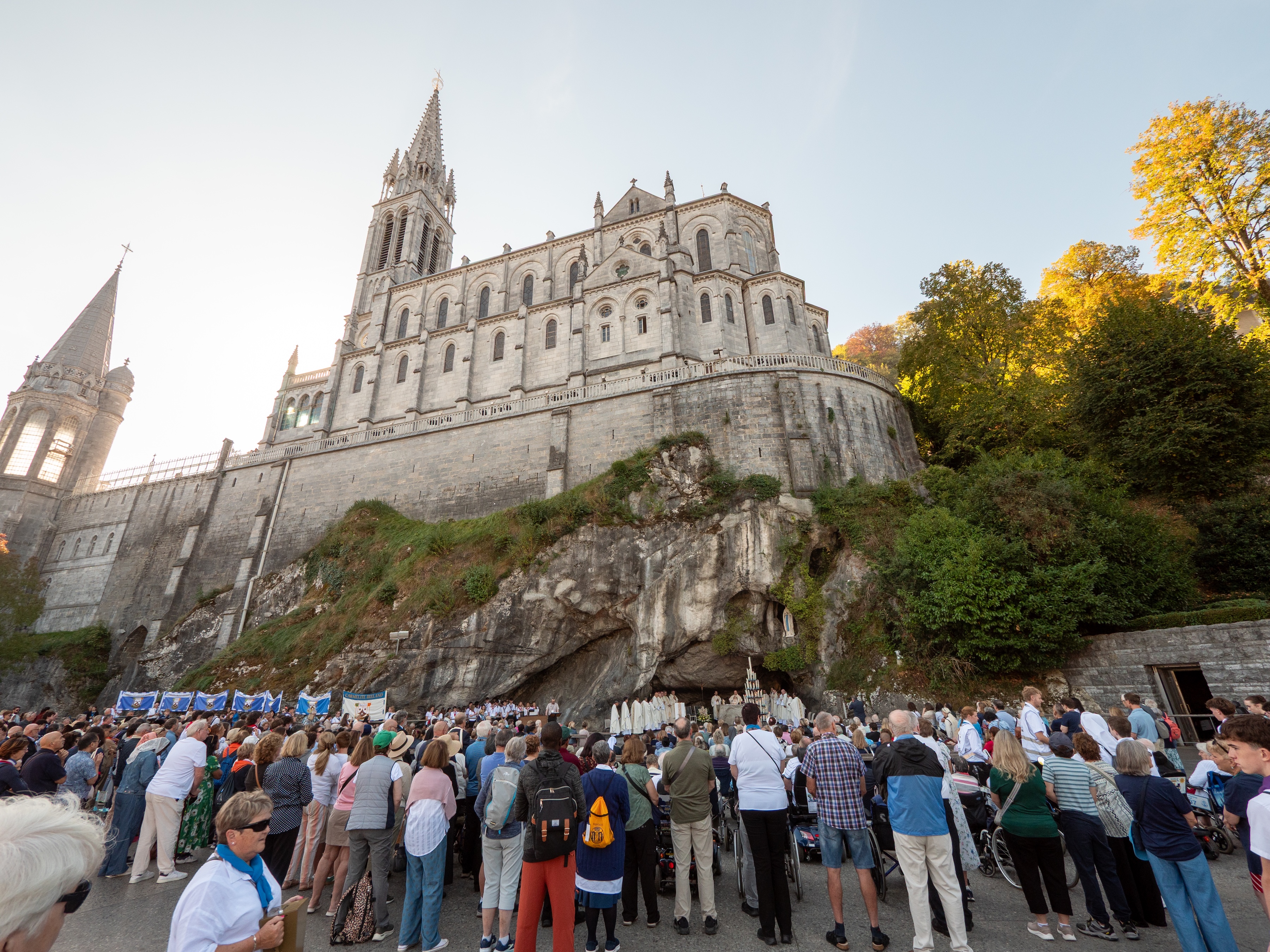
As Pope Leo XIV makes his way to Lourdes later on Sept. 26 as part of his four-day trip to France, pilgrims, local residents, and business owners in the famous town prepare with excitement.
![Vatican vegetable garden goes 100% organic #Catholic A vegetable garden and orchard inside the Vatican walls, which historically provided food for the pope’s household, is now cultivated using exclusively organic farming techniques.The private garden covers almost a tenth of an acre of cultivable land inside the Mater Ecclesiae Monastery property, where Pope Benedict XVI lived during his retirement and now reside cloistered Benedictine nuns from the Abbey of St. Scholastica in Victoria, Argentina.Sometimes known as “the pope’s garden,” the vegetable plot “has always been a defining feature of the Vatican Gardens because, in fact, the Vatican Gardens were originally created primarily for that purpose — to provide sustenance for the [Apostolic] Palace,” Stefano Giampaolo, a forestry expert and head of the Gardens and Environment Service of the Vatican, told EWTN News.Giampaolo explained that now the plot is more accurately understood as the vegetable garden of the Vatican Gardens — an area that covers roughly half of Vatican City at 57 acres.
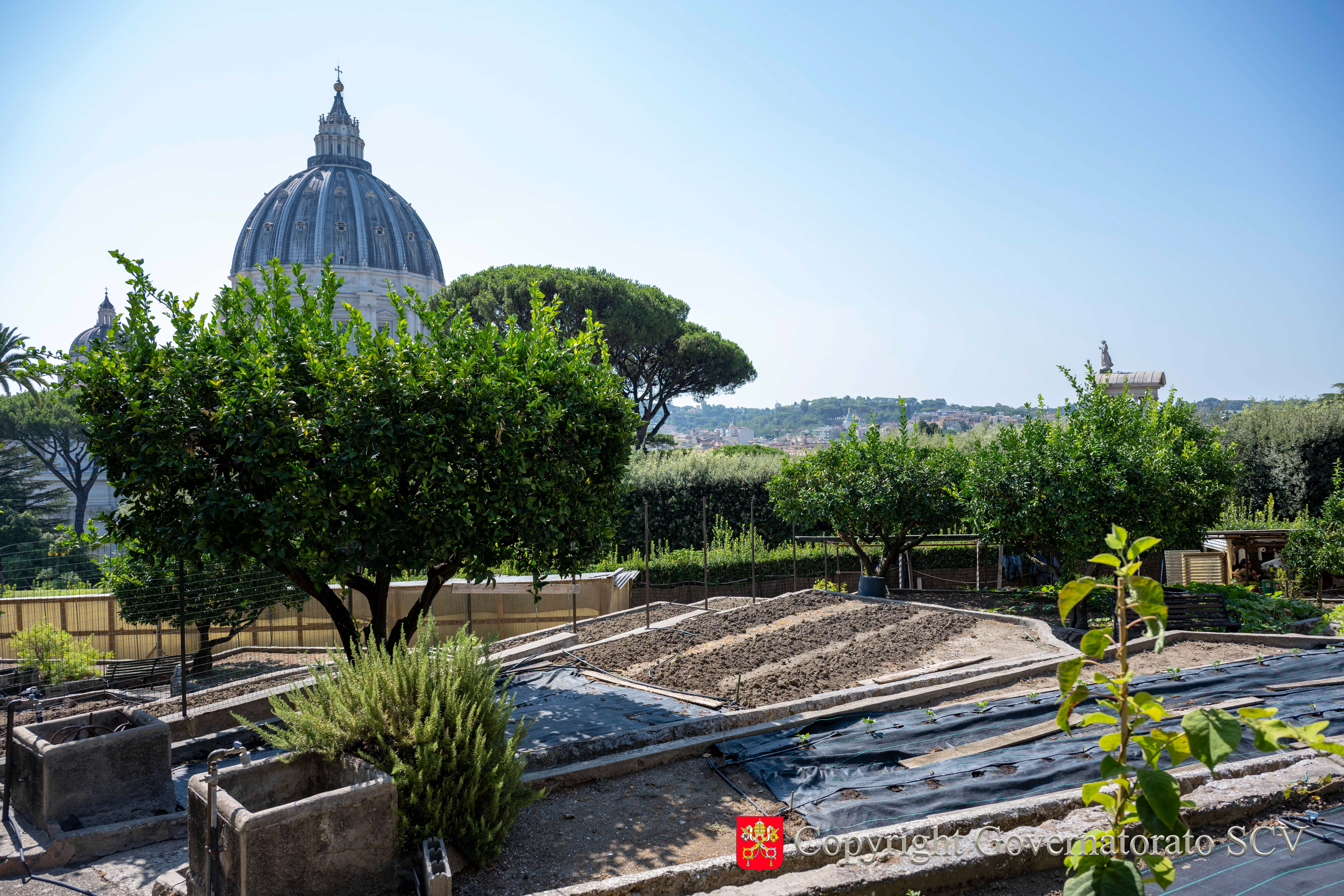
Mater Ecclesiae Monastery, built inside Vatican City in the 1990s to house nuns who support the ministry of the pope through prayer, has an adjoining vegetable garden and orchard. | Credit: Hannah Brockhaus/EWTN News
The Benedictine nuns at Mater Ecclesiae Monastery, who pray for the pope, eat the fruit and vegetables grown in the garden and use them to make jams and other food preserves. The excess produce is given to a Vatican soup kitchen run by the Missionaries of Charity.The move to biological farming techniques has been underway for several years, partly in response to Pope Francis’ 2015 encyclical Laudato Si’, Giampaolo said.The challenges of organicAccording to Gilberto Bianchi, the gardener responsible for the orchard and vegetable patch since 2008, the Vatican has a “desire to respect nature” in how it cares for the plants and trees on its land.But it’s far from easy.“Clearly, running a completely organic vegetable garden presents challenges, partly because insects are aggressive, and we use natural predators in the soil to control them,” Bianchi said. “No chemical fertilizers or insecticides are used.”He added that soil drainage and water conservation are also challenges.“This type of soil drains very well, so to conserve water, we add coconut fiber to retain moisture. And it’s watered with a drip irrigation system specifically to target the plants and avoid wasting water,” he said.Part of an organic agriculture also means respecting the seasons, he said. “Right now, the winter crops are being planted, while the summer crops are being harvested.”
The fresh produce grown in the vegetable garden and orchard in Vatican City feeds the Benedictine nuns living in the Mater Ecclesiae Monastery and supports the nearby Missionaries of Charity-run soup kitchen. | Credit: Governorate of Vatican City State
The end-of-summer harvest includes tomatoes, eggplants, green beans, zucchini, cucumbers, and peppers, while the fall and winter crop has broccoli, spinach, lettuce, and pumpkins.According to Vatican Media, the garden also includes garlic, basil, and a Peruvian variety of chili peppers known for its intensity. Kiwi plants were also added recently at the request of the Argentinian nuns.Next to the garden is a small orchard of around 15 citrus trees, some of which are 150 years old.“At this time, we’re planting savoy cabbage,” Bianchi said. “In short, whatever is in season. … So whatever is planted is because nature dictates it at that moment. The plants are grown from seed. We don’t use lab-grown plants.”A historic collection of gardensBianchi, who has worked for more than three decades in the Vatican Gardens, “is the one with the most expertise in this field, and he is now passing that knowledge on to a new gardener,” Giampaolo said.The expert gardener is part of a team of around 35 gardeners and administrators who oversee the Vatican’s green spaces and provide the flower arrangements for papal ceremonies.
Stefano Giampaolo, left, head of the Gardens and Environment Service of Vatican City, and expert gardener Gilberto Bianchi, right, the main caretaker of the orchard and vegetable garden commonly known as “the pope’s garden,” share their expertise with EWTN News in the Vatican Gardens on Sept. 9, 2026. | Credit: Hannah Brockhaus/EWTN News
“People expect to see a single garden, but in reality, as the name suggests, they are the Vatican Gardens — a collection of gardens,” Giampaolo said.The Gardens date to the mid-13th century, when Pope Nicolas III moved the papal residence from the Lateran Palace to the Vatican, had the city state’s walls built, and ordered the creation of a lawn, orchard, and “viridarium” — a Roman-style garden with flowerbeds and a fountain.Today, Giampaolo said, “there are countless different species, both trees and flowers. This is because, over time, the gardens have been enriched by donations and the search for specific botanical material, to the point of becoming a true botanical garden.”“Visitors are often struck by the diversity of the spaces — so many different gardens contained within this small area.”Ultimately, he said, the gardeners hope to one day eliminate all synthetic fertilizers and pesticides from their care of the entire Vatican territory.“It’s a process — the transformation of all the Gardens into organic ones,” he said.](https://unitedyam.com/wp-content/uploads/2026/09/vatican-vegetable-garden-goes-100-organic-catholic-a-vegetable-garden-and-orchard-inside-the-vatican-walls-which-historically-provided-food-for-the-popes-household-is-now-cultivated-using-scaled.jpg "Vatican vegetable garden goes 100% organic #Catholic A vegetable garden and orchard inside the Vatican walls, which historically provided food for the pope’s household, is now cultivated using exclusively organic farming techniques.The private garden covers almost a tenth of an acre of cultivable land inside the Mater Ecclesiae Monastery property, where Pope Benedict XVI lived during his retirement and now reside cloistered Benedictine nuns from the Abbey of St. Scholastica in Victoria, Argentina.Sometimes known as “the pope’s garden,” the vegetable plot “has always been a defining feature of the Vatican Gardens because, in fact, the Vatican Gardens were originally created primarily for that purpose — to provide sustenance for the [Apostolic] Palace,” Stefano Giampaolo, a forestry expert and head of the Gardens and Environment Service of the Vatican, told EWTN News.Giampaolo explained that now the plot is more accurately understood as the vegetable garden of the Vatican Gardens — an area that covers roughly half of Vatican City at 57 acres.
Mater Ecclesiae Monastery, built inside Vatican City in the 1990s to house nuns who support the ministry of the pope through prayer, has an adjoining vegetable garden and orchard. | Credit: Hannah Brockhaus/EWTN News
The Benedictine nuns at Mater Ecclesiae Monastery, who pray for the pope, eat the fruit and vegetables grown in the garden and use them to make jams and other food preserves. The excess produce is given to a Vatican soup kitchen run by the Missionaries of Charity.The move to biological farming techniques has been underway for several years, partly in response to Pope Francis’ 2015 encyclical Laudato Si’, Giampaolo said.The challenges of organicAccording to Gilberto Bianchi, the gardener responsible for the orchard and vegetable patch since 2008, the Vatican has a “desire to respect nature” in how it cares for the plants and trees on its land.But it’s far from easy.“Clearly, running a completely organic vegetable garden presents challenges, partly because insects are aggressive, and we use natural predators in the soil to control them,” Bianchi said. “No chemical fertilizers or insecticides are used.”He added that soil drainage and water conservation are also challenges.“This type of soil drains very well, so to conserve water, we add coconut fiber to retain moisture. And it’s watered with a drip irrigation system specifically to target the plants and avoid wasting water,” he said.Part of an organic agriculture also means respecting the seasons, he said. “Right now, the winter crops are being planted, while the summer crops are being harvested.”
The fresh produce grown in the vegetable garden and orchard in Vatican City feeds the Benedictine nuns living in the Mater Ecclesiae Monastery and supports the nearby Missionaries of Charity-run soup kitchen. | Credit: Governorate of Vatican City State
The end-of-summer harvest includes tomatoes, eggplants, green beans, zucchini, cucumbers, and peppers, while the fall and winter crop has broccoli, spinach, lettuce, and pumpkins.According to Vatican Media, the garden also includes garlic, basil, and a Peruvian variety of chili peppers known for its intensity. Kiwi plants were also added recently at the request of the Argentinian nuns.Next to the garden is a small orchard of around 15 citrus trees, some of which are 150 years old.“At this time, we’re planting savoy cabbage,” Bianchi said. “In short, whatever is in season. … So whatever is planted is because nature dictates it at that moment. The plants are grown from seed. We don’t use lab-grown plants.”A historic collection of gardensBianchi, who has worked for more than three decades in the Vatican Gardens, “is the one with the most expertise in this field, and he is now passing that knowledge on to a new gardener,” Giampaolo said.The expert gardener is part of a team of around 35 gardeners and administrators who oversee the Vatican’s green spaces and provide the flower arrangements for papal ceremonies.
Stefano Giampaolo, left, head of the Gardens and Environment Service of Vatican City, and expert gardener Gilberto Bianchi, right, the main caretaker of the orchard and vegetable garden commonly known as “the pope’s garden,” share their expertise with EWTN News in the Vatican Gardens on Sept. 9, 2026. | Credit: Hannah Brockhaus/EWTN News
“People expect to see a single garden, but in reality, as the name suggests, they are the Vatican Gardens — a collection of gardens,” Giampaolo said.The Gardens date to the mid-13th century, when Pope Nicolas III moved the papal residence from the Lateran Palace to the Vatican, had the city state’s walls built, and ordered the creation of a lawn, orchard, and “viridarium” — a Roman-style garden with flowerbeds and a fountain.Today, Giampaolo said, “there are countless different species, both trees and flowers. This is because, over time, the gardens have been enriched by donations and the search for specific botanical material, to the point of becoming a true botanical garden.”“Visitors are often struck by the diversity of the spaces — so many different gardens contained within this small area.”Ultimately, he said, the gardeners hope to one day eliminate all synthetic fertilizers and pesticides from their care of the entire Vatican territory.“It’s a process — the transformation of all the Gardens into organic ones,” he said.")
The move to biological farming techniques has been underway for several years in response to Pope Francis’ 2015 encyclical Laudato Si’.
![Church in Nepal helping flood victims find hope, apostolic administrator says #Catholic Father Silas Bogati, apostolic administrator of the apostolic vicariate of Nepal, said the Catholic Church, a small minority of about 10,000 faithful in the Asian nation, is committed to aiding those affected by the recent major flooding.According to authorities, the number of dead from last week’s flood exceeds 1,000, while more than 4,000 people remain missing across both countries, CNN reported.“By being there, providing relief now and, later, contributing to reconstruction, we give hope. Our presence among those who are suffering will give them hope,” the priest said in an interview with the pontifical foundation Aid to the Church in Need (ACN).Bogati explained that in Nepal, “the Catholic Church has 13 parishes and 10,000 Catholics, but it has always worked for the Nepali population irrespective of their religion, and we will continue to do so as they suffer in this hour of need.”Caritas Nepal has set up community kitchens and dispatched food supplies for 300 affected families to last for 15 days. Given the forecast of additional rainfall and the fact that many people are still sleeping outdoors, the organization said there is a need for tarpaulins, blankets, and sleeping mats.After noting that “no Catholic churches or chapels have been destroyed,” the Nepalese priest recalled that “the Holy Father, Pope Leo, was the first to pray and to show his sympathy and closeness to the victims of these flash floods. In the same way, we are receiving prayers and support from the Catholic Church around the world.”Leo XIV has encouraged prayers for those affected and for rescue teams, and has urged the international community to provide aid in a spirit of solidarity.Bogati described the affected area of Rasuwa, located on Nepalʼs border with Tibet. He said an important trade route with Tibet runs through the region, as well as the city of Syabrubesi, “one of the main departure points for tourists traveling toward the Langtang Valley.”One of this concerns is that “members of one of the Catholic communities [who] go down to Syabrubesi to work … may have been swept away by the waters. We do not have any figures yet.”“All these hotels and settlements were swept away. There has been a high death toll in this area, and the river continued downstream, wreaking havoc across five districts. The flood has caused enormous devastation, as a huge mass of water surged downstream, destroying everything in its path. Some communities are still cut off, and search and rescue operations are proving difficult,” he recounted.The apostolic administrator asked for prayers for all the victims and those affected by the tragedy, and expressed gratitude for ACN’s closeness and solidarity.This story was first published by ACI Prensa, the Spanish-language sister service of EWTN News. It has been translated and adapted by EWTN News English.](https://unitedyam.com/wp-content/uploads/2026/09/church-in-nepal-helping-flood-victims-find-hope-apostolic-administrator-says-catholic-father-silas-bogati-apostolic-administrator-of-the-apostolic-vicariate-of-nepal-said-the-catholic-church-a-sm.jpg "Church in Nepal helping flood victims find hope, apostolic administrator says #Catholic Father Silas Bogati, apostolic administrator of the apostolic vicariate of Nepal, said the Catholic Church, a small minority of about 10,000 faithful in the Asian nation, is committed to aiding those affected by the recent major flooding.According to authorities, the number of dead from last week’s flood exceeds 1,000, while more than 4,000 people remain missing across both countries, CNN reported.“By being there, providing relief now and, later, contributing to reconstruction, we give hope. Our presence among those who are suffering will give them hope,” the priest said in an interview with the pontifical foundation Aid to the Church in Need (ACN).Bogati explained that in Nepal, “the Catholic Church has 13 parishes and 10,000 Catholics, but it has always worked for the Nepali population irrespective of their religion, and we will continue to do so as they suffer in this hour of need.”Caritas Nepal has set up community kitchens and dispatched food supplies for 300 affected families to last for 15 days. Given the forecast of additional rainfall and the fact that many people are still sleeping outdoors, the organization said there is a need for tarpaulins, blankets, and sleeping mats.After noting that “no Catholic churches or chapels have been destroyed,” the Nepalese priest recalled that “the Holy Father, Pope Leo, was the first to pray and to show his sympathy and closeness to the victims of these flash floods. In the same way, we are receiving prayers and support from the Catholic Church around the world.”Leo XIV has encouraged prayers for those affected and for rescue teams, and has urged the international community to provide aid in a spirit of solidarity.Bogati described the affected area of Rasuwa, located on Nepalʼs border with Tibet. He said an important trade route with Tibet runs through the region, as well as the city of Syabrubesi, “one of the main departure points for tourists traveling toward the Langtang Valley.”One of this concerns is that “members of one of the Catholic communities [who] go down to Syabrubesi to work … may have been swept away by the waters. We do not have any figures yet.”“All these hotels and settlements were swept away. There has been a high death toll in this area, and the river continued downstream, wreaking havoc across five districts. The flood has caused enormous devastation, as a huge mass of water surged downstream, destroying everything in its path. Some communities are still cut off, and search and rescue operations are proving difficult,” he recounted.The apostolic administrator asked for prayers for all the victims and those affected by the tragedy, and expressed gratitude for ACN’s closeness and solidarity.This story was first published by ACI Prensa, the Spanish-language sister service of EWTN News. It has been translated and adapted by EWTN News English.")
Although a small minority in Nepal, the Catholic Church through Caritas is providing what aid it can to help to those affected by the major flooding.
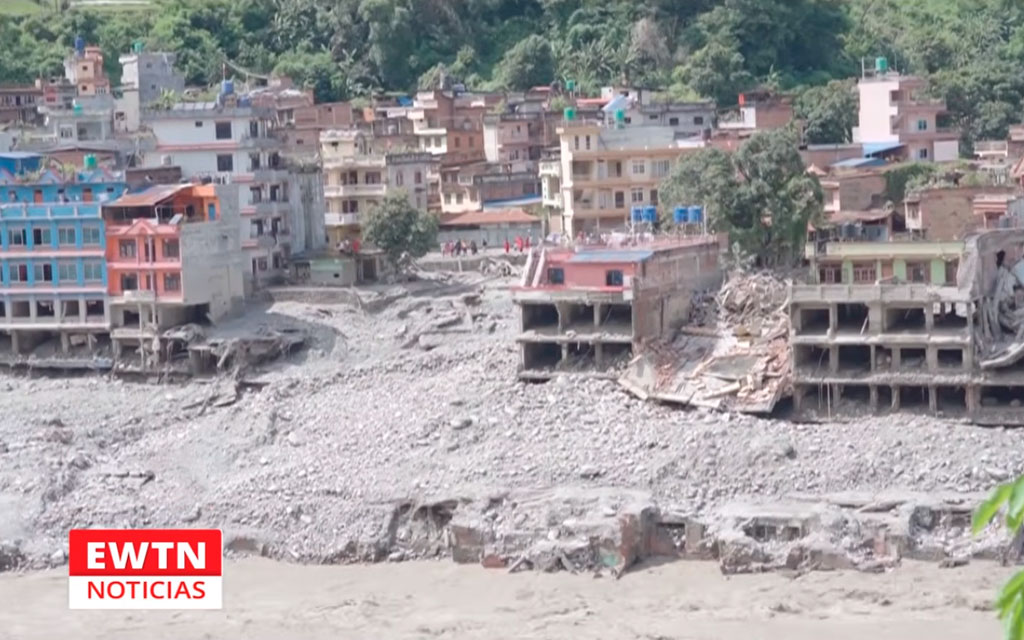
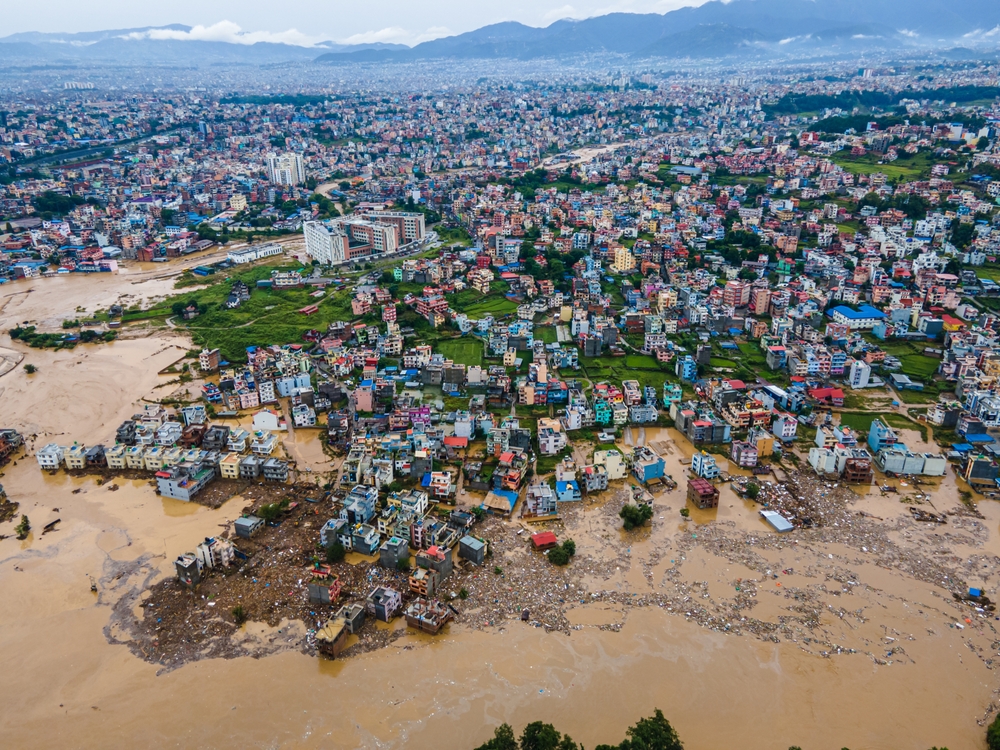
Caritas Nepal has begun distributing relief and operating community kitchens as authorities warn of a second flood following the deadliest natural disaster in Nepal’s recorded history.
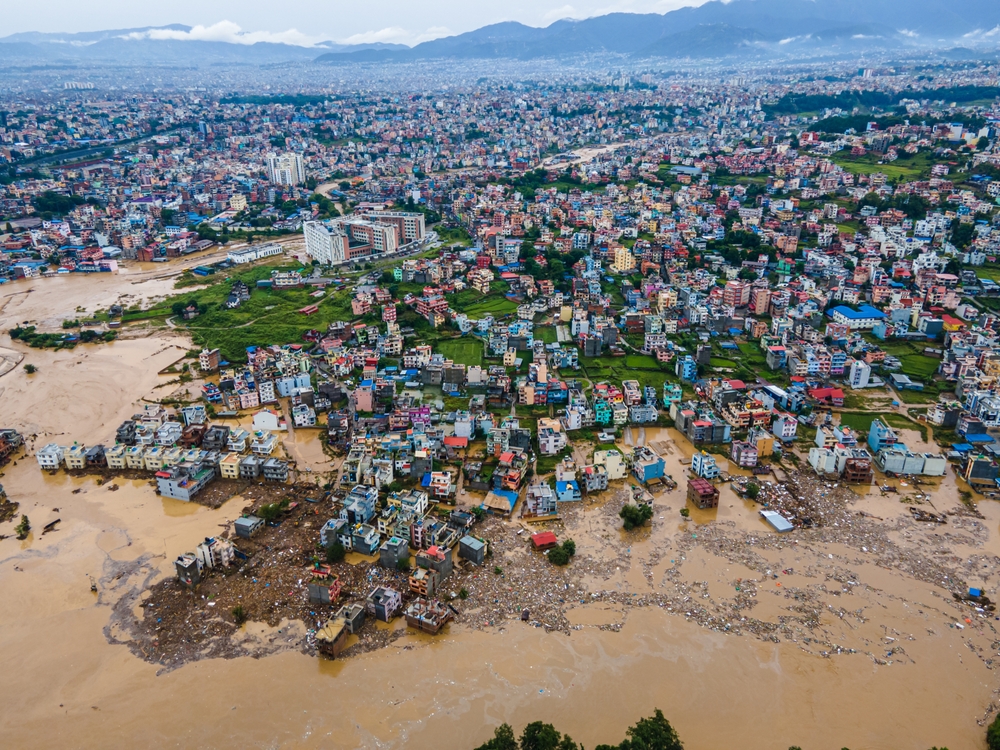
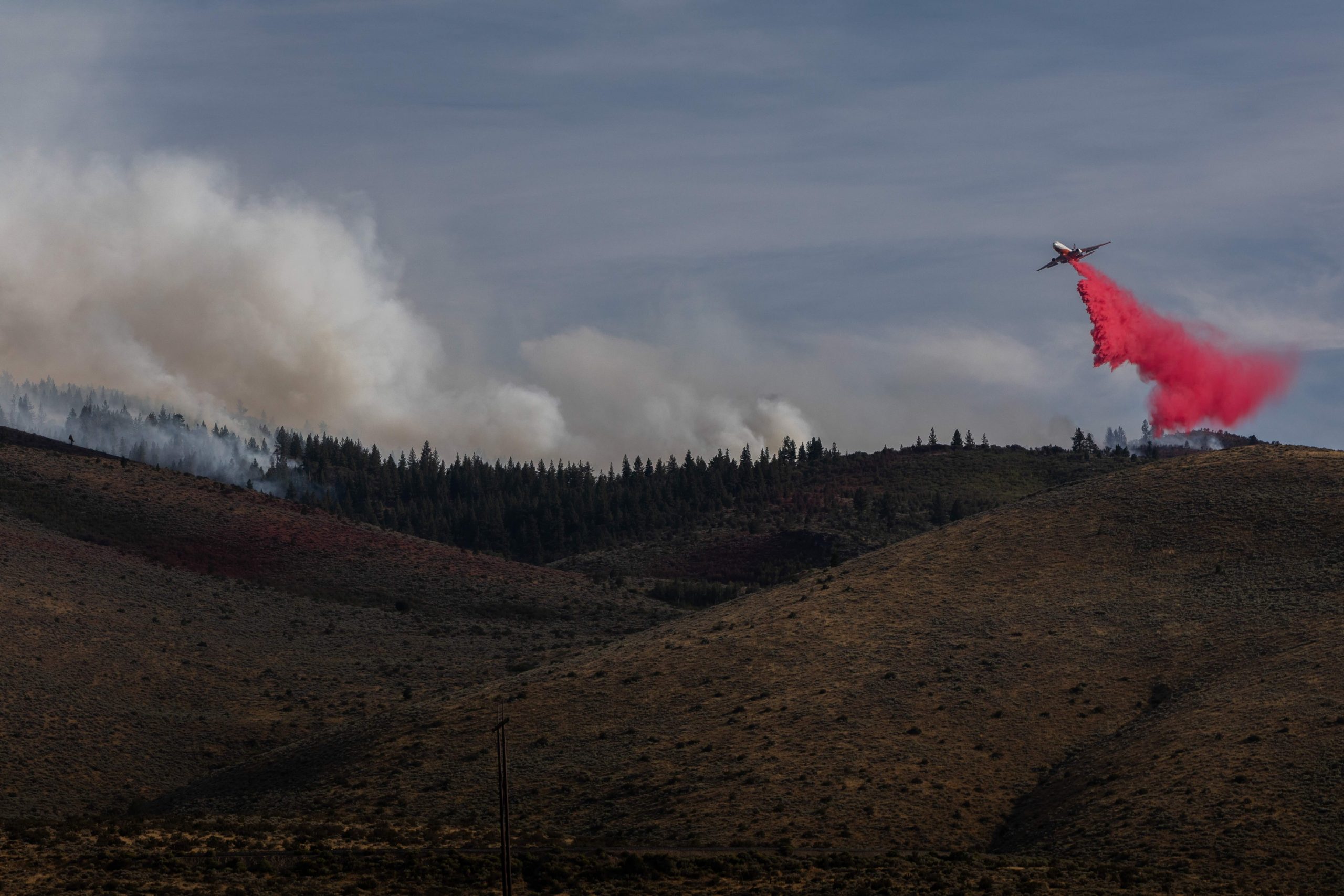
Catholic parishes and Catholic Charities in Nevada are responding with aid amid an ongoing wildfire that has caused mass evacuations in the Reno area.


NASA astronaut Chris Williams is seen outside the Soyuz MS-28 spacecraft after he landed with Expedition 74 Roscosmos cosmonauts Sergey Kud-Sverchkov, and Sergei Mikaev in a remote area near the town of Zhezkazgan, Kazakhstan on Sunday, July 26, 2026. The trio returned to Earth after logging 241 days in space as a members of Expeditions 73 and 74 aboard the International Space Station.
Read More
This NASA/ESA/CSA James Webb Space Telescope Picture of the Month shows the giant molecular cloud Orion A, an area of the sky replete with star-forming clouds.
Read More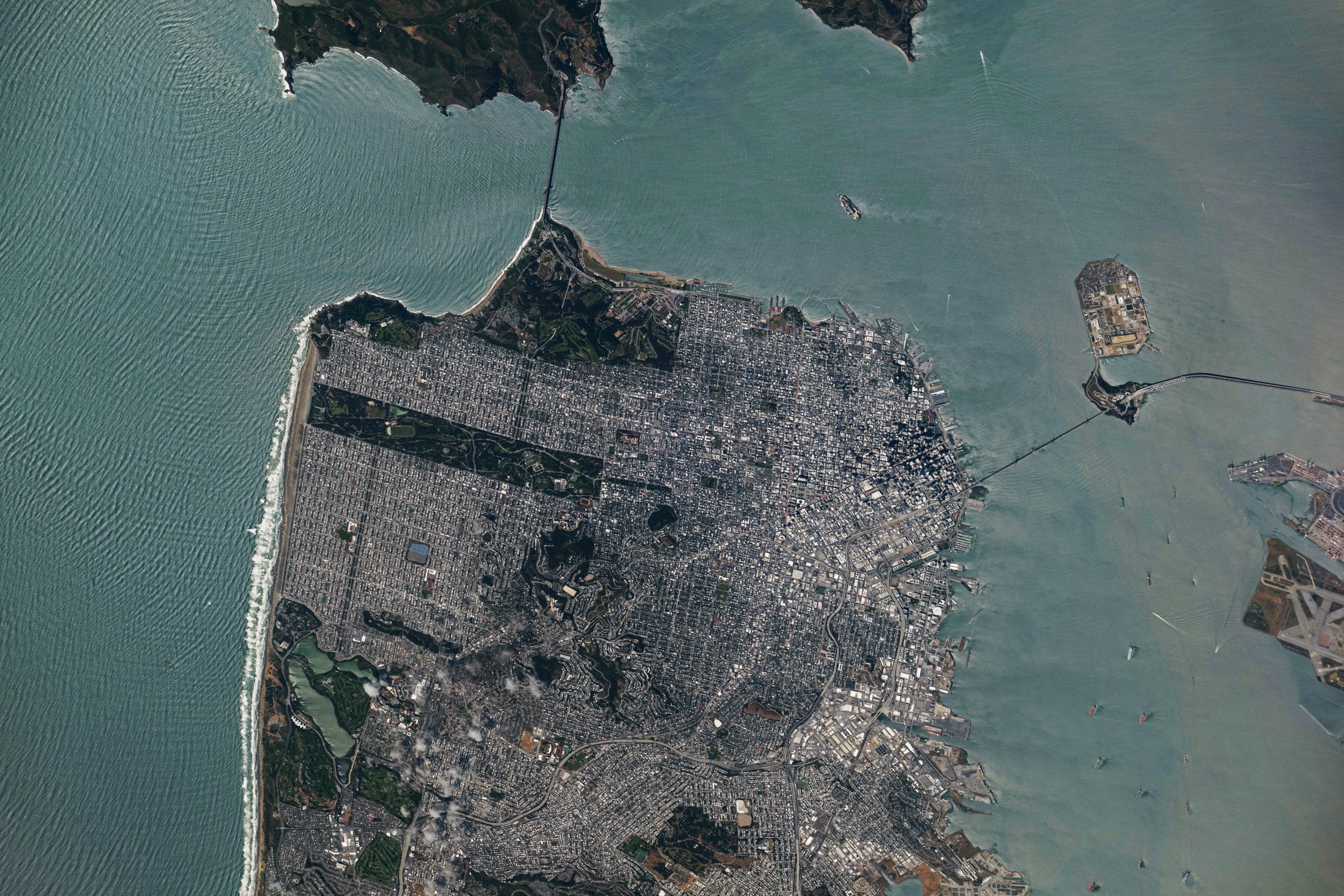
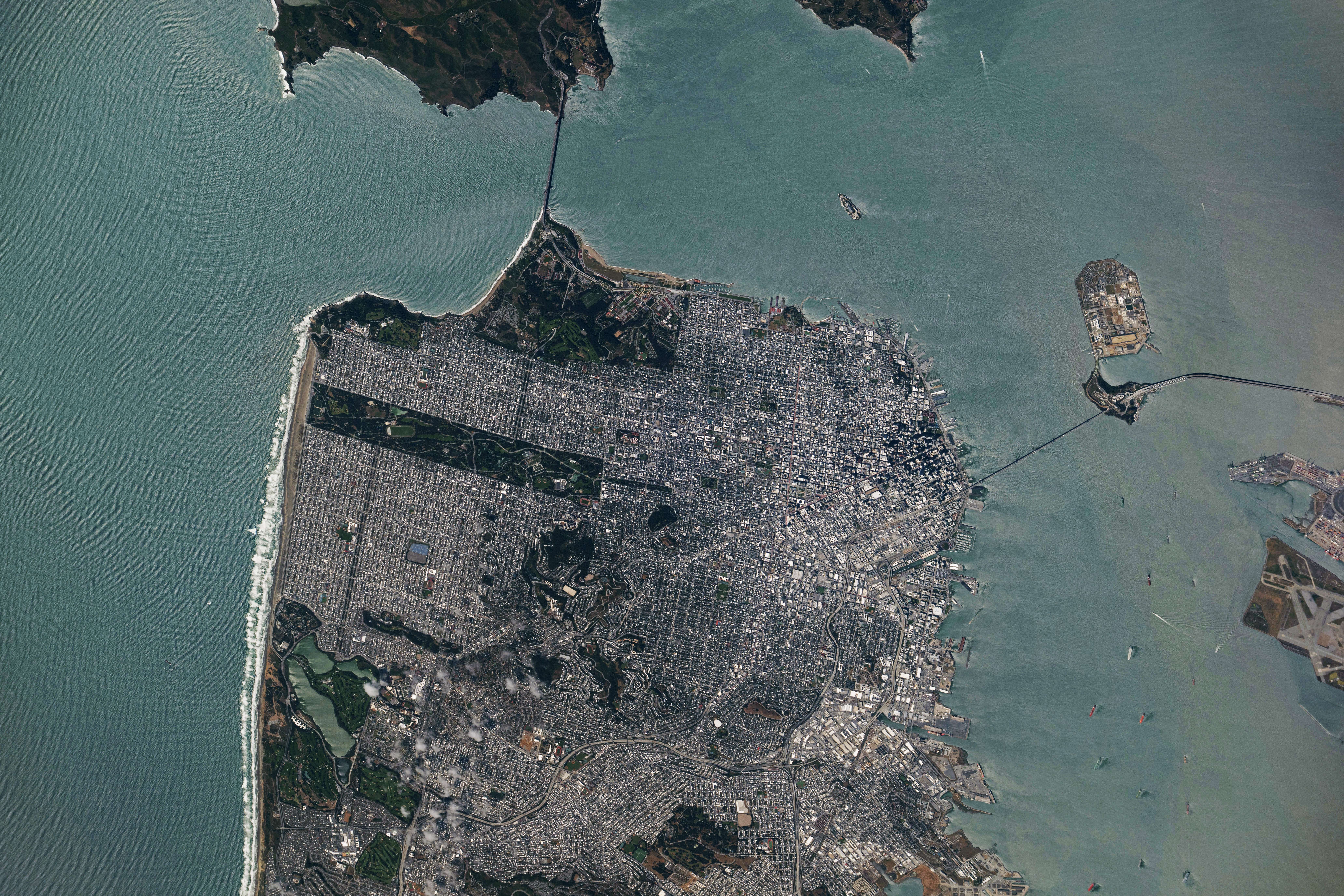
A period of unsettled weather brought scattered showers and thunderstorms to California’s Bay Area on May 27, 2026. That afternoon, a break in the clouds left downtown San Francisco and nearby communities beneath mostly cloud-free skies, allowing an astronaut aboard the International Space Station to take this photograph.
Read More

The New York metropolitan area was showing the effects of a prolonged cold spell in late January 2026. During a stretch of frigid weather, ice choked the Hudson River along Manhattan’s western shore.
Read More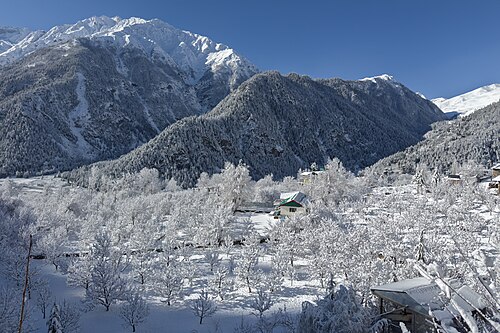
| Picture of the day |
|---|

|
|
Apple orchards after snowfall in Sangla in the northern Indian state of Himachal Pradesh. India has the second largest area under apple cultivation in the world and is the fifth largest producer of the fruit globally. More than 90% of India’s apple production comes from just two of its northern Himalayan states: Jammu and Kashmir, and Himachal Pradesh. Today is Republic Day in India.
|
| Picture of the day |
|---|

|
|
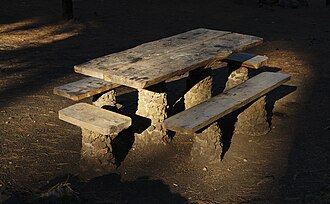
Public picnic table at the Arenas Negras recreational area (Tenerife, Spain)
|


The New York–Newark–Jersey City Metropolitan Statistical Area, which spans 23 counties across New York, New Jersey, and Connecticut and has a population of about 19.9 million, is pictured at approximately 3:29 a.m. local time Dec. 20, 2025, from the International Space Station as it orbited 262 miles above the Atlantic coast.
Read More
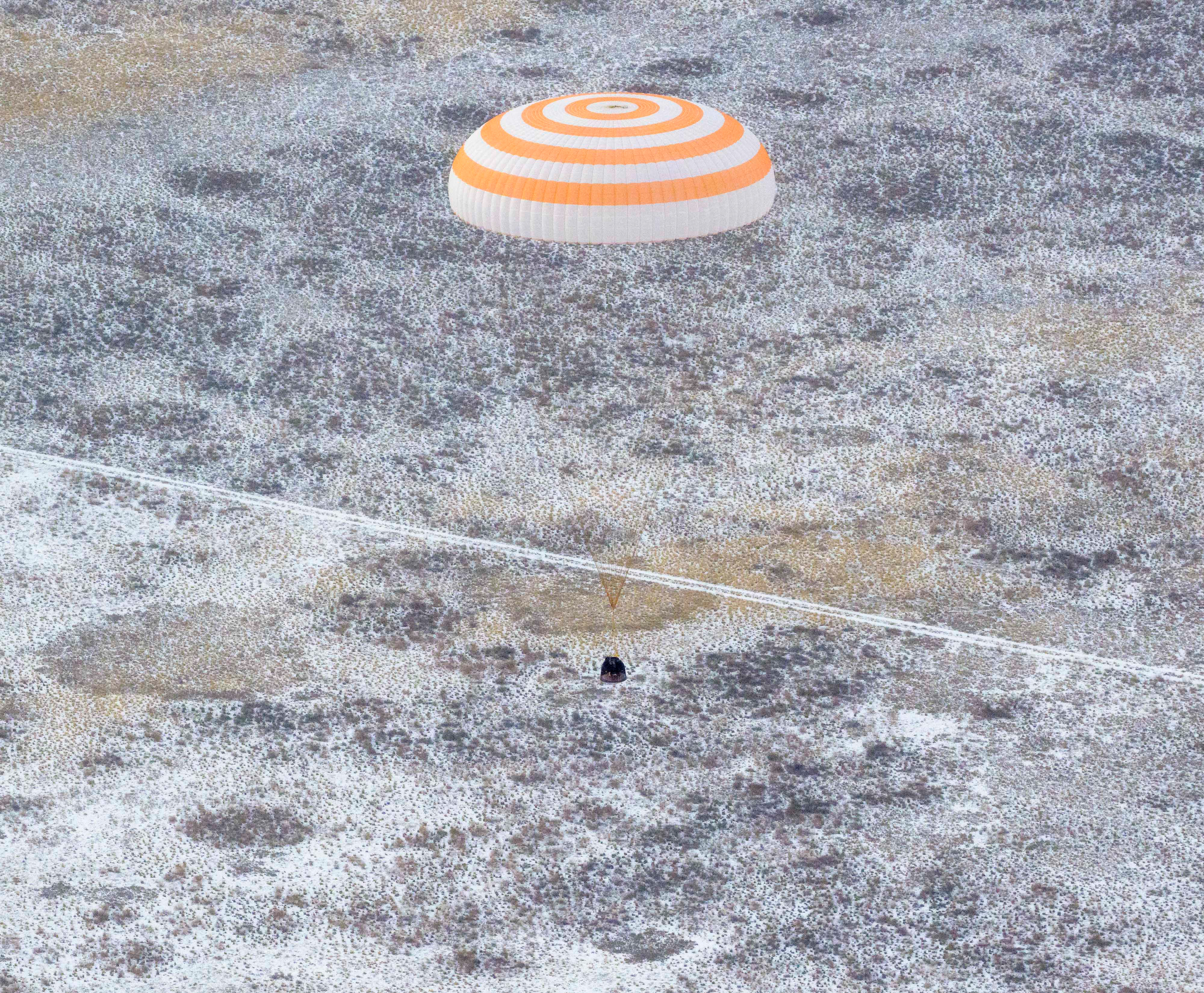
The Soyuz MS-27 spacecraft is seen as it lands in a remote area near the town of Zhezkazgan, Kazakhstan with Expedition 73 NASA astronaut Jonny Kim, and Roscosmos cosmonauts Sergey Ryzhikov and Alexey Zubritsky aboard, Tuesday, Dec. 9, 2025.
Read More

Researchers from NASA’s Jet Propulsion Laboratory in Southern California monitor a research drone in the Dumont Dunes area of the Mojave Desert in September 2025 as part of a test campaign to develop navigation software to guide future rotorcraft on Mars.
Read More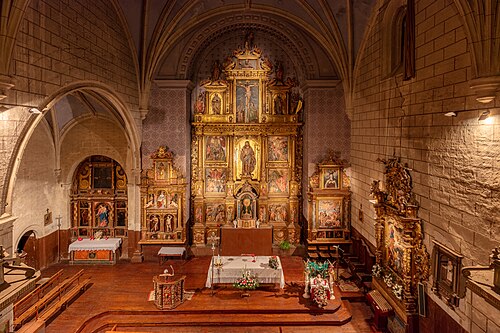
| Picture of the day |
|---|

|
|
Church of El Salvador, Luesia, Zaragoza, Spain. The church is located in the highest area of the nucleus of the village of Luesia, next to the remains of the old medieval castle, to which it is historically and constructively associated. Its origin dates back to the end of the 11th century with the construction of the semicircular triple apse head with a double crypt at the bottom, while the body with three naves was built throughout the 12th century and the two portals on its southern fronts and occidental already respond to models from the beginning of the 13th century. The Romanesque building underwent a profound reform though in the mid-16th century. The main altarpiece is a Romanesque piece carved in wood; polychrome and gilt. The work is attributed to Gaspar Ramos, a sculptor from Sangüesa, who executed it around 1630.
|
| Picture of the day |
|---|

|
|
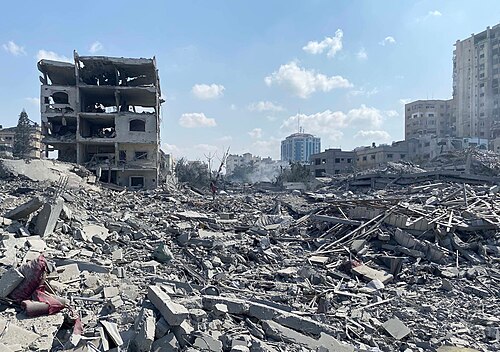
Damage following an Israeli airstrike on the El-Remal area in Gaza City on October 9, 2023, during the first few days of the Gaza War. The war is the deadliest for Palestinians in the history of the Israeli–Palestinian conflict.
|